The Most Influental Marvel Movies of All Time


Superhero cinema didn’t spring up overnight—it grew from experiments, risks, and bold pivots that reshaped what comic-book stories could look like on the big screen. Across studios and eras, Marvel adaptations have introduced new technologies, opened doors for representation, and proved that long-form storytelling can thrive in theaters.
This list spotlights twenty films that moved the needle in meaningful ways, from early trailblazers to era-defining blockbusters. You’ll find groundwork-laying hits, format-bending detours, and cultural phenomena that changed how audiences, studios, and even award bodies engage with the genre.
‘Blade’ (1998)
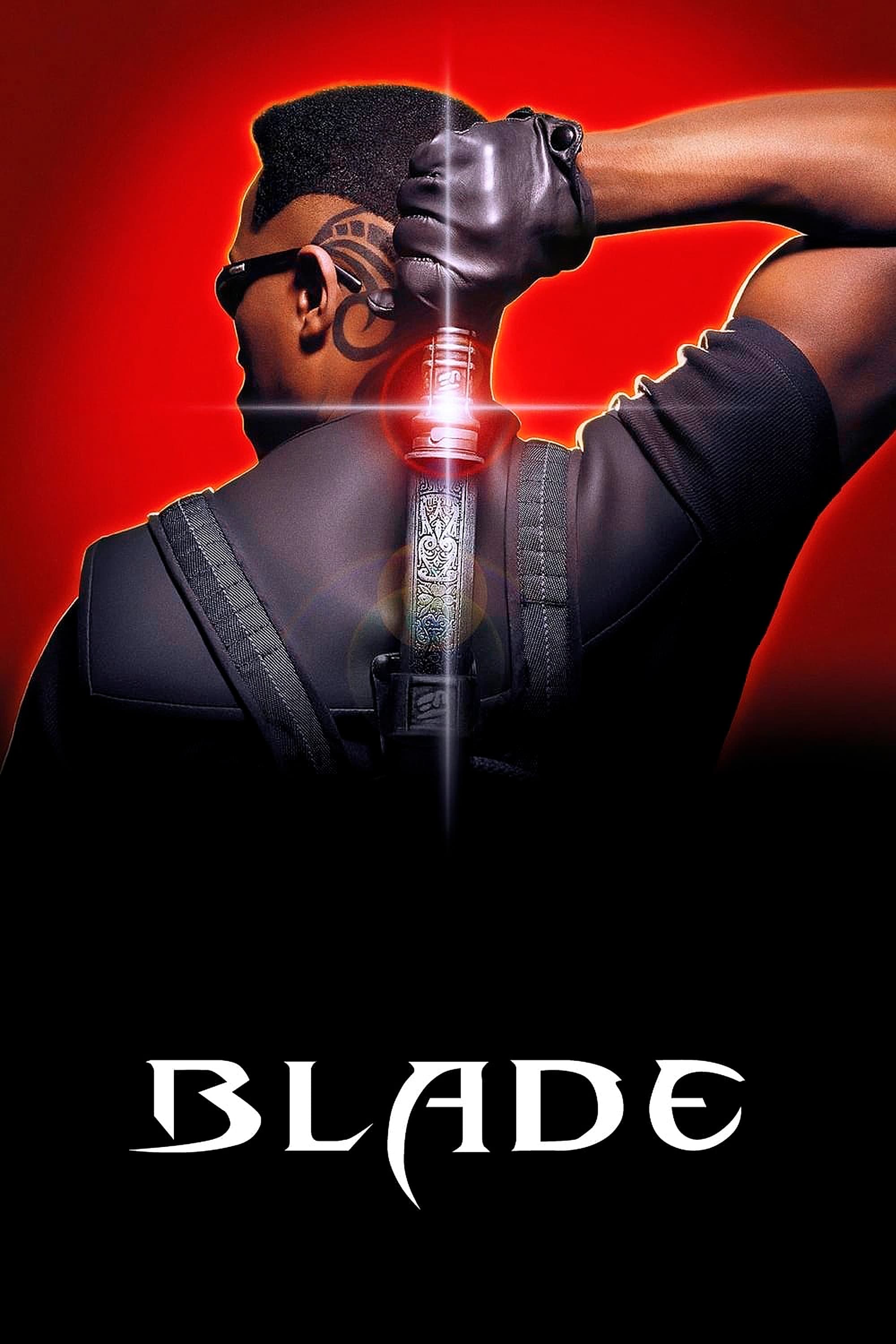
This vampire-hunter story brought a darker, R-rated edge to Marvel adaptations and became a surprise moneymaker, earning well beyond its mid-range budget and launching two sequels. Headlined by Wesley Snipes, it demonstrated that a comic-book property outside the best-known characters could carry a franchise.
The film’s blend of martial-arts choreography, industrial club aesthetics, and then-cutting-edge VFX (including the signature ash disintegrations) set a new stylistic bar. Its success helped convince financiers and studios that Marvel’s library could sustain sustained theatrical investment.
‘X-Men’ (2000)
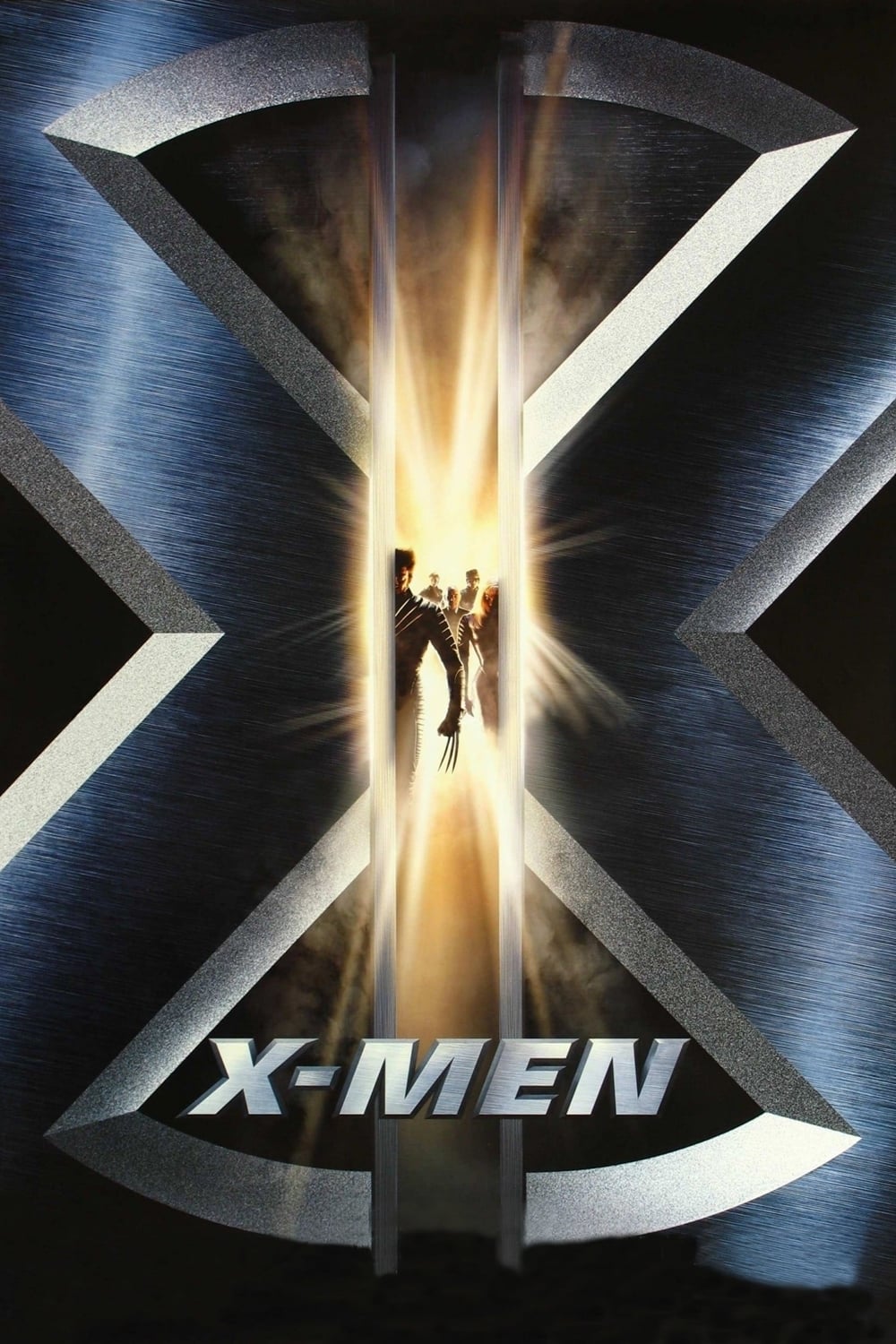
This ensemble introduced mainstream audiences to Xavier’s team, combining a large cast, intertwined backstories, and a social-allegory throughline. Its global box-office performance kickstarted a long-running series with sequels, prequels, and spin-offs built around mutant world-building.
The production’s grounded tone, tactical costuming, and focus on character dynamics offered a template for modern superhero teams. Its franchise structure validated multi-character continuity planning that later properties scaled up across multiple labels.
‘Spider-Man’ (2002)
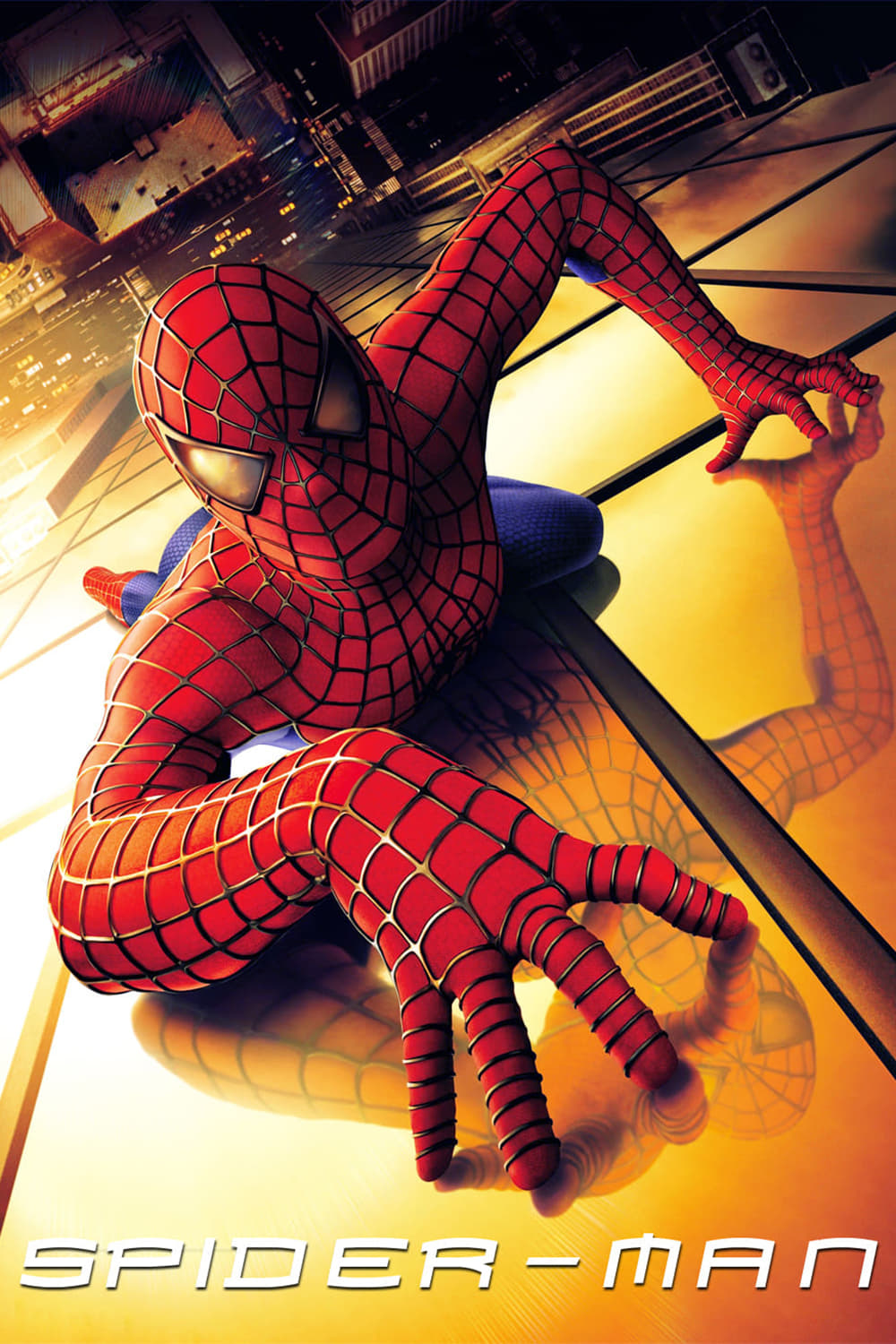
Sam Raimi’s take on the web-slinger delivered a record-shattering domestic opening and soared past the global milestone that many tentpoles were chasing at the time. The movie’s reception spurred fast-tracked sequels and a merchandising wave that proved the character’s cross-demographic pull.
Breakthrough web-swinging sequences—developed at Sony Pictures Imageworks—pushed city-scale CG movement into the mainstream. Iconic moments, from the Times Square set-piece to the upside-down kiss, became marketing anchors for superhero cinema’s rise.
‘Iron Man’ (2008)
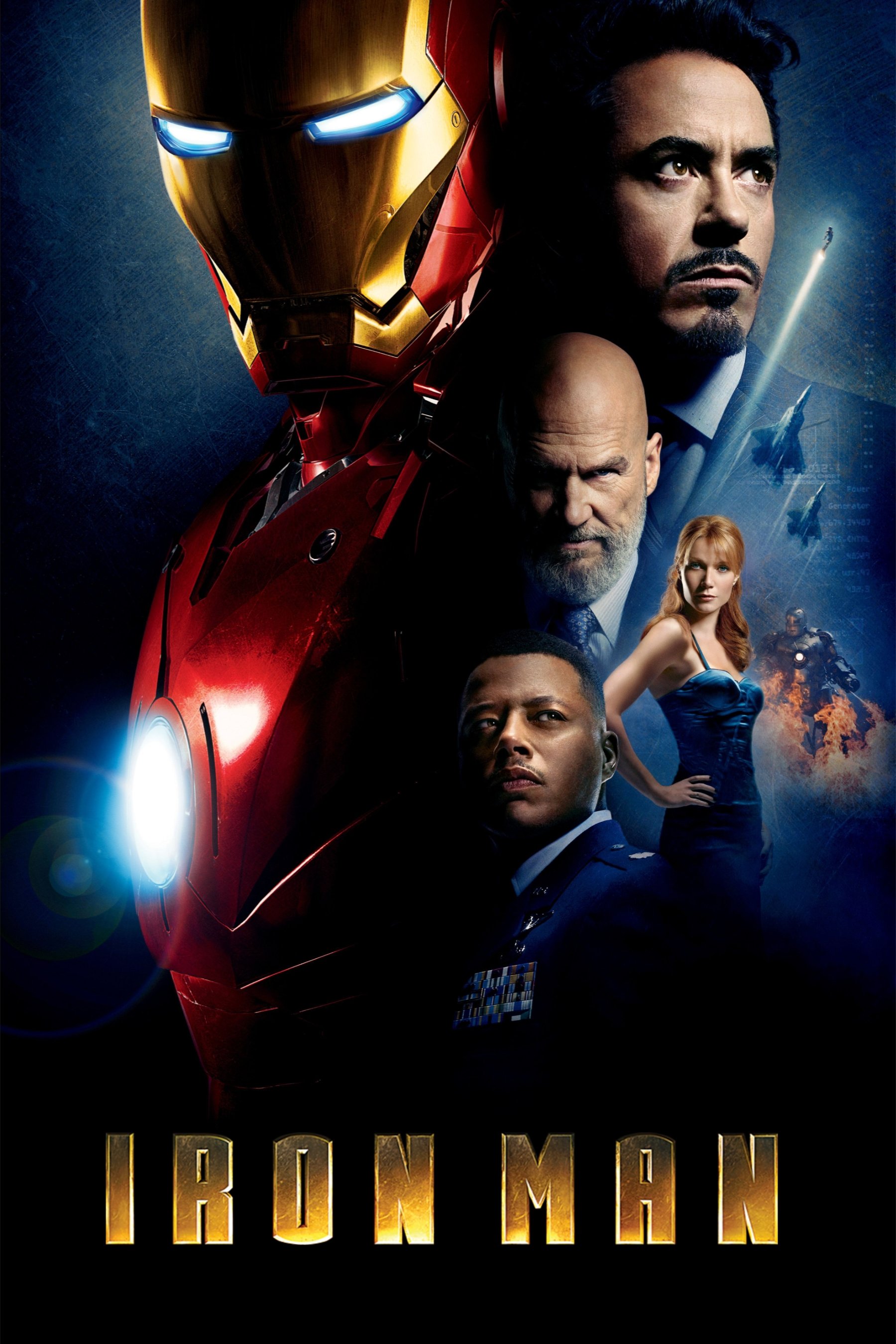
This launchpad for a shared on-screen universe established Marvel Studios’ in-house production model and delivered a worldwide hit that far outperformed pre-release expectations. It positioned a then-lesser-known hero as a bankable lead and set in motion a multi-phase plan of interconnected releases.
A post-credits cameo by Nick Fury formalized the idea of cross-film teases as part of the viewing experience. The suit’s look and feel came from a nimble mix of practical builds and digital augmentation, shaping a tech-centric visual language other entries would echo.
‘Thor’ (2011)
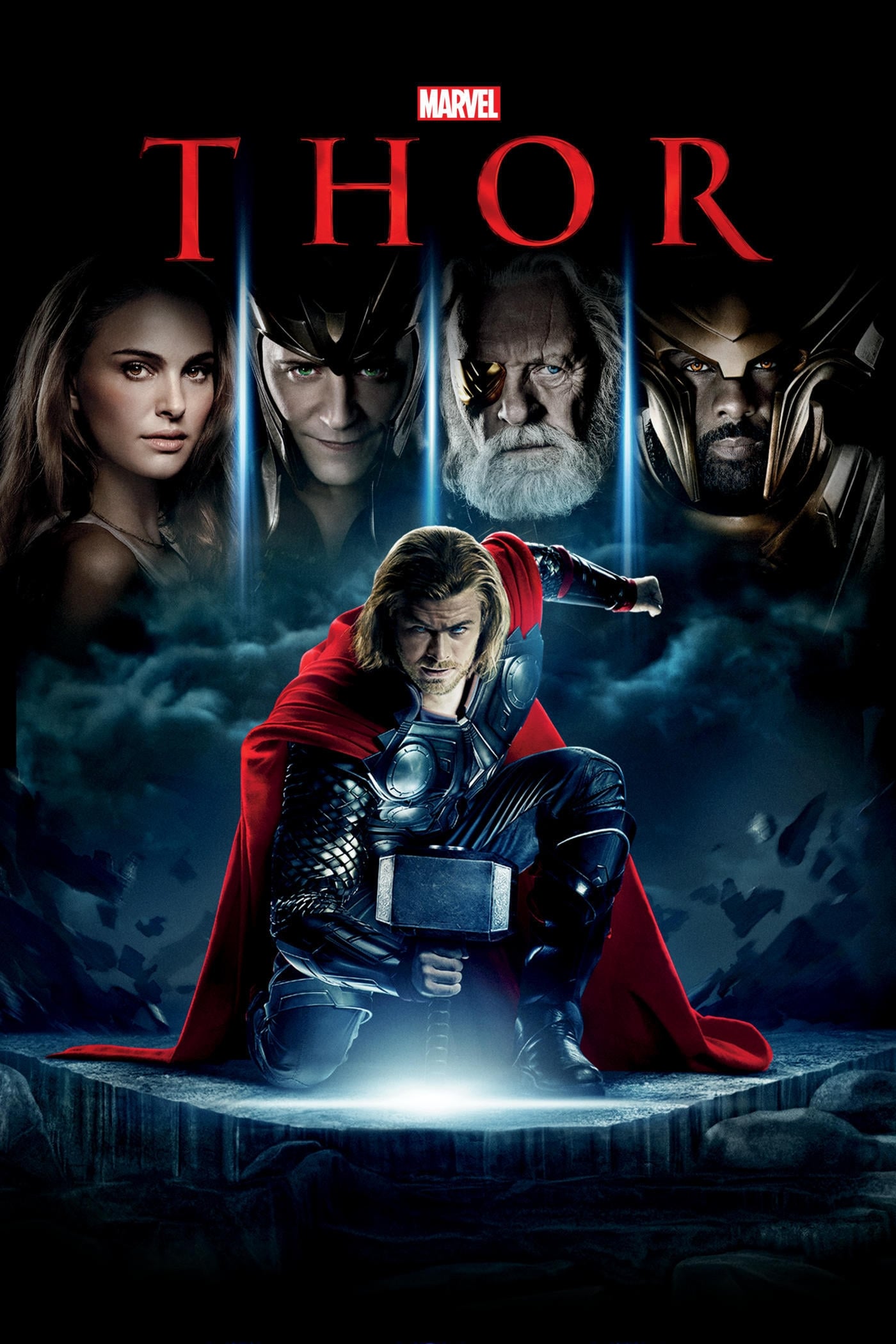
By introducing Asgard, the Bifröst, and myth-infused sci-fantasy, this film expanded the canvas beyond Earthbound stories and grounded science. It connected cosmic lore to ongoing threads, laying pathways for cross-realm conflicts and team-ups.
Art direction fused regal, otherworldly design with family-power dynamics. The film’s portrayal of Mjölnir’s physics, gate travel, and celestial architecture broadened the toolkit for how the franchise depicts non-terrestrial settings.
‘The Avengers’ (2012)
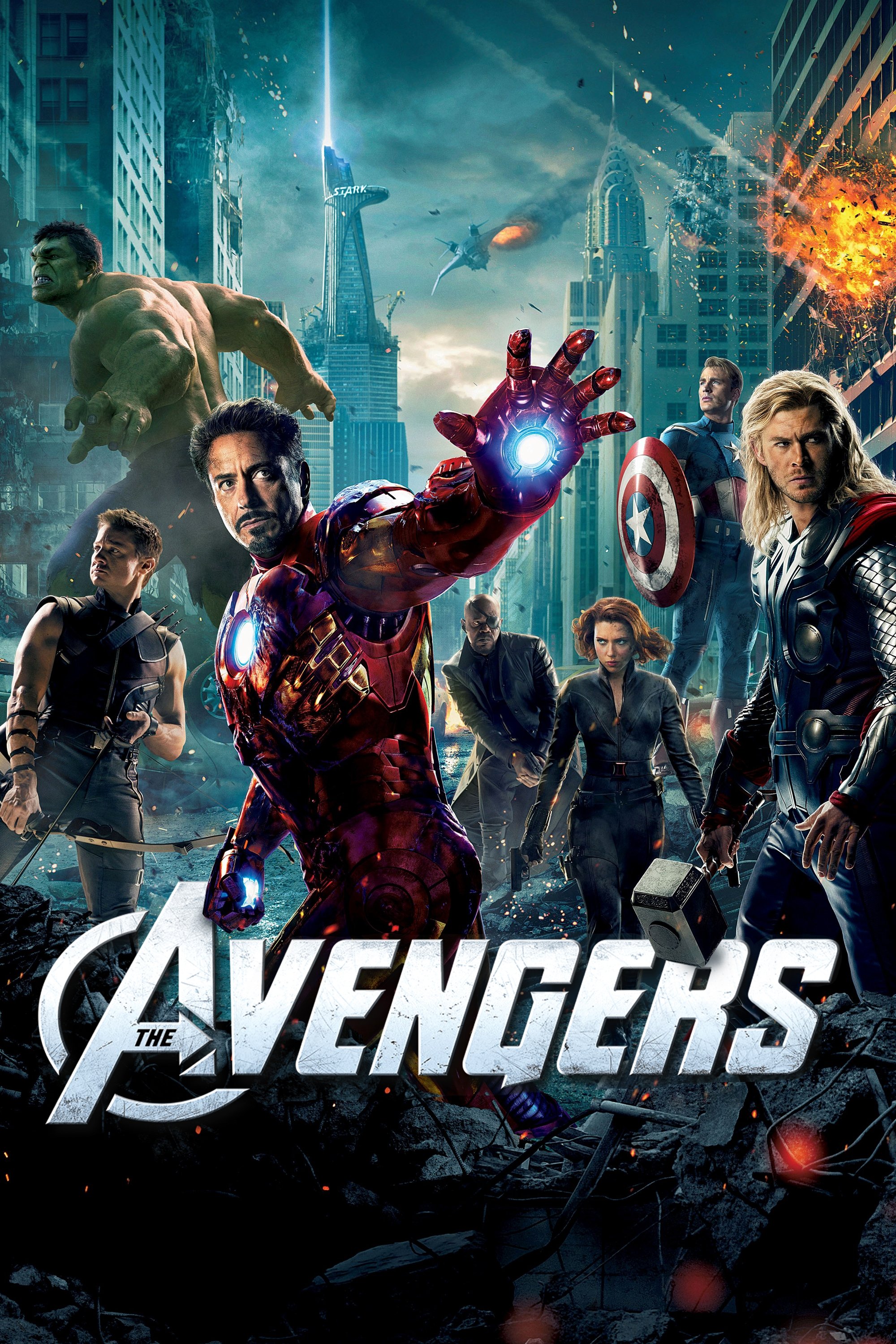
This ensemble event unified multiple lead heroes in a single narrative and delivered records across opening weekend and overall grosses. It proved that audiences would follow character arcs across separate releases and show up for a large-scale crossover payoff.
Mid-credits and post-credits tags were standardized as expectation, not novelty. Its production and marketing playbook—solo chapters feeding into periodic team-ups—became a durable model for long-form theatrical storytelling.
‘Captain America: The Winter Soldier’ (2014)
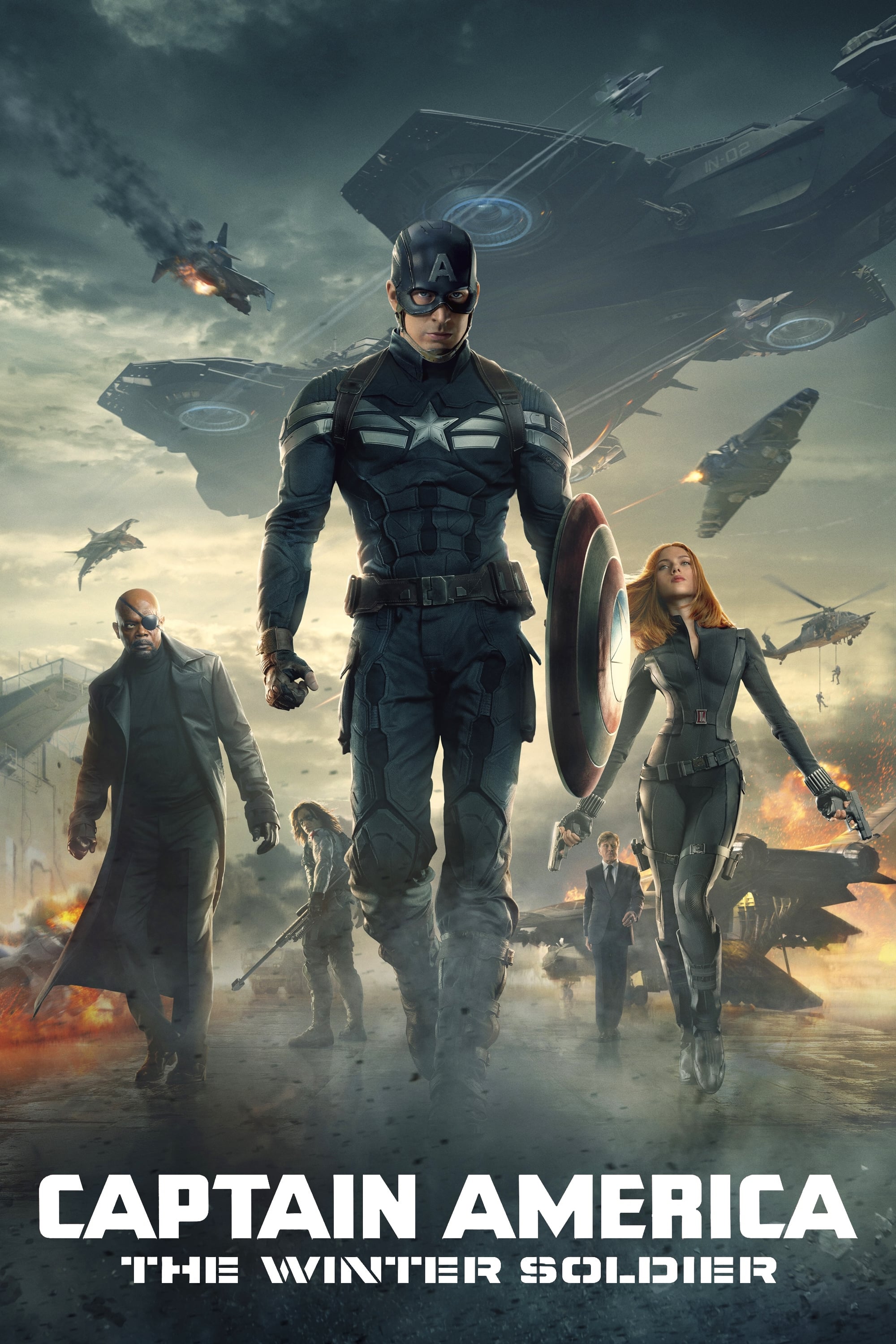
A turn toward espionage and political intrigue reoriented the shared universe’s tone while pushing forward major status-quo changes for its intelligence institutions. These shifts cascaded into other titles and synchronized with beats acknowledged in ‘Agents of S.H.I.E.L.D.’.
Close-quarters fight design, practical stunt work, and location shooting emphasized tactile action. The film demonstrated how genre blending—spy thriller frameworks inside a superhero world—could refresh an ongoing saga.
‘Guardians of the Galaxy’ (2014)
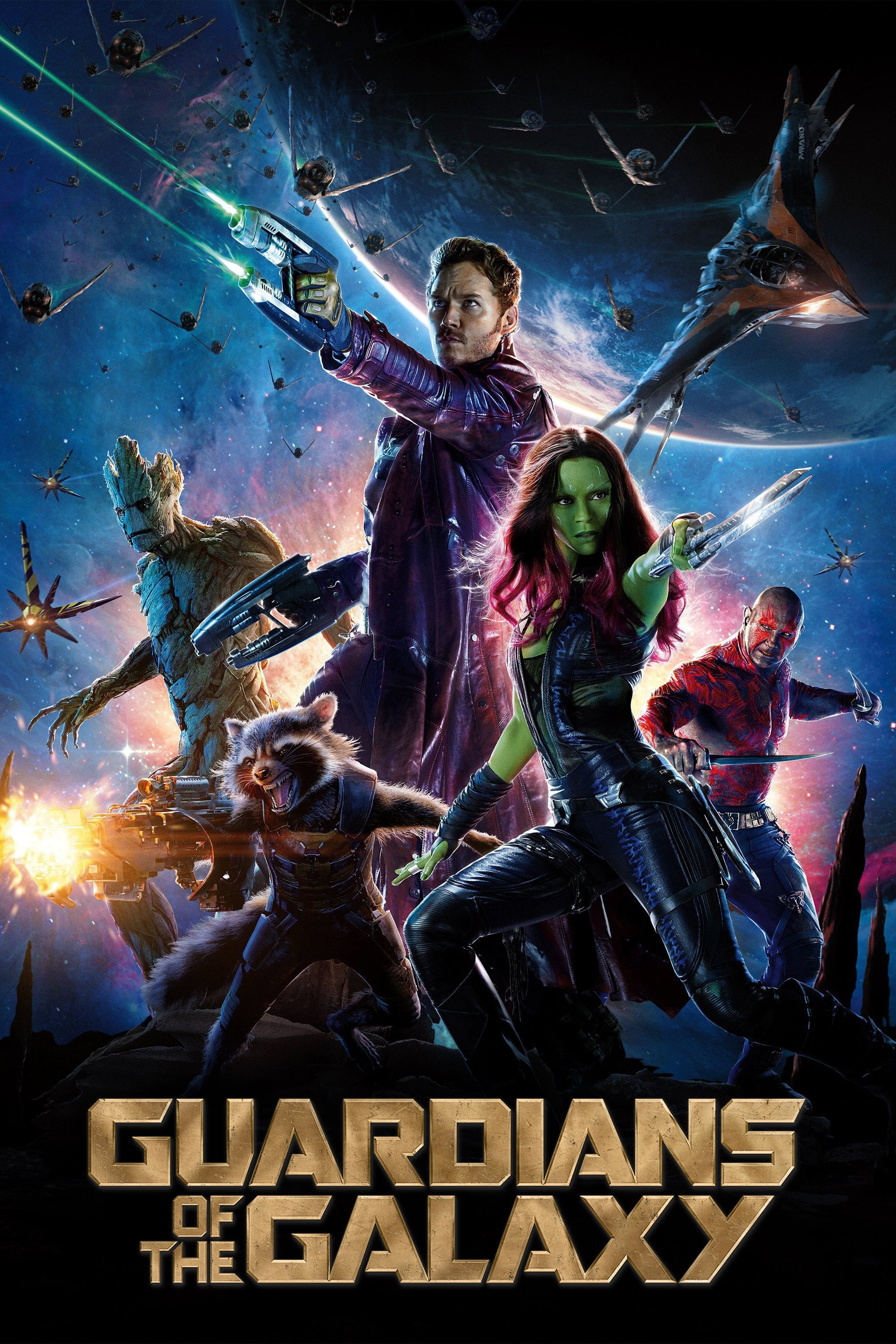
A crew of lesser-known characters anchored a top-grossing space adventure, proving that deep-cut comic teams could headline mainstream releases. The movie dramatically widened the franchise’s cosmic map and introduced new factions, planets, and species.
Its diegetic mixtape shaped tone and storytelling, with needle drops tied to character memory and plot beats. Rocket and Groot became breakout figures, clearing the way for comedic sci-fi ensembles to flourish alongside more grounded titles.
‘X-Men: Days of Future Past’ (2014)
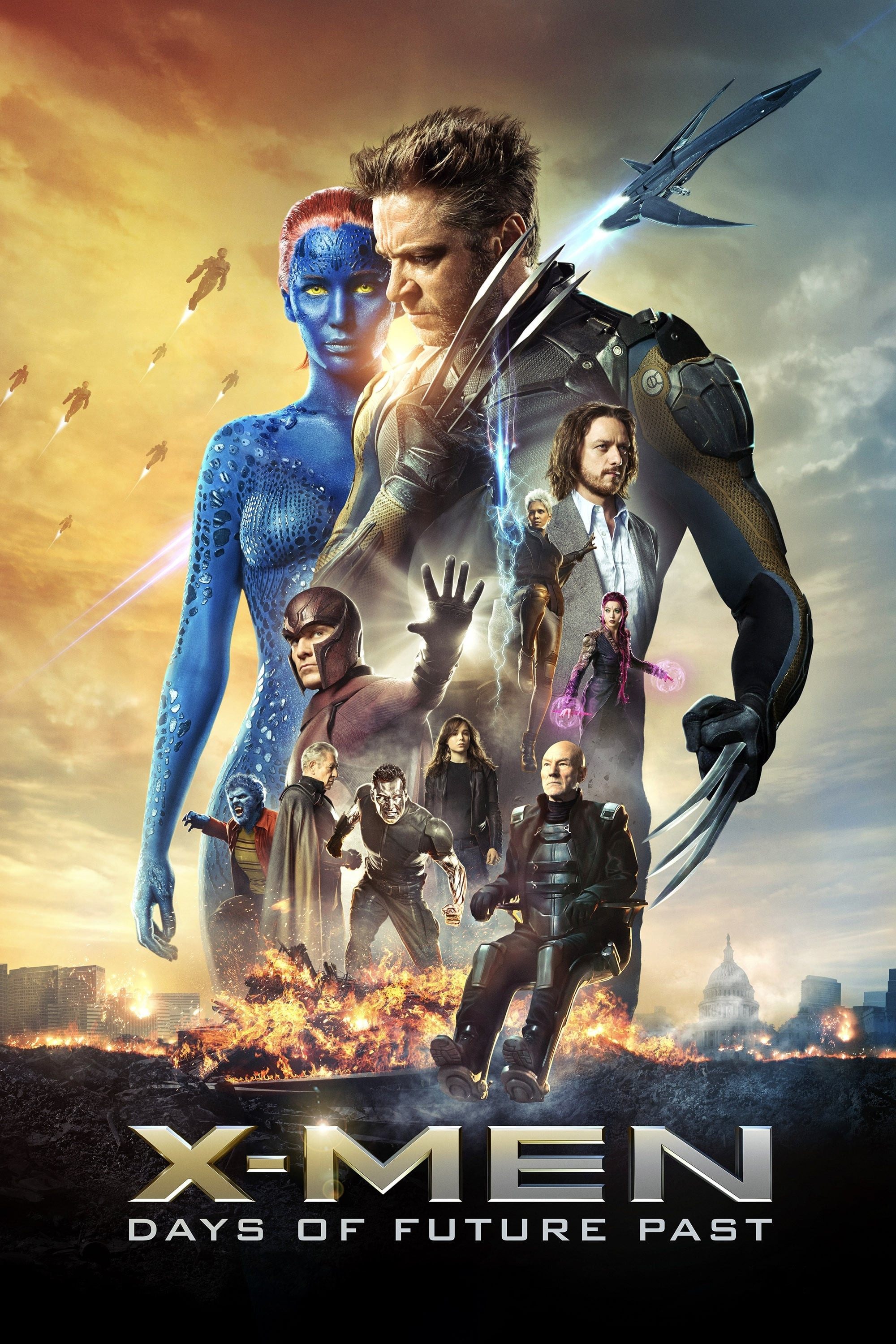
This time-spanning chapter united legacy and reboot casts to reconcile continuity and reset narrative possibilities. The strategy revitalized interest and stabilized a sprawling series for subsequent installments.
A standout Quicksilver sequence showcased speedster action with inventive slow-motion staging that influenced how similar powers were depicted elsewhere. The film demonstrated that timeline mechanics could preserve fan-favorite portrayals while advancing new arcs.
‘Deadpool’ (2016)
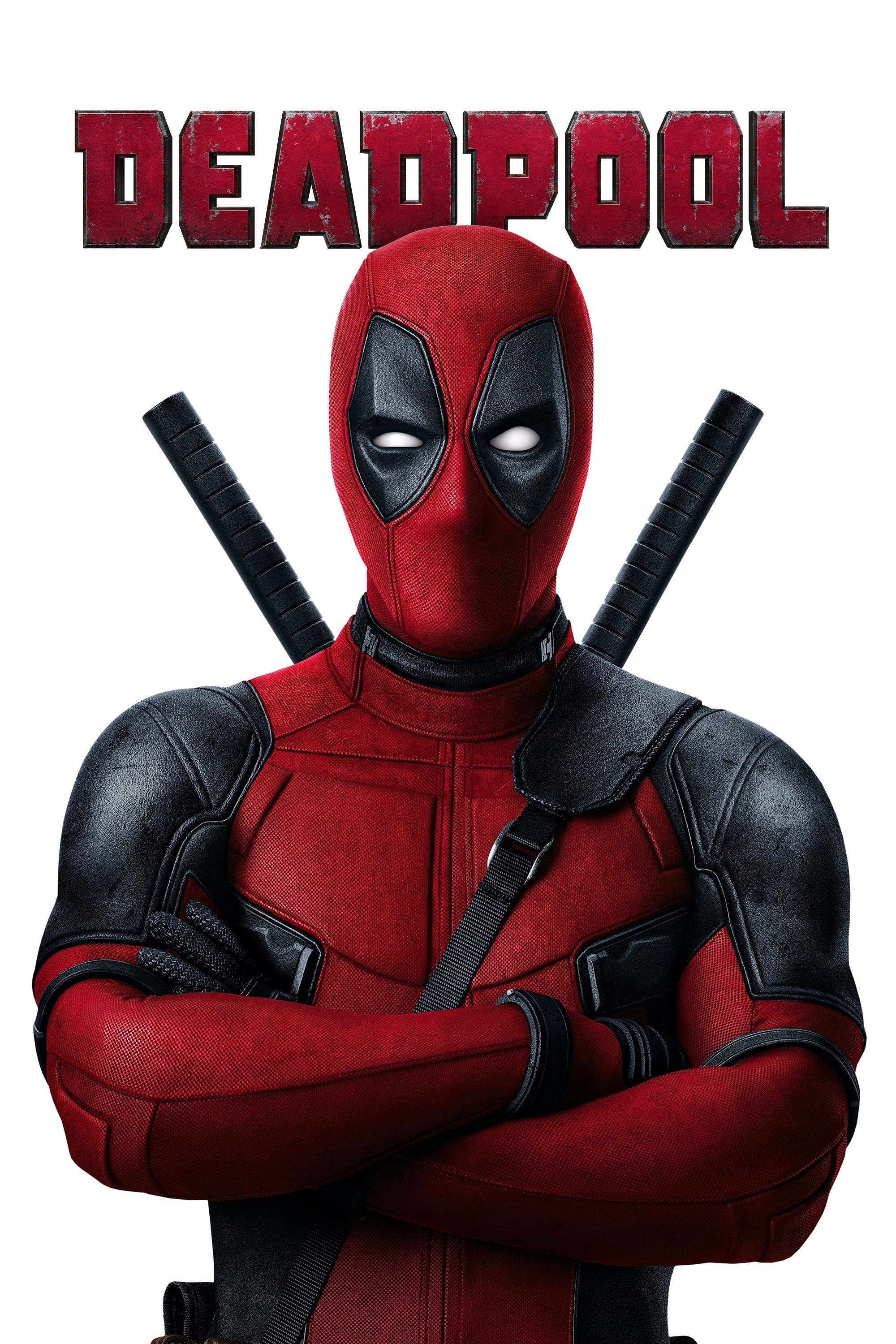
Produced on a comparatively lean budget, this R-rated entry vaulted to a massive global haul and established a path for adult-oriented comic adaptations. Its profitability unlocked studio appetite for risk outside the four-quadrant playbook.
Fourth-wall humor, stylized violence, and savvy digital marketing built a distinct identity without sprawling scale. The project’s development journey—iterative test footage, strong fan response, and focused scope—became a case study for unconventional greenlights.
‘Doctor Strange’ (2016)
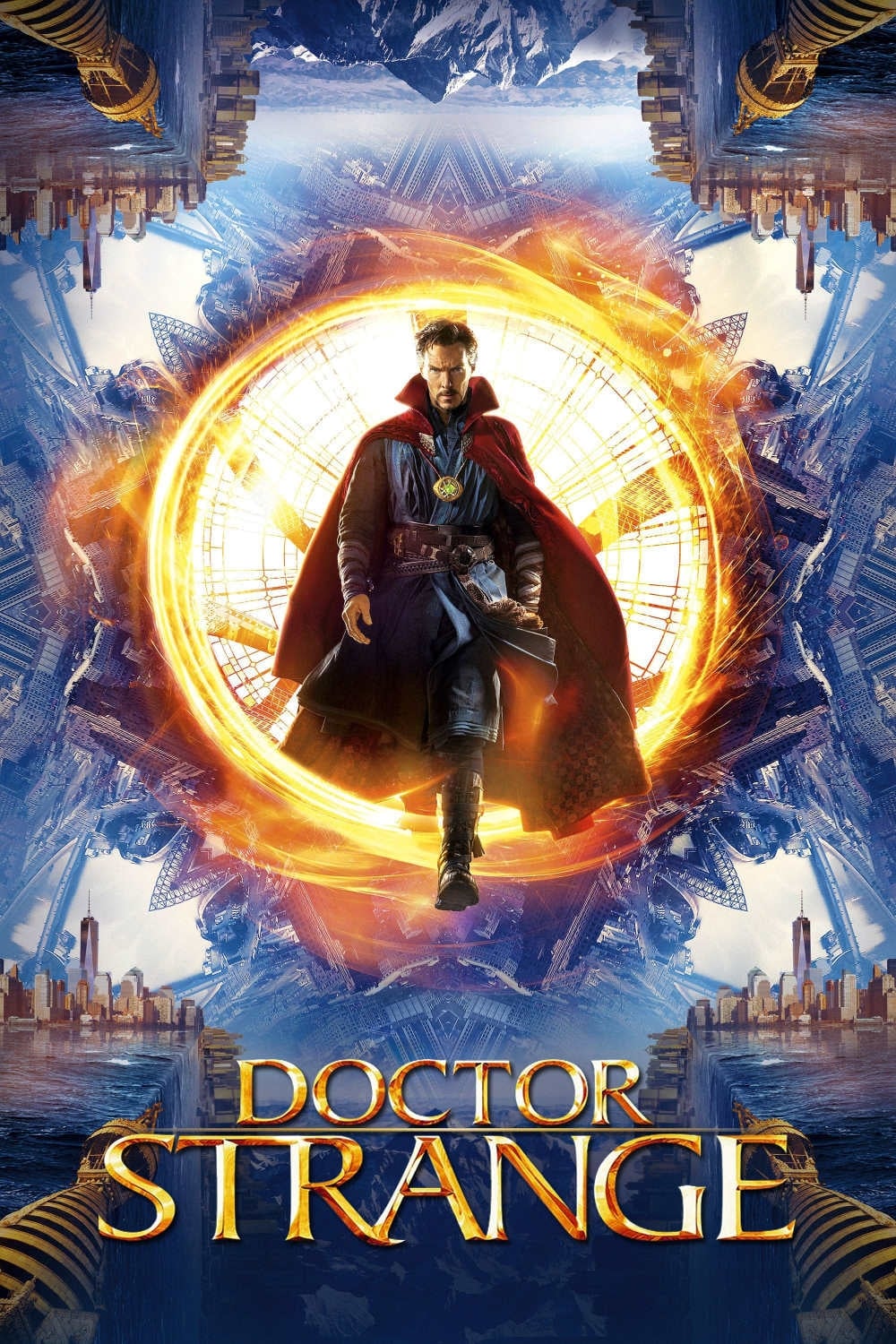
Mystic arts, astral projection, and reality-warping visuals opened new narrative channels and linked the shared universe to multiverse concepts. Strong international returns introduced a key figure whose abilities intersect with cosmic and terrestrial stakes.
City-bending sequences and mirror-dimension battles pushed VFX pipelines, with large-format presentations highlighting depth and scale. The film’s visual grammar—sigils, portals, and kaleidoscopic environments—became recurring motifs in later entries.
‘Logan’ (2017)
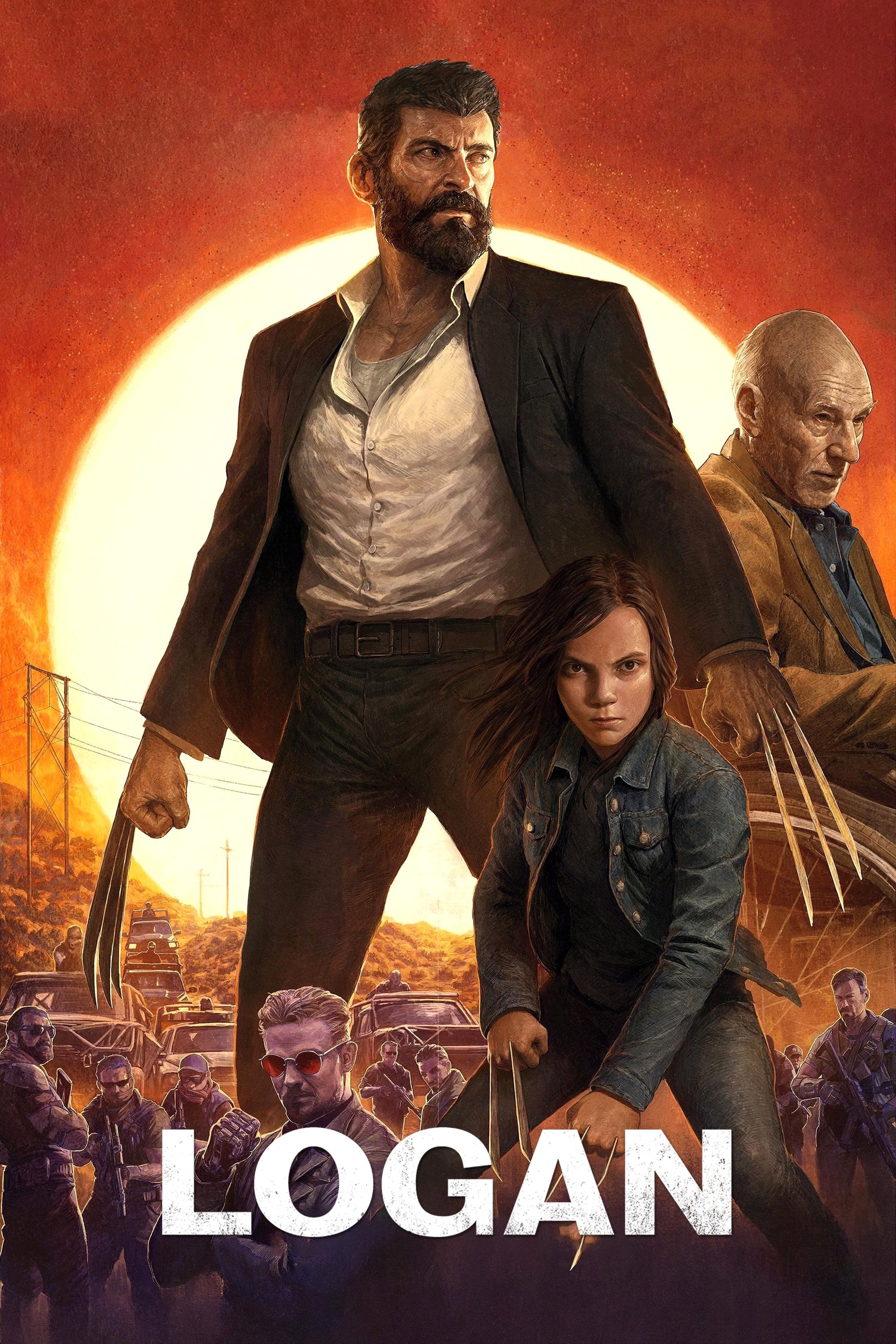
A character-driven, R-rated swan song for cornerstone mutants earned a rare Academy Award nomination for adapted screenplay. Its intimate focus contrasted with typical city-level spectacle and delivered a grounded road-movie framework.
The production leaned on naturalistic locations, practical effects, and restrained scale to prioritize performance and theme. Its reception validated space in the marketplace for elegiac, genre-hybrid superhero stories.
‘Thor: Ragnarok’ (2017)
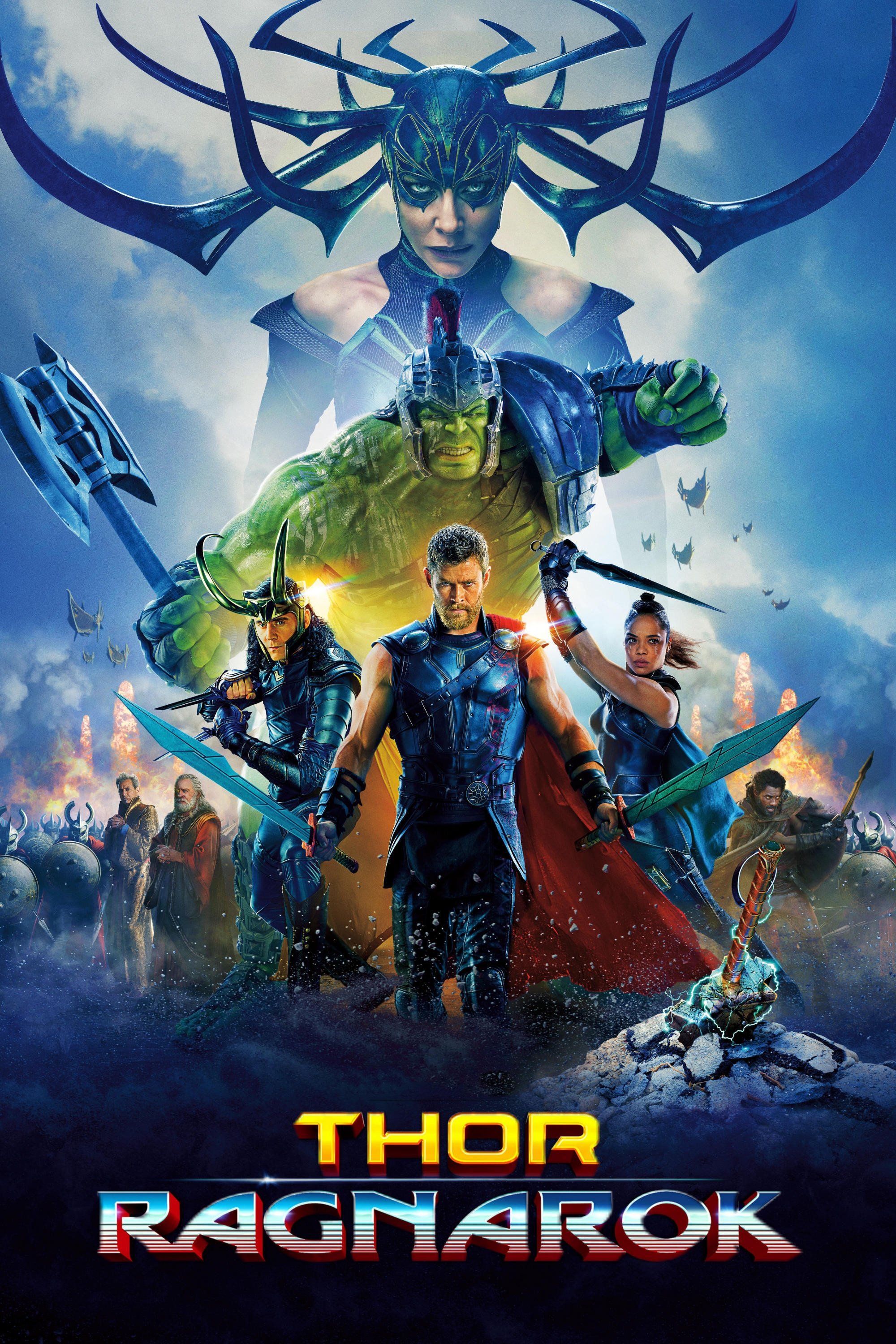
This tonal and visual reinvention delivered the strongest grosses of its trilogy while repositioning its lead for the ensemble chapter that followed. Key narrative changes reset the board for cosmic threads converging with Earthbound conflicts.
Bold color palettes, synth-driven scoring, and improvisation-friendly direction influenced how cosmic corners of the franchise evolved. The film’s events directly funneled principal characters into the next crossover entry.
‘Black Panther’ (2018)
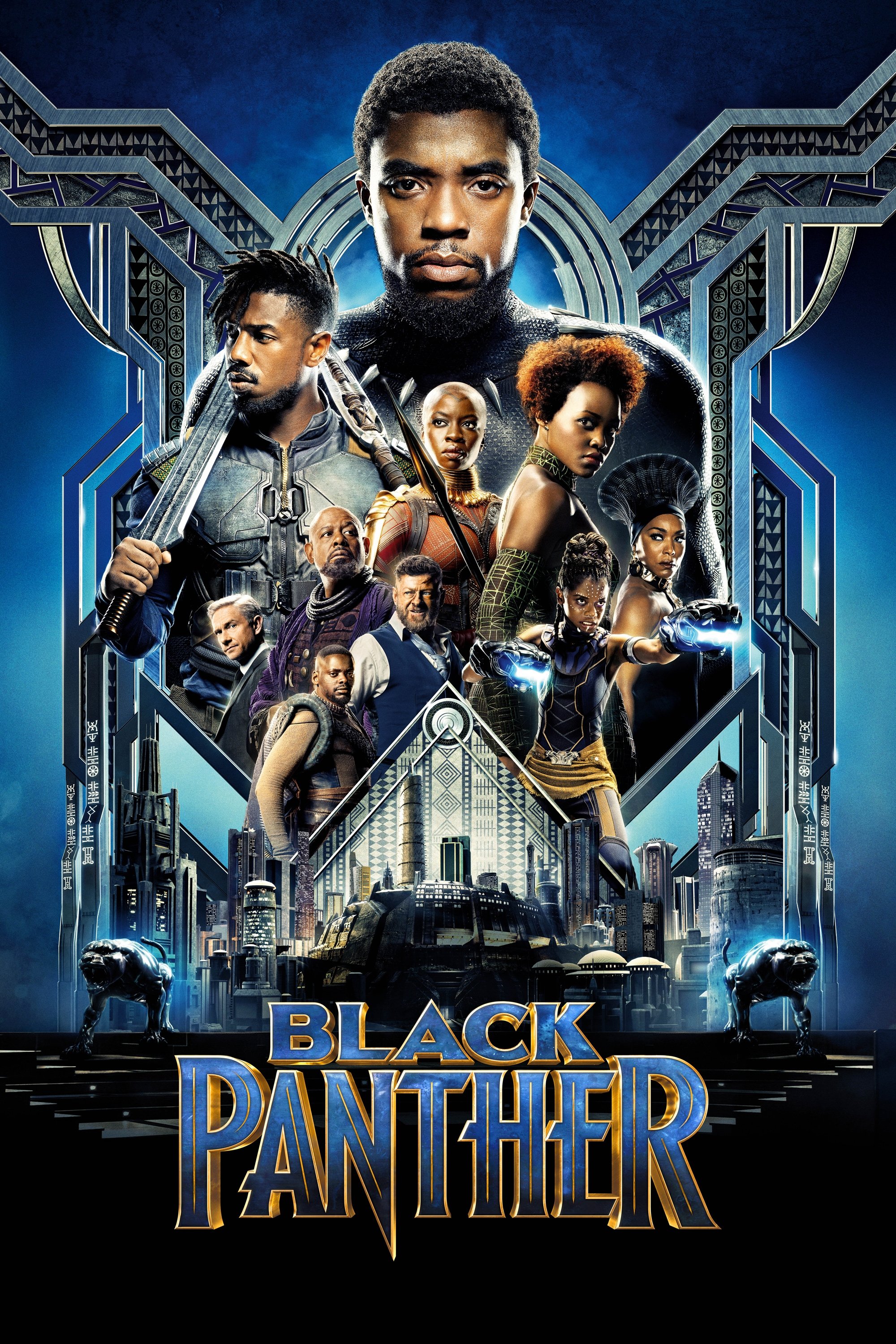
A predominantly Black cast and a Black director led a cultural milestone that crossed the billion-dollar threshold and earned a Best Picture nomination at the Academy Awards. It became a touchstone for representation and market expansion across regions.
Meticulous world-building fused Afrofuturist design with detailed cultural research, from costuming to architecture. Its success accelerated development for stories centered on specific cultures and leadership within the broader franchise.
‘Spider-Man: Into the Spider-Verse’ (2018)
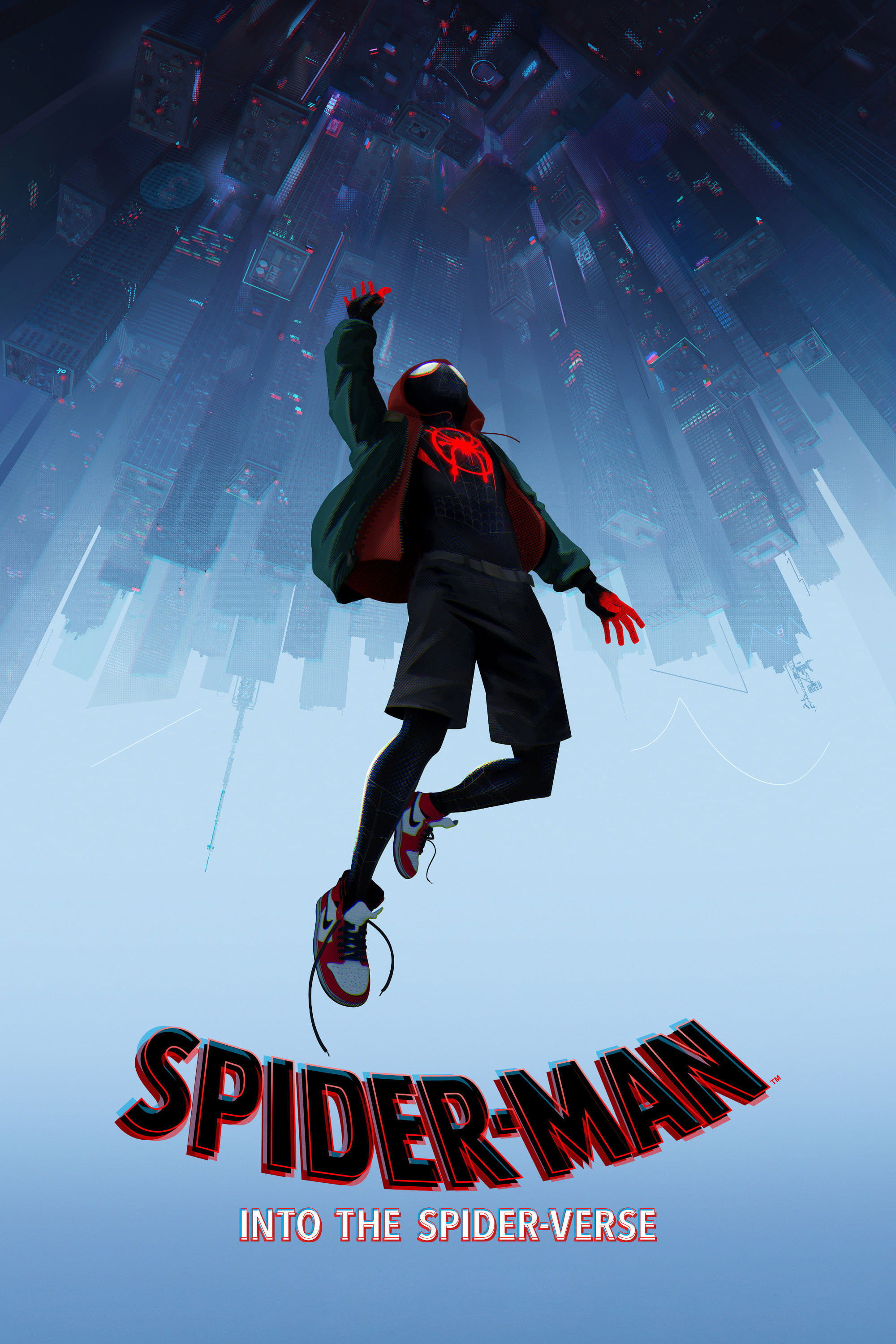
Miles Morales headlined a multiverse story that reached a wide theatrical audience and secured the Academy Award for Best Animated Feature. It demonstrated that animated superhero films could set the pace for innovation and acclaim.
The production embraced comic-book language—halftones, motion lines, caption boxes, and variable frame rates—inside a CG pipeline. That approach influenced the look and ambition of subsequent animation across studios and genres.
‘Avengers: Infinity War’ (2018)
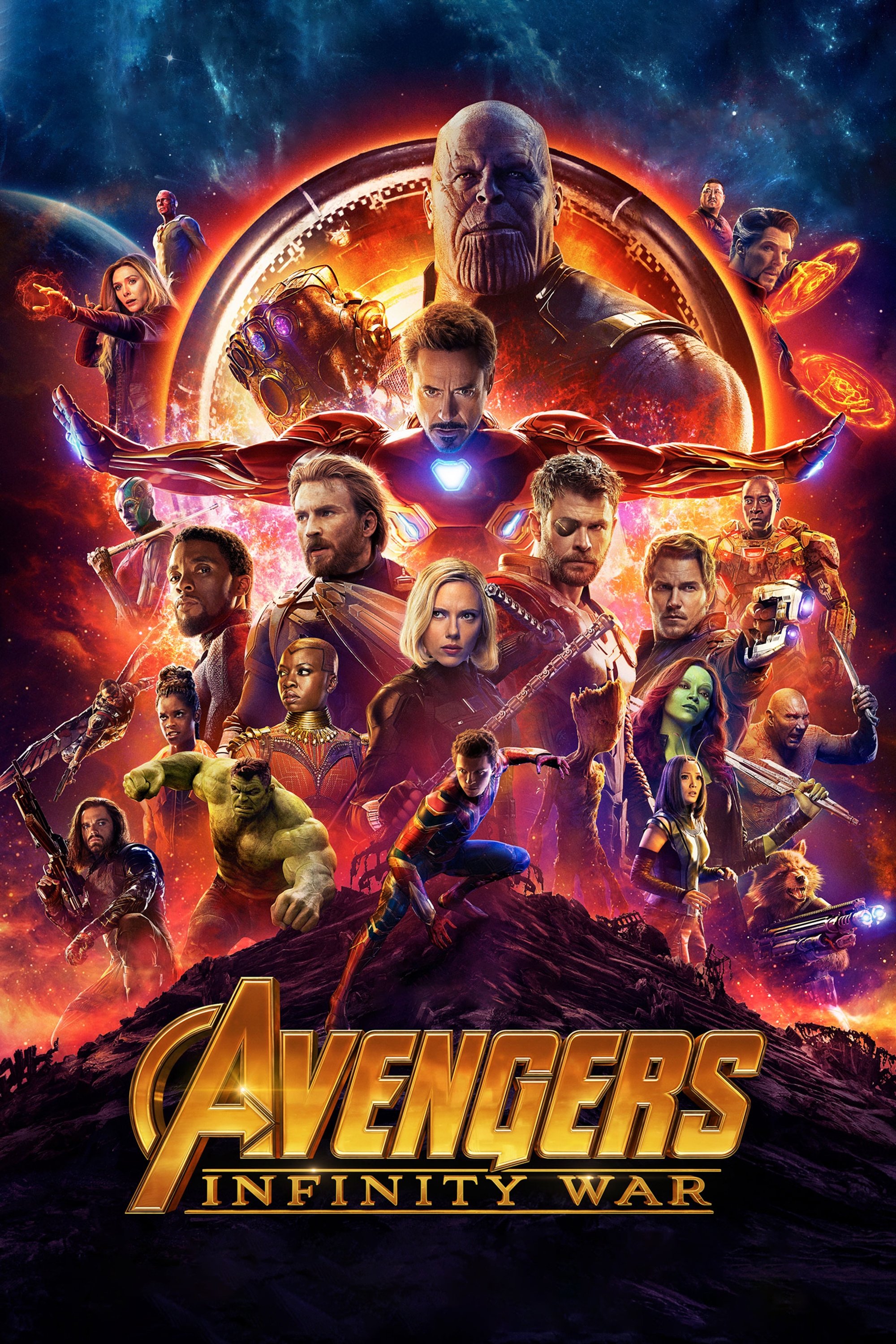
A massive crossover wove together characters from nearly every corner of the saga and ended on a cliffhanger that drove unprecedented audience anticipation. It delivered one of the biggest global openings and set the stage for its concluding chapter.
Performance-capture techniques brought the central antagonist to life with nuanced facial animation, integrating live action and CG at scale. The two-part structure encouraged rewatching and back-catalog exploration across preceding films.
‘Captain Marvel’ (2019)
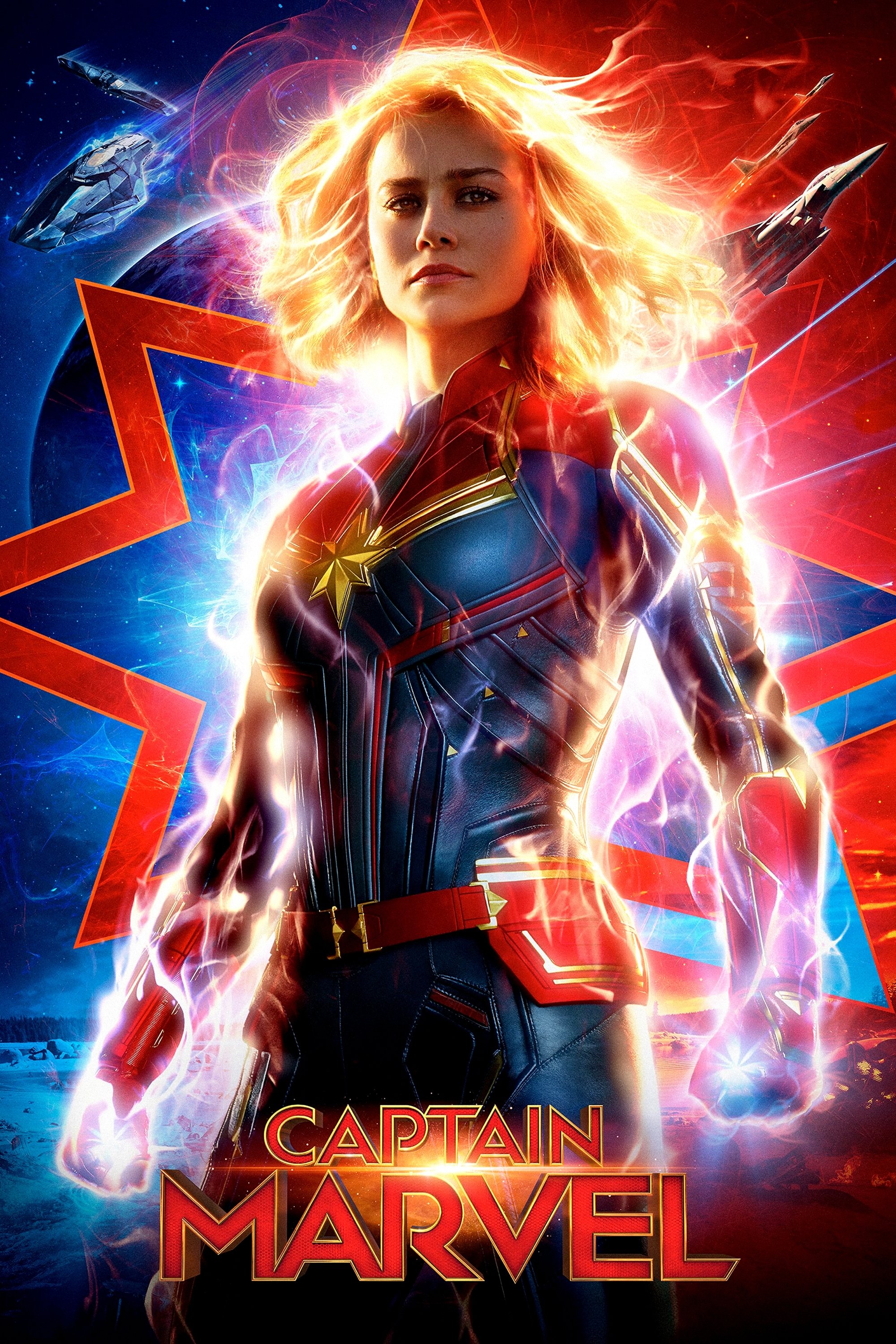
The first female-led feature in the shared universe surpassed the billion-dollar mark and introduced key cosmic players tied to ongoing arcs. It also expanded the sandbox with shape-shifting conflicts and new power sets.
Extensive digital de-aging allowed major characters to appear across long stretches of screentime at earlier life stages. Story placement supplied connective threads that fed directly into the next ensemble entry.
‘Avengers: Endgame’ (2019)
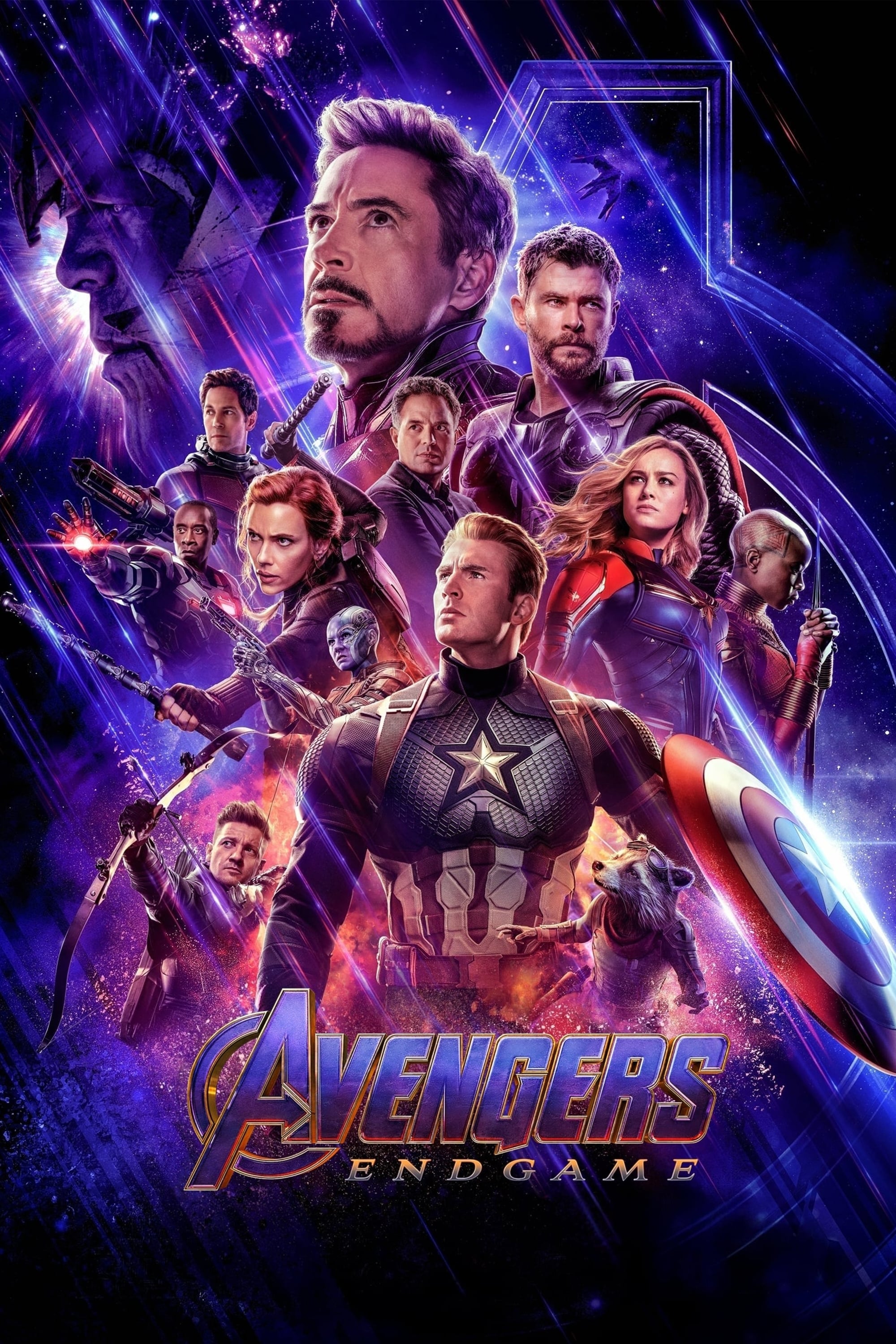
A culmination of long-running plots set new global benchmarks and served as a capstone for original-team storylines. Its release became a cultural moment marked by event-cinema attendance patterns and repeat viewings.
A time-heist framework revisited earlier movies through newly staged perspectives, rewarding long-term engagement. Large-format exhibition and orchestration of an expansive cast solidified a model for franchise finales.
‘Shang-Chi and the Legend of the Ten Rings’ (2021)
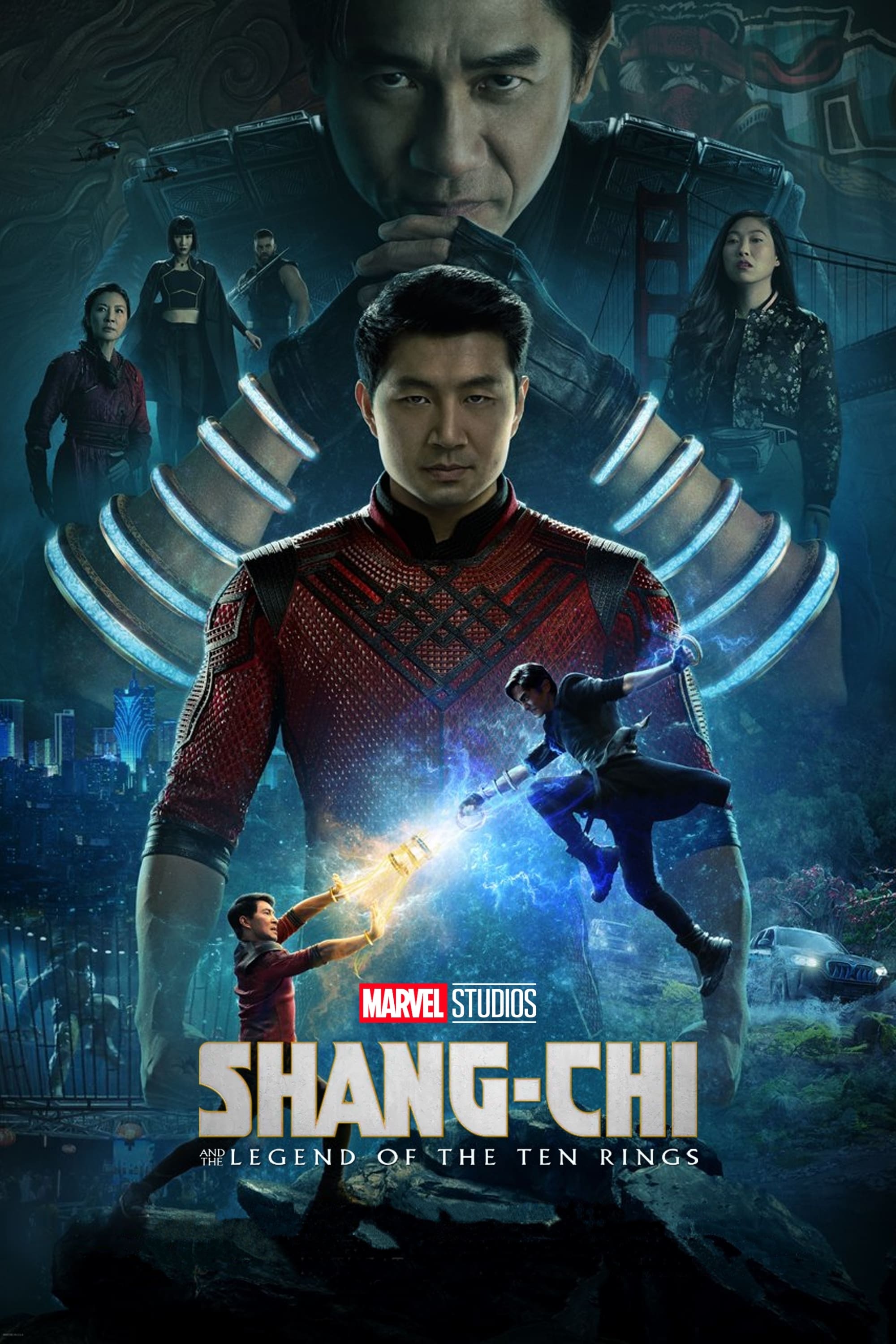
This film introduced the franchise’s first Asian lead with a cast representing a wide range of Asian backgrounds and delivered a strong theatrical run during a challenging market period. It established new mythology around the Ten Rings while connecting to established figures.
Action design emphasized fluid, Hong Kong–influenced choreography, long takes, and practical stunt work. Mid-credits and end-credits threads integrated the character into ongoing cosmic narratives without relying on preexisting team-ups.
‘Spider-Man: No Way Home’ (2021)
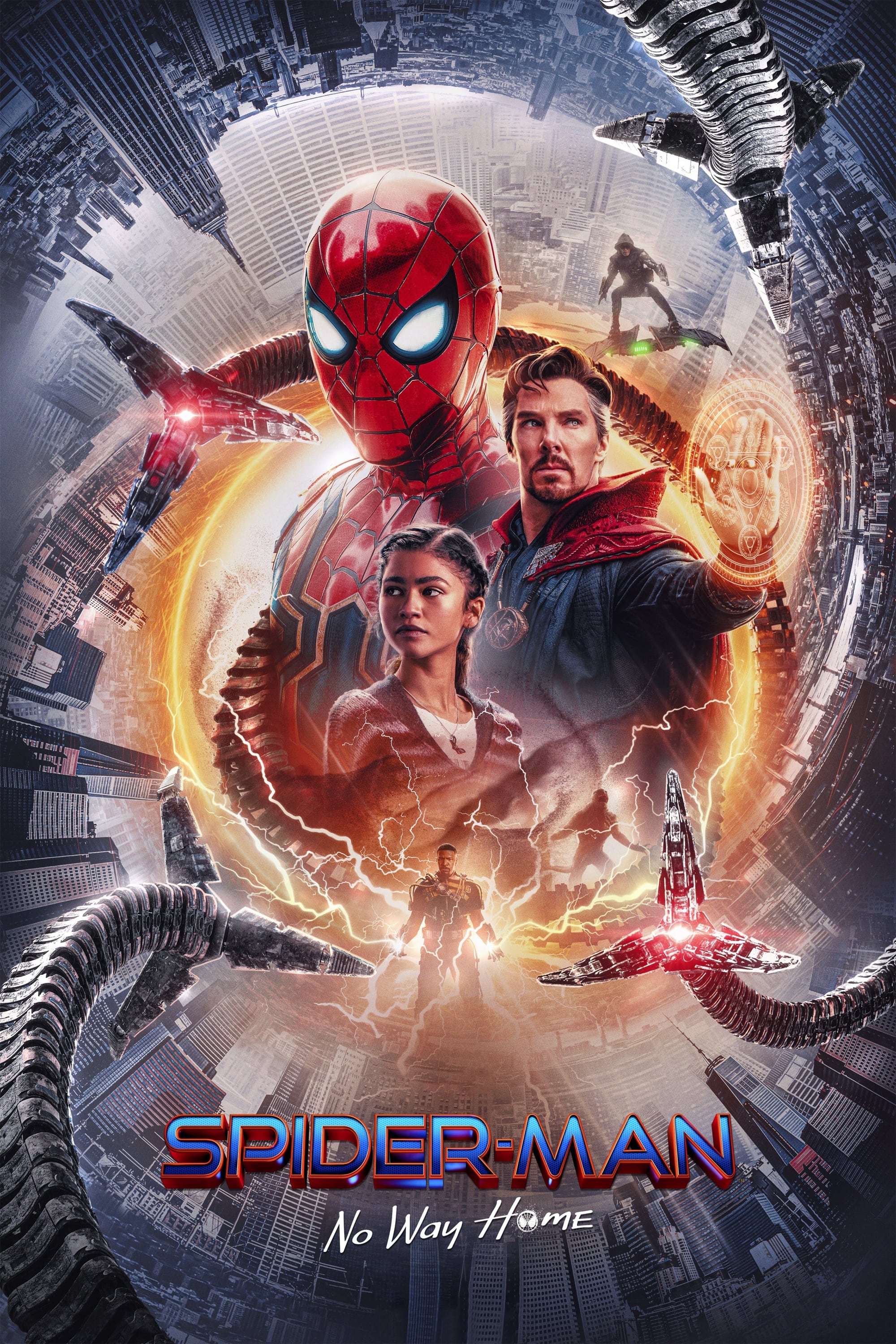
Cross-studio collaboration brought multiple generations of ‘Spider-Man’ storytelling into a single live-action narrative and produced one of the era’s highest global grosses. The movie’s theatrical legs underscored persistent demand for large-scale event releases.
Legacy characters and villains returned through multiverse mechanics, demonstrating operational viability for cross-franchise coordination. The film’s success reinforced the commercial potential of expansive, continuity-spanning team-ups beyond a single studio’s catalog.
Share your picks and the reasons you’d include them in the comments!