‘The Odyssey’ Explained: The Most Comprehensive Guide To Every God, Monster, And Myth You Need Before Watching

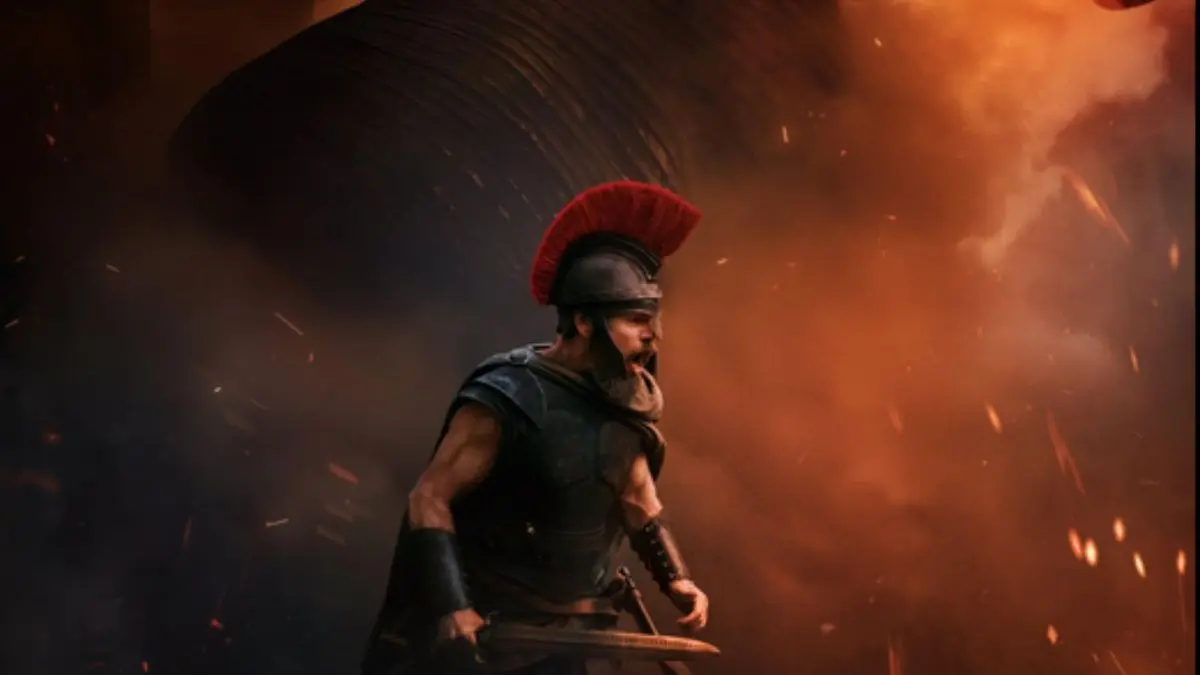

Christopher Nolan’s take on Homer’s epic hits theaters on July 17, and if you haven’t cracked open ‘The Odyssey‘ since a high school reading list, the sheer number of gods, monsters, and family feuds can feel overwhelming fast. The film stars Matt Damon as Odysseus, the Greek king of Ithaca, and chronicles his long and perilous journey home after the Trojan War and his encounters with mythical beings as he attempts to reunite with his wife, Penelope, portrayed by Anne Hathaway. Before you buy a ticket, it helps to know the mythology this story is built on.
This guide breaks down the major players, from vengeful sea gods to one eyed giants, so you can walk into the theater already knowing who’s who and why everyone seems to be furious with Odysseus specifically. Think of it as your crash course in the world of ‘The Odyssey’, minus the homework.
Odysseus, Ithaca, and the Son Who Grew Up Without Him
Odysseus is not a demigod. He’s introduced in the myth as a fully mortal king, the son of Laertes, and his home is the island kingdom of Ithaca off the western coast of Greece. Odysseus, the king of Ithaca, is renowned for his cunning and eloquence, and after the conclusion of the Trojan War, his primary objective is to return home to his wife, Penelope, and his kingdom. That journey should take weeks. It takes ten years, largely because he manages to make an enemy of one of the most powerful gods on Olympus.
His son is Telemachus, who was just an infant when his father sailed off to fight at Troy and is nearly grown by the time Odysseus finally makes it back. Tom Holland plays Telemachus, Odysseus’ son, in the film adaptation. In the myth, Telemachus spends the back half of the story searching for word of his missing father while fending off a house full of suitors trying to marry his mother and claim the throne.
Odysseus’ cunning, not brute strength, is what defines him throughout the story. Time and again he survives through trickery, disguise, and clever speech rather than force, a trait that both saves him and gets him into deeper trouble with the gods.
The Gods Who Shape Odysseus’ Fate
No god matters more to this story than Poseidon, and his grudge is intensely personal. His hatred for the epic hero began after Odysseus blinded Poseidon’s son, Polyphemus, and his son’s humiliation prompted the god of the sea to use his powers to prevent the hero from returning home to Ithaca. It gets worse because Odysseus can’t resist gloating. As he and his men were sailing away, Odysseus shouted his real name back at the blind and enraged Cyclops, handing him a direct line to his father Poseidon.
Poseidon isn’t working alone against Odysseus, but he isn’t working alone for him either. Athena, goddess of wisdom, repeatedly intervenes on Odysseus’ behalf, pleading his case directly to Zeus when the hero is trapped or in danger.
That divine tug of war plays out clearly in the Calypso storyline. His patron goddess Athena asks Zeus to order the release of Odysseus from the island of Ogygia, and Zeus orders the messenger Hermes to tell Calypso to set Odysseus free, since it was not Odysseus’s destiny to live with her forever. Zeus generally stays above the pettier squabbles, but his word is still final when the other gods can’t agree.
Calypso, Circe, and the Nymphs of Greek Mythology
So what exactly is a nymph? In Greek mythology, nymphs are minor nature goddesses, usually imagined as beautiful young women tied to a specific place, whether that’s an island, a river, a forest, or a mountain. They were conceived of as beautiful young women who inhabited the natural elements, such as trees, oceans, lakes, rivers, forests, meadows, and mountains, and were generally considered a class beneath the major Olympian gods.
Calypso fits that description, though her exact status is debated even among ancient sources. Calypso was a minor goddess and nymph, though more commonly referred to as the latter, and appears in Book V of Homer’s ‘Odyssey.’ She’s generally said to be the daughter of the Titan Atlas.
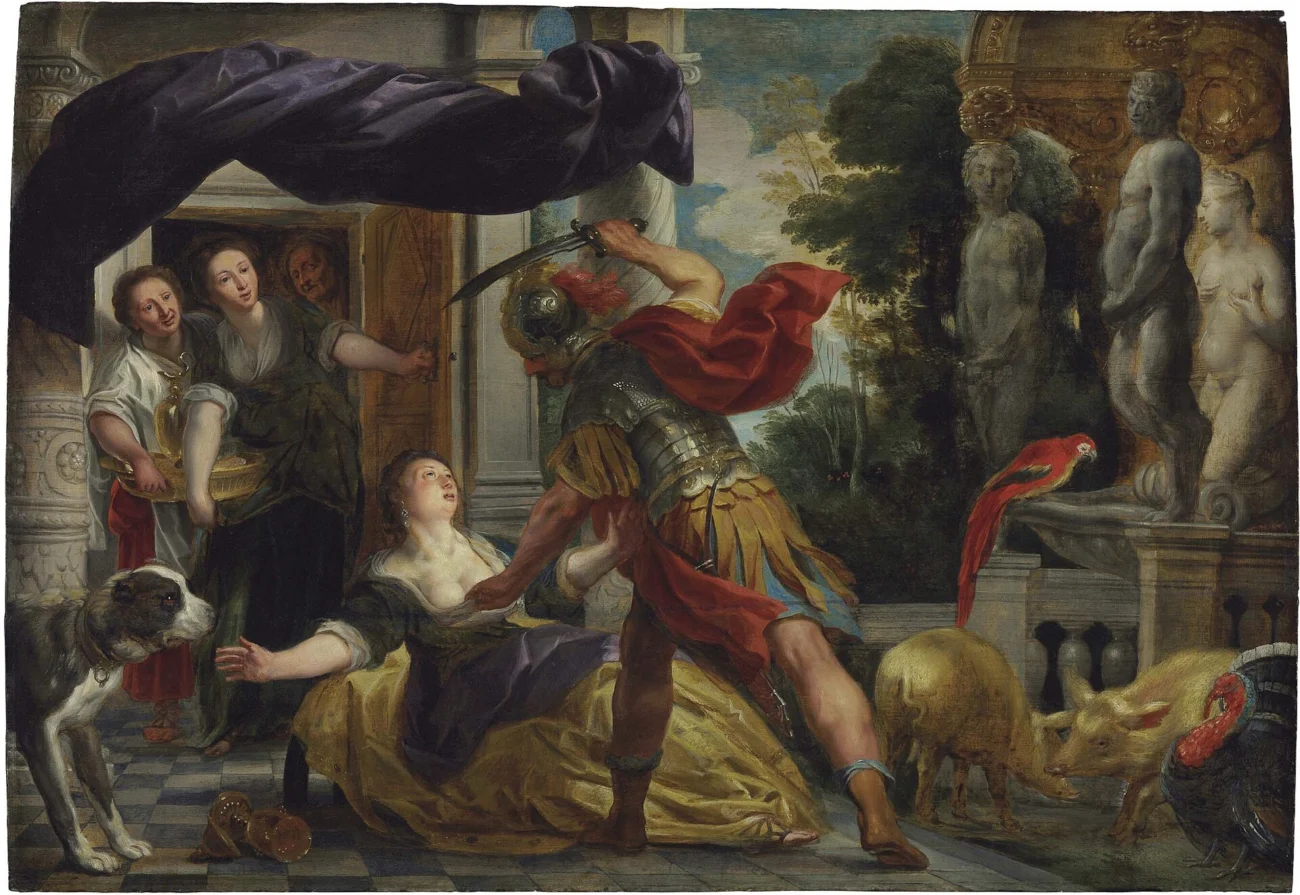
As for why she ended up alone on the island of Ogygia in the first place, the myth ties her banishment to one of the biggest wars in Greek cosmology. Calypso was exiled to Ogygia for taking her father Atlas’s side in the Titanomachy, the struggle in which the Titans were defeated by the Olympians, led by Zeus. She kept Odysseus there for seven years, and in the film, Charlize Theron takes on the role.
Circe, played by Theron’s fellow cast member in a different capacity in some tellings, is another nymph or minor goddess Odysseus encounters, and she’s often confused with Calypso because of their overlapping storylines. Circe had a vast knowledge of herbs and medicines and was known for using magic to transform her foes into animals, including turning Odysseus’ crew into pigs before eventually becoming a helpful host and lover to the hero.
The Cyclops and Other Mythical Creatures Odysseus Must Survive
The most famous monster in ‘The Odyssey’ is Polyphemus, a Cyclops, one of a race of one eyed giants. Polyphemus was the son of Poseidon and Thoosa and the most feared of the Sicilian Cyclopes, brutish, one eyed shepherds who lived far from civilization. Odysseus and his crew stumble into his cave looking for food, and hospitality quickly turns into horror.
The Cyclopes live in caves and are primarily shepherds, known for their lack of civilization and disregard for the Greek customs of hospitality. Polyphemus traps Odysseus’ men and begins eating them, and Odysseus survives only by getting the giant drunk, blinding him, and sneaking his crew out tied beneath sheep.
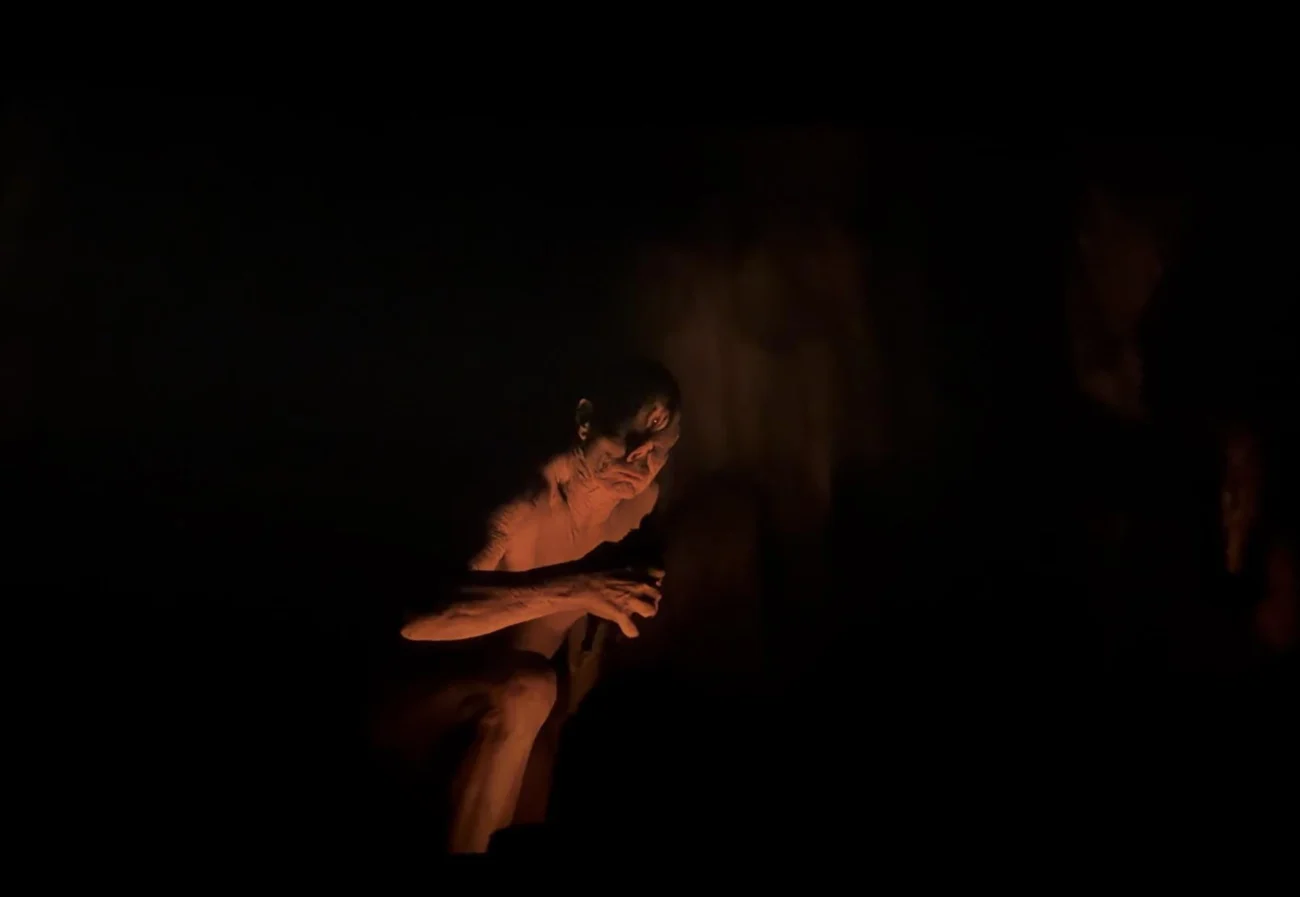
Beyond the Cyclops, Odysseus faces a rotating cast of mythical dangers, including the Sirens, whose songs lure sailors to their deaths, and the sorceress Circe’s animal transformations. Each creature represents a different kind of threat, some physical, some psychological, and together they turn the voyage home into a survival gauntlet.
These encounters aren’t just monster of the week detours. They’re consequences, since nearly every creature Odysseus meets after Troy is connected in some way to a god he has already offended, tying the entire journey back to that single act of hubris in the Cyclops’ cave.
Agamemnon, Helen of Troy, And the War That Started It All
The Trojan War itself was fought over Helen, and untangling who she was married to actually explains half the plot. Agamemnon and Menelaus took refuge with Tyndareus, King of Sparta, where Agamemnon married Clytemnestra and Menelaus married Helen. When Helen left with the Trojan prince Paris, it was Menelaus’ brother Agamemnon who raised the army.
Agamemnon commanded the Greek forces at Troy, but his mythology is soaked in family violence going back generations. Agamemnon sacrificed his daughter Iphigeneia to appease Artemis, who had prevented the Greek fleet from sailing by sending contrary winds. He survives ten years of war only to be murdered almost immediately upon returning home. Agamemnon was killed by his jealous wife Clytemnestra and her lover Aegisthus while he was enjoying his coming home banquet.
As for whether he was a real historical king, the honest answer is murky. Agamemnon is a hero from Greek mythology, but there are no historical records of a Mycenaean king of that name, though the city of Mycenae was genuinely prosperous in the Bronze Age.
Troy itself, however, does appear to be a real place. Troy was an ancient city located in present day Çanakkale, Turkey, and the archaeological site was added to the UNESCO World Heritage list in 1998. And the Trojan Horse trick that ended the siege gets its own dedicated liar, a Greek soldier named Sinon.
In the Aeneid, Sinon convinces the Trojans that he has been left behind and tells them the wooden horse is an offering to the goddess Athena meant to win her favor. It’s one of the most famous cons in ancient literature, and it’s the whole reason Odysseus gets to start his ten year trip home in the first place.
With all of that mythology loaded into a single film, which god, monster, or doomed family do you think Nolan’s version is going to nail the hardest?