‘The Trap’ Review: Who Is Really Holding the Bait?


‘The Trap’, known in Germany as ‘Die Falle’, arrives on Netflix today, October 13, as a six episode miniseries with every episode available at once. It adapts Melanie Raabe’s 2015 debut novel and comes from writer and director Isabel Kleefeld and the creative team behind ‘Dear Child’, the German thriller that won an International Emmy. That pedigree had my expectations running high before the opening scene even began.
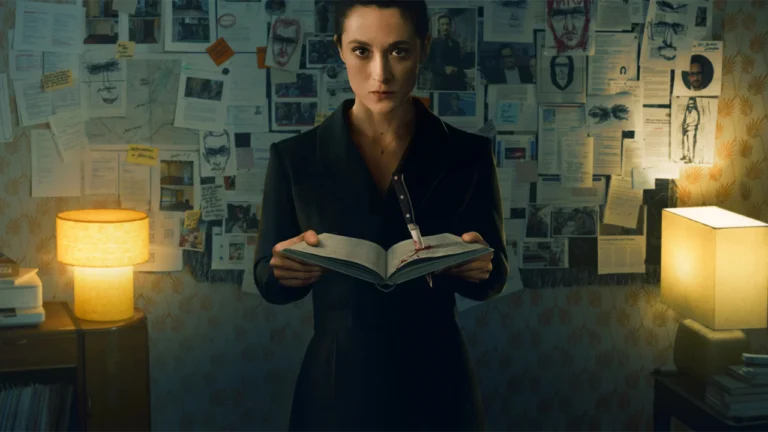
Lisa Konrad is a bestselling author who has not left her villa in nearly ten years, ever since she found her sister Anna fatally wounded. The killer was never caught, though Lisa glimpsed his face, and when she believes she recognizes him on television she settles on a plan. She writes a crime novel inspired by Anna’s murder and offers an exclusive interview to the journalist Robert Lenzen, using herself as bait.
This is where ‘The Trap’ won me over, because the real question is less whether Robert is guilty than whether Lisa can trust her own mind. After a decade of medication and therapy, her memories keep drifting between what happened and what she has put on the page. That uncertainty is the most original thing about the series, and it gave me far more to chew on than a standard whodunit would.
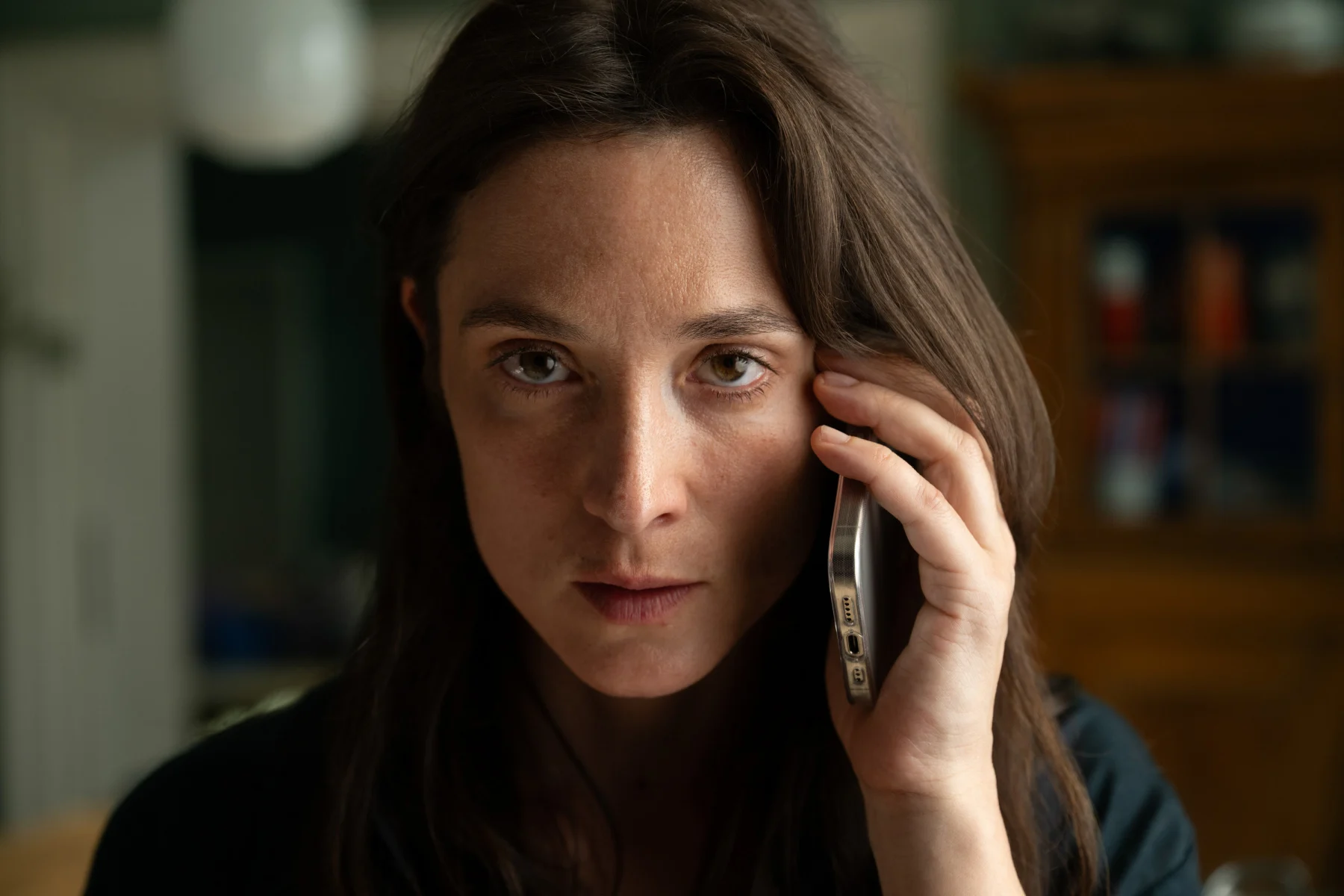
Friederike Becht is the reason it all works, playing Lisa as frightened and fiercely determined at once so that you never know which version is driving. Hans Löw gives Robert an affable but unreadable surface, while Matthias Brandt as her publisher and Miriam Ohlmeyer in the flashbacks as the younger Lisa add real texture around them. Cinematographer Martin Langer lets memory and imagination bleed into vivid, dreamlike images that suit the material well.
What lingers most is the bond at the story’s core. Lisa speaks of Anna as flawless, yet the flashbacks slowly reveal cracks in that polished memory, turning the series into a study of how grief rewrites the people we lose. That emotional layer gives the thriller real heart, even when the plotting turns shaky.
The moment I was waiting for comes in episode four, when Robert finally walks into Lisa’s home, and the show makes that wait feel worthwhile. Her preparation is half the fun, from coming off her medication to training with an interrogation expert, so the face to face scene crackles with discomfort. After it, the pace quickens for a while with a steady run of revelations.
I do have complaints. The story asks for a lot of goodwill on plausibility, leaning on convenient decisions and motivations that never fully convince. The middle episodes also drag a little before the momentum returns.
The series loves shuffling between memory, imagination and Lisa’s own novel, which is clever in theory but tiring when you cannot tell which flashback you are watching. The final stretch also swaps psychological tension for a more routine crime story, which felt like a letdown after such an intriguing setup. Anyone expecting the bite of ‘Dear Child’ will find the twists softer and the mood less dark, though one lingering question at the very end stayed with me.
Still, I enjoyed the ride more than I resented the detours. This is a bingeable psychological thriller with a magnetic lead, a smart central idea and an ending that keeps you thinking, even if it does not deliver everything its setup suggests. My final verdict is 7 out of 10.
How did you like 'The Trap'?
Share in the comments whether you agree with my verdict on ‘The Trap’ and whether you trusted Lisa’s memory right up to the final scene.