‘Tuner’ Ending Explained: What Niki’s Bittersweet Final Choice Really Means

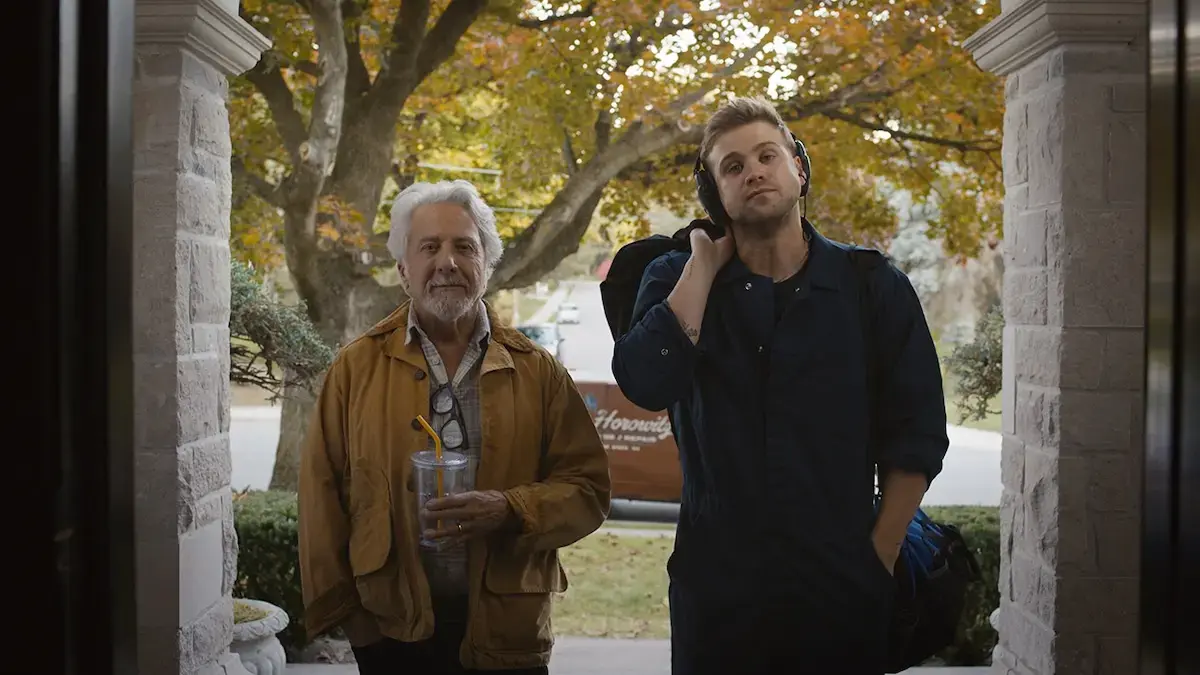

Daniel Roher’s first narrative feature is not the slick heist movie its premise might suggest, and that is precisely what makes ‘Tuner’ linger. Roher, who won an Oscar for his documentary ‘Navalny’, crafts a clever premise around a musical prodigy with hyperacusis, a rare disorder that makes normal sounds feel painfully loud, and explores how that same condition could be used to crack safes by listening to otherwise imperceptible clicks.
What follows is a deeply human story wrapped in crime thriller packaging.
By the time the credits roll, audiences are left sitting with a complicated feeling that is hard to shake. The ending is bittersweet rather than fully happy, offering redemption only after emotionally dragging its lead character through guilt, grief and literal physical damage. For everyone still processing those final moments, here is what it all actually means.
Niki’s Emotional Journey From Musician to Safe-Cracker
Niki works alongside longtime piano tuner Harry Horowitz, played by Dustin Hoffman, who alongside his wife Maria represents Niki’s only family. Harry is slowly succumbing to dementia, leaving his business in jeopardy and his medical bills piling up, and Niki vows to keep things running. The weight of that promise becomes the engine that drives every bad decision to come.
After Harry forgets the combination to his own safe, Niki opens it simply by listening carefully, a scene that almost plays like a magic trick but quietly plants the foundation for everything that follows. It is an origin moment dressed up as a domestic detail, which is exactly the kind of filmmaking restraint that sets ‘Tuner’ apart.
Things begin spiralling after Niki encounters a group of Israeli thieves led by Uri, played with frightening calmness by Lior Raz. Believing them to be legitimate security workers at first, Niki helps open a wealthy client’s safe, and Uri immediately recognises the unusual talent and offers him work. What starts as crisis management slowly becomes something more corrupting and harder to walk away from.
Uri pressures Niki to go further than he wants, forcing him into increasingly desperate situations. Crucially, ‘Tuner’ is not a slick heist movie where Niki always remains one step ahead, and the character makes obvious mistakes that carry real consequences. Roher refuses to let his protagonist be cool about his crimes, and that choice is what keeps the moral tension alive throughout.
Hyperacusis, Sound Design and What the Film Is Really Saying
The way ‘Tuner’ uses sound is not just a technical flourish but the entire philosophical backbone of the story. Sound designer Johnnie Burn puts audiences inside Niki’s head, hearing what he hears at both muffled and deafening extremes, creating a distinct aural experience that makes noise feel like a genuine threat. When Uri’s crew deploys air horns as weapons against Niki, the horror lands because the film has already spent an hour making us feel that sensitivity as deeply personal.
The film uses sound more intelligently than most recent thrillers, with loud noises becoming weapons, silence becoming emotional refuge and piano tuning itself becoming symbolic of emotional healing. Even viewers who cannot fully articulate why the ending hits so hard are responding to this language the film has built beneath the surface.
‘Tuner’ has been described by critics as a quest for tranquility in a world that is too loud. That reading extends far beyond Niki’s medical condition. It applies to grief, to guilt, to the noise of a life gone off-track, and the ending asks whether peace is even possible once you have permanently changed yourself to survive.
Leo Woodall’s Performance and the Weight of the Final Scene
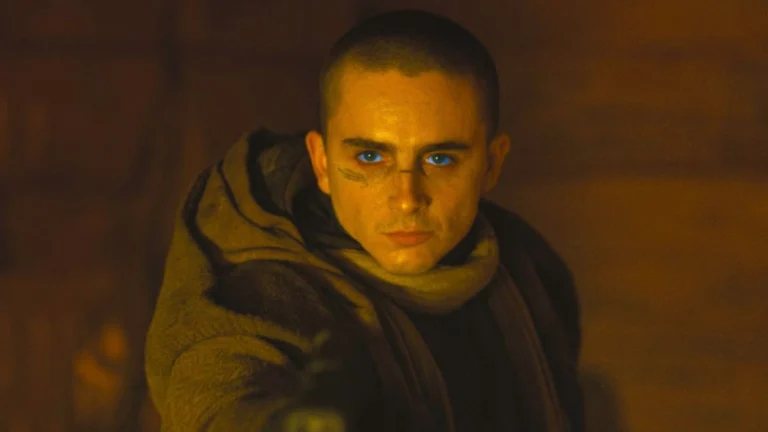
No amount of thematic analysis lands without the right actor carrying it, and ‘Tuner’ found its anchor. Leo Woodall is outstanding in the role of Niki, selling the hearing condition while also expressing the internal conflict about his choices, past and present. It is not a performance built on big speeches or dramatic breakdowns but on small, precise moments of hesitation and resolve.
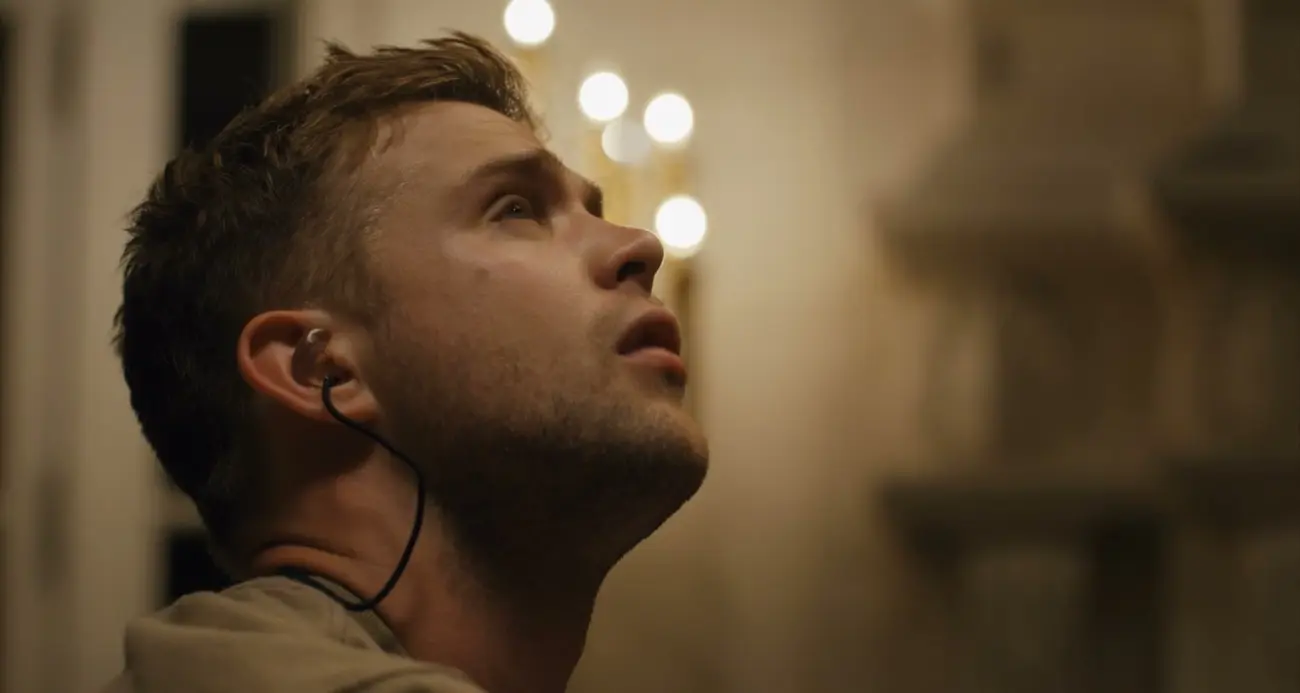
Woodall gives Niki a wiry charm and a restless edge, and the film cleverly pulls audiences into his experience of sound using sharp shifts in volume and texture to make noise feel invasive and even painful. By the finale, when that sensitivity has been permanently altered by the violence he chose to remain in, the physical loss reads as the externalization of everything he has given up.
Woodall carries the film with restrained vulnerability rather than flashy theatrics, while Dustin Hoffman practically steals every scene through sheer charisma and warmth, and Havana Rose Liu gives Ruthie emotional intelligence beyond simply becoming the love interest. The ensemble is what elevates a structurally familiar story into something genuinely affecting.
What the Ending Actually Means and Where a Sequel Could Go
Harry is gone, Niki permanently loses part of his hearing and his innocence is shattered, yet he regains something more important in purpose, honesty and emotional connection. The film does not reward him with an escape, but it does allow him a different kind of arrival, a settling into who he now has to be rather than who he once dreamed of becoming.
The outcome feels inevitable, but audiences cannot help caring and hoping for a happy ending even when they know Niki cannot have it all. That tension is the whole point. Roher, drawing from his documentary instincts, refuses to pretend the universe operates fairly just because the credits are approaching.
As for a possible continuation, nothing has officially been confirmed, though the ending quietly leaves room for one. Niki survives, his relationship with Ruthie remains open and his connection to music has been reborn under entirely different circumstances.
A follow-up would likely explore whether a man reshaped by crime and loss can genuinely rebuild, or whether the world Niki entered through Uri’s orbit ever truly lets go. Now that you have sat with that ending, do you think Niki’s permanent hearing loss felt like earned consequence or too cruel a price for a character who was ultimately trying to do right by the people he loved?