Why The Best Games Feel Rewarding Without Chasing Constant Progression


The usual case for progression says a game needs an endless ladder of levels, stronger gear, and new numbers to pursue. That argument mistakes forward motion for satisfaction. A satisfying reward tells the player what the game values, and that message need not be raw power. Rewards can also give choices meaning, mark an accomplishment, or let a player shape the atmosphere of a familiar action.
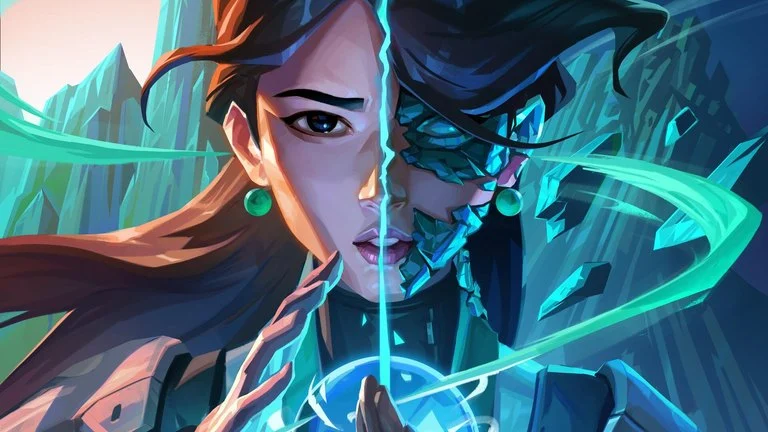
That principle clarifies why optional VALORANT cosmetics deserve attention. Eneba – Valorant Points lists Riot Valorant Points products, a premium currency Riot describes as a way to unlock Store content including weapon skins. Eneba works as a third-party digital marketplace where buyers browse listings, compare offers, and purchase digital products from verified merchants on the platform. Clear product, platform, and regional information, including India categories, supports informed selection, while buyers can check the intended account region before purchasing.
The Reward Stays Outside the Contest
VALORANT offers a useful counterpoint to the assumption that rewards must alter performance. Riot says optional cosmetic extras are intended not to affect gameplay. Its weapon skins may change a model, animation, visual effect, audio, finisher, or variant, yet Riot says they are designed to provide neither a positive nor negative competitive advantage. That principle leaves space for imaginative presentation without tying match outcomes to a purchase.
That boundary gives personalization a distinct purpose. Riot frames skins as tools for player expression and immersion in a chosen fantasy, rather than upgrades to weapon performance. Repeated actions can carry a preferred visual identity while the terms of the match stay shared by every participant. The appeal comes from presentation and atmosphere, not a stronger tool within the contest.
Recognition Does Not Need One Endless Track
Cosmetics are only one way to separate satisfaction from power. VALORANT also has an account-level system that recognizes playtime across game modes through Account Points. An evolving border on the Player Card displays this progress and gives invested time a visible form of recognition. It acknowledges participation without presenting account level as a weapon upgrade.
Riot further distinguishes Account Points from Battle Pass and Agent Contract XP. That detail assigns different purposes to different systems rather than forcing every activity into a single ladder. Account recognition can acknowledge participation, while other tracks retain their own goals. A reward system gains clarity when each track has a defined role instead of competing to be the only measure of progress.
Restraint Makes Rewards More Expressive
Restraint is not the absence of craft. Riot’s skin team describes design playtests and repeated feedback on effects, animations, silhouettes, and sounds, all intended to preserve competitive integrity while refining fantasy and emotional impact. This work treats readability as part of the reward’s value, alongside the emotional effect of its theme and presentation. The cosmetic can stand out without obscuring the central contest.
That is where clear marketplace information supports thoughtful reward design. The marketplace’s product, platform, and region information helps players identify optional cosmetic content suited to their intended account, rather than treating a purchase as competitive power. A varied reward vocabulary can recognize playtime, support ownership, or deepen atmosphere. The best systems leave the core rules intact and give every reward a purpose beyond an infinite chain of stronger items.