5 Ways the ‘Doctor Who’ Aged Poorly (& 5 Ways It Aged Masterfully)

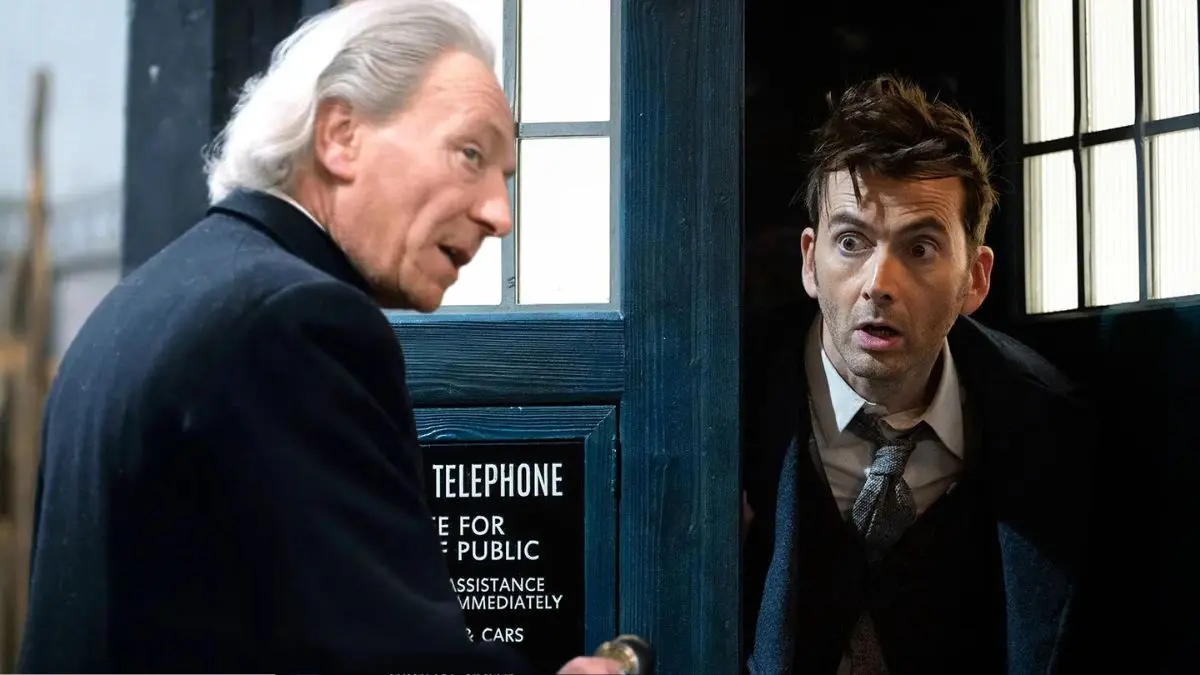

Few television shows have stretched across as many eras and formats as ‘Doctor Who’. The series has moved from black and white studio drama to modern widescreen spectacle while keeping the same core character and a time traveling blue box. Different production teams and changing broadcast needs have shaped how stories were made and how they reached audiences.
With so much history, some elements feel rooted in the time they were created, while other choices turned into long term strengths. Here are five ways the show shows its age and five ways the design of the series keeps it fresh and surprisingly durable.
Aged Poorly: Early serial pacing and broadcast patterns
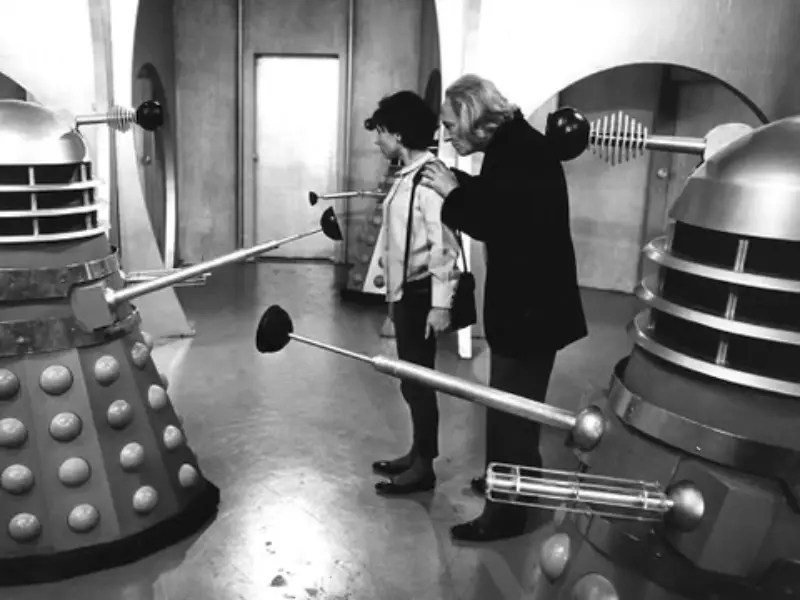
Classic stories were produced as weekly chapters with cliffhangers and a target length that often ran four to six parts. That schedule encouraged long dialogue scenes, bottle episodes, and repeated use of sets to meet tight turnaround times. Stories like ‘The Web Planet’ stretched a single premise across many installments because the format favored volume and regularity.
Later production shifted to single episode stories and occasional two parters, which changed how plots were structured and resolved. Older serials also faced studio bound limitations that affected location variety and action staging. The result is a clear contrast in scene length, cliffhanger rhythm, and episode count that reflects the needs of two very different television eras.
Aged Masterfully: Regeneration as a narrative engine
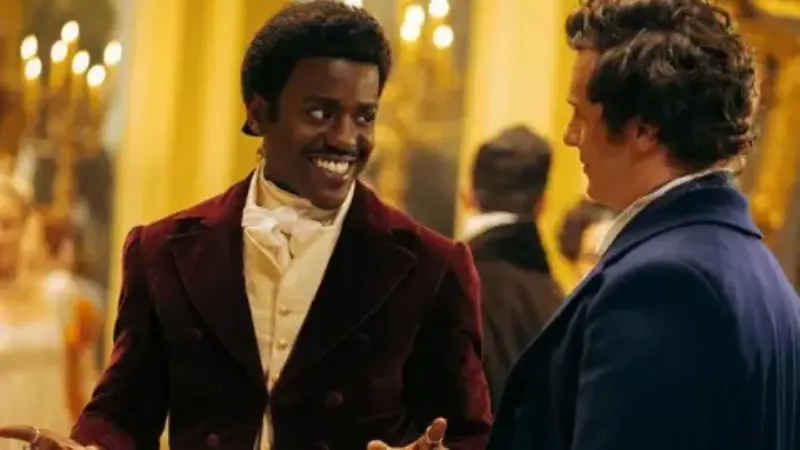
Regeneration allows the lead role to pass from one performer to another while keeping the same character and continuity. This single idea has supported multiple casting changes, refreshed the tone of the show, and opened the door to new companions and new storytelling goals without rebooting the series.
The device also expands the range of stories the show can tell. It supports identity focused arcs, multi Doctor events, and shifts in style that fit the strengths of each lead. Because regeneration is part of the fiction, major creative changes can happen within the story rather than outside it, which keeps the series flexible across decades.
Aged Poorly: Gender and cultural representation in early eras
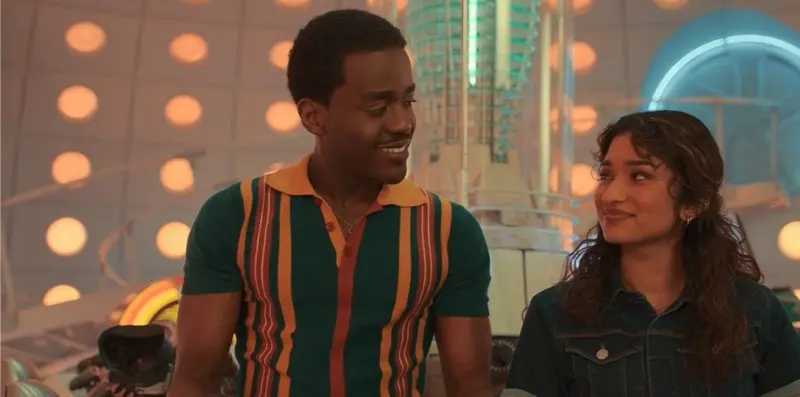
Early decades often placed women companions in assistant roles with limited agency in investigations and decision making. Scripts sometimes used screaming peril scenes as stock beats, and professional roles for women appeared less frequently on screen than they do in newer runs of the show.
Some classic stories also included practices that are no longer used in mainstream television. Productions cast white actors in Asian roles in ‘The Talons of Weng-Chiang’, and depictions of non European cultures drew on dated tropes. Later eras expanded casting and behind the scenes hiring, but the archive still reflects the norms of the time it was made.
Aged Masterfully: Flexible anthology style within a single premise
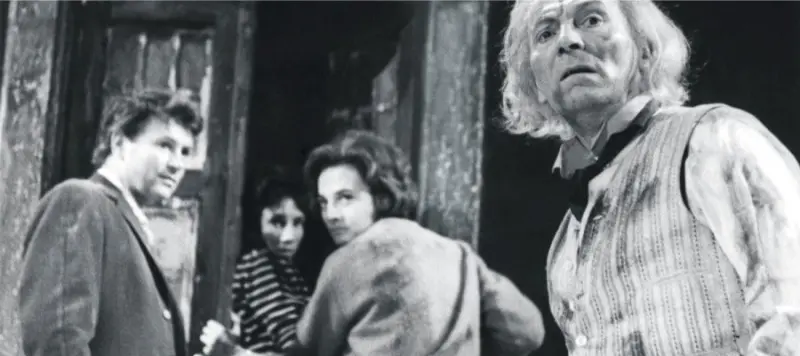
The TARDIS lets the story visit past, present, and far future settings with equal ease. The show can deliver a historical mystery one week, a base under siege the next week, and a domestic sci fi drama after that. That range keeps the series adaptable to shifts in audience tastes and production resources.
This flexibility also supports experiments that become templates for future years. Historical episodes like ‘Vincent and the Doctor’ sit alongside contemporary stories like ‘Rose’ and cosmic adventures like ‘The Day of the Doctor’. The frame of a traveler and a companion makes the whole thing hold together even when the genre changes completely from story to story.
Aged Poorly: Visual effects and prop durability in classic production
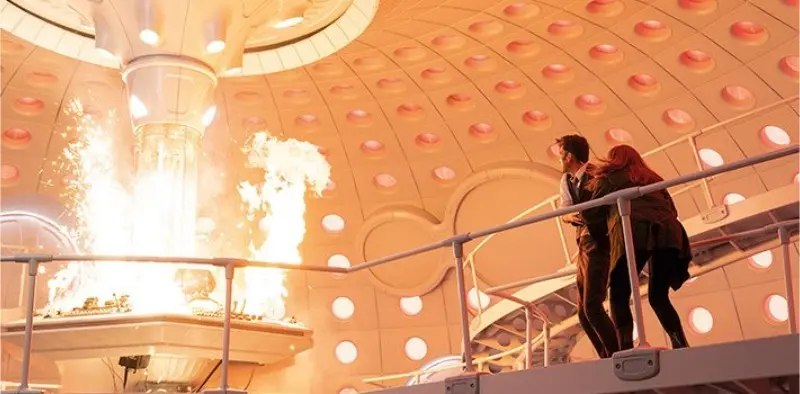
Classic episodes relied on practical sets, studio floors, and analogue composites that show their limits on modern restorations. Creature costumes restricted movement, model shots revealed seams, and lighting often aimed for speed over atmosphere. These choices reflect budgets and technology that were common across television at the time.
Iconic designs sometimes shifted because parts wore out or because teams had to reuse materials. Dalek casings, Cyberman suits, and the interior of the TARDIS went through frequent rebuilds that did not always match from story to story. Later digital clean up preserves the material but also makes the boundaries of the original effects more visible.
Aged Masterfully: Iconic design language that reads at a glance

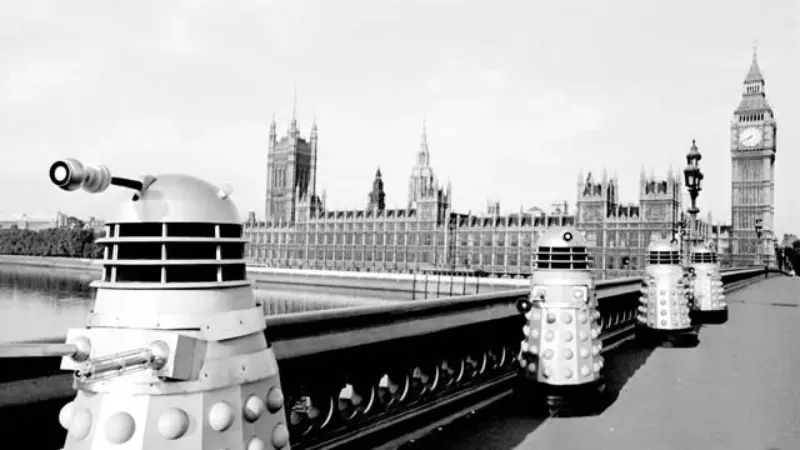
The blue police box silhouette, the Dalek dome with eyestalk, and the roundel lined TARDIS walls remain instantly recognizable. These shapes carry across eras and production methods because they communicate clearly even in quick shots or on small screens. The sonic screwdriver as a visual prop also gives directors a simple way to externalize problem solving.
Designers refresh details while respecting core shapes, which keeps continuity intact for long time viewers and easy to read for new ones. Variants appear within the same idea, such as different Dalek color schemes or TARDIS interiors, without losing the central silhouette that links all versions back to the same world.
Aged Poorly: Continuity sprawl and frequent retcons
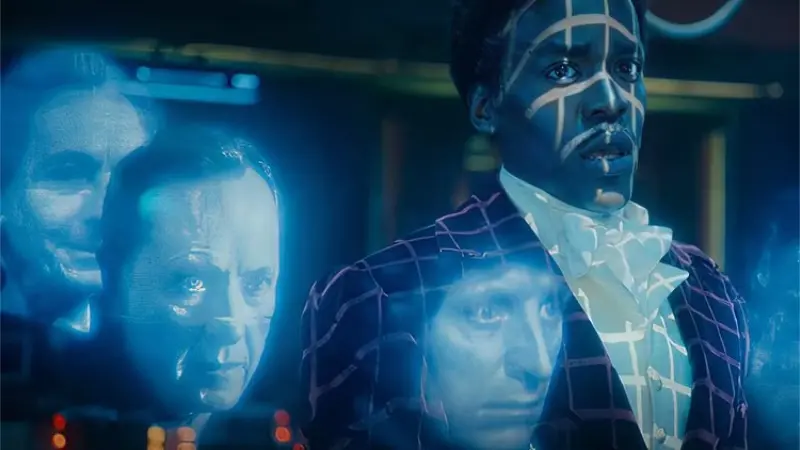
Thousands of minutes of television plus novels, comics, and licensed audio dramas create overlapping explanations for the same events. Different writer rooms have introduced new origin stories, hidden chapters, and altered timelines. The Time War served as a narrative space to reset or obscure parts of continuity when needed.
Recent revelations such as ‘The Timeless Children’ reframe the Doctor’s backstory and create new branches of lore. Multi Doctor stories and parallel universe plots add more layers to track. The result is a large archive where stories sometimes point in different directions, which makes documentation and guides a regular part of fandom activity.
Aged Masterfully: Companions as a consistent audience bridge

Companions give the Doctor a reason to explain science fiction ideas in plain language and a personal stake in each setting. Police training, medical expertise, school teaching, or family ties provide practical skills that shape how solutions appear on screen. This keeps plots grounded even when the setting jumps from a museum to a moon base.
Shifts in companion backgrounds also map to shifts in production goals. Rose Tyler introduces a street level entry point, Martha Jones brings medical training, Donna Noble drives workplace and family stories, Amy and Rory support long arc plotting, and later teams present multiple viewpoints within the same TARDIS. The companion role stays stable while the details evolve.
Aged Poorly: Archival loss and uneven access to classic material
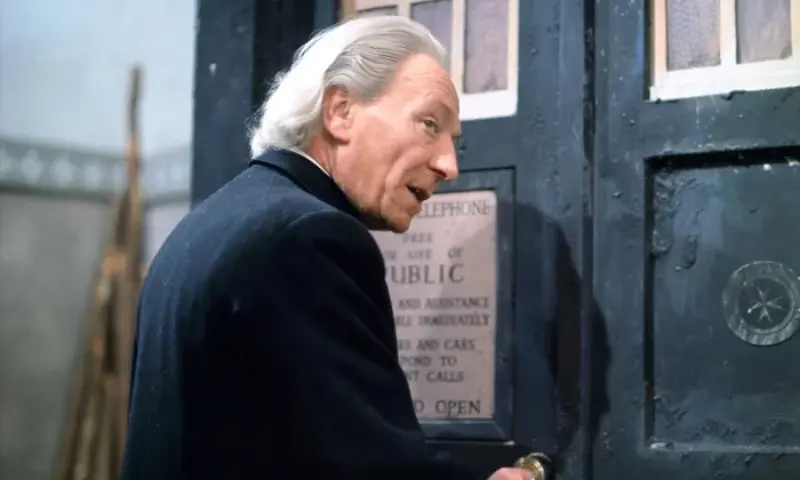
A significant number of early episodes are missing because of past wiping practices at the broadcaster. Surviving audio recordings, telesnaps, and partial film inserts allow reconstructions, and select stories have received animated versions. Even with these efforts, gaps remain that limit how completely fans can watch certain early runs.
Access also varies by region and platform. Licensing changes move seasons between services or return them to physical release only. Collectors can find restored editions with extensive extras, yet not every story reaches the same markets at the same time. That patchwork makes the history of the show easier to read about than to view in full.
Aged Masterfully: Transmedia world building and fan infrastructure
The series extends through spin offs like ‘Torchwood’, ‘The Sarah Jane Adventures’, and ‘Class’, along with comics, novels, and licensed audio dramas featuring original cast members. These projects fill in backstories, follow side characters, and test new tones that may later appear in the main show. The core premise supports this spread because it welcomes stories set anywhere and any time.
Community structures have grown around the property for decades. Conventions, official magazines, and behind the scenes features document production methods and preserve interviews with cast and crew. This record gives new viewers a way to learn the history of the show and gives researchers a deep source of material, which in turn supports future creators who take up the TARDIS next.
Share your own picks for what aged poorly and what aged masterfully in the comments.