5 Things About ‘Breaking Bad’ That Made Zero Sense and 5 Things About It That Made Perfect Sense

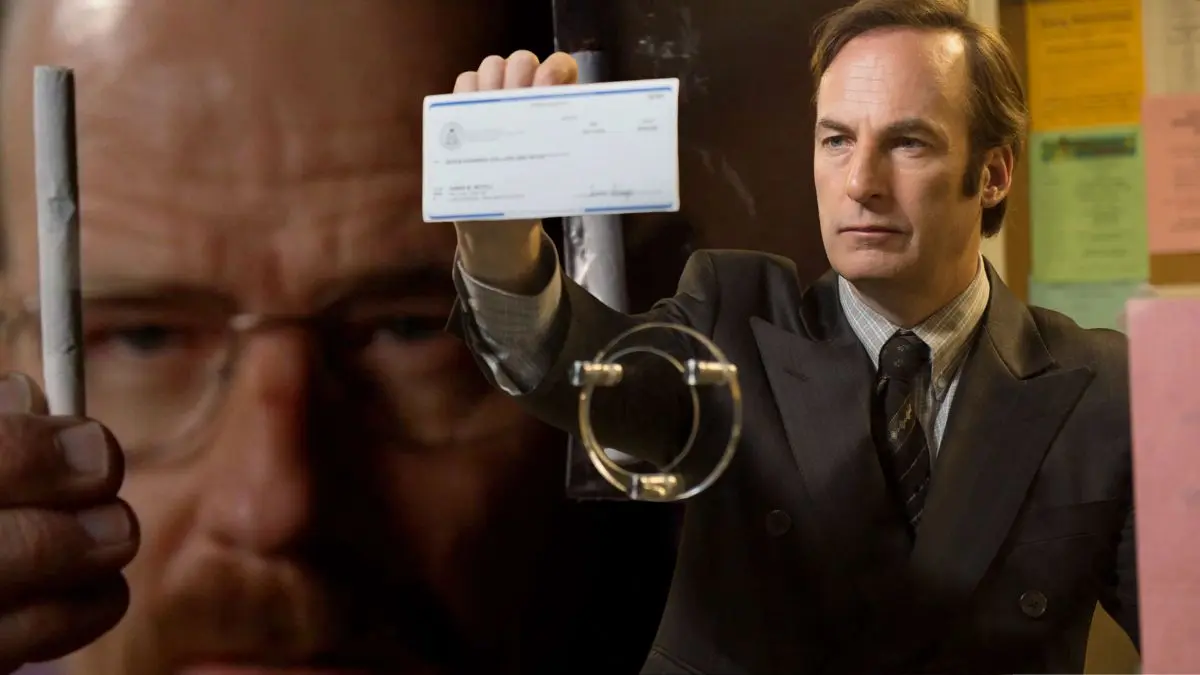

‘Breaking Bad’ blends crime, science, and family drama with an attention to detail that made small choices feel huge. The show packs in chemistry talk, surveillance tradecraft, and money moves that invite close inspection.
Here are five places where the story leans past what the real world would allow and five moments where it lines up with how things actually work. Each item focuses on mechanics like tech limits, criminal logistics, and procedure so you can see what adds up and what does not.
Zero Sense: The Magnet Heist
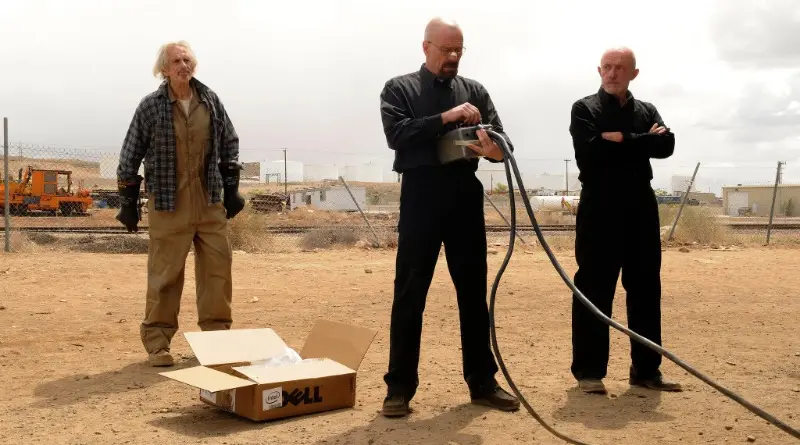
The crew tries to wipe a laptop inside a police evidence room using a giant electromagnet parked outside the wall. Magnetic fields drop off sharply with distance and barriers like concrete, rebar, shelving, and other metal redirect and weaken the field long before it reaches hard drives on interior racks.
A field strong enough to flip data through a wall would yank nearby metal and disrupt electronics on both sides, creating obvious damage and alarms. Even if some data were disturbed, modern drives often store information with error correction that resists partial scrambling, which makes an off-site wipe highly unreliable.
Perfect Sense: Methylamine And Product Quality
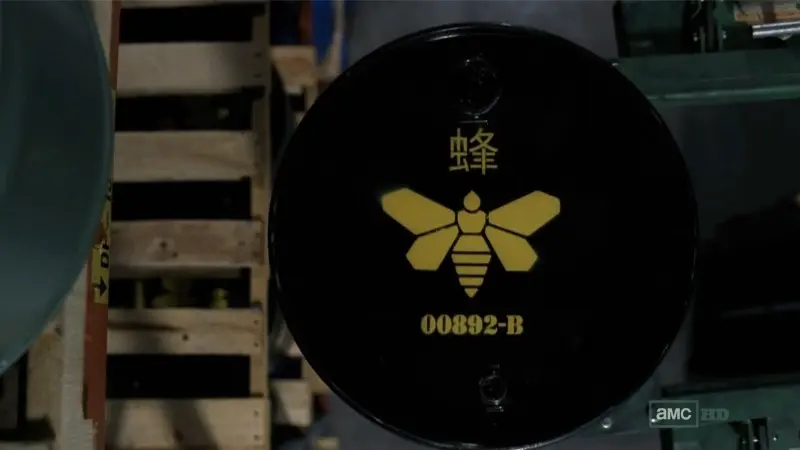
Switching to methylamine and a P2P synthesis explains why the product in the show tests at unusually high purity. That route avoids the retail pseudoephedrine bottleneck and reduces certain impurities that show up with redox shortcuts, which aligns with the consistent results seen by buyers and law enforcement.
Controlling a key precursor also explains the business decisions around heists, partnerships, and territory. In illicit markets, whoever controls precursor supply controls capacity and pricing, so the scramble for methylamine tracks with real supply-chain pressure.
Zero Sense: Car Wash Laundering Scale

A neighborhood car wash has limited daily throughput and average ticket size, which caps legitimate revenue. Trying to pass millions in cash through a small service business would produce deposits and declared sales far beyond reasonable seasonality and local demand.
Banks monitor frequent cash deposits and abrupt revenue spikes, while auditors can compare water, electricity, and detergent usage with reported wash counts. Forensic accounting often reconciles inputs with output claims, so the numbers from utilities and inventory would not match the cash being claimed.
Perfect Sense: Hank’s Casework

Hank follows physical clues, supply chains, and documents to build a picture of the cook. Using lab notes, purchase records, and surveillance to connect equipment, precursors, and locations mirrors how narcotics investigations tie disparate leads into one target.
Deploying a tracker to observe movements and reactions is standard investigative practice when agents are testing a hypothesis about a suspect’s routine. Watching how a careful subject responds to being watched can confirm suspicion without immediate confrontation, which is exactly the incremental approach seen here.
Zero Sense: Brock’s Poisoning Confusion

The boy’s symptoms and recovery are later tied to lily of the valley rather than ricin, yet characters and caregivers shift focus quickly toward a biotoxin scare. Ricin exposure typically prompts strict isolation and lab notifications, while plant cardiac glycosides present with bradycardia, nausea, and distinctive rhythm changes that steer clinicians in a different direction.
Hospital toxicology for plant glycosides is not routine, but diagnosis leans heavily on clinical presentation and history. The rapid narrative swing between causes compresses a workup that would usually separate these paths based on vital signs, ECG patterns, and the absence of exposure history consistent with a protein toxin.
Perfect Sense: The Superlab Setup
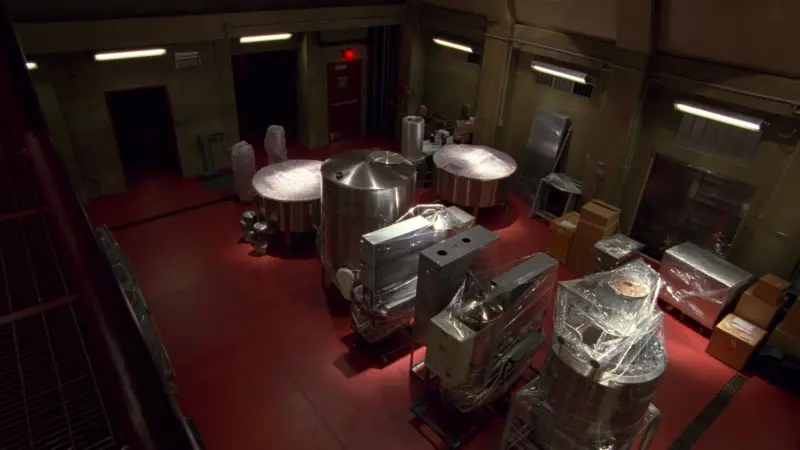
An underground lab with controlled airflow, negative pressure, and limited access is consistent with how industrial sites reduce contamination and contain odors. Positioning it beneath a commercial laundry masks heat, noise, and chemical smells inside a legitimate operation that already vents steam and uses cleaning agents.
Separating production from street-level distribution also reflects how higher tier suppliers minimize exposure. Fewer entrances, badge controls, and scheduled movements lower the risk of surprise visits and casual observation, which is why the facility functions for so long without detection.
Zero Sense: Walt’s Cross-Country Return

Traveling from a remote hideout back to Albuquerque while wanted would trigger multiple exposure points. License plate readers, traffic stops, lodging records, and fuel purchases create a trail even for someone using cash and borrowed vehicles.
Acquiring weapons and arranging meetings expands the contact network and raises the chance of crossing an informant or monitored location. Crossing several jurisdictions without tripping a single alert is possible on paper but runs against how many small interactions add up to detection.
Perfect Sense: Saul’s Criminal Toolkit

A defense attorney who cultivates bondsmen, private investigators, and off-book specialists reflects a real ecosystem around criminal practice. Clients often need introductions to people who handle sensitive logistics, and a lawyer who knows who will take those jobs acts as a hub.
Guidance on using cash-heavy fronts, negotiating cooperation, and staging legally safer explanations for assets follows common defense playbooks. Not every tactic succeeds, but the menu of services and referrals lines up with how a fixer knits together services that keep clients out of immediate custody.
Zero Sense: Gus At The Nursing Home

A cartel-level operator personally visiting a known enemy at a predictable time concentrates risk. High-value figures typically avoid regular patterns, delegate close contact, and change venues to prevent ambushes.
Care facilities track visitors and restrict unusual devices, which creates a record and adds screening steps that complicate the scenario shown. The combination of predictable timing, a confined room, and a sworn enemy increases vulnerability in a way most leaders would design around.
Perfect Sense: Ricin As A Threat
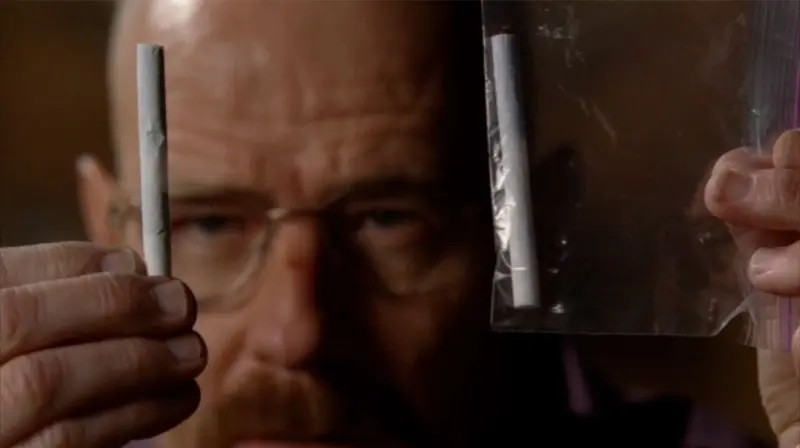
Ricin is a protein toxin derived from castor seeds that can cause delayed gastrointestinal and systemic symptoms after ingestion or inhalation. Its lag between exposure and severe illness fits the story’s use of a concealed threat that allows time for suspects to redirect blame.
Hiding a tiny dose in an everyday object illustrates the real challenge with many poisons, which is controlled delivery rather than synthesis. The show highlights custody problems, decoys, and retrieval steps, which matches how covert dosing attempts often fail because the container and chain of handling are so easy to disrupt.
Share the moments you think worked or didn’t in ‘Breaking Bad’ in the comments and tell us which scene you would examine next.