5 Things About ‘Friends’ That Made Zero Sense and 5 Things About It That Made Perfect Sense



‘Friends’ remains one of the most rewatched sitcoms ever, with sets and story beats that fans can recognize in a second. The show built a cozy New York that felt familiar even if you had never set foot in the city. Viewers still quote jokes, revisit holiday episodes, and map their own friendships to the six leads.
Along the way the series also stacked up details that either stretched logic or clicked neatly into place. Below is a balanced look at both sides, with quick, focused points that highlight specific moments, production choices, and long running threads that shaped how the show works.
Zero Sense: The huge apartment
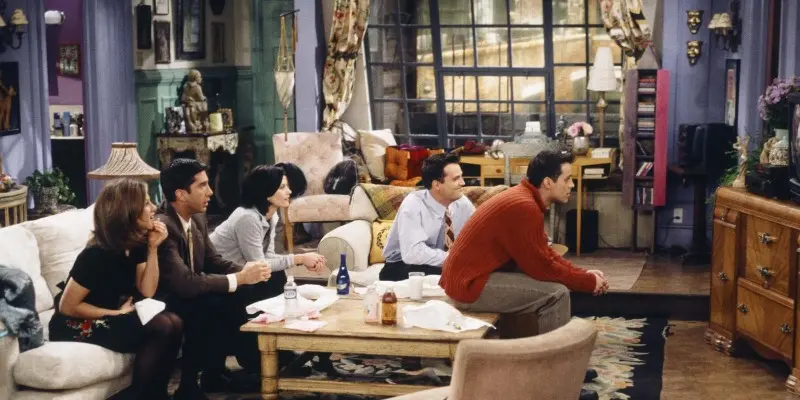
The main set shows two bedrooms, a wide living room, a full kitchen, and a balcony in a West Village walk up. Early seasons also present frequent gatherings with large groups in that same space, which signals a footprint well above a typical starter apartment. Props like the oversized couch, full dining table, and multiple bookcases confirm a layout that reads far from small city living.
The series places twentysomething characters in service jobs or entry roles while keeping that unit stable for years. Even after job losses and short gaps, rent never becomes a sustained conflict. The physical scale on screen stays constant, which keeps the visual identity but breaks with normal constraints for similar neighborhoods.
Perfect Sense: Rent control setup

The script explains that the lease came through a grandmother who held a long term, rent controlled unit. That line justifies below market payments and gives a clean reason the apartment never turns over. It also sets up plot points about subletting and why the landlord does not appear often.
Rent control also explains why friends can rotate in without a total reset. When Rachel moves in, the arrangement still rests on the original lease history rather than fresh, market rate paperwork. This keeps the door open for long arcs that rely on the group staying close to that specific space.
Zero Sense: Age and birthday drift

Across multiple seasons characters state ages and birthdays that do not line up. Ross spends more than one year saying he is twenty nine. Rachel is linked to different zodiac signs in separate episodes, which points to a month change rather than a single fixed date. Joey also gives numbers that jump too quickly for the passage of time on screen.
The timeline of college flashbacks and key life events creates more conflicts. Graduation years, prom videos, and first jobs do not always map to the current ages the group claims in the same season. These overlaps create a chronology that shifts to fit jokes or bottle episodes rather than one consistent record.
Perfect Sense: Holiday tradition anchor

The show uses annual events to organize time in ways that feel stable. Thanksgiving episodes return each year with family recipes, football games, and recurring guests like parents Jack and Judy, which provides a dependable yardstick for viewers. Those entries often recap where relationships stand and who is living where.
This framing also supports continuity for running gags and props. The Geller cup reappears, the trifle becomes a reference point, and the apartment hosting duties make sense because the main set is already established for large groups. These repeat markers help the audience track long arcs even when other dates shift.
Zero Sense: Jobs versus coffee time
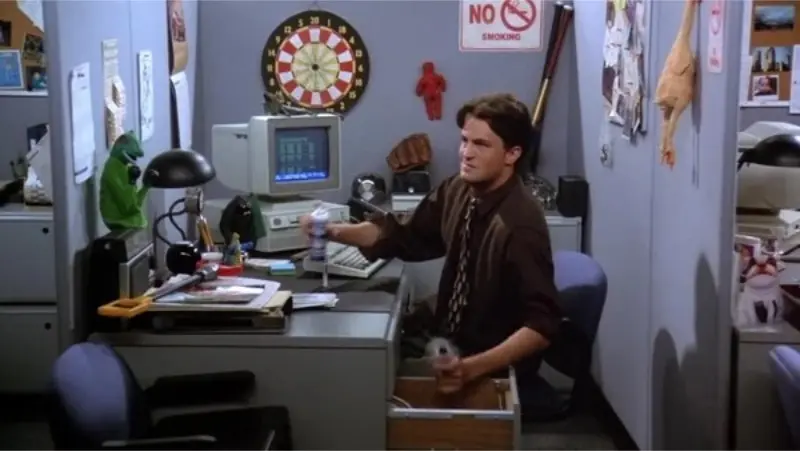
Several characters hold roles that demand strict schedules, yet the group spends long stretches at the coffee shop in the middle of the day. Monica works as a line cook and later as a chef, which usually means late nights and weekends. Rachel moves into fashion buying and merchandising, which typically involves office hours, vendor meetings, and travel.
Chandler works in corporate data roles that imply standard office hours and meetings. Ross teaches and manages museum work that would place him in labs or classrooms. Even with shift changes, the frequency and timing of group hangouts exceed what those jobs would permit on a normal week.
Perfect Sense: Central Perk as a third place
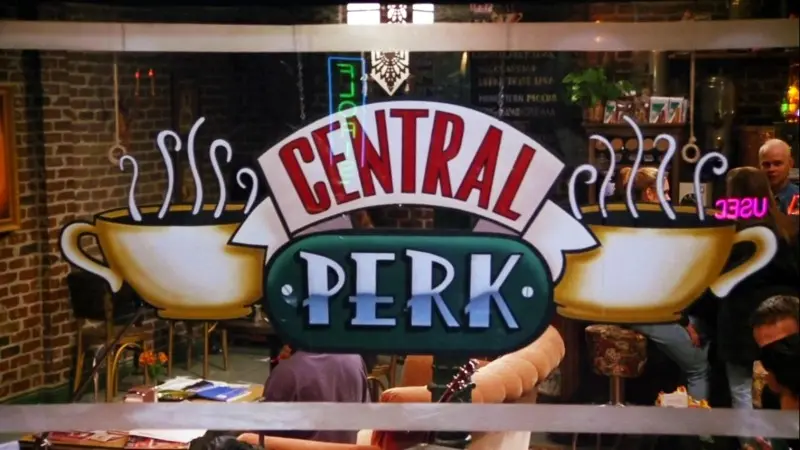
Central Perk functions as a designed meet point close to home, which explains why people can drop in quickly. The set gives clear sight lines to entrances, the service counter, and the couch, so scenes can start the moment someone arrives. This makes chance encounters plausible within the world of the show.
The coffee shop also removes the need for reservations or noise control that a bar or restaurant would require. Characters can sit for long talks without a bill turning the table, and the staff know them, which shortens setup for each scene. That reliability supports story flow and keeps the ensemble together without new logistics each week.
Zero Sense: Door numbers and floors change

Early episodes show low apartment numbers on the hallway doors, then later seasons switch to higher numbers that imply upper floors. The view from the balcony suggests a height well above a fifth floor, yet the initial numbering did not match that sight line. The change fixes the backdrop but leaves earlier visuals in conflict.
This shift also touches elevator and stair logic. A higher floor would explain the long climb with groceries and furniture, while the initial numbering would not. Because the building layout never receives an explicit update on screen, both versions exist side by side for anyone watching closely.
Perfect Sense: Recurring side characters build the world

The series keeps a stable circle of secondary faces that stitch episodes together. Janice, Gunther, and Mr. Heckles appear in patterns that help place time and location without fresh exposition. Their reappearances let stories pick up threads from months earlier with no reintroduction needed.
Cross show links add another layer of coherence. Ursula from ‘Mad About You’ shows up as Phoebe’s twin, which explains lookalike gags while acknowledging a broader TV universe. The result is a neighborhood feeling where the same people turn up because everyone shares the same blocks and routines.
Zero Sense: Joey’s money swings

Joey spends on big items during stretches when acting work is scarce. He buys statement clothes tied to a car brand and experiments with new furniture right after job losses. The apartment also keeps large electronics and custom builds despite repeated notes about overdue bills.
The income from ‘Days of Our Lives’ arrives in bursts rather than a steady salary, yet rent and utilities remain mostly unaffected across seasons. Short runs on stage and commercial auditions rarely include residuals large enough to cover long gaps. The pattern creates a financial picture that does not settle with the career path on screen.
Perfect Sense: Chandler’s salary and career pivot
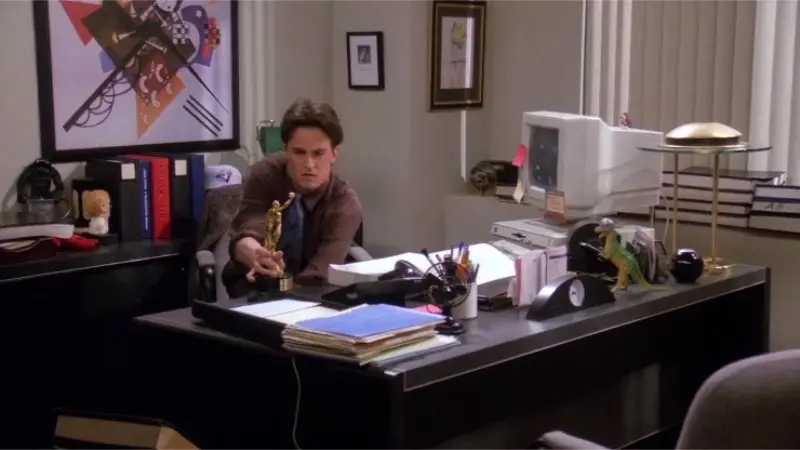
Chandler holds a corporate role in statistical analysis and later moves into advertising. The first job explains why he covers shared expenses and lends money to Joey. Corporate benefits and bonuses also make sense of sudden purchases and trips that appear without long savings arcs.
The later pivot into a creative role follows a clear, on screen path. He leaves a stable but unloved track, builds a portfolio through night classes and junior tasks, then lands an entry role. That sequence matches common midcareer moves where transferable skills open the door and the title changes after new training.
Share your own picks that made no sense or made perfect sense in ‘Friends’ in the comments.