5 Things About ‘Dragon Ball’ That Made Zero Sense and 5 Things About It That Made Perfect Sense


The original run of ‘Dragon Ball’ is a fast moving mix of martial arts adventure and road trip comedy, and it lays the foundation for everything that came after. It introduces the Dragon Balls, the world’s odd blend of futuristic gadgets and ancient training, and the characters who define the franchise. It also experiments a lot, which means some parts line up with care while others bend their own rules.
Looking back at the early arcs from Pilaf to Piccolo shows how the series builds clear systems around ki, training, and the Dragon Balls, even while tossing in moments that ignore those systems. Here are five cases where the story undercuts its own setup and five places where it holds firm and explains itself well.
Zero Sense: Instant Kamehameha
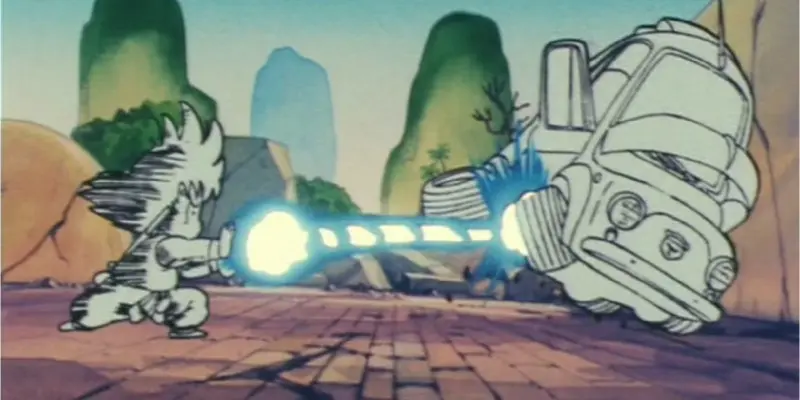
Early in ‘Dragon Ball’, Master Roshi performs the Kamehameha and explains that it took decades to master. Moments later Goku copies the technique on his first try and blasts a small wave from his hands. The scene presents ki as a skill built through long practice, then immediately shows a child reproducing it without training, which conflicts with the rules the show has just stated.
The series later adds more structure to ki control, and Goku’s growth is usually tied to detailed practice. In the original anime at this point there is no Saiyan explanation yet, so the sudden mastery is not supported by any earlier information. It stands out because other fighters spend whole arcs learning much smaller improvements.
Perfect Sense: Tail and Great Ape rules
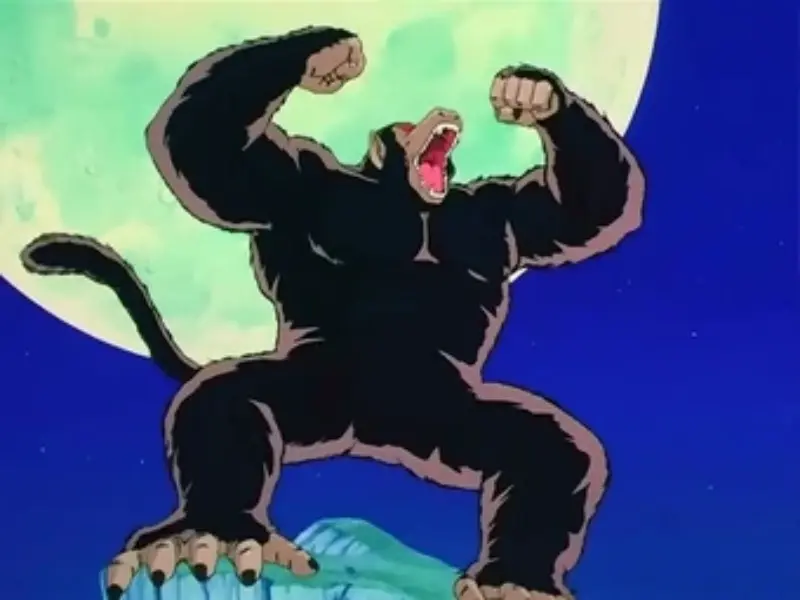
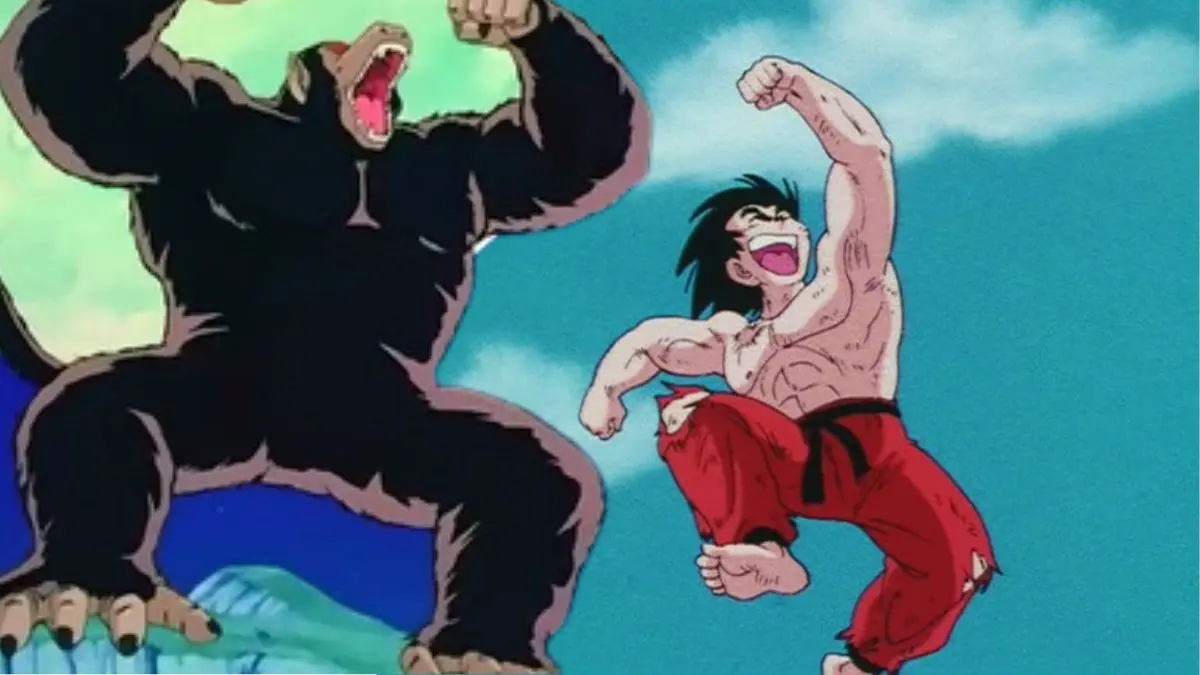
The anime lays out that a full moon plus a Saiyan tail triggers the Great Ape transformation, and that removing the tail stops it. Goku’s first change under the moon and the story of Grandpa Gohan’s death both reinforce the trigger and the danger. Grabbing or squeezing the tail is shown as a weakness that can immobilize Goku, which gives opponents a clear counter.
The show also follows through by taking the tail away to prevent future accidents. Jackie Chun destroys the moon to end a rampage, and later Goku approaches major fights without the tail so the trigger is off the board. The cause and effect around the transformation is explained and applied in ways that fit the rules already shown.
Zero Sense: The missing and returning moon
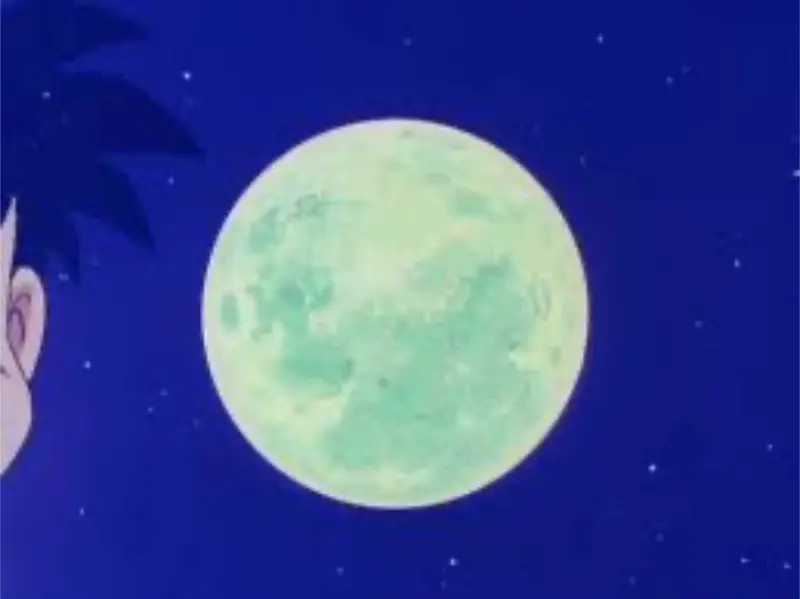
Jackie Chun blows up the moon to stop Goku, which should change tides, nights, and any later full moon events. The moon then appears again in later night scenes with no on screen restoration in the original series, and much later it is destroyed again to halt another Great Ape incident. The cycle of destruction and return happens without a clear explanation inside the early anime.
Because the moon drives a major transformation, its status matters to the plot. The original anime does not show a repair or replacement during its run, so the reappearance reads like a quiet reset that overlooks earlier consequences such as navigation, weather, and the timing of future transformations.
Perfect Sense: Tournament structure and rules
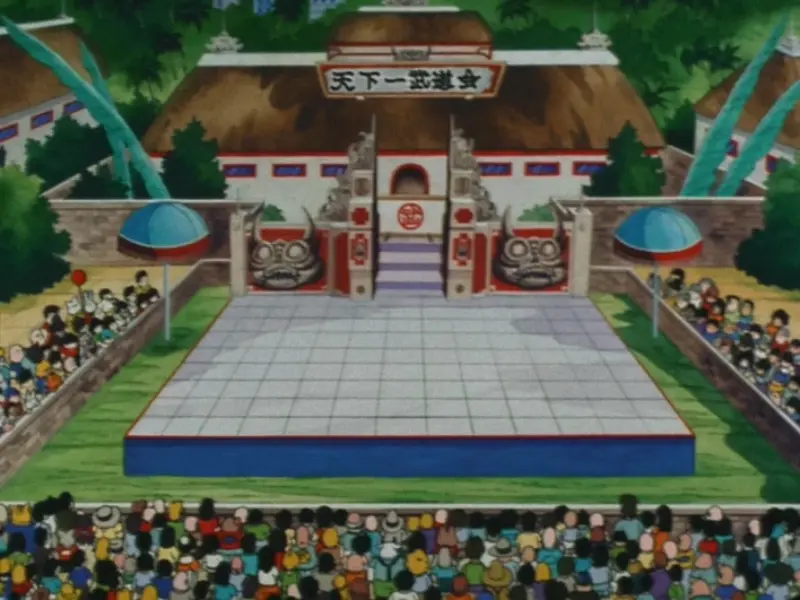
The Tenkaichi Budokai has simple rules that the anime explains and enforces. A fighter loses by ring out or knockout, and weapons and killing are not allowed. There are preliminaries to narrow the field, a bracket for the finals, and a referee who calls out infractions and counts downs when needed. The rules remain the same across multiple tournaments, which makes results easy to follow.
That structure shapes strategy in ways the episodes show directly. Competitors adjust footwork to avoid the ring edge, suppress lethal moves, and plan stamina for long matches. The consistent format lets the audience track Krillin, Yamcha, Tien, and Goku across arcs with the same clear win and loss conditions.
Zero Sense: Variable durability against everyday weapons
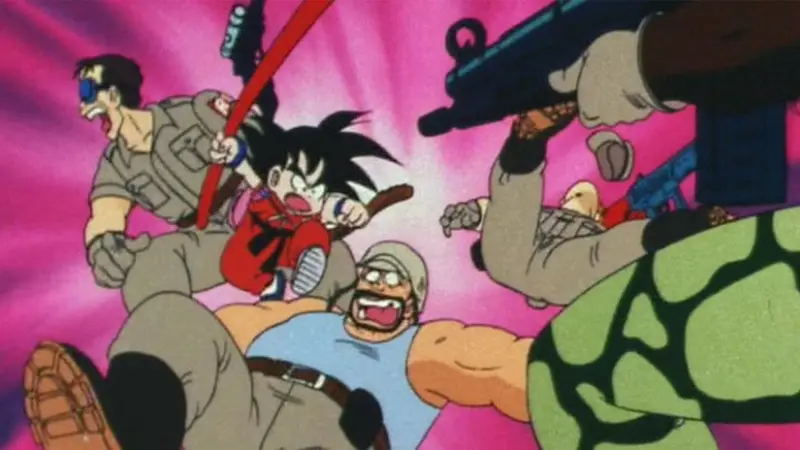
In early episodes bullets and small explosions sometimes knock characters around, yet the same characters later endure far stronger strikes from trained fighters without a scratch. Goku is shown shrugging off heavy blows in the ring while a short time earlier a burst from a gun can drop him to the ground. The effect of mundane weapons on durable fighters changes from scene to scene without a stated reason.
When ki reinforcement becomes more visible the show has a way to explain toughness, but many early moments apply or ignore that idea at random. The result is that simple tools alternate between being serious threats and harmless props even within a single arc, which blurs the baseline for how tough the cast really is.
Perfect Sense: Capsule tech and the Dragon Radar
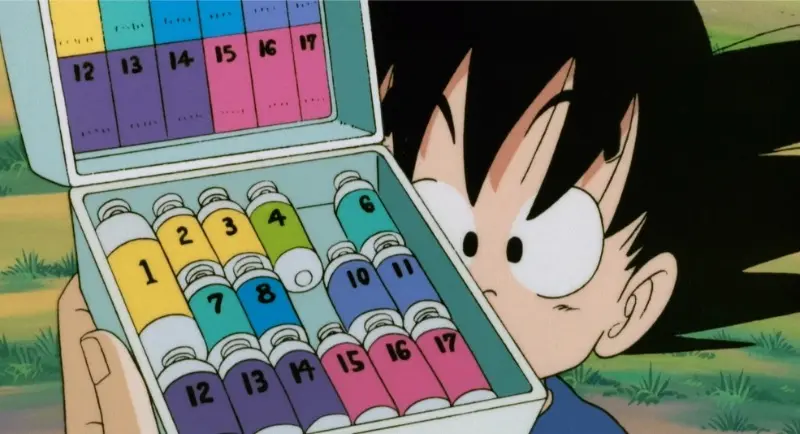
From the first episode the anime introduces Capsule Corp and shows capsules that store vehicles, houses, and supplies. Bulma’s Dragon Radar can pinpoint a Dragon Ball by measuring a specific energy signature. Those tools define travel and search in a world that blends desert ruins, snowbound towers, and cities, and they explain why a small group can chase artifacts across a continent.
The show also establishes limits that keep the hunt interesting. The radar needs range and clear access, which is why balls hidden underwater, inside moving machines, or shielded by terrain require local exploration. Capsules solve logistics but not every obstacle, so characters still have to climb, swim, or break through traps to reach each ball.
Zero Sense: Early age and timeline confusion
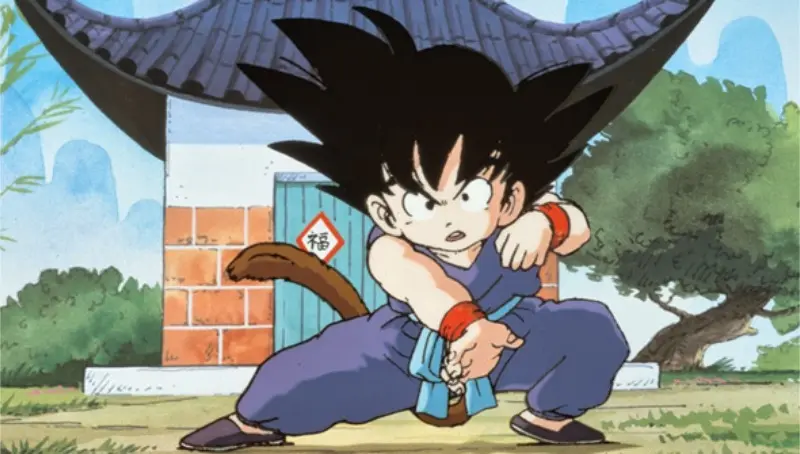
The anime initially gives rough ages for the leads that do not always match the way time passes between arcs. The first two tournaments are three years apart, and the third comes three years after that, yet Goku’s stated age at the start and his physical growth across those gaps do not line up cleanly with the numbers first mentioned. Bulma’s early age line also becomes hard to reconcile once the multi year jumps add up.
Later materials make the calendar more precise, but the original broadcast presents ages casually and then moves forward with year sized skips. Viewers can piece together a working timeline from the tournament intervals and training periods, but the ages cited in early episodes do not stay anchored to that clock.
Perfect Sense: Kami, Piccolo, and Dragon Ball mechanics
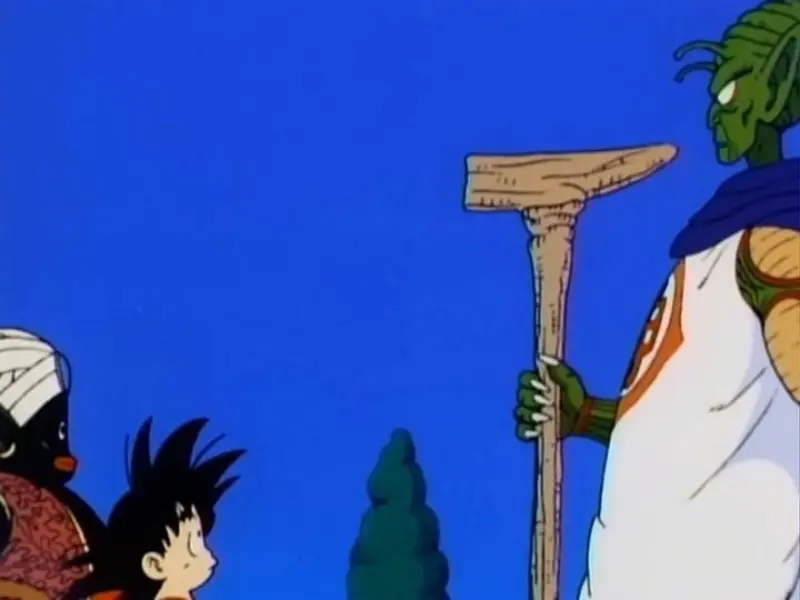
The anime explains that the Dragon Balls exist because the God of Earth created them, and that the dragon’s power depends on that creator’s life. When Shenron is destroyed the balls become stone and remain inert until the creator restores the dragon. If the creator dies the Dragon Balls stop working, which links story stakes to the survival of key figures.
It also ties Kami and Piccolo together so that harm to one affects the other. Since they are two halves of a single being, fatal damage to Piccolo would end Kami as well, and the Dragon Balls would vanish. That connection drives choices in the final arcs of the series and gives a clear rule for why the heroes sometimes spare a dangerous rival.
Zero Sense: Tech leaps with cyborg upgrades
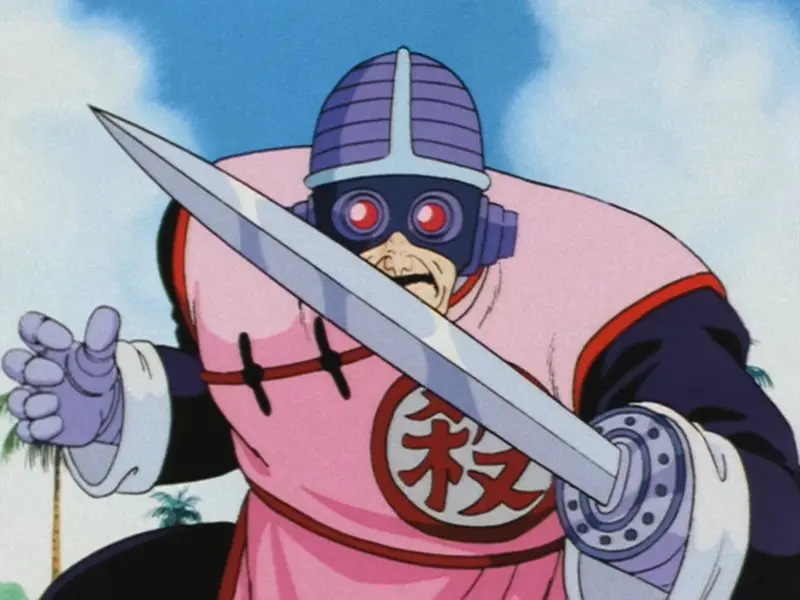
After the Red Ribbon arc, the series shows the return of an assassin with mechanical upgrades that include powerful built in weapons and reinforced limbs. The world already has capsules and aircraft, yet this level of cybernetic enhancement appears suddenly without prior setup in the medical or military tech seen before. The jump lands without an in story bridge from ordinary gear to full body combat machinery.
The broader setting includes scientists and inventors scattered across the world, but the anime does not depict a hospital or lab capable of this procedure before it appears on screen. It creates a gap between the everyday technology that characters use and the invasive engineering required to rebuild a human into a weapon.
Perfect Sense: Training ladders and measurable gains
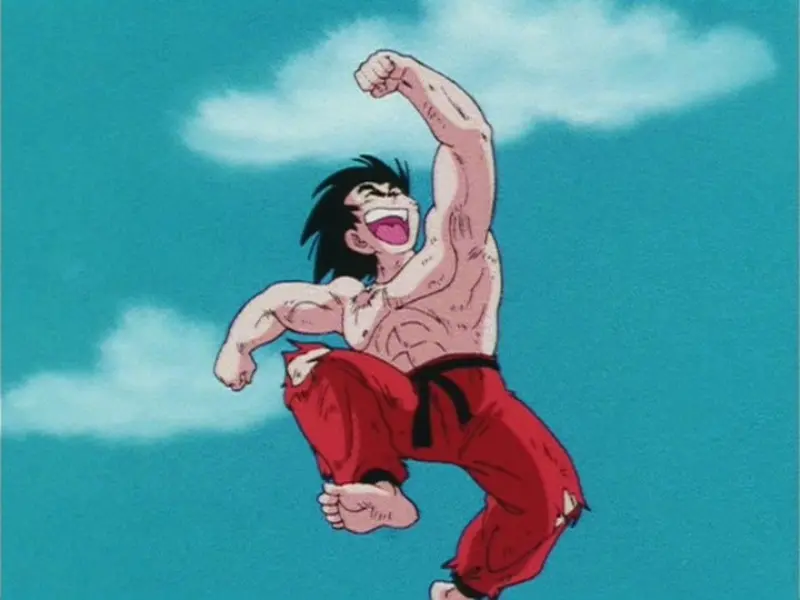
Goku’s progress follows a clear ladder of teachers and methods. Under Master Roshi he builds endurance and basic ki control through daily labor and sparring, which prepares him for his first tournament. With Korin he trains speed and awareness by trying to seize a vessel while climbing and dodging without rest, which translates to sharper reactions in later fights. Under Kami he learns to read ki and refine techniques that avoid lethal force, which shapes the final tournament arc.
Named moves anchor that growth so the audience can track milestones. The Kamehameha gains power and precision, the Afterimage becomes a tactical feint, and Solar Flare shows up as a way to create openings. Each new teacher expands the tool set in a way that shows up in the next major battle, which gives the series a visible record of progress.
Share your favorite sense or nonsense moments from the original run of ‘Dragon Ball’ in the comments.