5 Things About ‘Yellowstone’ That Made Zero Sense and 5 Things About It That Made Perfect Sense

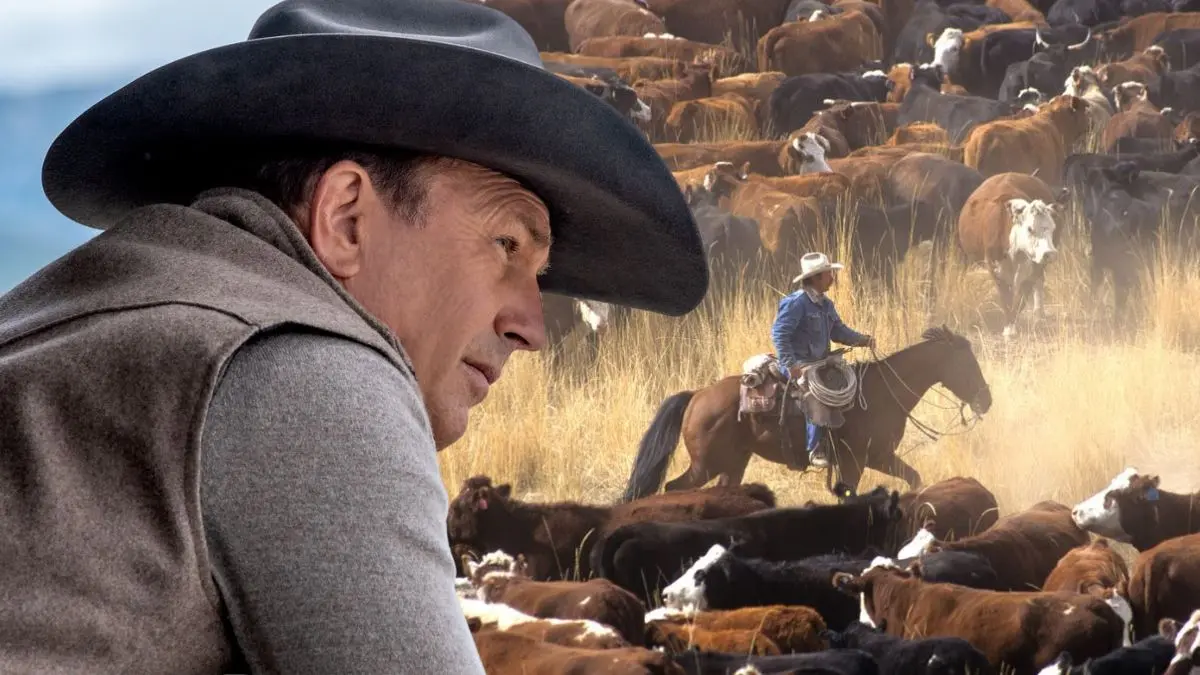

Some parts of ‘Yellowstone’ feel larger than life, and that is a big reason the series grabs attention. The storylines move fast and the stakes are always high, which means dramatic turns that keep viewers hooked from one episode to the next.
Other parts pull straight from the grit of ranch life in the American West. The show often lands on real details about cattle, land, and the push and pull between old ways and modern pressure. Here are five things that stretch belief and five that line up with how this world actually works.
Zero Sense: The train station
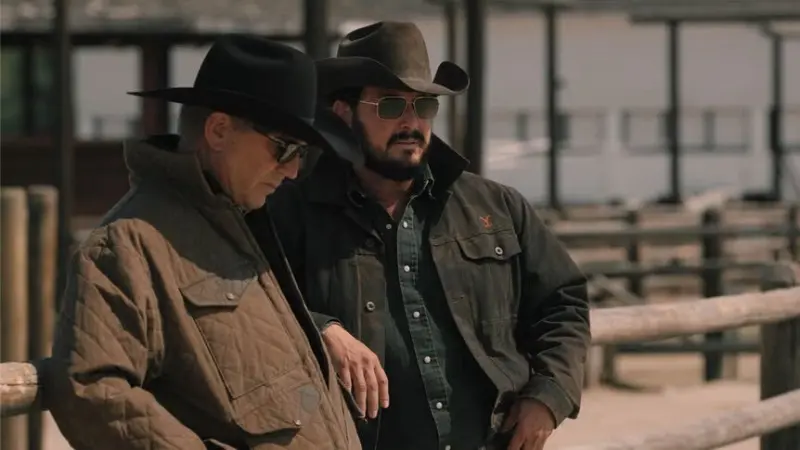
The series depicts a remote dumping ground called the train station where enemies disappear without a trace. In real investigations, bodies, vehicles, phones, bank activity, and cameras create trails that cross county and state lines. Missing persons reports generate data checks and shared alerts that make a pattern hard to hide for very long.
When suspected killings cross jurisdictions, state investigators and federal agencies can claim authority. Ballistics networks match firearms to scenes. Cell site records place devices near crime locations. A long run of disappearances in one corridor would trigger task forces and coordinated searches, not a continuing void.
Perfect Sense: Developer pressure
Developers and investors eye the valley around ‘Yellowstone’ with offers, options, and political influence. This mirrors real demand for scenic Western land where new airports, resorts, and subdivisions expand tax bases and alter long standing communities. Ranches that border public lands or rivers draw especially heavy interest.
Escalating land values can raise property taxes and push long term owners toward selling pieces of their holdings. Conservation easements, zoning fights, and ballot measures become tools on all sides. The show captures how one big project can set off lawsuits, countersuits, and public meetings that reshape a county.
Zero Sense: The governor conflict
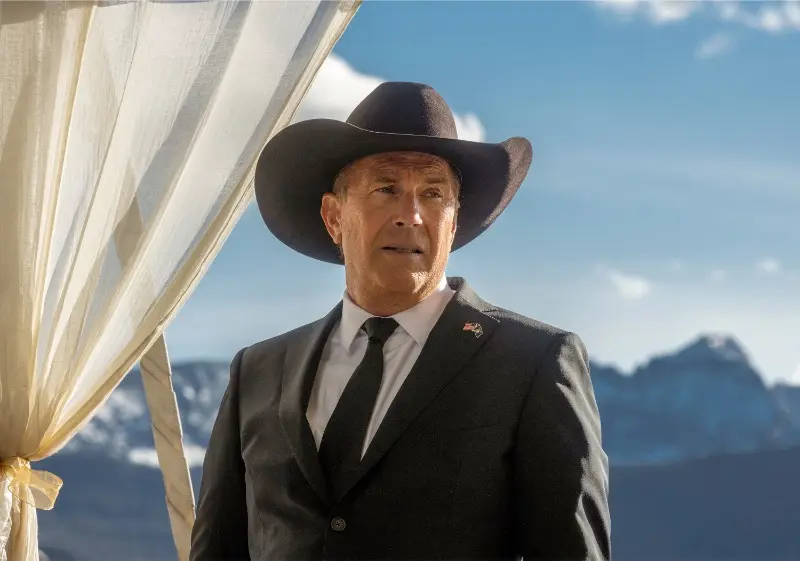
John Dutton takes the governor’s office and then uses executive power to stall projects that threaten his ranch. In practice, governors are bound by ethics rules, procurement laws, administrative procedures, and judicial review. Direct actions that benefit a personal business invite injunctions and fast moving lawsuits.
Agencies still must follow rulemaking, publish notices, accept comments, and defend decisions with records that courts can review. Opponents can seek temporary restraining orders and appeal denials. A sudden freeze that targets one company or one parcel would face immediate legal challenges and legislative pushback.
Perfect Sense: Bunkhouse work culture
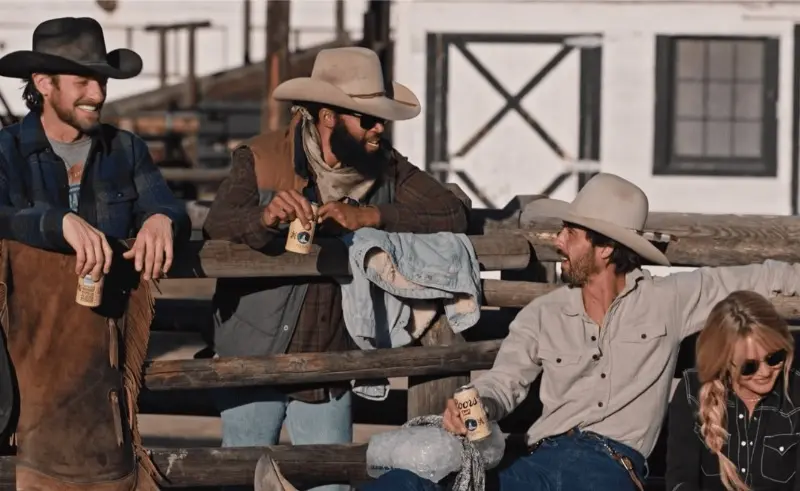
The bunkhouse shows a crew that starts before sunrise and ends after dark in peak seasons. Real crews rotate night checks during calving, mend fence after storms, and keep a steady schedule of feeding, doctoring, and moving cattle. Horses, tack, and trucks need daily care on top of the herd.
Hierarchy forms around experience and reliability, not job titles. A foreman assigns crews, watches weather, and plans pasture use. New hands earn better mounts and more responsibility after proving they can work safely and finish the hard jobs without complaint. The show reflects that rhythm and respect.
Zero Sense: The clinic backstory
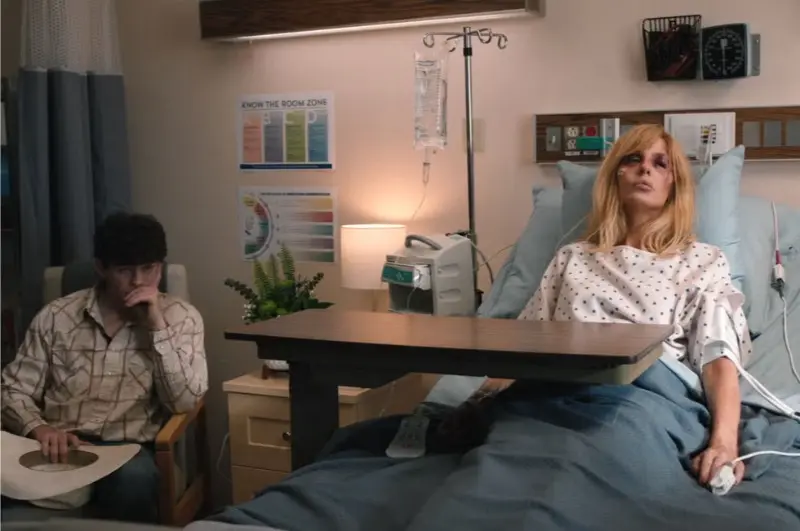
Beth’s sterilization backstory involves a clinic procedure without informed consent and with conditions that would not pass medical or legal review. Modern clinics require written consent, counseling, and documented medical indications. Policies that hide permanent outcomes from a patient are unlawful and unethical.
Minors or young patients typically need a clear consent pathway that can include a guardian or a court. Records, signatures, and waiting periods create a trail that is difficult to erase. The scenario as described leaves out safeguards that real facilities are required to follow.
Perfect Sense: Seasonal cattle work
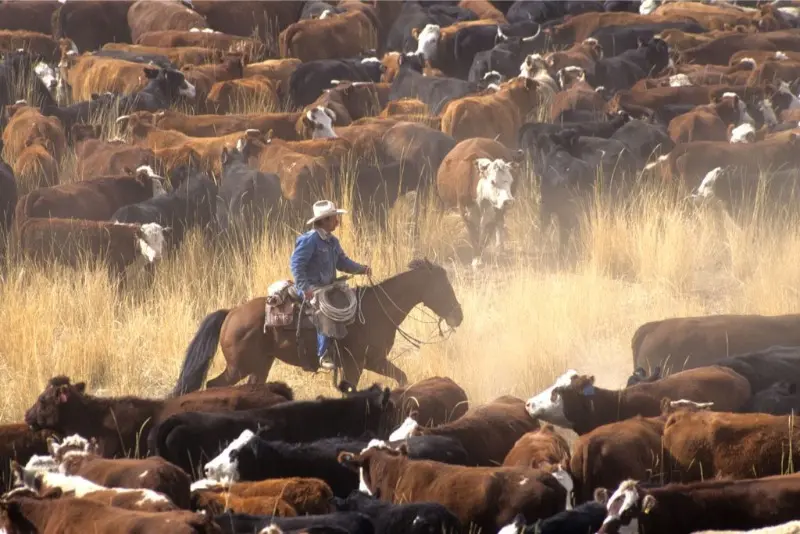
Cattle work ramps up and slows down on a predictable calendar. The show features calf branding, doctoring, pregnancy checks, and shipping days that match real cycles. Ranches plan pasture rotations and water in step with grass growth and heat, then haul or trail cattle when conditions allow.
Health protocols are another point the series gets right. Ranches test for disease, isolate sick animals, and log vaccinations. Sorting cattle for trucks or rail requires experienced ropers, gate timing, and stock handling that puts low stress movement first to keep weight on and injuries low.
Zero Sense: Endless shootouts
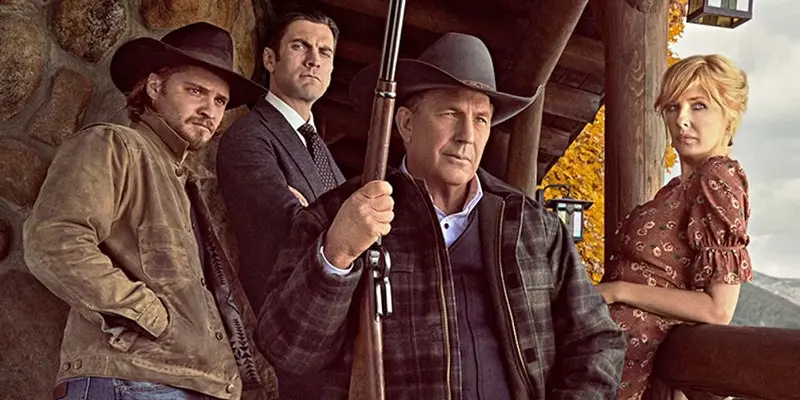
The ranch faces frequent gun battles in public places with little long term fallout. Large shootouts draw huge responses, road closures, and sustained media attention. Officers gather casings, trace weapons, and collect cameras from nearby roads and businesses to build cases that can take months.
After major gun incidents, judges often set strict bail terms or no bail at all. Parole and probation checks tighten, and agencies coordinate to monitor suspects. Repeated shootouts in one county would trigger state and regional task forces and a flood of warrants, not quick resets.
Perfect Sense: Tribal and jurisdiction tensions
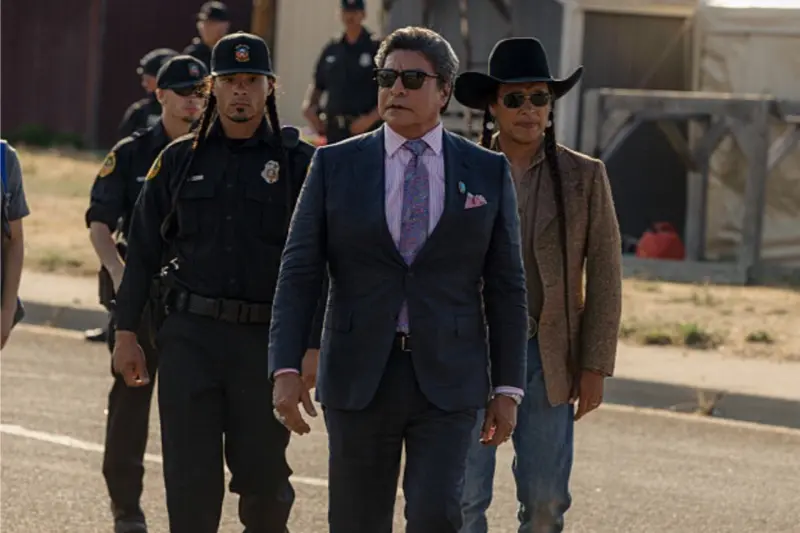
Disputes between the Duttons and the Broken Rock community highlight real jurisdiction layers in the West. Tribal lands operate under their own government, courts, and police, with specific rules for hunting, fishing, and traffic. State and county authority depends on where an incident occurs and who is involved.
Water, wildlife, and road access spark repeated negotiations. Cross deputization agreements let officers coordinate across boundaries during emergencies. Economic development on or near reservations involves tribal councils, federal agencies, and outside partners. The show reflects how each side uses law, history, and leverage to protect its interests.
Zero Sense: Fast medical recoveries
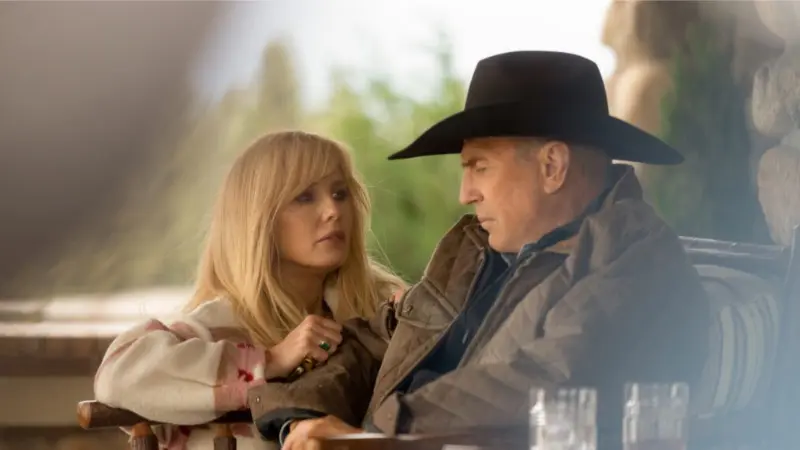
Characters survive catastrophic injuries and return to heavy ranch work in short order. Real recovery from burns, bullet wounds, or major trauma involves months of treatment, physical therapy, and limited lifting. Doctors typically restrict riding, roping, and long days in the saddle during healing.
Insurance, workers compensation, and hospital follow up set schedules that keep patients under observation. Infection risk and scar tissue management add further delays. A ranch hand with serious injuries would likely be on light duty or off work well beyond the tight timelines shown.
Perfect Sense: Favors and neighbor codes
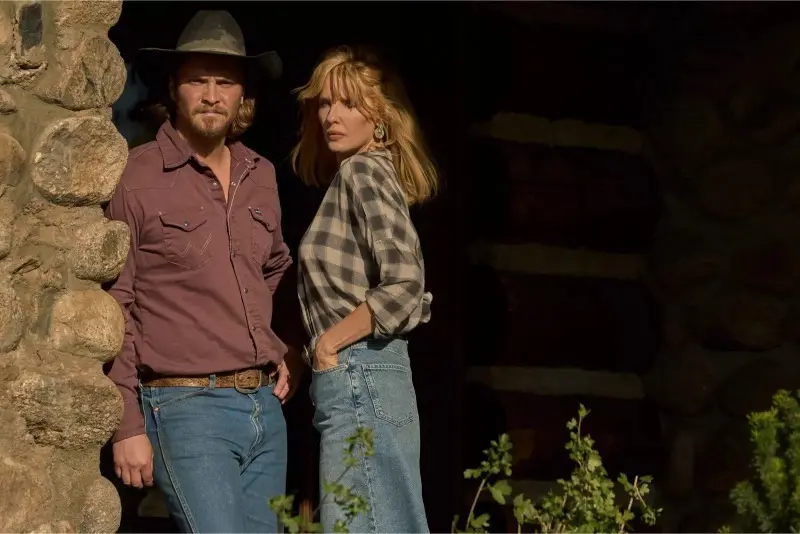
Neighbors in the show trade hay, pasture, and help during fire and flood. That kind of mutual aid is common in ranch country where distance and weather make outside services slow. Crews show up for brandings, and in return the host sends hands when the next outfit needs a boost.
Agreements often rest on trust and memory. Short term pasture leases, shared water, and borrowed equipment rely on reputation more than paperwork. A ranch that helps during bad years earns partners for the next round of trouble. The series captures how those quiet deals keep an operation alive.
Share your own picks in the comments and tell us what moments in ‘Yellowstone’ felt unbelievable and which ones felt true.