5 Things About ‘Doctor Who’ That Made Zero Sense and 5 Things About It That Made Perfect Sense


‘Doctor Who’ has been around long enough to reinvent itself many times, which means it carries a lot of clever ideas along with a few head scratching details. The show spans classic and modern eras, jumps across centuries, and folds timelines on top of each other, so continuity sometimes bends to fit a new story.
Even with those bends, the series also lays out strong rules that keep its universe readable. When those rules are explained on screen and used consistently, they help the wild adventures feel grounded. Here are five things that strain logic and five that line up neatly with what the show tells viewers.
Zero Sense: UNIT dates

The timeline for UNIT shifts between the 1970s and the 1980s depending on the story. Episodes with the Brigadier present different retirement years, and ‘Mawdryn Undead’ famously shows two possible dates for the same character in different scenes. Sarah Jane mentions being from 1980 in one adventure while other serials suggest events that clash with that year.
Because these dates anchor invasions and major incidents on Earth, the contradictions ripple through other references. Later episodes that name specific modern years do not line up cleanly with earlier UNIT material, leaving the placement of much of the Third Doctor era uncertain.
Perfect Sense: Regeneration system
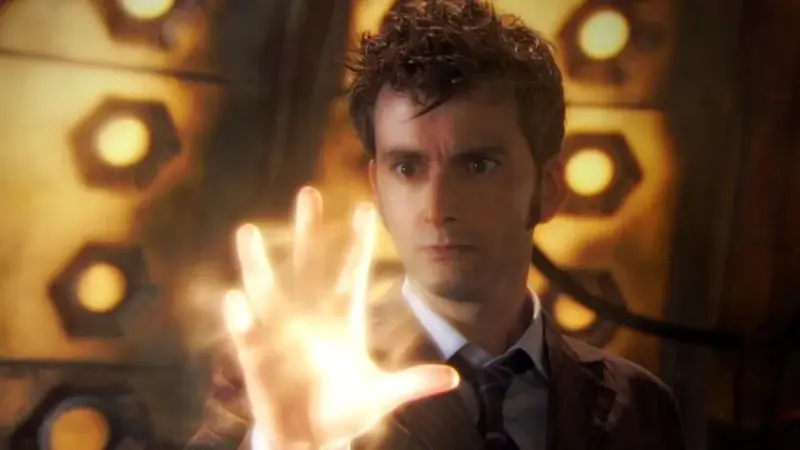
Regeneration explains how the Doctor can change appearance and personality while remaining the same person. Classic stories established a finite number of regenerations, and the limit became part of Time Lord biology that other characters understand and reference.
Modern episodes expanded that rule on screen to keep the story moving. ‘The Time of the Doctor’ shows the Time Lords granting a new regeneration cycle, which preserves earlier lore while providing a clear reason for additional lives. This approach lets casting changes fit inside the fiction without breaking continuity.
Zero Sense: Sonic screwdriver rules

The sonic screwdriver opens some locks in seconds yet fails on others without a pattern that viewers can track easily. It can perform medical scans, weld panels, and hack systems, then suddenly cannot open a door due to a deadlock seal that appears in one story and not in others with similar tech.
Wood is called out as a weakness in more than one episode, but the device sometimes interacts with wooden mechanisms in ways that blur that rule. Because the screwdriver stands in for many tools, its capabilities feel inconsistent when episodes do not state clear limits for the task at hand.
Perfect Sense: TARDIS translation matrix
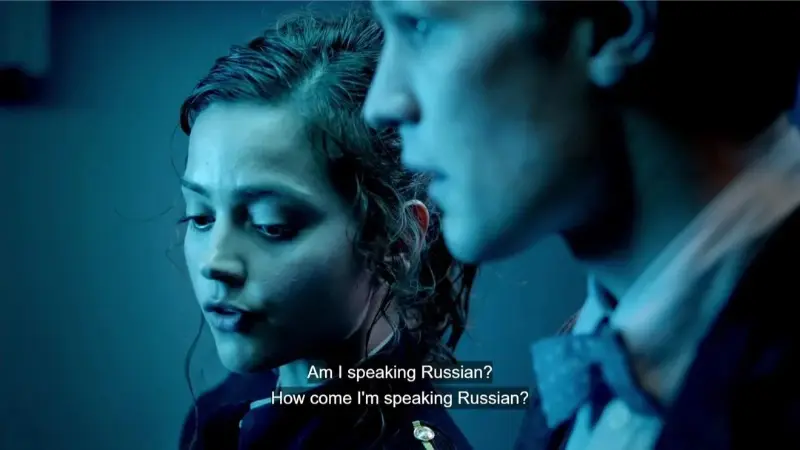
The TARDIS provides a built in translation field that lets characters understand and speak local languages. Episodes show companions conversing naturally with Romans, Venetians, and aliens, and characters sometimes notice when the effect drops, which confirms the mechanism inside the story.
When the TARDIS is out of range or damaged, characters lose that help and language barriers return. That detail explains why some episodes feature misunderstanding or untranslated writing, and it gives the show a consistent way to handle communication across time and space.
Zero Sense: Gallifrey status

The state of Gallifrey shifts several times in ways that are hard to reconcile. Early modern episodes present the planet as destroyed in the Time War, then ‘The Day of the Doctor’ reveals that the Doctors saved it by freezing it in a pocket. Later stories place it at the end of the universe, then show it devastated again.
Each change is shown on screen with new information, but the sequence of save, hide, relocate, and ruin leaves gaps about how Gallifrey moves between conditions. Because those events motivate the Doctor and other Time Lords, the unclear order makes it difficult to track the larger political situation.
Perfect Sense: Fixed points in time
Fixed points are moments that cannot be changed without heavy consequences. Episodes like ‘The Waters of Mars’ and ‘The Fires of Pompeii’ demonstrate that certain historical outcomes must happen, and attempts to alter them trigger immediate pushback from the universe.
The show uses this rule to explain why the Doctor can intervene in some events while leaving others alone. When a fixed point is involved, the stakes rise and choices carry a cost, which gives time travel stories a consistent boundary that characters respect or pay for crossing.
Zero Sense: The Doctor’s age
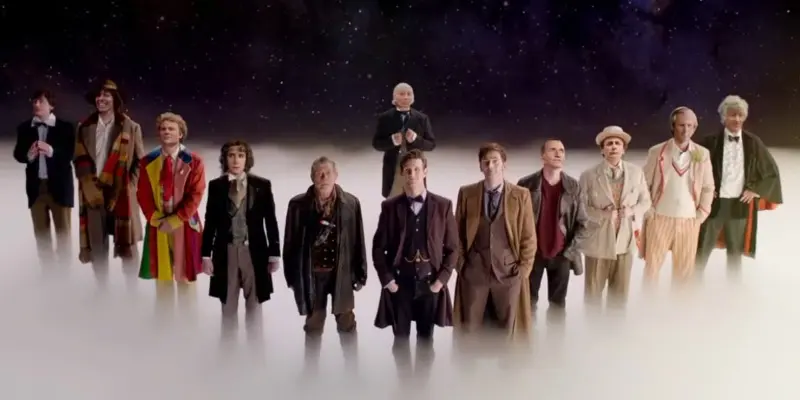
The Doctor gives different ages across the series that do not add up cleanly. The Ninth Doctor places the number in the nine hundreds, the Tenth adds a few years despite many long adventures, and the Eleventh jumps centuries during the Trenzalore period. Later, the Twelfth references a total that exceeds earlier counts.
Because the Doctor spends long stretches off screen, some drift makes sense, yet the stated numbers conflict even when little time seems to have passed between stories. The show rarely provides a single ledger for time spent in the TARDIS versus time lived elsewhere, so the figures remain inconsistent.
Perfect Sense: River Song’s timeline
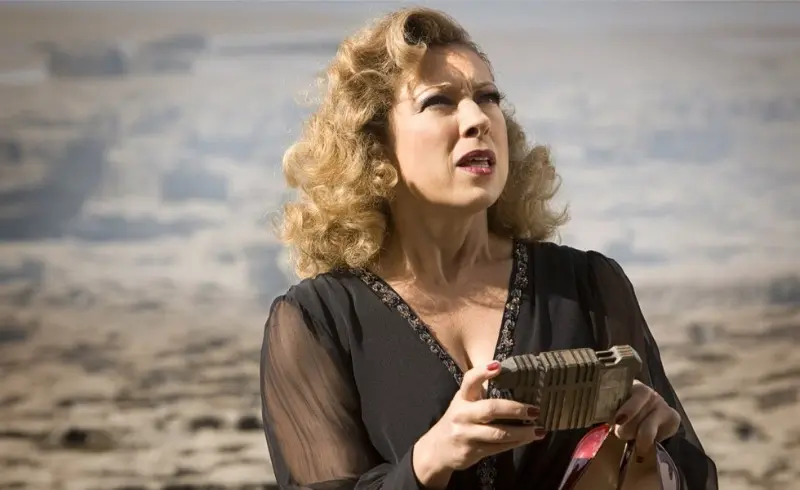
River Song’s life runs opposite to the Doctor’s meetings with her, and the show gives both characters tools to manage that. Their diaries help them sync which encounters have happened, and episodes like ‘Silence in the Library’ and ‘Forest of the Dead’ establish anchor points that later stories build toward.
Key events such as her upbringing, training, and marriage appear in different seasons but connect through clear cues. When the Doctor checks the diary, viewers get a reliable indicator of who knows what, which keeps a nonlinear relationship coherent across many episodes.
Zero Sense: The Timeless Child reveal

‘The Timeless Children’ presents the Doctor as the original source of regeneration, discovered by Tecteun and folded into Time Lord society. That retcon conflicts with earlier material that treats the Doctor as a Gallifreyan with a known regeneration cap and a family background mentioned in classic stories.
The reveal also introduces the Division and a set of erased lives that cannot be placed inside the existing count without contradictions. Because prior episodes tie key choices to a limited lifespan, the sudden extension of unlimited origins creates gaps that the series has not fully filled with on screen detail.
Perfect Sense: Weeping Angels mechanics
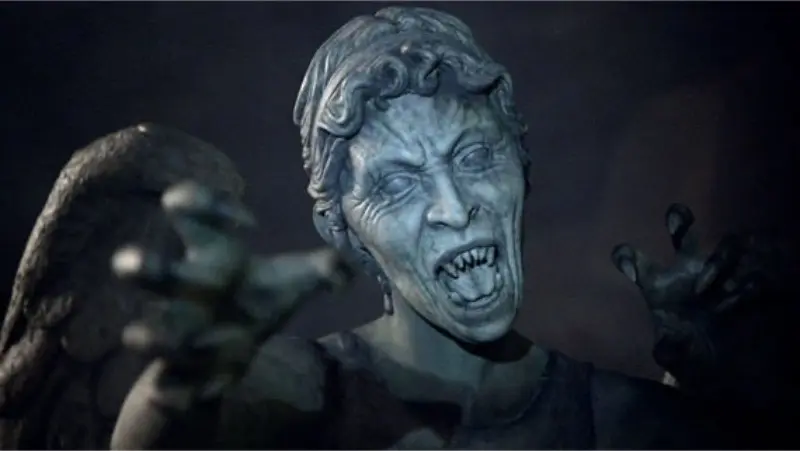
Weeping Angels fit the rules the show gives them. They are quantum locked when observed and feed by sending victims into the past, consuming the potential energy of the life that would have been lived in the present. ‘Blink’ demonstrates this with clear cause and effect that later episodes repeat.
Follow up stories add consistent features without breaking the core idea. Angels can take power from time energy, images can become Angels, and breaking eye contact frees them to move. Those behaviors line up with the original explanation, which keeps the creatures frightening while staying within stated boundaries.
Share your favorite ‘Doctor Who’ details that worked or did not work for you in the comments.