5 Things About ‘Peacemaker’ That Made Zero Sense and 5 Things About It That Made Perfect Sense

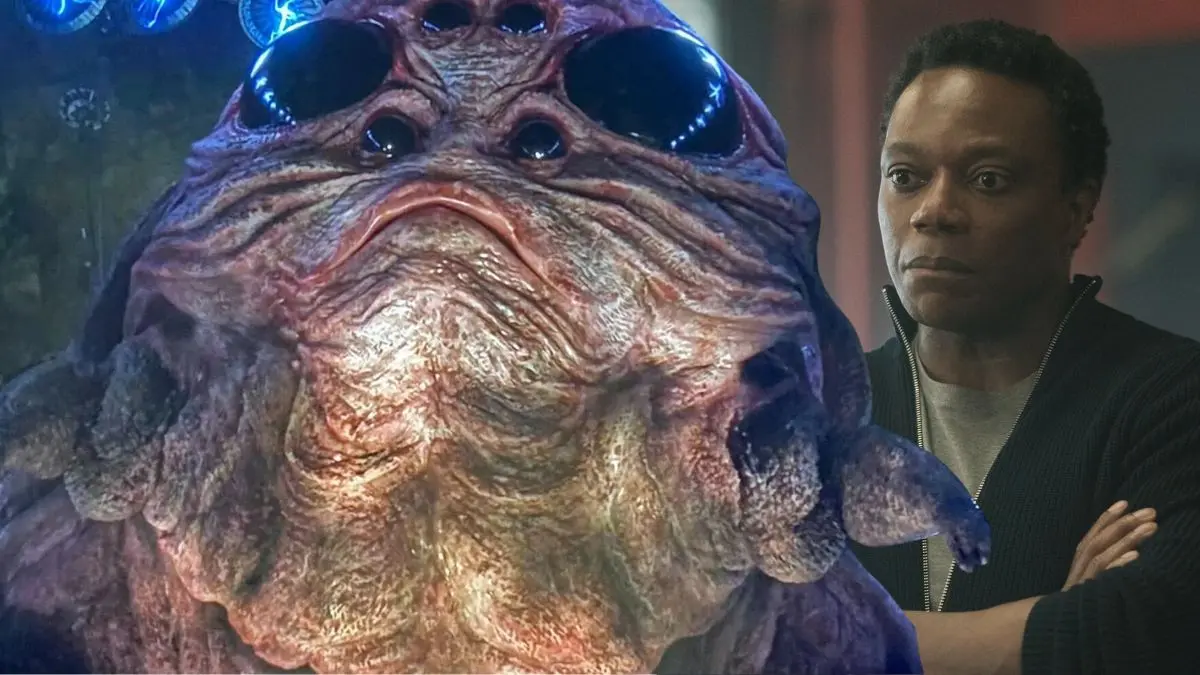

The first season of ‘Peacemaker’ picks up after the Corto Maltese mission in ‘The Suicide Squad’ and follows Christopher Smith as he lands in a new black ops job with a very secret team. Viewers get a closer look at his background, his father Auggie Smith, and a nationwide threat tied to an alien species that prefers a very specific food source. Along the way the series lays out detailed procedures, gadgets, and cover stories that drive each mission and build a clear timeline from hospital discharge to the final raid on the ranch.
The show also stacks its world with concrete details that can be checked against what we already know from ‘The Suicide Squad’. It references Rick Flag’s final words, explains why some helmets do what they do, and shows exactly how the Butterflies take over human hosts. At the same time it leaves some steps off the page, like how a huge creature stays hidden or how a vigilante keeps slipping through routine police work. Here are five examples that strain logic and five that line up cleanly with the facts the series provides.
Zero Sense: Fast recovery and immediate fieldwork
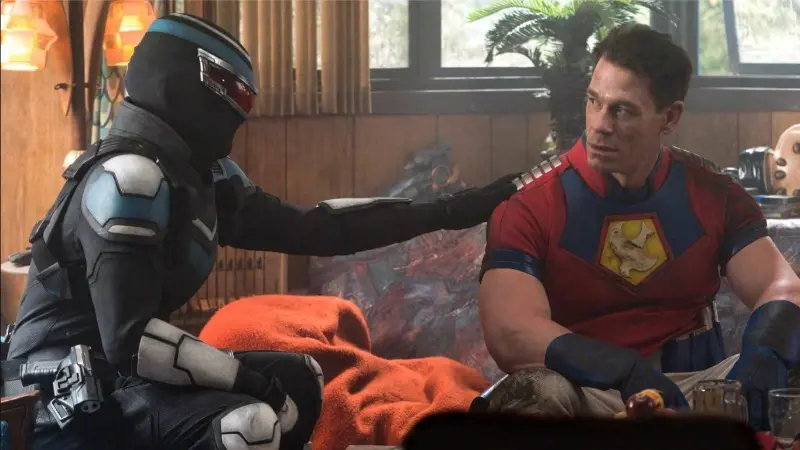
The series opens with Peacemaker in a hospital bed after a bullet wound to the neck and a building collapse in Corto Maltese in ‘The Suicide Squad’. Within days he signs discharge papers and returns to field duty with full mobility during hand to hand fights, car chases, and rooftop escapes. The episodes do not show medical rehab sessions or any assistive gear beyond a brief neck scar.
His first missions involve high impact stunts that would normally require long recovery and physical therapy. He jumps from balconies, takes repeated blows, and wears heavy armor while sprinting. The story timeline moves from hospital to active duty with no detailed depiction of gradual training or medical clearance procedures that would explain his condition that soon.
Perfect Sense: Rick Flag’s death shaping his choices
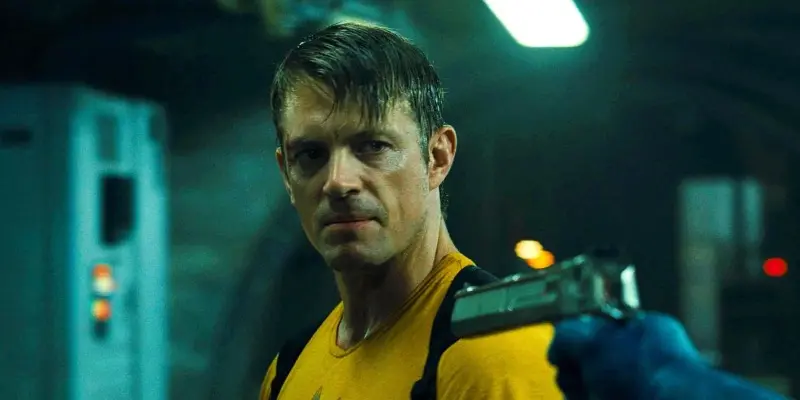
Peacemaker carries Rick Flag’s last words through the season, and the episodes reference that line during quiet moments and during combat. The show uses that moment to explain his hesitation when lethal force risks civilian lives and to show why he keeps a captured Butterfly alive for study rather than killing it at once. The detail appears in dialogue and in the way he reacts to recordings and keepsakes from the Corto Maltese mission.
This thread also explains the finale decision at the ranch. When the Butterflies present their plan for humanity, he weighs it against what Flag died to prevent and chooses to stop the operation. The show backs that choice with earlier scenes that track his guilt during conversations with Adebayo and Harcourt and with how he treats the jarred Butterfly he names Goff.
Zero Sense: Vigilante’s identity staying hidden in plain sight
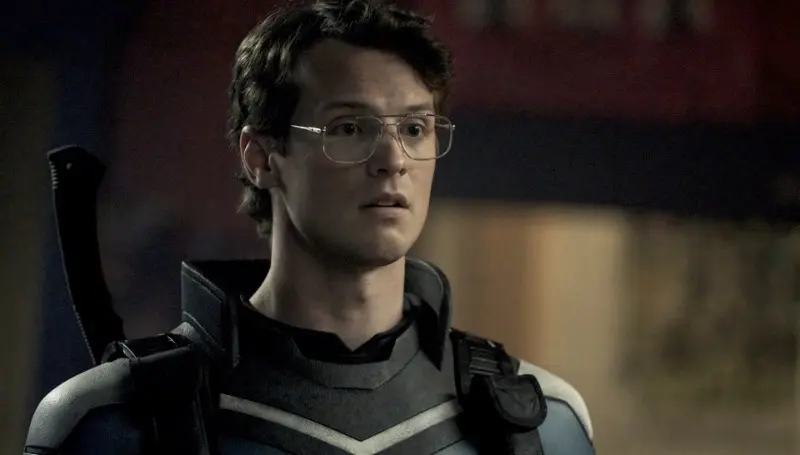
Adrian Chase operates as Vigilante while holding a public day job that places him in the same small town and in frequent contact with the main team. The series shows him visiting Peacemaker’s home, leaving voicemails in character, and walking into police spaces without a clear disguise beyond a mask and a voice filter. Several scenes feature him unmasked near officers or security cameras without follow up from investigators.
He also intentionally enters prison to confront Auggie Smith. There are cameras, guards, and witness statements, yet later episodes do not describe a formal manhunt or a durable criminal record that would match those actions. The show moves to the next mission with little procedural detail on how he avoids identification or warrants once he is back outside.
Perfect Sense: Auggie’s workshop explaining the helmets

Auggie Smith manufactures Peacemaker’s helmets in a hidden facility that opens into a much larger interior space. The series shows him retrieving finished models from racks and handing his son devices with specific labels like sonic blast, human torpedo, and x ray vision. The space functions as a fabrication plant with repeatable outputs, which accounts for the team having multiple copies and backups.
The episodes also illustrate how each helmet activates and what constraints apply. The sonic model requires a spoken command. The torpedo unit locks its user on a collision path and needs manual deactivation or remote help. The x ray function drains power and reveals Butterflies inside hosts through a clear visual cue. Those operational details line up with how each device is used in missions.
Zero Sense: A simple database swap creating a durable frame job
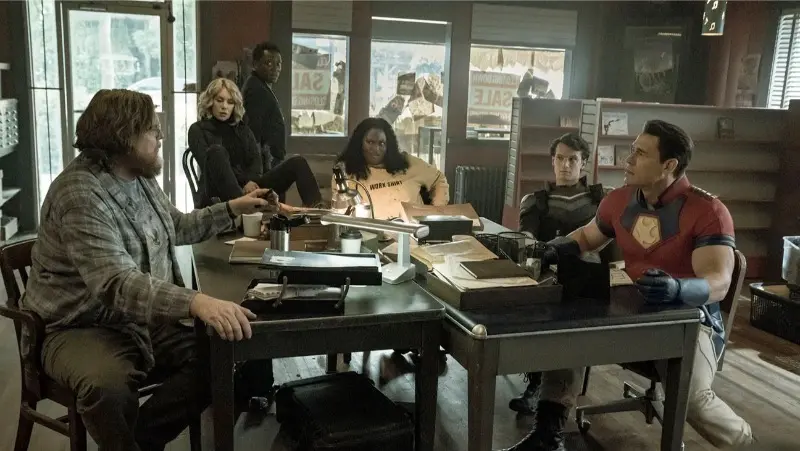
When police lift prints from a crime scene, John Economos changes entries so the system flags Auggie Smith instead of Peacemaker. The show confirms the switch by showing Auggie’s arrest and processing. It does not show audit trails, system alerts, or a need for access approvals that would normally follow a change to biometric data in a criminal database.
Later the detectives receive evidence that challenges the match, yet the frame job holds long enough to move Auggie through arraignment and into jail. The story does not present a full chain of custody review or a lab correction that might undo the altered record. The plot proceeds with Auggie behind bars while the team continues its missions nearby.
Perfect Sense: Clear rules for Butterfly biology and control
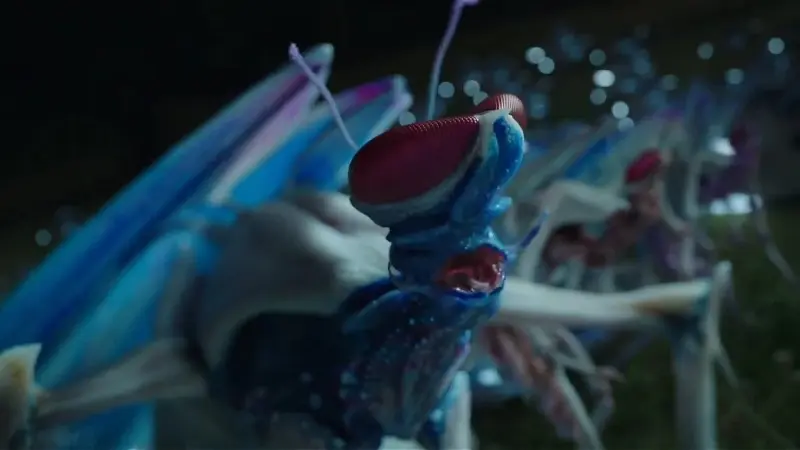
The series states that a Butterfly enters through the mouth, nests in the brain, and controls the host body while retaining access to memories. The x ray helmet confirms presence with a distinct image, and extraction kills the host immediately. These rules appear consistently during raids, interrogations, and autopsies, which allows the team to plan gear and tactics for each encounter.
Feeding and communication protocols are also shown. Captured Butterflies consume a thick amber liquid that the invaders stockpile in drums, and they speak in a clicking language that team members record and study. When a host dies the Butterfly crawls out and can be contained in a jar, which the team uses to test behavior and confirm identity across episodes.
Zero Sense: The cow supply chain and the scale of infiltration

The invaders rely on a single massive organism to produce the amber food that keeps them alive on Earth. The finale reveals the creature housed in a rural facility with farm workers and a teleporter in a barn sized structure. Earlier episodes describe a spread of hosts across many states and agencies, but there is no logistics detail on how a single hidden site supplied large urban clusters for months.
The show explains that the Butterflies moved the creature from one location to another to avoid discovery. It does not explain transport routes, security perimeters, or backup sources that would keep the operation running if a storm or a power failure hit the ranch. The gap between national scale infiltration and a solitary food source remains unfilled by specific shipping or storage procedures.
Perfect Sense: Murn’s defection and its tactical effects
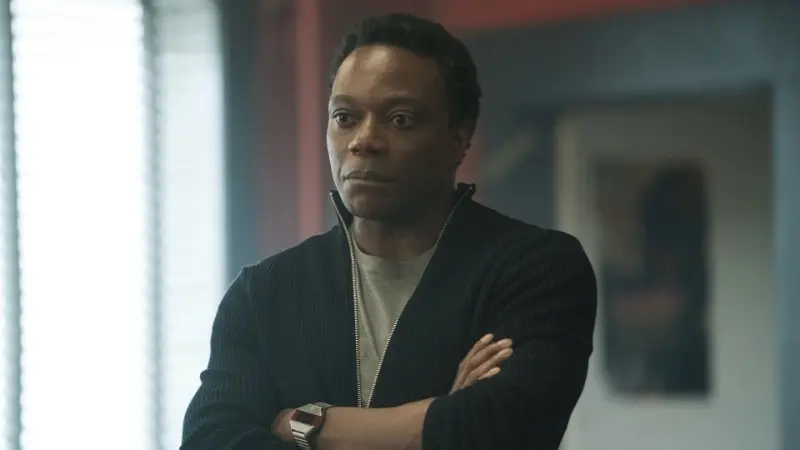
Clemson Murn is revealed as a Butterfly who opposes the larger plan. The series explains that he chose a violent host and lives with that choice while working to stop the cow. This fact clarifies his cautious leadership style, his private meetings with Adebayo, and his insistence on nonlethal options during early stakeouts to preserve intelligence.
His status also explains the team’s early access to target lists and safe house locations. He supplies insider routes and predicts how other Butterflies will rotate hosts and secure facilities. When he is exposed, the team loses that advantage and shifts to riskier moves, which matches the increased danger in the final episodes after his death.
Zero Sense: Limited public fallout after the ranch battle
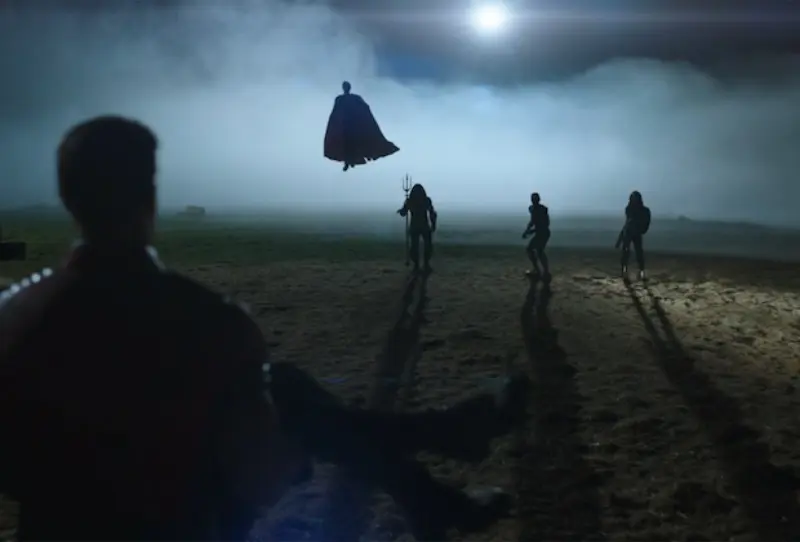
The climax features a large firefight, multiple explosions, and a creature of enormous size. Local law enforcement and federal agents die during the assault, yet the next episode scenes show the team back in town with little visible response beyond personal consequences like injuries and job changes. There are no briefings or public alerts shown on television inside the world of the show.
Peacemaker returns to his trailer and resumes a quiet routine with Eagly and an occasional visitor. The series does not depict a multi agency investigation of the site, nor does it outline a recovery plan for the dead hosts or the destroyed facility. The lack of visible incident management leaves the extent of official knowledge and cleanup procedures off the page.
Perfect Sense: Adebayo’s diary move and Waller’s backstop

Amanda Waller plants a fake diary to frame Peacemaker if the mission needs a scapegoat. Adebayo places it and later reveals its contents to the public to expose the program. The show details both steps and shows the broadcast that names Task Force X and the operation, which explains why the team is disavowed by the end while Waller keeps her own position under pressure.
This thread aligns with earlier scenes that show Waller using leverage and insurance on every mission. She assigns her daughter to the team, tracks progress through private calls, and sets a narrative that can be pushed to media if control is lost. The public reveal forces a reset for the surviving team members and sets a clear path for future oversight of their actions.
Share your favorite example of careful setup or missing detail from ‘Peacemaker’ in the comments.