5 Things About ‘Two and a Half Men’ That Made Zero Sense and 5 Things About It That Made Perfect Sense



For twelve seasons, ‘Two and a Half Men’ followed a wealthy jingle writer, his unlucky brother, and a kid who grew up on the couch and in the kitchen. The show packed in big character swings, surprise exits, and a full reset with a new owner of the Malibu house. That much change leaves a long trail of plot details that line up cleanly and others that never quite add up.
Here are five choices that bend logic right next to five that track clearly with what the show sets up. Each one points to how the series kept the same living room and beach view while swapping who sat on the piano bench and who got stuck with the check.
Zero Sense: Alan’s never ending bills

Alan moves into his brother’s Malibu house in the pilot and keeps that address through marriages, separations, and a new owner. Across the run he references ongoing support payments to Judith and later to Kandi while also losing offices and side gigs. The show often shows him unable to cover basic costs and still staying put in one of the most expensive zip codes.
Episodes stack up moments where Alan hides mail, dodges collectors, and borrows from both Charlie and Walden. Even after temporary windfalls he slides back to the same couch and guest room, which leaves his long term housing tied to other people’s generosity rather than any stable plan of his own.
Perfect Sense: Malibu money keeps the premise

Charlie’s work as a writer and performer of commercial jingles brings in large royalty checks and buys the beachfront house that anchors most scenes. The music work arrives in bursts, but the house, car, and lifestyle make sense for a character who lands national spots and syndication.
After Charlie exits, Walden Schmidt appears as a tech billionaire who purchases the property. That single move preserves the core setting and explains how the house remains fully staffed with a housekeeper, repairs, and upgrades without any strain on the new owner.
Zero Sense: The adoption built on a pretend marriage

Walden and Alan decide to present themselves as a married couple to improve adoption odds and to create the picture of a stable home. Alan even uses the name Jeff Strongman in meetings and paperwork while living in the same house he has occupied for years as a dependent friend.
They proceed through interviews and home visits while maintaining the false identity and relationship story. The process concludes with Louis moving in even though the arrangement rests on a fabrication that touches every part of the application and home study.
Perfect Sense: Walden wanting a family
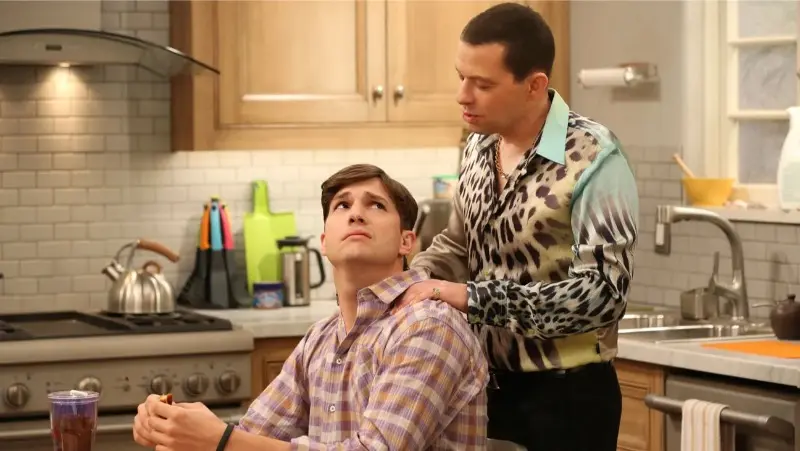
Walden states clearly that he wants to be a father and seeks a path that will let a child grow up in a safe and well funded environment. He prepares the house for a kid, brings in guidance, and leans on friends to create routines that look like a family schedule.
When the system pushes back on single parent adoption he looks for a way to present long term stability. The plan may be unorthodox, but the steps he takes match his goals and his resources, and the show follows through by showing Louis living in a consistent home with support.
Zero Sense: Charlie’s conflicting fate

News from Paris says Charlie died after a supposed accident tied to Rose. Later hints and reveals point to a hidden captivity and an off screen survival that rewrites the earlier reports. By the finale, the story swings again with a near return that ends under a falling piano.
Across these turns, characters share letters, videos, and memories that do not line up with the first account. The show leaves viewers with multiple versions of what happened, each one told with certainty by people who were not in the same place at the same time.
Perfect Sense: Keeping Charlie present without showing him

Even after Charlie is gone, the house, the piano, and his old room remain central props. The series uses cameos, stand ins from behind, and written messages to keep his shadow in the story. Characters argue over his estate, wear his shirts, and revisit his habits as cautionary tales and running jokes.
The finale ties up the long thread by acknowledging his history with the house and the people in it without a direct appearance. It closes out disputes, nods to the music work, and ends on a sight gag that fits the show’s style while signaling that the story has reached its last beat.
Zero Sense: Jake’s school and timeline gaps

Jake cycles through grade levels with holiday episodes and time jumps that skip over how he advances or repeats classes. Early on he brings home simple assignments and then later struggles with tests that suggest a different track than earlier scenes.
When he enlists, the show moves him out of the house and off screen for long stretches. He calls from overseas, returns for visits, and then disappears again, which leaves his career track and personal life hard to map against earlier school years.
Perfect Sense: Jake finding a lane in the army

Jake enlists and works in food service, which fits the years of jokes about his appetite and comfort in a kitchen. He talks about routine, early hours, and simple duties that match what he did at home with late night snacks and breakfast plates.
Stationing him abroad explains his absence while keeping contact through calls and drop ins. When he pops back in, he falls into the same patterns with Alan and Berta, which shows that his core habits did not change even as his address and job did.
Zero Sense: A licensed professional with no steady income

Alan is a trained and licensed chiropractor with years of experience. The show still shows long patches where he has no permanent office, relies on borrowed rooms, and treats only a handful of patients in a given week.
He takes odd jobs, hides purchases, and keeps moving his table into spare corners of the house. The credentials and history do not match the recurring empty calendar, which keeps his finances in crisis and the couch as his main base.
Perfect Sense: Berta holds the house together

Berta’s routines make the house run no matter who pays the bills. She manages deliveries, screens visitors, and enforces rules that keep chaos from taking over the kitchen and living room. She knows every closet, drawer, and repair person by name.
When Walden takes over, Berta adjusts without missing a beat. She protects the new owner’s privacy, keeps tabs on Alan’s schemes, and makes sure people show up on time to fix whatever got broken overnight. The result is a Malibu house that looks lived in and functional from the pilot to the finale.
Share the one that stood out to you most in the comments.