5 Things About ‘Malcolm in the Middle’ That Made Zero Sense and 5 Things About It That Made Perfect Sense


‘Malcolm in the Middle’ remains one of the most iconic sitcoms of the early 2000s. Its mix of chaotic family life, surreal humor, and over-the-top antics made it stand out from the crowd. The show thrived on its unpredictability, which is part of why fans still remember it fondly. At the same time, the exaggerated storylines sometimes bent logic so far that certain details just didn’t add up.
Even though some moments stretched believability, the series also nailed plenty of things about family, growing up, and daily struggles in ways that felt spot on. It blended absurd scenarios with real emotional beats, striking a balance that made it both hilarious and relatable. Let’s look back at five things from ‘Malcolm in the Middle’ that made zero sense and five that made perfect sense.
Zero Sense: Malcolm’s Genius Causing Endless Problems

Malcolm being a certified genius should have given him plenty of opportunities, yet most of the time it just led to more stress and ridicule. The family treated his intellect more like a burden than a blessing, with Lois often downplaying his potential and classmates mocking him. For someone so bright, it felt odd that Malcolm couldn’t find better ways to use his intelligence to improve his situation.
The show rarely explained why his genius translated to constant misery instead of advantages. From a storytelling perspective it made sense to keep him struggling for laughs, but realistically, a kid that smart would have found mentors, better academic environments, or more success outside of the chaos at home.
Perfect Sense: The Siblings’ Rivalry

The constant fighting and scheming between Malcolm, Reese, and Dewey captured sibling dynamics perfectly. The boys constantly battled for attention and power, which is exactly what happens in many households with multiple kids close in age. Reese bullying Malcolm, Malcolm trying to outsmart Reese, and both of them underestimating Dewey reflected the shifting balance of power among siblings.
Even though their schemes were exaggerated, the emotional core felt grounded. No matter how much they tormented each other, the brothers still united when facing outside threats, which mirrored the way many real siblings act in the long run.
Zero Sense: Hal’s Over-the-Top Hobbies

Hal often got obsessed with bizarre hobbies that escalated far beyond reason. From speed-walking competitions to painting in the garage, his passions always consumed his life overnight. The family seemed strangely tolerant of these antics even though they often caused financial or emotional chaos.
While they were funny, it stretched credibility that someone with so many responsibilities could sink so much time, money, and energy into these whims without serious consequences. Hal’s endless free time and resources for hobbies felt unrealistic for a stressed-out father of five.
Perfect Sense: Lois as the Family Anchor

Lois’s strict parenting style sometimes felt harsh, but it was exactly what kept the family from spiraling into complete disaster. Her control, discipline, and unwillingness to be manipulated held the household together despite constant chaos. She may have seemed overbearing, but in a house with kids like Malcolm, Reese, and Dewey, structure was the only thing preventing collapse.
The show highlighted the often underappreciated role mothers play in maintaining order. Lois’s fierce dedication and ability to juggle work, kids, and a husband like Hal reflected the strength many real-life mothers display, making her character resonate deeply.
Zero Sense: Francis’s Endless Rebellion

Francis’s storyline often stretched belief because no matter how many times he failed or faced consequences, he never seemed to learn. From being sent to military school to bouncing around various jobs, he kept making the same mistakes. Despite supposedly being the most independent child, his lack of growth made him feel stuck in a loop.
It also seemed odd that the family continued to send him money and support him despite his irresponsibility. While it worked for comedy, his perpetual rebellion without resolution made less sense the longer the show went on.
Perfect Sense: Dewey’s Creative Intelligence

Dewey often came across as overlooked or underestimated, but his quiet intelligence and creativity reflected the way younger siblings can thrive in the background. His talent for music and ability to manipulate situations subtly gave him his own kind of genius.
The way he managed to survive being the youngest in such a chaotic household felt authentic. Younger siblings often adapt by becoming clever in less obvious ways, and Dewey’s mix of innocence and cunning captured that experience perfectly.
Zero Sense: The Family’s Constant Financial Struggles

The Wilkersons constantly faced money problems, yet they somehow managed to fund wild adventures, new hobbies, and even expensive accidents. Hal’s strange obsessions and the kids’ reckless antics often should have drained the family’s budget completely. Yet the show never really explained how they kept staying afloat.
While financial struggles were central to their identity, the inconsistency made it hard to reconcile. The family’s ability to bounce back after major expenses didn’t always align with how tight money supposedly was.
Perfect Sense: The Messy House and Daily Chaos
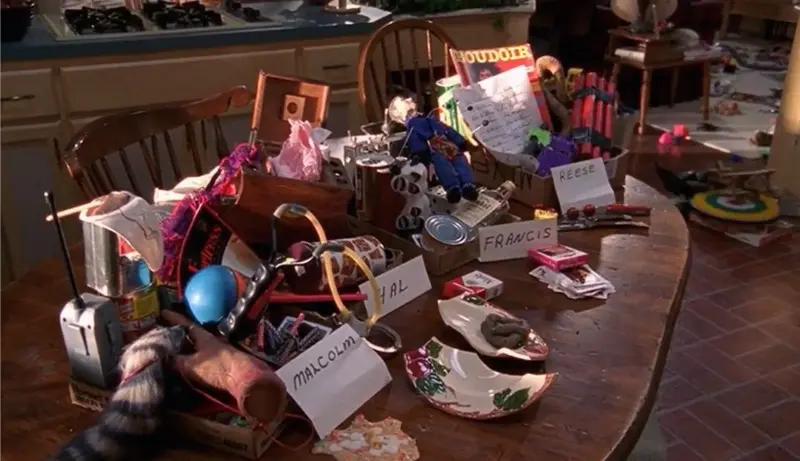
The state of the Wilkerson household always looked like it had been through a hurricane. From laundry piles to broken appliances, the house reflected the messy reality of raising multiple kids on a budget. The chaos wasn’t just for laughs, it also grounded the show in reality.
Plenty of sitcoms show families living in spotless homes despite constant hijinks, but ‘Malcolm in the Middle’ leaned into the messiness. The clutter, noise, and constant disasters made it feel authentic, showing viewers what many households actually look like behind closed doors.
Zero Sense: Malcolm Breaking the Fourth Wall

Throughout the series, Malcolm directly addressed the audience to share his thoughts. While it worked as a comedic device, it didn’t make sense in-universe. No one ever noticed him breaking away mid-scene, and it had no logical explanation within the story’s world.
It was fun to hear his sarcastic commentary, but it left a gap in realism. The show never explained why only Malcolm had this ability, which made it more of a stylistic choice than something that truly fit the rules of the world.
Perfect Sense: The Family’s Love Beneath the Chaos

Despite all the yelling, punishments, and disasters, the family always came back to caring for one another. Even though they rarely showed it in traditional ways, their loyalty was clear in how they stuck together through tough times. When outsiders threatened them, they immediately united.
This depiction of imperfect but genuine love gave the show its heart. Many families are far from picture-perfect, but underneath the mess there is still connection and loyalty. That is what made ‘Malcolm in the Middle’ so relatable and enduring.
What did you think about these moments from ‘Malcolm in the Middle’? Share your thoughts in the comments!