5 Ways the ‘How I Met Your Mother’ Aged Poorly (& 5 Ways It Aged Masterfully)



‘How I Met Your Mother’ mixed a cozy hangout comedy with a long game mystery, and that blend gave it a footprint that kept people talking long after the finale. The show stacked running jokes, flashbacks, and clues while mapping out adult friendships across apartments, work, and a favorite booth at MacLaren’s Pub.
Time changes how certain story beats land and how specific references read, yet many craft choices still feel sharp. Here are ten ways the series shows both sides of that coin, alternating between what dims over time and what still works on rewatch.
Aged Poorly: The finale pivot and compressed endgame

Across nine seasons the story is told as Older Ted narrates to his kids, with the finale ‘Last Forever’ revealing that the Mother dies and Ted revisits his connection with Robin. The last season spends most of its runtime during a single wedding weekend for Barney and Robin, then resolves major life events in quick time jumps, including their divorce and the meeting at the train station.
Production planning locked parts of the ending early because the kids’ final scene was filmed when the actors were still the same age as in the pilot era. That choice ensured continuity for the framing device but limited flexibility once new character arcs and audience familiarity with Tracy were established late in the run.
Aged Masterfully: Long arc storytelling with tight continuity
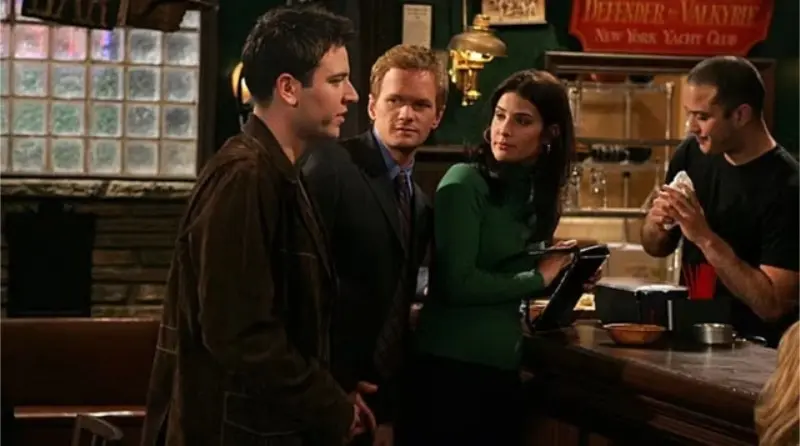
The series uses nonlinear timelines, flashbacks, flashforwards, and an unreliable narrator to hide and reveal information with intention. Episodes like ‘Slap Bet’, ‘The Pineapple Incident’, ‘How I Met Everyone Else’, and ‘Trilogy Time’ build clues and myths that pay off many episodes later.
Props and callbacks stitch the world together in a precise way. The yellow umbrella, the blue French horn, the slap bet countdown, and recurring side characters like Ranjit and The Captain form a consistent geography of people and objects that makes the show easy to revisit in any order.
Aged Poorly: Gender and consent jokes that land differently now

Storylines such as ‘The Naked Man’ present a tactic a character uses to surprise dates, while ‘The Playbook’ catalogs schemes and aliases that rely on deception in social settings. Several plots treat boundary testing as a setup for humor, which later television standards and guidance documents address in clearer terms.
Dialogue across multiple episodes includes terms and running jokes about sexuality and identity that networks have since moved away from. Entries like ‘The Bro Code’ and ‘Not a Father’s Day’ frame situations through a male centric lens that shaped character dynamics and choices in ways the series repeatedly revisits.
Aged Masterfully: Ensemble chemistry and inventive production
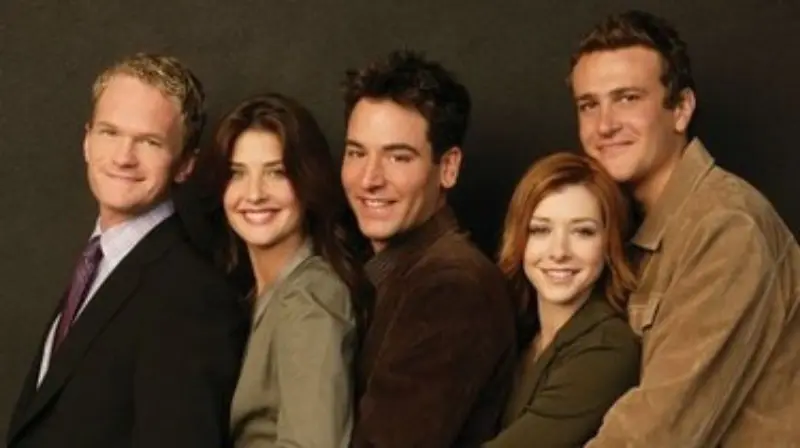
The show filmed on a closed set without a live audience, then added audience reactions after screening, which let scenes be shot out of order and with multiple quick cutaways. This approach supports rapid intercut editing and lets the narration drop into short fantasy beats without changing camera setups mid scene.
A small set of core locations keeps the pace smooth. MacLaren’s Pub and the apartment anchor conversations while episodes like ‘Three Days of Snow’ and ‘The Time Travelers’ split the group and then weave the strands back together with clean reveals that reward attention.
Aged Poorly: Technology and pop culture time stamps

Phones, websites, and early social media shape many jokes and plots, from flip phones and pre app dating to character blogs and novelty URLs that characters reference. The group’s communication habits place scenes in a window before group chats and location sharing became routine.
Newsroom and classroom tech in Robin and Ted’s workplaces reflect equipment and workflows from an earlier era of local TV and architecture studios. Visual cues like computer monitors, video playback methods, and on air graphics fix moments to formats that have since been replaced.
Aged Masterfully: Structural experiments and puzzle episodes
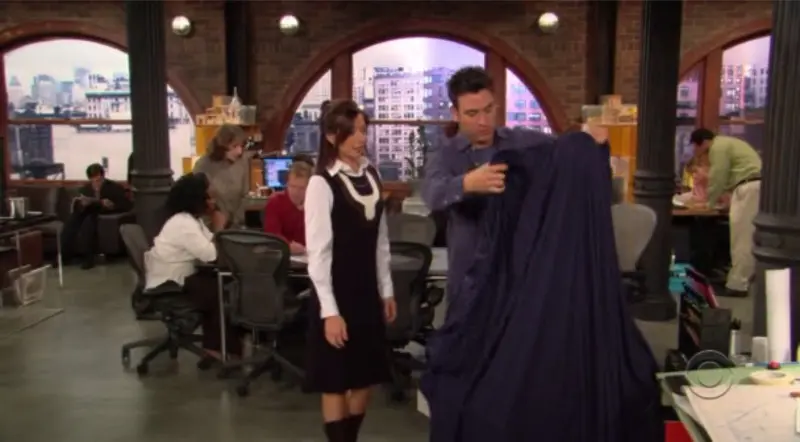
Several entries play with form in ways that still feel crisp. ‘Bad News’ hides a countdown in set dressing that reaches a reveal, while ‘Ten Sessions’ builds to a two minute date presented as a single flowing sequence created from meticulous blocking and coverage.
Timeline games stay readable because the show marks them cleanly. ‘Monday Night Football’ tracks a group spoiler delay with rule based story beats, and ‘Three Days of Snow’ reveals parallel strands that sync at the end. These formal choices make rewatching a way to catch planted details rather than only to revisit punchlines.
Aged Poorly: Stereotype gags and body transformation jokes

‘Slapsgiving 3: Slappointment in Slapmarra’ presents martial arts mentors using makeup and accents as part of a tall tale about the slap bet. The sequence was criticized for leaning on caricature and stylized costuming in a way that many viewers and commentators flagged in later years.
Fantasy and flashforward bits often use exaggerated body suits and visual effects for characters’ future selves. These segments appear in multiple seasons as quick gags and cutaways, and they rely on appearance based humor that the series treats as a recurring device.
Aged Masterfully: Cultural footprint and in universe extras
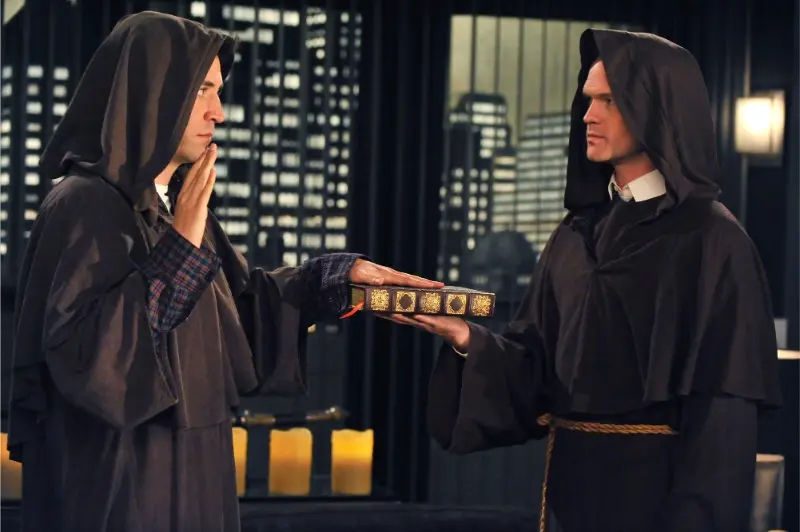
Catchphrases, props, and in universe books expanded the show beyond episodes, including releases like ‘The Bro Code’ and ‘The Playbook’. These items turned one off jokes into tangible tie ins that audiences could read and reference, reinforcing how the series organized its world.
The format seeded successor projects and specials. ‘How I Met Your Father’ reused the frame with a new ensemble and different narrator, and the original experimented with web extras and promotional shorts that extended running jokes and kept characters visible between seasons.
Aged Poorly: Workplace boundaries inside storylines

Barney’s time at Goliath National Bank includes office flirting, assistant hiring based on attraction, and HR adjacent jokes that the show frames as comic beats. Several arcs show meetings and corporate events where personal behavior crosses lines that modern policies typically spell out in detail.
Robin’s newsroom plots feature ratings stunts, conflicts with coanchors, and aggressive on air segments used as stepping stones for career moves. Ted’s teaching and firm management stories intersect with students and coworkers in ways that produce conflicts of interest that characters then navigate inside the narrative.
Aged Masterfully: Tracy’s integrated backstory and clue trail

The path to Tracy includes the yellow umbrella, a train platform, a roommate connection through Cindy’s apartment, and a wedding band job that places her at Farhampton. ‘How Your Mother Met Me’ tells her life over the same years as the group’s adventures, aligning milestones so the eventual meeting fits the existing map.
The show reveals information about Tracy in stages. Items in Cindy’s place match Ted’s interests, the umbrella crosses hands more than once, and classroom scenes tie Ted’s teaching to moments that position Tracy near the group before they speak on screen. The result is a network of clues that make the meeting feel constructed from pieces the audience has already seen.
Share your own picks in the comments on what parts of ‘How I Met Your Mother’ you think faded and which ones still click today.