The Most Complex TV Characters Ever Created



Great television gives characters room to change in ways that feel real. Long stories let viewers trace choices, consequences, and histories that shape people over time. That space creates arcs that show reversals, secrets, and turning points that keep unfolding across seasons.
The ten characters below carry lives built from vivid jobs, relationships, and past events. Each one moves through conflicts that force new behavior while staying tied to what came before. Show titles are included for context, with a light note of the network to help place where the stories first aired.
Tony Soprano
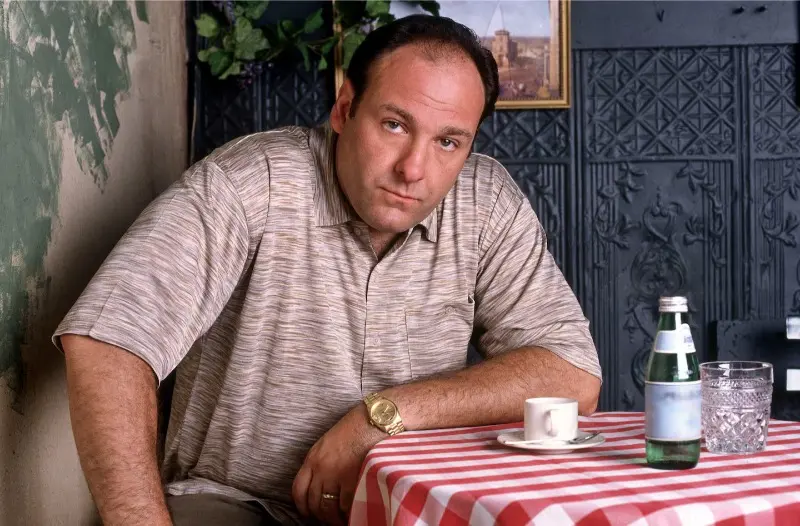
Tony Soprano leads a New Jersey crime family in ‘The Sopranos’ on HBO. His panic attacks push him into therapy with Dr. Jennifer Melfi, where he talks through childhood pressure from Livia Soprano and a lifelong need for control. At home he navigates marriage with Carmela, raises Meadow and AJ, and tries to keep violence away from domestic life while running crews tied to Uncle Junior and a network of captains.
Across seasons he weighs loyalty against survival as indictments and internal rivalries mount. The show charts business decisions with real financial and legal stakes, from garbage routes to power shifts after key deaths. His sessions describe triggers and coping habits, and they sit beside scenes that show the same patterns when he deals with rivals and friends from the old neighborhood.
Walter White
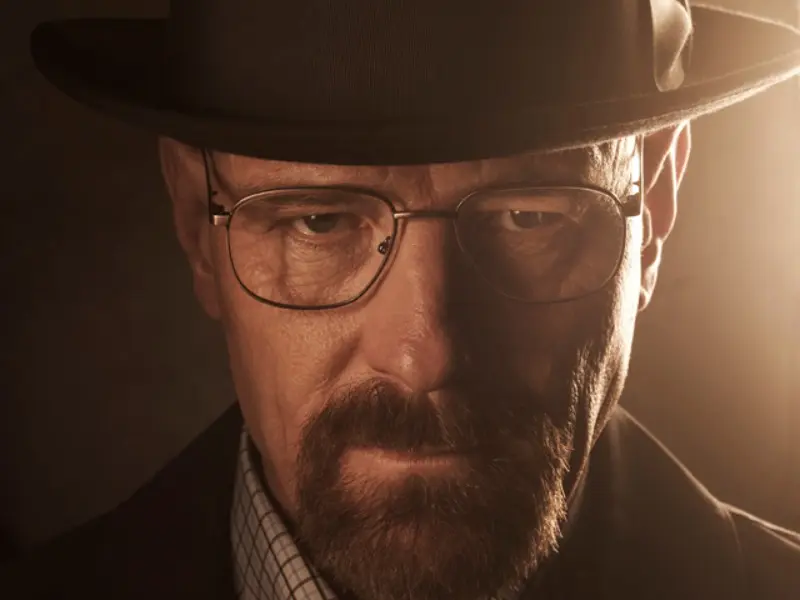
Walter White begins as a high school chemistry teacher in ‘Breaking Bad’ on AMC from Sony Pictures Television. A cancer diagnosis changes his income needs, which leads to a meth operation built on lab technique and distribution plans that expand with efficiency. Jesse Pinkman becomes a partner as they scale production, manage precursors, and make deals across the Southwest.
Conflicts with Gus Fring restructure the business into a salaried system that runs like a plant, with security procedures and a superlab. Family connections add specific risks since his brother in law Hank Schrader is a DEA agent, and Skyler White handles money issues through the car wash. The series records every move that pulls a teacher into a criminal enterprise and shows how those decisions affect every person around him.
Don Draper
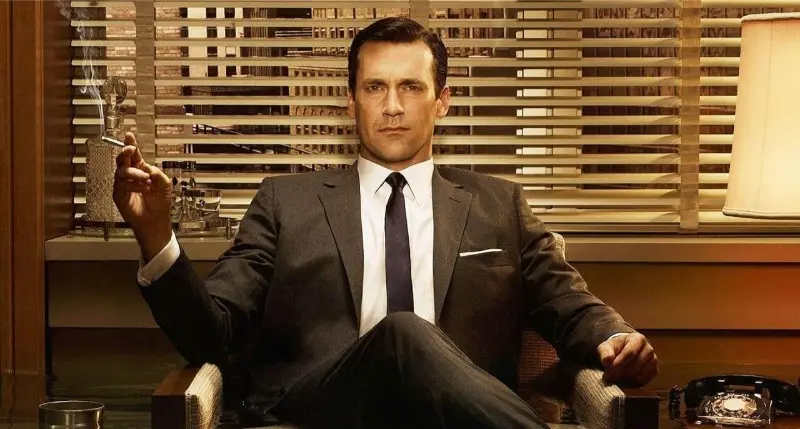
Don Draper heads creative at an advertising agency in ‘Mad Men’ on AMC from Lionsgate Television. His identity history starts with Dick Whitman during the Korean War and a name taken in the field, which sets up a lifelong split between public success and private origins. Agency mergers bring new partners, new clients, and shifting office politics that define what work looks like decade by decade.
Marriages and family life outline the personal side of that change. The show follows parenting with Sally and Bobby, relationships with Betty and later Megan, and the way accounts and pitches reflect cultural shifts in the United States. The timeline of brands, campaigns, and hires shows how each season moves both the firm and the man running its ideas.
Jimmy McGill
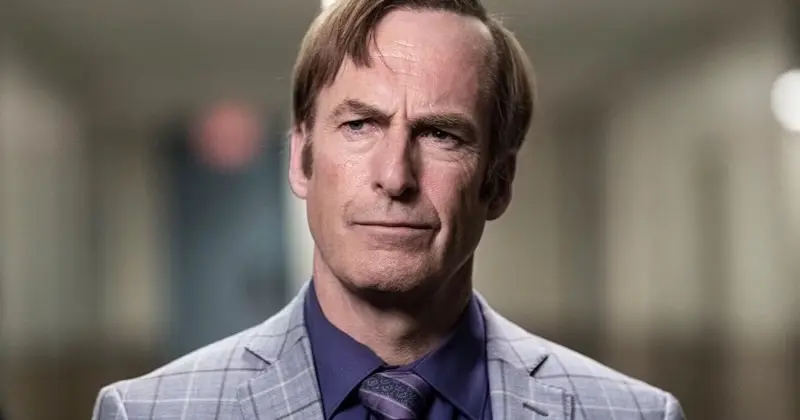
Jimmy McGill is a public defender who becomes Saul Goodman in ‘Better Call Saul’ on AMC from Sony Pictures Television. His early career includes elder law, billboard stunts, and a push to win respect from his brother Chuck at HHM. Kim Wexler’s trajectory with Mesa Verde and pro bono work intersects with his cases, which range from small time scams to federal crimes tied to the cartel.
Mike Ehrmantraut’s security jobs and connections to Gus Fring draw Jimmy into risk that goes beyond legal work. The story later tracks Gene in Omaha and the choices that come with hiding a known identity. Every step is grounded in court procedures, bar rules, and practical details like prepaid cell phones and document forgery, which anchor the turn from striver to fixer.
Carrie Mathison

Carrie Mathison works as a CIA officer in ‘Homeland’ on Showtime from Fox 21 Television Studios. Her assignments span domestic and international stations, with surveillance, source handling, and interagency coordination that shift based on threats. Saul Berenson provides mentorship and oversight, and operations with Nicholas Brody set early lines between public narrative and classified reality.
Her bipolar disorder is part of the job record, with medication changes, hospitalizations, and clearances documented alongside mission outcomes. Later seasons map postings to Berlin, Islamabad, and Moscow and detail how asset recruitment, safe houses, and signal plans operate under pressure. The series shows how each choice affects policy, colleagues, and family life with her daughter Franny.
Omar Little
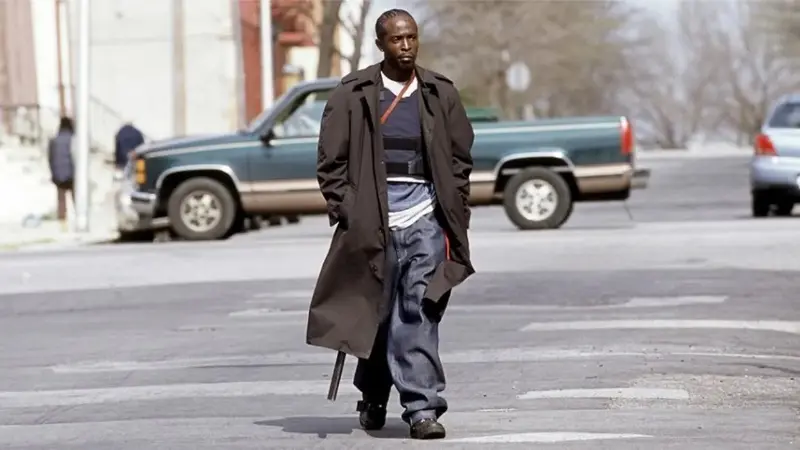
Omar Little robs drug dealers in ‘The Wire’ on HBO. He maintains a code that avoids civilians, and his work uses scouting, lookouts, and decoys to counter street organizations. Crews under Avon Barksdale and later Marlo Stanfield respond with bounties, which leads to retaliation, court testimony, and cooperation with detectives when goals briefly align.
His crew changes across the story with partners like Brandon, Dante, and Renaldo, and each shift alters tactics and vulnerability. A robbery at the hospital stash, the courtroom appearance, and the fallout from Stringer Bell’s ambitions each add new stakes. The arc records a life set against institutions that include police, courts, and corners, and it follows how reputation functions as currency.
BoJack Horseman

BoJack Horseman is a sitcom star from ‘BoJack Horseman’ on Netflix from The Tornante Company. The character’s résumé includes the family show ‘Horsin’ Around’ and later attempts to restart with film work and prestige television. Work with agent Princess Carolyn and collaborator Diane Nguyen leads to a memoir, a comeback series titled ‘Philbert’, and professional choices shaped by contracts and publicity.
His personal history follows time with Sarah Lynn, family stories from his parents, and the pattern of relapse and rehab that affects careers around him. The record notes how sponsorships, awards campaigns, and talk show appearances interact with a private life that keeps spilling into public events. The show keeps pace with how the industry treats image, liability, and accountability.
Cersei Lannister
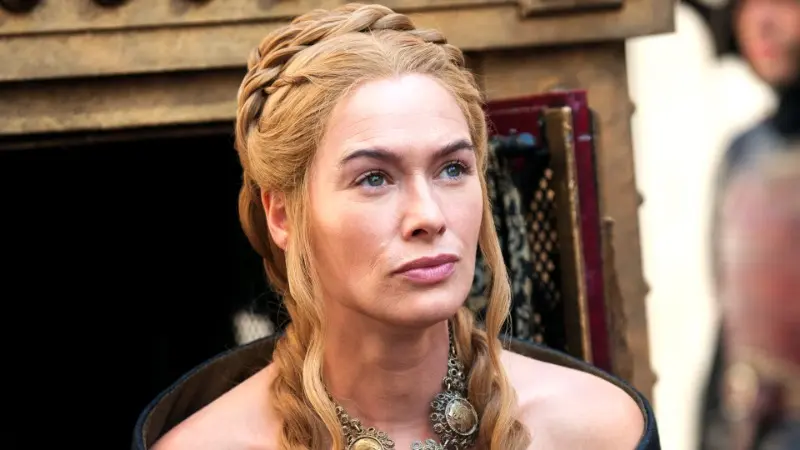
Cersei Lannister moves through royal politics in ‘Game of Thrones’ on HBO. Her children Joffrey, Myrcella, and Tommen are central to alliances and treaties, and their positions link the Lannisters to houses across the realm. The Small Council, the Faith, and the Crown’s debts shape daily decisions that involve logistics, food stores, and military supply.
Her rivalry with the Tyrells and the rise of the High Sparrow lead to a trial plan that changes the balance of power in the capital. The wildfire event at the Sept removes political opponents and sets a new order in the Red Keep. The story then follows her rule, her coordination with Euron Greyjoy, and the impact of siege warfare on both city and court.
Rust Cohle
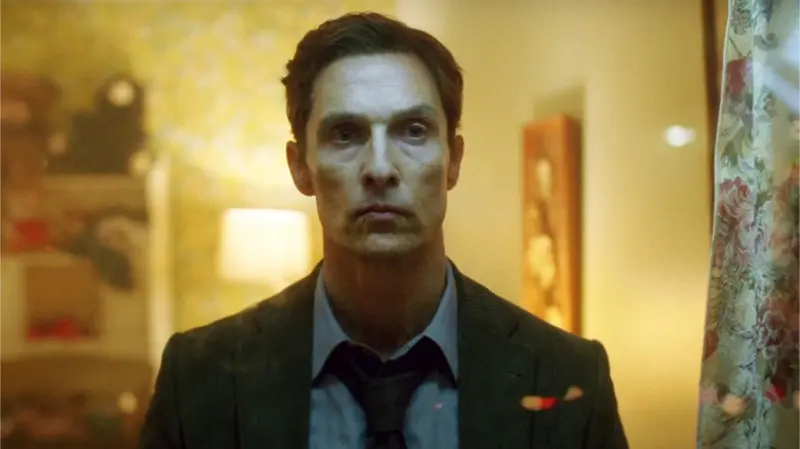
Rust Cohle investigates a homicide that spans years in ‘True Detective’ on HBO. The first case with Marty Hart begins in Louisiana with evidence tied to ritual markings, storage sheds, and rural churches. Interviews in later years document what changed in the file and how earlier assumptions shaped the search for suspects.
Background from undercover work in Texas informs Rust’s methods along with contacts who can reach into outlaw networks. The file touches institutions and private groups, including ties to a family with influence across parish lines. The case structure shows how time, memory, and paperwork affect an investigation that never fully closed.
Gregory House

Gregory House runs a diagnostic team in ‘House’ on Fox from Universal Television. His leg infarction and pain management create daily constraints that show up in clinic hours, inpatient consults, and tests that range from biopsies to imaging. The team roster changes with doctors like Foreman, Cameron, and Chase and later Kutner, Taub, and Thirteen, which shifts how each case is analyzed.
Administrative oversight from Lisa Cuddy and friendship with James Wilson frame decisions about resources and ethics. The show builds cases from real differentials that compare symptoms, travel history, and exposures, and it follows how risky procedures can succeed or fail. Each patient leaves a mark on the team’s rules for what they will try next.
Share your picks for other layered TV characters in the comments and let everyone know which arcs stayed with you.