15 of the Most Controversial TV Episodes Ever Aired



Television has never been afraid to spark conversation, and sometimes a single episode can set off debates that spill far beyond living rooms. These installments drew complaints, prompted network statements, and in some cases triggered real changes to broadcast standards and platform policies. They are remembered not just for storylines but for what happened around them.
This list gathers episodes that ran into censors, inspired boycotts, or were pulled from schedules, with specifics on what aired, how audiences and regulators responded, and what happened on reruns or streaming later on. You will find details on edits, fines, and bans, along with brief notes on where each show originally aired to keep the context clear without lingering on it.
‘The X-Files’ (1993–2018), ‘Home’
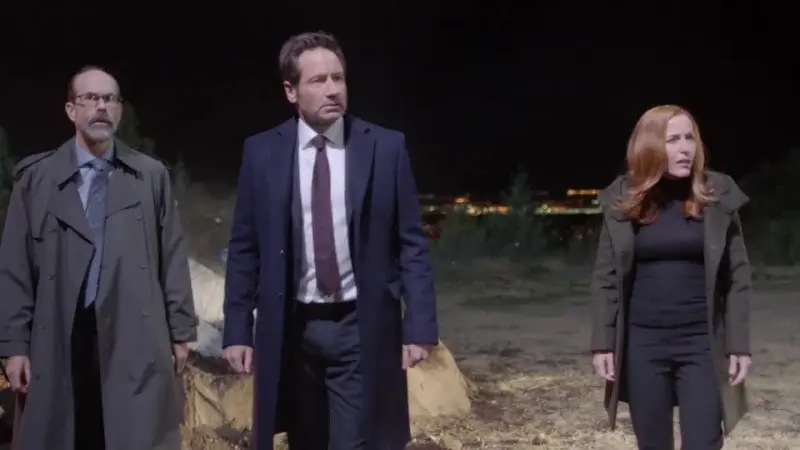
The episode followed Mulder and Scully to a small town where a reclusive family’s violent secrets came to light, and scenes involving infanticide and graphic violence led to an unusual outcome for a primetime drama. After its initial broadcast in the United States, the episode was withheld from network reruns for years and circulated mainly through syndication and home media, which preserved its original cut. It premiered on Fox.
Content advisories were expanded on later airings, and several international markets shifted it to late-night slots to comply with local standards. The production leaned on practical effects and low-light photography to heighten tension, which contributed to viewer complaints that cited realism as a reason for discomfort.
‘South Park’ (1997–), ‘201’

This installment continued a storyline involving threats related to depictions of religious figures and was delivered with extensive audio bleeps and visual censorship. The network broadcast a version with additional edits beyond the creators’ standard approach for sensitive material, and later pulled both this episode and its direct predecessor from rotation and streaming libraries. It first aired on Comedy Central.
Subsequent home releases omitted the uncensored cut, and licensed platforms followed the same restriction, leaving the episode absent from most official catalogs. The situation became a benchmark in discussions about how satire is handled when safety concerns intersect with broadcast policy.
‘Game of Thrones’ (2011–2019), ‘Unbowed, Unbent, Unbroken’
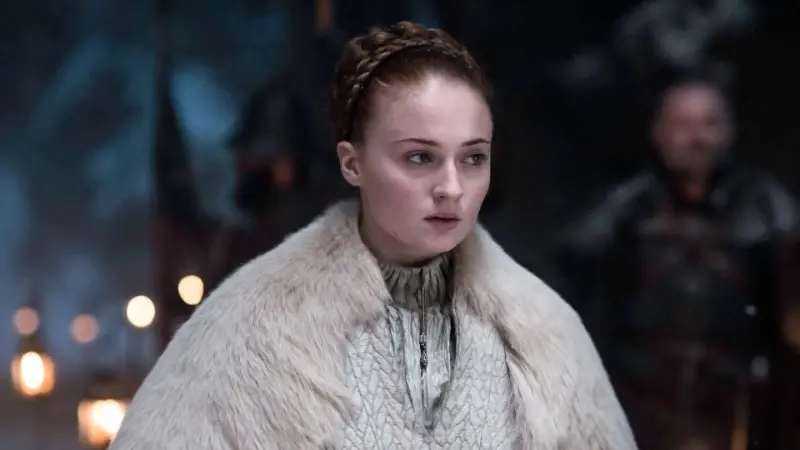
The episode’s final scene depicted sexual assault and prompted a surge of formal complaints and affiliate statements about content boundaries for premium dramas. While the series kept its TV-MA rating, the distributor added stronger advisories and promoted viewer resources related to sensitive topics for later airings and digital editions. It premiered on HBO.
Critical reaction triggered panel discussions at industry events about depictions of violence and consent in serialized storytelling. International partners adjusted promo materials and episode synopses to remove graphic descriptors, and some regional channels shifted the episode to later time slots.
‘Black Mirror’ (2011–), ‘The National Anthem’

This modern-day political thriller presented a fictional crisis involving a head of government and a shocking ransom demand, and it aired without edits in the United Kingdom with strong content warnings. The broadcaster scheduled it well after watershed hours and fielded viewer complaints that focused on taste and public figures, while also noting that the episode met standards for satire and news-media portrayal. It originally aired on Channel 4.
When the series moved to a global platform, the episode retained its original cut and warnings while metadata tags were expanded to flag mature themes. Academic media studies often cite it for its use of real-time social media as a plot device, and broadcasters reference it in guidelines for dramatizations of public institutions.
’13 Reasons Why’ (2017–2020), ‘Tape 7, Side A’
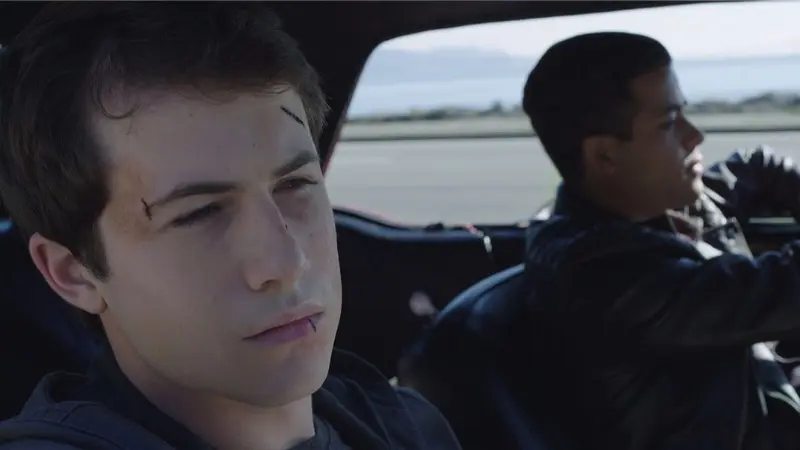
The season finale originally included an on-screen depiction of suicide that drew objections from mental health groups and educators. After ongoing consultation with experts, the distributor replaced the scene with a less graphic version in the streaming file while leaving surrounding narrative elements intact, and updated advisory cards with resource links. It premiered on Netflix.
Regional ratings boards reviewed the modification and either kept or raised age ratings, and schools issued parent notices that referenced the episode’s availability. International dubs and subtitles were revised to align with edits, and the original cut has not been restored on official platforms.
‘The Simpsons’ (1989–), ‘Stark Raving Dad’
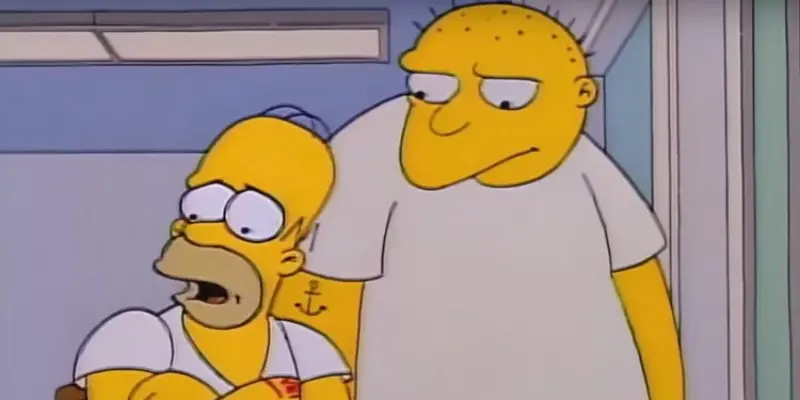
This early-season episode featured an uncredited guest performance long believed to be by Michael Jackson, and it remained a fan favorite for years. Following renewed scrutiny of the performer’s legacy, the rights holder withdrew the episode from broadcast rotation and from later streaming packages, which created gaps in season sequencing on some services. It premiered on Fox.
Home media pressings that included the episode stayed in circulation, but digital storefronts delisted it from season sets. Official statements described the removal as a permanent choice, and syndication schedules were updated to skip to the next episode number.
‘Family Guy’ (1999–), ‘Partial Terms of Endearment’
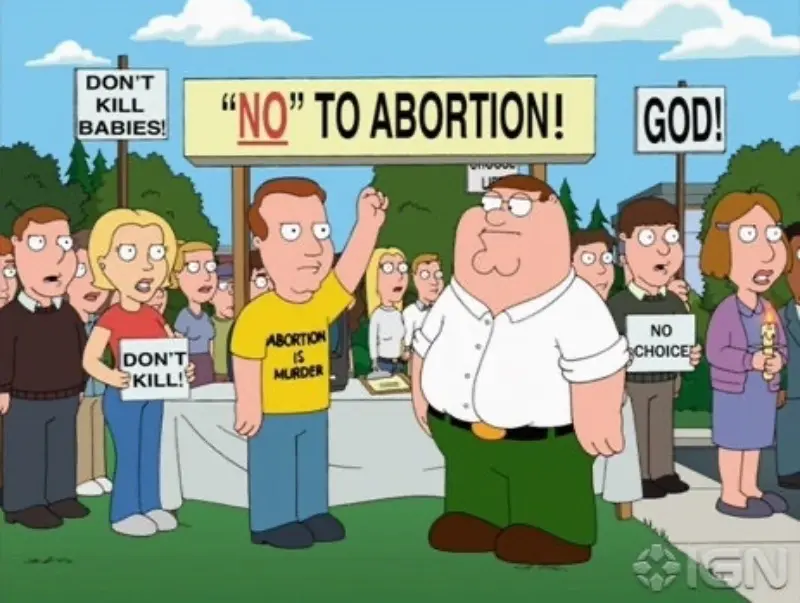
This episode addressed abortion with direct language and storyline choices that exceeded what the network was prepared to air in primetime. The studio completed production, but the broadcast premiere in the United States was canceled and the episode was released through DVD and international partners instead. It was developed for Fox.
Syndication packages in some markets later included the episode in late-night slots with content advisories. Streaming availability has varied by territory and platform, with some catalogs offering it as a bonus episode rather than part of the numbered season.
‘All in the Family’ (1971–1979), ‘Edith’s 50th Birthday’
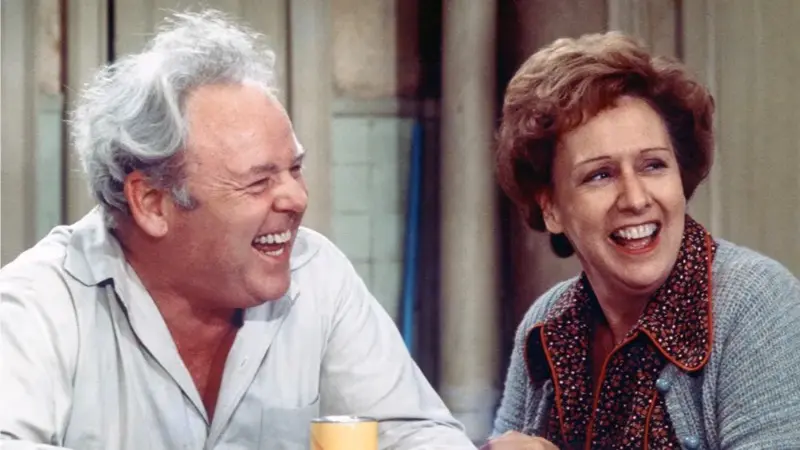
The episode centered on an attempted sexual assault and introduced a new level of seriousness to a sitcom known for tackling social issues. The network issued strong advisories before and after the broadcast and scheduled a repeat at a later hour to accommodate viewer concerns while keeping the storyline intact. It aired on CBS.
Public reaction spurred hotline promotions and community discussions, and affiliates reported higher call volumes than typical for the time period. Later retrospectives credit the installment with influencing how sitcoms handle special episodes on sensitive topics.
‘Married… with Children’ (1987–1997), ‘I’ll See You in Court’
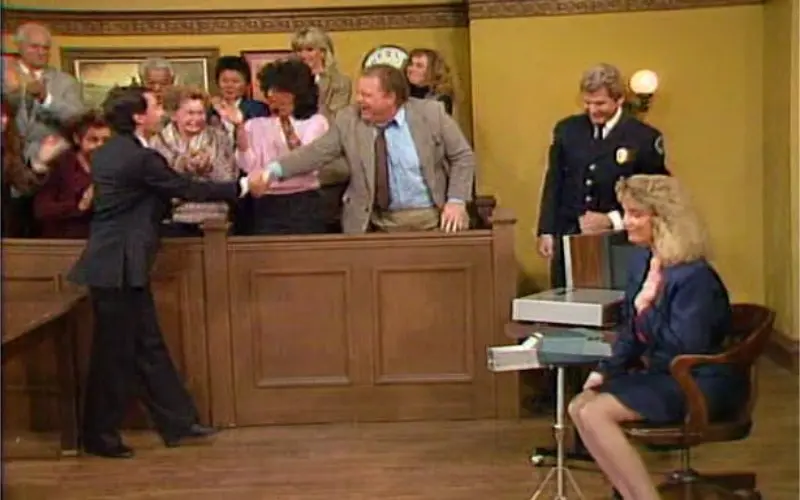
This installment involved adult themes that exceeded the network’s comfort level for the series’ usual time slot. After a recorded run-through and audience taping, executives decided not to air it domestically during the original season, and it eventually surfaced years later in edited form on cable and in overseas markets. It was produced for Fox.
When it finally appeared in the United States, the episode carried disclaimers and restored some but not all cut material. Episode guides note gaps in continuity for initial domestic releases, which later edits attempted to smooth with minor dialogue trims.
‘NYPD Blue’ (1993–2005), ‘Pilot’
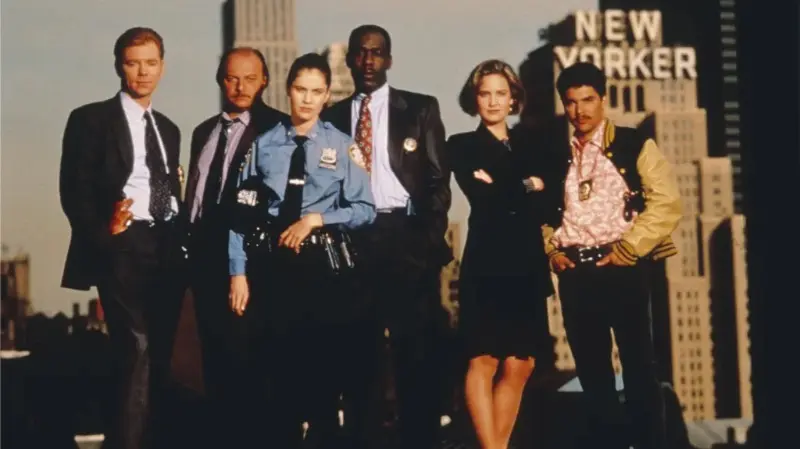
The debut featured language and partial nudity that tested broadcast standards for network dramas in the early nineties. Several affiliates declined to air the premiere and local advertisers shifted placements, while the network emphasized ratings, advisories, and artistic rationale in public statements. It premiered on ABC.
Regulatory scrutiny led to ongoing reviews of specific episodes across the run, and fines applied to later broadcasts shaped how stations scheduled and promoted mature content. The pilot remained part of the series package in syndication with time-slot adjustments and viewer warnings.
‘The Walking Dead’ (2010–2022), ‘The Day Will Come When You Won’t Be’
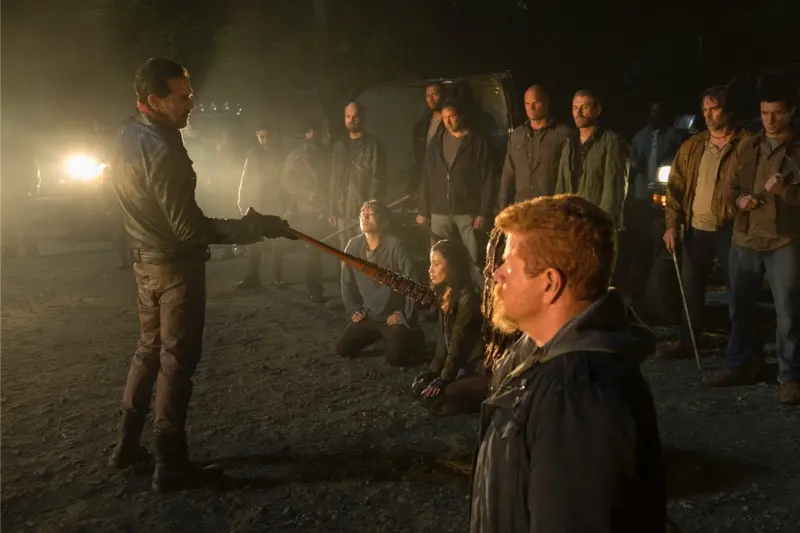
The season opener depicted extended on-screen violence during a key character execution sequence, prompting a surge of viewer complaints about intensity rather than language or nudity. The network preserved the episode as produced while adjusting promotional materials for the rest of the season to set clearer expectations about graphic content. It aired on AMC.
Some international feeds employed slightly shorter edits for pre-watershed repeats and pushed the uncut version to late evening slots. Home releases included both cuts in certain regions, labeled to match local classification rules.
‘Degrassi: The Next Generation’ (2001–2015), ‘Accidents Will Happen’
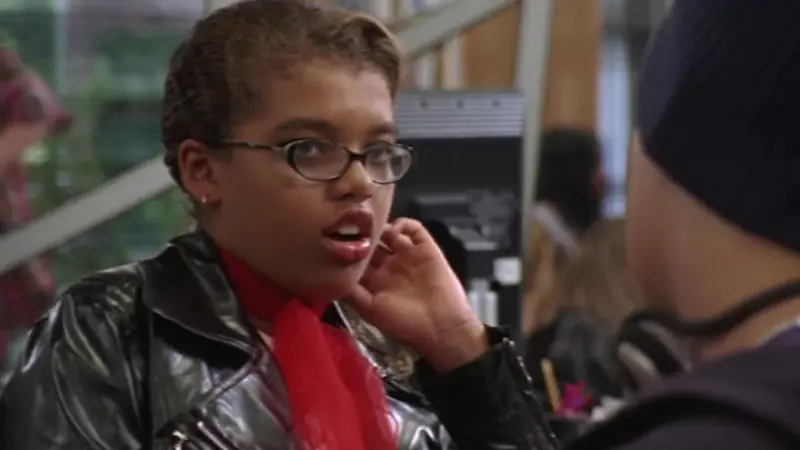
This two-part storyline addressed teen pregnancy and abortion, and it aired in Canada as part of the regular season with standard advisories. The United States partner initially withheld the episodes from the schedule and later broadcast them out of sequence, which created confusion in story arcs for first-time viewers. It aired in Canada on CTV and later ran in the United States on The N.
Digital releases eventually restored proper order and included content information cards. Education groups cited the episodes in classroom resource guides, and broadcasters referenced them when discussing regional differences in standards for teen programming.
‘Brass Eye’ (1997–2001), ‘Paedogeddon!’
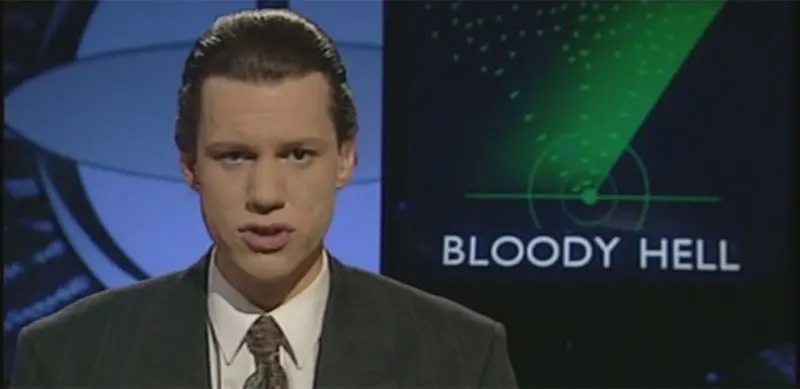
This satirical special focused on media coverage of child protection and featured real public figures who appeared in scripted segments. After transmission, the broadcaster logged an unusually high volume of complaints for a comedy program and issued a detailed defense that cited context, scheduling, and audience expectations. It aired on Channel 4.
Regulators reviewed the program and determined that while provocative, it met the rules for satire when scheduled after the watershed with clear warnings. The special’s repeat run was delayed, and later home media carried explanatory notes about editorial judgment.
‘Pokémon’ (1997–), ‘Dennō Senshi Porygon’

This episode used rapid flashing effects during a virtual world sequence, and a large number of viewers in Japan experienced photosensitive reactions. The broadcaster pulled the episode from all future airings and reviewed animation practices, and the character at the center of the episode largely disappeared from later installments. It aired on TV Tokyo.
Industry guidelines for flashing patterns in animation were updated, and international distributors adopted stricter checks for similar effects. The episode has not been included in official streaming or home video catalogs, and recap materials avoid direct clip use.
‘Star Trek’ (1966–1969), ‘Plato’s Stepchildren’
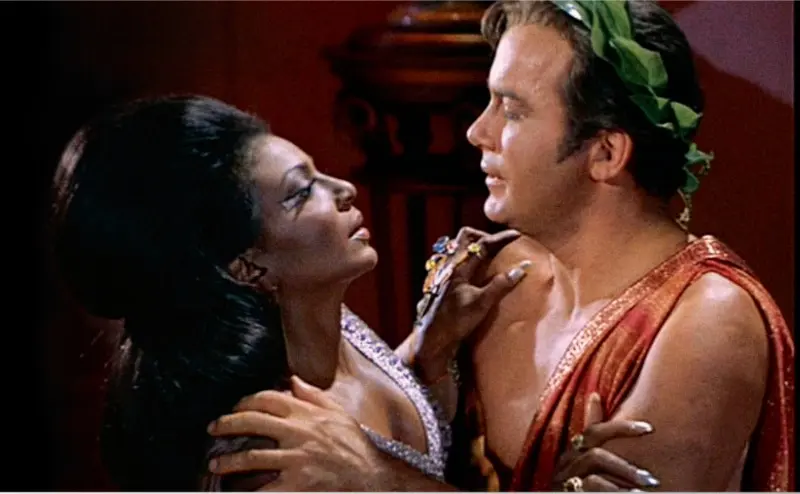
The episode is often cited for one of television’s earliest interracial kisses between lead characters under coercive circumstances within the plot. Some local stations in the United States chose not to air it or pushed it to late evening, while others ran it with no edits and received mixed audience feedback. It originally aired on NBC.
Syndication ensured wide circulation in later decades, and home media preserved the sequence as produced. The episode features in media studies curricula and broadcaster histories that track changes in standards on relationships depicted on screen.
Share which episode you think pushed the biggest boundaries in the comments.