10 Best TV Villains of All Time, Ranked


Television gives antagonists room to grow across seasons, which means viewers see how plans take shape, how relationships shift, and how consequences land. The figures below are drawn from drama, sci-fi, horror, crime, and superhero storytelling, and each one is built through consistent character work, careful plotting, and memorable performances. Across very different shows, the details that define them are clear on the page and on the screen.
This list spans broadcast, cable, and streaming, and it reflects how networks and platforms shape the stories they tell. You will see villains from Fox, ABC, NBC, AMC, HBO, FX, BBC America, Showtime, Netflix, and Prime Video, each operating within the tone and format that their home outlet favors, from procedural frameworks to serialized epics.
The Cigarette Smoking Man, ‘The X-Files’
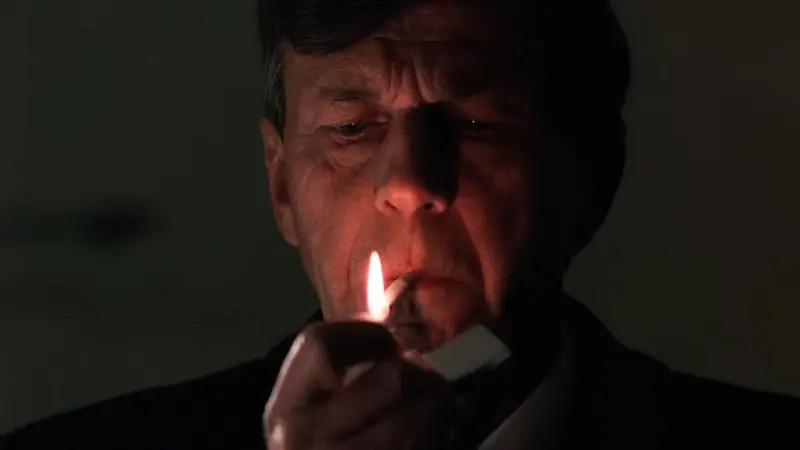
Also known as C. G. B. Spender, the character serves as a liaison between government entities and a clandestine group known as the Syndicate in ‘The X-Files’ on Fox. His presence connects monster-of-the-week cases with the series mythology through surveillance, disinformation, and covert operations involving extraterrestrial colonization plans. The character is frequently positioned near key investigations that involve Fox Mulder and Dana Scully, using access and plausible deniability to shape outcomes without public exposure.
Storylines tie him to projects involving the black oil pathogen, human hybridization research, and internal conflicts within the Syndicate. Archival reveals and classified files identify personal links to multiple conspirators, and several episodes depict efforts to erase records or silence whistleblowers. The narrative places him at important turning points, including decisions about who receives protection and who is expendable when plans require containment.
Kilgrave, ‘Jessica Jones’
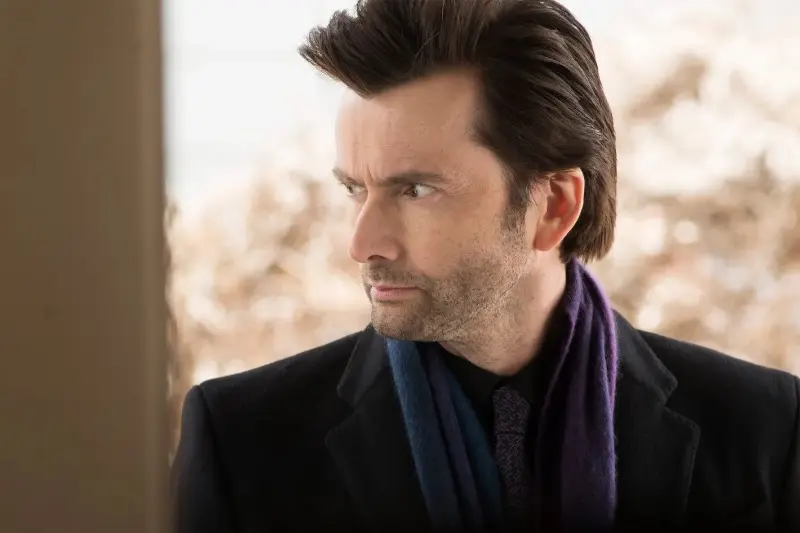
Kilgrave appears in ‘Jessica Jones’ on Netflix and is introduced with the ability to control others through verbal commands that compel immediate compliance. The character’s backstory traces experimental procedures conducted by his parents, which altered neurological function and produced persistent side effects. The show documents the limits of his power, including range, duration, and resistance factors, and it shows how those limits shape his tactics in urban environments.
Investigations by Jessica Jones and her allies map a network of coerced individuals whose actions leave legal and medical complications. Case files and audio evidence demonstrate how Kilgrave uses specific phrasing to generate precise outcomes, while surveillance logs record efforts to immunize targets and to break the cycle of control. The series presents a record of incidents that include kidnappings, financial crimes, and coordinated misdirection that obstructs prosecution.
Ben Linus, ‘Lost’
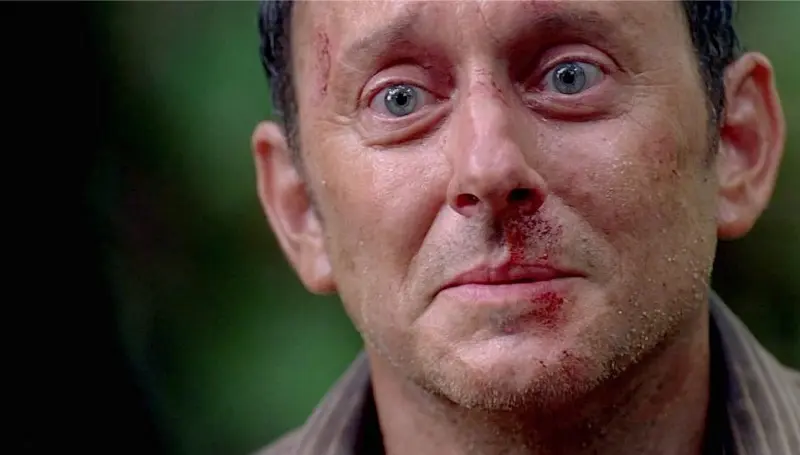
Ben Linus is introduced in ‘Lost’ on ABC under a false identity and is later identified as a leader among the Others with access to restricted parts of the island. The character relies on misdirection, staged captures, and incomplete disclosures to negotiate with survivors. Records of Dharma Initiative stations and lists of names tie him to decisions about recruitment and relocation, and he uses knowledge of the island’s terrain and rules to influence conflicts.
Chronicles of his time in the barracks and his connection to Jacob establish lines of authority that shift when external forces arrive. Communications intercepts, submarine manifests, and medical files document how he moves people between facilities and how he responds when rivals gain leverage. The show details how his strategies change when alliances fracture, and how his choices affect the stability of multiple groups.
Arthur Mitchell, ‘Dexter’
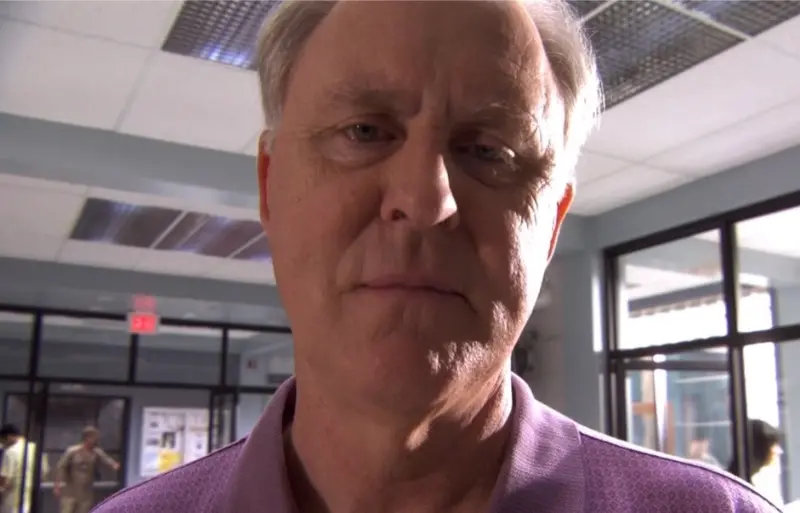
Arthur Mitchell, also known as the Trinity Killer, appears in ‘Dexter’ on Showtime and is associated with a repeating pattern of three murders that mirror events from his own past. The character maintains a public life centered on charity and family while traveling to complete cycles that follow a ritual sequence. Crime scene analysis links his movements through forensic markers that reappear across jurisdictions.
The investigation uncovers planning methods, including scouting locations and staging details that match victim profiles. Background inquiries reveal how he conceals activities from relatives and from community organizations, and how he adapts when law enforcement approaches his circle. Documentation of his interactions with Dexter Morgan shows how mentorship, surveillance, and counter-surveillance shape the pace of the case.
Villanelle, ‘Killing Eve’

Villanelle, whose given name is Oksana Astankova, operates as a contract assassin for the Twelve in ‘Killing Eve’ on BBC America. Her personnel file highlights training, language capabilities, and a history of assignments across Europe and beyond. The show catalogs cover identities, procurement of equipment, and travel patterns that support high-profile operations in crowded public settings and secure residences.
Reports compiled by Eve Polastri and her team map communication channels, handlers, and safe houses. Forensic detail notes favored weapons and improvisation in confined spaces, while psychological assessments describe responses to isolation, praise, and professional setbacks. The case record shows how her work intersects with law enforcement and how internal politics within the Twelve affect her status.
Negan, ‘The Walking Dead’
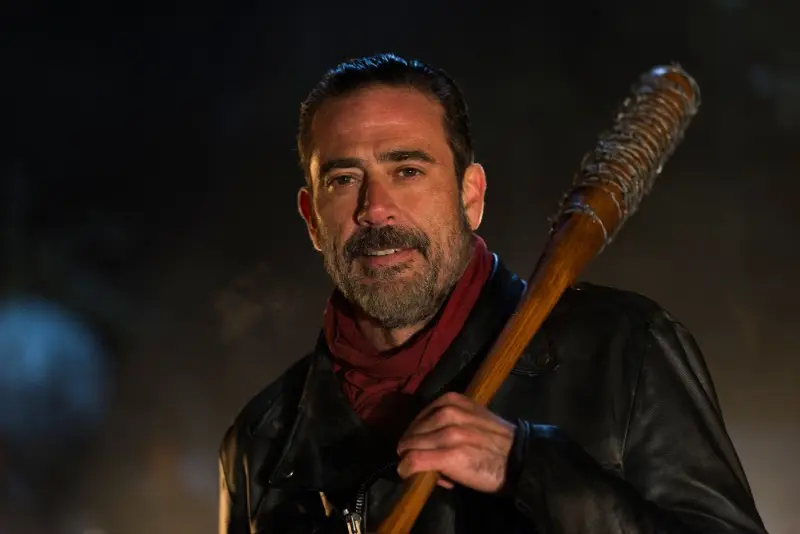
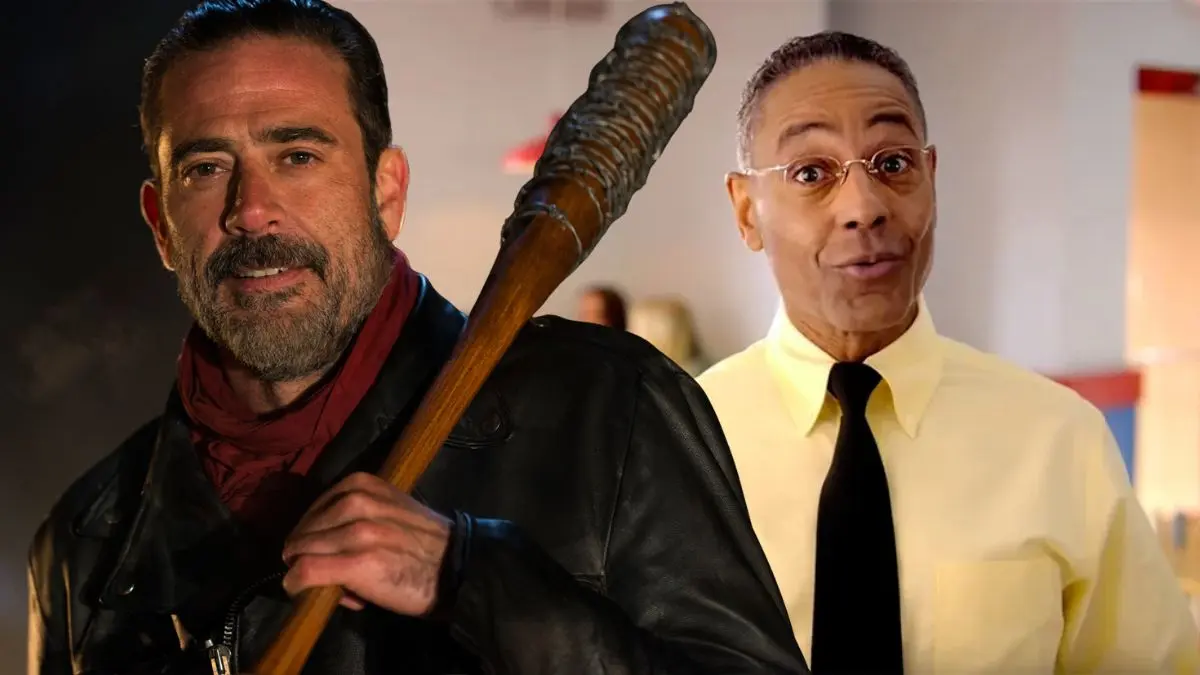
Negan enters ‘The Walking Dead’ on AMC as the leader of the Saviors and implements a system that requires surrounding communities to surrender a portion of their resources. He operates from the Sanctuary with a command structure that assigns responsibilities to lieutenants and relies on patrols to enforce rules. The barbed bat named Lucille functions as a symbol of authority that reinforces compliance during public demonstrations.
Encounter logs detail raids, negotiations, and the management of outposts that secure fuel and food. After capture, records of confinement and exchanges with Alexandrians mark shifts in his position within the wider alliance. The series documents how his role evolves through cooperation against shared threats and how his knowledge of former routes and caches remains useful when conditions change.
Gus Fring, ‘Breaking Bad’ and ‘Better Call Saul’
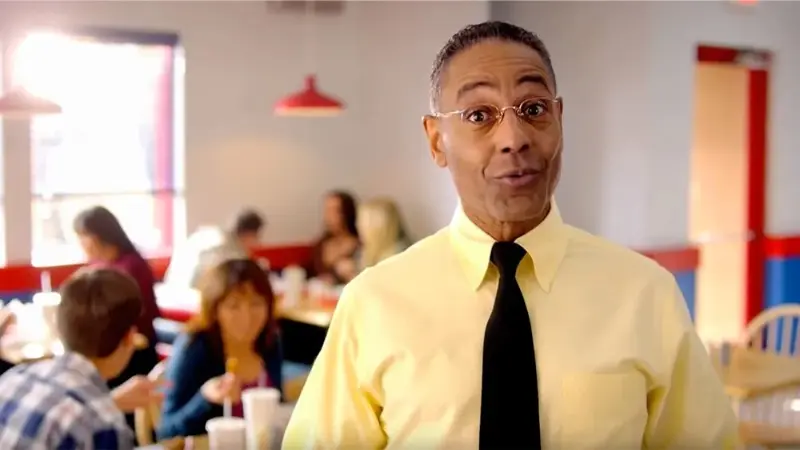
Gus Fring appears in ‘Breaking Bad’ and ‘Better Call Saul’ on AMC as a regional distributor who uses the Los Pollos Hermanos restaurant business as a cover for narcotics logistics. Corporate filings and front-company arrangements provide financial pathways that obscure the movement of funds, while a laundry facility conceals a subterranean laboratory built to scale production with controlled quality.
Operational security includes compartmentalized teams, clean supply lines, and procedures that limit exposure to law enforcement and cartel rivals. Personnel charts show responsibilities assigned to trusted associates like Mike Ehrmantraut, and contingency planning addresses interruptions in transport and staffing. The record includes conflicts with cartel management and responses that favor patience, surveillance, and targeted action.
Cersei Lannister, ‘Game of Thrones’
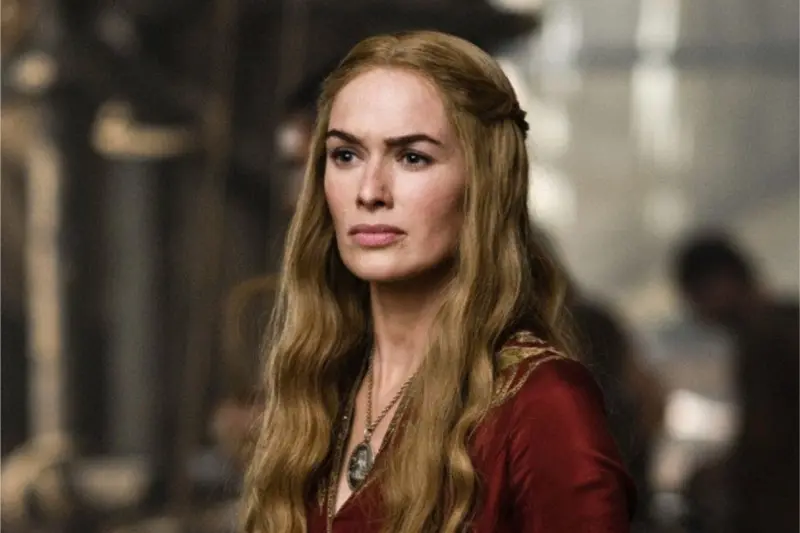
Cersei Lannister serves as a central political figure in ‘Game of Thrones’ on HBO and is connected to alliances that shift with marriages, debts, and military campaigns. Her authority is grounded in control of the capital, oversight of the small council, and access to family resources. Written decrees, oaths, and proclamations document changes in succession plans and the management of noble houses.
City records and testimony from court proceedings show how the Faith Militant returns to power and how trials reshape the balance among factions. Accounts of wildfire stockpiles and the chain of custody for stored barrels outline the mechanisms that enable large-scale destruction. The narrative associates her reign with sieges, blockades, and agreements that affect food and trade inside the city.
Hannibal Lecter, ‘Hannibal’
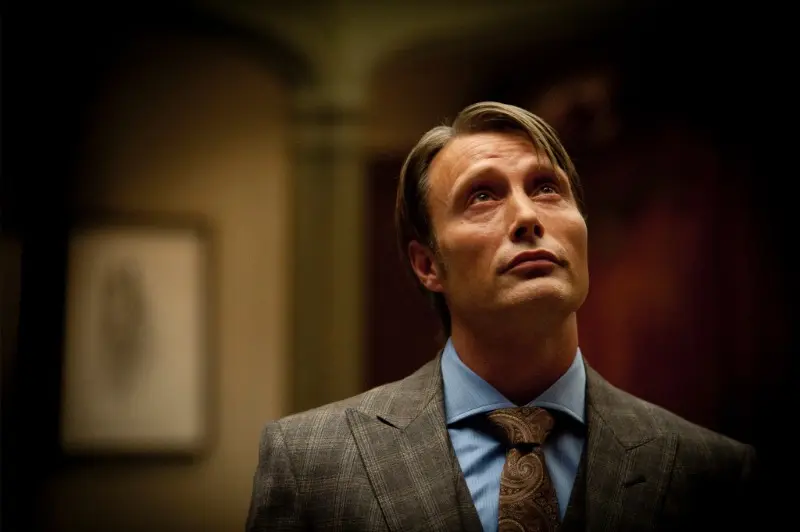
Hannibal Lecter is a forensic psychiatrist in ‘Hannibal’ on NBC who consults with the FBI while conducting a separate series of murders tied to his culinary practices. Case files describe his expertise in behavioral analysis and his proximity to investigations led by Jack Crawford, which grants access to evidence and to the psychological profiles of active suspects. The show tracks how he selects targets and how he stages environments to misdirect investigators.
The relationship with Will Graham includes shared consultations, joint interviews, and therapy sessions that generate transcripts and session notes. Forensic reports highlight plating, preparation, and the absence of conventional traces at scenes, while interagency communication logs record conflicts about strategy and trust. The capture timeline and subsequent movements detail how professional status and social ties complicate prosecution.
Homelander, ‘The Boys’
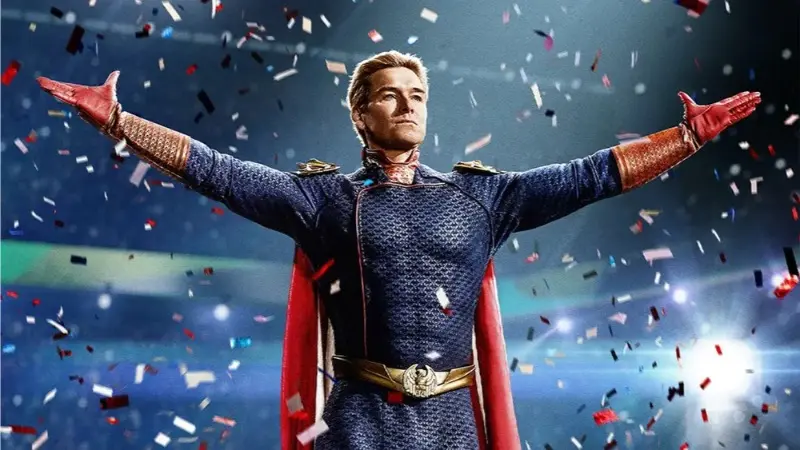
Homelander leads the Seven in ‘The Boys’ on Prime Video and holds a dual role as a corporate asset within Vought International and as a public figure marketed through media campaigns. His powers include flight, super strength, and energy projection, and the show outlines testing protocols and staged rescues that support the brand. Internal memos and marketing briefs describe coordination between crisis response and public relations.
Government hearings and leaked documents in the series address Compound V and the management of powered individuals, placing his activities in a regulatory context. Interactions with subordinates and with Vought executives show how metrics, polling, and sponsorships influence operational decisions. Storylines involving Ryan and other members of the Seven provide records of mentorship, containment, and disputes over authority.
Share your picks for unforgettable small-screen antagonists in the comments and tell us who you would add to the list.