Beloved Shows with Controversial Final Seasons


Endings are hard for long running series that build massive worlds and even bigger expectations. Final seasons have to close storylines, settle character arcs, and stick a landing in a way that fits the tone audiences know so well. Some shows wrap things neatly while others shift course and challenge what viewers thought they would see.
This list looks at beloved shows whose final seasons sparked a lot of conversation for concrete reasons like format changes, unusual story structures, or last minute revelations. Each entry notes where the show aired and highlights specific choices that shaped how the ending played out.
‘Game of Thrones’ (2011–2019)
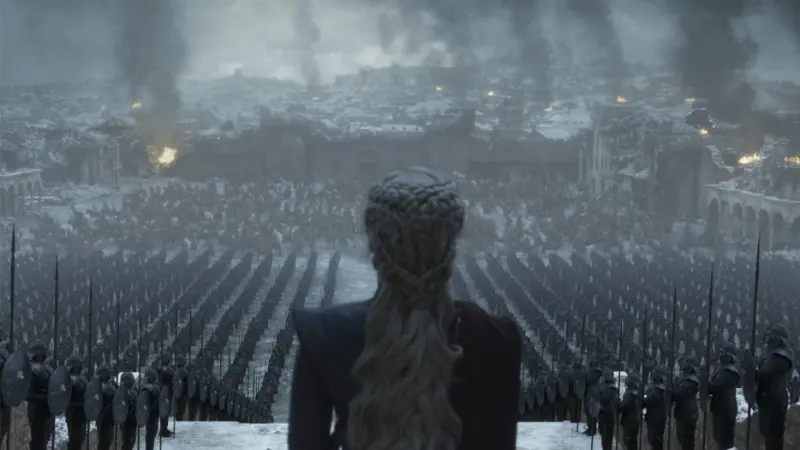
The HBO fantasy series completed its story with a shortened eighth season that compressed major battles in Winterfell and King’s Landing into a tight schedule. Production focused on larger scale set pieces, with extended night shoots and extensive visual effects that concentrated multiple arcs into a few episodes.
The finale titled ‘The Iron Throne’ concluded with the death of Daenerys Targaryen, the selection of Bran Stark as ruler, and the Stark family separating into new roles. Showrunners David Benioff and D B Weiss oversaw the transition from George R R Martin’s published material to original endgame choices on HBO.
‘Lost’ (2004–2010)
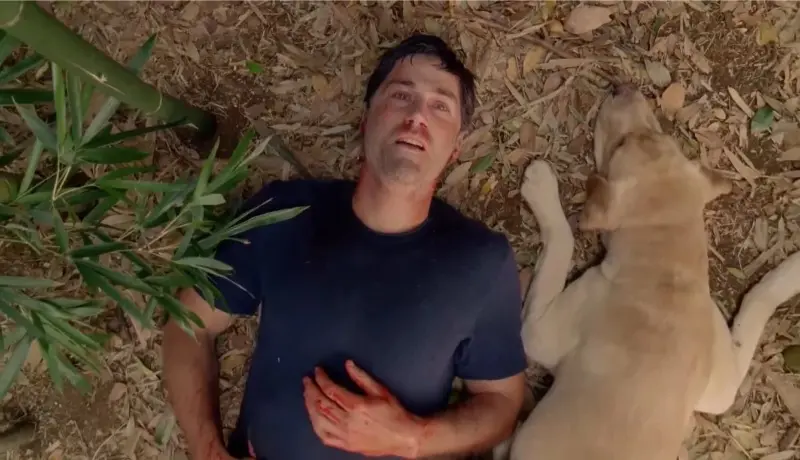
The ABC mystery drama closed with a sixth season that introduced the flash sideways device to run in parallel with the island timeline. Characters pursued the Jacob and Man in Black conflict while the season moved between Dharma history, temple lore, and the last confrontations around the heart of the island.
The final episode titled ‘The End’ resolved the flash sideways in a church gathering and presented the island storyline’s final handoff. Executive producers Damon Lindelof and Carlton Cuse structured the last season around thematic closure while maintaining ABC’s network run of weekly broadcast.
‘How I Met Your Mother’ (2005–2014)
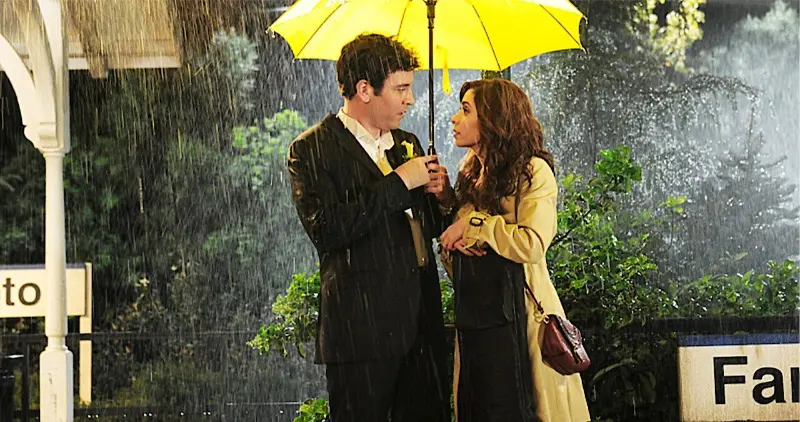
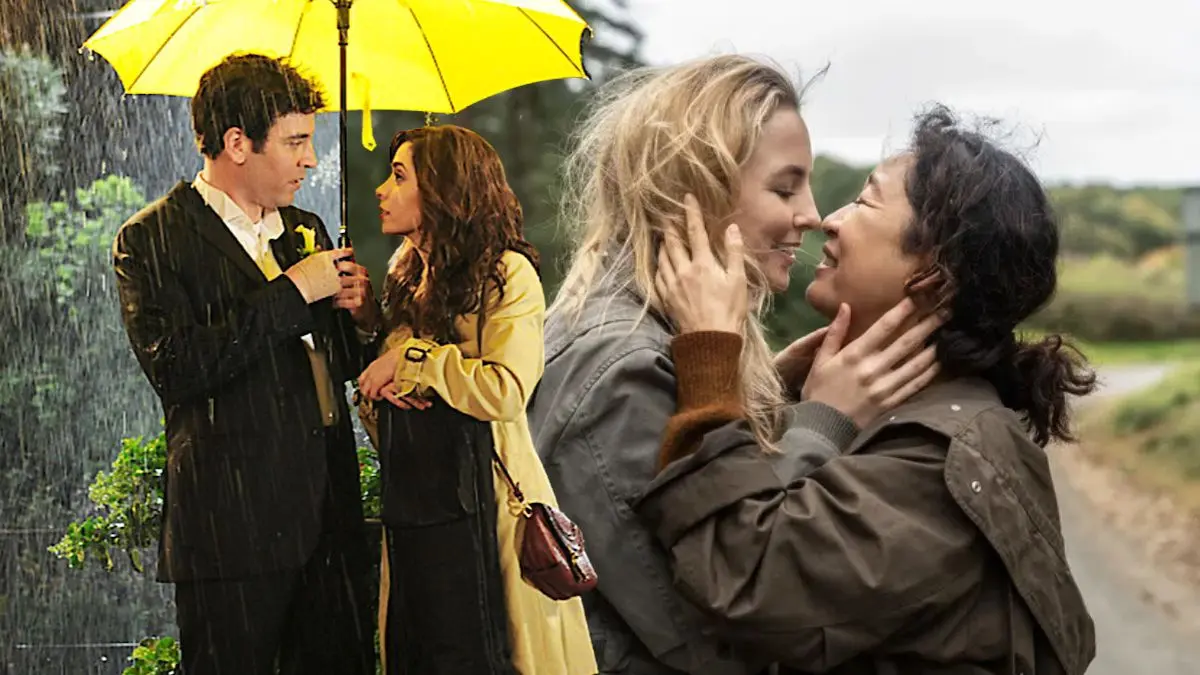
The CBS sitcom set almost the entire final season over one weekend at Barney and Robin’s wedding, using its trademark time jumps to fill in character beats. The Mother entered the story with detailed meet cutes and musical callbacks that tied into long running clues.
The finale revealed the Mother’s fate and showed Ted arriving at Robin’s window with the blue French horn. An alternate ending was later included on home release, while CBS positioned the series finale as a major event in its comedy lineup.
‘Dexter’ (2006–2013)
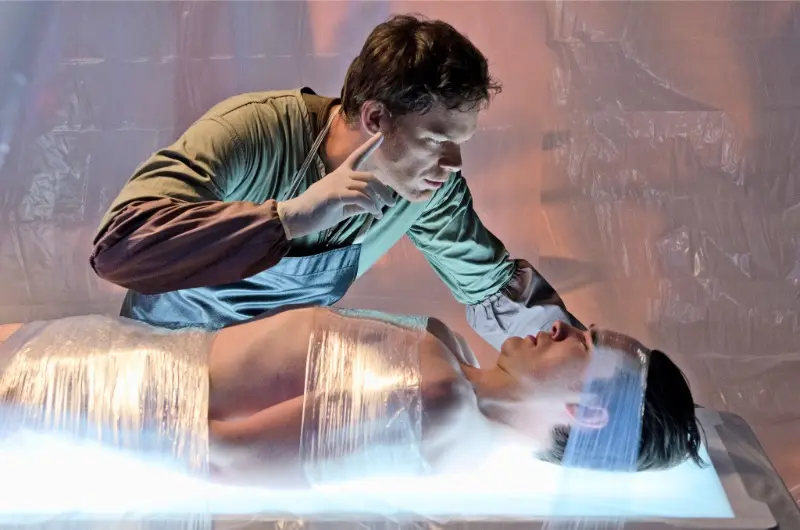
The Showtime crime drama concluded its original run with an eighth season centered on Dexter’s plan to leave Miami with Hannah McKay, alongside Debra’s struggle after the LaGuerta fallout. Dr Evelyn Vogel’s introduction reframed the code and the origins of Dexter’s rituals.
The final episode depicted Dexter staging his death during a hurricane and then living in isolation as a lumberjack. Showtime later continued the story with ‘Dexter New Blood’, which revisited the character years after the original finale.
‘The Sopranos’ (1999–2007)
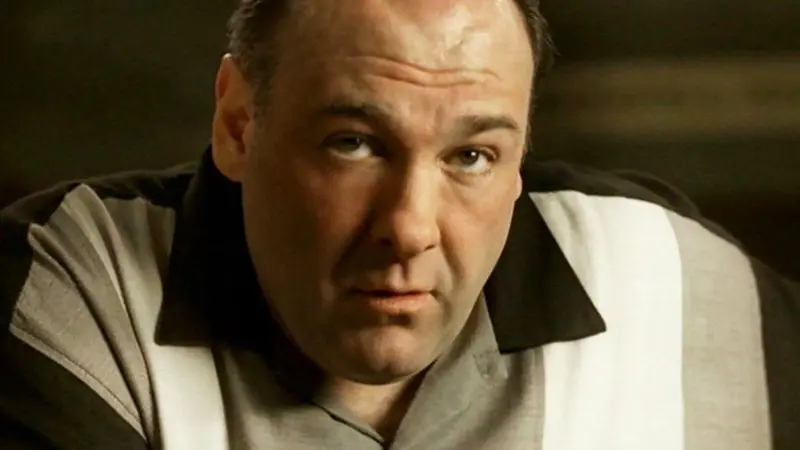
The HBO landmark series ended with Tony Soprano meeting his family at Holsten’s diner while multiple threads converged around ongoing investigations and rival crews. The episode built tension through ordinary actions like song choices and door chimes that tracked movement in the room.
The finale titled ‘Made in America’ cut to black in the middle of a scene with no on screen resolution. Creator David Chase directed the closer for HBO and left the staging and sound design as the definitive final image of the series.
‘Seinfeld’ (1989–1998)
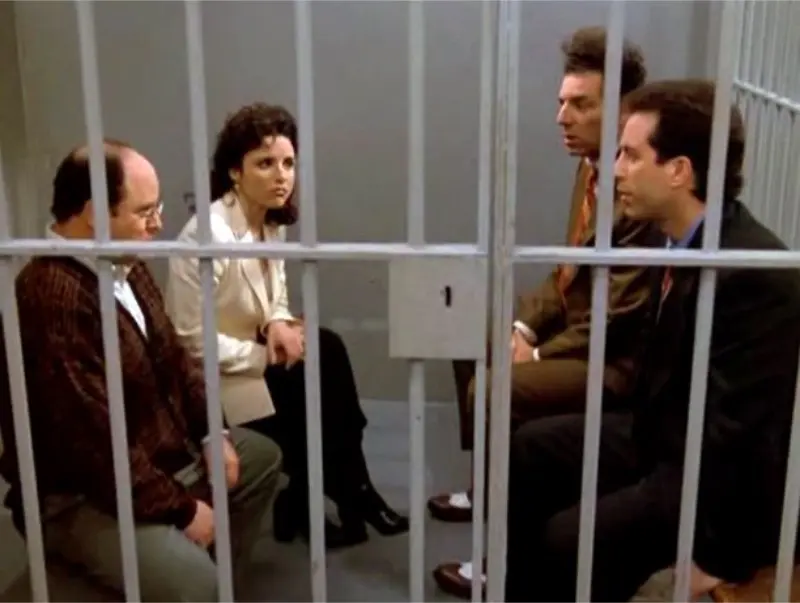
The NBC sitcom wrapped with a two part finale in which the four leads were arrested under a Good Samaritan law after failing to help a stranger. The episode returned to signature bits through testimony from characters introduced across earlier seasons.
The trial format brought back a long list of guest stars and ended with jail time for the group. Jerry Seinfeld and Larry David co wrote the closing chapters for NBC, mirroring the show’s history of looping past stories into new scenarios.
‘Battlestar Galactica’ (2004–2009)

The Syfy space drama finished with a three part finale that found the fleet discovering a habitable Earth and choosing to abandon advanced technology. The story intercut flashbacks from Caprica to show how the characters arrived at their original paths before the Cylon attack.
The last chapter titled ‘Daybreak’ closed the Cylon human conflict and dispersed the survivors into new communities. Ronald D Moore’s post episode epilogue connected the show’s timeline to present day as part of Syfy’s reimagined canon.
‘True Blood’ (2008–2014)
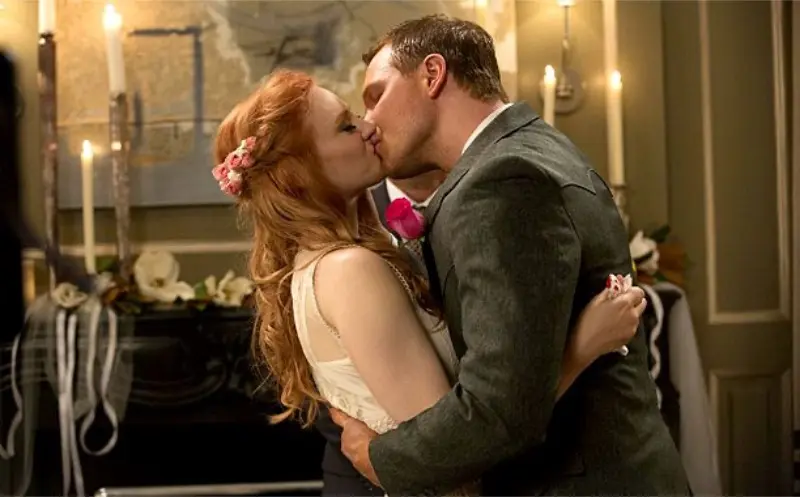
The HBO vampire series focused its last season on the spread of Hep V and the shifting power balance in Bon Temps. Sookie Stackhouse faced choices involving Bill Compton and the supernatural politics that had defined the show’s world.
The finale addressed Bill’s decision about his illness and set a fast forward epilogue that placed the characters at a community dinner. HBO aired the closer as a capstone to a run built on ensemble storylines and small town dynamics.
‘Gossip Girl’ (2007–2012)
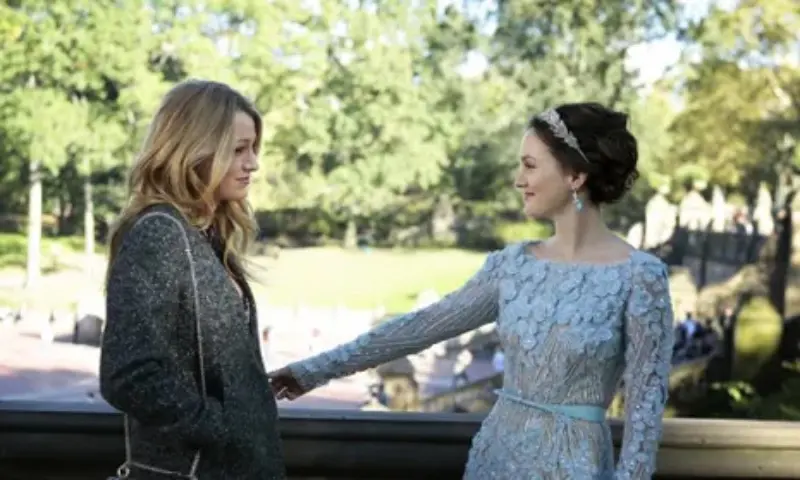
The CW teen drama used its final stretch to answer the identity of Gossip Girl, naming Dan Humphrey as the person behind the posts. The show closed lingering arcs around the Upper East Side families and their shifting alliances.
The last episode jumped ahead to a wedding and featured cameos from fashion insiders and returning characters. The CW framed the finale as a farewell to a flagship youth brand while executive producers Josh Schwartz and Stephanie Savage staged the reveal within the show’s media culture.
‘Killing Eve’ (2018–2022)

The final season aired on BBC America and AMC and reunited Eve and Villanelle as they pursued the leadership of The Twelve. The season tracked Villanelle’s attempts at reform and Eve’s investigation work with new and returning handlers.
The finale delivered a climactic encounter on the River Thames and closed with a sharp turn before the credits. Head writer Laura Neal led the concluding run while BBC America positioned the series as a signature drama across its simulcast strategy with AMC.
‘Line of Duty’ (2012–2021)
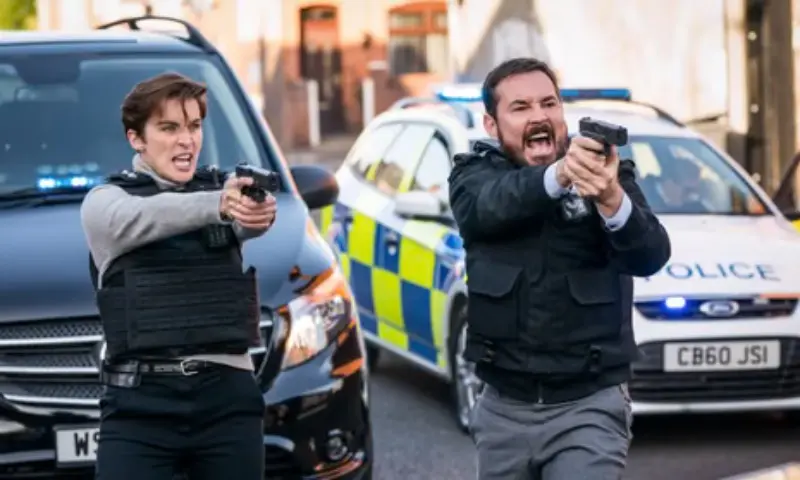
The BBC One police thriller ended its latest series with the identification of the so called fourth man behind a network of corruption. The final episodes highlighted long interview scenes that tested AC 12’s methods and records of past cases.
The conclusion set new assignments for the team and outlined the procedural consequences of the reveal. Creator Jed Mercurio retained the documentary style framing on BBC One with returning guest stars and case file callbacks.
‘Sherlock’ (2010–2017)
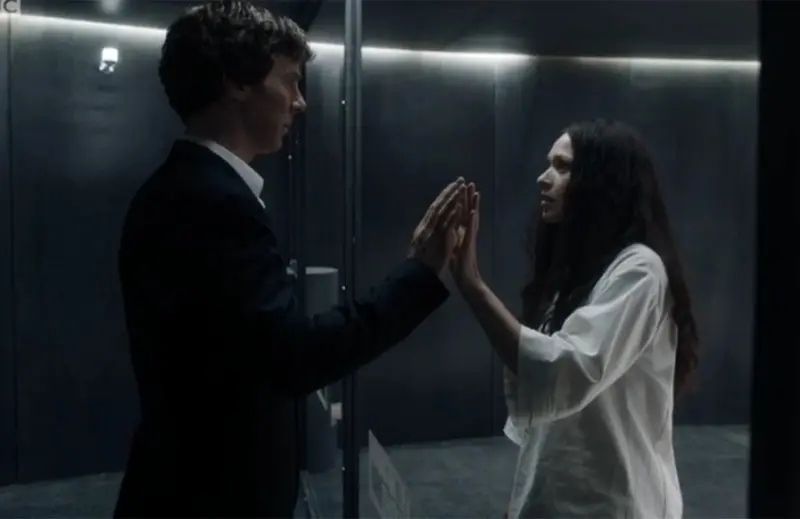
The BBC One modern detective drama closed with ‘The Final Problem’, which introduced Eurus Holmes and placed Sherlock and John in a locked room experiment. The story used recorded messages and puzzles to uncover family history.
The episode resolved the Moriarty footage while setting Sherlock and John back at Baker Street for a montage of future cases. Mark Gatiss and Steven Moffat delivered the capstone within BBC One’s event style scheduling.
‘Supernatural’ (2005–2020)
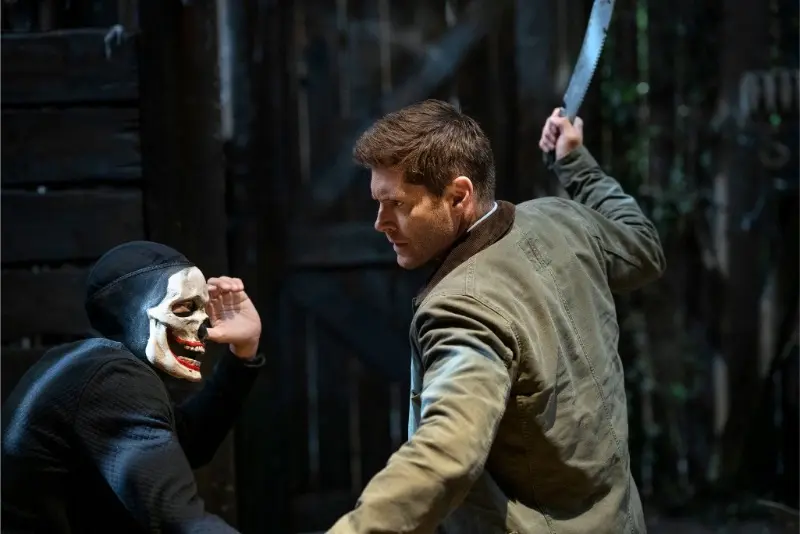
The CW fantasy series structured its close as two episodes that first concluded the conflict with Chuck and then presented a quieter goodbye. Production filmed the final scenes after a shutdown and returned to classic locations to finish the arc.
The last hour titled ‘Carry On’ showed Dean’s final hunt, Sam’s later life, and a reunion on a bridge in Heaven. The CW used a retrospective special before the finale to mark the end of its longest running genre series.
‘Star Trek: Enterprise’ (2001–2005)
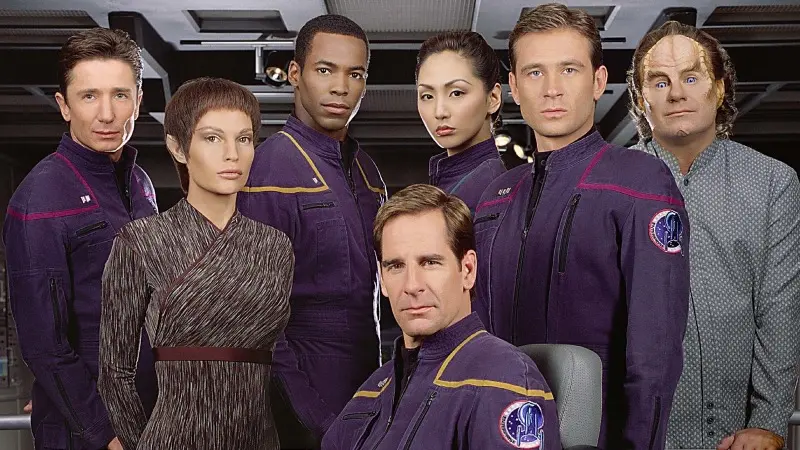
The UPN prequel ended with a story framed by a ‘Star Trek The Next Generation’ holodeck scenario featuring Riker and Troi. The in universe device allowed a look back at the Enterprise crew’s final mission.
The finale depicted the founding of the Federation and the death of Trip Tucker during a hostage crisis. Rick Berman and Brannon Braga wrote the closer for UPN and connected it directly to the broader ‘Star Trek’ timeline.
‘House of Cards’ (2013–2018)
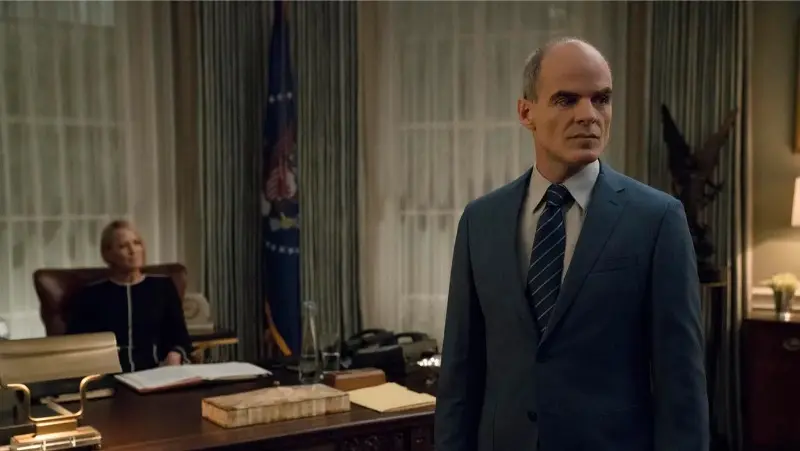
The Netflix political drama returned without Frank Underwood and centered on Claire Underwood’s presidency. The season tracked legal battles, archival recordings, and power plays among the Shepherd family and White House staff.
The last episode staged a confrontation inside the residence and ended with a decisive act that sealed the Underwood story. Netflix completed the show under a new leadership team for its final run, with production built around Robin Wright’s lead performance.
Share the finale that surprised you most and tell us which of these endings worked for you in the comments.