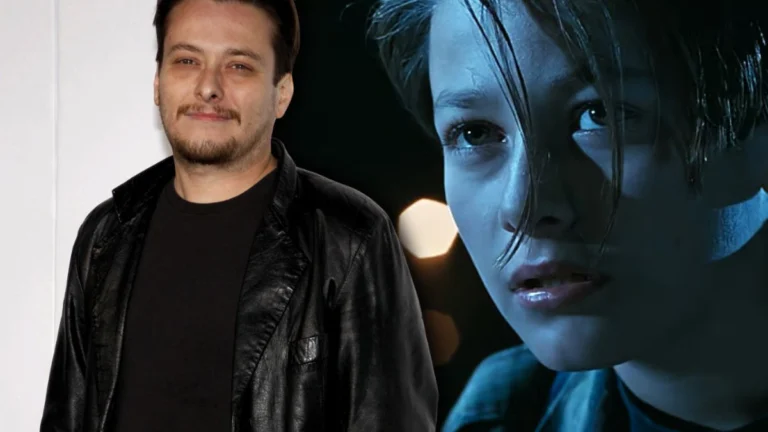
Every Quentin Tarantino Movie, Ranked

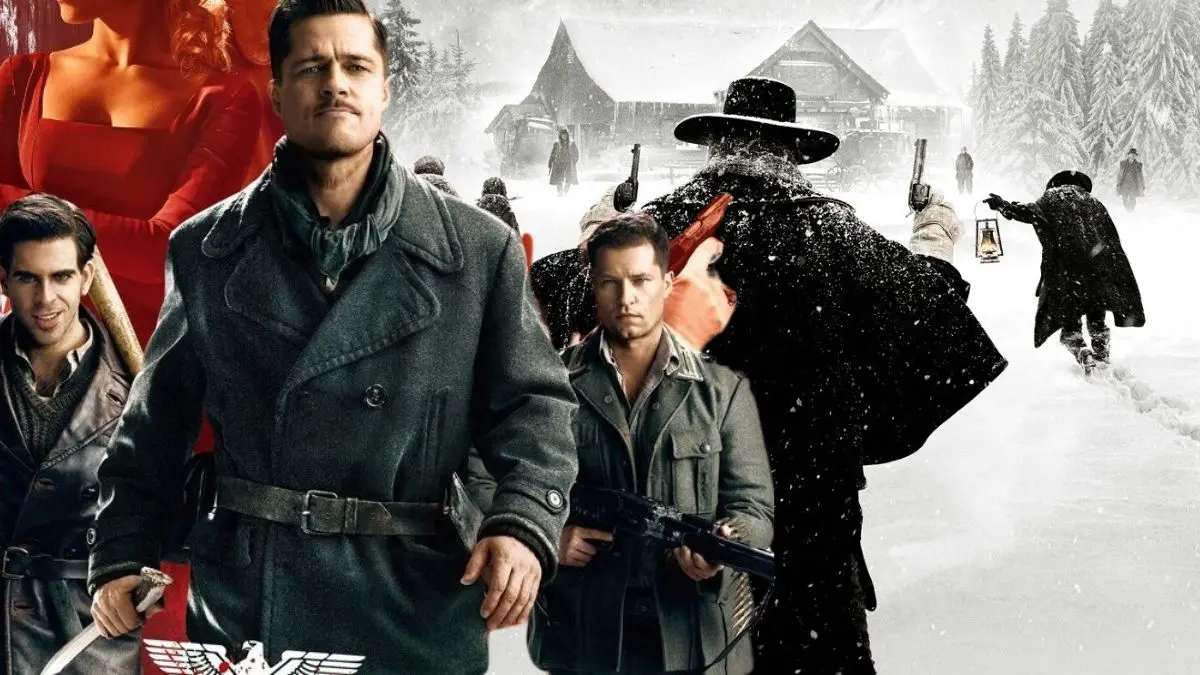

Quentin Tarantino’s directing work spans features, an anthology segment, an early amateur project, and a pair of television episodes that drew as much attention as many films. This list gathers everything he directed for screens big and small and orders it in a countdown based on audience reception, so you can see the full arc of his work in one place.
You will find the theatrical releases that built his reputation alongside the TV hours that let him bring his voice into network primetime. Where useful, each entry notes who released the film in theaters or which network carried the show, so you can place each project in its original viewing context.
‘My Best Friend’s Birthday’ (1987)
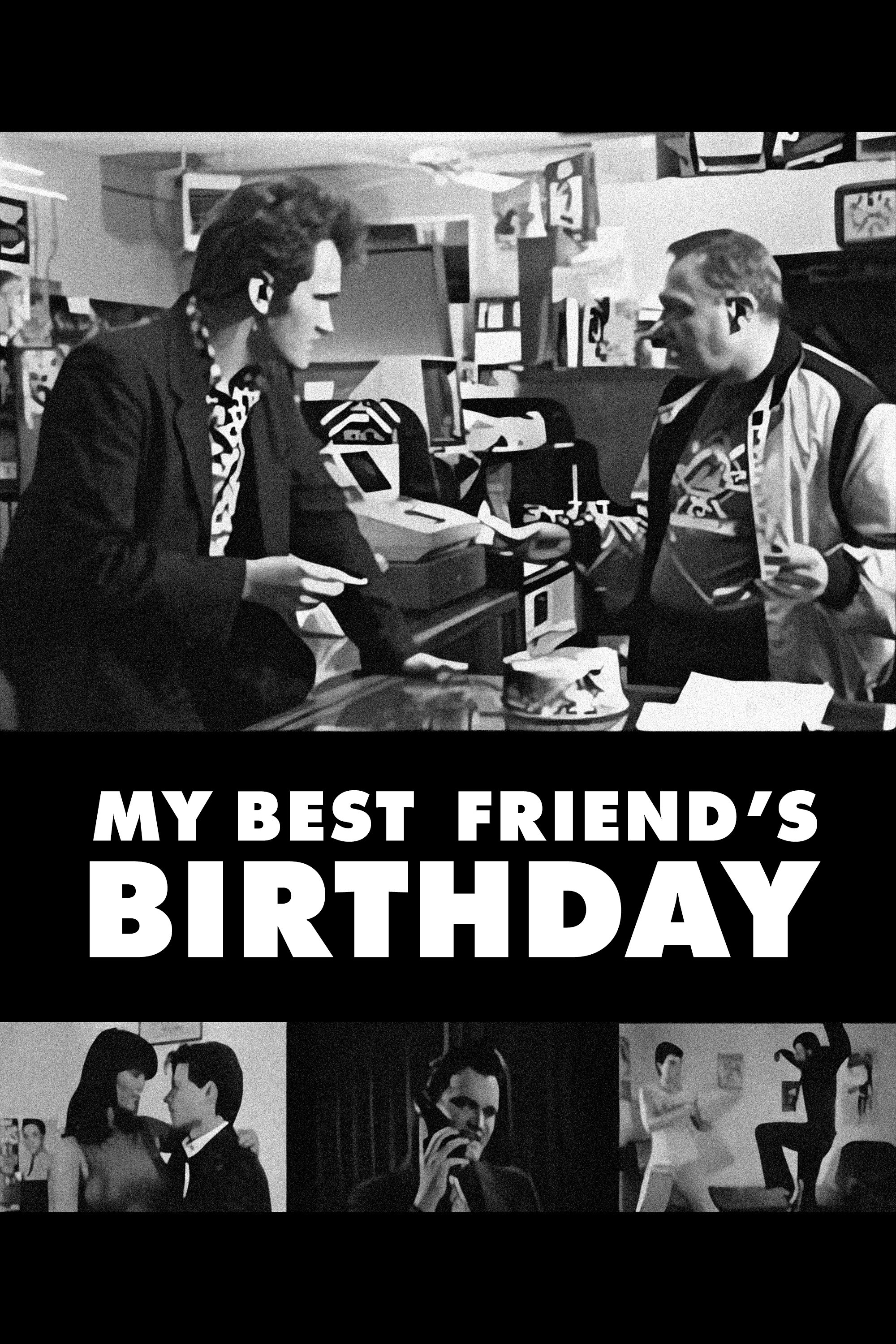
This black and white amateur project follows a well meaning guy trying to salvage his friend’s birthday after everything goes sideways. It stars Tarantino and Craig Hamann and was shot on weekends around the video store where Tarantino worked, with a script that evolved as scenes were staged and reshot.
Only a portion survives and the cut most people see runs under an hour. It was a self financed effort that never received an official theatrical release, so there is no studio distributor attached to it.
‘Four Rooms’ (1995)
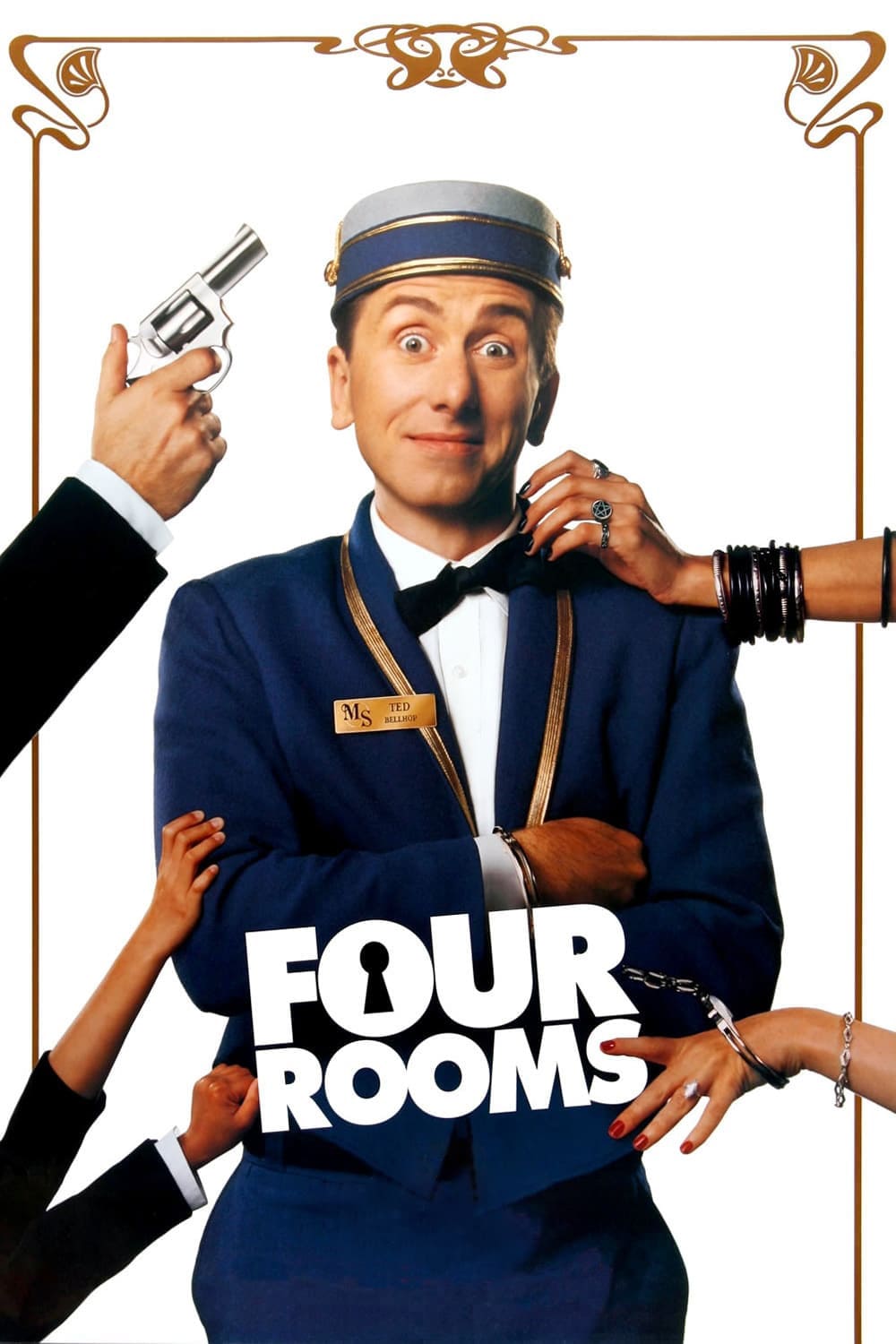
This anthology comedy is set in a Los Angeles hotel on a chaotic New Year’s Eve as a bellhop stumbles into four very different rooms. Tarantino directed the final segment, ‘The Man from Hollywood,’ which riffs on the setup from ‘Man from the South’ and features a playful, talky countdown to a risky bet.
The film’s domestic release came through Dimension Films, an offshoot of Miramax, and the theatrical cut blended Tarantino’s section with segments by Allison Anders, Alexandre Rockwell, and Robert Rodriguez. The structure let Tarantino contribute a self contained short while the studio positioned the package as a single feature.
‘Death Proof’ (2007)
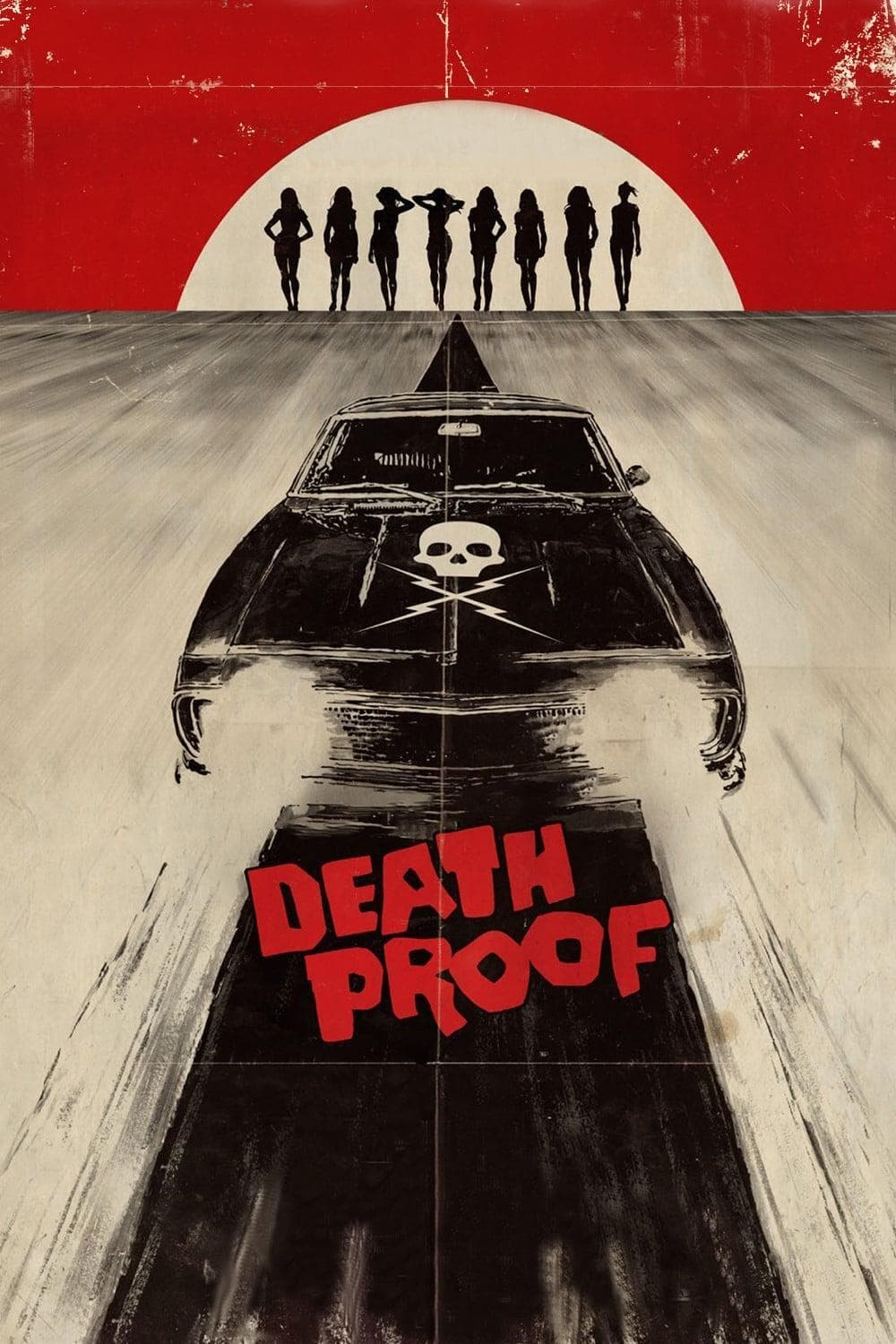
This exploitation styled thriller follows a stunt driver who uses a reinforced car to stalk and attack women, only to meet a crew of stunt professionals who fight back on the open road. The production leaned on practical driving led by Zoë Bell, with extensive in car dialogue before the chase work explodes in the final act.
Dimension Films handled the domestic presentation as part of the double feature release of ‘Grindhouse,’ and an extended international cut of ‘Death Proof’ later screened on its own through The Weinstein Company. The two versions differ in pacing and added dialogue scenes that broaden the ensemble.
‘Grindhouse’ (2007)

This theatrical presentation paired two features with faux trailers and throwback theater bumpers for a full night at the movies. Tarantino’s half was ‘Death Proof,’ presented alongside Robert Rodriguez’s ‘Planet Terror,’ with interstitial trailers from several filmmakers to complete the retro package.
The release was marketed domestically by Dimension Films as a single ticket experience. For markets where the long format proved tricky, the films were later issued separately, which changed how audiences encountered Tarantino’s contribution outside the original double bill.
‘Jackie Brown’ (1997)
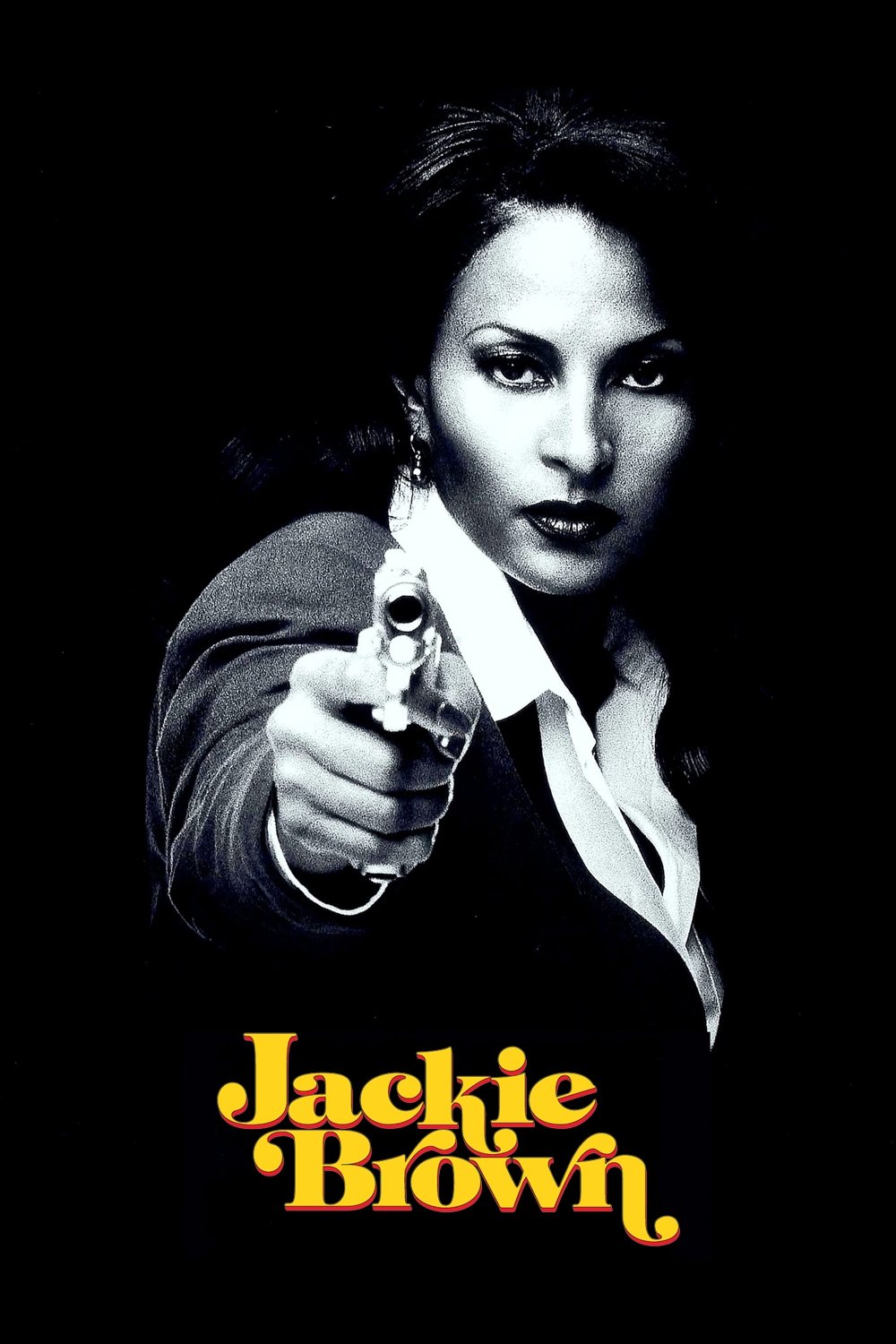
Adapted from Elmore Leonard’s ‘Rum Punch,’ this crime story follows a flight attendant who gets caught between law enforcement and a gun runner and uses both sides to try to secure her future. The cast centers on Pam Grier and Robert Forster with a web of supporting players circling a cash pickup at a mall.
Miramax released the film in theaters and positioned it as a star showcase for Grier and Forster while leaning on the Leonard source novel in its marketing. The campaign emphasized a character driven caper and kept the focus on the hustle rather than big set pieces.
‘Once Upon a Time in Hollywood’ (2019)
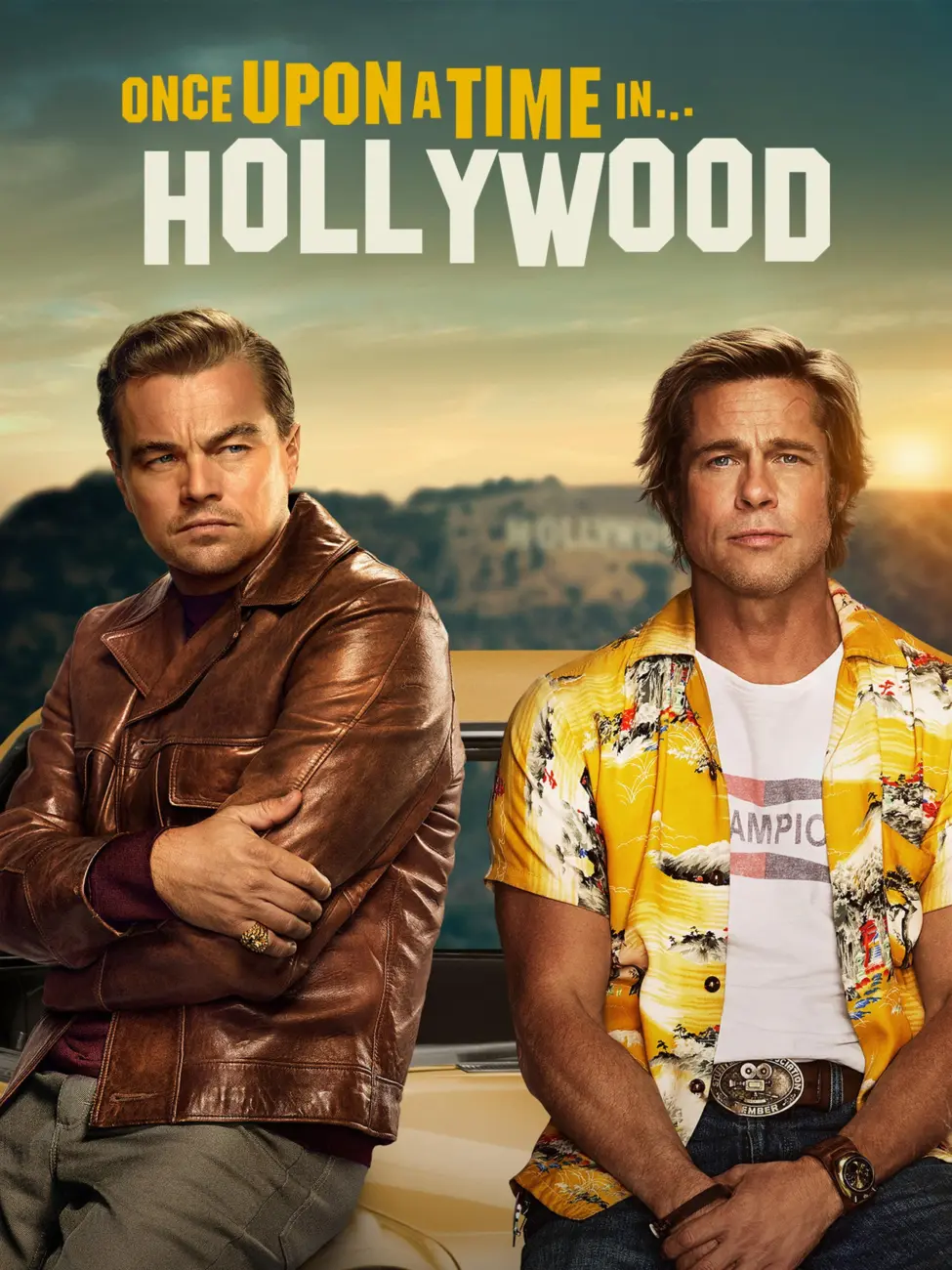
This Los Angeles saga tracks a fading TV actor and his stunt double moving through a changing industry, with the story weaving around their neighbor Sharon Tate and the end of the old studio era. Film and television history is baked into the production design, from backlot sets to real locations across the city.
Sony Pictures Releasing put the film out under the Columbia Pictures banner, using a wide rollout and a campaign built around vintage posters and television spots. Overseas, the studio leveraged its global network to highlight the film’s Hollywood setting and ensemble draw.
‘CSI: Crime Scene Investigation’ (2000–2015)
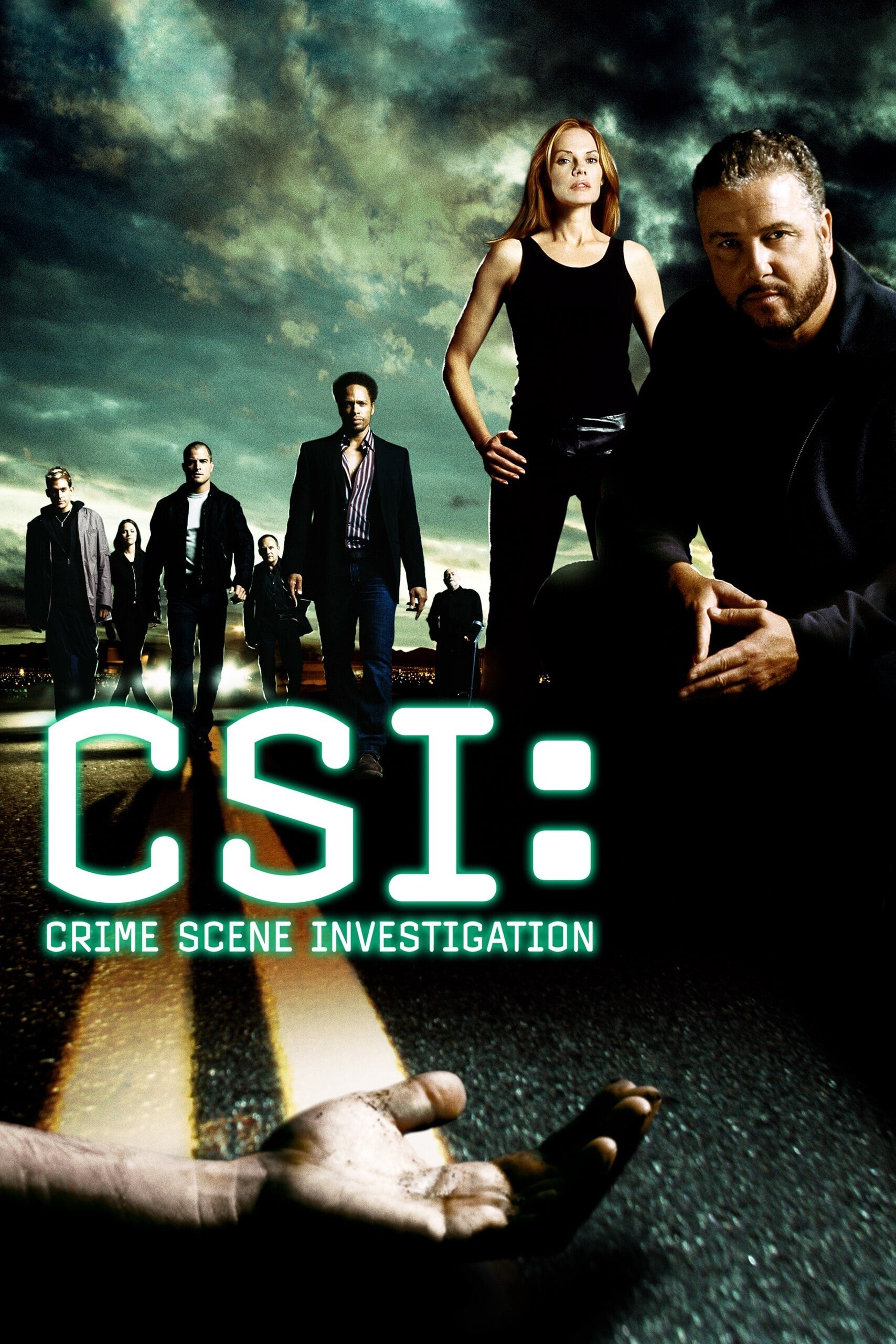
Tarantino directed the two part season finale known as ‘Grave Danger,’ where a member of the team is abducted and buried alive while the others race to solve a sequence of clues. The hour uses split screens, stylized inserts, and a tight ticking clock structure that pushes the forensics team into unfamiliar territory.
The episodes aired on CBS and were treated as an event within the long running procedural. Promotion framed the finale around the visiting director while keeping the show’s lab and fieldwork framework intact for regular viewers.
‘The Hateful Eight’ (2015)
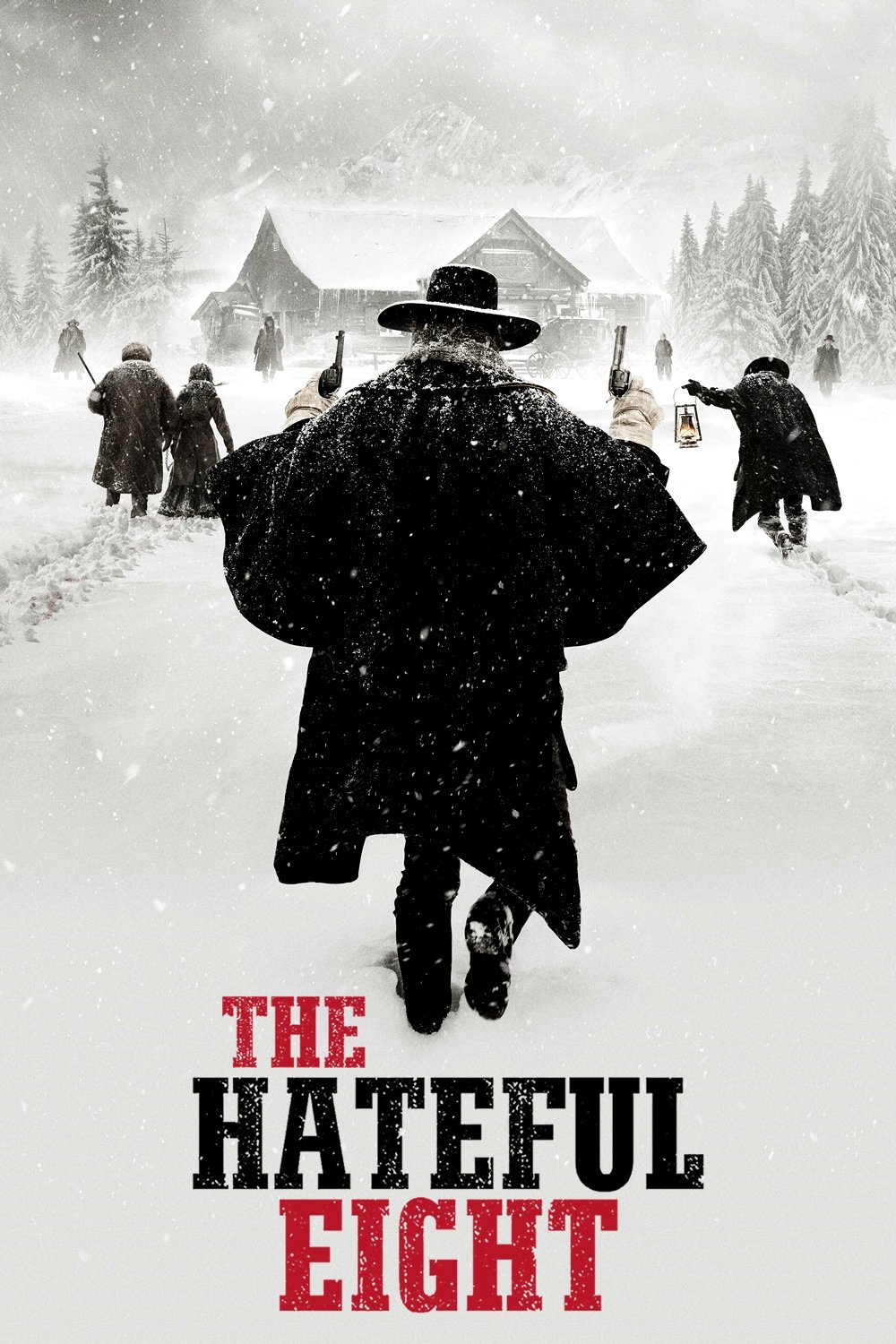
Set almost entirely inside a snowbound frontier haberdashery, this western brings together a group of passengers whose stories and motives collide over a locked room mystery. The production used large format photography to turn a single interior into a stage for shifting alliances and interrogations.
The Weinstein Company handled the theatrical rollout, including a special roadshow presentation in select cities with overture and intermission and a souvenir program. Later releases included a longer multipart cut for streaming that presents the narrative in chapters with added material.
‘ER’ (1994–2009)
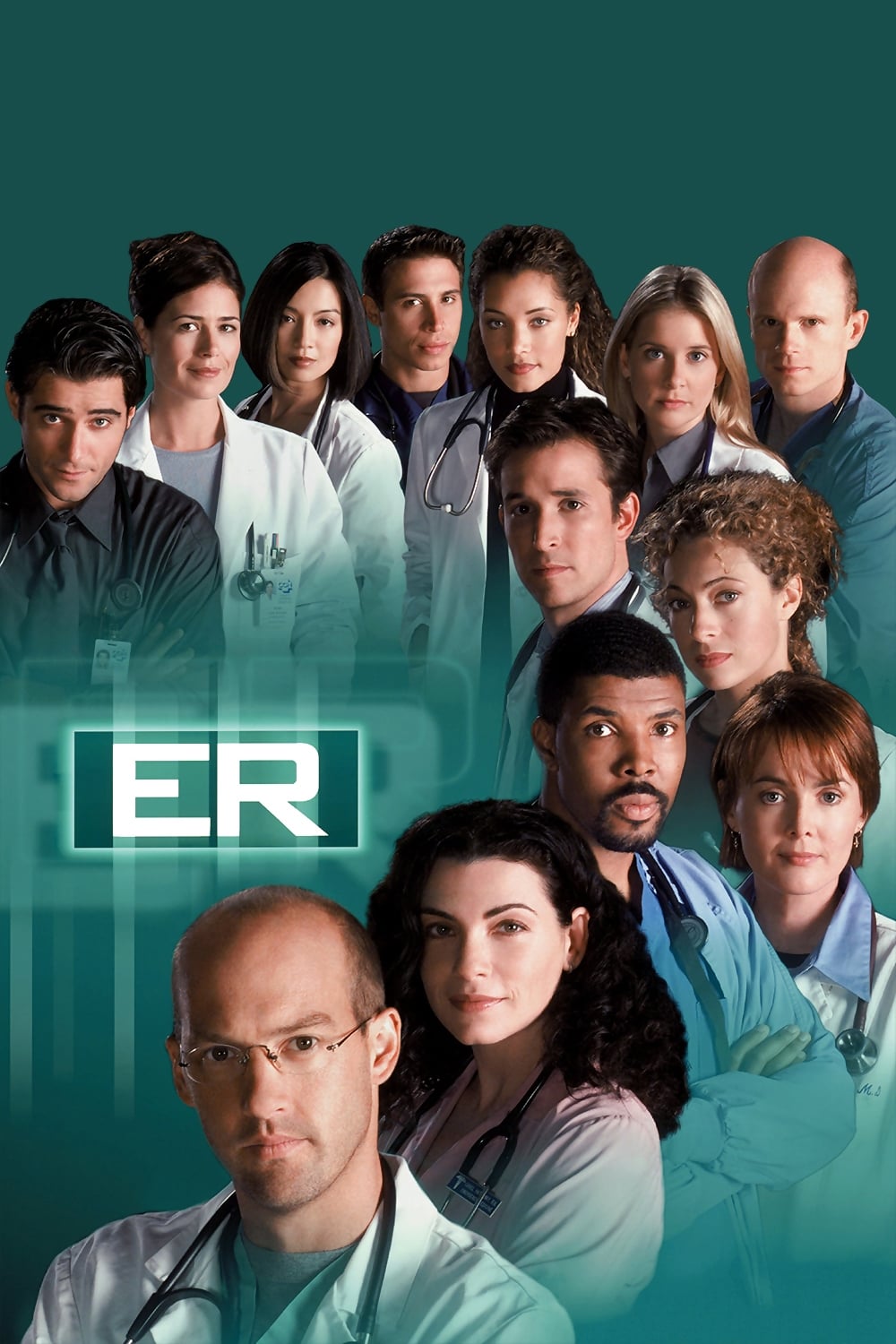
Tarantino directed the episode ‘Motherhood,’ which drops viewers into a frantic shift at County General as emergencies stack up and the staff juggles simultaneous crises. The hour balances births, traumas, and triage decisions while maintaining the series rhythm of walk and talk movement through the ward.
The episode aired on NBC and was promoted as a special guest director occasion without altering the show’s ensemble focus. Its placement late in the season gave the medical drama a high profile chapter that still fits within the larger run.
‘Kill Bill: Vol. 2’ (2004)
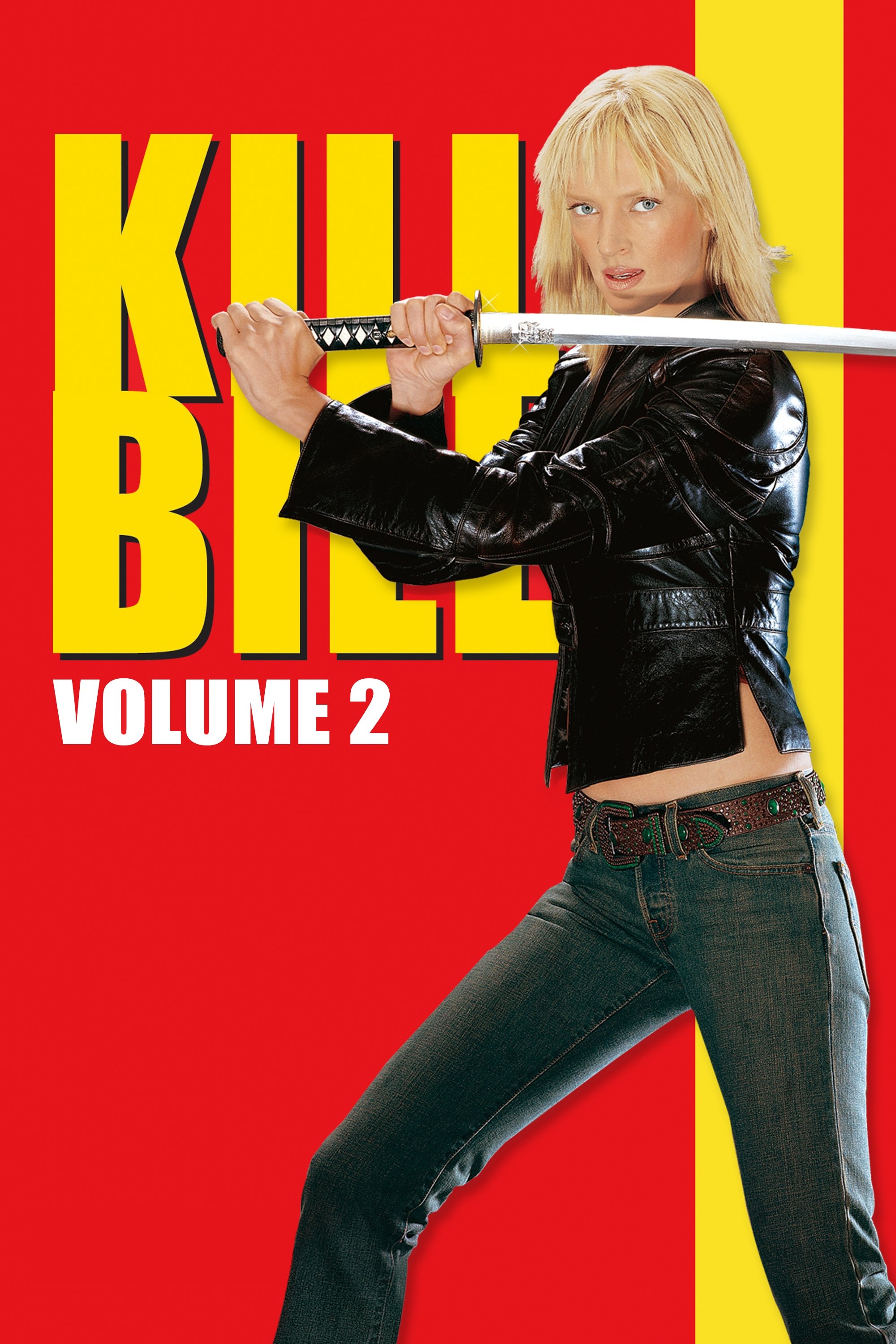
This chapter continues the Bride’s path toward Bill with backstory on martial arts training and a series of confrontations that resolve surviving debts from the earlier film. Dialogue scenes drive the momentum as the character works through old ties and faces the final steps of her plan.
Miramax released the film worldwide, marketing it as the conclusion of a two part saga while highlighting new settings and cast additions. The campaign connected directly to ‘Kill Bill: Vol. 1’ so audiences could follow the story across both entries.
‘Kill Bill: Vol. 1’ (2003)
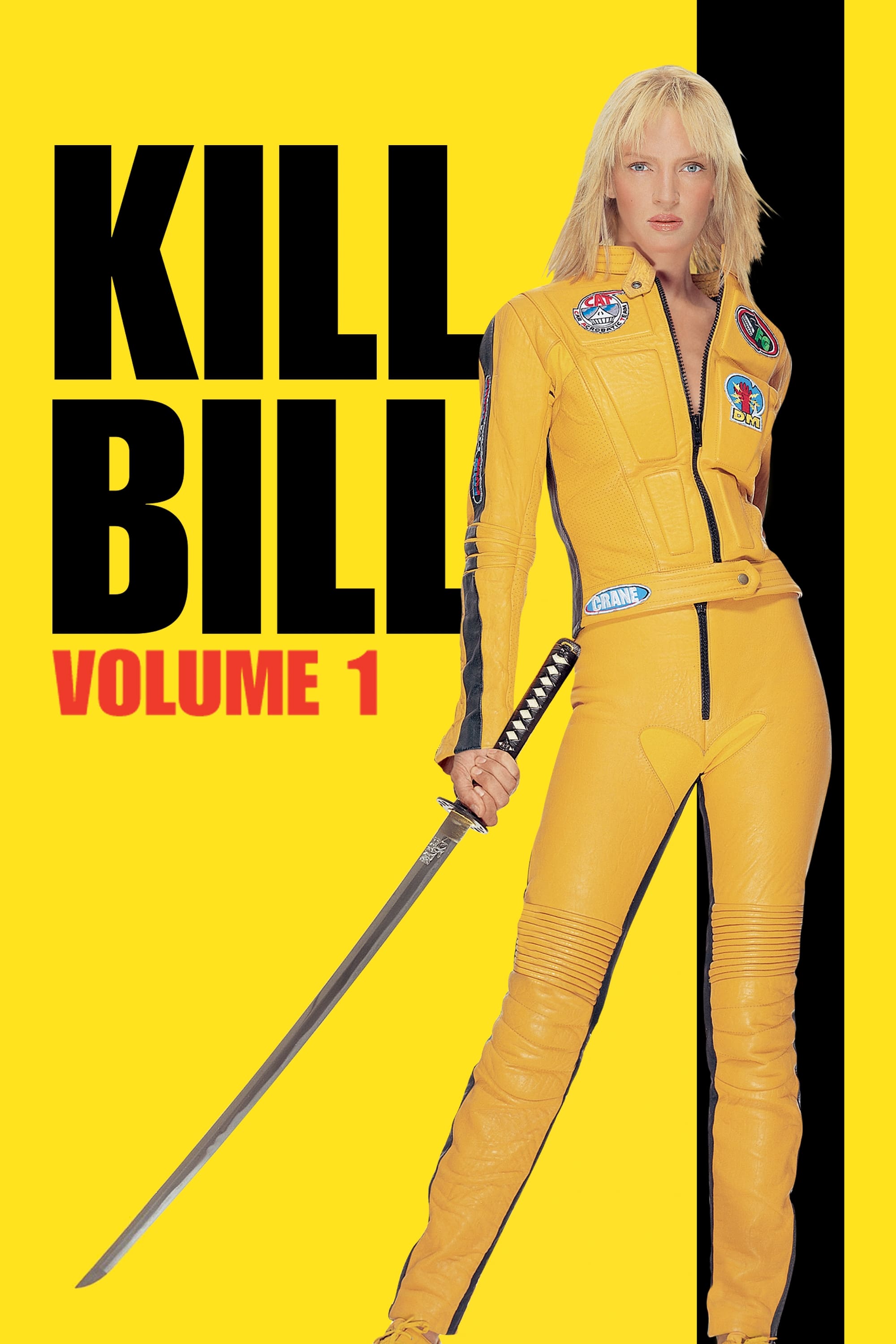
The opening chapter introduces the Bride, her recovery, and the first waves of her list as she pursues members of the Deadly Viper Assassination Squad. The production mixes live action with an animated sequence and stages a large scale showdown at the House of Blue Leaves with extensive sword work.
Miramax handled the theatrical release and built the promotion around the split structure and the character’s code name driven targets. Tie in materials and trailers emphasized the music choices and the international influences that shape the fights and locations.
‘Reservoir Dogs’ (1992)
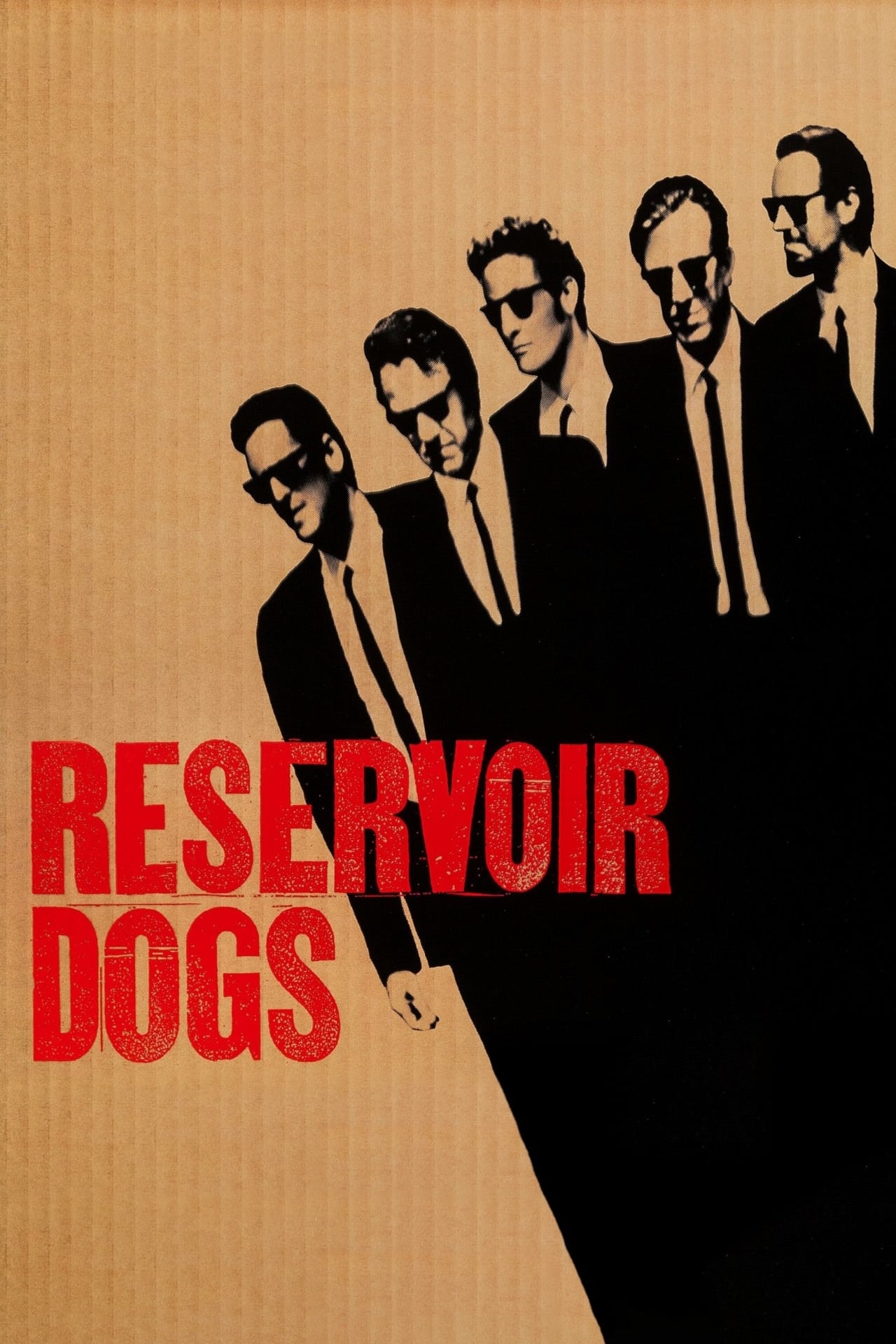
This crime story focuses on the aftermath of a diamond heist as the surviving crew members regroup in a warehouse and search for a suspected informant. The structure jumps between present and past through character titled chapters that fill in how each thief came into the job.
Miramax brought the film to theaters after its festival debut, using a targeted campaign that leaned on the color coded cast and the stripped down setting. The release strategy grew through word of mouth and positioned the film as a breakout for its ensemble.
‘Inglourious Basterds’ (2009)
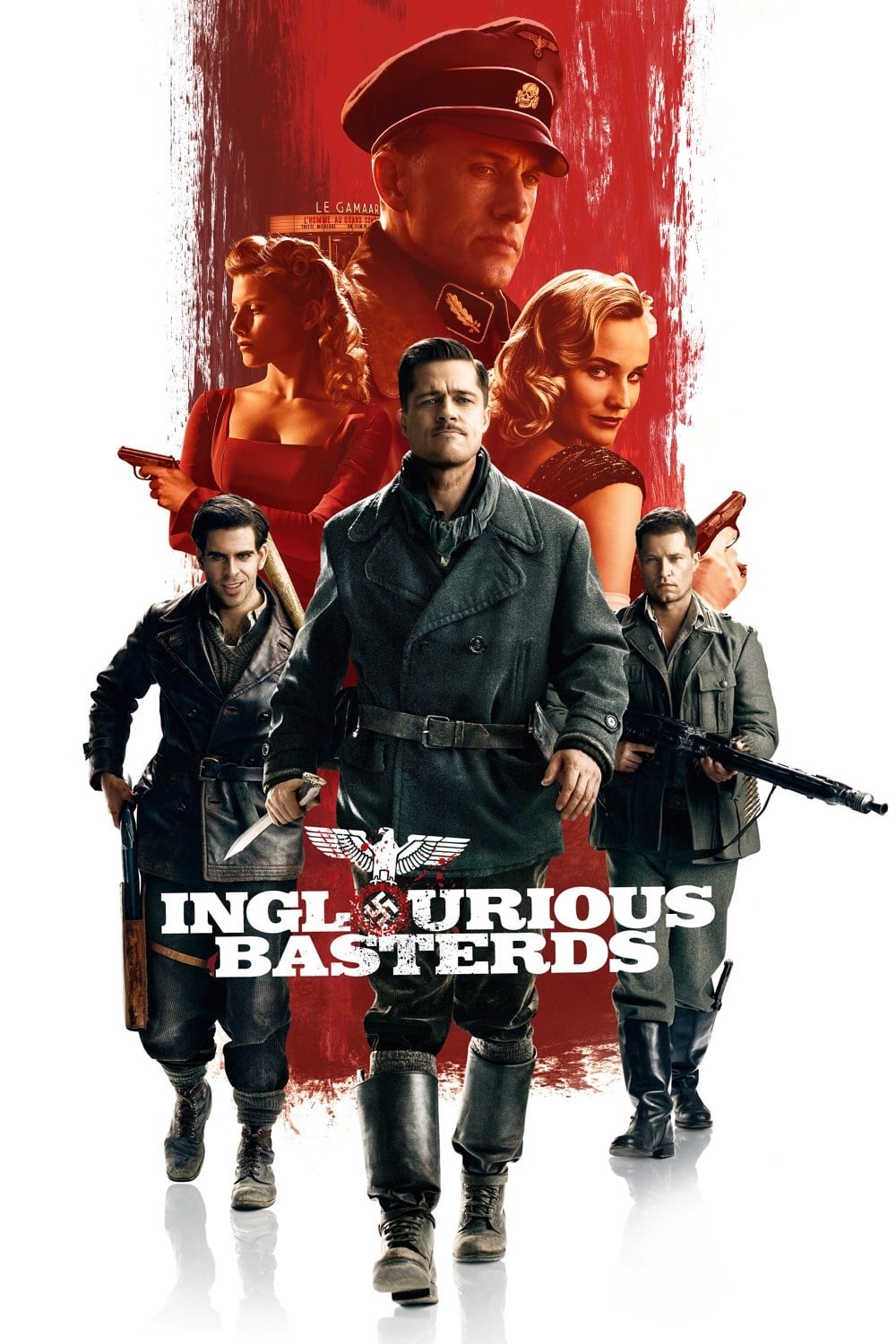
Told across intersecting chapters in occupied France, this wartime tale follows a team of soldiers on a sabotage mission and a cinema owner planning her own act of revenge. Multiple languages are used within scenes and the film moves between rural safe houses, Parisian streets, and a movie premiere.
The Weinstein Company distributed the film in North America while Universal Pictures handled international territories. Marketing spotlighted its ensemble and alternated between character specific materials and broader trailers that presented the separate plotlines.
‘Django Unchained’ (2012)
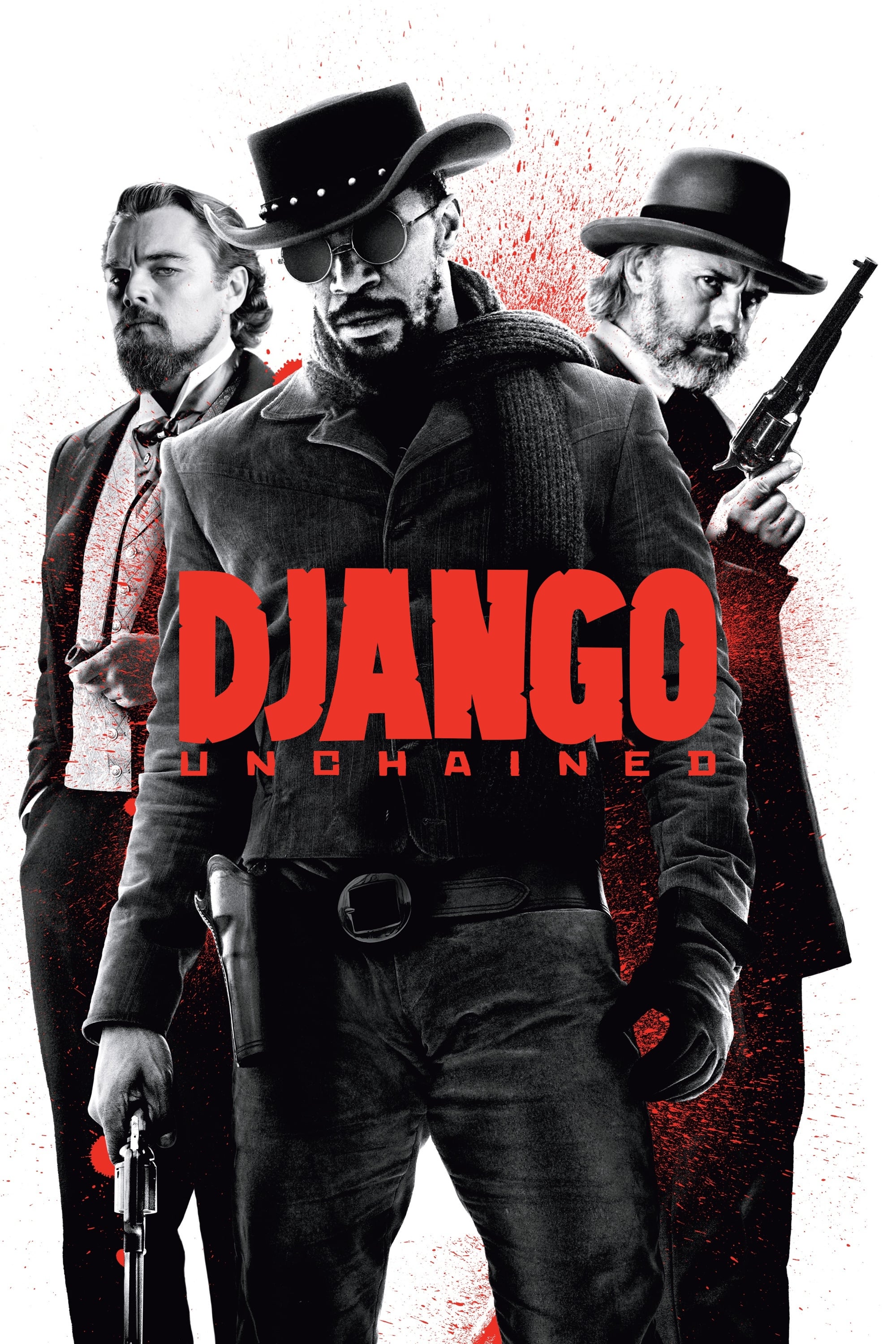
A newly freed man teams with a bounty hunter to target outlaw brothers and eventually search for a wife held at a plantation, with the journey crossing towns, winter ranges, and a violent final stand. The production’s design shifts with each leg of the trip, from small town clinics to grand estates.
The Weinstein Company released the film domestically while Sony Pictures managed international rollouts through the Columbia Pictures label. The campaign used character posters and a music forward trailer approach to introduce the cast and the shifting settings.
‘Pulp Fiction’ (1994)
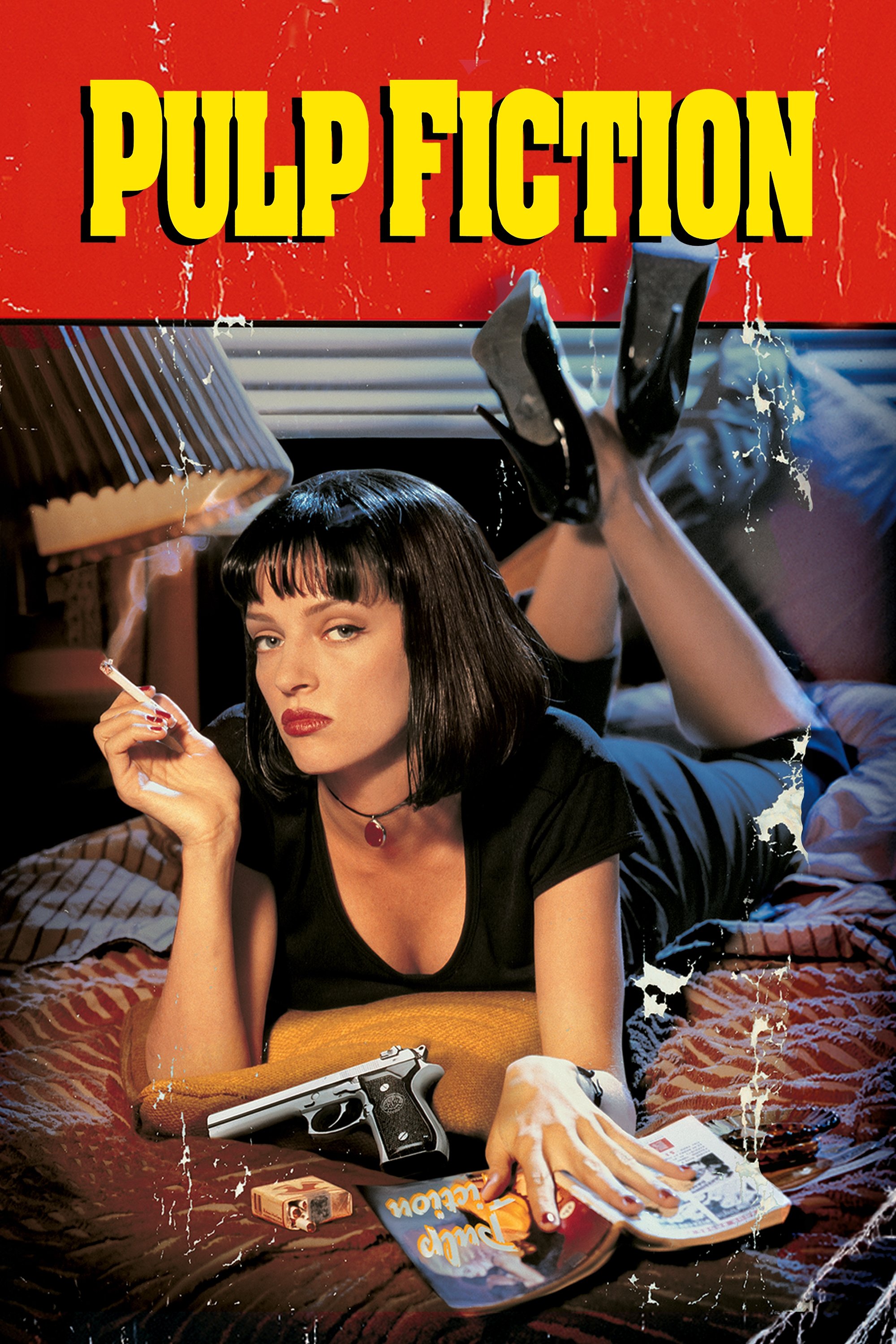
This Los Angeles crime mosaic intercuts a boxer who refuses to take a dive, a pair of hitmen on a job, and a night out that goes wrong for a mob boss’s wife. Scenes are arranged out of chronological order with recurring locations linking the stories and characters who pass each other between chapters.
Miramax released the film widely after a prize winning festival run and supported it with a campaign that turned the house poster into a pop culture image. Awards attention followed in multiple categories including a writing win that cemented the film’s long life on screens and home formats.
Share your own order in the comments and tell us which entries you think land the strongest.