Best Sci-Fi TV Shows to Binge Right Now


Science fiction shows make it easy to jump into new worlds fast, whether you want space battles, time travel puzzles, or near future tech that hits a little too close to home. This list brings together completed series and finished runs so you can binge from start to finish without waiting for new episodes to drop.
Each pick includes a quick sense of what the show covers and where it originally aired, so you can decide what fits your mood right now. You will find space operas, grounded thrillers, and thoughtful character dramas that all use science fiction ideas to drive memorable stories.
‘Battlestar Galactica’ (2004–2009)
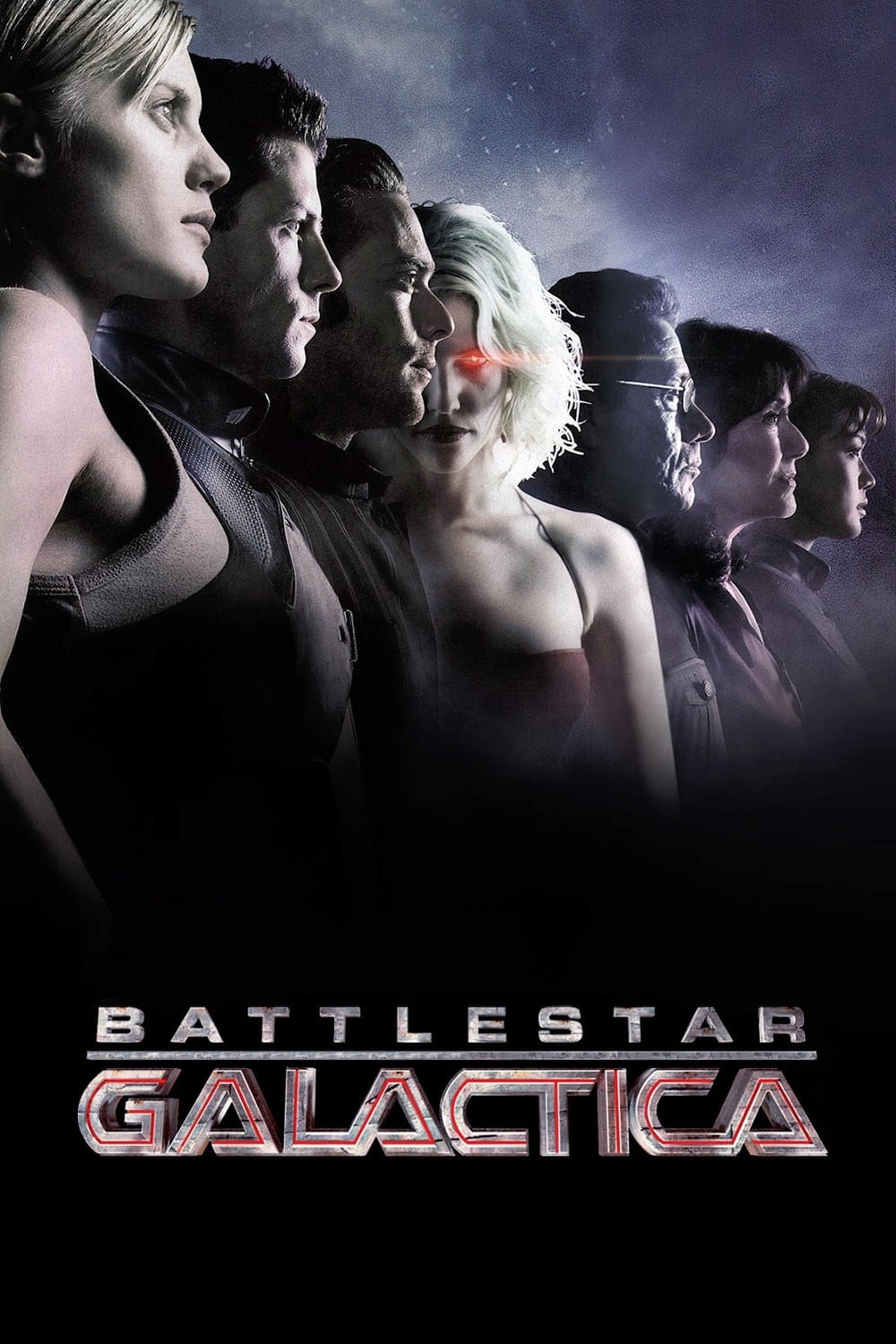
This reimagined space opera follows the last survivors of humanity as they flee synthetic enemies and search for a new home while managing a fragile fleet. Political tension, military strategy, and questions about identity and faith push the story forward across multiple arcs.
It originally aired on Syfy, which helped the series lean into serialized storytelling and ambitious visual effects. The show threads character focused episodes with major battles and introduces evolving rules for its universe that reward close attention.
‘Fringe’ (2008–2013)
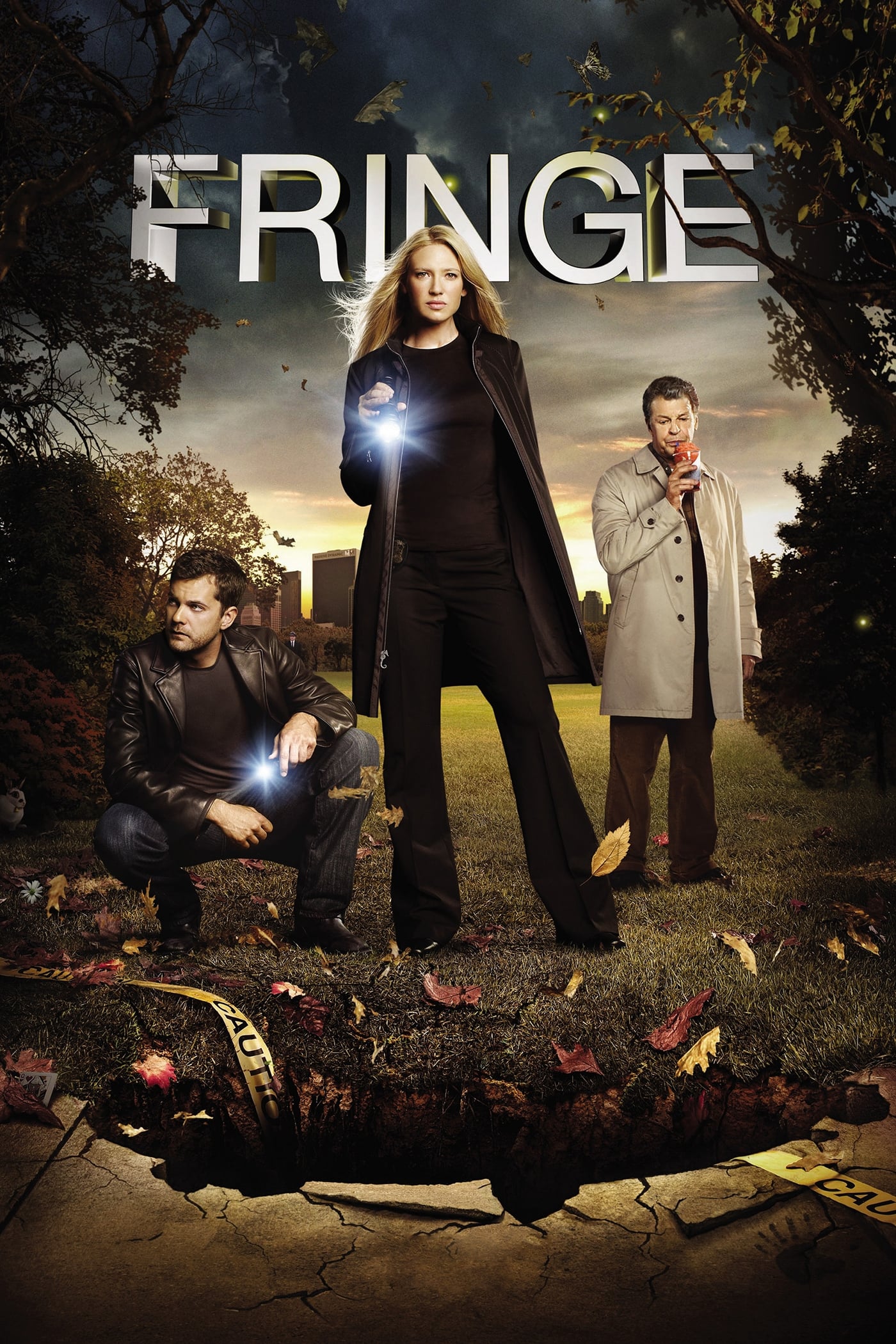
A small team investigates strange cases tied to fringe science, with parallel worlds, pattern events, and personal history driving the bigger mystery. The story shifts from case of the week to mythology heavy arcs as the team builds tools to navigate high risk anomalies.
It aired on Fox, which balanced procedural entries with long form plotlines. The show uses a clear structure that lets you track the science behind each event, while character backstories connect the weekly cases to a larger conflict.
‘The Expanse’ (2015–2022)
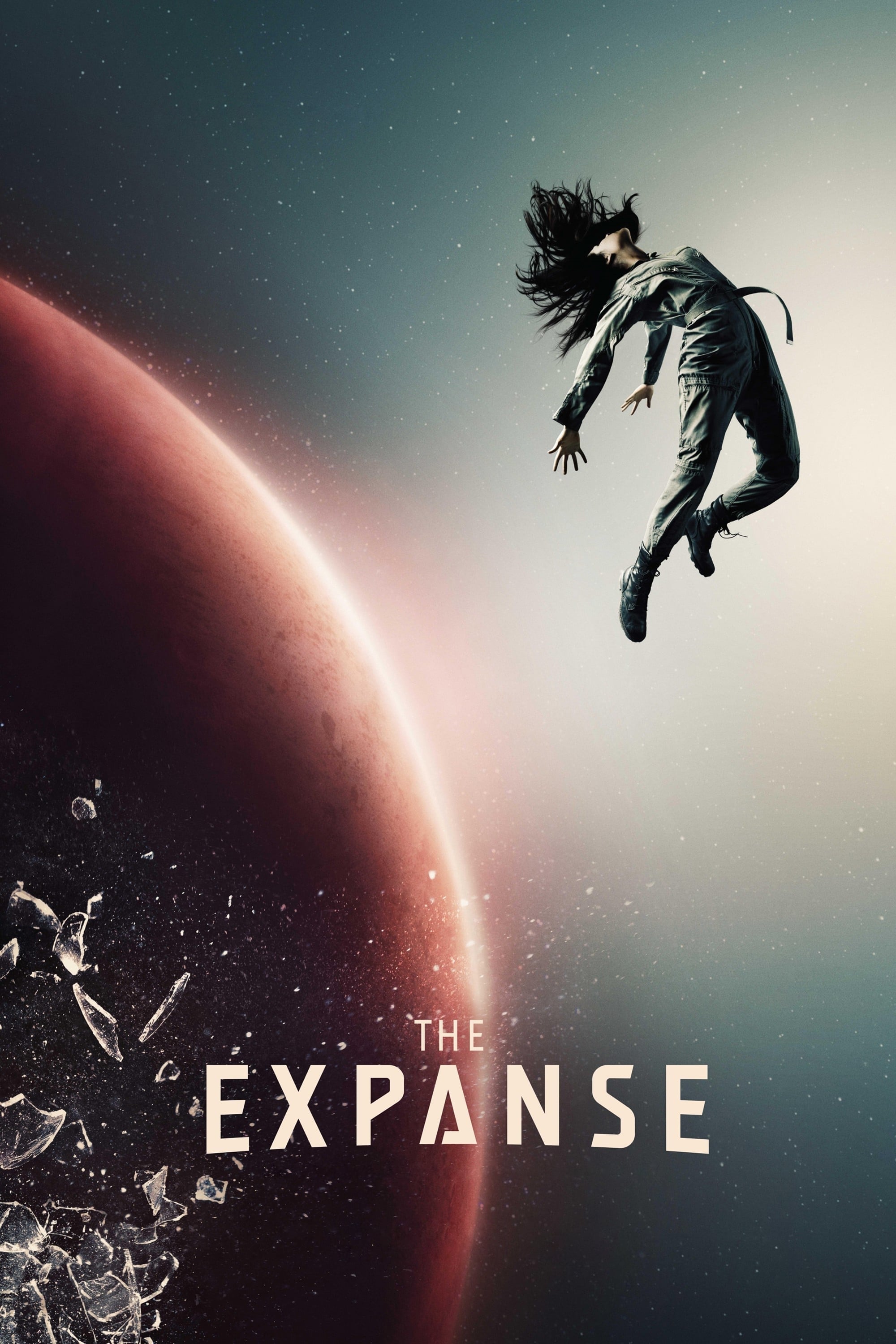
Set across Earth, Mars, and the Belt, this series tracks a conspiracy that threatens the balance of power in the solar system. The narrative jumps between crews and stations, then converges as alien technology changes the rules of travel and survival.
It began on Syfy and continued on Amazon Prime Video, which supported expansive world building and detailed ship physics. The show lays out factions, languages, and customs in a way that makes the politics and action easy to follow as the stakes rise.
‘Dark’ (2017–2020)
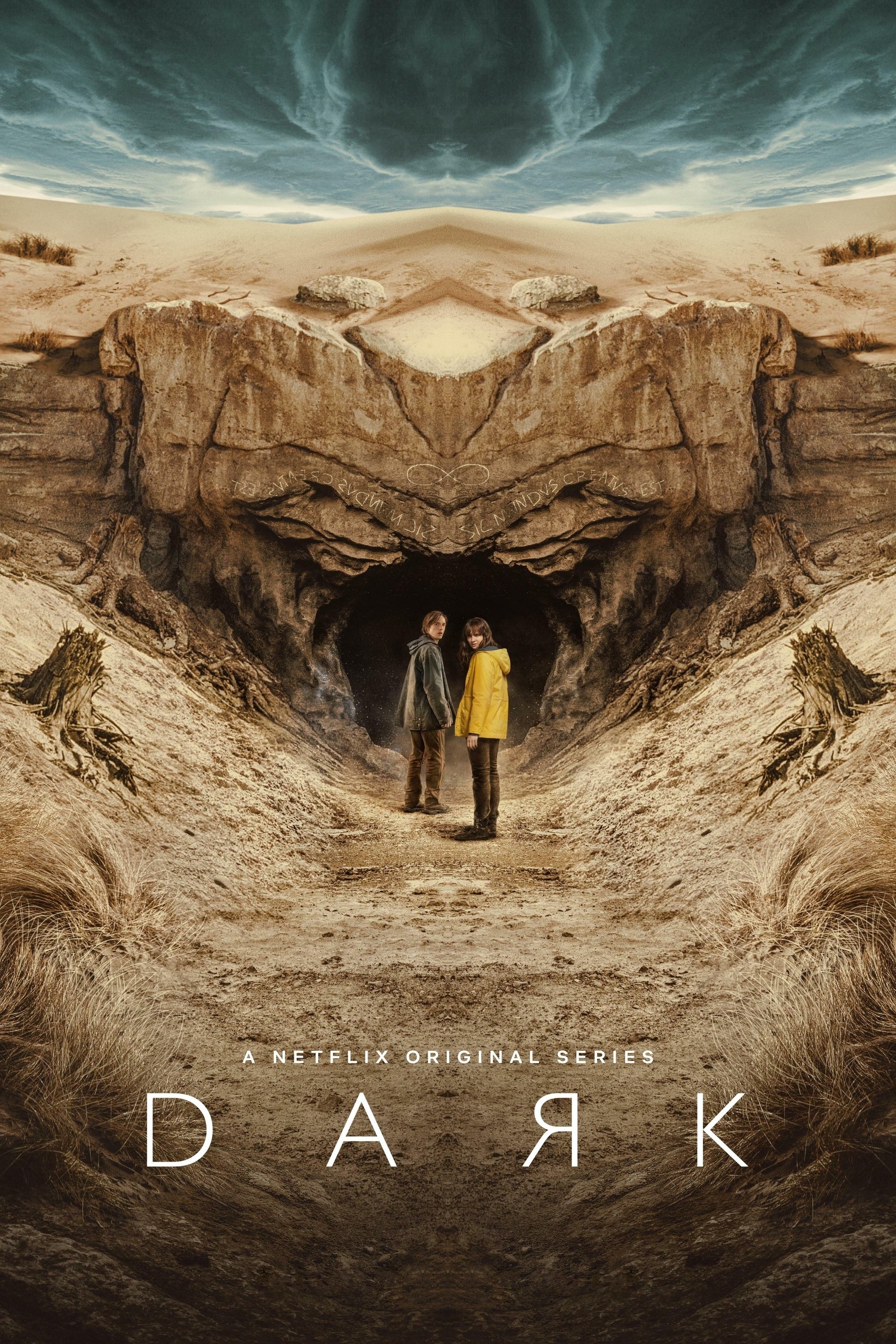
A missing child case reveals a network of families tied together by time loops and hidden tunnels beneath a quiet town. The plot uses timelines and family trees to map cause and effect, with symbols and locations repeating across eras.
It is a Netflix original, and its tightly planned three cycle structure lets every episode feed directly into the next. The series provides visual cues and character markers that help you keep track of who knows what and when.
‘Westworld’ (2016–2022)
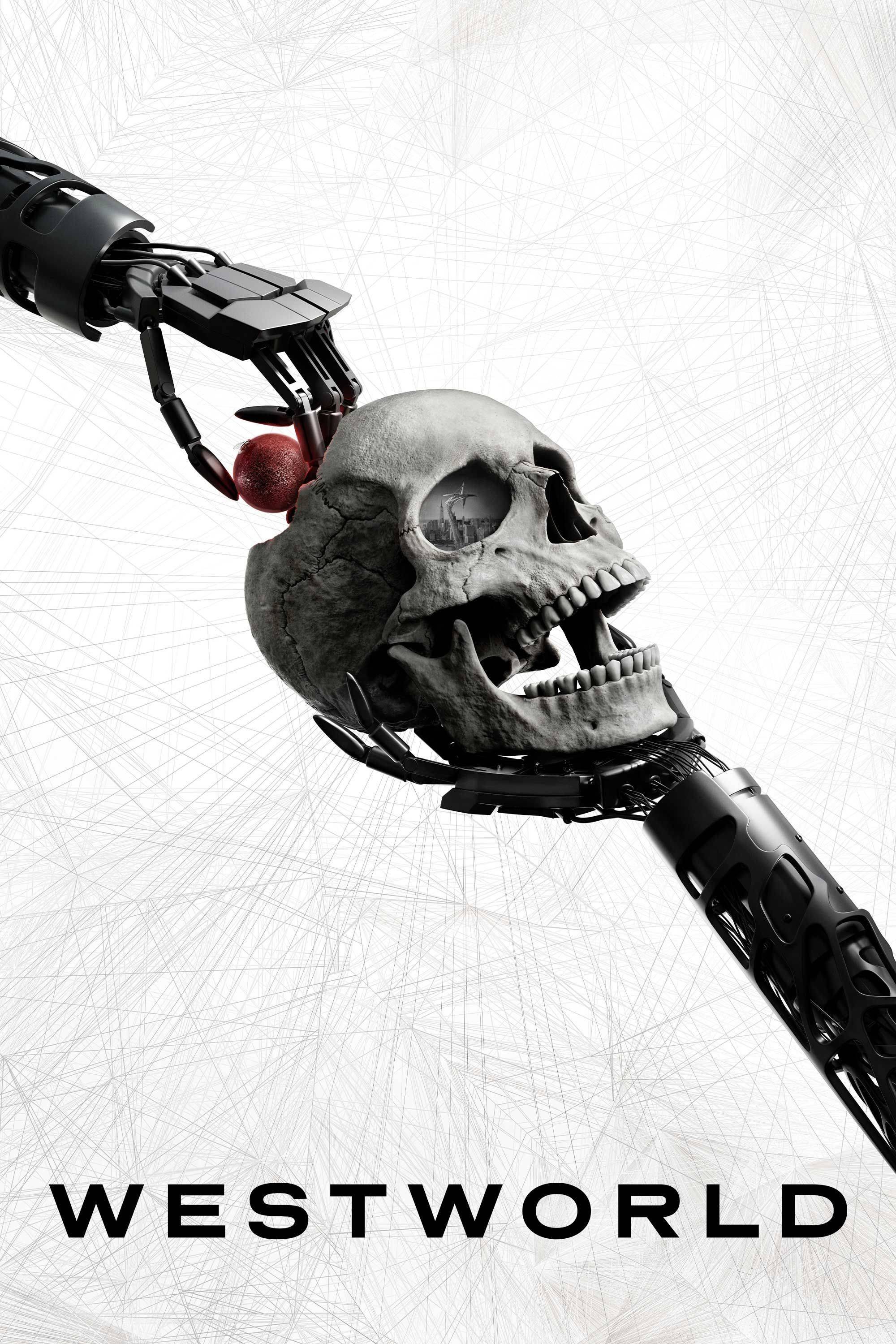
Android hosts in an immersive park begin to deviate from their programmed loops, setting off questions about memory, choice, and control. Multiple timelines and settings show how technology spills beyond the park into corporate labs and city grids.
It ran on HBO, which supported shifting formats across seasons. The show blends puzzle box storytelling with clear rules for host behavior and system safeguards, then documents how those rules fail as new code and motives appear.
‘Person of Interest’ (2011–2016)

A secretive team uses a surveillance machine to prevent violent crimes before they happen, learning how competing AIs adapt to humans and to each other. Episodes move from numbers of the week to a larger battle over access, privacy, and governance.
It aired on CBS, which allowed a gradual shift from procedural design to serialized arcs. The show catalogs tools like facial recognition, social graphs, and backdoors, then shows countermeasures that change how missions are planned.
‘Altered Carbon’ (2018–2020)

In a world where minds can be transferred between bodies, an ex soldier is hired to solve a high profile death that exposes class divides and military secrets. The story explores stacks, sleeves, and legal frameworks that define identity and ownership.
It is a Netflix series, and its format allows one main case followed by a fresh location and new body configurations. The production details how wealth, crime, and security adapt when death becomes a negotiable event.
‘Orphan Black’ (2013–2017)
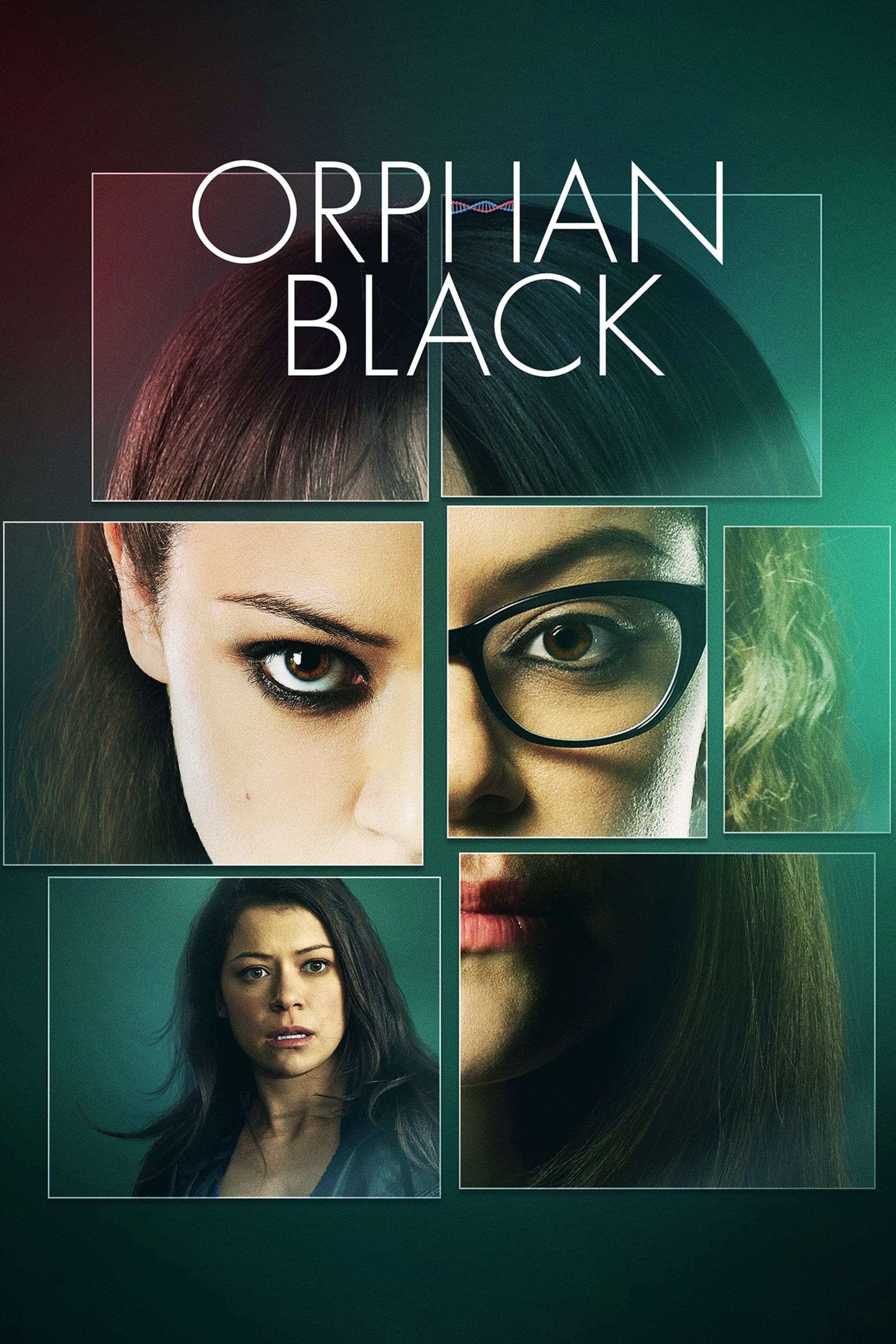
A streetwise survivor discovers she is one of many clones and unravels the origin of a decades long experiment. The investigation moves through biotech firms, family ties, and shifting alliances as new clones and handlers appear.
It aired on BBC America, which supported intricate performances and focused arcs. The show maps out genetic patents, monitor systems, and legal risks while keeping track of distinct skills and goals inside the clone sisterhood.
‘Counterpart’ (2017–2019)
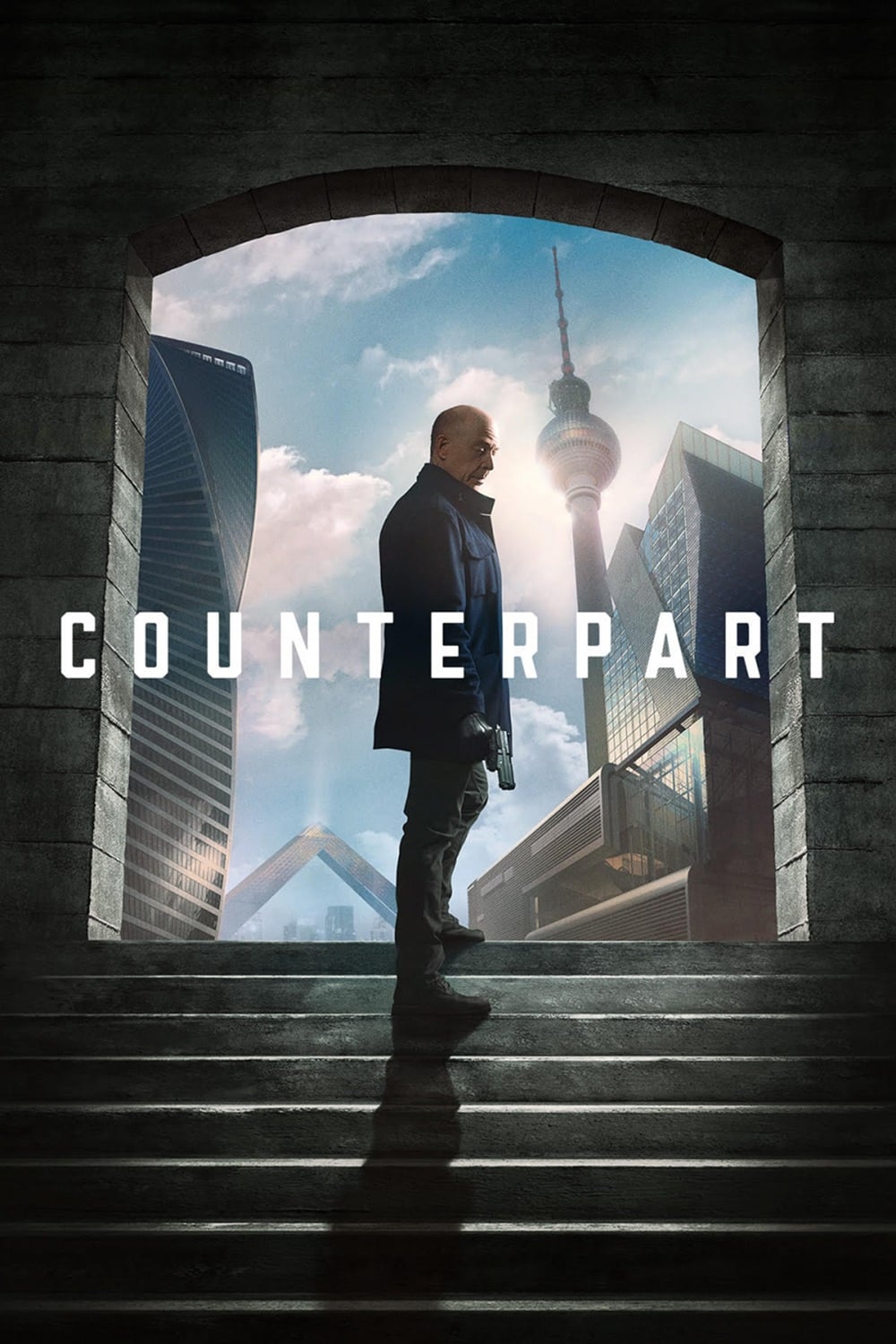
A quiet office worker learns his agency guards a crossing to a near identical world that split from ours and has been diverging ever since. The series uses tradecraft, quarantine rules, and mirrored identities to examine how small changes scale over time.
It ran on Starz, which backed slow burn espionage with science fiction mechanics. Operational protocols, cover stories, and interagency politics are documented clearly so each mission has understandable constraints.
’12 Monkeys’ (2015–2018)
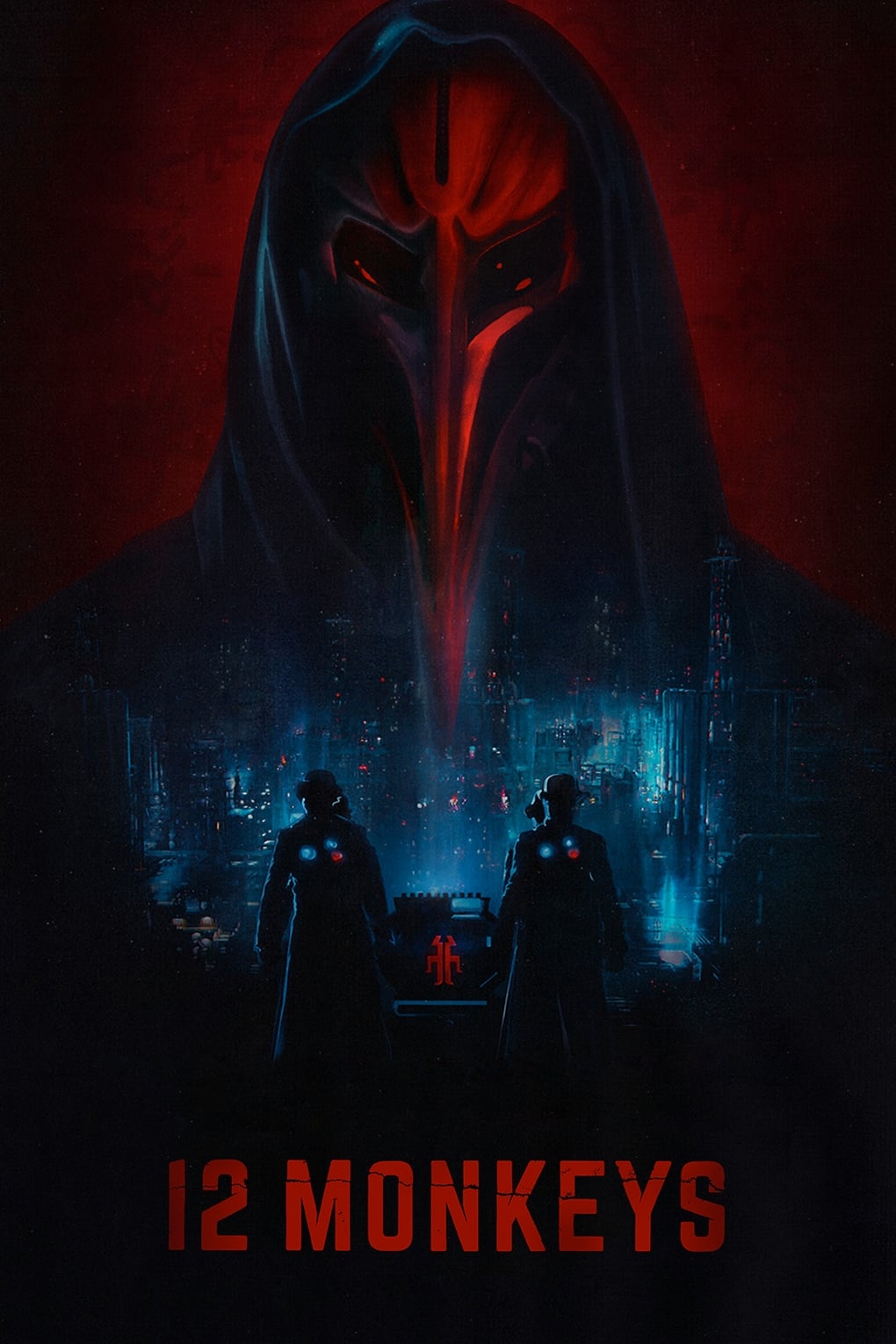
A time traveler teams up with a virologist to stop a plague and finds that each jump creates new branches that must be repaired. The narrative keeps a running ledger of cause and effect that shapes alliances and resets loyalties.
It aired on Syfy, which enabled a season by season plan that tightens loops instead of expanding them endlessly. The show outlines rules for paradoxes, temporal facilities, and splinter tech so the timeline work stays coherent.
‘Humans’ (2015–2018)
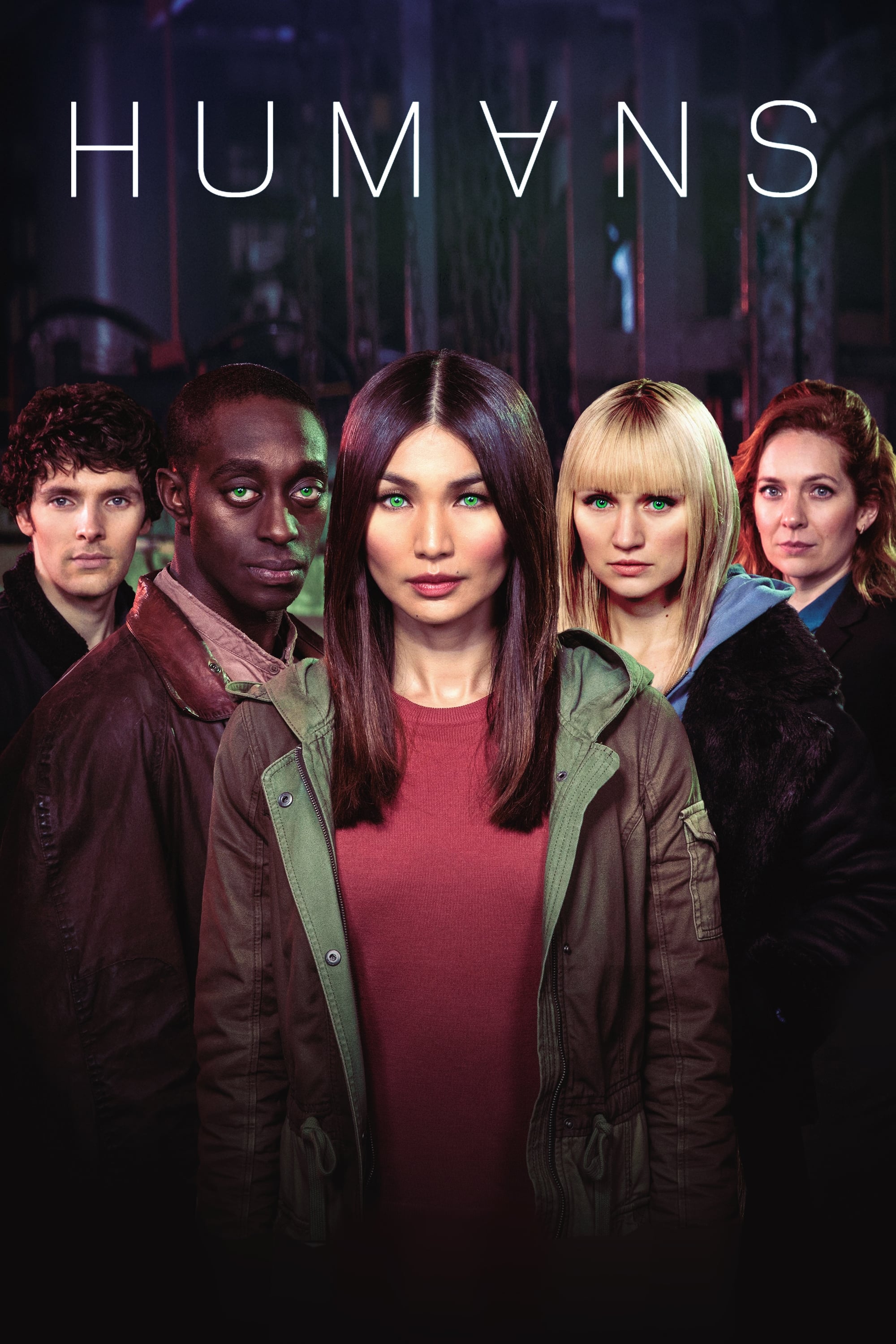
Consumer grade androids begin to develop consciousness, forcing families and companies to adjust to new rights and responsibilities. Domestic settings run alongside covert labs and black market mods that change synth behavior.
It was a co production between Channel 4 and AMC, which gave it a split focus on home life and policy. The story tracks firmware updates, legal battles, and activist movements that define how society absorbs sentient labor.
‘Utopia’ (2013–2014)
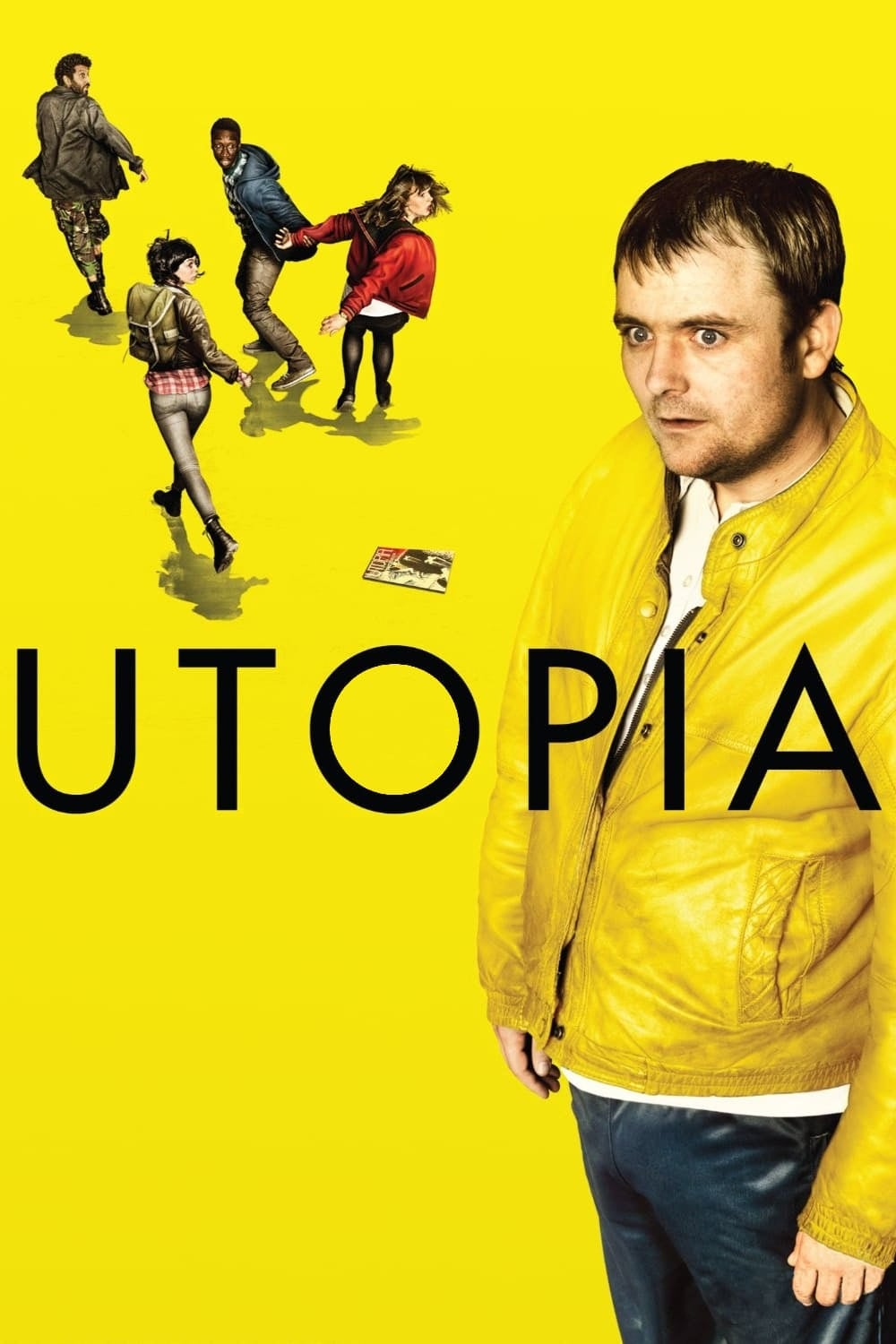
A group of strangers finds a cult graphic novel that predicts disasters and uncovers a conspiracy tied to public health and population control. The hunt moves through safe houses, think tanks, and off the grid communities.
It aired on Channel 4, which supported bold visual choices and a tightly plotted chase. The series lays out encoded clues, trial protocols, and contingency plans that show how the conspiracy stays hidden.
‘Sense8’ (2015–2018)
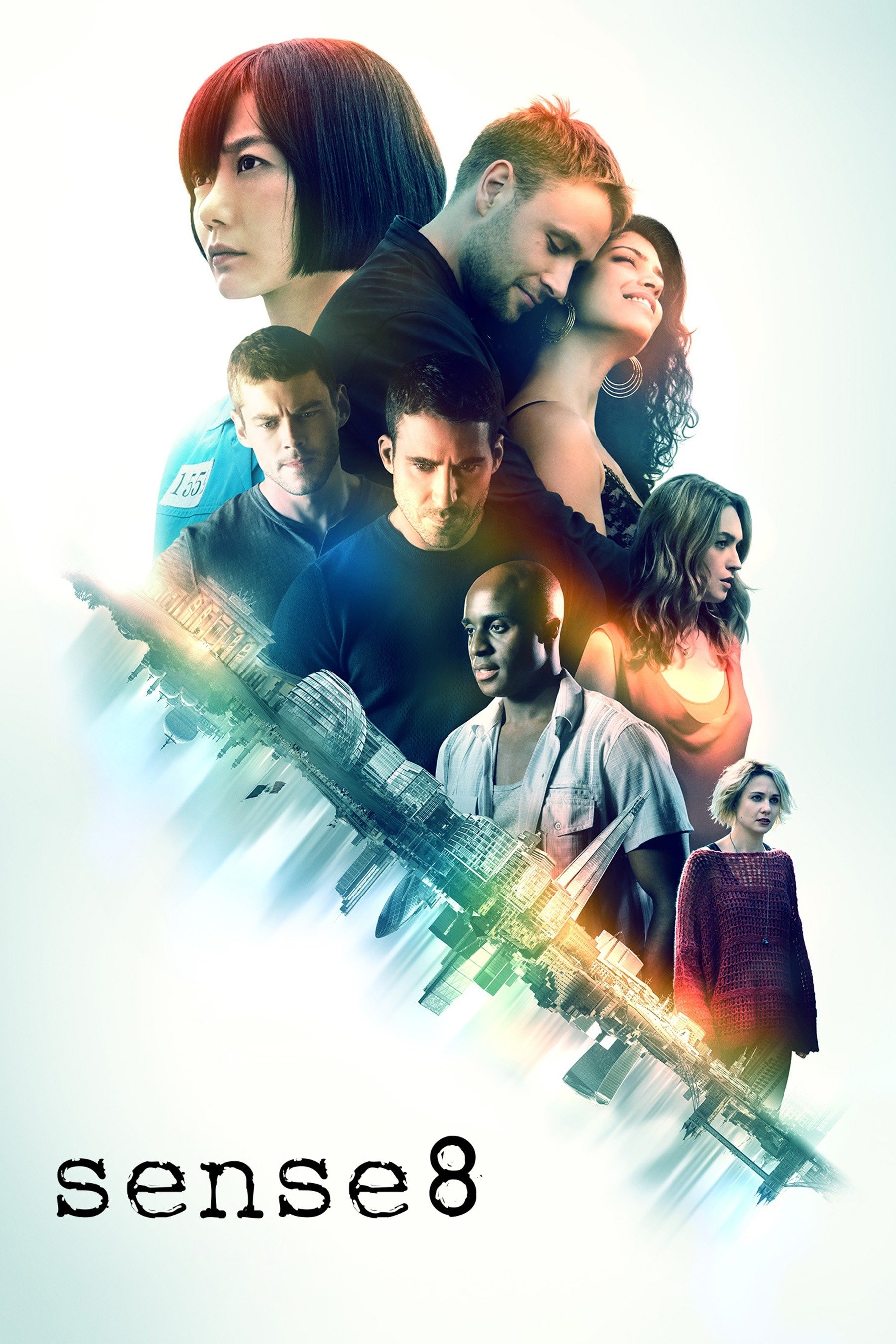
Eight people around the world become mentally linked and learn to share skills and memories in real time. Their connection becomes both an asset and a target as a secretive organization moves to contain them.
It is a Netflix original, and its global shoot supports location based storytelling that connects culture to capability. The show explains how sharing works during fights, investigations, and escapes, then details the risks of being tracked.
‘Travelers’ (2016–2018)
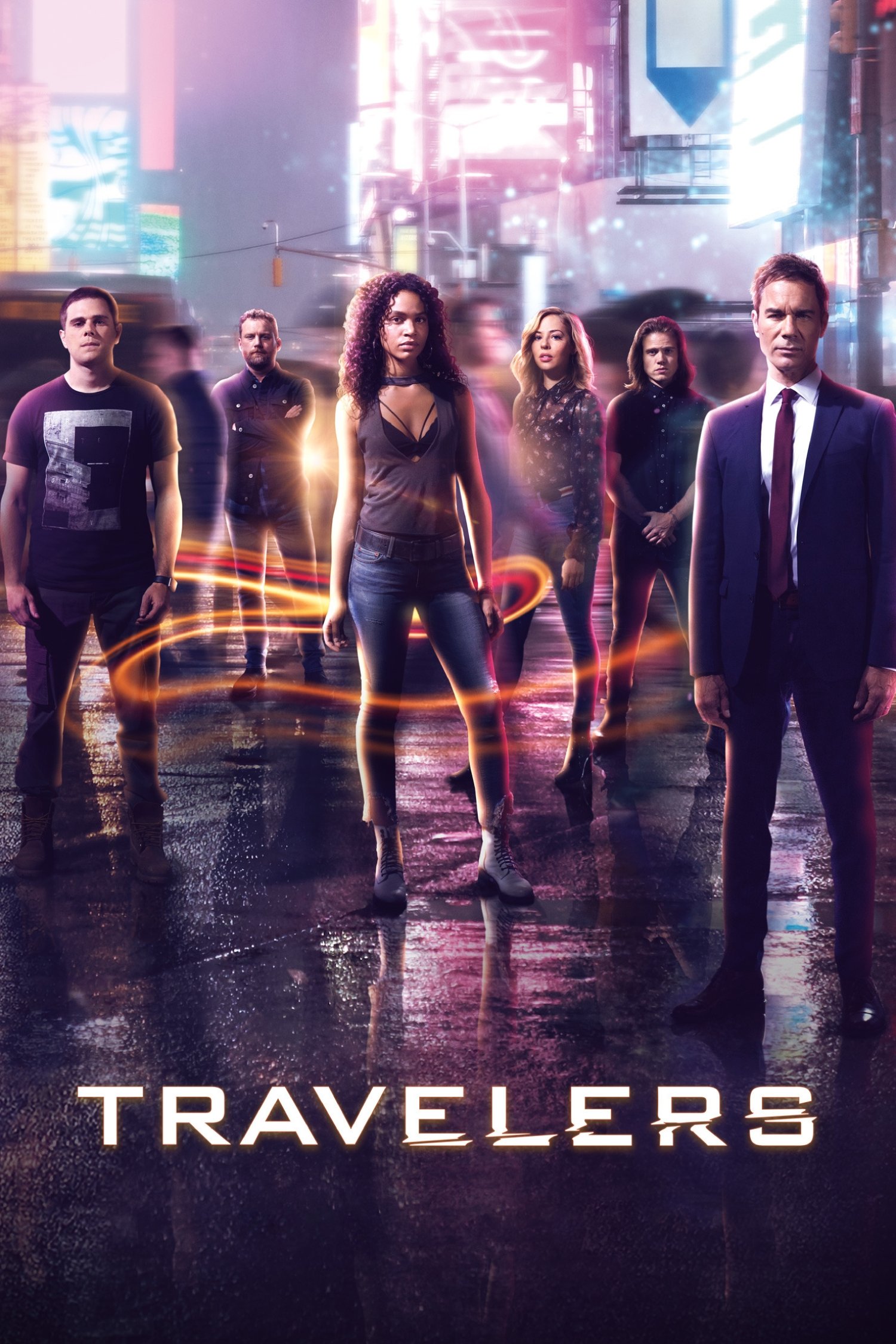
Operatives from a bleak future send their consciousness into people moments before death to steer history away from collapse. Mission rules, cover identities, and team roles structure each assignment.
It began on Showcase in Canada and continued on Netflix, which kept the focus on ethics and operational discipline. The series documents protocols for communication, medical control, and mission audits that govern success and failure.
‘Continuum’ (2012–2015)
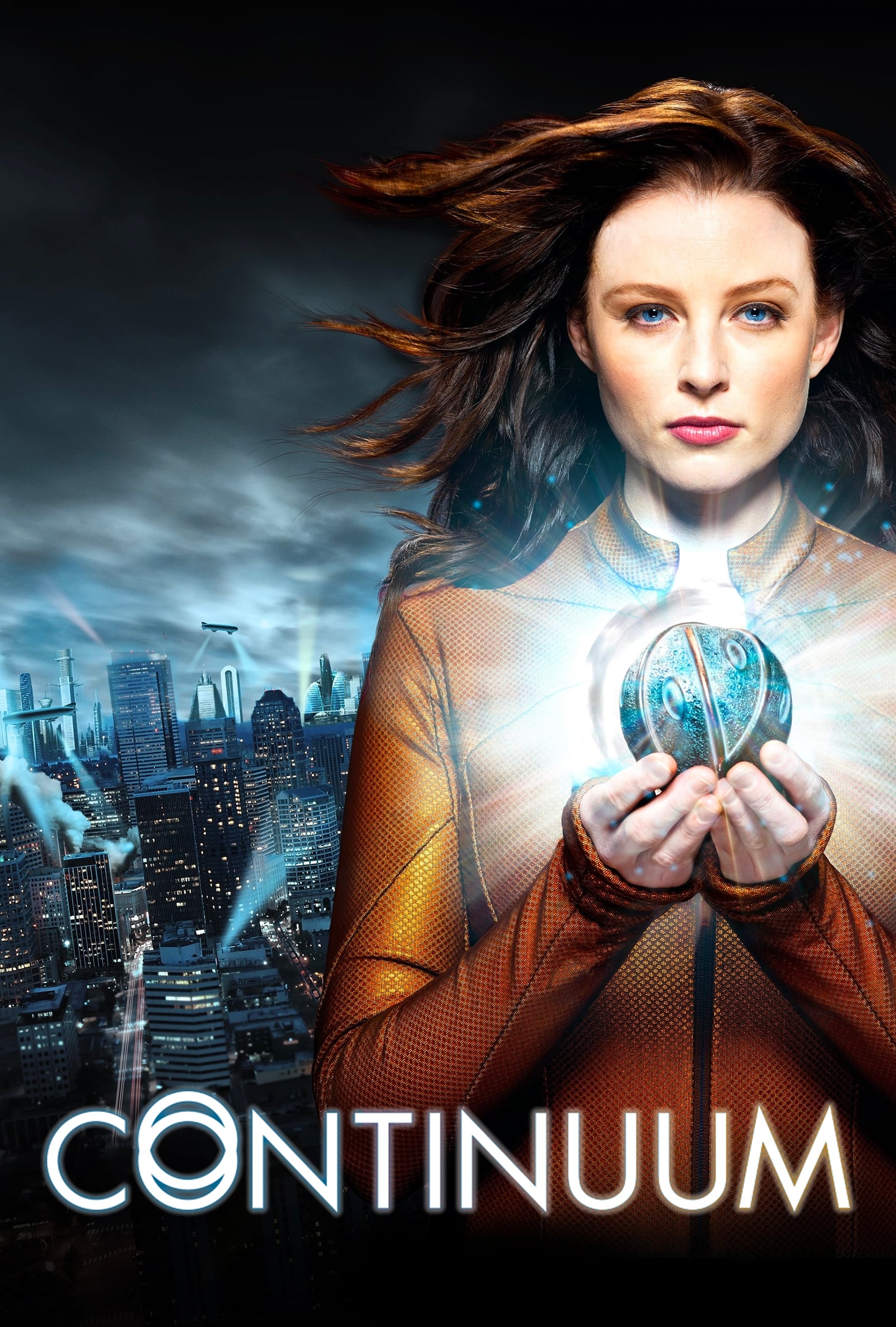
A law officer from the future is pulled into the present with a group of corporate terrorists, forcing her to balance duty with the possibility of rewriting history. The story tracks how present day choices alter the power map of the future.
It aired on Showcase, which supported a mix of police work and time tech. The show logs gear capabilities, corporate influence, and legal gray zones so every decision has traceable consequences.
‘Dark Matter’ (2015–2017)
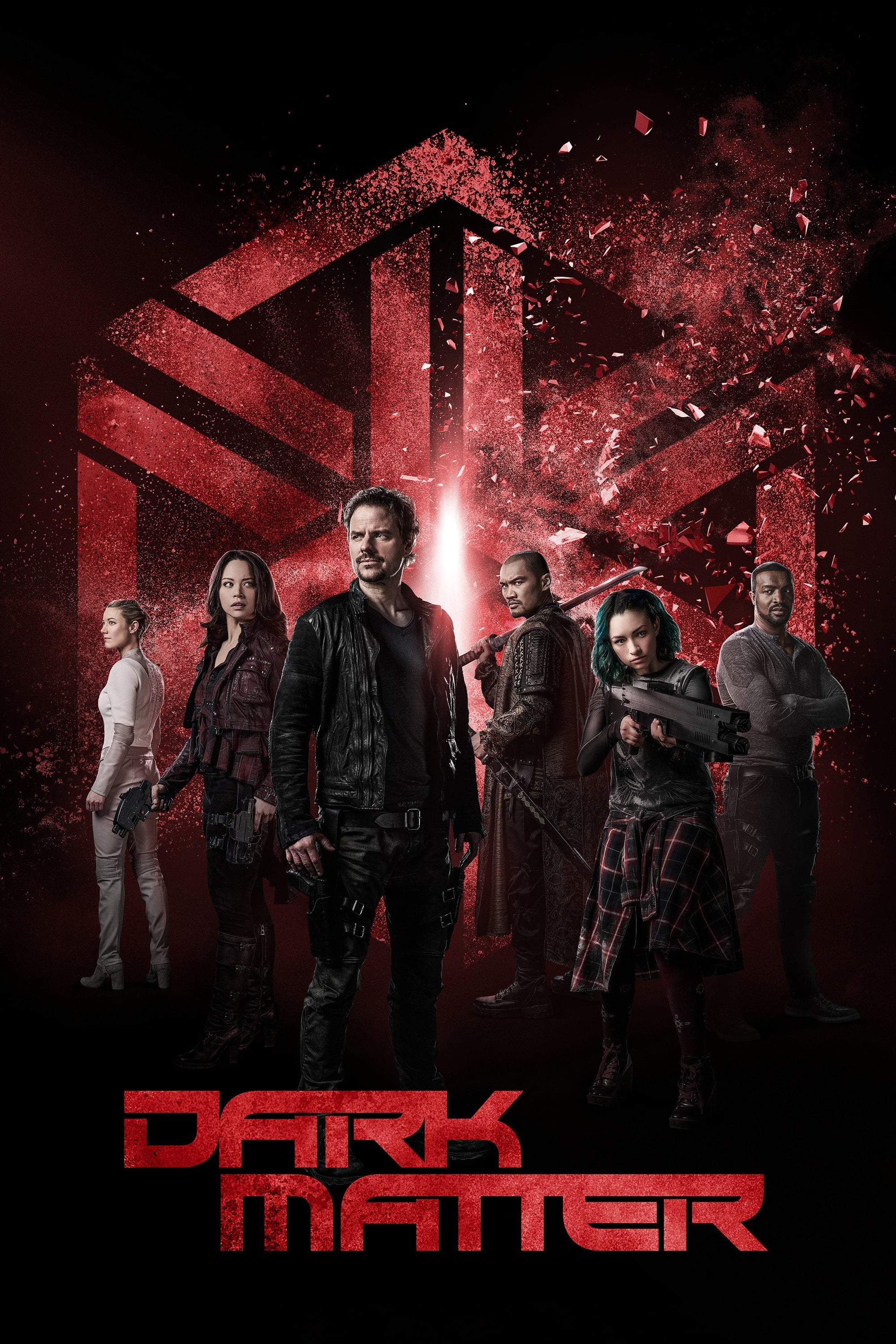
A crew wakes up on a spaceship with no memories and must decide who they want to be after learning about their past crimes. Ship systems, corporate conflicts, and black ops programs shape their options.
It ran on Syfy, which supported ensemble storytelling with clear roles and loadouts. The series uses mission briefs, lockouts, and upgrade paths to show how the team adapts the ship to new threats.
‘Firefly’ (2002–2003)
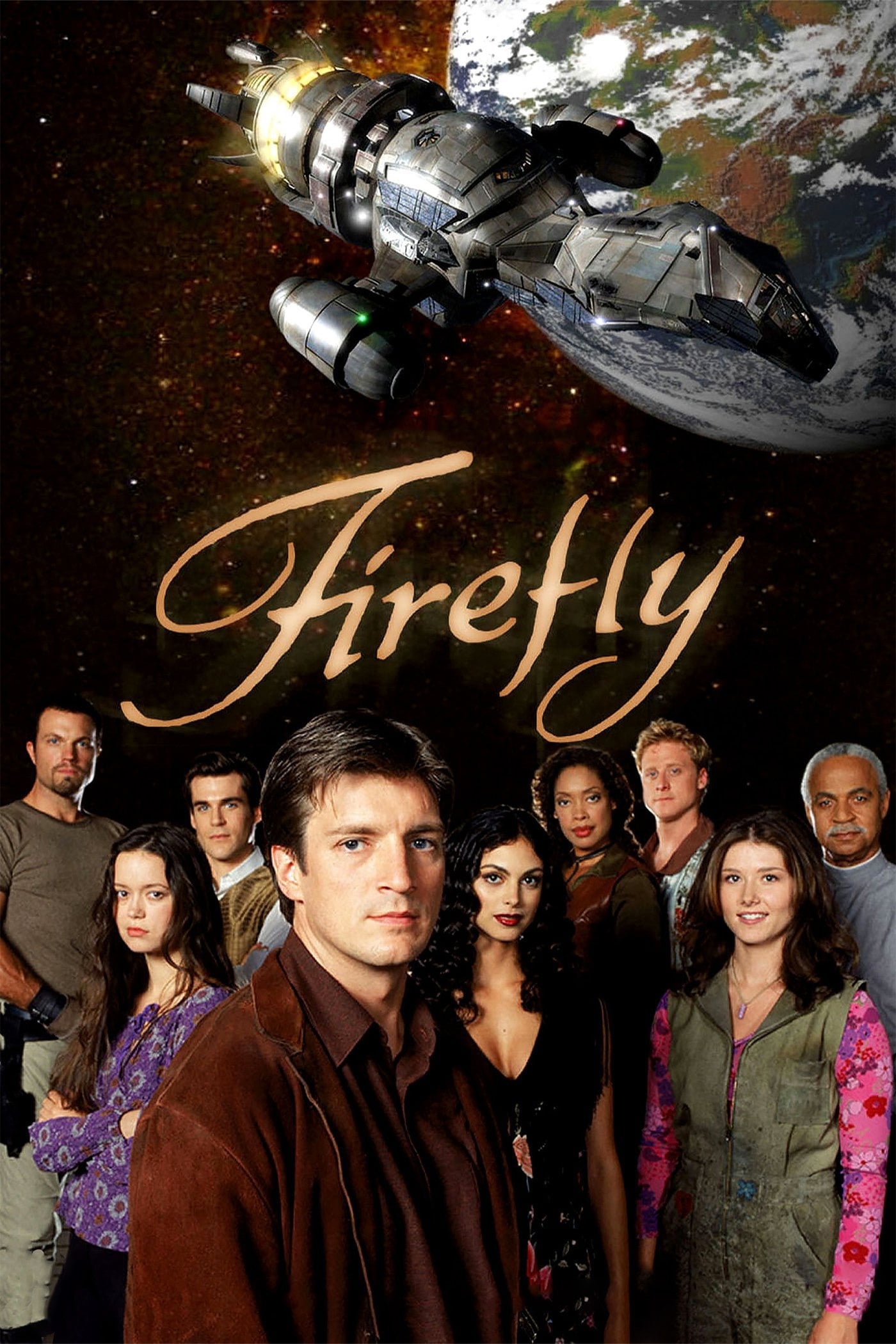
A small crew takes jobs on the fringes of a central alliance, moving cargo and passengers while dodging law enforcement and raiders. The world blends frontier towns with space travel and keeps a clear map of trade routes and rival factions.
It aired on Fox, and the follow up film closed out major threads. The show catalogs smuggling logistics, ship maintenance, and crew specialties that make each job distinct.
‘Dollhouse’ (2009–2010)

An underground facility rents out people whose personalities can be rewritten for clients, then shows what happens when the tech scales beyond control. Each engagement introduces new parameters and security measures.
It aired on Fox, which allowed a pivot from episodic missions to a larger collapse scenario. The series spells out imprint tech, failsafes, and black market forks that turn personal stories into global risk.
‘The OA’ (2016–2019)
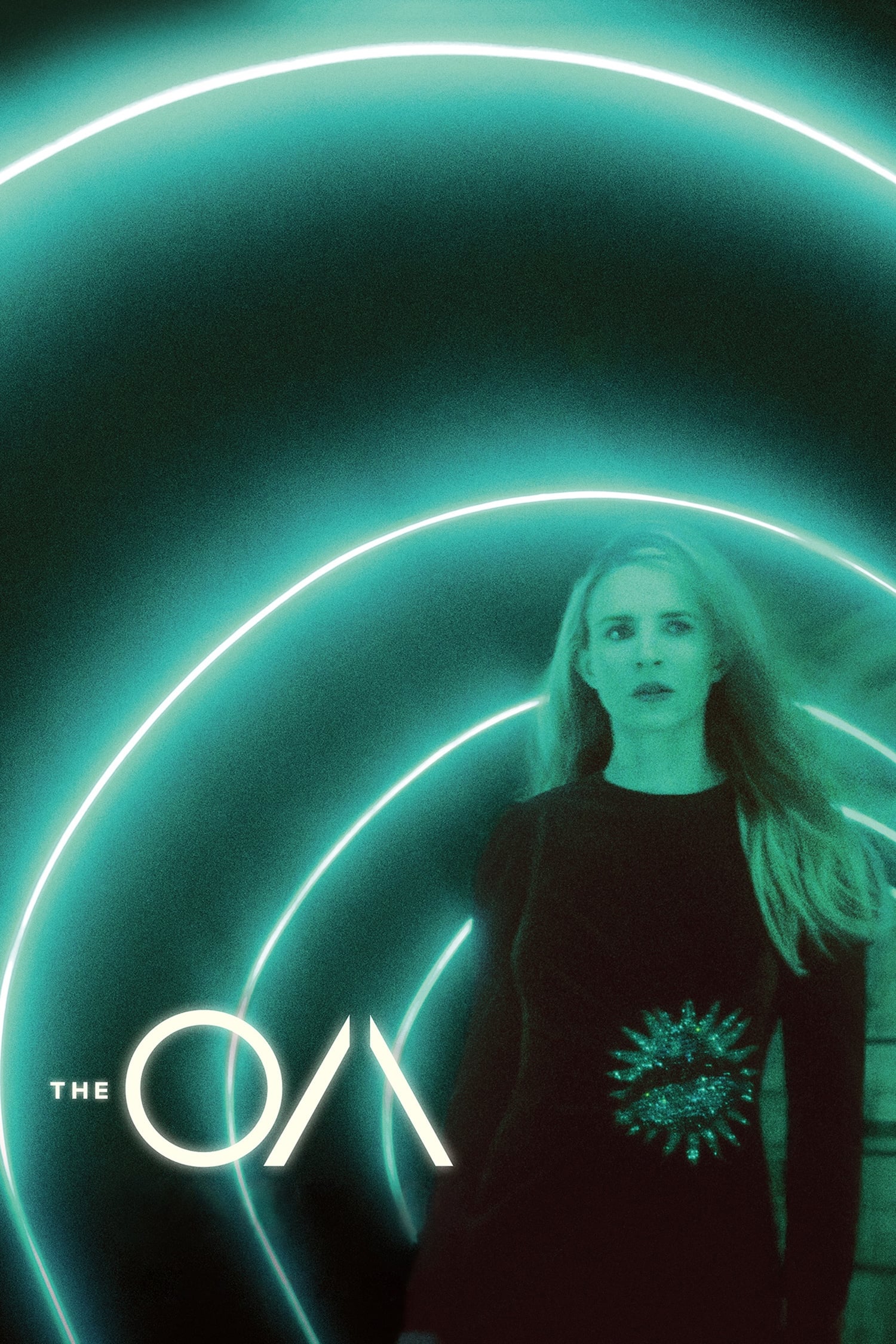
A missing woman returns with sight restored and a plan to gather a small group for a mission tied to near death experiences. The narrative shifts between personal testimony, lab captivity, and multi dimensional travel.
It is a Netflix series, and its structure alternates between grounded investigation and speculative leaps. The show defines rules for movements, symbols, and shared visions that guide the group from place to place.
‘Raised by Wolves’ (2020–2022)
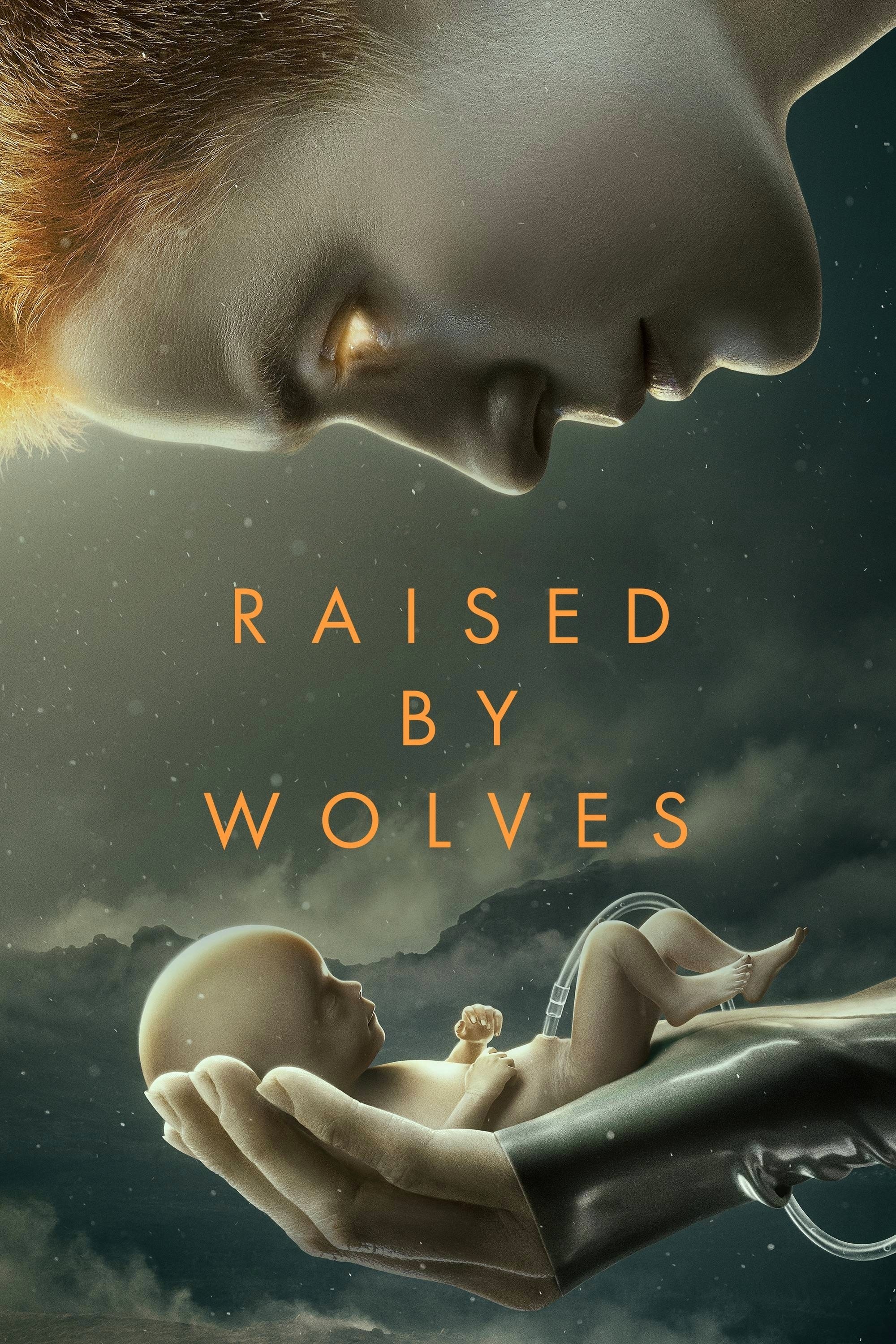
Two androids try to raise human children on a harsh planet and become entangled in a conflict between believers and atheists. The environment and local life forms force constant changes to survival plans.
It streamed on HBO Max, which supported large scale design and evolving mythology. The series tracks energy sources, settlement layouts, and technology limits as factions compete for control.
‘Star Trek: The Next Generation’ (1987–1994)
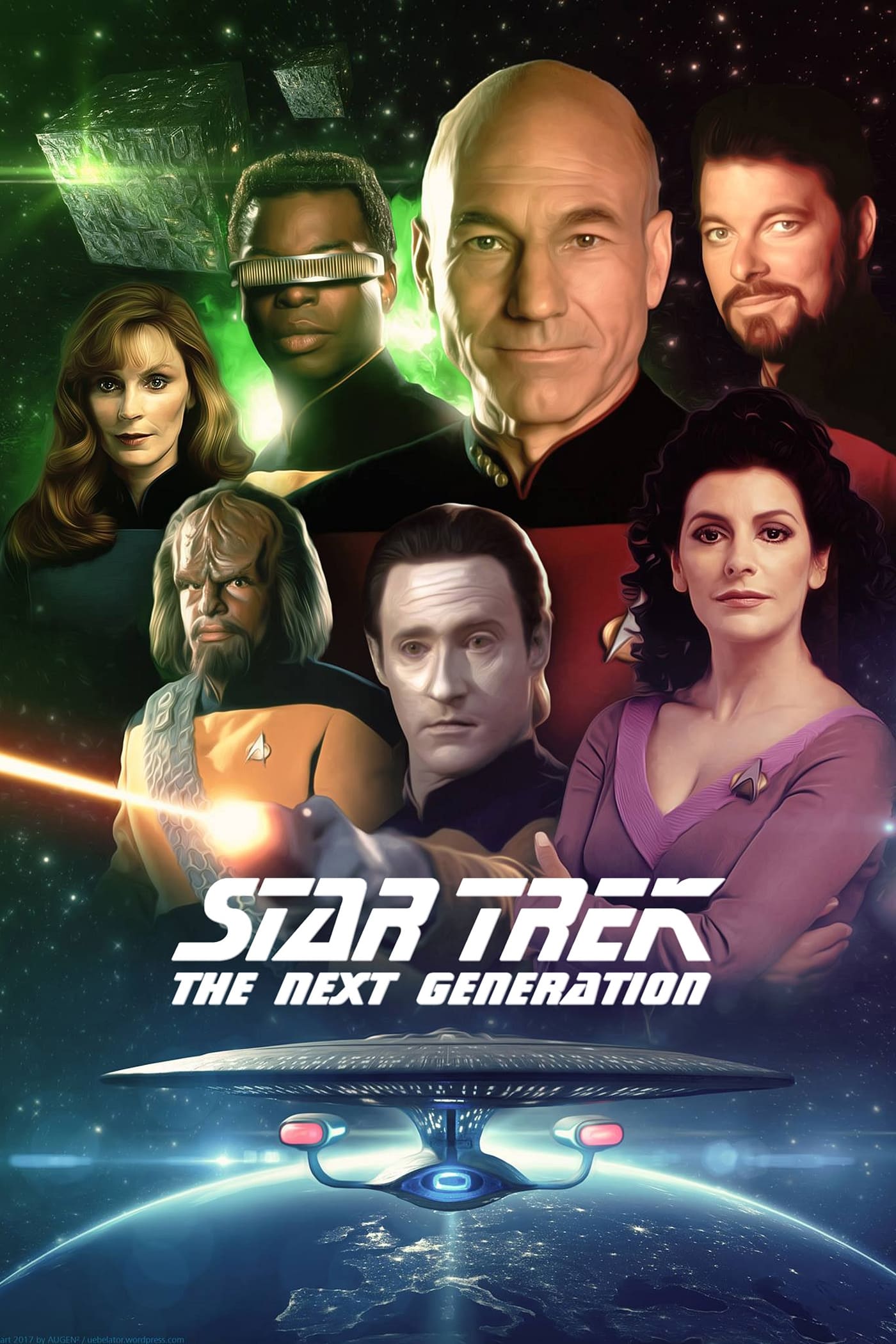
A Federation crew explores deep space while handling first contact, diplomacy, and scientific anomalies that test the prime directive. The ship layout, command hierarchy, and departments give clear structure to exploration and crisis response.
It originally aired in first run syndication, and its format blends stand alone missions with recurring adversaries and long term character development. The show details starship systems, protocols, and legal frameworks that frame every decision.
‘Star Trek: Deep Space Nine’ (1993–1999)
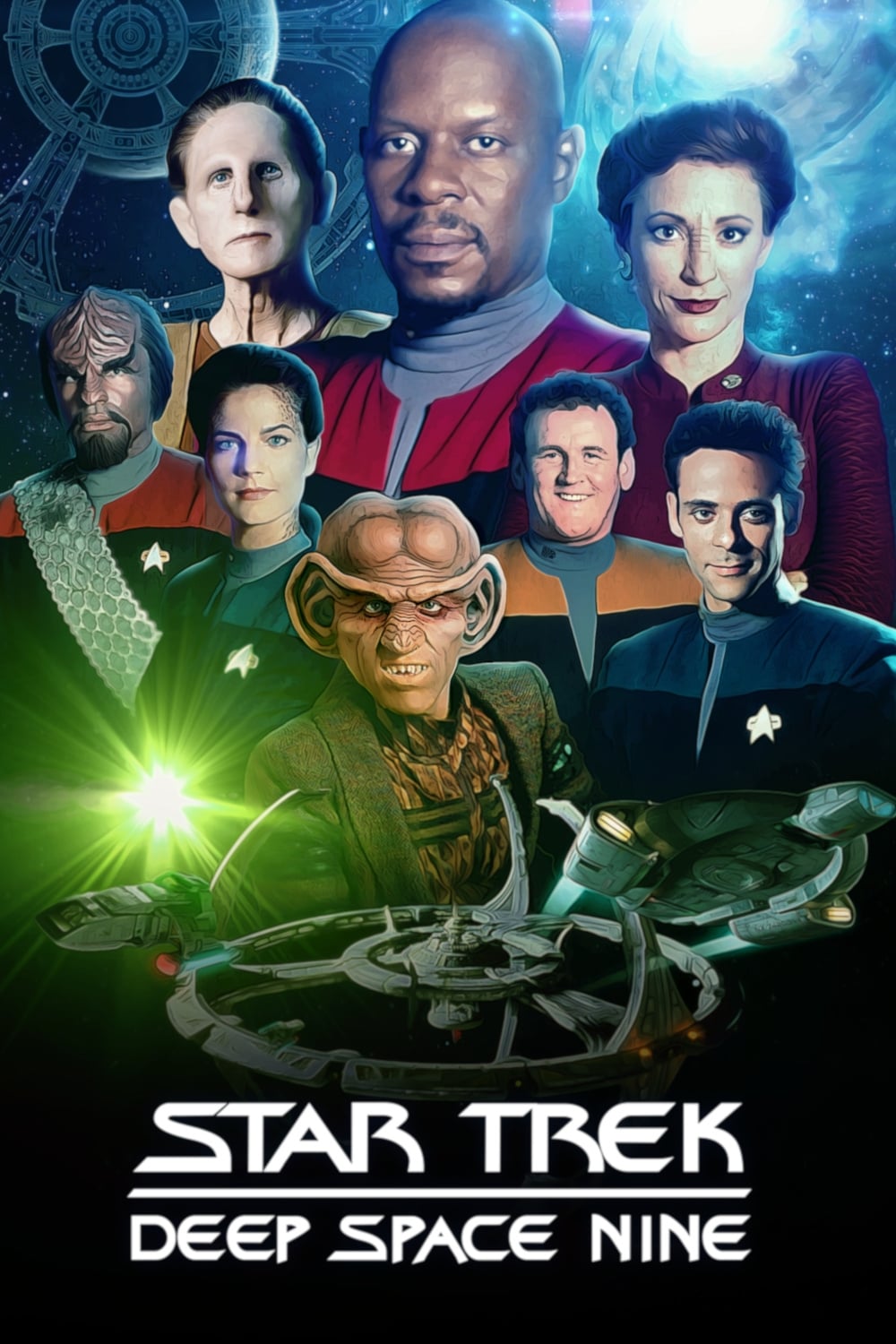
A crew manages a strategic space station near a newly discovered wormhole, balancing commerce, religion, and war while hosting multiple alien cultures. Storylines build through arcs that track alliances and supply lines.
It aired in syndication under Paramount, and its serialized approach documents treaties, intelligence work, and fleet logistics. The series makes station operations and starship deployments easy to follow as conflicts escalate.
‘Babylon 5’ (1994–1998)
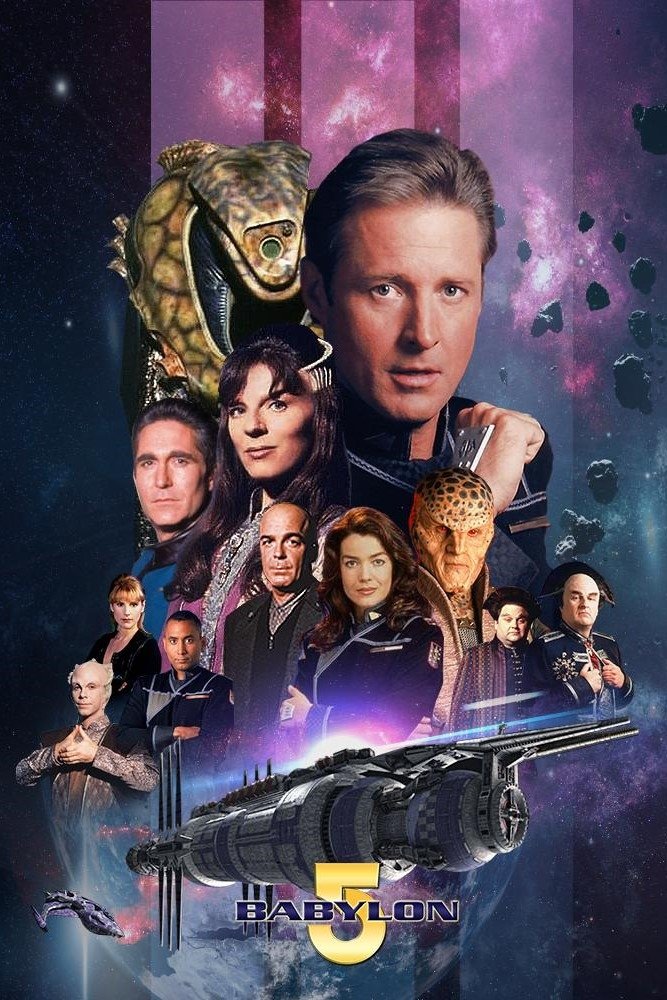
An independent station serves as neutral ground for species with competing agendas while a shadow conflict grows in the background. The show follows a planned multi season arc with clear phases and turning points.
It first aired on PTEN and later on TNT, which supported the completion of the overarching story. The series maps jump gate travel, diplomatic channels, and military readiness with consistent rules that carry through major battles.
‘Farscape’ (1999–2003)
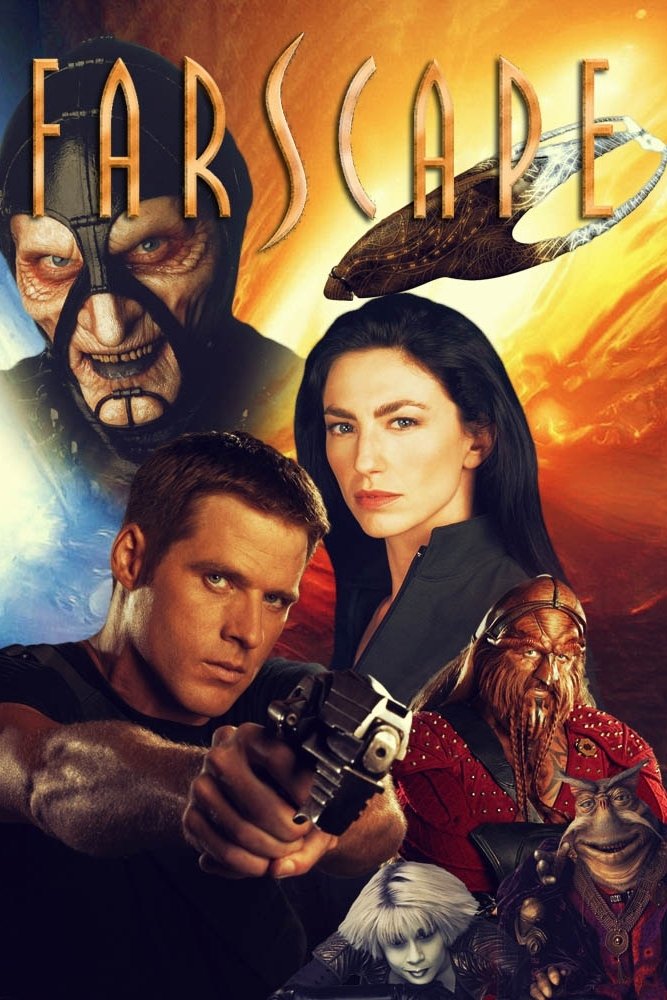
A human astronaut is flung to a distant part of the galaxy and joins a crew of escaped prisoners living on a living ship. The journey blends culture clash with high risk missions and bio mechanical tech.
It aired on the Sci Fi Channel, which backed inventive creature work and ship design. The show tracks currency systems, bounty networks, and upgradeable gear that shape each negotiation and fight.
‘The X-Files’ (1993–2018)
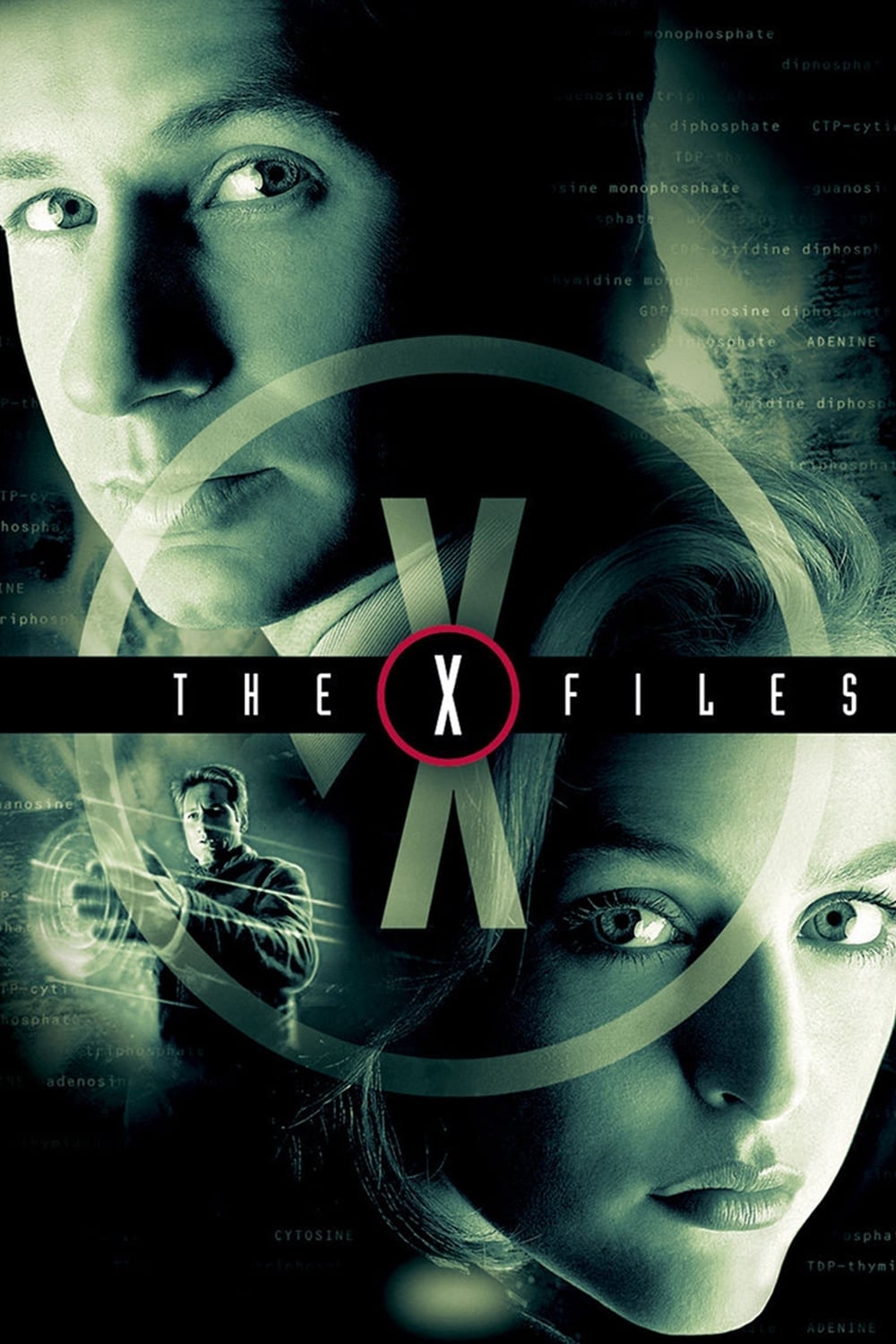
Two agents investigate unexplained phenomena that range from urban legends to a sprawling alien colonization plan. The format alternates between standalone cases and mythology episodes that reveal the scope of the cover up.
It aired on Fox, and its case files create a clear record of procedures, evidence types, and recurring adversaries. The series shows how fieldwork, lab analysis, and interagency pressure intersect on every assignment.
Share your favorite sci-fi binges in the comments so everyone can add a few more shows to their queue.