The Most Influential Thriller Movies of All Time

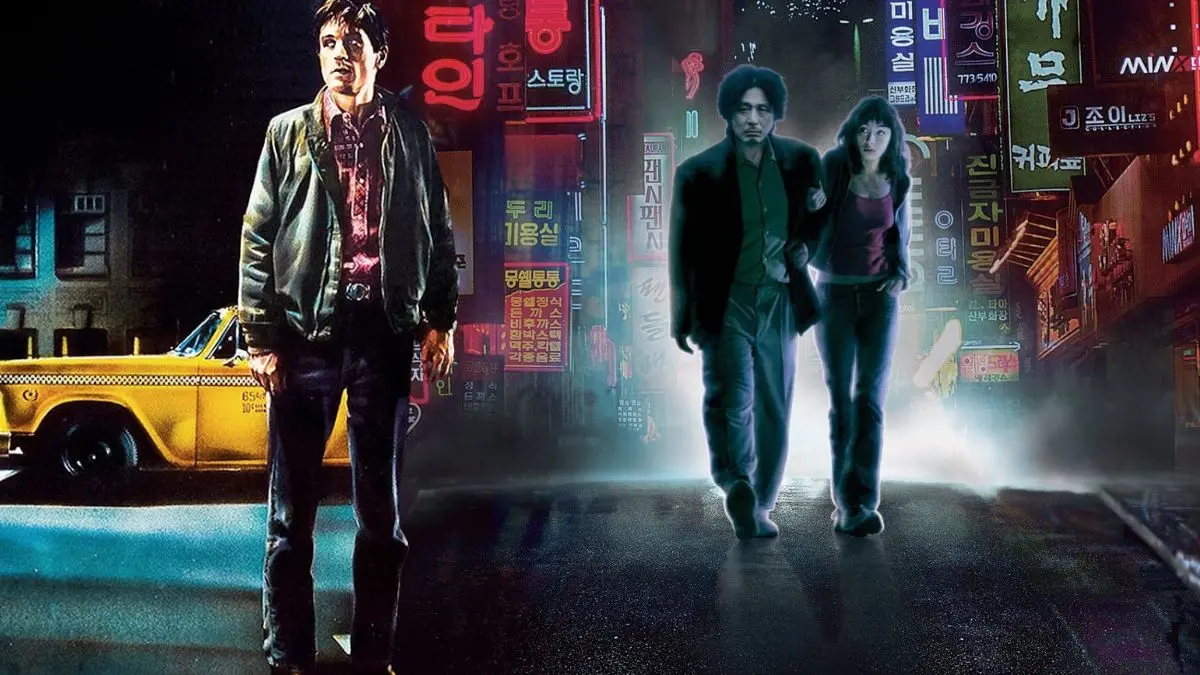

Thrillers keep audiences leaning forward with stories that move fast, twist hard, and leave a mark on everything that comes after. The films below pushed craft and storytelling into new territory, shaping how suspense is written, shot, scored, and edited across decades and continents. You’ll see breakthroughs in point of view, sound, and pacing that became templates for generations of filmmakers. Many of these titles also built long afterlives on television, where regular broadcasts helped their influence spread to new fans and future directors.
‘Psycho’ (1960)
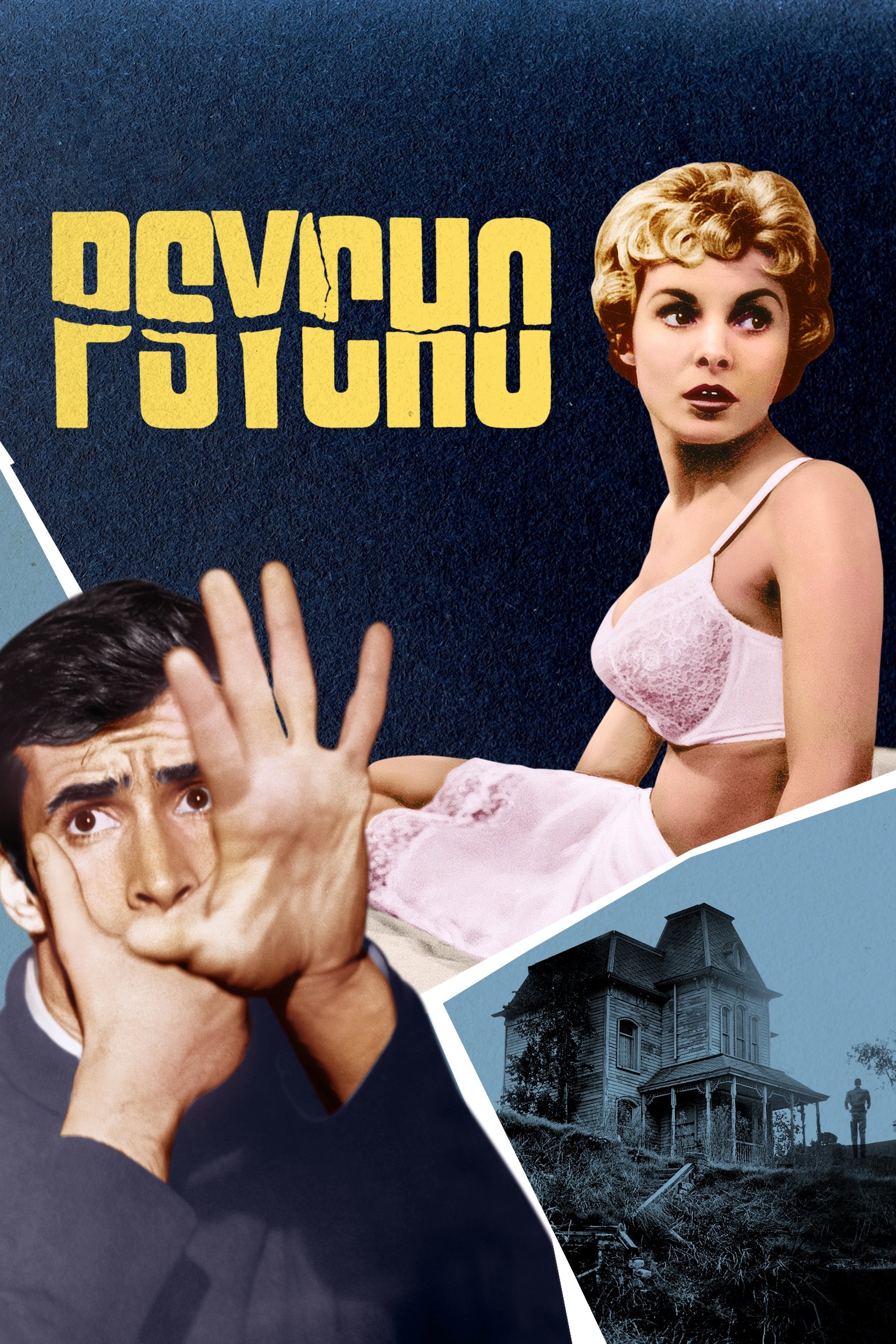
Alfred Hitchcock’s shower sequence redefined screen violence and editing, while the score’s stabbing strings changed how composers write suspense. Its mid-story narrative switch became a playbook for manipulating audience expectations. The film pushed ratings boards and marketing practices, including spoiler-averse campaigns still used today. Frequent revivals on TCM kept its techniques in front of new viewers.
‘Vertigo’ (1958)
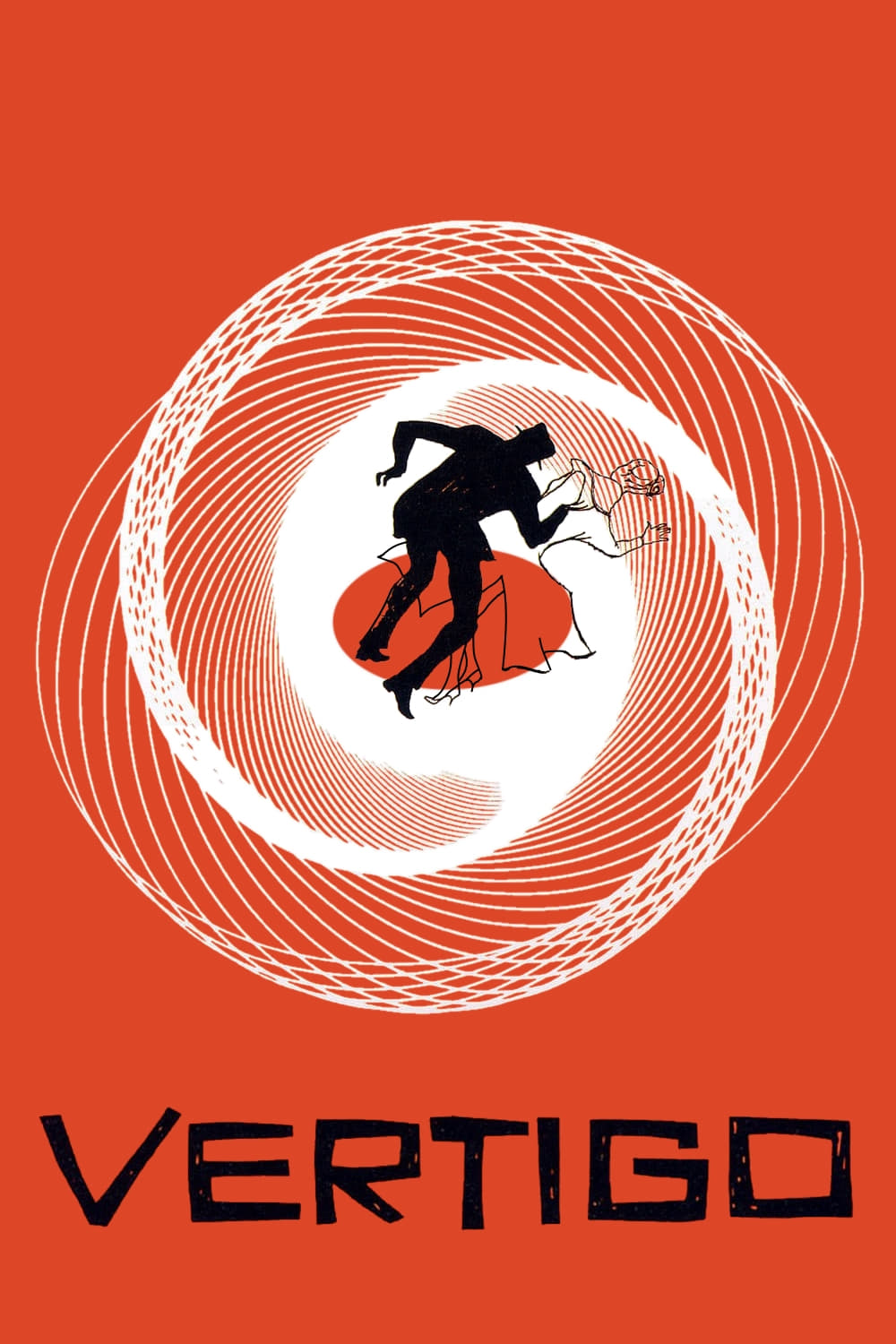
The dolly-zoom visual effect introduced here became a standard way to convey disorientation and dread. Its psychological focus on obsession set a blueprint for character-driven thrillers. Restoration efforts revitalized interest in color design and sound layering for suspense. BBC Two airings helped cement its status for UK audiences.
‘M’ (1931)
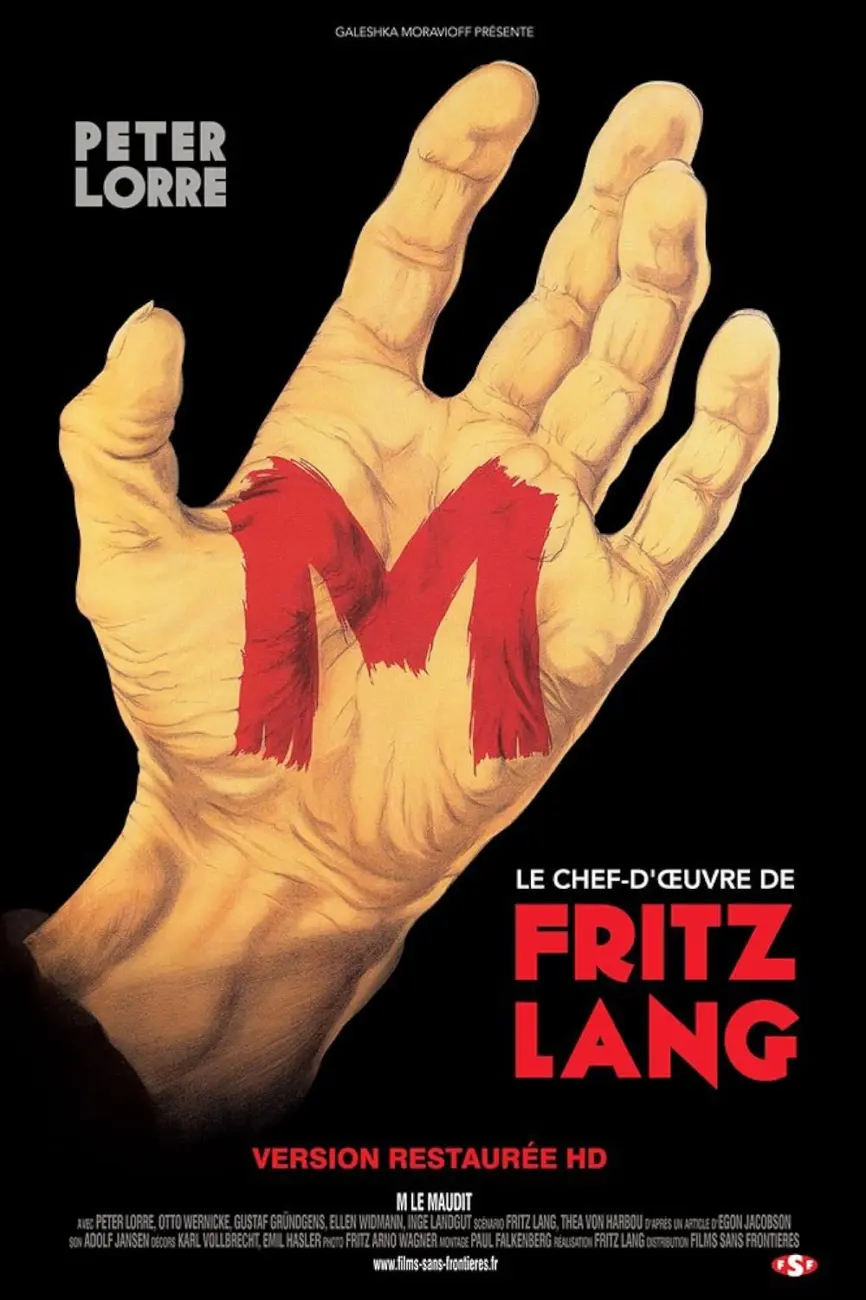
Fritz Lang fused police-procedural detail with social commentary to show how a city hunts a killer. Early use of sound motifs, including a whistled theme, pioneered audio clues as storytelling. Cross-cut editing between criminals and police shaped modern manhunt structure. Regular screenings on Arte helped the film reach new European viewers.
‘The Third Man’ (1949)
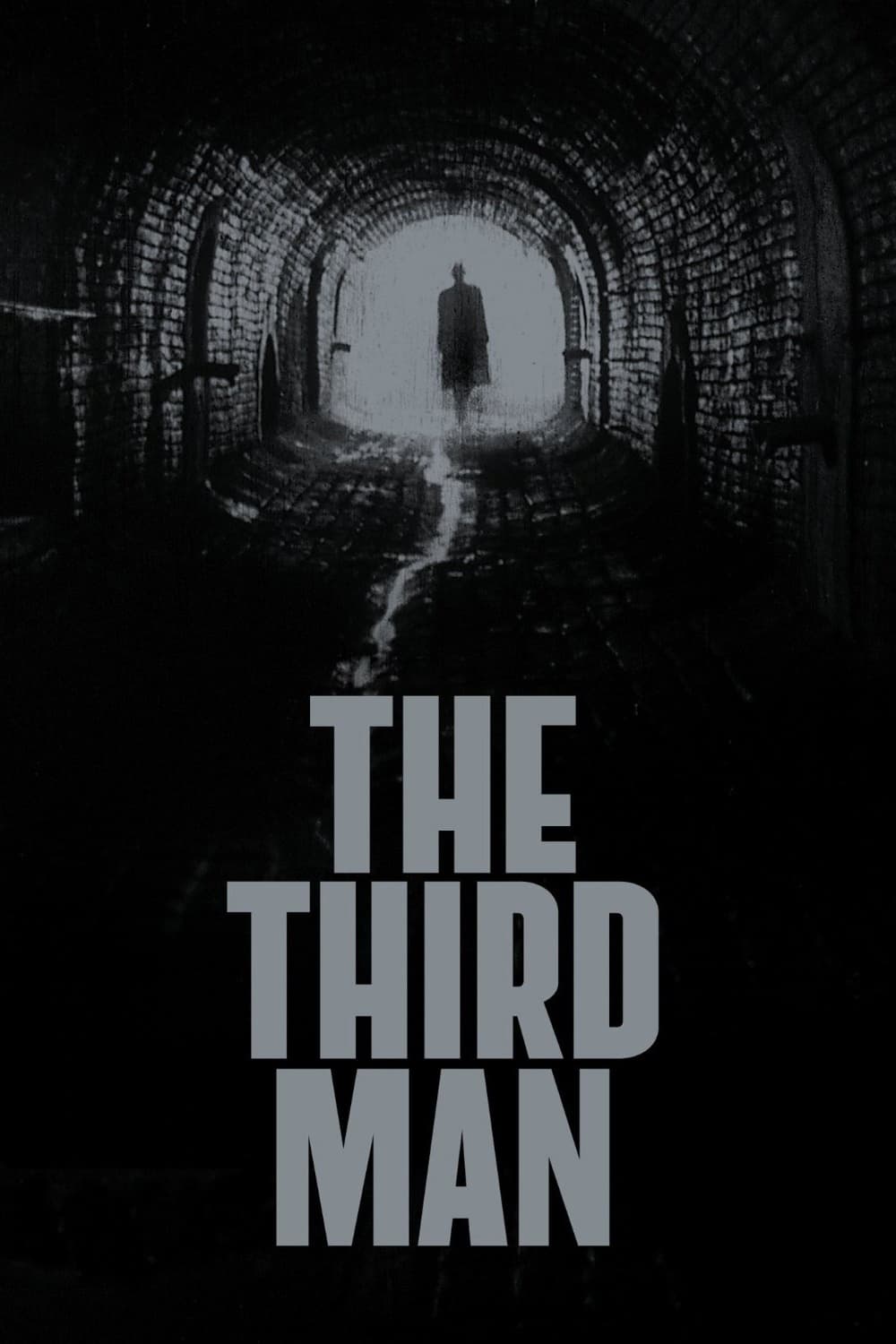
Carol Reed’s canted angles and zither score turned postwar Vienna into a character of its own. The sewer chase refined location-based suspense and influenced urban thrillers for decades. Stark lighting and moral ambiguity fed the rise of international film noir. Channel 4 broadcasts kept its intrigue alive for new generations.
‘Diabolique’ (1955)
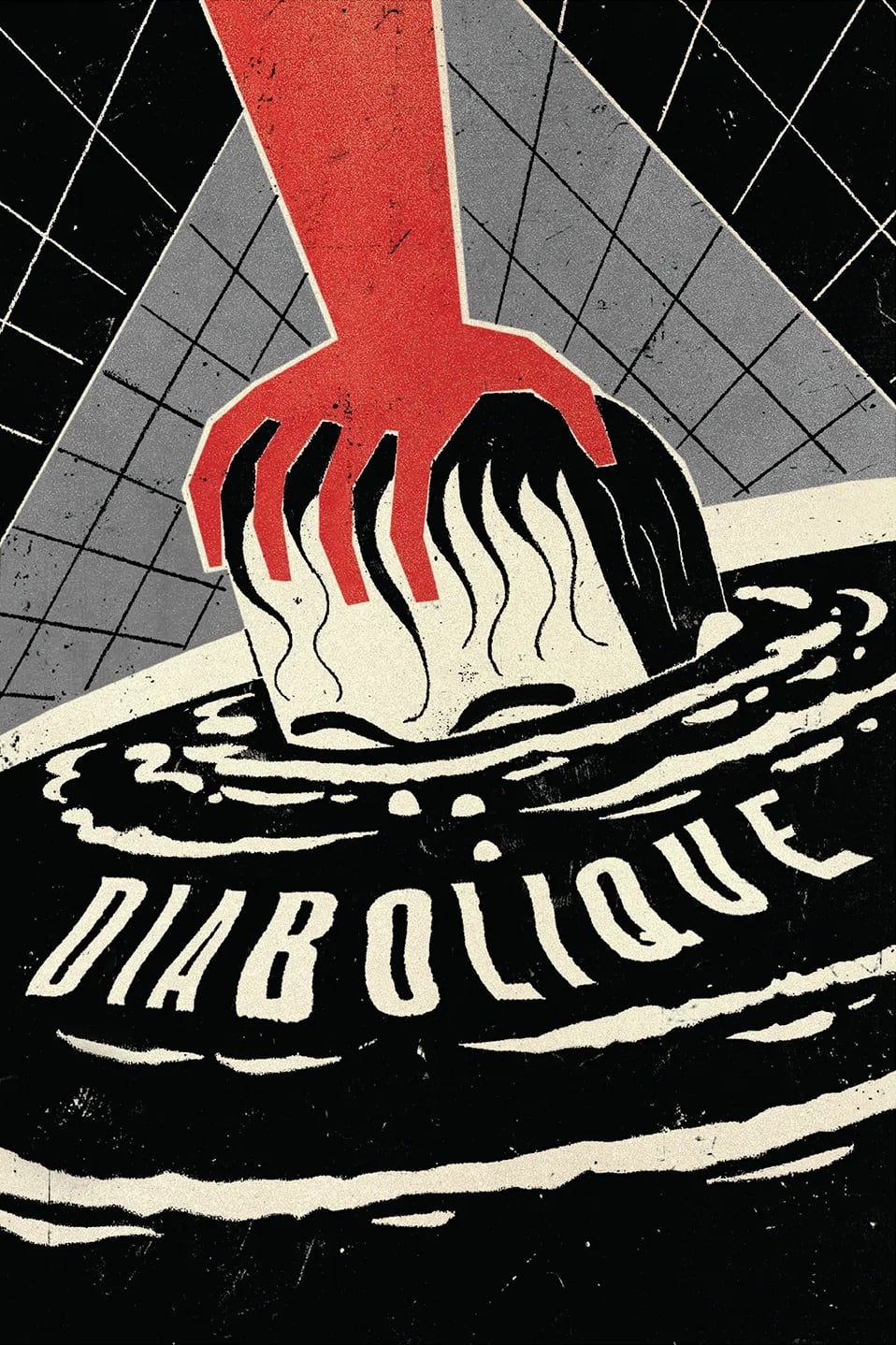
Henri-Georges Clouzot’s slow-burn plotting and final reveal set the gold standard for twist endings. The film’s water imagery and practical effects showed how to engineer shock without gore. Its impact reached courtroom dramas and domestic thrillers alike. ITV late-night showings introduced it to UK home audiences.
‘Rear Window’ (1954)
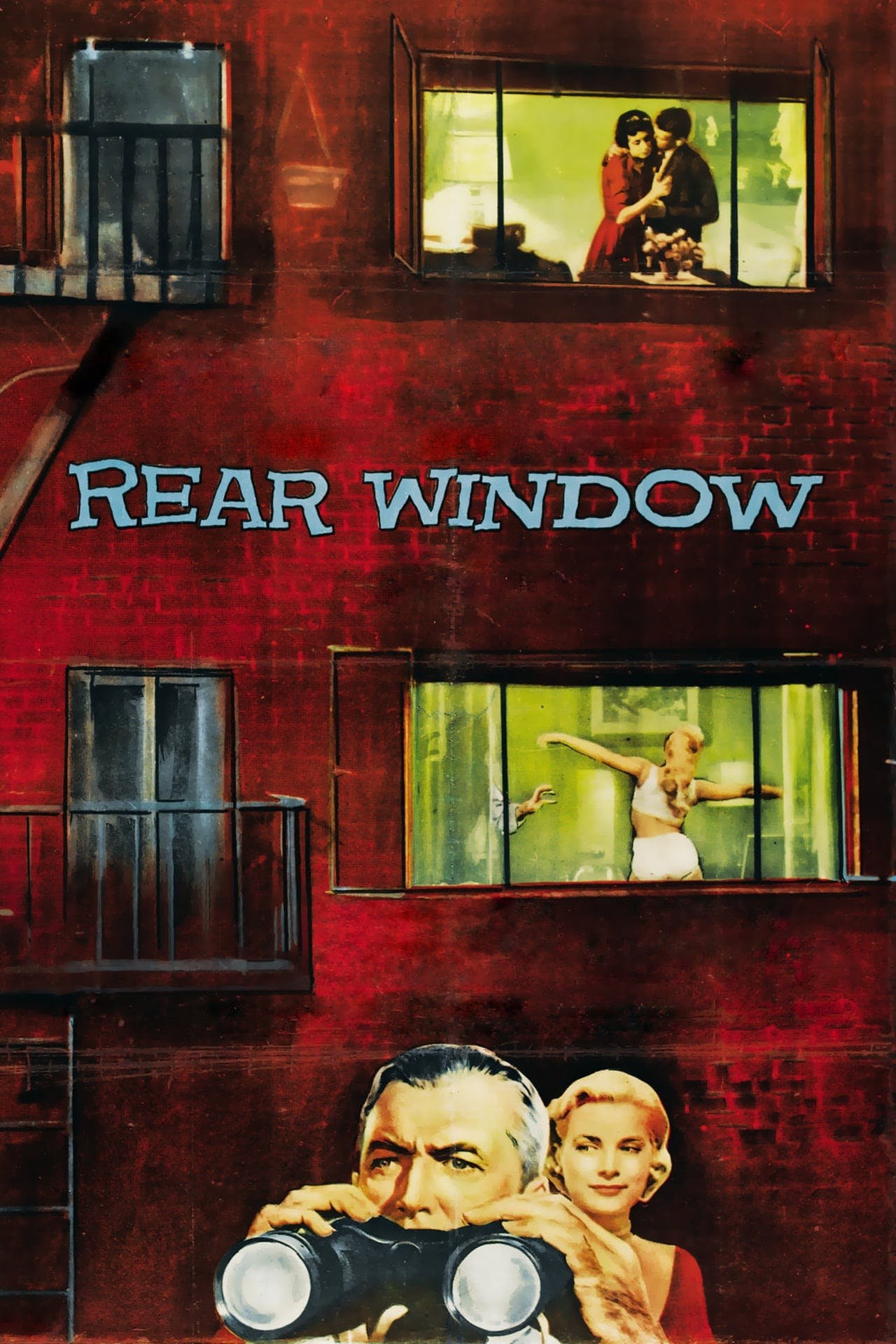
A single-set design with meticulous sightlines taught filmmakers how to build suspense through restricted perspective. Point-of-view shots and diegetic sound shaped the language of voyeuristic thrillers. Its neighborhood-as-stage approach influenced countless bottle episodes and films. AMC retrospectives showcased its craft to wider audiences.
‘North by Northwest’ (1959)
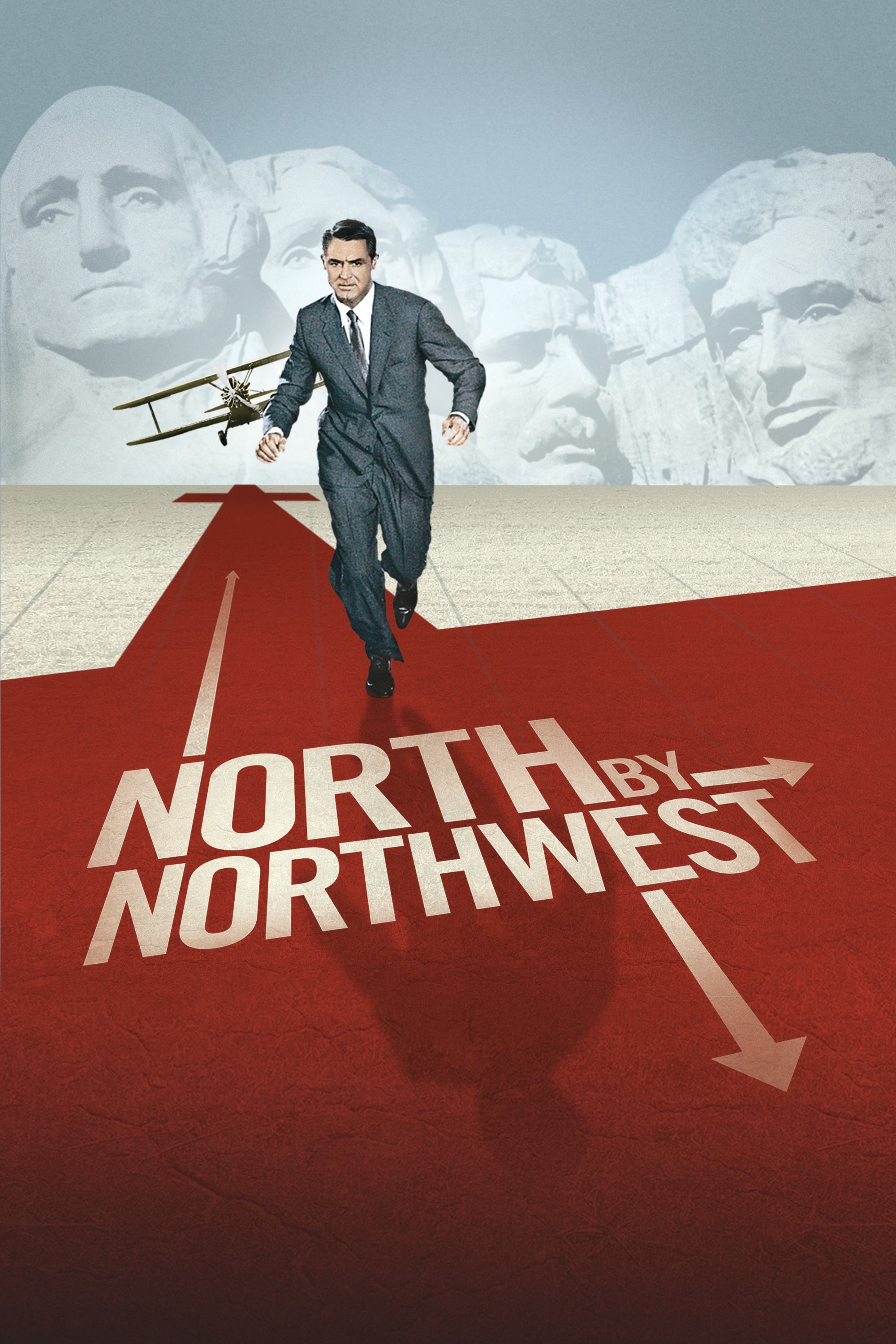
The crop-duster attack and Mount Rushmore finale demonstrated large-scale set pieces in thrillers. Clever use of mistaken identity streamlined chase plotting still copied today. Its blend of wit and peril showed how tone can stay light without losing tension. Turner Classic Movies marathons kept it in regular rotation.
‘Dial M for Murder’ (1954)
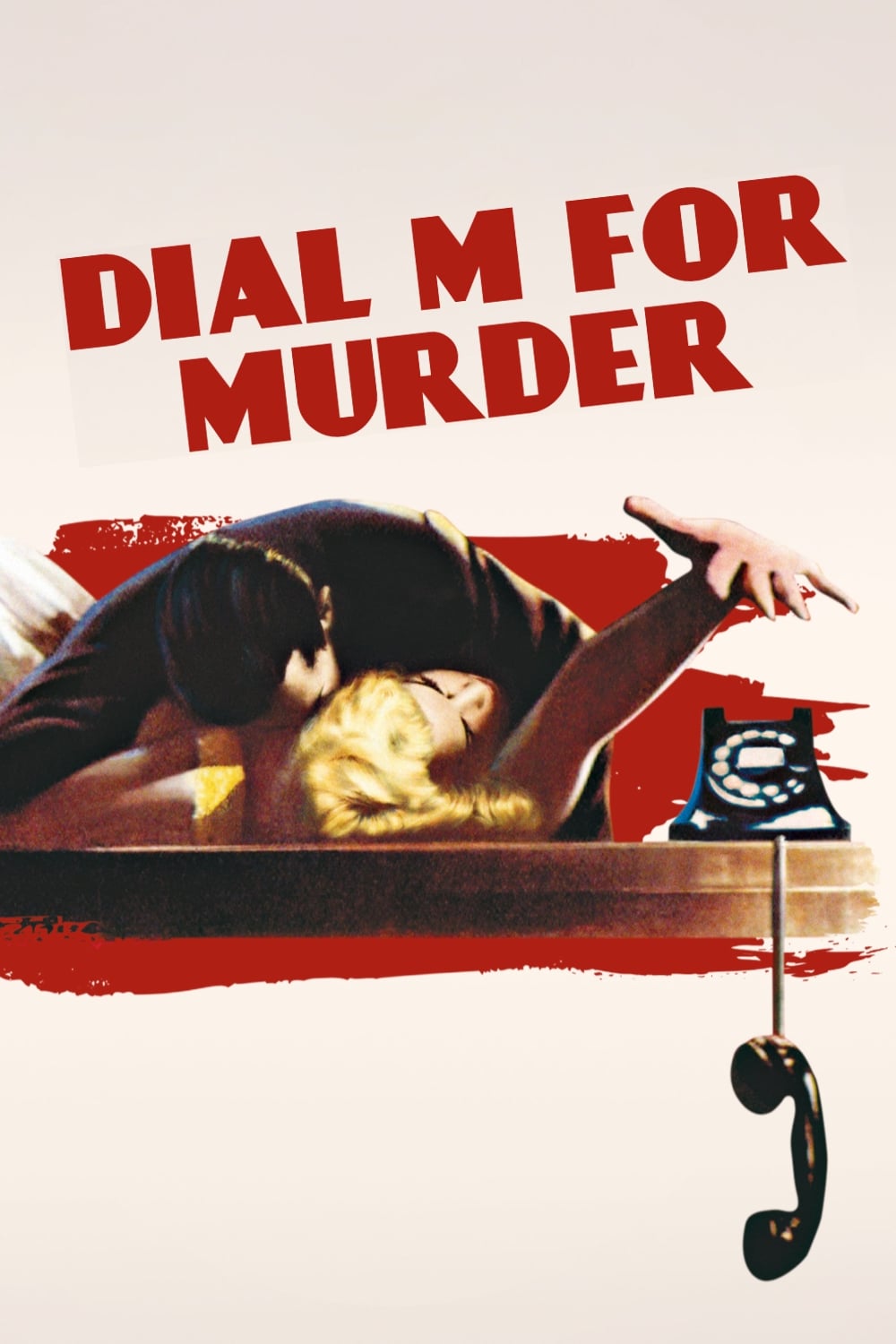
Hitchcock used careful blocking and telephone choreography to build tension from domestic routine. The original 3D shooting plan yielded unique camera placements that emphasize space. Its step-by-step murder scheme became a template for procedural precision. Sky Cinema airings helped modern audiences rediscover its staging.
‘Rififi’ (1955)
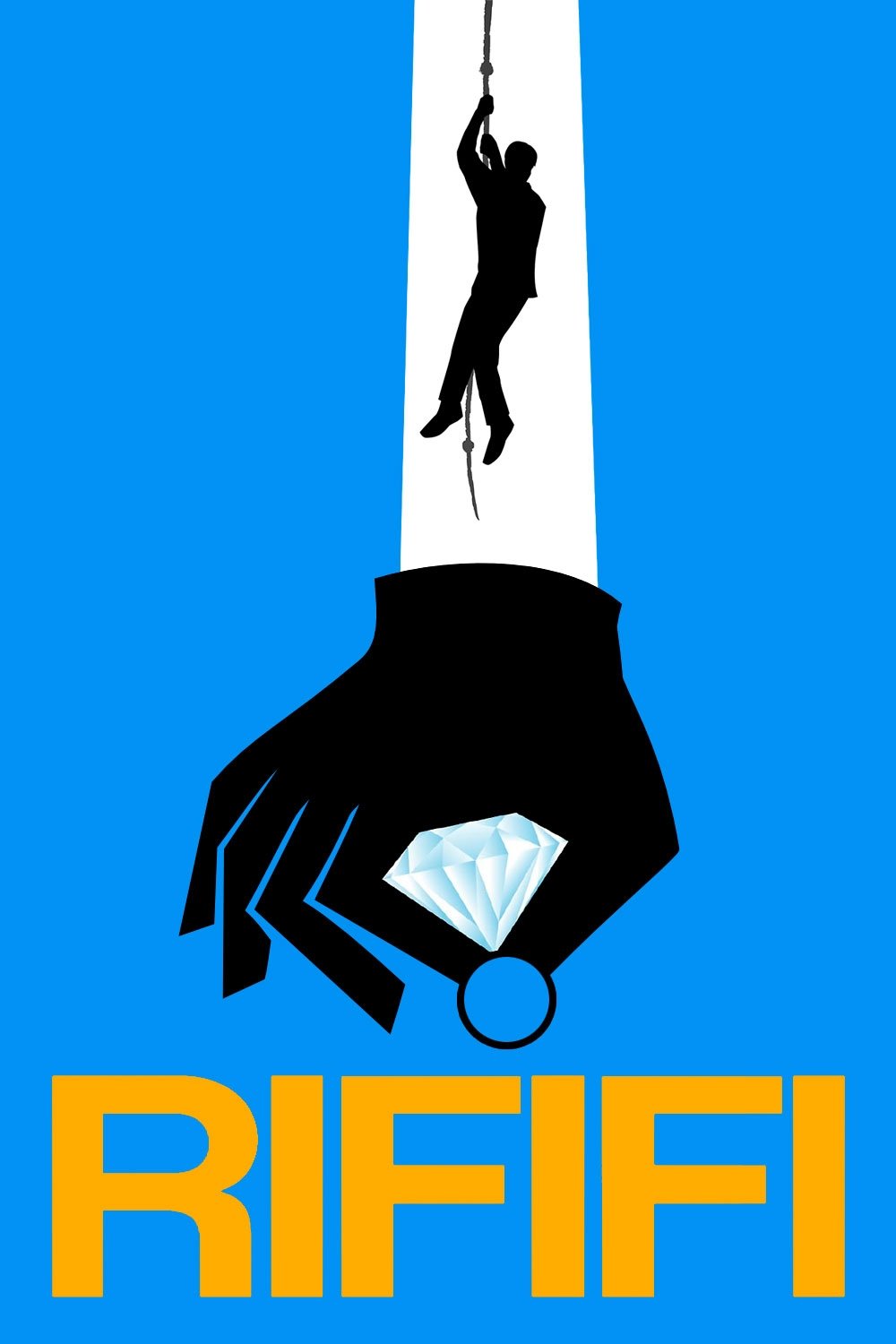
The nearly wordless heist sequence created a master class in visual storytelling and sound design. Tools, timing, and teamwork became essential tropes of caper thrillers. Its portrayal of criminal codes influenced crime cinema worldwide. Late-night runs on FX introduced its craftsmanship to younger viewers.
‘The Wages of Fear’ (1953)
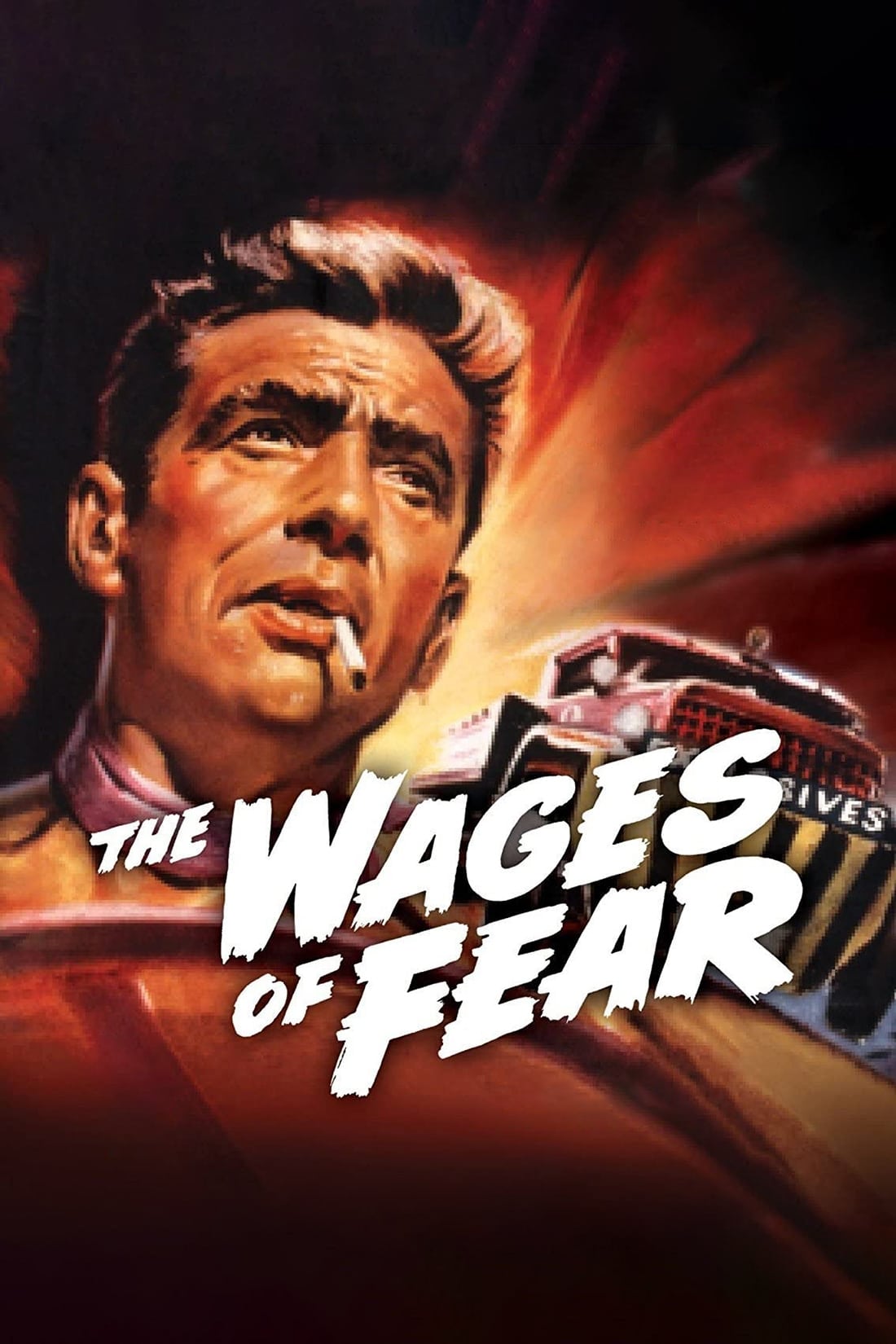
Truck-borne nitroglycerin runs turned geography and vibration into suspense devices. Long takes and ambient noise taught filmmakers to let tension breathe. The film’s existential edge shaped gritty survival thrillers. Arte and France 5 broadcasts kept it circulating across Europe.
‘The French Connection’ (1971)
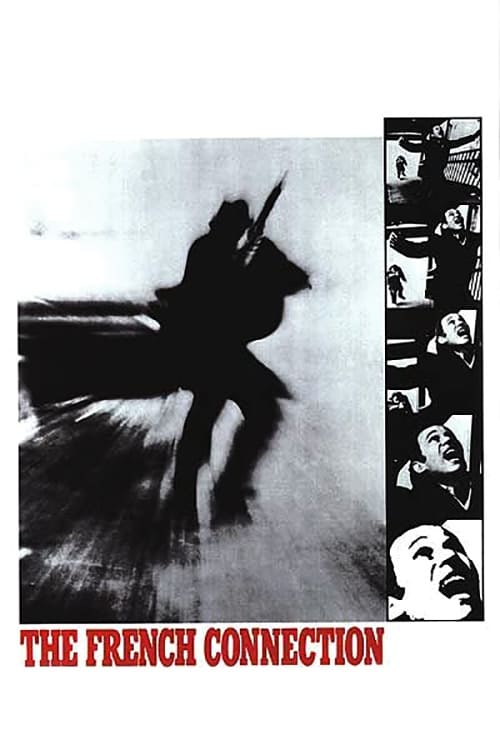
Handheld camerawork and real-location shooting delivered documentary-level immediacy. The subway chase set a new bar for urban action clarity. Its gritty police tactics informed the modern procedural. Replays on USA Network brought its kinetic style to cable audiences.
‘Chinatown’ (1974)
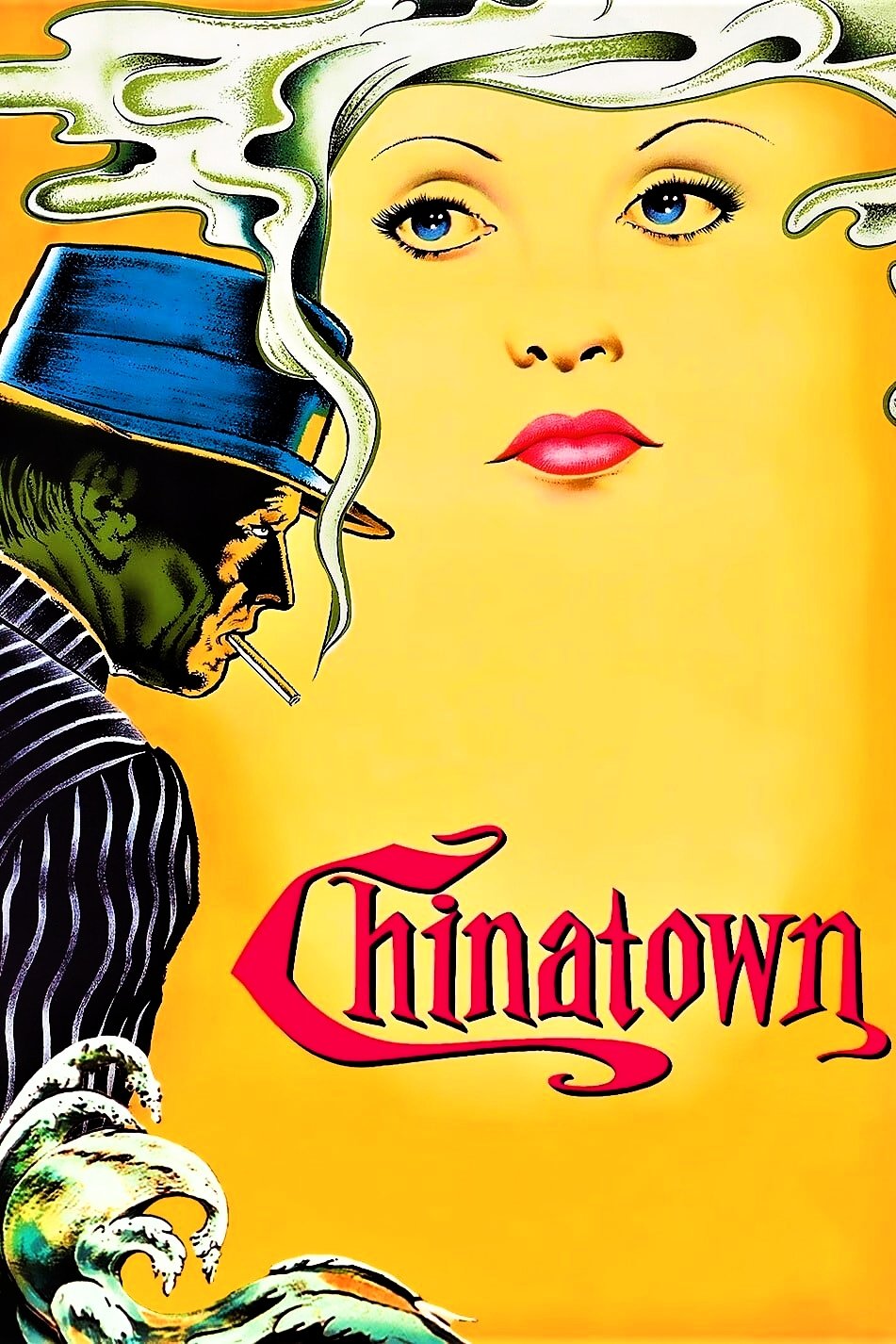
Layered plotting and historical corruption reframed the detective thriller as civic tragedy. Controlled pacing and careful reveals became models for slow-burn mysteries. Cinematography and production design set standards for period neo-noir. HBO presentations helped preserve its profile with new viewers.
‘Jaws’ (1975)
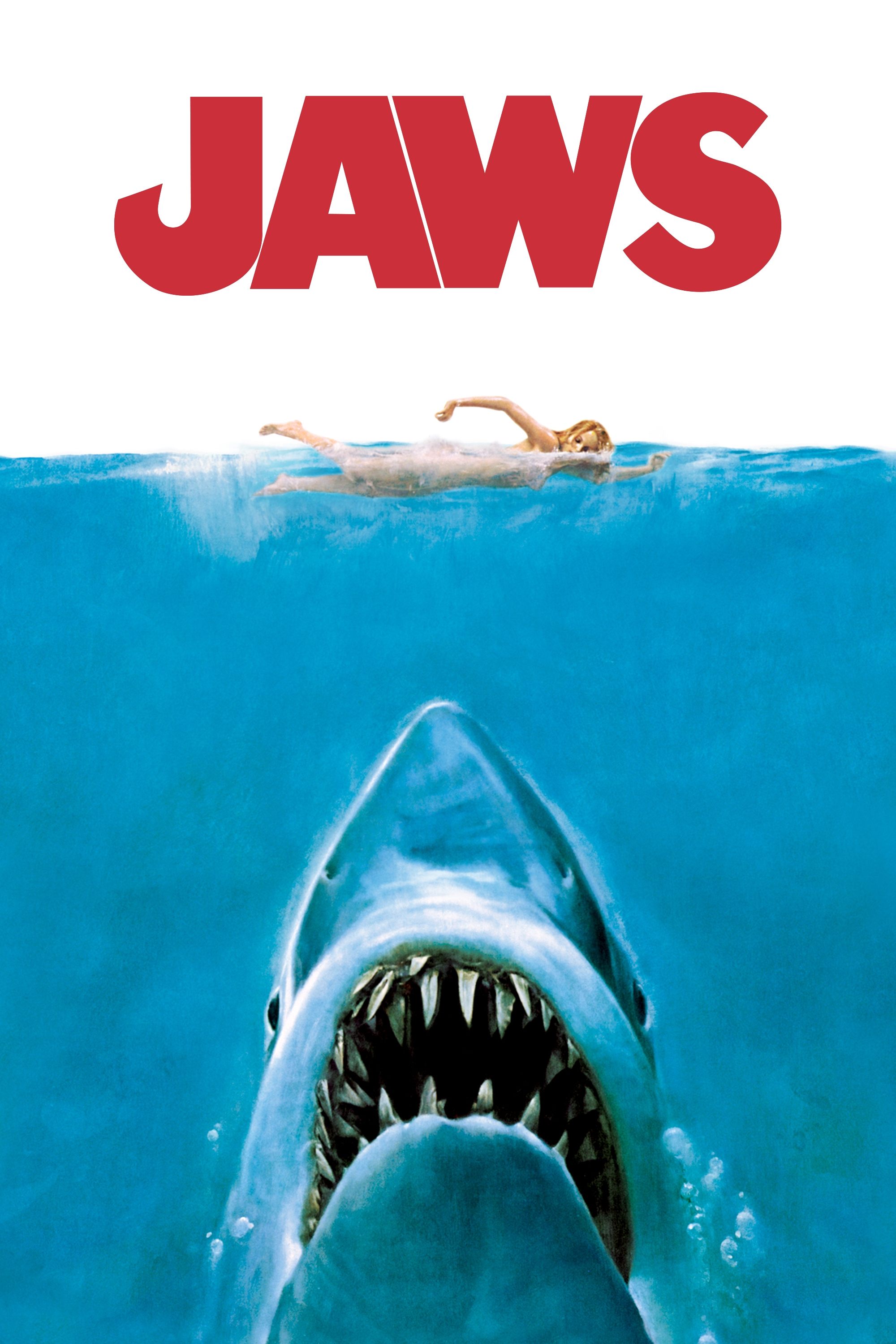
Omission and suggestion, driven by a relentless two-note motif, proved fear of the unseen can carry a blockbuster. Event-style summer releasing reshaped distribution for thrillers and beyond. Cross-cutting between bureaucratic pressure and physical threat became a staple. Frequent airings on NBC and later cable kept its suspense in the culture.
‘The Silence of the Lambs’ (1991)
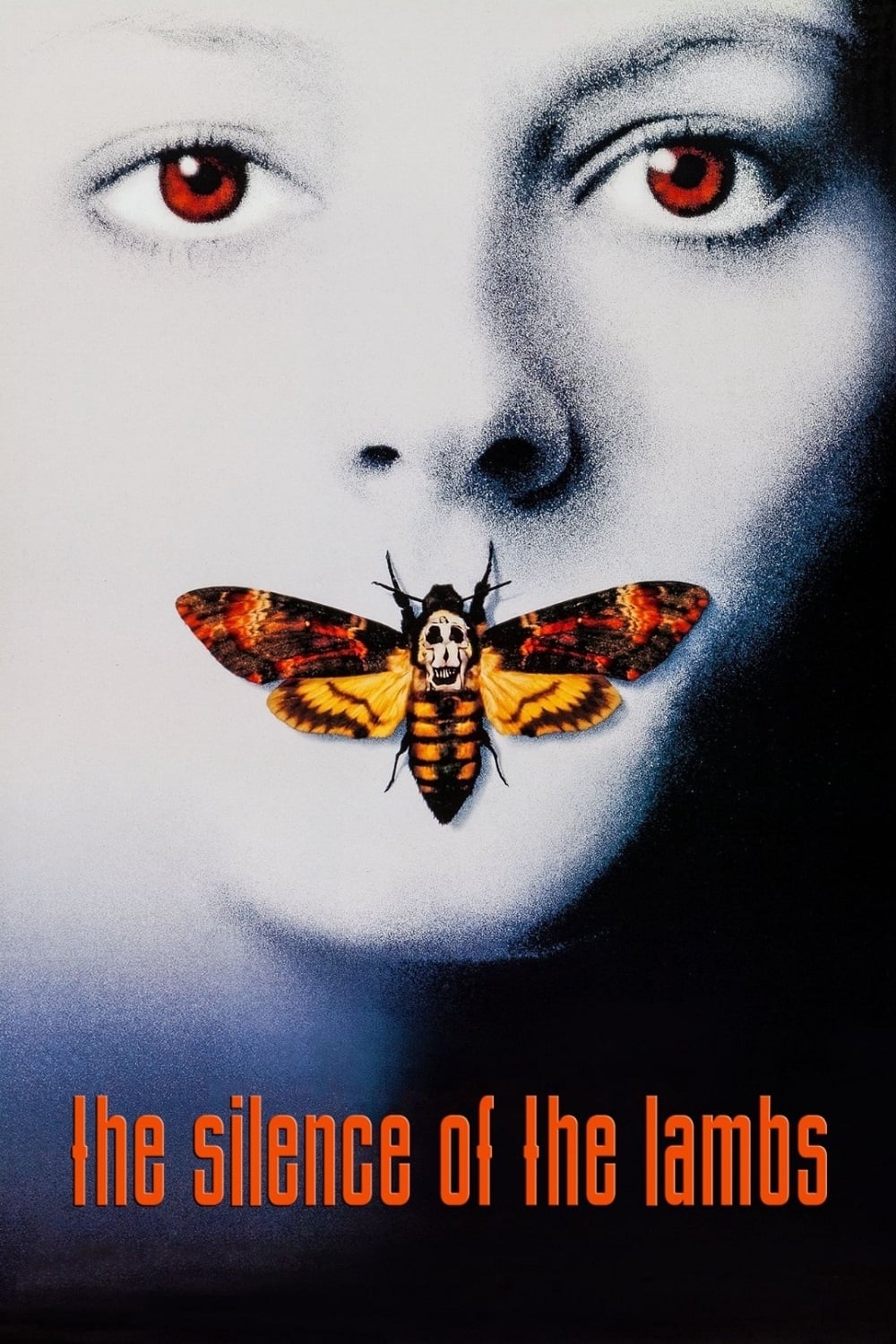
Close-up shot choices placed viewers inside interrogations, redefining psychological intensity. Cross-cut misdirection in the climax became a go-to editorial trick. Its character pairing influenced profiler narratives across film and TV. Showtime and later FX runs extended its reach after theaters.
‘Heat’ (1995)
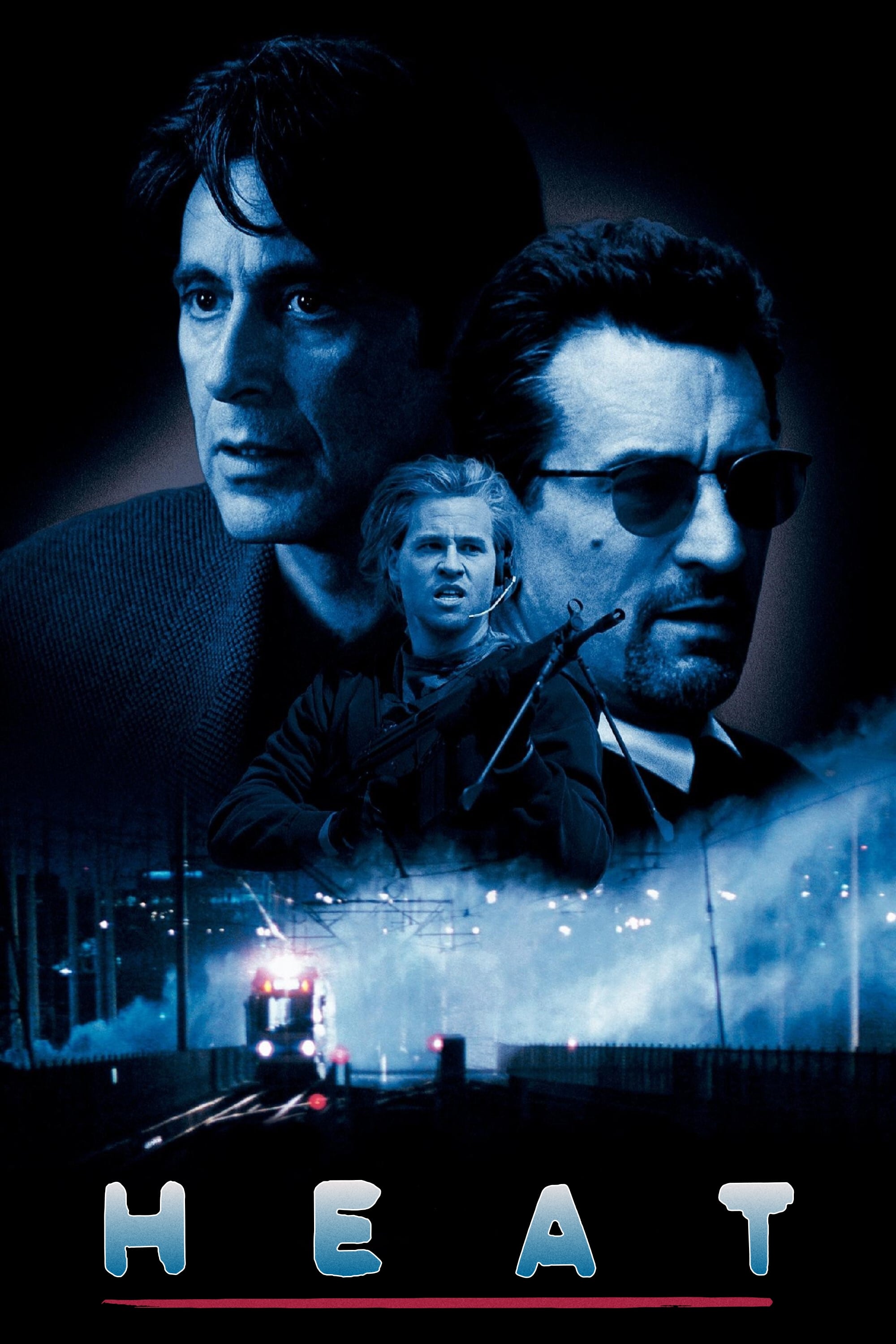
Michael Mann’s downtown shootout set a benchmark for sound recording and tactical realism. Parallel character arcs showed how crime and law can mirror each other structurally. Digital-leaning night photography anticipated a major stylistic shift. TNT broadcasts made its craft a staple of action-thriller lineups.
‘Se7en’ (1995)
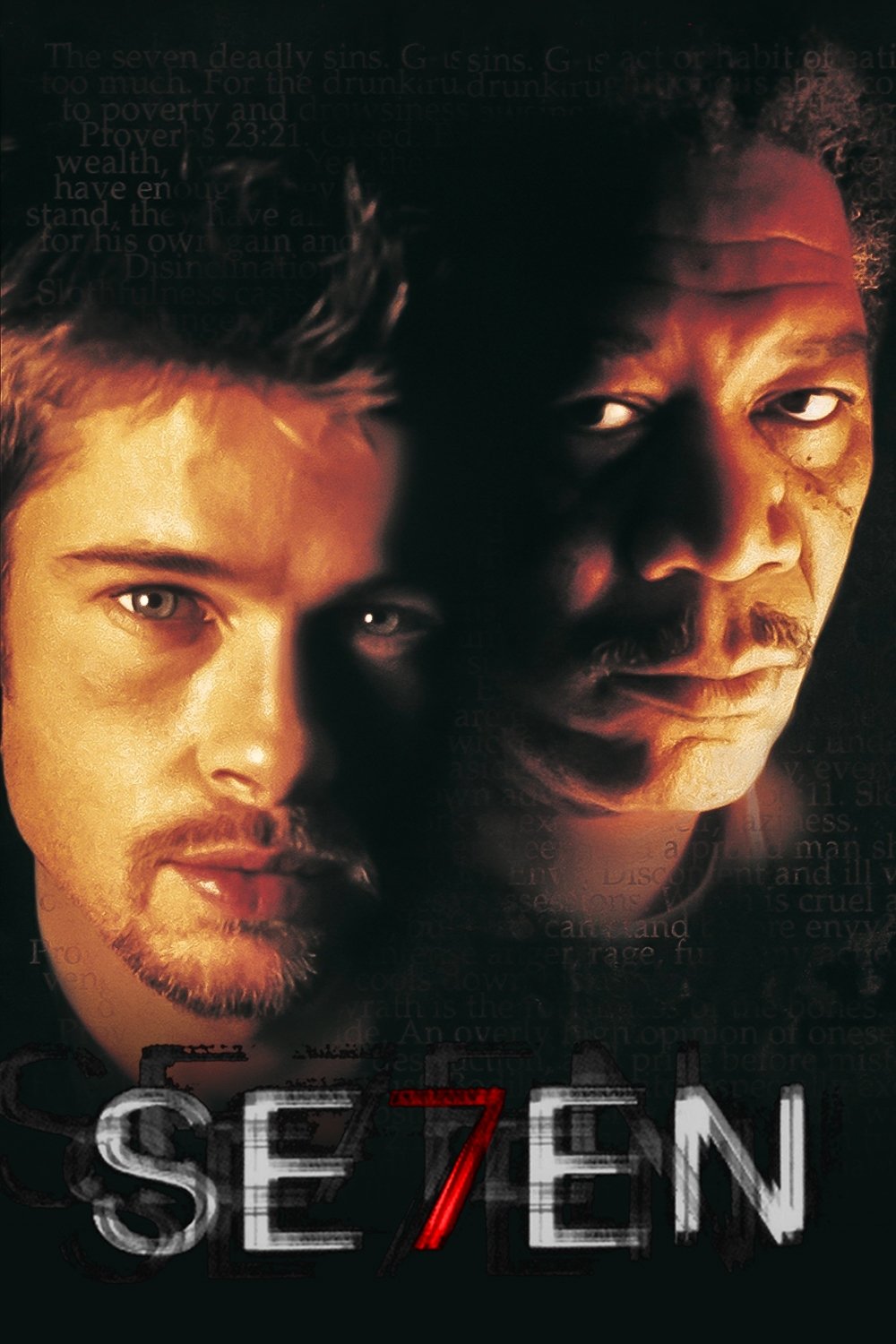
Bleak production design and meticulous prop work turned clues into world-building. Credit sequences and typography influenced main-title design across the industry. Its narrative structure standardized the serial-case thriller. AMC and FX airings kept the film in continuous conversation with audiences.
‘The Fugitive’ (1993)
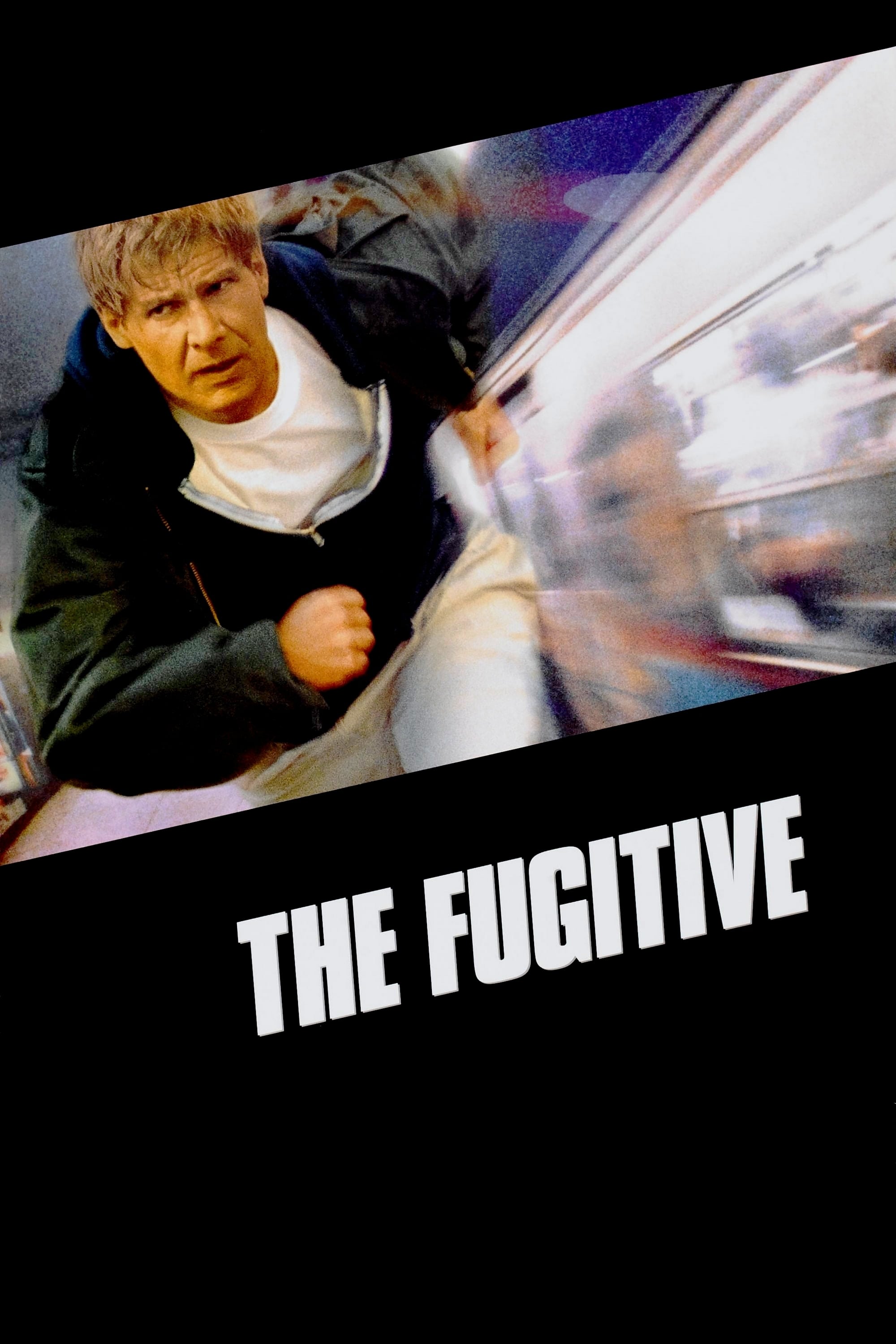
Relentless pursuit rhythm and practical stunts demonstrated how to pace a long manhunt. Dialogue economy and visual clues advanced exposition without slowing momentum. The dam jump became a template for spectacle serving story. ABC broadcasts and later TNT slots expanded its audience well beyond theaters.
‘La Femme Nikita’ (1990)
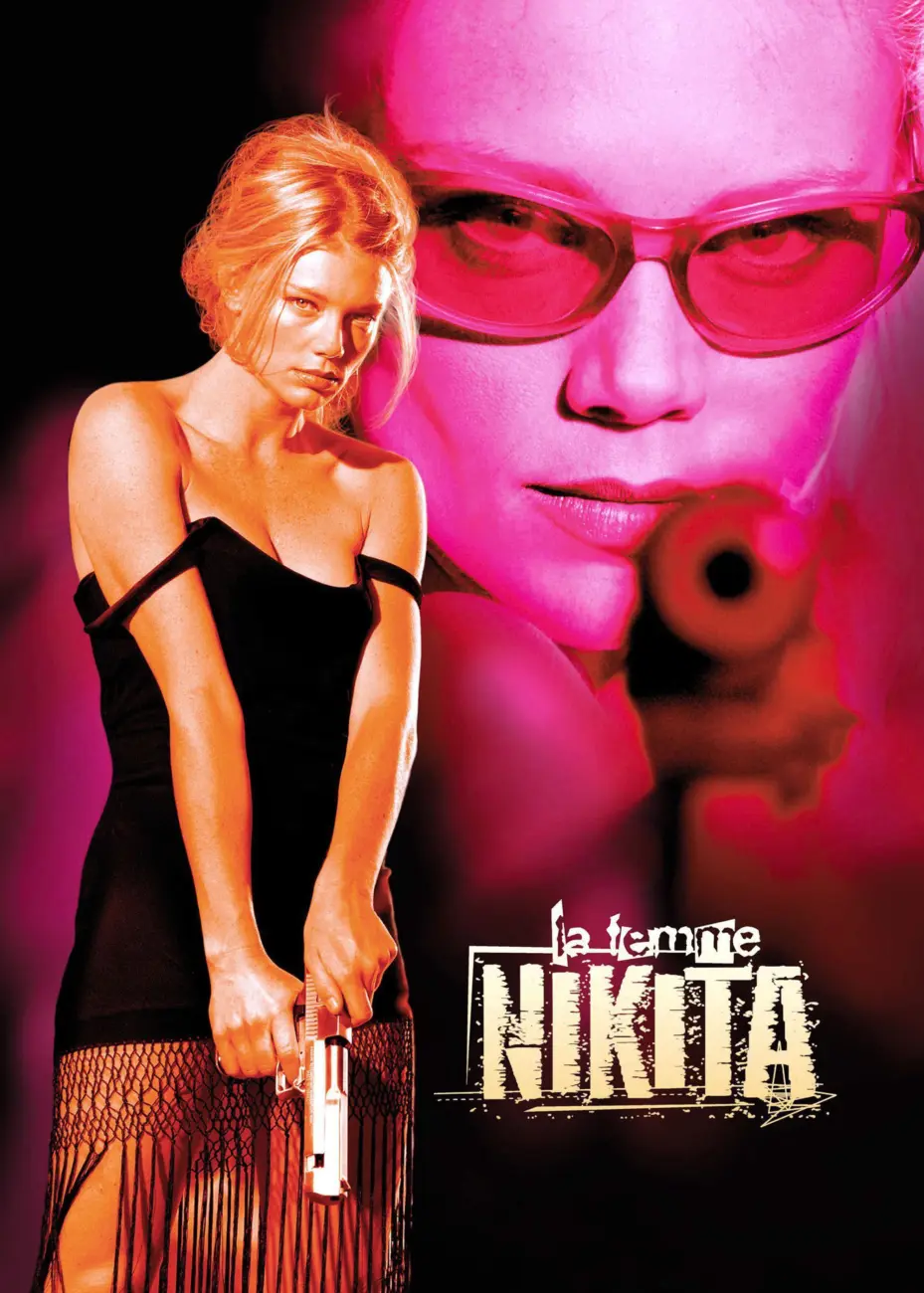
Stylized training sequences and identity reinvention helped launch the female-led action-thriller wave. The film’s clean framing and color accents shaped European action aesthetics. Its premise seeded remakes and series across countries. Canal+ and later BBC Two screenings amplified its influence.
‘Oldboy’ (2003)
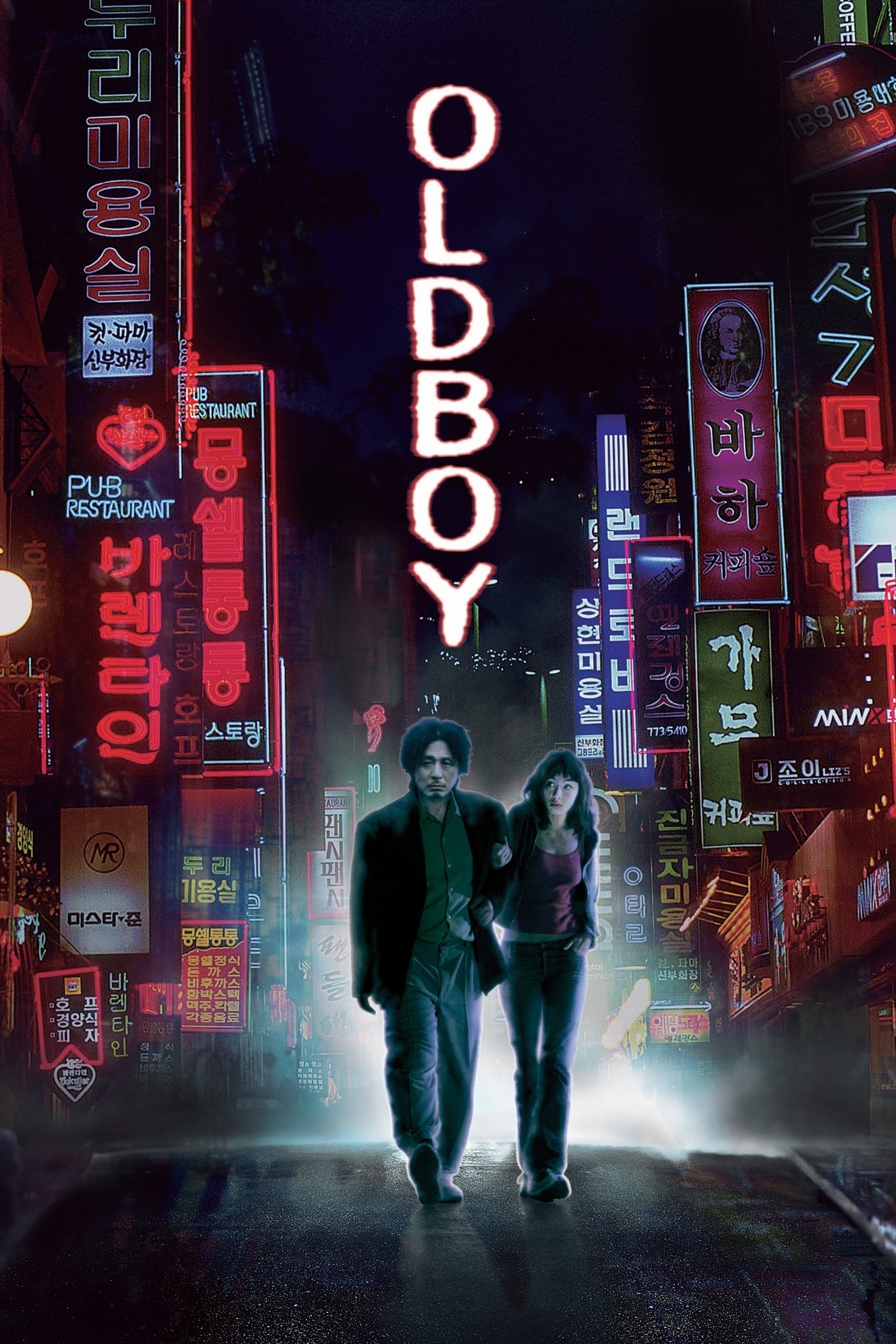
Long-take corridor combat reimagined how choreography can tell character backstory. Bold structural reveals pushed mainstream boundaries for twist mechanics. The film’s tone mix of operatic tragedy and crime thriller spread widely through remakes and homages. Late-night Channel 4 slots helped it cross to broader UK audiences.
‘Memories of Murder’ (2003)
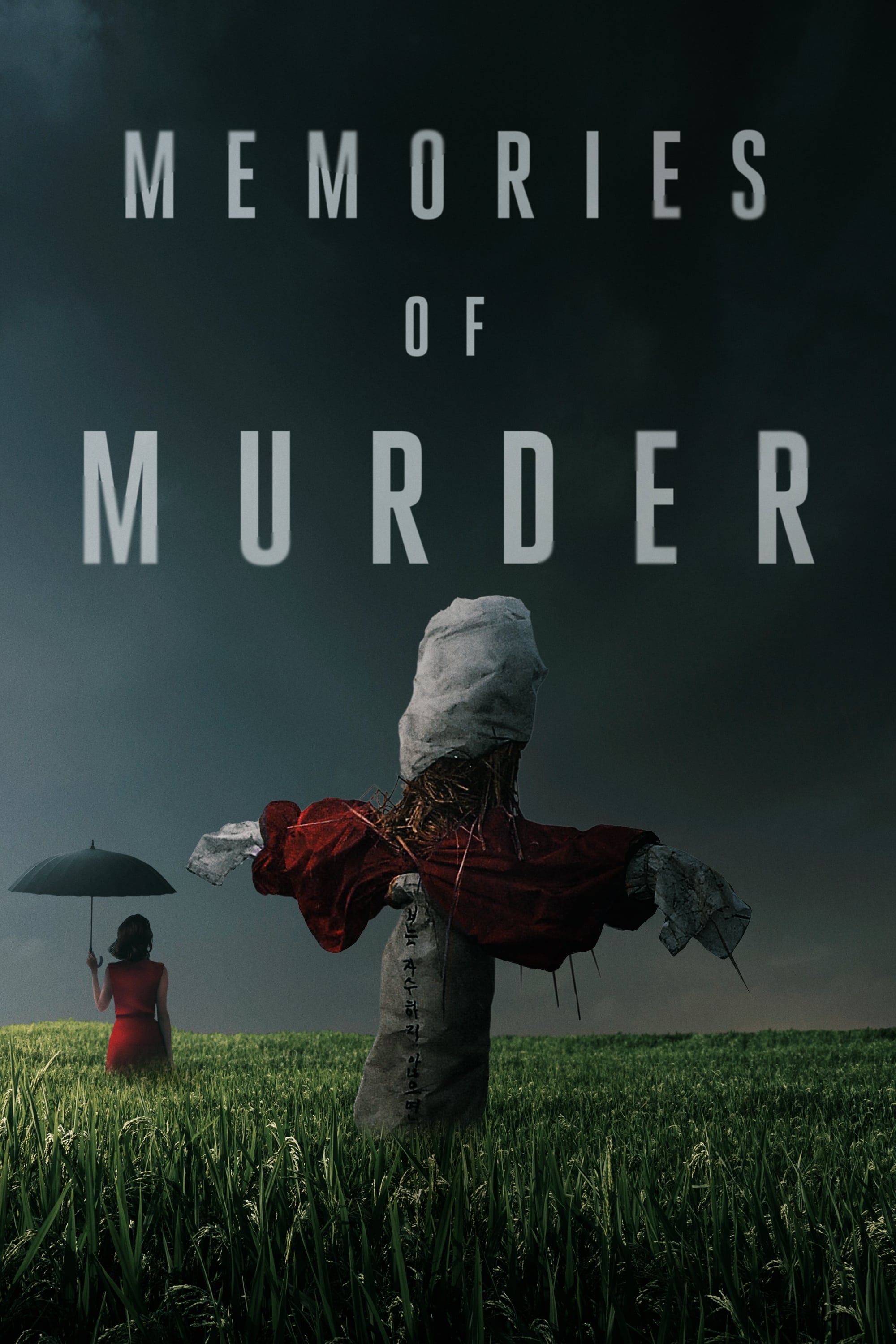
Bong Joon-ho used shifts in weather, tone, and blocking to map a community’s unraveling. The unresolved case format influenced true-crime storytelling. Ensemble staging and rural locations broadened the look of modern thrillers. SBS showings in Asia helped broaden regional awareness of its craft.
‘Zodiac’ (2007)
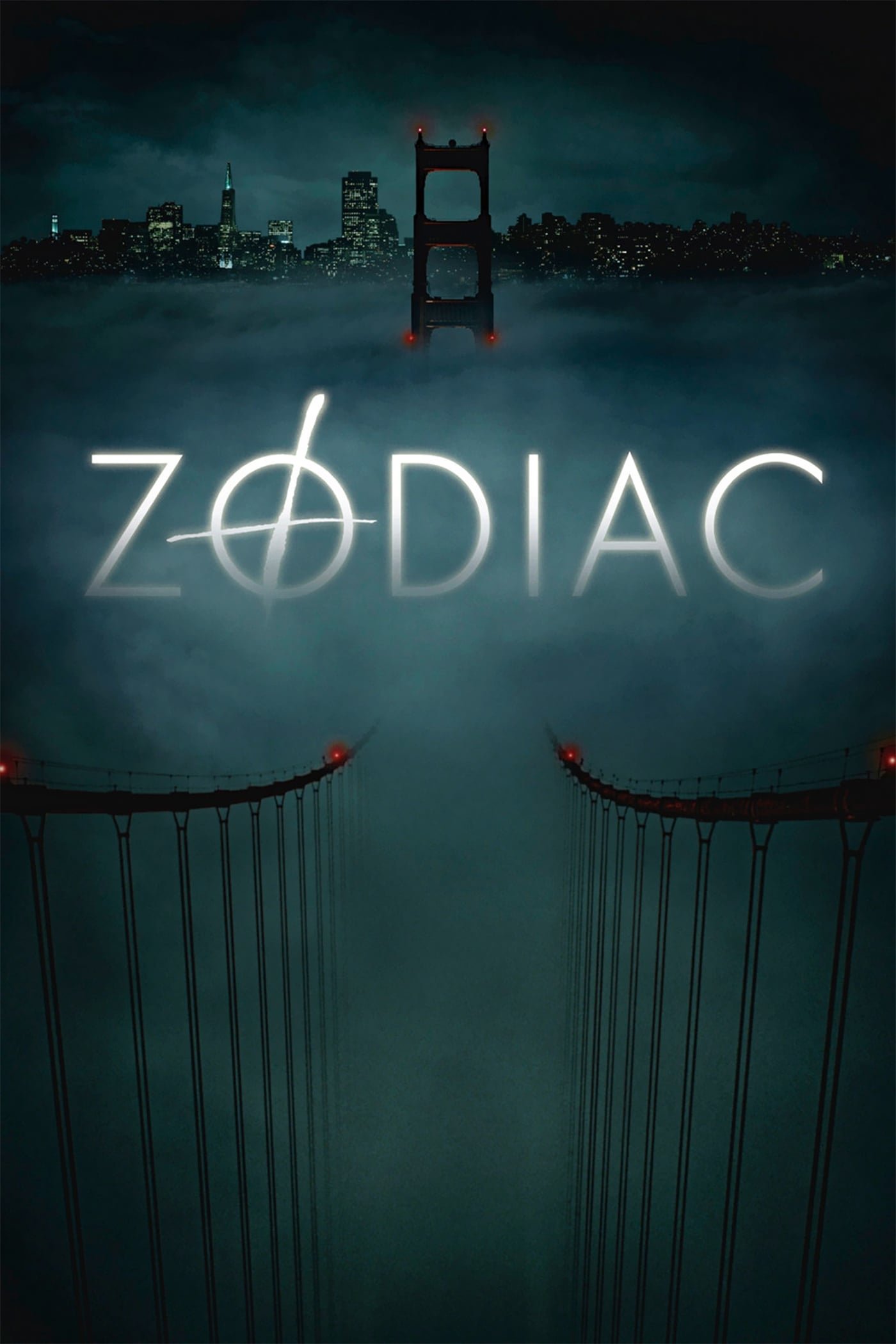
Digital cinematography and period-accurate production design demonstrated detail-rich immersion. Parallel investigations and time jumps set a new bar for procedural scope. Its focus on obsession impacted newsroom and detective narratives alike. HBO presentations introduced its meticulous approach to wider audiences.
‘No Country for Old Men’ (2007)
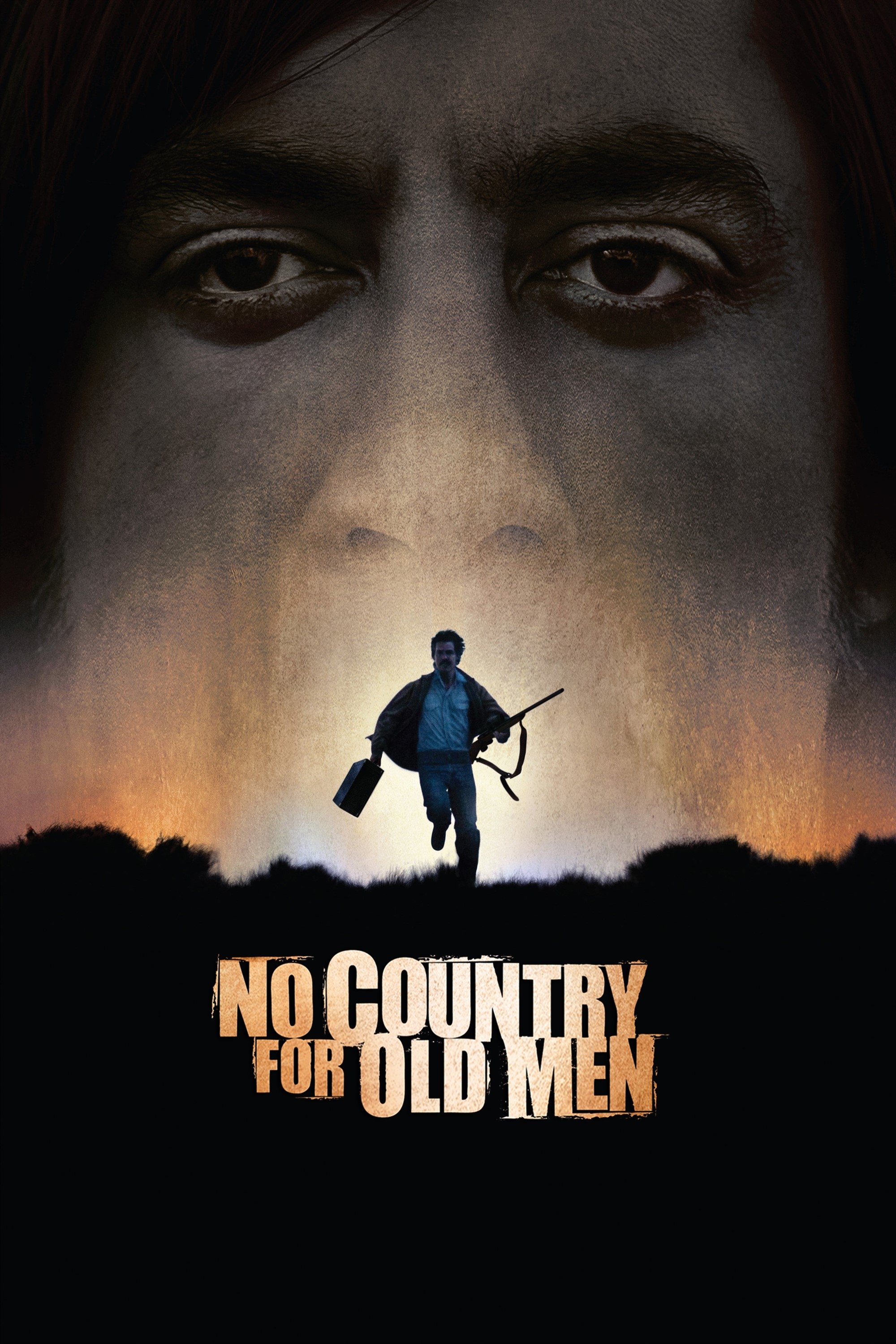
Minimal score and precise sound editing proved silence can carry sustained dread. Spatial geography and blocking made chases feel brutally tactile. Anton Chigurh’s presence reshaped villain design across genres. FX broadcasts helped keep its taut set pieces in circulation.
‘The Bourne Identity’ (2002)
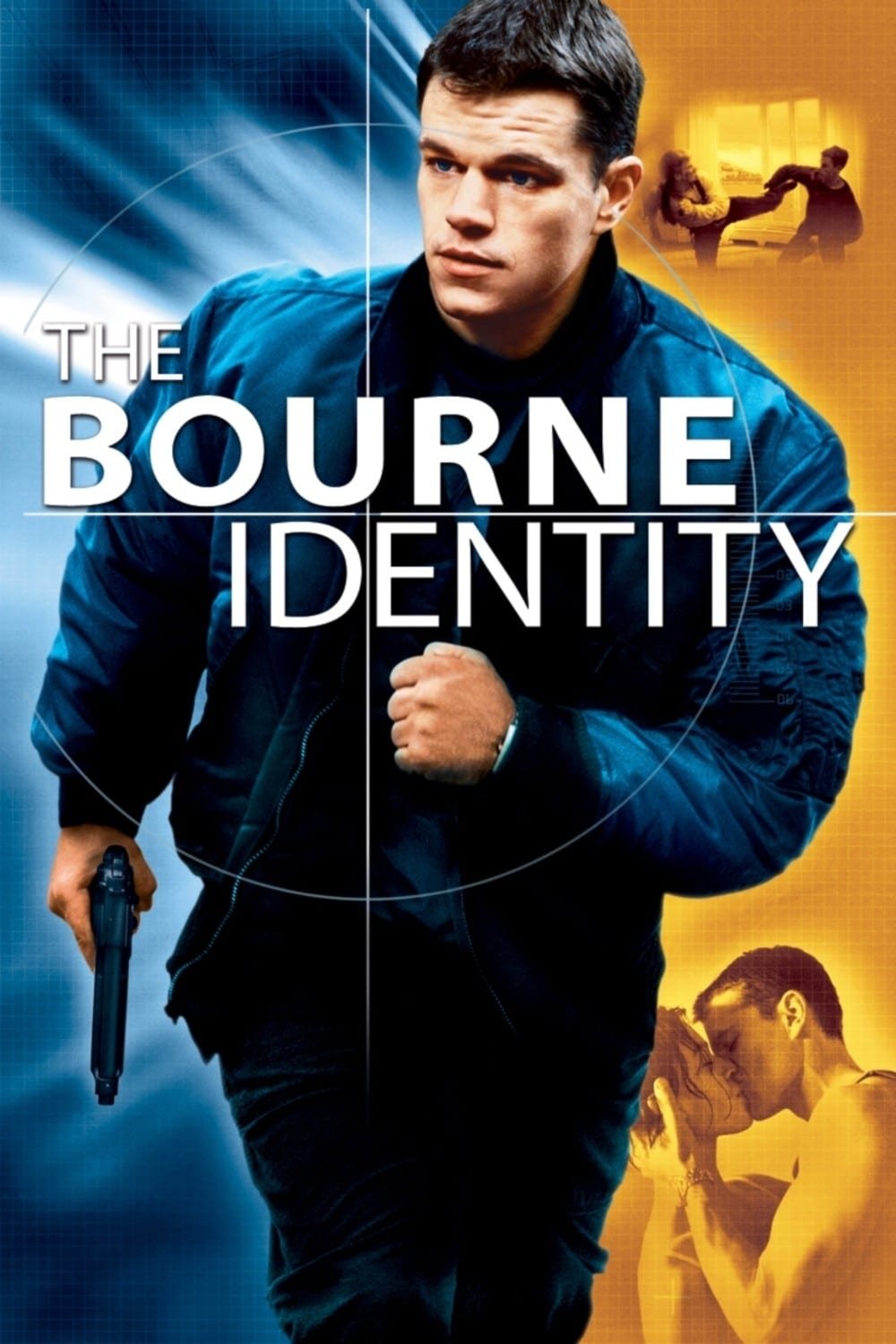
Kinetic handheld shooting and close-quarters fight design reset action-thriller realism. Location-hopping logistics and on-the-run tradecraft influenced franchise filmmaking. Smart use of practical effects kept the stakes grounded. USA Network marathons carried its style into mainstream cable culture.
‘Blue Velvet’ (1986)
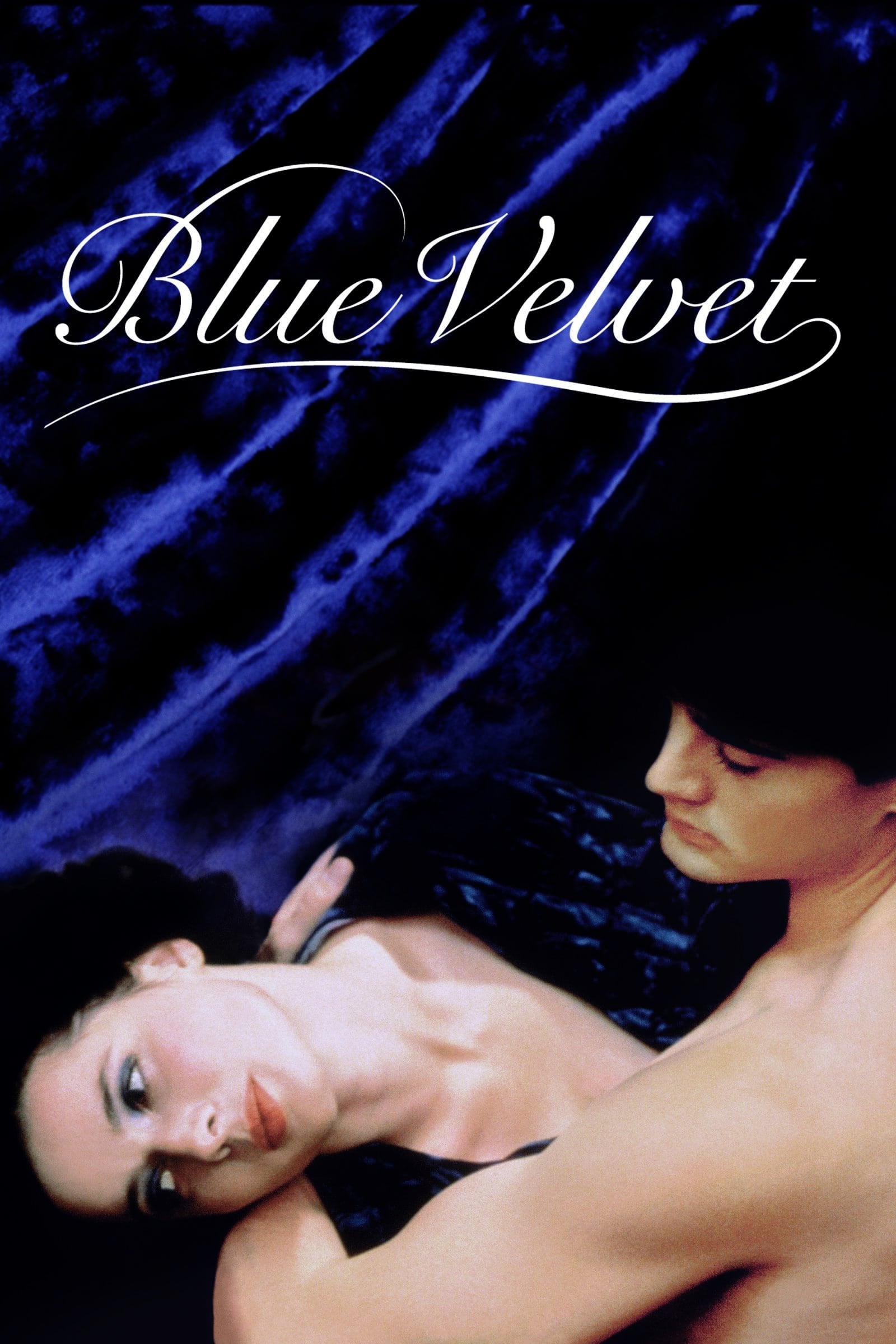
Suburban settings and dreamlike soundscapes reframed where threats can hide. Carefully controlled color and texture guided mood as much as plot. Its blend of mystery and psychological unease opened doors for neo-noir experimentation. Showtime and later Sky Cinema runs kept its legacy visible.
‘The Third Man’ (1949)
Carol Reed’s canted angles and zither score turned postwar Vienna into a character of its own. The sewer chase refined location-based suspense and influenced urban thrillers for decades. Stark lighting and moral ambiguity fed the rise of international film noir. Channel 4 broadcasts kept its intrigue alive for new generations.
‘The Night of the Hunter’ (1955)

Expressionist lighting and river imagery turned a folk tale into a blueprint for dreamlike suspense. Contrasting child perspectives with a relentless pursuer showed how innocence can power a thriller’s stakes. The lullaby motif demonstrated how music can deepen a villain’s presence without overexplaining. Regular TCM screenings helped newer audiences study its visual grammar.
‘Peeping Tom’ (1960)
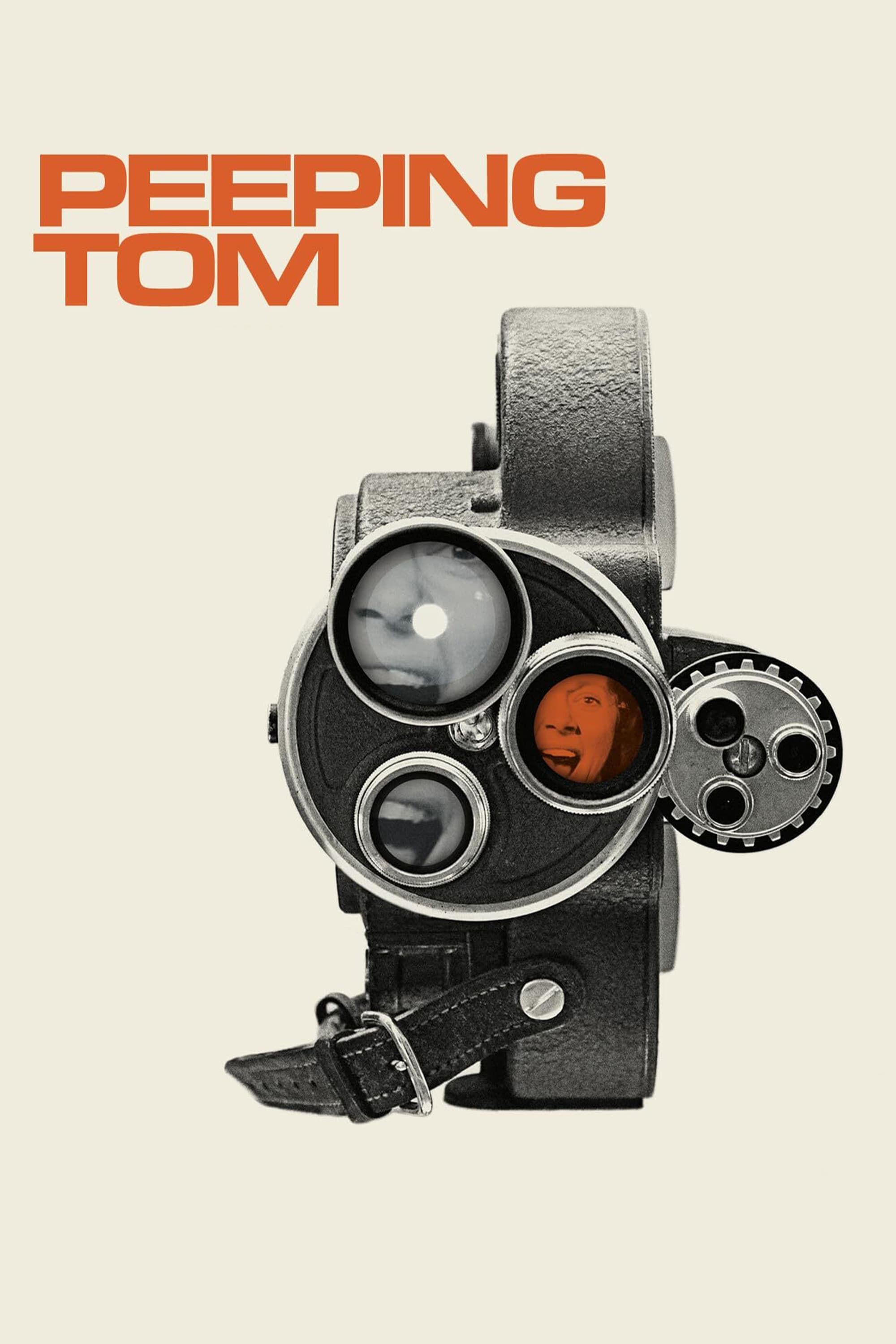
A killer who films his crimes pushed point-of-view storytelling into uncomfortable territory. The movie explored voyeurism with lenses and framing that later became standard for psychological thrillers. Its industry backlash reshaped conversations about censorship and artistic risk. BBC Two retrospectives introduced its technique to students and filmmakers.
‘Wait Until Dark’ (1967)
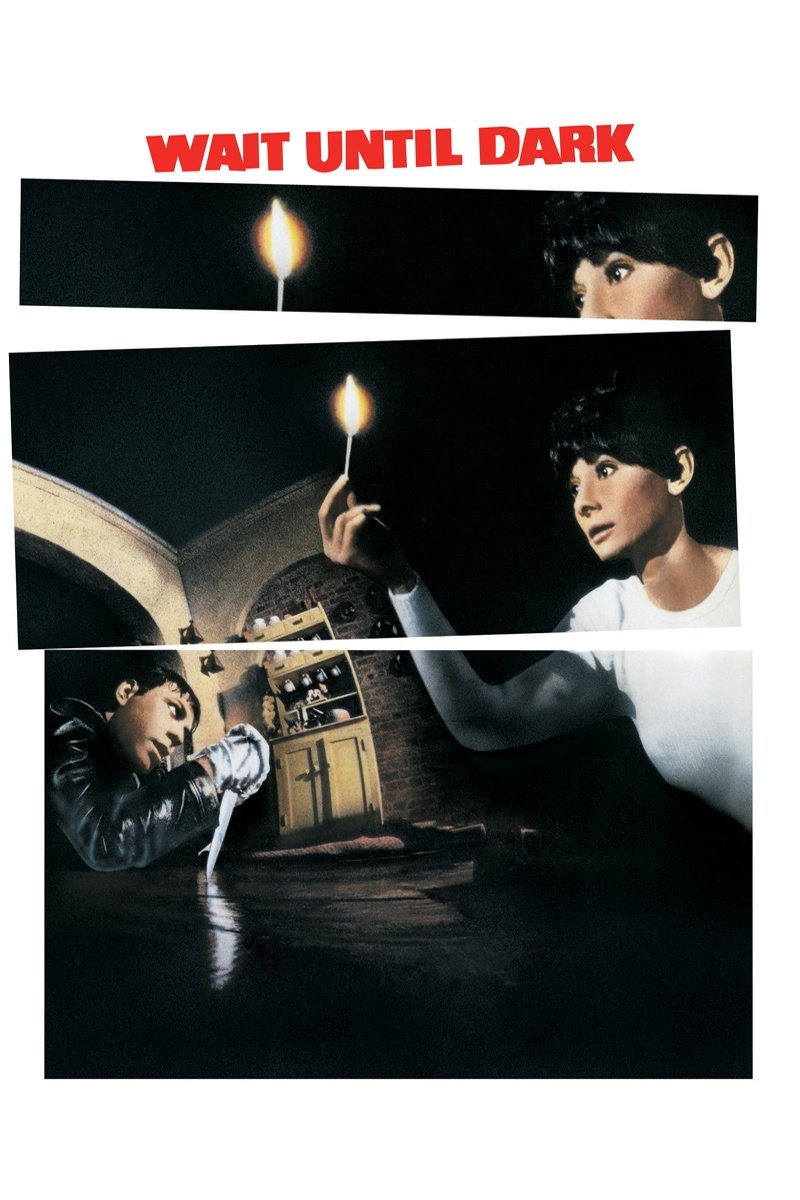
A blind protagonist in a cramped apartment proved spatial control can carry sustained tension. Carefully timed blackouts and silence showed how sound design can be as frightening as visuals. The climactic surprise lighting effect became a stage and screen staple. ITV late-night slots helped the film’s craft reach home viewers.
‘Le Samouraï’ (1967)
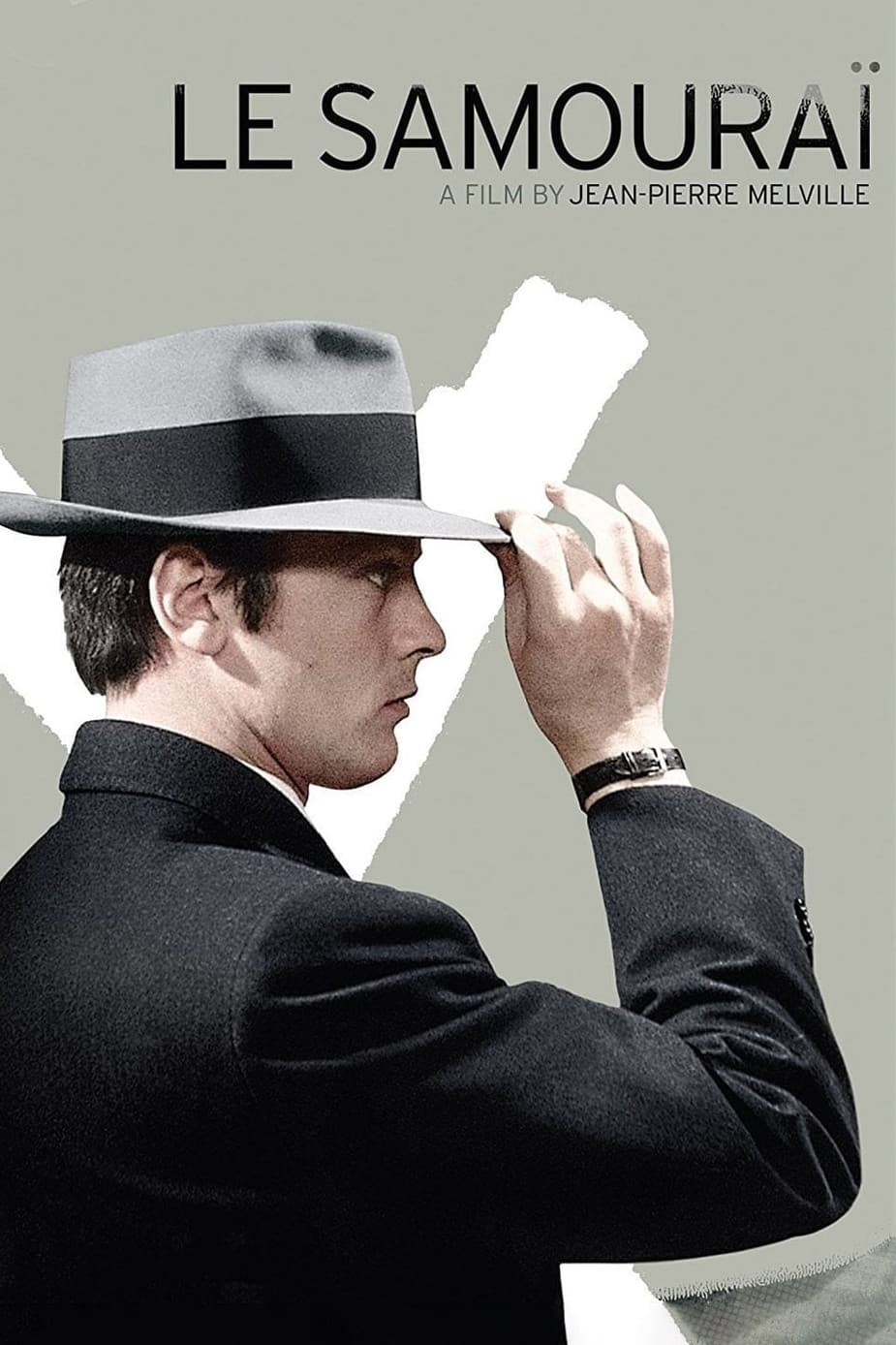
Minimal dialogue and precise blocking taught how routine can define character in a thriller. Cool color palettes and urban emptiness shaped the look of loner hitman stories for decades. The code-of-conduct structure influenced crime films across continents. Arte broadcasts kept its austere style circulating in Europe.
‘Don’t Look Now’ (1973)
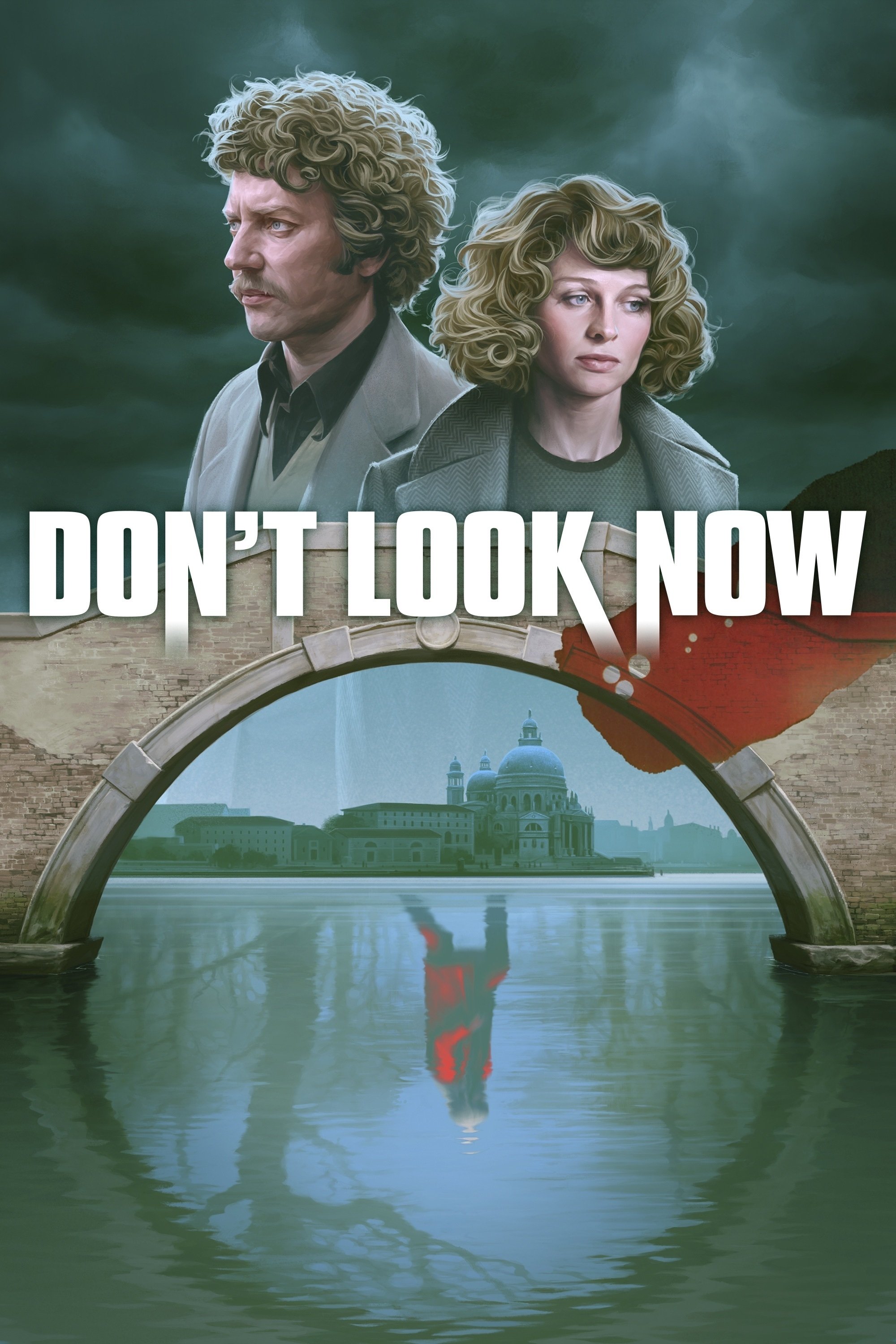
Cross-cut editing and color cues turned grief into a source of dread. The Venice setting used alleys and water to bend geography into a maze. Unsettling imagery showed how foreshadowing can work through texture rather than explanation. Channel 4 airings helped cultivate a following for its approach.
‘The Conversation’ (1974)
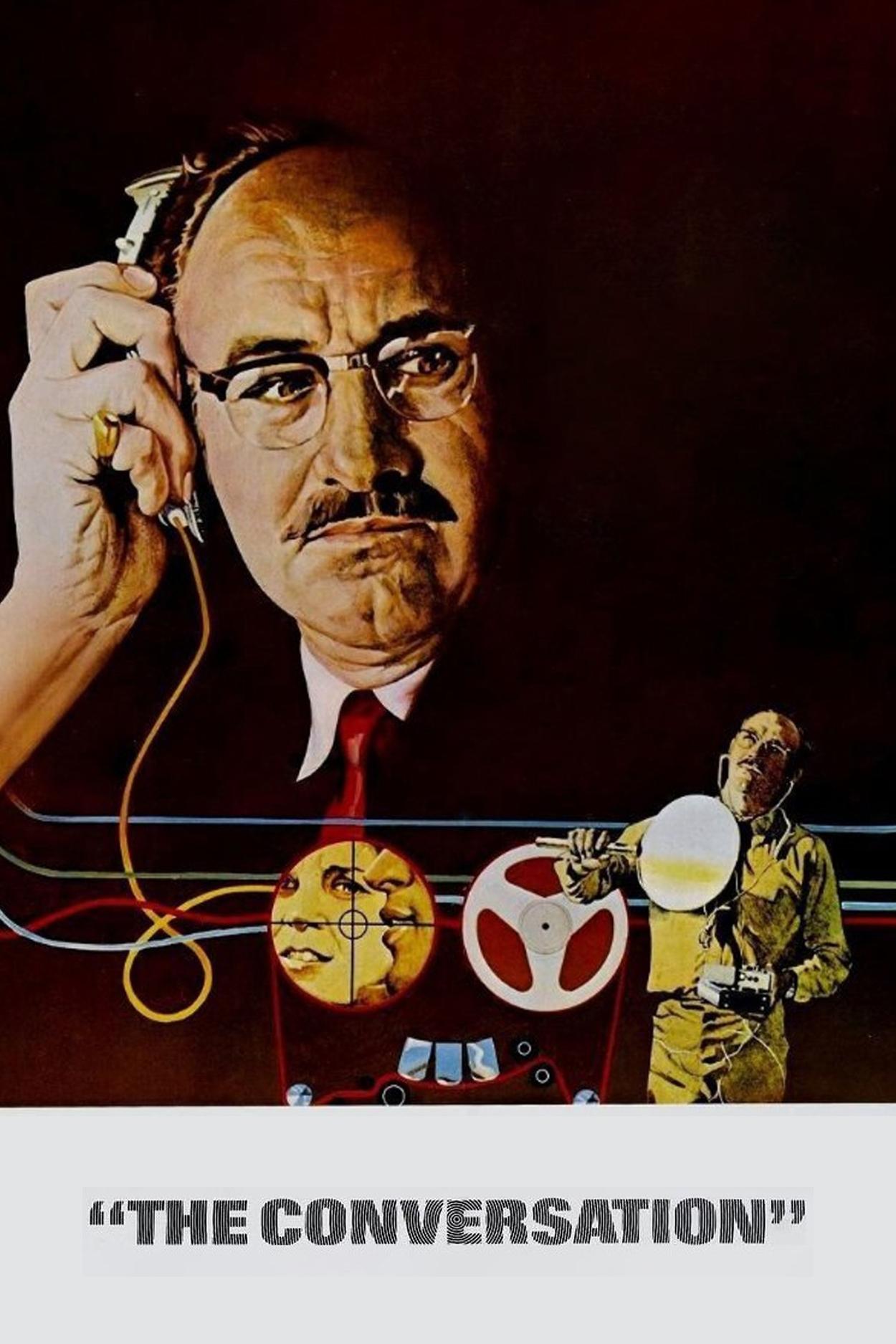
Surveillance soundscapes and tape deconstruction made audio the star of the investigation. Ambiguous dialogue fragments taught editors how to reveal story through repetition and revision. The film mapped paranoia with blocking that isolates its lead in public spaces. PBS presentations kept its craft in discussions of technology and privacy.
‘Taxi Driver’ (1976)
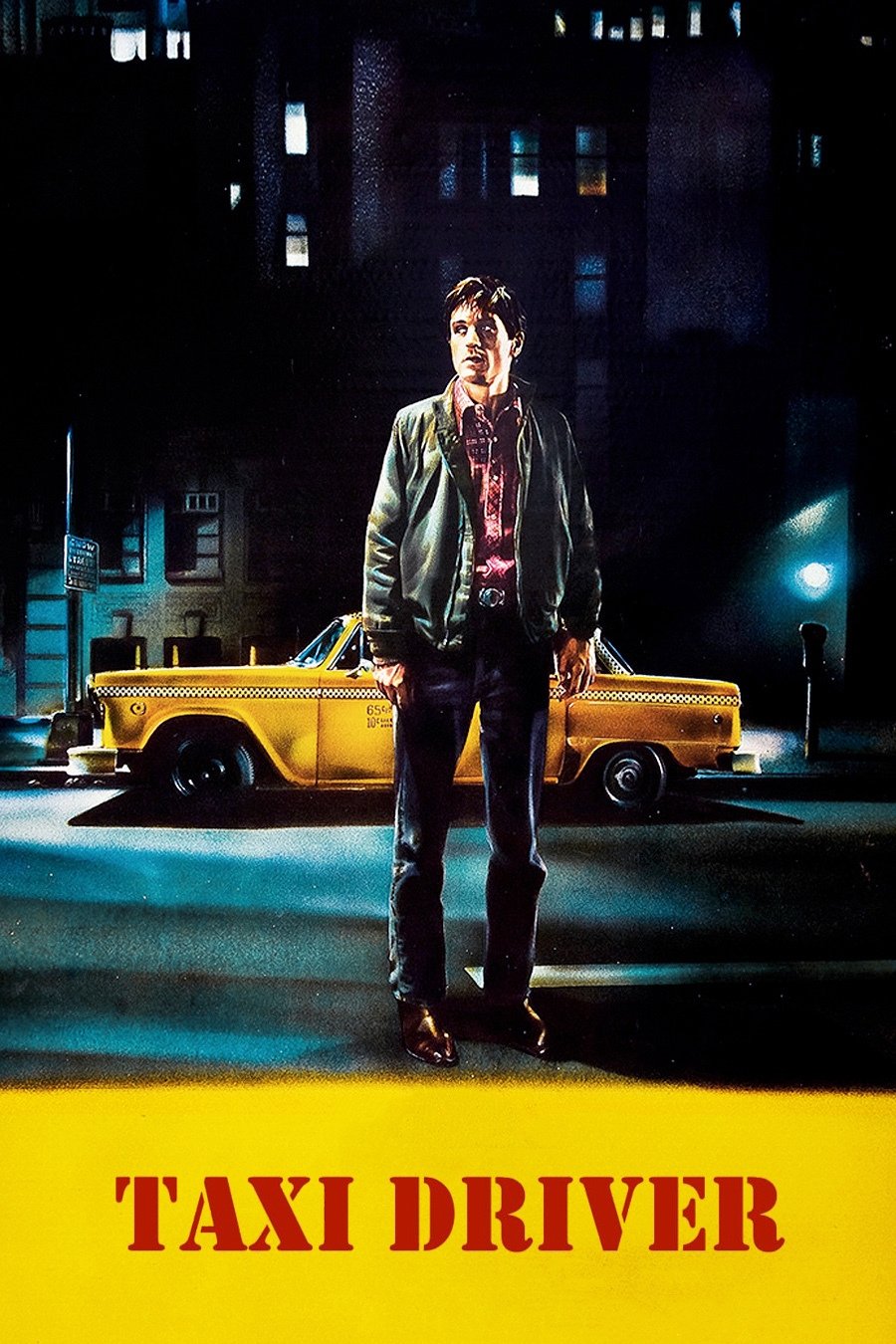
Diary-like voiceover and neon-soaked nights expanded the vocabulary of character study within a thriller. The film linked urban decay to personal radicalization through location work and production design. Tight close-ups and mirror shots tracked a descent that many later films echoed. HBO showings kept its influence in front of new viewers.
‘Manhunter’ (1986)
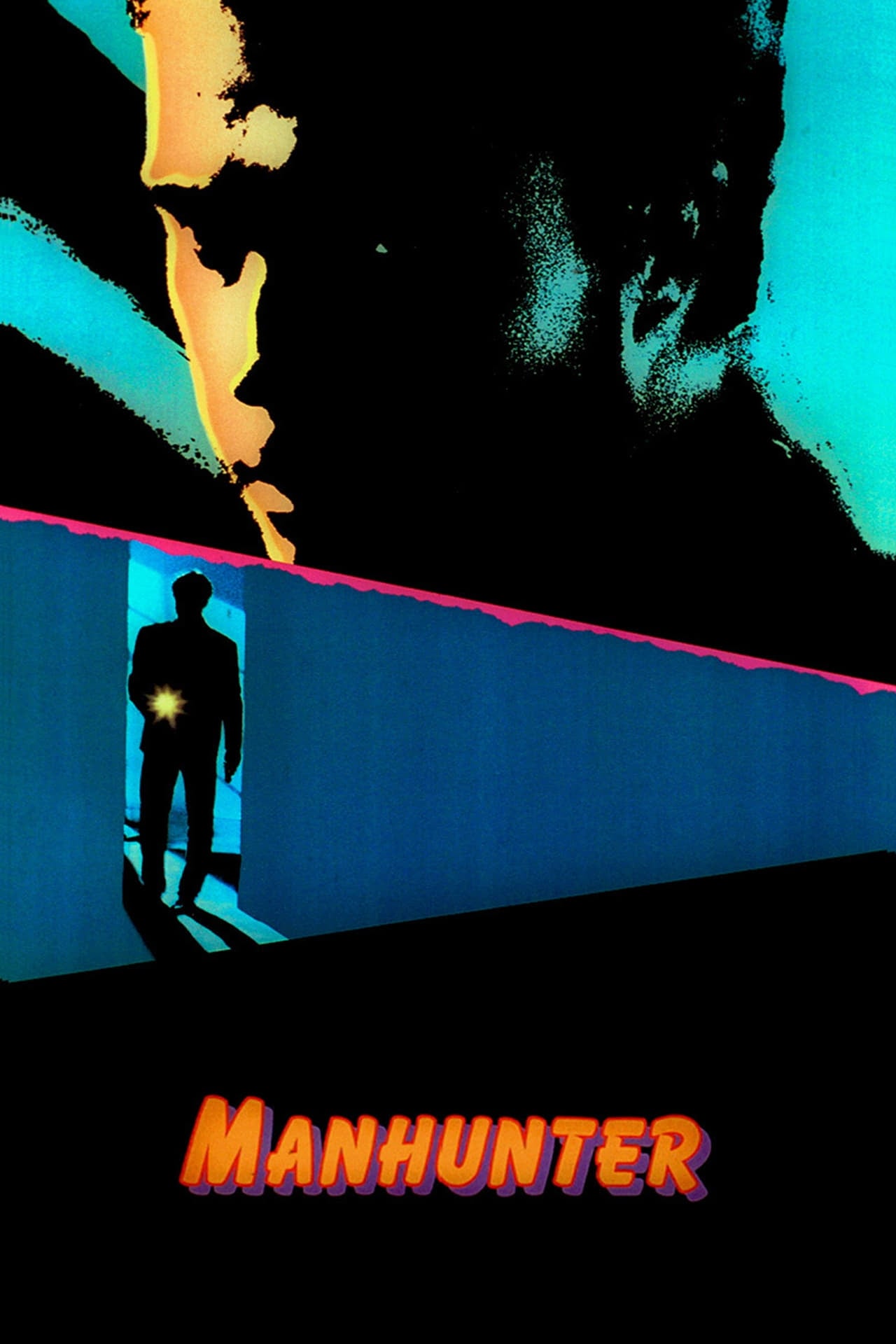
Cool tones and architectural framing rethought the look of forensic procedures. Music cues and pastel interiors contrasted with violence to heighten unease. The procedural focus on pattern analysis shaped profiler storytelling for years. USA Network runs carried its style into cable culture.
‘The Vanishing’ (1988)
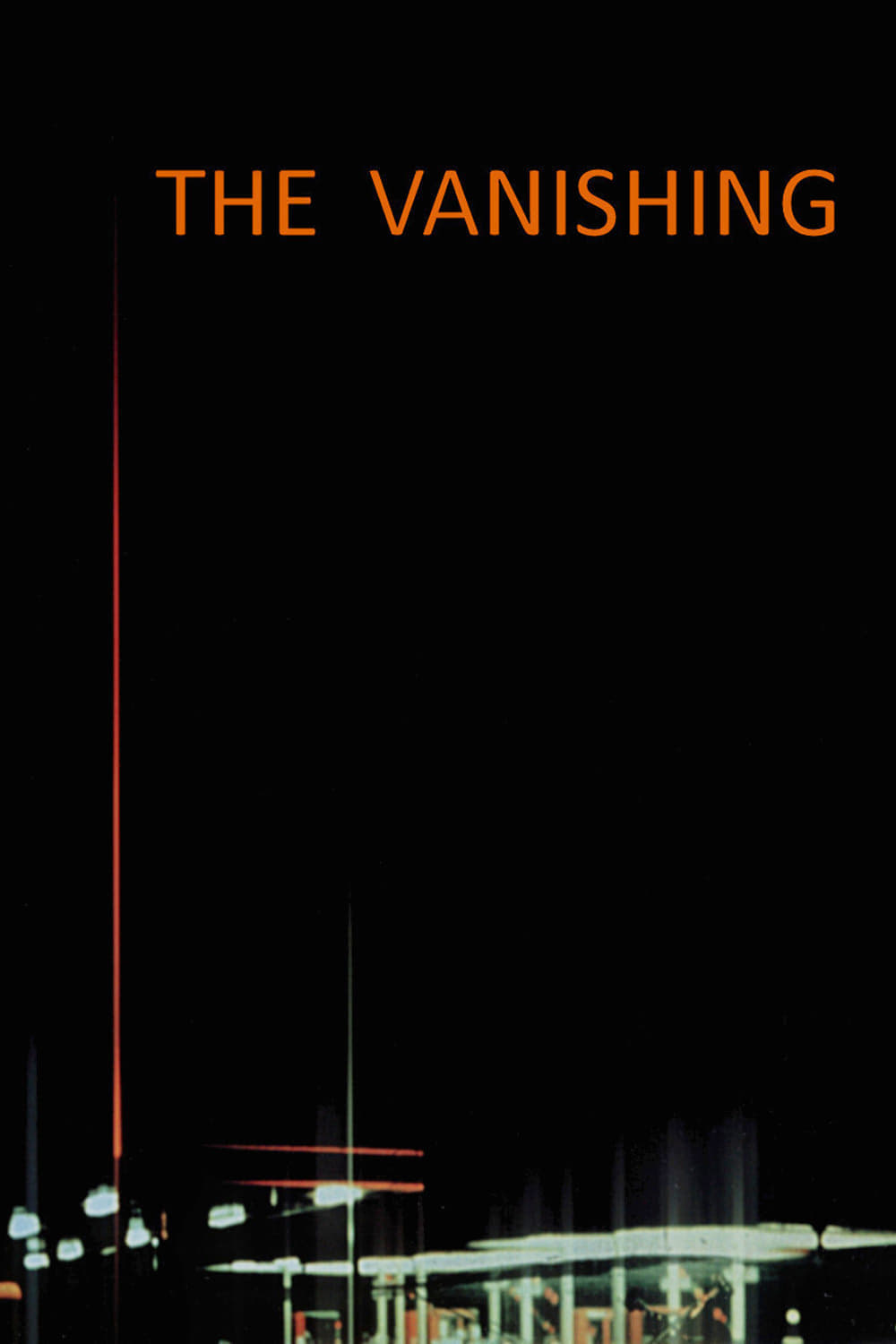
A calm surface conceals a meticulous abduction story that rewired expectations for endings. Parallel viewpoints between victim’s partner and perpetrator built dread through ordinary detail. The film’s restraint proved that menace can grow from routine. SBS broadcasts helped it reach wider audiences outside theaters.
‘The Usual Suspects’ (1995)
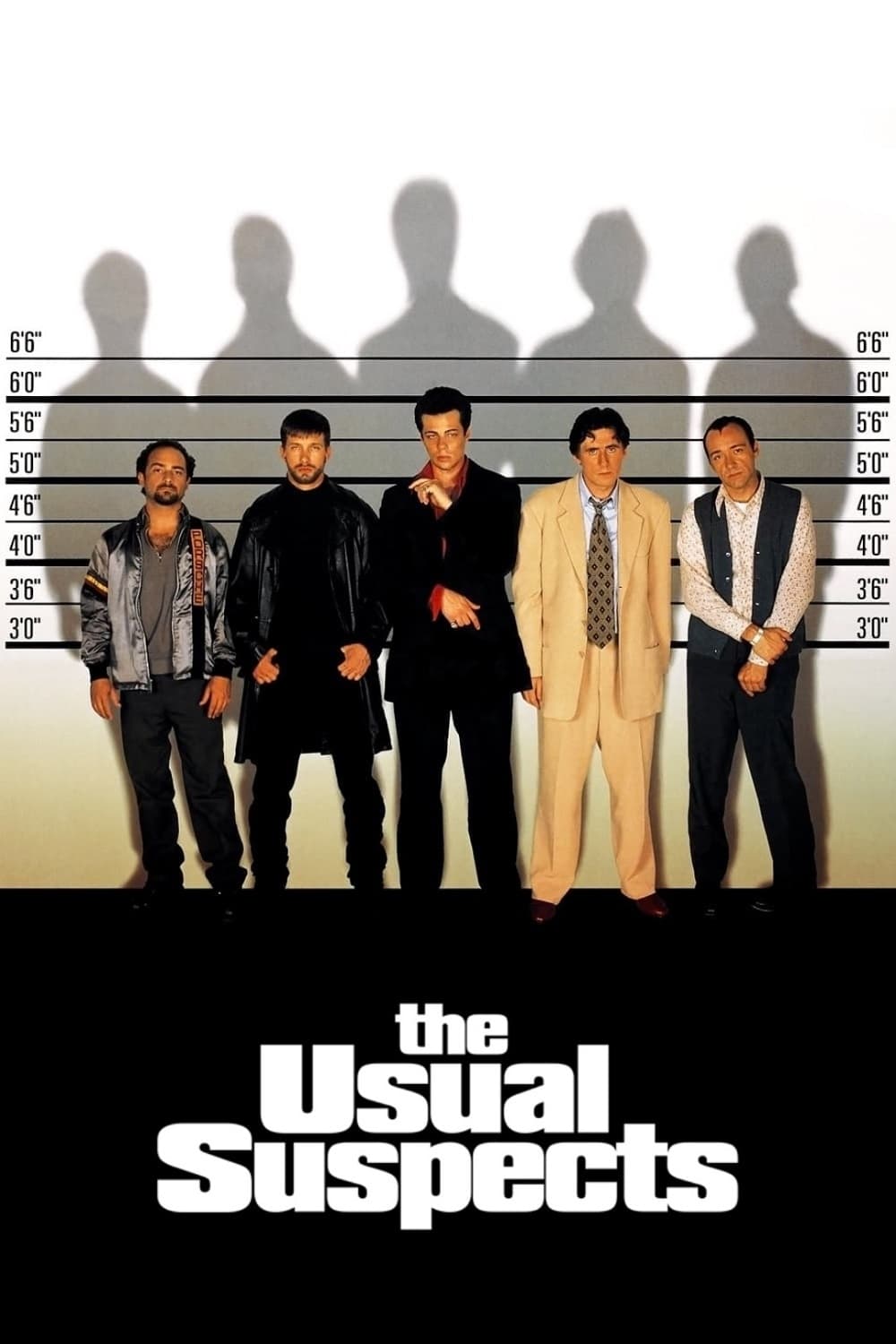
Interrogation room storytelling and unreliable narration refreshed the whodunit structure. Nonlinear reveals showed how to rearrange timelines for maximum impact without losing coherence. Ensemble casting and tight interiors emphasized verbal chess over action. AMC airings kept its narrative mechanics in circulation for years.
‘Memento’ (2000)
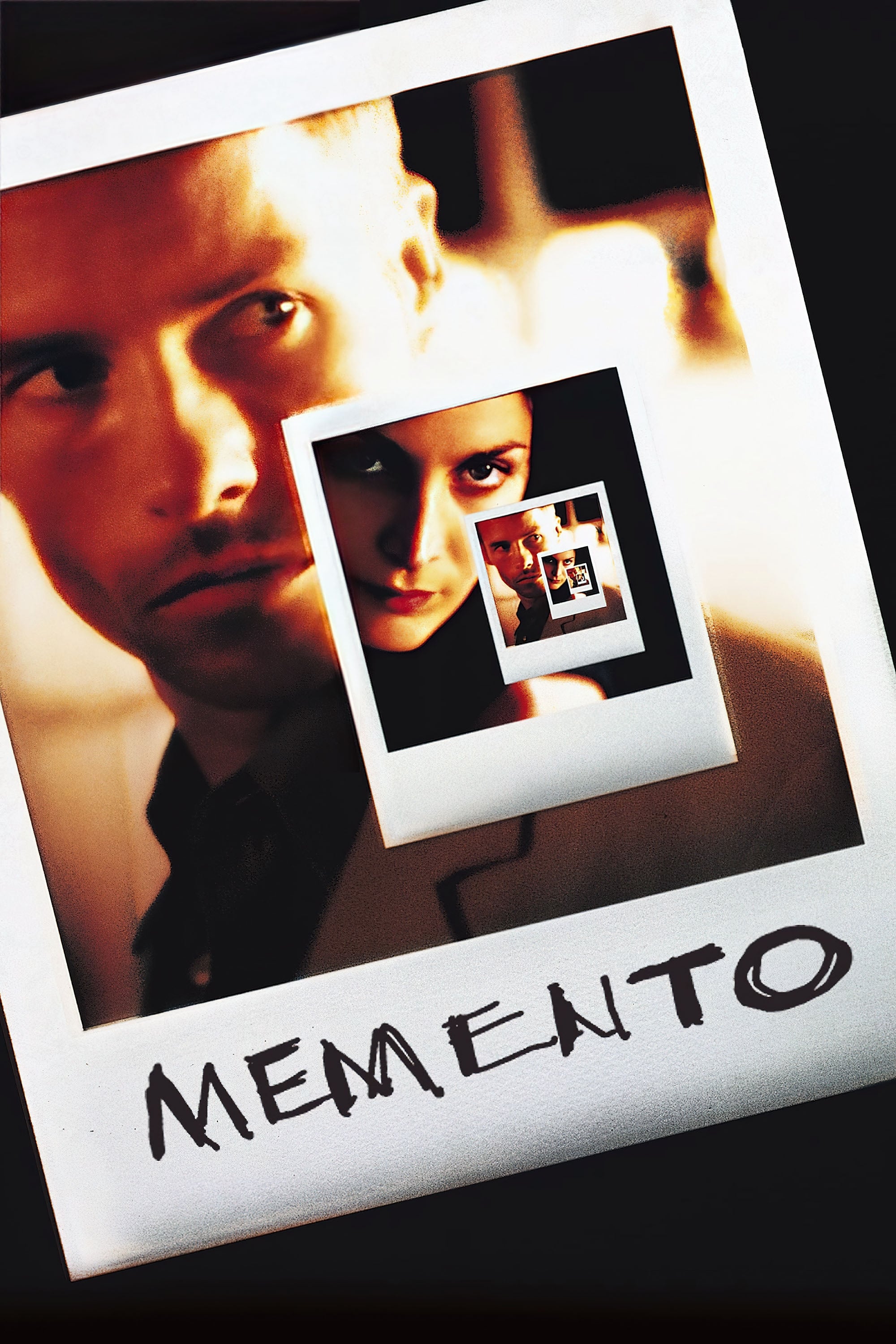
A reverse chronology paired with scene-by-scene memory loss created a puzzle that still feels clear. Visual anchors and recurring props taught how to guide audiences through complex structure. The approach influenced countless screenplays that play with time and identity. Starz presentations helped the film’s methods reach late-night viewers.
‘Mulholland Drive’ (2001)
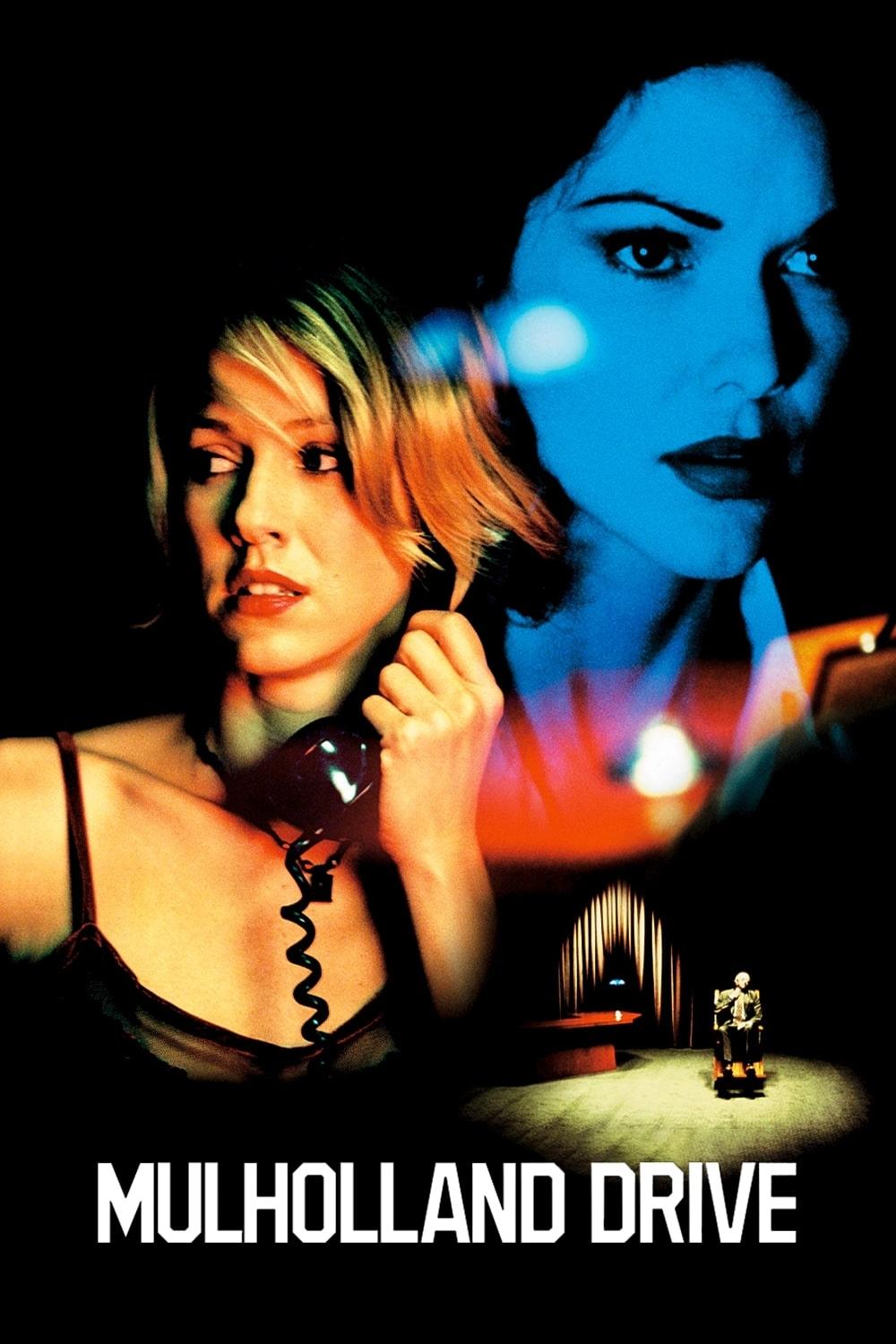
Dream logic and identity shifts used sound cues and camera placement to blur reality and fantasy. The film’s club sequence became a case study in controlling mood through silence and performance. Location choices turned familiar streets into sources of anxiety. Showtime airings sustained its reputation among mystery fans.
‘Infernal Affairs’ (2002)
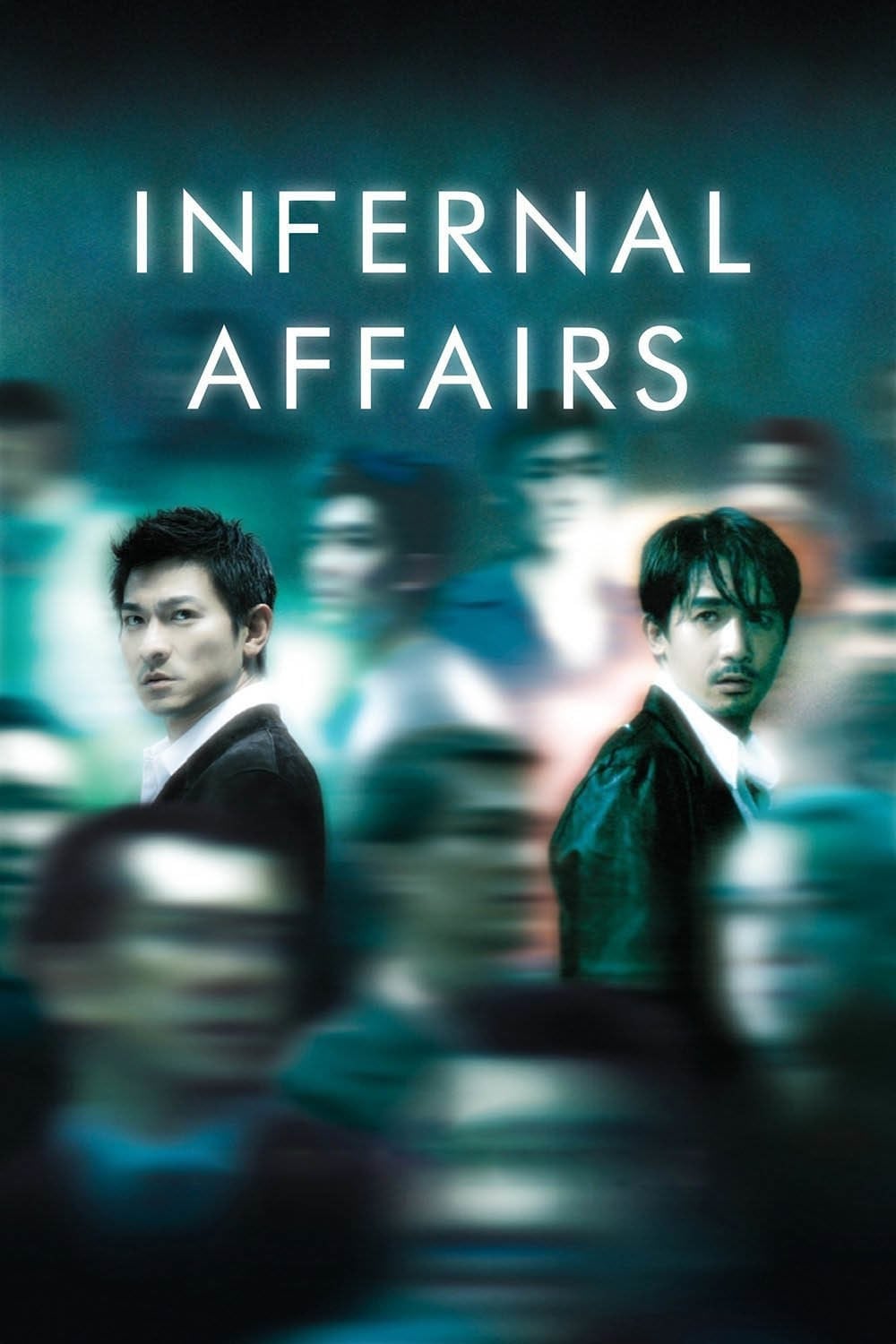
Dual moles on opposite sides created mirror stakes that drive relentless pacing. Cross-cut rooftop showdowns and phone-call tension showed how to stage parallel climaxes. The concept traveled globally through remakes and inspired undercover narratives. TVB and later international cable slots broadened its impact.
‘The Lives of Others’ (2006)
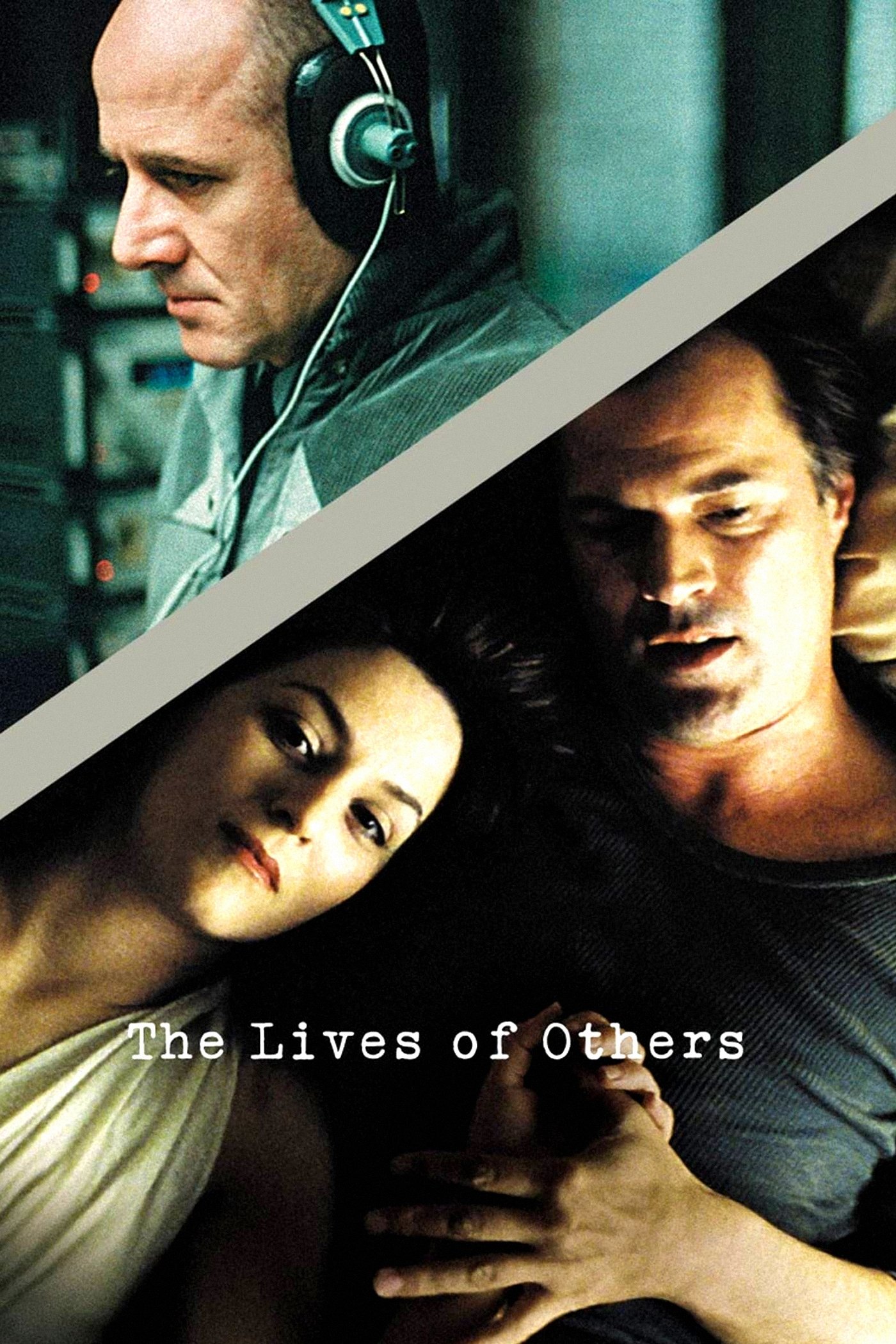
Typewriter clicks and headset breath built suspense from simple sounds. Careful apartment geography turned surveillance into a moral maze. The film demonstrated how small gestures can pivot a thriller’s entire direction. ZDF and Arte broadcasts kept its lessons in the public square.
‘Gone Girl’ (2014)
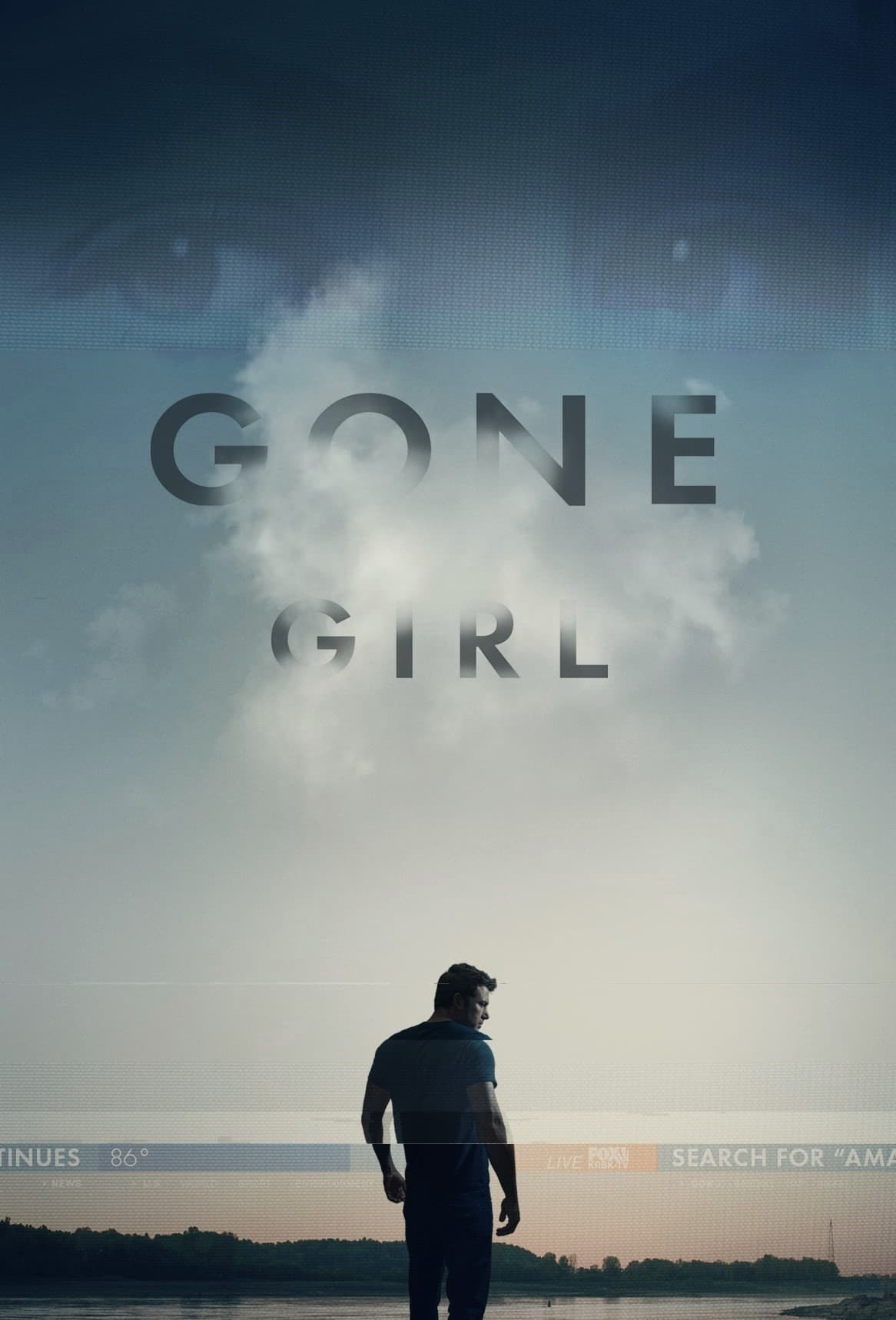
Media manipulation became a thriller engine through split perspectives and precise structure. Needle-drop choices and cool production design shaped a distinct tone for domestic suspense. The story’s midcourse shift reset expectations for unreliable partners on screen. FX broadcasts helped the film’s approach find an even bigger audience.
Share your picks for the most influential thrillers in the comments so we can compare notes and keep the conversation going.