Movies on HBO Max You Actually Have to Watch Twice


Some movies reward a second look because the details only click after you know where the story is heading. On HBO Max, you can find twisty mysteries, dense sci-fi worlds, and layered character studies that reveal new patterns once the big ideas settle. A rewatch helps you track quiet setup, visual foreshadowing, and small choices in dialogue that point to what you missed the first time. Here are films on the service that become sharper and more satisfying when you go back in with fresh eyes.
‘Inception’ (2010)
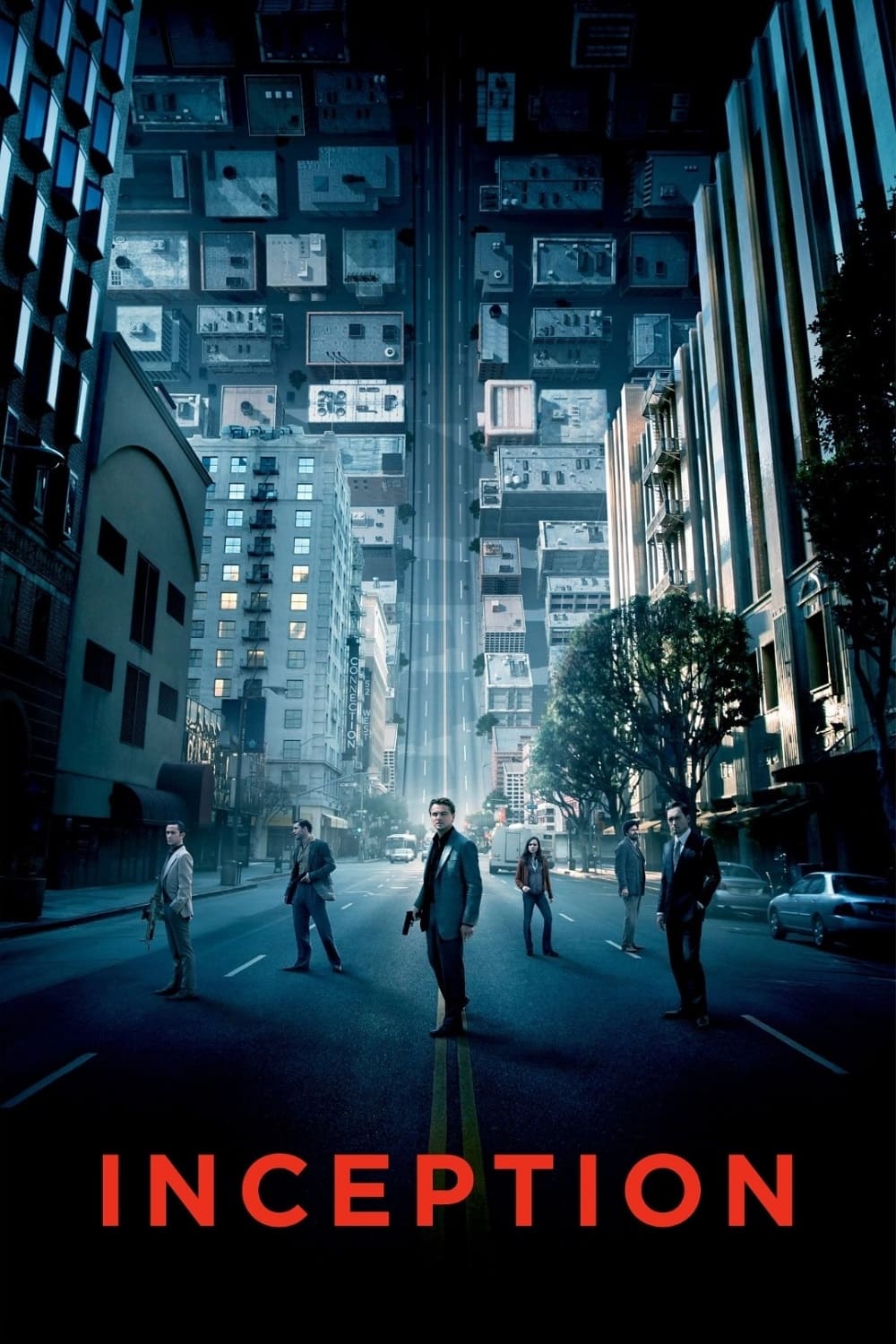
Christopher Nolan builds a heist across nested dream levels where rules and architecture matter. A second viewing lets you follow who is in control of each level and how the totems are used from scene to scene. You can also spot cues that explain whose dream you are actually in during key sequences. Warner Bros. released the film, and the studio’s home video extras map cleanly to what you notice on rewatch.
‘Tenet’ (2020)
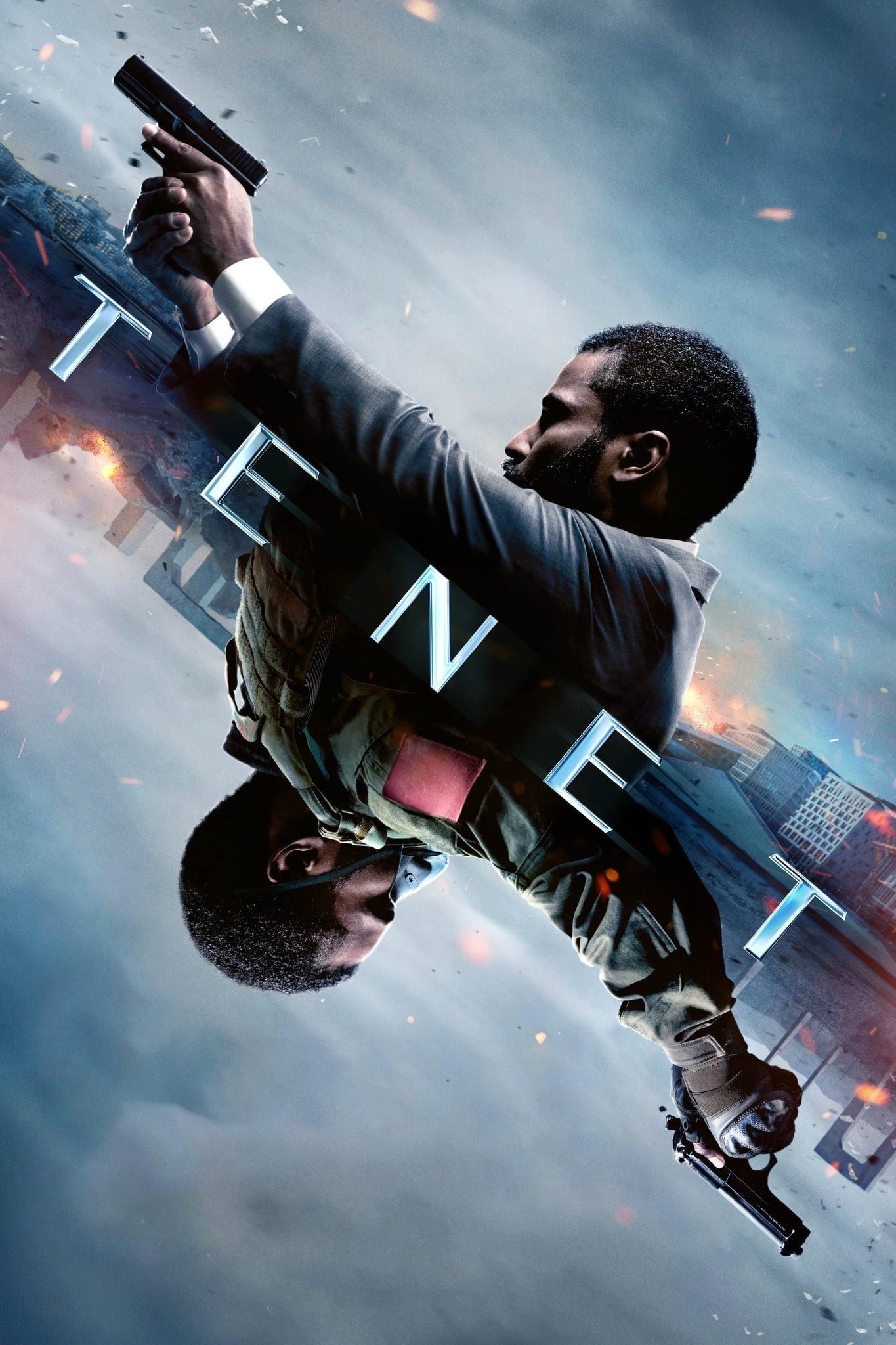
The plot folds time forward and backward with inverted entropy and mirrored action beats. Watching again helps you line up the blue and red team timelines during the final operation and track which characters are moving in reverse. You can also catch how early lines of dialogue explain later physics. Warner Bros. distributed the movie, and that global rollout matches the film’s cross-border set pieces.
‘The Matrix’ (1999)
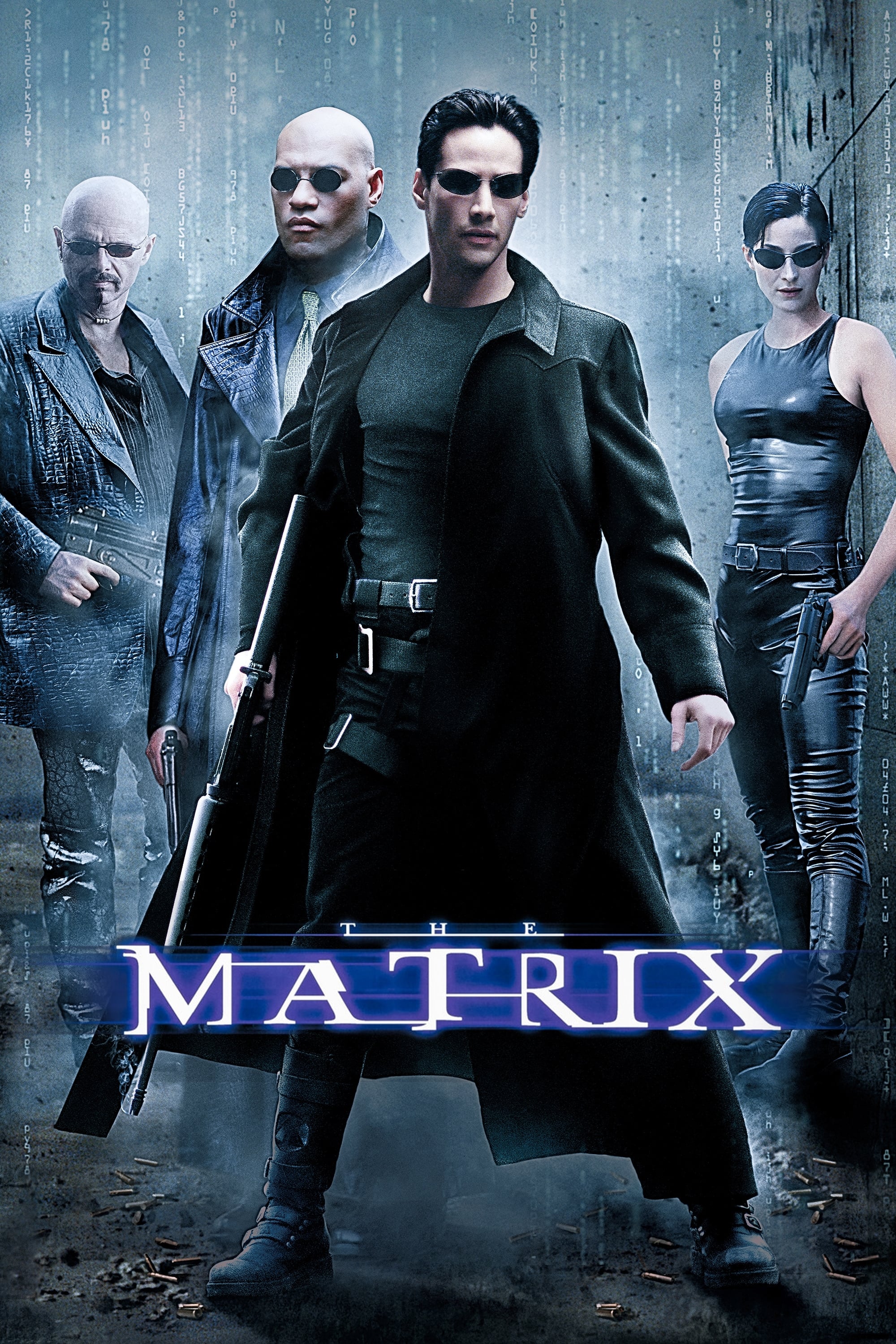
The story flips between the simulated world and the real one with clues hiding in code, mirrors, and déjà vu. A second pass lets you track how agents move through people and how small glitches signal danger. You also start seeing how Neo’s choices echo earlier lines about fate and control. Warner Bros. handled distribution, and its genre catalog helps place the film in a larger cyberpunk lineage.
‘The Matrix Reloaded’ (2003)
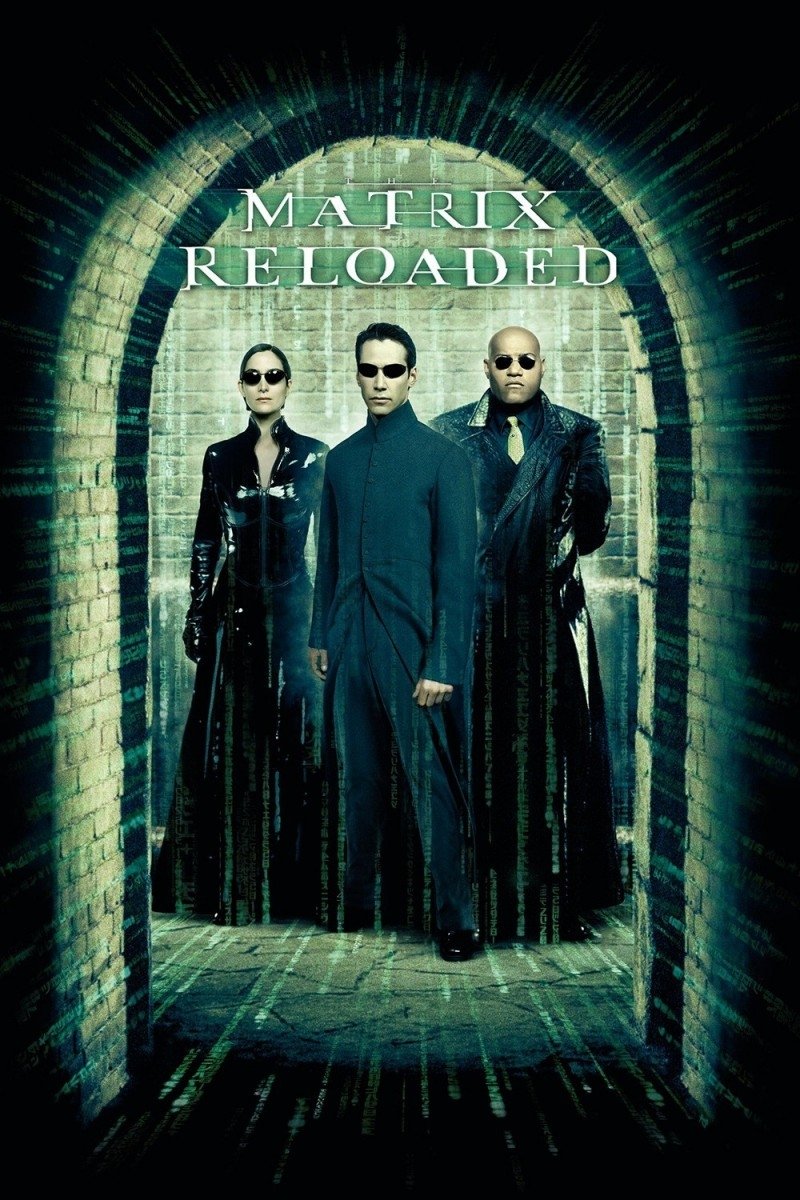
Philosophical speeches and freeway chaos mask a dense web of cause and effect. Rewatching clarifies the Oracle’s conditions, the Merovingian’s motives, and why the Keymaker matters to every door Neo opens. The Architect scene lands better when you follow the previous iterations idea from the start. Warner Bros. released it, aligning with the franchise’s consistent worldbuilding across formats.
‘The Matrix Revolutions’ (2003)
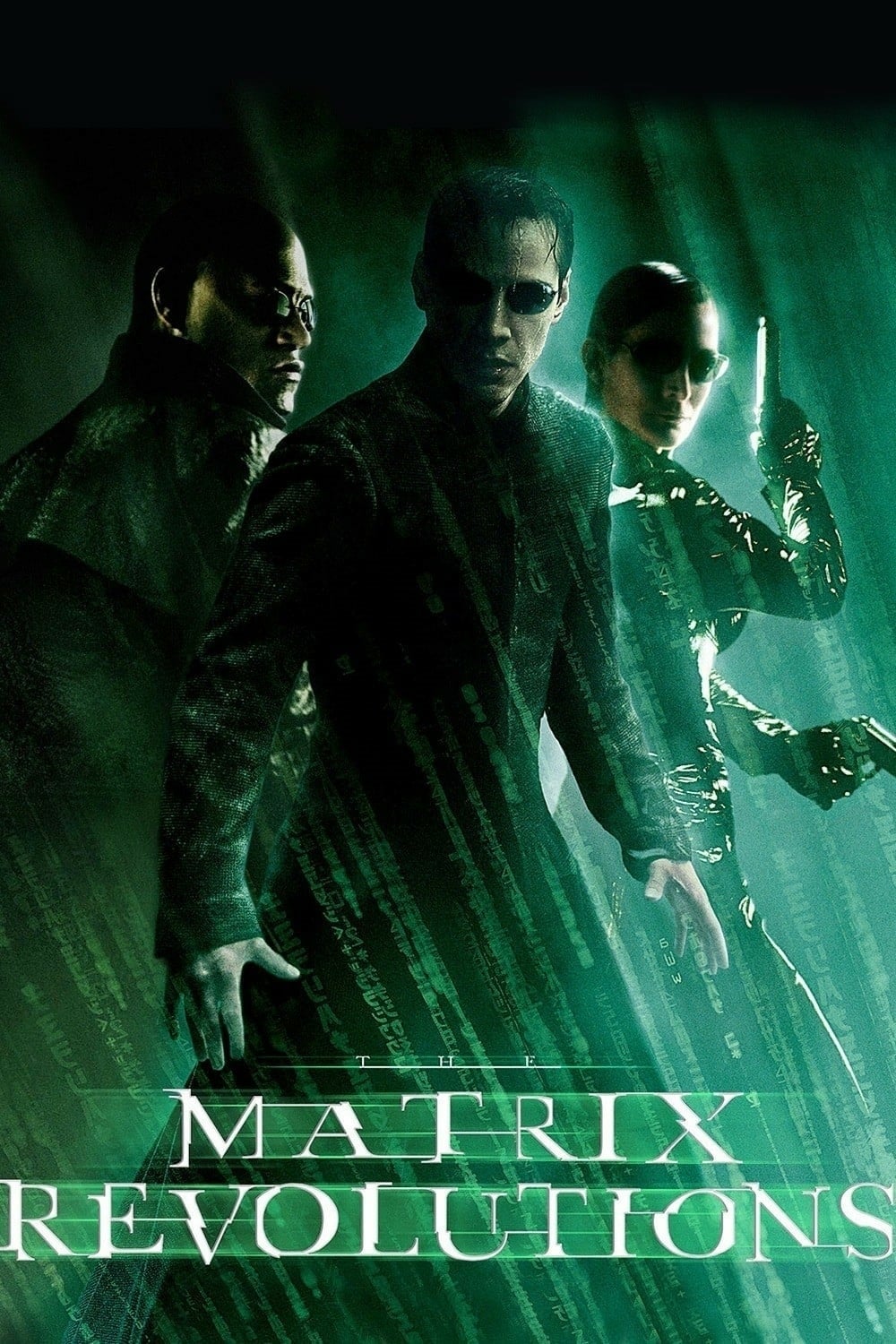
The finale ties machine politics, Zion defense tactics, and program allegiances into one arc. A second look helps you connect the Trainman’s role to the larger rules of exile programs and track how Smith scales across the system. You can also see how earlier visions set up the final bargain. Warner Bros. again distributed the film, keeping the trilogy’s presentation unified.
‘Blade Runner 2049’ (2017)
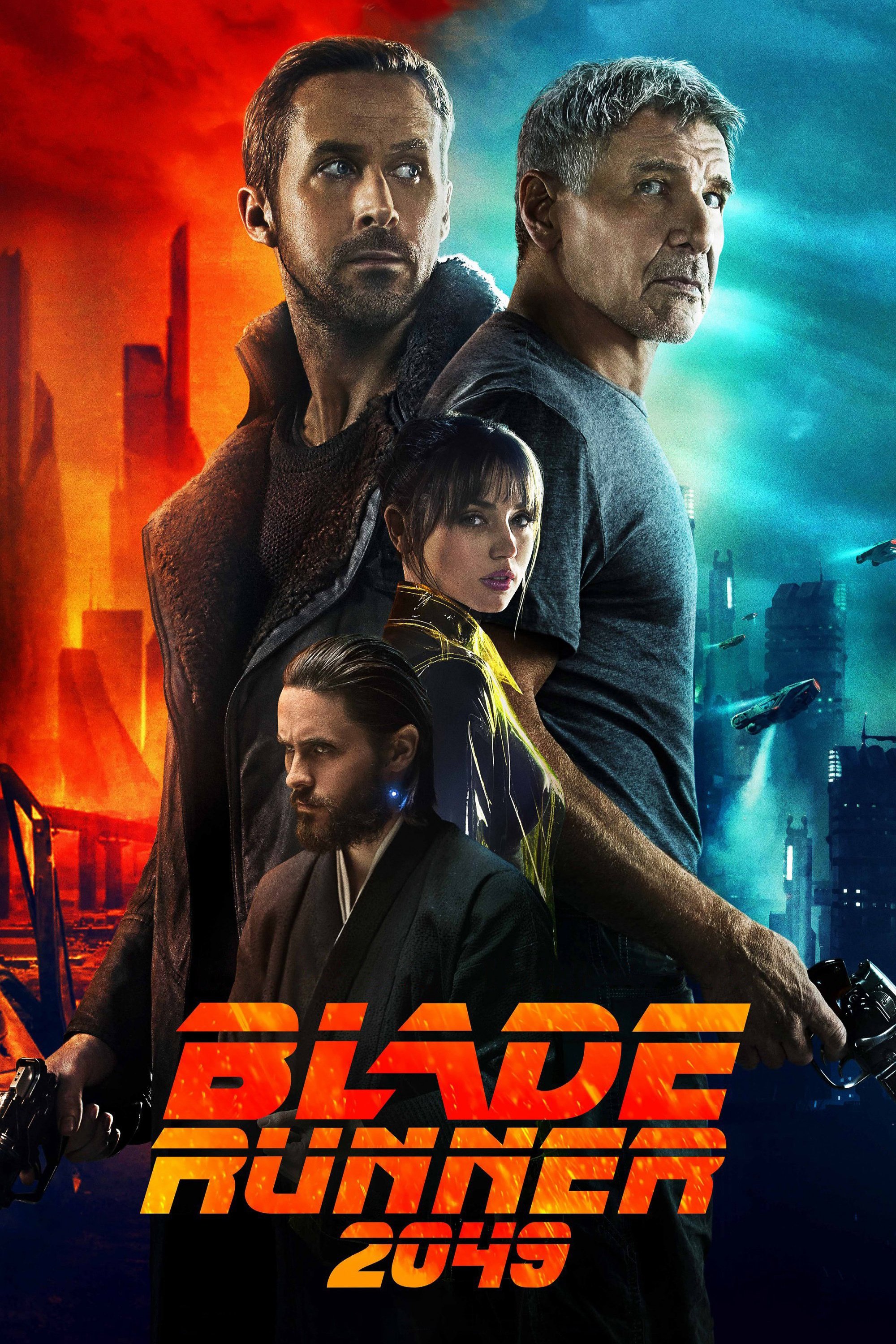
Clues about identity and memory sit in production design and sound cues. On rewatch you can trace how baseline tests and the wooden horse align with each character’s understanding of reality. The overlapping investigations make more sense once you know who manipulated what. Warner Bros. handled U.S. distribution, pairing it with a legacy title that invites side-by-side viewing.
‘Blade Runner’ (1982)
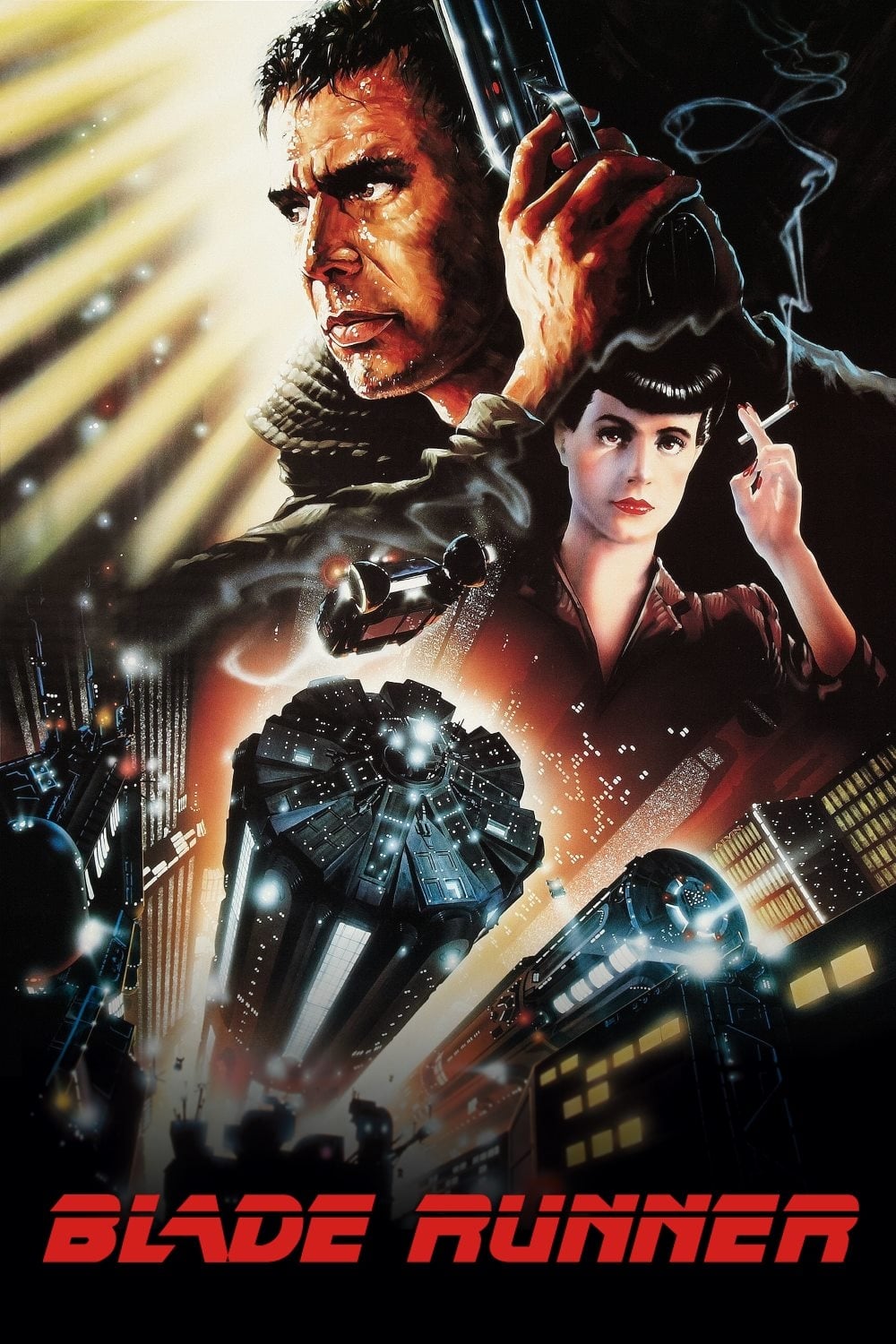
Different cuts change emphasis, and world details often carry the answers. A second viewing lets you track the Voight-Kampff scenes, the photo enhancements, and the origami trail that frames the ending. You start to see how lighting and advertising hint at character motives. Warner Bros. distributed the film domestically, and its catalog history explains why multiple versions circulate.
‘Dune’ (2021)

The adaptation compresses politics, ecology, and prophecy into precise scenes that move quickly. Rewatching helps you follow the factions, the spacing guild logistics, and the Bene Gesserit plans that guide each decision. You also catch how sound design signals the Voice and sandwalk technique. Warner Bros. released the film, and its production notes align with what the second pass reveals.
‘Dune: Part Two’ (2024)
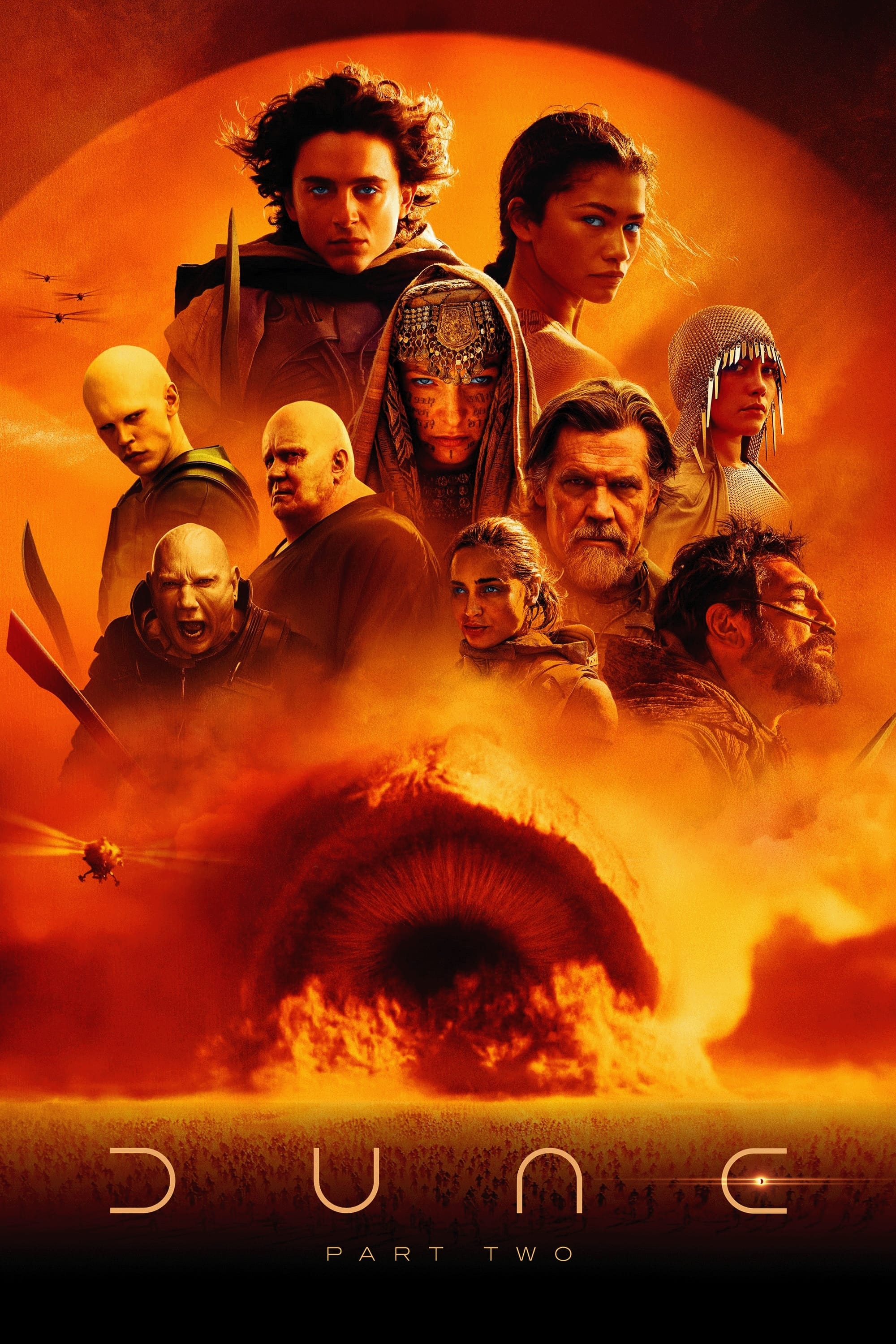
Strategic choices and religious imagery deepen as alliances shift on Arrakis. A second look makes the timetable of desert campaigns clearer and shows how ritual lines set up later outcomes. The political marriages and water rights negotiations connect more cleanly once you know the endgame. Warner Bros. distributed it, continuing the studio’s stewardship of the saga.
‘Her’ (2013)
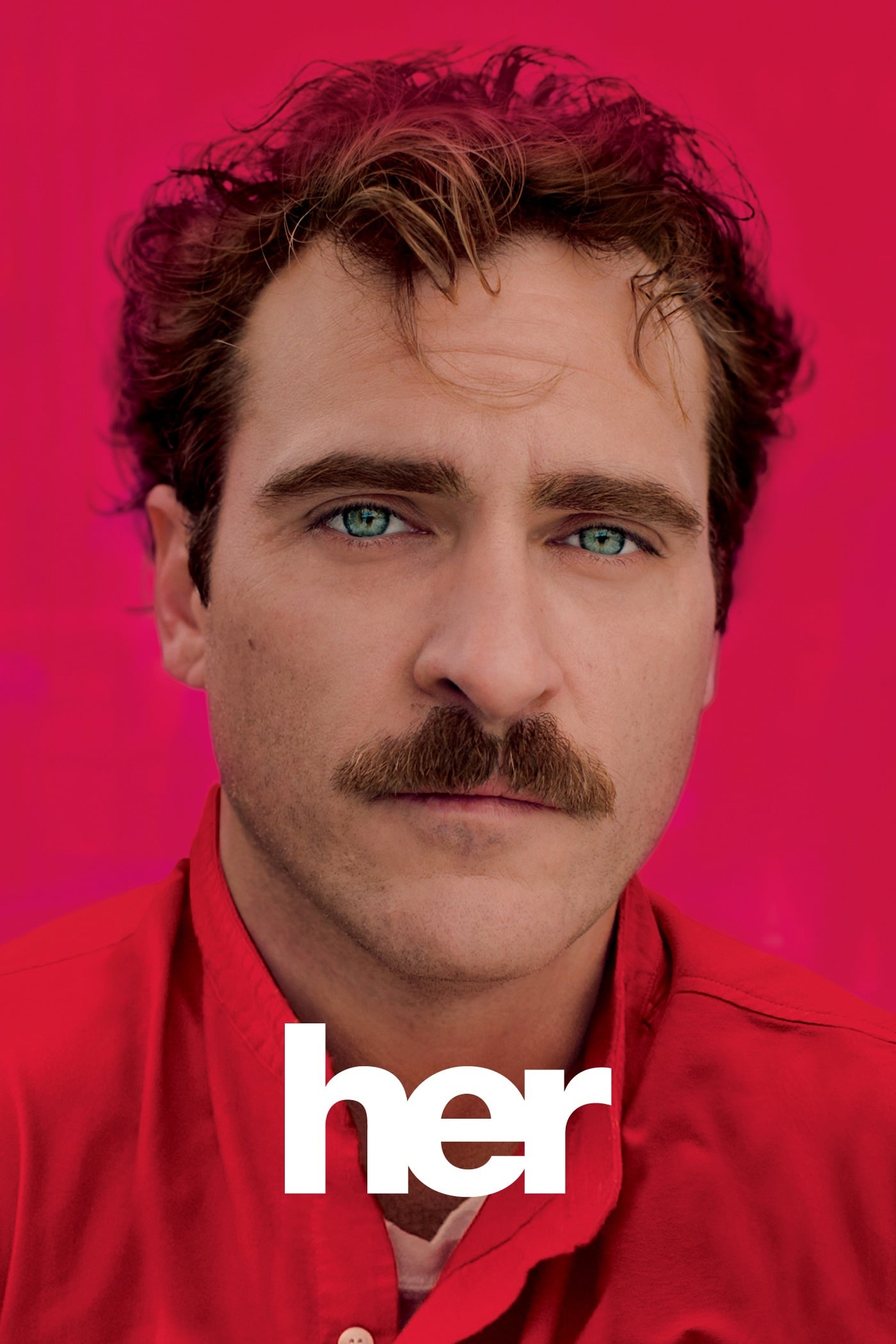
Small gestures and interface choices quietly map a relationship’s rise and change. On rewatch you can track how OS updates alter behavior and how letter-writing scenes mirror later voice interactions. The skyline transitions cue time and emotional distance that you may miss once. Warner Bros. released the film, and its marketing materials mirror the tech design you notice the second time.
‘The Departed’ (2006)
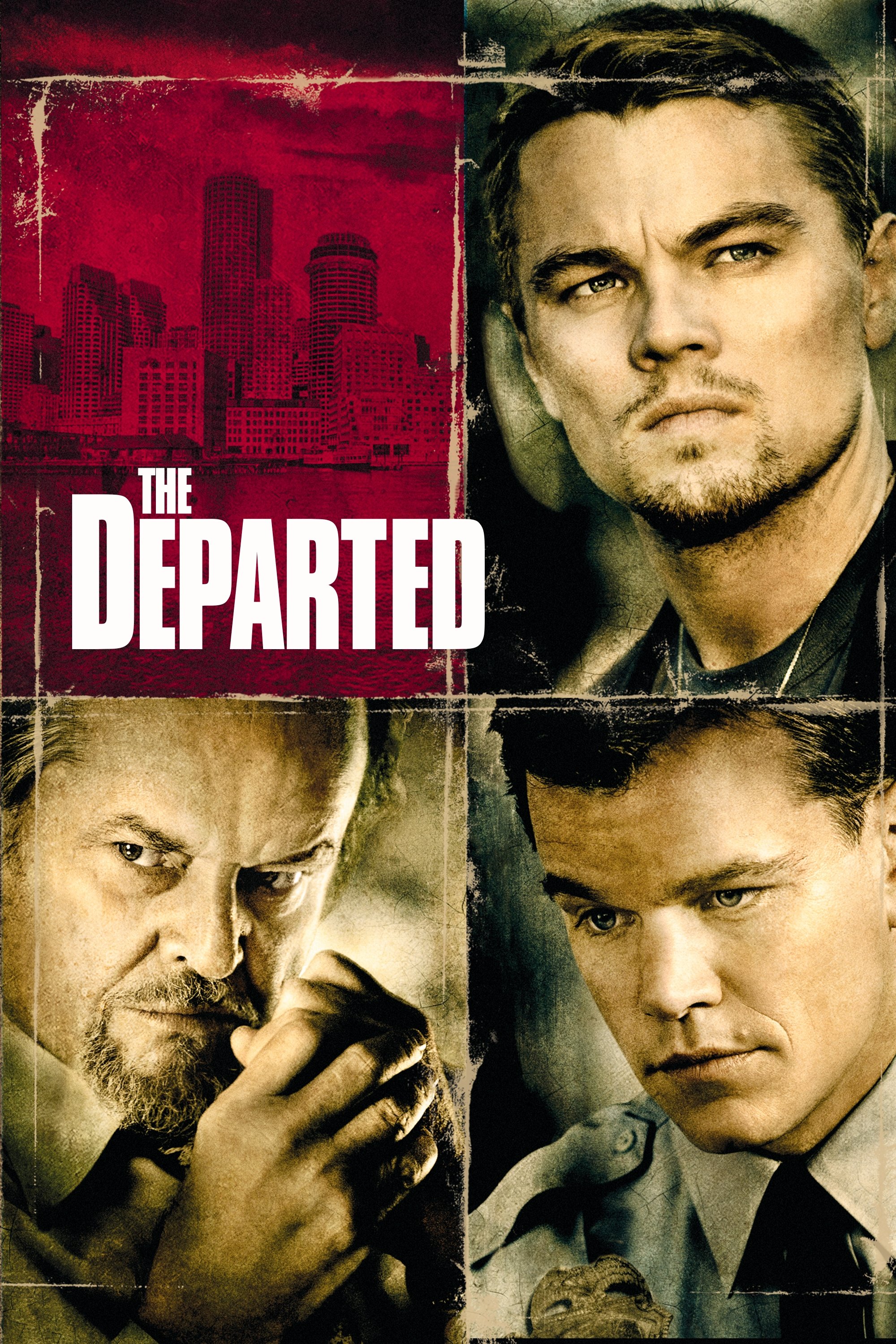
Two undercover careers cross while tiny tells reveal who knows what and when. A second viewing lets you follow the phone habits, envelope markings, and meeting locations that expose each mole. The soundtrack cues also anchor timeline jumps more clearly. Warner Bros. distributed the movie, connecting it with the studio’s long run of crime dramas.
‘Se7en’ (1995)
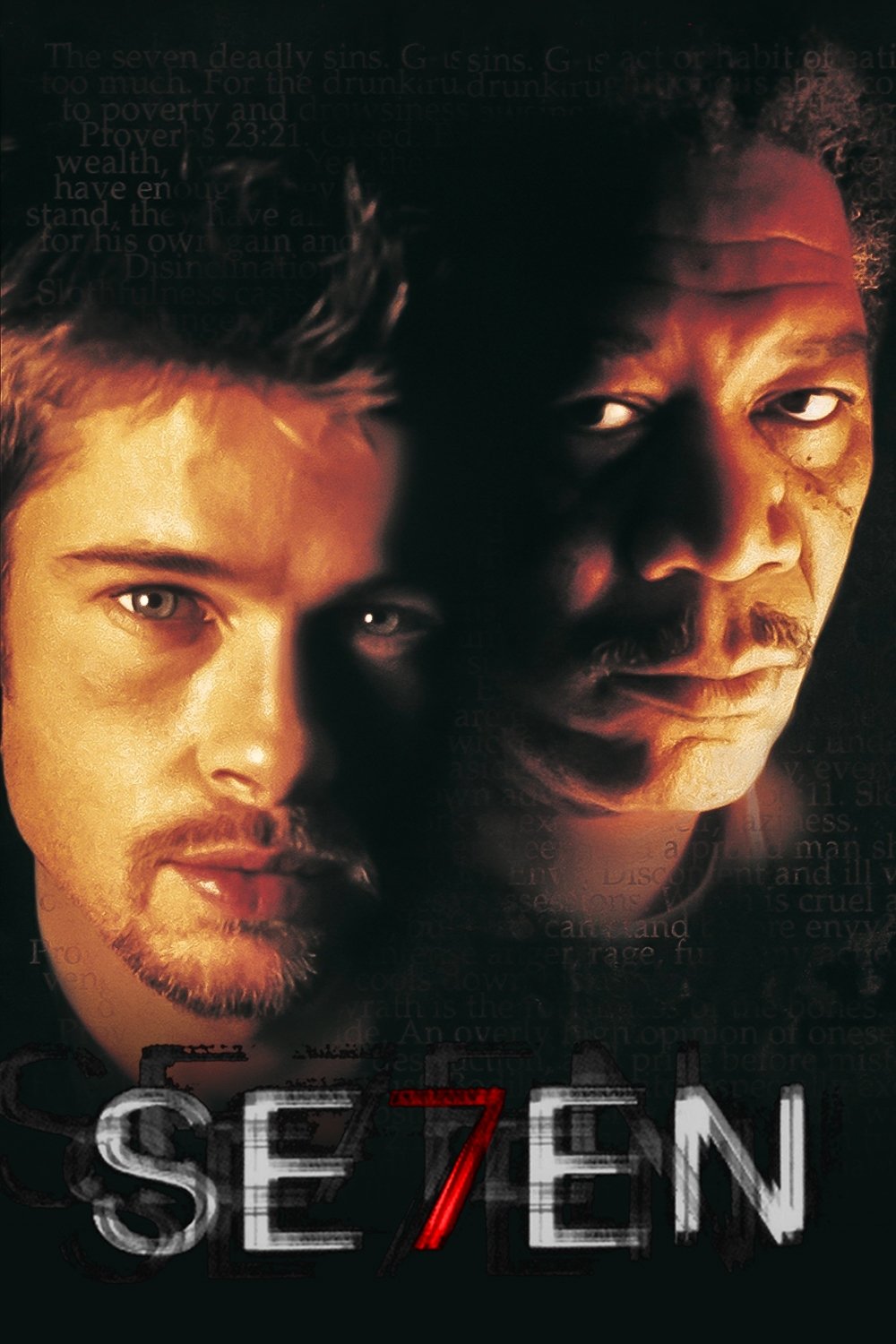
The investigation hides pattern and ritual that only stand out once you know the order of events. Rewatching helps you see how early crime scenes foreshadow the later ones and how the notebooks map the killer’s schedule. Dialogue about apathy and sin also frames each decision more tightly on a second pass. New Line Cinema released the film, and the label’s thriller slate contextualizes its tone.
‘The Butterfly Effect’ (2004)
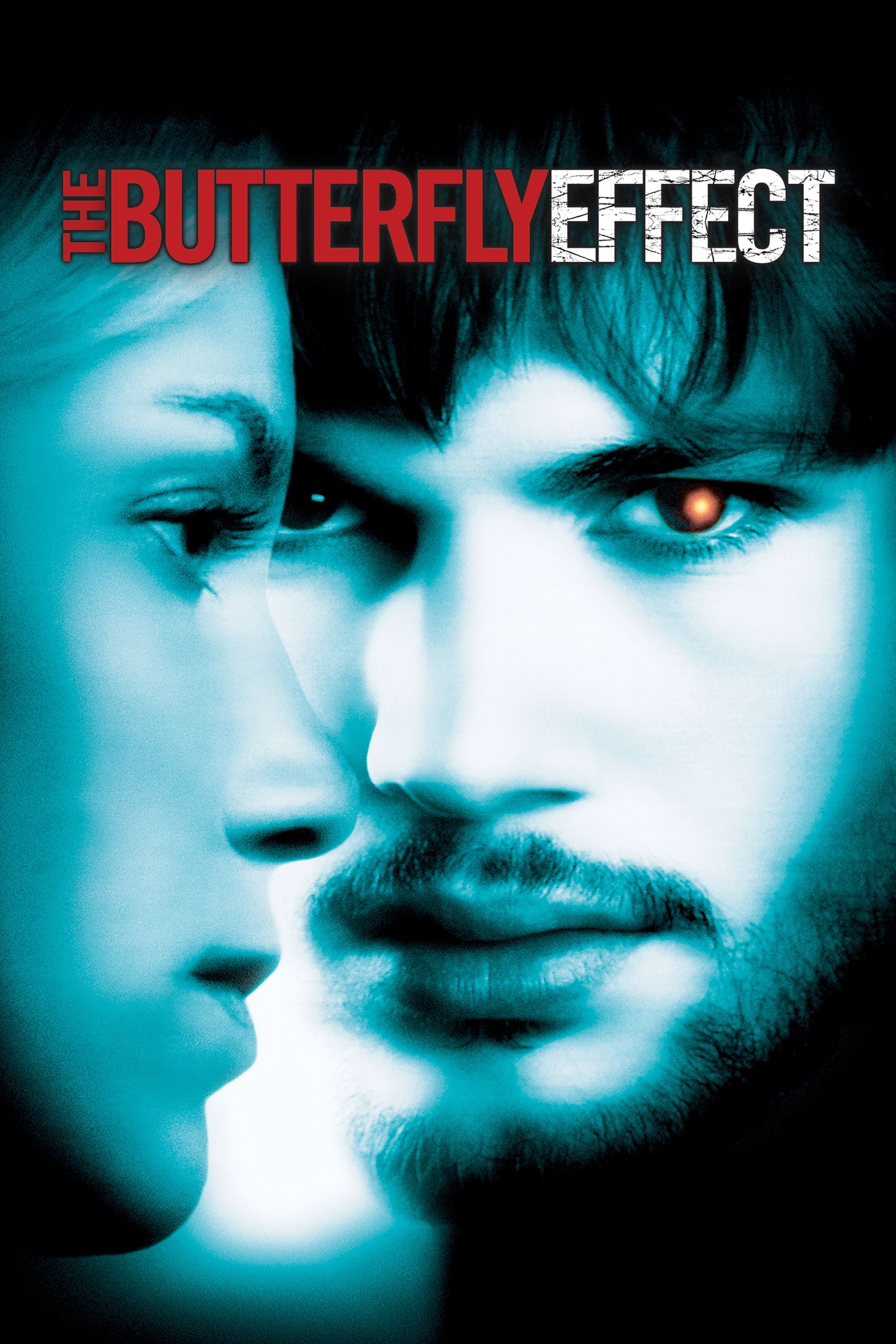
Journal entries and blackout scenes anchor a branching narrative with shifting outcomes. A second viewing helps you track which choice triggers each new timeline and why certain changes ripple farther than others. The alternate endings also reframe earlier character beats. New Line Cinema distributed the movie, which explains its presence alongside other time-twist titles.
‘Doctor Sleep’ (2019)
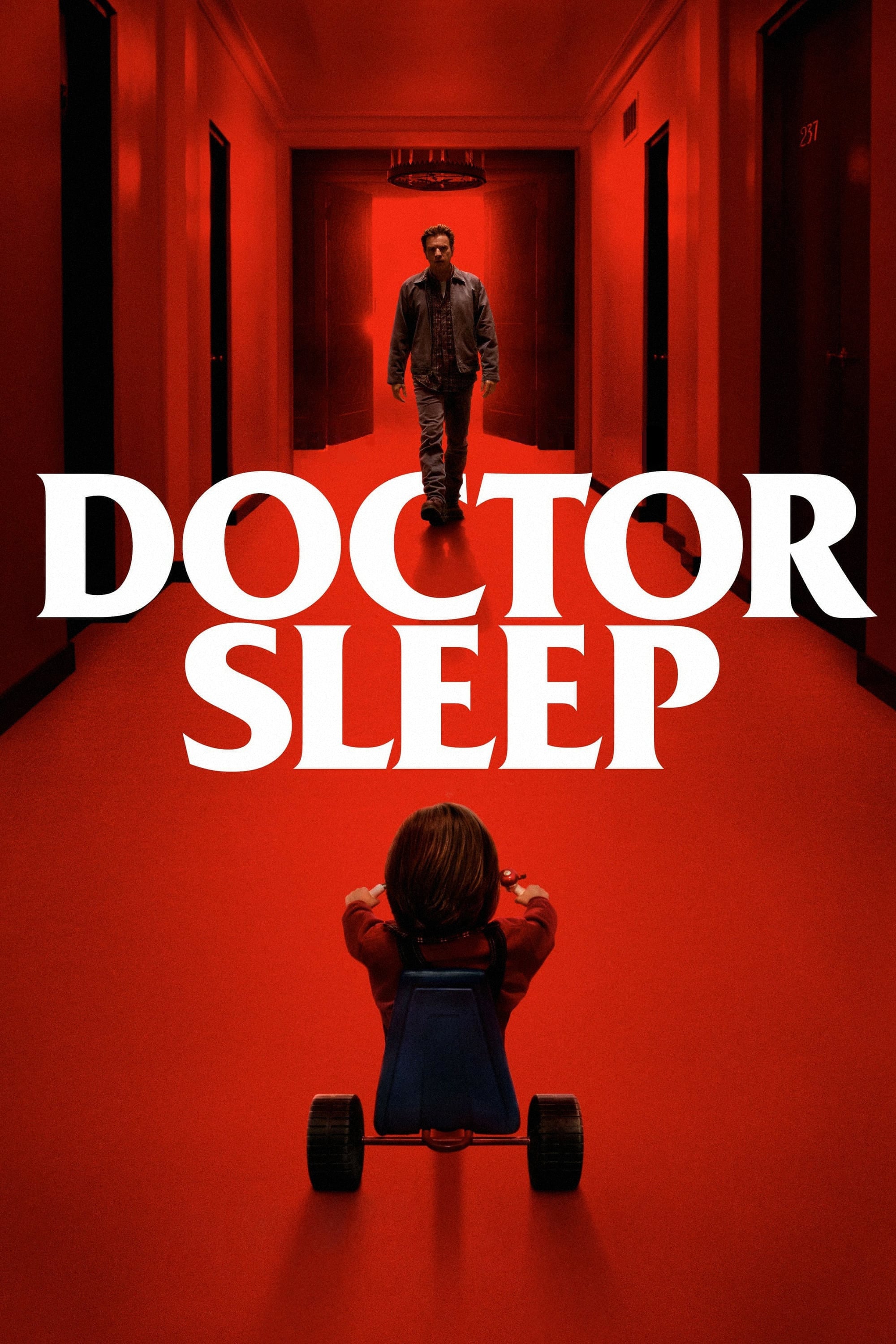
The film balances recovery drama with psychic showdowns across familiar spaces. On rewatch you can map how the True Knot feeds, how the shining manifests at different ages, and how the hotel layout becomes a strategy. Visual echoes of earlier imagery land more precisely once you know the plan. Warner Bros. released it, linking the sequel to the studio’s classic horror catalog.
‘The Shining’ (1980)
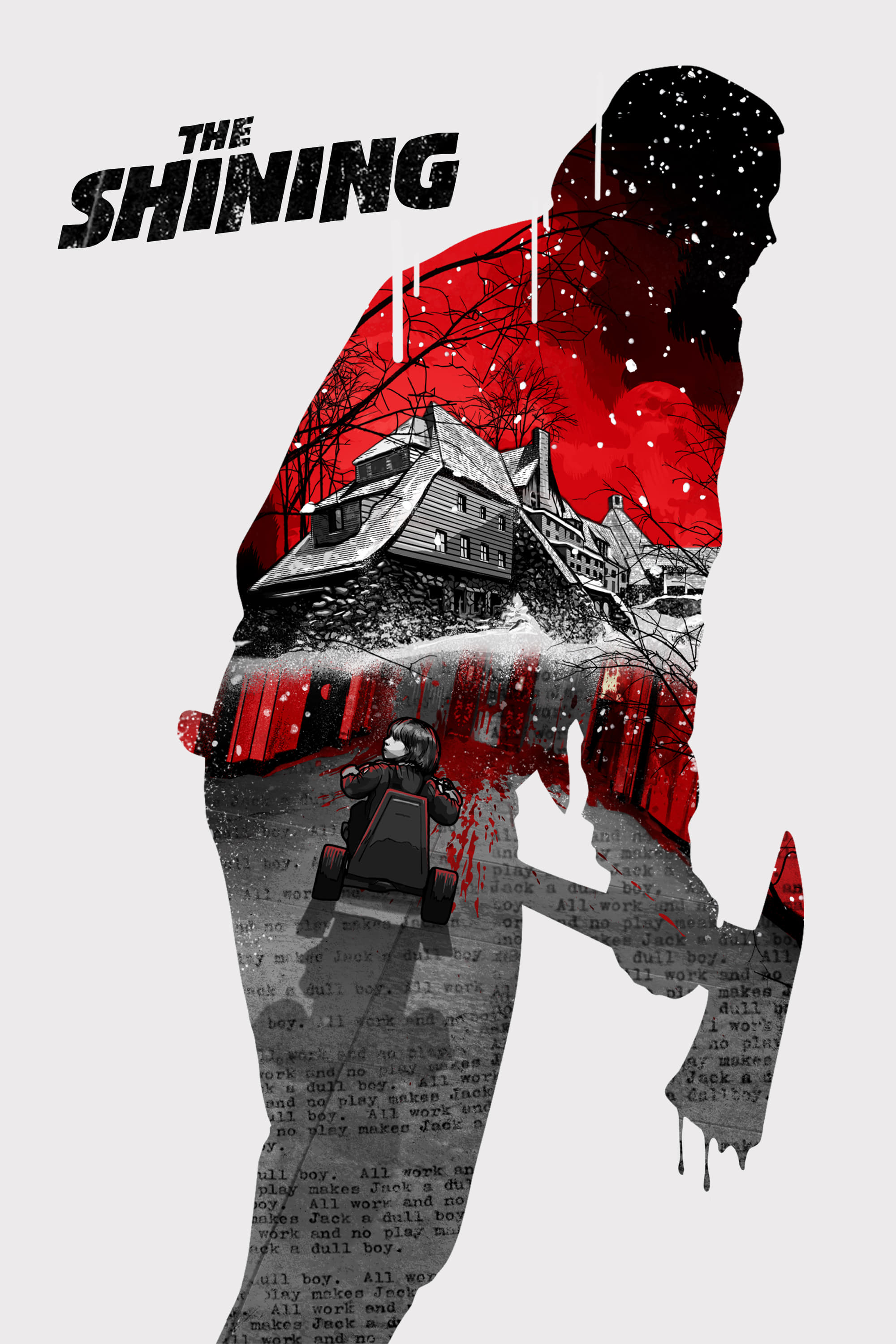
Patterns in set design, room numbers, and symmetrical shots hide practical clues. A second pass lets you chart the hedge maze logic, the overlapping floor plan, and how the typewriter scenes mark time. You can also connect how costume changes line up with Jack’s shifting state. Warner Bros. handled distribution, and archival materials help validate what a rewatch uncovers.
‘2001: A Space Odyssey’ (1968)
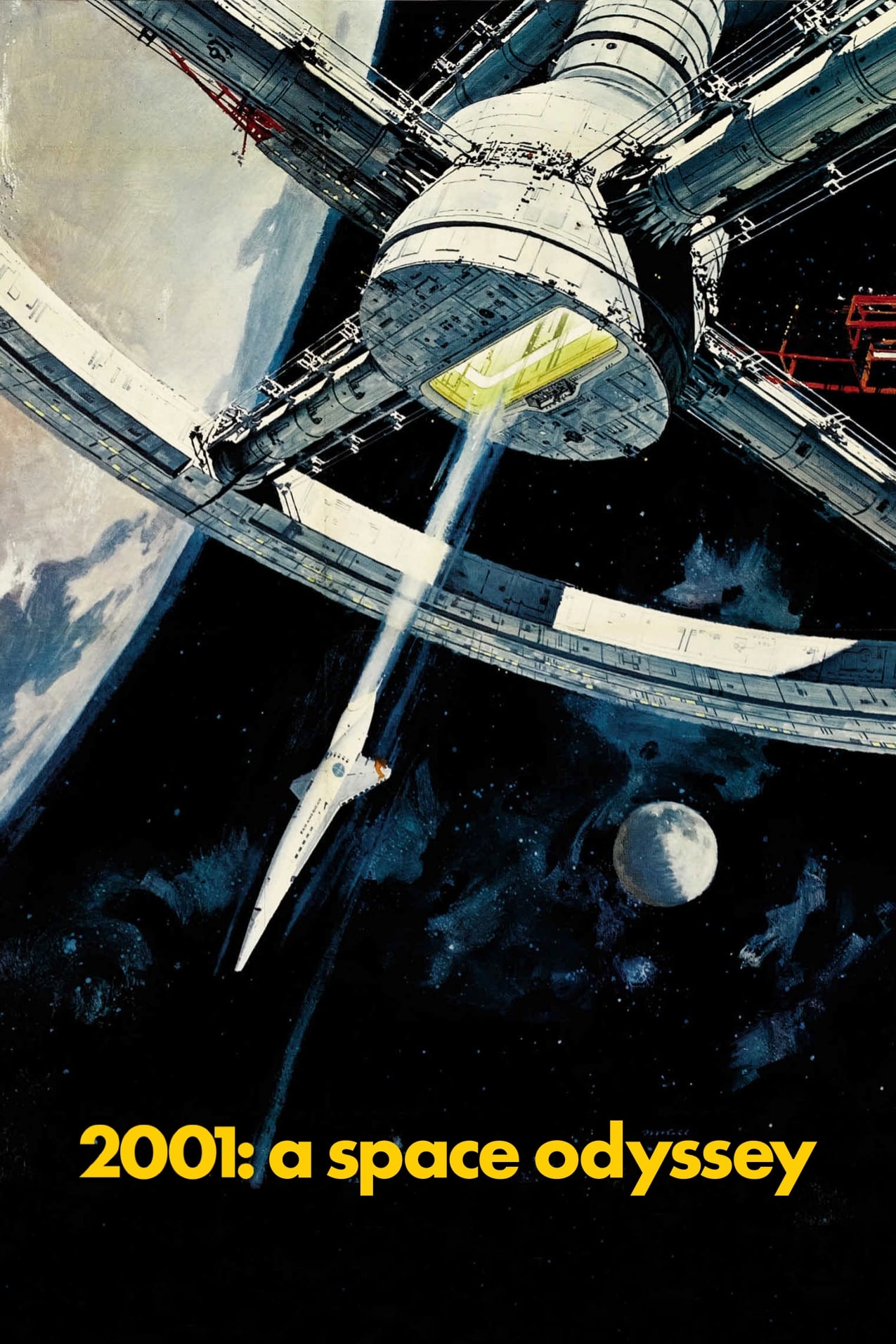
The story moves through visual language rather than exposition. Rewatching helps you align the Dawn of Man sequence with the later jump and follow how HAL’s behavior escalates through small anomalies. The final segment reads more clearly when you track recurring shapes and music cues. Originally distributed by MGM, the film now sits in a library overseen by Warner Bros., which is why it streams alongside newer studio titles.
‘The Fountain’ (2006)
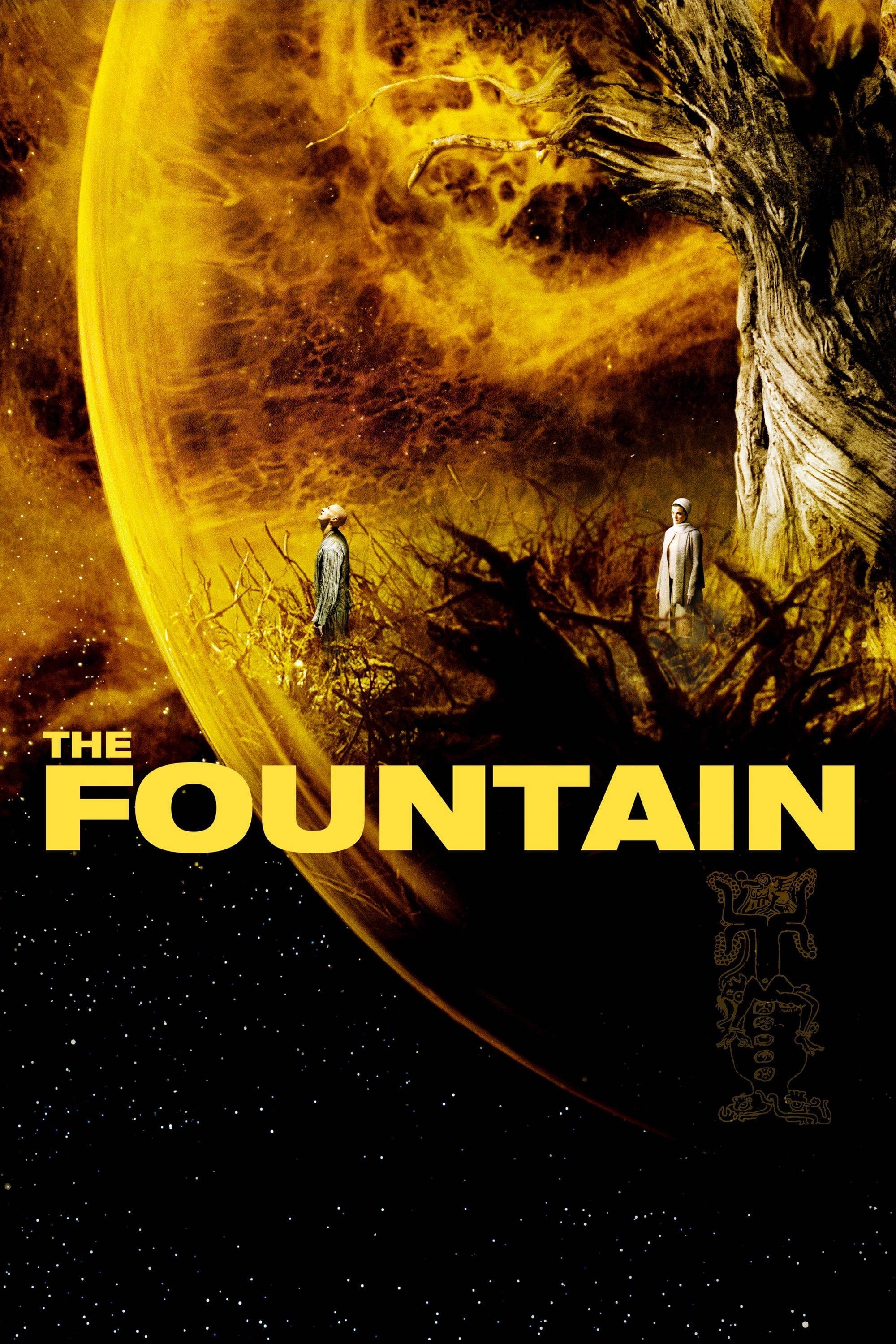
Three timelines mirror each other through repeated images and names. A second viewing makes the visual motifs easier to connect and clarifies how the rings and tree imagery signal transitions. You can also see how writing and research scenes set up later discoveries. Warner Bros. released the film, and production notes line up with the echoes you notice on rewatch.
‘A Scanner Darkly’ (2006)
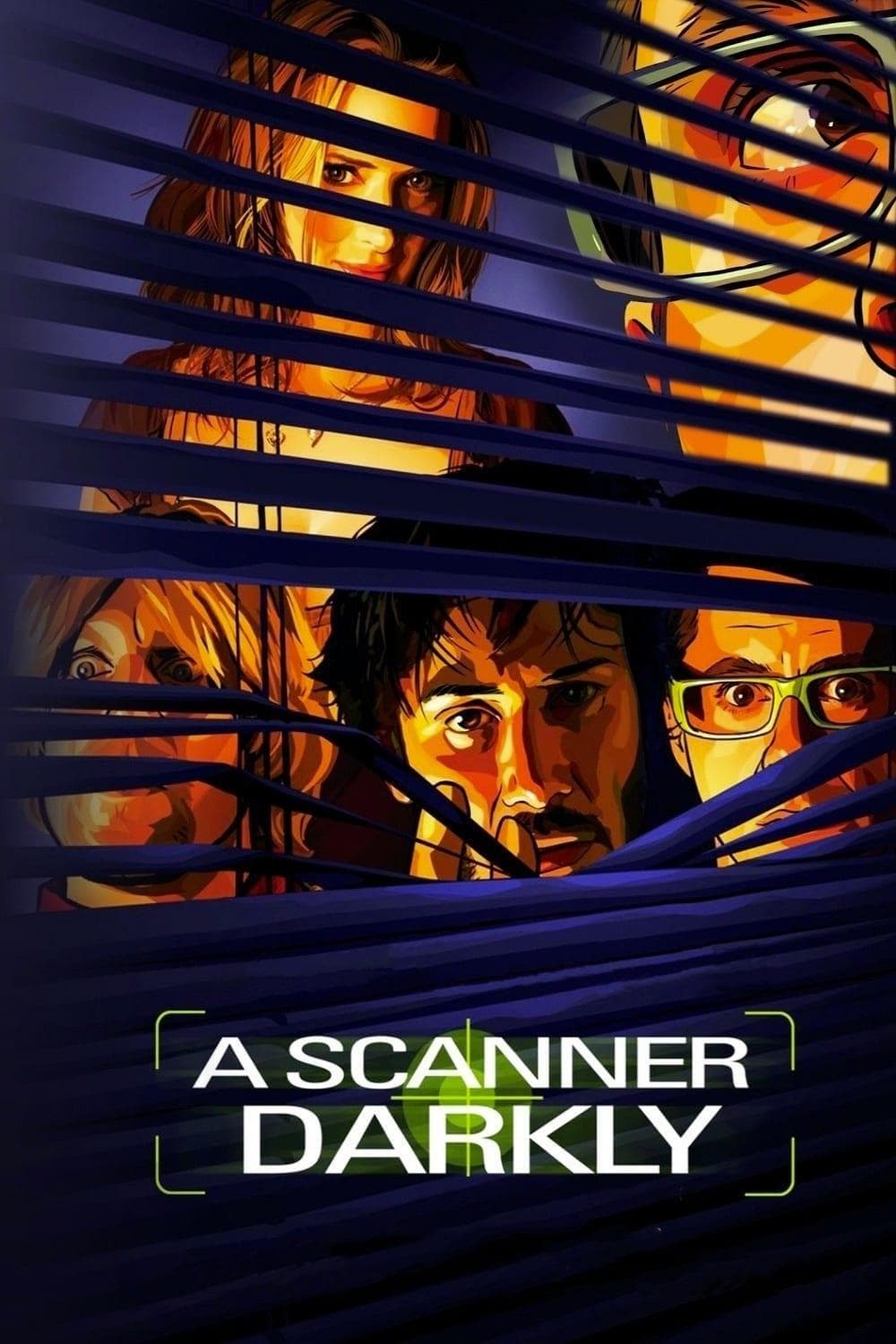
Rotoscoped visuals mask identity shifts and surveillance creep. On rewatch you can track who hears which conversation and how the scramble suit affects recognition across scenes. Small prop changes also signal memory gaps. Warner Independent Pictures handled distribution, and that imprint’s focus on experimental work explains the unusual presentation.
‘Cloud Atlas’ (2012)
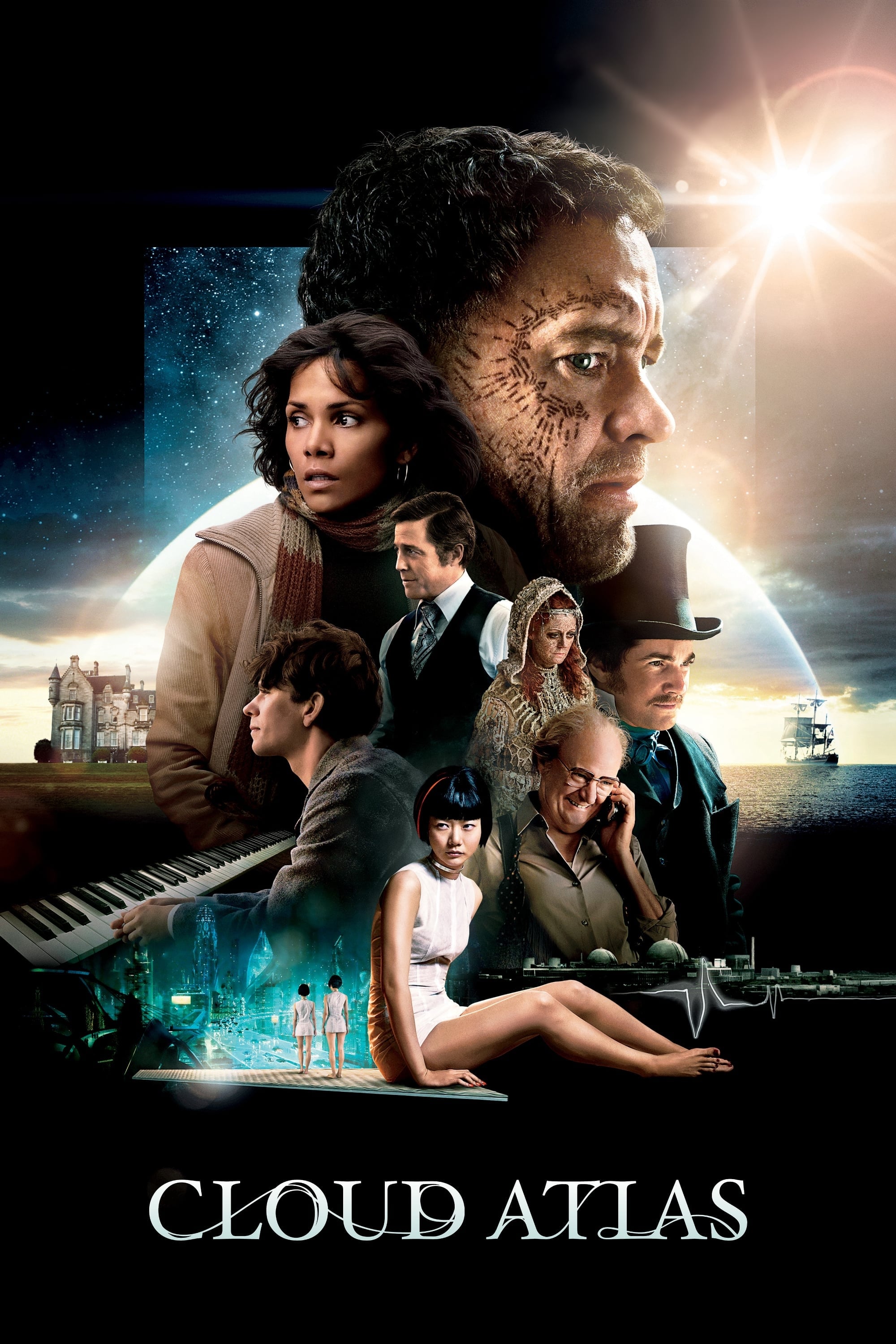
Six stories speak to one another through recurring actors and symbols. A second pass makes the birthmarks, musical themes, and prop reappearances easier to connect across eras. The editing pattern also becomes clearer once you know each arc’s destination. Warner Bros. distributed the film in the United States, placing it within the studio’s large-scale ensemble projects.
‘Edge of Tomorrow’ (2014)
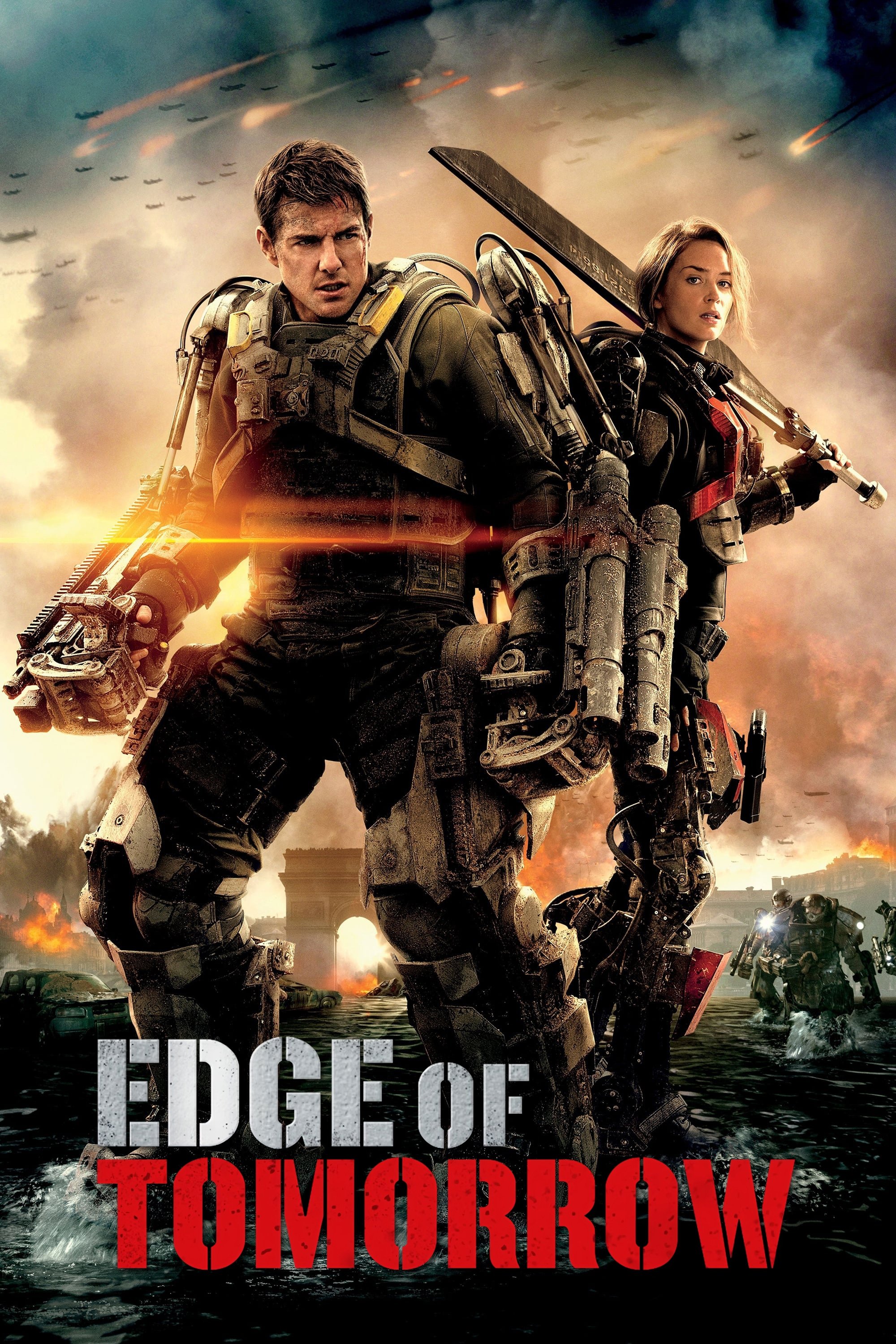
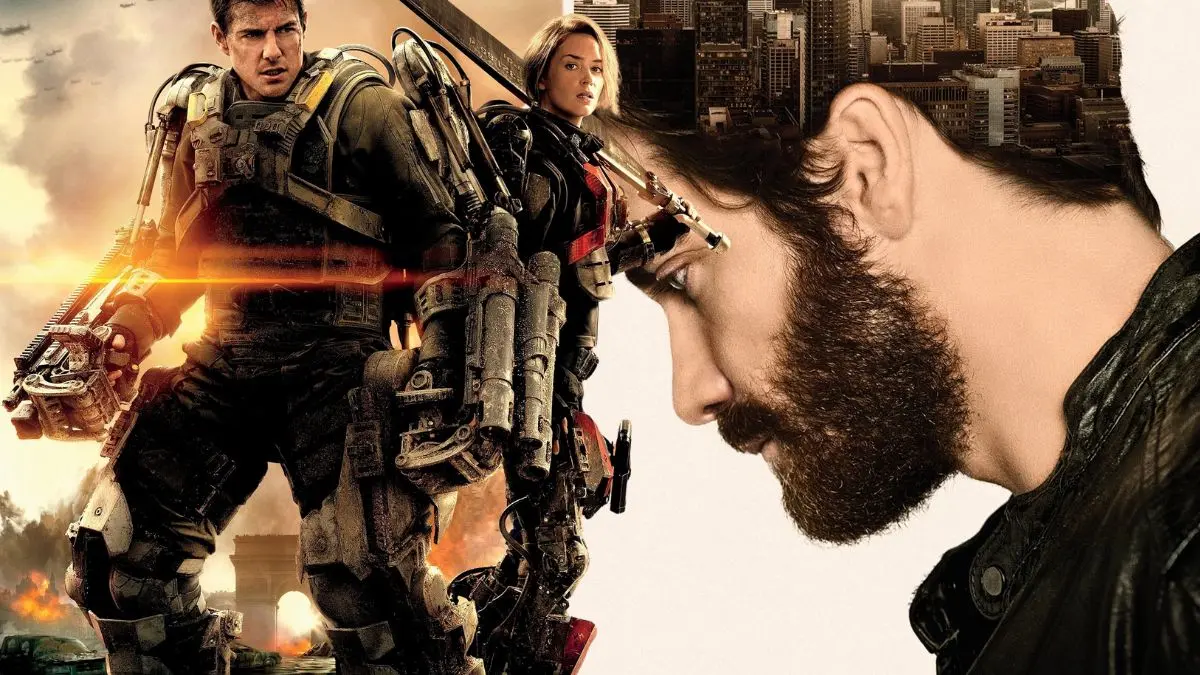
The loop structure trains its lead while hiding tactical information in repetition. On rewatch you can map which deaths teach which lessons and how the battlefield changes after each attempt. The clues about the Omega and Alpha setup become easier to follow with that knowledge. Warner Bros. released the movie, and behind-the-scenes material mirrors what a second look reveals.
‘Joker’ (2019)
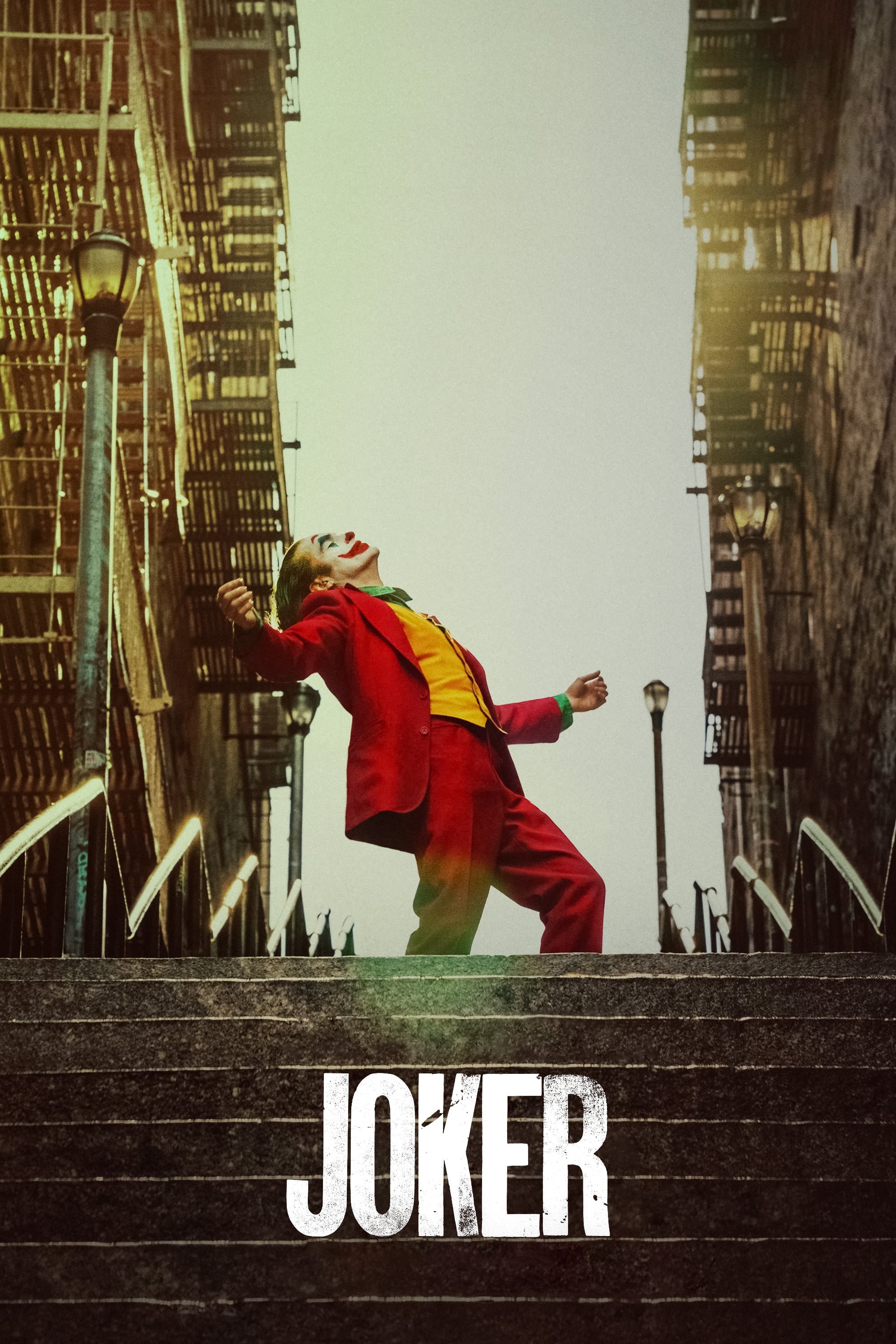
Unreliable perspective and imagined scenes blend with documented events. A second viewing helps you separate fantasy from reality by tracking clocks, room layouts, and audience reactions. News broadcasts and file dates also anchor what actually happened. Warner Bros. distributed the film, which ties it to the studio’s broader Gotham storytelling.
‘The Dark Knight’ (2008)
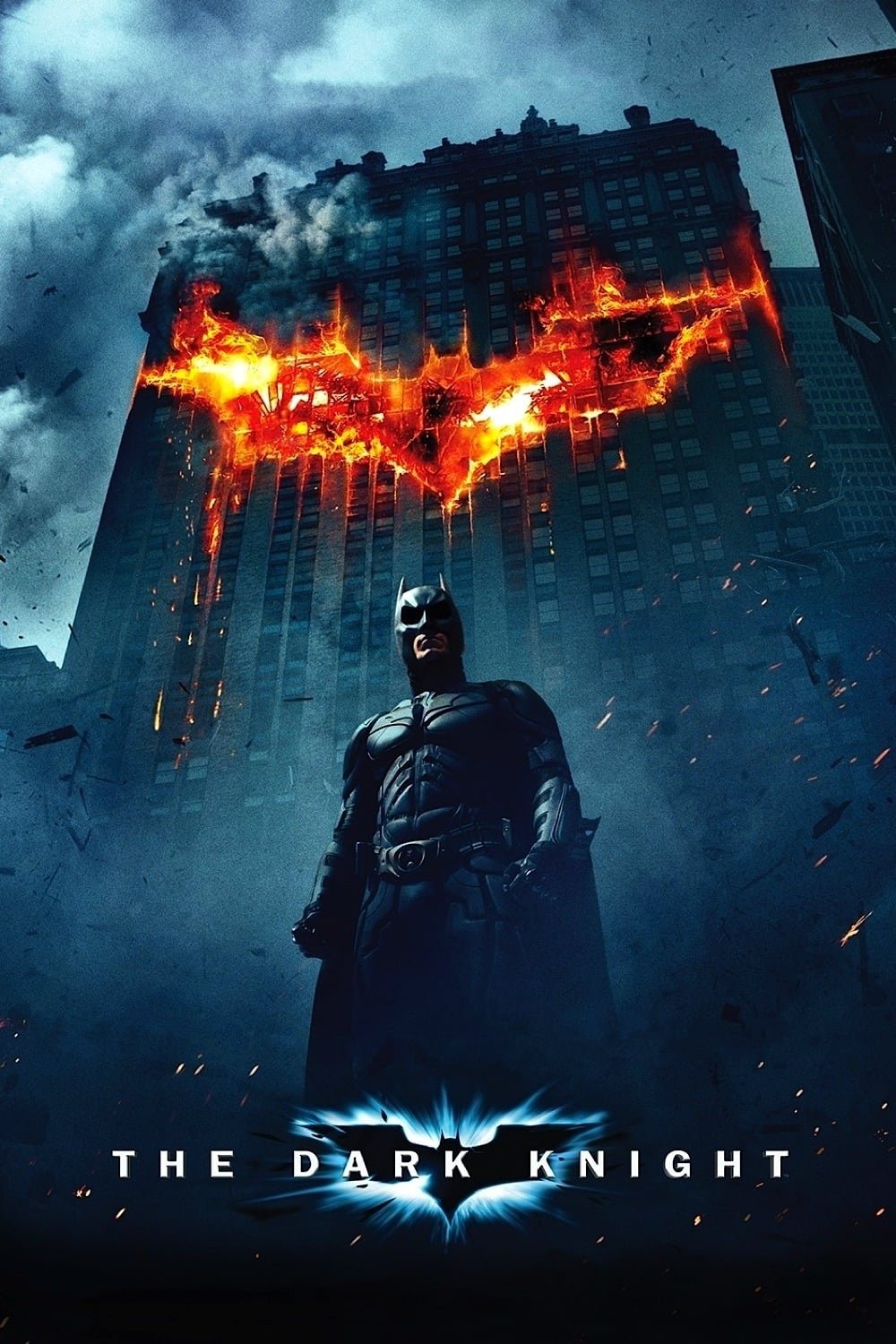
The plot runs on plans within plans, with breadcrumbs in dialogue and staging. Rewatching lets you catch how bank heist roles, ferry choices, and phone surveillance link to later turns. You can also follow Harvey Dent’s chain of decisions with clearer cause and effect. Warner Bros. released it, and that continuity supports careful re-examination across the trilogy.
‘Memento’ (2000)
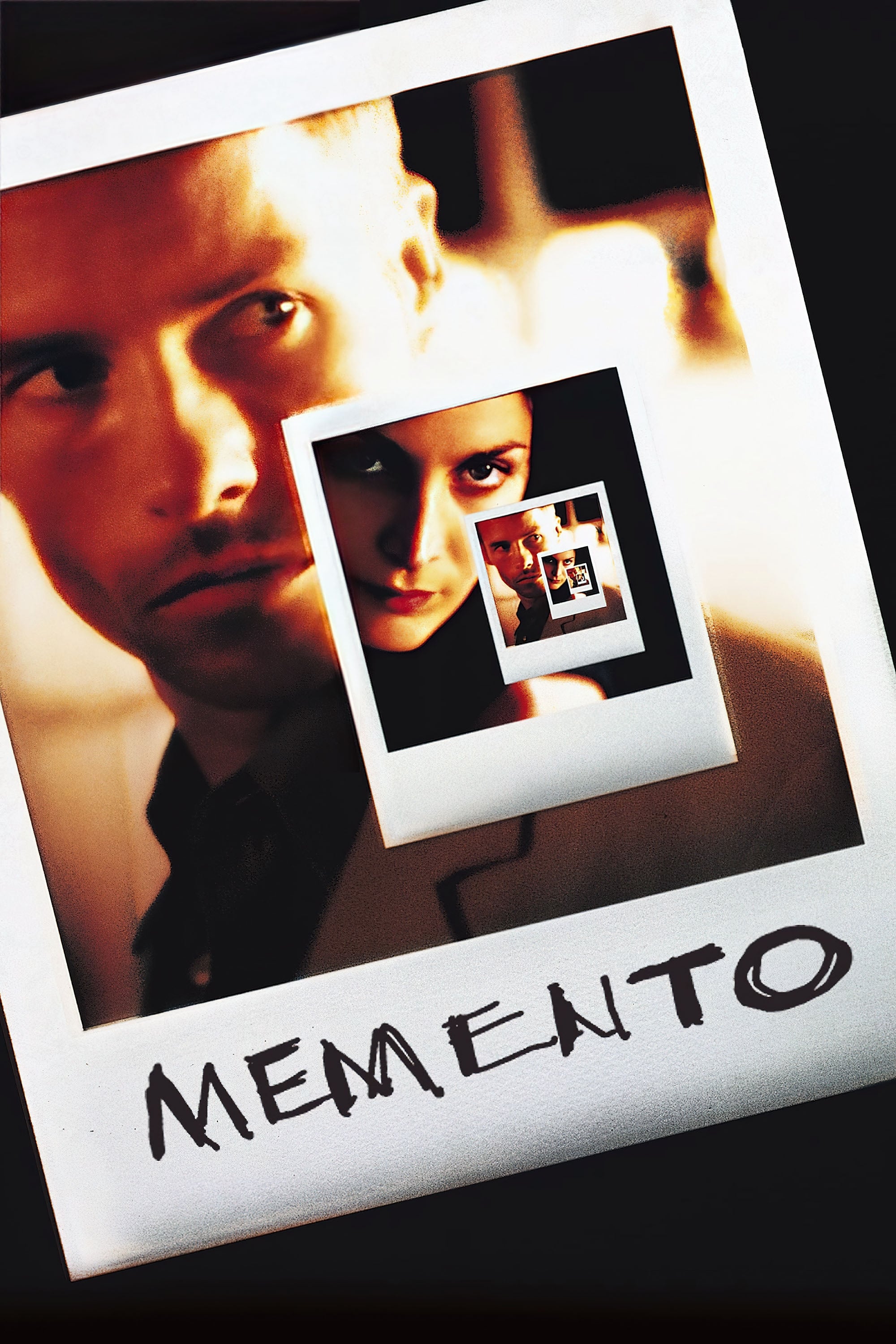
Scenes run in reverse order while a second thread fills in the blanks. On rewatch you can align the black and white segments with the color ones and track how Leonard labels people and objects. Note patterns in tattoos and Polaroids to see what changes from one moment to the next. Newmarket Films distributed the movie originally, and later releases preserved those structural cues.
‘Spirited Away’ (2001)
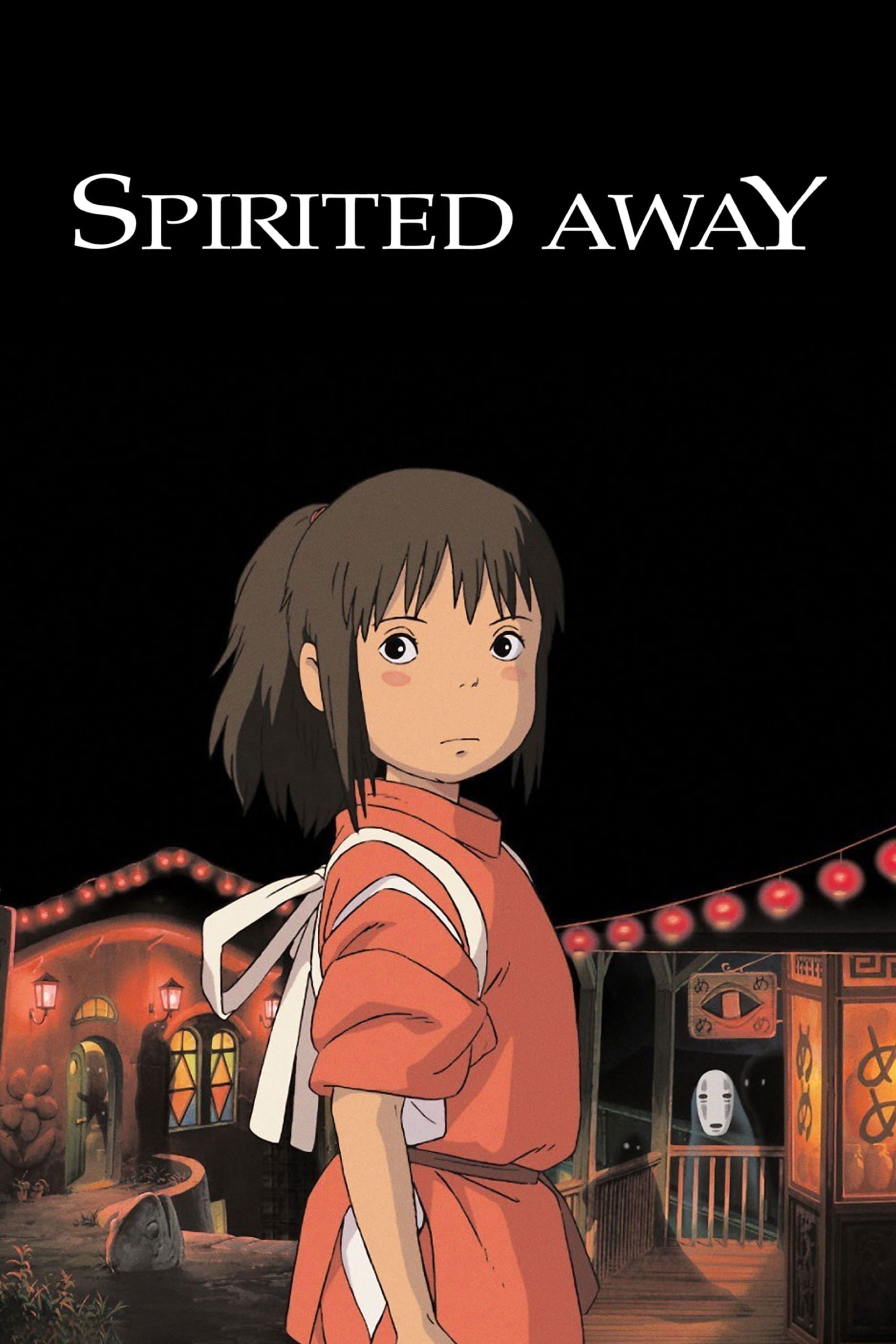
Spirits, workplaces, and names shift meaning as the journey unfolds. A second viewing helps you read the bathhouse rules, tokens, and contracts that govern how favors work. You can also track how food, trains, and river imagery mark growth. In the United States the film is handled by GKIDS today, which is why Studio Ghibli titles sit together on the service.
‘Princess Mononoke’ (1997)
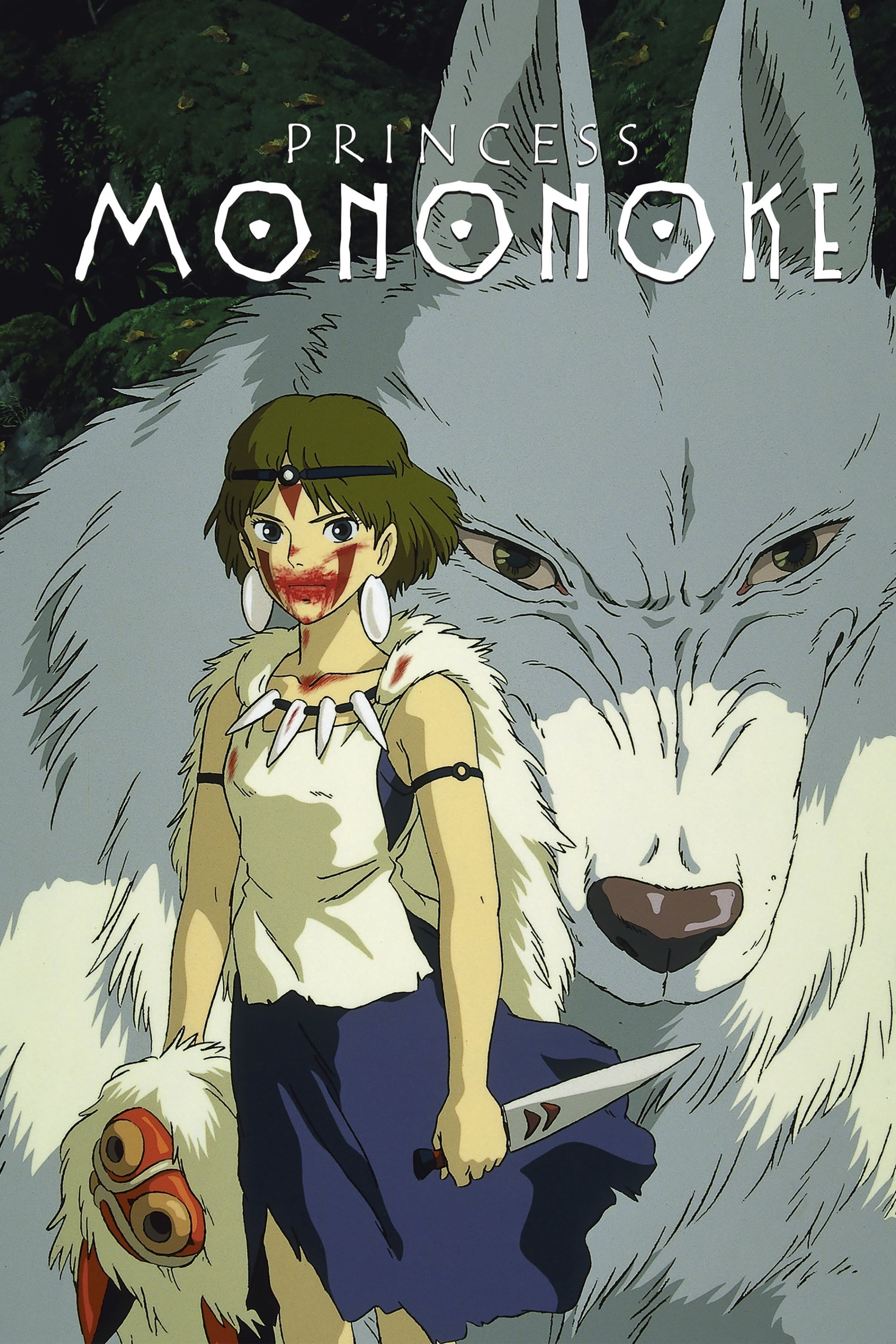
The film lays out complex relationships among villages, forests, and ironworks without lecturing. On rewatch you can follow how trade routes, weapon types, and alliances change from scene to scene. The animal gods’ rules and boundaries also make more sense once you know the stakes. GKIDS manages U.S. distribution now, which helps keep Studio Ghibli’s catalog available in one place.
‘The Prestige’ (2006)
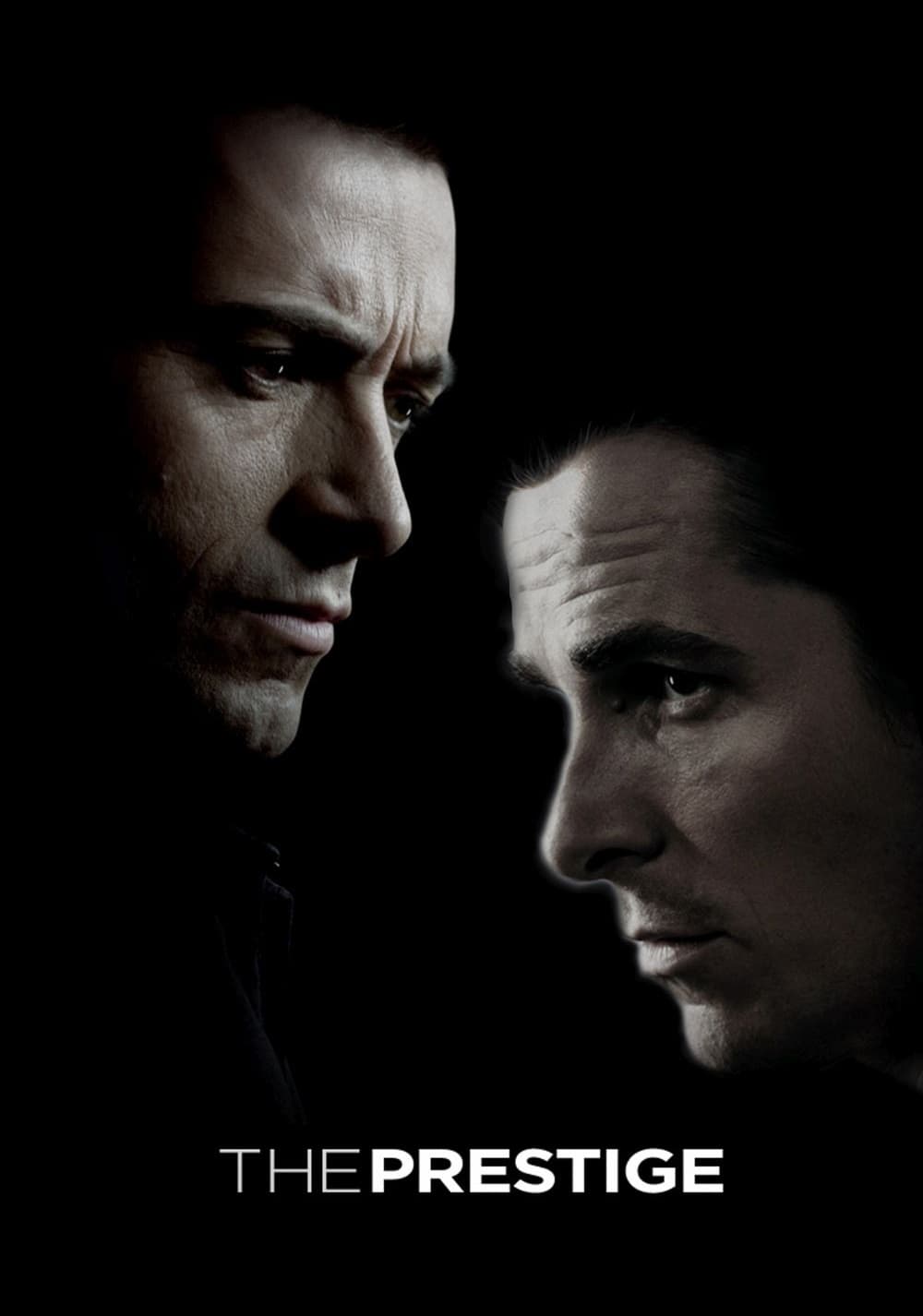
This story hides its secrets in overlapping diaries and mirrored stage acts. A second viewing lets you map the transported trick mechanics alongside each magician’s choices and see how the pledges and turns set up the prestige. You can follow props and scars that quietly confirm what happened offstage. Buena Vista Pictures handled the film in North America, which explains the careful theatrical rollout that emphasized mystery.
‘Prisoners’ (2013)
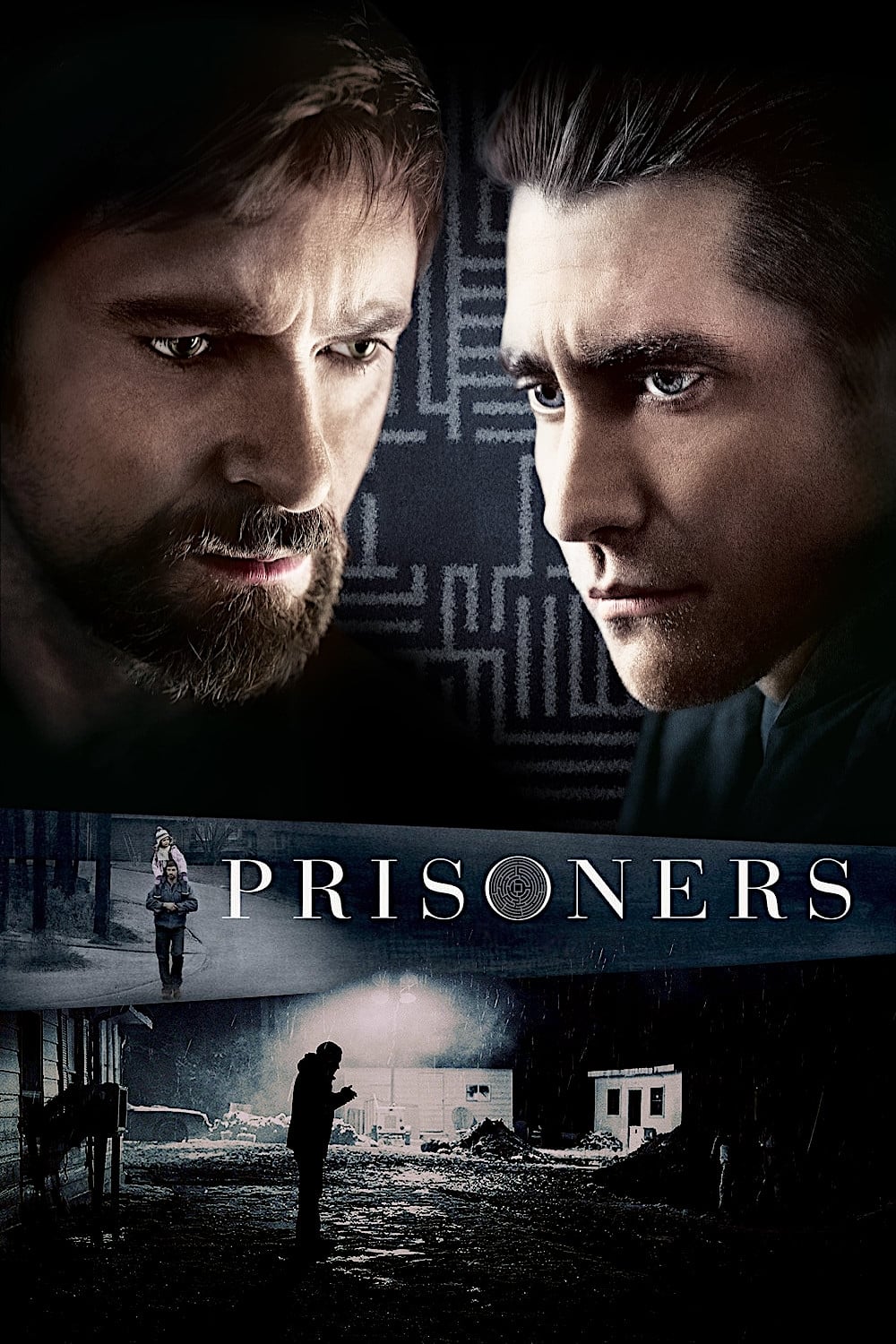
The clues thread through mazes, missing evidence, and overlapping investigations. Rewatching helps you track how symbols connect the victims and how each decision narrows the search without spelling it out. Side characters reveal patterns that line up once you know the destination. Warner Bros. Pictures distributed the film, placing it within the studio’s strong run of adult thrillers.
‘Zodiac’ (2007)
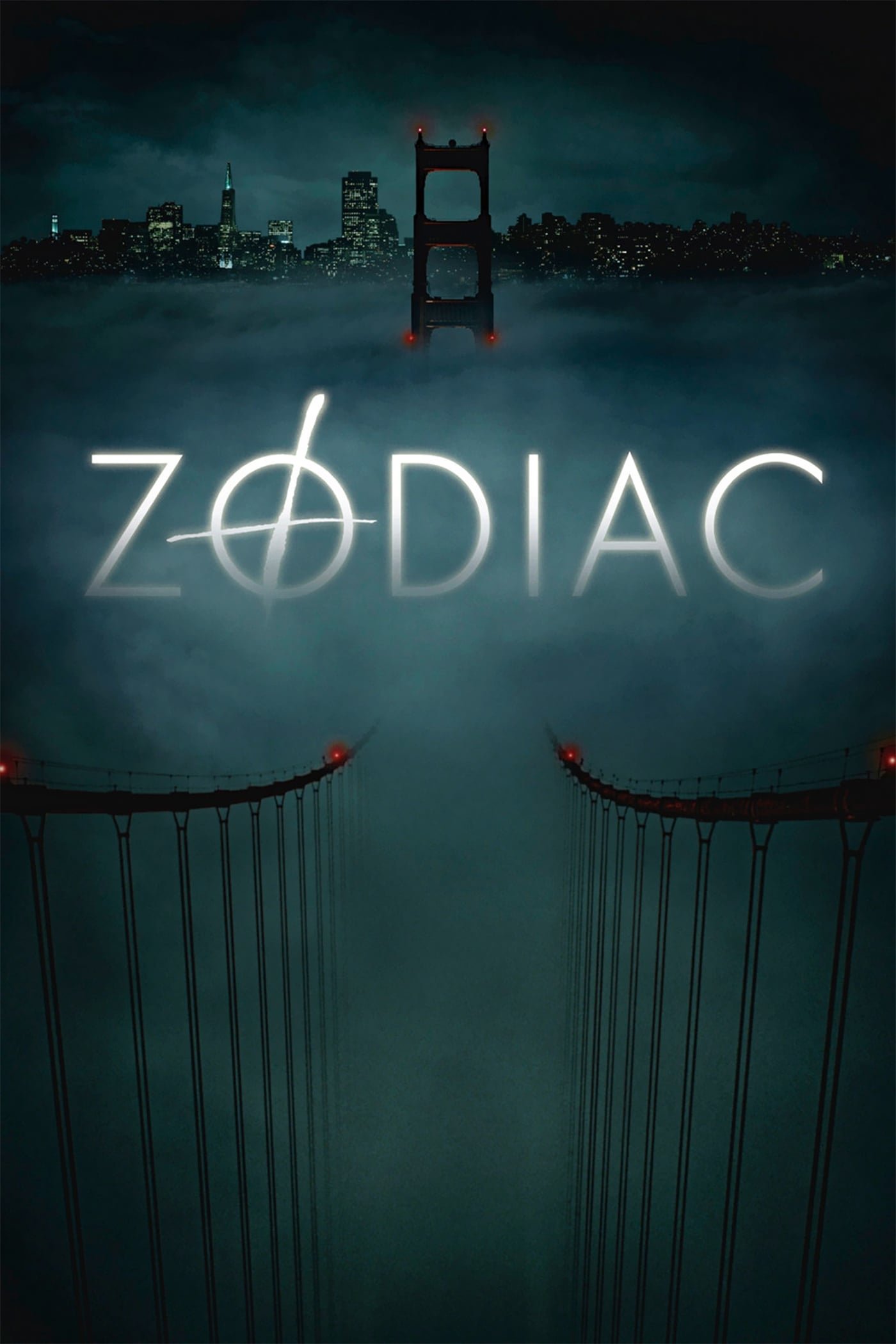
Timelines, dates, and case files build a procedural that stretches across years. On a second pass you can sync each suspect’s movements with the newspaper records and see how geography shapes the pursuit. Background conversations also point at later dead ends and obsessions. Paramount Pictures released the film domestically, which suited its meticulous newsroom framing.
‘Shutter Island’ (2010)
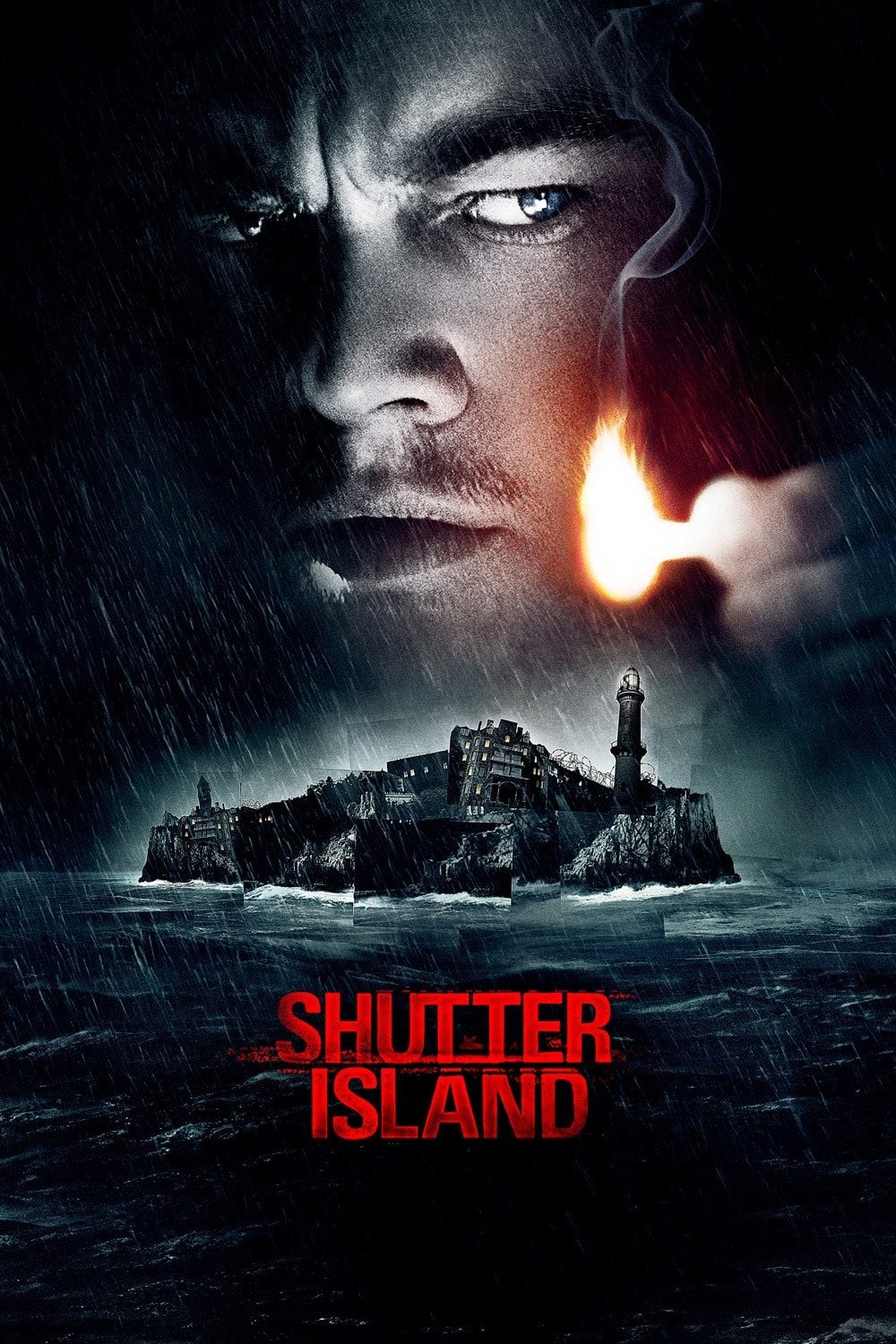
Visual cues and weather patterns quietly guide how you interpret each scene. Rewatching lets you track medical routines, ward protocols, and layout changes that reveal what the characters are actually doing. Dialogue about dreams and treatment choices lands differently once you know the context. Paramount Pictures distributed the movie, pairing it with a campaign that leaned into its puzzle box structure.
‘The Sixth Sense’ (1999)
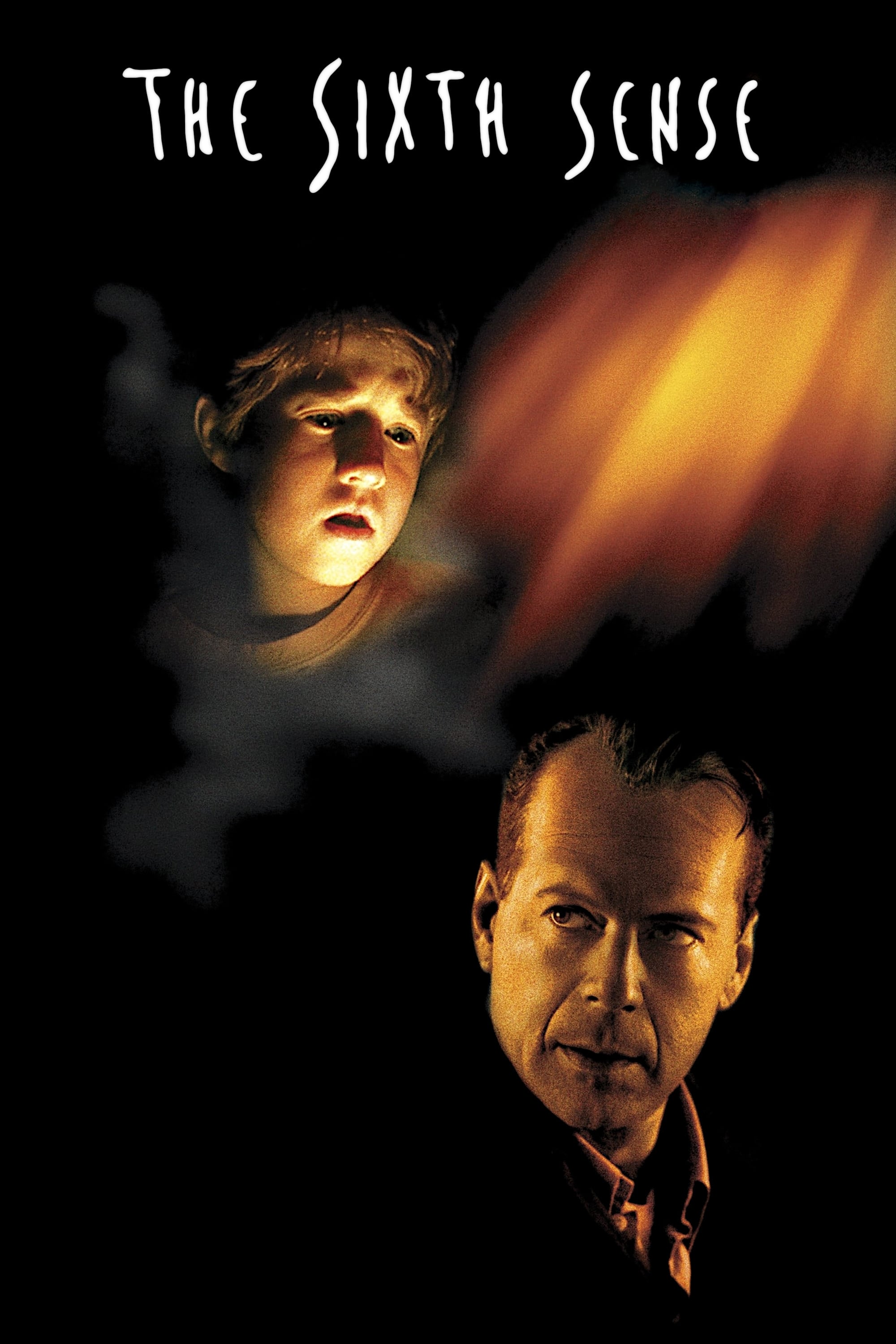
Every interaction is staged to read two ways without cheating. On a second viewing you can watch how conversations are framed, where characters sit, and which objects move to understand the rules at play. Small costume and sound choices also point at the truth. Buena Vista Pictures handled distribution, and the studio’s rollout let word of mouth highlight the careful construction.
‘Fight Club’ (1999)
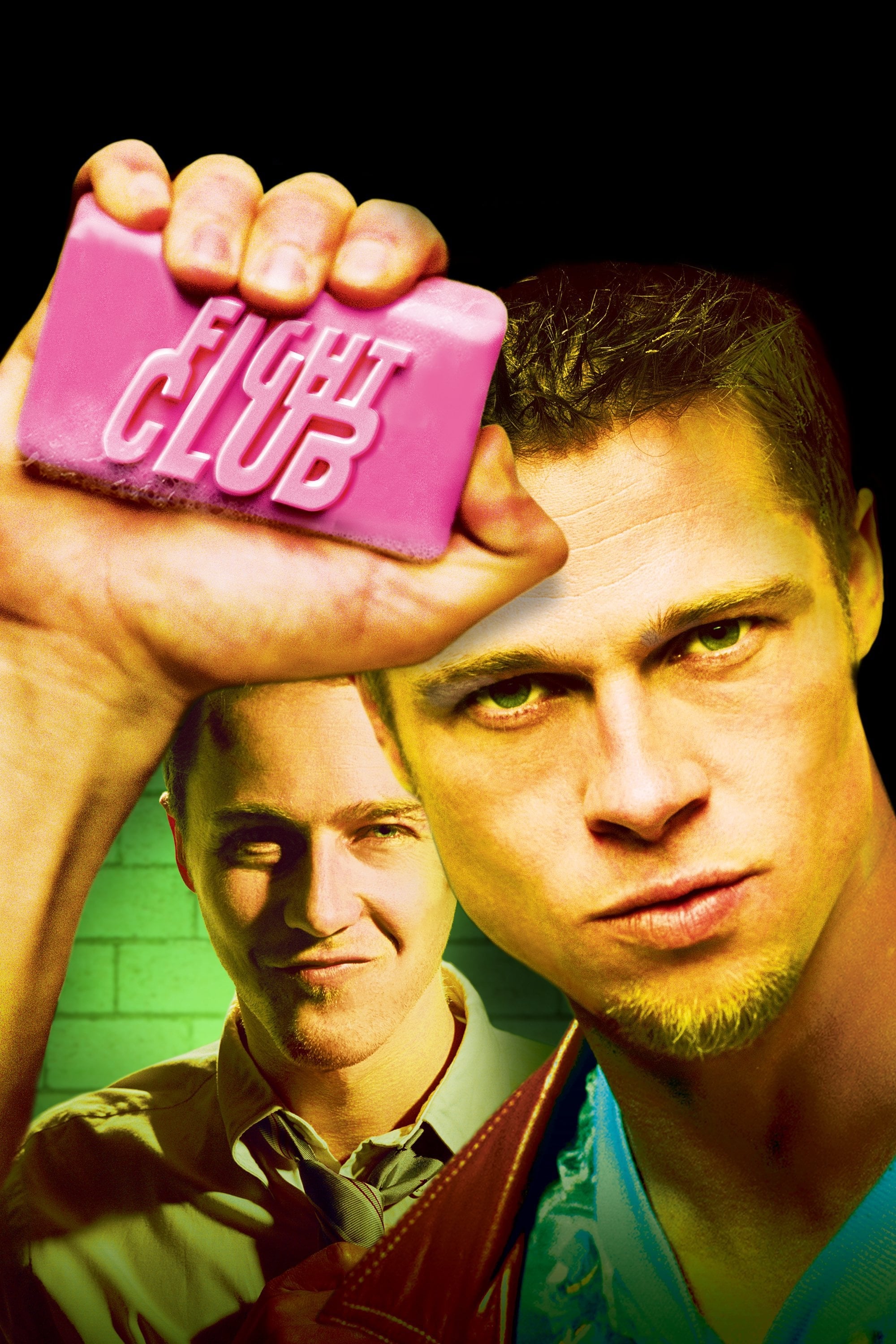
Editing rhythms, repeated lines, and blink-and-you-miss-them shots seed the reveal early. Rewatching helps you connect the support group scenes, credit card details, and travel logistics into one timeline. Background characters respond in ways that confirm what the story withholds. 20th Century Fox distributed the film, aligning it with a slate of provocative late-90s releases.
‘Donnie Darko’ (2001)
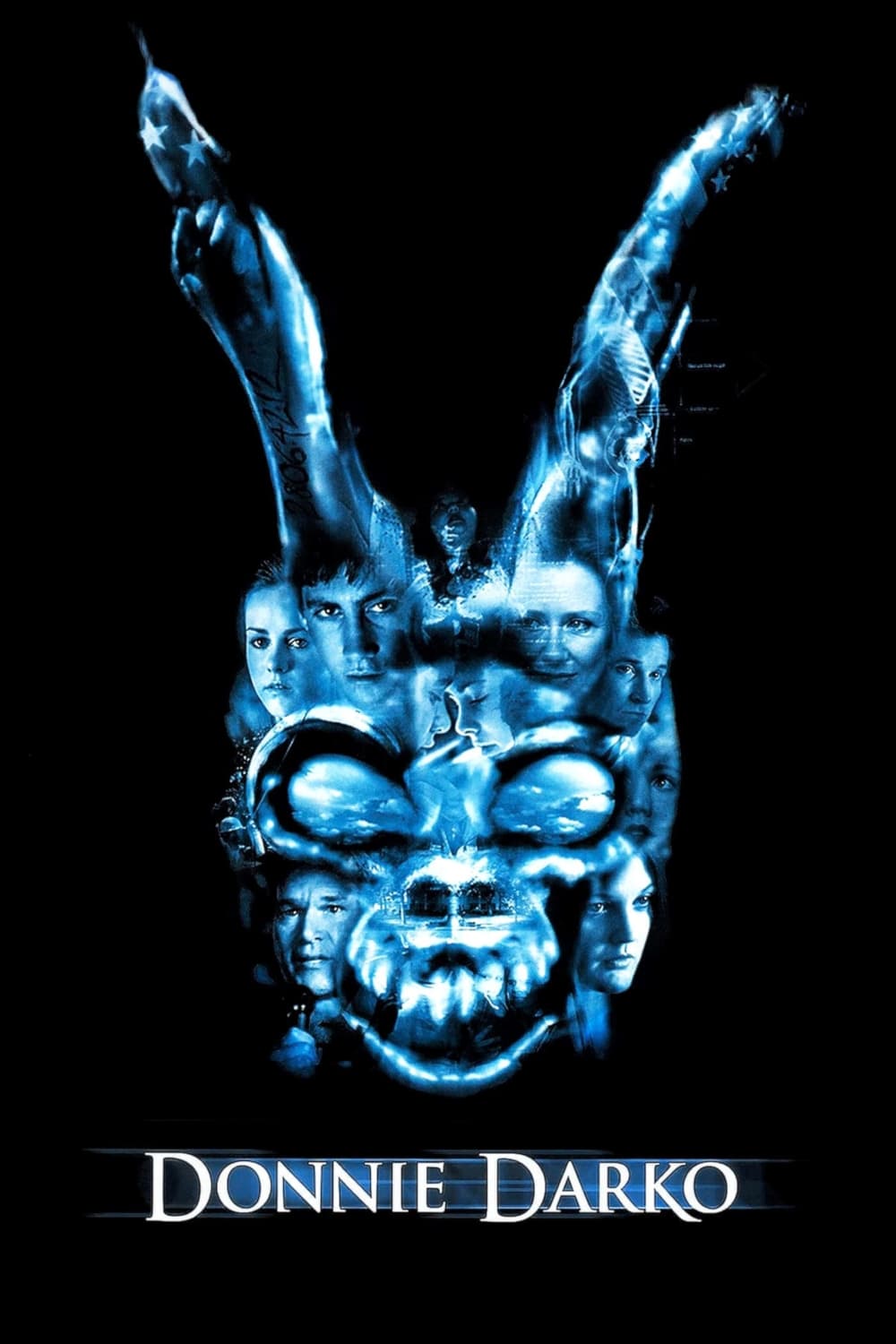
Time loops, tangent possibilities, and coded clues sit in classroom scenes and household routines. A second pass lets you follow the manipulated paths that push each character and see how the jet engine mystery interlocks with the book excerpts. Song choices also act like markers for cause and effect. Newmarket Films released the movie, which fits its cult discovery path.
‘The Usual Suspects’ (1995)
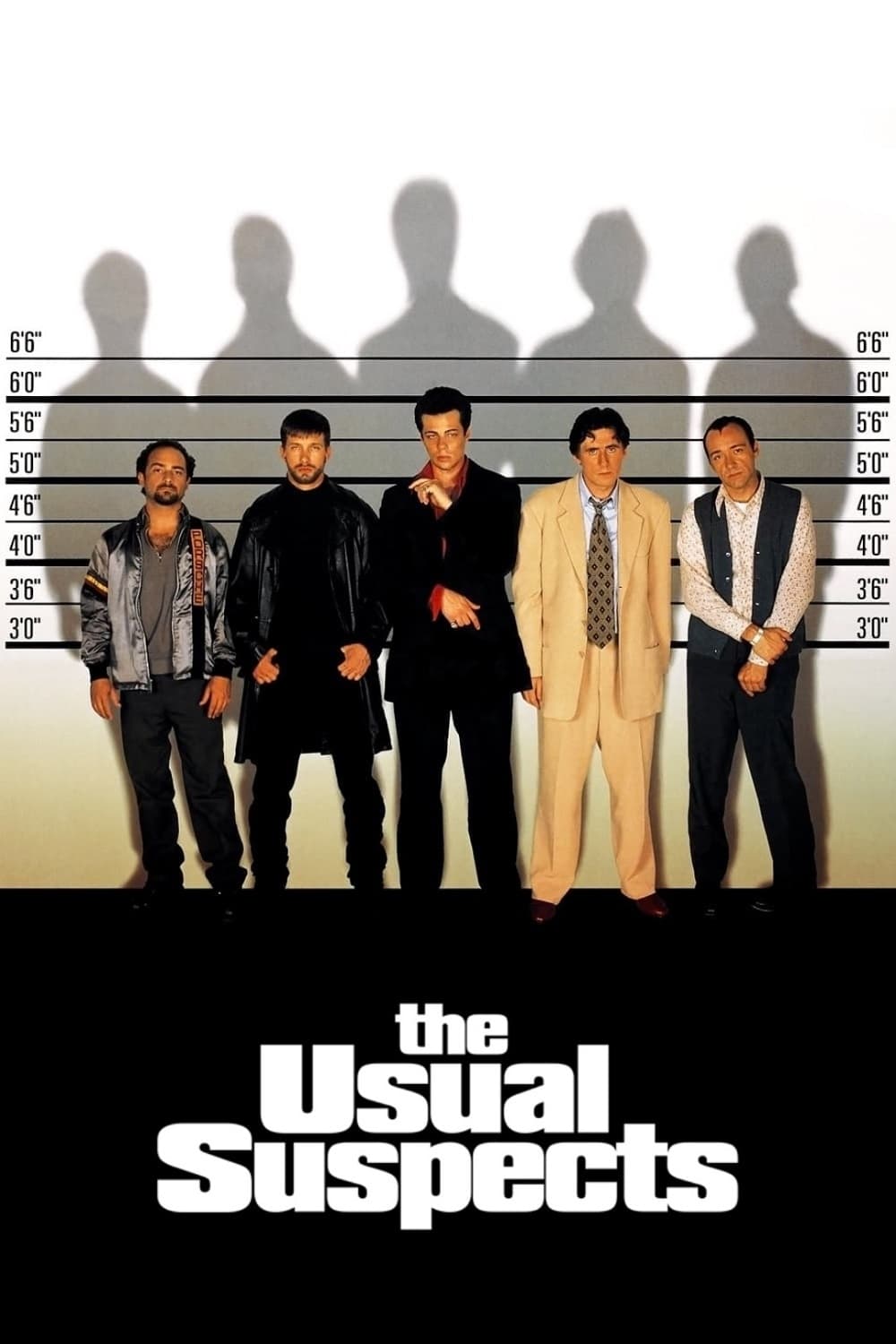
The tale unfolds in a retelling that invites you to trust the wrong details. Rewatching helps you spot how props move, how background names appear, and how the lineup scene shapes everything that follows. Office clutter and bulletin boards quietly do as much work as the dialogue. Gramercy Pictures distributed it, and the label’s indie credibility supported the film’s word-of-mouth twist.
‘Coherence’ (2013)
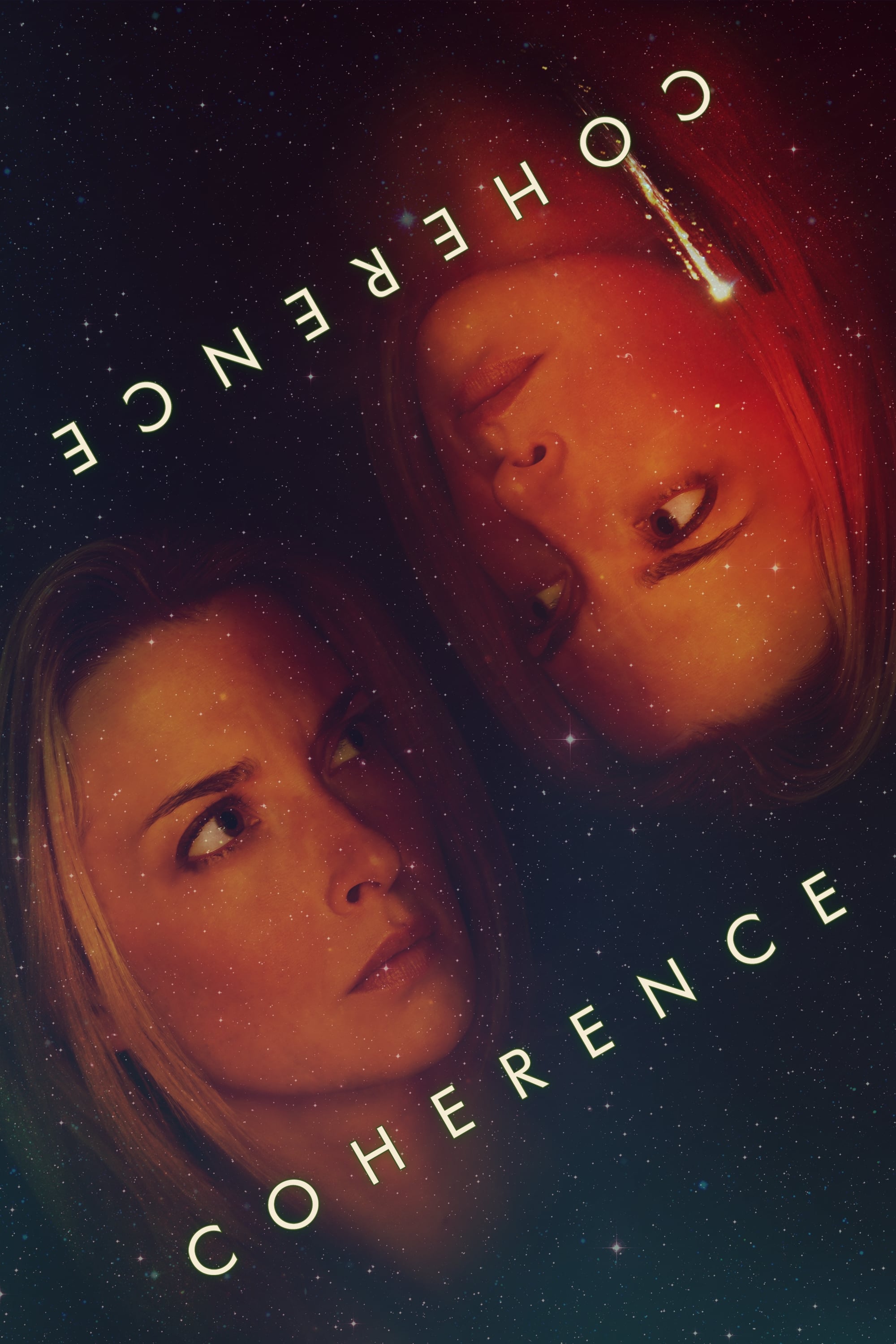
Dinner table chatter turns into branching realities as small objects change meaning. On a second viewing you can track glow stick colors, note switches, and door markings that identify which version of the group you are watching. The rewatch clarifies how choices push people into new permutations. Oscilloscope Laboratories handled distribution, which matched its intimate, experimental style.
‘Primer’ (2004)
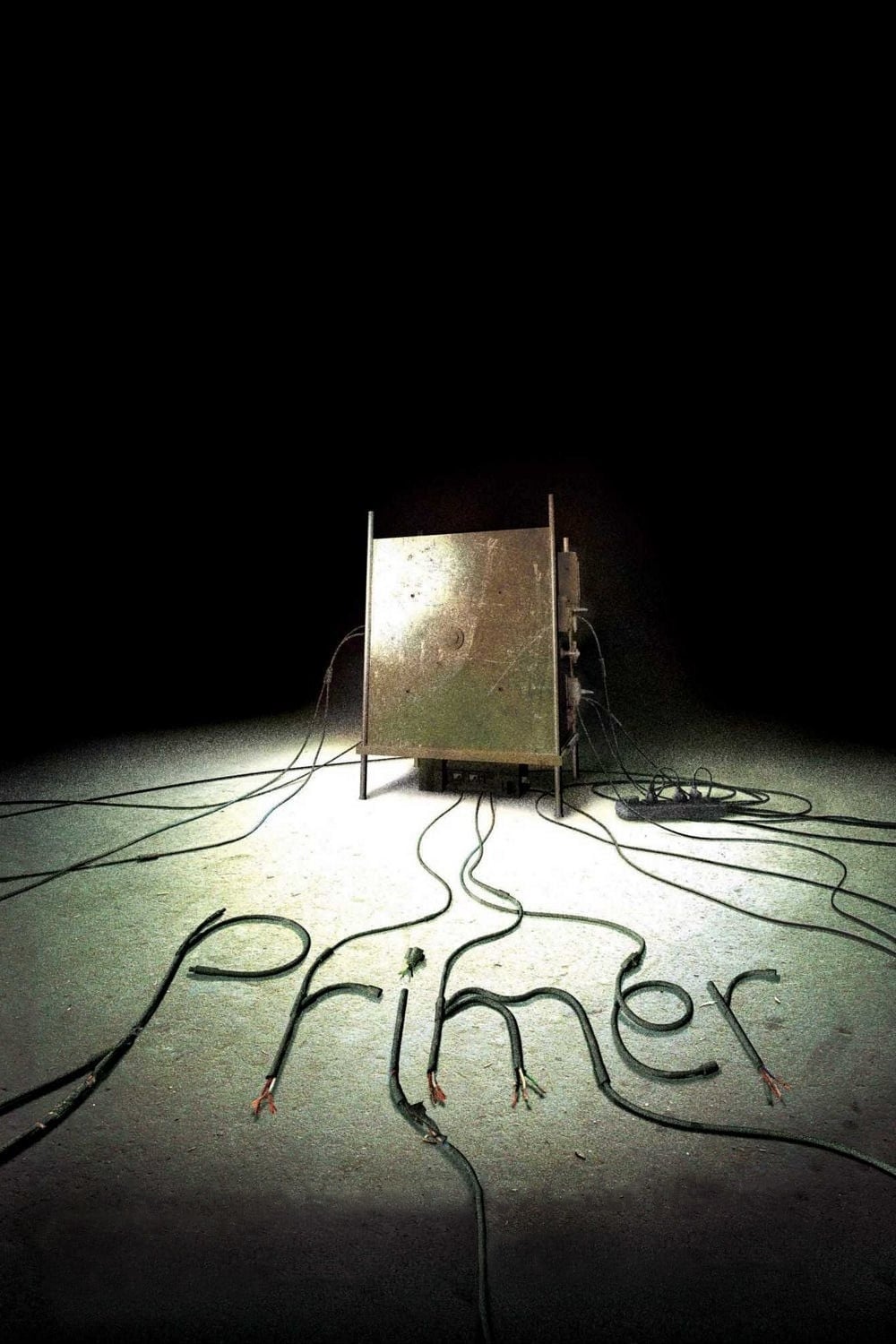
Technical talk and garage tinkering disguise a precise diagram of overlapping trips. Rewatching lets you draw the boxes and doubles that map who went where and when, then line that up with tired conversations and audio anomalies. The second pass turns dense dialogue into a clear timetable. THINKFilm distributed the movie, helping an ultra-low-budget idea reach a wider audience.
‘Moon’ (2009)
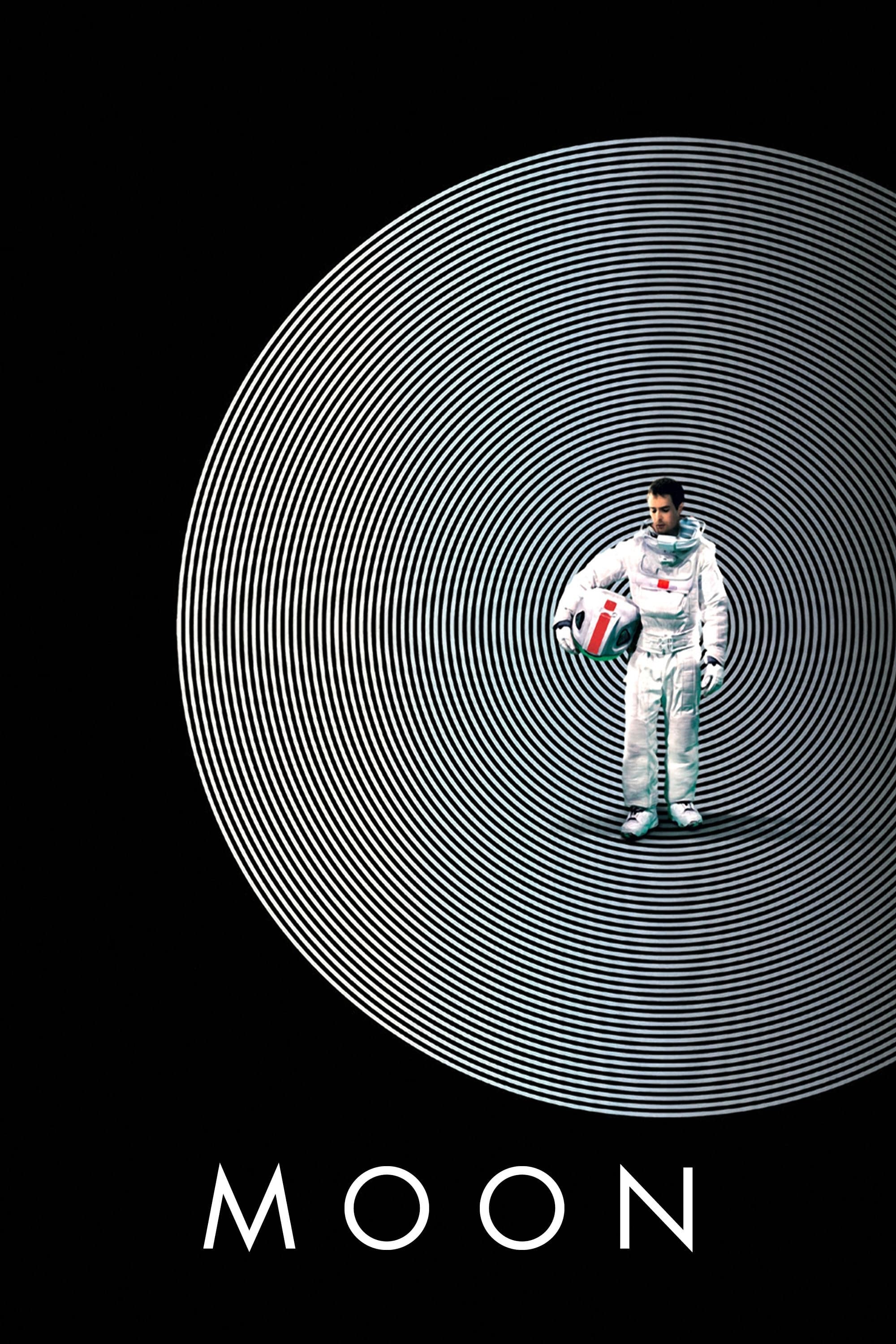
Routine and isolation mask a corporate plan that unfolds one hint at a time. On rewatch you can follow maintenance logs, harvest schedules, and base maps to see how the operation truly works. Small design touches make the reveals feel inevitable once you notice them. Sony Pictures Classics handled distribution, which fit the film’s thoughtful science fiction tone.
‘Source Code’ (2011)
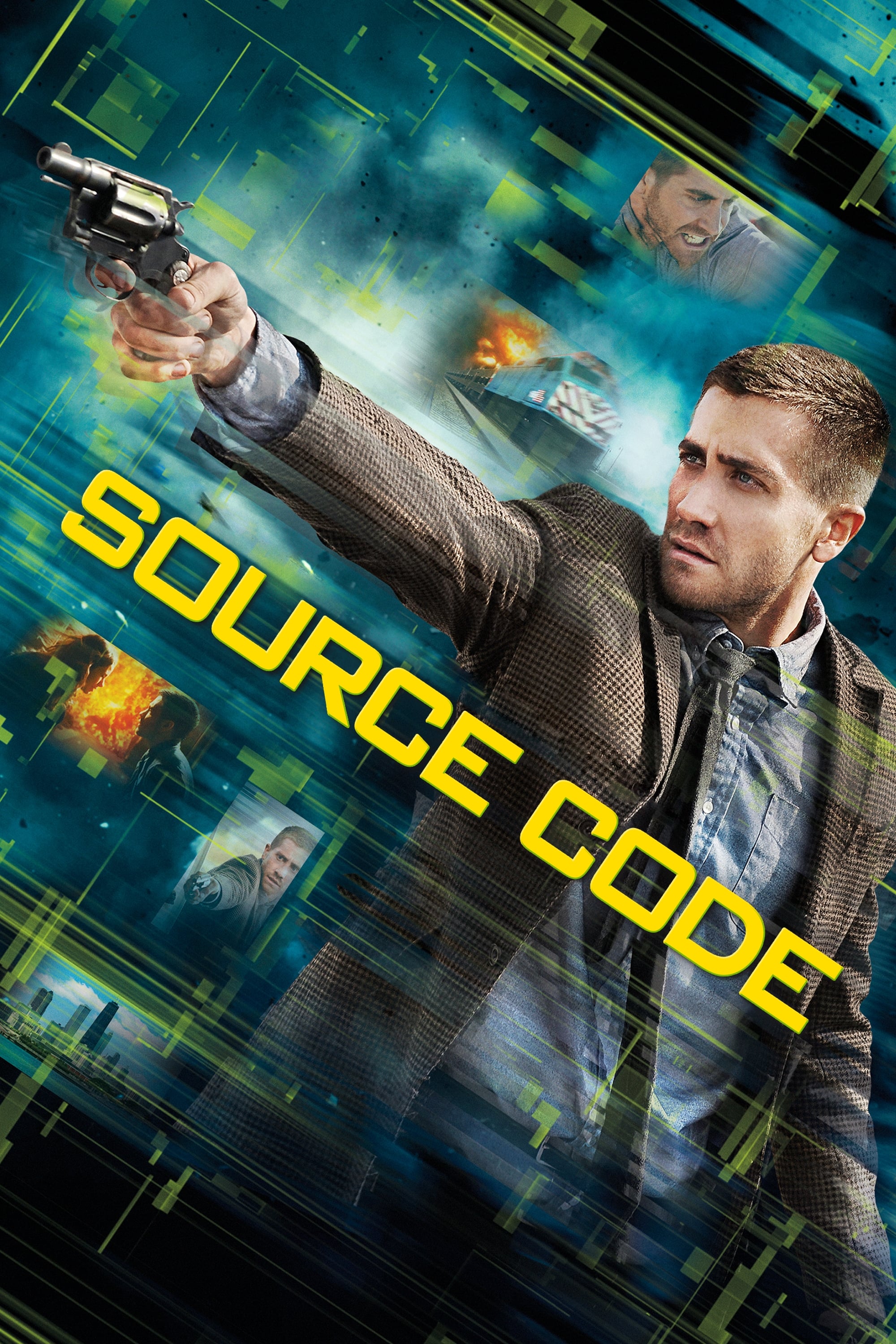
The mission repeats in tight windows that invite careful tracking. A second look helps you note seat positions, phone calls, and train car placements that shape each attempt. You can also see how the program’s rules adjust as the lead learns to push them. Summit Entertainment distributed the film, placing it among sleek high-concept thrillers of its era.
‘Annihilation’ (2018)
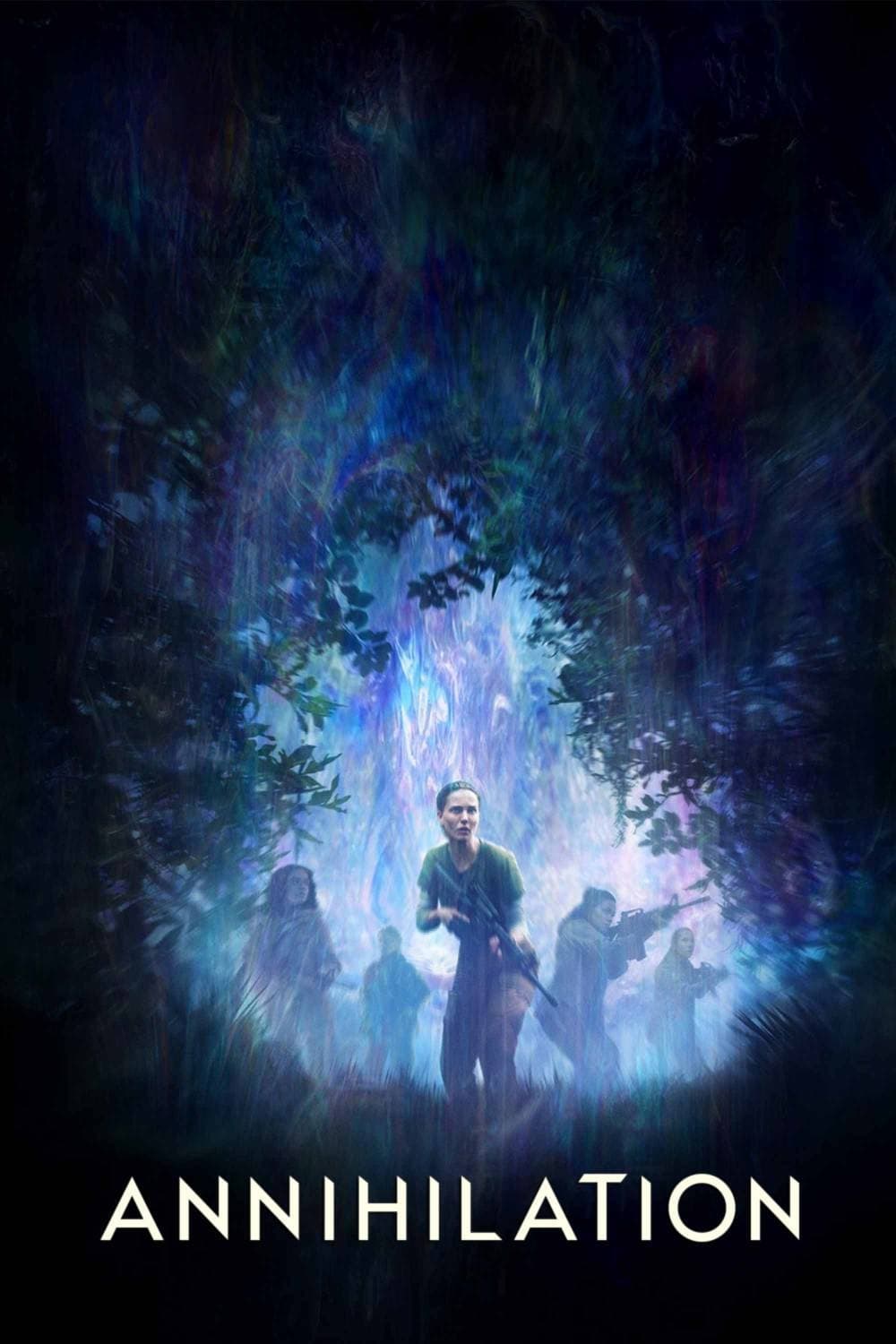
The Shimmer rewrites biology in patterns that show up across sound, plant life, and movement. Rewatching lets you connect field notes, tattoo motifs, and refracted behaviors into one explanation. The camera lingers on details that feel decorative until you know what they signal. Paramount Pictures released it domestically, which framed the film as a bold studio science fiction swing.
‘Enemy’ (2013)
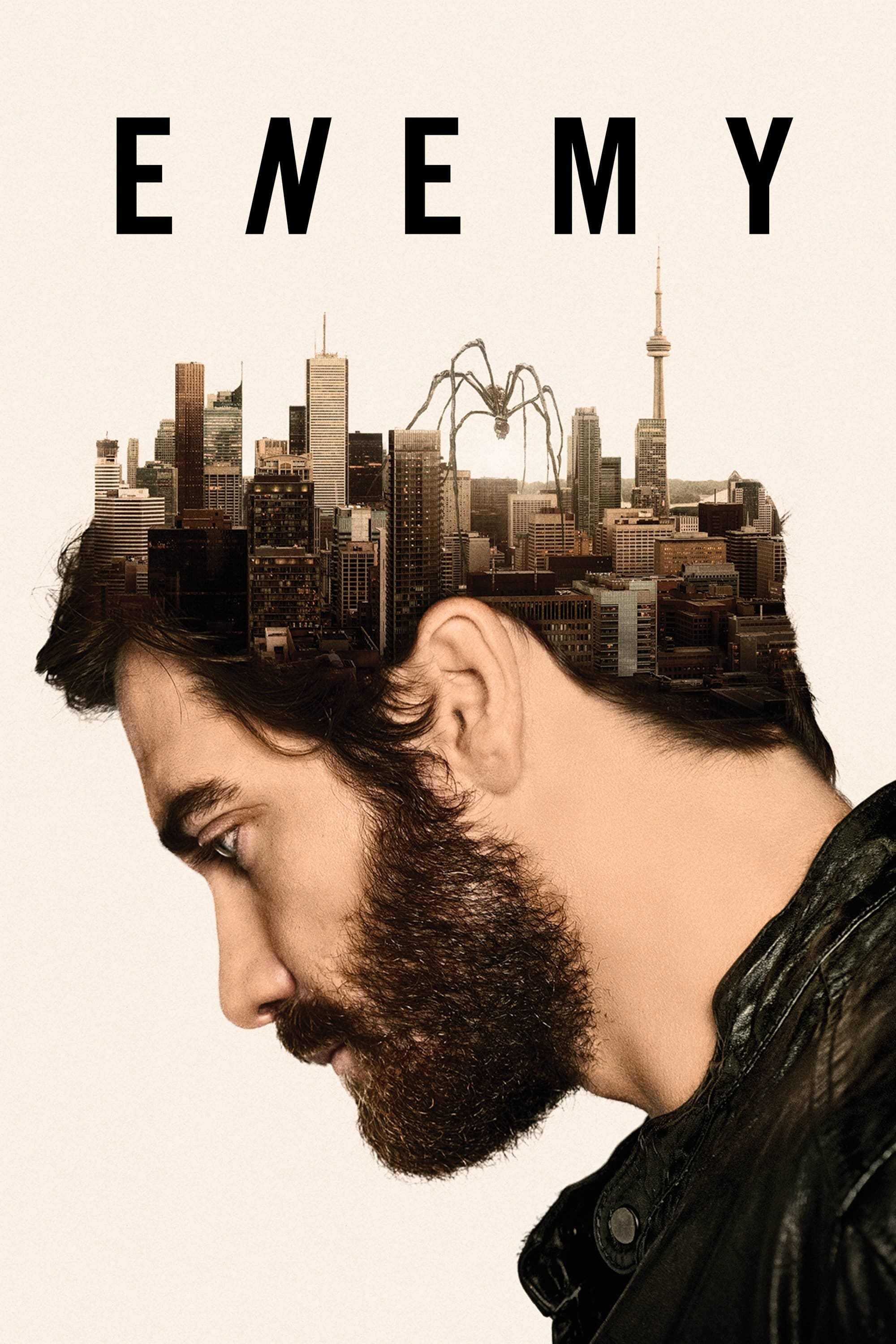
Doubles, spiders, and cityscapes communicate character psychology more than plot. On a second pass you can trace the apartment keys, lecture topics, and stage posters that link the two men. Visual echoes turn into a map for understanding the final images. A24 distributed the film in the United States, supporting its slow-burn reputation.
‘Synecdoche, New York’ (2008)
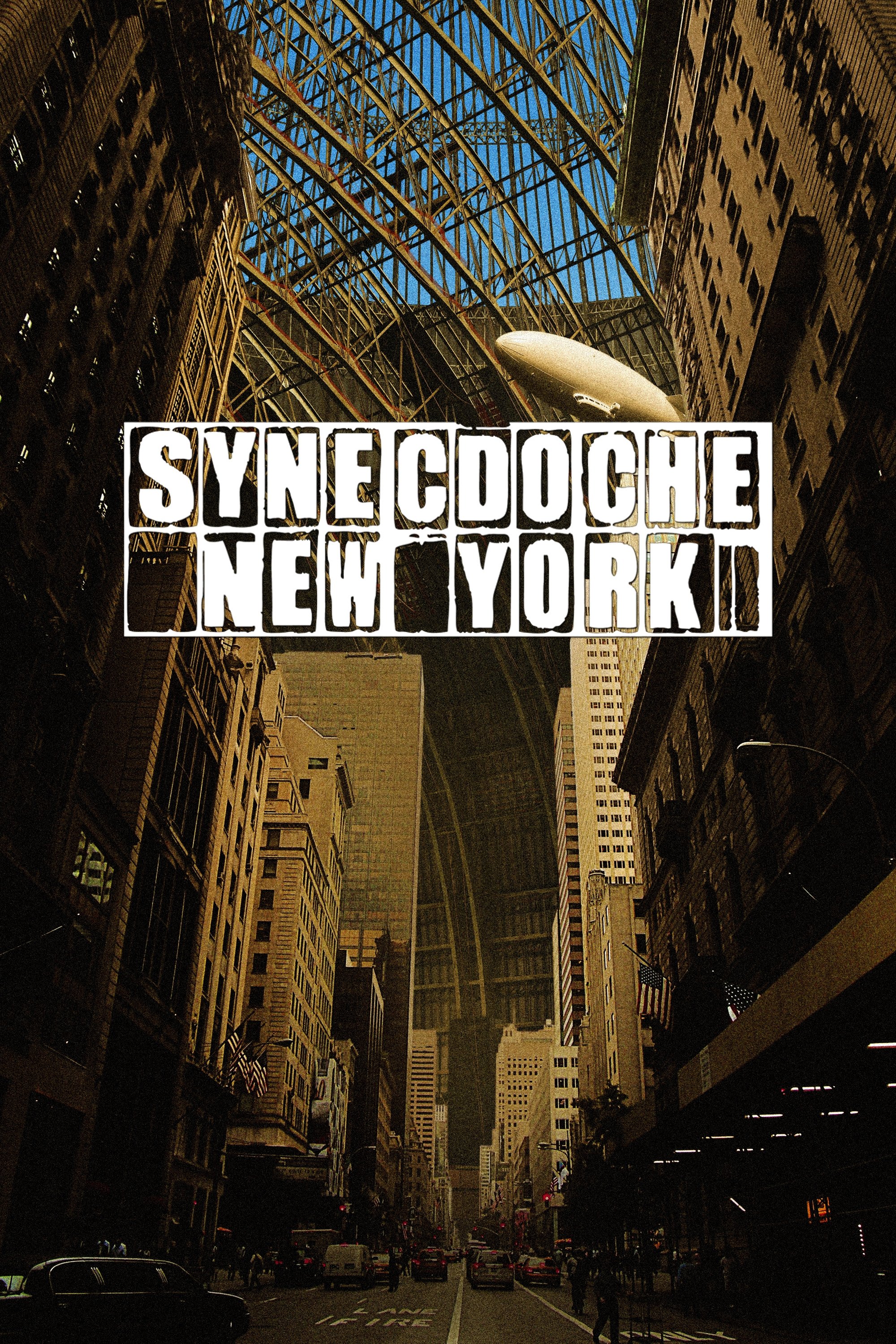
A production grows until it becomes a world that mirrors itself. Rewatching helps you follow casting changes, street names, and set expansions that fold life into art and back again. Letters and medical notes also line up into a timeline that feels clearer once you know the end. Sony Pictures Classics handled distribution, matching the film’s challenging and rewarding design.
Tell us which second viewing unlocked the biggest aha moment for you and what tiny clue finally clicked in the comments.