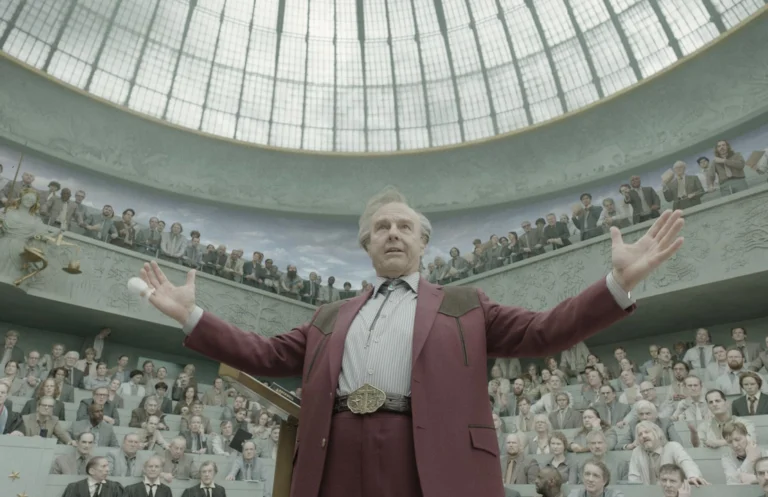
Fan-Hated Finales That Look Better Years Later


Television endings are notoriously difficult to execute and often leave loyal viewers feeling betrayed or unsatisfied after years of investment. Immediate reactions to controversial finales are frequently fueled by unmet expectations or shock at subversive storytelling choices. Time allows audiences to revisit these concluding chapters without the pressure of weekly anticipation or fan theories. Many episodes that were once reviled are now appreciated for their thematic depth and narrative bravery.
‘The Sopranos’ (1999–2007)
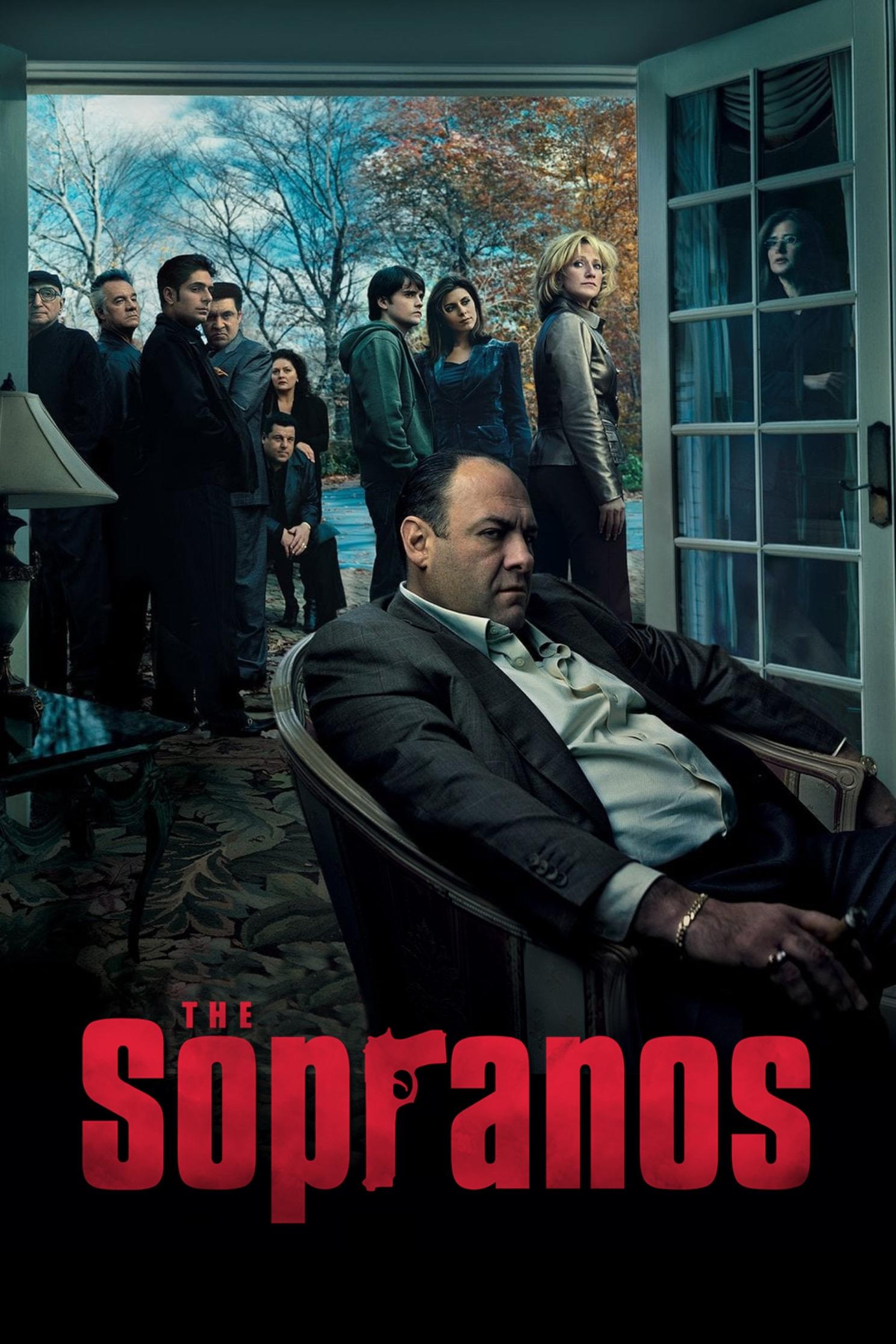
Tony Soprano sits in a diner with his family while a classic rock song plays on the jukebox. The tension builds with every opening of the door until the screen abruptly cuts to black. Fans were originally confused and thought their cable went out during the climactic moment. This ambiguous ending is now celebrated as a masterstroke that forces the audience to confront the uncertainty of Tony’s life.
‘Seinfeld’ (1989–1998)
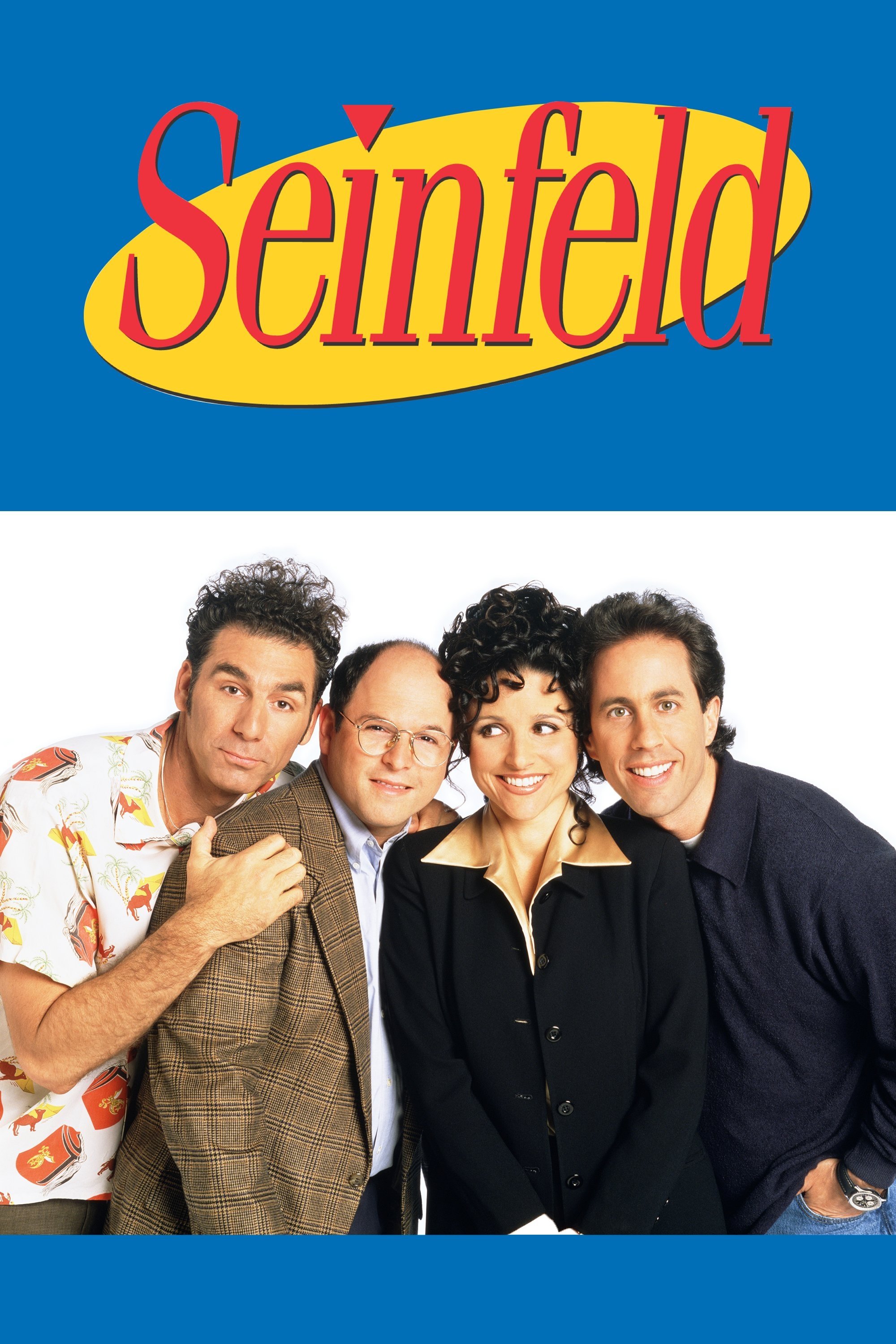
The four main characters are arrested for violating the Good Samaritan Law in a small town. They stand trial while character witnesses from past episodes return to testify against their selfish behavior. The group is sentenced to prison where the conversation loops back to the very first dialogue of the series. Critics initially panned the episode for being too mean but it is now praised for staying true to the show’s cynical worldview.
‘Lost’ (2004–2010)
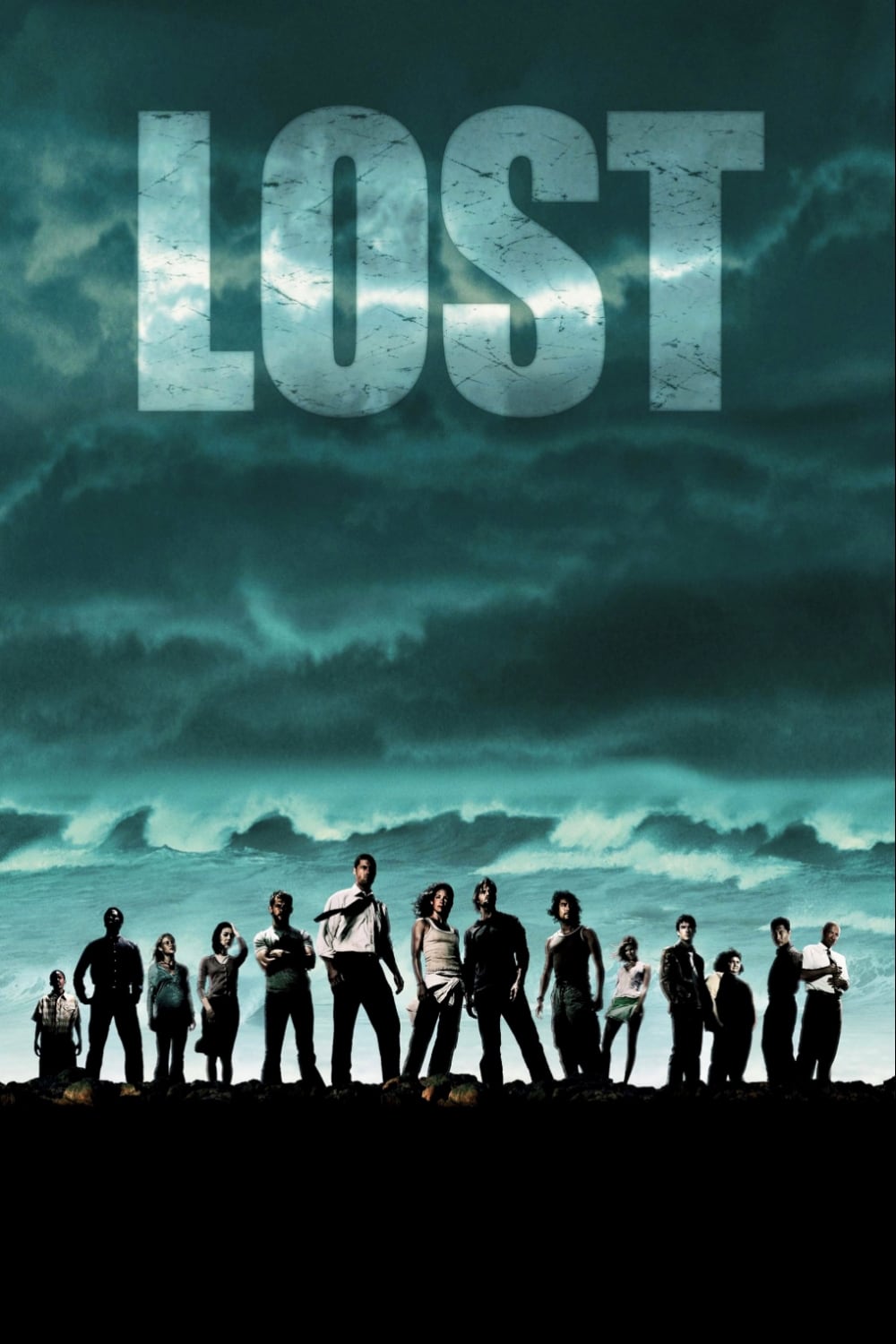
The survivors reunite in a church to move on to the afterlife together after their time on the island ends. Many viewers mistakenly believed this meant the characters had been dead the entire time which caused immense backlash. Rewatching the series clarifies that everything on the island was real and the flash-sideways timeline was a purgatory created for them to find one another. The finale is now appreciated for its emotional weight and focus on character resolution rather than solving every mystery.
‘How I Met Your Mother’ (2005–2014)
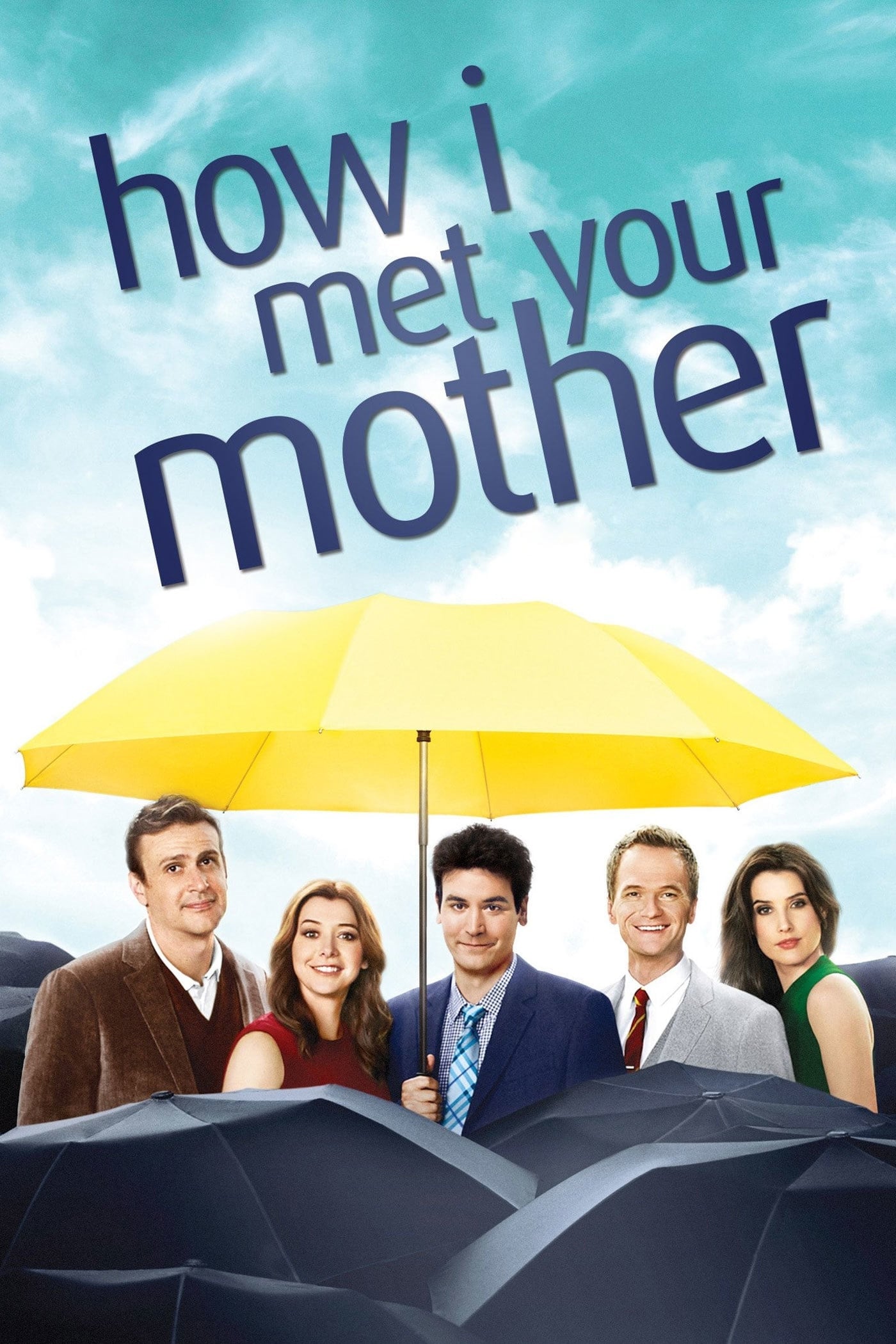
The finale reveals that the titular mother passed away six years prior to Ted telling the story. Ted eventually returns to Robin with the blue French horn after his children give him their blessing. Fans were outraged that the show undid years of character development for a relationship that seemed over. Streaming audiences now often argue that the ending was foreshadowed from the pilot and fits the show’s theme of timing.
‘Battlestar Galactica’ (2004–2009)
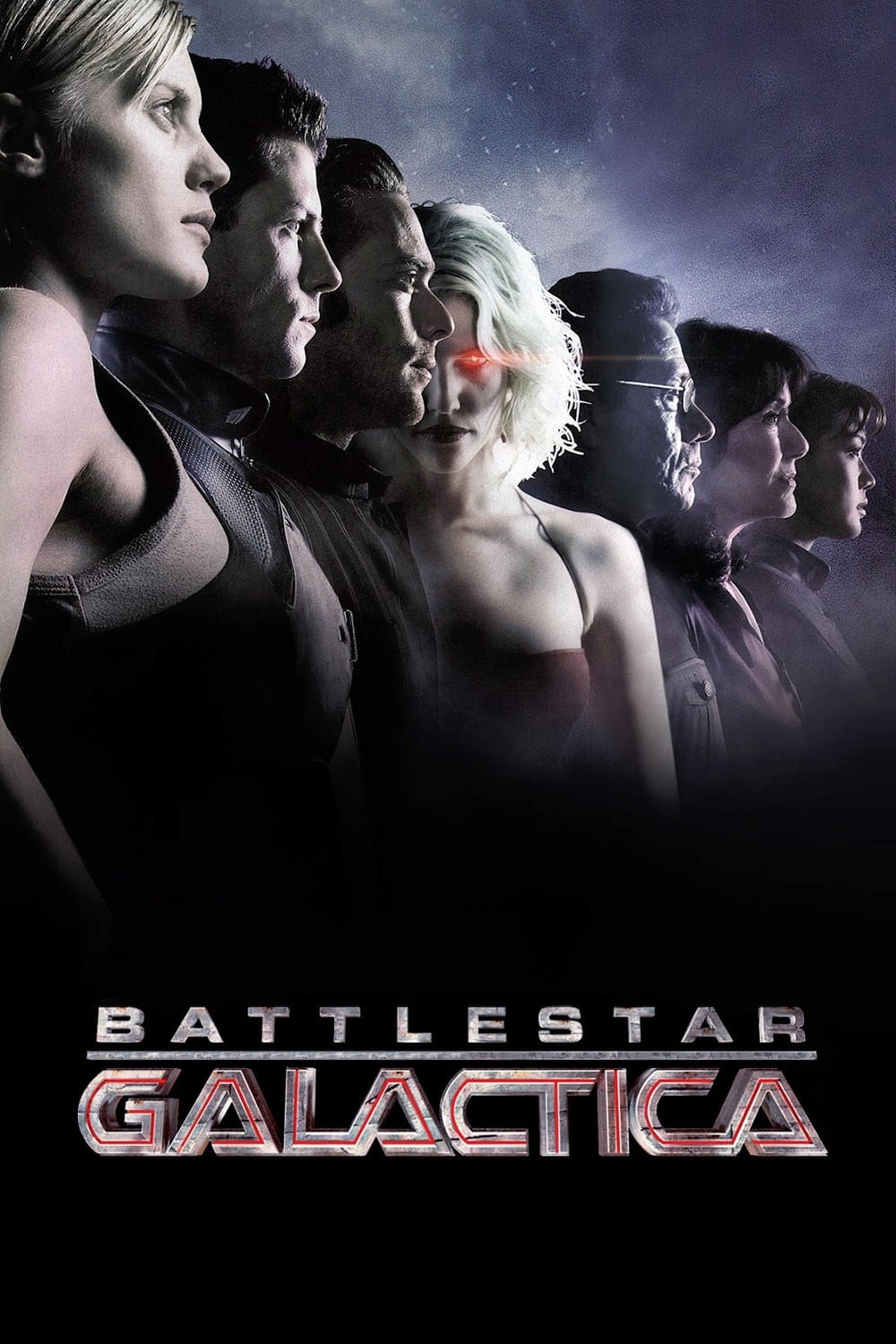
The fleet finally discovers a habitable planet which turns out to be our Earth in the distant past. The survivors decide to abandon their advanced technology to break the cycle of violence between man and machine. While the religious undertones regarding Starbuck polarized viewers at the time the thematic consistency holds up well. It acts as a cautionary tale about reliance on technology that resonates even more today.
‘Mad Men’ (2007–2015)
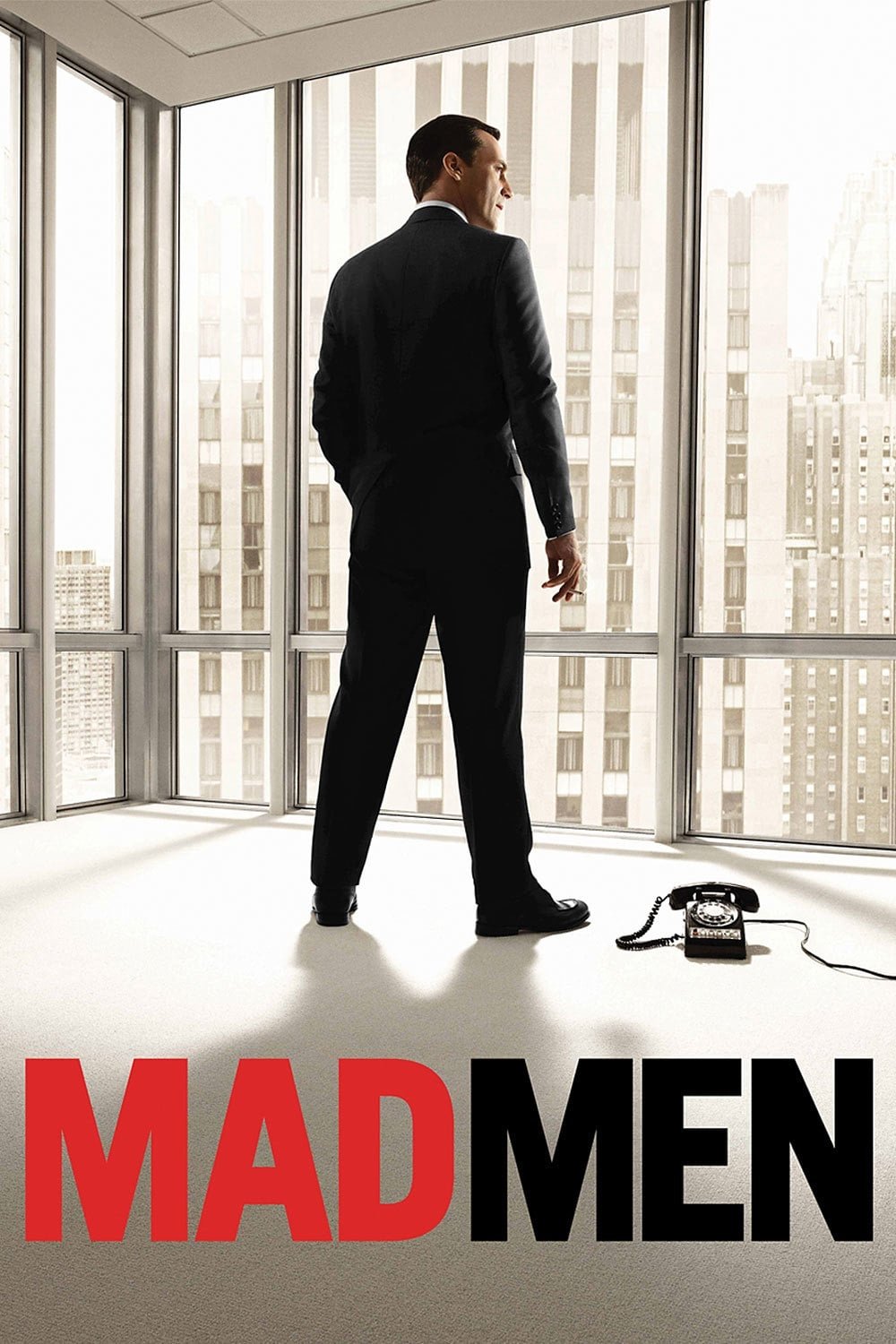
Don Draper winds up at a spiritual retreat in California where he finds inner peace during a meditation session. The series ends with a smile on his face that transitions into the iconic 1971 Coca-Cola commercial. Viewers debated whether this was a cynical act of capitalism or a moment of genuine inspiration for the troubled ad man. History has judged it as a perfect representation of Don’s ability to turn personal experience into advertising gold.
‘Angel’ (1999–2004)
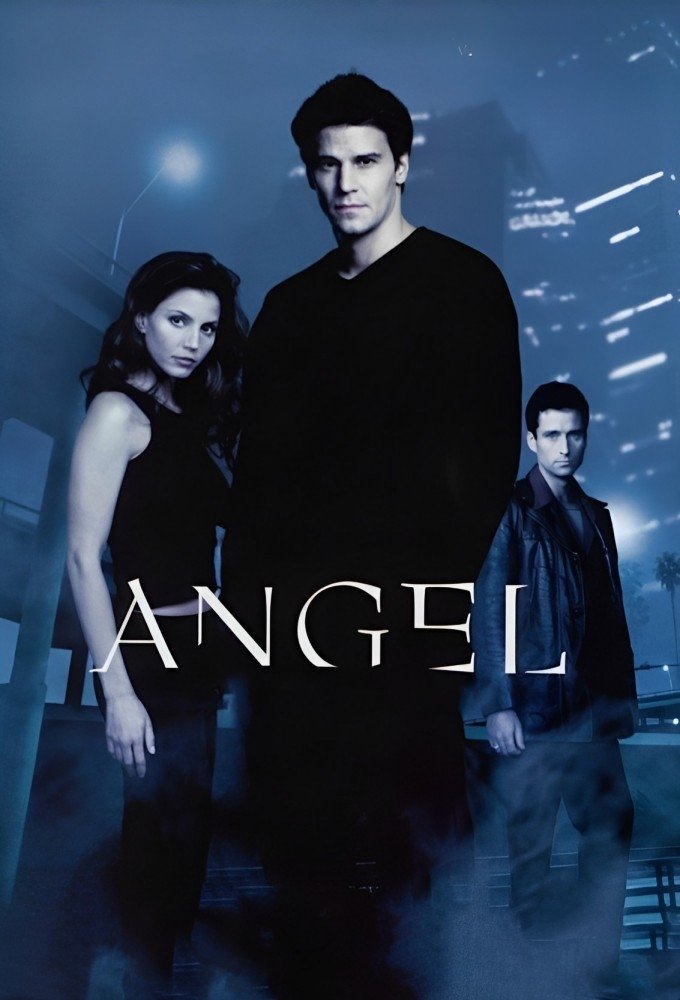
Angel and his team prepare for a suicidal battle against the forces of hell in a rainy alleyway. The screen fades to black just as the first blow is struck without showing who survives the fight. Audiences wanted a definitive conclusion but the creator insisted the point was that the fight for redemption never ends. This thematic statement is now viewed as the only appropriate way to conclude the noir-inspired series.
‘St. Elsewhere’ (1982–1988)
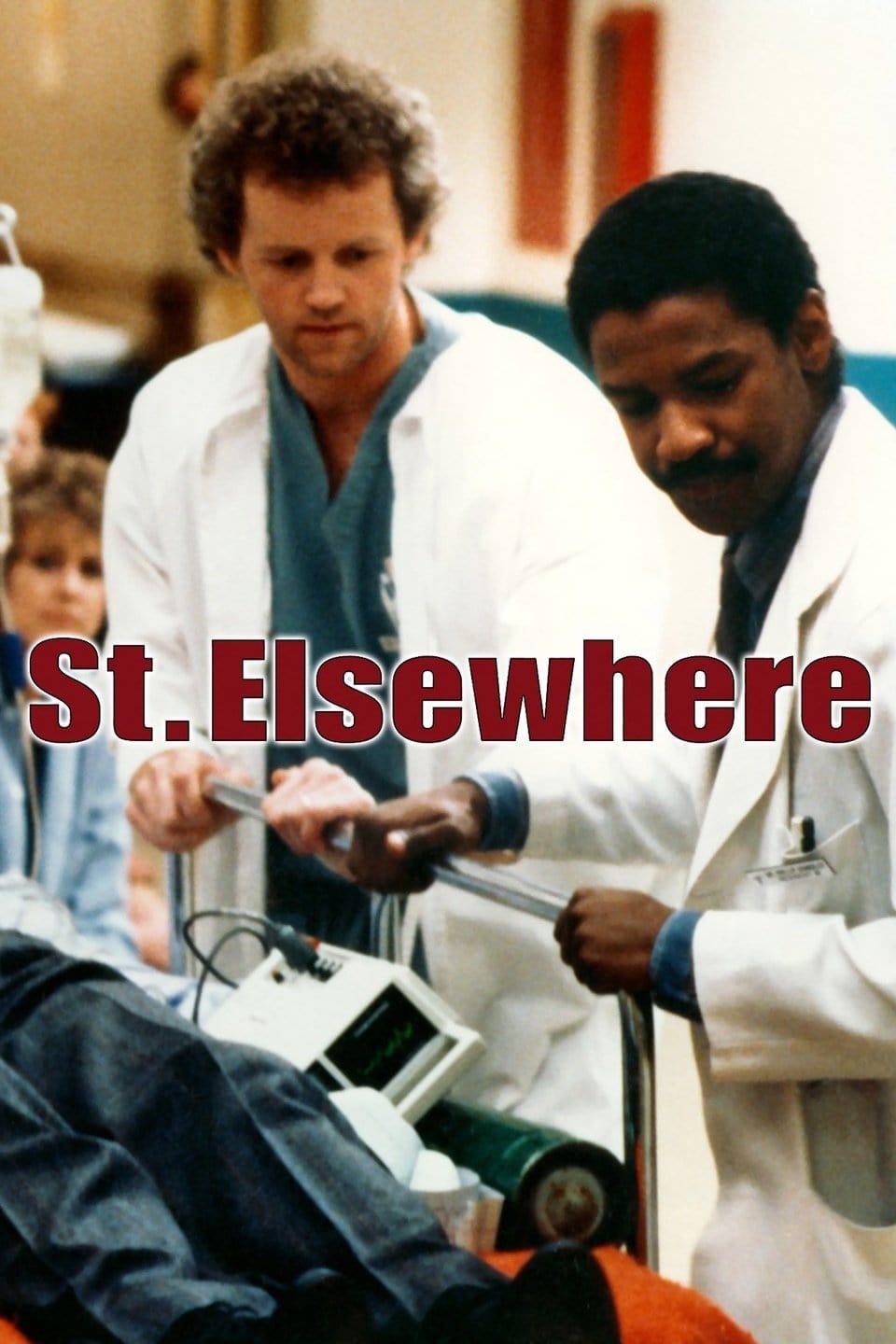
The final moments reveal that the entire series took place inside the mind of an autistic boy named Tommy Westphall. The hospital is shown inside a snow globe held by the child while his father looks on. This twist infuriated loyal viewers who felt cheated out of six seasons of emotional investment. It is now regarded as one of the most audacious and memorable narrative devices in television history.
‘The Prisoner’ (1967–1968)
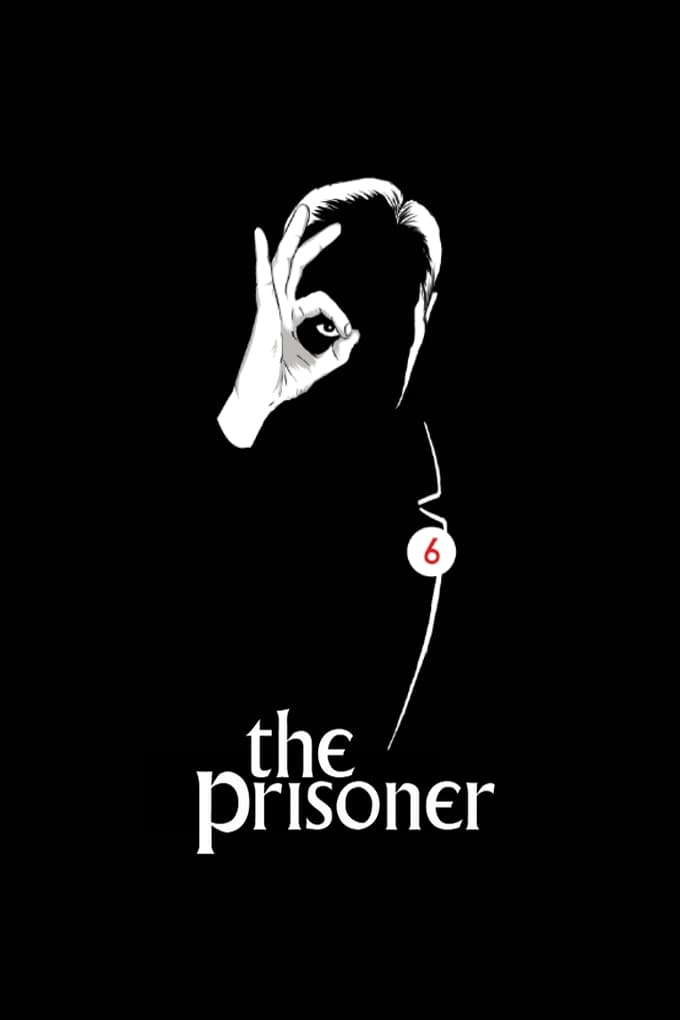
Number Six finally meets Number One who turns out to be a laughing version of himself. The surreal imagery and lack of concrete answers baffled viewers in the late 1960s who expected a traditional spy thriller conclusion. The episode is now studied as a masterpiece of allegorical storytelling about the individual versus society. It remains one of the most avant-garde hours of television ever produced.
‘Twin Peaks’ (1990–1991)
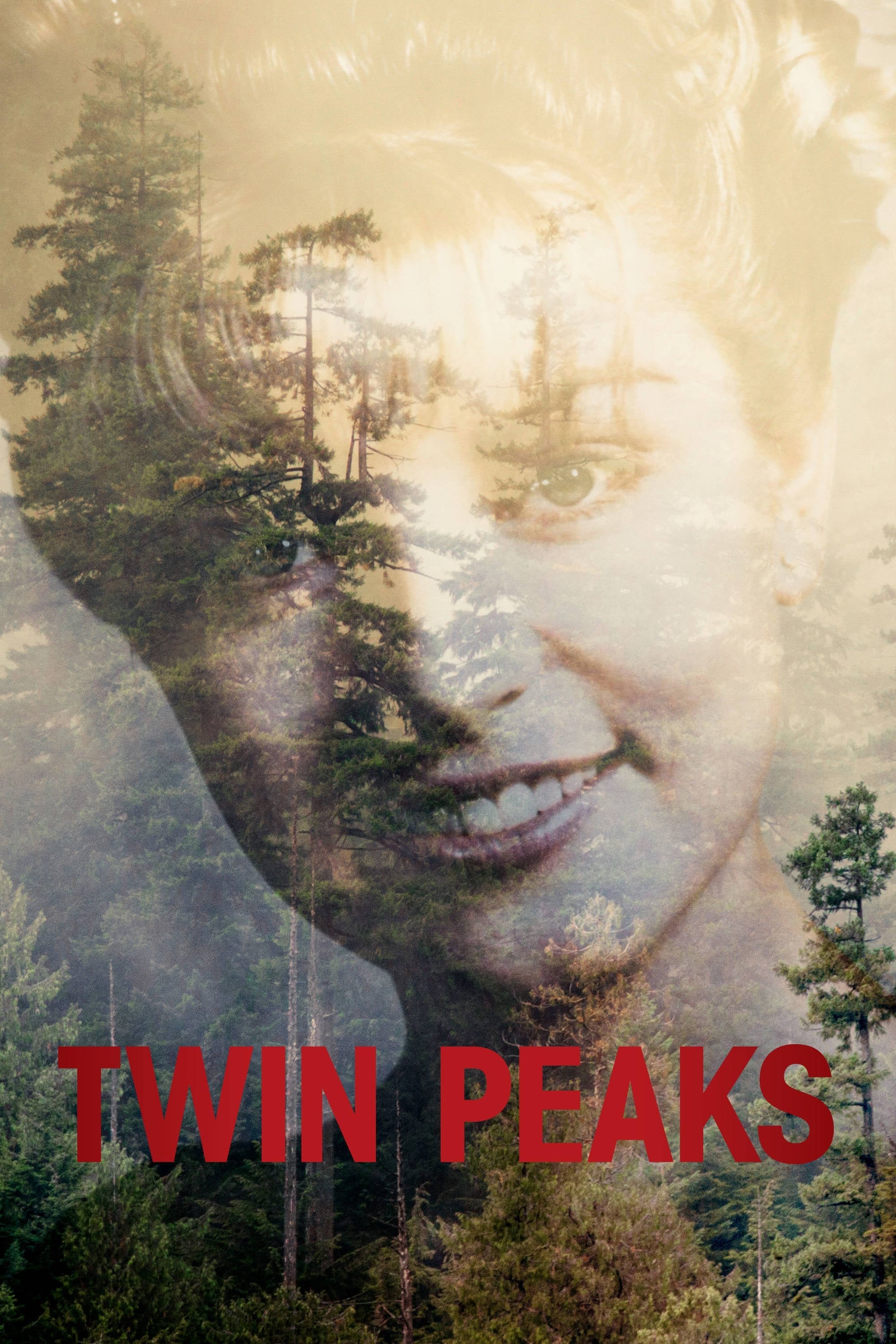
Agent Dale Cooper enters the Black Lodge and emerges possessed by the evil spirit BOB. He smashes his head into a mirror and mockingly repeats the question regarding Annie’s health while laughing maniacally. The original run ended on this dark cliffhanger which upset fans hoping for the hero to triumph. The revival series validated this tragic turn and cemented it as a bold subversion of television tropes.
‘Dinosaurs’ (1991–1994)
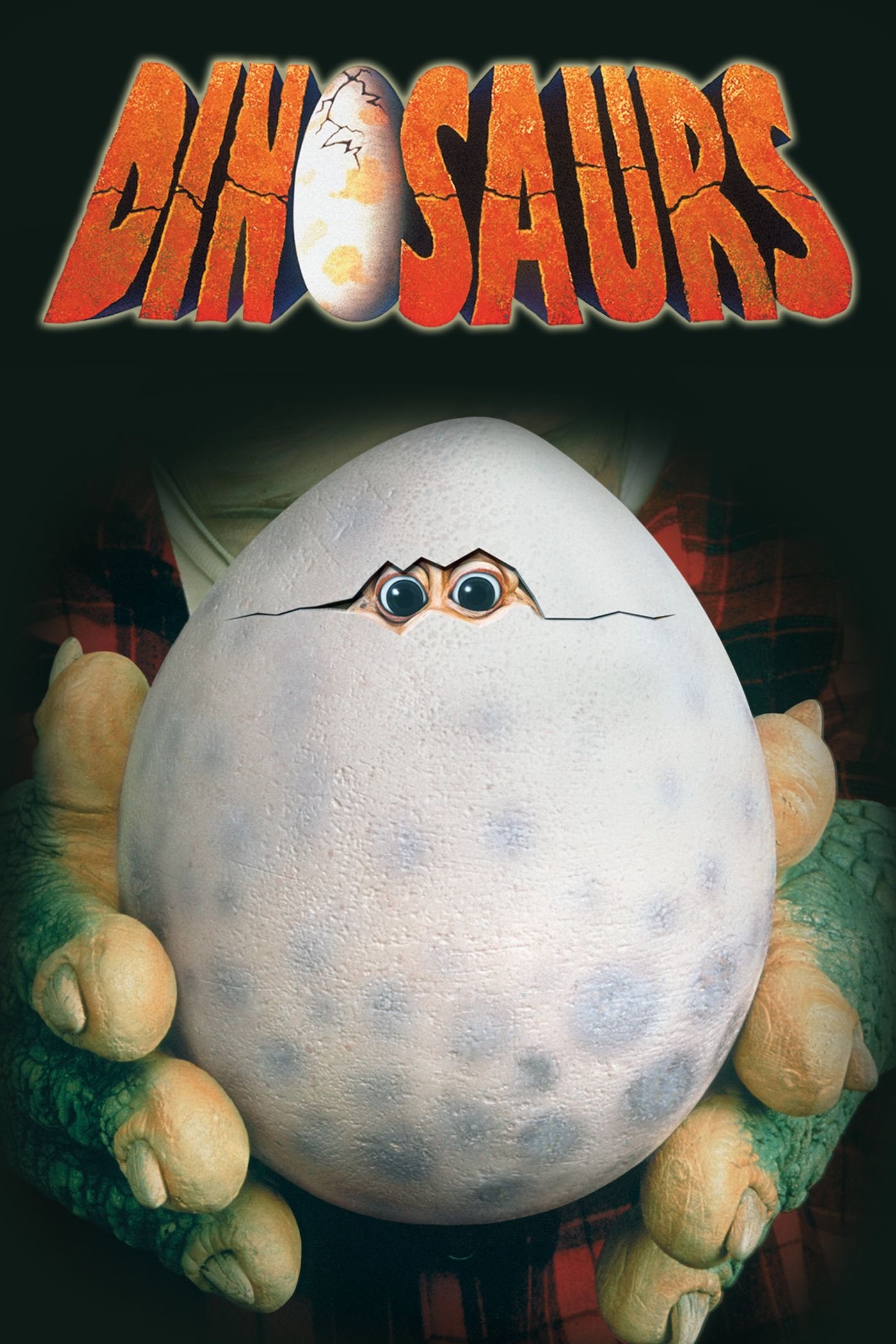
The Sinclair family huddles together in their home as the onset of the Ice Age promises their extinction. The unintentional environmental catastrophe caused by the father brings a somber end to the sitcom. Parents were shocked that a family show would end with the implied death of the entire cast. The finale is now praised for its bravery and refusal to talk down to its young audience.
‘Quantum Leap’ (1989–1993)
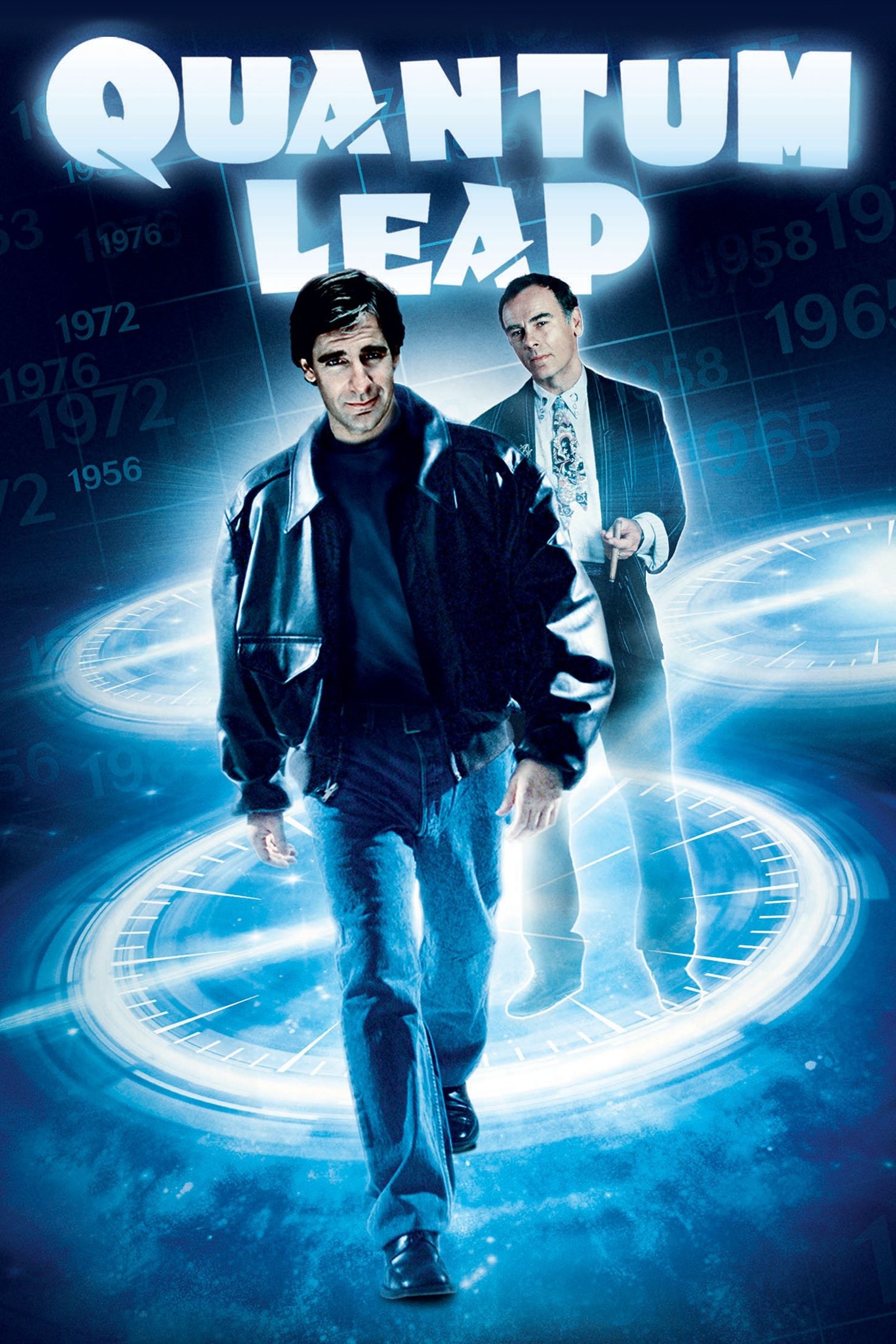
A title card reveals that Dr. Sam Beckett never returned home after his final leap. He chooses to continue leaping through time to help people rather than reclaiming his own life. This melancholy text ending broke the hearts of fans who wanted a happy reunion. It is now seen as the ultimate heroic sacrifice that defines Sam’s selfless character.
‘Star Trek: Voyager’ (1995–2001)
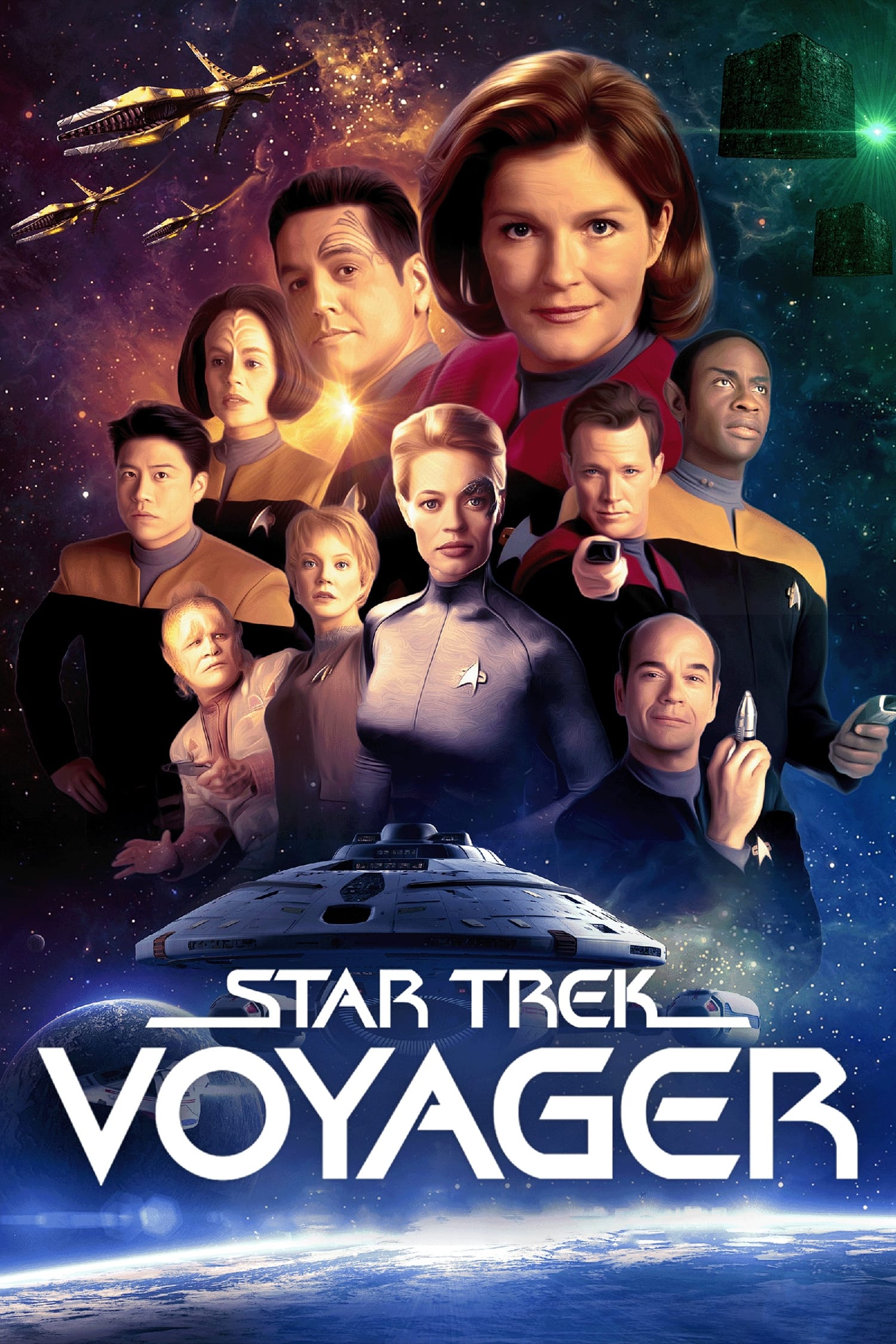
Admiral Janeway travels back in time to help her younger self bring the crew home early. They use future technology to cripple the Borg and navigate a transwarp hub back to Earth. Critics felt the time-travel plot was a convenient cheat to avoid a proper emotional resolution. Fans now enjoy the high-stakes action and the satisfaction of finally seeing the ship reach its destination.
‘Roseanne’ (1988–1997)
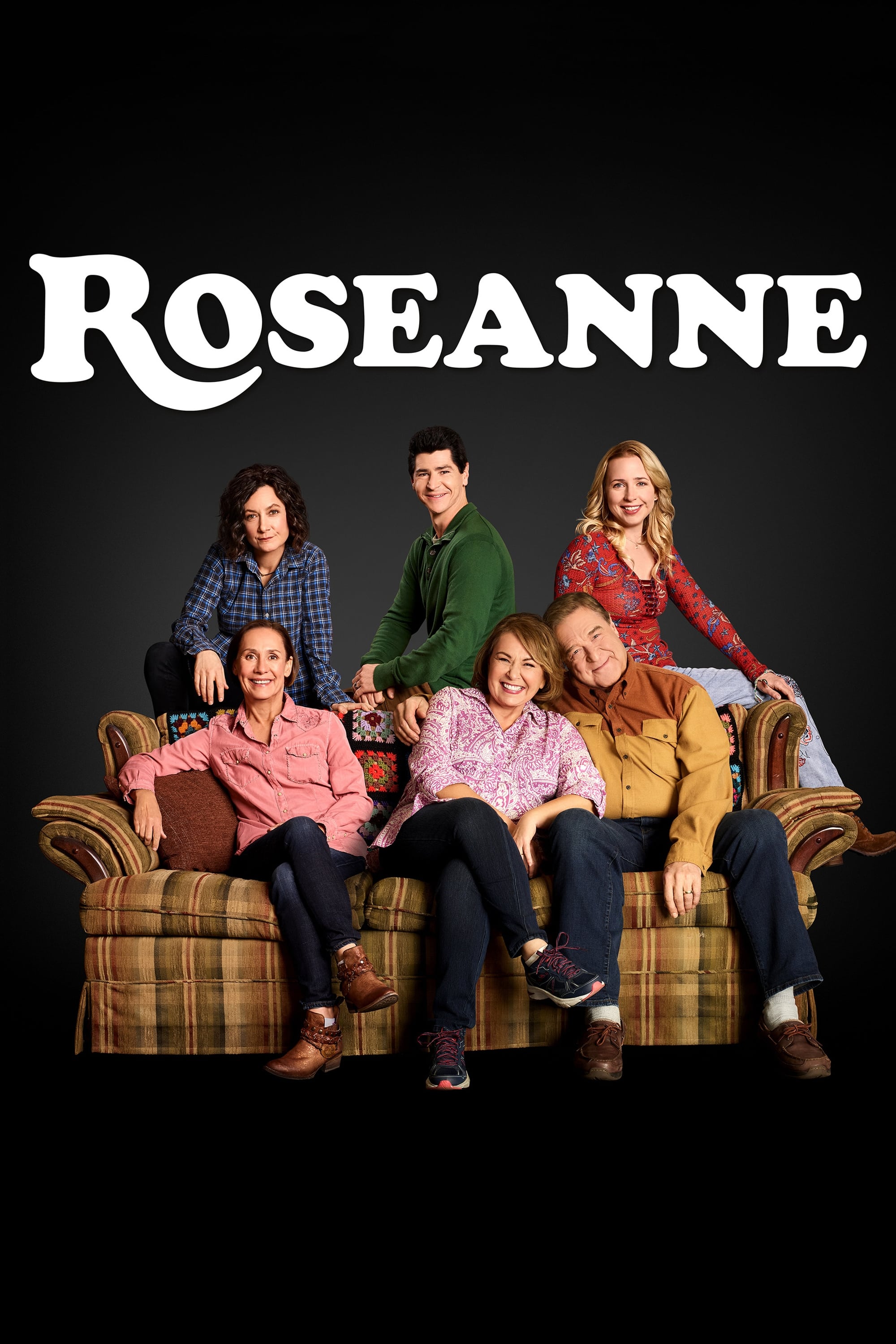
The finale reveals that the entire final season was a story written by Roseanne to cope with Dan’s death from a heart attack. The family did not win the lottery and life was far bleaker than presented in previous episodes. This grim reality check was hated for erasing the show’s happier moments. It is now respected for returning the show to its roots as a struggle of the working class.
‘Girls’ (2012–2017)

Hannah Horvath moves upstate to raise her baby and struggles with breastfeeding in the final scene. The core group of friends remains drifted apart rather than coming together for a sentimental farewell. Viewers found the ending underwhelming and selfish at the time of airing. Critics now laud it for realistically portraying that friendships in your twenties often dissolve as life changes.
‘The Shield’ (2002–2008)
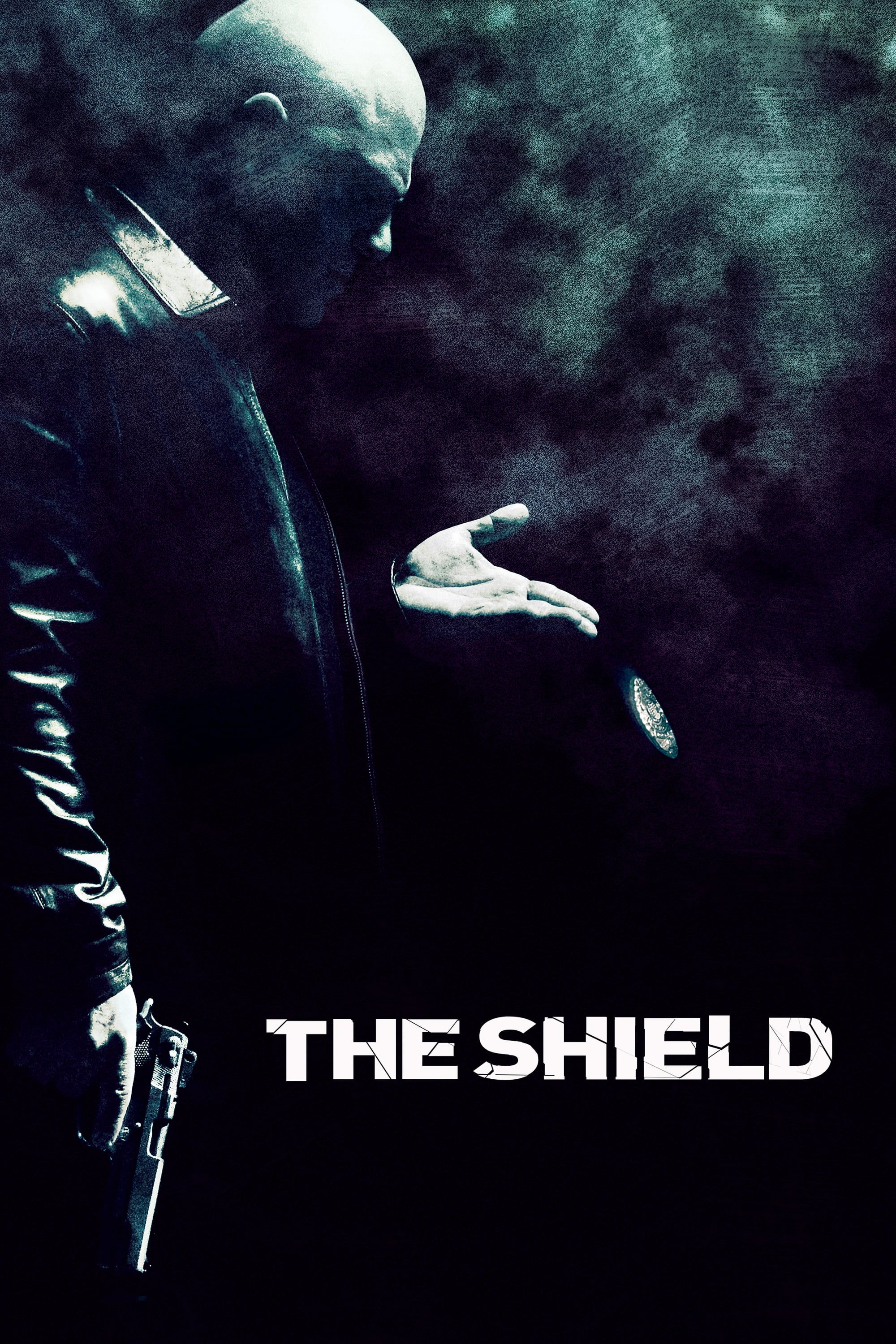
Corrupt cop Vic Mackey avoids prison by confessing his crimes but is trapped in a desk job he despises. He is isolated from his family and stripped of the power that defined his existence. Some fans wanted a more violent or lethal punishment for the anti-hero. The psychological prison of a silent cubicle is now recognized as a fate worse than death for a man like Vic.
‘Merlin’ (2008–2012)
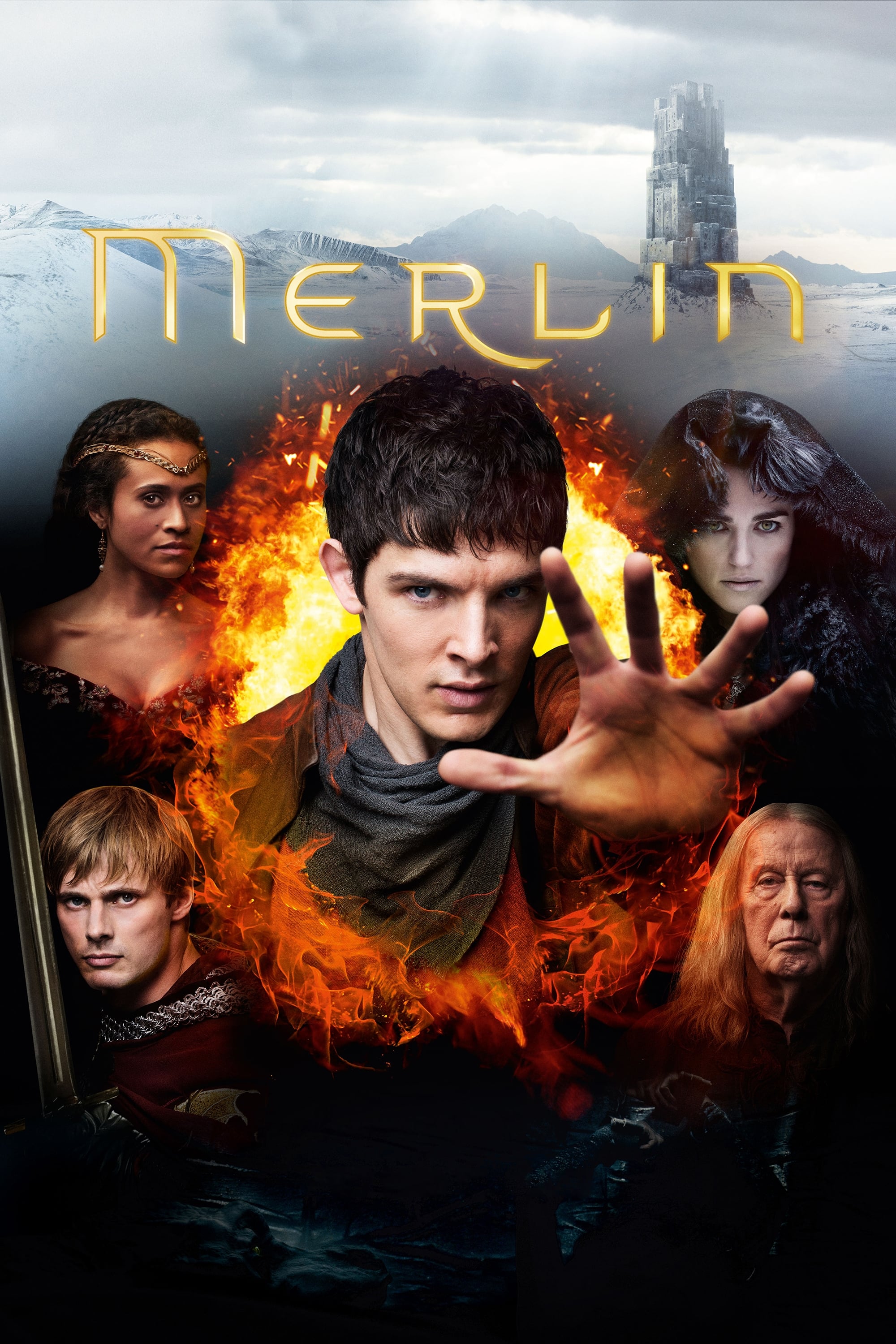
The legendary wizard fails to prevent the prophecy as King Arthur dies in his arms. Merlin must wait centuries in the modern day for the Once and Future King to rise again. The tragic ending devastated fans who expected a triumph for the young warlock. The finale is now appreciated for staying faithful to the tragedy inherent in the Arthurian legends.
‘Dawson’s Creek’ (1998–2003)
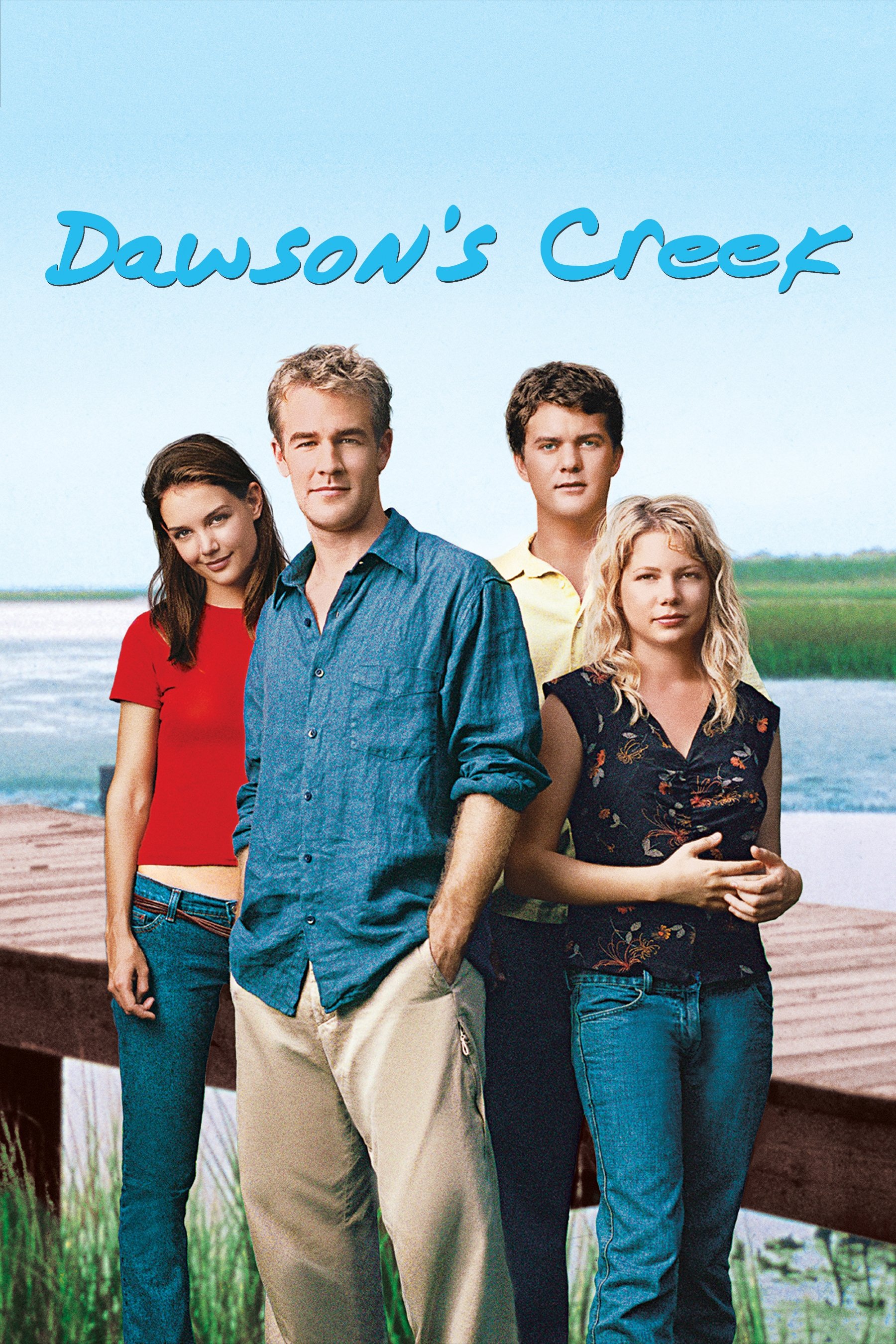
The flash-forward finale kills off Jen Lindley due to a heart condition. Dawson ends up successful in Hollywood while Joey ultimately chooses Pacey over him. The death of a main character felt cruel to the original teen audience. Retrospective reviews praise the show for grounding the melodrama in genuine loss and maturity.
‘Smallville’ (2001–2011)
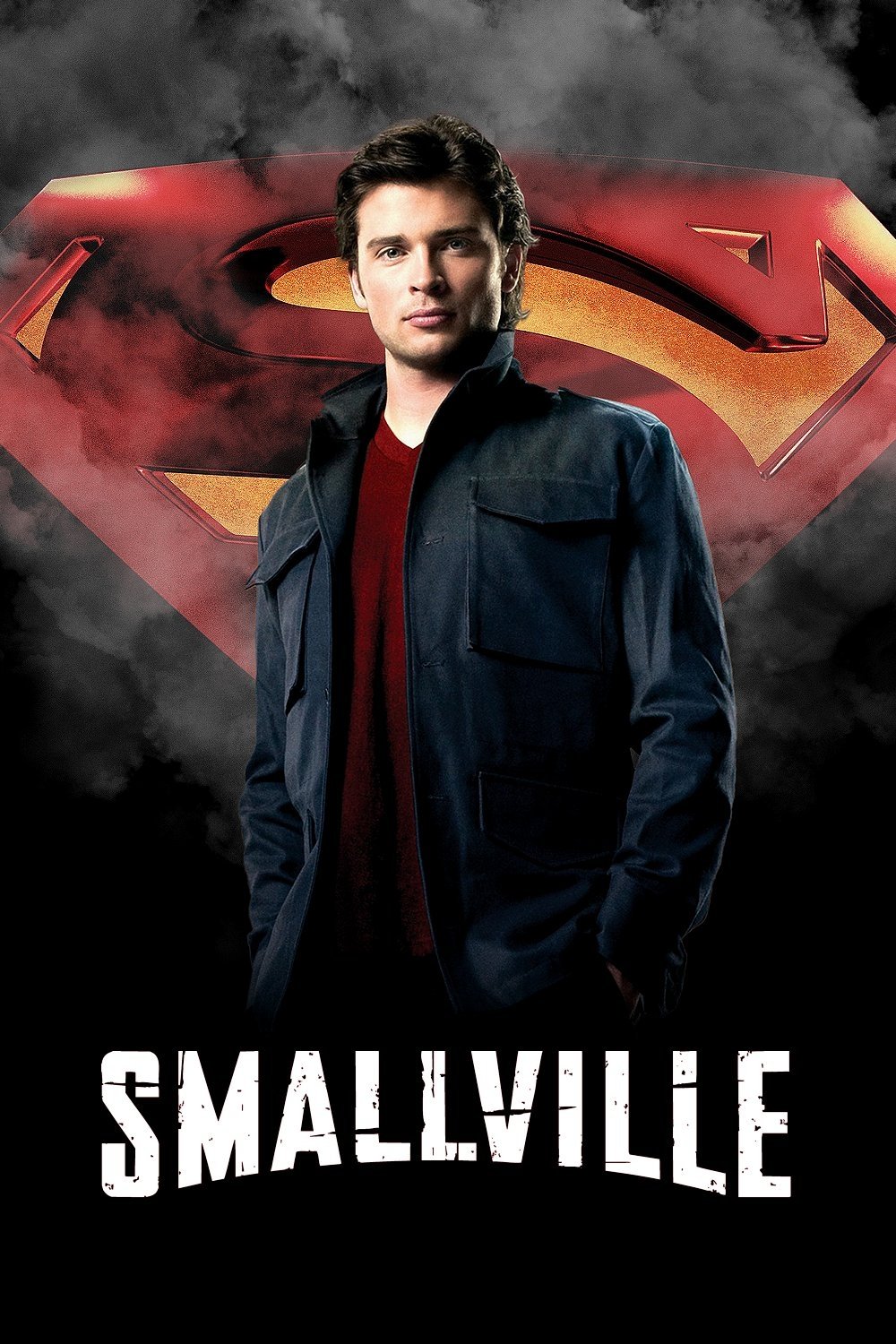
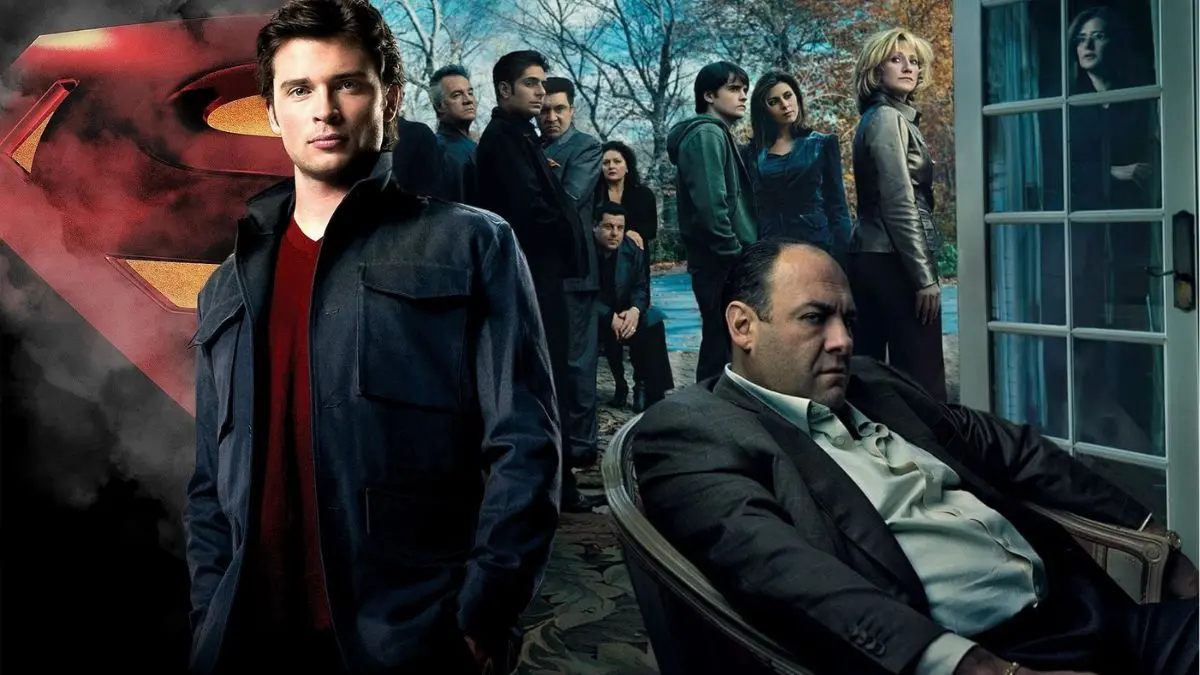
Clark Kent finally accepts his destiny and dons the Superman suit in the final minutes of the series. The show avoids showing him in the full costume until the very last shot of him flying. Fans expressed frustration at the lack of superhero action after ten years of buildup. The ending is now seen as a respectful conclusion to a show that was always about the man rather than the hero.
‘Gossip Girl’ (2007–2012)
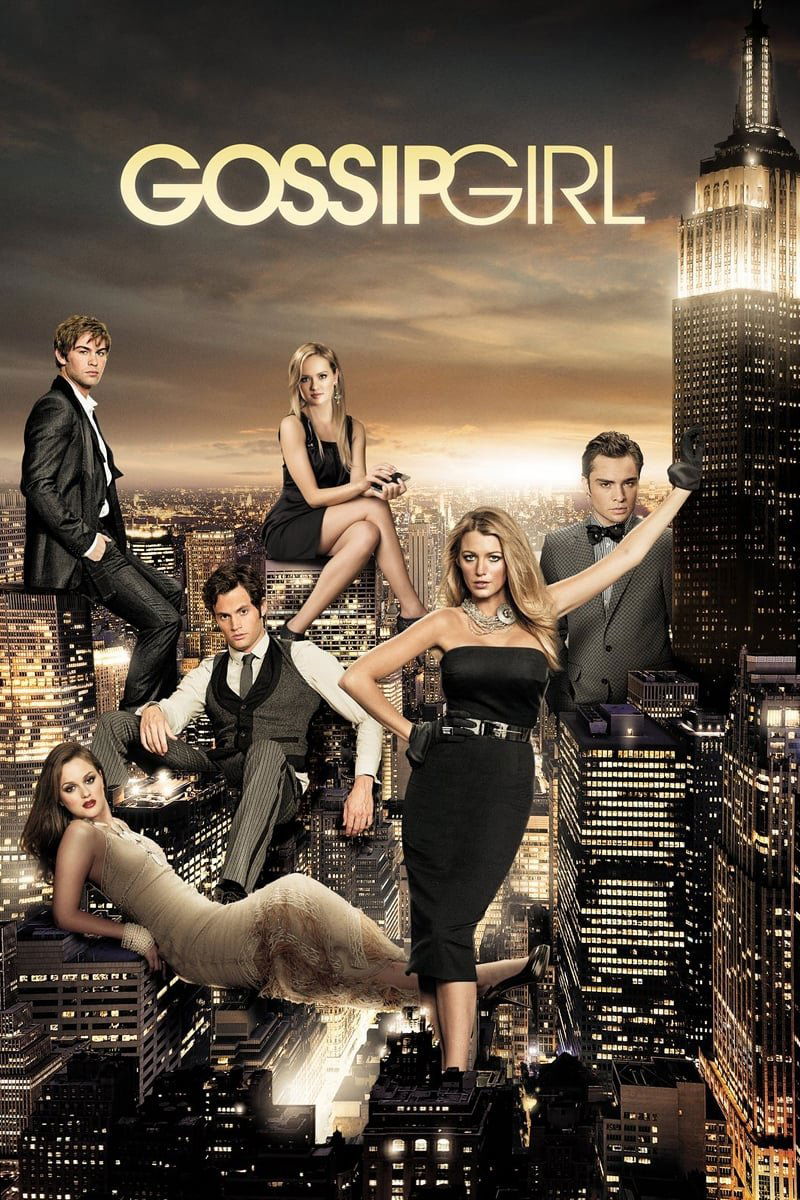
Dan Humphrey reveals himself to be the anonymous blogger who tormented his friends for years. The characters quickly forgive him despite the massive logic gaps created by this twist. Viewers mocked the revelation for making little narrative sense upon rewatch. The sheer absurdity of the ending has since turned it into a camp classic that fans enjoy ironically.
‘ALF’ (1986–1990)
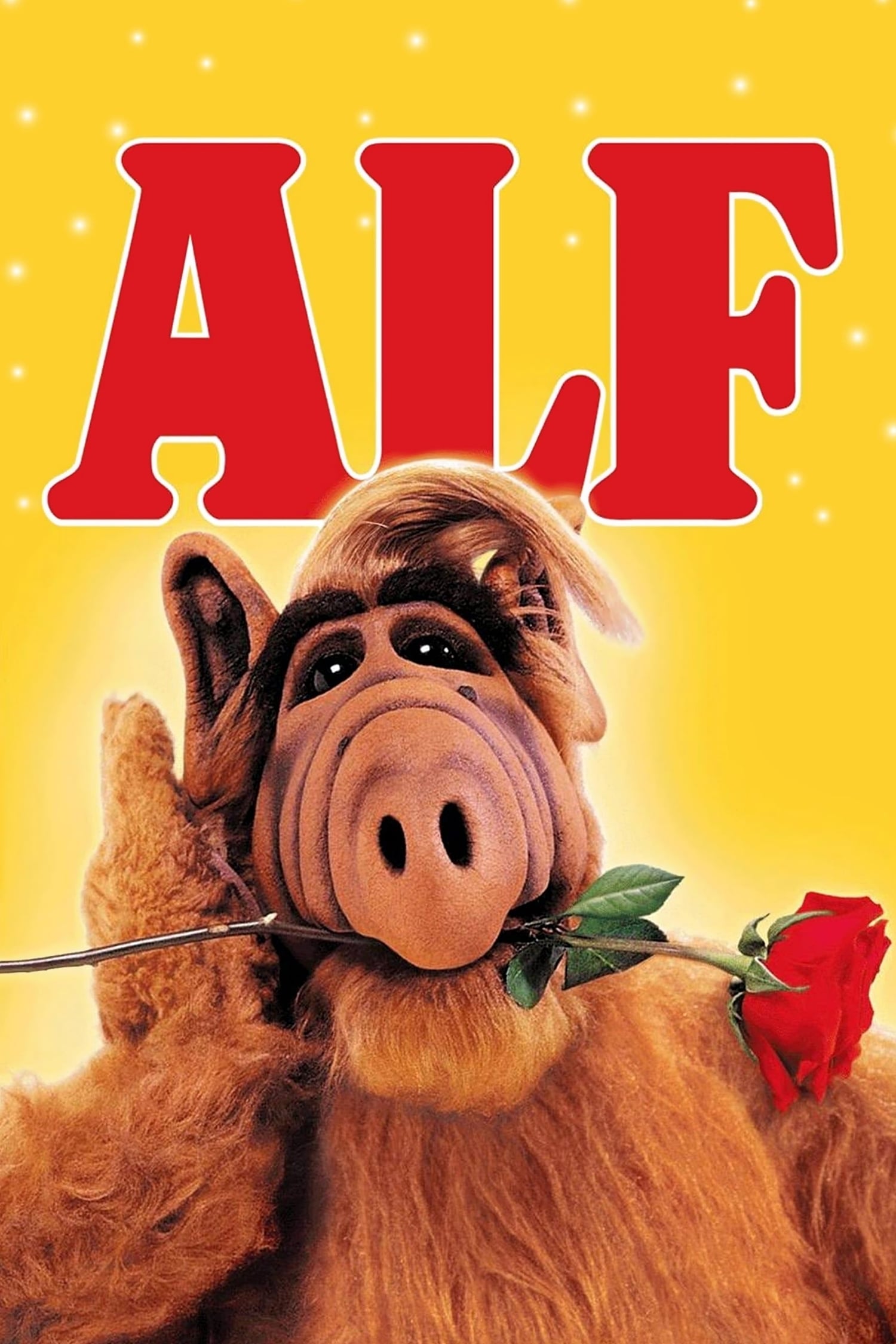
The titular alien is captured by the government’s Alien Task Force just as he is about to be rescued. The series ends on a freeze-frame of the agents closing in on him with no resolution. This dark cliffhanger horrified children who loved the sitcom. It is now remembered as a bold creative choice that defied the standard happy endings of 1980s television.
‘Sons of Anarchy’ (2008–2014)
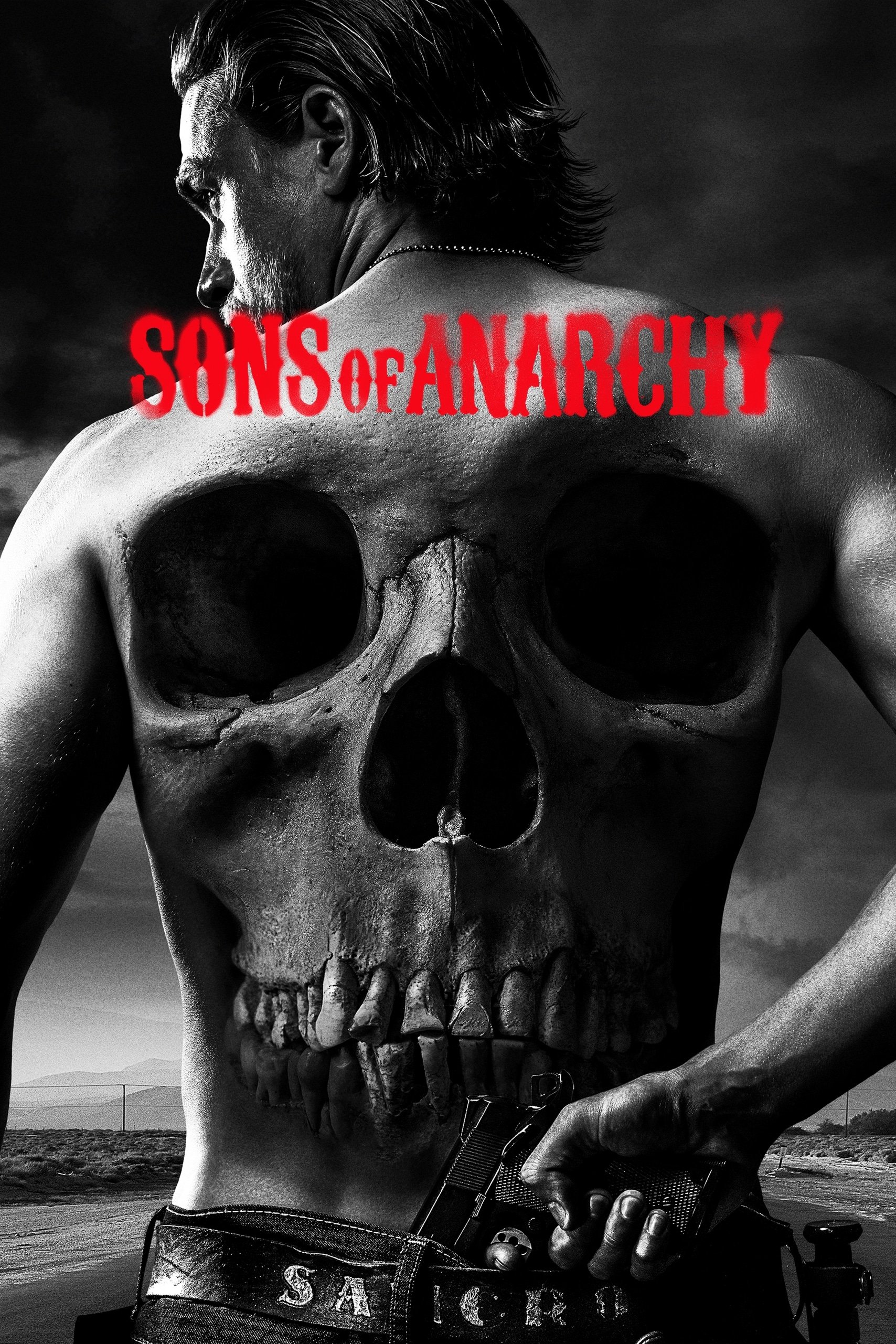
Jax Teller deliberately rides his motorcycle into the path of an oncoming semi-truck. He chooses to end the cycle of violence for his children by sacrificing himself. The patchy CGI of the final crash was widely mocked when the episode aired. The ending is now viewed as a fitting Shakespearean conclusion to a modern retelling of Hamlet.
‘Neon Genesis Evangelion’ (1995–1996)
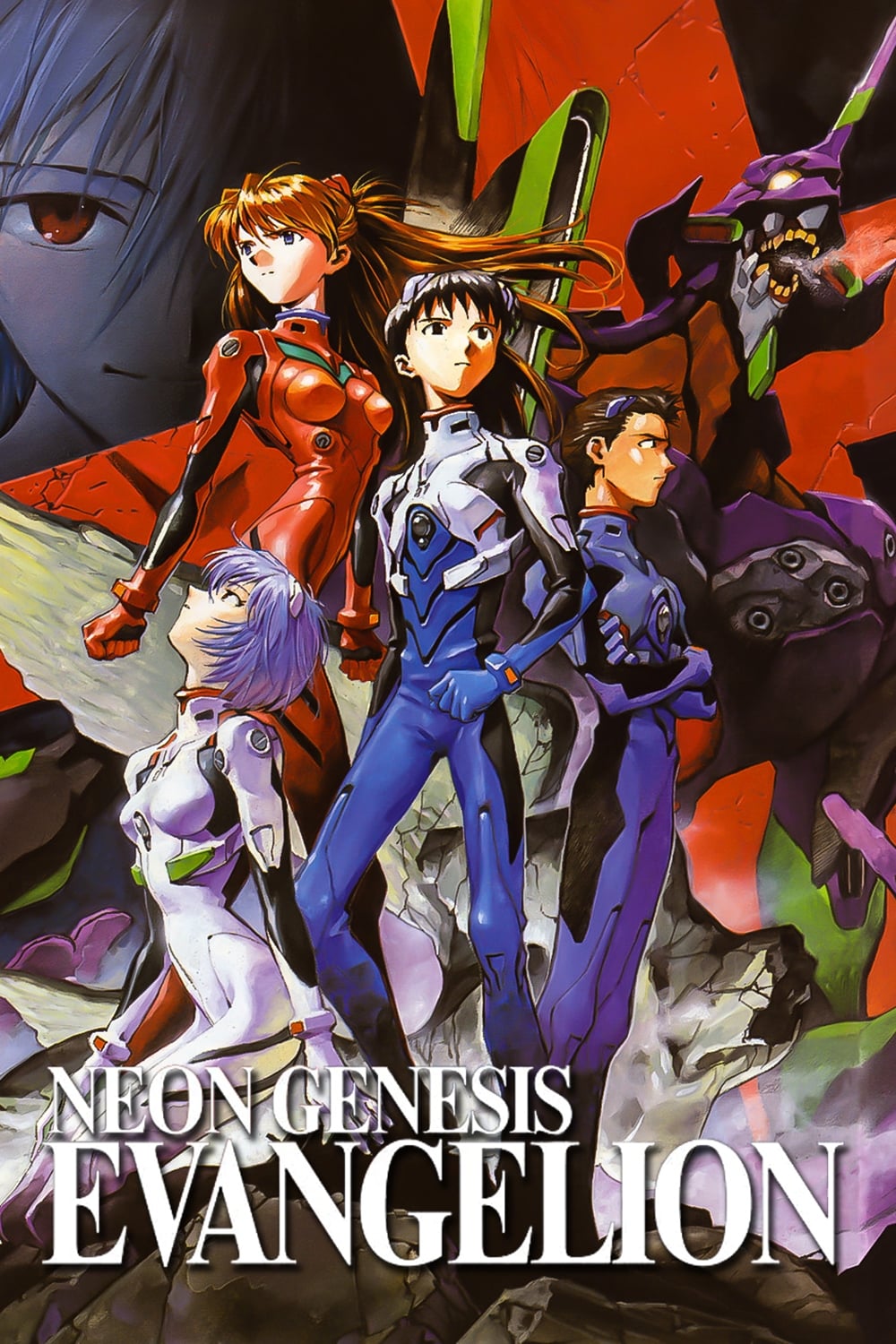
The final two episodes take place entirely within the mind of the protagonist Shinji Ikari. The abstract animation and introspection replace the expected giant robot battles. Fans sent death threats to the creator for abandoning the sci-fi plot. The finale is now analyzed as a profound deconstruction of anime tropes and psychological trauma.
‘True Blood’ (2008–2014)

Sookie Stackhouse ends up with a regular human man whose face is never shown. Vampire Bill Compton chooses the “true death” and forces Sookie to help him die. Fans of the supernatural romance were disappointed she did not end up with one of the main vampires. The ending is now defended for giving Sookie the normal life she always claimed to want.
‘Penny Dreadful’ (2014–2016)
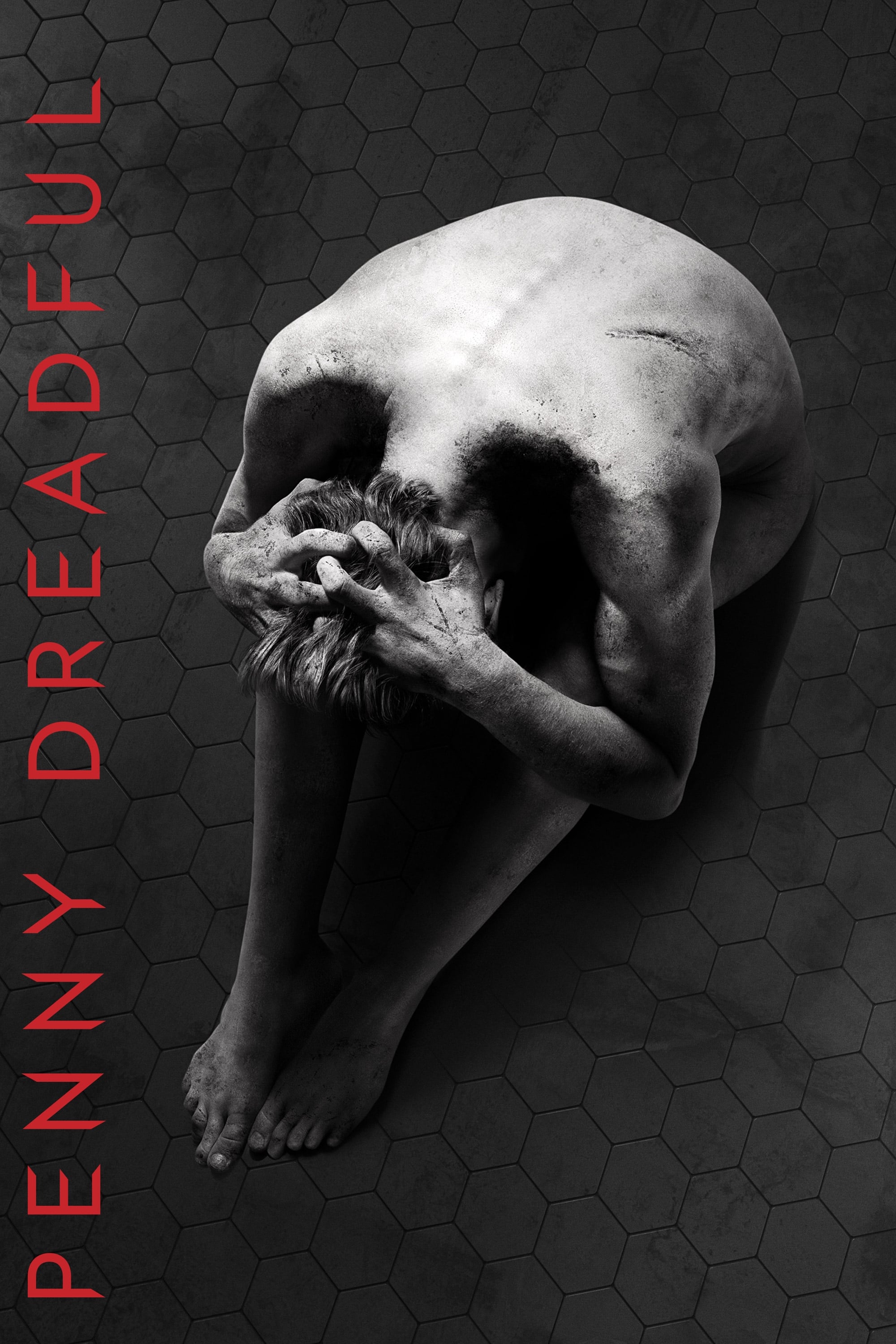
The protagonist Vanessa Ives sacrifices herself to save the world from eternal darkness. Her death happens abruptly and brings a sudden end to the series. Fans felt the conclusion was rushed and did not give the characters enough closure. The poetic tragedy of her choice is now seen as consistent with the show’s gothic literary roots.
Let us know in the comments which controversial TV finale you think deserves a second chance.