Hispanic Actors Who Engaged in Culture War


The landscape of Hollywood has shifted significantly as entertainers increasingly use their platforms to influence public discourse on polarizing societal issues. Hispanic male actors, ranging from industry veterans to rising stars, have become central figures in these cultural debates, addressing topics like immigration, representation, and political ideologies. While some advocate for progressive changes and systemic reform within the entertainment machine, others champion conservative values and challenge the status quo of the industry itself. These public stances often blur the lines between artistic expression and activism, forcing audiences to reconsider the relationship between the art they consume and the people who create it. This list examines forty-five notable figures who have stepped into the arena of public debate to make their voices heard beyond the screen.
John Leguizamo
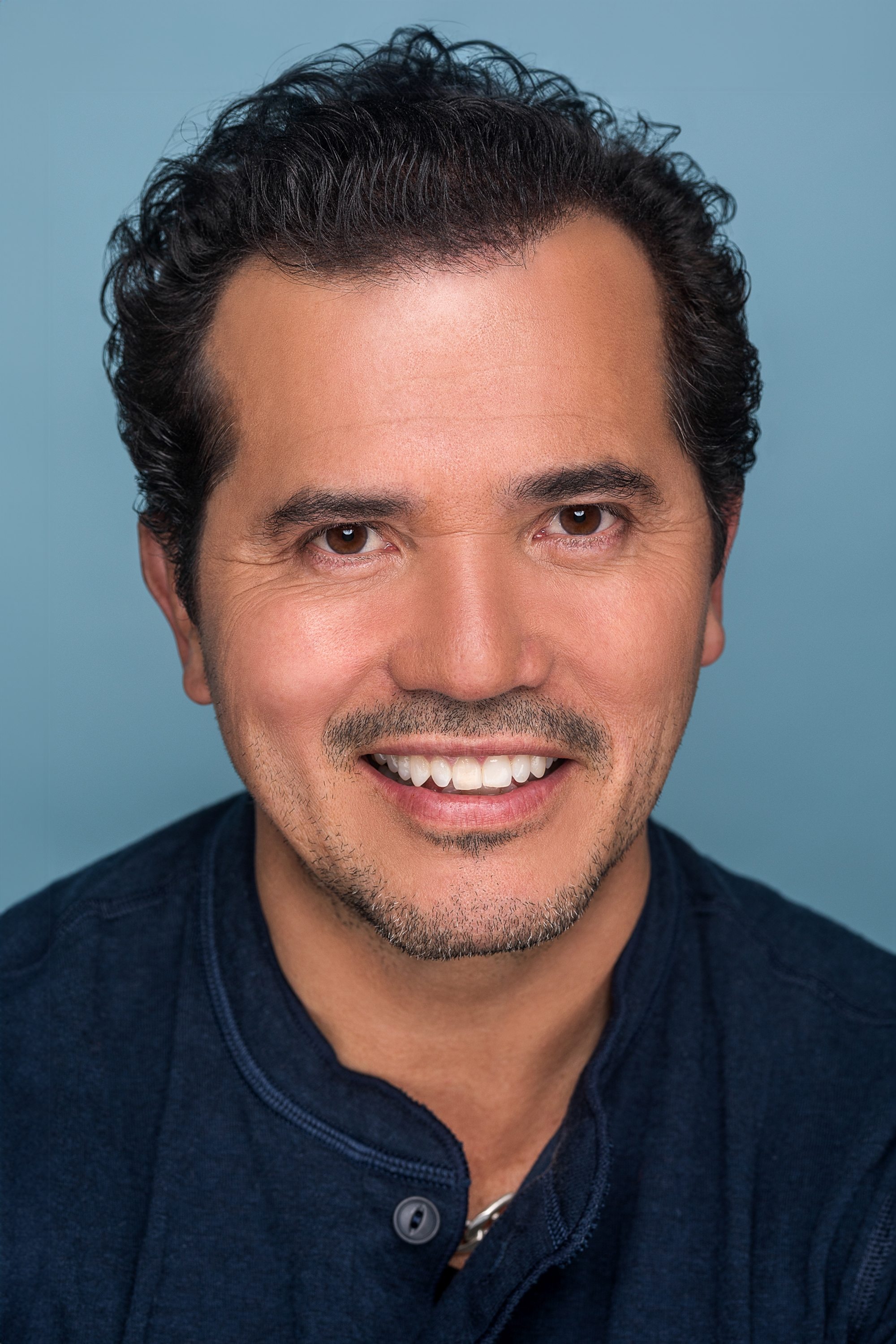
Leguizamo has become one of the most vocal figures in Hollywood regarding the lack of Latino representation in media. He frequently uses his social media platforms to call out major studios for casting non-Hispanic actors in Hispanic roles. The actor made headlines when he criticized the casting of James Franco as Fidel Castro and boycotted the Emmy Awards over exclusion issues. He also addresses the erasure of Latino history in American textbooks through his stage shows and books. His relentless advocacy keeps him at the forefront of conversations about diversity and inclusion in the entertainment industry.
Dean Cain
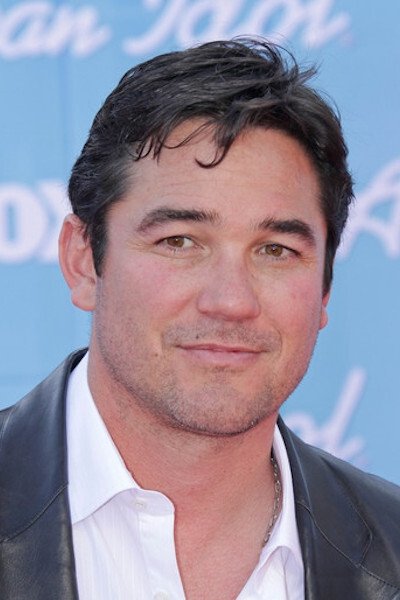
The former ‘Lois & Clark: The New Adventures of Superman’ star has established himself as a prominent conservative voice in the entertainment industry. Cain frequently appears on news networks to discuss political correctness and what he perceives as the woke agenda in Hollywood. He has publicly criticized cancel culture and expressed strong support for law enforcement during times of national debate. His views often place him in direct opposition to the generally liberal leanings of the entertainment establishment. Cain remains unapologetic about his political alignment and often engages in debates on social media platforms.
Eduardo Verástegui
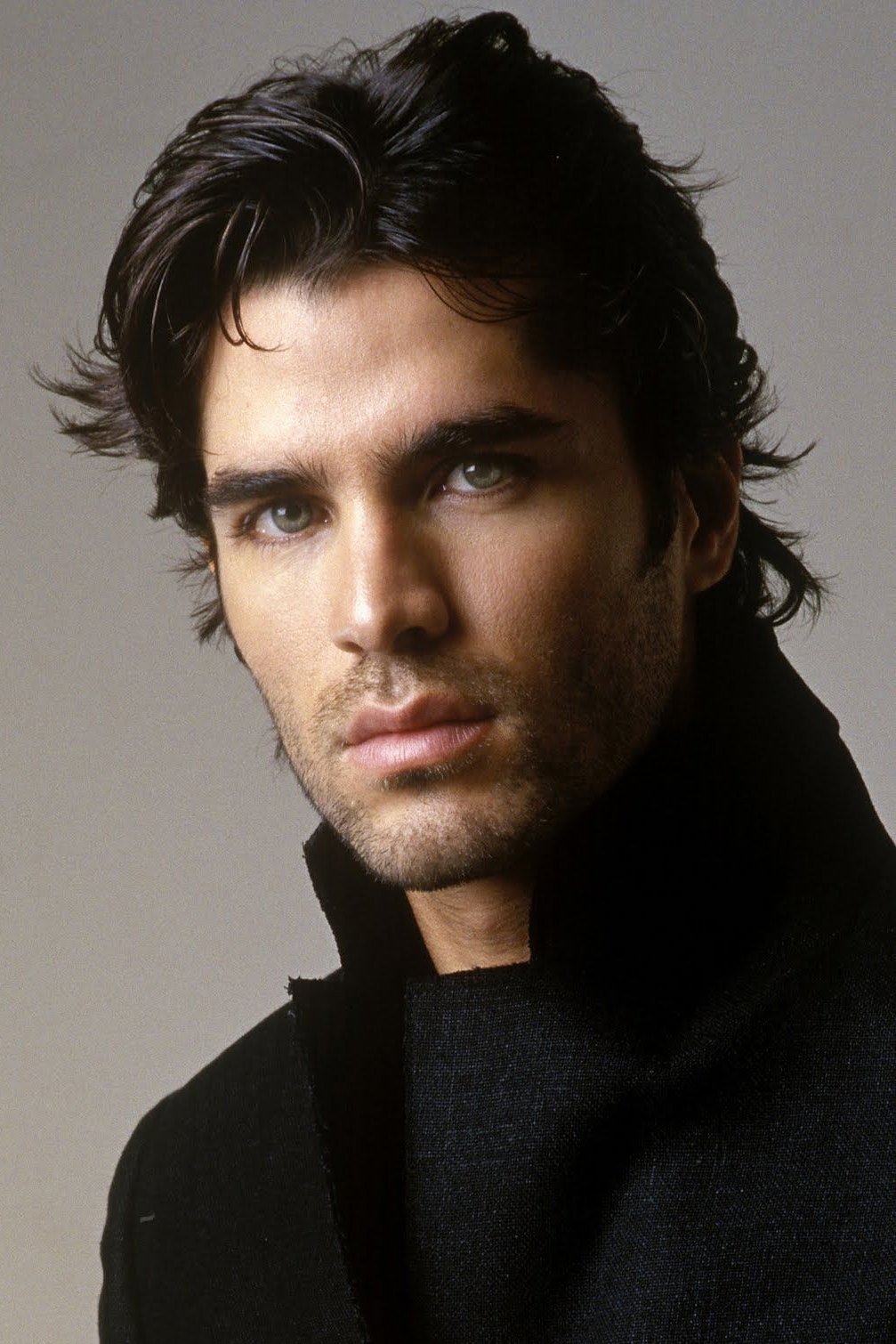
Verástegui acts as a key figure in the intersection of entertainment and religious conservatism. He is a staunch advocate for the pro-life movement and uses his platform to promote traditional family values across the globe. The producer and actor gained massive cultural attention with the release of ‘Sound of Freedom’ which sparked intense debates about child trafficking and media suppression. He frequently speaks at political conferences like CPAC and has aligned himself with right-wing political figures in the United States and Latin America. His work aims to counter what he views as the moral decay present in mainstream secular media.
Pedro Pascal
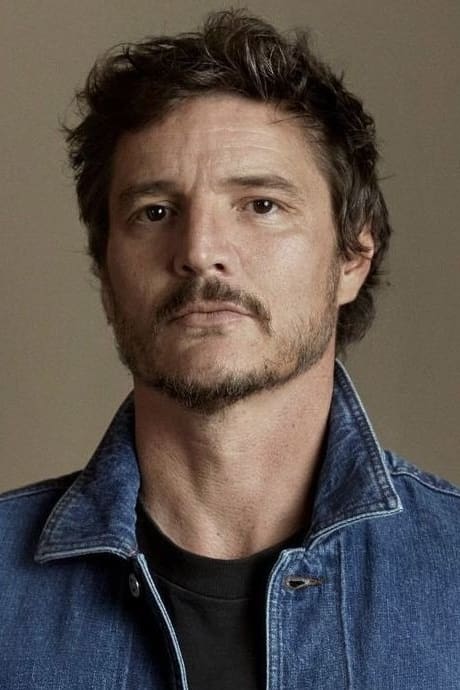
Pascal has utilized his massive popularity to advocate for LGBTQ+ rights and progressive political causes. He publicly supported his sister Lux after she came out as transgender and frequently posts about protecting queer youth. The actor also remains vocal about his Chilean heritage and openly opposed the far-right candidates during Chile’s presidential elections. His social media presence often mixes promotional material with clear statements on social justice issues. Pascal represents a modern wave of actors who seamlessly integrate their personal values with their public personas.
Martin Sheen
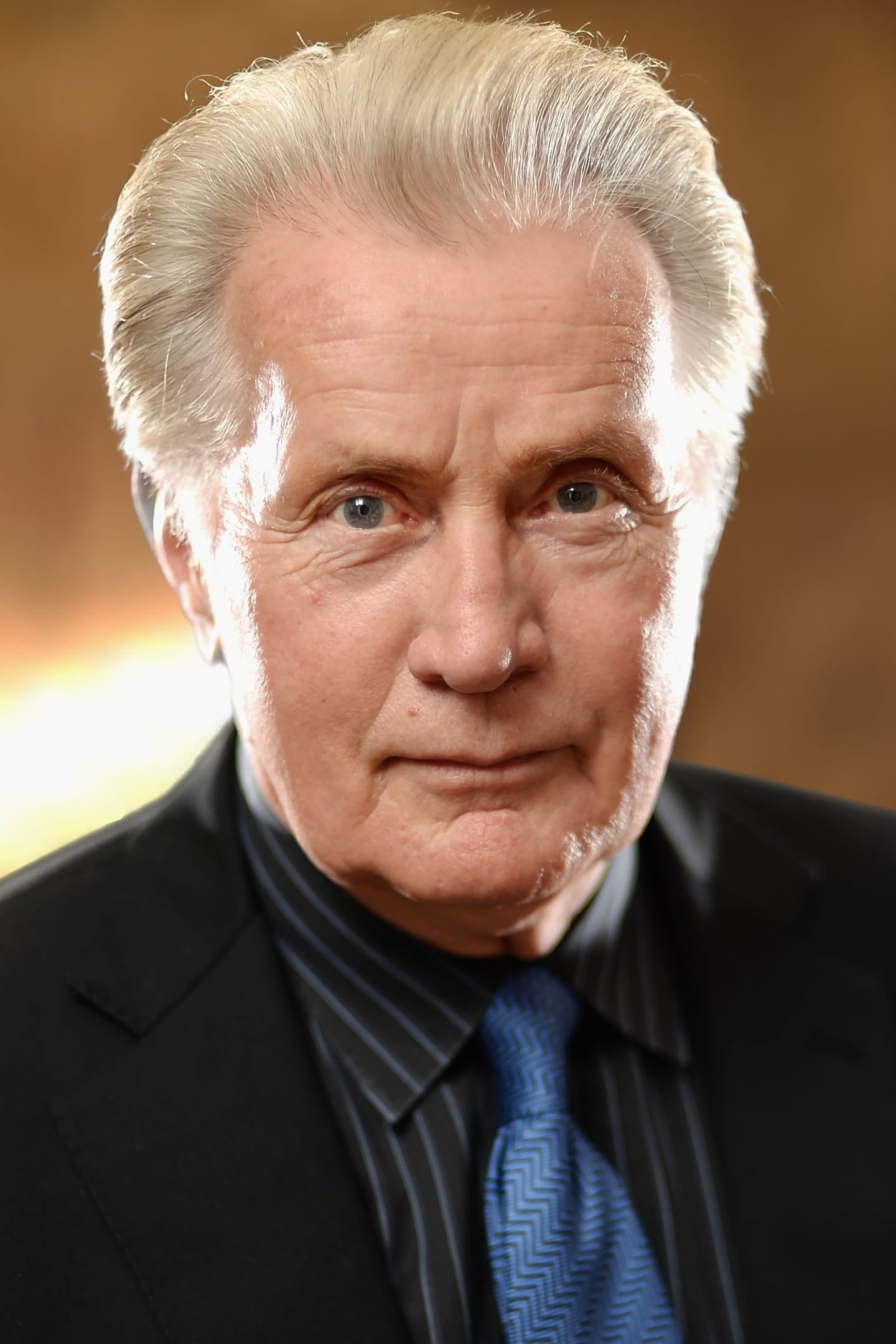
Sheen has a decades-long history of combining his acting career with intense political activism. The ‘The West Wing’ star has been arrested more than sixty times for acts of civil disobedience related to peace and social justice. He consistently advocates for liberal causes including nuclear disarmament and workers’ rights. Sheen often participates in protests and strikes to lend his visibility to marginalized groups. His commitment to activism is deeply rooted in his Catholic faith and desire for social reform.
Andy Garcia
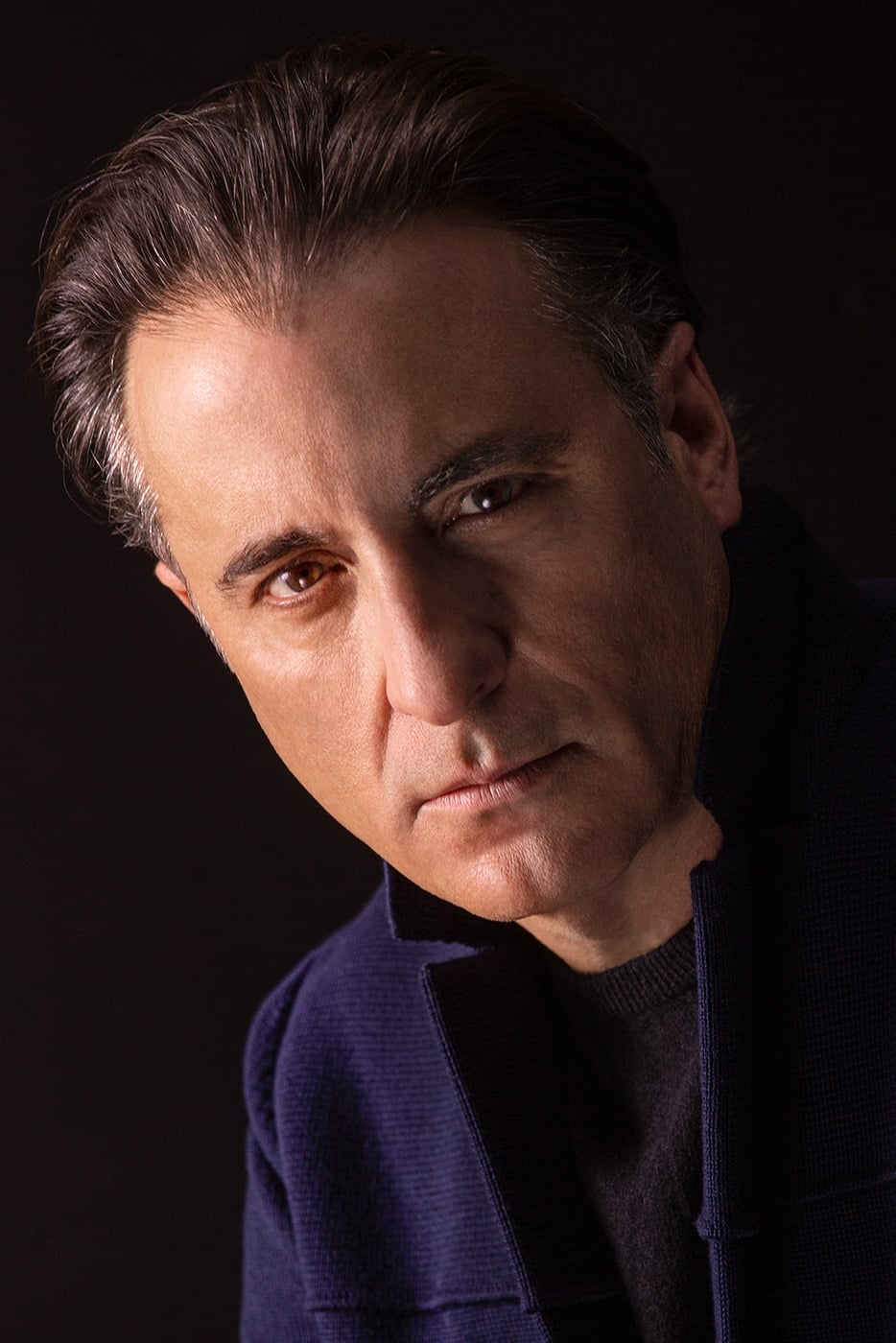
Garcia has maintained a strong anti-communist stance throughout his career due to his family’s experiences in Cuba. He frequently speaks out against the Castro regime and advocates for freedom and democracy on the island. The actor has criticized the romanticization of revolutionary figures like Che Guevara in pop culture. His political views are deeply personal and shape the types of stories he chooses to tell as a filmmaker. Garcia serves as a voice for the Cuban exile community within the Hollywood landscape.
Michael Peña
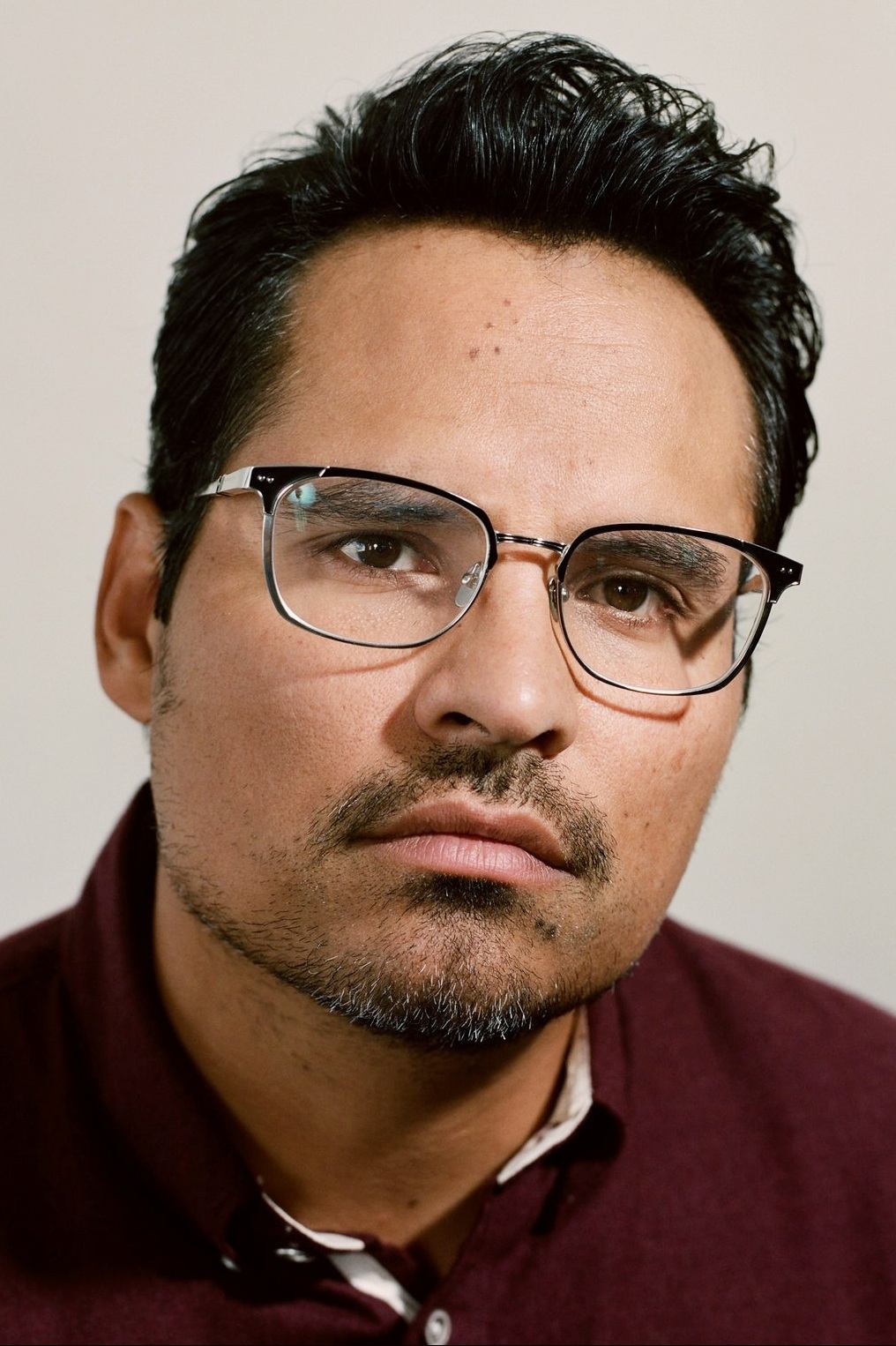
Peña has faced scrutiny and debate regarding his membership in the Church of Scientology. The actor has defended the organization in interviews and credited it with improving his life and career. This affiliation often draws criticism from those who view the group as controversial or harmful. Discussions surrounding his involvement highlight the tension between an actor’s personal beliefs and public perception. Peña generally keeps a low profile regarding the specific internal workings of the church to avoid conflict.
Gael García Bernal
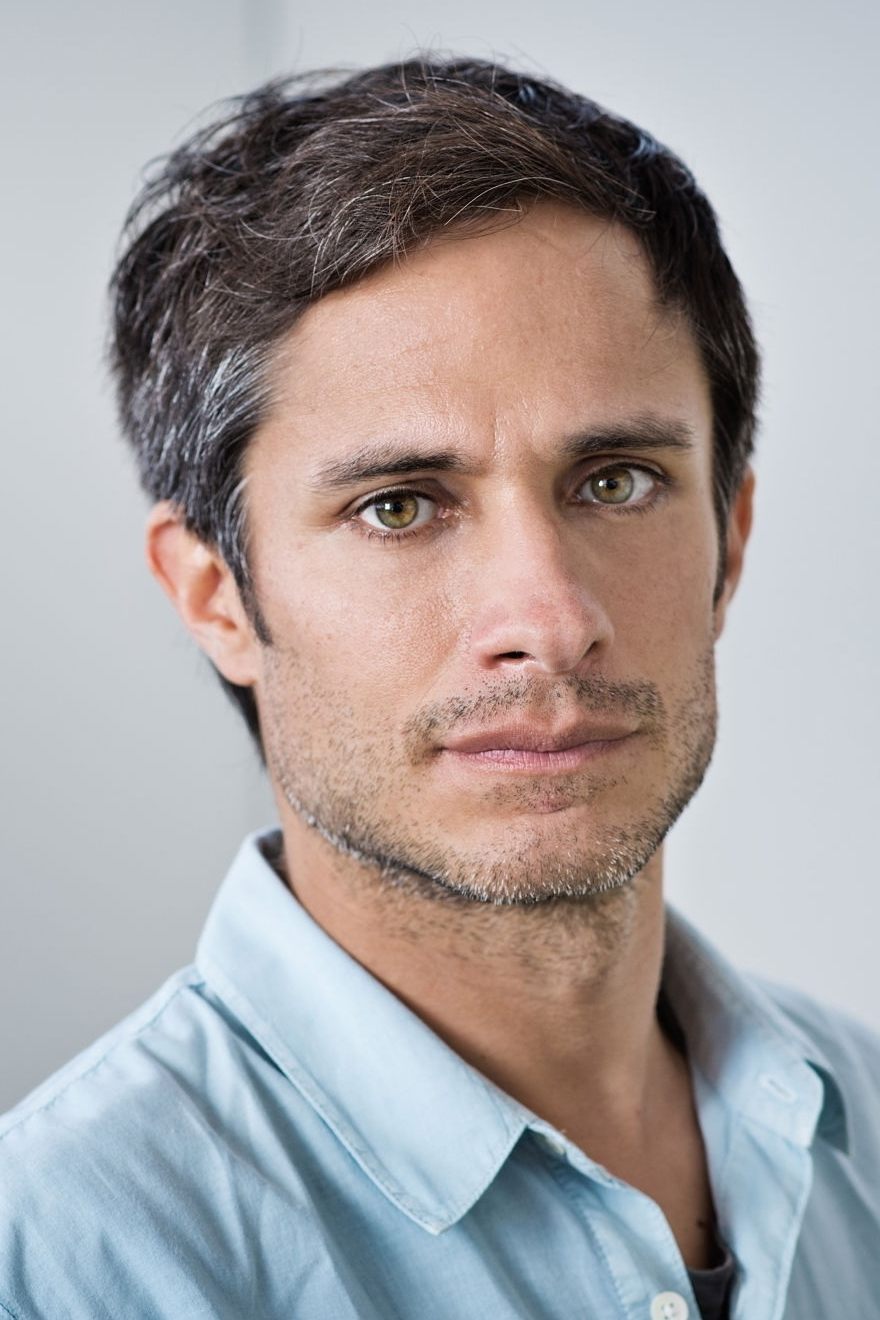
Bernal is consistently vocal about climate change and the political landscape in Latin America. He uses his documentaries and social media to hold the Mexican government accountable for violence and environmental negligence. The actor has criticized the militarization of public safety and advocated for indigenous rights. His work often blurs the lines between artistic expression and political manifesto. Bernal remains a committed activist who refuses to separate his art from his civic duties.
Diego Luna
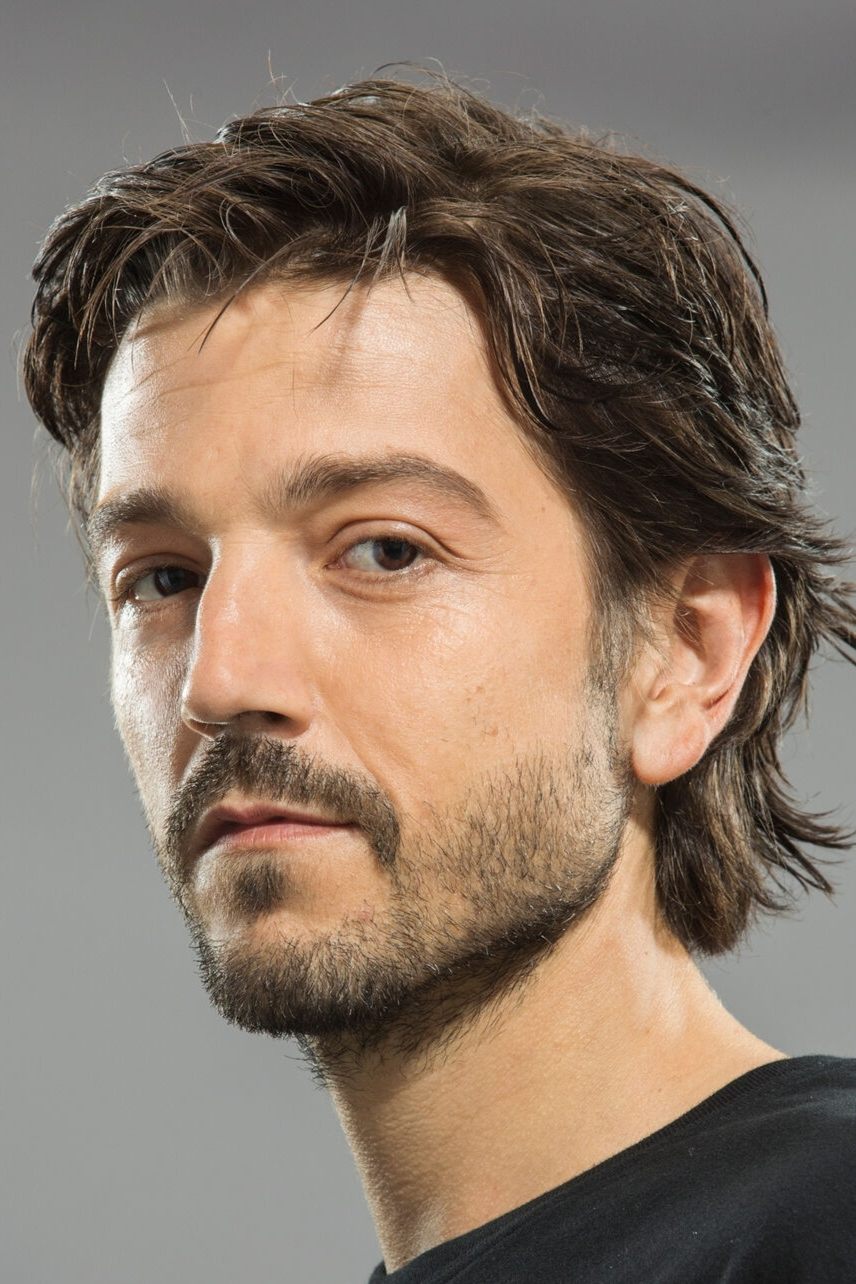
Luna utilizes his fame to support independent journalism and highlight corruption in Mexico. He has been a fierce critic of government policies that he believes endanger citizens and journalists. The ‘Andor’ star frequently participates in forums discussing the importance of a free press and democracy. He leverages his production company to tell stories that address social inequalities and historical injustices. Luna views his role as a storyteller as inherently political and necessary for cultural dialogue.
Edward James Olmos
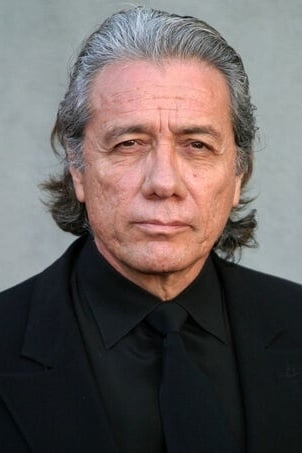
Olmos has been a pillar of Chicano activism since the 1970s and continues to fight for Latino representation. He played a crucial role in the Zoot Suit riots play and film which brought Mexican-American history to the mainstream. The actor advocates for educational reform and encourages Latino youth to pursue higher education and civic engagement. He has been arrested for protesting the US Navy’s bombing exercises in Vieques. Olmos remains dedicated to preserving and honoring his cultural heritage through the arts.
Cheech Marin
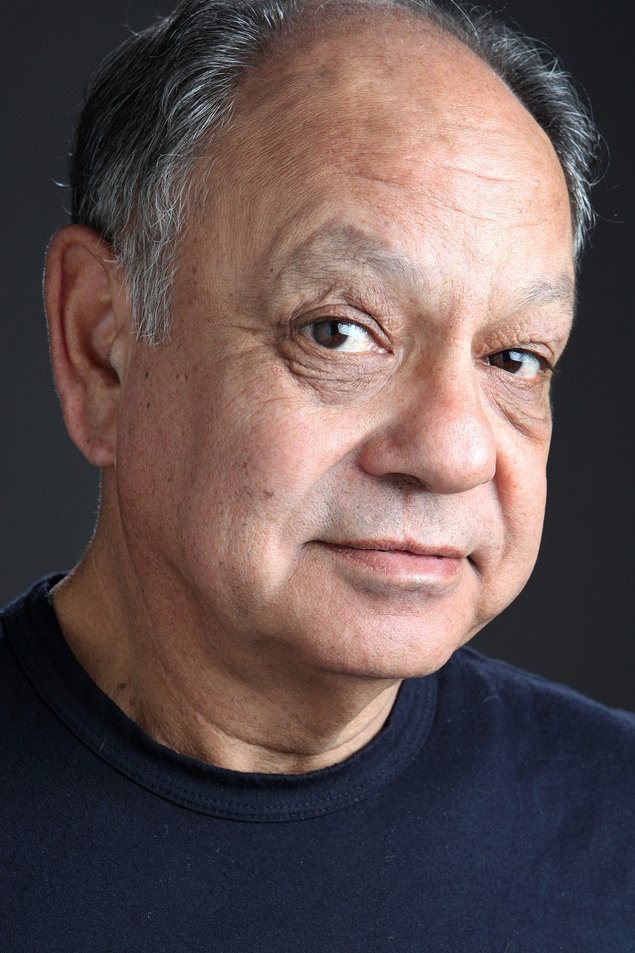
Marin became a counter-culture icon in the 1970s by normalizing cannabis use through his comedy. He has since pivoted to becoming one of the world’s foremost collectors of Chicano art to combat its exclusion from museums. The actor argues that art institutions have systematically ignored the contributions of Mexican-American artists. He tours his collection to ensure that Chicano culture is recognized as a vital part of American art history. Marin fights a culture war on the front of institutional recognition and artistic validation.
Esai Morales
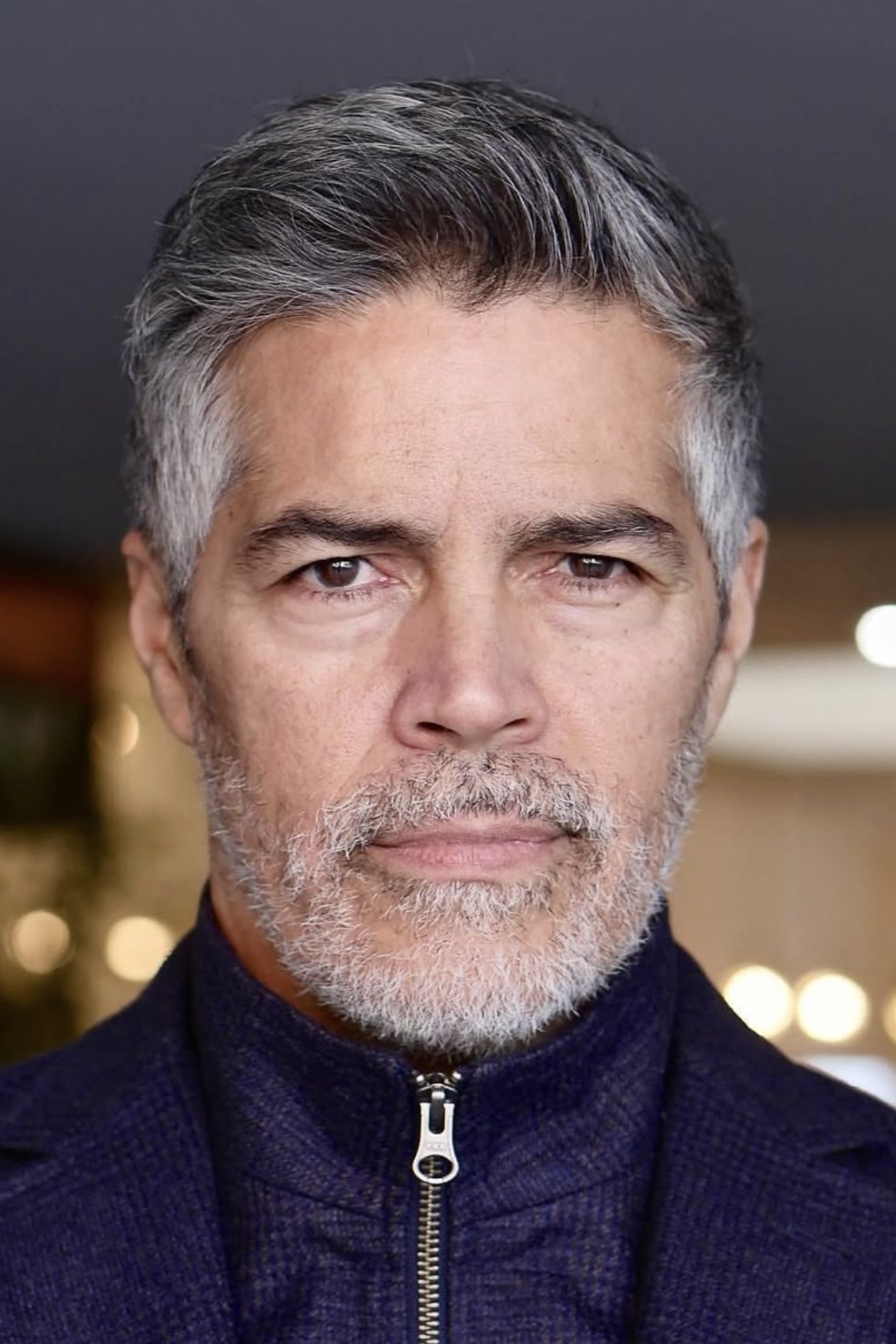
Morales entered the internal politics of Hollywood by running for the presidency of the SAG-AFTRA union. He campaigned on a platform that accused the existing leadership of failing to protect members’ interests. His run highlighted the deep divisions within the union regarding healthcare and pension plans. The actor positioned himself as an anti-establishment candidate fighting for the working-class actor. His involvement shed light on the labor struggles that exist behind the glamour of the entertainment industry.
Wagner Moura
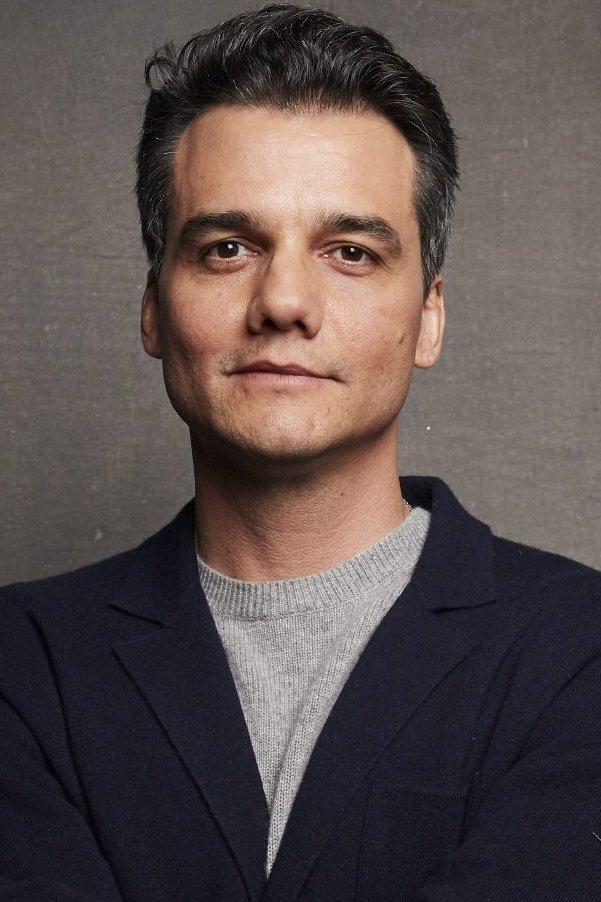
Moura has faced significant political pressure in his native Brazil for his portrayal of revolutionary figures. His directorial debut ‘Marighella’ faced delays and censorship hurdles under the Bolsonaro administration. The actor openly criticized the government’s handling of the arts and its authoritarian tendencies. He frames his work as a form of resistance against historical revisionism and political oppression. Moura continues to take on projects that challenge right-wing narratives in Latin America.
Edgar Ramírez
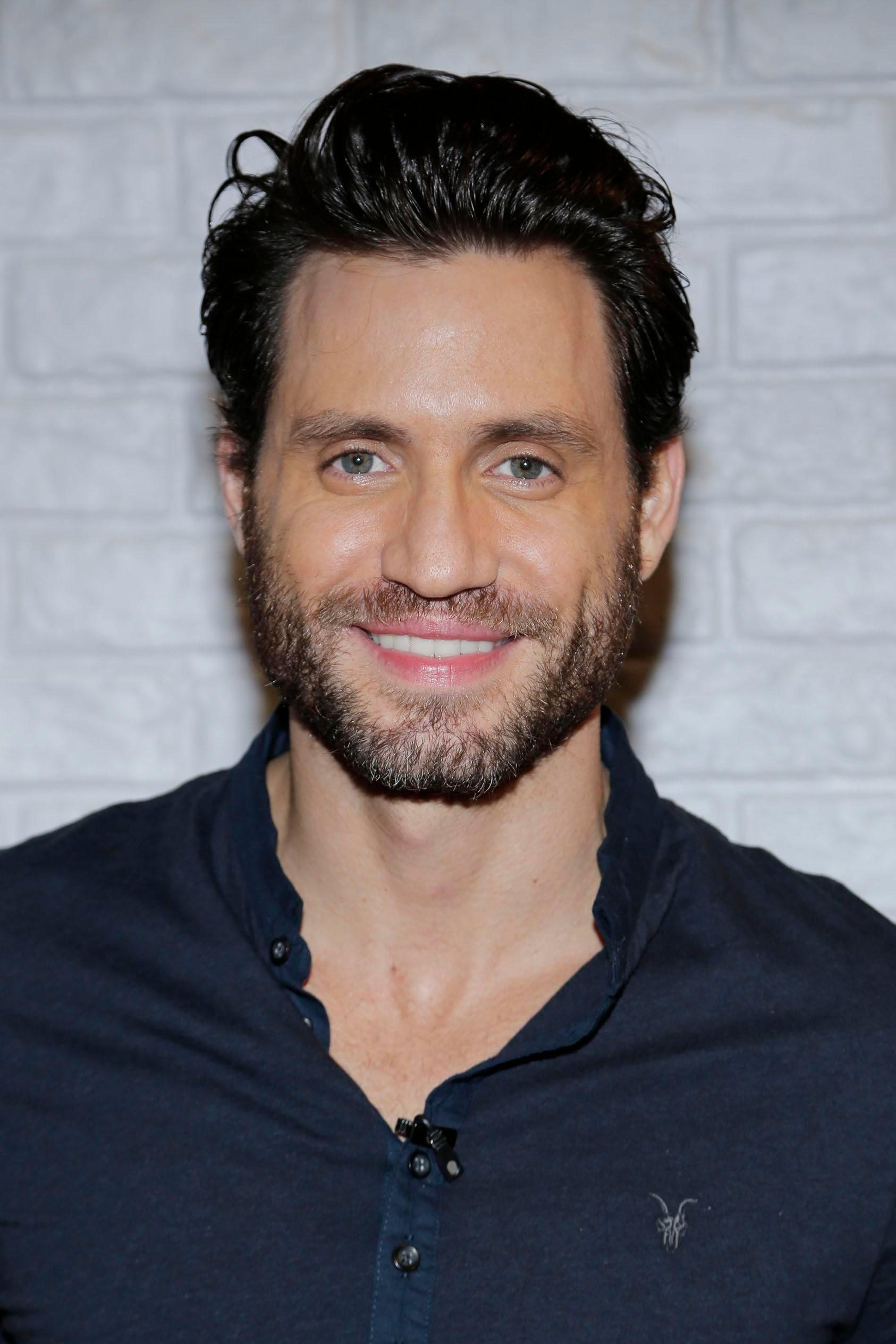
Ramírez is a vocal opponent of the current political regime in Venezuela. He uses his international standing to raise awareness about the humanitarian crisis and democratic collapse in his home country. The actor frequently participates in campaigns to aid Venezuelan refugees and political prisoners. His activism places him in direct conflict with supporters of the Maduro government. Ramírez views his advocacy as a moral obligation to his fellow citizens suffering under authoritarian rule.
Demián Bichir
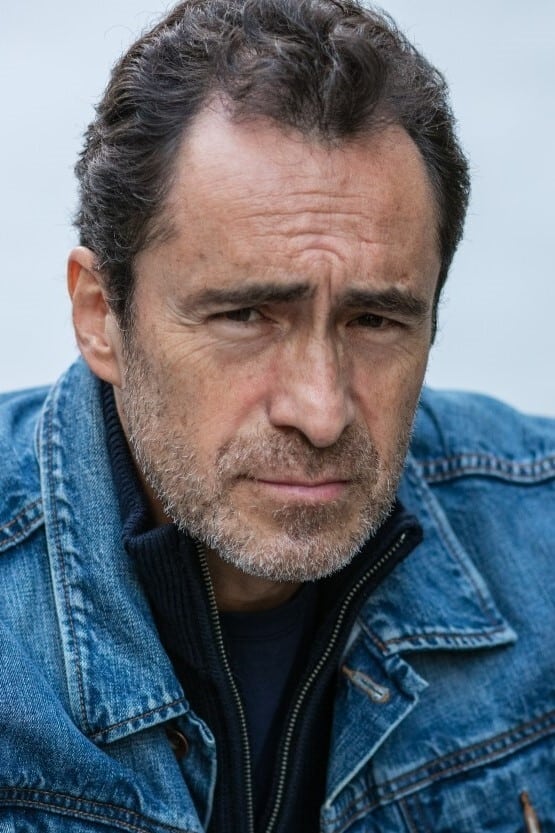
Bichir serves as an ambassador for the ACLU and tirelessly advocates for immigrants’ rights in the United States. He focuses on humanizing the undocumented community through his roles and public speaking engagements. The actor challenges the criminalization of migrants and pushes for comprehensive immigration reform. He often draws upon his own experiences to bridge the gap between American audiences and the immigrant reality. Bichir remains a steadfast defender of those seeking a better life across borders.
Lin-Manuel Miranda
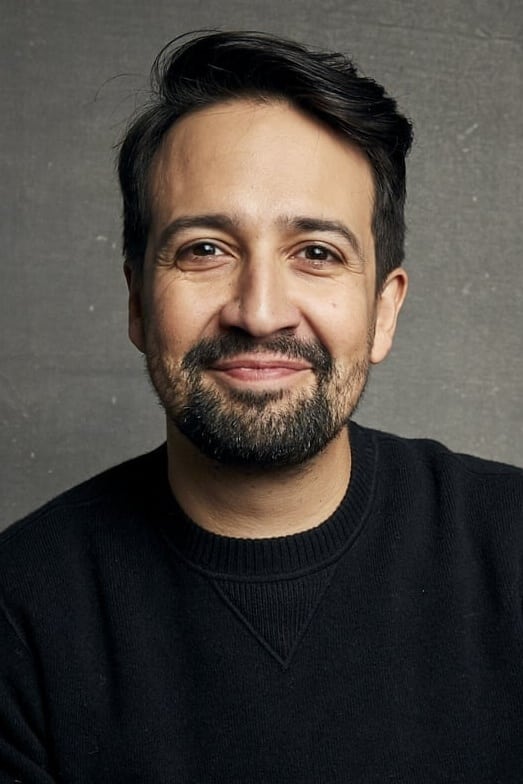
Miranda sparked a nationwide conversation about representation with his musical ‘Hamilton’ by casting people of color as Founding Fathers. He later found himself on the other side of a culture war debate regarding colorism in the film adaptation of ‘In the Heights’. Critics argued that the film failed to represent the Afro-Latino population of the neighborhood it depicted. Miranda issued a public apology and promised to do better in future projects. This sequence of events highlighted the complexities and evolving standards of representation within the Latino community itself.
Oscar Isaac
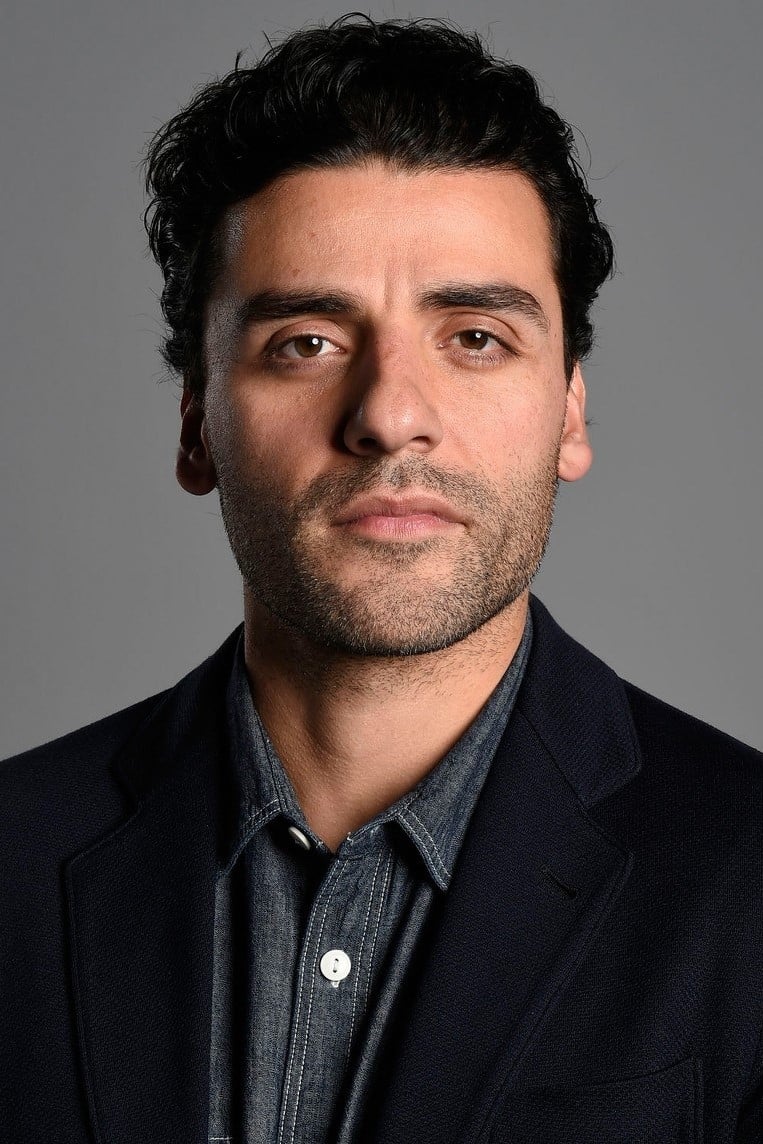
Isaac navigated cultural debates when he publicly opposed the “Don’t Say Gay” legislation in Florida. The actor expressed his disagreement with the bill while promoting his work with Disney. He also garnered attention for his role in ‘Moon Knight’ by acknowledging the Armenian Genocide which is a historically contentious topic. Isaac tends to choose his battles carefully but speaks out when he feels human rights are at stake. His comments often circulate widely among fans who look to him for moral leadership.
Javier Bardem
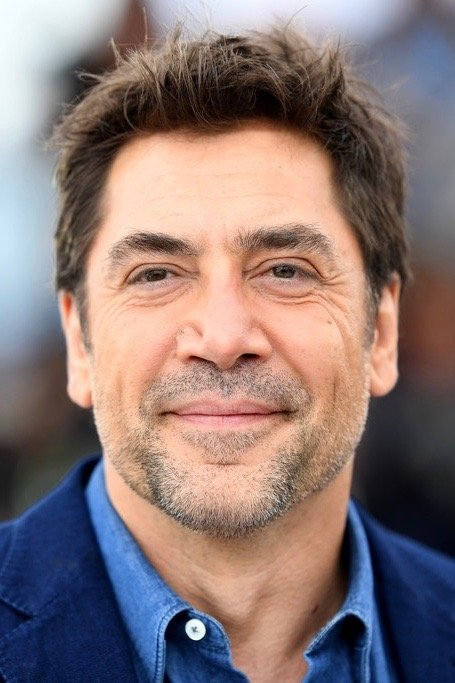
Bardem faced a firestorm of controversy in 2014 when he signed an open letter condemning Israeli military actions in Gaza. The letter described the conflict as genocide and resulted in significant backlash from Hollywood executives and peers. He later clarified his comments to state that he was pleading for peace rather than attacking a specific group. The incident revealed the high stakes actors face when commenting on geopolitical conflicts. Bardem remains an advocate for various humanitarian and environmental causes despite the risks.
Benicio del Toro
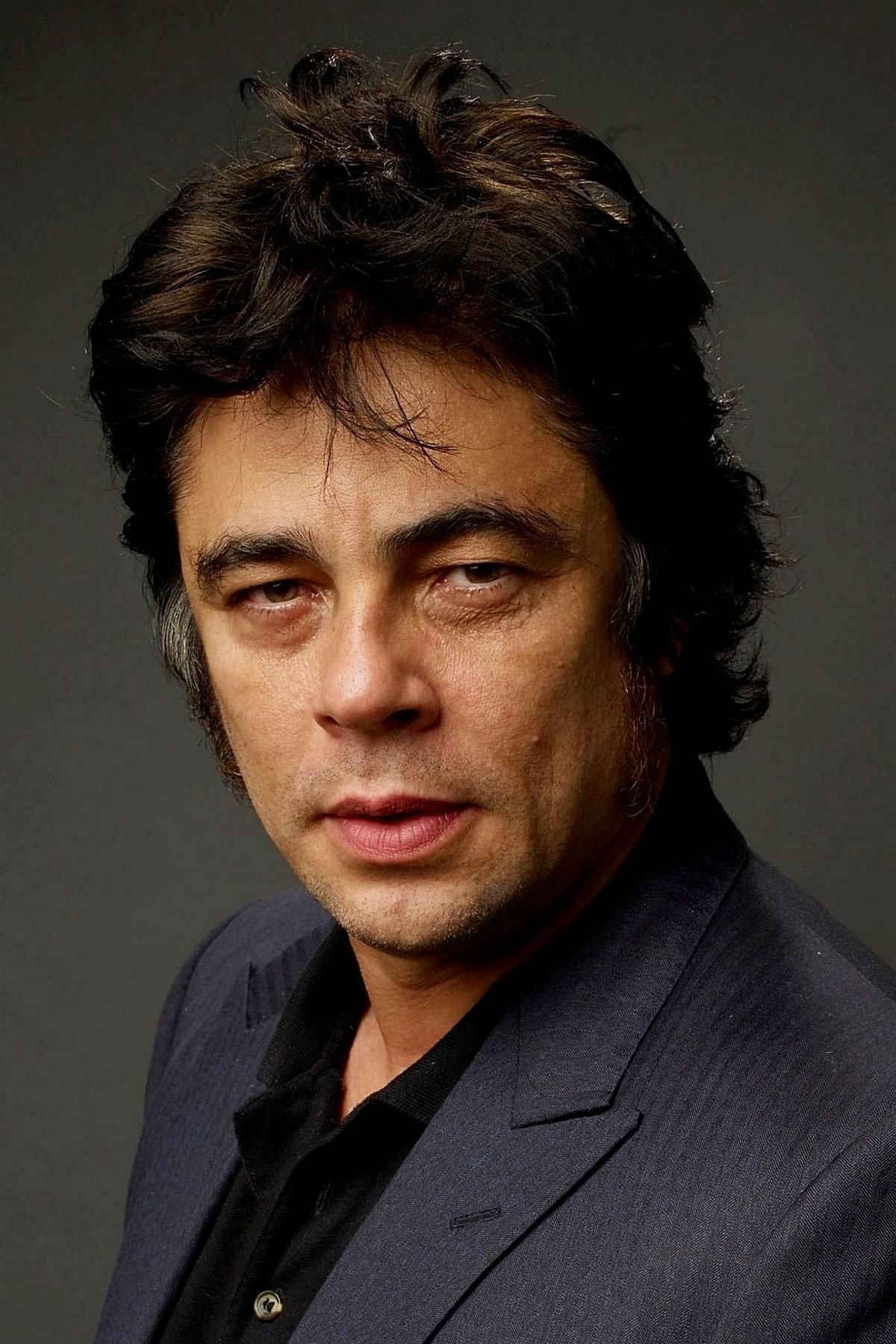
Del Toro has engaged in cultural discussions through his portrayal of controversial historical figures like Che Guevara. He often defends the complexity of his characters against those who wish to see history in black and white. The actor is also vocal about the political status of Puerto Rico and its relationship with the United States. He advocates for the island’s self-determination and better treatment of its citizens. Del Toro uses his prestige to keep Puerto Rican issues visible in the mainland media.
Danny Trejo
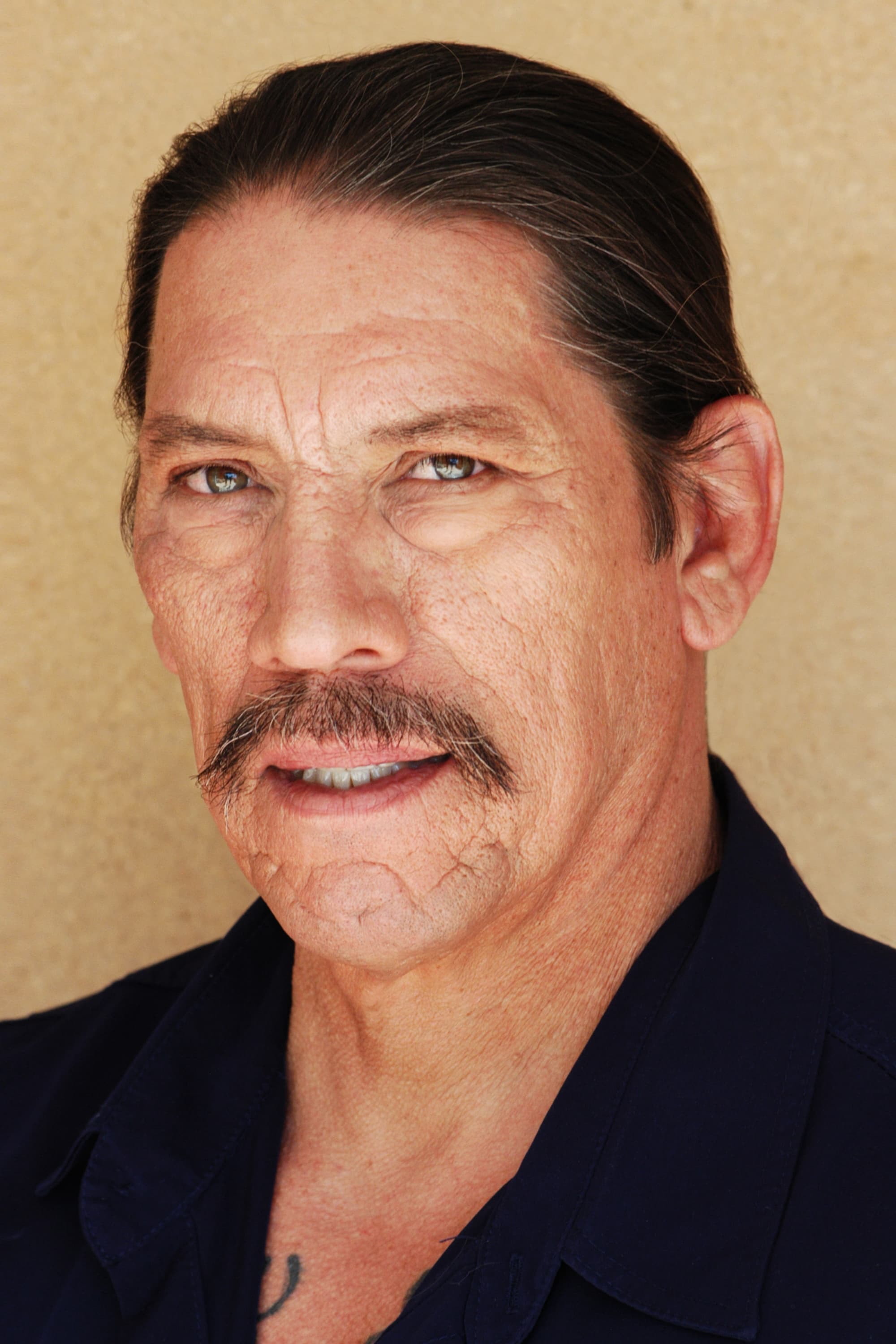
Trejo focuses his social engagement on prison reform and drug rehabilitation. He uses his past experiences as an inmate to advocate for second chances and the humane treatment of prisoners. The actor frequently speaks at recovery centers and works to break the cycle of recidivism in marginalized communities. He challenges the stigma surrounding addiction and incarceration through his personal testimony. Trejo has become a symbol of redemption and community service in Los Angeles.
Emilio Estevez

Estevez found himself in the headlines when he departed the ‘The Mighty Ducks: Game Changers’ series. Reports surfaced that his exit was related to a disagreement over the production’s COVID-19 vaccine mandates. The actor later released a statement clarifying that he was not anti-vax but had concerns about the specific protocols. This situation placed him briefly at the center of the industry-wide debate regarding safety mandates and personal freedom. Estevez has also directed films that explore themes of homelessness and social protest.
Charlie Sheen
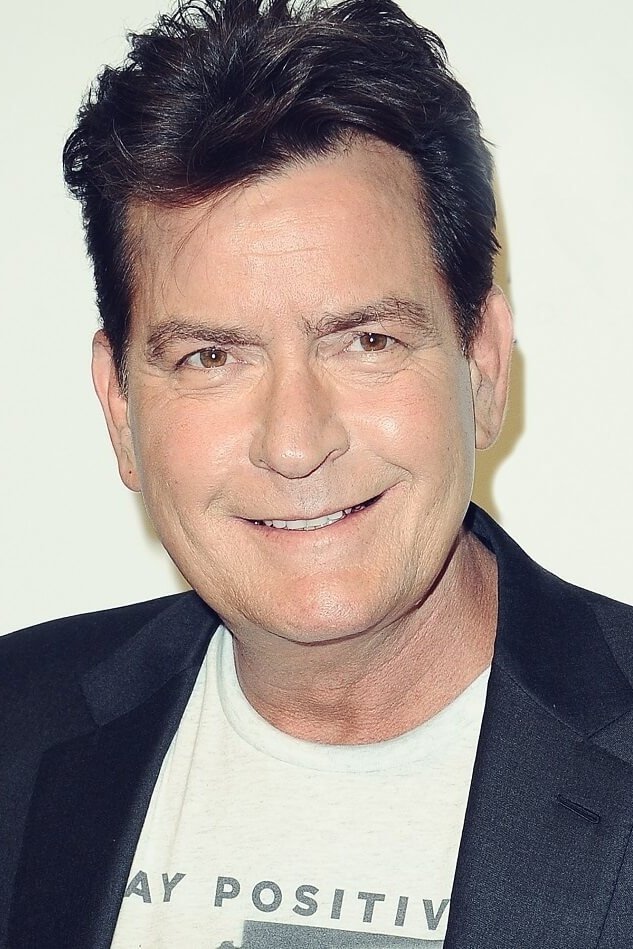
Sheen has been a lightning rod for various cultural controversies throughout his turbulent career. He was one of the most high-profile celebrities to question the official narrative of the September 11 attacks. The actor also challenged public perceptions of HIV after revealing his diagnosis and speaking about the stigma associated with the virus. His public meltdowns and lifestyle choices often sparked debates about celebrity entitlement and mental health. Sheen remains a figure who defies conventional public relations strategies.
Wilmer Valderrama
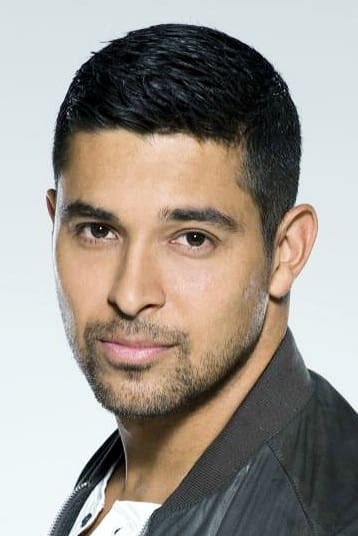
Valderrama is heavily involved in advocacy for the US military and immigration reform. He serves as a global ambassador for the USO and frequently tours to support American troops abroad. Simultaneously he works with organizations to promote the rights and integration of immigrants in the United States. The actor navigates the space between patriotism and immigrant advocacy which are often treated as opposing sides in the culture war. He strives to show that one can support the military while fighting for a diverse America.
Eugenio Derbez
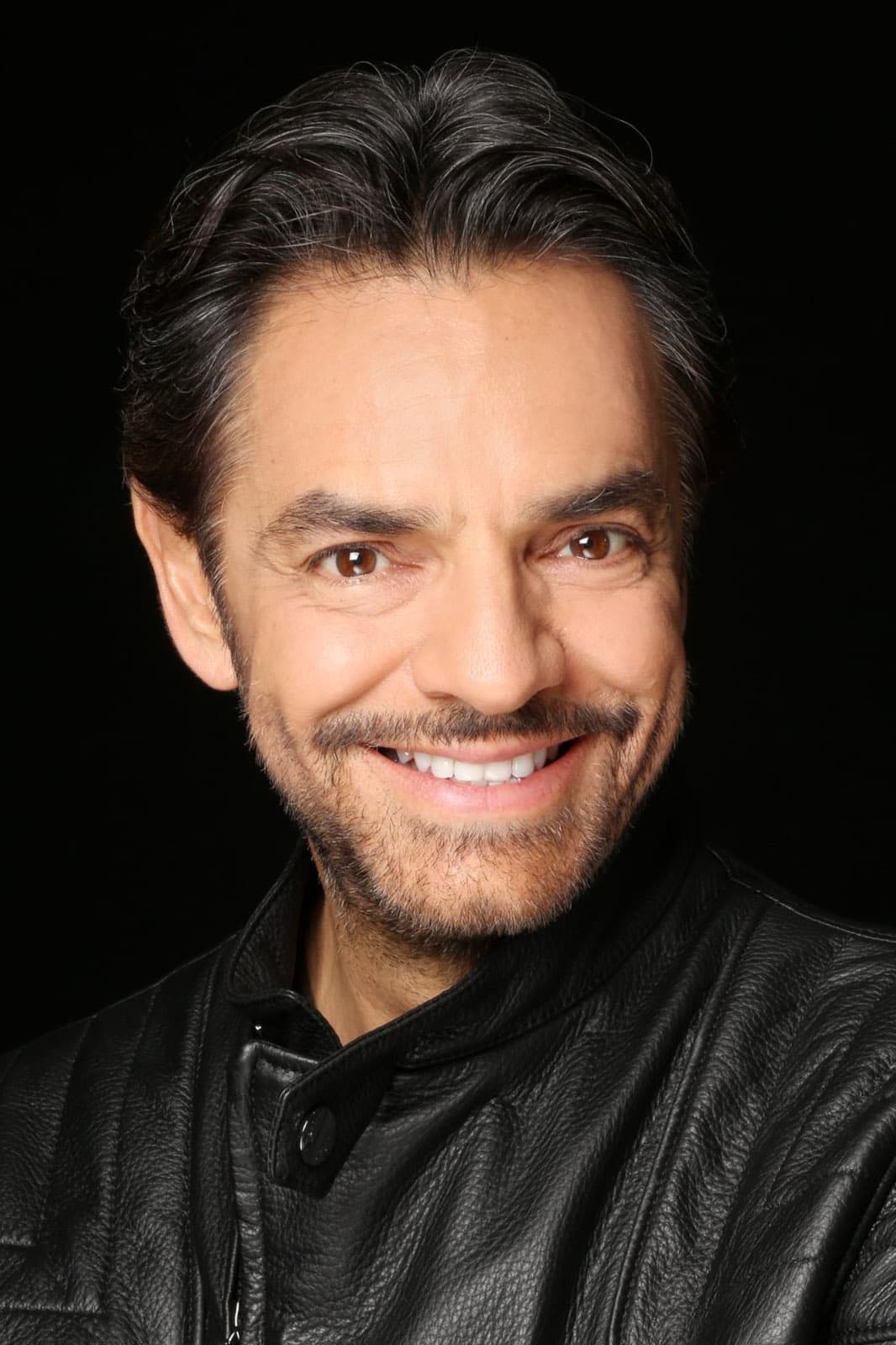
Derbez became a target of political attacks in Mexico after voicing opposition to the Tren Maya construction project. The government labeled him and other celebrities as pseudo-environmentalists and traitors for criticizing the environmental impact of the train. The actor stood his ground and called for dialogue regarding the preservation of the jungle and aquifers. His conflict with the president illustrated the tension between influential artists and populist political leaders. Derbez continues to advocate for environmental protection despite the official rhetoric against him.
Benjamin Bratt
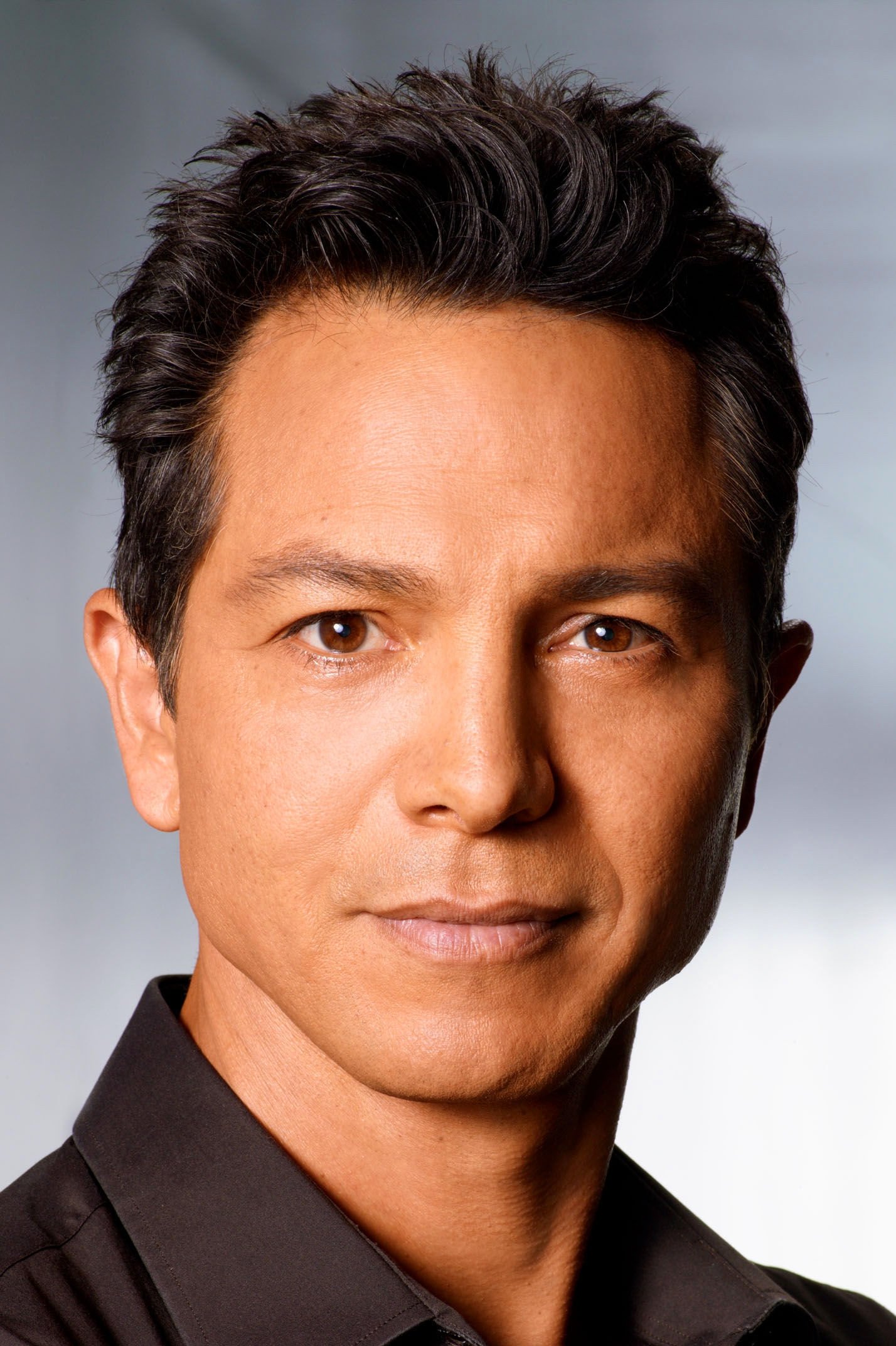
Bratt has a long history of activism rooted in his mother’s involvement with the American Indian Movement. He participated in the 1969 occupation of Alcatraz as a child and continues to advocate for Indigenous rights today. The actor produced the documentary ‘Dolores’ to ensure the legacy of labor leader Dolores Huerta was not forgotten. He frequently speaks about the need for accurate representation of Native American and Latino history. Bratt views his industry success as a tool to amplify the voices of his ancestors.
Wilson Cruz
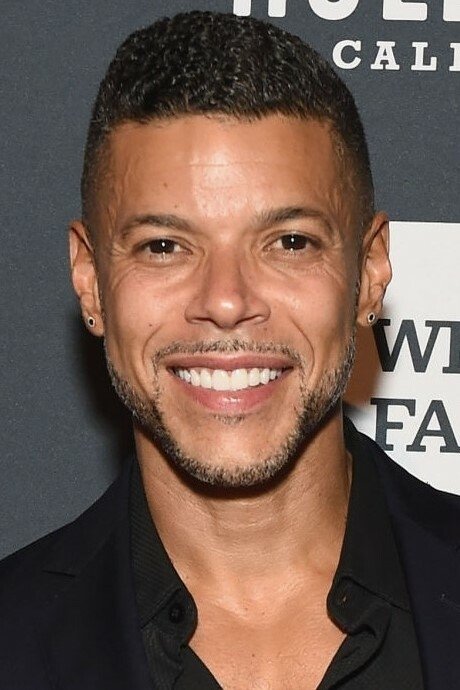
Cruz broke ground as the first openly gay actor to play a gay character in a leading role on TV. He has dedicated his career to LGBTQ+ advocacy through his work with GLAAD and other organizations. The actor frequently engages in public debates to defend the inclusion of queer characters in franchises like ‘Star Trek’. He argues that visibility is essential for the mental health and safety of LGBTQ+ youth. Cruz remains a frontline warrior in the battle for equal representation in media.
Colman Domingo
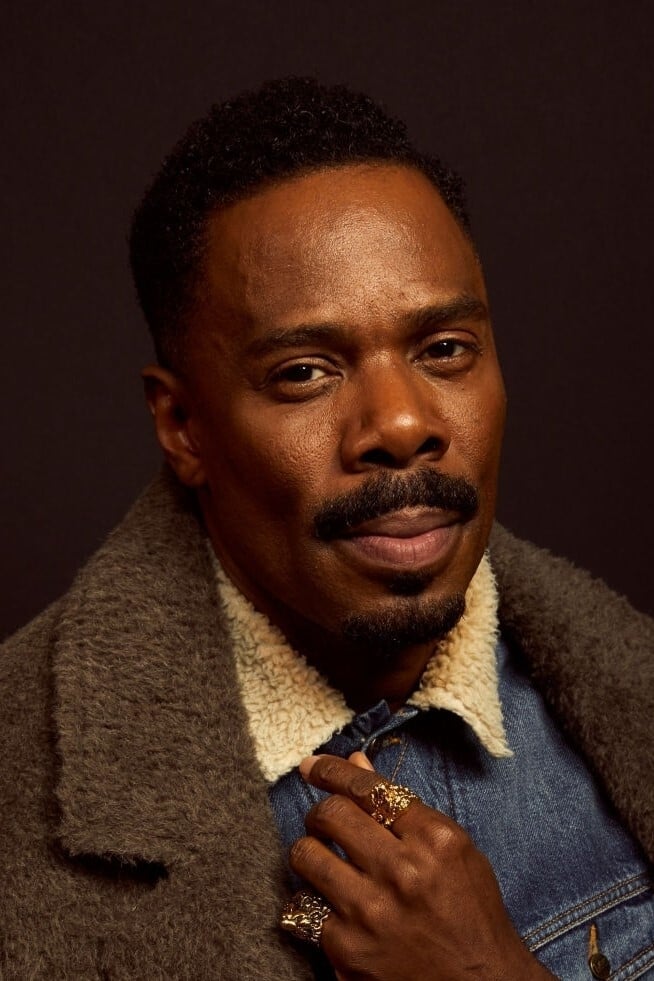
Domingo uses his rising profile to champion intersectionality as an openly gay Afro-Latino man. He speaks frequently about the unique challenges faced by artists who exist at the crossroads of multiple marginalized identities. The actor advocates for storytelling that embraces nuance rather than relying on stereotypes. His work in films like ‘Rustin’ highlights historical figures who were sidelined due to their sexuality. Domingo pushes the industry to expand its definition of what a leading man can look and be like.
Anthony Ramos
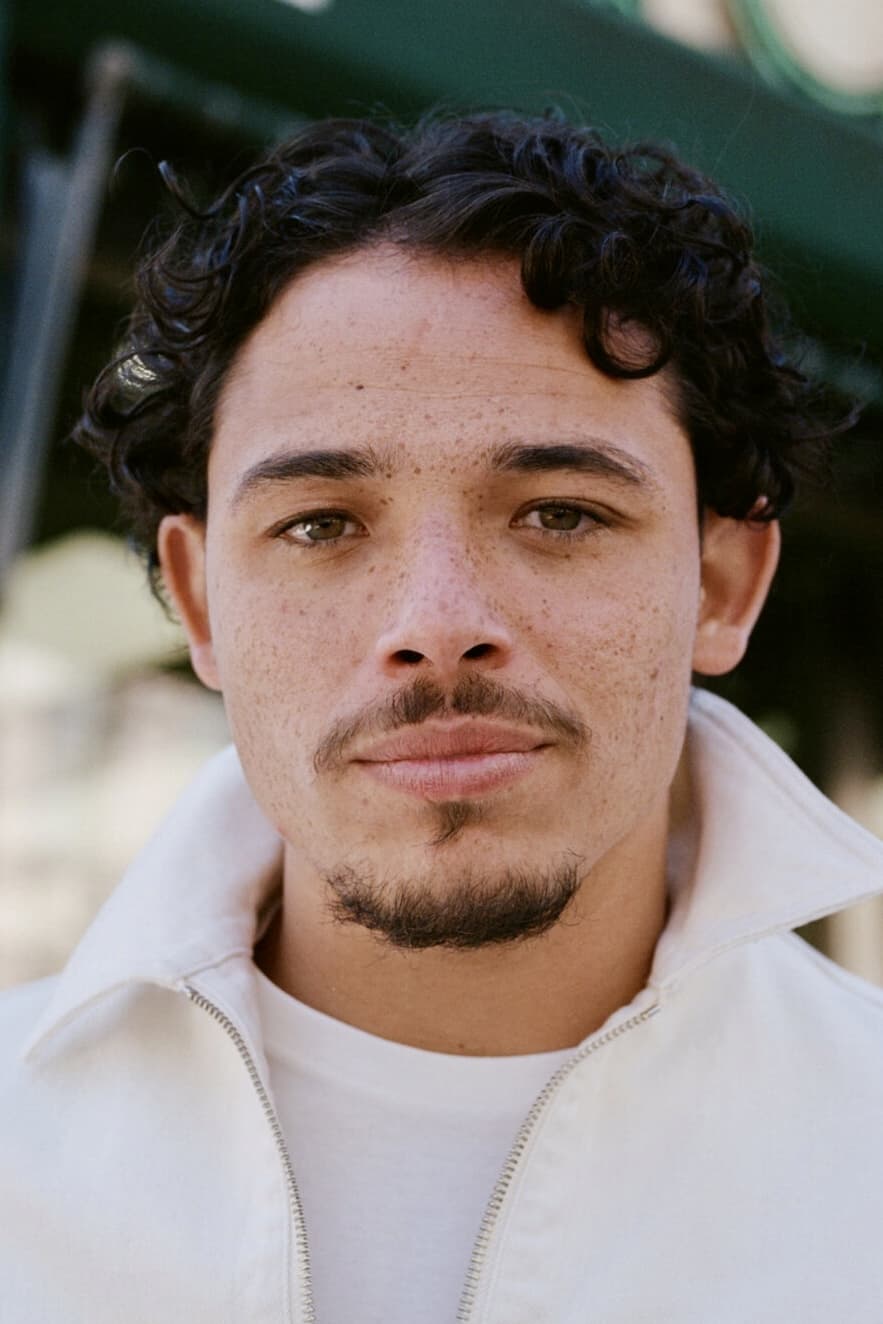
Ramos found himself in the midst of a colorism controversy following the release of the ‘In the Heights’ movie. Critics pointed out the lack of dark-skinned Afro-Latino leads in the film’s portrayal of Washington Heights. The actor listened to the criticism and acknowledged the hurt caused by the casting choices. He used the moment to engage in a broader dialogue about anti-Blackness within the Latino community. Ramos has since expressed a commitment to being more conscious of inclusivity in his future endeavors.
Ricky Martin
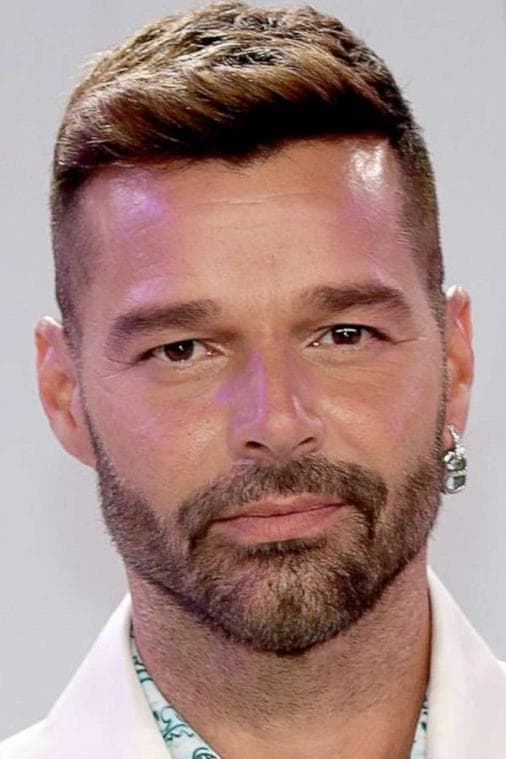
Martin became a central figure in the massive 2019 protests in Puerto Rico that led to the resignation of Governor Ricardo Rosselló. He used his immense fame to mobilize crowds and draw international attention to the corruption scandal. The singer and actor has also been a fierce advocate for LGBTQ+ rights since coming out publicly. He frequently challenges machismo culture and advocates for the rights of non-traditional families. Martin’s activism proves that pop culture icons can effect real political change.
Erik Estrada
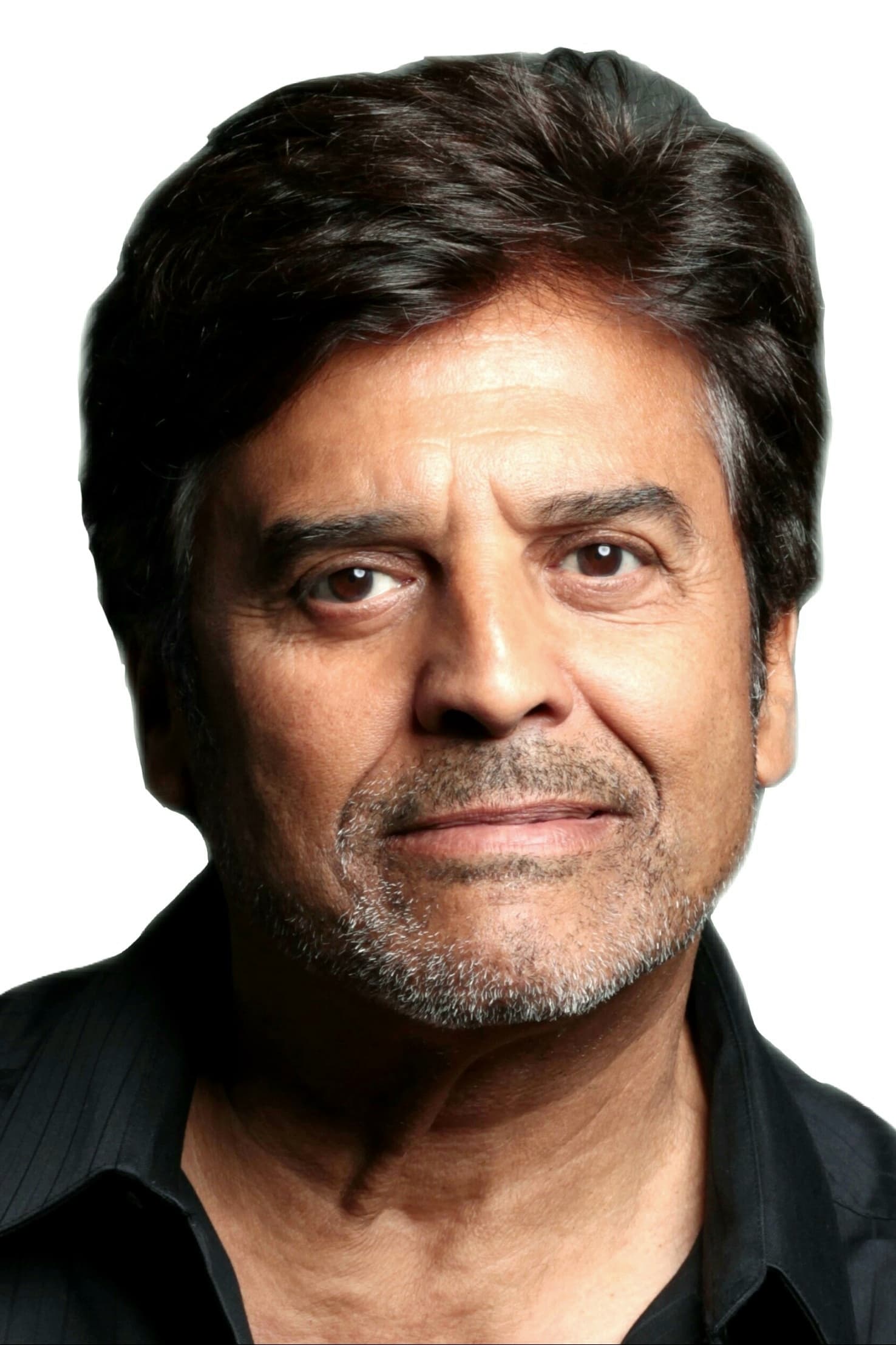
Estrada has pivoted from his days as a heartthrob to becoming a reserve police officer and advocate for internet safety. He aligns himself with law enforcement and frequently speaks about the dangers of online predators. The actor holds conservative views that prioritize law and order and traditional moral safeguards. His work with the police places him on the side of authority in debates regarding policing in America. Estrada uses his ‘CHiPs’ legacy to build trust between the community and law enforcement.
Robert Beltran
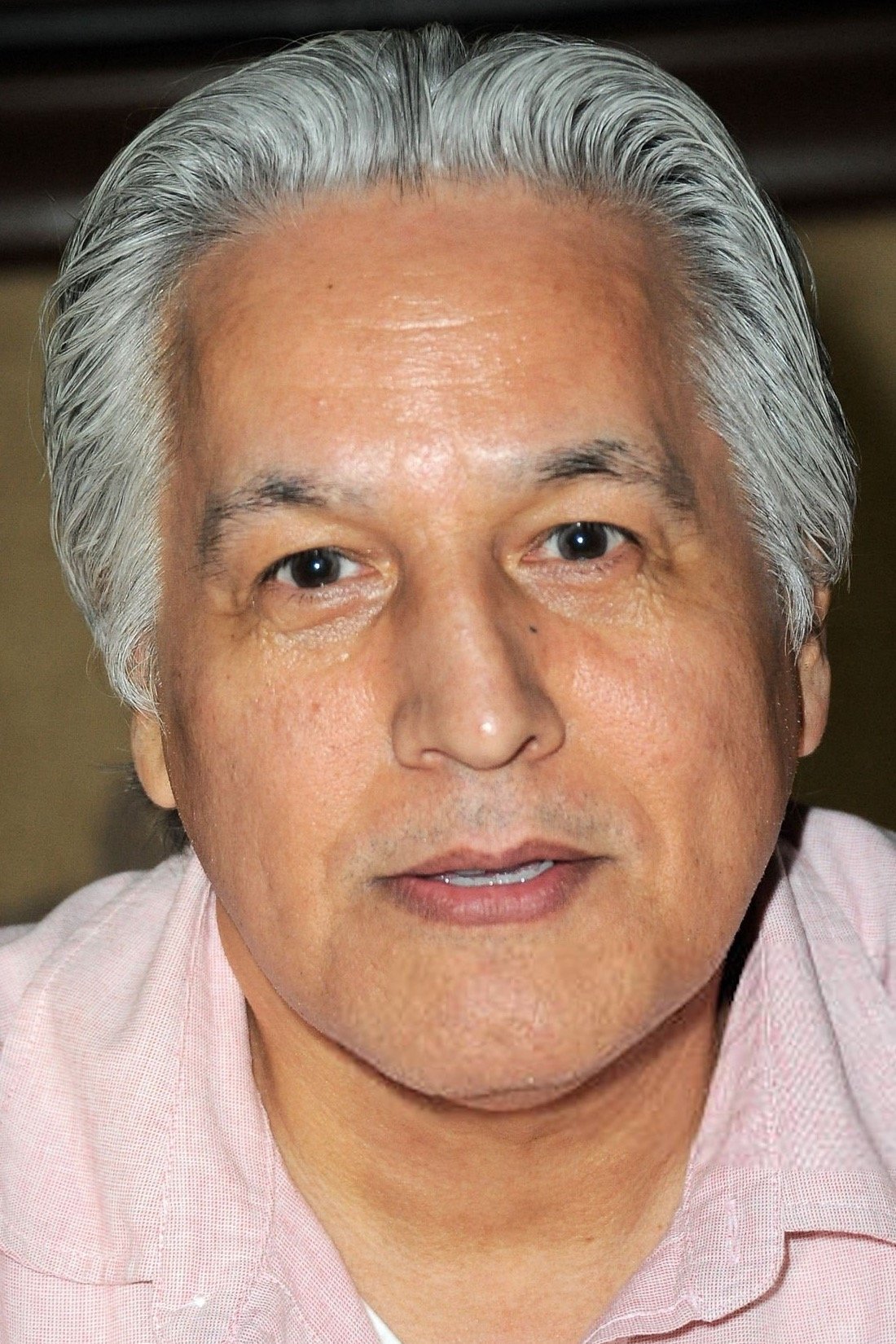
Beltran is known for his candid and often critical views regarding the writing of his character on ‘Star Trek: Voyager’. He openly voiced dissatisfaction with the show’s lack of cultural depth and the “safe” nature of the storytelling. The actor has also expressed skepticism regarding acting unions and industry politics. His willingness to bite the hand that feeds him has made him a controversial but respected figure among fans who value honesty. Beltran refuses to toe the company line if he feels artistic integrity is being compromised.
Jay Hernandez

Hernandez faced immediate backlash from purists when he was cast as the lead in the reboot of ‘Magnum P.I.’. He defended the decision to race-swap the character by arguing that it better reflected the demographics of Hawaii. The actor engaged in the debate about reboot culture and the necessity of updating classic franchises for modern audiences. He successfully established his own version of the character despite the initial resistance. Hernandez proved that diversity in casting can revitalize established properties.
Richard Cabral
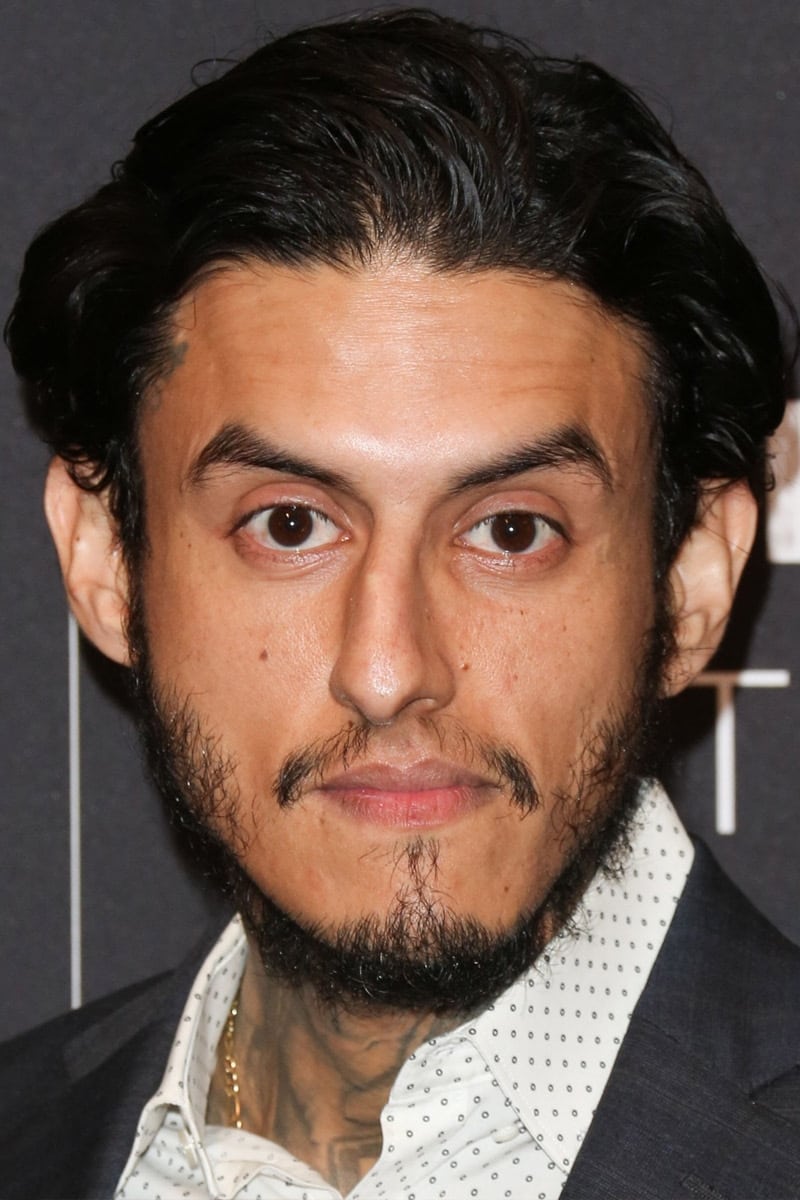
Cabral brings his lived experience as a former gang member to his acting work and activism. He advocates for prison reform and programs that help at-risk youth escape the cycle of violence. The actor challenges the entertainment industry to look beyond his tattoos and see the human talent underneath. He speaks openly about redemption and the systemic failures that lead to gang involvement. Cabral is a powerful voice for those who are often written off by society.
Laz Alonso
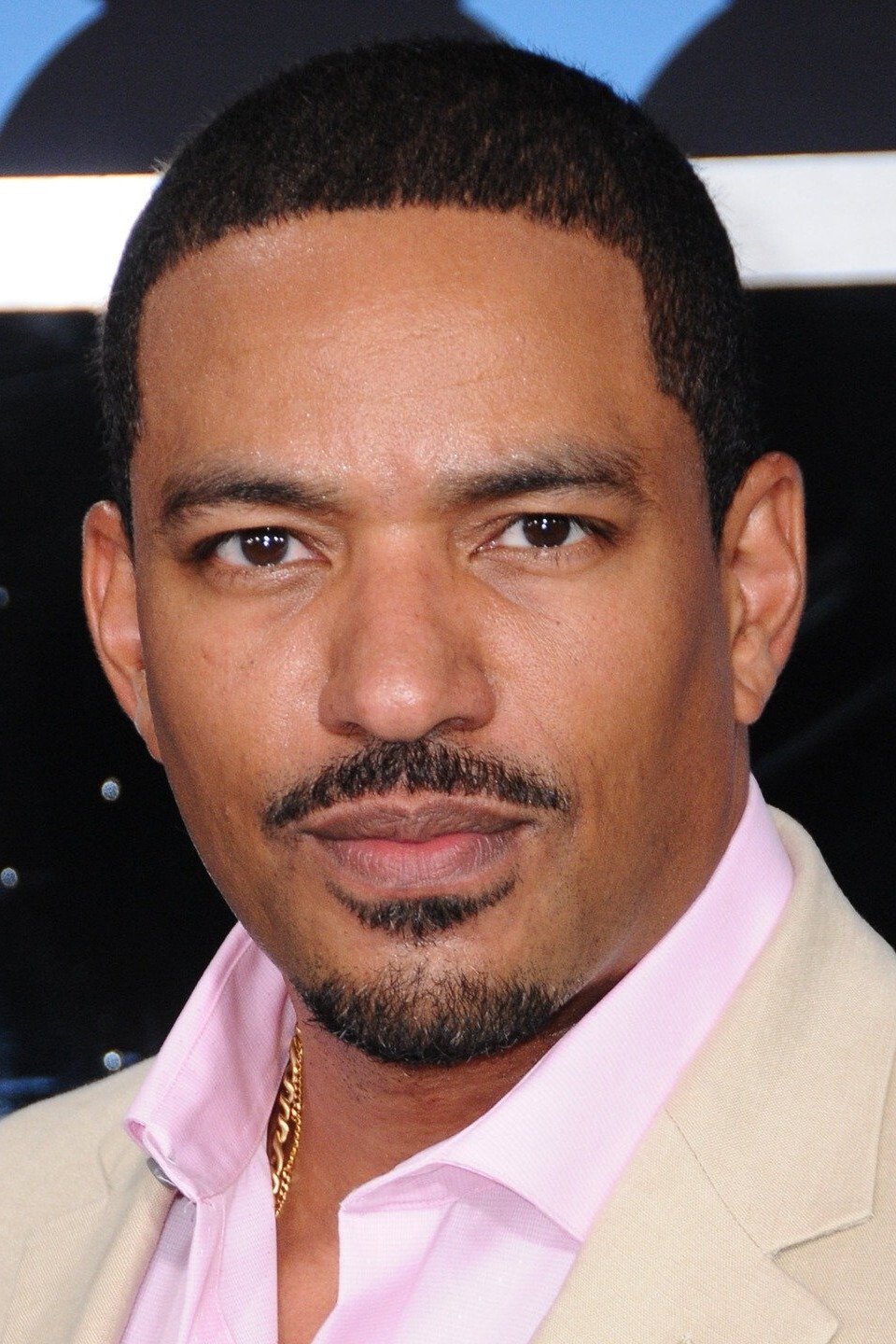
Alonso has used his role in ‘The Boys’ to discuss themes of police brutality and systemic racism. He frequently engages with fans to unpack the social commentary present in the superhero satire. The actor advocates for the importance of having Black and Afro-Latino characters who are leaders and moral centers. He pushes for narratives that explore the complexities of race without being didactic. Alonso sees genre fiction as a potent vehicle for exploring real-world societal issues.
Harvey Guillén
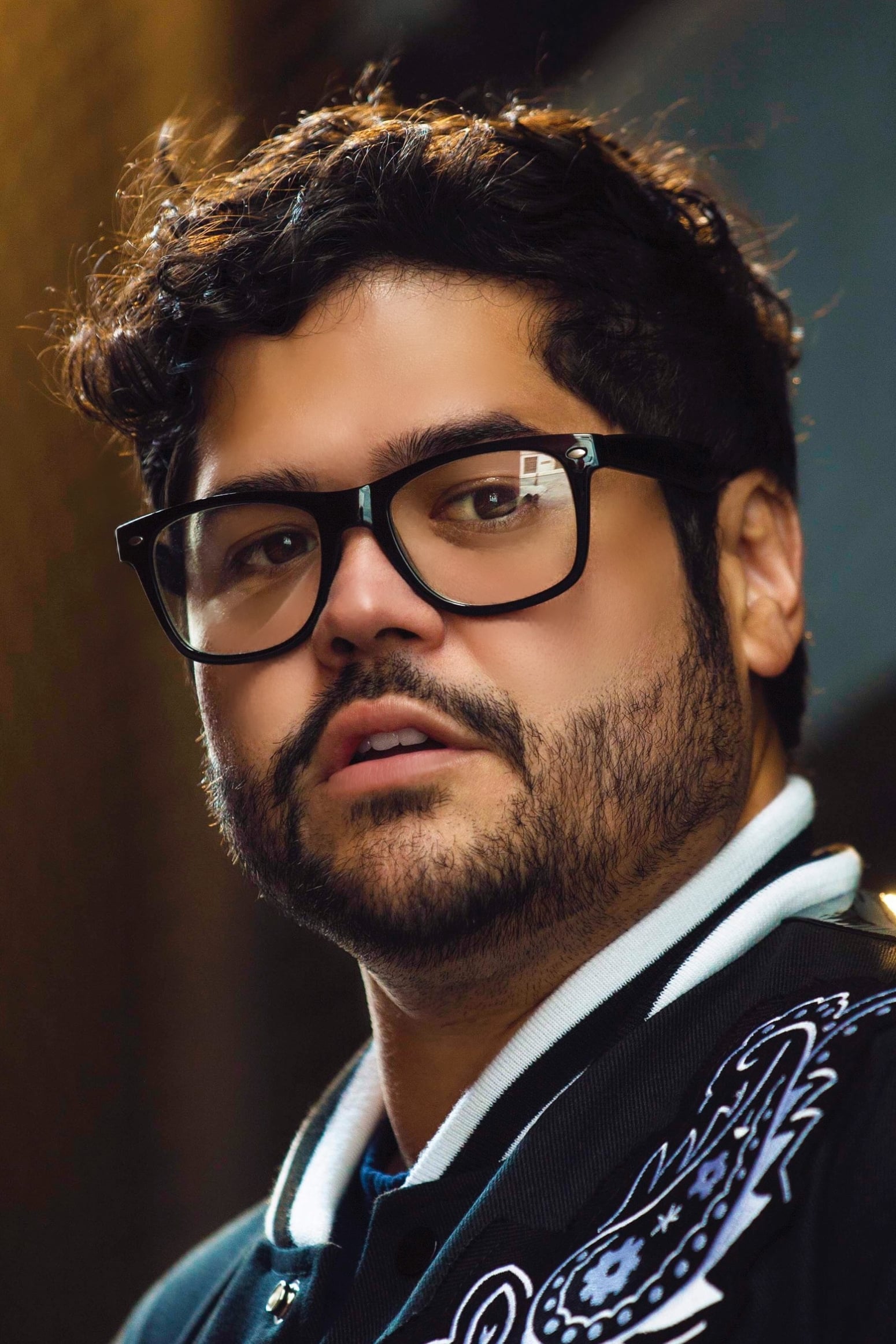
Guillén has become a major advocate for body positivity and queer representation in genre television. As a plus-size actor, he challenges the industry’s beauty standards and fights for roles that are usually reserved for thinner actors. He discusses the intersection of being Latino, queer, and plus-size in an industry that often tries to categorize actors into single boxes. His success in ‘What We Do in the Shadows’ has proven that non-traditional leads can carry major fan-favorite shows. Guillén inspires fans who rarely see themselves reflected on screen.
Rafael Casal
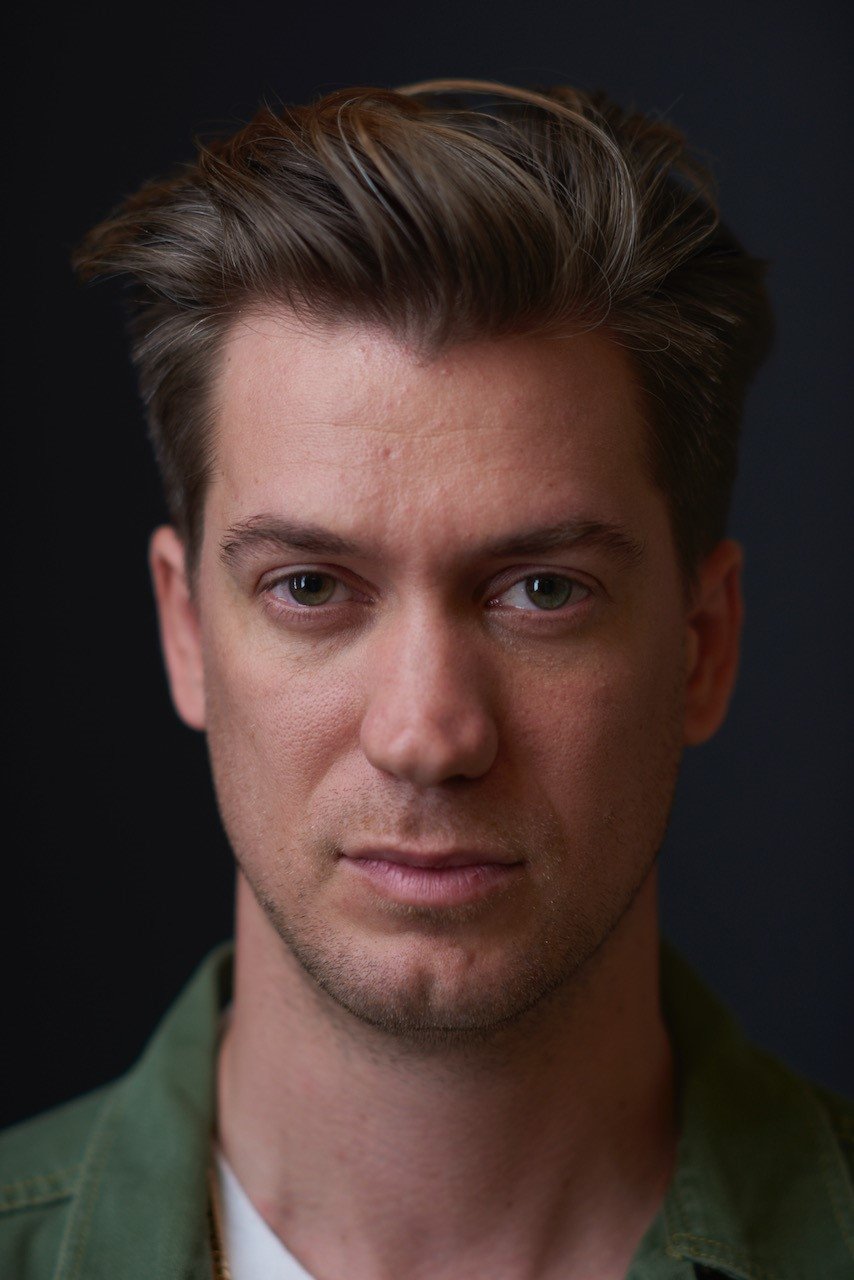
Casal wrote and starred in ‘Blindspotting’ which directly confronts the issues of gentrification and police violence in Oakland. He uses his art to deconstruct the changing demographics of cities and the racial tensions that arise. The actor is articulate in his critique of how the legal system treats people of color versus white citizens. He blends spoken word poetry with narrative to emphasize the urgency of these social issues. Casal is a modern creator who insists on art serving as a mirror to societal friction.
Jimmy Smits
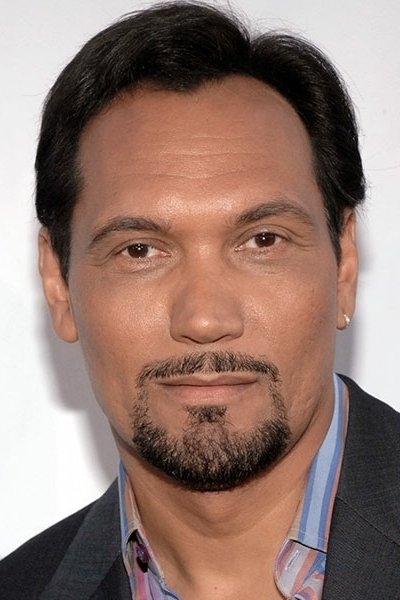
Smits co-founded the National Hispanic Foundation for the Arts to actively lobby for greater Latino presence in media. He has spent decades working behind the scenes to open doors for Hispanic creators and actors. The actor often takes roles that place Latinos in positions of power such as politicians and judges to combat stereotypes. He argues that visual representation impacts how society values different groups of people. Smits remains a tireless general in the fight for equity in Hollywood.
Share your thoughts on these actors and their stances in the comments.