Latin Actresses Who Engaged in Culture War

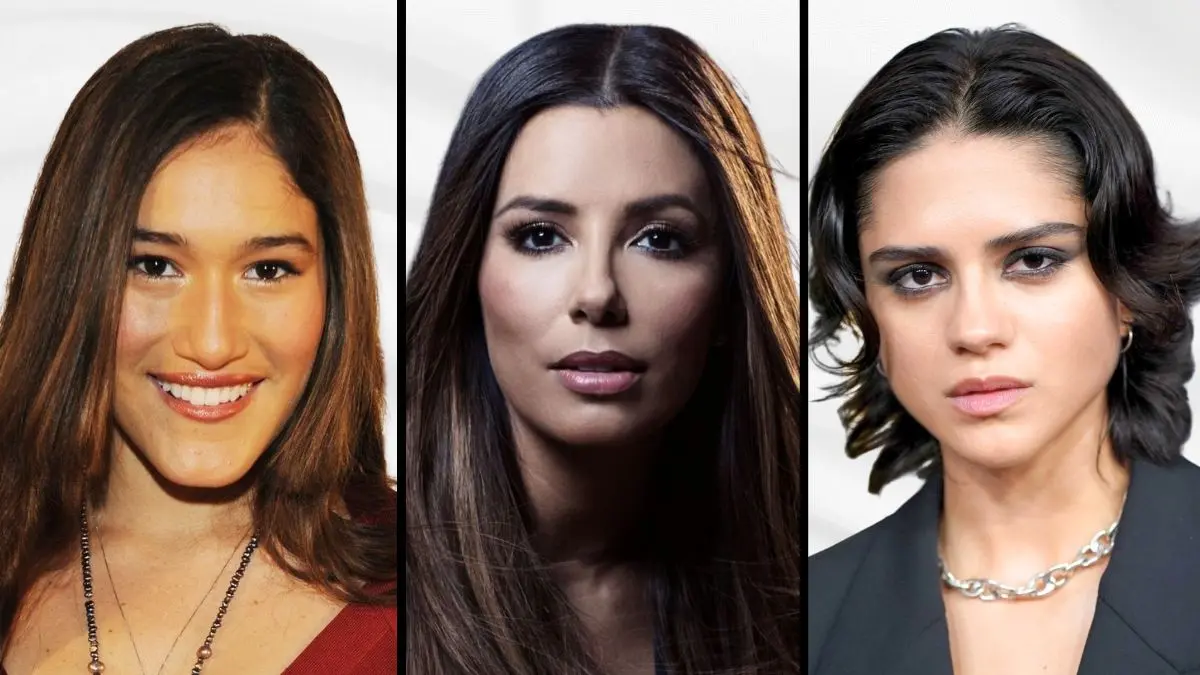

The intersection of entertainment and cultural discourse has seen many prominent figures take a stand on polarizing issues. These actresses have sparked conversations regarding representation and politics or social justice through their roles and public statements. Their involvement in these debates has often led to intense media scrutiny and public reaction. The following list highlights fifty Latin actresses who have navigated these complex cultural waters.
Gina Carano
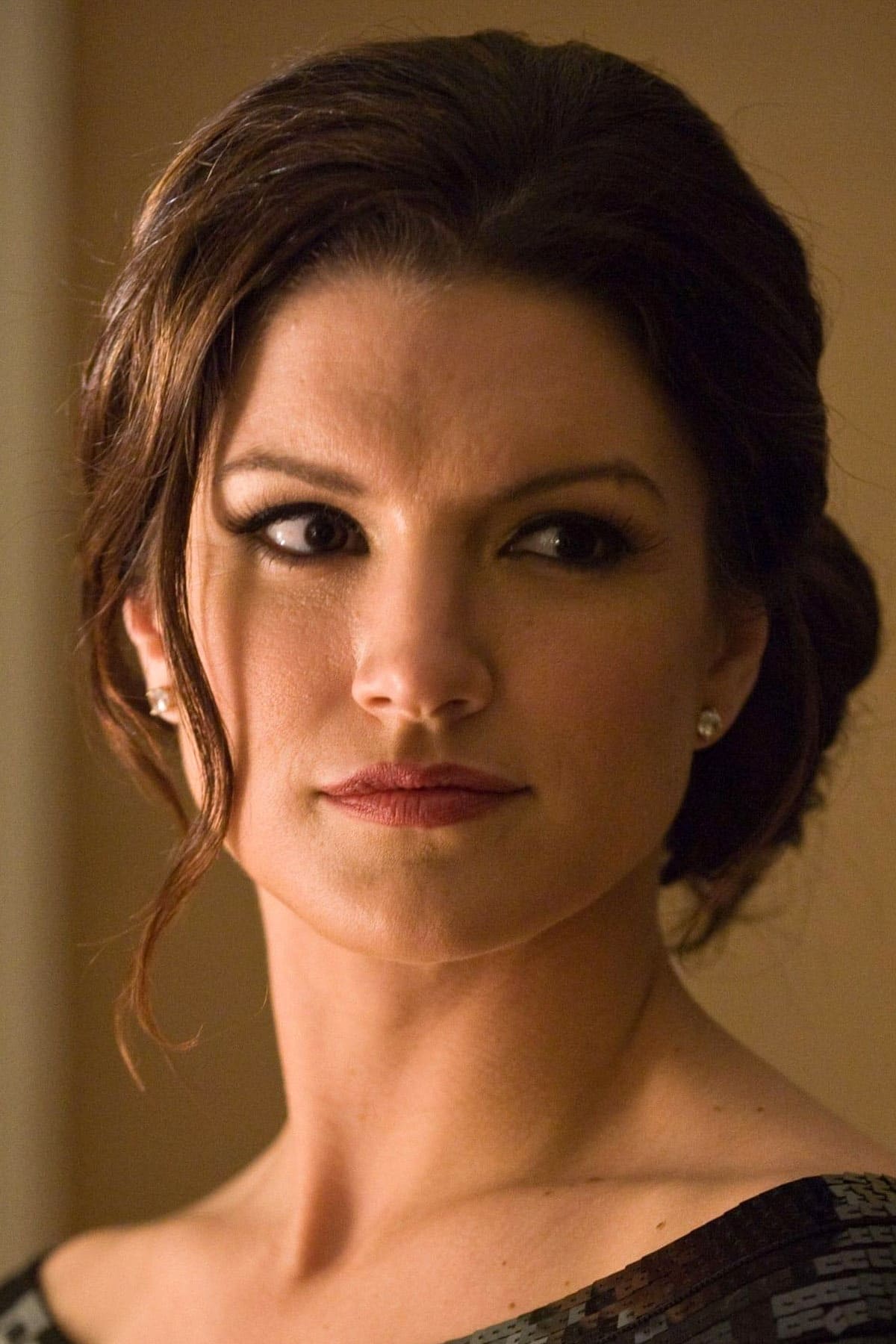
This former mixed martial artist became a central figure in culture war debates after her dismissal from ‘The Mandalorian’. She faced criticism for social media posts that compared the political climate in the United States to Nazi Germany. Disney released her from the franchise while stating her posts were abhorrent and unacceptable. Carano subsequently partnered with conservative media outlet The Daily Wire to produce and star in her own films. Her case remains a major talking point regarding free speech and political bias in Hollywood.
Rachel Zegler
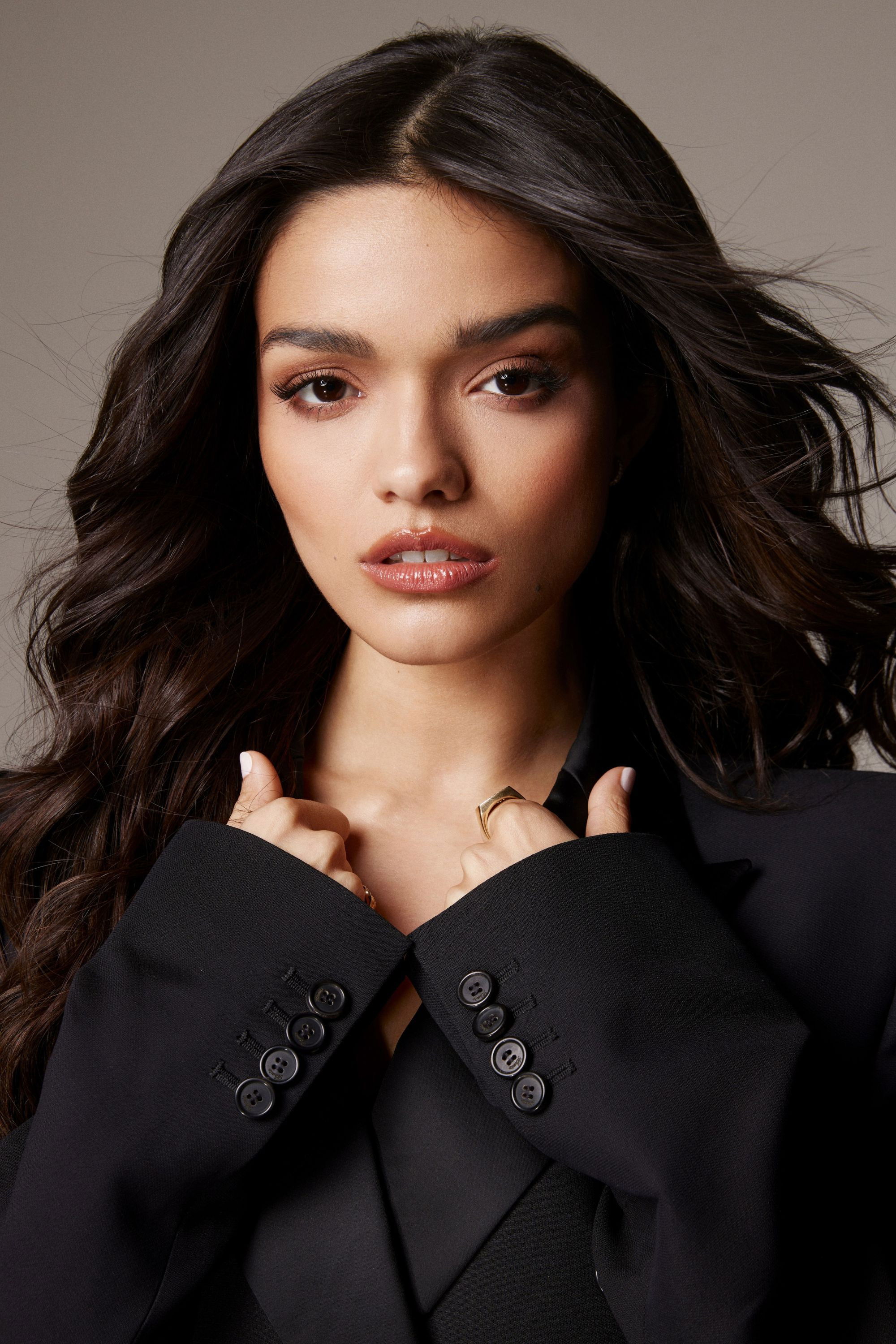
Zegler faced significant backlash for her comments regarding the live-action remake of ‘Snow White’. She described the original animated classic as outdated and criticized the prince for behaviors she labeled as stalking. Conservative critics and purists accused her of disrespecting the source material and pushing a modern feminist agenda. The controversy intensified discussions about how legacy studios modernize classic fairy tales for contemporary audiences. Her casting as a Latina Snow White also sparked debates about race swapping in historical fantasy.
Melissa Barrera
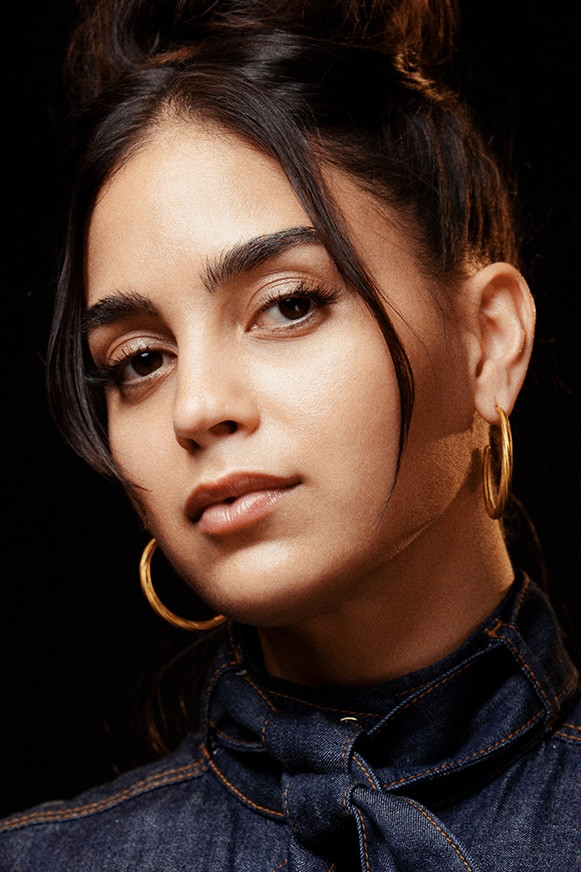
The ‘Scream’ franchise star was fired from the seventh installment after making social media posts about the Israel-Hamas conflict. Spyglass Media Group deemed her comments antisemitic and terminated her contract immediately. Barrera maintained that her posts were intended to support Palestinian human rights rather than spread hate. The incident ignited a widespread debate in Hollywood about freedom of speech regarding geopolitical conflicts. Fans and fellow actors expressed both support and condemnation for the studio’s decision.
Jenna Ortega
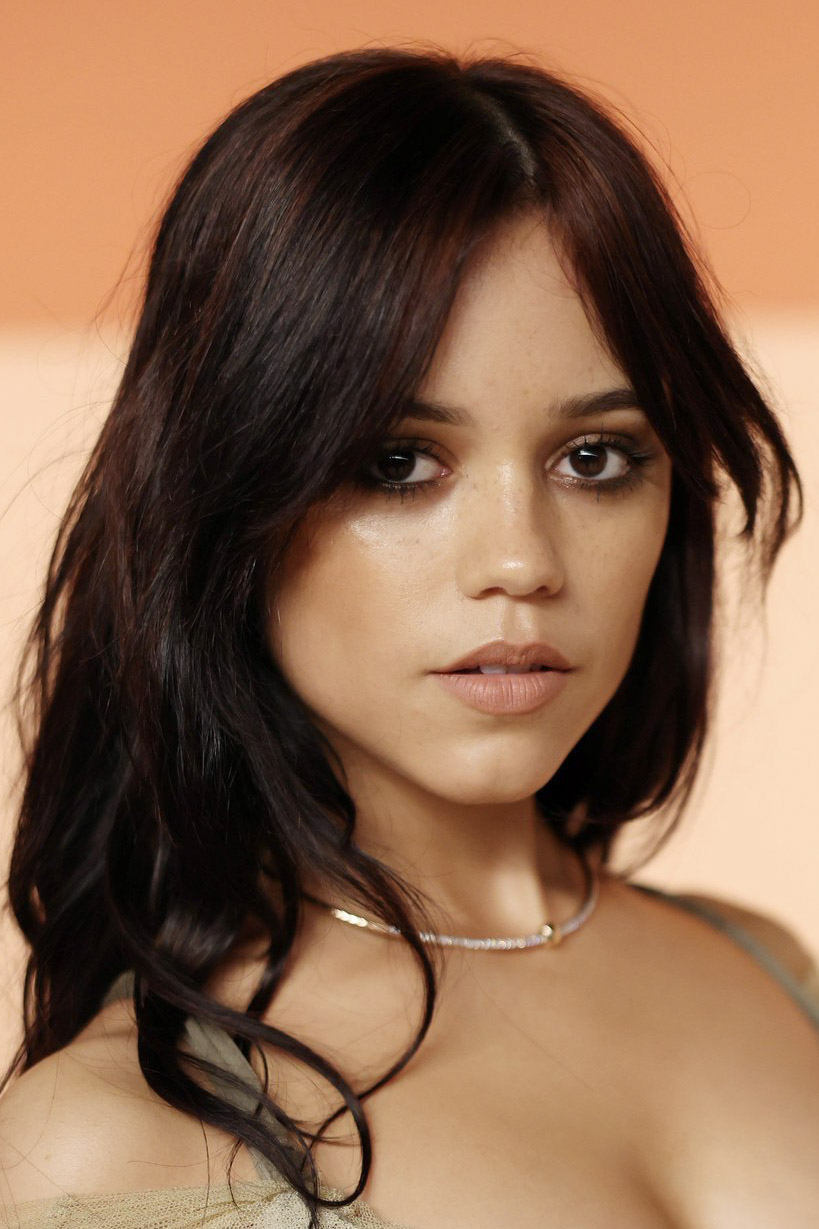
Ortega generated headlines when she openly discussed changing lines in the script for ‘Wednesday’. She revealed that she refused to say certain dialogue she felt did not match the character and even became unprofessional by changing the script herself. Striking writers later criticized these comments during the WGA strike and used her words to highlight the importance of writing teams. Her critique of the writing process sparked a conversation about actor agency versus writer authority in television production. The show ultimately became a massive success despite the behind-the-scenes creative tension.
Eva Longoria
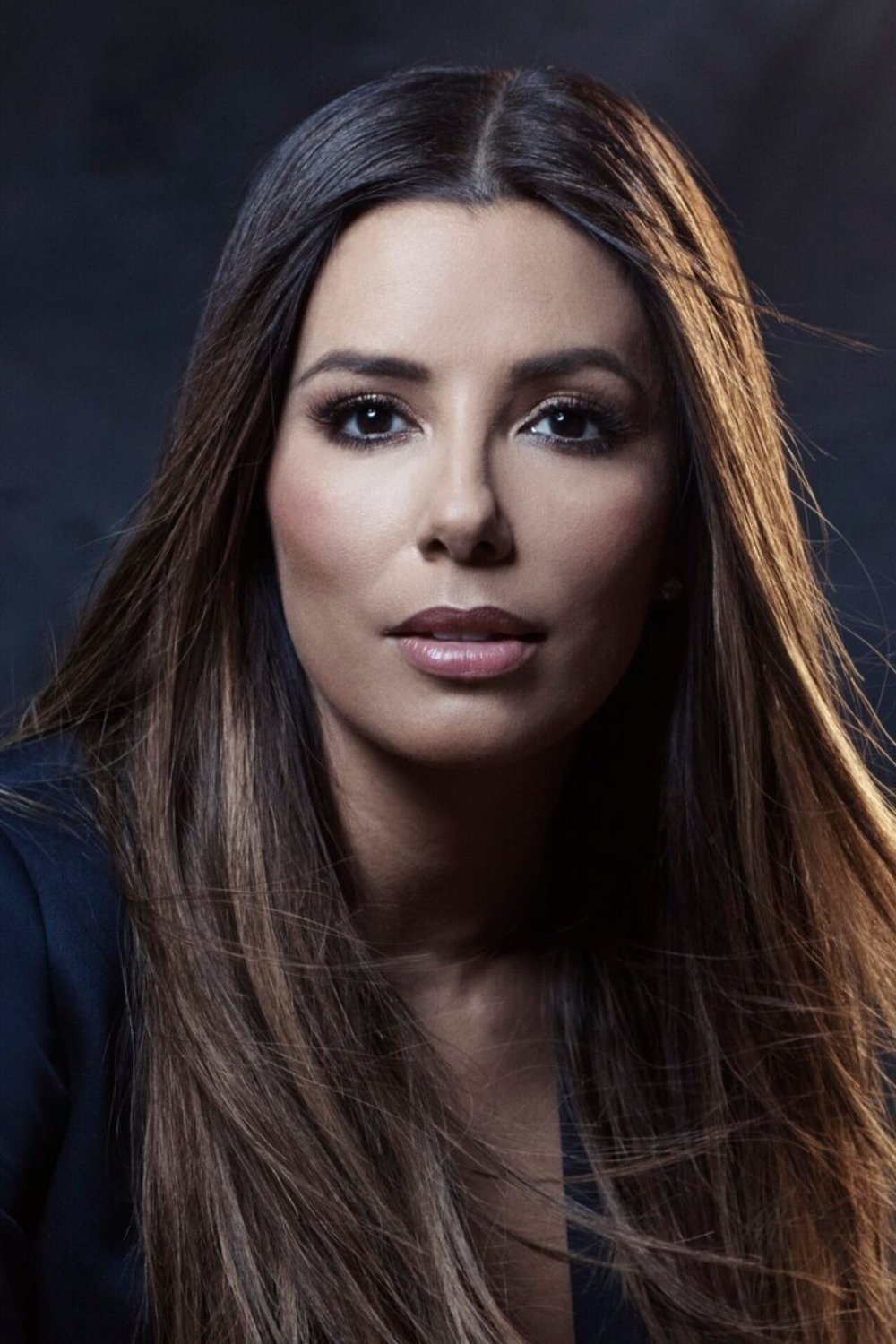
Longoria has long been a vocal activist within the Democratic Party and has used her platform to mobilize Latino voters. She faced scrutiny for comments made after the 2020 election regarding the voting habits of Latinas versus Black women. Some critics felt her remarks erased the contributions of Afro-Latina voters and created unnecessary division. She later issued an apology and clarified that she intended to highlight the organizing power of women of color. Her directorial debut ‘Flamin’ Hot’ also sparked debates about the factual accuracy of the Richard Montañez story.
America Ferrera
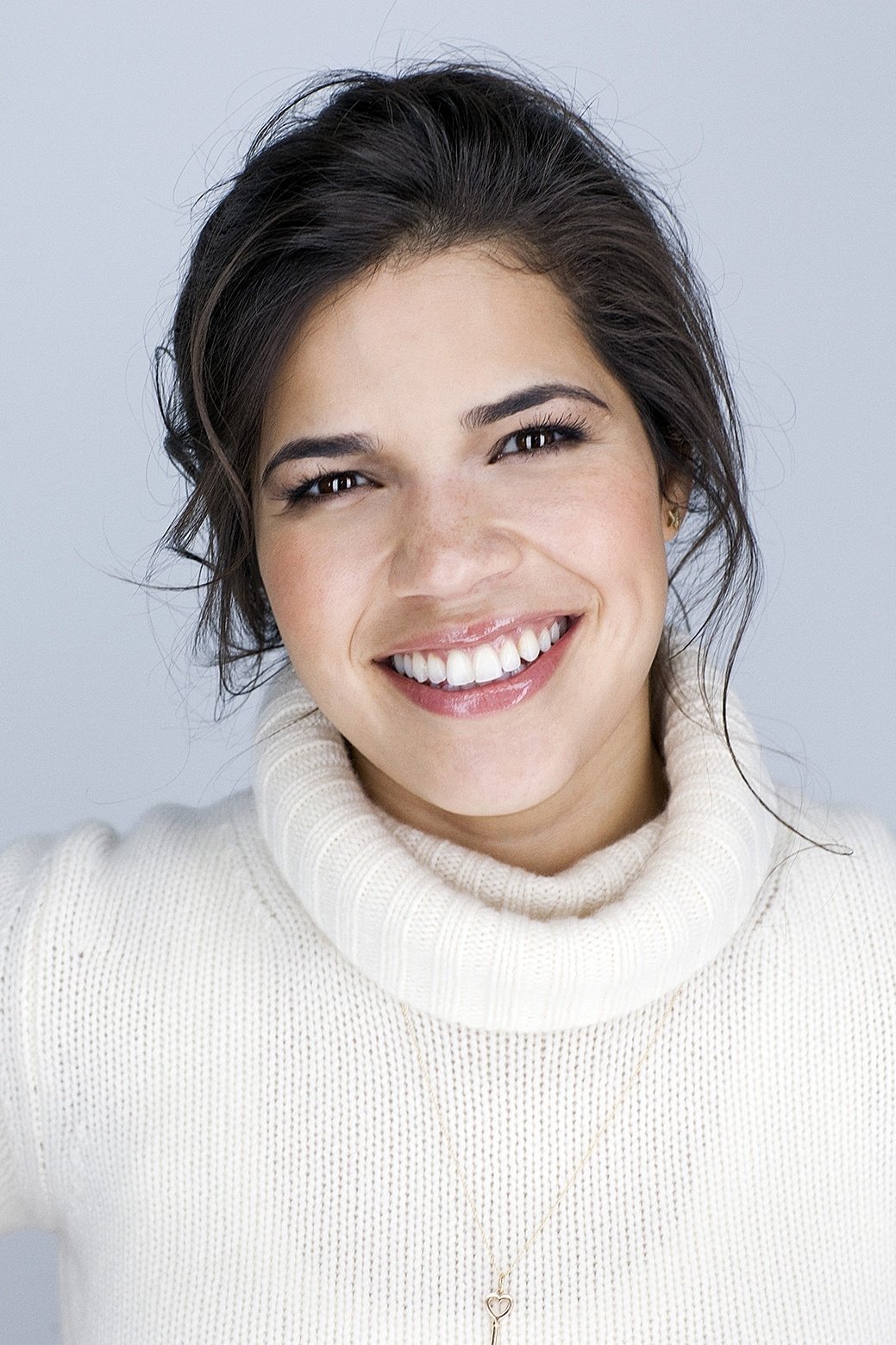
Ferrera delivered a viral monologue in ‘Barbie’ that detailed the contradictory expectations placed on women in modern society. The scene became a cultural flashpoint that was praised by feminists but criticized by anti-woke commentators as preachy. She has consistently advocated for diversity and representation throughout her career since her breakout role in ‘Ugly Betty’. Her activism often focuses on immigration reform and voting rights for marginalized communities. The actress continues to choose roles that challenge societal norms and gender stereotypes.
Rosario Dawson
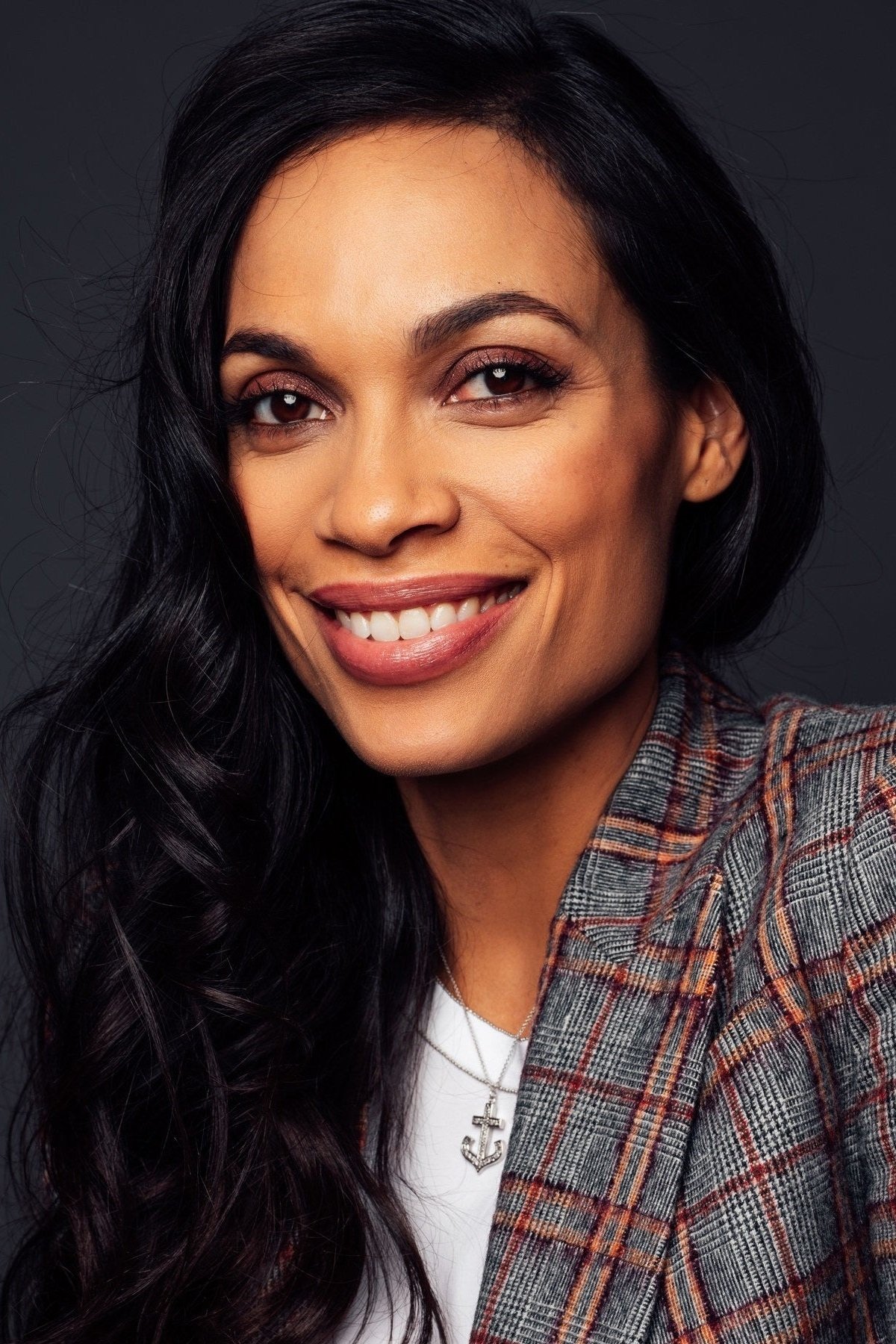
Dawson has been deeply involved in political activism and openly supported Bernie Sanders during the 2016 and 2020 primaries. Her relationship with Senator Cory Booker brought her further into the political spotlight and subjected her to increased scrutiny. She faced a lawsuit alleging discrimination against a transgender employee which was eventually dropped. The actress has also navigated debates regarding her portrayal of the character Ahsoka Tano and the reception from the Star Wars fandom. Her career reflects a blend of high-profile franchise work and dedicated grassroots activism.
Zoe Saldaña
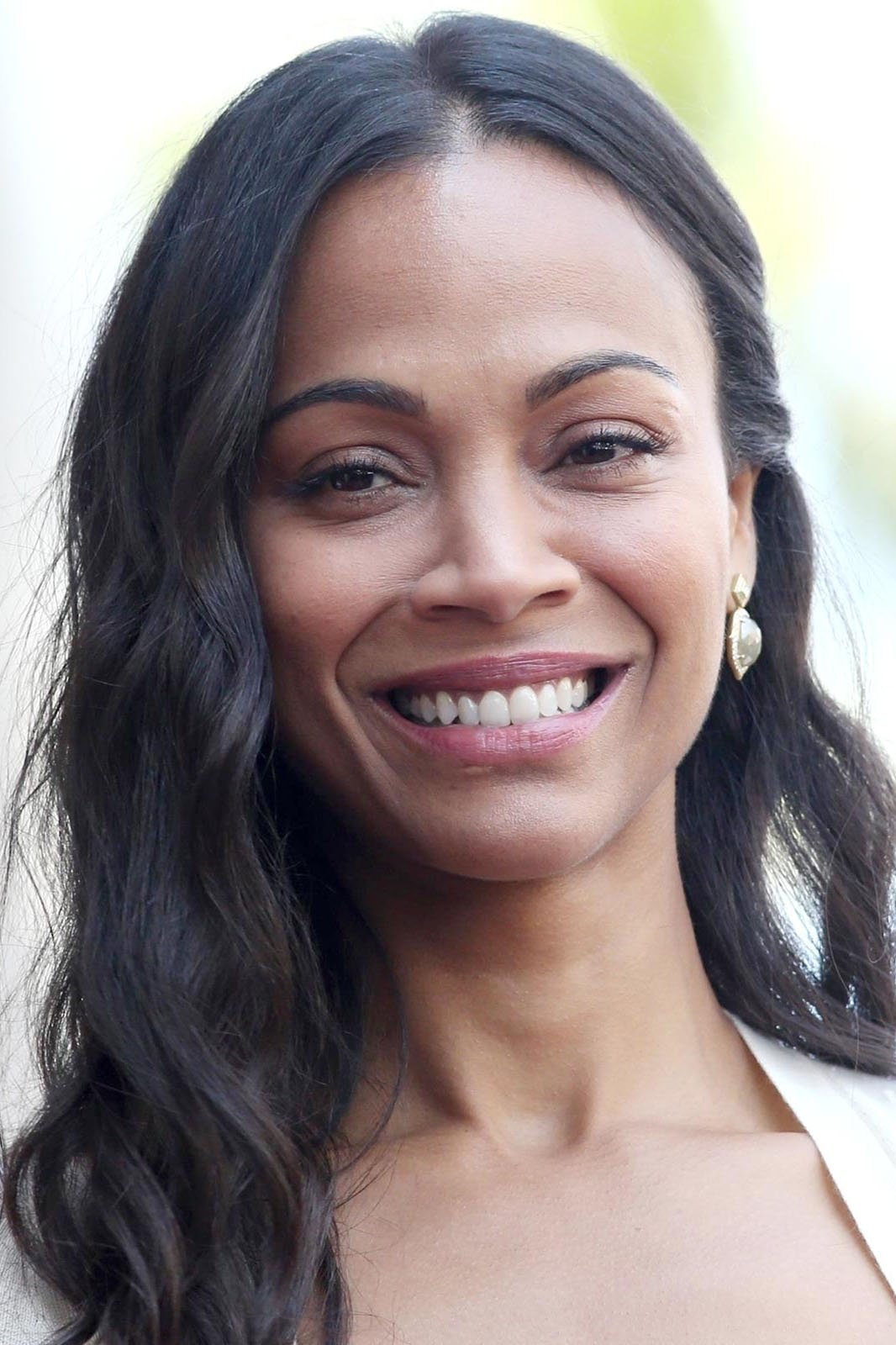
Saldaña faced intense backlash for her portrayal of Nina Simone in the biopic ‘Nina’. Critics condemned the use of prosthetic makeup and skin-darkening effects to make her resemble the legendary singer. The controversy sparked a painful conversation about colorism in Hollywood and the erasure of dark-skinned actresses. Saldaña later apologized for taking the role and admitted she should have used her leverage to empower a Black actress for the part. This incident remains a key example in discussions about casting ethics and racial identity.
Michelle Rodriguez
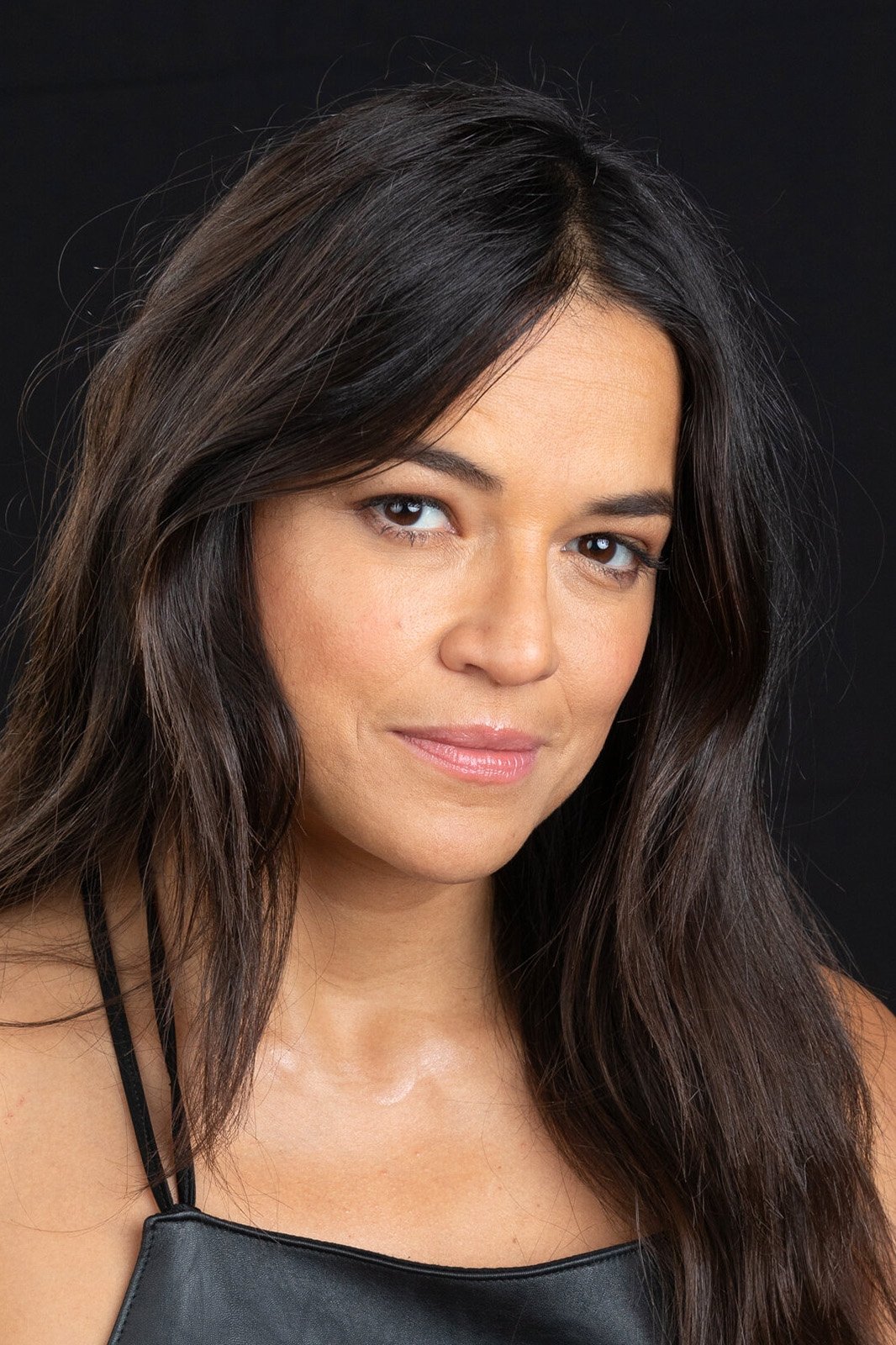
The action star sparked controversy when she commented that minority actors should stop stealing white superhero roles. She suggested that writers should create new characters from scratch rather than repurposing existing white properties. Her remarks were made to a paparazzi photographer and quickly circulated online to mixed reactions. She later clarified that she was advocating for original creativity rather than defending white casting. Rodriguez has also been vocal about the portrayal of strong women in action films throughout her tenure in the ‘Fast & Furious’ franchise.
Jennifer Lopez
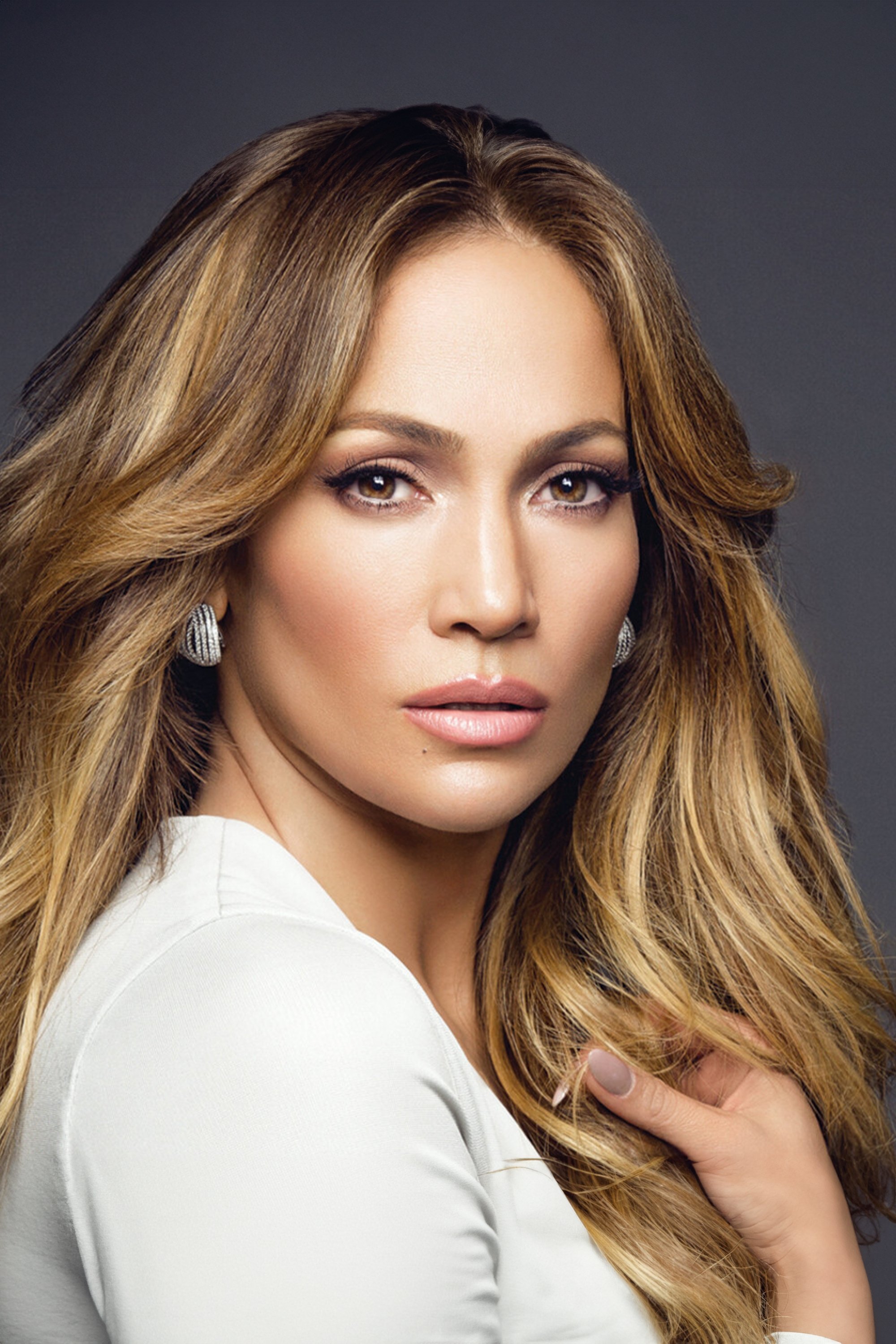
Lopez ignited a cultural conversation with her Super Bowl halftime show performance alongside Shakira. Conservative pundits criticized the show for being too sexualized and for including imagery of children in cages. The cages were a political statement regarding the border crisis and immigration policies of the time. She has often used her music and film projects to emphasize her Puerto Rican heritage and Bronx roots. The superstar remains a polarizing figure whose every career move generates significant media analysis.
Anya Taylor-Joy

Taylor-Joy found herself in a discourse about identity when she was referred to as a woman of color in media articles. She is of Argentine and British descent but identifies as white and acknowledges her privilege in the industry. The conversation highlighted the complexities of Latinidad and the distinction between race and ethnicity. She clarified her position to avoid taking space from underrepresented actors of color. Her casting in ‘Furiosa’ also sparked debates about gender roles in action cinema.
Gina Rodriguez
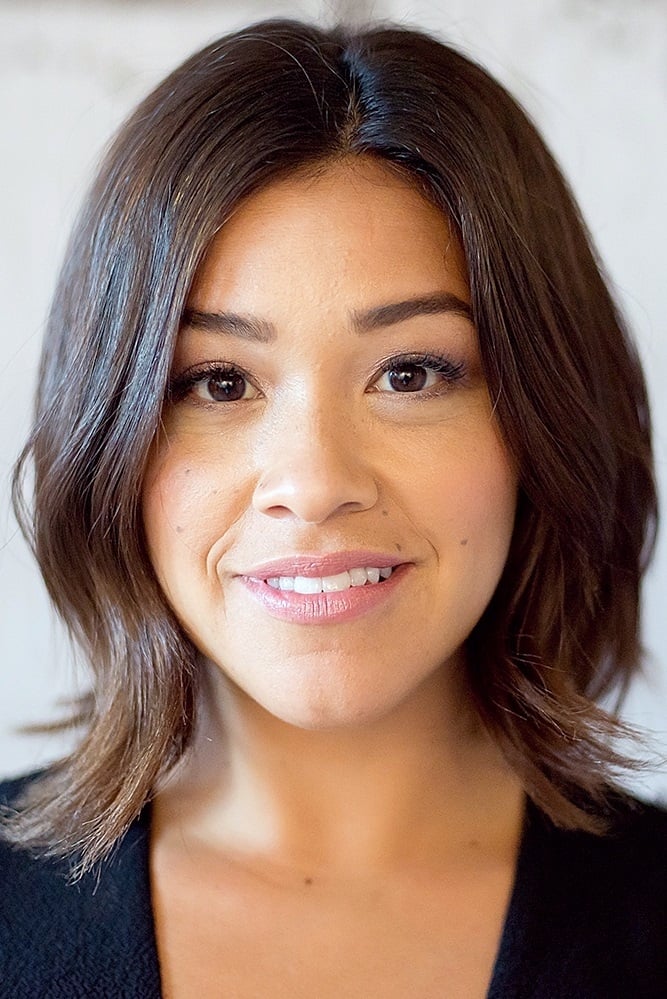
The ‘Jane the Virgin’ star faced backlash for using a racial slur while singing along to a song on an Instagram live stream. She issued an apology but faced accusations of having a pattern of anti-Black behavior in her past comments. The incident led to a broader discussion about anti-Blackness within the Latin community. Critics pointed to her previous remarks about pay gaps as evidence of her prioritizing certain narratives over others. Her public image suffered significant damage as a result of these repeated controversies.
Rita Moreno
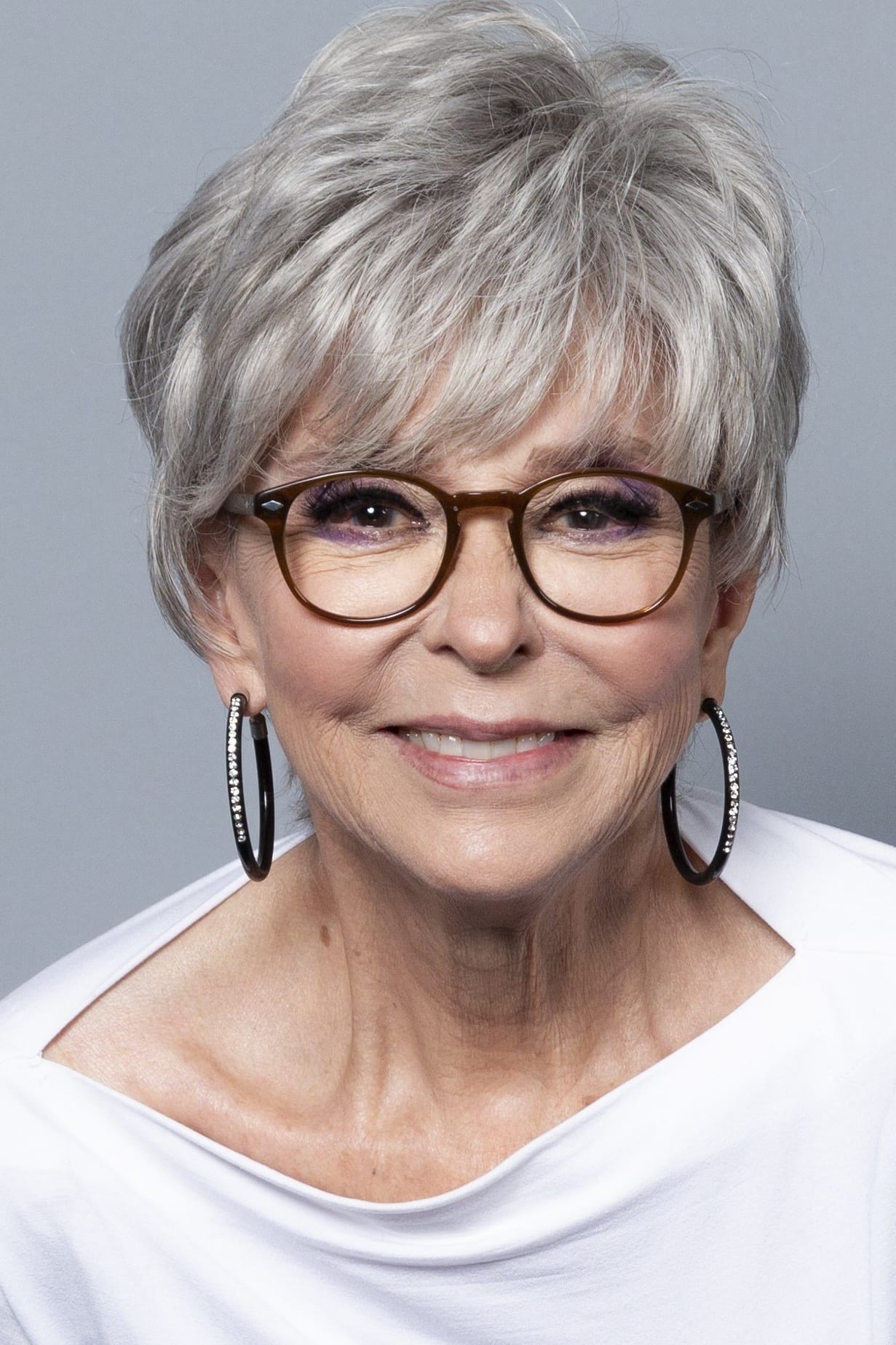
The legendary EGOT winner faced criticism when she defended Lin-Manuel Miranda against colorism accusations regarding ‘In the Heights’. She suggested that critics were unfairly attacking Miranda and that the Afro-Latino community should wait their turn for representation. Her comments were seen by many as dismissive of valid concerns regarding the lack of dark-skinned actors in the film. Moreno later released a statement retracting her comments and apologizing for being insensitive. The situation highlighted the generational divide in conversations about race and representation.
Tessa Thompson
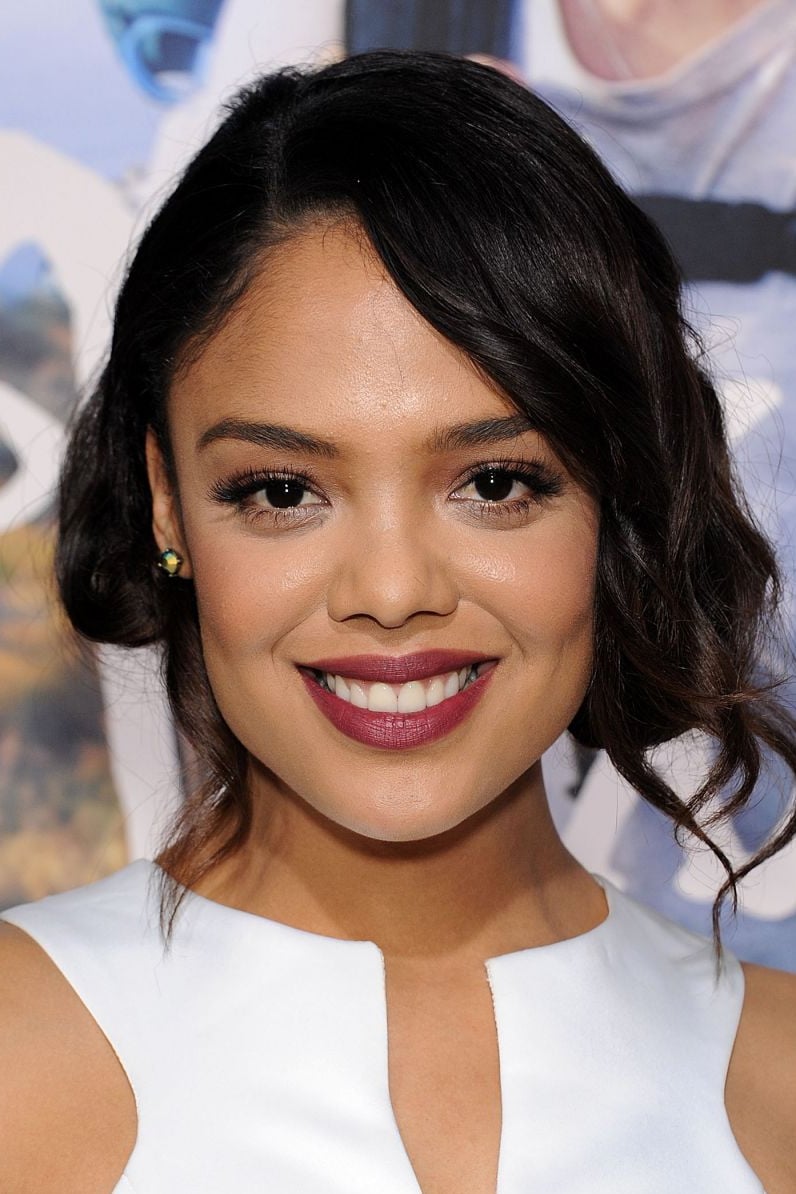
Thompson has been at the forefront of race-swapping debates due to her role as Valkyrie in the Marvel Cinematic Universe. The character was originally depicted as white in the comic books but is played by the Afro-Latina actress in the films. She also advocated for the character to be explicitly identified as LGBTQ on screen. Thompson consistently pushes for diverse casting in her projects including the ‘Men in Black’ reboot. Her work often challenges traditional casting norms and invites discussion about inclusivity in blockbusters.
Ana de Armas
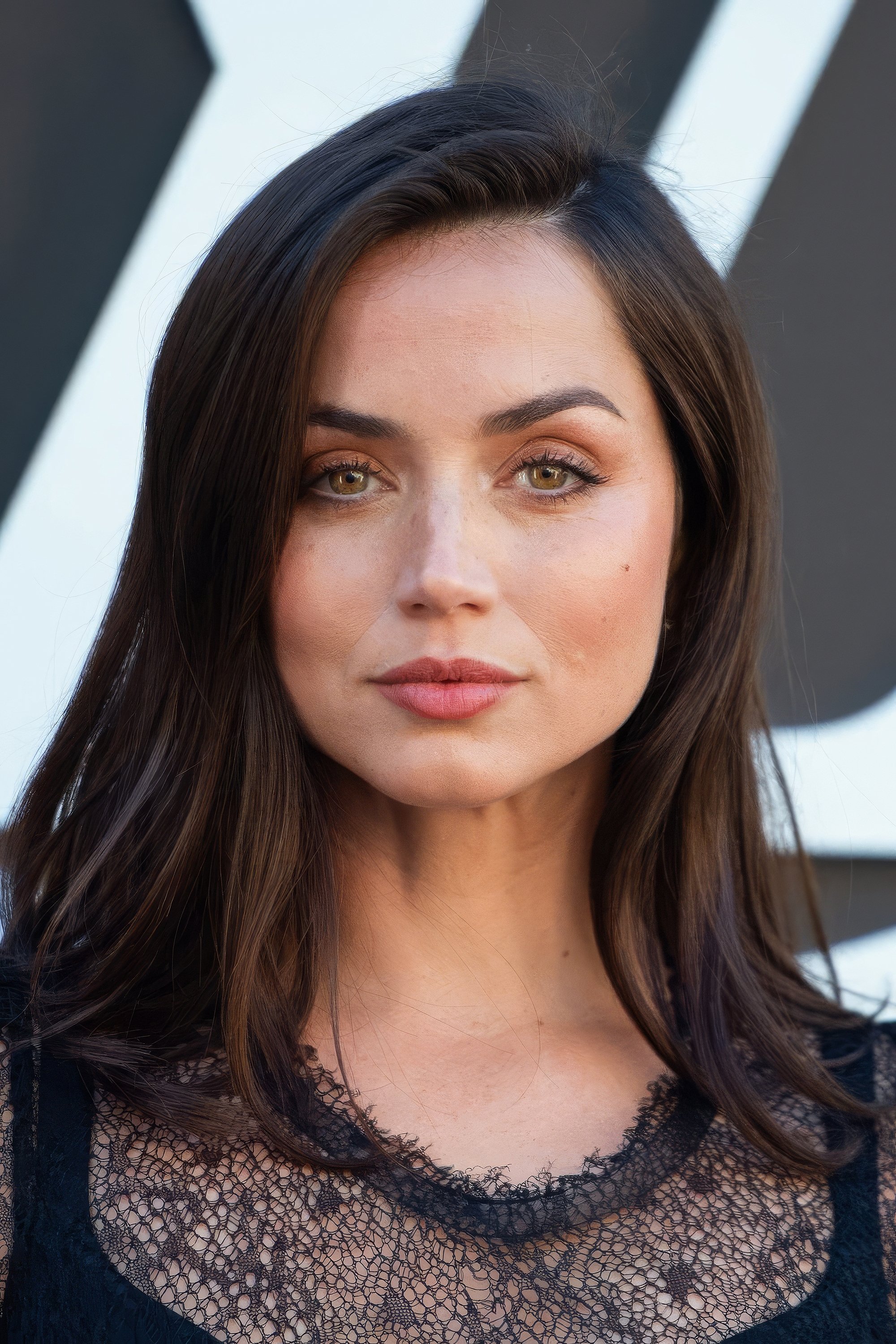
The Cuban actress faced scrutiny for her casting as Marilyn Monroe in the film ‘Blonde’. Critics and audiences debated whether a Latina actress should play the American icon due to her natural accent. The film itself generated controversy for its graphic depiction of exploitation and trauma. De Armas defended her performance and the artistic vision of the director despite the mixed reception. The role reignited conversations about who is permitted to play historical figures in biopics.
Aubrey Plaza

Plaza often engages in culture war discourse through her deadpan humor and rejection of performative Hollywood norms. She faced backlash for a joke made at an awards ceremony that some interpreted as mocking the writers strike. The actress also sparked debate with her comments about her Puerto Rican heritage and her refusal to fit into stereotypical Latina roles. Her role in ‘The White Lotus’ contributed to discussions about class dynamics and fidelity. Plaza maintains a rebellious public persona that often challenges media training expectations.
Sasha Calle
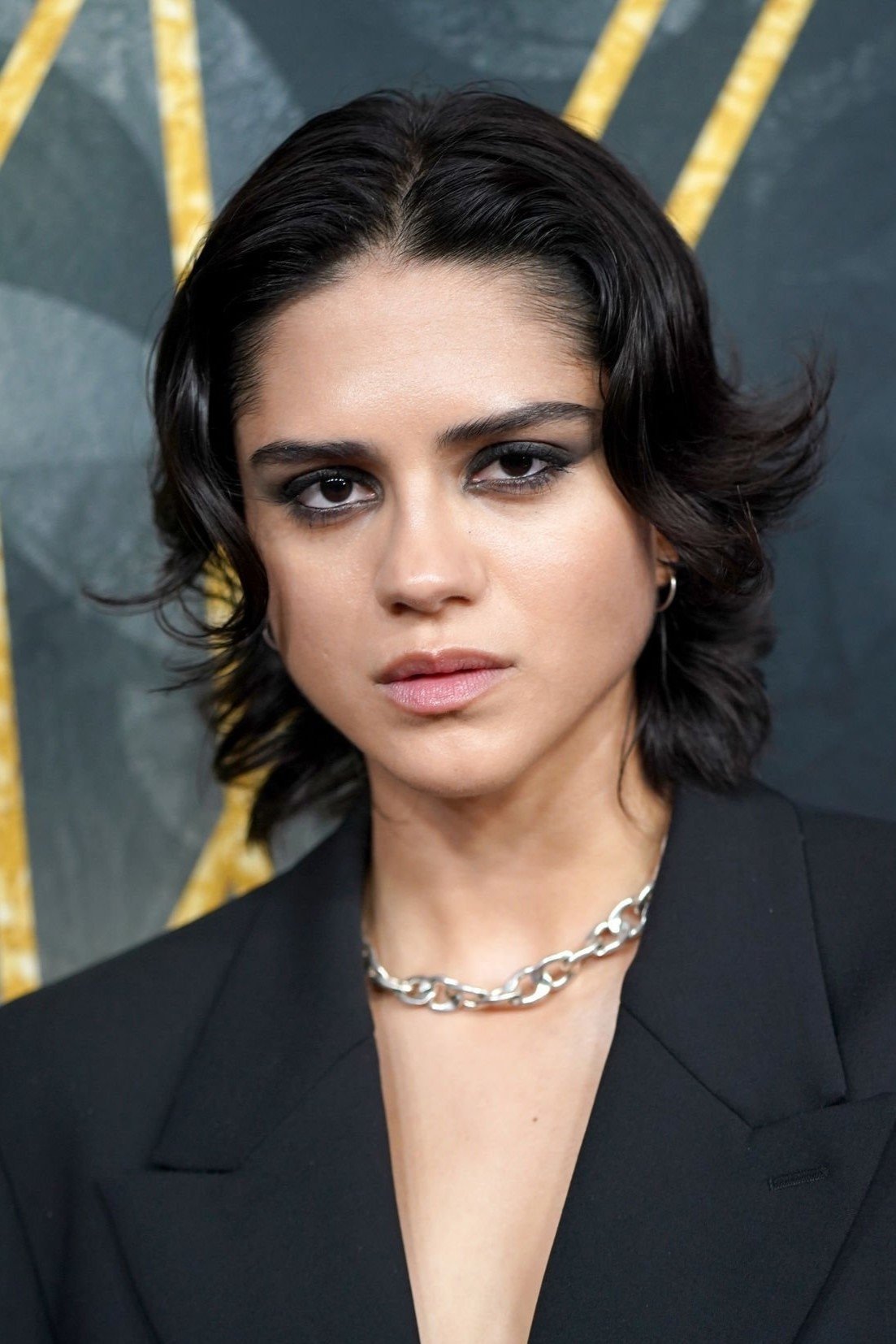
Calle became the first Latina to play Supergirl in a major motion picture with her role in ‘The Flash’. Her casting was met with praise for representation but also criticism from comic purists who preferred the traditional look. The film’s poor box office performance led to unfortunate debates blaming diversity for the failure of superhero movies. She expressed pride in her performance and the significance of the role for Latinas despite the external noise. The future of her version of the character remains a topic of speculation among fans.
Leslie Grace

Grace was the lead actress in the cancelled ‘Batgirl’ movie that Warner Bros. shelved for a tax write-off. The cancellation sparked a massive industry debate about the value of art versus corporate financial strategy. Many fans and critics felt the move unfairly targeted a film led by a Latina actress and directed by Muslim filmmakers. Grace released behind-the-scenes footage to show her dedication to the role despite the studio’s decision. The incident stands as a significant moment in the history of streaming wars and studio management.
Indya Moore
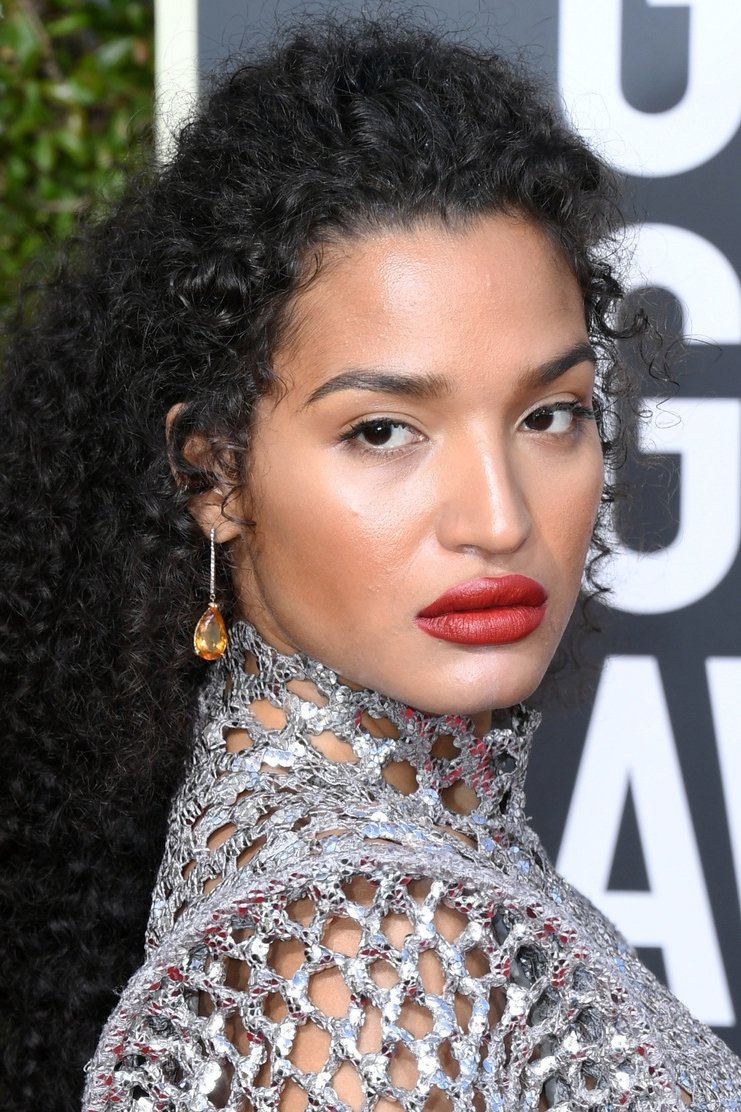
Moore is a non-binary actor and model who uses their platform to advocate for trans rights and anti-capitalist politics. They have been vocal about the exploitation of marginalized bodies in the fashion and film industries. Moore frequently engages in social media debates regarding social justice and systemic oppression. Their outspoken nature has garnered a dedicated following but also attracts criticism from conservative detractors. They continue to push for radical change within the entertainment structures.
Sara Ramirez
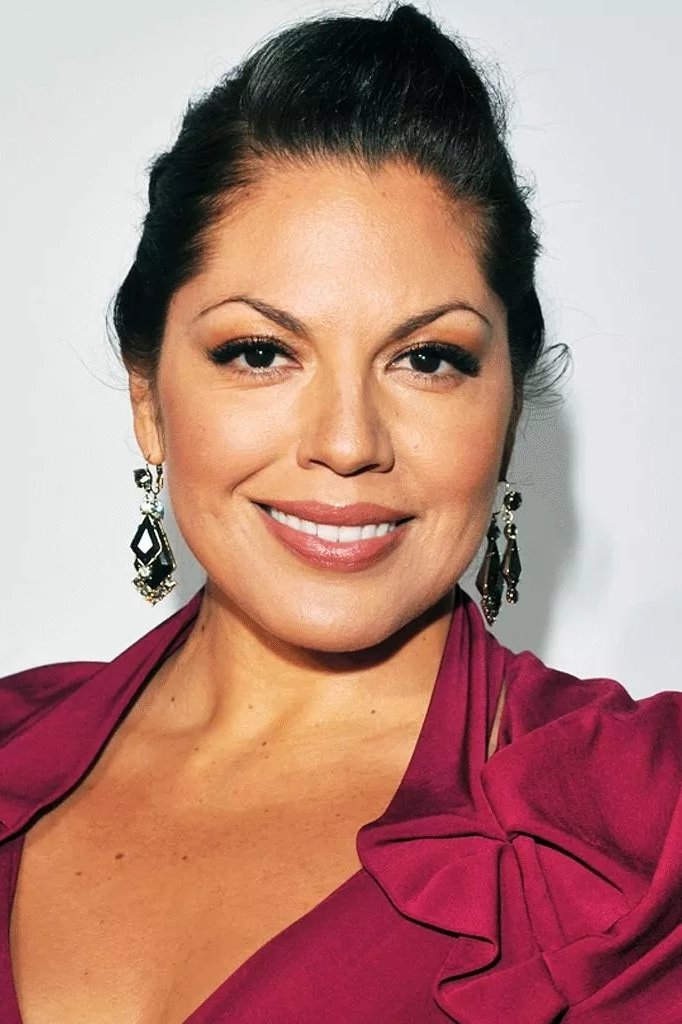
Ramirez found themselves at the center of a cultural firestorm for their portrayal of Che Diaz in ‘And Just Like That’. The character was criticized by viewers and critics alike for being a caricature of woke politics. Ramirez defended the role as an honest depiction of a non-binary person who is not necessarily likable. The backlash to the character became a proxy war for frustrations with modern progressive terminology in television. The discourse around Che Diaz dominated online discussions about the show for months.
Demi Lovato

Lovato has engaged in numerous cultural debates ranging from gender identity to diet culture. She faced ridicule for calling out a frozen yogurt shop for displaying sugar-free cookies prominently. The singer and actress also announced she was non-binary before later updating her pronouns to include she and her again. Her documentary about contacting extraterrestrials drew both confusion and criticism from the public. Lovato remains a figure who frequently sparks conversation about mental health and identity labels.
Cardi B
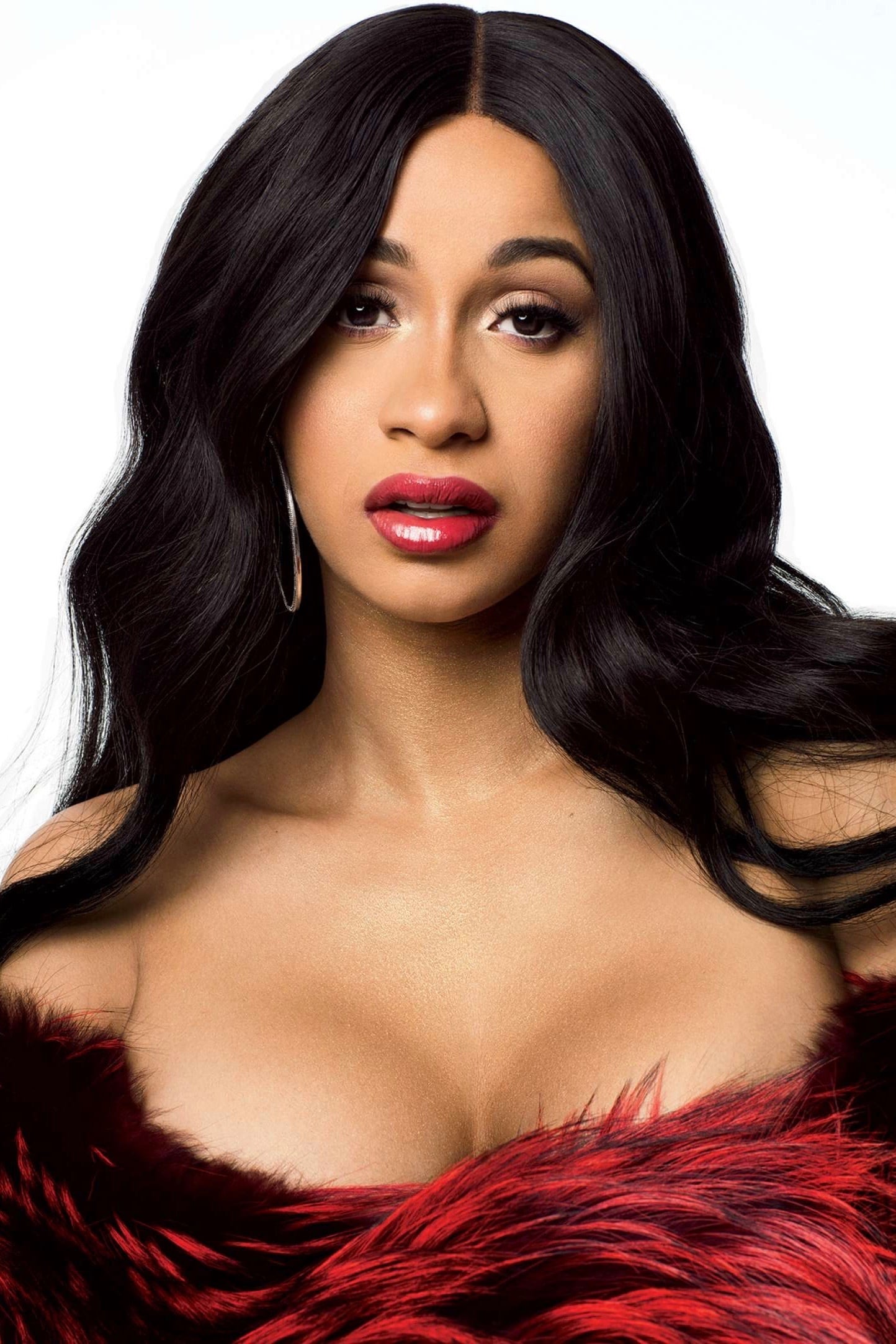
Cardi B often engages in political commentary and uses her massive platform to interview presidential candidates. Her song ‘WAP’ triggered a massive conservative backlash regarding decency and female sexuality. Pundits like Ben Shapiro analyzed the lyrics and created a viral moment that Cardi B mocked on social media. She frequently debates economic policy and inflation on her Twitter account. The rapper and actress is unapologetic about her past and her political opinions.
Yalitza Aparicio
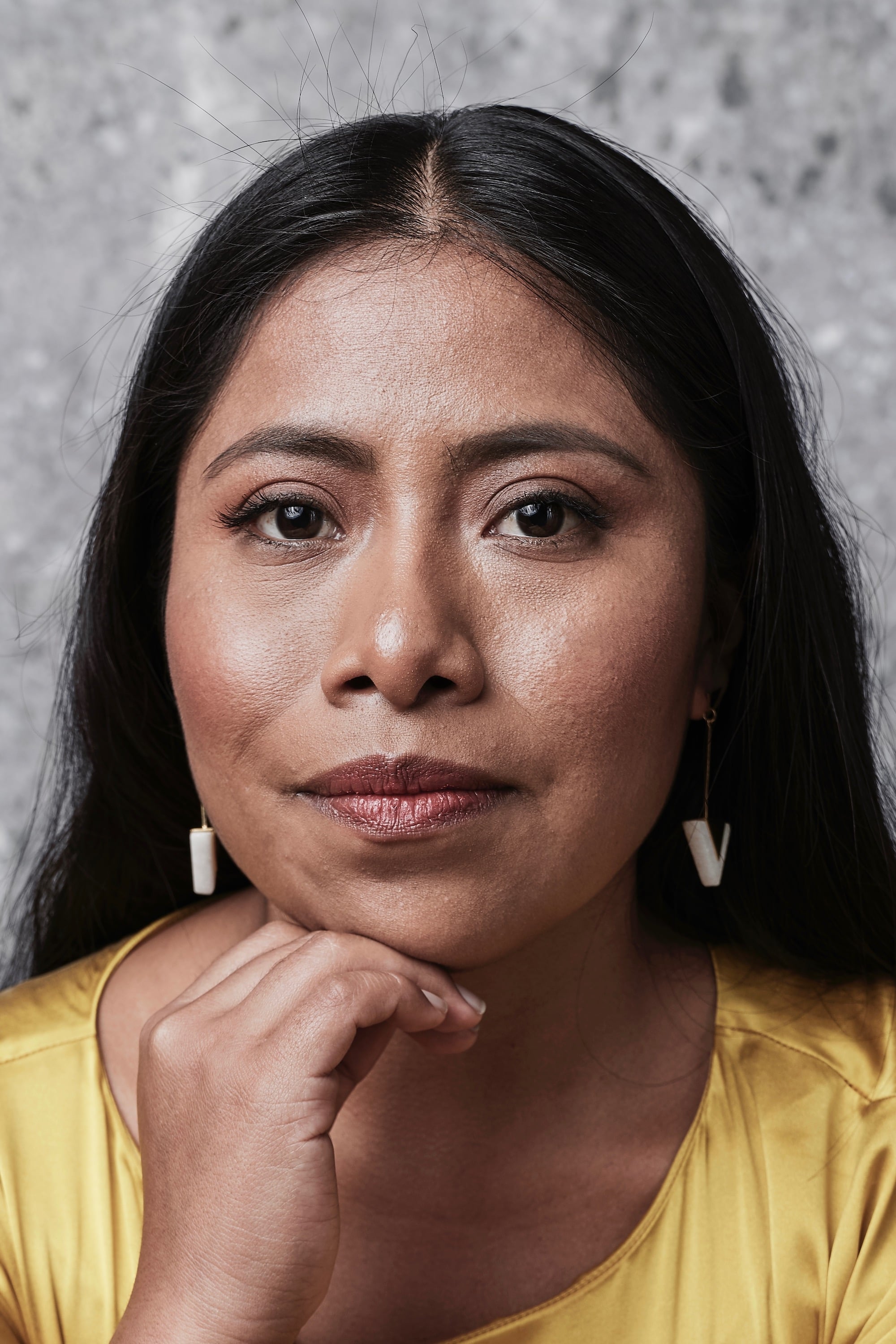
Aparicio became a symbol for Indigenous rights and representation after her starring role in ‘Roma’. She faced racist and classist insults from some Mexican actors and media personalities who questioned her talent. Her presence on the cover of Vogue Mexico challenged traditional beauty standards in a country grappling with colorism. She continues to use her fame to advocate for domestic workers and Indigenous communities. Her rise to fame forced a national conversation in Mexico about social stratification.
Kate del Castillo
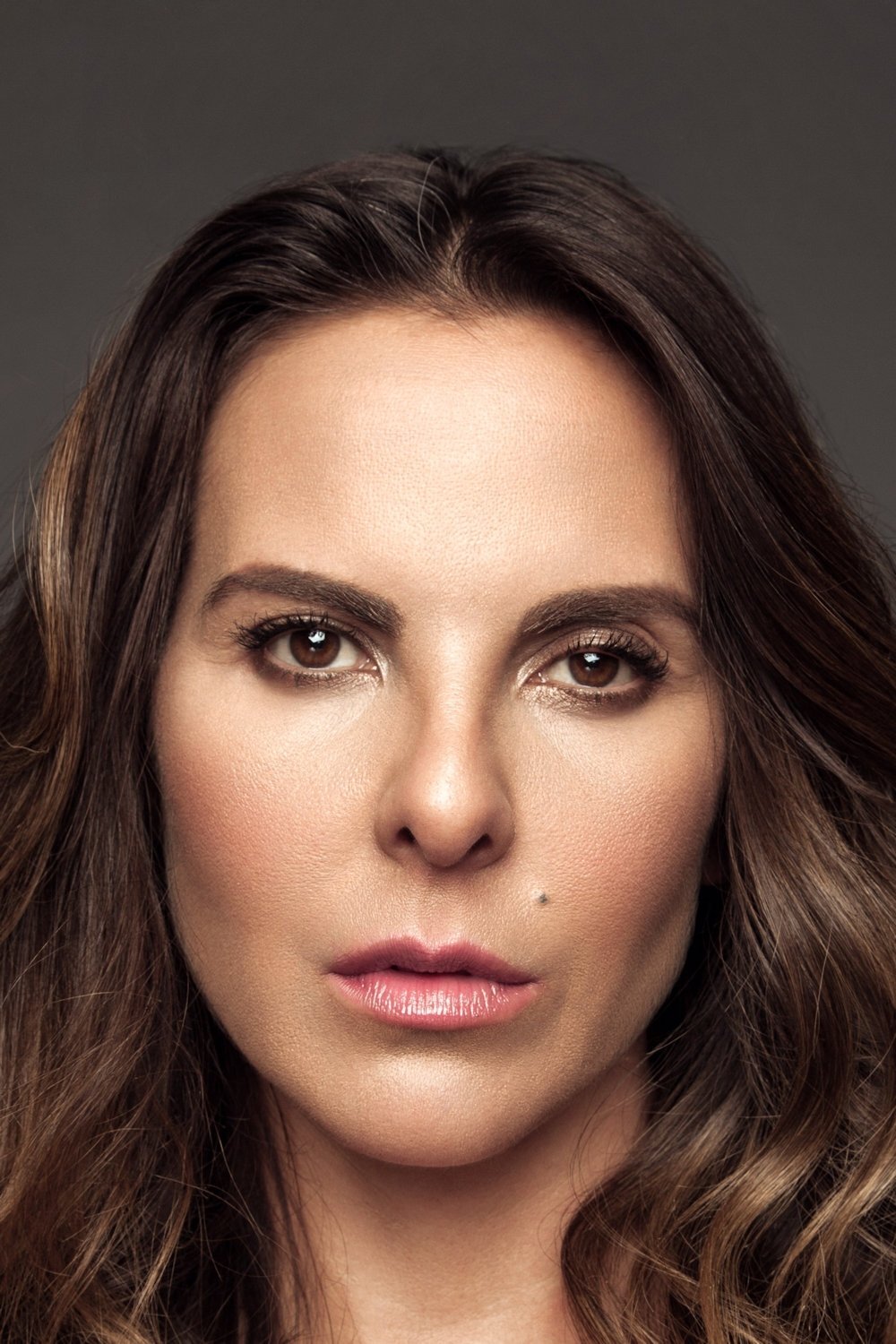
Del Castillo found herself in legal and political trouble after secretly meeting with drug lord Joaquin El Chapo Guzman. The Mexican government investigated her for money laundering which she denied and claimed was a political persecution. She facilitated the interview between Sean Penn and the cartel leader which was published in Rolling Stone. The actress framed her actions as an attempt to produce a biopic and document the truth. Her story highlights the dangerous intersection of entertainment and the drug war.
Karla Souza
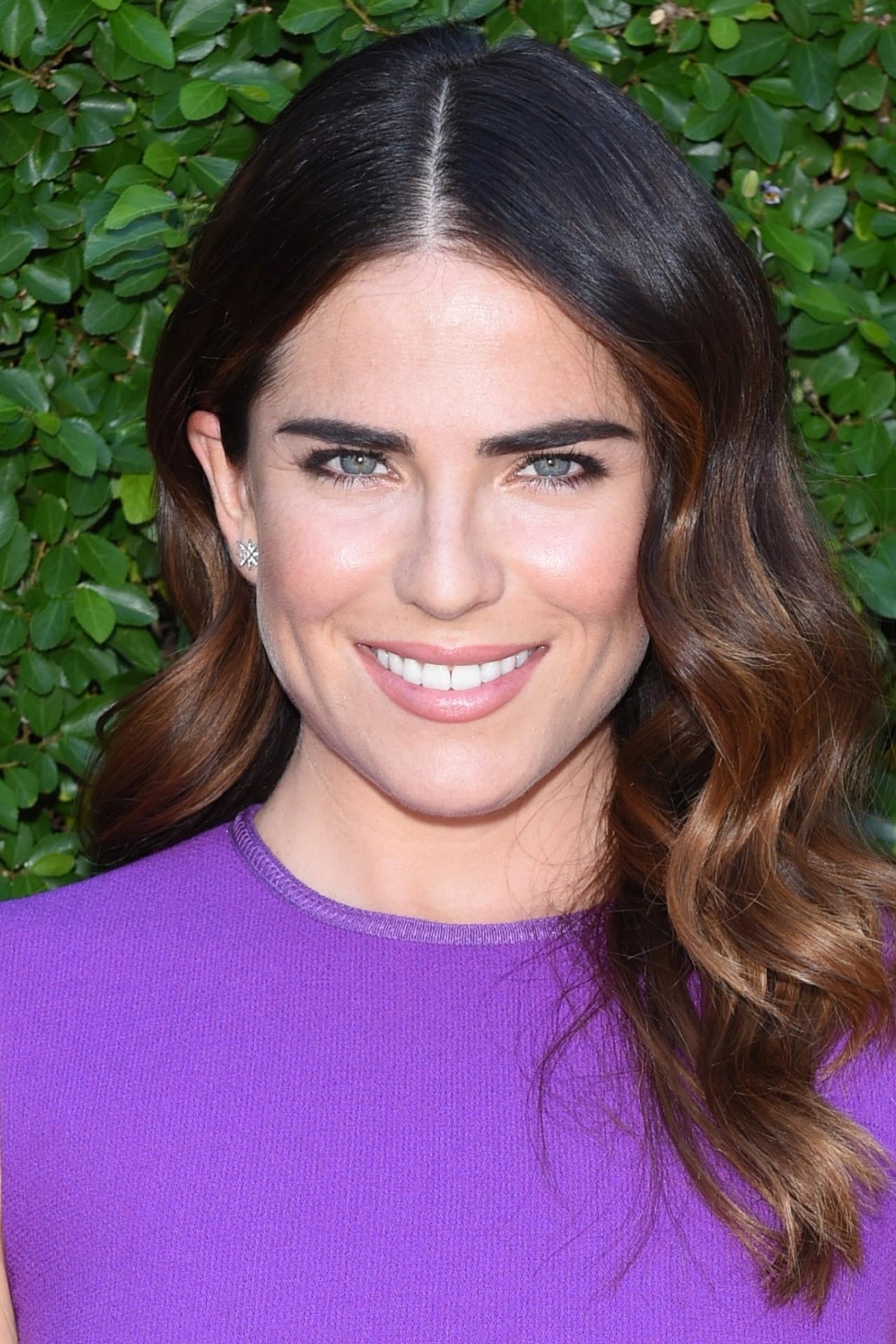
Souza played a pivotal role in the Me Too movement within the Mexican film industry. She revealed in a television interview that she had been raped by a director early in her career. Her testimony encouraged other women in Mexico to come forward with their own stories of abuse. Televisa cut ties with the accused director following her public statement. Her bravery helped launch a necessary reckoning regarding sexual harassment in Latin American media.
Diane Guerrero
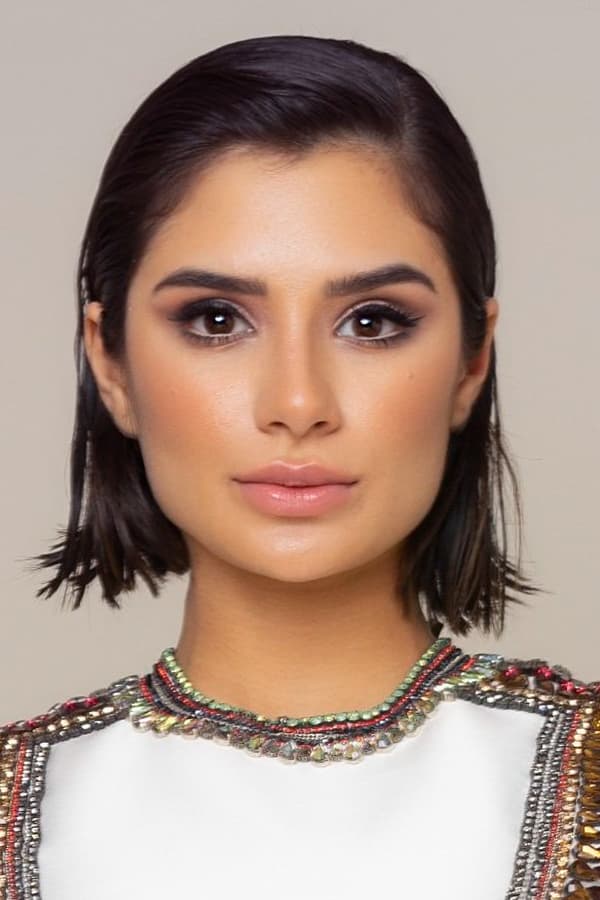
Guerrero is a leading advocate for immigration reform and has written a memoir about her parents being deported. She uses her roles in shows like ‘Orange Is the New Black’ to humanize the immigrant experience. The actress frequently appears on news programs to discuss family separation policies. Her activism is driven by her personal childhood trauma of coming home to an empty house. She remains a consistent voice for undocumented families in the United States.
Dascha Polanco
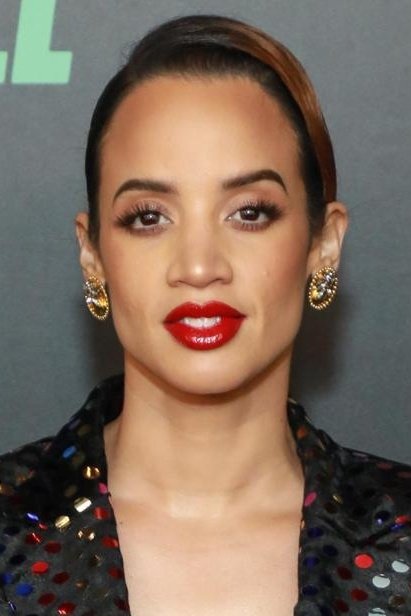
Polanco has been a vocal critic of sizeism and fatphobia in the fashion and entertainment industries. She has spoken out about designers refusing to dress her for red carpet events due to her body type. Her role in ‘In the Heights’ contributed to the positive representation of the Washington Heights community. She advocates for body positivity and self-love through her social media channels. Polanco challenges the industry to expand its definition of beauty and lead actress material.
Shakira
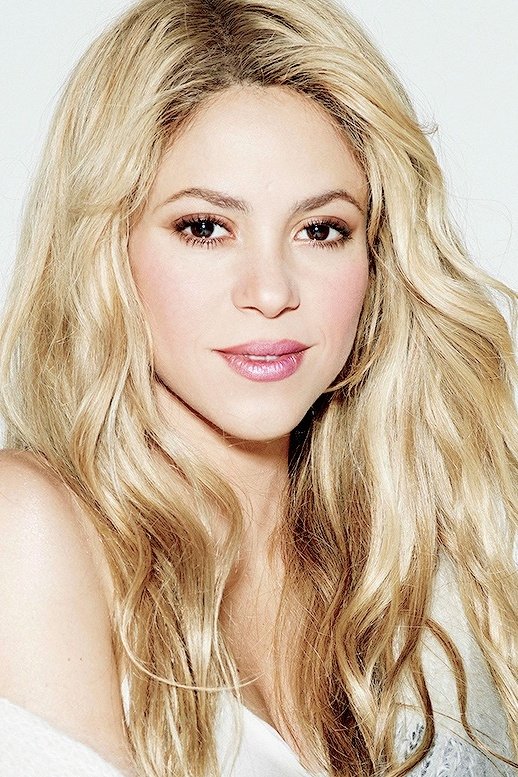
Shakira entered the culture war conversation when she expressed her dislike for the ‘Barbie’ movie. She stated that her sons found the film emasculating and that she believes men and women should complement each other. Her comments were embraced by those who feel modern feminism is too aggressive against men. She also faced a highly publicized tax evasion trial in Spain which she settled. The singer continues to be a global icon who occasionally voices conservative social views.
Eiza González
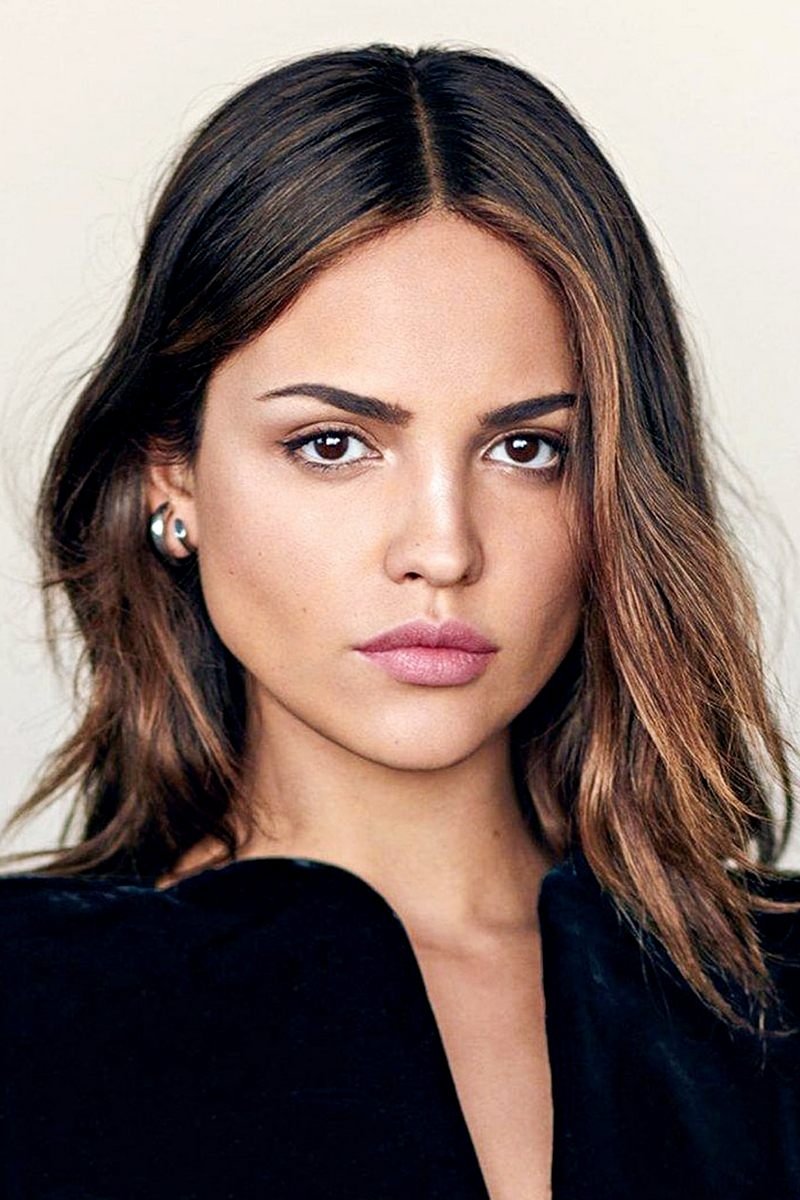
González faced criticism when images resurfaced of her wearing blackface in a telenovela from her teenage years. She apologized and explained that she was a young actor with no power to refuse the direction of the production. The actress has since become an advocate for better representation of Latinas in Hollywood. She often speaks about the difficulty of breaking out of the bombshell stereotype in American films. Her journey reflects the evolving standards of racial sensitivity in media.
Stacey Dash
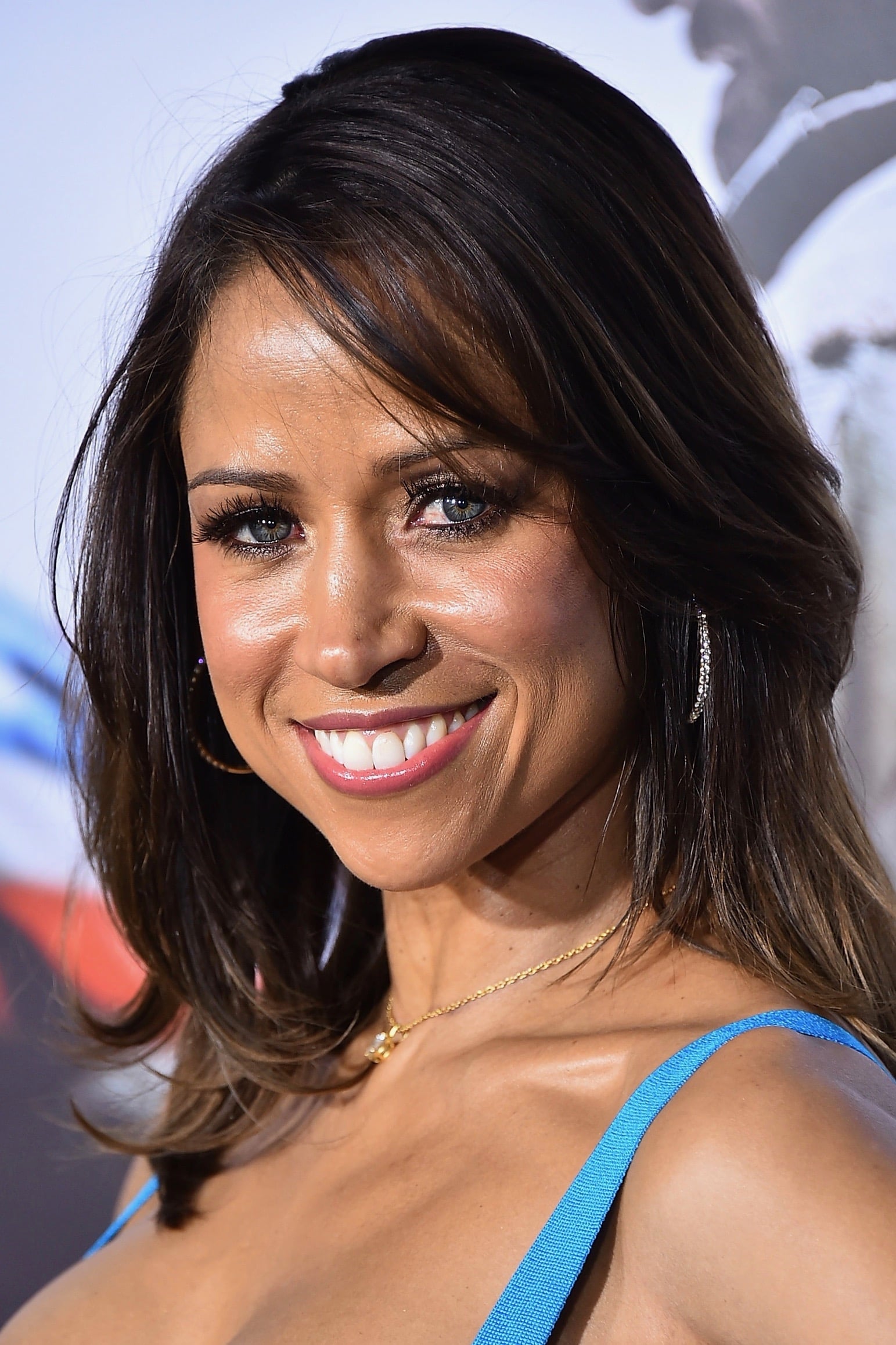
Dash is an Afro-Latina actress who became a controversial conservative commentator for Fox News. She faced immense backlash for calling for the elimination of Black History Month and BET. Her political views led to her alienation from Black Hollywood and many of her former fans. She later apologized for some of her more extreme comments and claimed she was the angry Black woman in a corporate machine. Dash remains a prime example of a celebrity whose politics completely overshadowed her acting career.
Daniella Pineda
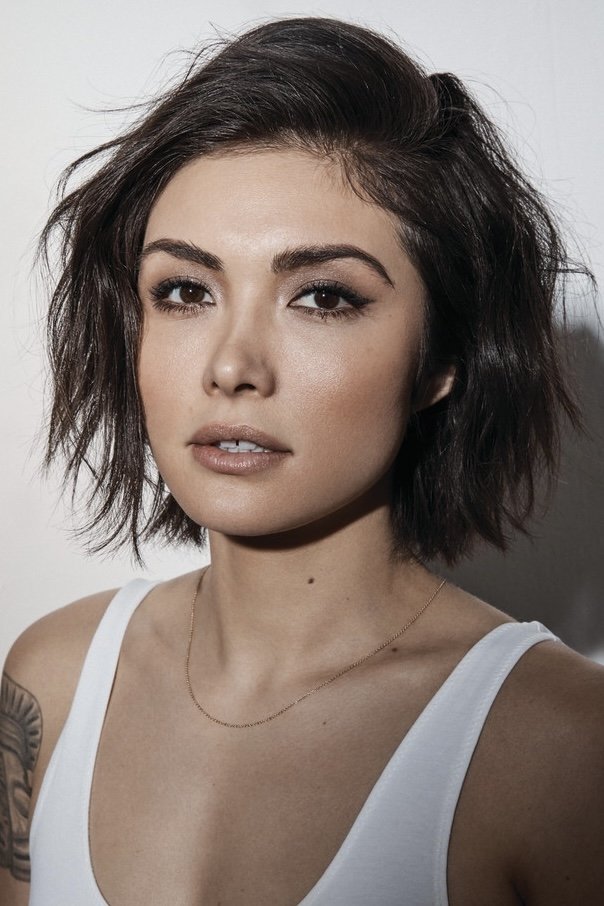
Pineda faced toxic fan backlash regarding her costume and body type in the live-action ‘Cowboy Bebop’. Male fans complained that her outfit was not revealing enough compared to the anime version. She posted a sarcastic video response mocking the complaints about her body proportions. The cancellation of the show after one season was celebrated by the anti-woke crowd. Pineda refused to back down and defended the practical adaptation of the character.
Christian Serratos

Serratos took on the heavy burden of playing Selena Quintanilla in the Netflix biographical series. She faced scrutiny from fans who analyzed her physical resemblance and dancing ability compared to the icon. The series itself was criticized for its pacing and focus on the father rather than Selena. Serratos navigated the pressure of honoring a beloved figure while dealing with a protective fanbase. The role placed her in the center of debates about how tragic figures are commercialized.
Q’orianka Kilcher
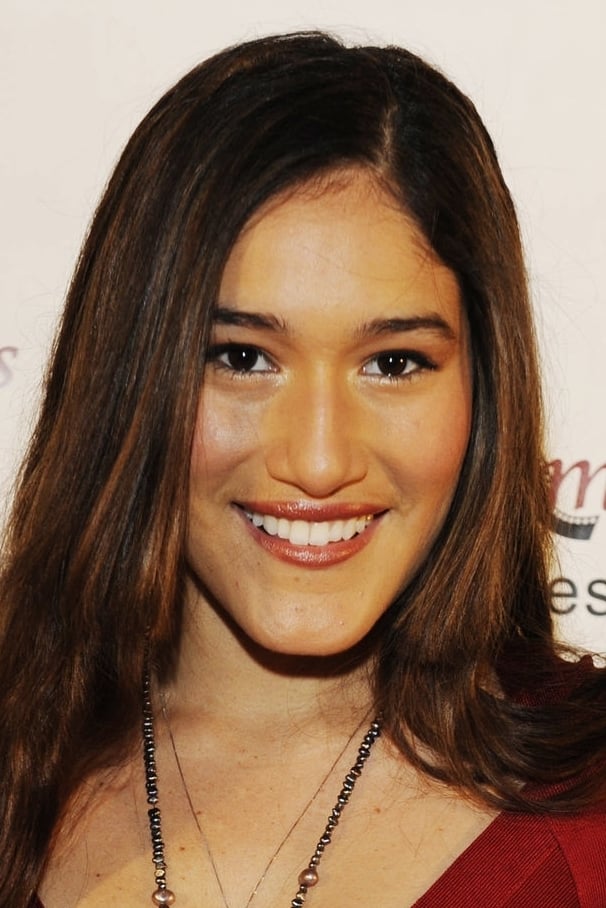
Kilcher is a staunch activist for Indigenous rights and environmental protection in the Amazon. She was arrested and charged with workers compensation fraud but the charges were later dismissed. The actress claimed she was targeted due to her high-profile activism and political stance. She continues to use her platform to fight for the rights of native peoples in Peru and North America. Her legal battle highlighted the risks faced by activist celebrities.
Xochitl Gomez
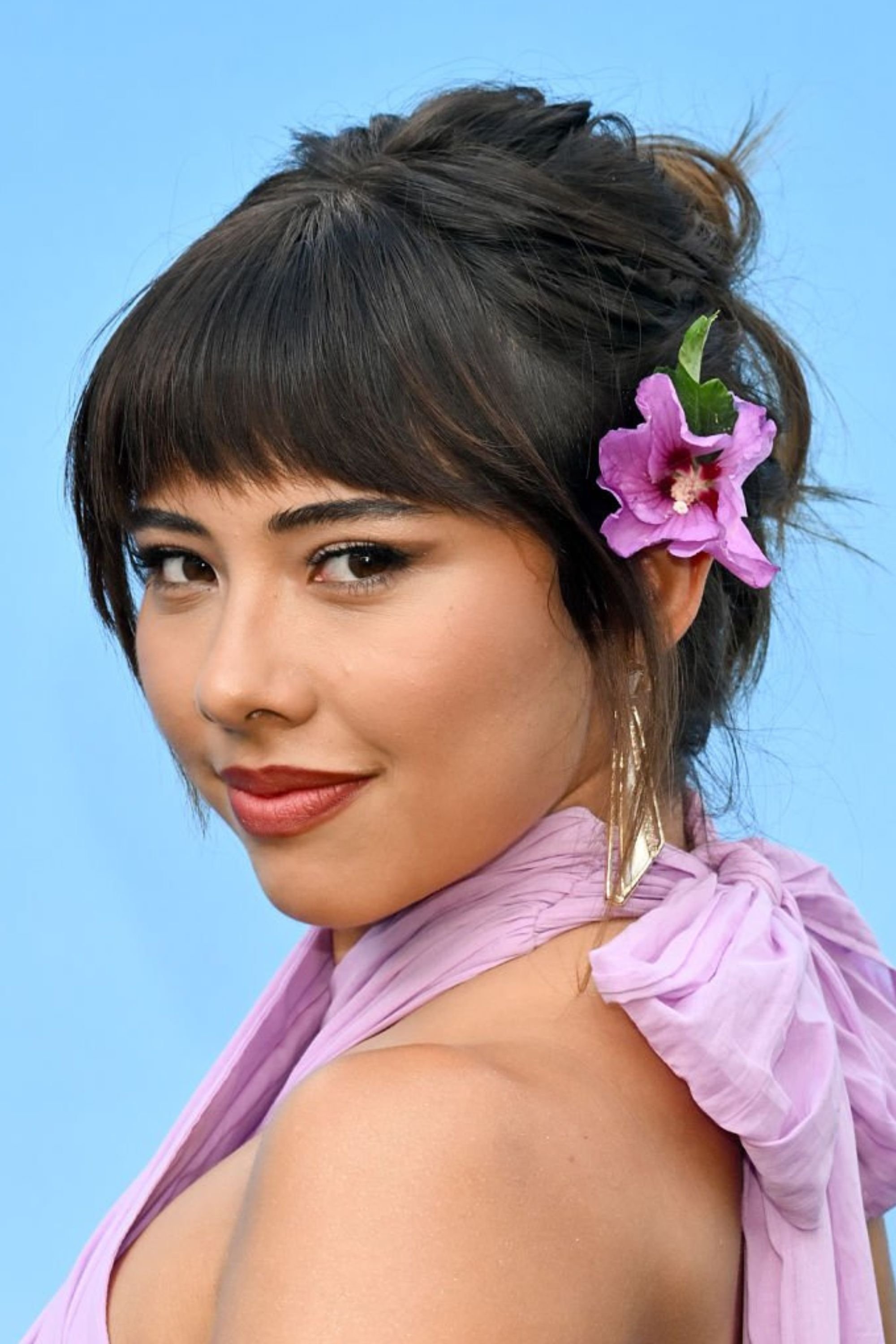
Gomez played the character America Chavez in ‘Doctor Strange in the Multiverse of Madness’. The film was banned in several Middle Eastern countries because her character has two moms. She faced harassment online from trolls who blamed her for the movie’s inclusion of LGBTQ themes. The young actress handled the backlash with maturity and focused on the positive impact of her representation. Her experience underscored the global cultural conflicts that Disney faces with modern blockbusters.
Isabela Merced
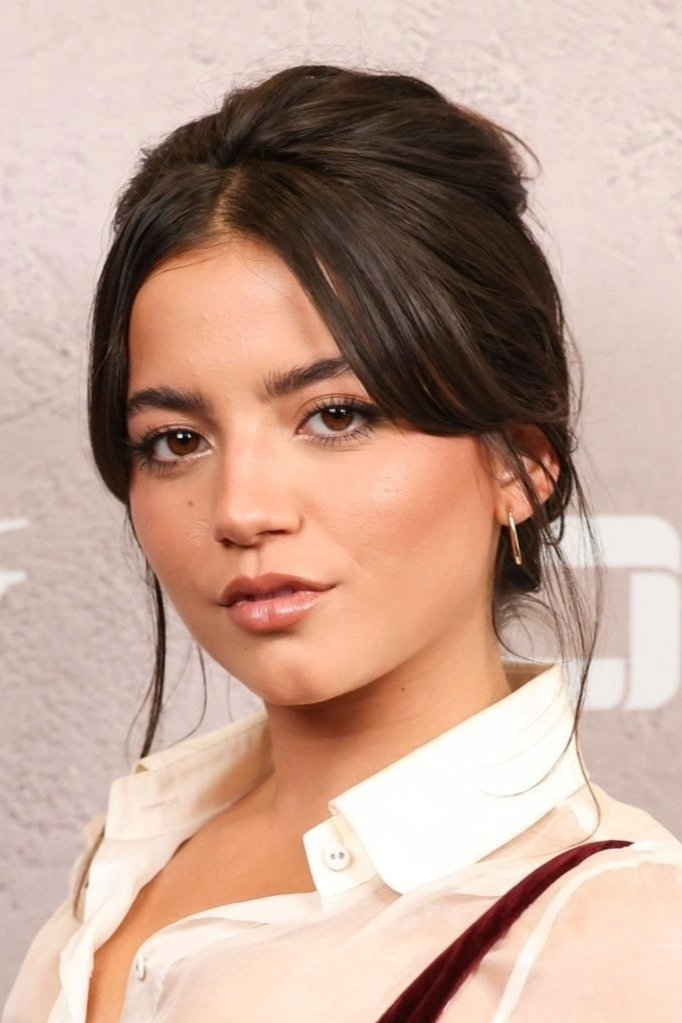
Merced has navigated conversations about colorism and casting throughout her career as a young Latina star. Her casting as Dora the Explorer was generally well received but she faced scrutiny for other roles. She has spoken about the pressure to represent the entire Latino community in her projects. The actress is part of a new generation that is more vocal about the nuances of identity. She continues to secure high-profile roles in major franchises like the DC Universe.
Cote de Pablo
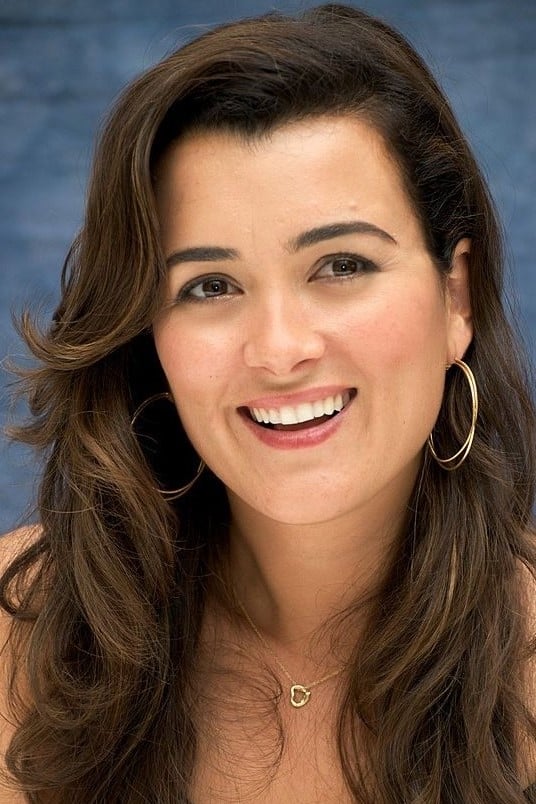
De Pablo left the hit show ‘NCIS’ abruptly which caused a massive fan revolt and letter-writing campaign. Her departure was reportedly due to her unhappiness with the direction of her character Ziva David. She refused to return until the writers provided a storyline that she felt respected the character. The incident sparked a discussion about how female characters are treated in procedural dramas. She eventually returned to the franchise after her conditions were met.
Naya Rivera
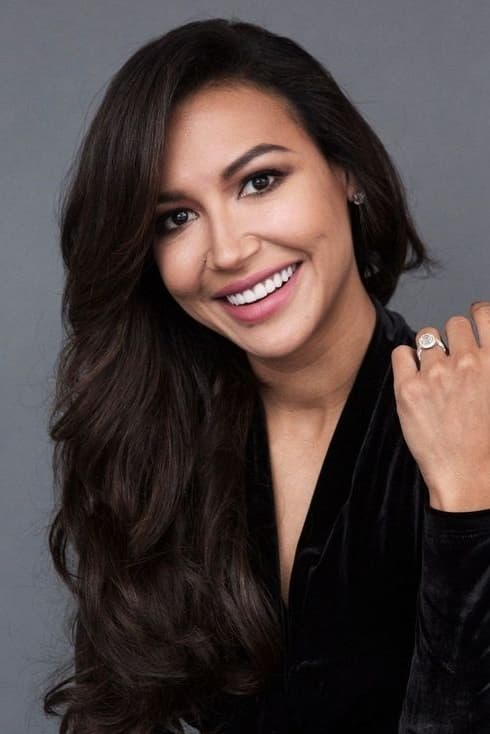
Rivera was a central figure in the behind-the-scenes drama of the show ‘Glee’. Her memoir detailed her feuds with co-stars and opened up about her abortion which was a taboo topic. She played a lesbian cheerleader and became an icon for LGBTQ representation on network television. Her tragic death reignited conversations about the curse of the show and the treatment of its cast. Rivera remains a beloved figure for her barrier-breaking role.
Melissa Fumero
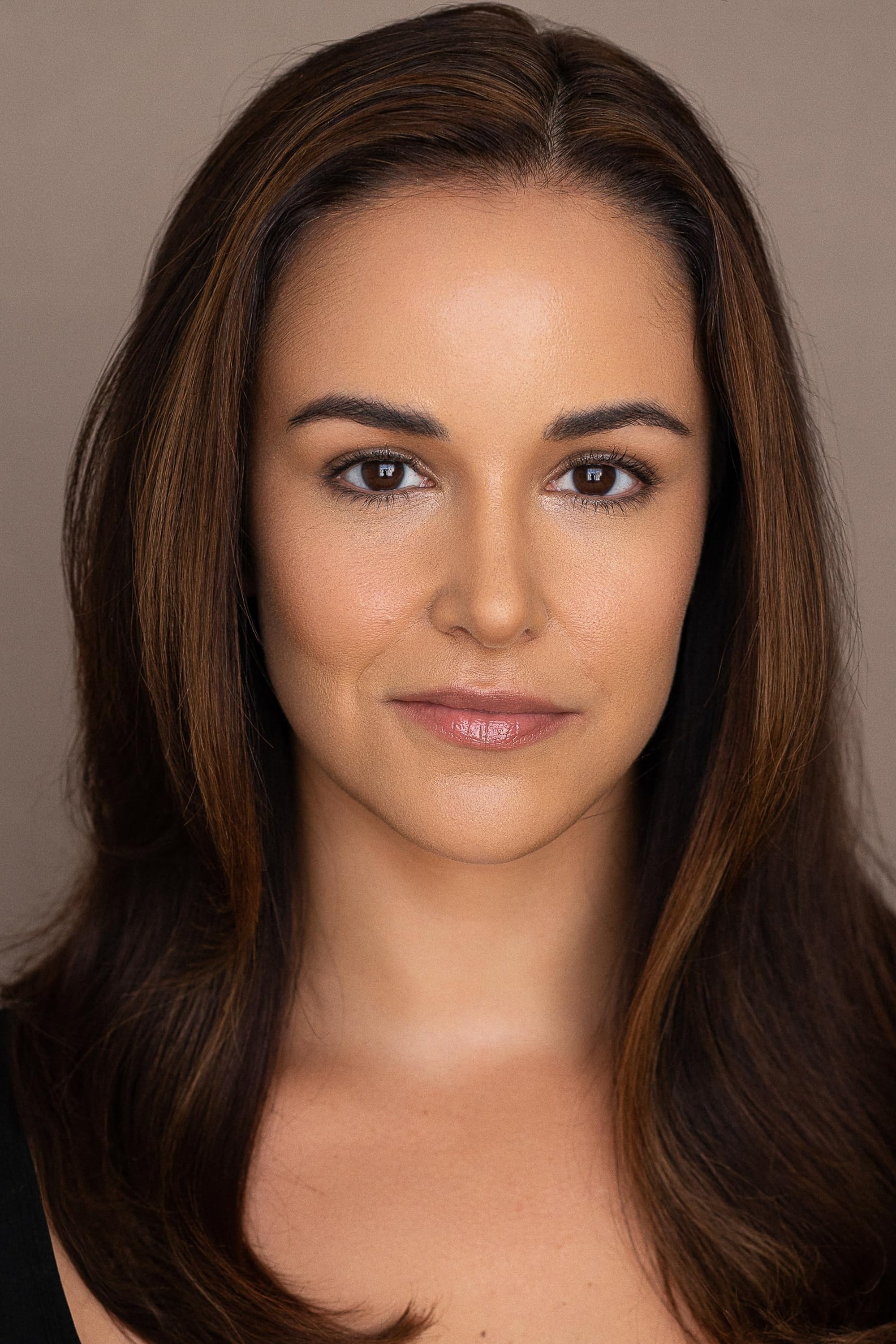
Fumero starred in ‘Brooklyn Nine-Nine’ which faced an existential crisis following the murder of George Floyd. The show had to rewrite its final season to address police brutality and systemic corruption. She and the cast navigated the difficult balance of starring in a cop comedy during a time of anti-police sentiment. The actress has also directed episodes that focus on the specific experiences of Latinas. She remains an advocate for responsible storytelling in law enforcement narratives.
Stephanie Beatriz
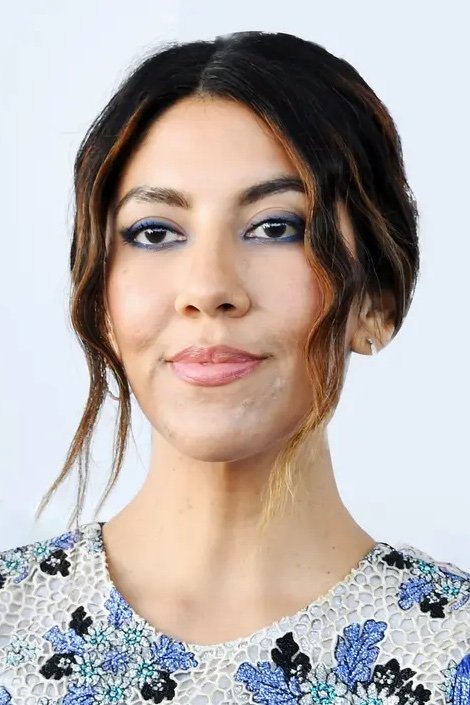
Beatriz played a tough detective in ‘Brooklyn Nine-Nine’ while coming out as bisexual in real life. Her character also came out on the show which was a significant moment for bisexual representation. She has been vocal about the erasure of bisexual identities in media and society. The actress uses her voice to support LGBTQ causes and challenges stereotypes about queer women. Her work spans animation and live action where she pushes for inclusive storytelling.
Lana Parrilla
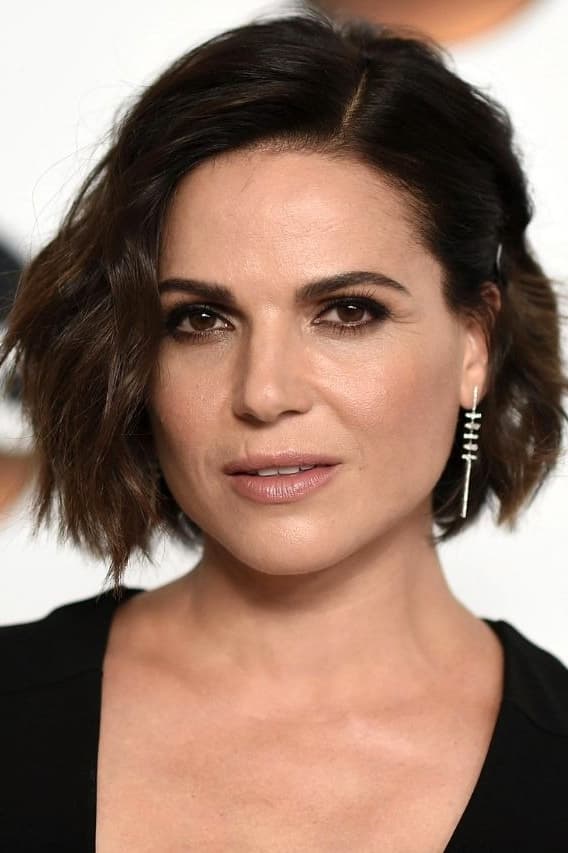
Parrilla gained a massive following for her role as the Evil Queen in ‘Once Upon a Time’. She has had to address toxic behavior within her fanbase including harassment of her co-stars and partners. The actress frequently attends conventions where she mediates the intense emotions of her supporters. She advocates for positivity and mental health awareness among her fandom. Her experience highlights the intense parasocial relationships in modern geek culture.
Morena Baccarin
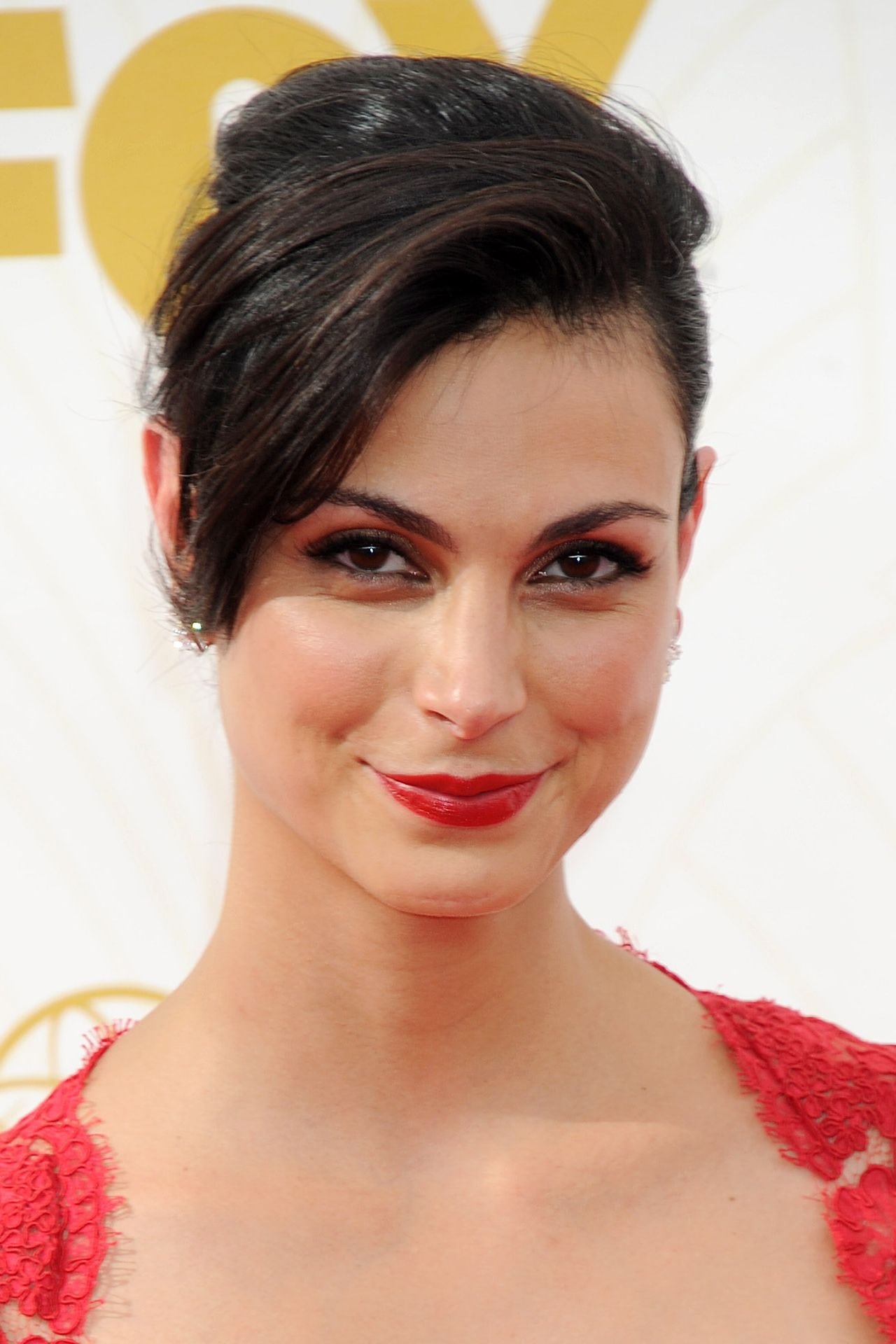
Baccarin’s character in ‘Deadpool 2’ was killed off early in the film which sparked a debate about the fridging trope. Critics argued that her death served only to motivate the male protagonist and wasted her character. She defended the creative choice but acknowledged the frustration of the audience. The actress has also expressed conservative-leaning views on certain political topics in interviews. She navigates the comic book movie world while maintaining her own distinct opinions.
Lauren Jauregui
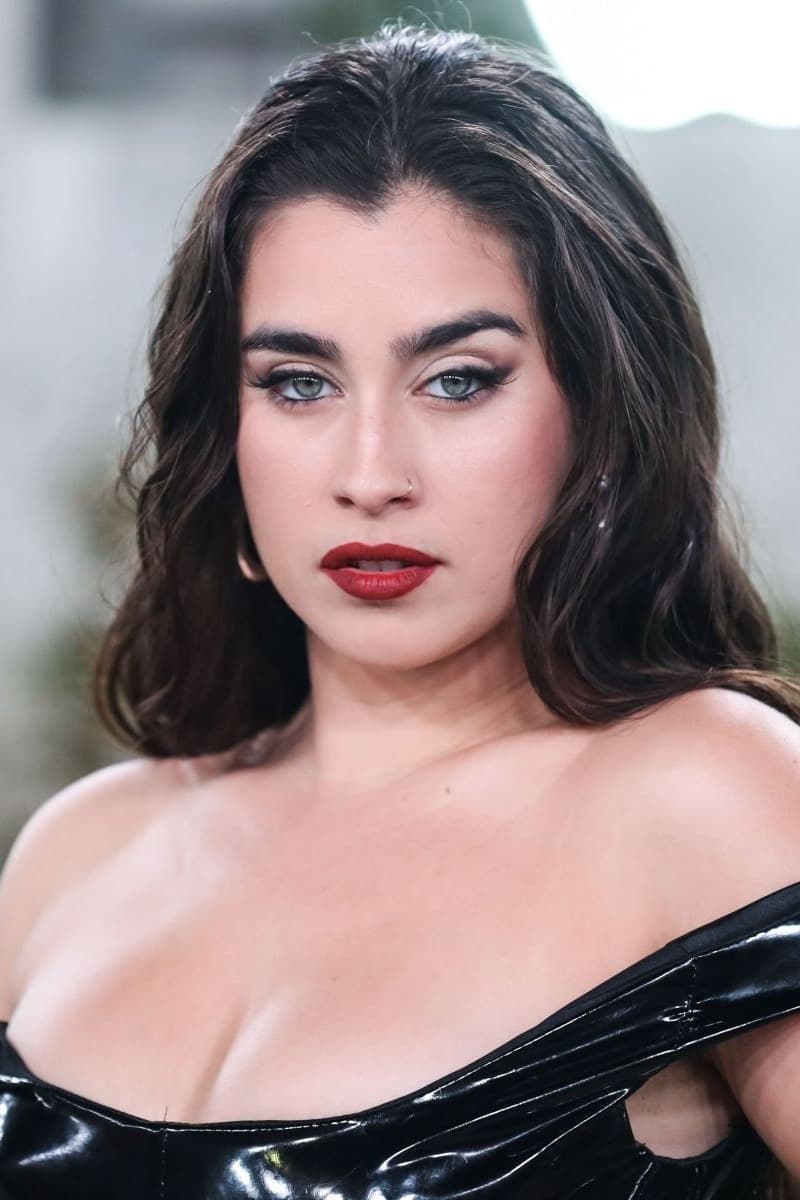
The former Fifth Harmony member is a vocal activist for LGBTQ rights and immigrant justice. She wrote an open letter to Trump supporters explaining her identity as a bisexual Cuban-American. Jauregui frequently uses her social media to educate fans on political history and social issues. She has criticized the music industry for its treatment of female artists and young talent. Her solo career is defined by her independence and political outspokenness.
Camila Cabello
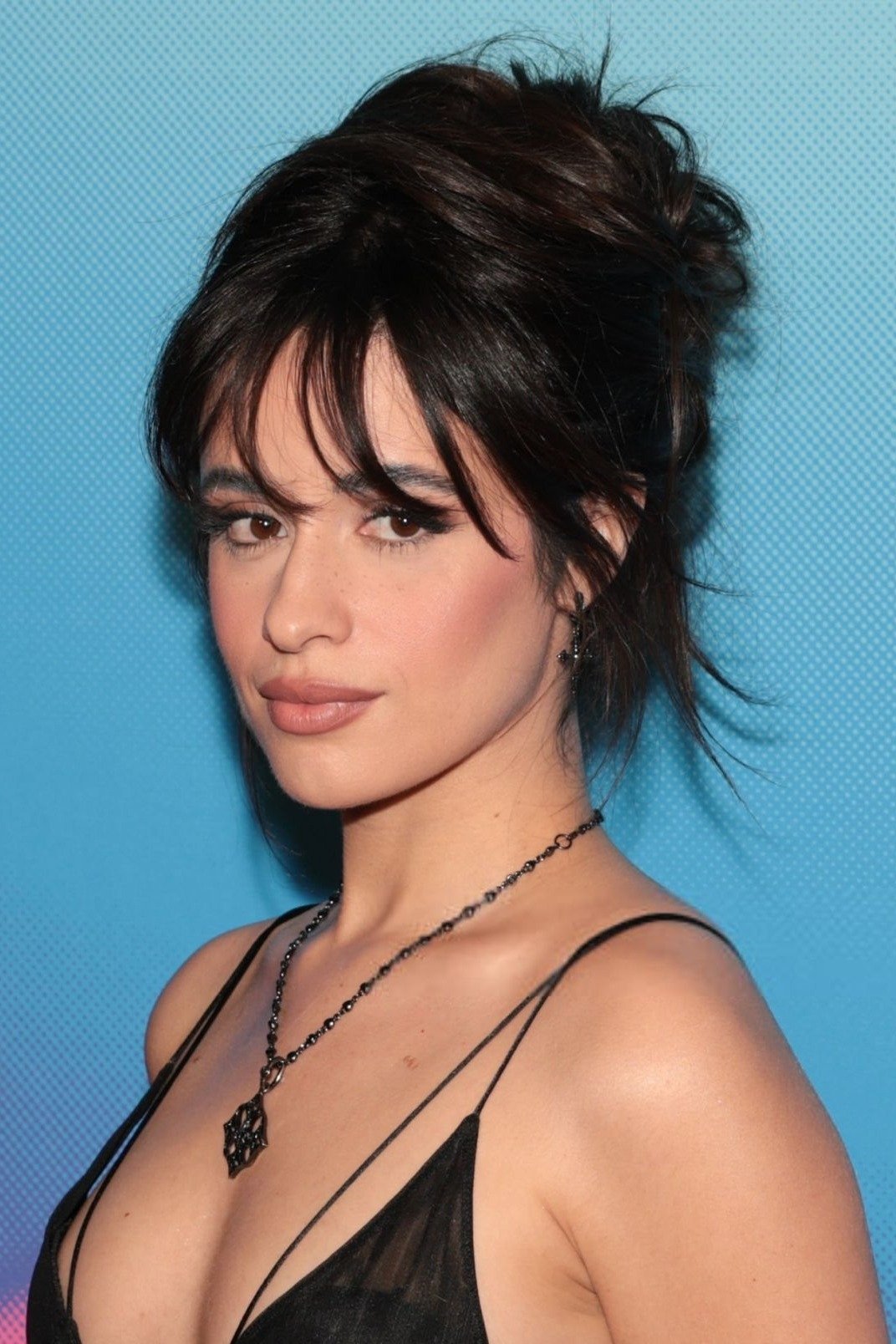
Cabello faced a reckoning when her old Tumblr posts containing racist language and jokes resurfaced. She issued a lengthy apology and committed to attending racial healing sessions to educate herself. The singer starred in a modern version of ‘Cinderella’ that attempted to update the fairy tale with feminist themes. The film was mocked by critics for its heavy-handed approach to girlboss feminism. Cabello continues to navigate the balance between her pop star image and her past controversies.
Bella Thorne
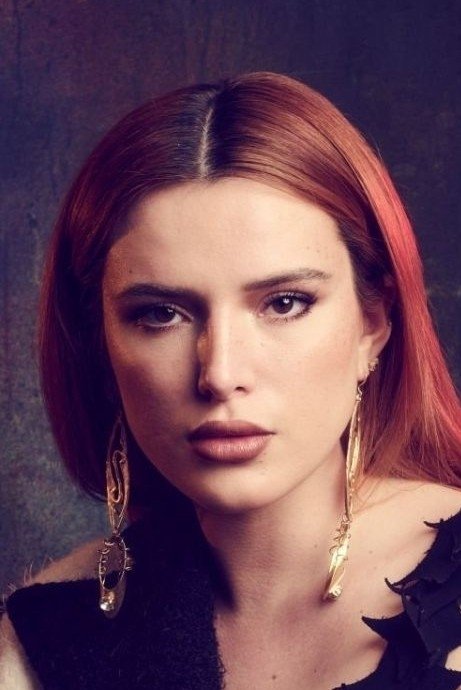
Thorne disrupted the adult entertainment industry when she joined OnlyFans and earned a million dollars in one day. Sex workers criticized her for prompting the platform to change its payment limits which hurt their livelihoods. She claimed she was doing research for a role with director Sean Baker who subsequently denied involvement. The actress has also been open about her fluid sexuality and struggles with abuse. Her chaotic public persona often challenges the boundaries of celebrity behavior.
Ariana DeBose
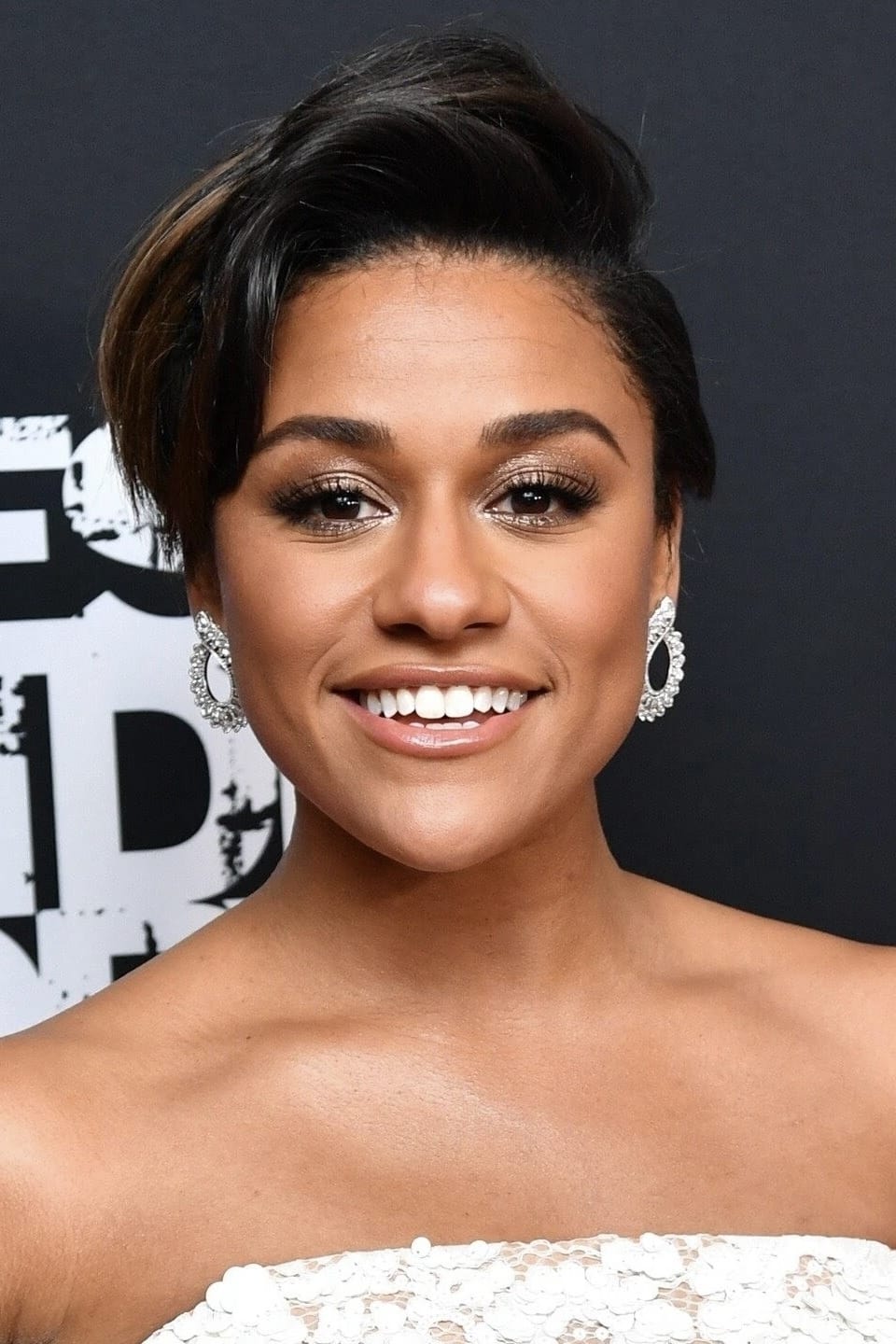
DeBose went viral for her BAFTA rap performance where she awkwardly name-checked female nominees. The line “Angela Bassett did the thing” became an instant meme and was initially mocked relentlessly. She deactivated her Twitter account due to the intensity of the ridicule before eventually reclaiming the joke. The incident sparked a debate about camp, cringe culture, and how the internet tears down earnest performances. She remains a respected Oscar winner despite the strange viral moment.
Share your thoughts on these actresses and their controversies in the comments.