Steven Spielberg Shares the Alfred Hitchcock Film He Loves Most

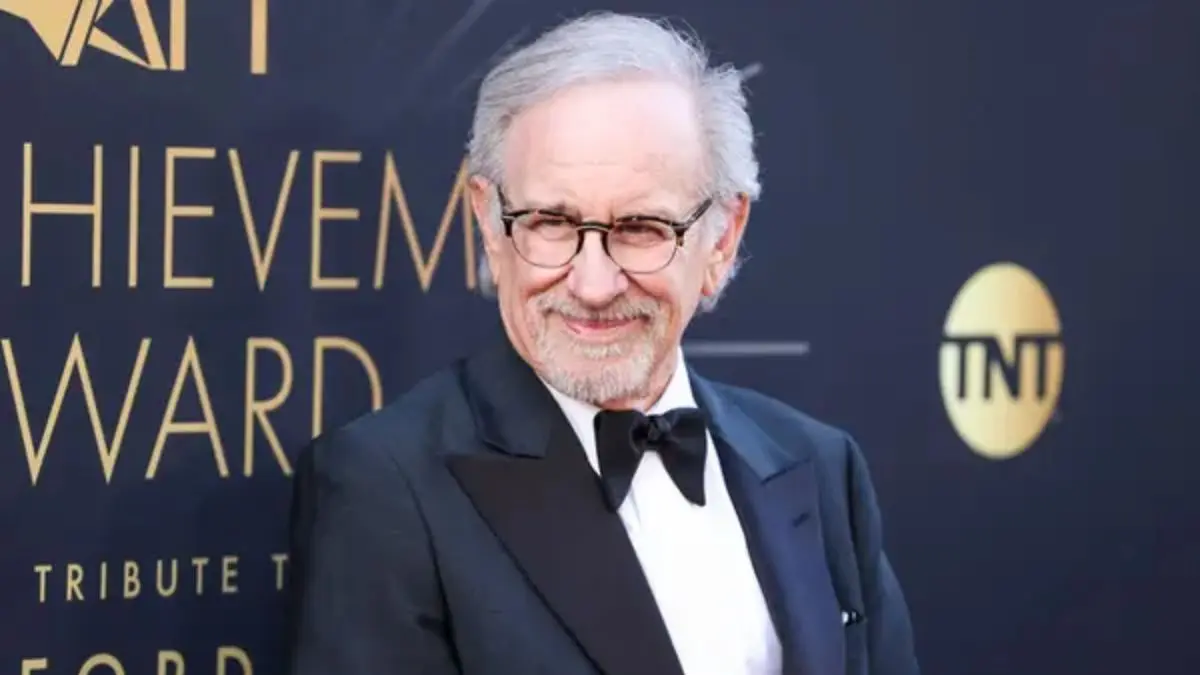

There are few director pairings in cinema history that feel as fated as Steven Spielberg and Alfred Hitchcock. One redefined blockbuster filmmaking for generations.
The other invented the language of suspense that everyone who came after him would spend decades trying to master. So when Spielberg recently revealed that ‘Psycho’ is his favorite film from the master’s catalog, describing it as “simple, but incredibly effective,” the reaction from cinephiles was less surprise and more a quiet, knowing nod.
Spielberg has long been open about how Hitchcock shaped his artistic sensibility, but the specific reverence for ‘Psycho’ speaks to something deeper than admiration. It reveals what Spielberg has always understood about great filmmaking: that restraint, suggestion, and economy of storytelling are often more powerful than spectacle.
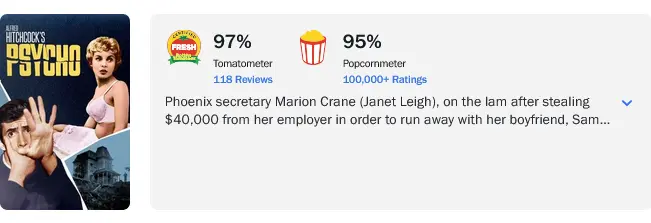
Released in 1960, ‘Psycho’ shook up the world of film, spawning the slasher genre and ushering in event cinema as we know it today. The film’s legacy rests on its audacity. Hitchcock made ‘Psycho’ on a limited budget by shooting in black and white and using the crew from his television series, and he financed much of the film himself in return for a large percentage of the profits.
That scrappy, low-budget approach did not limit the film. If anything, those constraints forced Hitchcock into precisely the kind of lean, surgical filmmaking that Spielberg so clearly admires.
What makes ‘Psycho’ genuinely radical even today is how much it accomplishes through implication. Hitchcock shot the iconic shower scene with 78 camera setups and edited it into a 45-second montage, creating the illusion of graphic violence without showing the knife actually penetrating Marion’s body. The scene has been endlessly referenced and imitated, but its real lesson is about the power of the audience’s imagination. You see almost nothing. You feel everything. Simple, but incredibly effective, exactly as Spielberg described it.
That philosophy, drawn directly from Hitchcock, runs through Spielberg’s own filmmaking like a spine. The shark attacks in ‘Jaws’ owe more to Hitchcock’s “less is more” sensibility, where the violence and its perpetrator are left largely to the viewer’s imagination, than to conventional monster movie stylings.
And famously, that approach was born partly from necessity. Spielberg himself has been quoted as saying that the shark not working was a godsend, that it made him become more like Alfred Hitchcock. Malfunctioning machinery sent one of Hollywood’s most commercially successful directors back to first principles, and those first principles traced directly to Hitchcock.
Spielberg has often cited Hitchcock as a significant influence on his filmmaking, particularly in the art of building suspense. But the fact that ‘Psycho’ stands above everything else in the Hitchcock catalog for him is telling. It is not ‘Vertigo,’ with its swooning romanticism and dizzying visual grammar. It is not ‘North by Northwest,’ with its globe-trotting glamour. It is the stripped-down, black-and-white thriller that broke Hollywood convention and proved that a great film does not need to announce itself. It just needs to work.
In addition to winning an Edgar Allan Poe Award for Best Motion Picture, ‘Psycho’ was selected for preservation in the United States National Film Registry by the Library of Congress. Its cultural footprint is enormous, but perhaps its most lasting contribution is the permission it gave filmmakers to trust their audiences. The film’s innovative use of suspense, masterful direction, and the infamous shower scene are frequently praised for their technical brilliance and lasting cultural impact.
The two directors never actually met. Spielberg requested a meeting with Hitchcock, but the filmmaker behind ‘Psycho’ and ‘Vertigo’ denied his request, because according to actor Bruce Dern’s memoir, Hitchcock said Spielberg made him feel like a “whore” by comparison. It is one of cinema history’s most poignant missed connections. Hitchcock never got to hear from the younger director what he had clearly absorbed: that simplicity, executed with precision, is the highest form of filmmaking craft.
Spielberg’s endorsement of ‘Psycho’ is not just a favorite-film revelation. It is a window into the artistic values that shaped some of the most beloved movies ever made. Tell us in the comments which Hitchcock film you would crown as the greatest.
Have something to add? Let us know in the comments!