Luca Guadagnino Slams ‘Top Gun: Maverick’ as a “Very Bad Movie”


Nostalgia has become one of the strongest forces in modern cinema, shaping what audiences choose to watch and what studios choose to make. In recent years, films built around familiar characters, older franchises, and past eras have dominated the box office. Big releases like “Inside Out 2,” “Beetlejuice Beetlejuice,” “Spider-Man: No Way Home,” “Ghostbusters: Afterlife,” and even multiple live-action Disney remakes show how strongly viewers respond to stories that reconnect them with something they already know.
Director Luca Guadagnino has recently shared his thoughts on this trend during an interview at Il Foglio’s Innovation Festival, as reported by the event coverage. He spoke openly about how nostalgia now plays a central role in Hollywood storytelling and audience demand. According to him, the industry has built an entire system around revisiting the past and turning it into new entertainment.
Guadagnino also referenced Steven Spielberg while discussing the idea of nostalgia-driven filmmaking, suggesting that even major directors are drawn into making films that echo earlier cinematic styles and ideas. He described this creative direction as something closely tied to emotional memory and the desire to reconnect with what people feel they may have lost over time.
As he put it, “Disclosure Day is part of the economy of nostalgia. The whole imagination is built up on nostalgia and therefore and how to move inside ourselves the entrails of what we think we’ve lost, and find it again.” His comments reflect a broader view that modern audiences are often encouraged to relive emotions from the past rather than experience something entirely new.
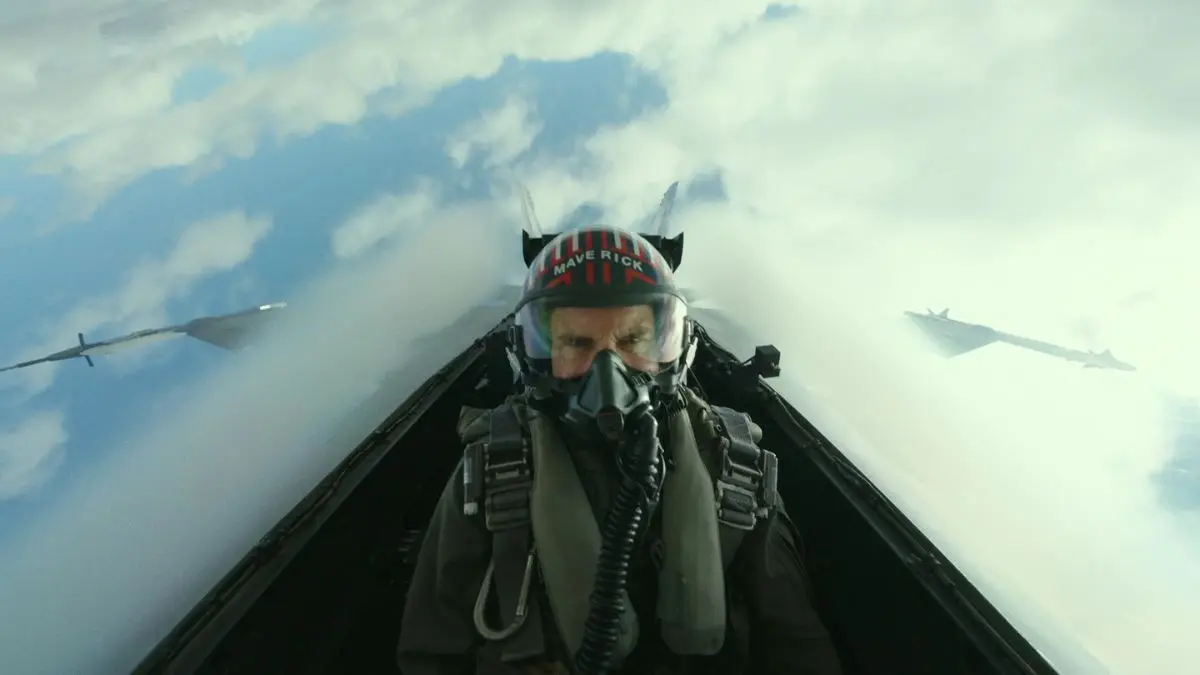
However, Guadagnino’s most talked-about remarks came when he discussed “Top Gun: Maverick,” one of the biggest box office successes in recent years. The film became a global hit during the COVID-19 recovery period and was widely praised by audiences and critics, earning multiple award nominations and grossing over $1.5 billion worldwide.
Despite its success, Guadagnino expressed a different opinion after watching it in a crowded theater. He said, “It was huge for thousands of people, and it was a very bad movie. But at the same time people were screaming, throwing popcorn, they were very happy because the economy of nostalgia right seems to be the only commodity that can be dominated by all types of markets.”
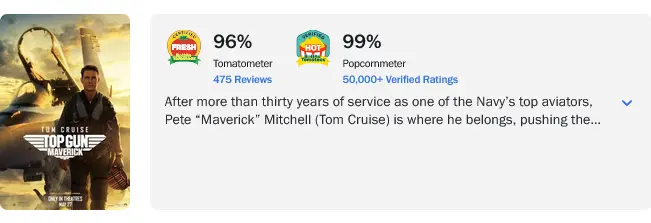
His comments highlight a divide between critical opinion and audience enjoyment. While many viewers embraced the film as a return to classic blockbuster storytelling, Guadagnino sees it as part of a larger industry pattern where familiarity often outweighs originality.
The discussion comes at a time when Hollywood continues to rely heavily on established franchises and recognizable titles. Many recent hits are sequels, reboots, or spiritual continuations of older films and shows. This approach has proven financially successful, even as some filmmakers and critics question whether it limits creative risk-taking.
Whether seen as a positive force or a creative limitation, nostalgia clearly remains central to the current film landscape. Guadagnino’s comments add to an ongoing debate about whether cinema is moving forward or constantly looking back.
Have something to add? Let us know in the comments!