5 Ways ‘The Usual Suspects’ Aged Poorly (& 5 Ways It Aged Masterfully)


Some films get frozen in time because of how precisely they capture a moment in cinema. ‘The Usual Suspects’ arrived with a compact runtime, a tight script, and a final reveal that sent audiences back through every scene to check the clues. It mixes crime mystery mechanics with a classic noir look and a jigsaw structure that invites repeat viewing.
Watching it today also highlights choices that land differently now. Production methods, representation, and on screen procedures reflect the era that made the film. Other elements still work because they rely on clear storytelling fundamentals that continue to guide modern thrillers.
Aged Poorly: Limited representation and gender balance
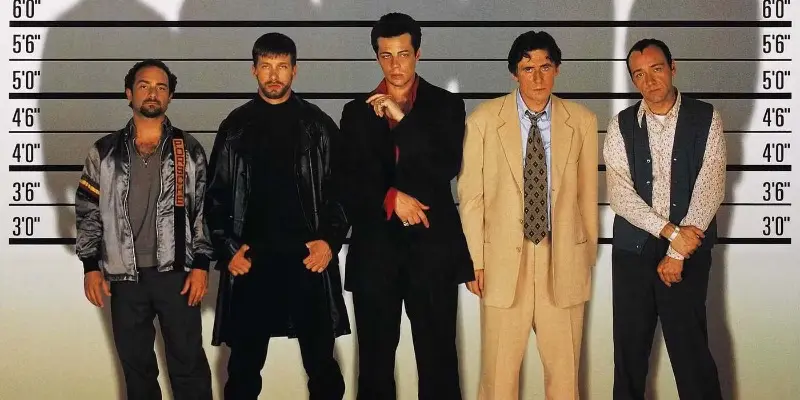
The principal ensemble centers on five men brought together by a police lineup, and the surrounding law enforcement figures are also predominantly male. The most visible woman is a defense attorney who appears mainly to connect plot points rather than drive the investigation or the heists. The story keeps its focus on the crew and on the investigators across most scenes.
Casting choices lean toward a narrow range of backgrounds, which is consistent with many crime films of the period. Dialogue and character introductions emphasize criminal archetypes and prior records, while perspectives from communities affected by the crimes are largely absent. The result is a plot that moves with speed yet leaves little space for varied points of view.
Aged Masterfully: Unreliable narrator used as a structural engine
The narrative is framed by an interrogation that supplies the film with an information drip. Flashbacks are motivated by a character recounting events, and the editing restricts what the audience can verify on screen. This creates a controlled flow of facts that are later reconsidered in the final minutes.
Key story details are seeded in ordinary props and background elements that the narrator plausibly could have seen. Names, locations, and brand markings appear in the precinct room and reappear inside the tale being told. This technique binds the framing device to the mystery design in a way that still supports careful clue hunting.
Aged Poorly: Interrogation and due process on screen
Scenes depict a long interview without a lawyer present and show tactics that involve intimidation and raised voices inside a busy office. Paper files are handled in open view and the interviewee sits under bright lights while officers move in and out of the room. These choices streamline the drama but compress procedural steps that would usually be documented and recorded.
The film also presents a fast path from detention to questioning with minimal attention to rights beyond a brief acknowledgment. The setup emphasizes narrative momentum over documentation, chain of custody, and official sign offs. Modern viewers familiar with recorded interviews and legal safeguards will notice the difference.
Aged Masterfully: Clue planting and fair misdirection
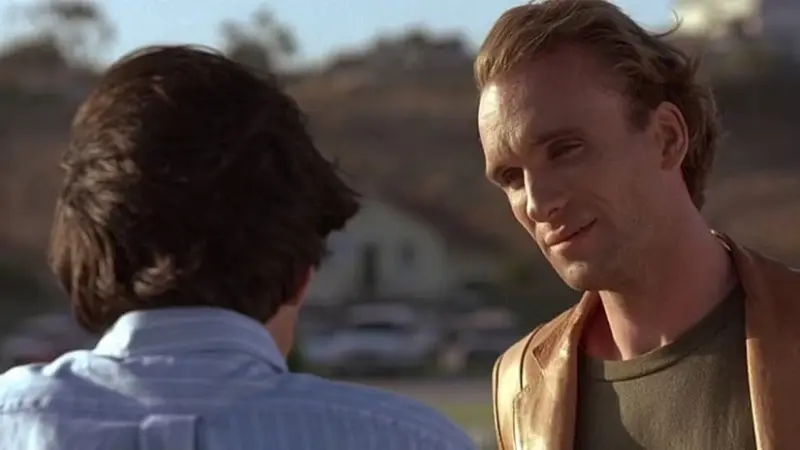
The script places visual and verbal clues early and then reframes them later without breaking continuity. The police bulletin board, a coffee cup, and lines of casual small talk are staged so that information can be read two ways. When the reveal arrives, the earlier shots still match the facts now understood by the audience.
Transitions support this design with inserts that highlight objects at the moment they gain meaning. The final walk from the station recontextualizes posture, gait, and wardrobe details that have been present from the first act. The film demonstrates how to hide a solution in plain sight through careful coverage and prop placement.
Aged Poorly: Portrayal of disability as a mask
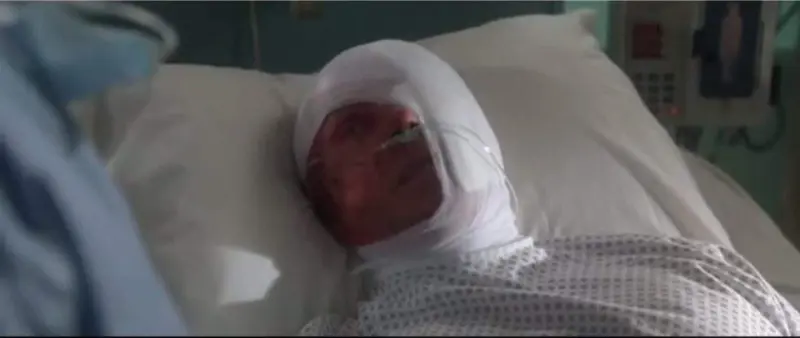
A central figure presents a limp and a clenched hand throughout the investigation and uses those traits to lower the suspicion of officers. The performance ties physical characteristics to assumptions about capacity and threat, which drives the plot toward the final switch. The reveal converts those traits into a device that supports the deception.
This approach relies on the audience accepting surface readings of ability and movement as signals about honesty. The film uses those signals to guide attention away from key details during the interview. Current discussions about representation often separate lived realities from plot mechanics, which shows how this device reads differently today.
Aged Masterfully: Noir visuals achieved with economical tools
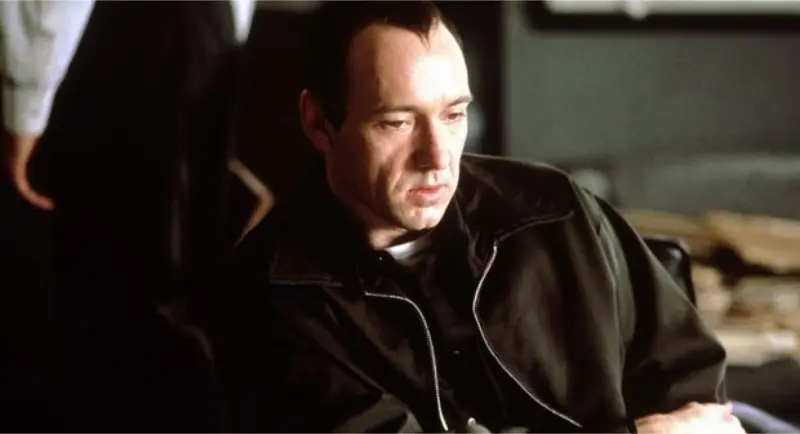
Lighting leans on hard shadows, practical sources, and motivated pools of brightness that isolate faces during conversations. Night exteriors and warehouse interiors favor strong contrast and simple color choices that keep the frame readable. Sets are arranged to let smoke, steam, and backlight create depth without heavy visual effects.
Camera placement sticks to concise coverage with close frames during the interrogation and wider shots during heists and docks work. This contrast helps the audience track power shifts while maintaining a grounded scale. The look remains clear and efficient because it builds mood with placement and light rather than extensive digital augmentation.
Aged Poorly: Lineup and identification realism
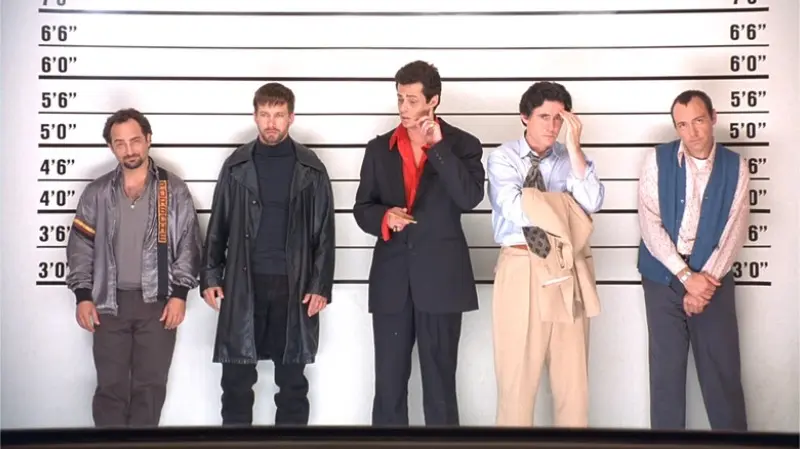
The famous lineup presents all suspects together while officers observe reactions and ask for repeated lines. The suspects joke and break posture, which makes for a memorable scene but departs from current best practices that try to reduce suggestion. Group presentation can create cross influence among participants that would complicate a real identification record.
Modern procedures in many departments use standardized instructions and limit officer knowledge of the correct pick during the process. Written documentation and careful handling of fillers support the integrity of the result. The film compresses these steps to deliver character beats and tone, which trades realism for energy.
Aged Masterfully: Efficient production design and staging
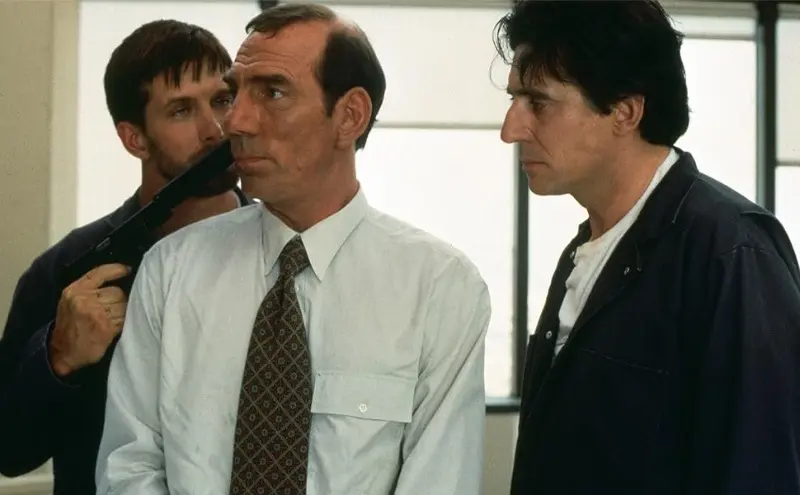
Locations repeat with variations in angle and blocking so that the story feels mobile while staying within a contained footprint. The precinct, a garage, a pier, and a few city blocks carry much of the action. Reuse of spaces with altered lighting and clutter levels keeps scenes distinct without building large sets.
Action beats rely on practical squibs, smoke, and timed pyrotechnics to create weight. Brief inserts of hands loading weapons, doors swinging, and boots on metal grating make the environment tactile. The approach keeps continuity tight and ensures that cause and effect in the set pieces remains easy to follow.
Aged Poorly: Smoking and coarse language as casual texture
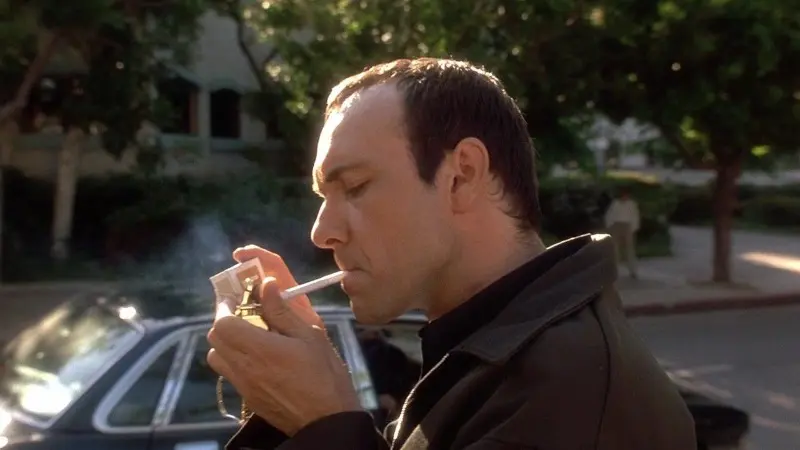
Characters smoke during planning scenes, car rides, and stakeouts, and cigarettes are treated as part of crew dynamics. This reflects common on screen habits from the era, yet it also normalizes a behavior that is now handled with more caution in many productions. The visual motif appears across multiple key scenes.
The script includes coarse insults and discriminatory remarks that were widely used in crime dialogue at the time. Subtitles and delivery frame these lines as banter or pressure tactics inside the criminal world. Contemporary standards often flag such language more directly, which can make these exchanges feel out of step with current practice.
Aged Masterfully: Enduring influence of the final reveal
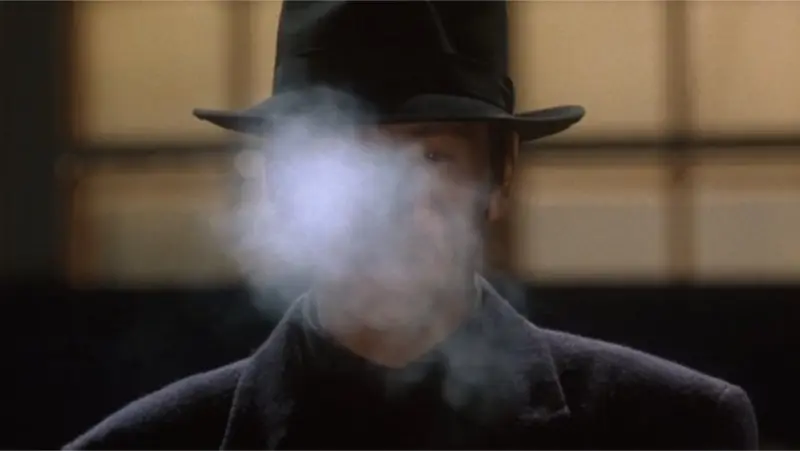
The closing montage reframes earlier footage and shows how associative editing can deliver a second story on top of the first. Cutaways to the bulletin board and to street details demonstrate how attention can be guided through selective emphasis. This method has become a reference point for twist endings in later crime and mystery projects.
Writers and editors still point to the film when discussing how to design payoffs that revalue prior scenes. Classroom breakdowns often use the interrogation structure to explain controlled perspective, unreliable voiceover, and object based clues. The film thus remains a practical template for constructing a reveal that is earned by setup rather than by last minute invention.
Share your take on which parts of ‘The Usual Suspects’ still work for you today and which parts do not in the comments.