Anime That Ended on a High Note


Some series keep building momentum right up to the very end, wrapping up their stories with clear resolutions and careful attention to character arcs. These shows leave little dangling, making it easy for viewers to appreciate the full journey from the first episode to the last.
This list gathers anime that reached a proper finish and closed out their narratives cleanly. You will find useful details about how each story concludes and what it covers, along with quiet nods to the teams that brought them to life.
‘Fullmetal Alchemist: Brotherhood’ (2009–2010)
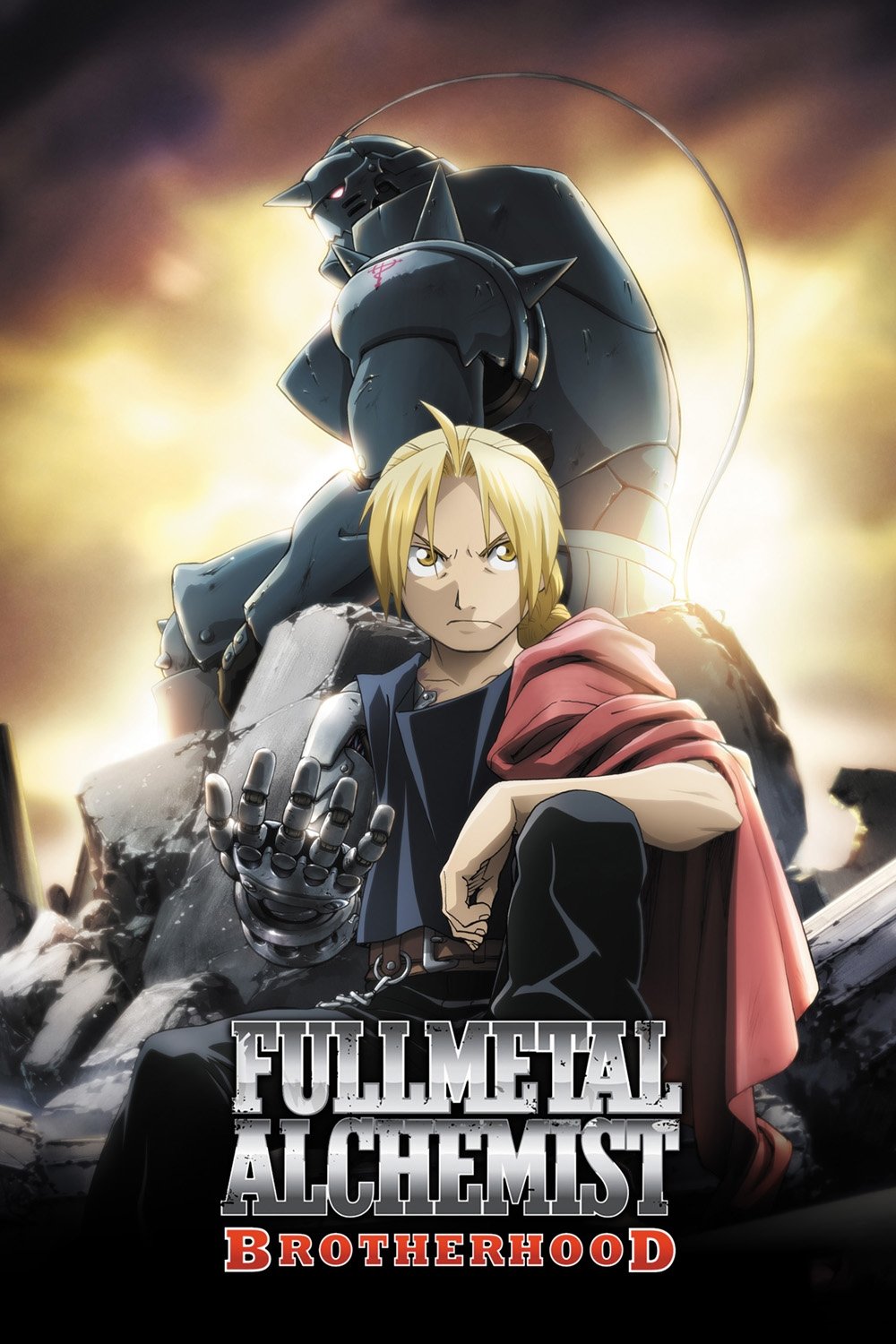
The story completes Edward and Alphonse’s search by resolving the consequences of human transmutation and bringing every major faction together for a final confrontation in Amestris. The last episodes connect the Elric brothers’ promise with the deeper lore of the Gate and tie off key threads involving the military, Xing, and the Homunculi.
Production kept a steady pace through the final arc and adapted the manga’s ending in full. The series was made at Bones, which helped align action and character beats across its complete 64 episode run.
‘Steins;Gate’ (2011)
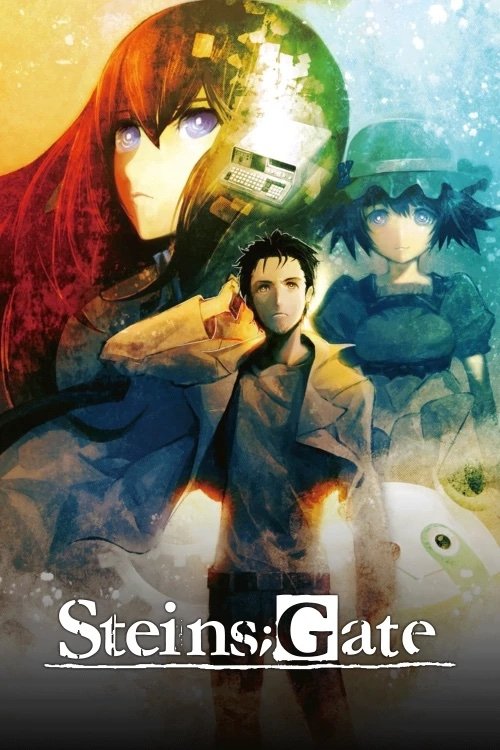
The finale closes the time loop by addressing the message that set the events in motion and delivers a clear solution to the world line problem. Character relationships are resolved as the group uses precision timing to ensure the pivotal incident is avoided without losing the memories of what they overcame.
The adaptation sticks closely to the visual novel’s true route through its last episodes. White Fox handled the series and kept the science fiction mechanics consistent with the rules established in earlier episodes.
‘Code Geass: Lelouch of the Rebellion’ (2006–2008)
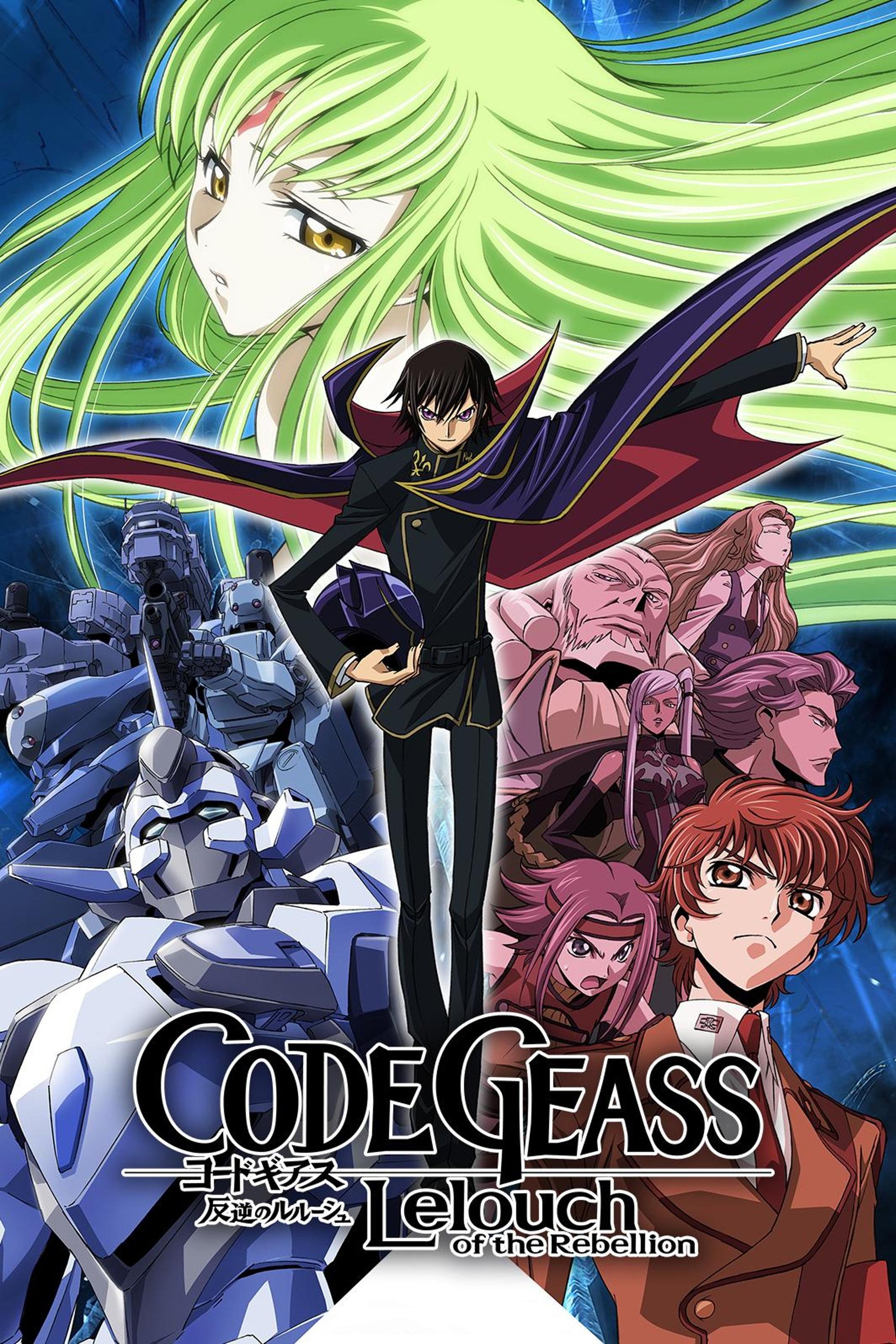
The second season ends the conflict by concluding Lelouch’s plan that reorganizes the world’s power structure and finishes major arcs for the Black Knights and Britannia. The last episode clarifies the intention behind the Zero Requiem and closes the political and personal stakes introduced in season one.
The two season production kept mecha set pieces and character drama aligned through careful storyboarding. Sunrise coordinated a consistent aesthetic and mechanical design that stayed uniform right through the final battle.
‘Death Note’ (2006–2007)
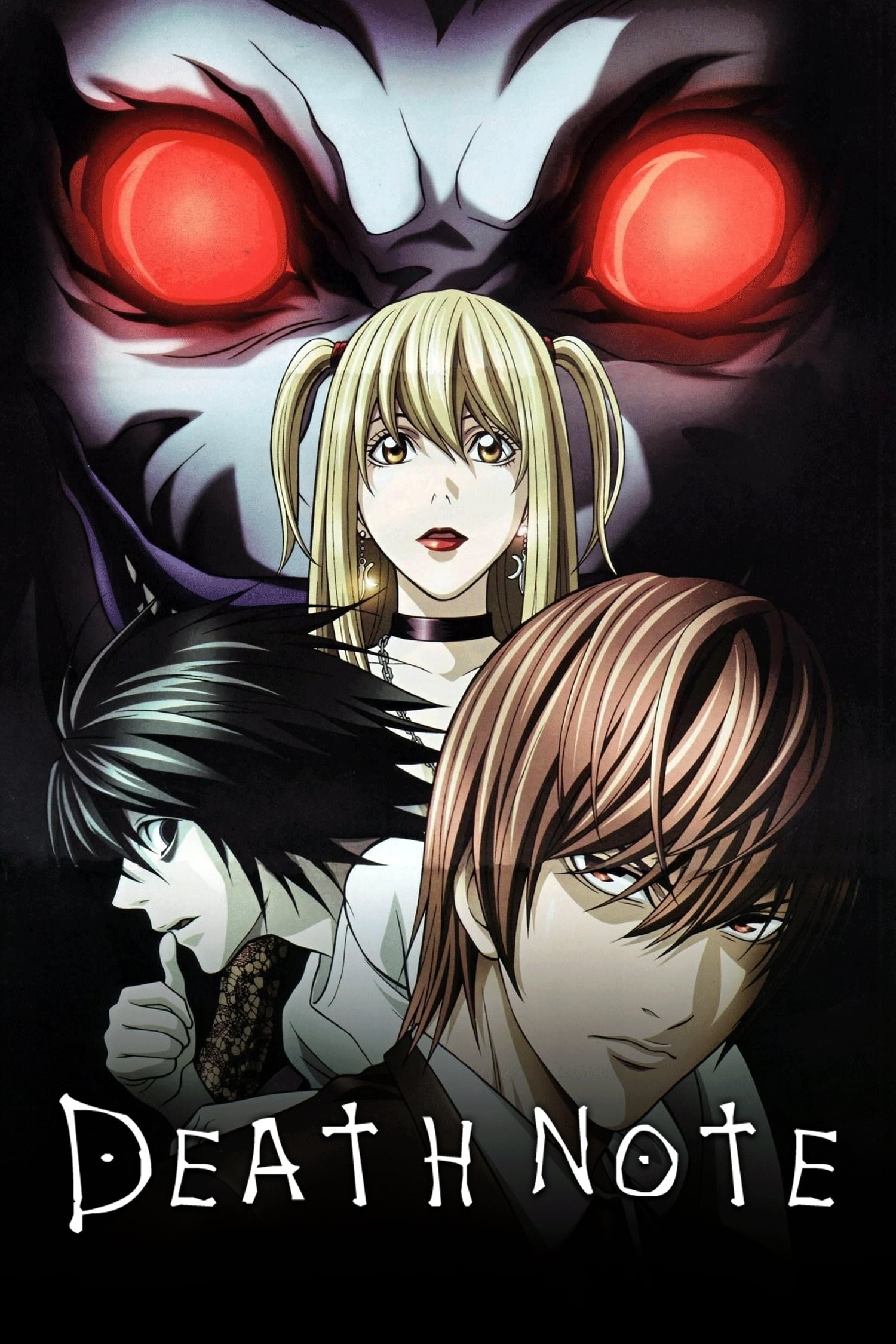
The climax resolves the cat and mouse duel by exposing the plan that turns the final meeting. The arcs of the investigation team, the successors, and the public’s response to the killings reach a clear endpoint that explains how each party influenced the outcome.
The adaptation covers the entire manga storyline with a firm pace in the back half. Madhouse managed a consistent visual approach that highlights the notebooks’ rules and their consequences in the closing episodes.
‘Cowboy Bebop’ (1998–1999)
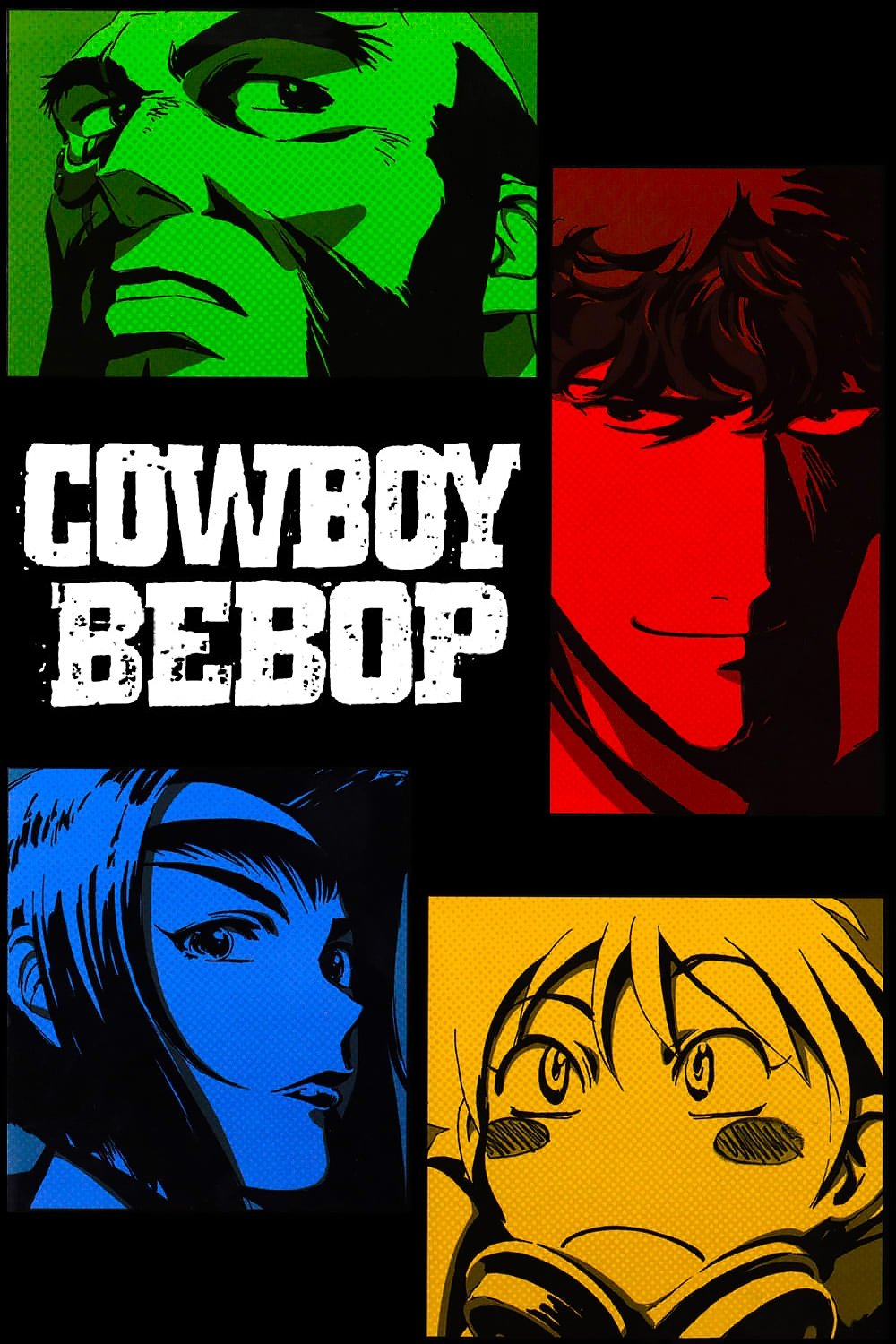
The series ends by confronting Spike’s past and bringing the Red Dragon Syndicate dispute to a decisive close. Character stories for Jet, Faye, and Ed reach natural stopping points earlier, which sets the stage for the final return to the central thread.
The production uses music and editing to bring earlier motifs full circle in the last episode. Sunrise maintained continuity across standalones and plot heavy entries so the final arc lands with all recurring elements in place.
‘Samurai Champloo’ (2004–2005)
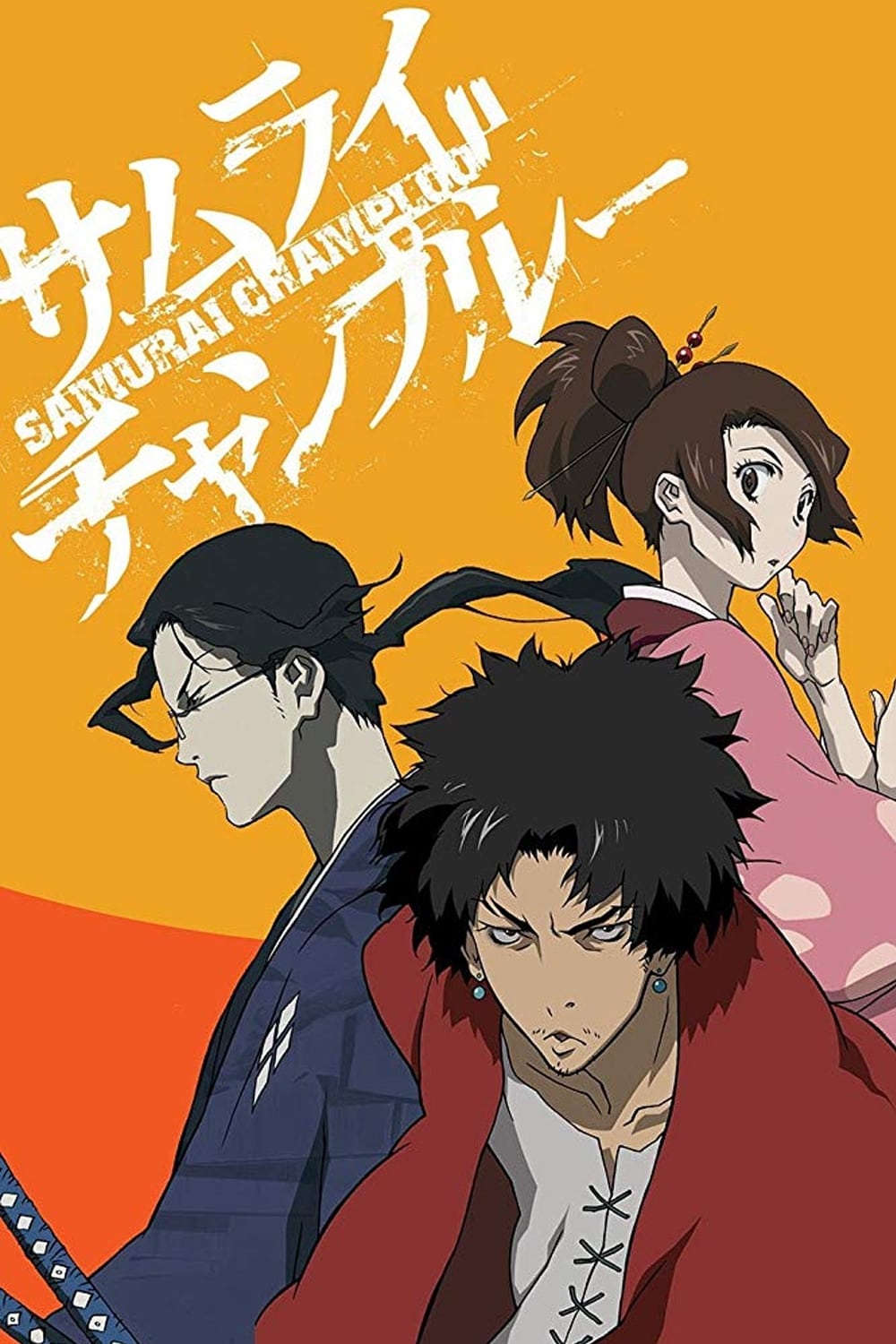
The search for the Sunflower samurai concludes with the truth behind the quest and a final stand that decides the trio’s future paths. Threads involving Jin’s past and Mugen’s pursuers are resolved within the final journey so nothing essential is left open.
The series blends period detail with modern style right up to the last frames. Manglobe kept fight choreography tight and consistent, which helps the closing encounters feel aligned with earlier episodes.
‘Gurren Lagann’ (2007)
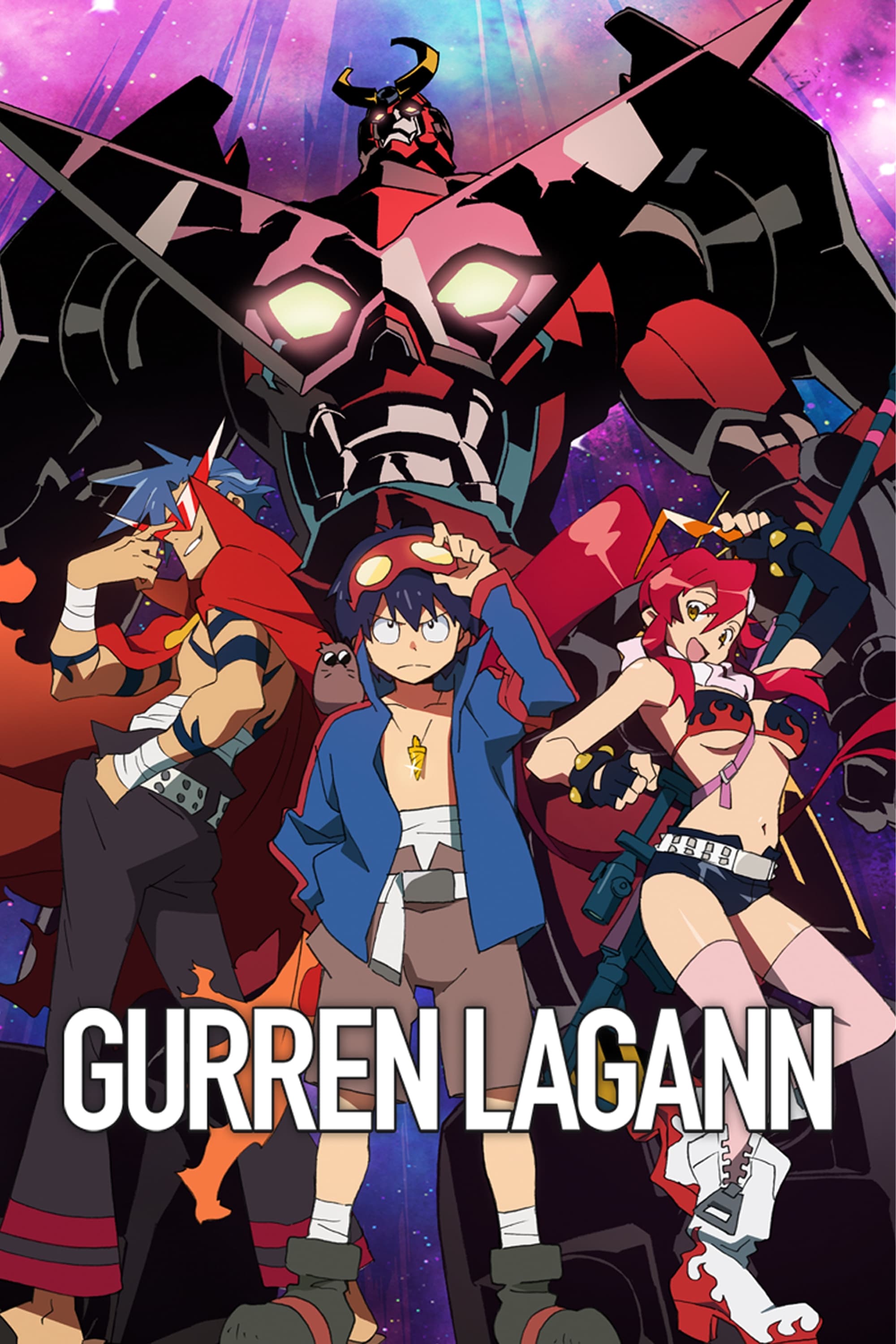
The ending completes the move from underground survival to a confrontation that decides the fate of humanity. It resolves Simon’s growth, the Anti Spiral threat, and the promise made to protect a world beyond the surface.
The production scales cleanly from intimate scenes to large set pieces in the final run. Gainax organized the show’s escalating scope so that mecha designs and visual language remain readable through the last battle.
‘Puella Magi Madoka Magica’ (2011)
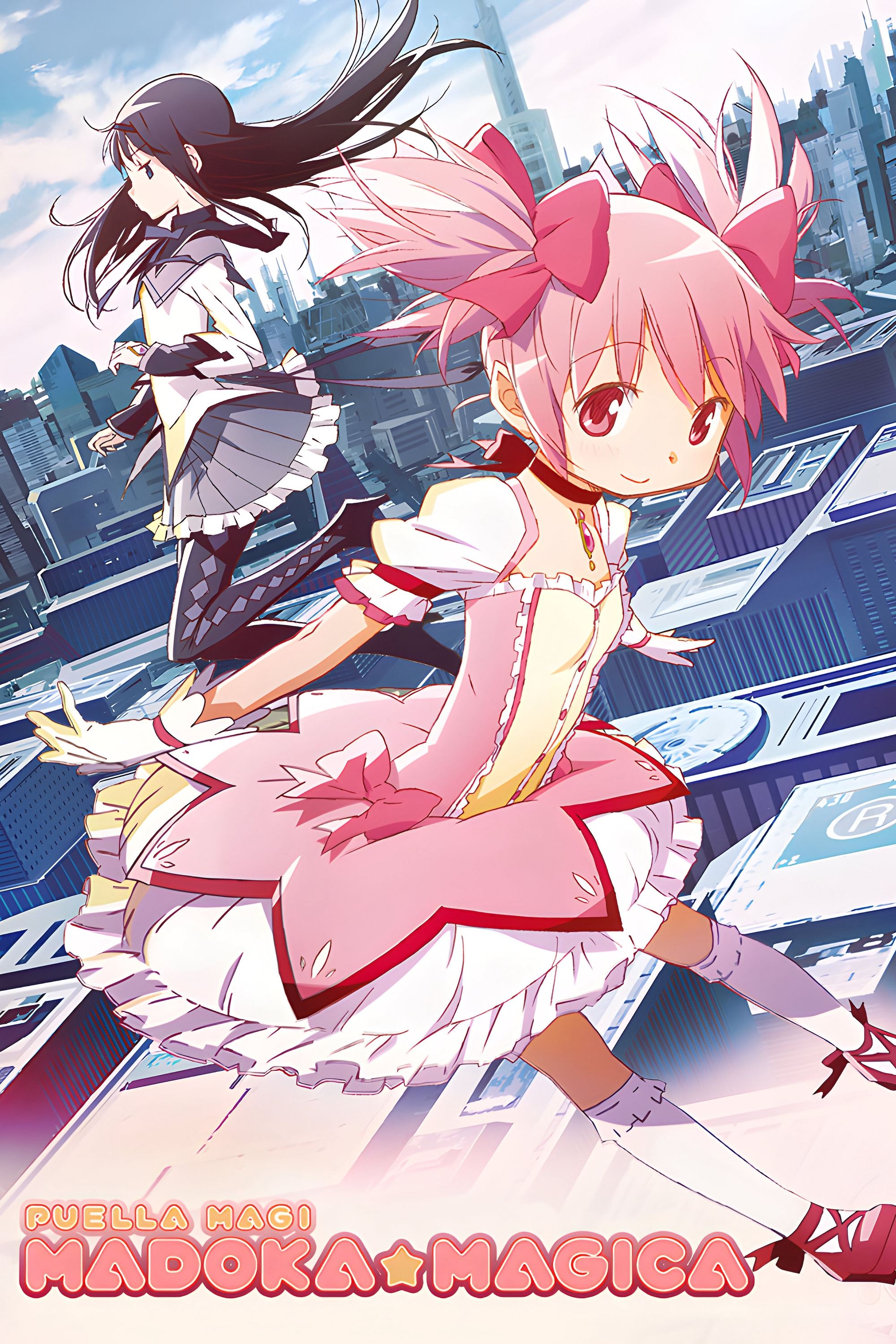
The series concludes by rewriting the rules around magical contracts and clarifying the cost behind each wish. The finale explains Kyubey’s system, Homura’s loop, and the implications for everyone who made a pact.
The art style and soundtrack carry symbolic motifs into the last episode without breaking continuity. Shaft coordinated the collage aesthetics and staging so the rules of the setting stay clear as they change.
‘Clannad: After Story’ (2008–2009)

The narrative closes Tomoya’s family arc by addressing generational choices and the link between the illusionary world and the main timeline. It resolves the path that began with school life and ends with a complete family story.
Consistent visual storytelling and recurring music cues help tie the two series together at the end. Kyoto Animation sustained character animation quality that keeps intimate scenes steady all the way through the closing chapter.
‘Fruits Basket’ (2019–2021)
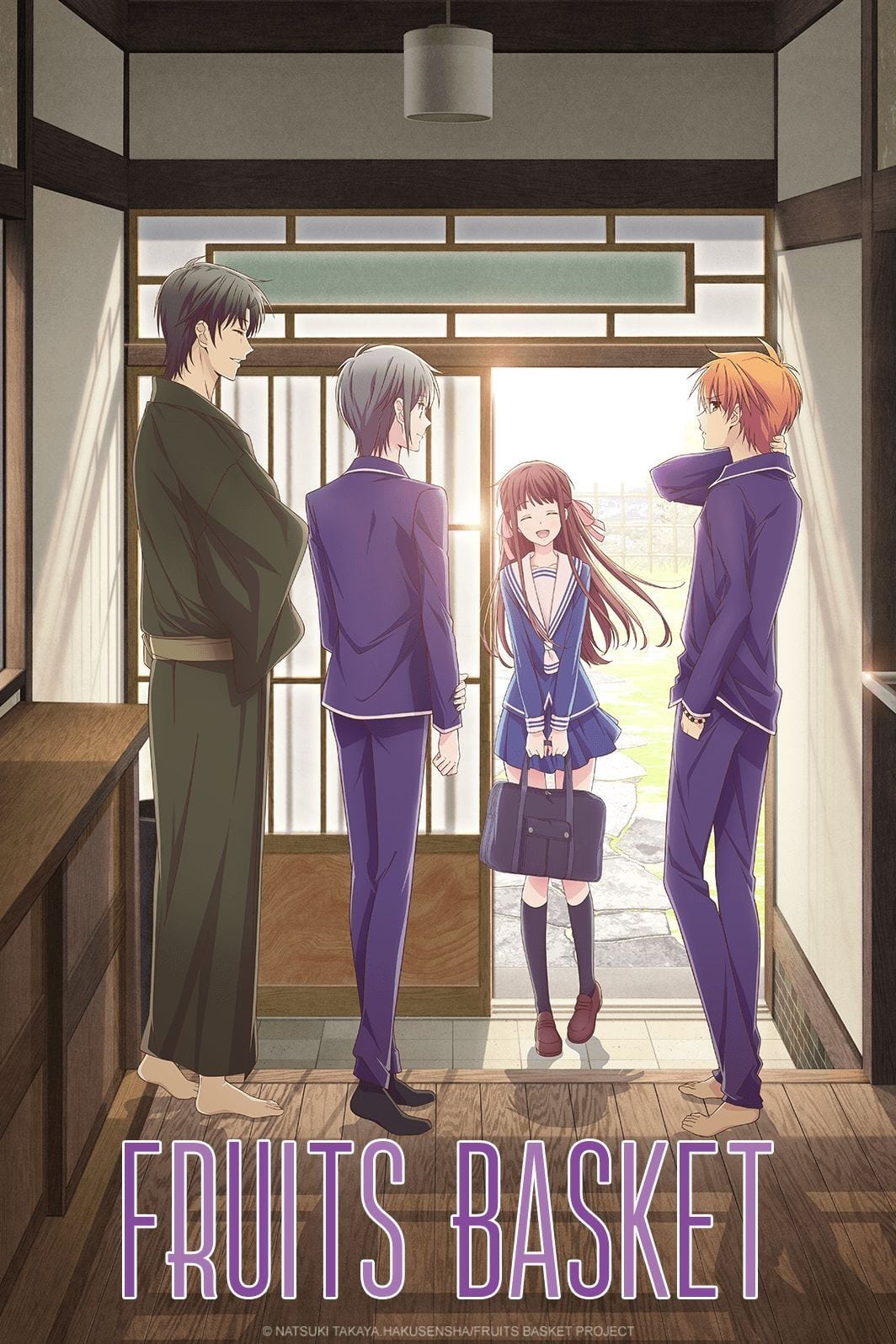
The story finishes the Soma family curse with a clear explanation of its origin and a careful resolution for each member. The final episodes connect Tohru’s role in the family with every earlier step of the healing process.
The complete adaptation follows the manga from start to finish without breaks in the closing season. TMS Entertainment kept designs and tone uniform across all three seasons so the last arc feels cohesive with the rest.
‘Mob Psycho 100’ (2016–2022)
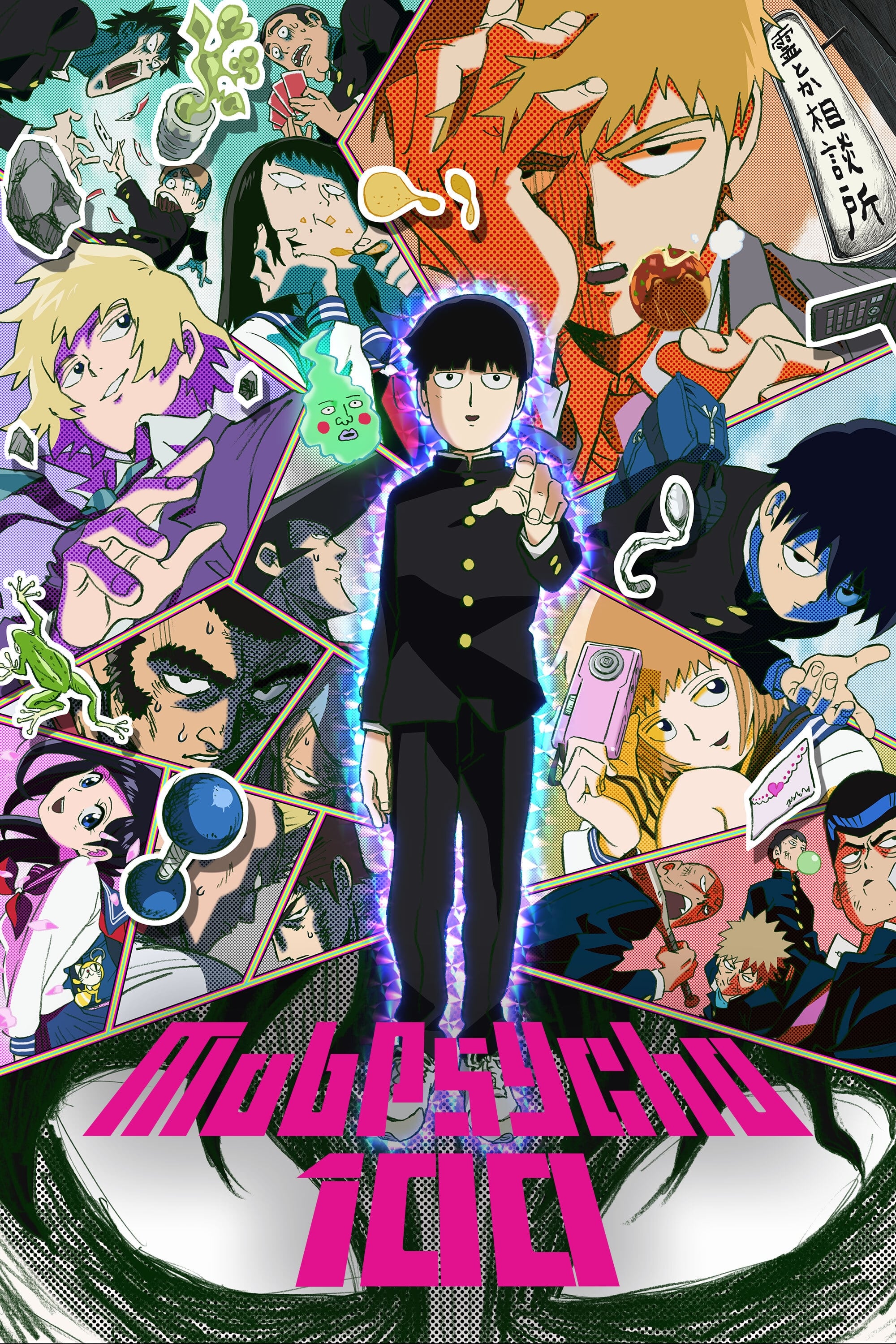
The series wraps up Mob’s internal struggle by uniting his identity with his abilities during the final incident in the city. It also brings supporting characters to sensible endpoints that reflect their growth across school years.
Visual set pieces remain readable in the closing episodes despite large scale action. Bones kept the hand drawn look intact from the start, which helps the final arc match the show’s established style.
‘Erased’ (2016)
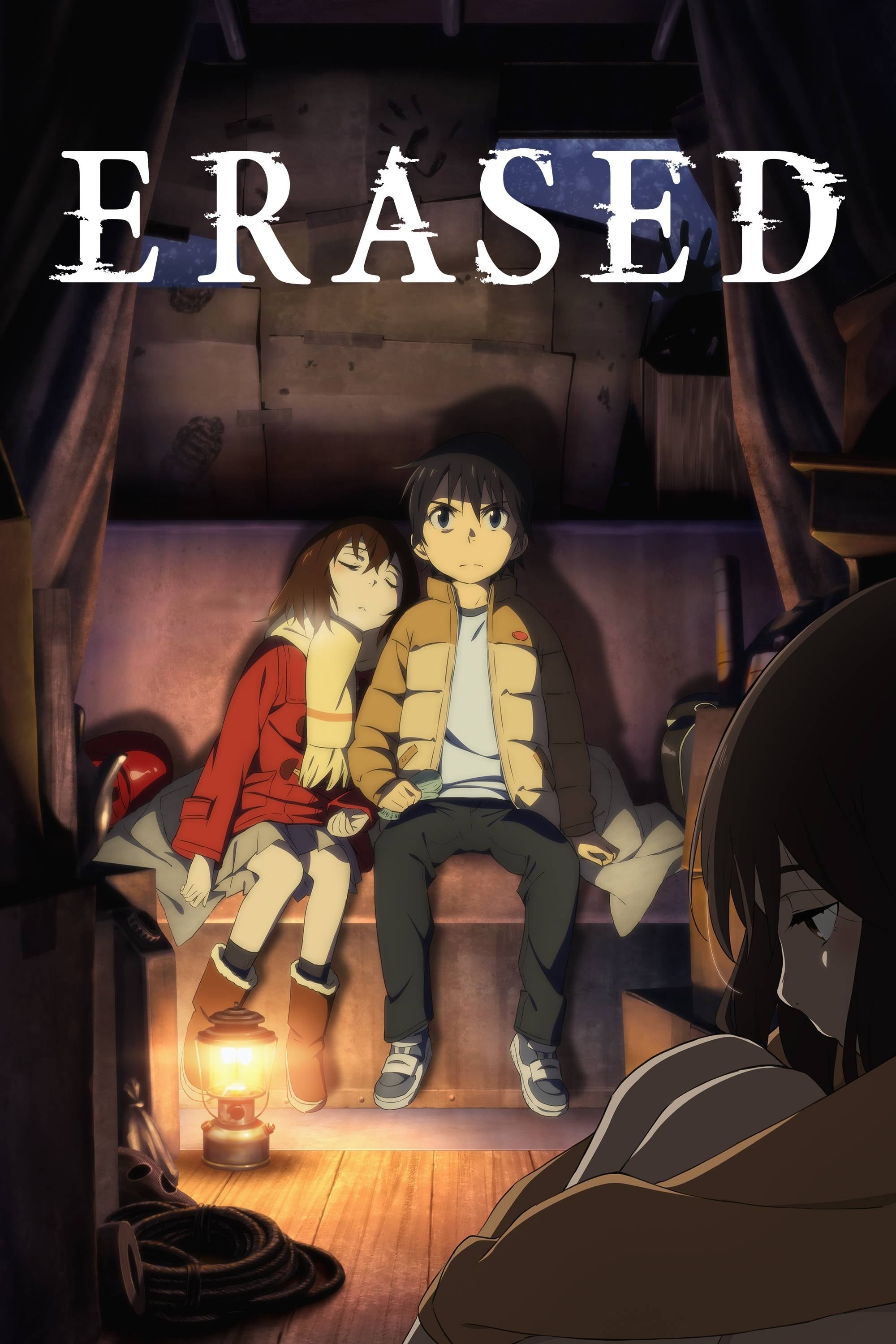
The ending resolves the kidnapping case and confirms the role of the real culprit, connecting events across two timelines. The final chapters close out Satoru’s personal and professional paths that started with the first disappearance.
The adaptation moves briskly through the case while covering all essential reveals in the last stretch. A-1 Pictures maintained a grounded visual style that supports the mystery structure through to the resolution.
‘Violet Evergarden’ (2018)
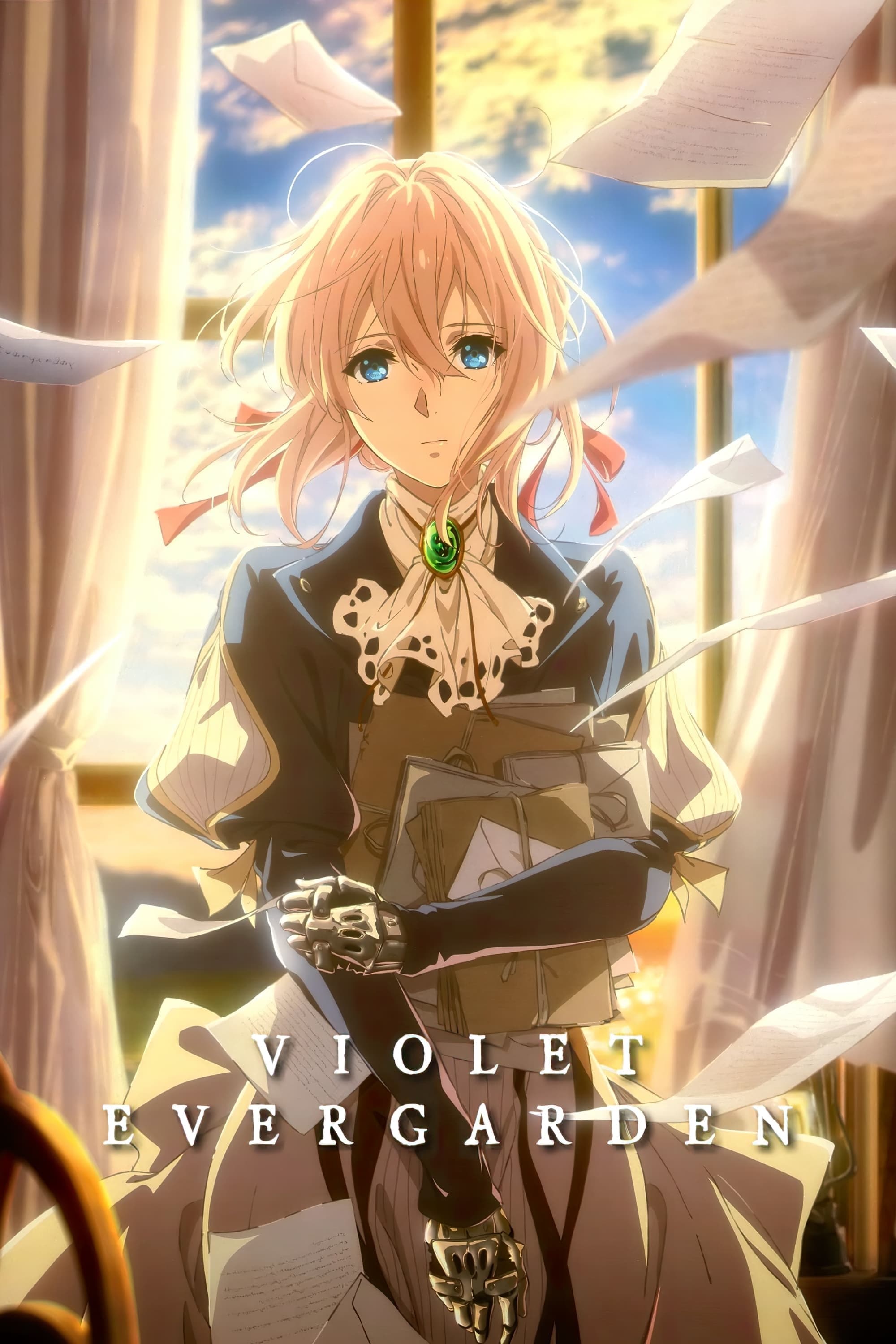
The series closes Violet’s journey from soldier to letter writer by linking her work to the people affected by the war. The final chapters bring together the skills she learned and the messages that guide her new life.
Production kept detailed character acting consistent in every episode. Kyoto Animation’s work with light and small gestures stays steady through the finale and gives the last scenes the same clarity as the early ones.
‘Paranoia Agent’ (2004)
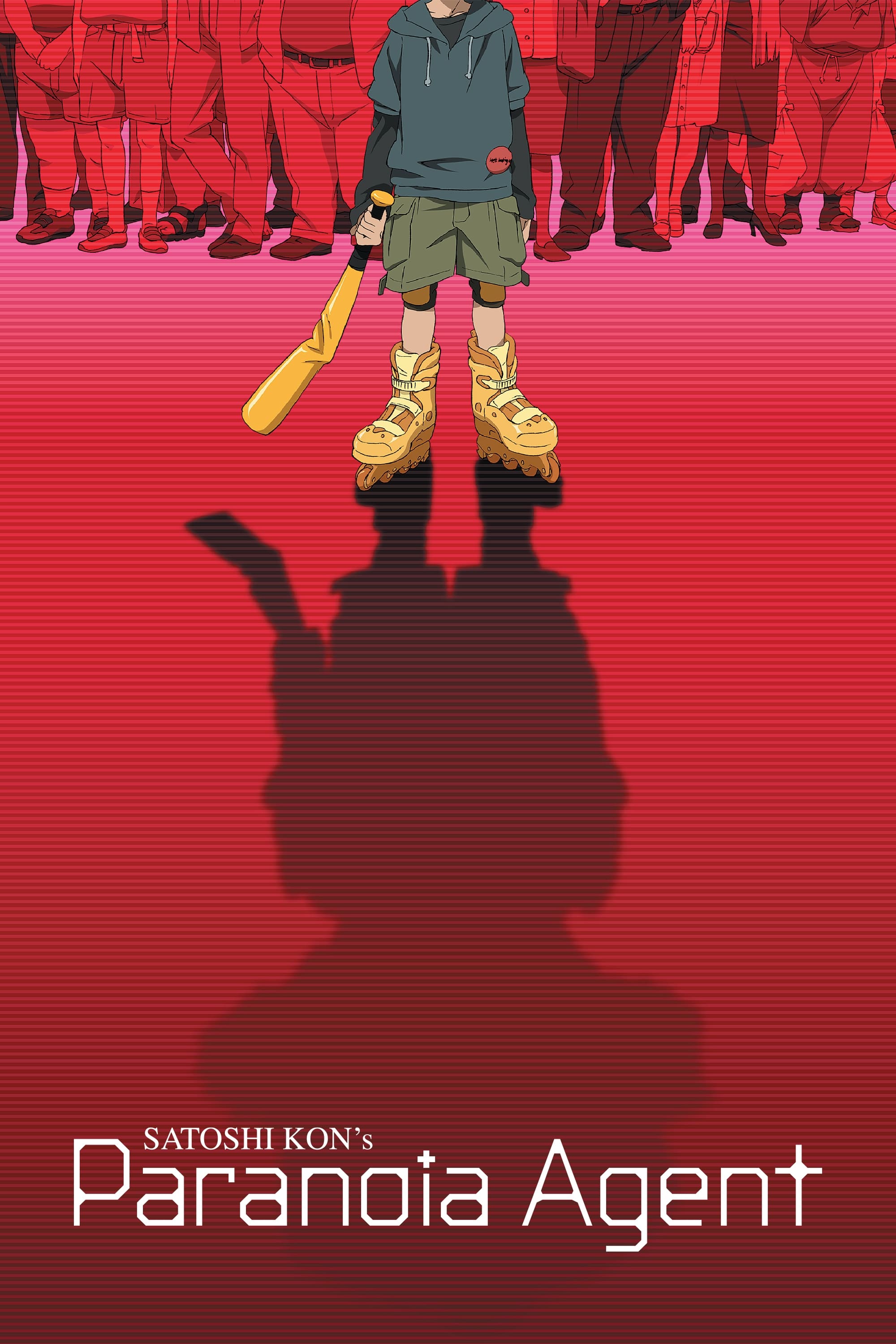
The conclusion gathers the scattered incidents around Lil’ Slugger into a single account that explains the spread of the rumor. The final episode clarifies how individual cases connect to the larger phenomenon in the city.
The series keeps a tight episodic structure that still feeds into the ending. Madhouse coordinated varied art approaches across chapters and aligned them in the final synthesis without breaking continuity.
‘Monster’ (2004–2005)

The final arc resolves the investigation into Johan with a clear outcome for the main case and the families linked to it. It revisits key locations and testimony so the truth emerges through established evidence rather than new twists.
The adaptation covers the entire manga with no major omissions in the last third. Madhouse sustained a subdued visual style and careful pacing that stays consistent through the final interview and aftermath.
‘Baccano!’ (2007–2008)
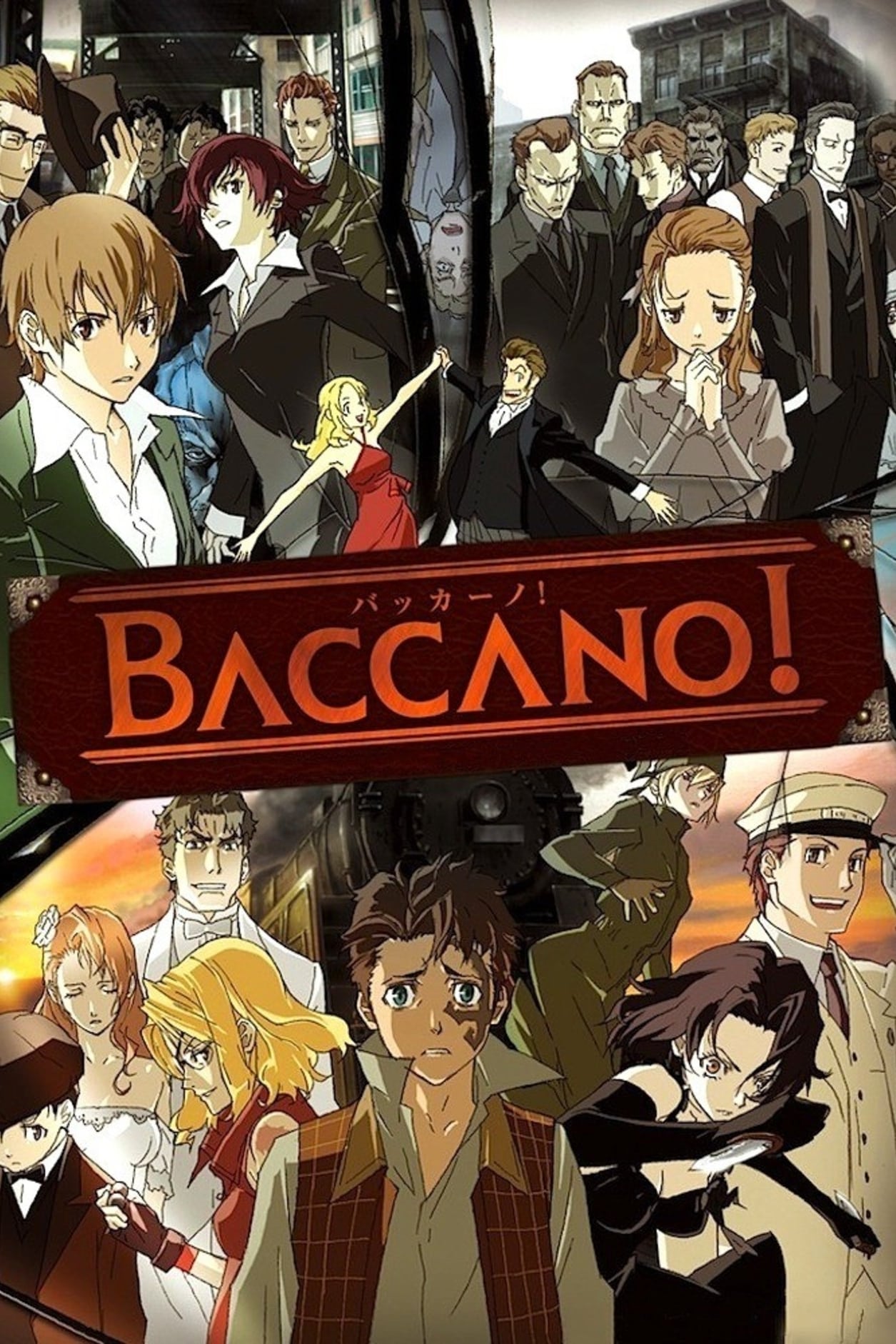
The series closes its non linear crime story by tying together the immortality thread and the fates of the core cast. The last episodes show how events on the train and in the city intersect so each mystery receives a proper answer.
Even with multiple timelines, the production keeps character designs and cues easy to track. Brain’s Base coordinated the extra episodes that wrap up character side stories so the whole run feels complete.
‘Ping Pong the Animation’ (2014)
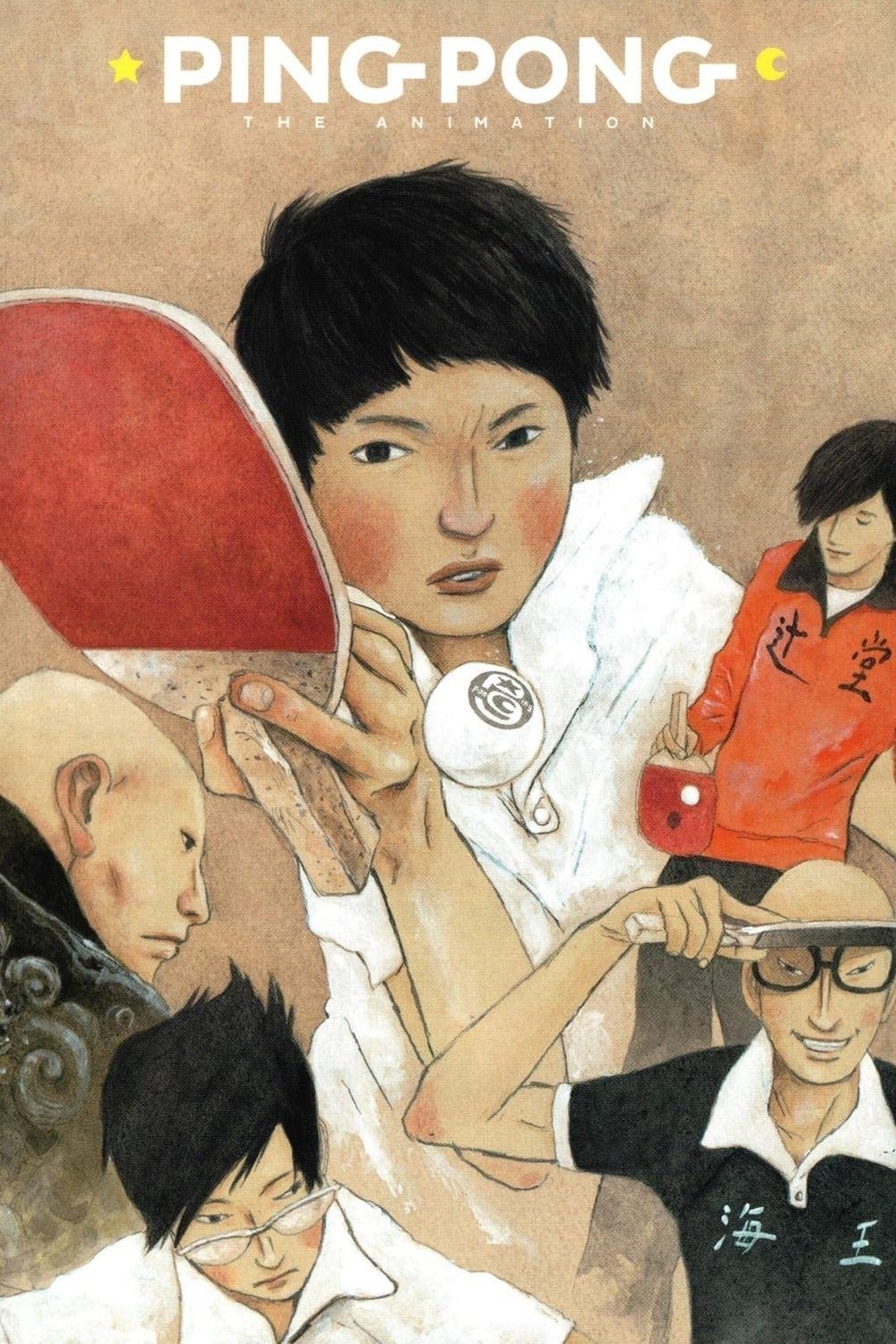
The finale resolves the rivalry by showing where both players’ paths lead after the tournament. It connects their childhood motivations to adult choices and makes the ending feel like a natural continuation of their training.
The series maintains a unified visual language that supports motion and character acting in the last match. Tatsunoko Production carried the director’s sketch like style across all episodes without sacrificing clarity in gameplay.
‘Planetes’ (2003–2004)
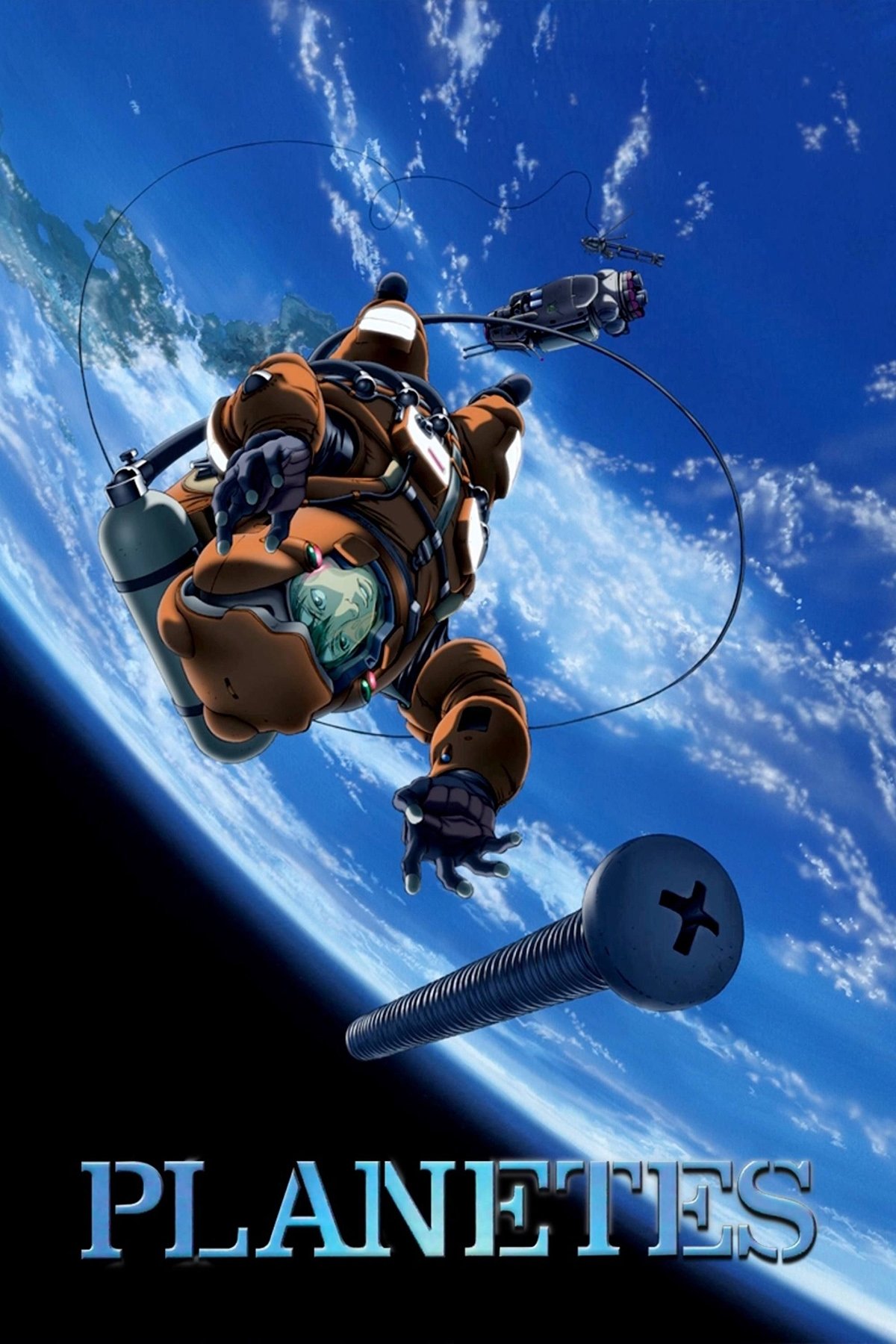
The story finishes the space debris team’s long mission with outcomes that address safety, corporate policy, and personal goals. The closing chapters revisit the risks of near Earth operations and draw clear lines between work and private life.
Attention to realistic procedures remains steady right to the end. Sunrise kept mechanical design and orbital detail consistent, which helps the final sequences align with earlier training and EVA scenes.
‘Angel Beats!’ (2010)
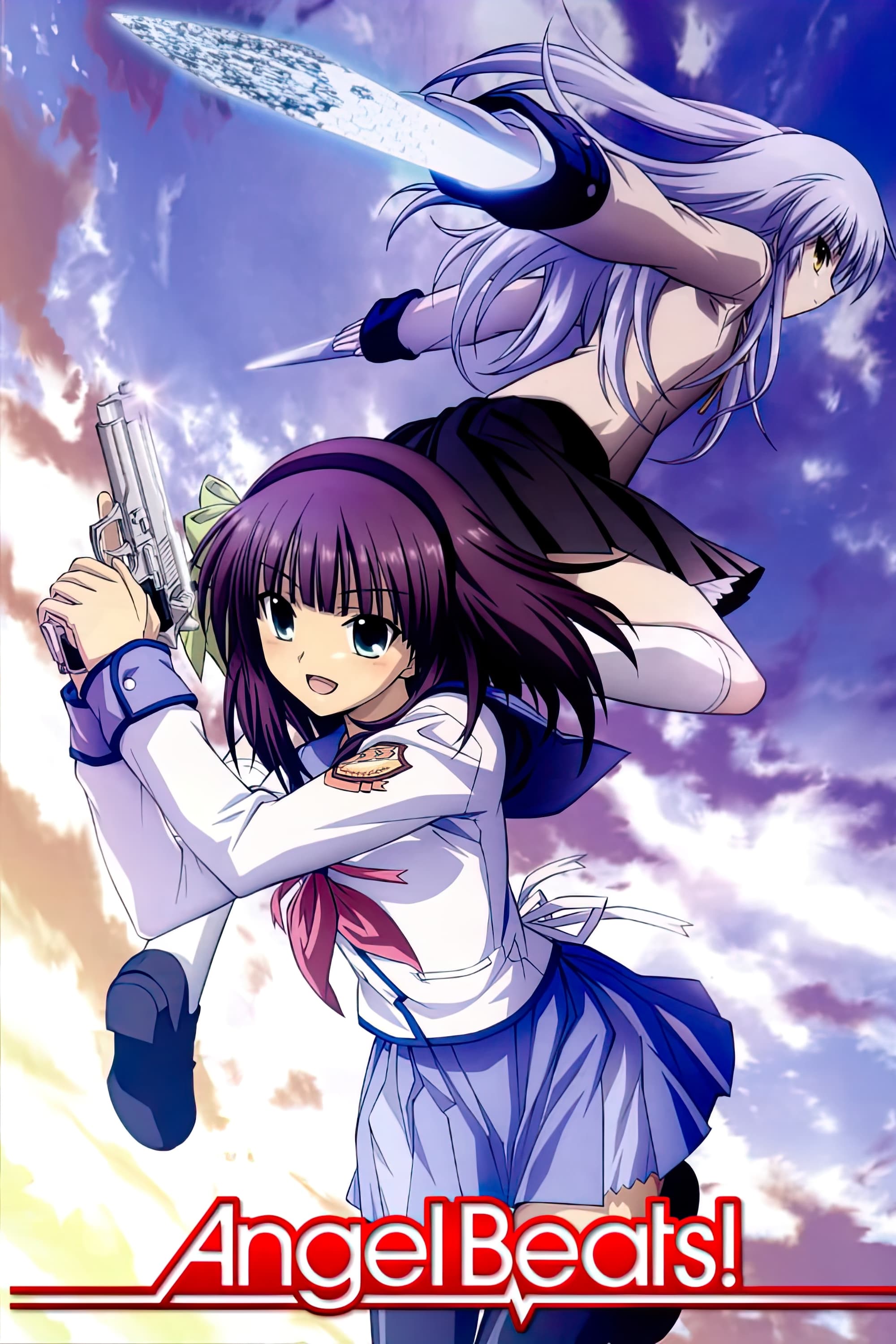
The ending clarifies the purpose of the after school setting and shows how each character finds release from unfinished business. The series closes with a farewell that confirms the rules of the world and what comes next for the group.
Production balances concert scenes, comedy segments, and emotional payoffs without shifting tone in the finale. P.A.Works coordinated music cues and character animation so the closing moments match the flow of earlier episodes.
‘From the New World’ (2012–2013)
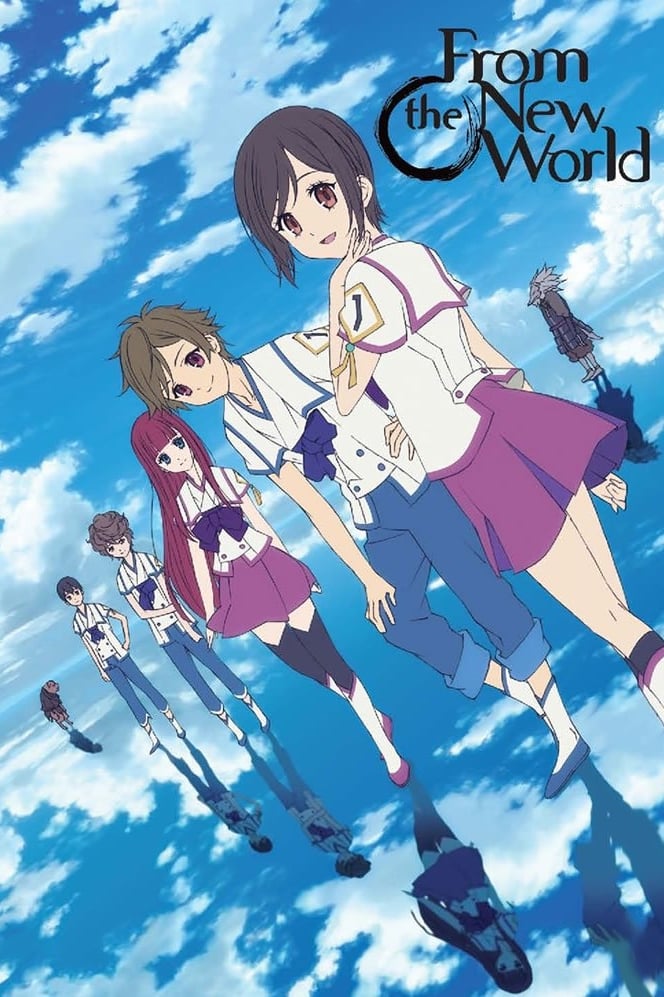
The final arc reveals the full history of humanity in this setting and explains how society preserved order. The resolution addresses the fate of the so called fiends and karma demons and how the main cast responds to that knowledge.
The adaptation preserves the novel’s structure with time skips that lead to the clear ending. A-1 Pictures kept the atmosphere consistent across the different ages so the last episodes connect smoothly with the early ones.
‘Devilman Crybaby’ (2018)
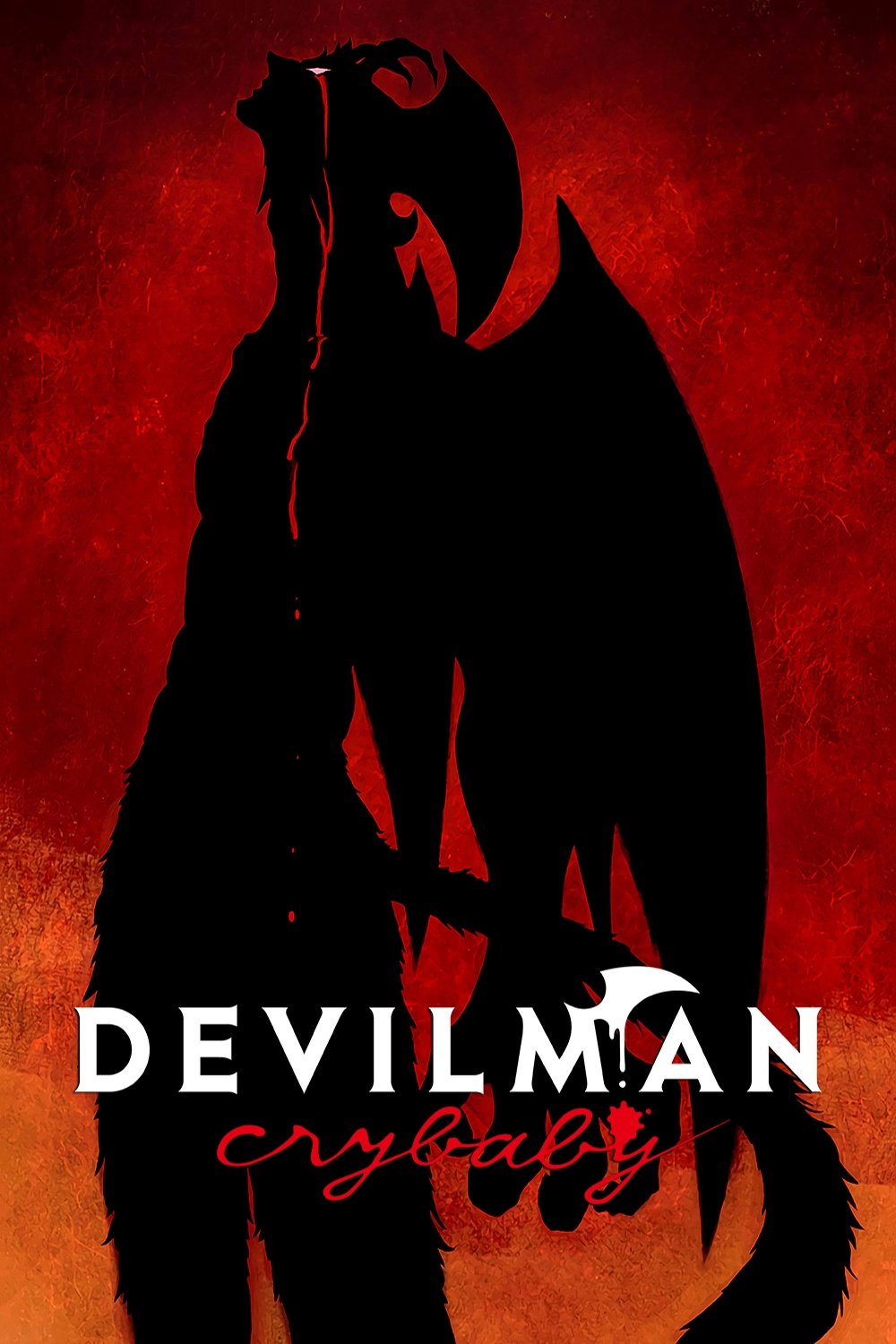
The conclusion shows the final outcome of the conflict between demons and humans while honoring the original storyline’s structure. It ties Akira and Ryo’s relationship to the fate of the world and closes with an unambiguous result.
The production keeps a fast pace without losing visual coherence in large scale scenes. Science SARU’s animation approach remains consistent in the last episode, which keeps action and mood aligned with earlier chapters.
‘Inuyasha: The Final Act’ (2009–2010)

This continuation completes the search for the Shikon Jewel shards and ends the struggle with Naraku. It wraps up relationships established in the original run and brings each traveling companion to a settled place.
The series moves quickly to adapt the remaining manga material while keeping key battles intact. Sunrise returned to finish the story and maintained continuity in designs and music across the concluding episodes.
‘Kaguya-sama: Love Is War’ (2019–2022)

The television run leads into a conclusive confession arc that addresses the long standing standoff between the leads. It resolves student council dynamics and shows where each member is headed after the school events that set everything up.
Character comedy stays consistent while the final chapters bring plot threads together in a clean timeline. A-1 Pictures handled the series from the start and kept visual gags and timing steady through the end.
‘Kill la Kill’ (2013–2014)
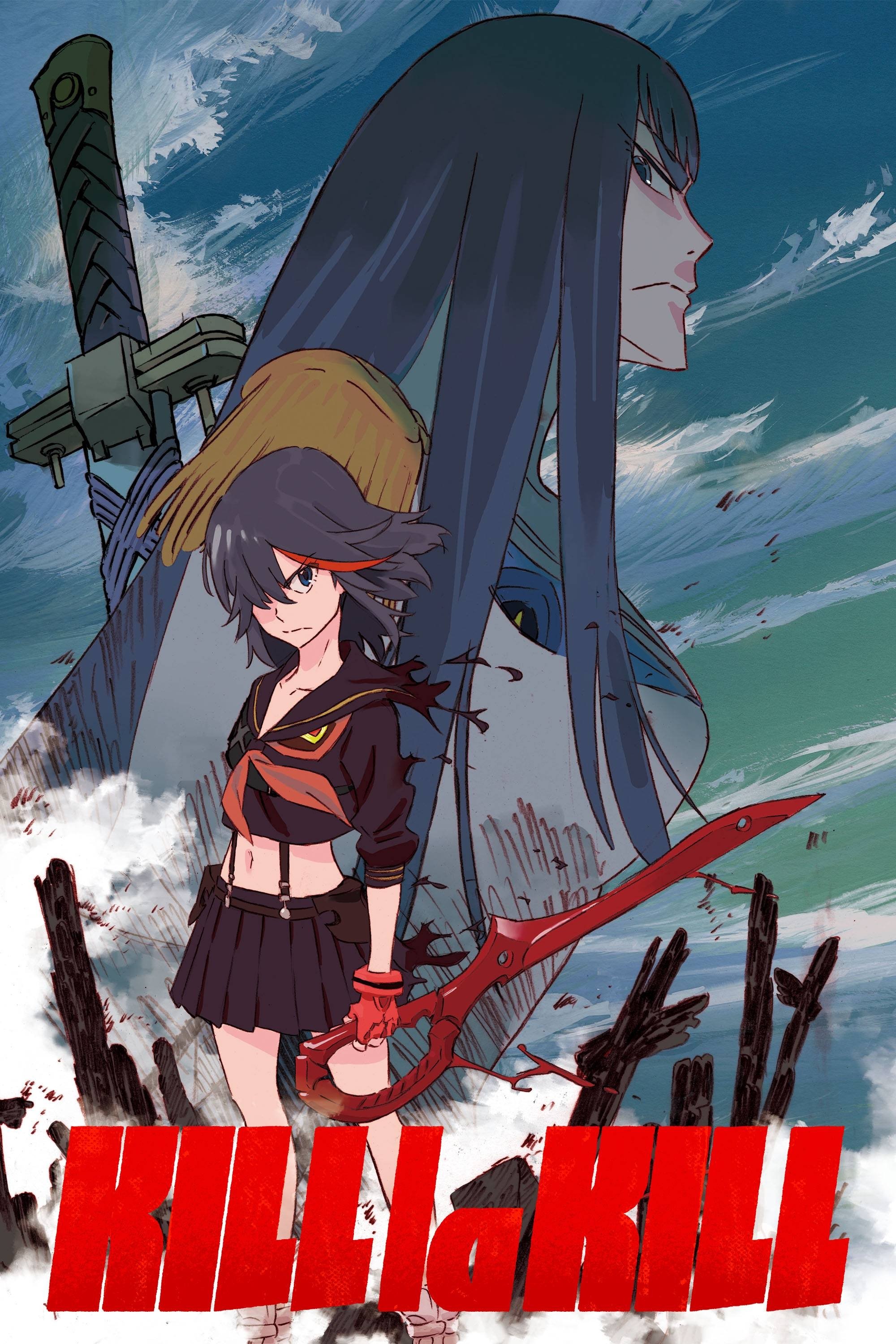
The finale answers the questions around life fibers and the origin of the academy’s uniforms while concluding the family conflict that drove the plot. It delivers outcomes for the student council and the resistance that match the groundwork laid early on.
The production maintains clear action geography in its biggest scenes at the end. Trigger kept the character designs expressive and readable so the final episodes line up with the show’s earlier battles.
‘Terror in Resonance’ (2014)
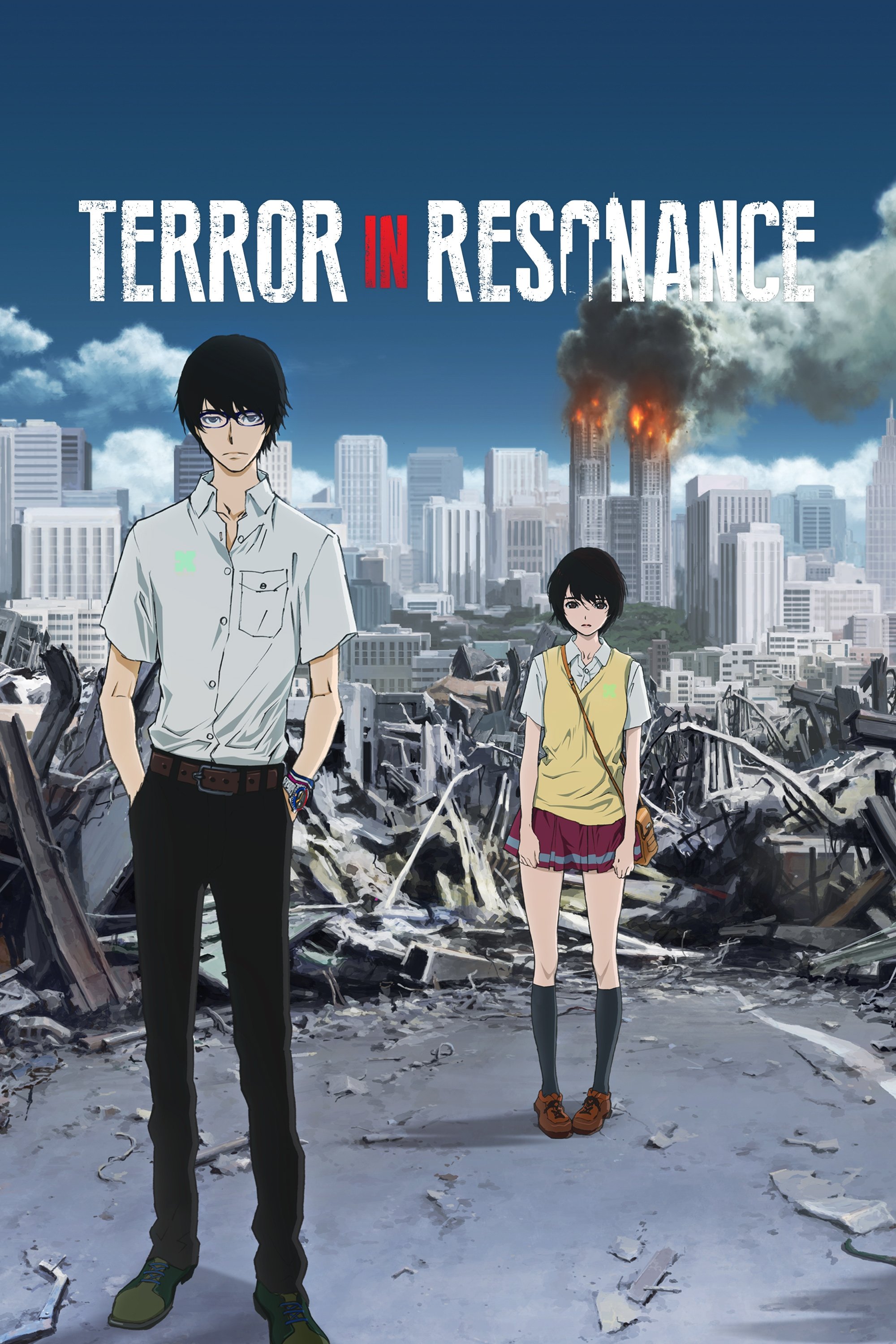
The story ends with the resolution of the investigation and reveals the full truth behind the two boys’ past. It clarifies the purpose of their message to Tokyo and the cost of exposing the program that shaped them.
The limited run format lets the plot finish without filler or side arcs crowding the last stretch. MAPPA kept a consistent tone and soundscape that supports the final reveal and the closing scene.
Share your picks for shows that nailed their endings in the comments and let everyone know which finales worked best for you.