Best Completed Anime You Should Start Watching Immediately


There is something satisfying about picking up an anime that is already complete. You can settle in, follow the story at your own pace, and know you will reach a real ending. This list focuses on finished series from different genres, lengths, and eras so you can choose what fits your mood right now and keep watching without waiting for new episodes.
Each entry includes a quick sense of what the show covers, how it is structured, and how much time you will need to finish it. You will also notice the studios behind these titles mentioned in passing, since the teams that created them help explain the tone, polish, and production choices you will see on screen.
‘Fullmetal Alchemist: Brotherhood’ (2009–2010)
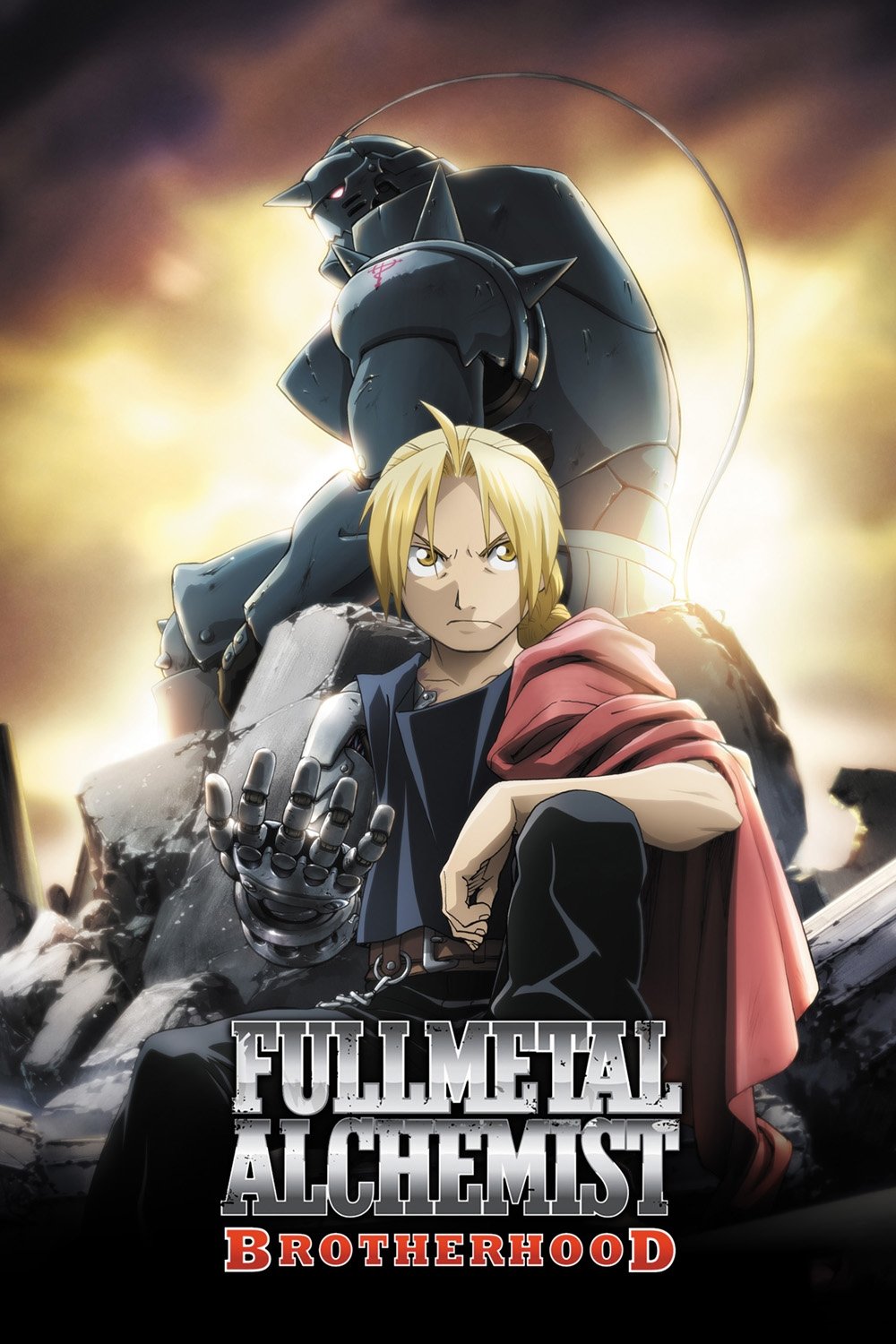
The series follows Edward and Alphonse Elric as they travel a militarized country in search of a way to restore their bodies after a failed transmutation. It adapts the entire manga storyline with clear arcs that move from small town investigations to national level conspiracies and a conclusive final battle.
Production ran for 64 episodes with consistent animation quality and sharp choreography. The adaptation was handled by Bones, whose approach kept the pacing brisk and the action readable across the full run.
‘Death Note’ (2006–2007)
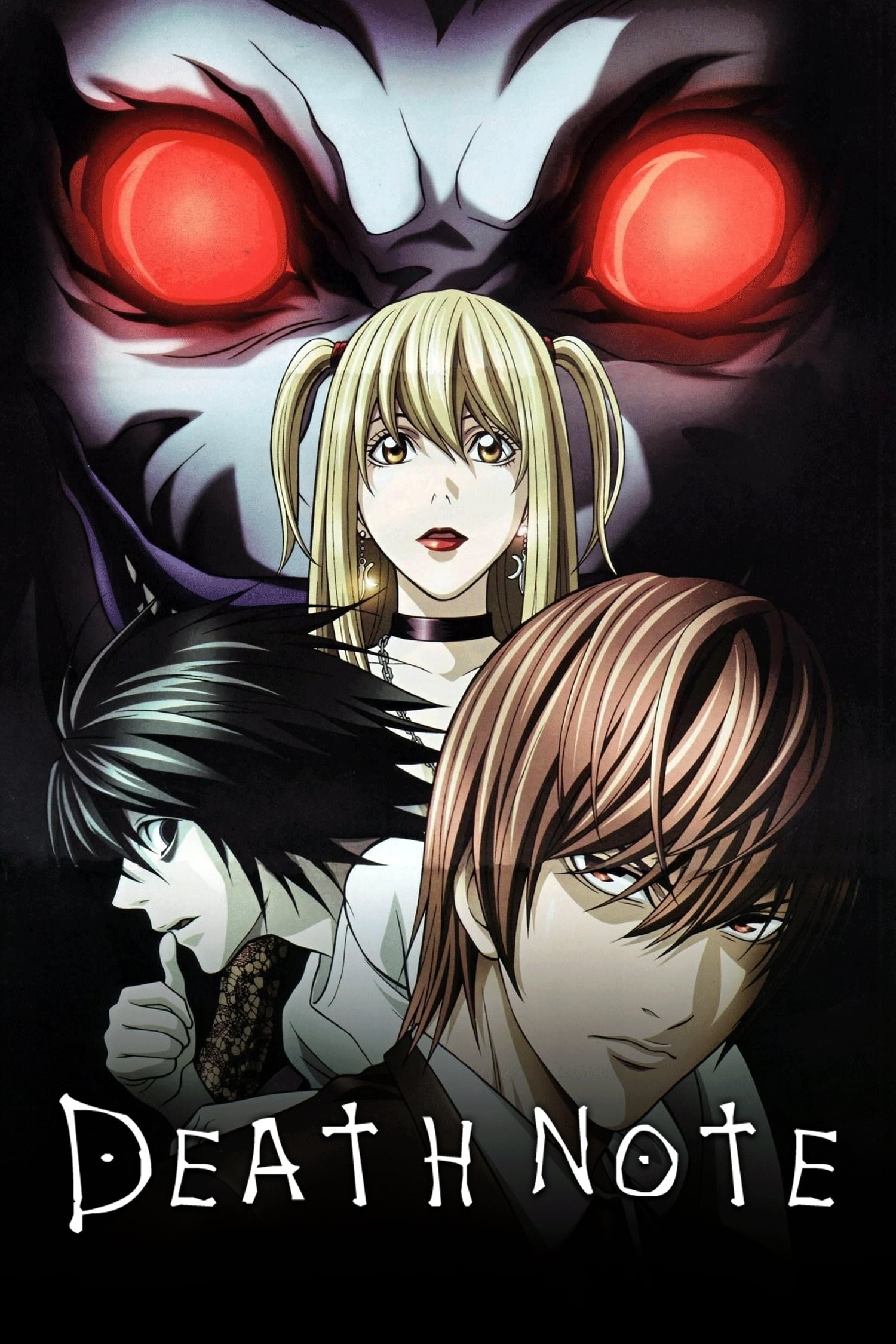
A gifted student discovers a notebook that can kill anyone whose name is written in it and begins a cat and mouse game with an unorthodox detective. The plot is structured in distinct phases that shift locations and strategies while keeping the central duel in focus.
The show runs 37 episodes, which makes it manageable over a week or two of viewing. Madhouse produced the series, bringing a clean visual style and careful storyboarding to the tense dialogue heavy scenes.
‘Steins;Gate’ (2011)
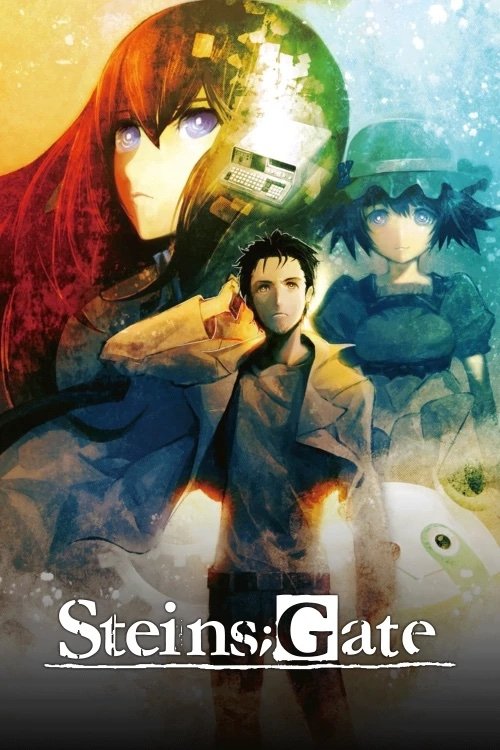
A small group of friends in Akihabara stumbles into time travel through modified electronics and must contend with ripple effects on their lives. The narrative uses a slow build that pays off with tightly connected reveals, branching timelines, and a closed loop resolution.
There are 24 main episodes plus an epilogue that ties off character threads. White Fox handled production and maintained continuity in visual motifs and UI elements that support the science fiction premise.
‘Cowboy Bebop’ (1998–1999)
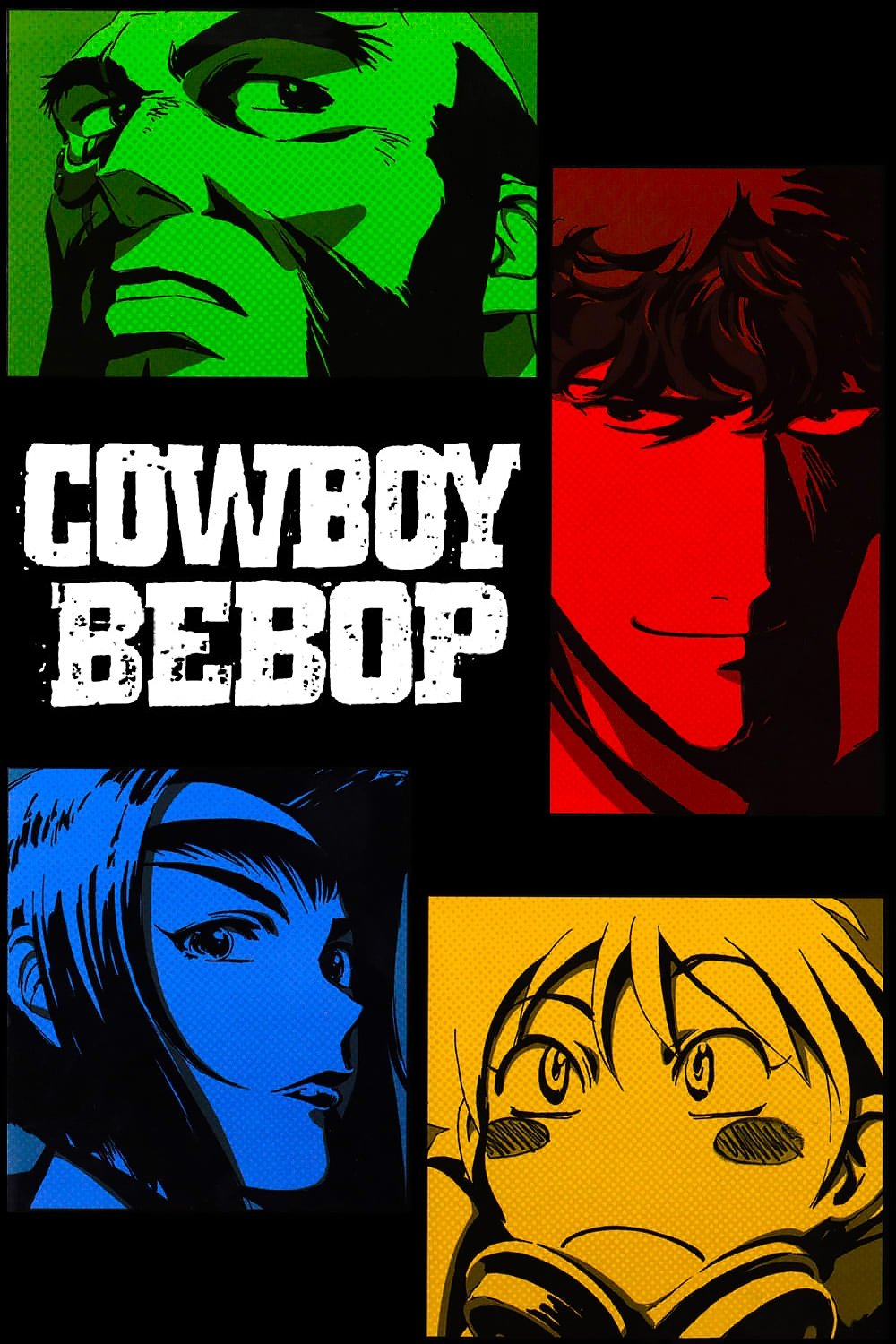
A crew of bounty hunters drifts through space taking jobs that rarely go as planned, while their captain is drawn toward unresolved history. Episodes mix stand alone stories with a throughline that culminates in a definitive final act.
With 26 episodes, the commitment is compact and easy to schedule. Sunrise produced the series, matching stylish direction with crisp action layouts and memorable spacecraft designs.
‘Neon Genesis Evangelion’ (1995–1996)
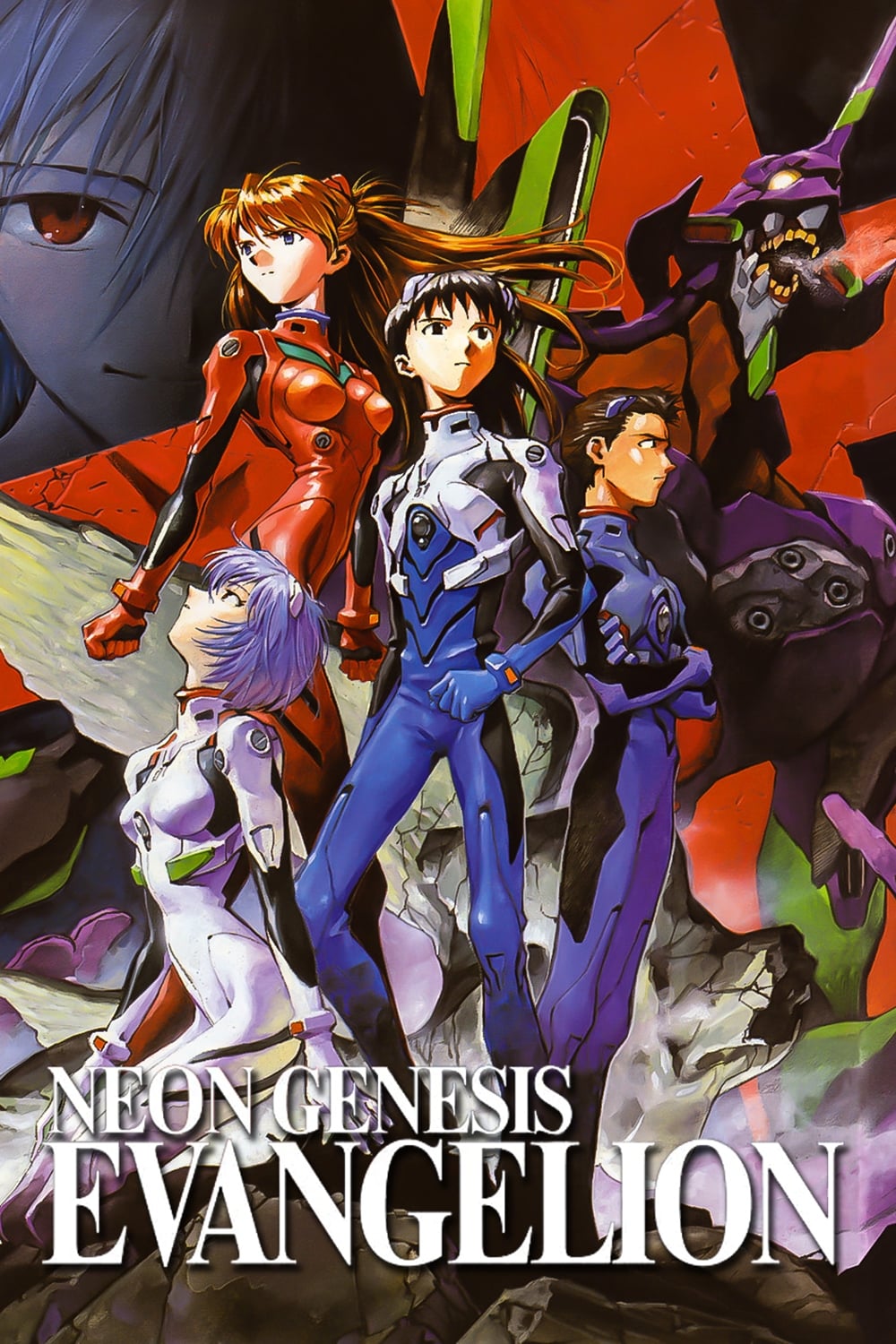
Teen pilots operate biomechanical weapons to defend a city from mysterious threats while an organization hides layered agendas. The show moves from monster of the week battles into character centric episodes that examine motives and trauma, then closes with an ending that has an accompanying feature for context.
There are 26 episodes in the television run, followed by a companion film that concludes the narrative. Gainax led the production with experimental editing choices and bold design work that shaped the presentation.
‘Code Geass: Lelouch of the Rebellion’ (2006–2008)
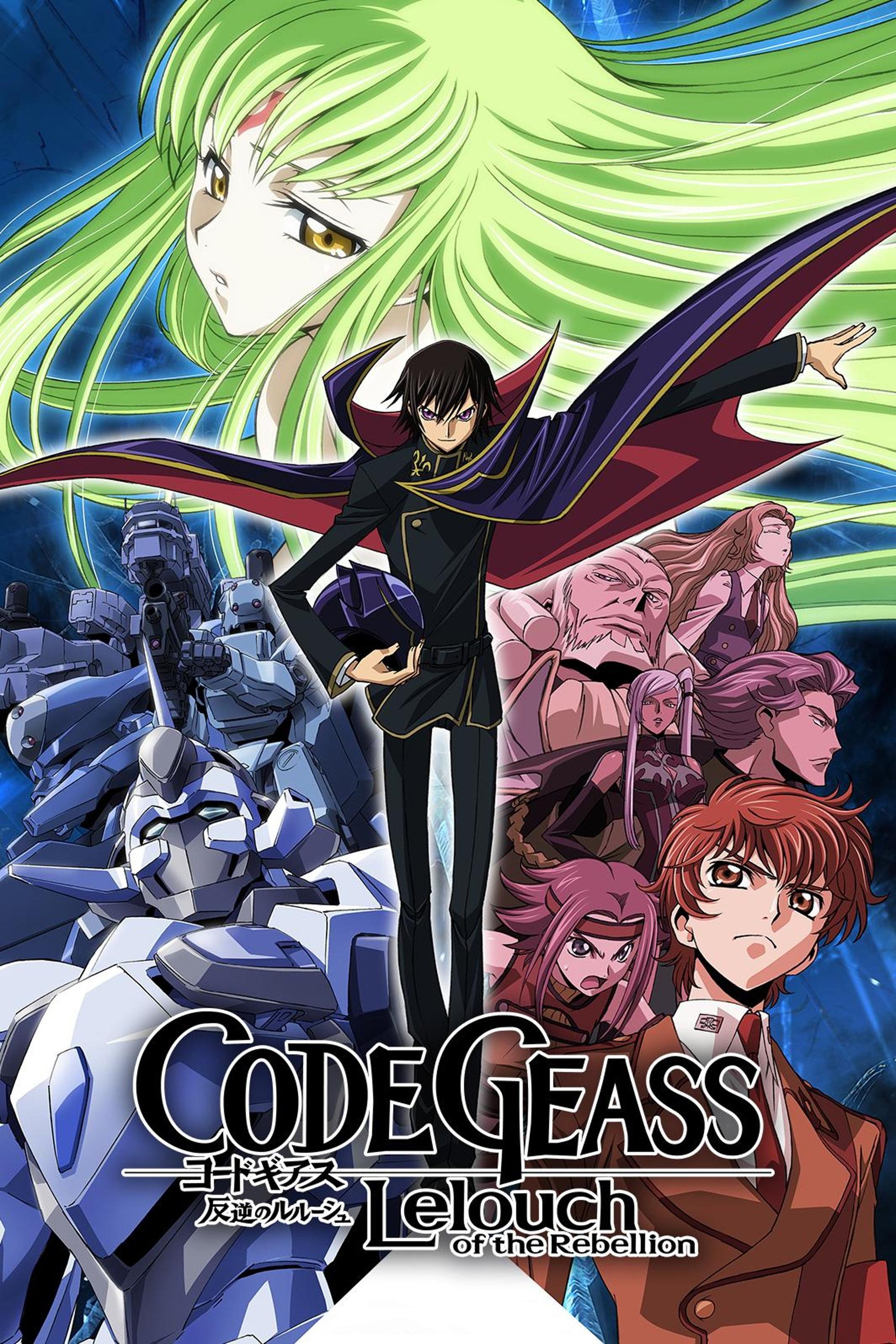
An exiled prince gains a power that compels obedience and uses it to challenge an imperial regime through masked identity and chess like tactics. The story is delivered across two seasons that escalate from school and city skirmishes to worldwide conflict and a defined ending.
The series totals 50 episodes split evenly, with mecha battles that evolve alongside political shifts. Sunrise produced the show and kept the mechanical animation and large scale set pieces consistent across both parts.
‘Monster’ (2004–2005)

A surgeon chooses to save a child over a public figure and later discovers the boy has grown into a dangerous manipulator. The plot unfolds as a European trek through hospitals, small towns, and hidden communities, with each stop revealing more about the central mystery.
It spans 74 episodes, giving room for side stories that feed back into the main pursuit. Madhouse handled production and supported the grounded tone with restrained character designs and location detail.
‘Gurren Lagann’ (2007)
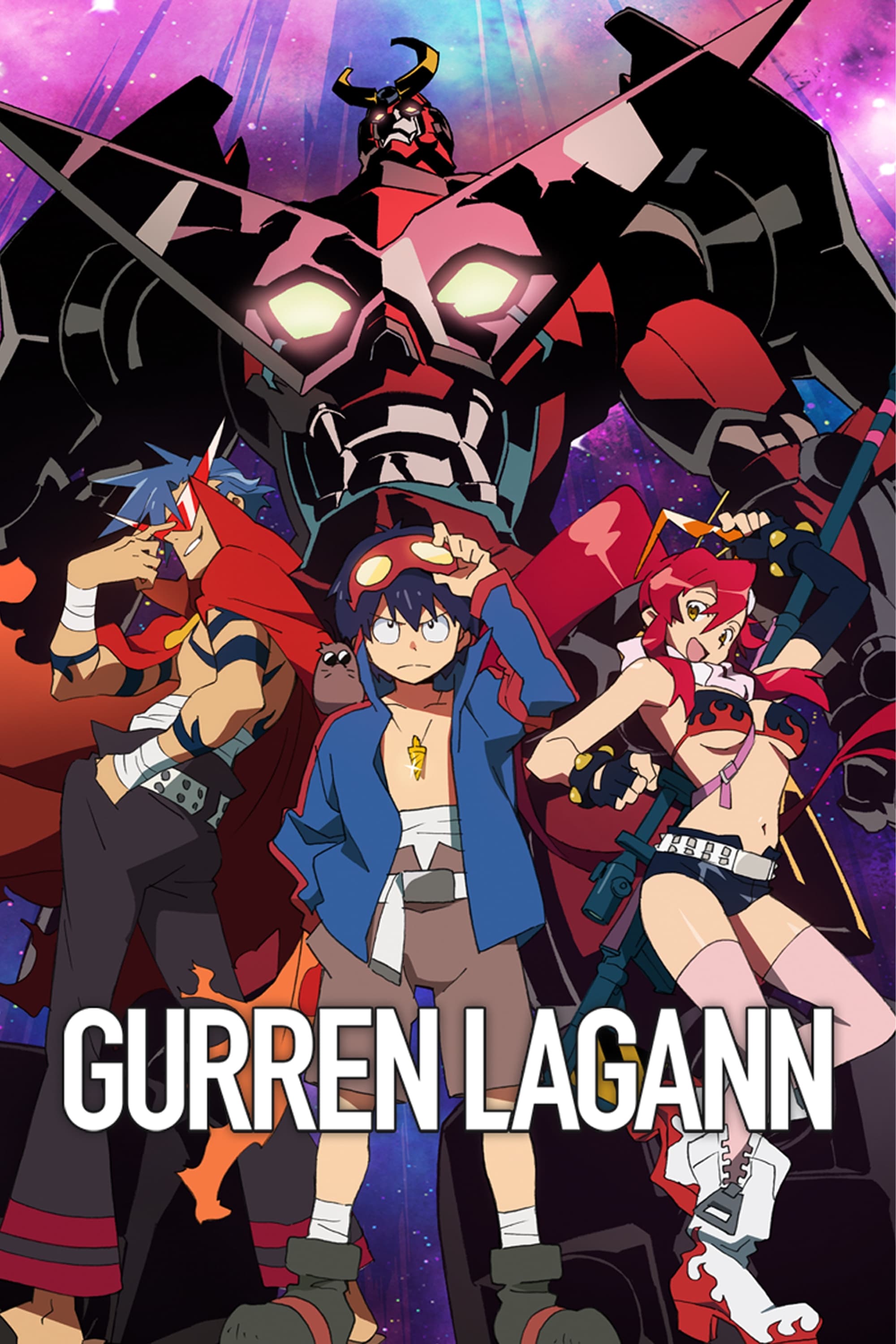
Two young diggers break to the surface of a world ruled by tyrants and push forward through increasingly large scale battles. The narrative is split into distinct halves that track growth from local rebellion to interstellar stakes and finishes with a clear resolution.
The run is 27 episodes, which keeps the pace fast while allowing character arcs to land. Gainax produced the series, bringing energetic cuts and bold color choices to each set piece.
‘Samurai Champloo’ (2004–2005)
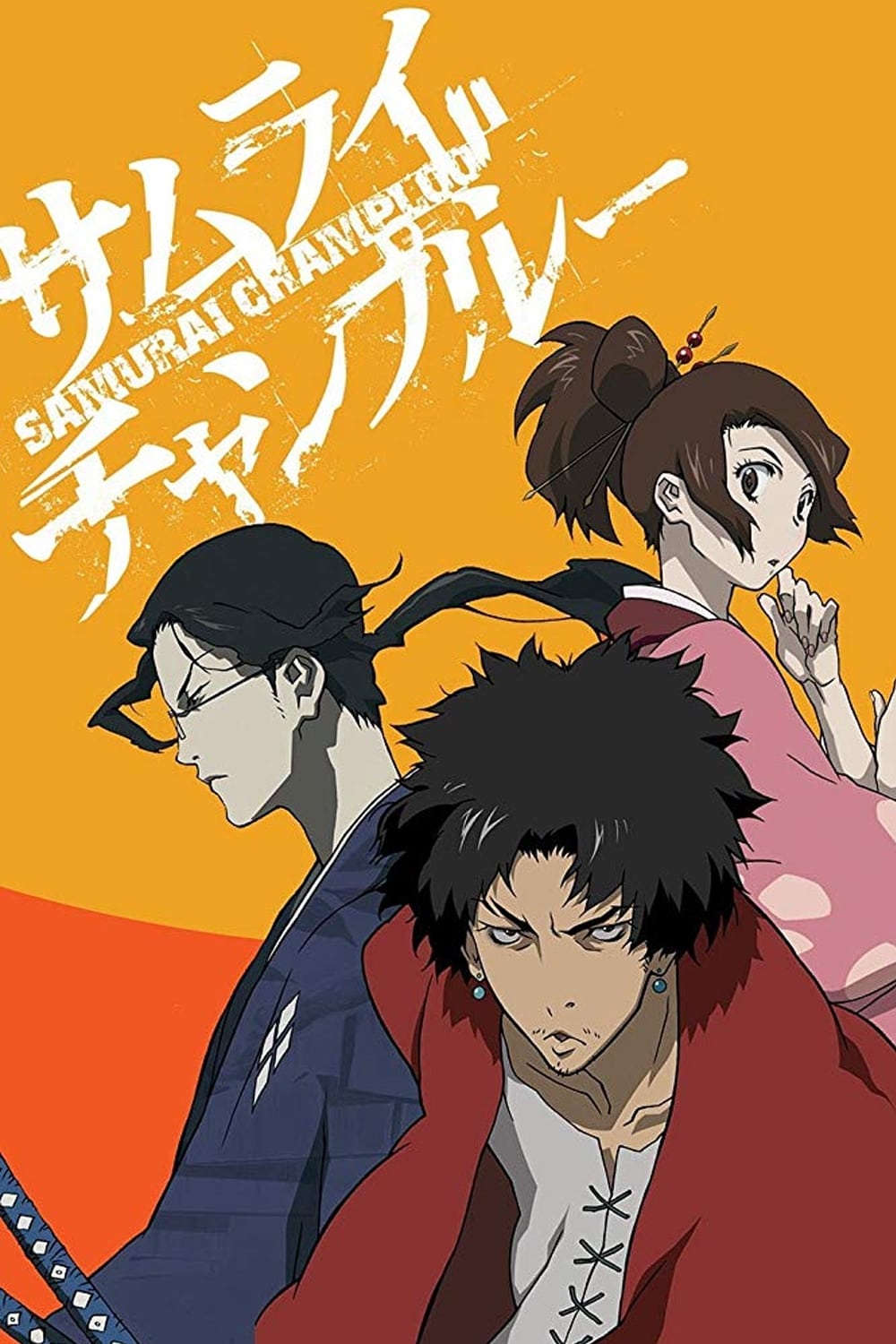
A waitress recruits two fighters to help her search for a person from her past, and the trio crosses Edo era Japan while meeting many subcultures. The show balances episodic adventures with a final stretch that resolves the main quest.
It includes 26 episodes with varied settings and guest characters. Manglobe produced the series and mixed period detail with modern music influences to create its signature rhythm.
‘Paranoia Agent’ (2004)
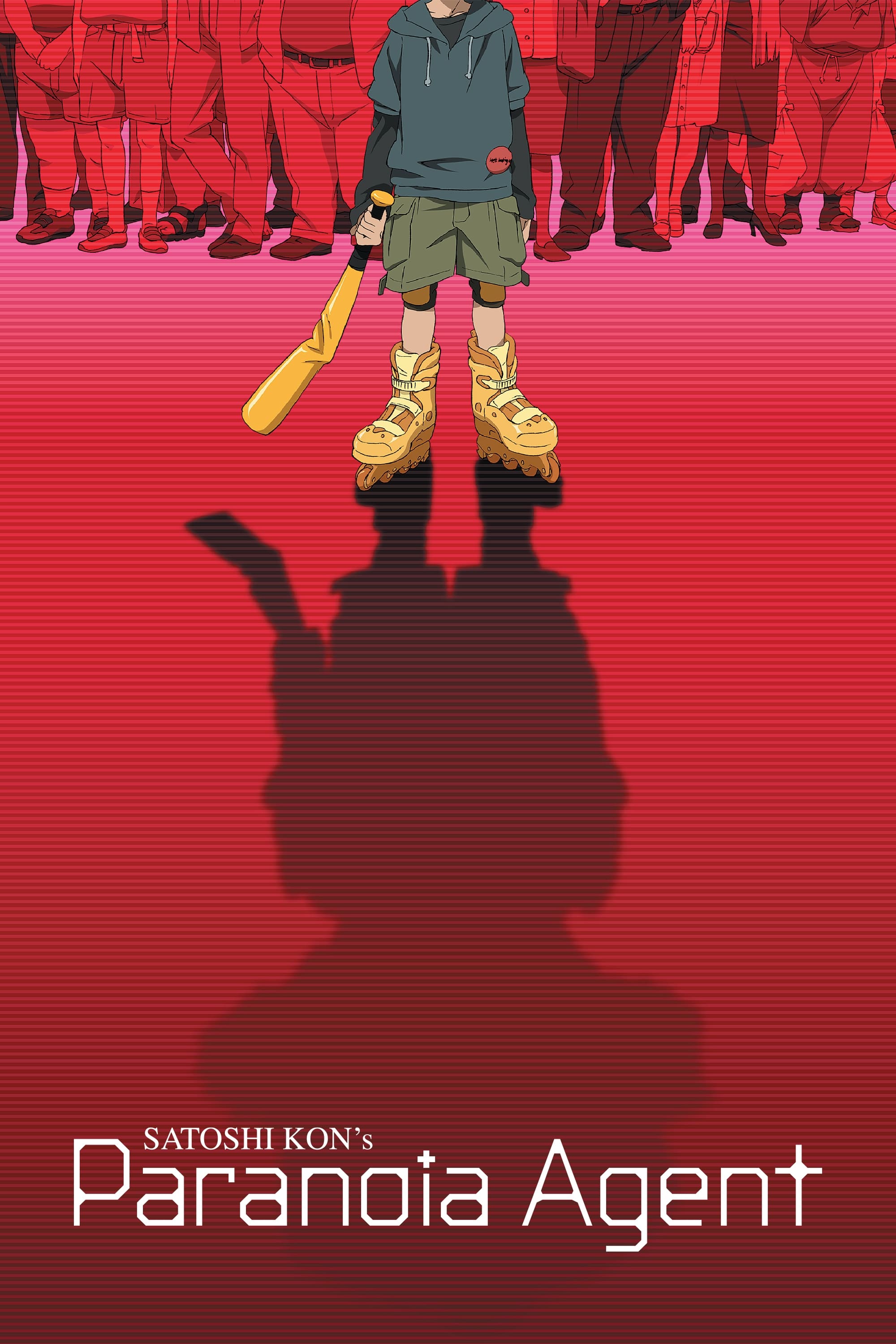
A mysterious assailant appears around Tokyo and the cases build into a study of rumor, pressure, and collective anxiety. The structure links standalone perspectives into a mosaic that circles back to the origin and provides closure.
There are 13 episodes, so it fits a weekend watch. Madhouse produced the show and used inventive transitions and recurring symbols to connect the anthology like format.
‘Erased’ (2016)
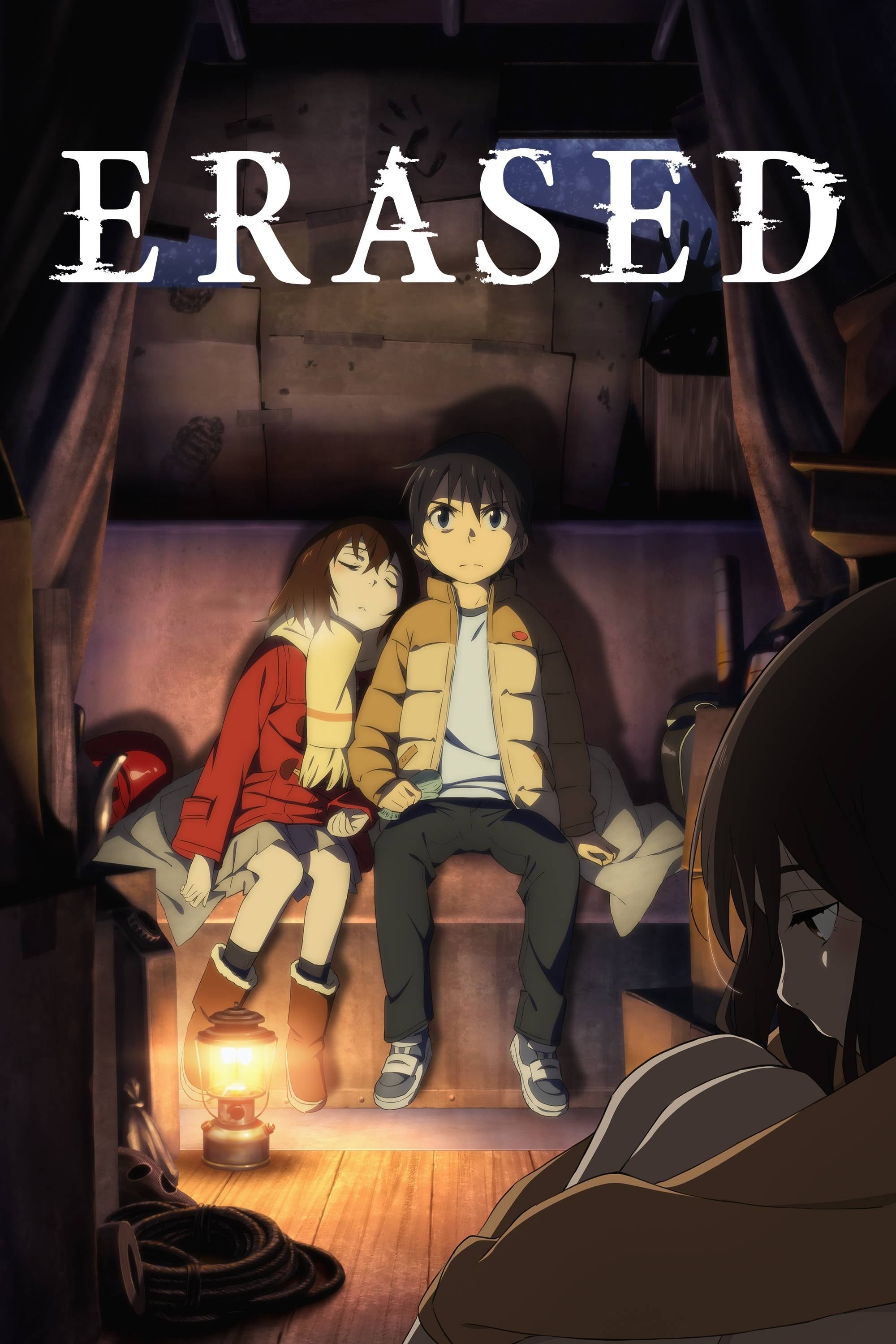
A delivery worker experiences time slips that let him prevent accidents, then faces a larger case that pulls him back to childhood. The story alternates between present and past while moving toward a tight conclusion.
It runs 12 episodes, which suits a short binge without filler. A-1 Pictures produced the series with careful location layouts that mirror the shifting timelines.
‘Anohana: The Flower We Saw That Day’ (2011)

A group of friends drifts apart after a tragedy and reunites when one of them starts seeing a figure from their past. The narrative follows a summer of attempts to face guilt and fulfill an unfinished wish, and it ends with a clear emotional resolution.
There are 11 episodes that focus on the core cast. A-1 Pictures produced the series and kept the character animation subtle to match the grounded setting.
‘Toradora!’ (2008–2009)
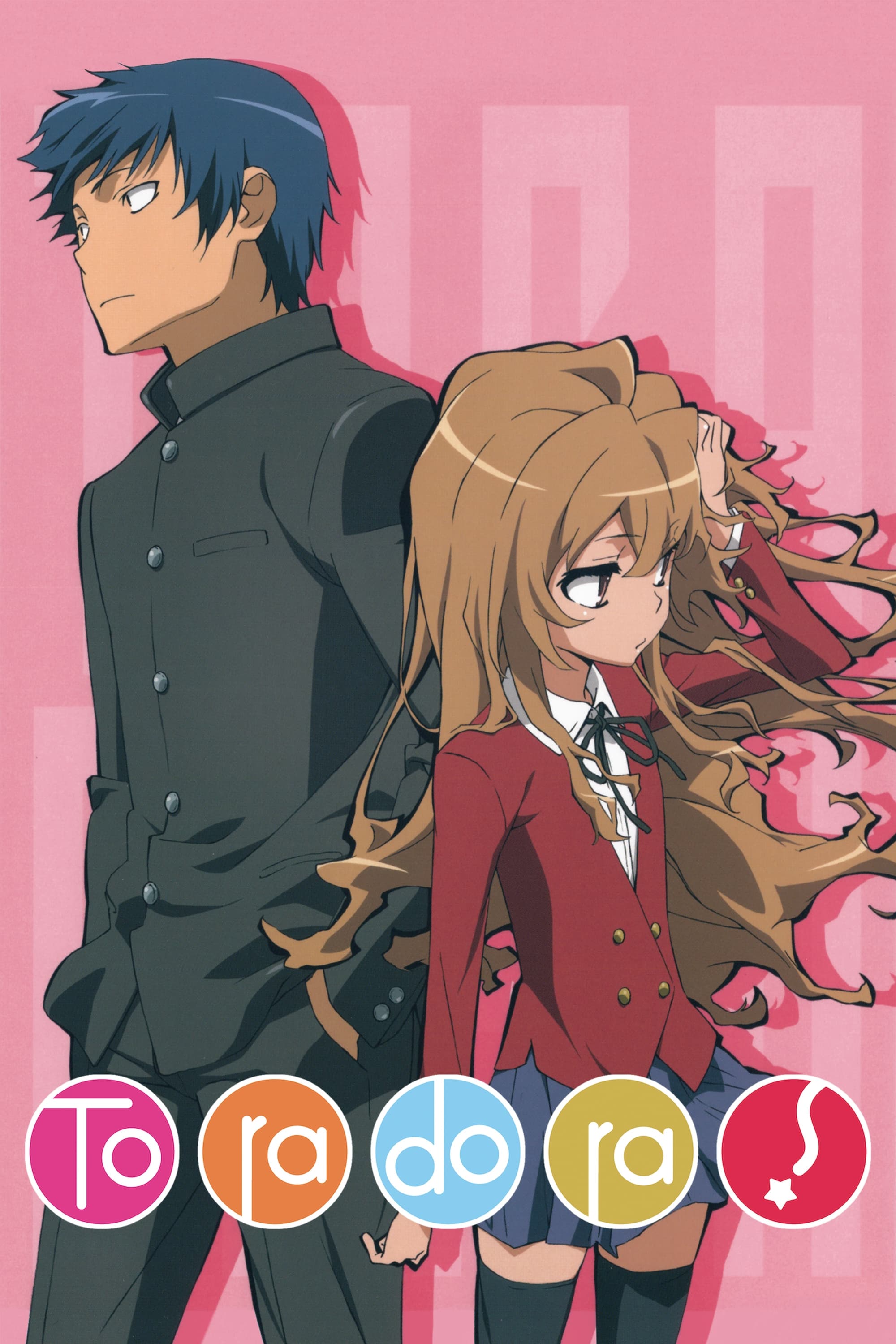
Two classmates team up to help each other with their crushes and end up entangled in shifting relationships. The show moves through school events, holidays, and family revelations, and it wraps up all major threads.
It spans 25 episodes with a straightforward watch order. J.C.Staff produced the series and delivered consistent expression work that supports the dialogue heavy scenes.
‘Your Lie in April’ (2014–2015)
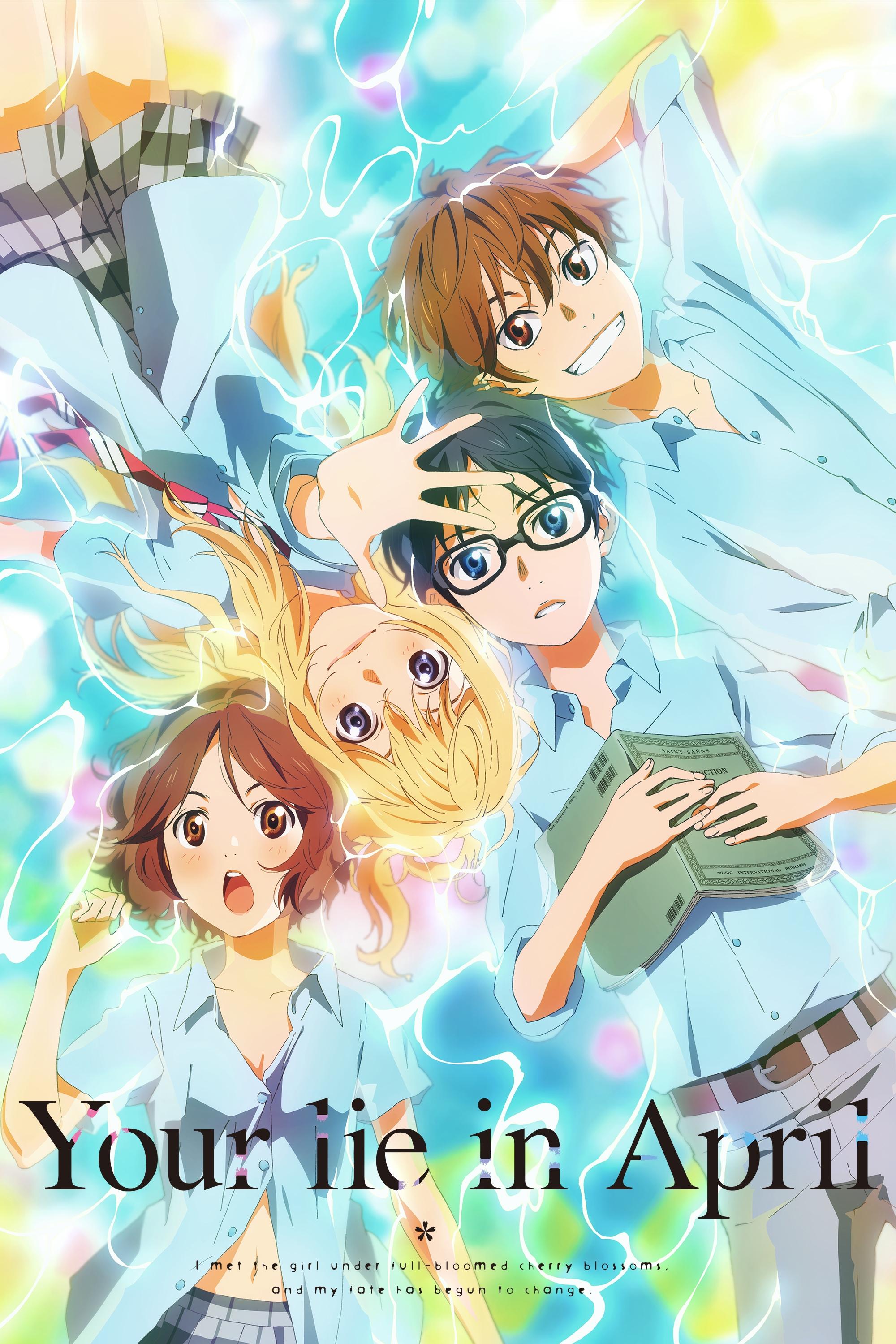
A former piano prodigy avoids the stage until a violinist pushes him back into music, which brings up family history and new connections. The episodes follow performances, competitions, and practice as the season advances to a defined end.
The series has 22 episodes plus a brief special. A-1 Pictures produced it and invested in detailed instrument animation that aligns with the concert sequences.
‘Parasyte -the maxim-‘ (2014–2015)
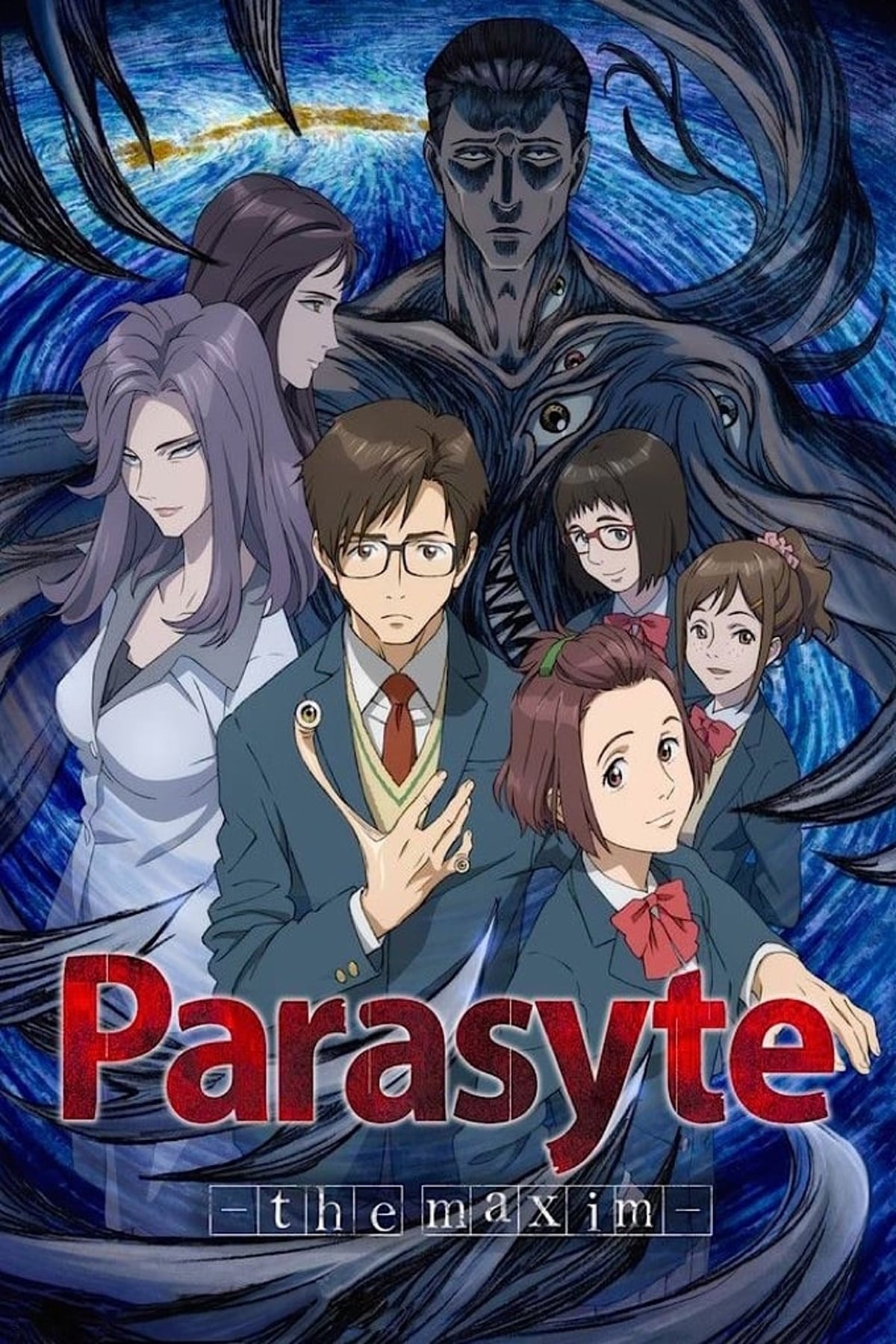
Parasitic organisms take over human bodies and a high schooler fights back after an accident leaves one in his right hand. The plot tracks the spread of the threat across the city, political responses, and a series of confrontations that finish the story.
It runs 24 episodes with steady escalation. Madhouse produced the adaptation and balanced body horror elements with clear action layouts.
‘Clannad’ (2007–2009)
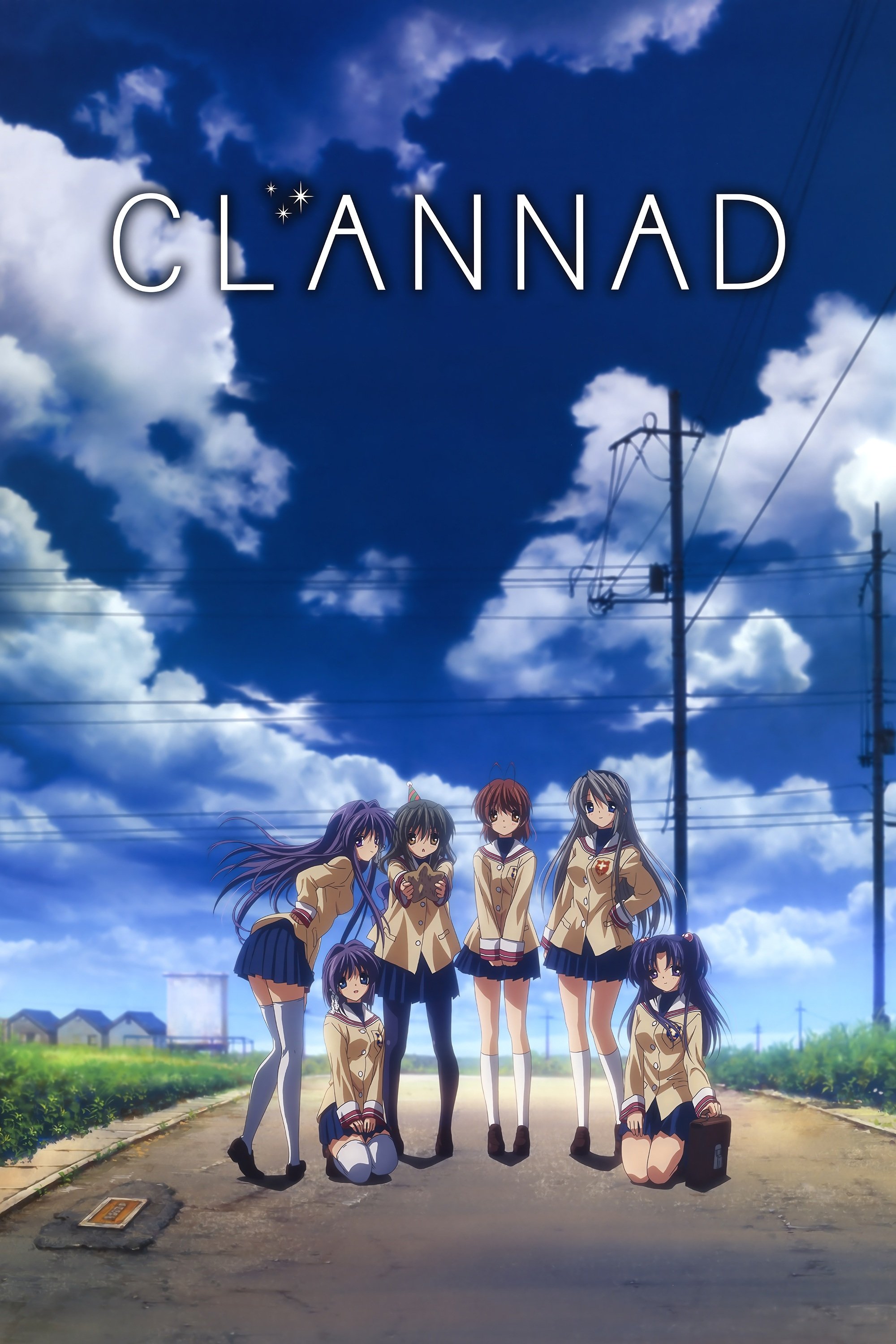
A delinquent meets classmates who change his routine, and the second half of the saga explores adult life and consequences. The full story is told across two seasons with arcs for several characters and a definitive endpoint.
The combined episode count is 44 plus optional side stories. Kyoto Animation produced both seasons and maintained a consistent style and color script that ties the eras together.
‘Violet Evergarden’ (2018)
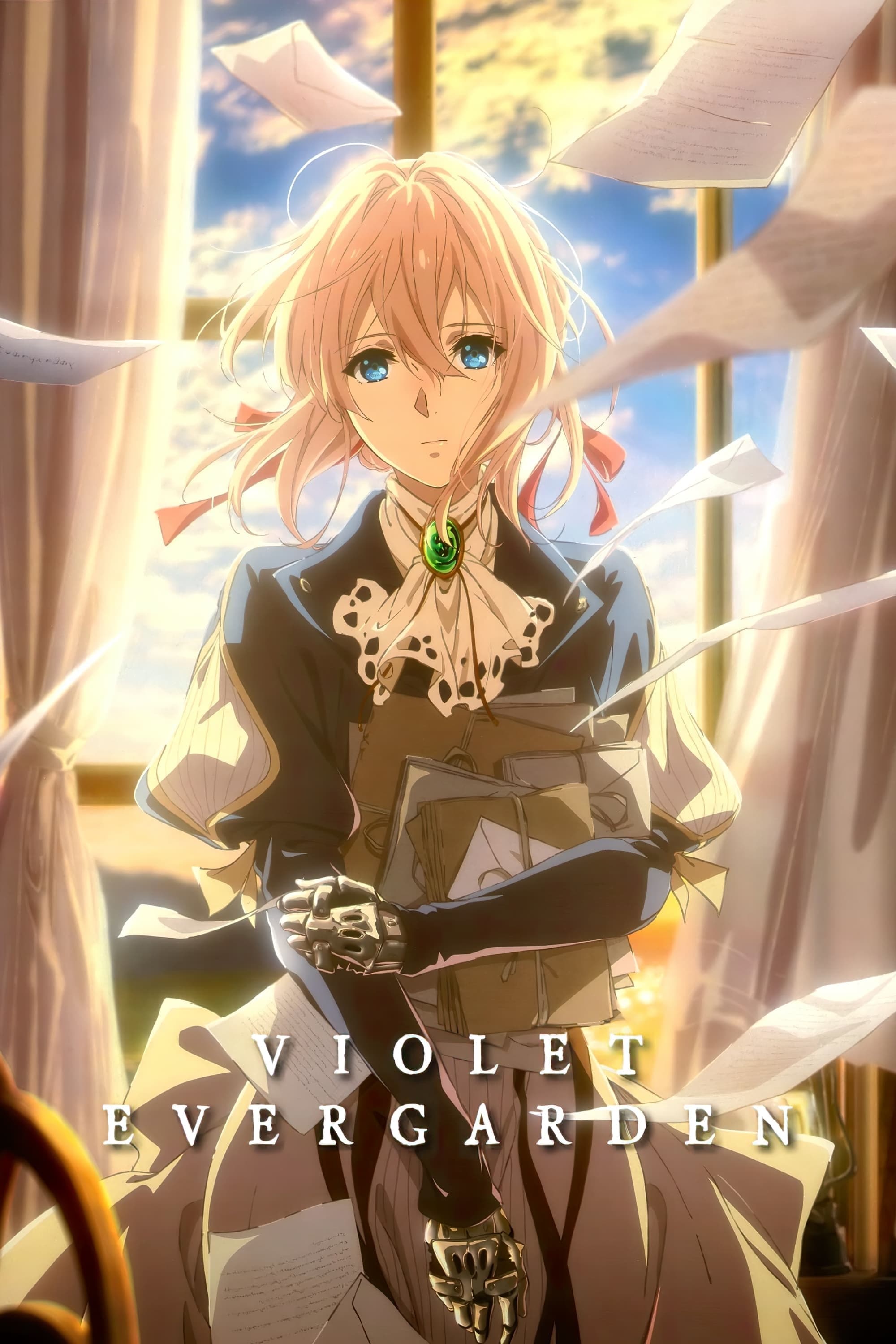
A former soldier works as an Auto Memory Doll writing letters for clients, and each assignment sheds light on her own past. The series presents stand alone cases that build toward answers about her commander and future, with a theatrical conclusion available if you want the full epilogue.
The television run includes 13 episodes and a special. Kyoto Animation produced the show with detailed backgrounds and delicate effects work that match its period setting.
‘Planetes’ (2003–2004)
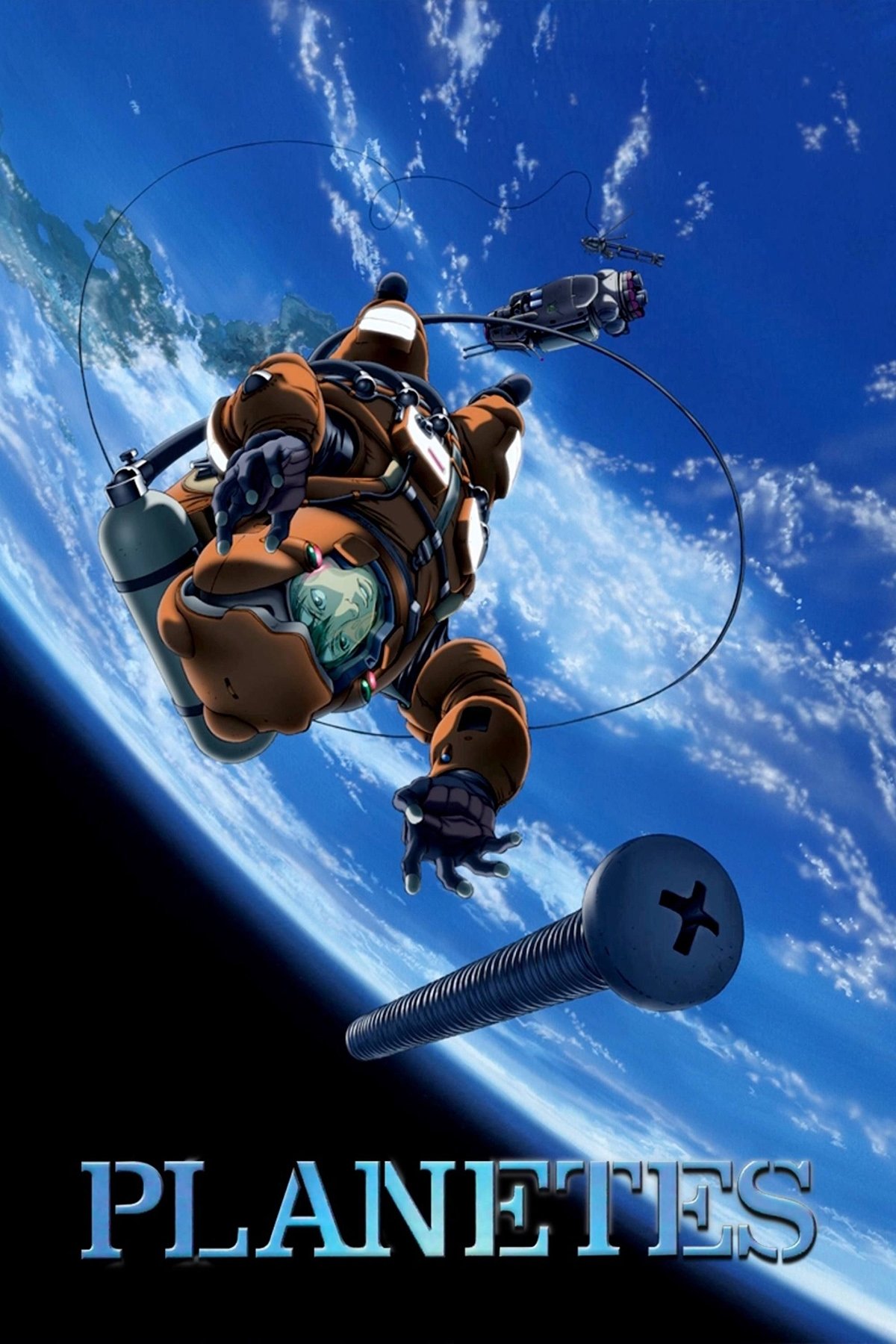
A debris collection team orbits Earth and deals with corporate politics, personal goals, and the realities of space work. The show mixes workplace episodes with longer arcs about technology and ethics and closes with a resolved mission.
There are 26 episodes that balance character focus with believable procedures. Sunrise produced the series and emphasized mechanical design and orbital physics in its presentation.
‘Ergo Proxy’ (2006)
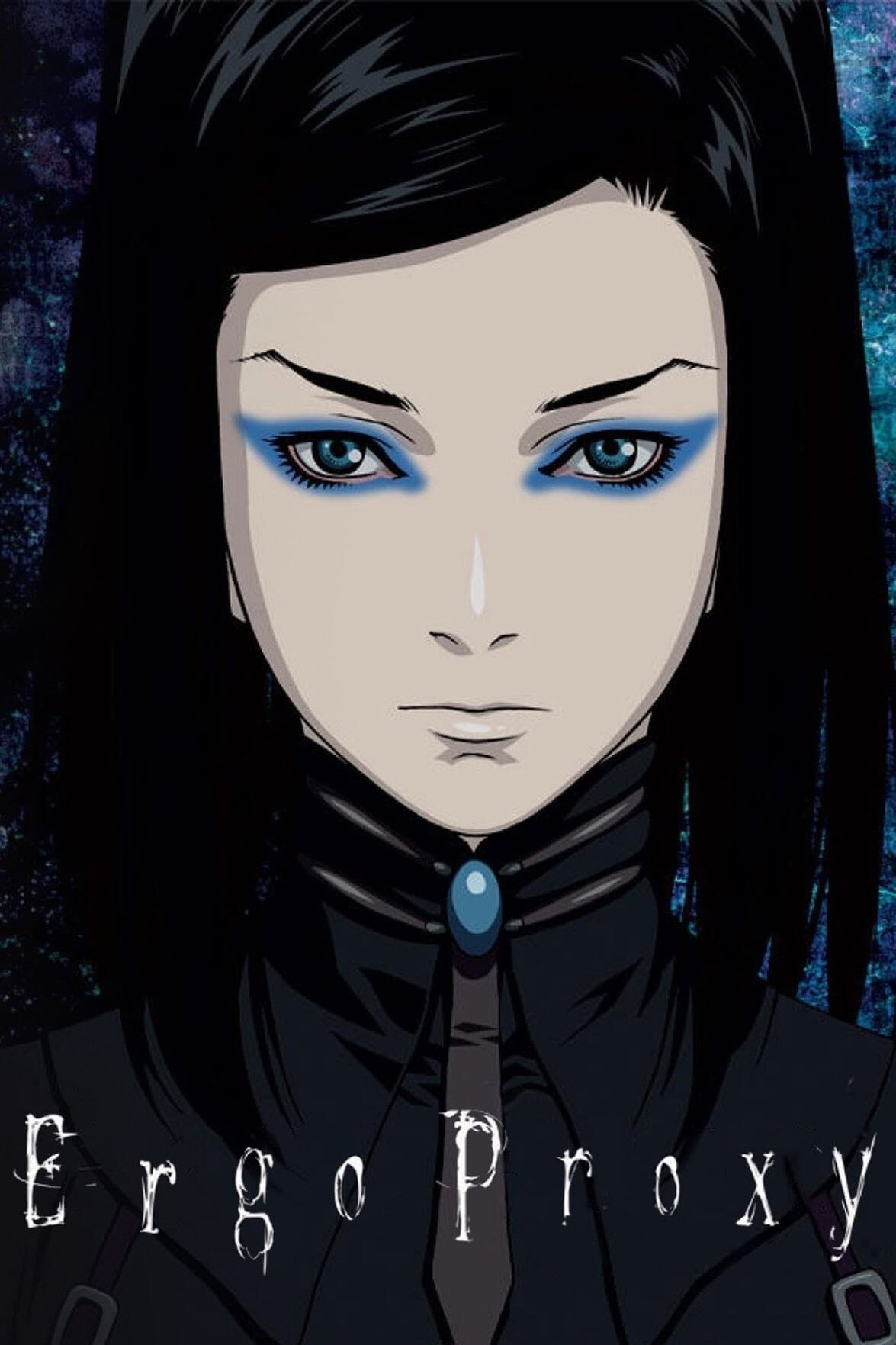
After an incident in a domed city, an inspector tracks a series of crimes tied to artificial beings and an elusive figure. The journey shifts through different settlements and memory puzzles before landing on answers about identity and control.
It has 23 episodes with a clear narrative spine beneath the experimental episodes. Manglobe produced the show and used muted palettes and layered composites to support the mood.
‘Baccano!’ (2007)
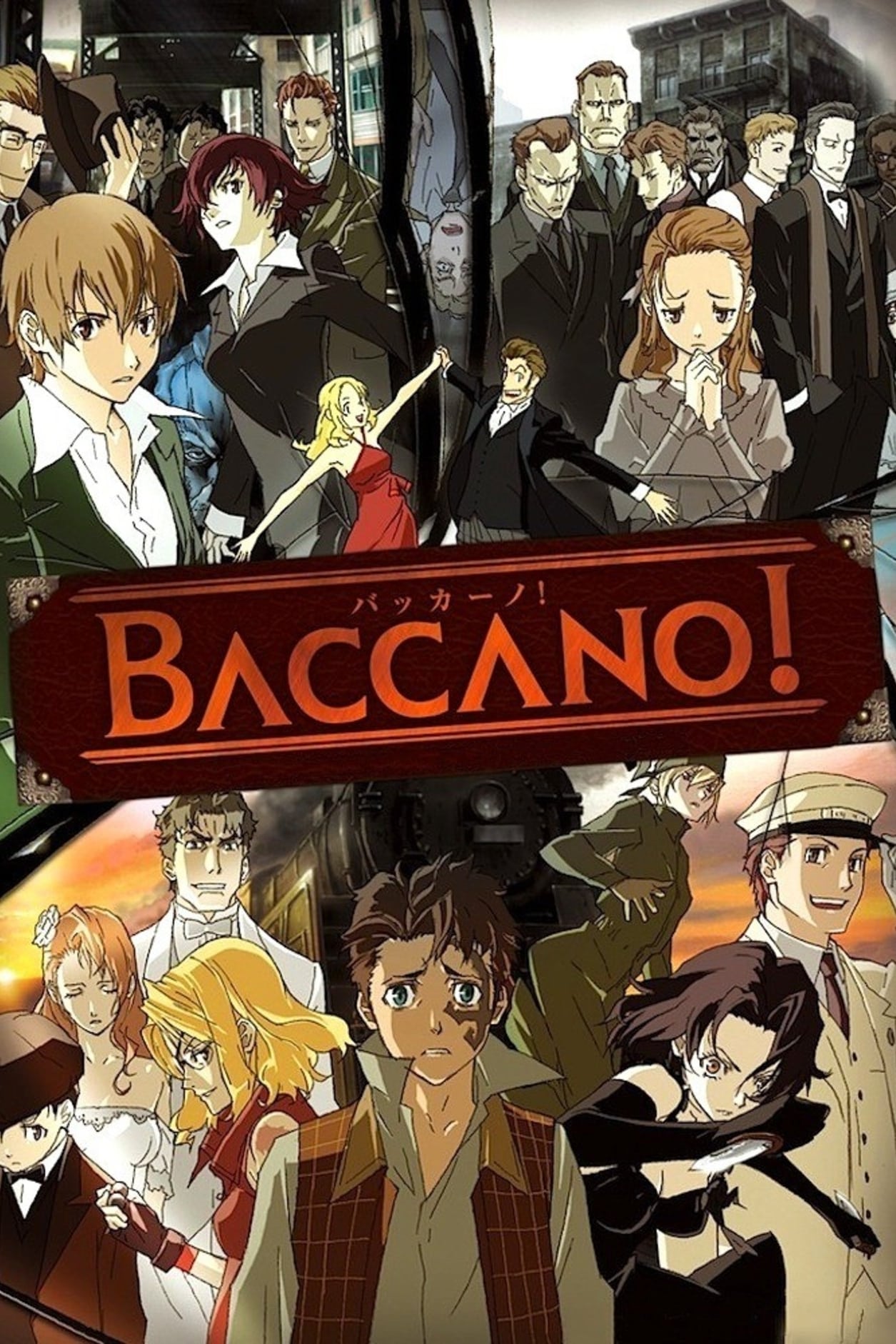
Multiple stories about immortality and crime intersect on a transcontinental train and in Prohibition era cities. The episodes are presented out of order, then converge to show how each thread connects and resolves.
The main run is 13 episodes with three additional episodes that extend certain arcs. Brain’s Base produced the series and kept the large ensemble distinct through costume and staging choices.
‘Durarara!!’ (2010–2016)
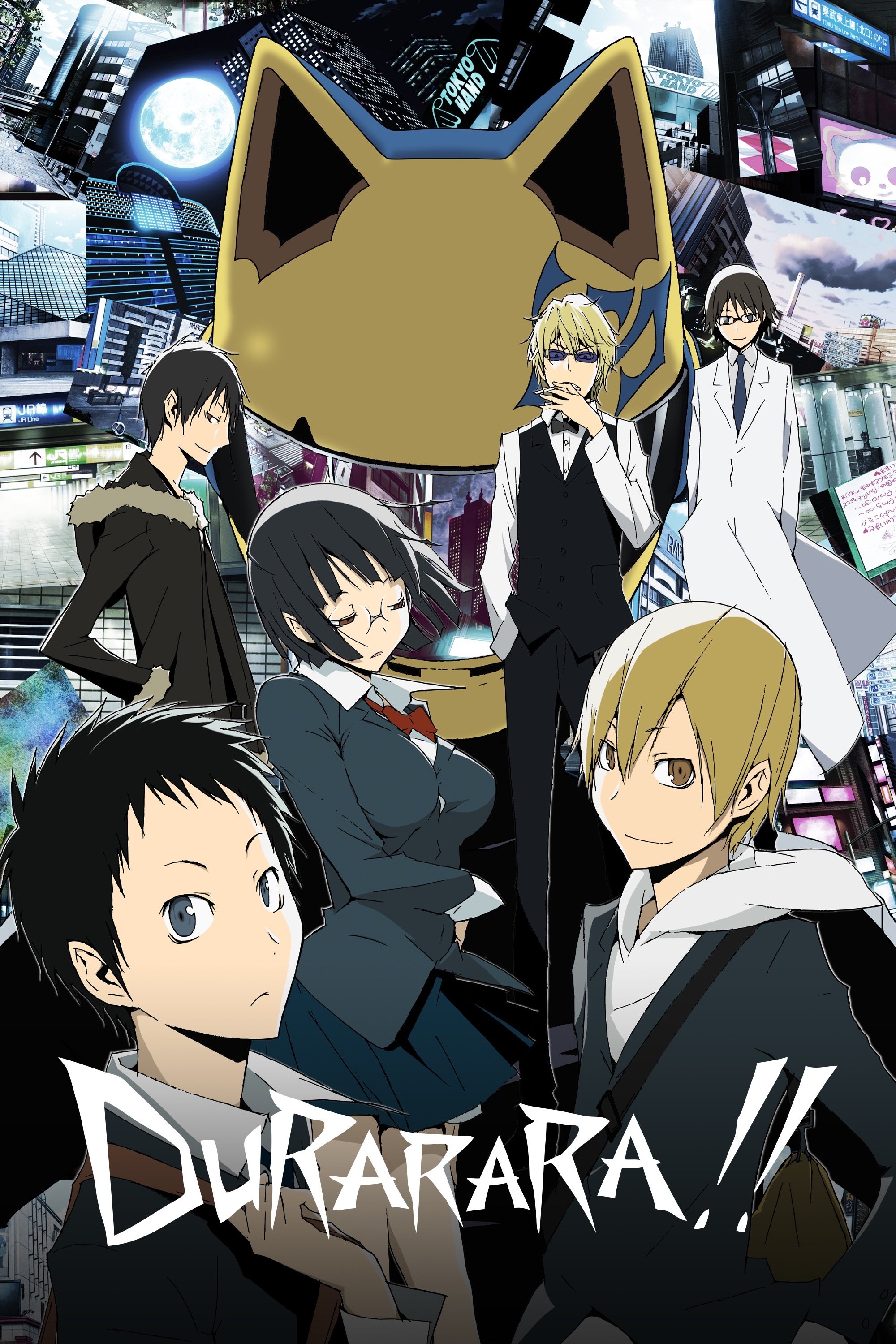
Ikebukuro becomes a crossroads for gangs, urban legends, and secret organizations, all revolving around a newcomer to the city. The seasons move through territory disputes and supernatural twists and conclude major plotlines by the final cour.
The full television run covers six cours spread across separate releases. Brain’s Base began the adaptation and studio Shuka continued it, keeping character models and locations consistent across the years.
‘Kaiji’ (2007–2011)
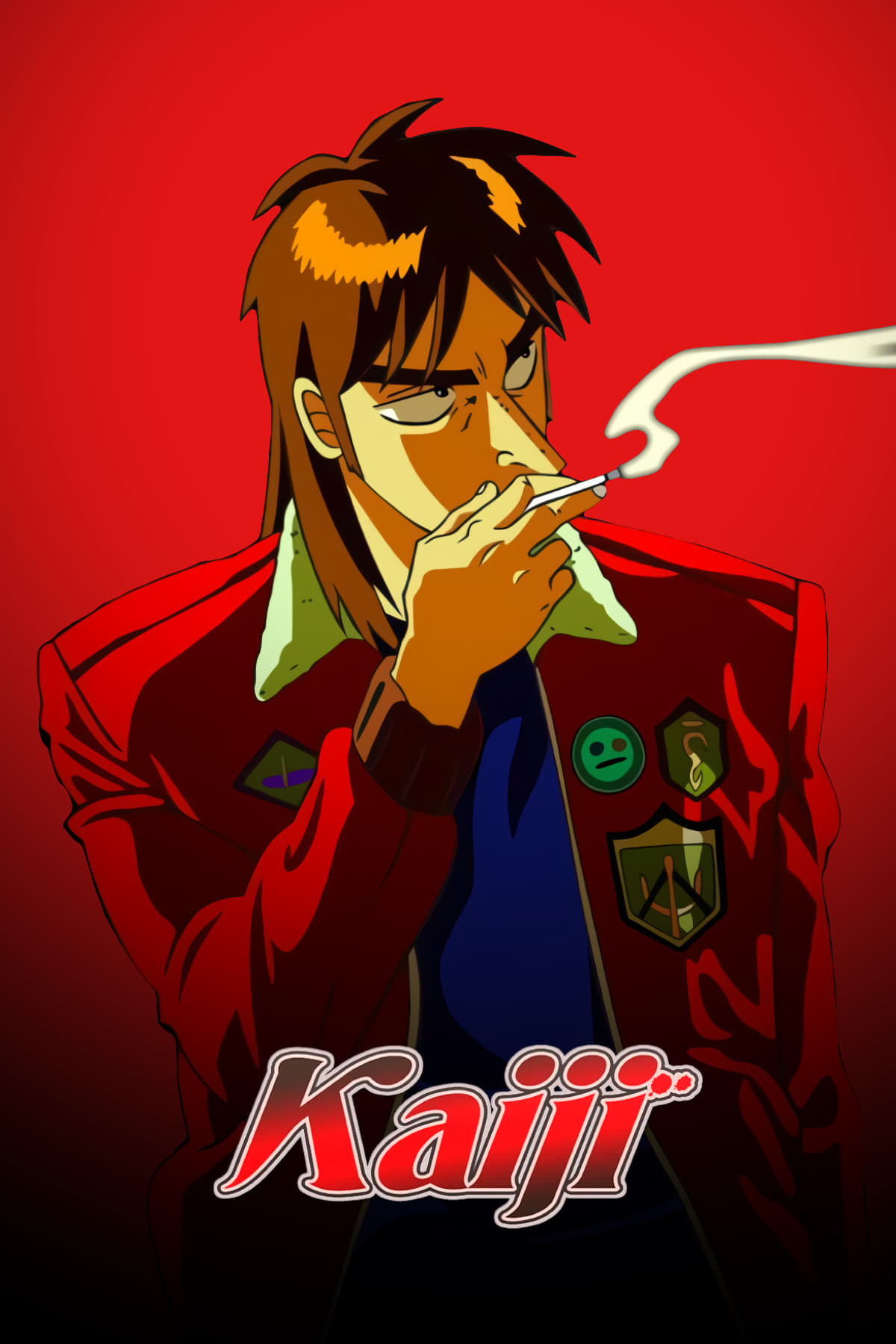
A drifter is forced into high stakes gambles that test nerve and strategy, with games that escalate in complexity. Each arc introduces a new set of rules and consequences and the anime closes with a decisive final challenge for its run.
There are two seasons totaling 52 episodes. Madhouse produced the series and used stylized designs and frequent rule explanations to keep the contests readable.
‘Mob Psycho 100’ (2016–2022)
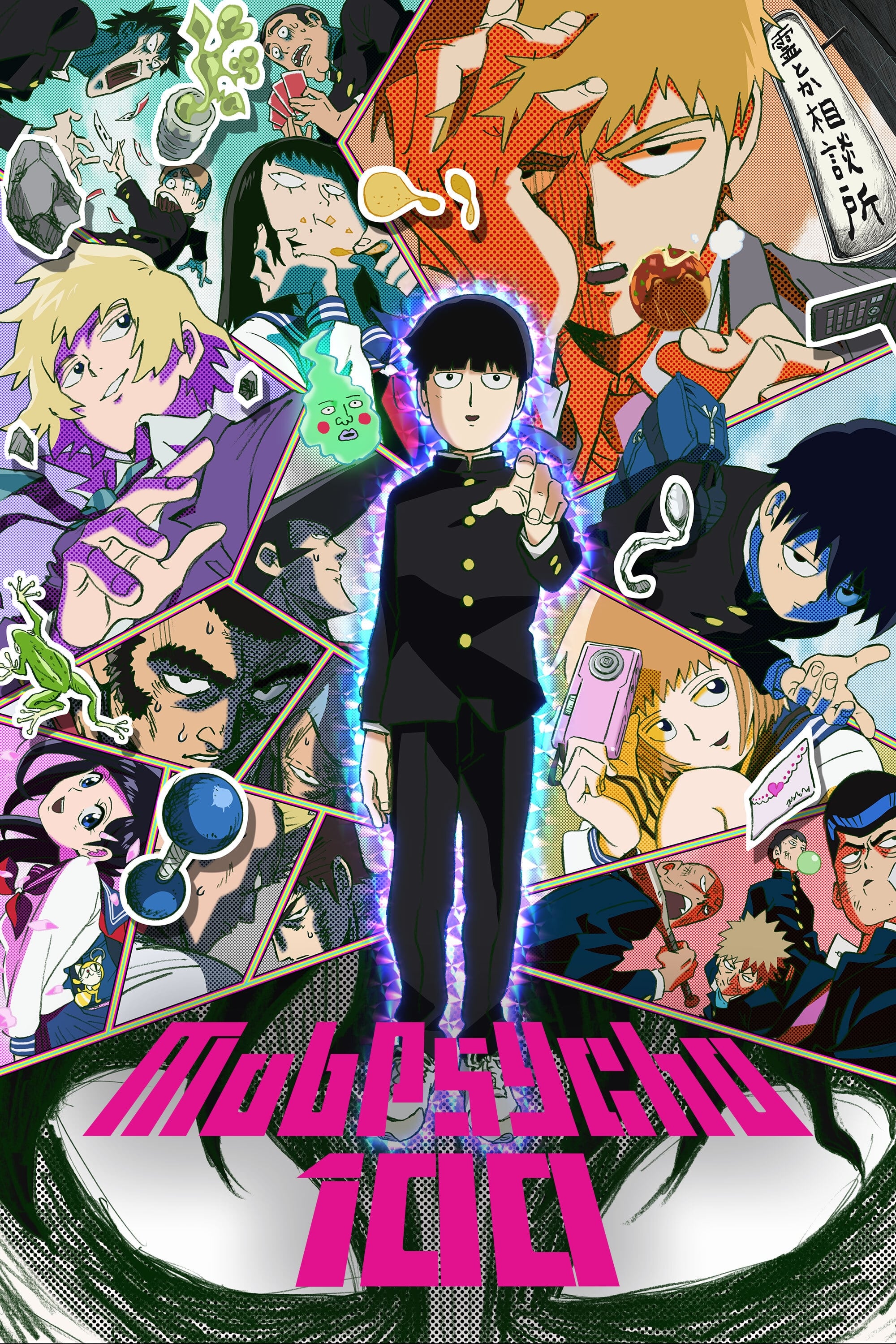
A reserved middle schooler with psychic powers works part time for a self styled mentor and confronts threats ranging from spirits to criminal groups. The seasons are arranged around school years and personal goals and the final season provides closure for the character journey.
The series includes 37 episodes across three seasons. Bones produced it with inventive effects animation and frequent visual experiments that stay coherent during the biggest fights.
‘Attack on Titan’ (2013–2023)
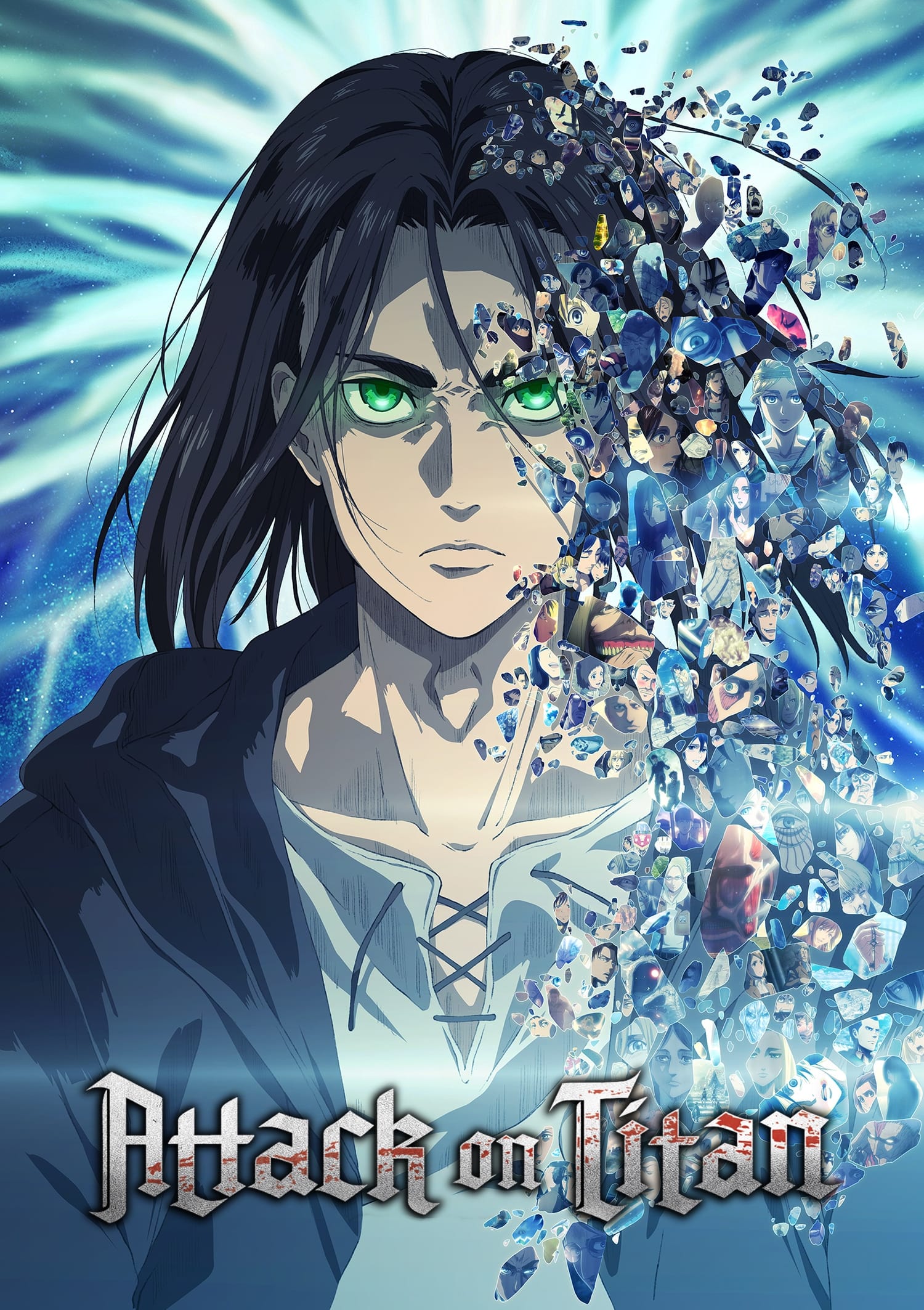
Humanity lives within walls to defend against giant beings and a group of recruits uncovers how the world actually works. The narrative expands from city defense to global politics and finishes with a final special that resolves the conflict.
The entire run covers multiple seasons and parts that together add up to a long but complete watch. Wit Studio launched the adaptation and MAPPA finished it, and the handoff preserved the visual identity while scaling up action sequences.
‘Fruits Basket’ (2019–2021)
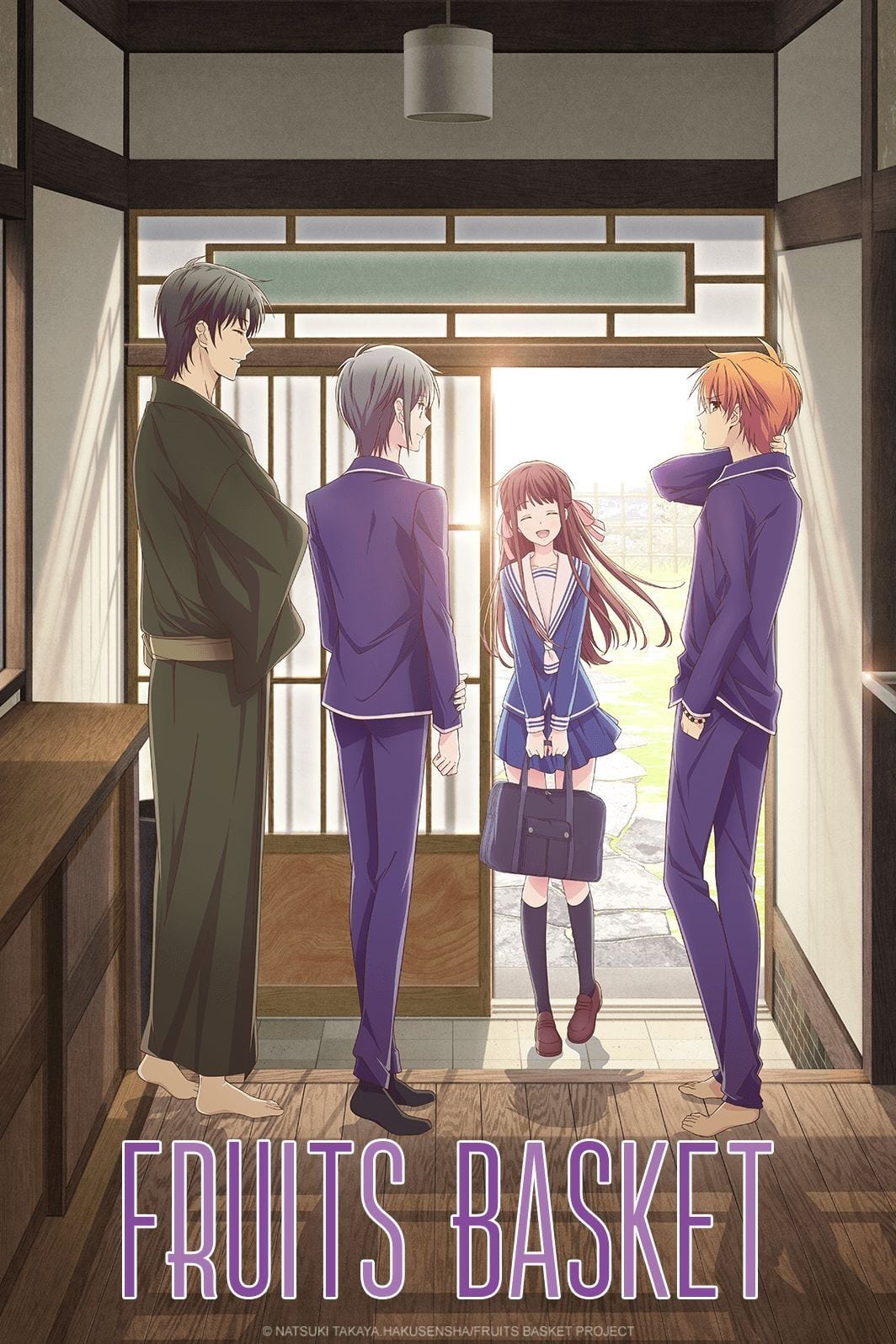
A high schooler becomes involved with a family cursed to transform into animals of the zodiac when embraced by the opposite sex, and slowly learns the roots of the curse. The adaptation covers the entire manga, organized into seasonal chapters, and reaches a clear conclusion.
The series runs for 63 episodes across three seasons. TMS Entertainment produced the reboot and kept character acting consistent while updating the look compared to the earlier version.
Share your favorites and the next completed shows you plan to start in the comments.