Best Forgotten Anime from the 1980s (That Require an Immediate Rewatch)


There was a wild creative streak running through anime in the 1980s. Directors and designers chased big ideas with hand painted frames, synth heavy soundtracks, and bold concepts that swung for the fences. A lot of those projects slipped out of view as newer hits arrived, yet they still deliver tight storytelling and striking craft that hold up beautifully today.
If you love mecha dogfights, moody urban fantasy, experimental art films, or scrappy sci fi epics, the decade is a gold mine. The titles below span stand alone movies, short OVAs, and TV runs. Each one comes with a little context to help you jump in, along with low key notes on the teams that actually made the thing happen at the time.
‘Area 88’ (1985–1986)
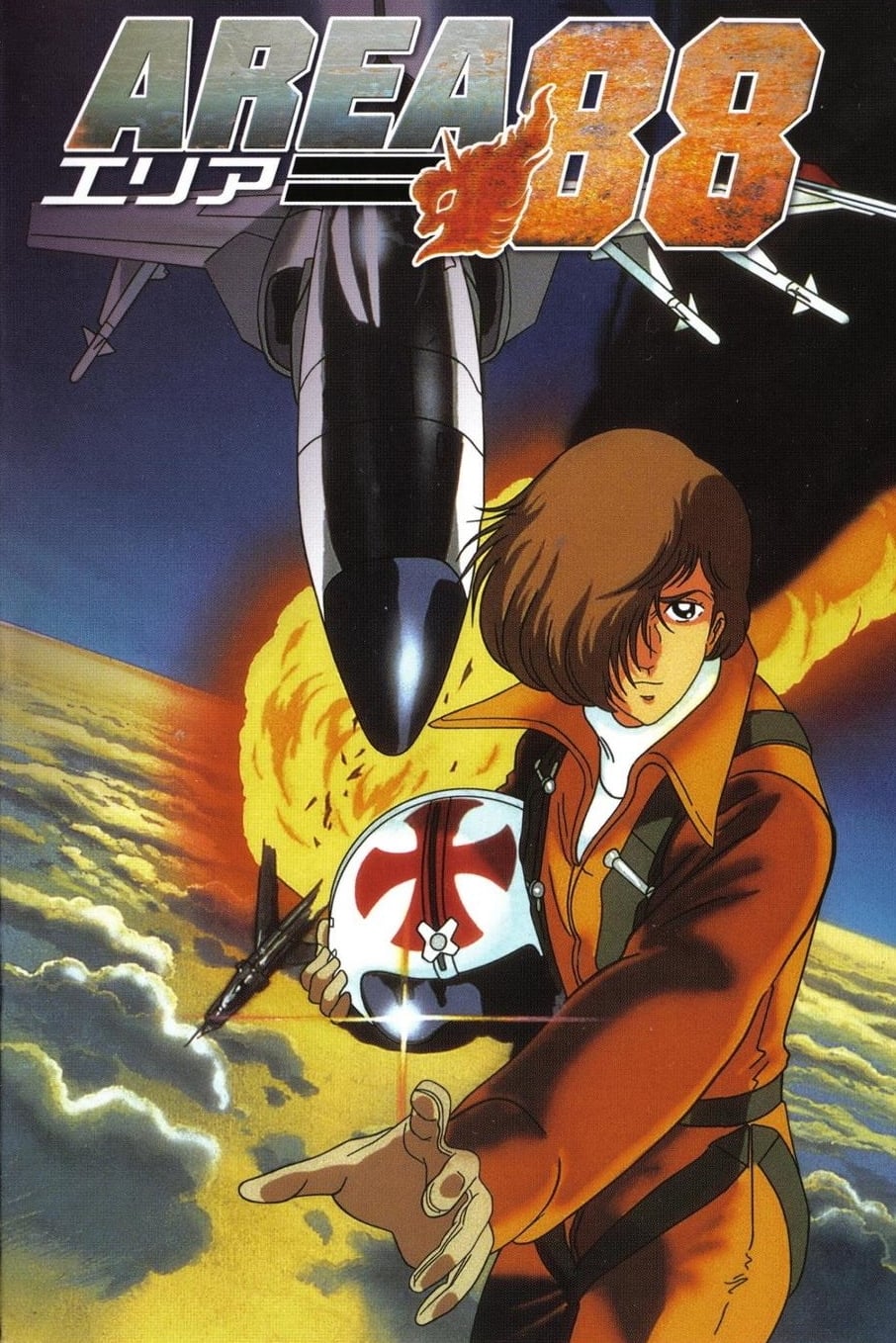
Based on Kaoru Shintani’s manga, this fighter pilot saga follows a mercenary squadron battling over a desert nation and the personal cost of signing the wrong contract. The OVA format lets the story focus on a few missions with careful detail on aircraft types, tactics, and the grinding pressure of the runway.
The production leans on detailed mechanical layouts and crisp aerial cuts that were a calling card at Studio Pierrot during this period. Character designs keep the cockpit drama legible while the audio team layers engine whine, radio chatter, and missile tone into tense set pieces.
‘Bubblegum Crisis’ (1987–1991)
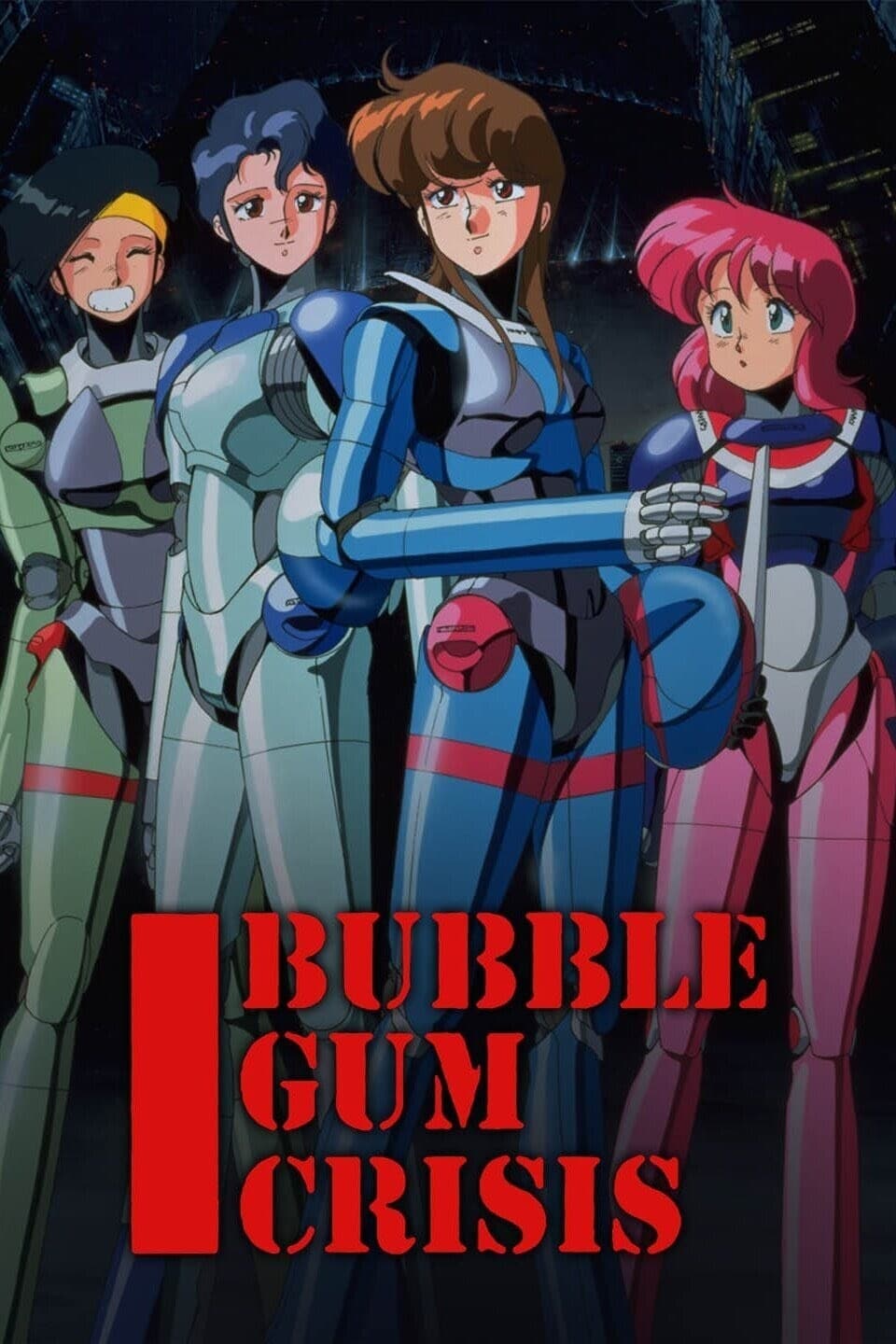
This near future cyberpunk serial centers on a vigilante team in powered suits taking on rogue robots in a neon drenched mega city. Each episode delivers a self contained case with concert beats, corporate intrigue, and plenty of shattered glass.
Artmic’s design crew set the tone for hard edged armor and hulking boomers while music producer Youmex threaded songs through the narrative. The composite look mixes miniature city plates, sharp suit animation, and stylized lighting that became a template for later tech noir anime.
‘Megazone 23’ (1985–1989)
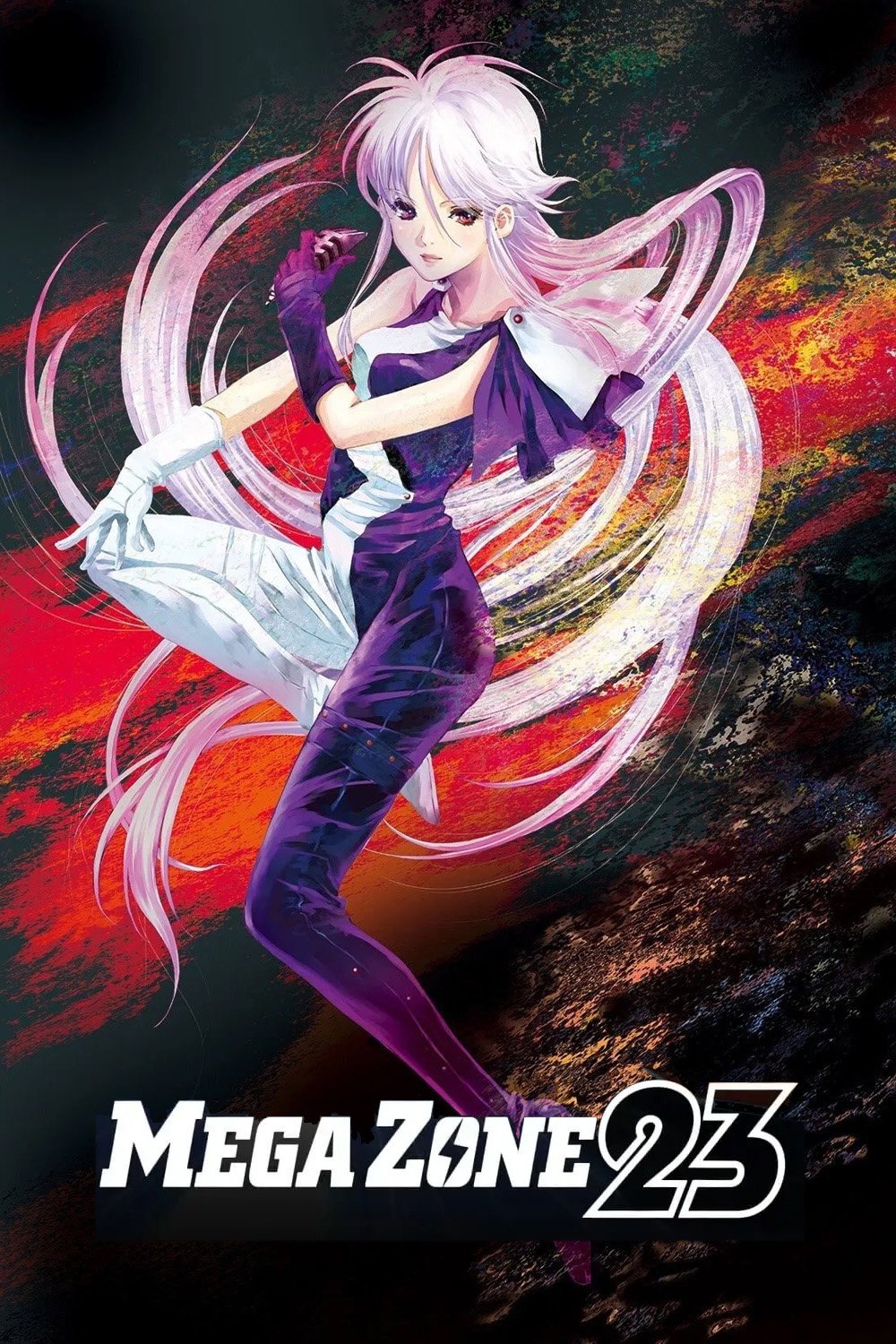
A street rider stumbles onto a classified bike that unlocks the truth about his world, pulling him into a tug of war between rebels and authorities. The story shifts across parts that each introduce new angles on media control and memory.
AIC handled core animation with concept work from Artmic, which shows in the vehicle rigs and urban layouts. The team used the OVA freedom to ramp up cel counts on chase scenes and to try bolder color timing on night shots and club interiors.
‘Project A-ko’ (1986)

The film drops a superpowered transfer student into a city leveling rivalry while a third classmate builds gadgets to even the score. Gags fly at high speed, with superhero send ups, giant robots, and a running space subplot.
APPP’s crew packed the movie with elastic character motion and big perspective swings on impacts. The layout artists push wide angle shots and fast dolly moves that give the comedy a physical punch without losing clarity.
‘Angel’s Egg’ (1985)
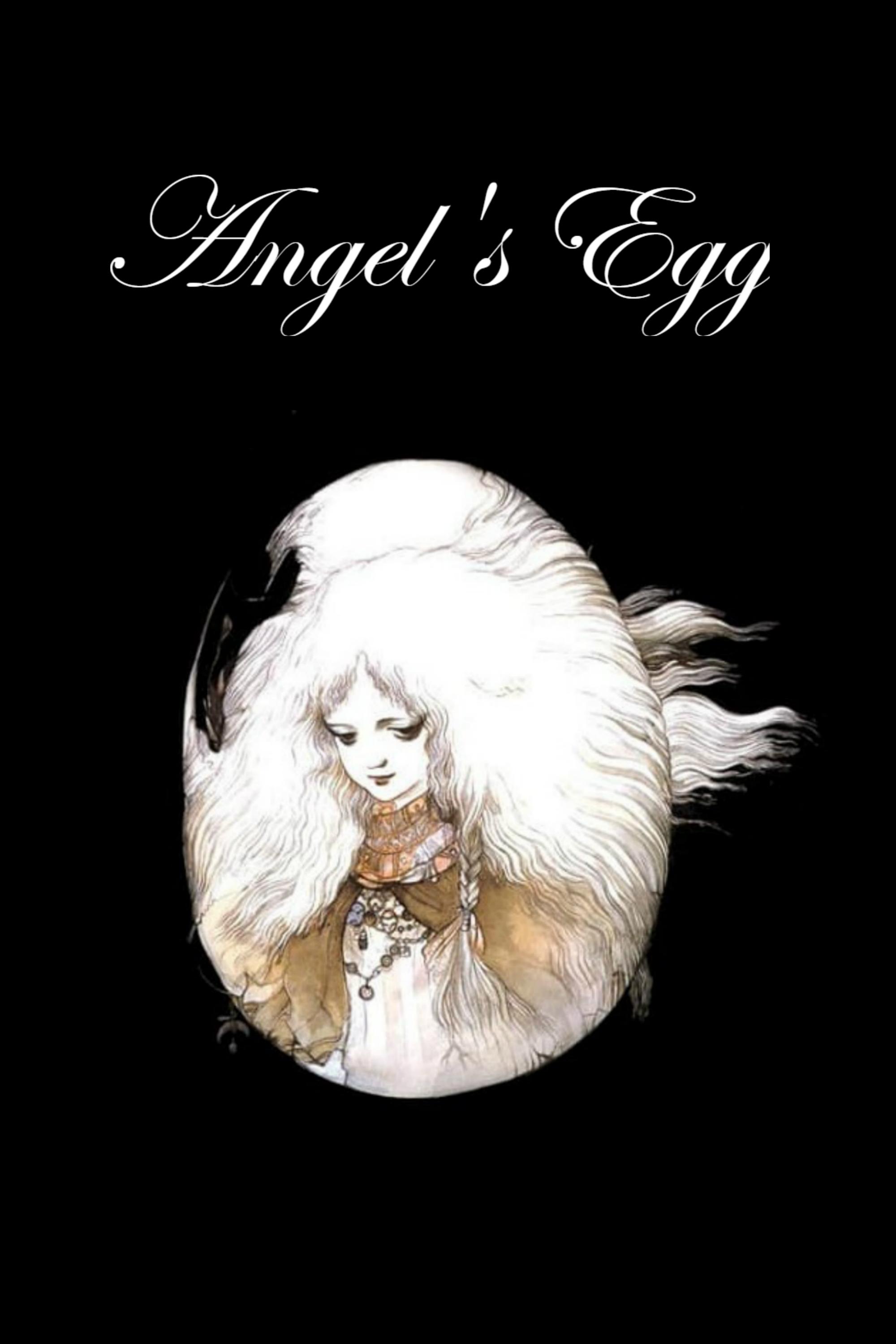
A silent girl carries an egg through an empty city while a nameless soldier follows and asks unsettling questions. The film is almost wordless and moves through cathedral like spaces filled with symbols and shadow.
Studio Deen supported the dark watercolor palette and long held shots that define the mood. The art team built layers of glass painted elements for depth, letting the camera drift across ruins and stained stone in a way that feels like a moving painting.
‘They Were Eleven’ (1986)
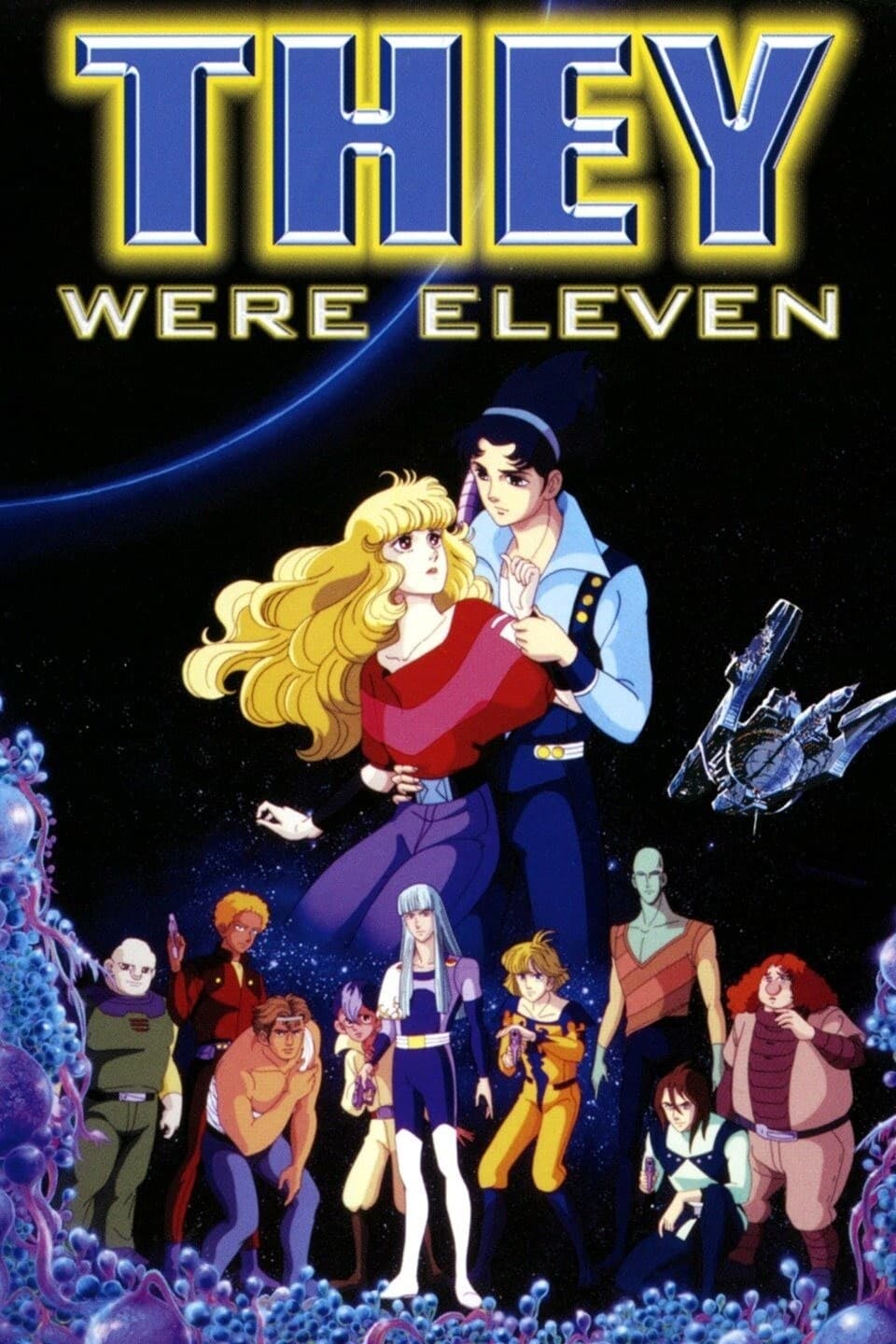
Ten cadets board a derelict ship for a final test and discover an eleventh person has appeared. The crew must repair systems, manage suspicion, and figure out who does not belong before the ship becomes a tomb.
Studio Pierrot keeps the focus on faces and body language so clues land cleanly as the pressure rises. The ship interior uses consistent maps and compartments, which makes each small fix or failure easy to follow in the larger survival puzzle.
‘The Dagger of Kamui’ (1985)
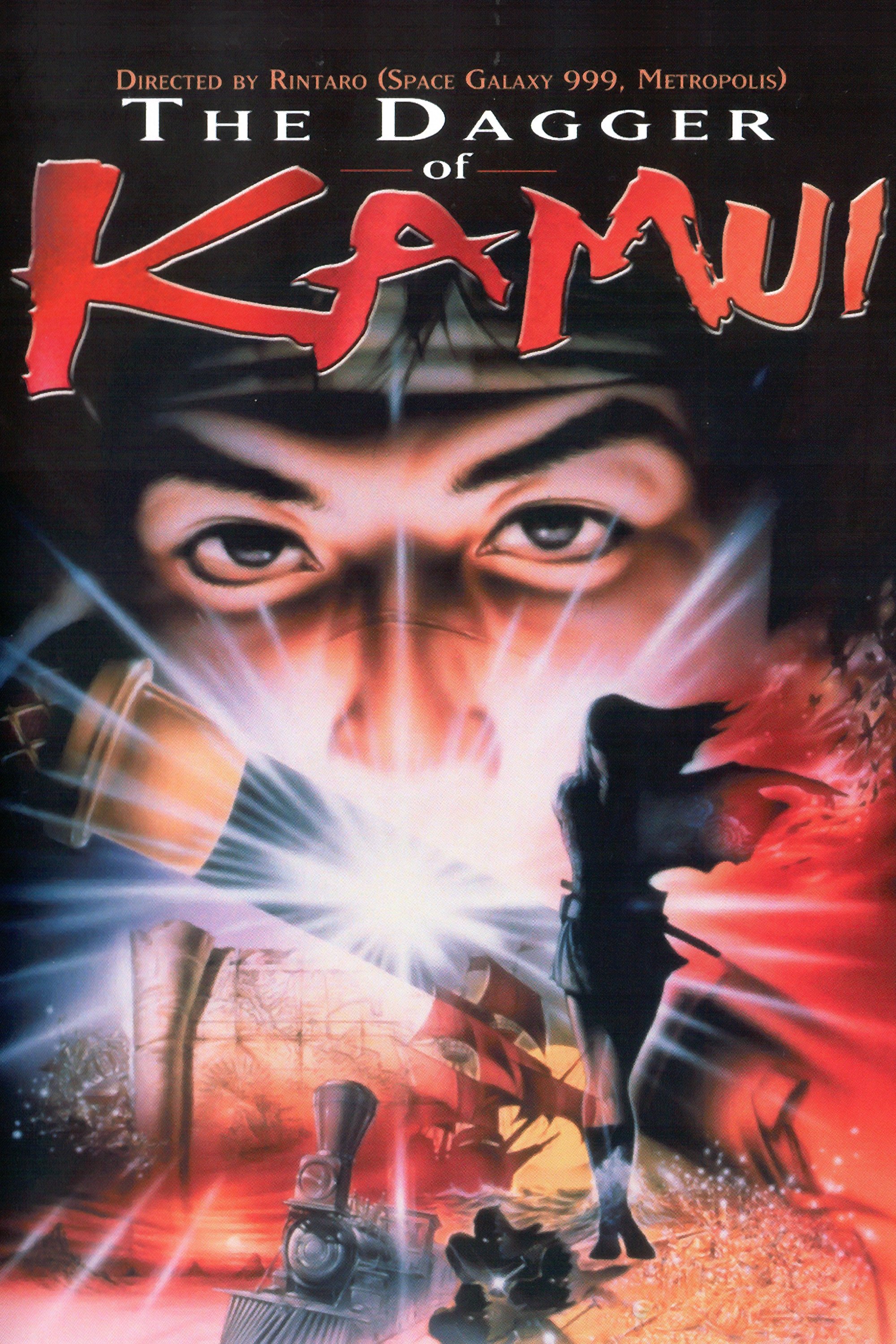
An orphaned boy trains as a ninja and tracks a trail of hidden treasure across oceans while rival clans close in. The story spans espionage, duels, and historical figures woven into a single chase.
Madhouse puts dynamic weight on swordplay with long camera moves and clean silhouettes. Background painters deliver wide coastal vistas and mountain passes that mark progress across the journey without heavy exposition.
‘Wicked City’ (1987)
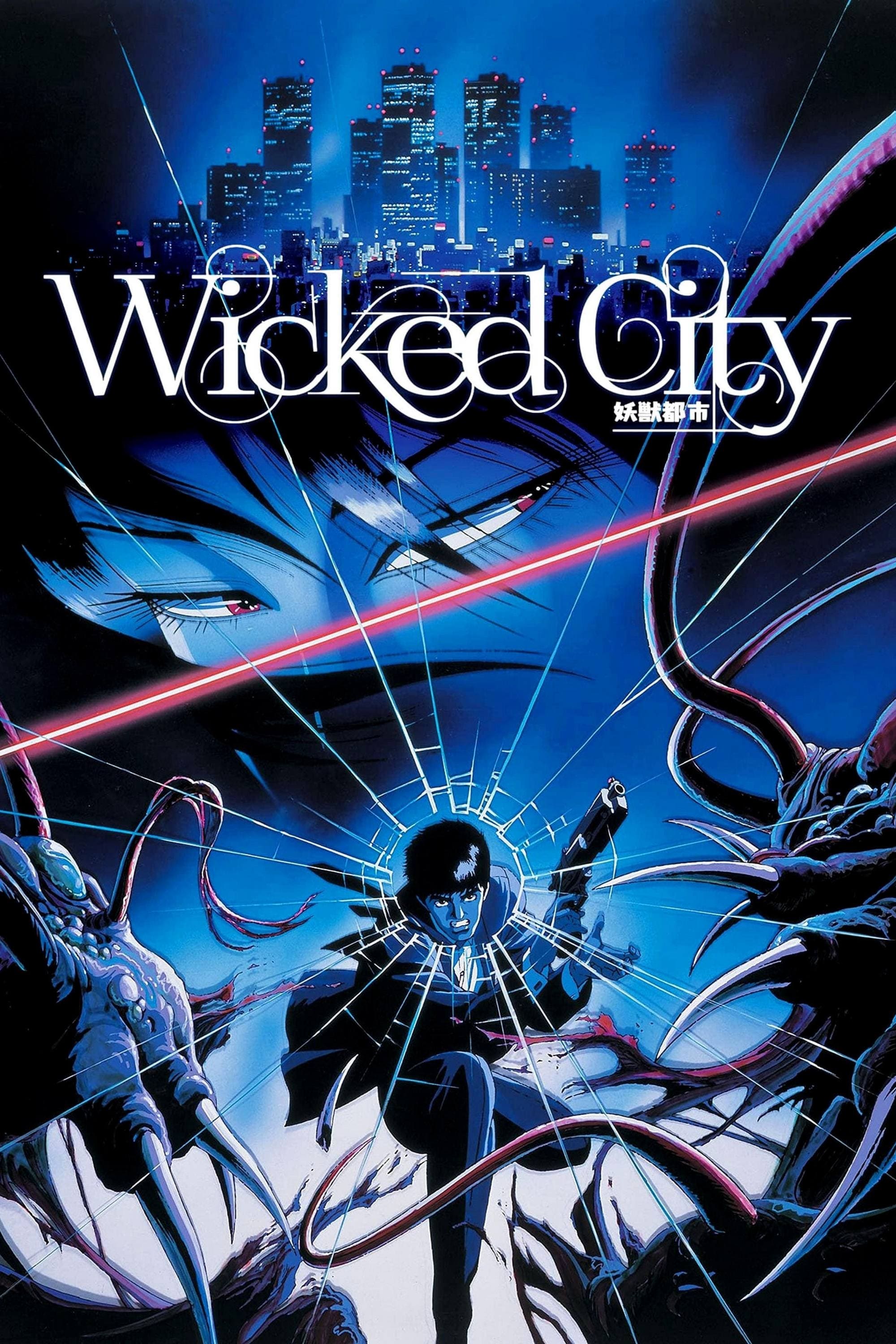
A covert agency mediates a fragile pact between humans and a parallel demon world. Two agents guard a key negotiator through nightlife districts where traps arrive with a smile.
Madhouse animators use sharp edits and stark blacks to sell sudden body horror and quick counterattacks. The city itself is staged as a maze of reflective surfaces and narrow corridors that amplify every ambush.
‘The Five Star Stories’ (1989)
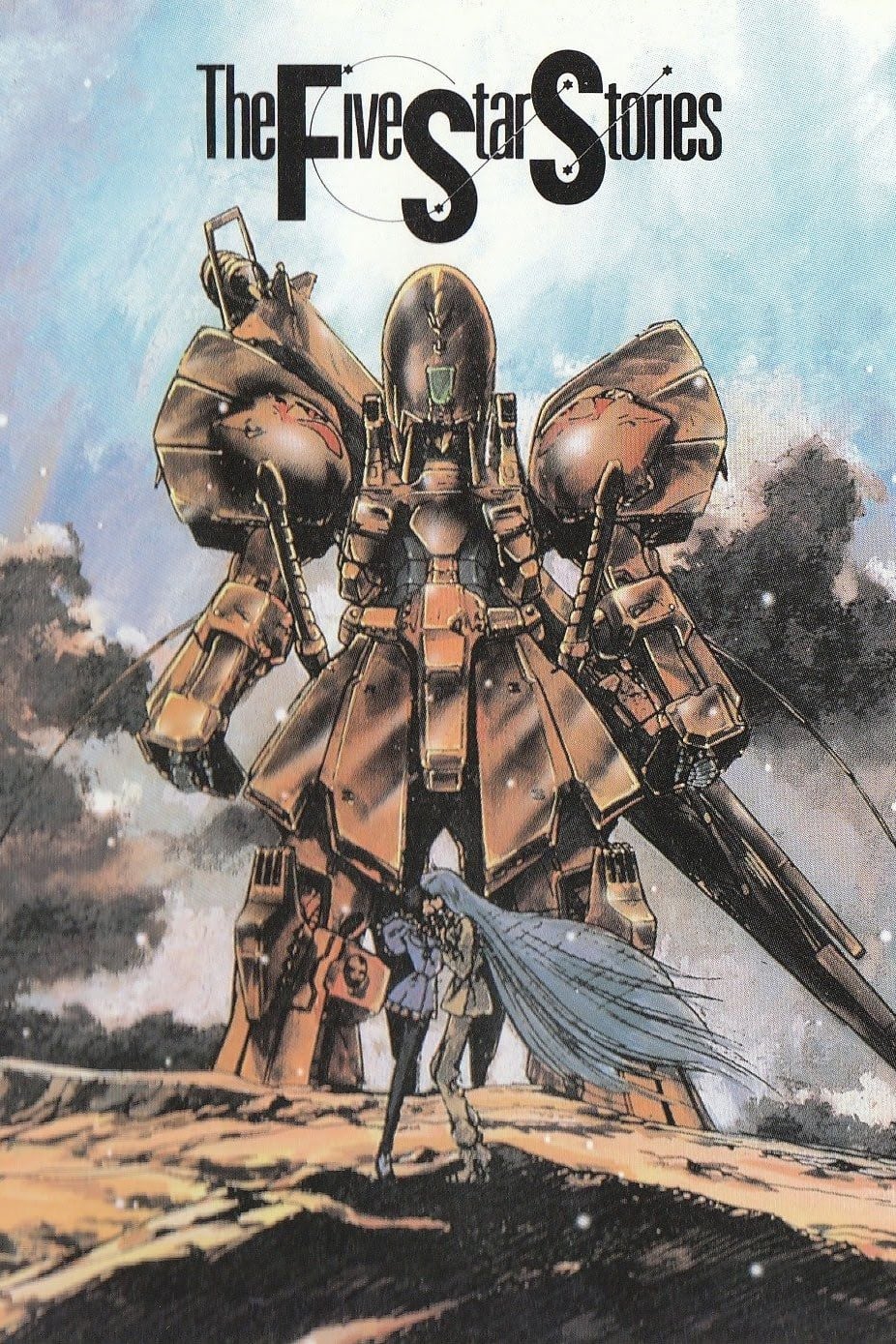
Across a star spanning feudal order, genius engineers craft towering machines while lineages scheme to control them. The film adapts a slice of a long running saga and treats mecha as moving sculptures.
Sunrise puts precision into joint motion and mirrored armor while letting dialogue scenes breathe. The art department keeps heraldry, costumes, and cockpit spaces consistent so the political and technical threads feel part of one world.
‘Gosenzo-sama Banbanzai!’ (1989)

A modern family meets a woman claiming to be a descendant from centuries ahead and everyday life slips into a theatrical dream. Scenes shift between living room comedies and surreal interludes that question what is real.
Studio Pierrot backs the experiment with stage like blocking and heavy use of painted flats. Character animation holds long on stillness, then snaps into exaggerated acting, matching the script’s rhythm changes.
‘Gall Force’ (1986–1994)

An all female crew tries to end a long war between two species while a third force nudges events toward disaster. The early installments play like space survival stories that edge into bigger revelations.
AIC and Artmic collaborate on sleek ship silhouettes and modular interiors that reconfigure across episodes. Mechanical animation keeps docking, pressure seals, and airlock beats tactile, which grounds the larger cosmic stakes.
‘Leda: The Fantastic Adventure of Yohko’ (1985)

A schoolgirl is drawn into a parallel world where a song becomes a key to balance. The quest runs through forest ruins, transforming armor, and a villain with a plan tied to Earth.
Kaname Production’s staff embraces bright color blocks and clear fantasy geography. Action cuts switch from airy glides to sharp close combat, keeping the pace lively without losing track of the objective.
‘Baoh’ (1989)

A kidnapped teen becomes host to a bio weapon and escapes with a researcher who knows too much. The pair race through traps while a private group sends specialists to retrieve their asset.
Studio Pierrot layers creature transformations with clean line work so each new form reads at a glance. Stunt beats use cars, trains, and industrial catwalks, which gives the chases a grounded feel even when the powers escalate.
‘Guyver: Out of Control’ (1986)
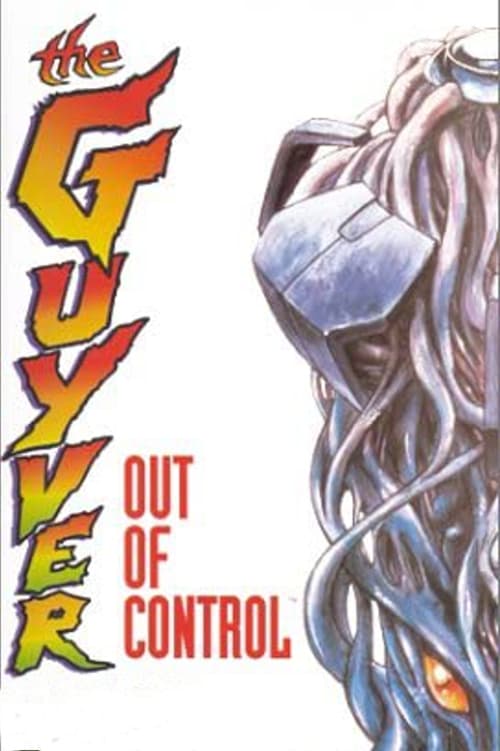
A student finds a mysterious unit that fuses to his body and turns him into a living weapon. A corporation hunts the device and unleashes monsters designed to counter it.
Studio Live animates armored grapples with heavy smear frames and well timed holds so hits land hard. The creature lab and office tower settings are laid out logically, which makes infiltration and escape sequences easy to follow.
‘Yotoden’ (1987–1988)

Three ninja from different clans join forces against a demon warlord spreading corruption through the land. Their route takes them through cursed towns and hidden fortresses as they piece together ancient tools.
J.C.Staff supports the period look with muted palettes and lantern lit nights. The fight staging favors silhouettes and wind up motions that communicate intent before blades even meet.
‘To-y’ (1987)

An indie rock vocalist tries to balance underground shows with a world that wants a safer image. The story tracks rehearsals, label pressure, and the pull between art and audience.
Gallop’s animators draw instruments and hand positions with care so performance scenes feel honest. Layout artists bring in real world signage and cramped venues, which sells the grind of a band trying to break out.
‘Gundam 0080: War in the Pocket’ (1989)

A child in a neutral colony witnesses a covert battle that brushes past his neighborhood. The scale is small and the consequences land close to home.
Sunrise treats mobile suits like heavy machines that intrude on ordinary spaces. The direction emphasizes quiet beats between skirmishes, using tidy apartment rooms and schoolyards to show the human side of a military operation.
‘Blue Comet SPT Layzner’ (1985–1986)
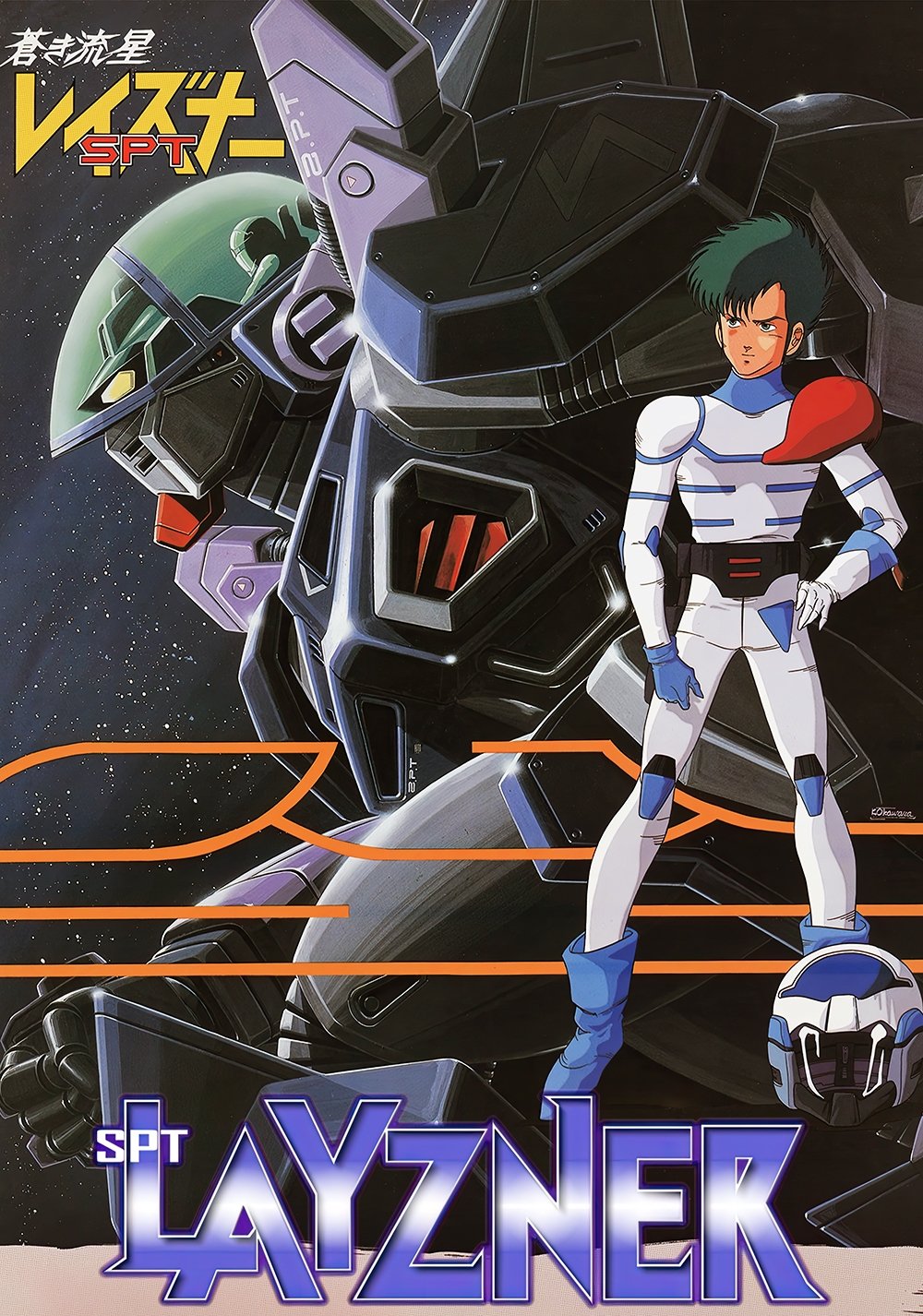
An exchange program on a Martian base turns into a fight for survival when a new weapon appears and alliances fracture. The lead machine carries systems that let a pilot push beyond normal limits.
Sunrise brings clean line mecha with readable joints and thrusters that make maneuvering clear. The series mixes base politics with field sorties and keeps technical jargon consistent so briefings actually help the action make sense.
‘Zillion’ (1987)
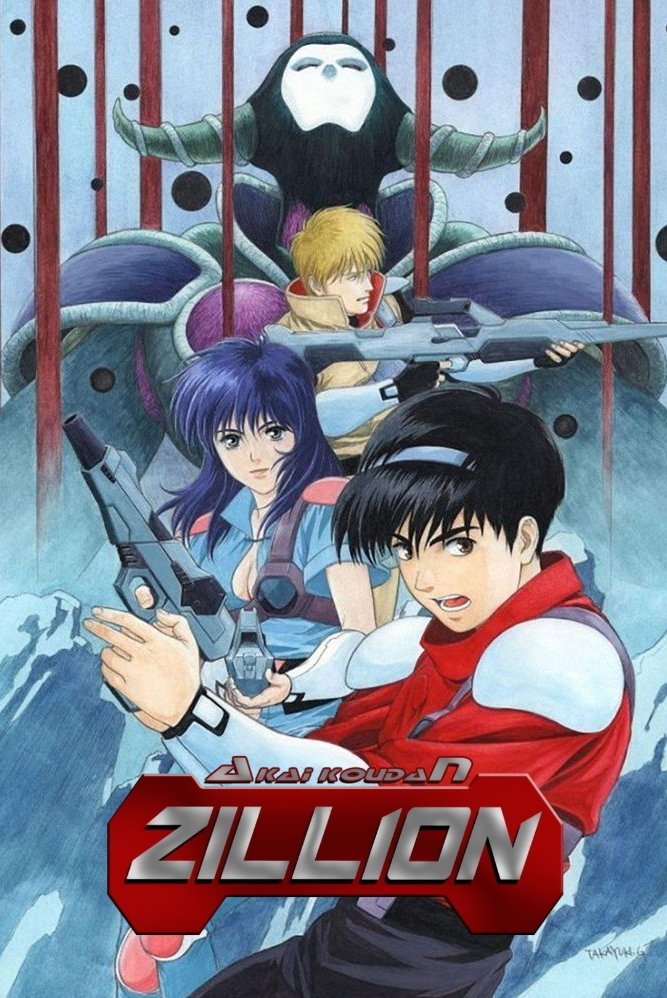
A special unit armed with advanced hand cannons tackles bioengineered invaders across jungles and city ruins. Missions vary from extraction to sabotage and often hinge on teamwork.
Tatsunoko Production leans into slick gear design and simple color coding so squad roles are obvious at a glance. The show uses quick cut training montages and field tests to set up new tools before they hit the field.
‘Starship Troopers’ (1988)
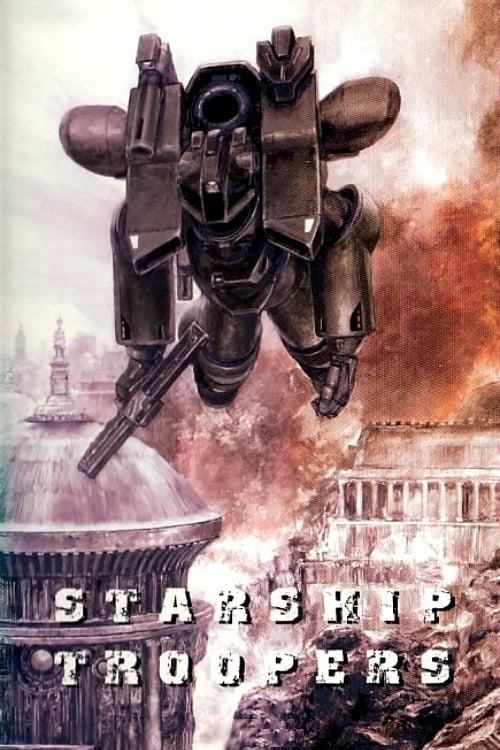
This OVA adapts episodes from the military sci fi novel and focuses on training, gear, and the hard lessons of the first deployments. The tone sticks with procedure and the cost of fighting an alien swarm.
Sunrise animates powered armor with weighty recoil and controlled jump arcs. The battlefield layouts track formations and lines of fire, turning each sortie into a readable exercise rather than chaos.
‘Giant Gorg’ (1984)
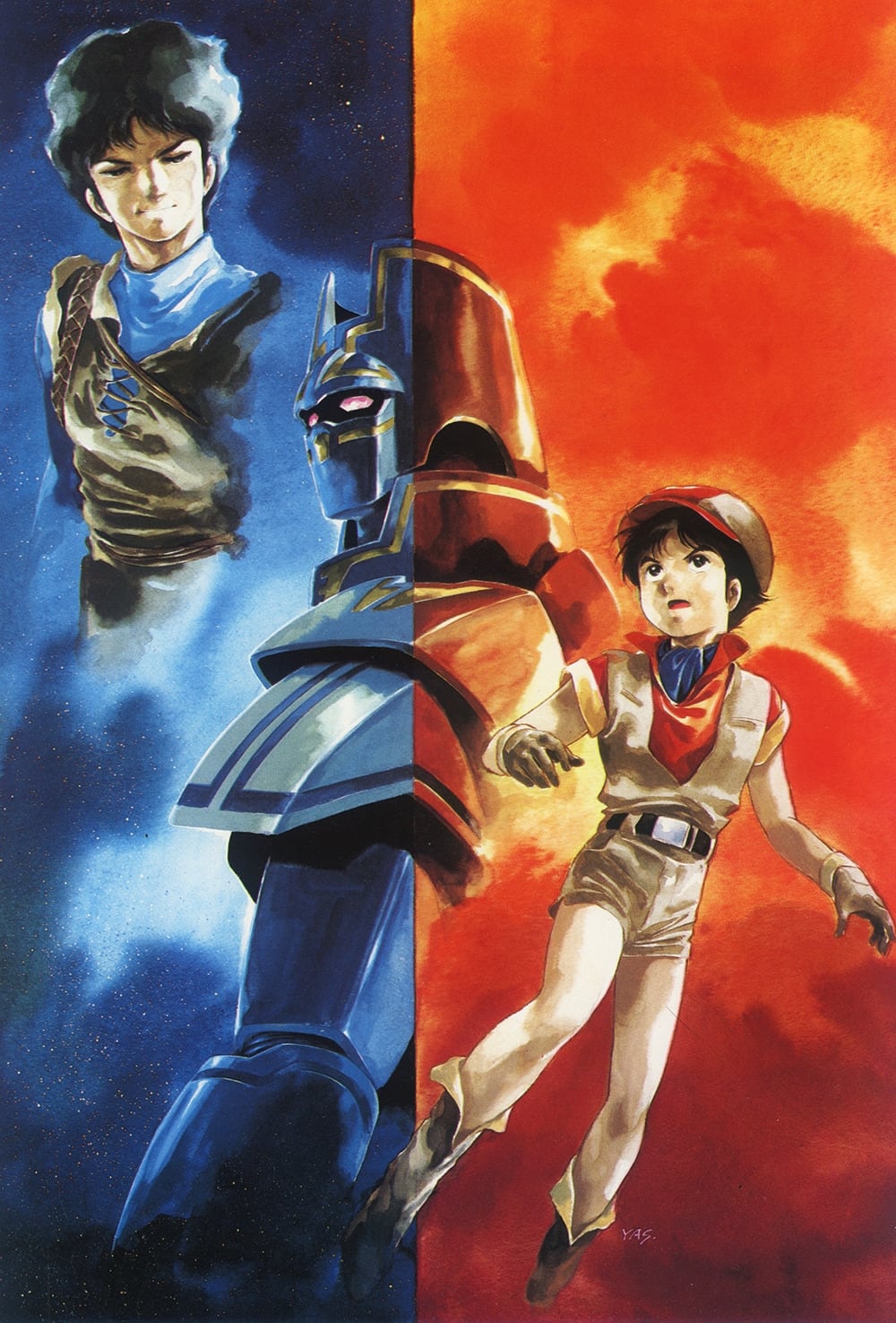
A boy travels to a remote island linked to a vanished civilization and discovers a towering guardian. Treasure hunters and private forces converge while the secret slowly unfolds.
Sunrise gives the robot a sense of mass through careful stepping cycles and camera placement. The island is mapped with cliffs, coves, and small settlements that make every pursuit feel like a tour through a real place.
‘Twilight of the Cockroaches’ (1987)
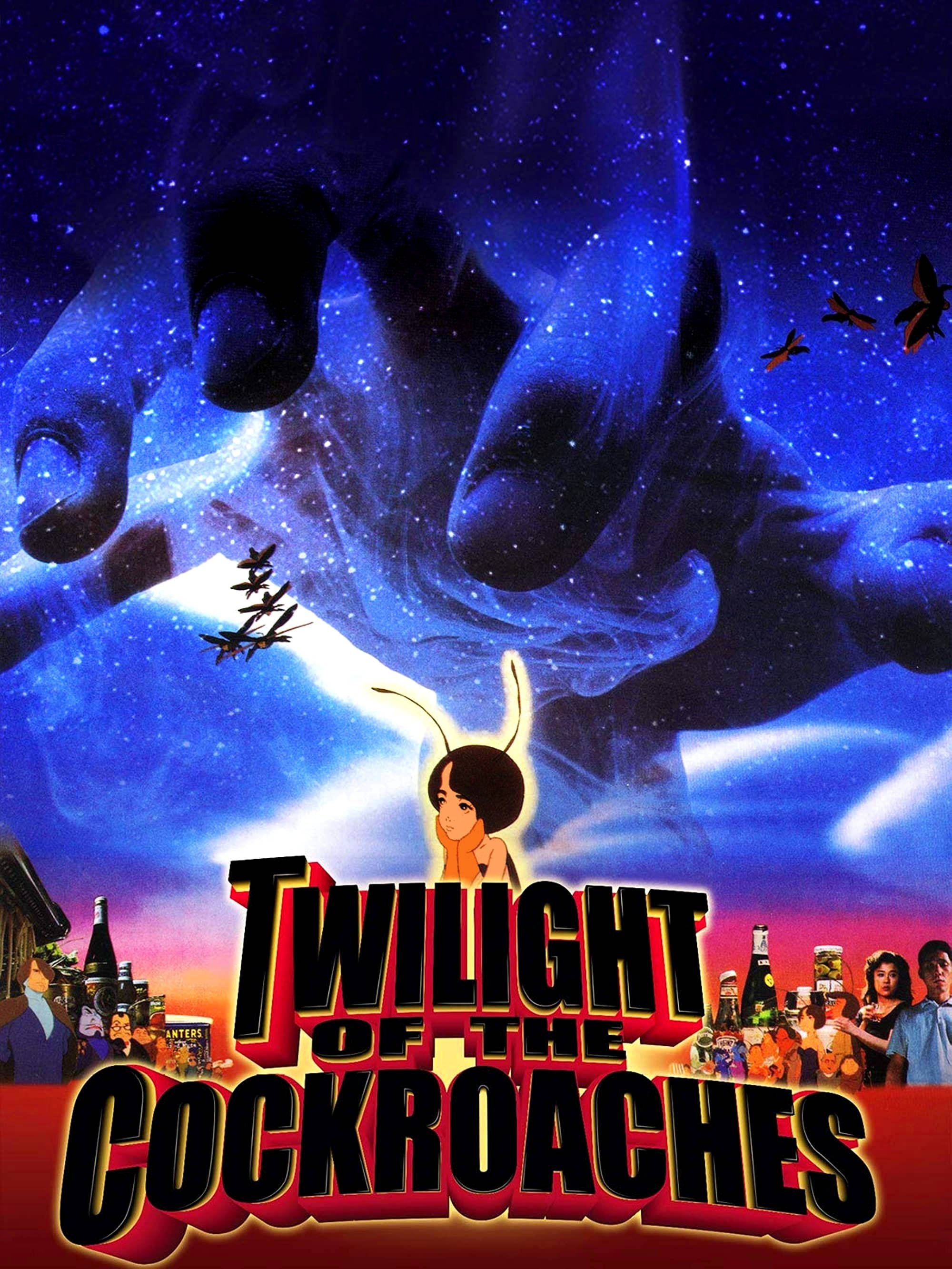
Live action plates blend with animation to follow a community of roaches living under a truce that begins to fail. The focus sits on social rules, food routes, and the shock when the status quo breaks.
Madhouse coordinates the composite work so animated characters sit convincingly on real tables and sinks. The result uses everyday kitchens and bathrooms as sprawling sets that make the tiniest movements feel like a journey.
‘Dirty Pair’ (1985–1986)

Troubleshooters Kei and Yuri take on corporate messes and criminal plots that often end in spectacular collateral damage. Cases hop between space stations, resorts, and back alleys with a light touch.
Sunrise wraps the duo in iconic costumes and sleek vehicles that make each mission instantly readable. The action leans on clean cuts and bold color holds that keep the comedy and the shootouts aligned.
‘Arion’ (1986)
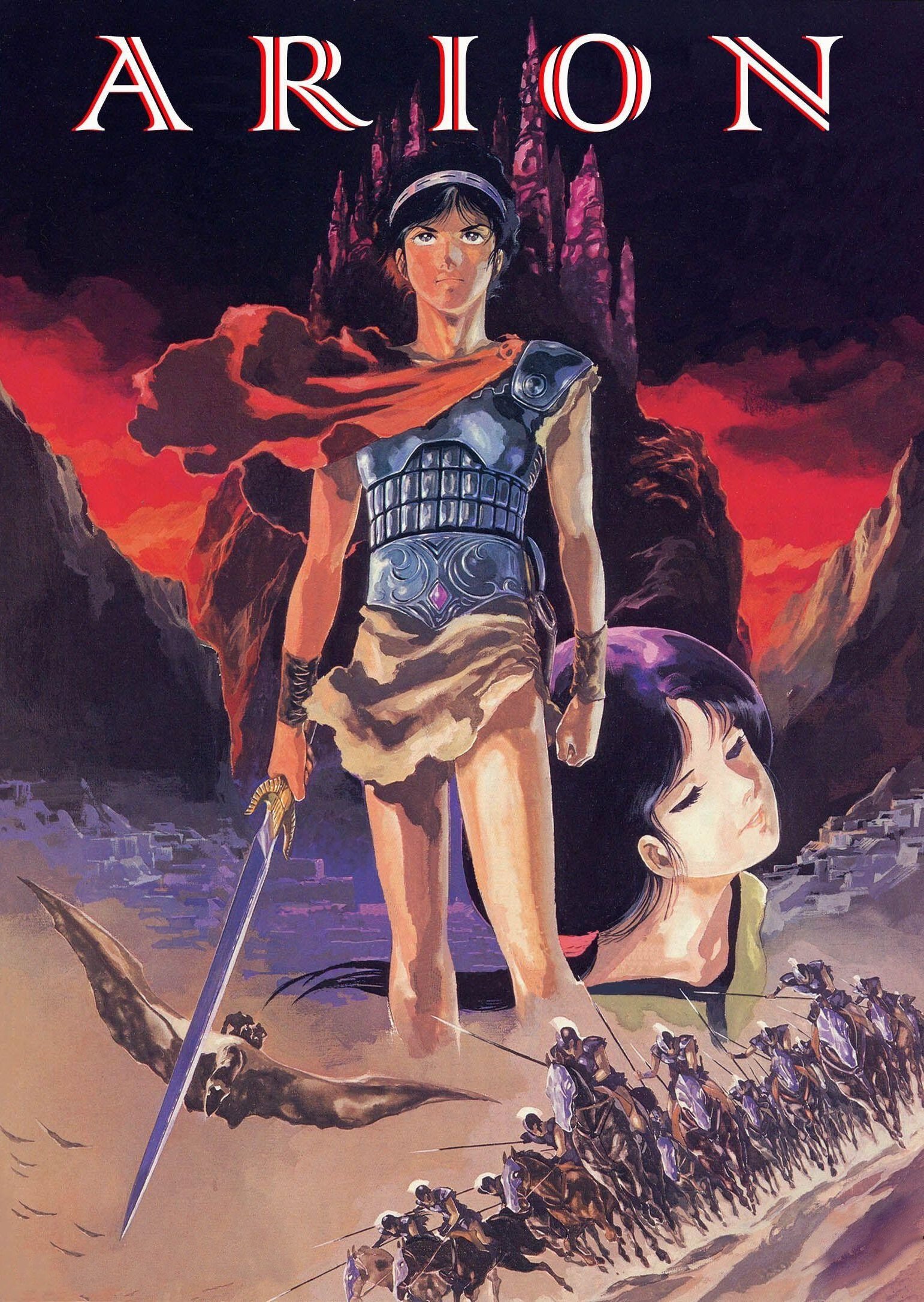
A demigod raised by Hades learns the truth of his origin and sets out across mythic lands. Gods and mortals clash while giant beasts and ancient weapons surface.
Sunrise uses broad skies and marble halls to stage confrontations with room to breathe. Character animation moves with classical poise, and the creature layouts keep scale honest when heroes face something truly massive.
‘Appleseed’ (1988)

A cop and her cyborg partner work cases in a planned city where order comes from a central authority and tensions simmer under the surface. The OVA picks a few incidents to show cracks in the system.
Gainax brings heavy detail to powered suits, drones, and urban canyons. The storyboard team favors clear overheads and ground level angles that make pursuits readable while hinting at the city’s deeper infrastructure.
Share your own overlooked 80s picks in the comments so everyone can find their next rewatch.