Best Short Anime for Newcomers


Starting an anime watchlist is easier when the shows finish in a weekend or two. This collection focuses on compact series with complete stories or clear stopping points, most of them within six to thirteen episodes. These titles are designed as quick entries into different genres without long continuity or spin up time.
You will find mystery, sci fi, drama, sports, comedy, and action here. Each entry notes the episode count, a simple premise, and helpful production details so you can decide what to try next without needing prior franchise knowledge.
‘Erased’ (2016)
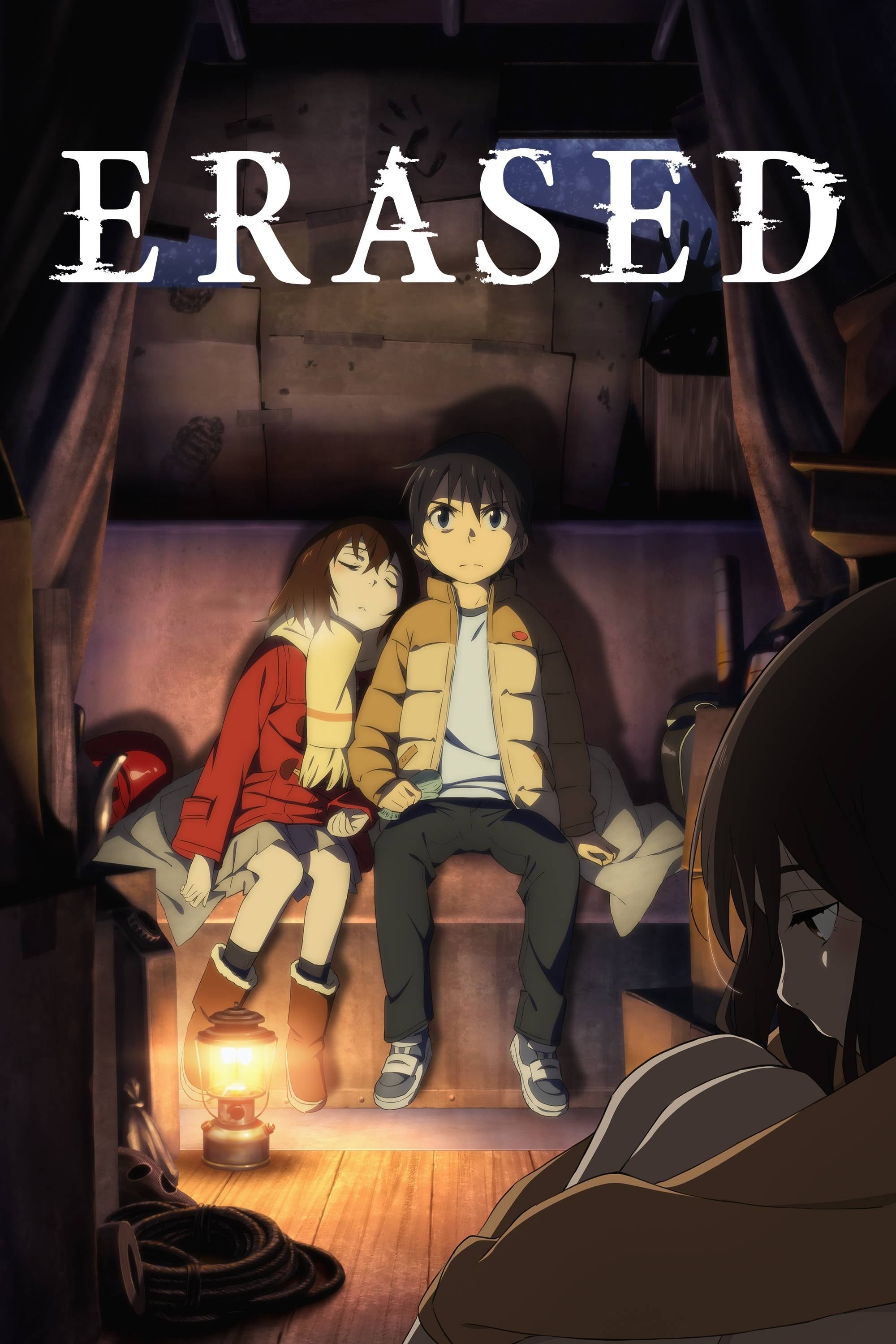
This series has 12 episodes. A struggling manga artist experiences sudden time leaps that send him back to childhood, where he investigates a string of kidnappings and a tragedy tied to his classmates. The story follows one case across parallel timelines until the central mystery is resolved.
It is produced by A 1 Pictures and adapted from the manga by Kei Sanbe. The television run concludes the main plot within its single season, and no background viewing is required to follow the narrative.
‘Death Parade’ (2015)
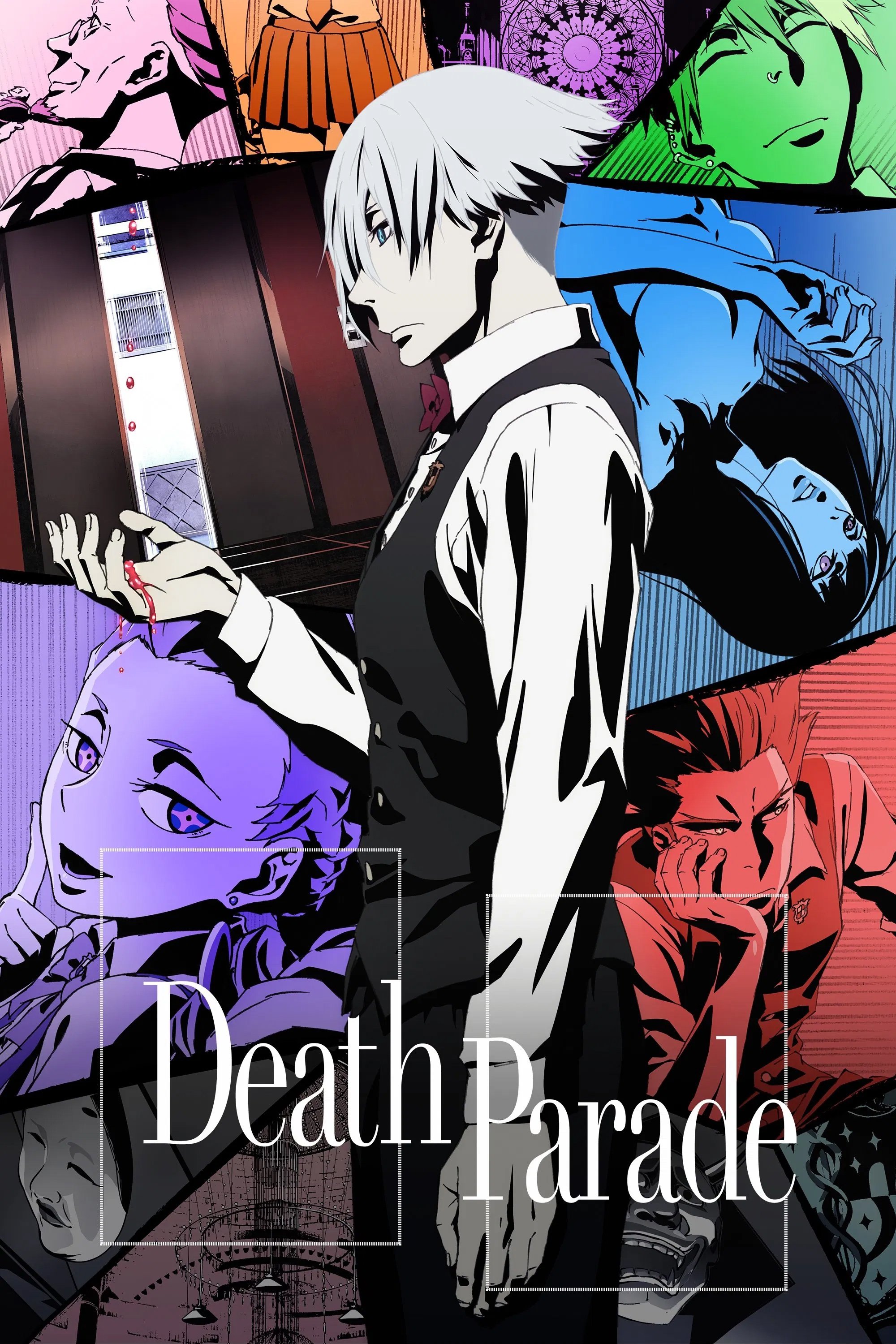
This series has 12 episodes. Pairs of guests arrive at a bar that hosts unusual games, and the outcomes reveal hidden memories that determine their fate. Episodes feature self contained cases that connect into a larger throughline about the arbiters who run the games.
It is made by Madhouse and created by Yuzuru Tachikawa, expanding the short film ‘Death Billiards’. The season stands alone with a complete character arc for the central cast and a clear endpoint.
‘Anohana: The Flower We Saw That Day’ (2011)

This series has 11 episodes. A group of childhood friends reunites when the ghost of a lost friend appears and pushes them to face unresolved grief. The story focuses on one town and one circle of characters from start to finish.
It is produced by A 1 Pictures with direction by Tatsuyuki Nagai and series composition by Mari Okada. The creative team known as Super Peace Busters developed the original concept, and the series wraps its narrative within its single run.
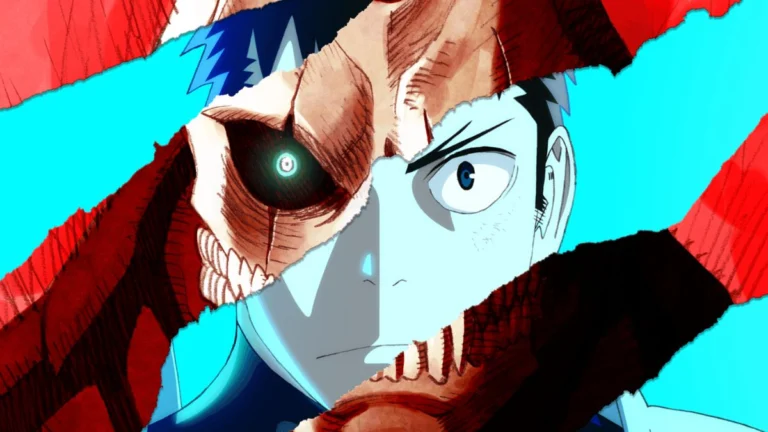
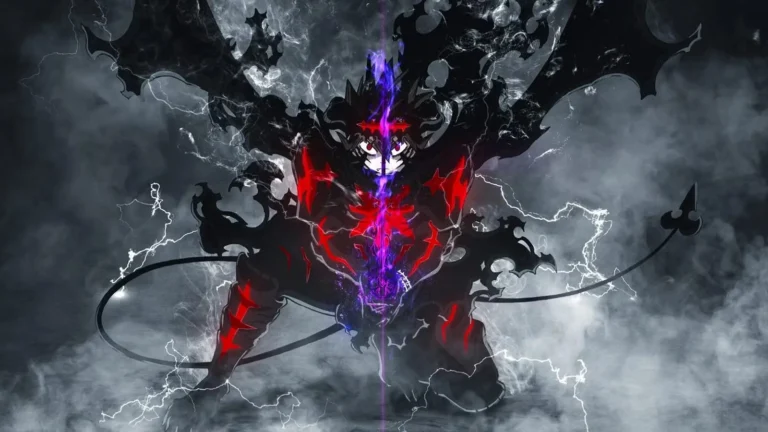
‘Devilman Crybaby’ (2018)
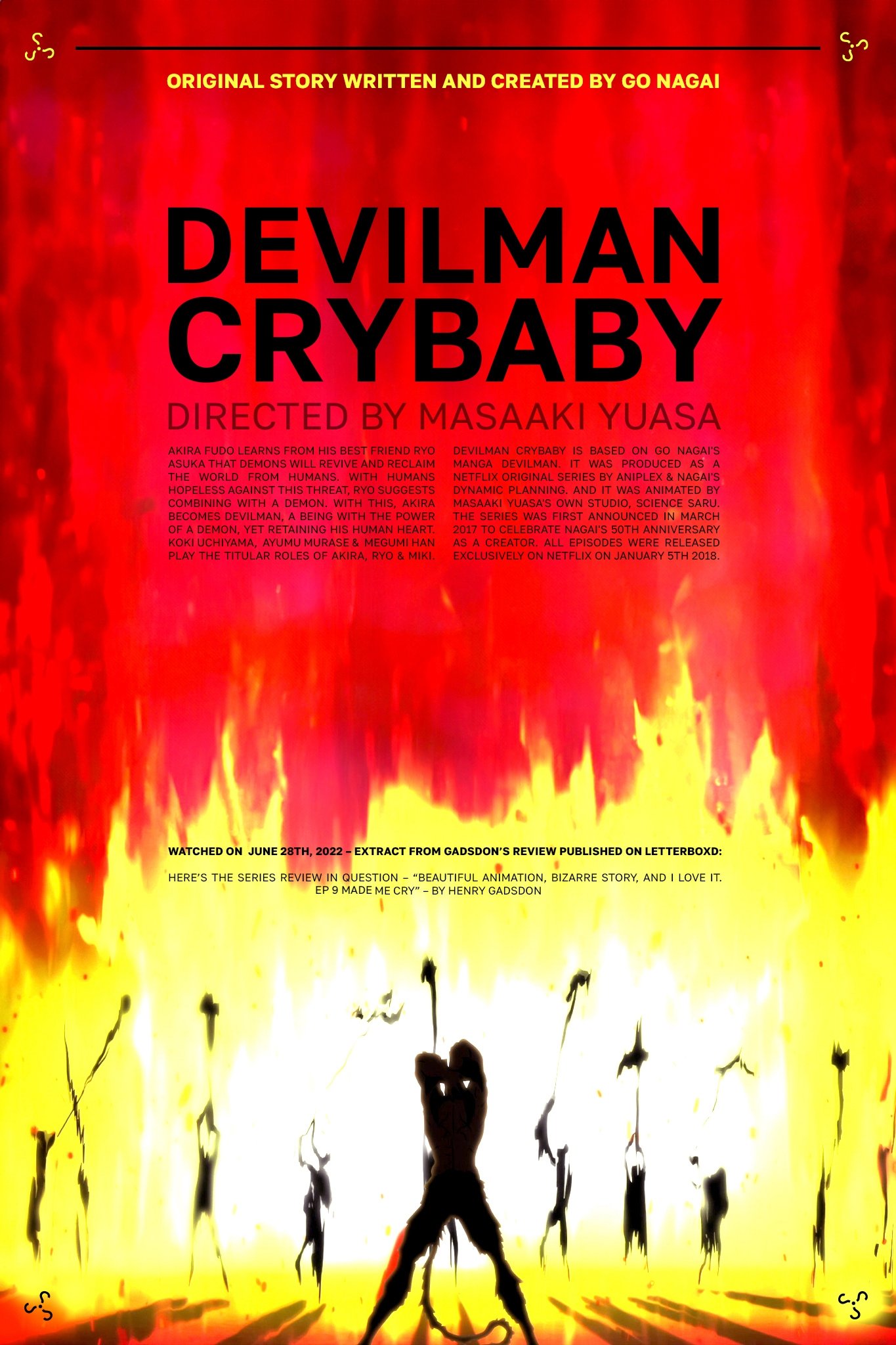
This series has 10 episodes. A quiet teenager gains demonic power and is pulled into a conflict between humans and demons that threatens his relationships and his city. The story is a modern retelling of a classic manga and moves in a straight line to its conclusion.
It is produced by Science SARU and directed by Masaaki Yuasa, drawing from the work of Go Nagai. The season tells a full story with no extra seasons needed to reach the endpoint.
‘Keep Your Hands Off Eizouken!’ (2020)
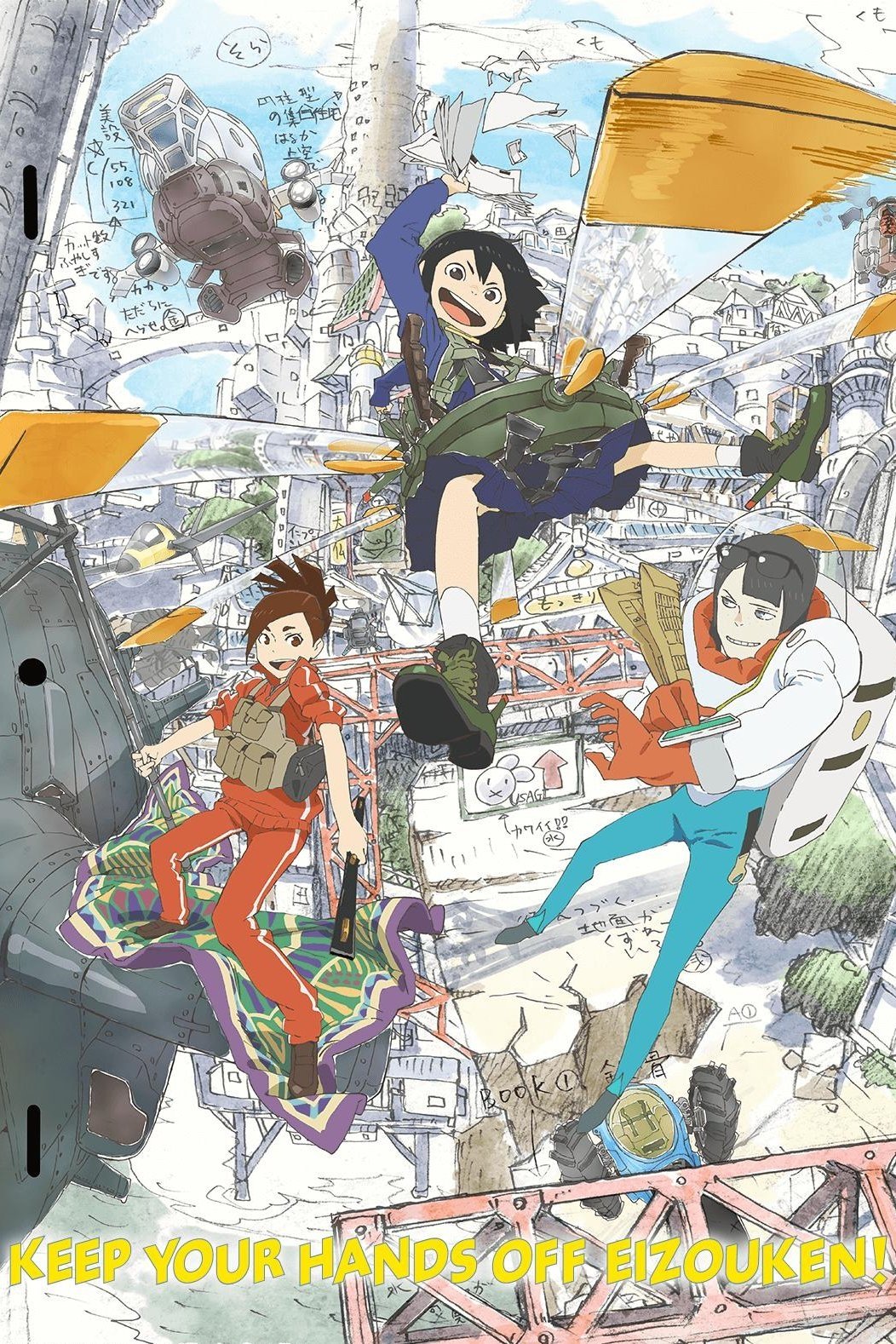
This series has 12 episodes. Three first year students start an after school club where they build animated worlds from sketches and sound effects. Each episode pairs daydreams with practical steps that bring a short project to life.
It is produced by Science SARU and adapted from the manga by Sumito Oowara. The season functions as a complete school year of club activity, and the episodes form clear arcs around each production.
‘Violet Evergarden’ (2018)
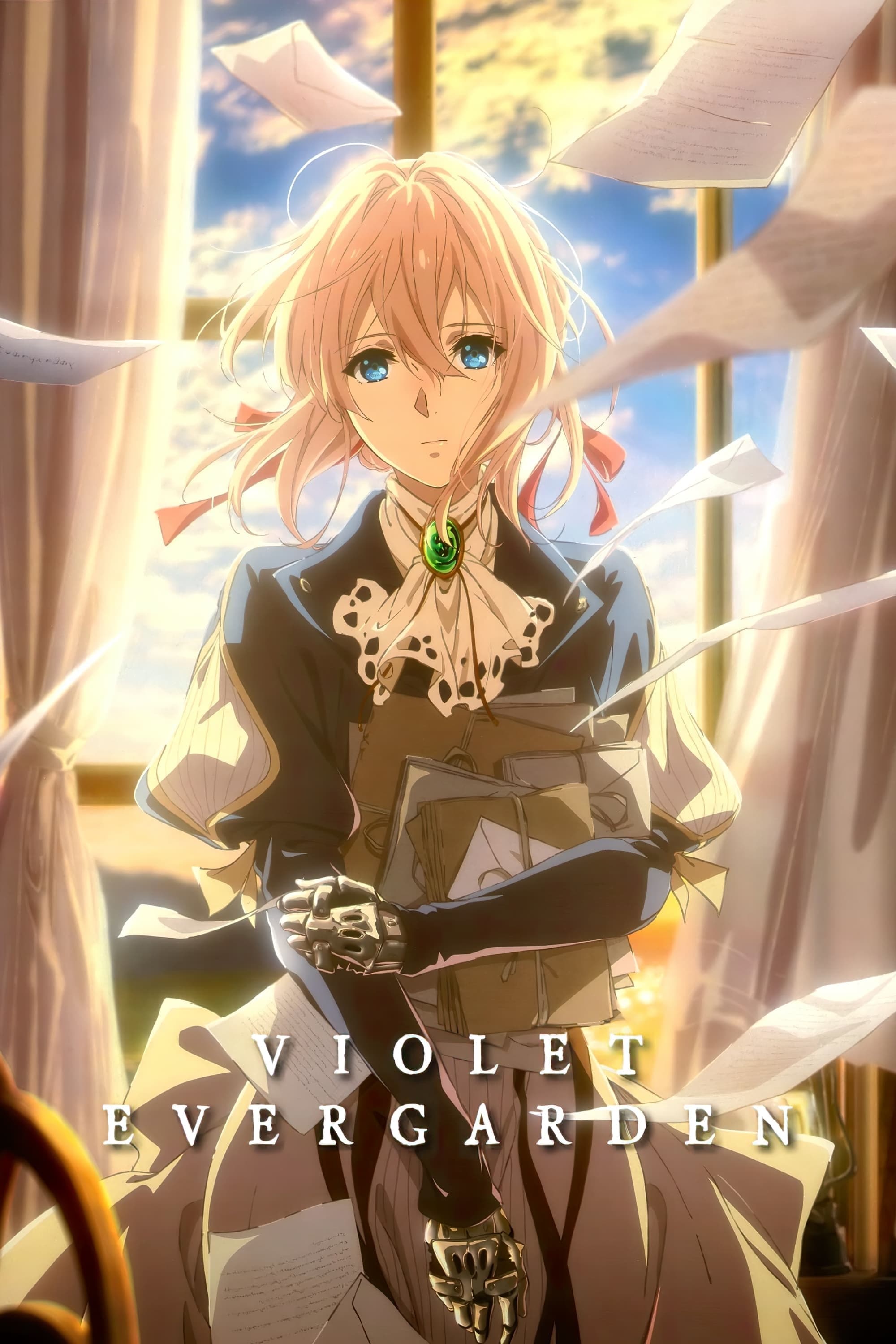
This series has 13 episodes. A former child soldier learns to write letters for clients and travels from town to town while searching for the meaning of a final message from her commander. The show blends stand alone assignments with a steady personal journey.
It is produced by Kyoto Animation and adapted from light novels by Kana Akatsuki. The television season completes Violet’s core arc, and optional special episodes and a feature film exist for viewers who want more.
‘The Tatami Galaxy’ (2010)
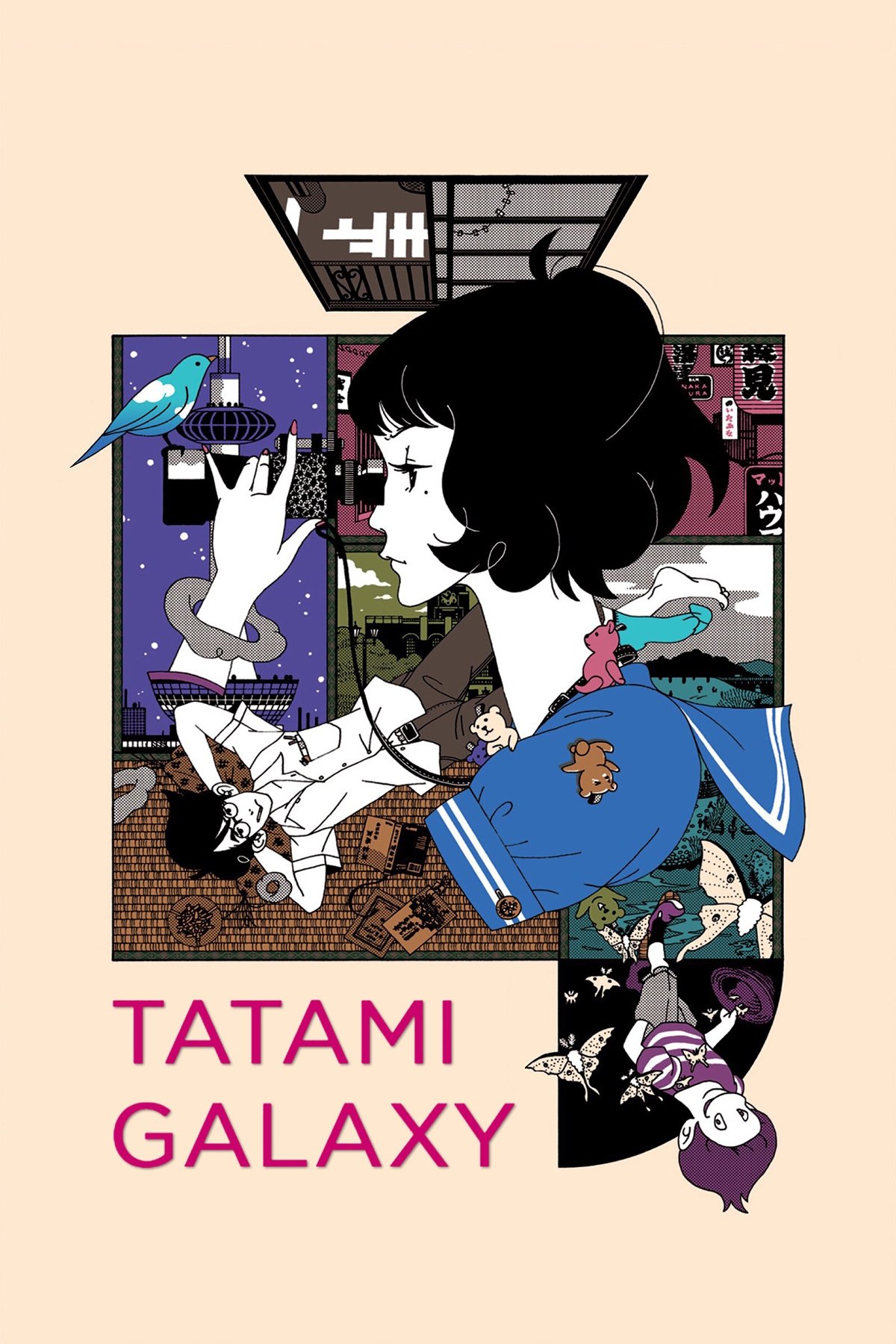
This series has 11 episodes. A university student relives his campus years across different clubs and friendships, exploring alternate outcomes from a single choice. Episodes revisit familiar scenes from new angles until the loop reveals a path forward.
It is produced by Madhouse and directed by Masaaki Yuasa, adapted from a novel by Tomihiko Morimi. The season stands alone and finishes its concept within the available episodes.
‘Odd Taxi’ (2021)

This series has 13 episodes. A taxi driver with a quiet routine becomes linked to a missing person case as fares and acquaintances pull him into a web of secrets. The plot threads connect across the city and converge by the final episode.
It is co produced by OLM and P I C S with a screenplay by Kazuya Konomoto. The series resolves its mystery within the season, and the companion film ‘Odd Taxi: In the Woods’ offers an extended version of events for those interested.
‘Baccano!’ (2007)
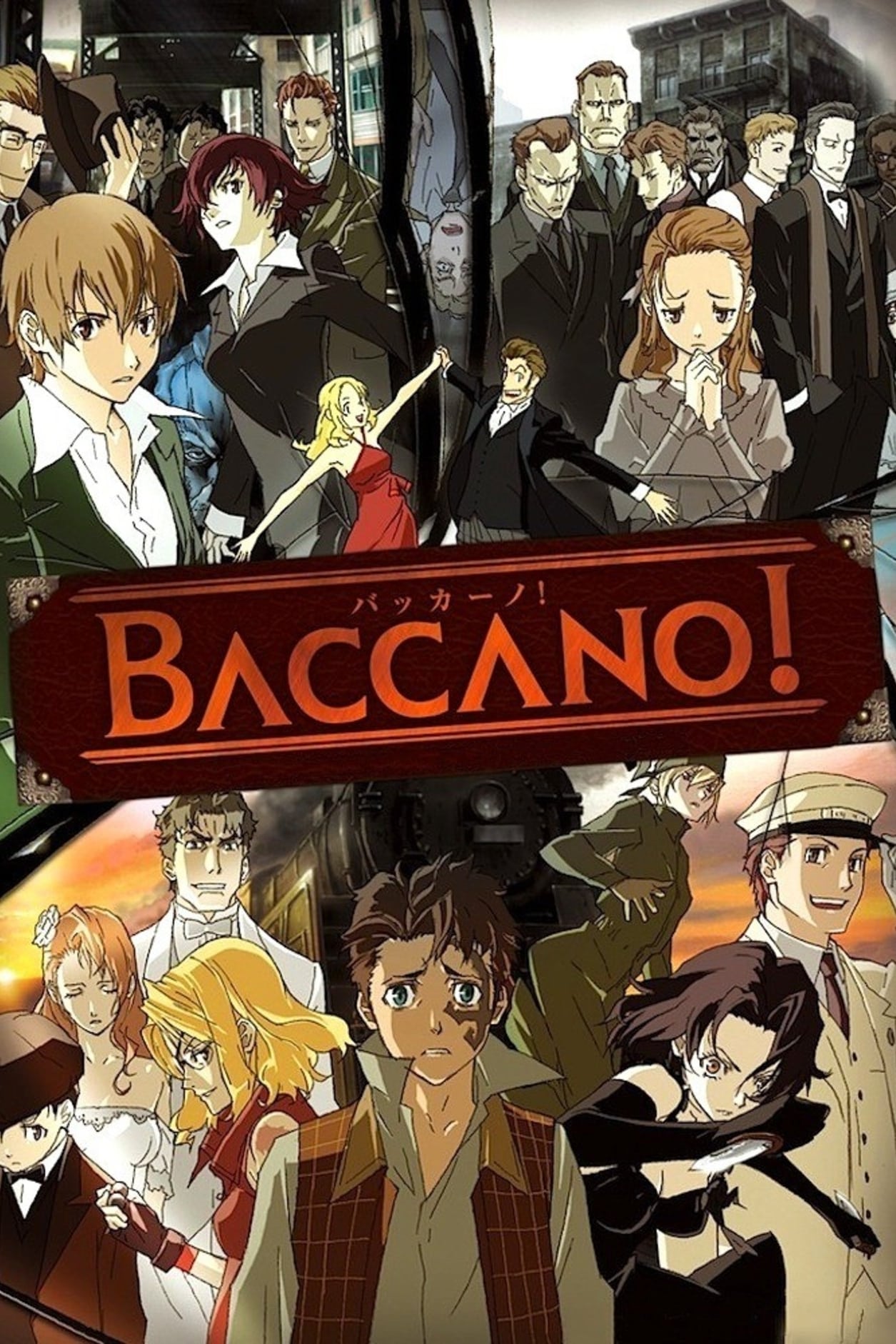
This series has 13 episodes. Gangsters, thieves, and immortals cross paths on trains and in speakeasies as overlapping stories unfold in a non linear order. The show gradually fits the pieces together until the main conflicts line up.
It is produced by Brain’s Base and adapted from the light novels by Ryohgo Narita. Three additional OVA episodes act as epilogues, while the televised run provides a complete thirteen episode experience.
‘Paranoia Agent’ (2004)
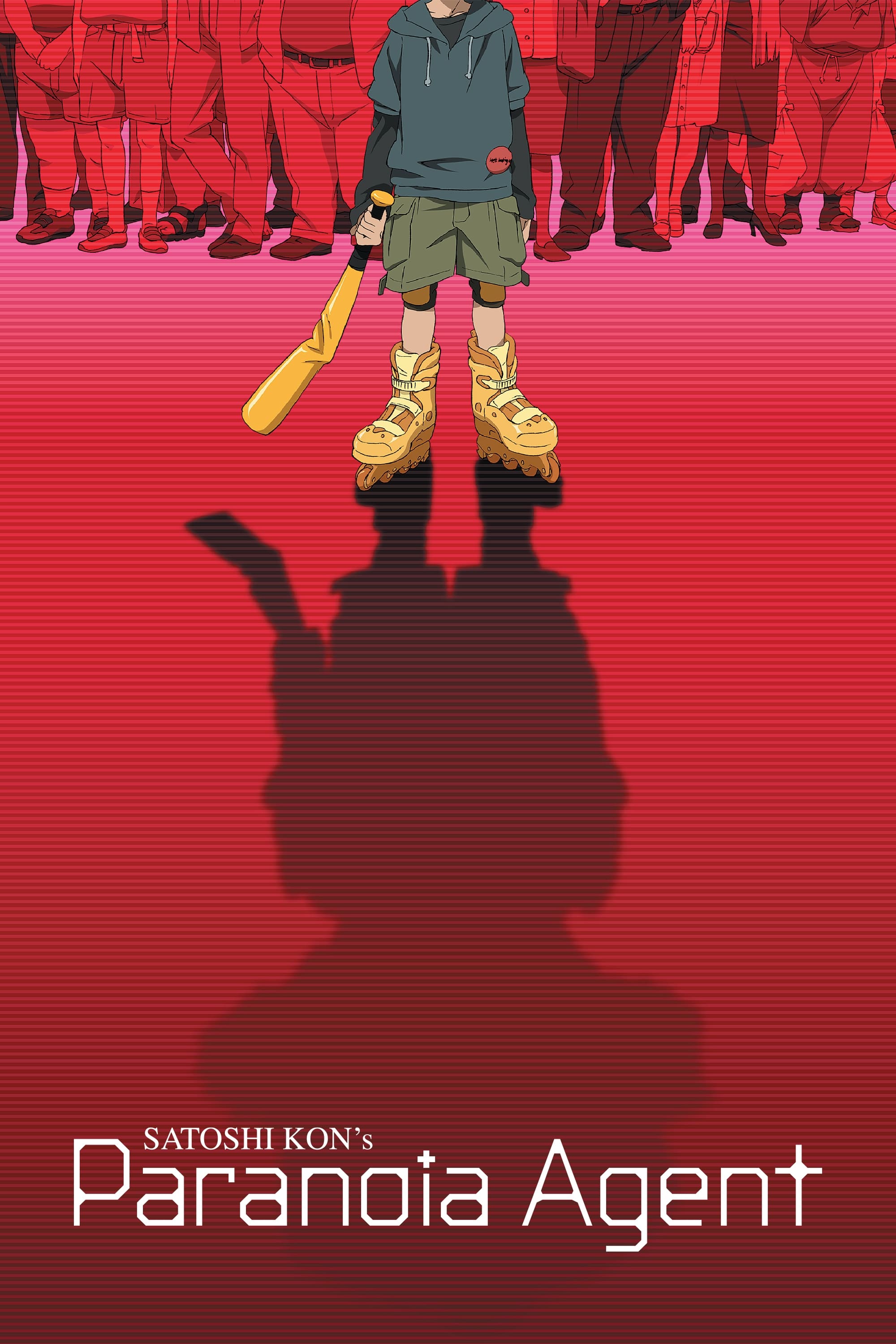
This series has 13 episodes. An urban rumor about a boy with a golden bat links a set of cases that involve anxiety, stress, and denial. Each episode examines a new angle while the investigators look for patterns.
It is produced by Madhouse and created by Satoshi Kon. The season forms a closed narrative with an ensemble and ends without the need for sequel material.
‘Another’ (2012)
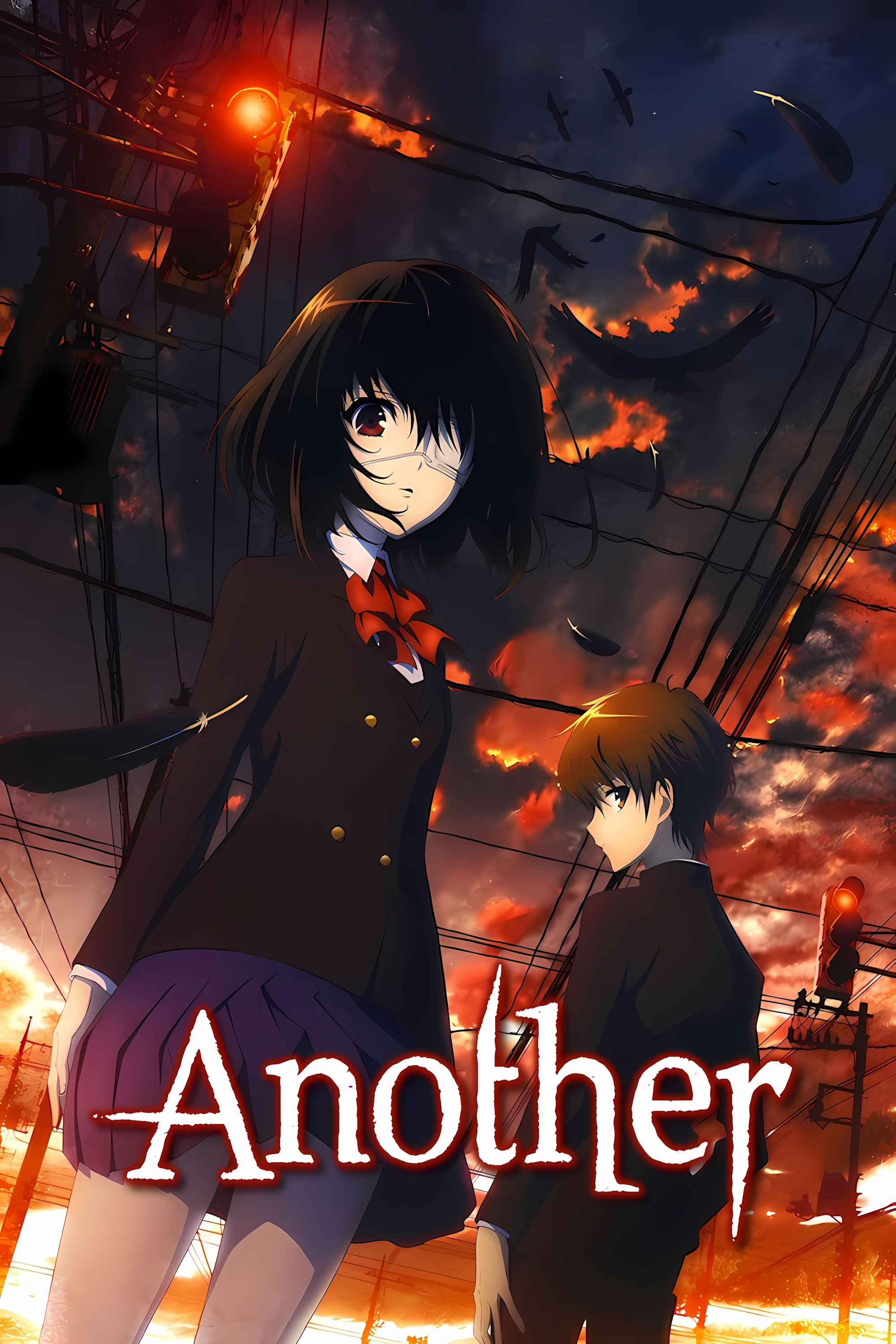
This series has 12 episodes. A transfer student arrives at a school where one class follows strict rules to avoid a deadly pattern of accidents. The group investigates the origin of the events while trying to stay safe.
It is produced by P A Works and adapted from the novel by Yukito Ayatsuji. A single season covers the case from start to finish, and a standalone OVA provides background set before the main story.
‘FLCL’ (2000–2001)
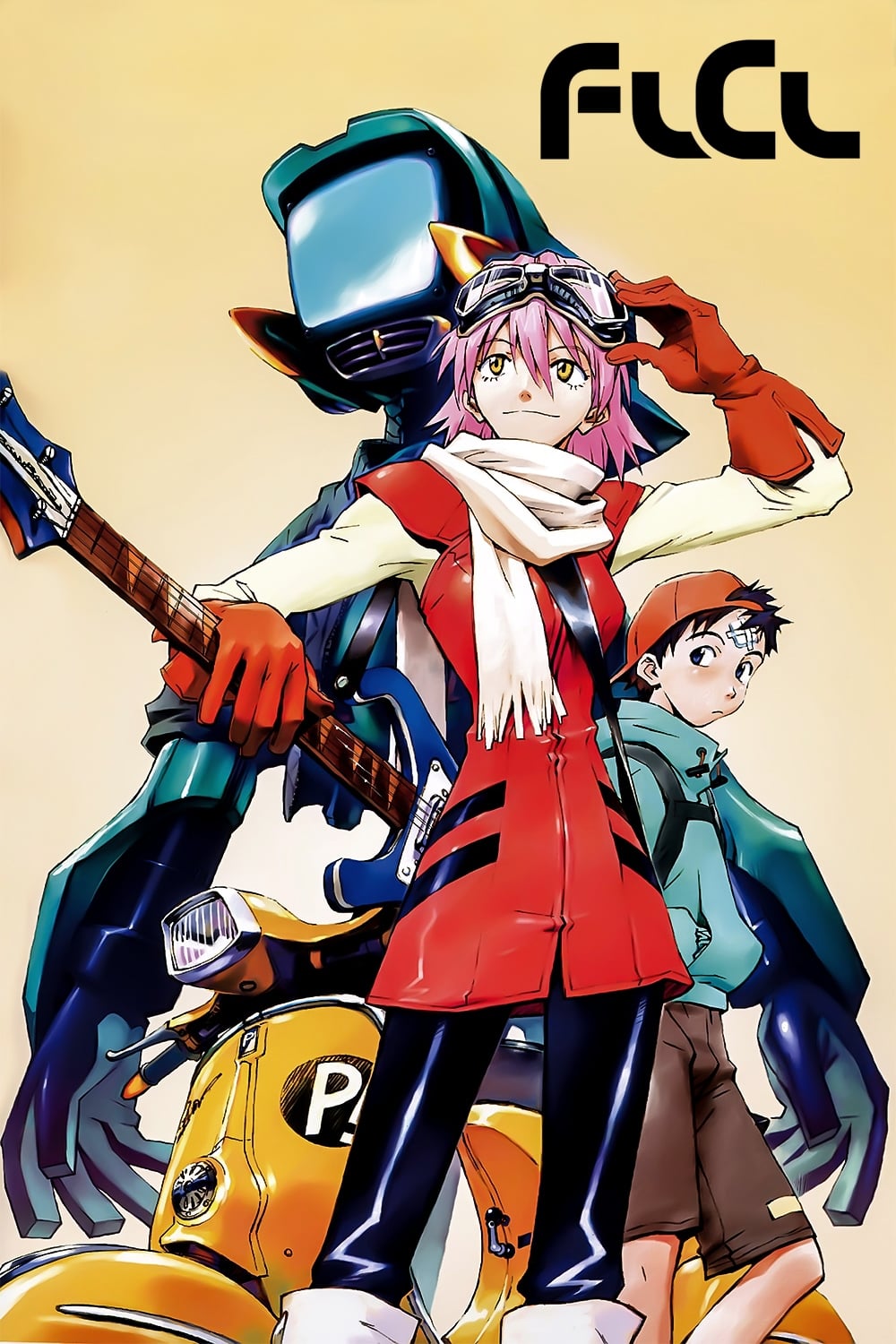
This series has 6 episodes. A strange visitor on a Vespa turns a boy’s quiet town into a stage for robots and surreal events that mirror growing up. The story focuses on one family and a handful of friends.
It is produced by Gainax with Production I G and King Records. The original run is a compact OVA that stands on its own, and later follow up series under related titles can be watched separately if desired.
‘A Place Further Than the Universe’ (2018)
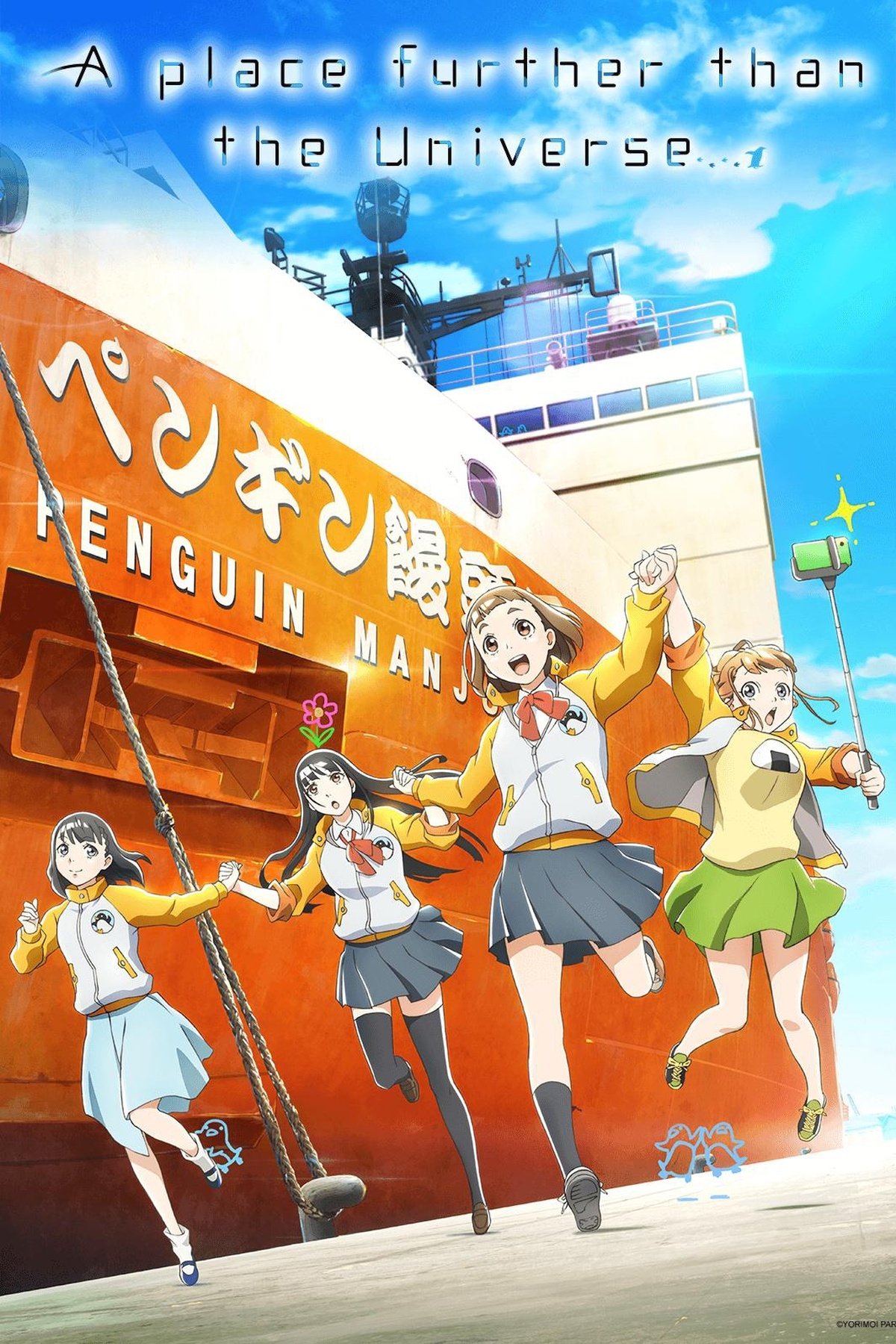
This series has 13 episodes. Four students join an expedition to Antarctica and prepare through training, fundraising, and travel. The journey tracks their progress from first meeting to the research base.
It is produced by Madhouse and directed by Atsuko Ishizuka as an original project. The season tells a complete trip with a clear beginning, middle, and end.
‘Kabaneri of the Iron Fortress’ (2016)
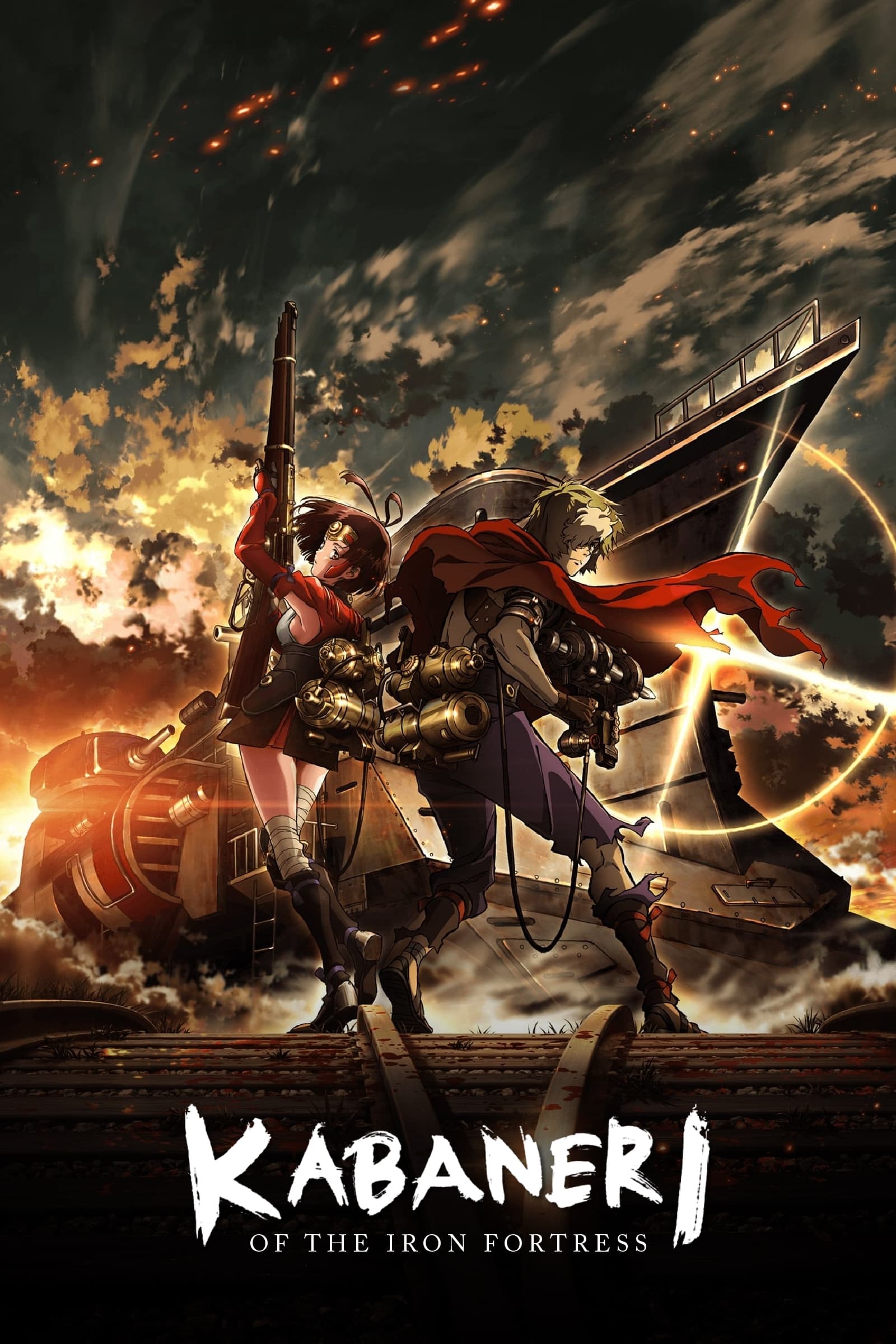
This series has 12 episodes. Survivors ride fortified trains between stations while fighting creatures called kabane with steam powered gear. The plot follows the defense of key routes and the development of a new weapon.
It is produced by Wit Studio with direction by Tetsuro Araki and series composition by Ichiro Okouchi. The television season completes a major arc, and compilation films plus a sequel film continue the setting for viewers who want more.
‘Terror in Resonance’ (2014)
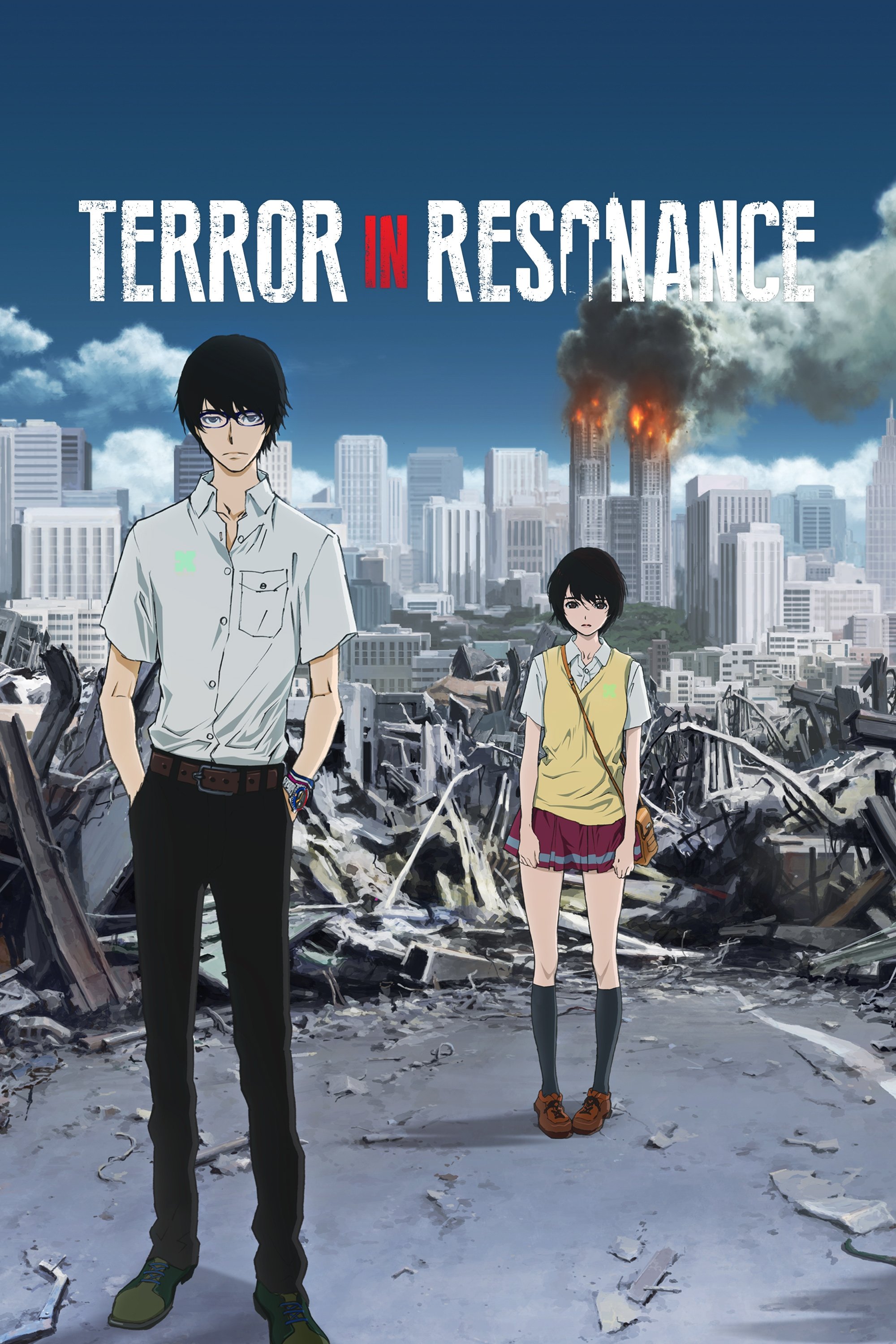
This series has 11 episodes. Two teenagers carry out a public campaign that challenges authorities with puzzles and timed events, while a detective works through the clues. The show centers on one case and the past that drives it.
It is produced by MAPPA and directed by Shinichiro Watanabe with music by Yoko Kanno. The single season presents an original story that reaches a conclusion without additional seasons.
‘Angel Beats!’ (2010)
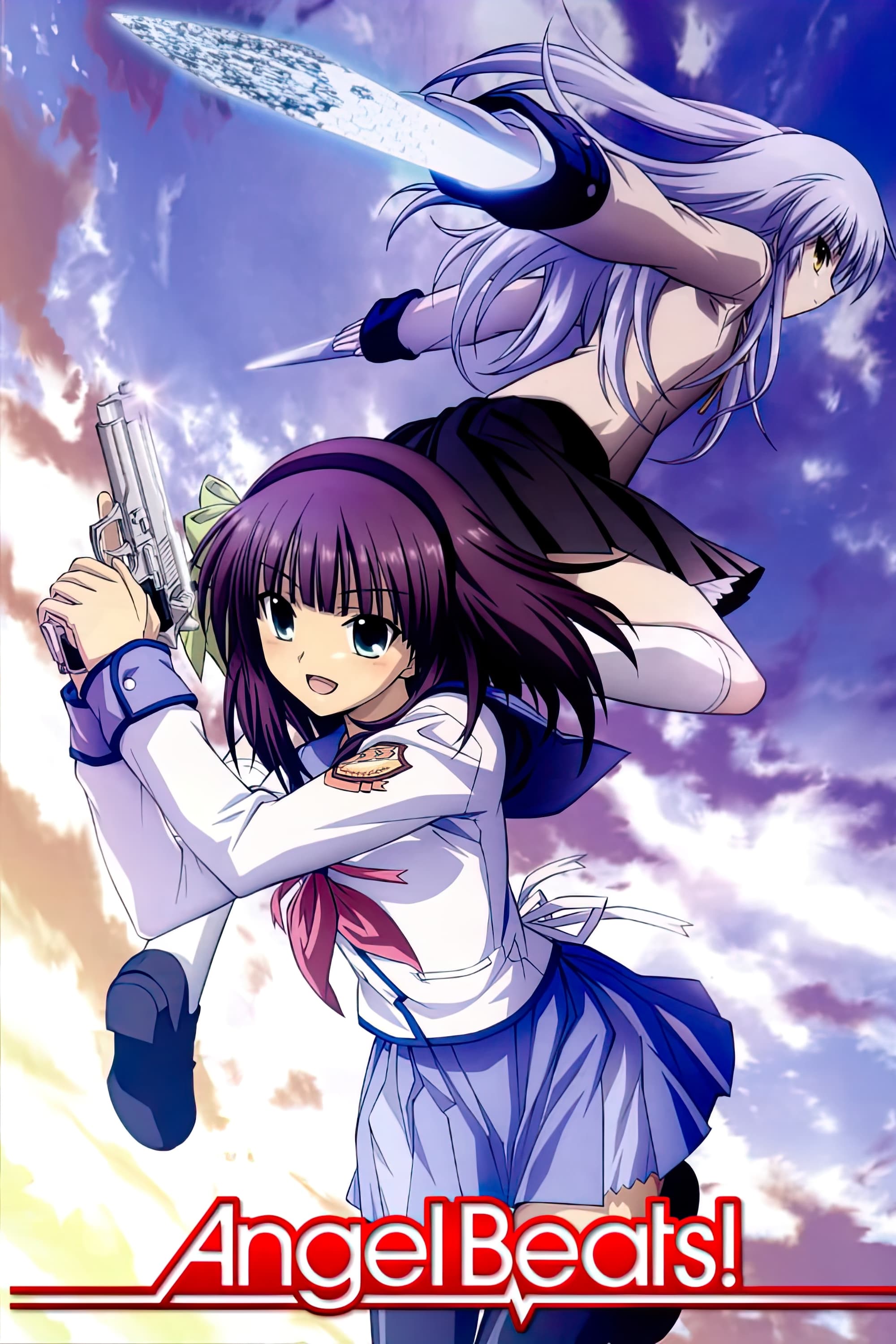
This series has 13 episodes. Students wake in a school that functions as a way station and form groups with different goals about moving on. The episodes alternate between missions, concerts, and character backstories.
It is produced by P A Works and created by Jun Maeda in collaboration with Key. The season includes a finale within its run, and extra OVA episodes add bonus material.
‘Yuri on Ice’ (2016)

This series has 12 episodes. Ice skaters prepare for the Grand Prix series with programs that change across events and with coaching that pushes growth. The competition calendar organizes the story from qualifiers to the final.
It is produced by MAPPA and directed by Sayo Yamamoto with series composition by Mitsurou Kubo. The season forms a full circuit arc and can be enjoyed without any prior viewing.
‘Barakamon’ (2014)
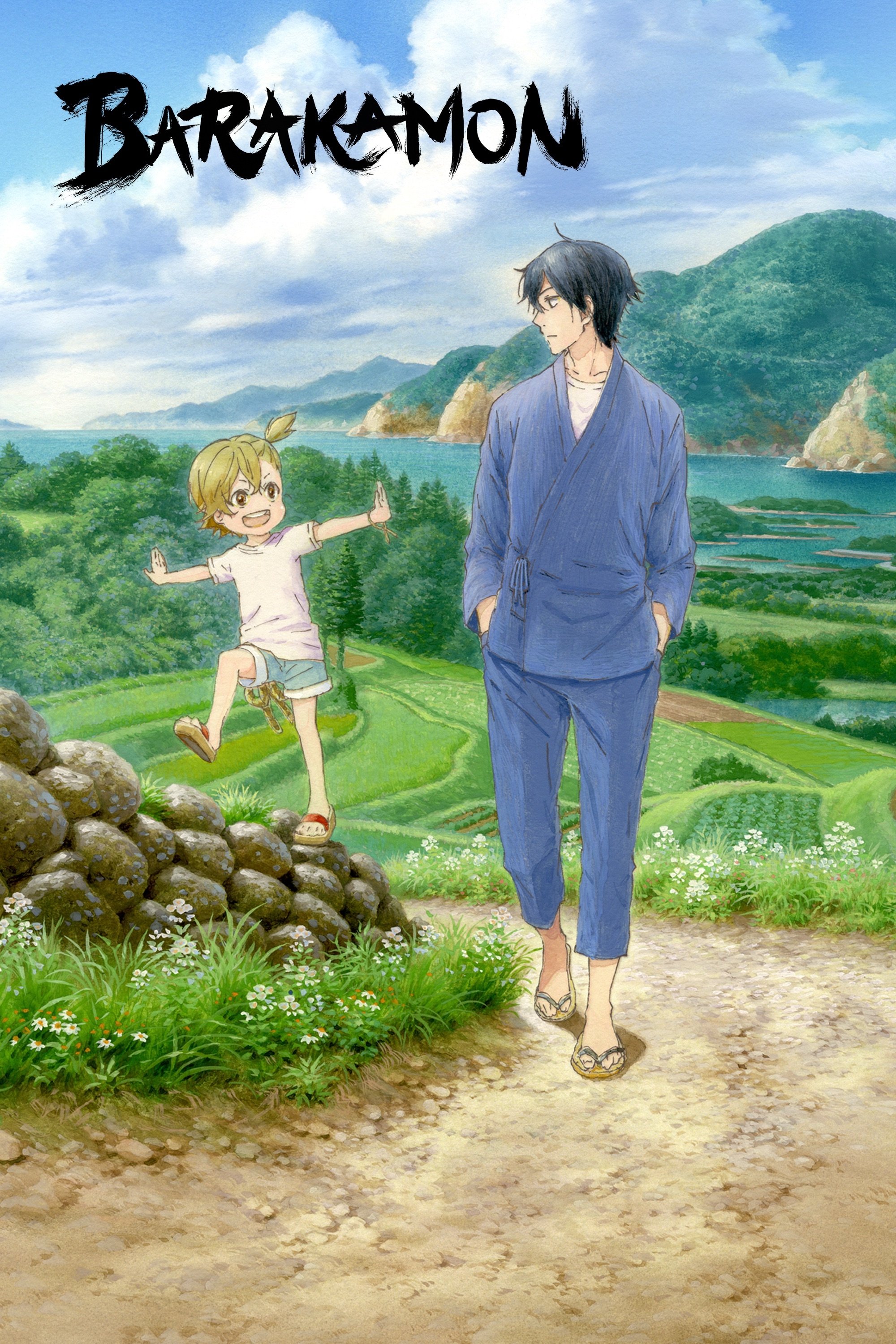
This series has 12 episodes. A calligrapher relocates to a remote island and balances commissions with village life while refining his craft. Episodes follow seasonal activities and small community projects.
It is produced by Kinema Citrus and adapted from the manga by Satsuki Yoshino. A related prequel series titled ‘Handa kun’ covers the lead character’s school years and can be watched separately.
‘Blue Period’ (2021)
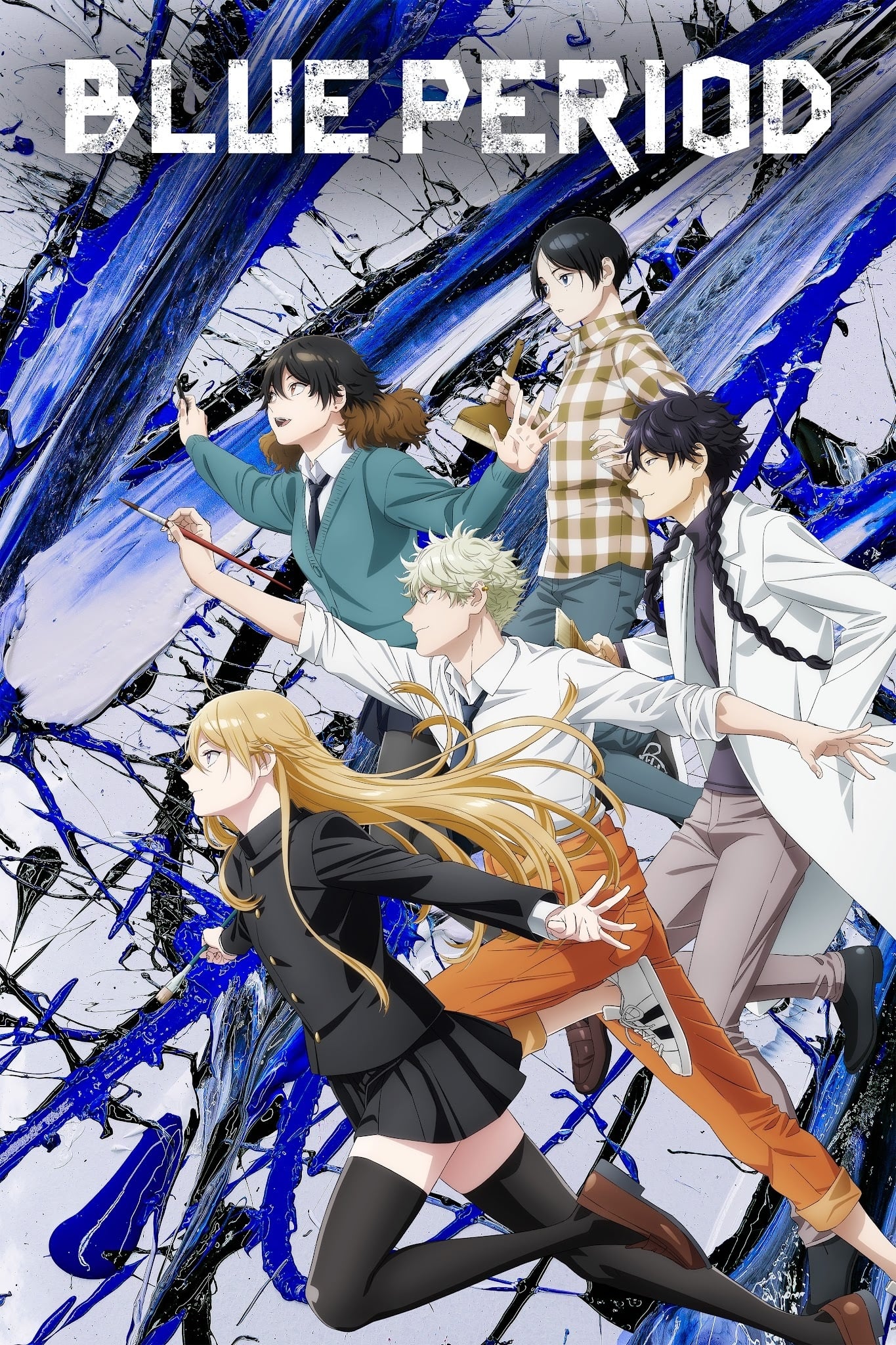
This series has 12 episodes. A high school student discovers painting and begins formal study, learning fundamentals like color theory and figure drawing. The story tracks exam preparation and early studio work.
It is produced by Seven Arcs and adapted from the manga by Tsubasa Yamaguchi. The season covers initial arcs that introduce the cast and the art school track in a self contained run.
‘Given’ (2019)
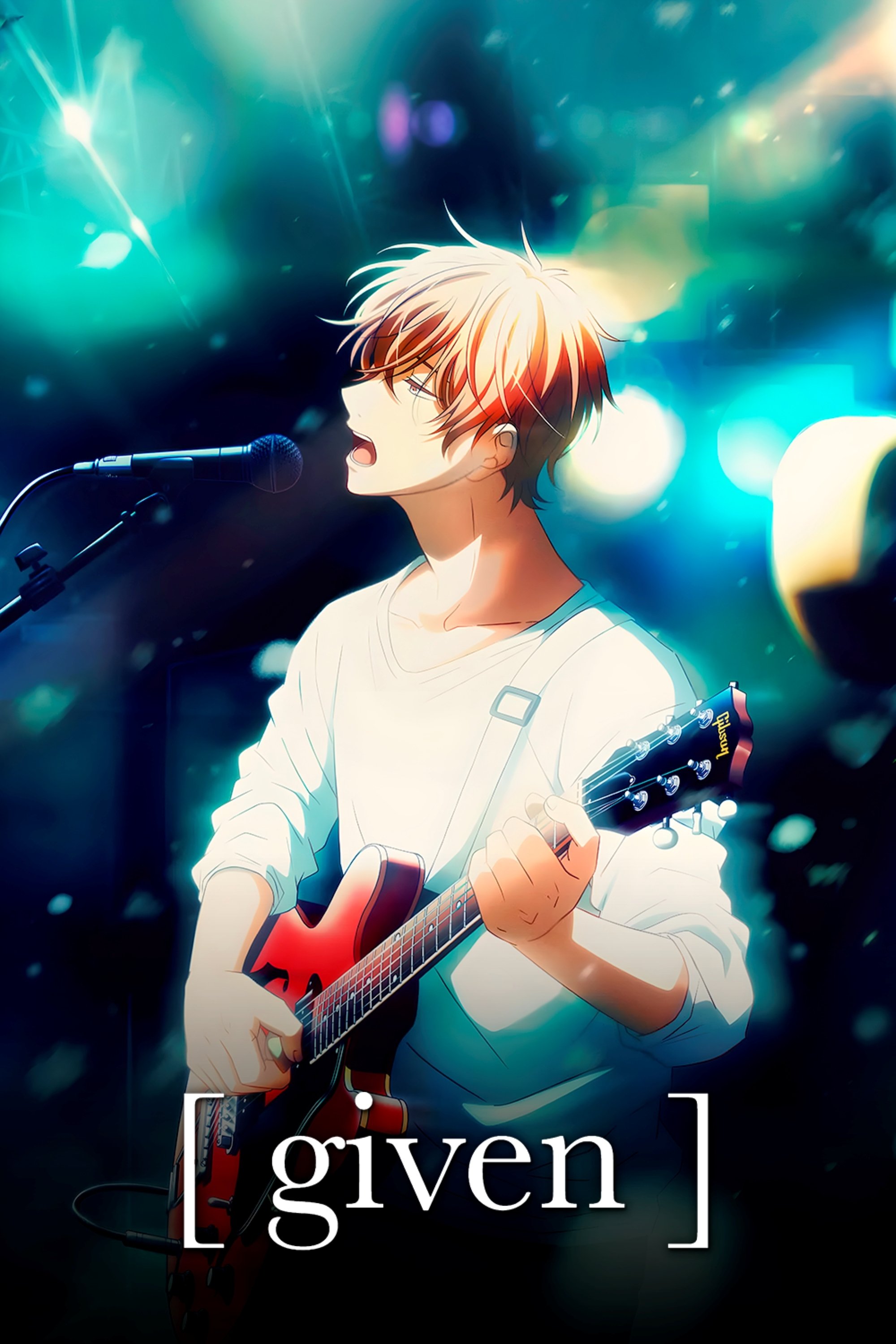
This series has 11 episodes. A guitarist and a quiet classmate form a band with two older musicians and work toward a first live performance. Rehearsals and songwriting move the story forward.
It is produced by Lerche and adapted from the manga by Natsuki Kizu. The television season focuses on the band’s formation and debut, and a later film continues different characters from the same group.
‘Ping Pong the Animation’ (2014)
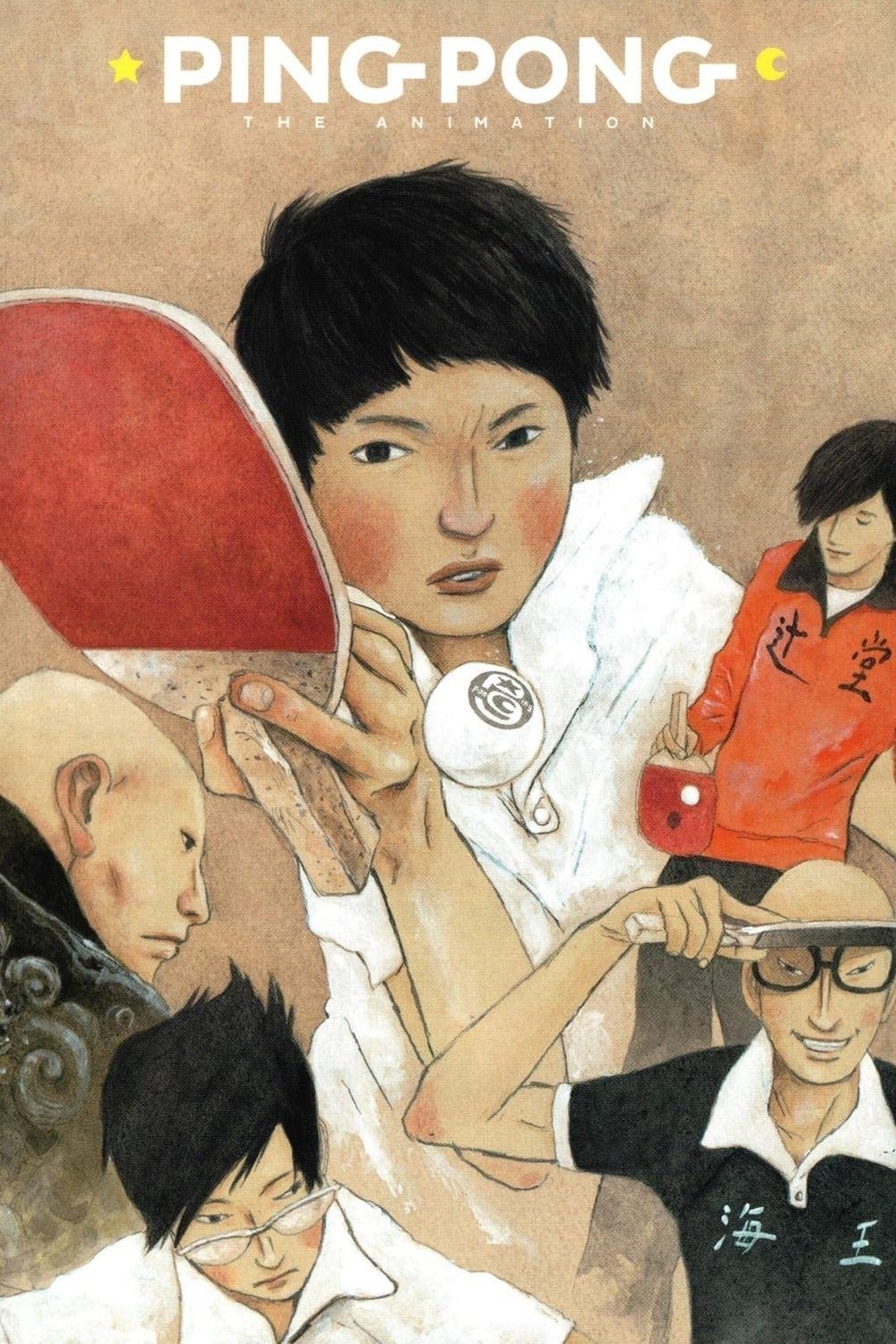
This series has 11 episodes. Two friends approach table tennis in different ways and meet rivals who test their limits. Matches build from school tournaments to national level play.
It is produced by Tatsunoko Production and directed by Masaaki Yuasa, adapted from the manga by Taiyo Matsumoto. The season adapts the complete story into one concise run.
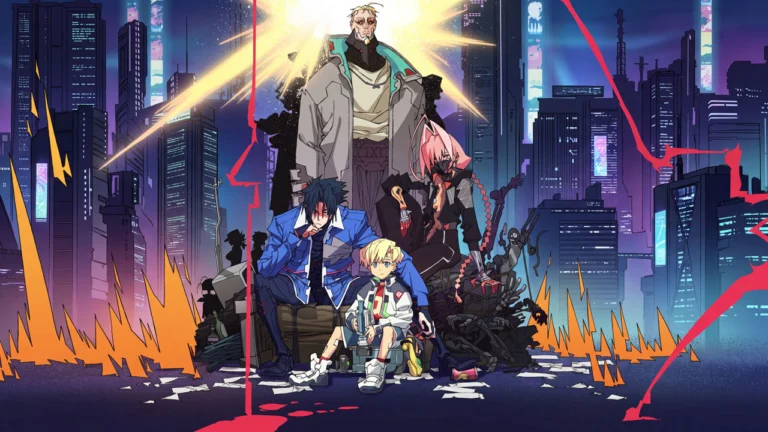
‘Cyberpunk: Edgerunners’ (2022)
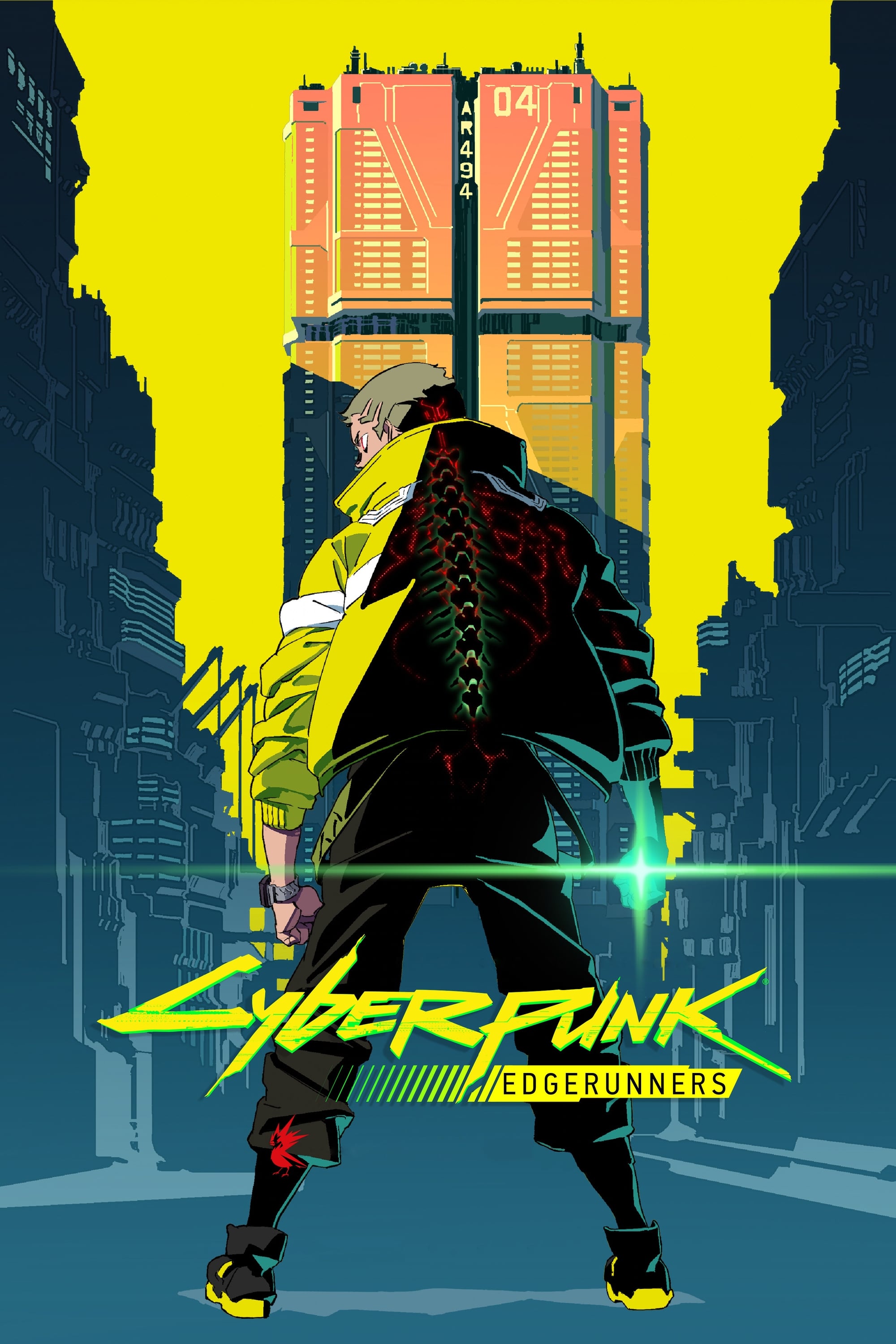
This series has 10 episodes. A street kid enters the world of mercenaries in a city ruled by megacorporations and dangerous tech, and a small crew forms around shared jobs. The story follows one rise and one set of contracts to a defined endpoint.
It is produced by Trigger in collaboration with the developer of the original game setting. The season is a closed narrative and does not require any knowledge of the game to follow the plot or the technology.
‘Kaiba’ (2008)
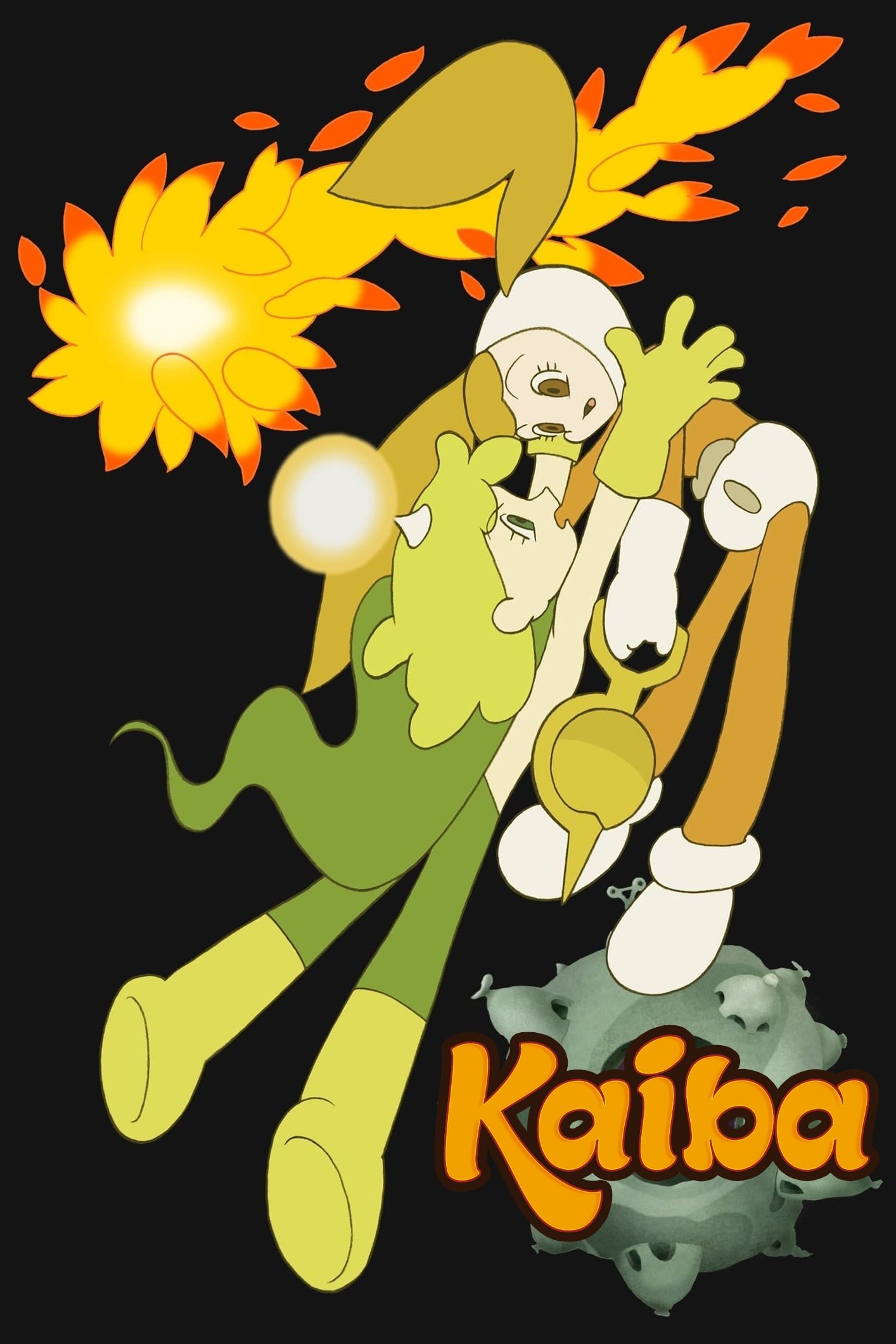
This series has 12 episodes. In a society where memories can be stored and bodies replaced, a traveler wakes without identity and moves between worlds that reveal how the system works. The journey connects stand alone stops into a larger puzzle.
It is produced by Madhouse and directed by Masaaki Yuasa as an original science fiction project. The season completes its central mystery within its episode count.
‘Chainsaw Man’ (2022)
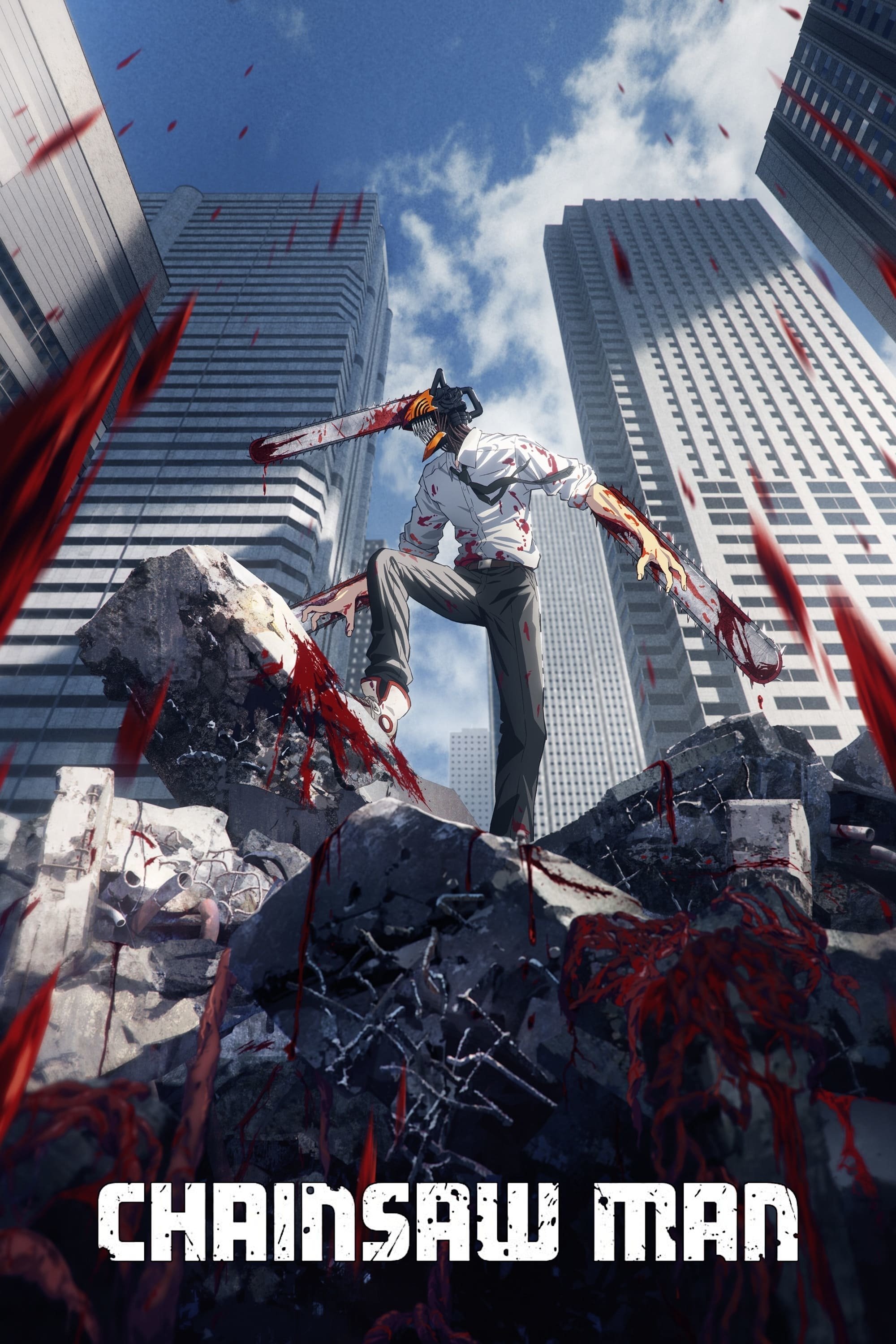
This series has 12 episodes. A young man merges with a devil and joins a public safety team that hunts dangerous targets, while partners with other abilities guide him through the job. Missions introduce the rules and factions of the setting.
It is produced by MAPPA and adapted from the manga by Tatsuki Fujimoto. The first season covers early arcs that function as a compact introduction and can be watched on its own.
‘Dorohedoro’ (2020)
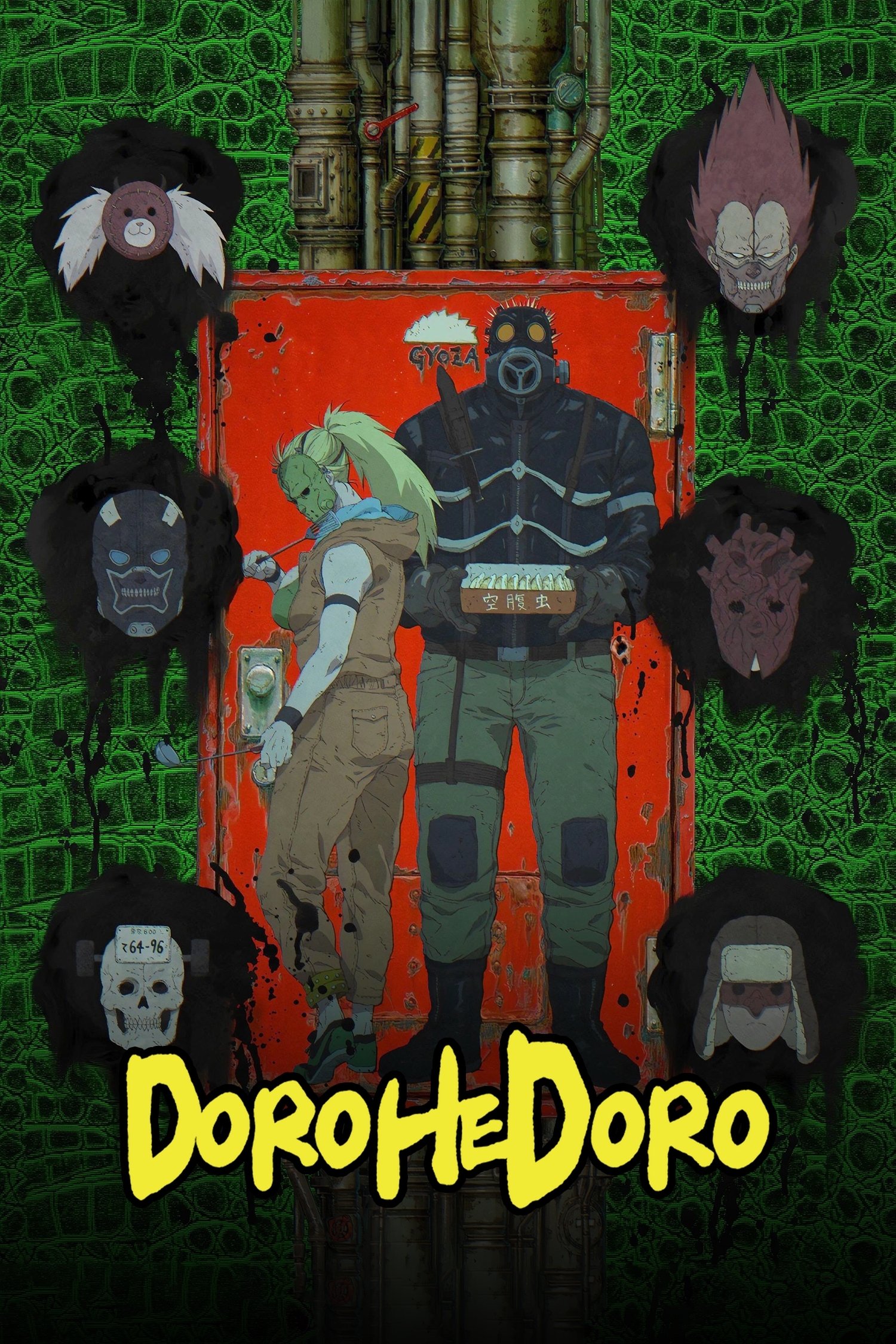
This series has 12 episodes. A man with a reptile head looks for the sorcerer responsible for his curse and fights within a city split between magic users and ordinary residents. The show alternates between investigations, cooking scenes, and arena style battles.
It is produced by MAPPA and adapted from the manga by Q Hayashida. The season establishes the world clearly and includes additional short episodes released as OVA content for viewers who want extra scenes.
Share the short series you would hand to a first time anime watcher in the comments so others can discover them too.