Essential Anime Films to Revisit Every Year


These animated features reward a yearly rewatch with rich worldbuilding, careful craftsmanship, and details you catch only on repeat visits. From visionary directors to studios that defined eras, each title below also notes who brought it to theaters. Use this as a friendly checklist to keep your movie nights inspired all year long.
‘Spirited Away’ (2001)
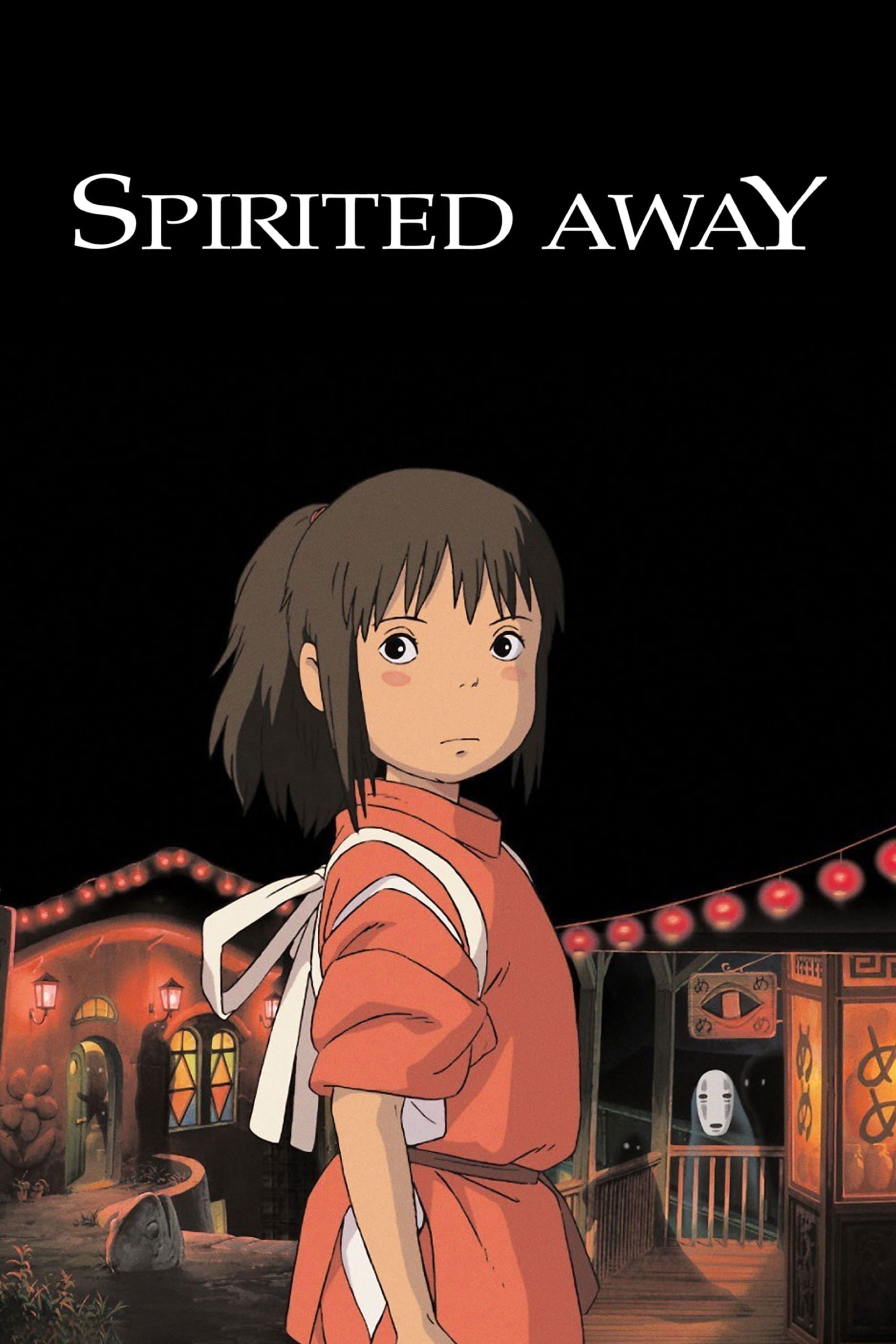
Hayao Miyazaki tells the story of a girl navigating a spirit bathhouse and learning quiet resilience. Hand drawn animation and practical effects techniques give the setting its layered texture. It premiered domestically with Toho handling distribution. The film won the Academy Award for Best Animated Feature.
‘Princess Mononoke’ (1997)
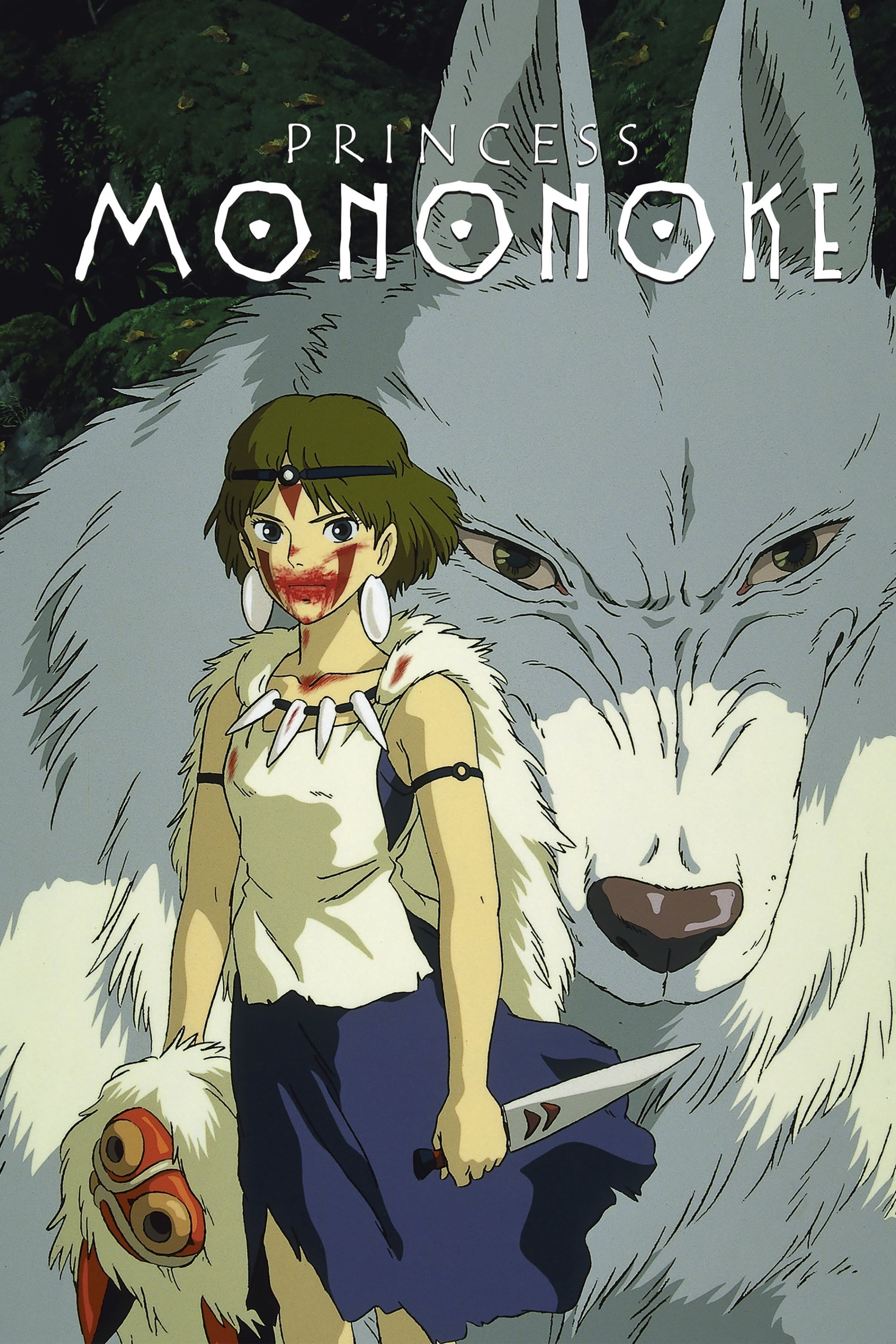
Set during the Muromachi period, this epic follows the clash between forest gods and an iron town. The production used a mix of traditional cels and digital paint to achieve its scale. Toho released it in Japan to strong box office. Its environmental themes continue to inform classroom and festival discussions.
‘My Neighbor Totoro’ (1988)
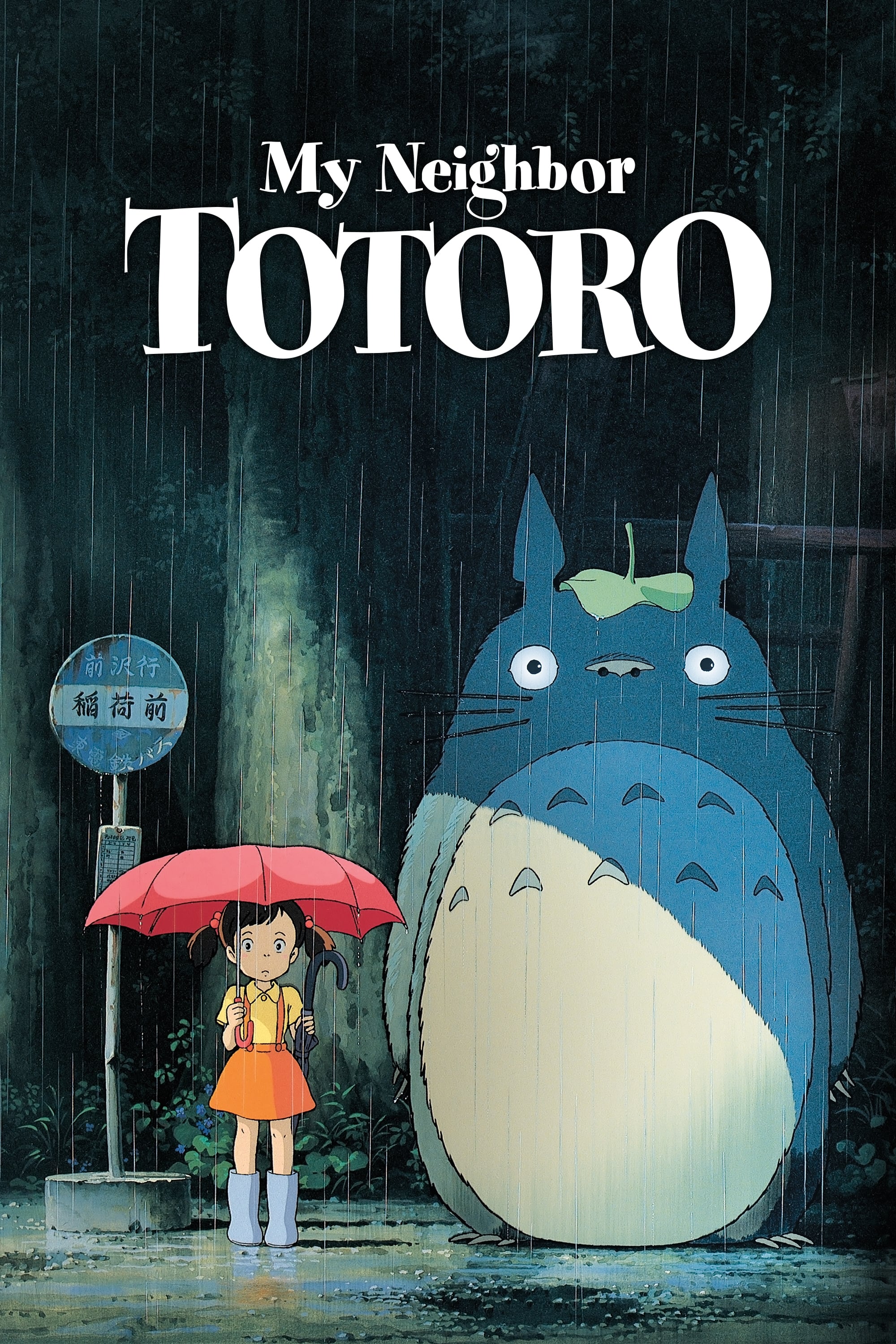
Two sisters encounter forest spirits while adjusting to a new home in rural Japan. The film’s gentle pacing and observational humor come from everyday family moments. It arrived in Japanese theaters through Toho. Totoro later became Studio Ghibli’s mascot and a major character in museum exhibits.
‘Grave of the Fireflies’ (1988)
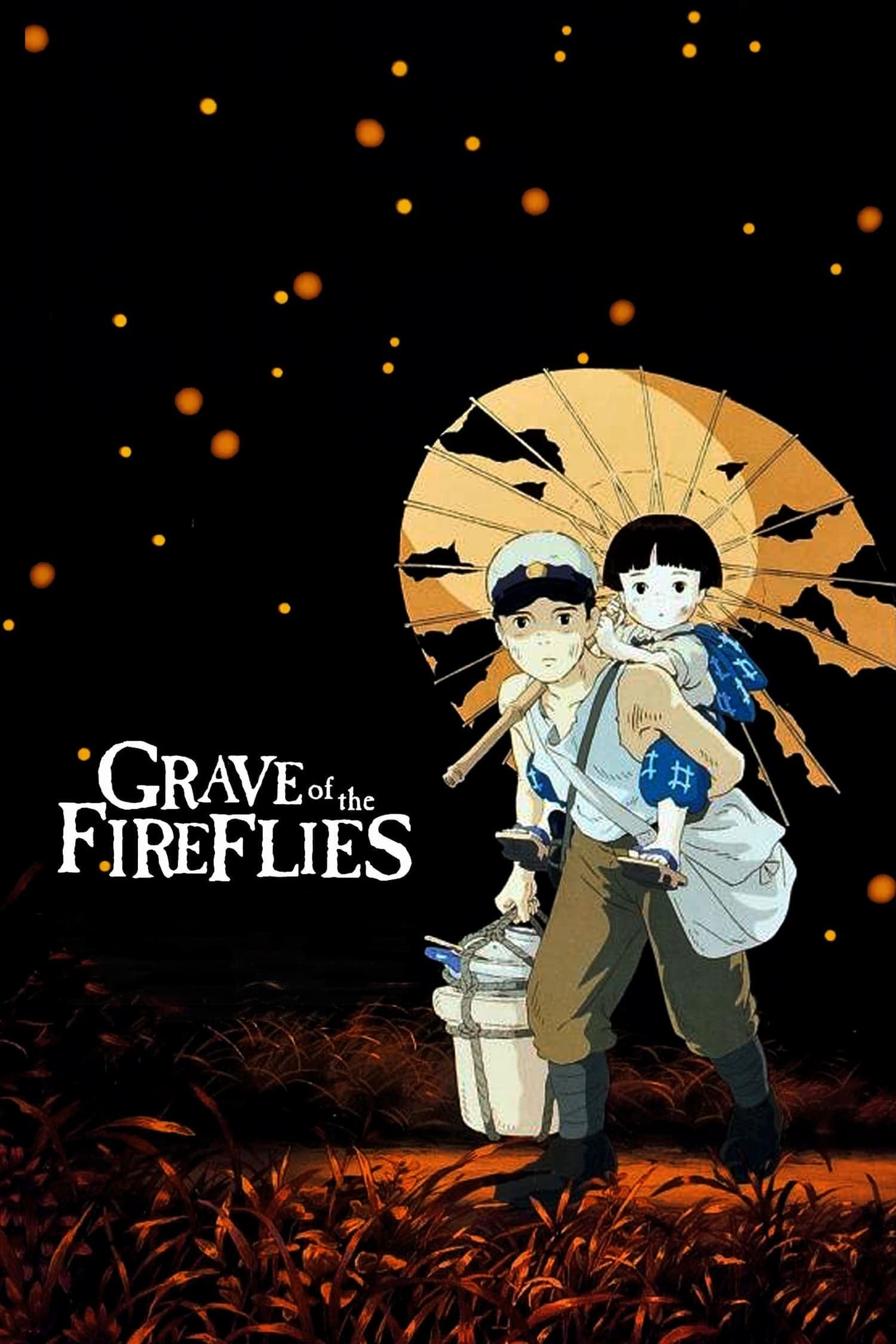
Isao Takahata adapts Akiyuki Nosaka’s story about two siblings surviving wartime Kobe. The film uses restrained visual language to depict hunger, loss, and care. Toho distributed it domestically as a double bill with ‘My Neighbor Totoro’. Its historical detail is frequently cited in academic studies of animation and war.
‘Nausicaä of the Valley of the Wind’ (1984)
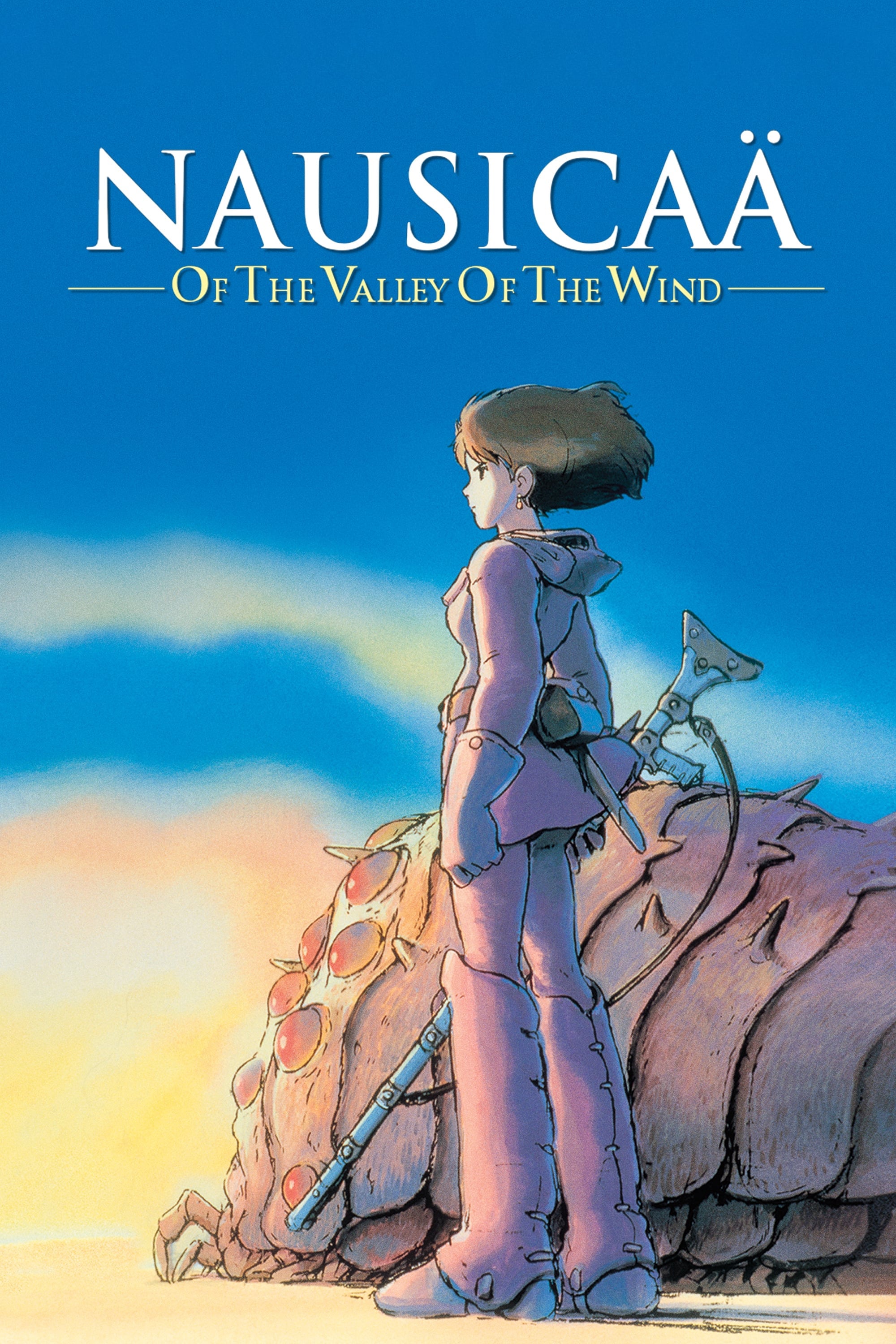
Miyazaki’s early feature presents an ecologically fragile world and a princess who studies a toxic forest. Mechanical designs and flight sequences grew from his manga artwork. Theatrical release in Japan was handled by Toei. The film’s success paved the way for Studio Ghibli’s founding.
‘Castle in the Sky’ (1986)
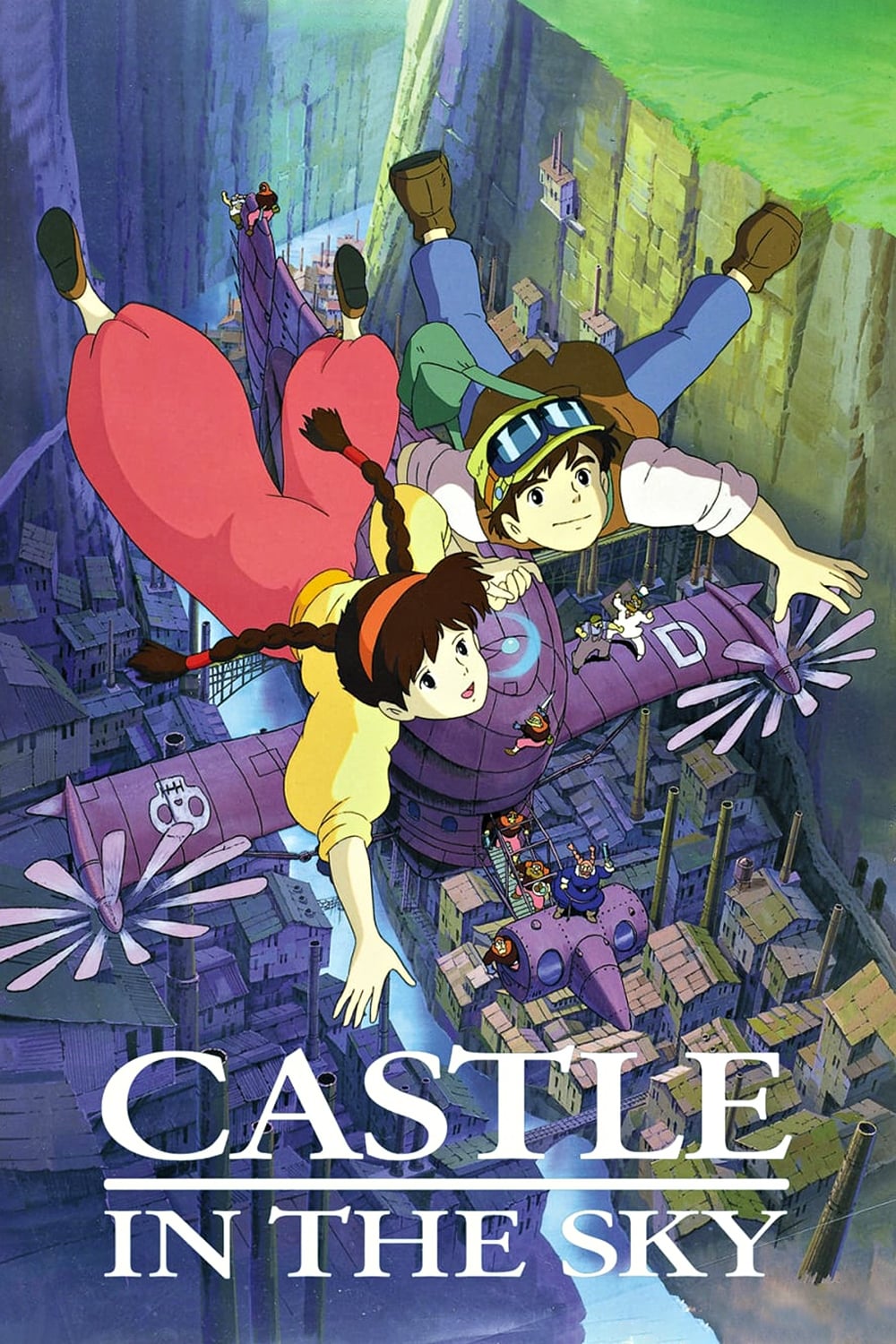
Two children search for the floating island Laputa while pursued by pirates and the military. The movie is known for its airship designs and a memorable score by Joe Hisaishi. Toei managed the domestic distribution. Reissues continue to draw large television audiences in Japan.
‘Kiki’s Delivery Service’ (1989)
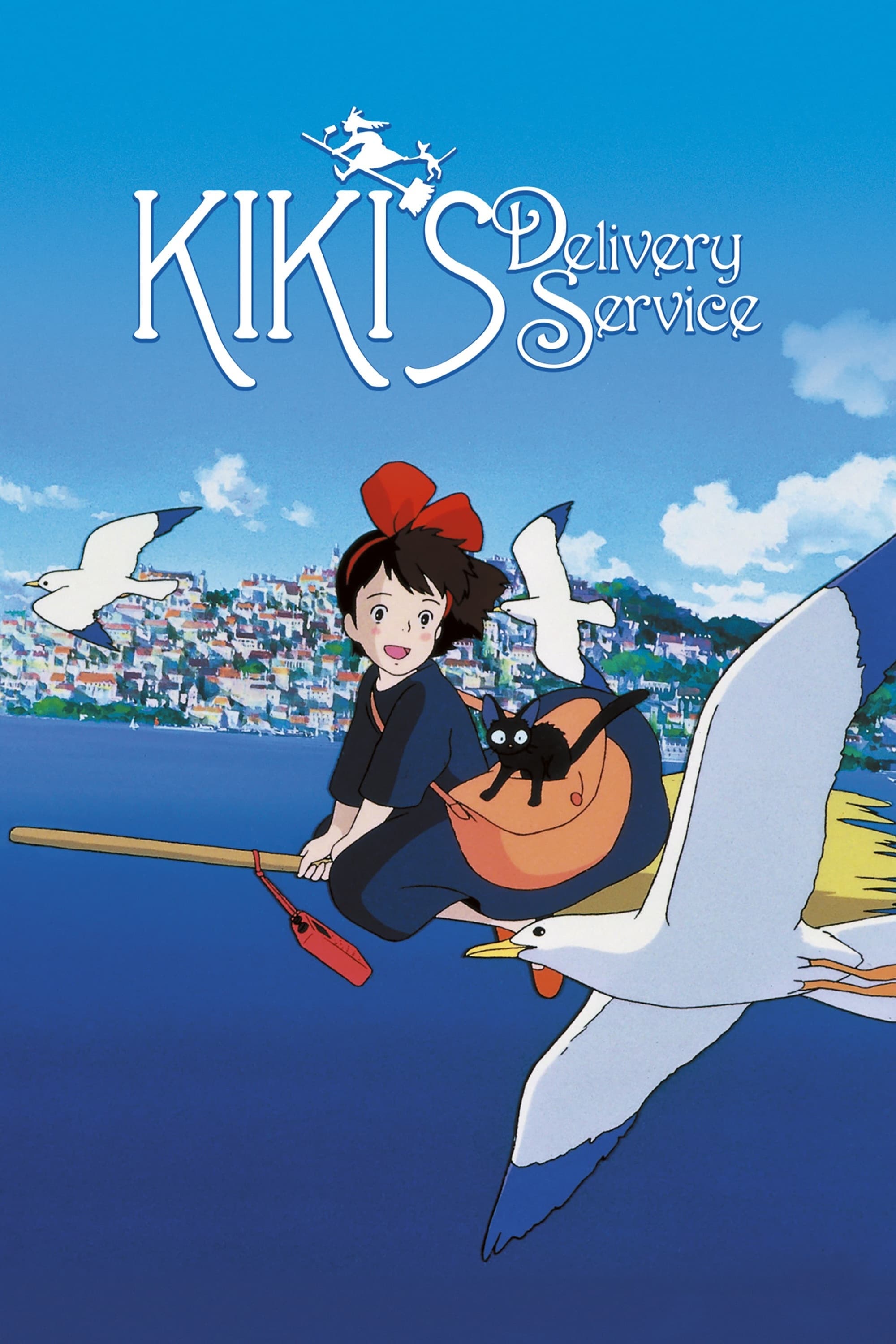
A young witch leaves home to find her place in a seaside city and starts a courier service. Background art draws from European architecture and coastal towns. Toei released it across Japan and it became a summer hit. The film remains a reference point for coming of age stories in animation.
‘Howl’s Moving Castle’ (2004)
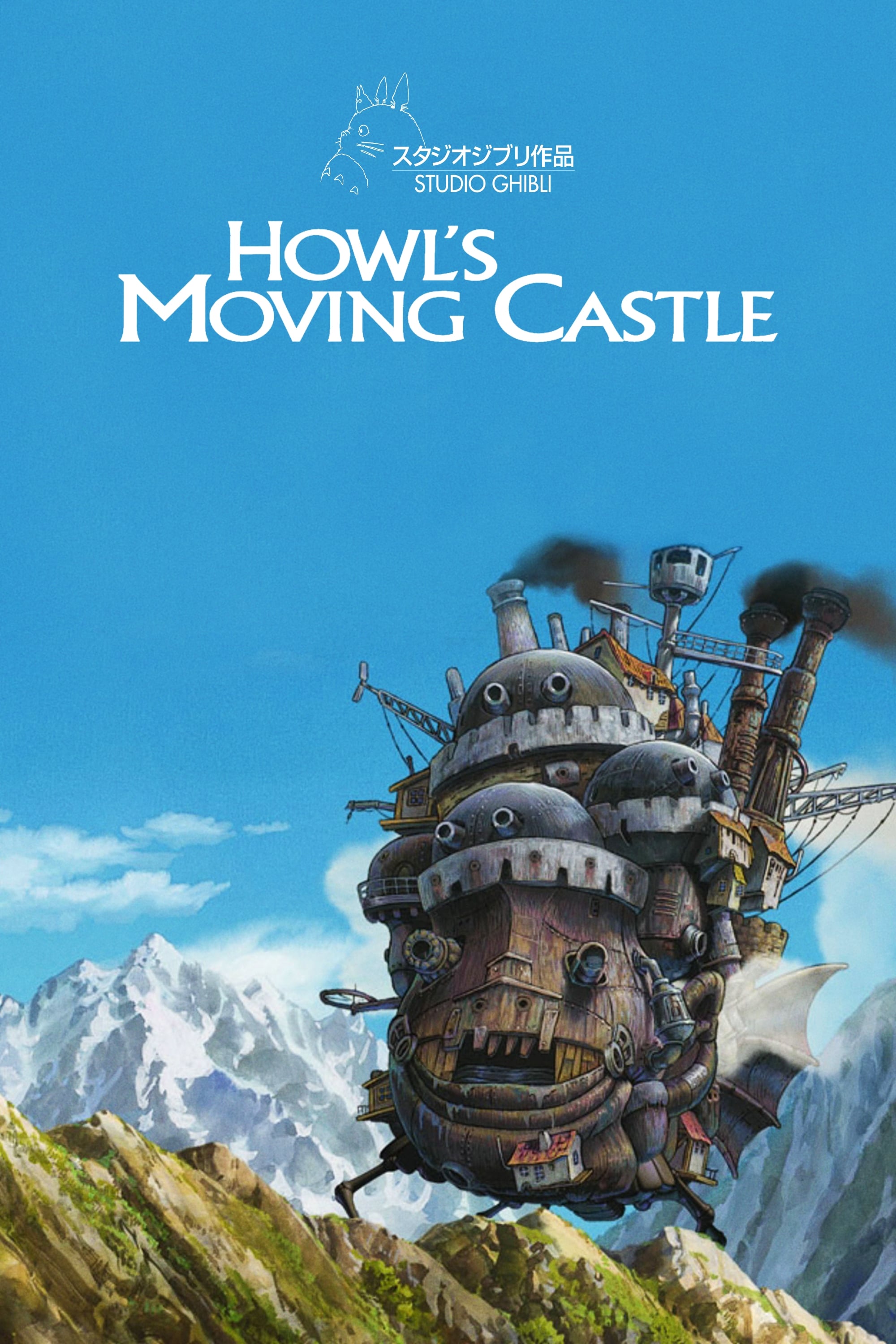
Based on Diana Wynne Jones’s novel, this feature follows Sophie and a wizard whose home is a walking machine. The production combined hand drawn characters with digital compositing to move the castle. Toho handled the theatrical rollout in Japan. It became one of the year’s biggest domestic releases.
‘Ponyo’ (2008)
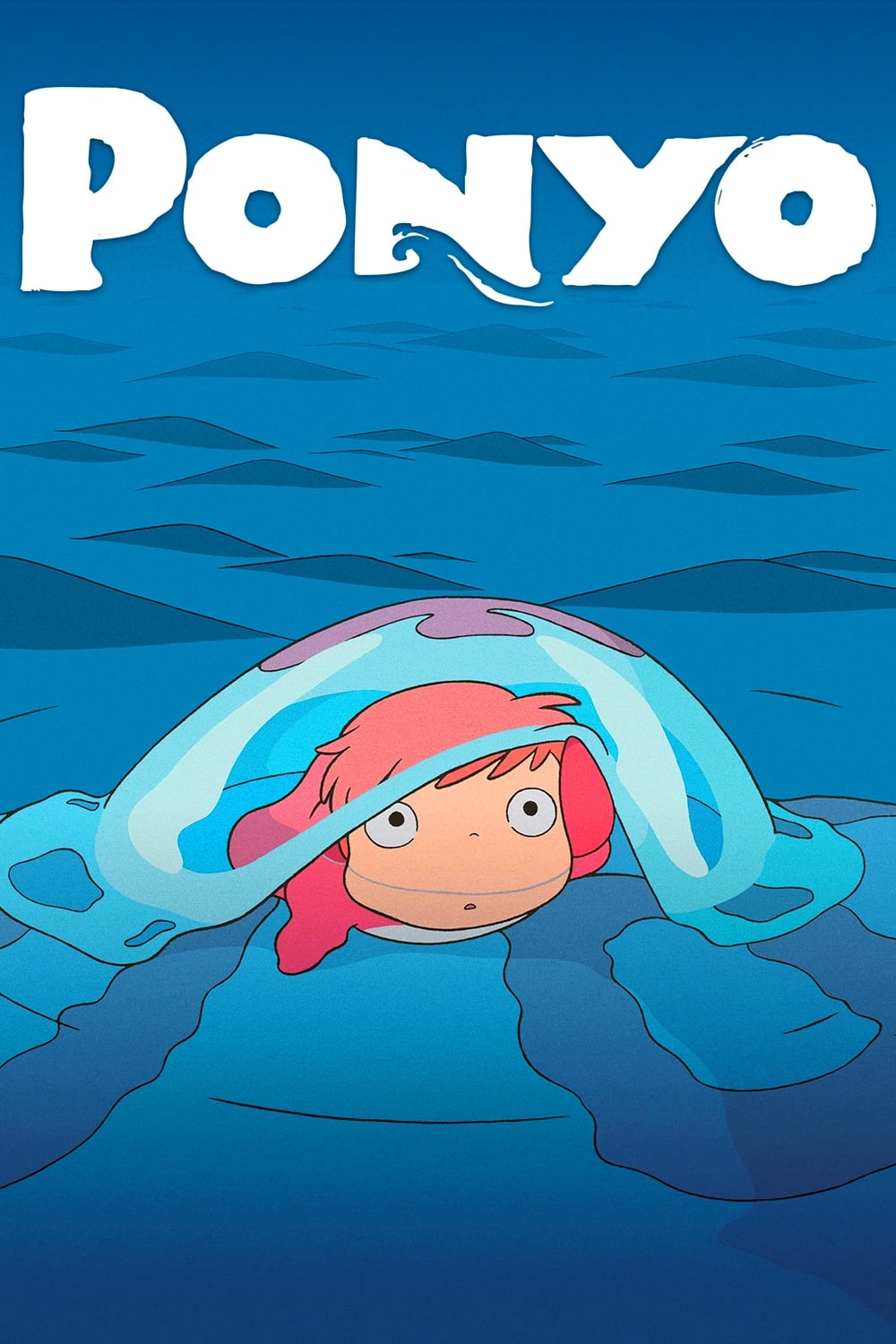
A goldfish who meets a young boy wishes to live as a human, bringing the sea to shore. The film’s water effects were animated with thousands of hand drawn frames. Toho distributed it widely across Japanese cinemas. It introduced a new generation to Miyazaki’s style through preschool friendly storytelling.
‘The Wind Rises’ (2013)
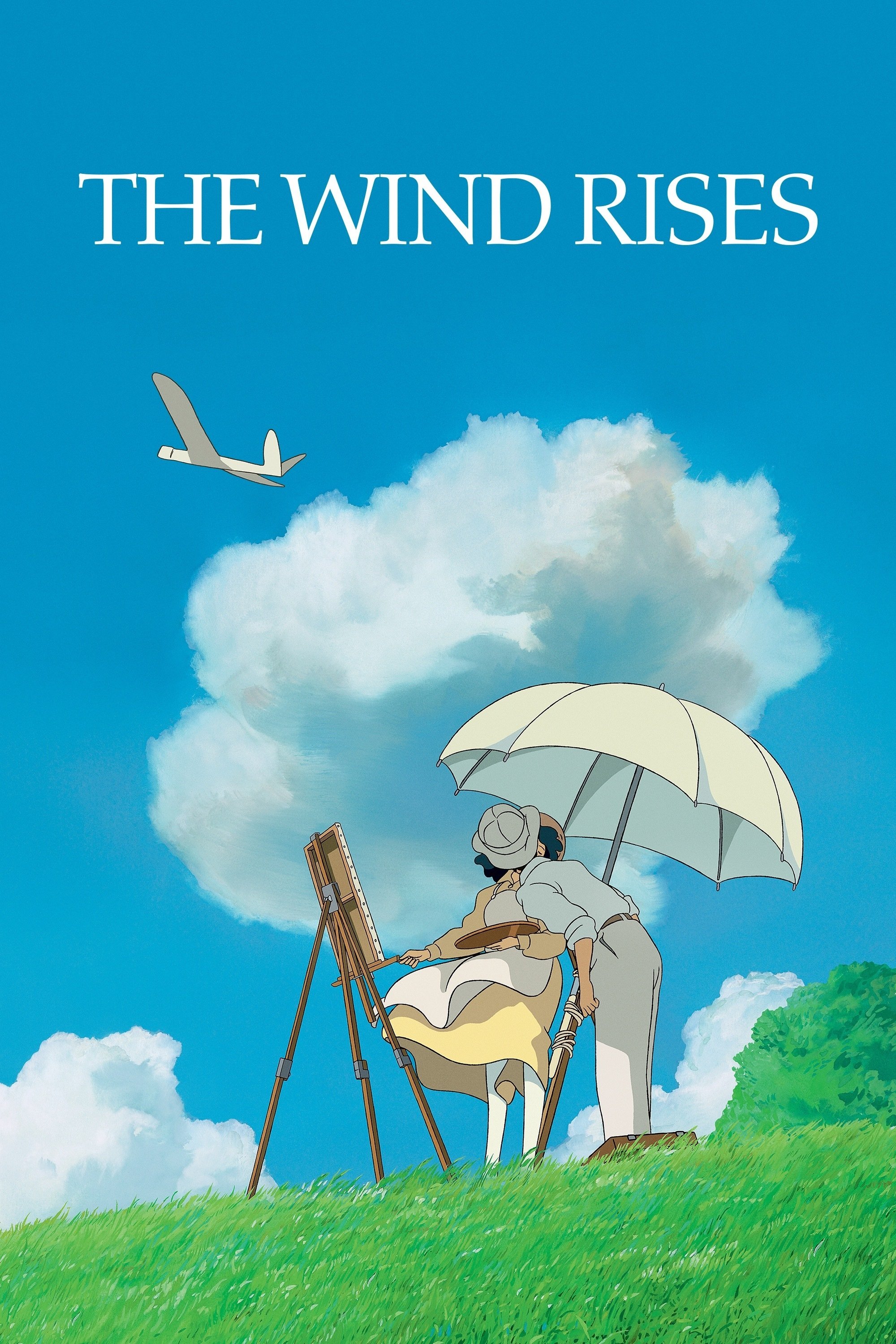
Miyazaki dramatizes the life of aircraft designer Jiro Horikoshi with a focus on craft and responsibility. The production consulted aviation archives and recreated period interiors. Toho managed the domestic release schedule. It earned multiple awards and sparked public debate about history and invention.
‘The Tale of the Princess Kaguya’ (2013)
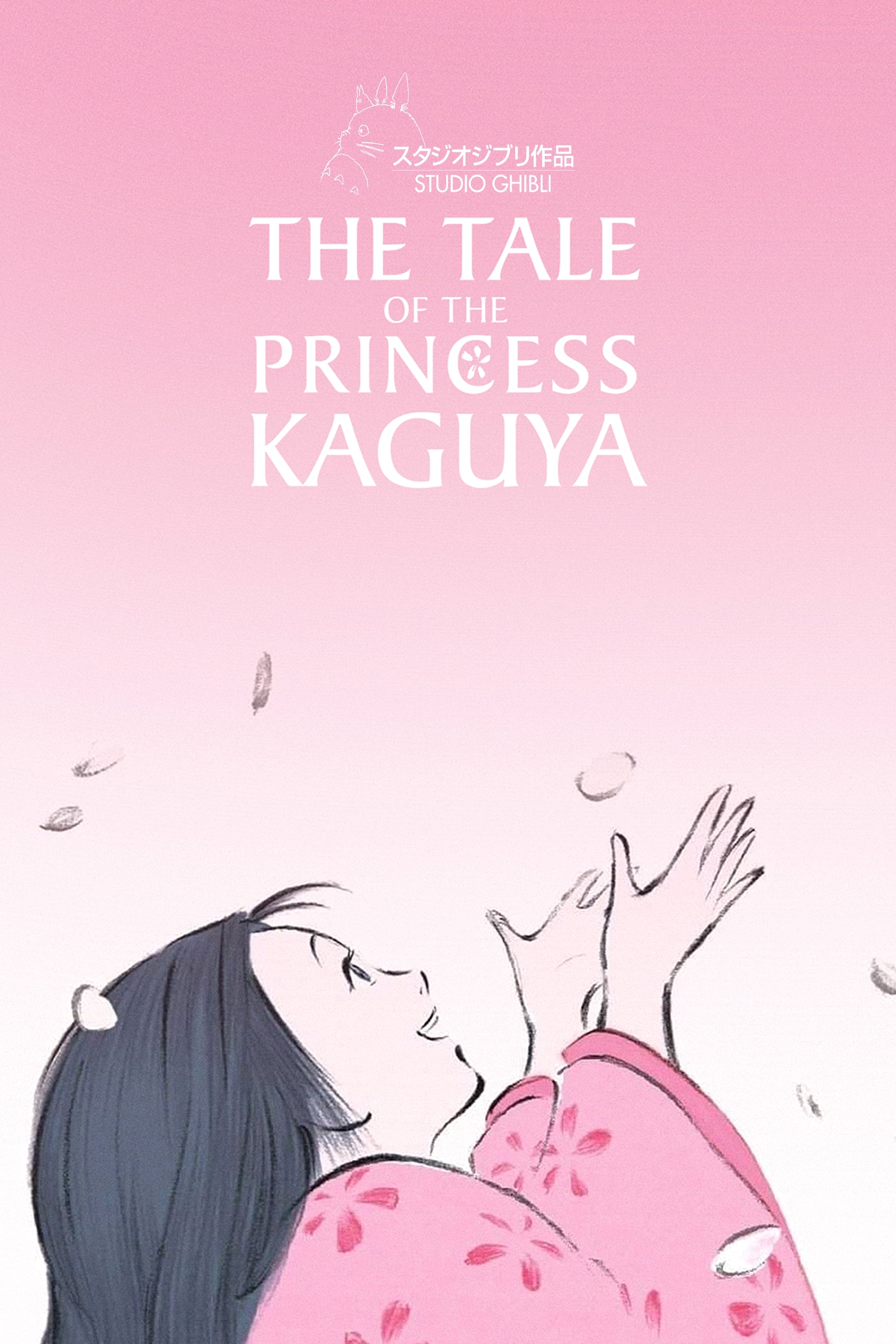
Isao Takahata retells a Heian era folktale using brushy watercolor visuals. The film’s look came from scanning pencil lines and ink washes directly into the digital pipeline. Toho released it in Japan with a platform strategy. Its art style is showcased in museum retrospectives of Takahata’s work.
‘When Marnie Was There’ (2014)
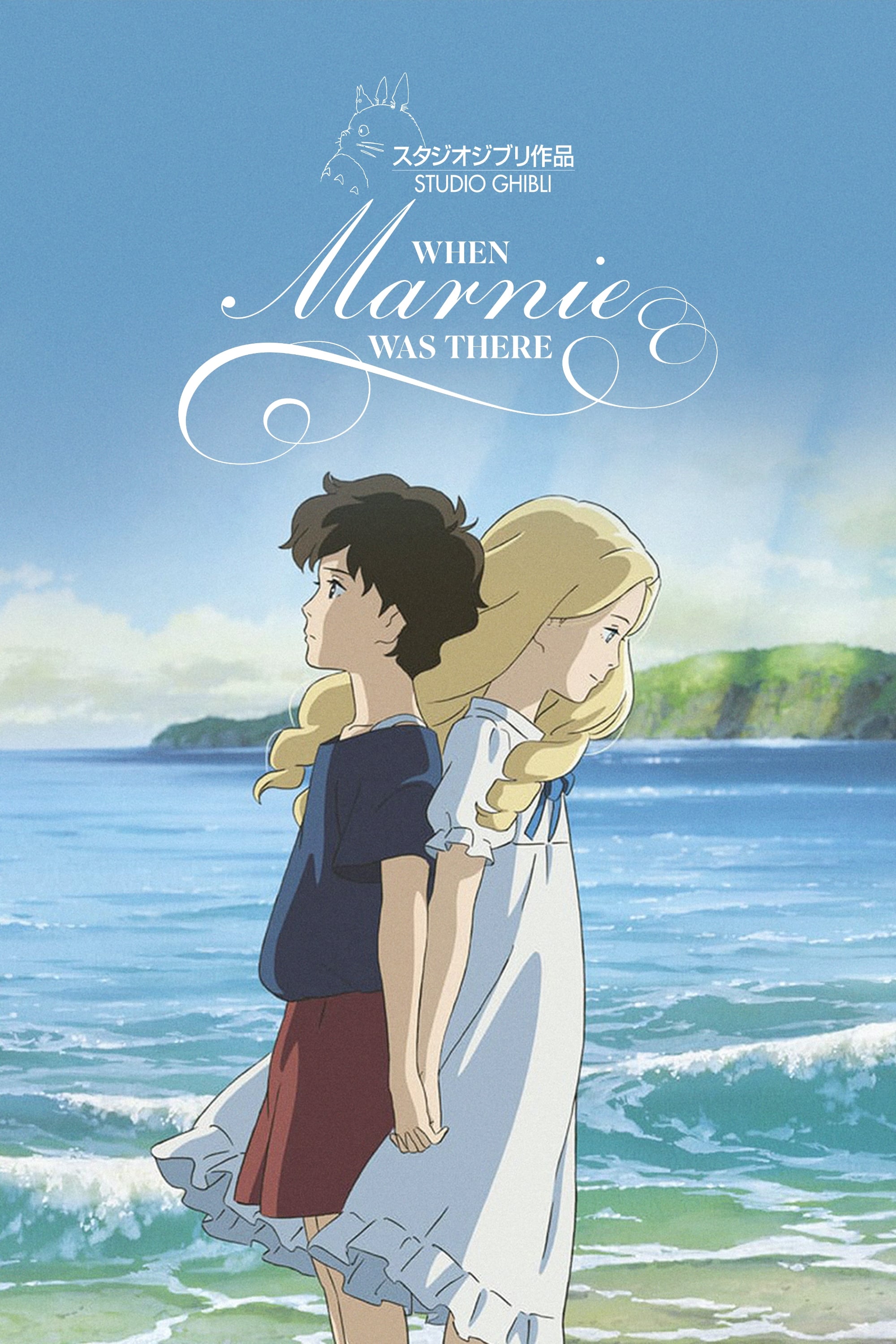
A shy girl sent to the countryside meets a mysterious friend near a marsh house. The story blends diary entries, family history, and a twist revealed through letters. Toho handled its domestic distribution. It later received an Oscar nomination that marked a milestone for the studio’s younger directors.
‘The Boy and the Heron’ (2023)
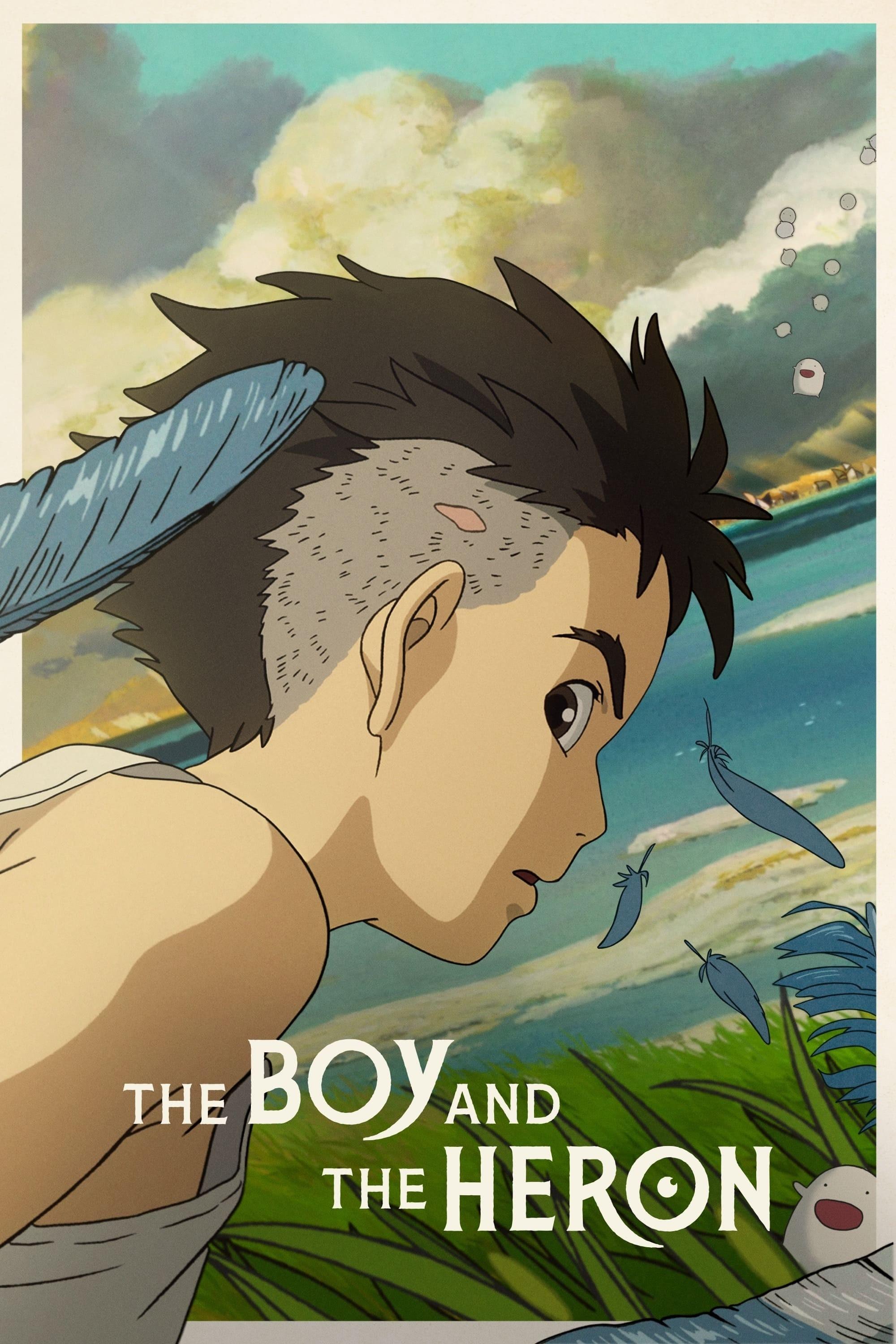
Miyazaki returns with a tale about grief, legacy, and a doorway to another realm. The production emphasized secrecy before release and used longtime collaborators for music and layouts. Toho launched it in Japan without trailers or advance synopses. It opened internationally to record interest for a subtitled release.
‘Akira’ (1988)
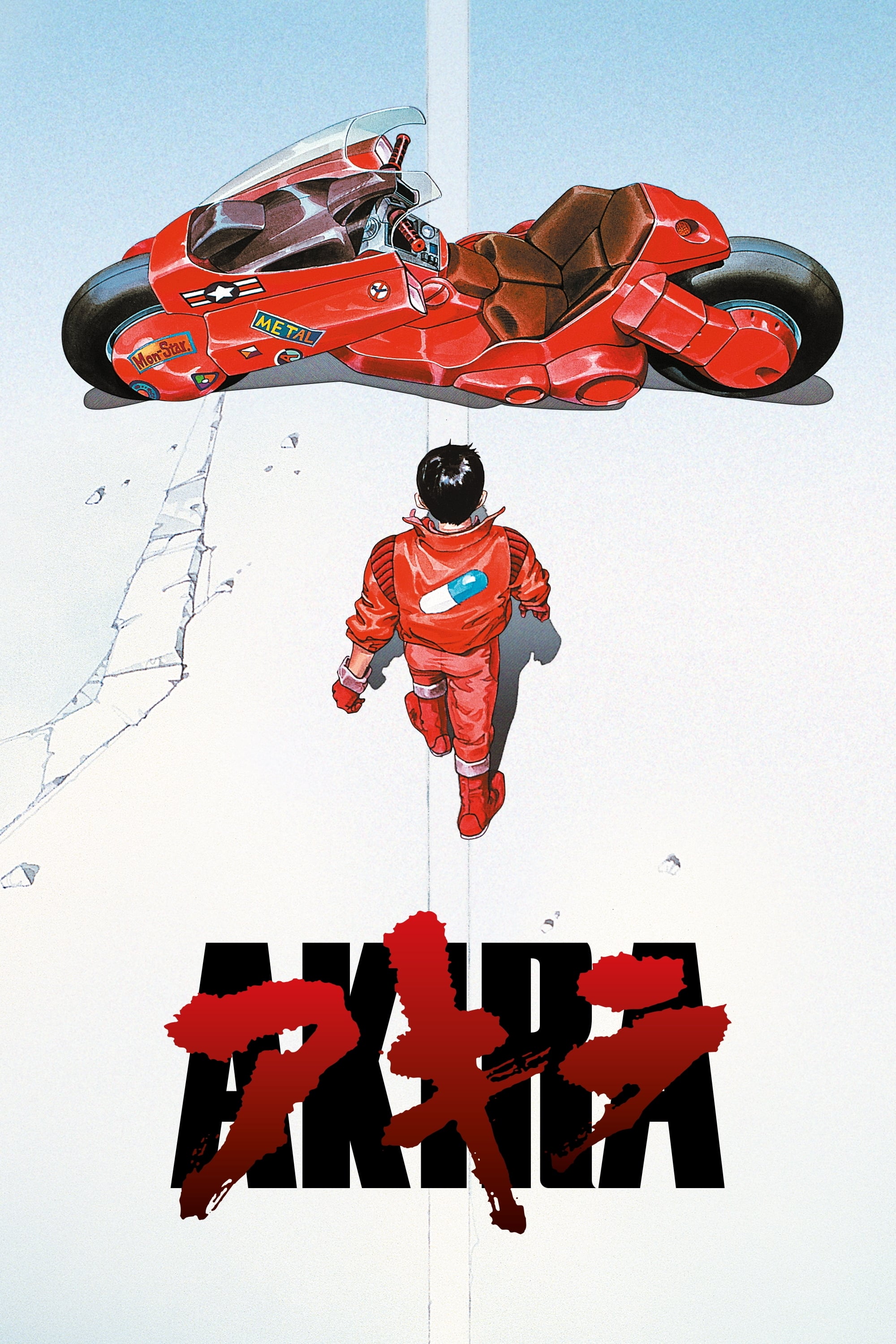
Katsuhiro Otomo’s cyberpunk classic features Neo Tokyo, biker gangs, and psychic experimentation. The film’s high frame counts and detailed lighting defined late eighties animation quality. Toho distributed it in Japan and supported 70mm prints. Its production committee model influenced later big budget anime.
‘Ghost in the Shell’ (1995)

Set in a networked future, a cyborg officer searches for a hacker known as the Puppet Master. The movie blended hand drawn cels with early digital processes like image scanning and compositing. Shochiku released it domestically. Its user interface designs shaped the look of science fiction across media.
‘Perfect Blue’ (1997)
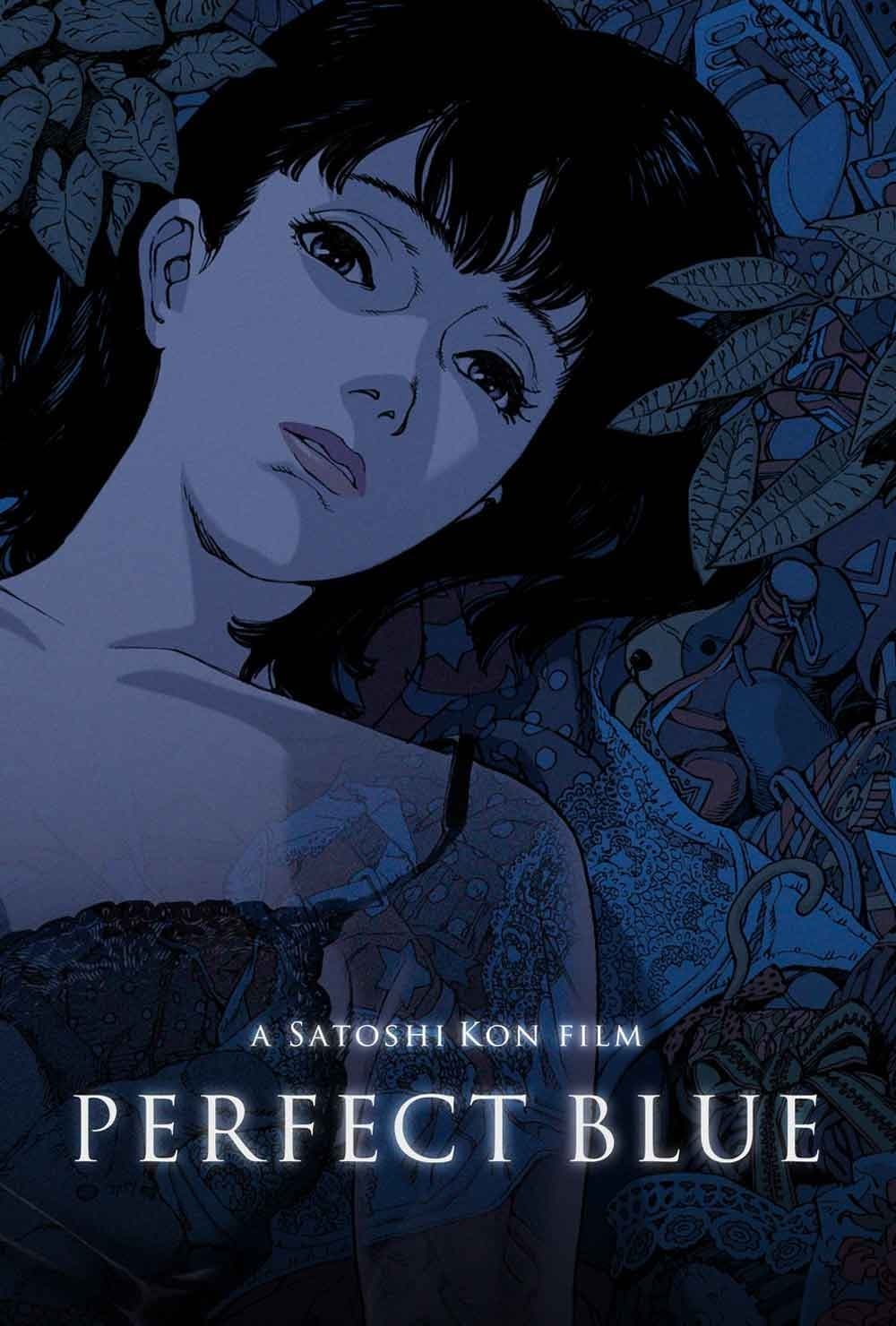
Satoshi Kon explores identity and media through an idol who transitions to acting. The film used match cuts and reflections to blur lines between reality and performance. Japanese home and theatrical pathways were complex, with later North American reissues handled by GKIDS. Its editing vocabulary is frequently taught in film schools.
‘Paprika’ (2006)
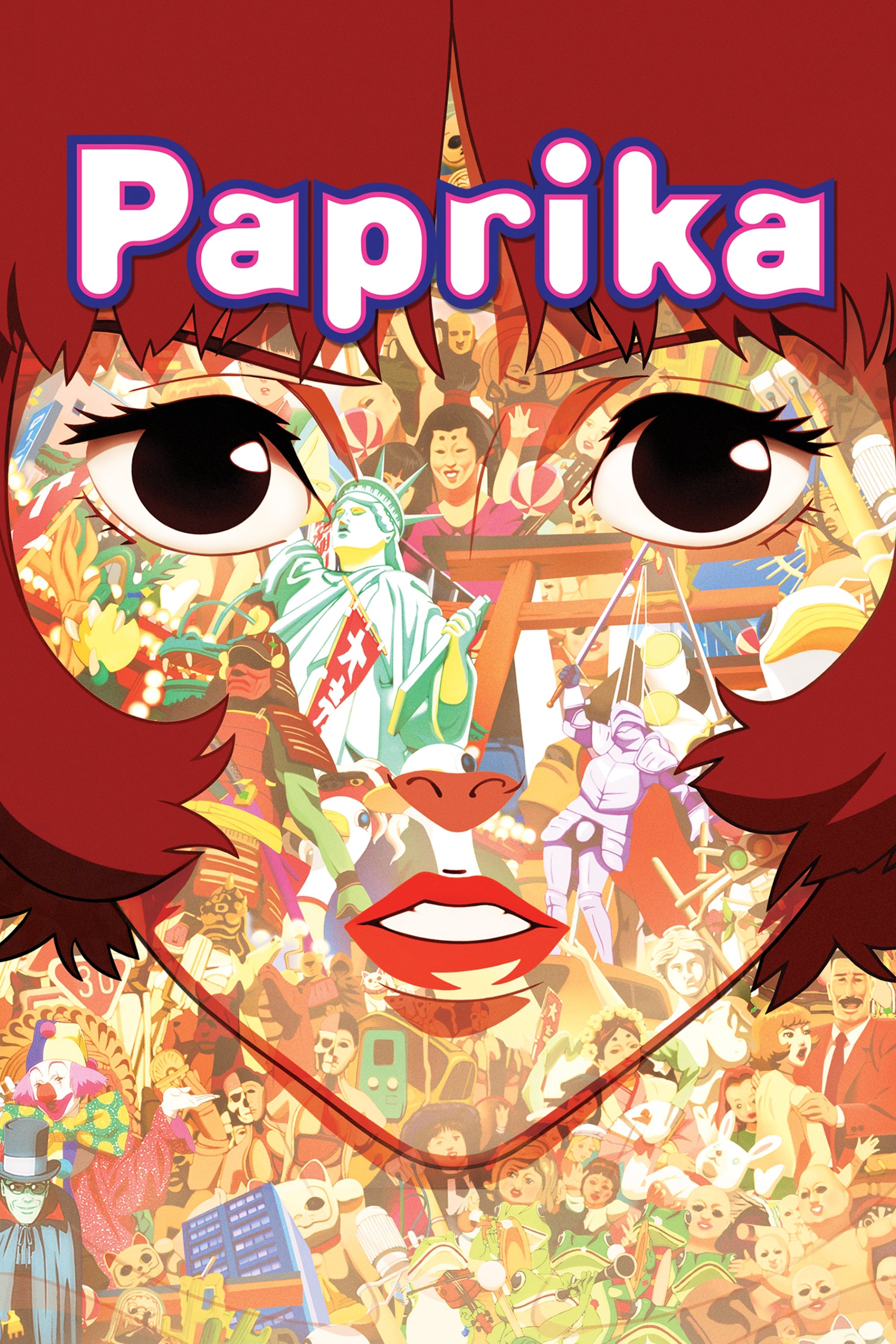
A device that lets therapists enter dreams is stolen, causing reality to distort. Kon’s team planned sequences with elaborate storyboards to manage shifting perspectives. Sony Pictures Entertainment Japan distributed it locally, with Sony Pictures Classics bringing it to U.S. theaters. The parade sequence became a signature image for contemporary anime.
‘Your Name’ (2016)

Makoto Shinkai tells a body swapping story that connects two teenagers across distance and time. Background artists referenced real locations to anchor the fantasy in everyday scenery. Toho released it in Japan where it broke records. North American theaters carried it under a rollout led by Funimation.
‘Weathering with You’ (2019)
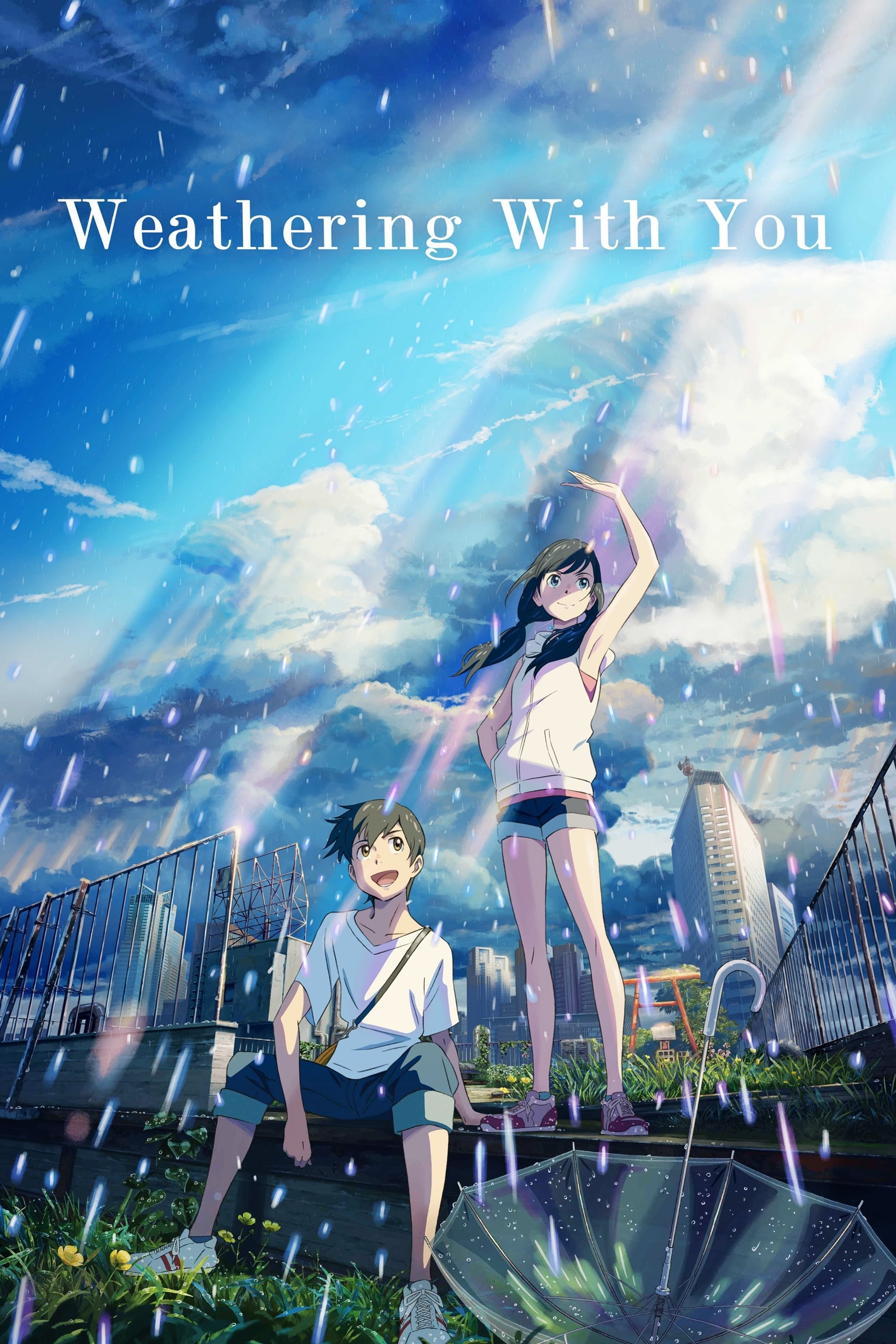
A runaway boy meets a girl who can temporarily clear the rain and the two start a small business. The team modeled skies and rainfall from extensive weather photography. Toho handled the domestic release. North American distribution was led by GKIDS after a festival tour.
‘Suzume’ (2022)

A high school girl closes supernatural doors that unleash disasters across Japan. The production traveled to multiple prefectures to document landscapes and towns. Toho released it widely and it became a major box office draw. Internationally, theatrical distribution was coordinated by Crunchyroll and Sony Pictures.
‘A Silent Voice’ (2016)

This Kyoto Animation feature follows a former bully who seeks to make amends with a deaf classmate. The film consulted sign language experts and portrayed communication through creative framing. Shochiku managed its Japanese theatrical release. It later entered school screenings focused on inclusion.
‘Summer Wars’ (2009)
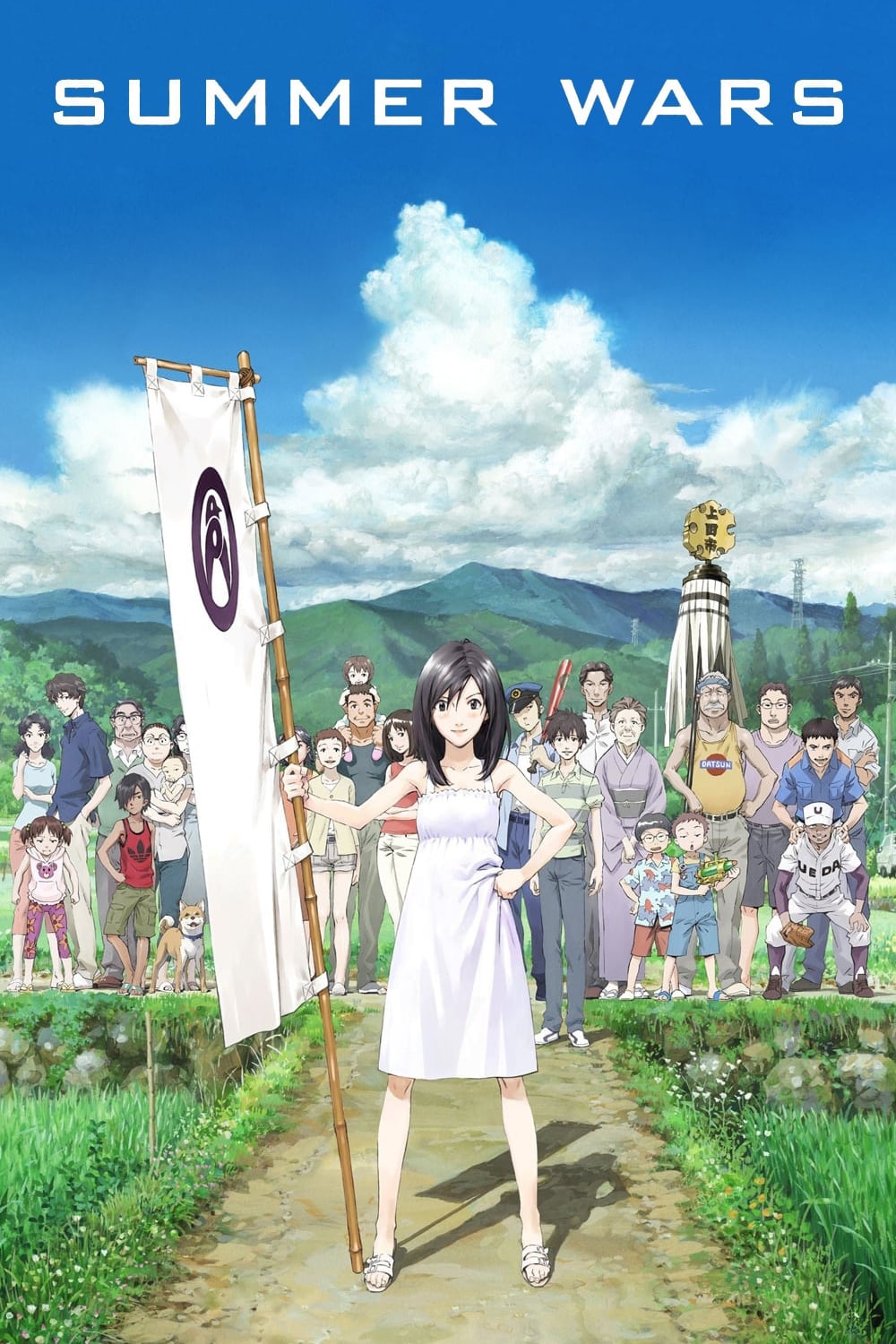
A math whiz is pulled into a family reunion and a crisis inside a global virtual network. The production designed the OZ platform with clean graphic motifs and bold typography. Warner Bros. Pictures Japan distributed the film domestically. It became a touchstone for stories about online life and community.
‘Wolf Children’ (2012)
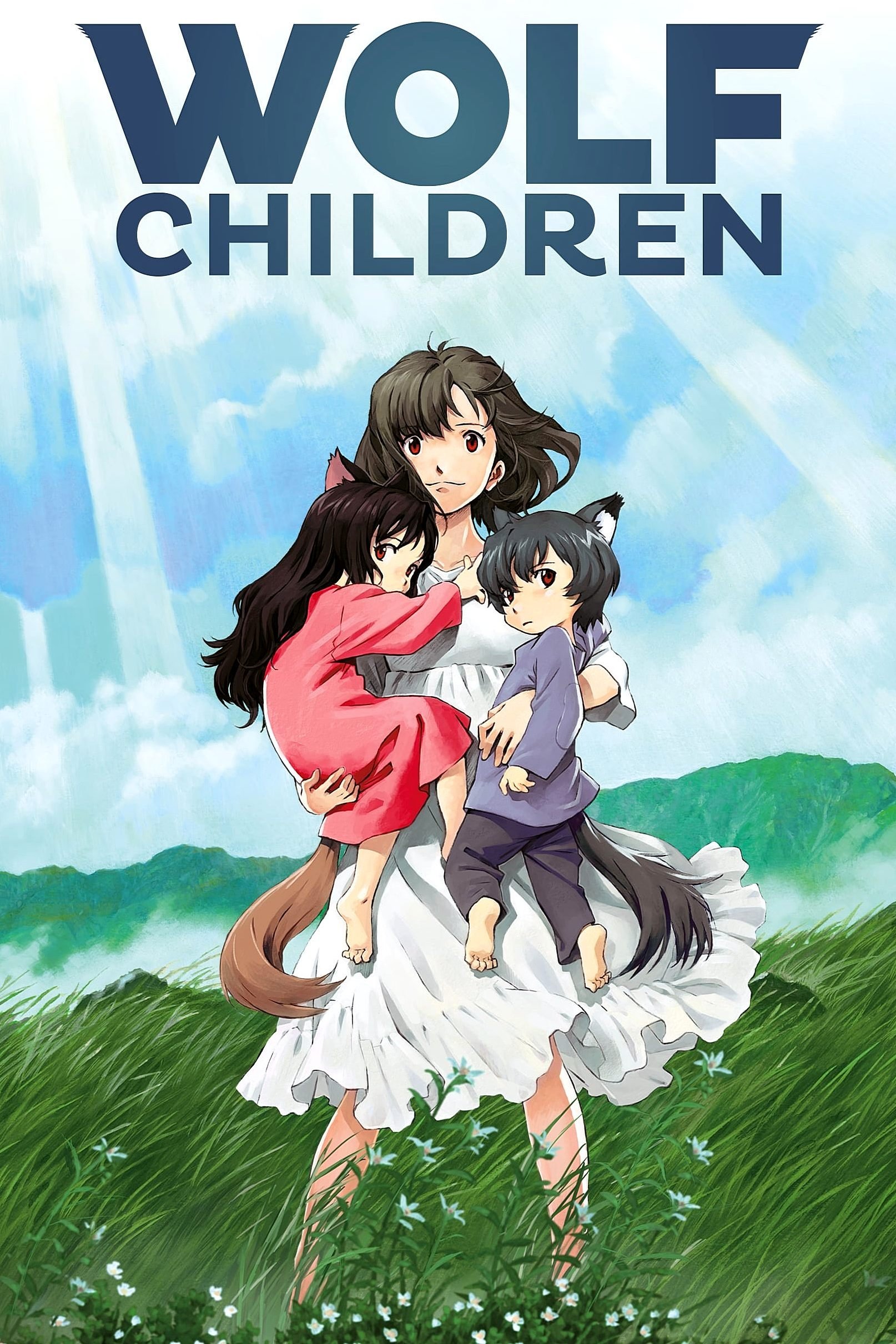
A mother raises two half wolf children while building a new life in the countryside. The film was noted for its seasonal montages and rural research trips. Toho brought it to Japanese theaters. Screenings often include discussions about parenting and education.
‘The Boy and the Beast’ (2015)
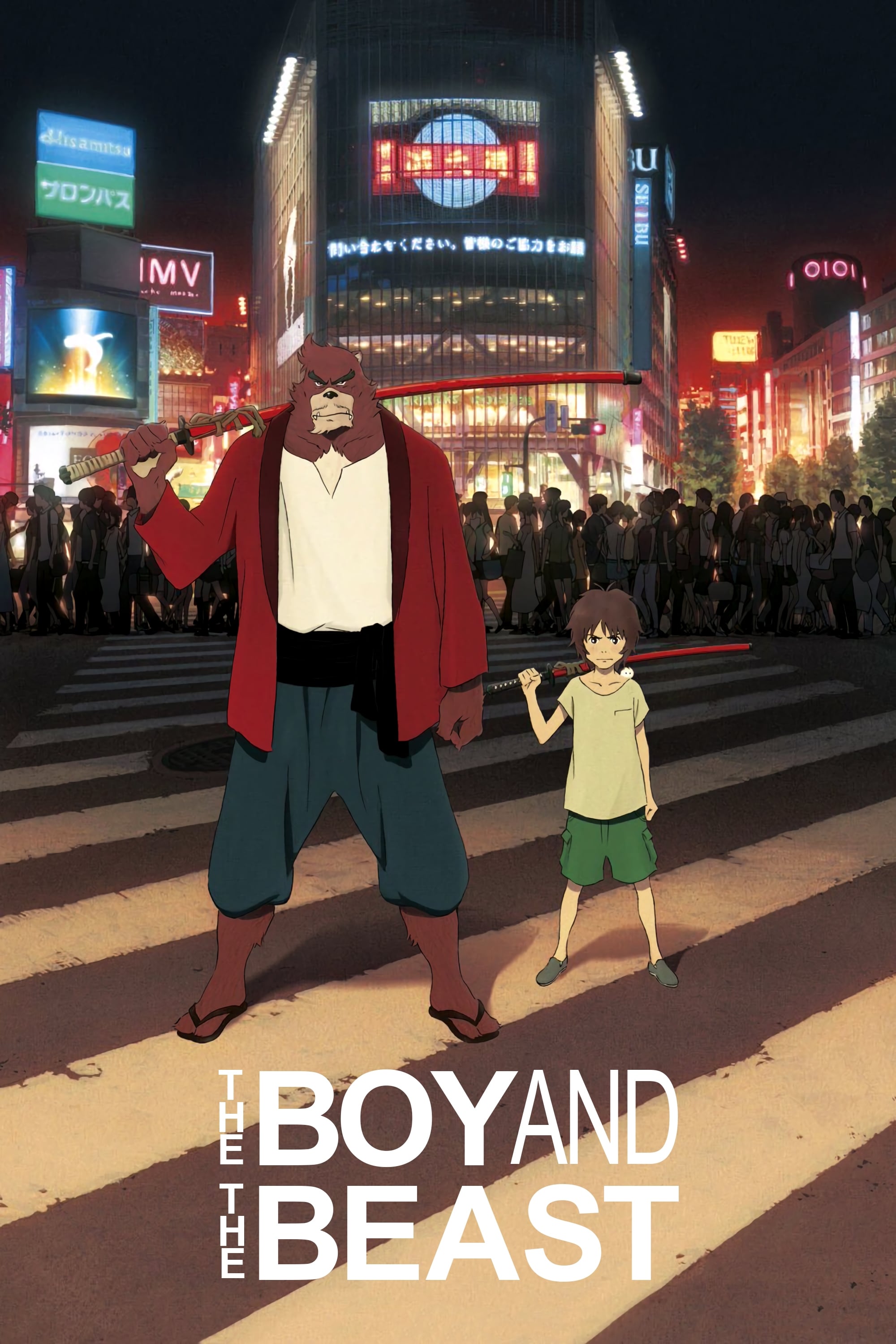
An orphan stumbles into a beast world and trains under a rough mentor. The animation team mixed action choreography with warm slice of life scenes. Toho handled its domestic release. It ranked among the year’s highest grossing local films.
‘Belle’ (2021)

A shy teenager becomes a global singer inside a massive virtual platform and faces a mysterious user. Director Mamoru Hosoda’s team developed new tools for crowd scenes and concert lighting. Toho distributed the film in Japan, followed by a global festival run. The soundtrack collaborations helped the songs chart in multiple regions.
Share your personal must rewatch anime films in the comments so everyone can add them to their yearly queue.