Great Anime Cancelled Way Too Early


Some anime arrive with a strong start, solid fan interest, and plenty of source material, yet they stop after a single cour or two with the story unfinished. Below are notable titles that wrapped abruptly or never continued despite clear room to adapt more, along with basic details on what each show covered and who produced it.
‘Gangsta.’ (2015)
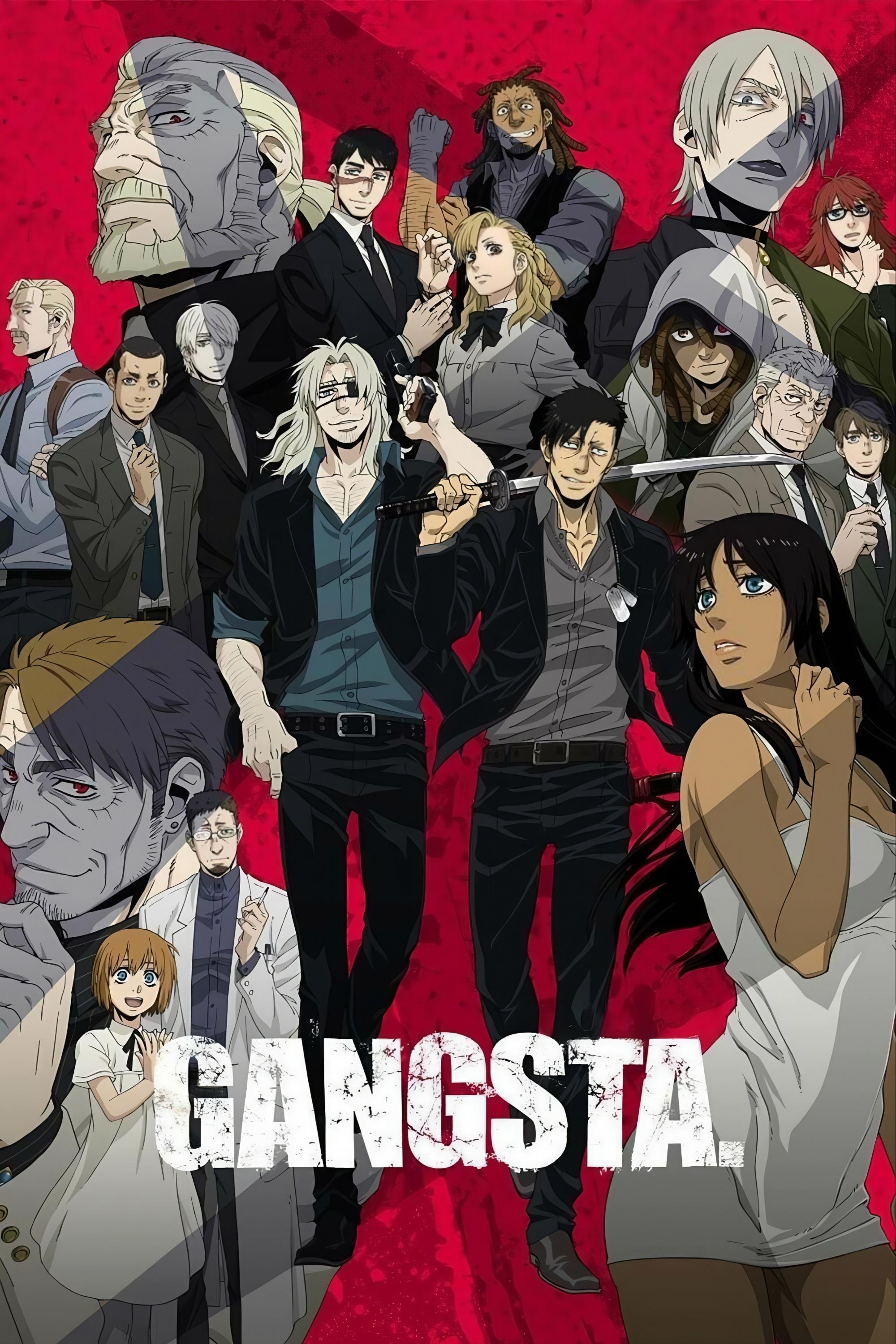
‘Gangsta.’ adapts Kohske’s manga about two freelance enforcers navigating a city’s criminal underworld. Manglobe produced the series and it ran for 12 episodes with an open ending. The anime introduces the main factions and the Twilight caste but does not resolve the central conflicts from the manga. Production ceased after the studio’s bankruptcy, leaving no continuation.
‘Deadman Wonderland’ (2011)
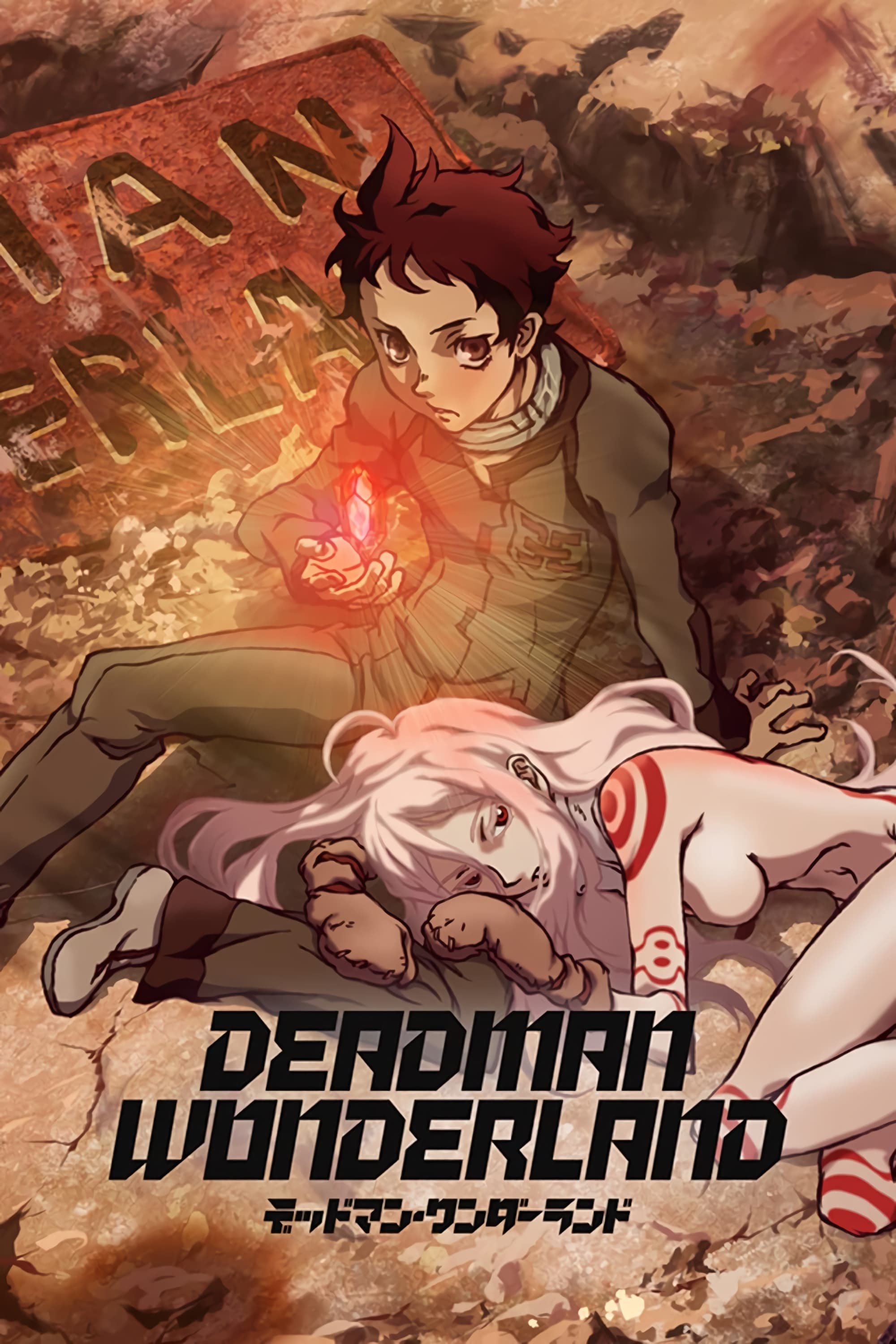
‘Deadman Wonderland’ covers the early arcs of Jinsei Kataoka and Kazuma Kondou’s manga about a privatized prison that doubles as a deadly theme park. Manglobe handled the adaptation and delivered 12 episodes and an OVA. The broadcast concludes shortly after key characters reveal their Branches of Sin, well before the manga’s later confrontations. The anime stops without adapting the major prison uprising or final resolutions.
‘Stars Align’ (2019)
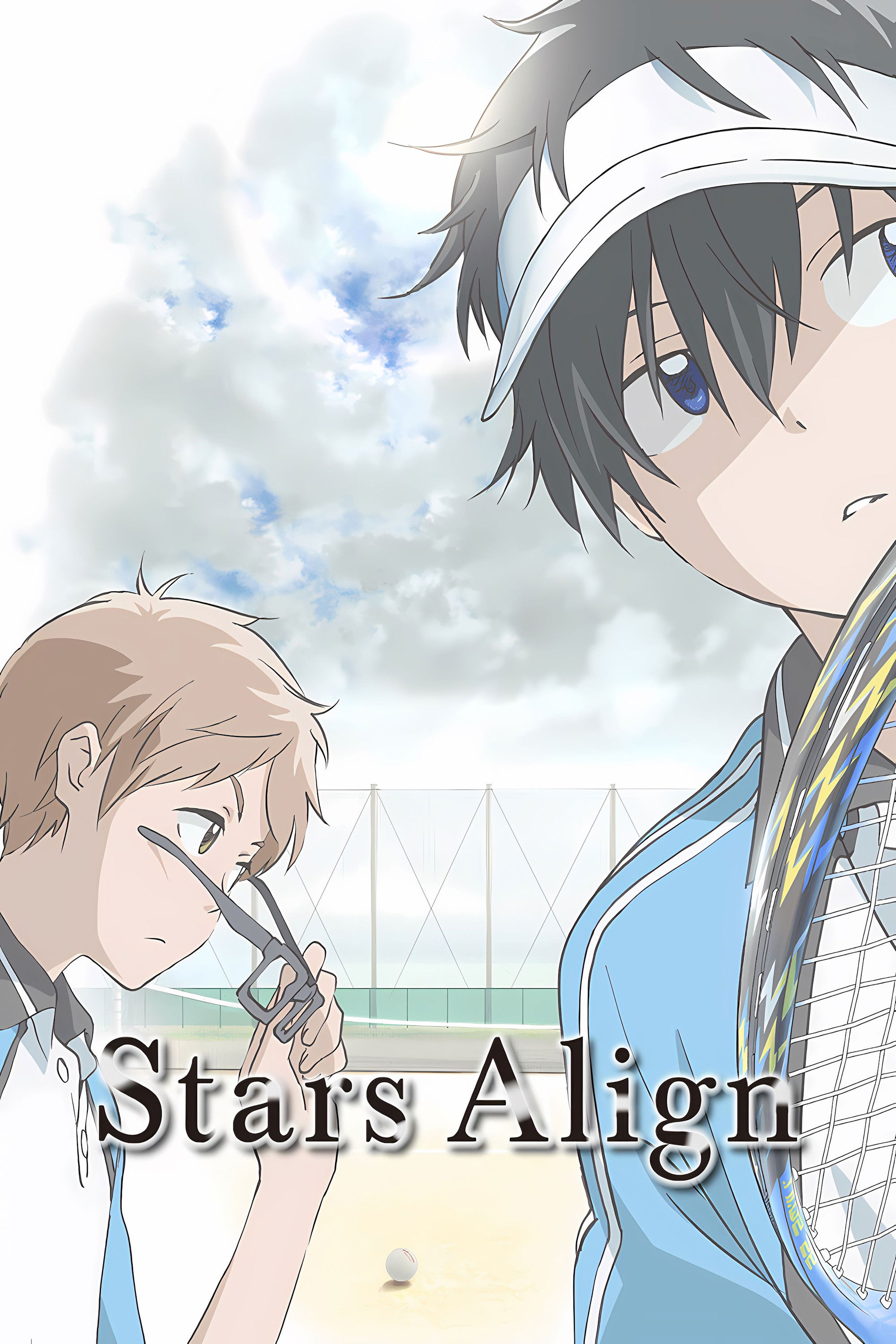
‘Stars Align’ follows a struggling middle school soft tennis club that rebuilds under new leadership. Studio 8bit produced a 12-episode run that was originally planned for a longer story. The series explores the team’s dynamics and family issues but ends midseason on narrative setups. The director later shared unused scripts, confirming the production was cut short.
‘Yona of the Dawn’ (2014–2015)
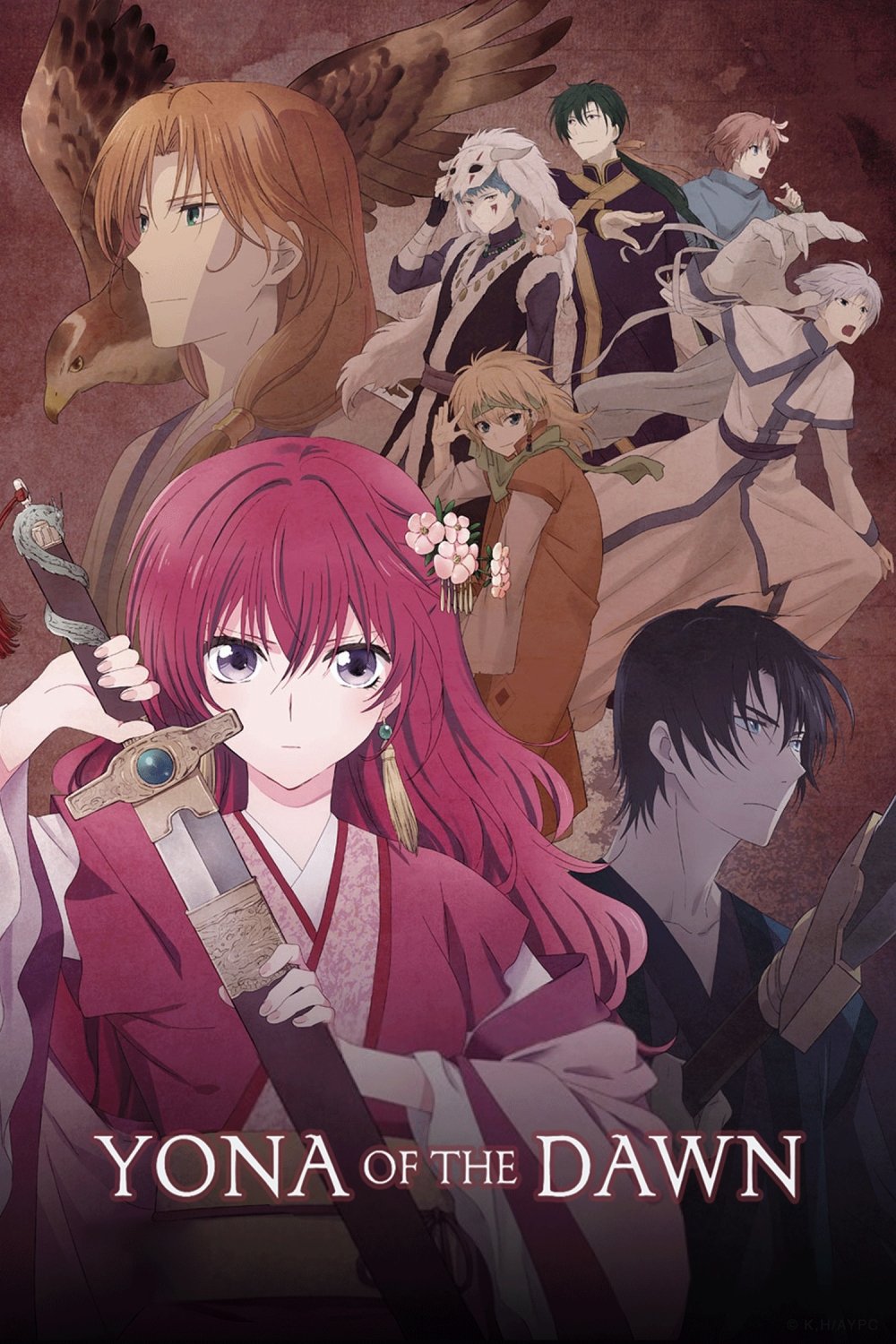
‘Yona of the Dawn’ adapts Mizuho Kusanagi’s fantasy adventure about a deposed princess gathering four dragon guardians. Studio Pierrot produced 24 episodes and several OVAs that cover only the opening sagas. The anime halts after assembling the core group without adapting later journeys or the larger political struggle from the manga. No television continuation was produced.
‘Noragami’ (2014–2015)
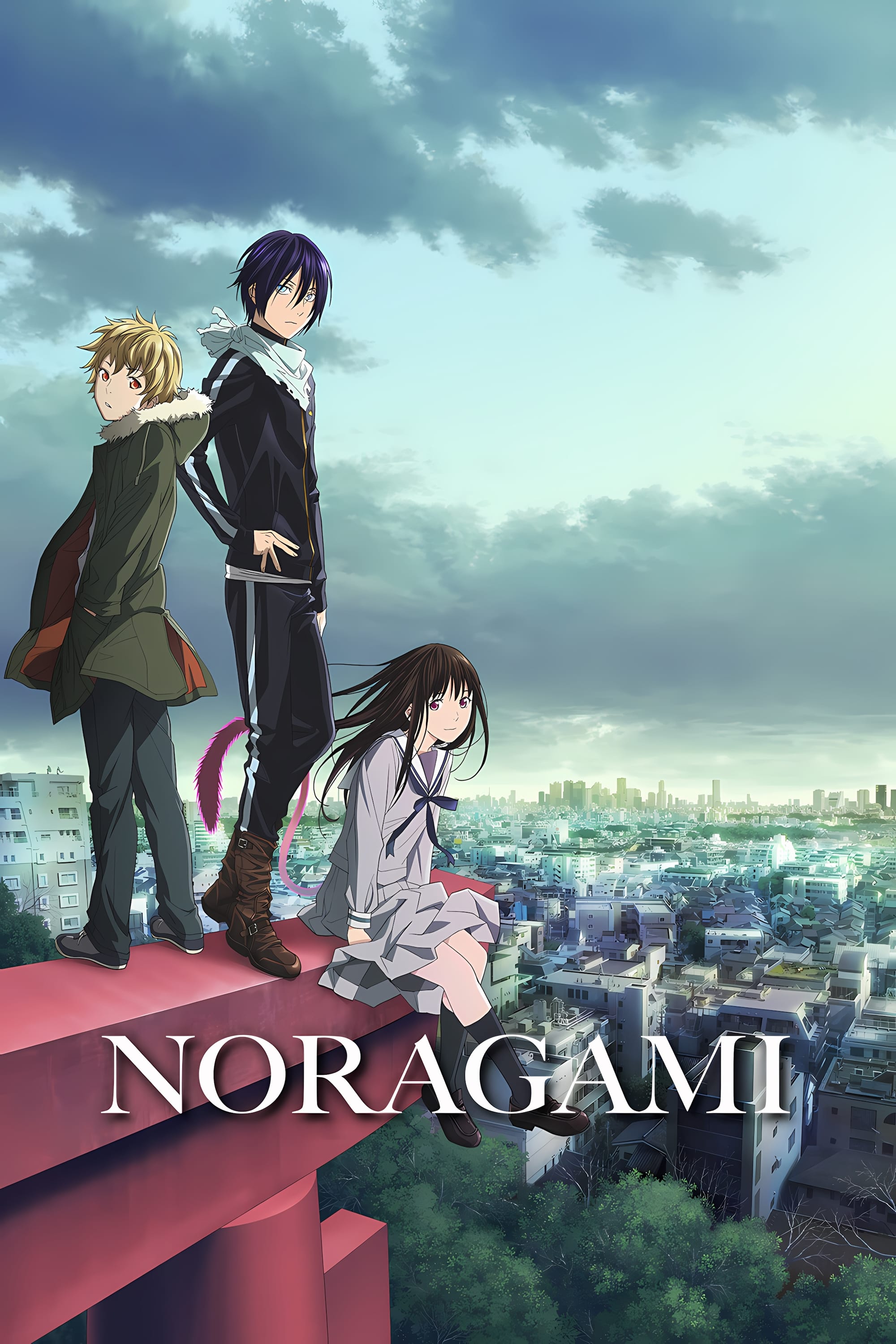
‘Noragami’ presents a minor god trying to build a following while confronting phantoms and divine politics. Bones produced two seasons totaling 25 episodes and OVAs. The adaptation stops after the early Bishamon and Ebisu material, leaving subsequent arcs untouched. The story continues extensively in the manga without further televised episodes.
‘Btooom!’ (2012)
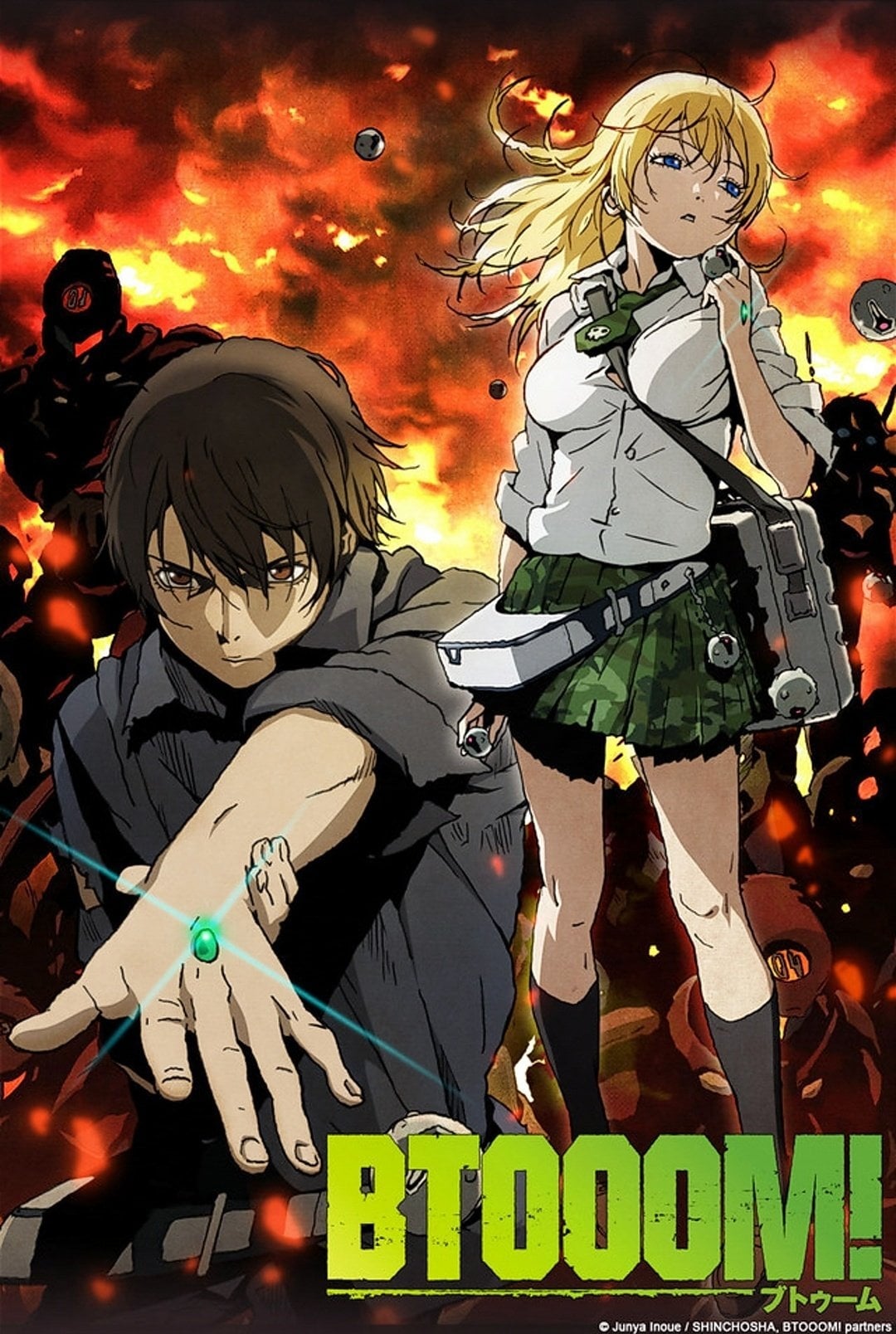
‘Btooom!’ adapts Junya Inoue’s survival series about players forced into a real-life version of a bomb-based video game. Madhouse produced 12 episodes that introduce the island, alliances, and the central rivalry. The show ends around a major vote in the game’s rules without covering the later escape and aftermath arcs. The manga’s branching endings were never animated.
‘Nana’ (2006–2007)
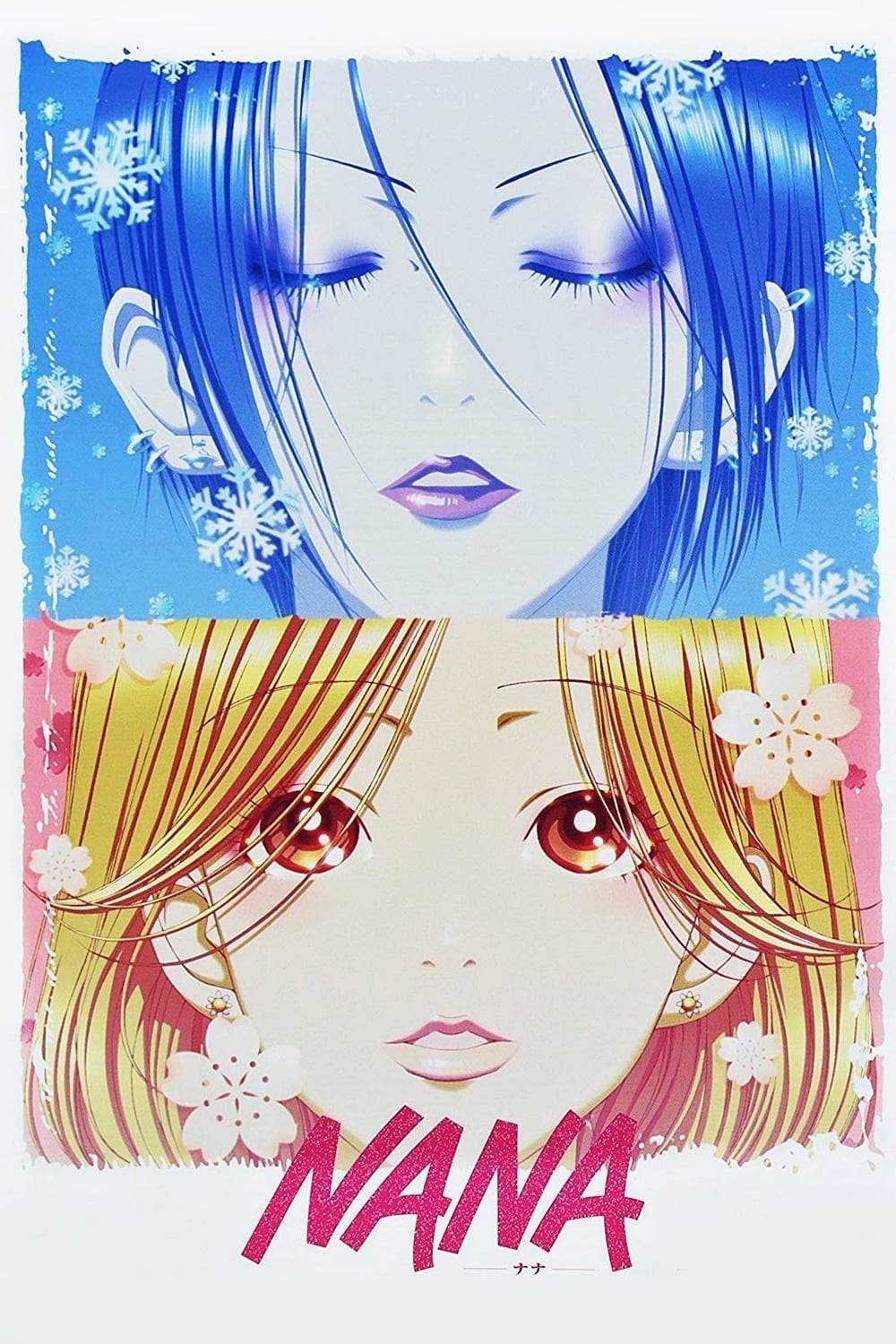
‘Nana’ brings Ai Yazawa’s drama about two women named Nana sharing an apartment and chasing music and love. Madhouse produced 47 episodes that track the band’s rise and key relationships. The anime pauses at a pivotal emotional stretch because the source manga went on hiatus. With no additional chapters completed at the time, the television run did not resume.
‘Claymore’ (2007)
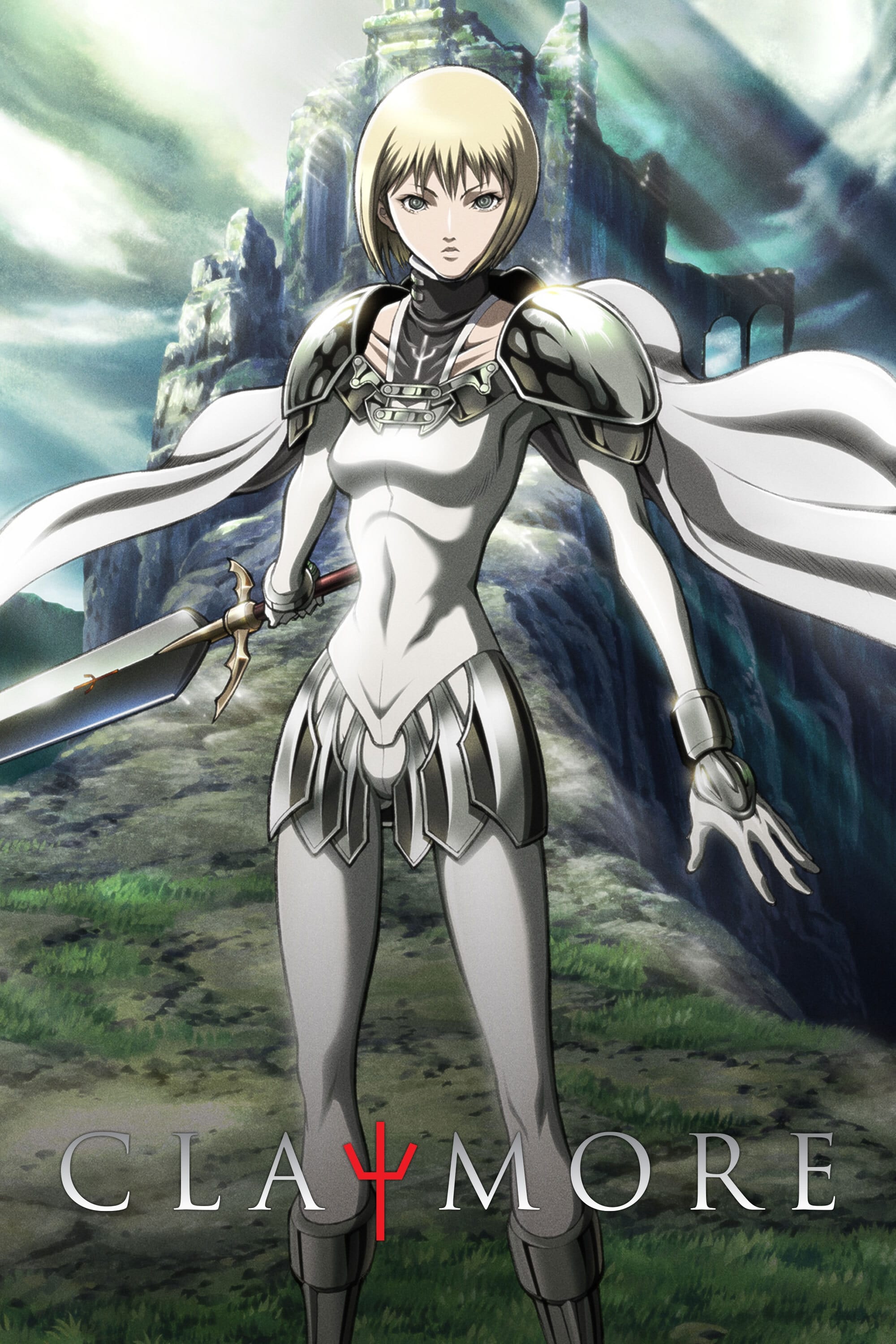
‘Claymore’ adapts Norihiro Yagi’s dark fantasy about warriors fighting shape-shifting Yoma. Madhouse produced 26 episodes that follow the northern campaign before diverging to an anime-original conclusion. The televised ending differs from the manga and leaves later canonical arcs unadapted. No further seasons were produced to cover the remaining story.
‘Ouran High School Host Club’ (2006)
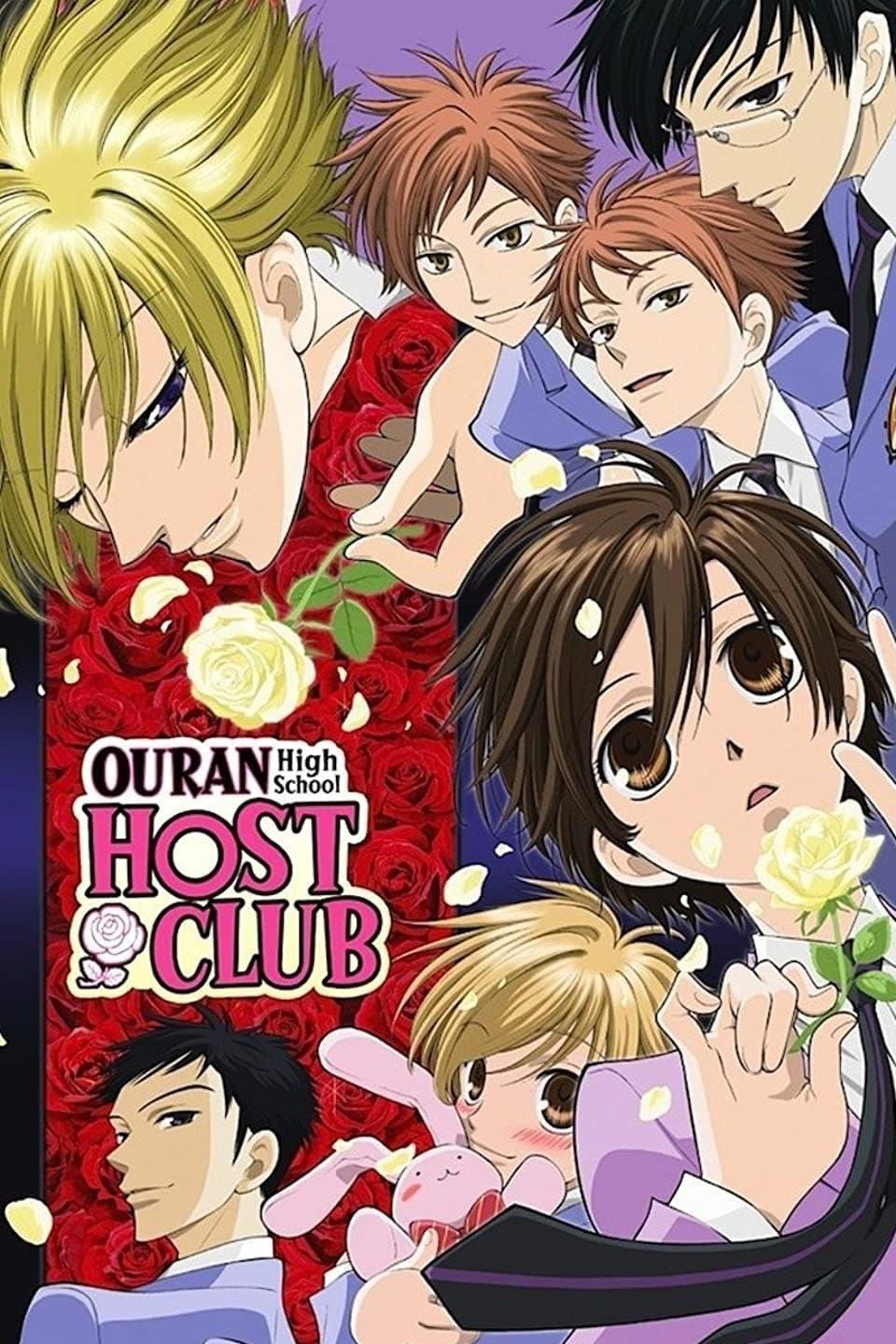
‘Ouran High School Host Club’ adapts Bisco Hatori’s comedy about a scholarship student pulled into a school’s host club. Bones produced 26 episodes that remix and reorder manga chapters for a contained finale. The adaptation stops before several late-series character developments and relationships. Despite the manga continuing far beyond that point, the show did not return.
‘Zetman’ (2012)
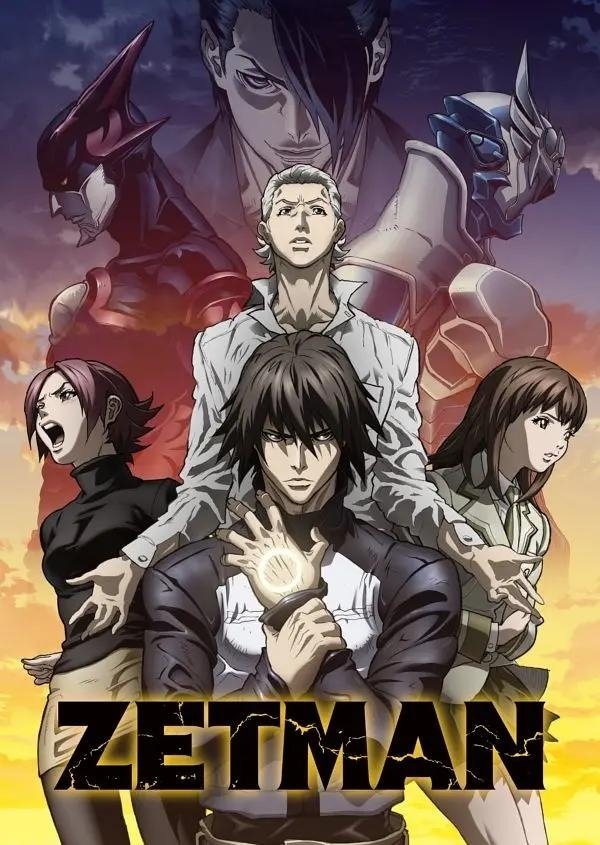
‘Zetman’ brings Masakazu Katsura’s superhero noir to television with a condensed retelling. TMS Entertainment produced 13 episodes that compress multiple arcs into a single cour. The anime skips and merges plotlines, ending before the broader conspiracy can unfold. Much of the manga’s later character work remains offscreen.
‘Rokka: Braves of the Six Flowers’ (2015)
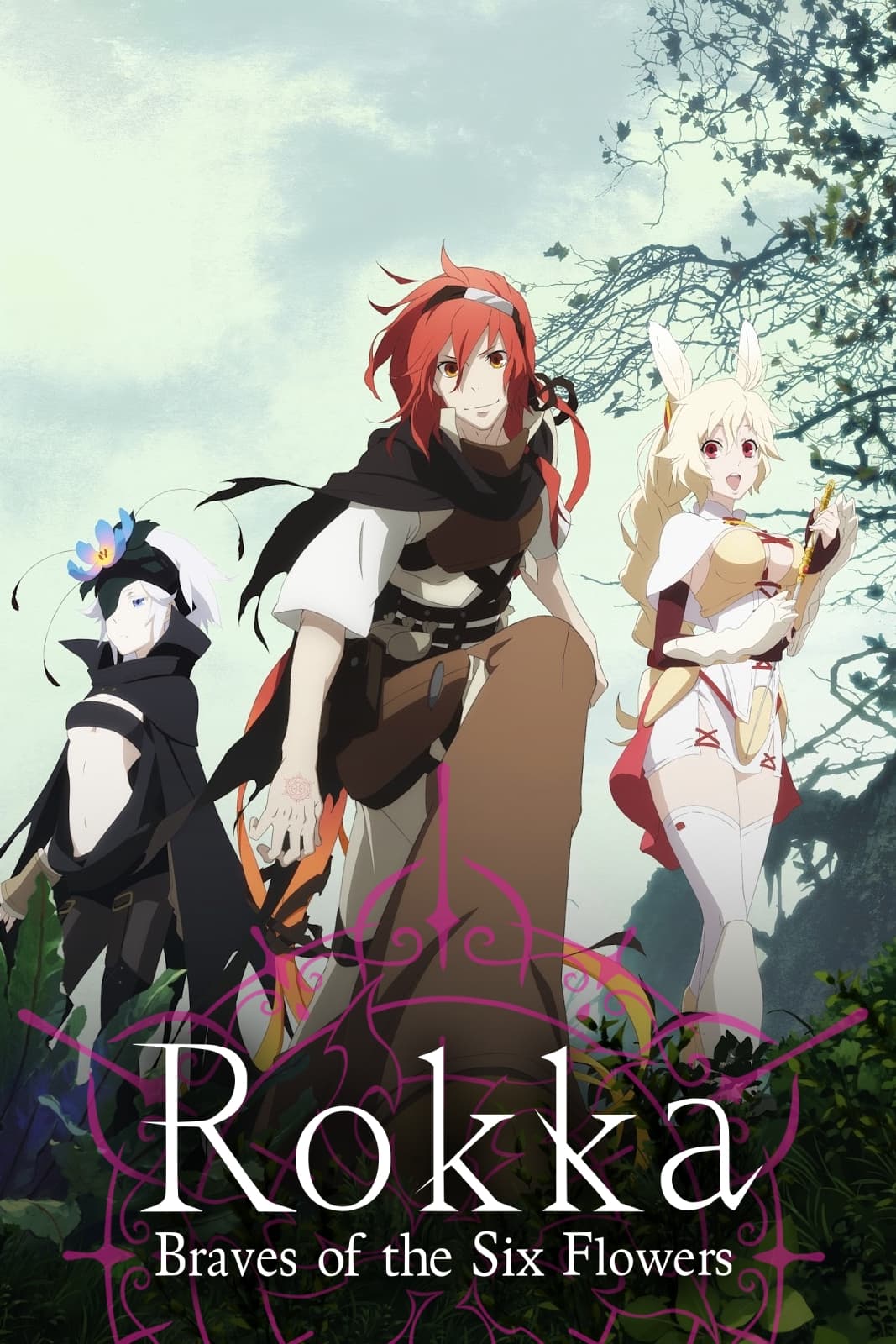
‘Rokka: Braves of the Six Flowers’ adapts Ishio Yamagata’s fantasy mystery about chosen heroes confronting a demon revival. Passione produced a 12-episode season that focuses on the false hero dilemma inside a barrier. The show concludes after resolving that mystery without moving into the subsequent adventure. The light novel’s later volumes were not adapted.
‘Alderamin on the Sky’ (2016)
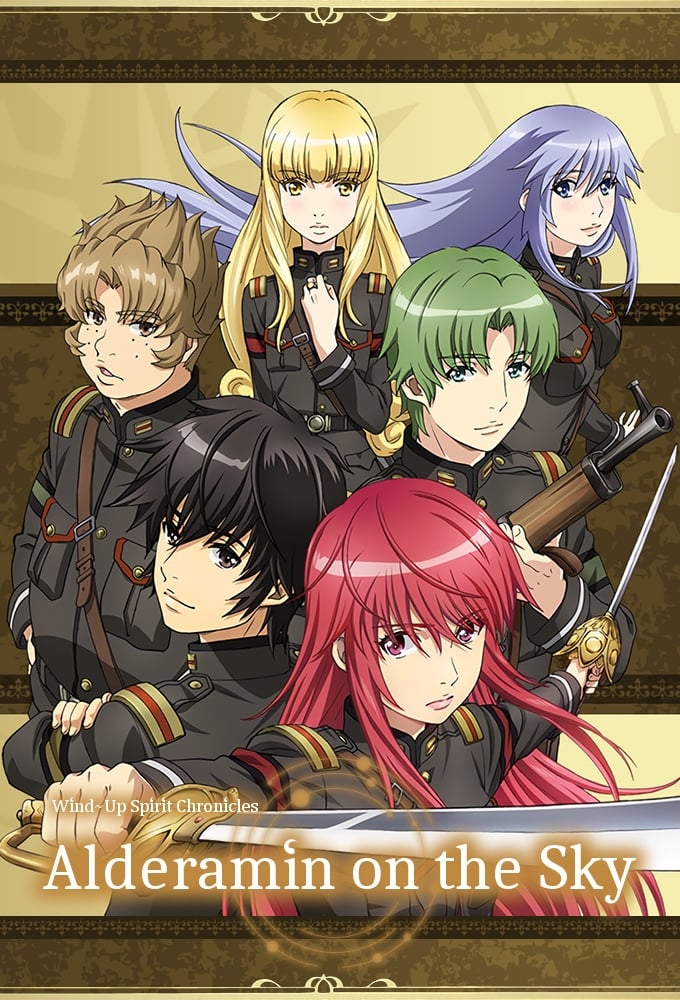
‘Alderamin on the Sky’ adapts Bokuto Uno’s military fantasy about a reluctant strategist rising through the ranks. Madhouse produced 13 episodes that cover the earliest campaigns and promotions. The televised story stops before the larger continental conflicts and political shifts play out. The remaining light novel material was not animated.
‘No Game No Life’ (2014)
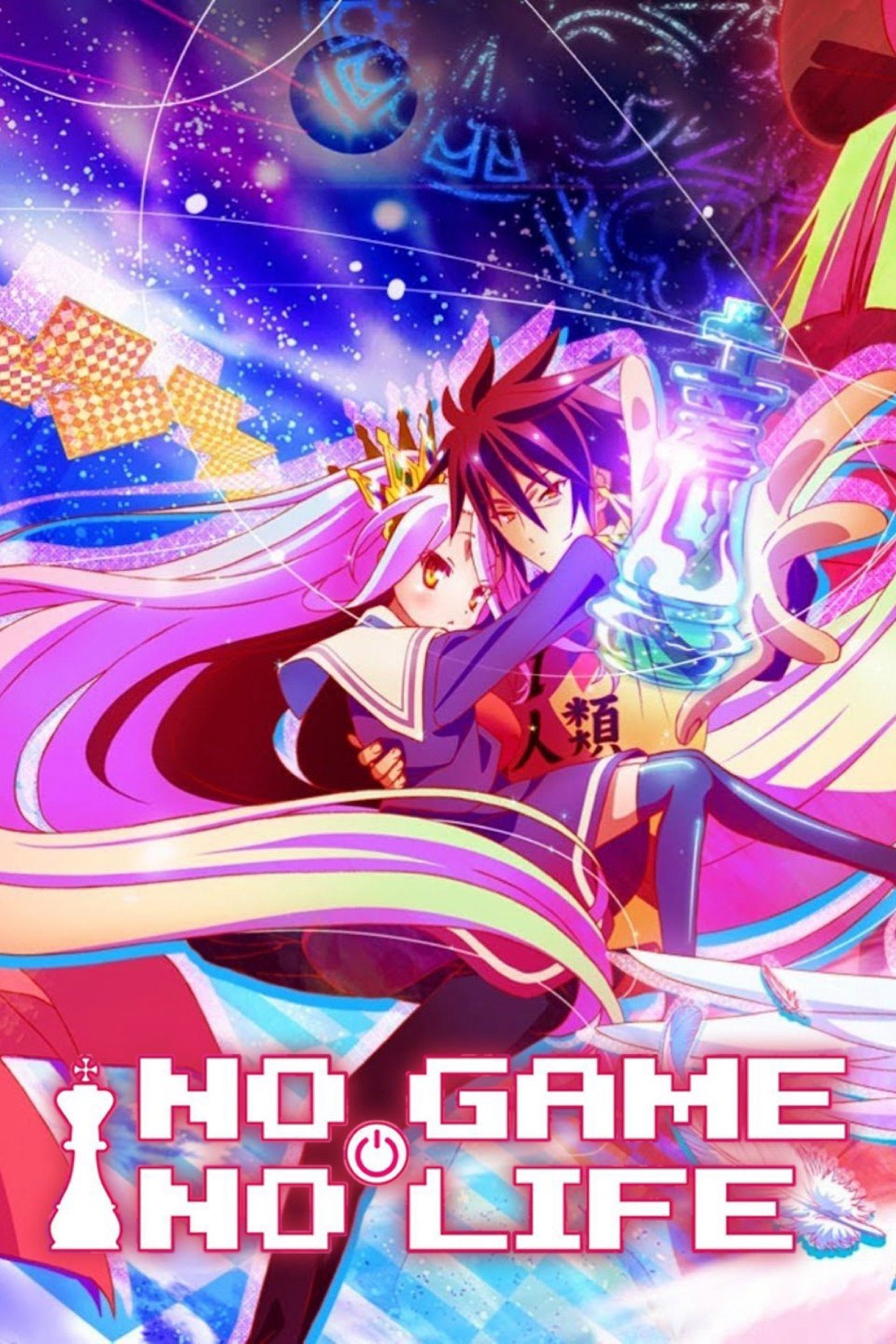
‘No Game No Life’ adapts Yuu Kamiya’s series about siblings who challenge a world governed by games. Madhouse produced 12 episodes that introduce the Disboard setting and establish early alliances. The television run ends after a major chess gambit with the central ladder of races still to challenge. A prequel film exists, but the mainline story did not continue on TV.
Share the shows you think were cut short too soon in the comments and tell us which unfinished stories you still want to see completed.