Greatest Anime You Forgot About (& It’s Time for a Rewatch)


Some series left a big mark and then quietly slipped out of the spotlight, which makes them perfect choices to rediscover now. This list rounds up standout titles that deliver rich worlds, striking visuals, or unusual stories that still feel fresh today. You will find series that experiment with style, push science fiction ideas, or revisit folklore with a twist. Queue up a few of these and you might remember why you fell in love with anime in the first place.
‘Kaiba’ (2008)
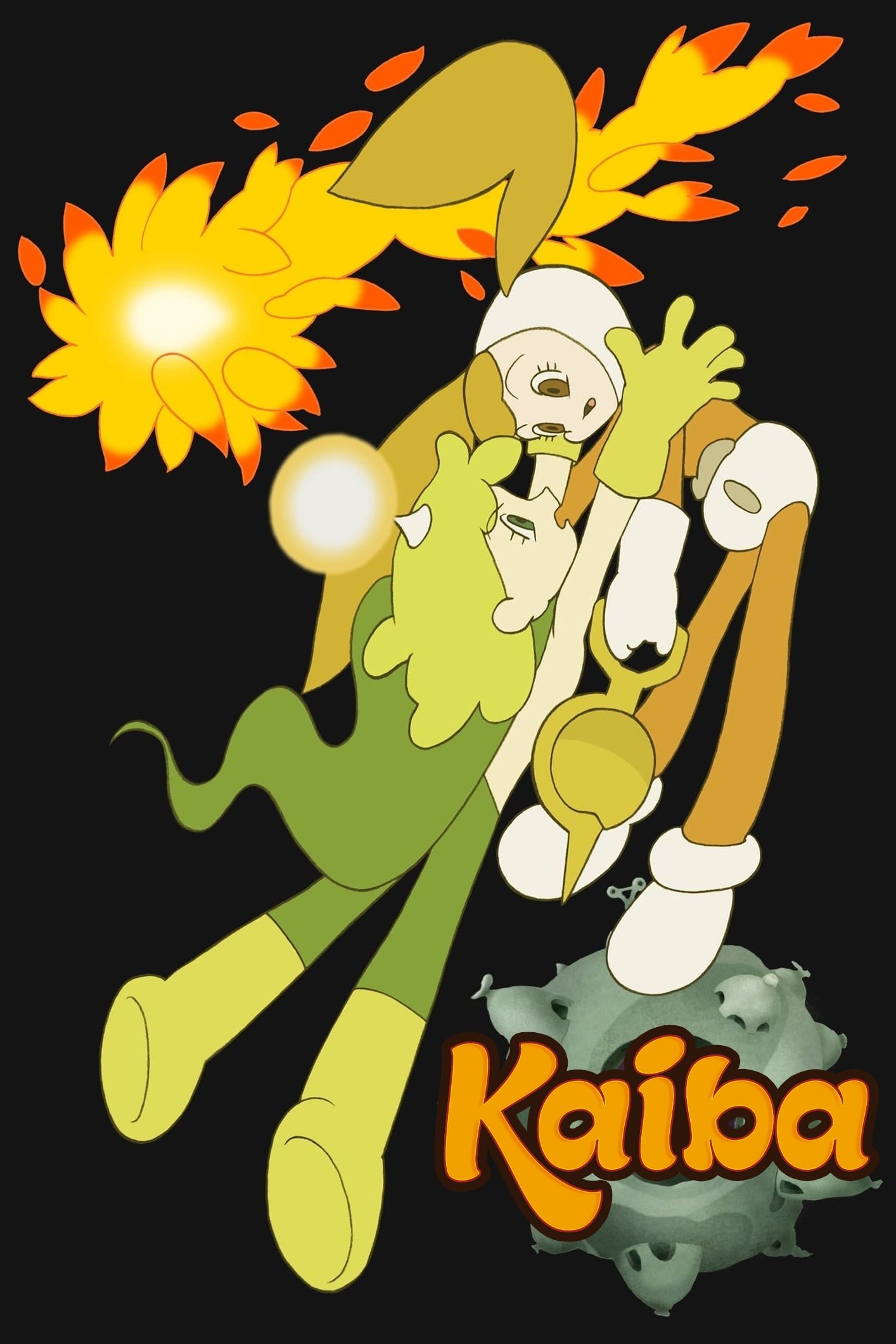
Masaaki Yuasa tells a memory swapping sci fi tale set across strange planets under a monopoly on personal identity. Studio Madhouse produced the show with a soft rounded art style that hides a weighty story about class and loss. The lead travels with a hole in his chest and a missing past while bodies can be replaced like luggage. Its episodes jump between quirky adventures and a larger conspiracy that slowly locks into place.
‘Moribito: Guardian of the Spirit’ (2007)
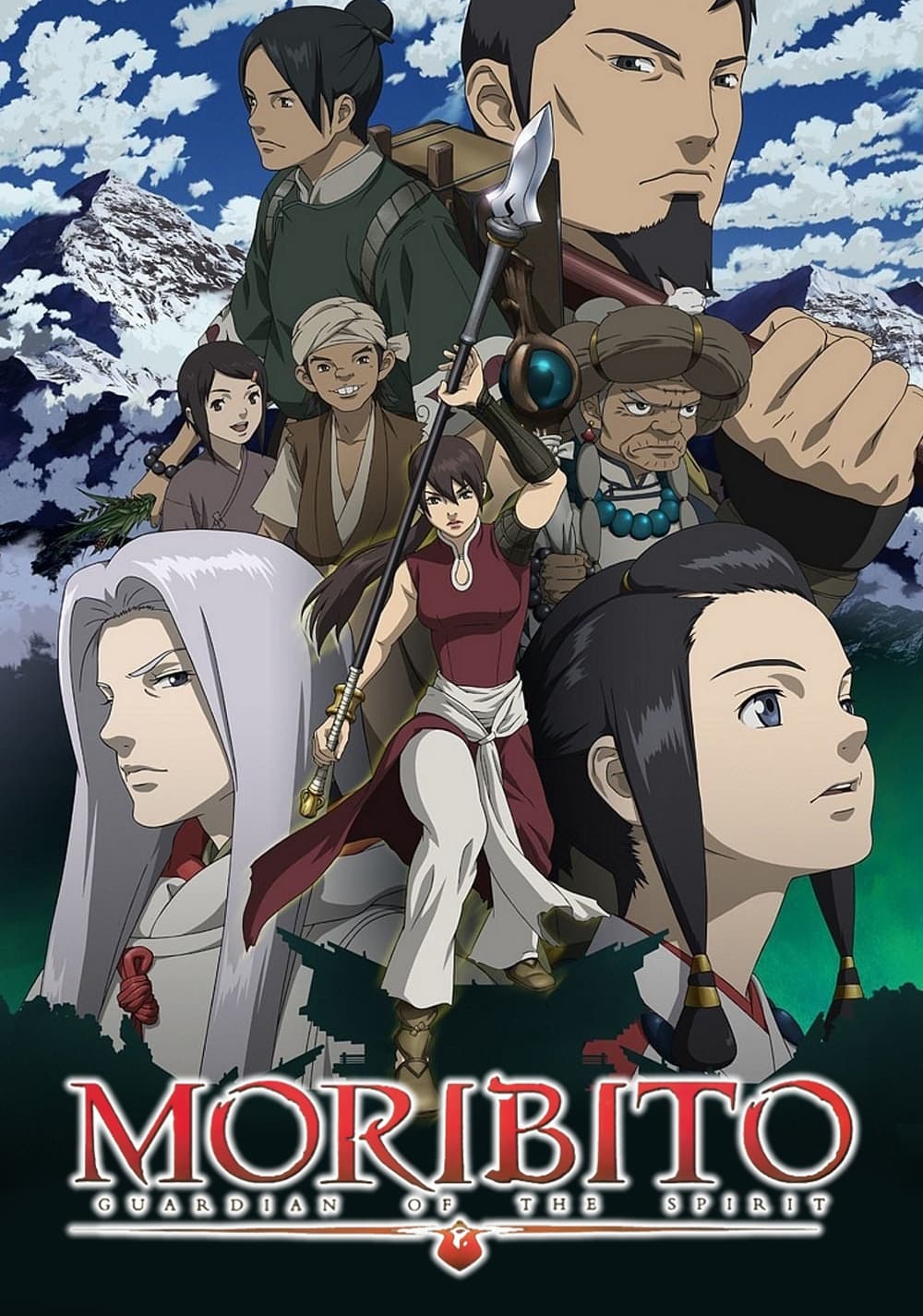
Based on Nahoko Uehashi’s novel, this adaptation follows the spear wielding bodyguard Balsa and a prince marked for death. Production I. G brings careful choreography to small scale fights and gives equal weight to travel, craft, and court politics. The series builds a complete culture with rituals, food, and myths tied to water spirits. Its arc devotes time to the bond between protector and charge as they outwit rival factions.
‘Planetes’ (2003–2004)
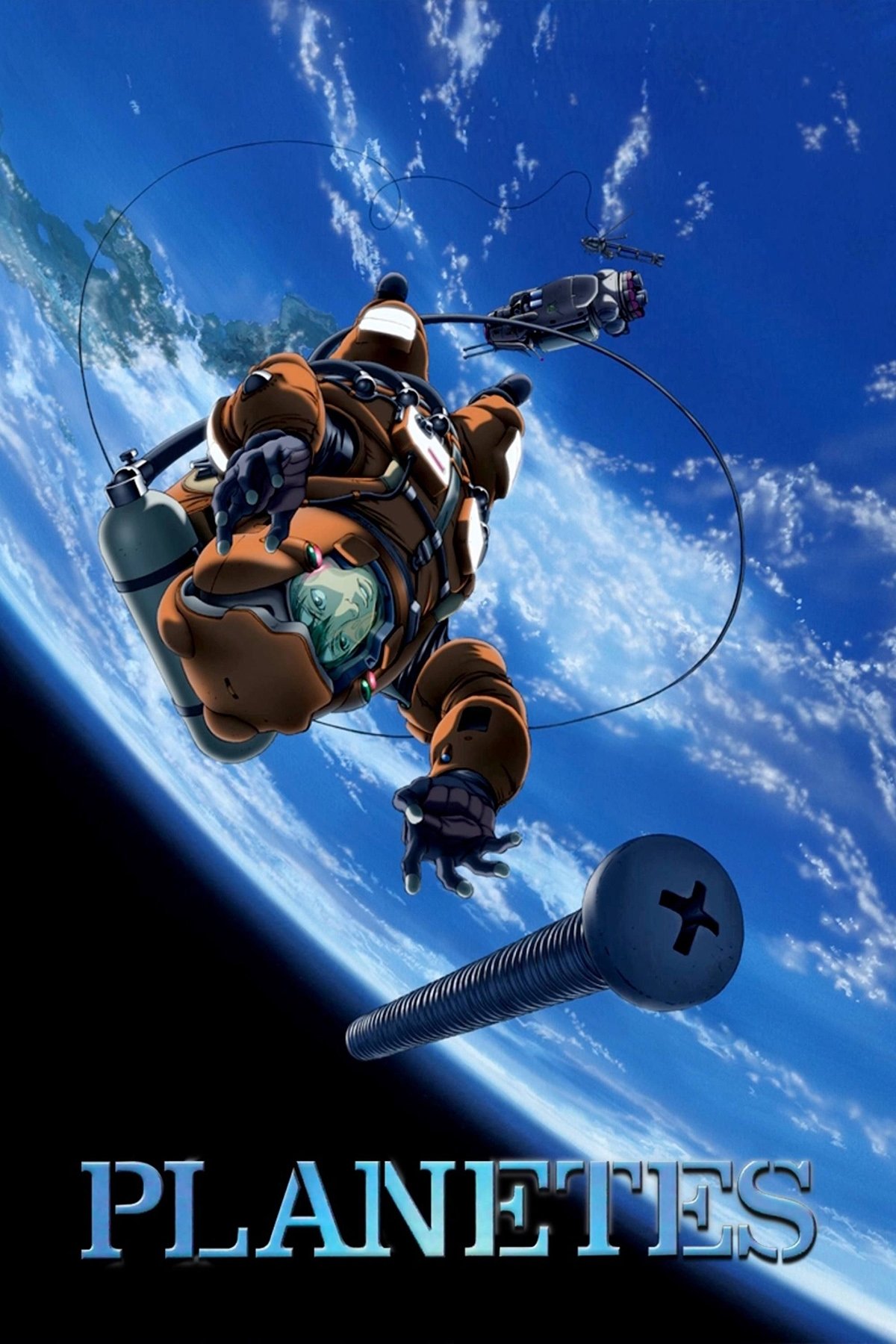
Set in the early era of commercial space work, this show follows a debris collection team that keeps near Earth orbit safe. Sunrise grounds its technology in realistic procedures, from space suits to orbital mechanics. Workplace storylines cover union issues, corporate pressure, and international rivalries. The characters grow through training, failures, and hard choices about career and ethics.
‘Texhnolyze’ (2003)
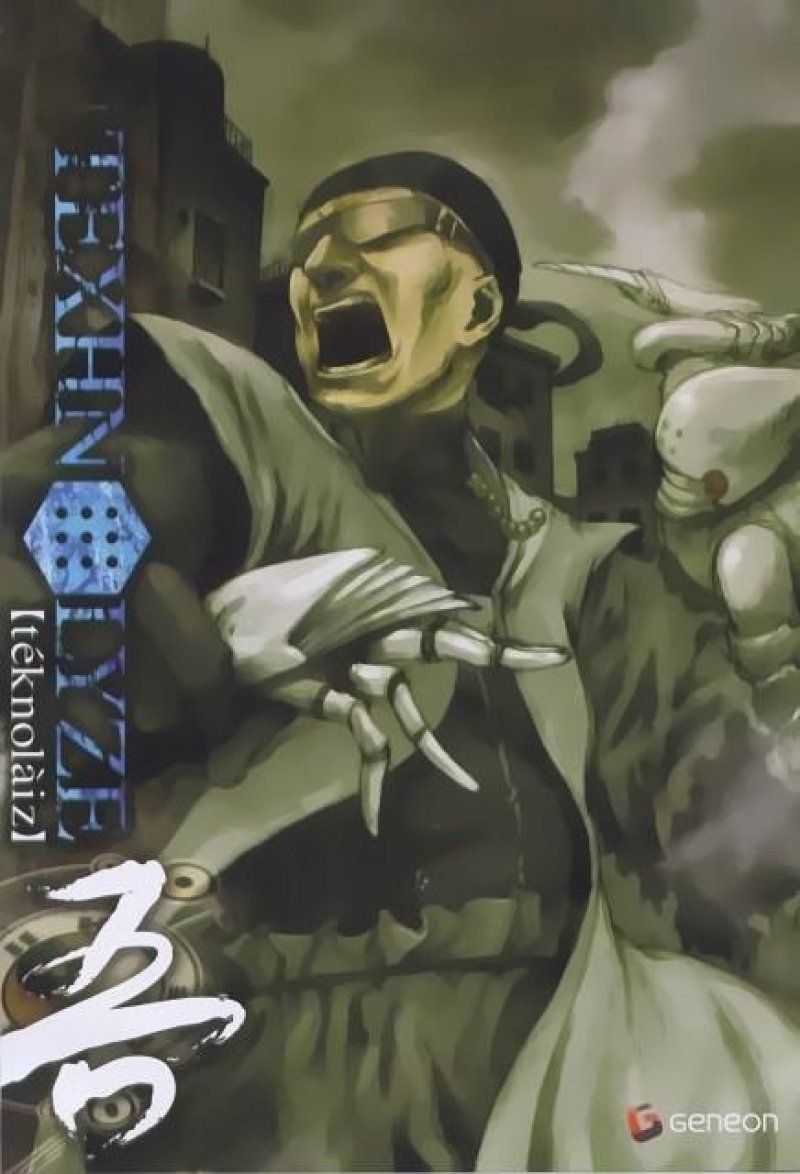
This cyberpunk series takes place in a decaying underground city ruled by gangs, corporations, and a doomsday cult. Studio Madhouse uses long stretches of minimal dialogue and stark lighting to push atmosphere over exposition. Biomechanical limbs called texhnolyze upgrades tie human survival to industrial power. The plot tracks turf wars, political maneuvers, and a bleak migration toward the surface world.
‘Haibane Renmei’ (2002)
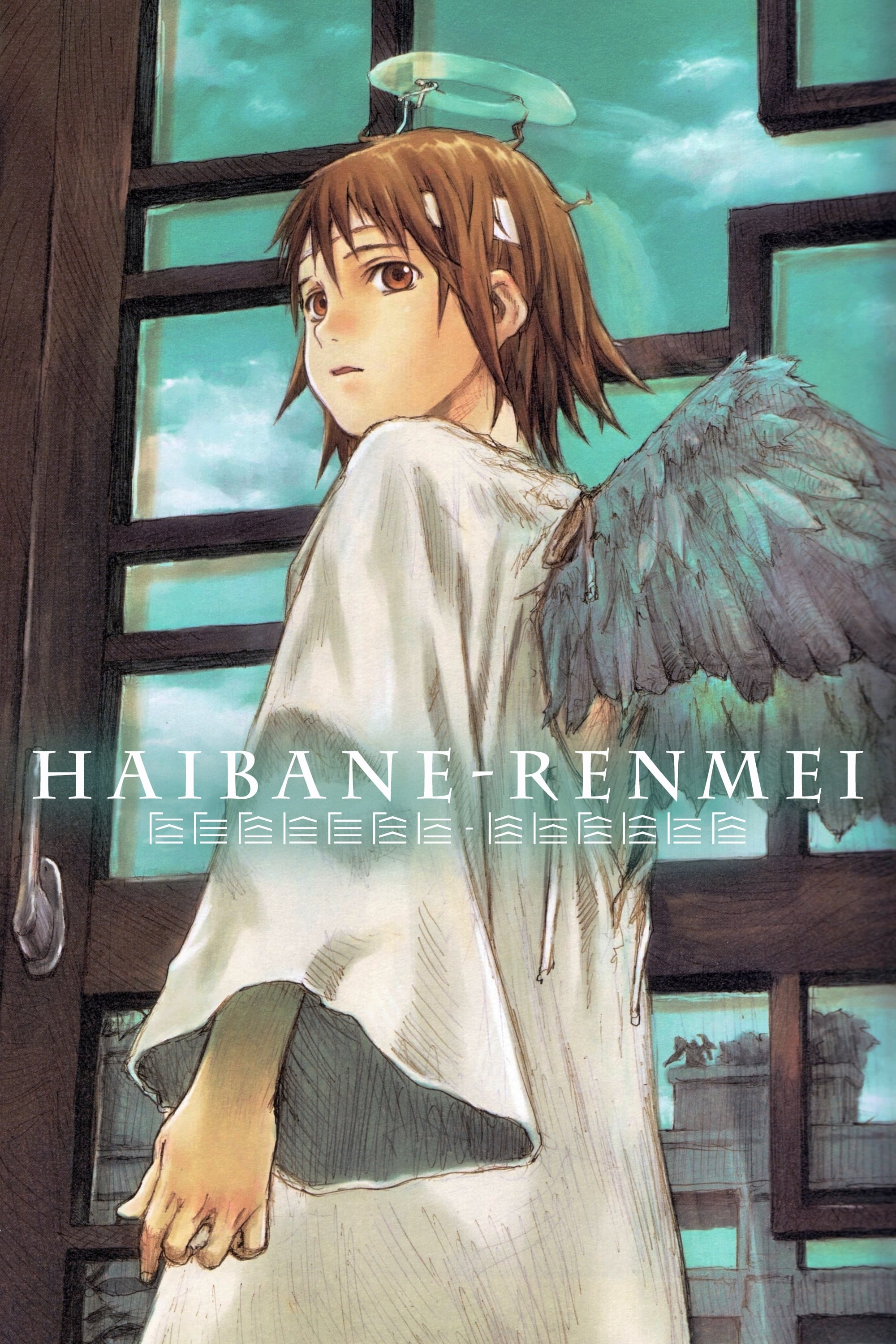
Set in a walled town, a group of haloed youths called Haibane live under rules they do not fully understand. Studio Radix portrays daily life in a quiet community that balances gentle routines with strict traditions. The story explores work assignments, rites of passage, and the meaning of a Day of Flight. Clues about sin and redemption emerge through artifacts, murals, and sparse records kept by a secretive order.
‘Now and Then, Here and There’ (1999–2000)
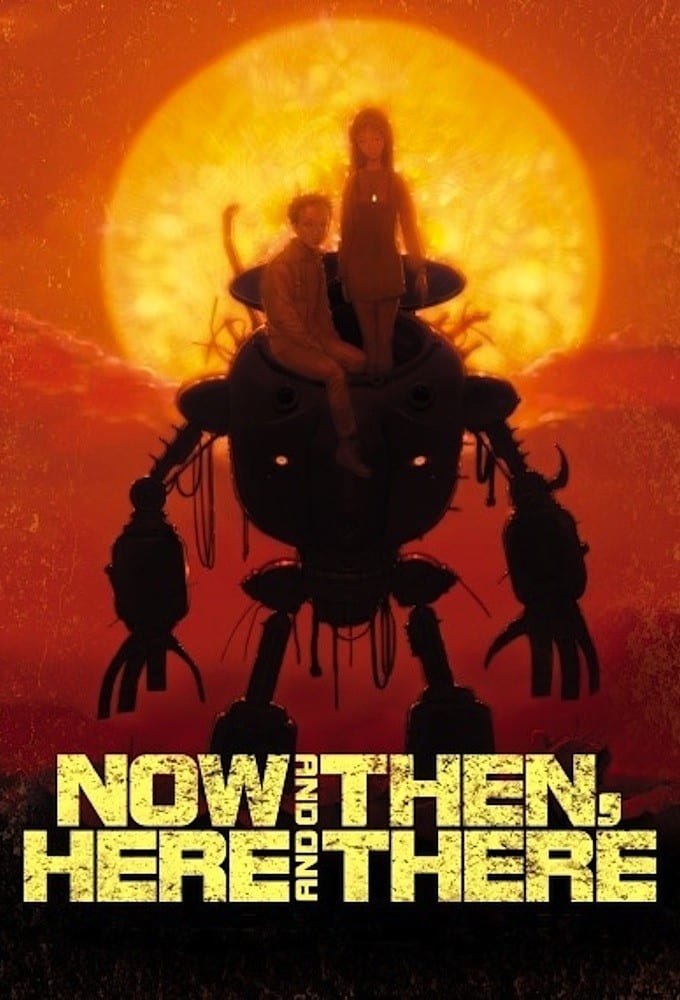
A schoolboy is pulled into a war torn world dominated by a brutal fortress state that hoards water. AIC and Softx use stark imagery to show child conscription, resource scarcity, and propaganda. The main cast includes prisoners, defectors, and leaders who struggle to maintain control. The journey tracks escape attempts, shifting alliances, and the search for a reliable water source.
‘The Twelve Kingdoms’ (2002–2003)
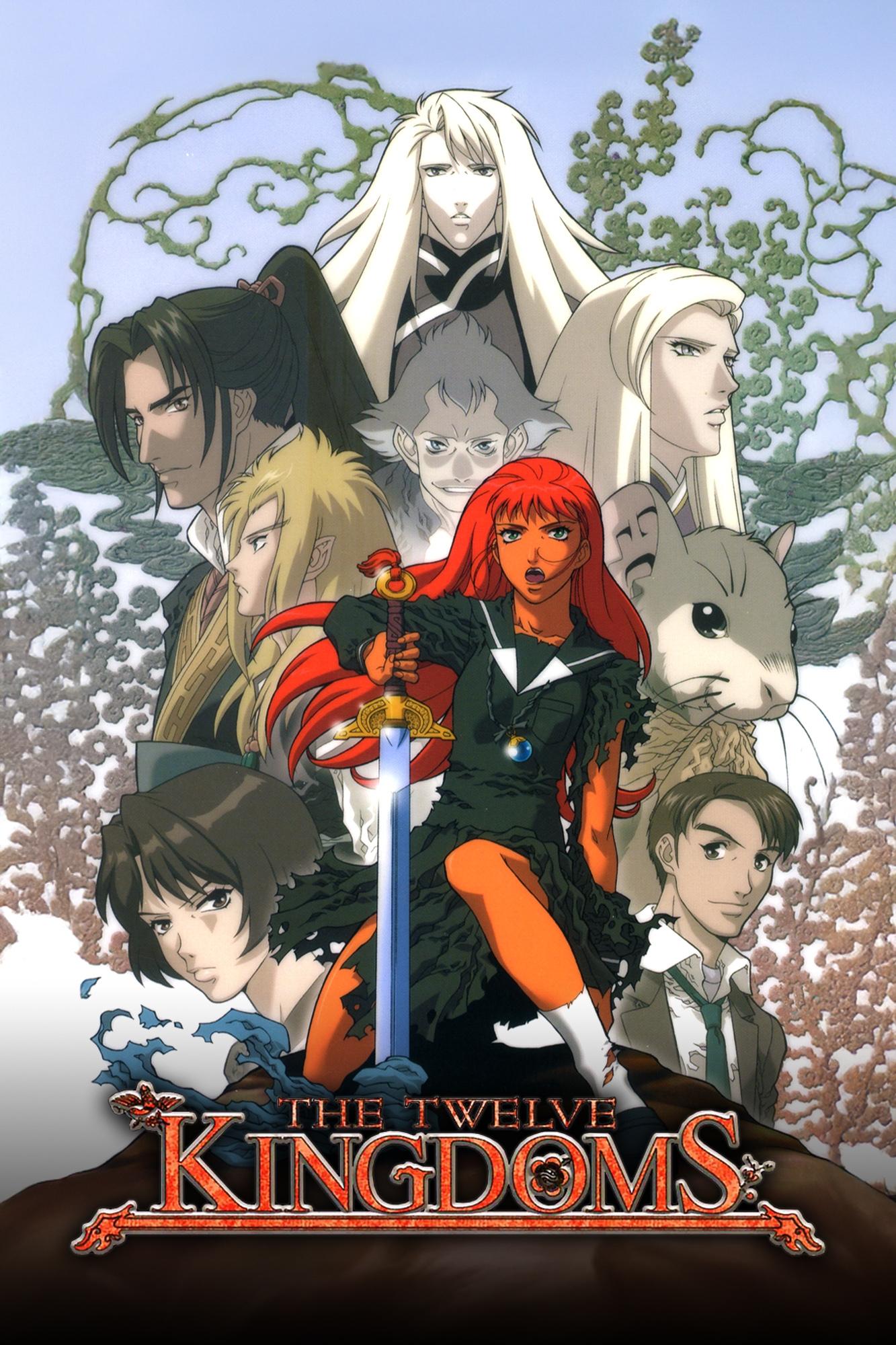
Adapted from Fuyumi Ono’s novels, this fantasy places modern students in a realm of kingdoms chosen by sacred beasts. Studio Pierrot maps out a bureaucracy of rulers, ministers, and magical laws that govern succession. Political arcs span kidnappings, exile, and reforms after bad reigns. The show explains language, currency, and geography with travel logs and palace briefings.
‘Princess Tutu’ (2002–2003)
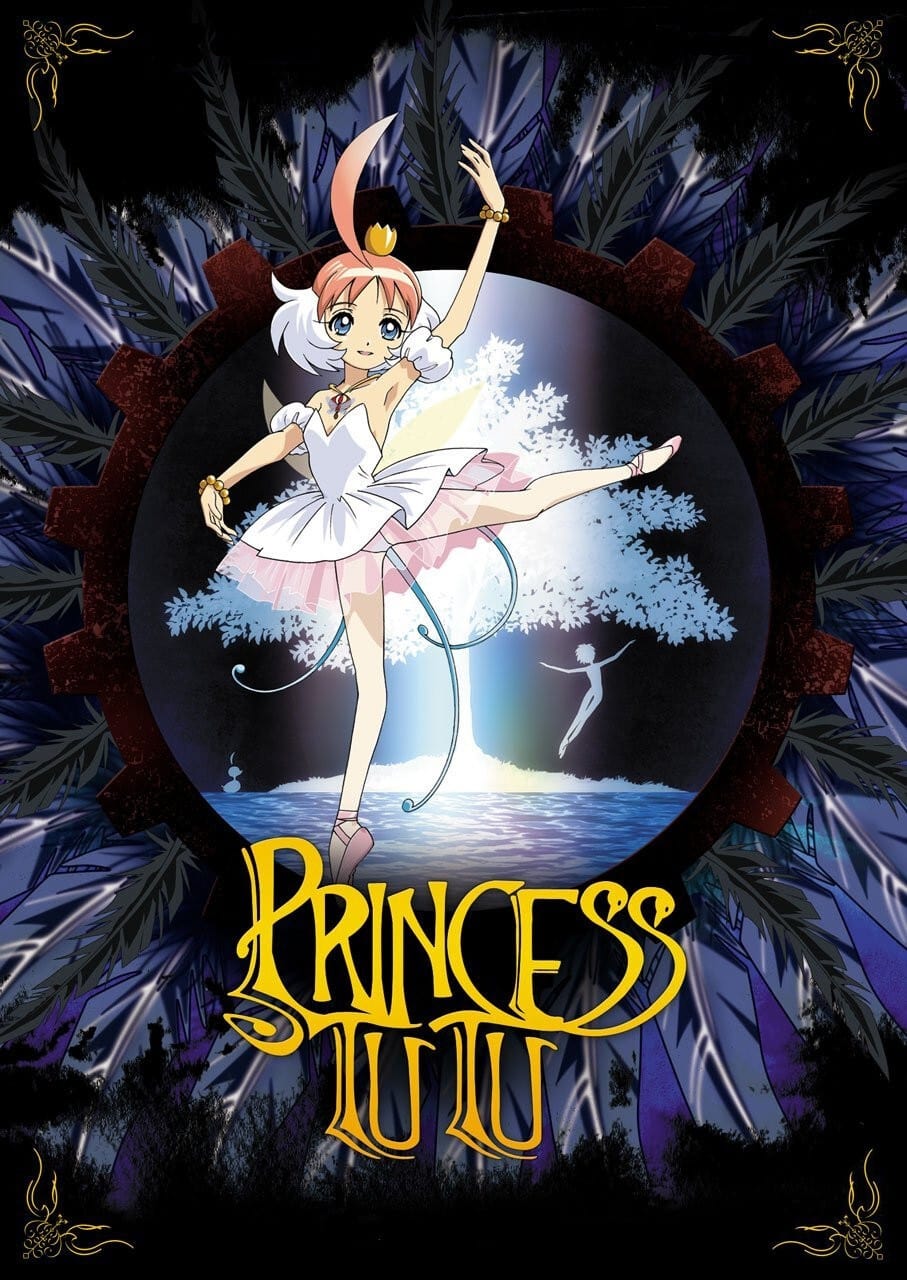
A fairy tale set in a town shaped by a dead author’s stories follows a duck who becomes a girl who becomes a ballerina hero. Hal Film Maker blends classical ballet motifs with stage like framing and narrated chapter breaks. Episodes revolve around retrieving shards of a prince’s heart through themed duels and dances. The narrative toys with authorship, fate, and character roles inside a storybook world.
‘Mononoke’ (2007)
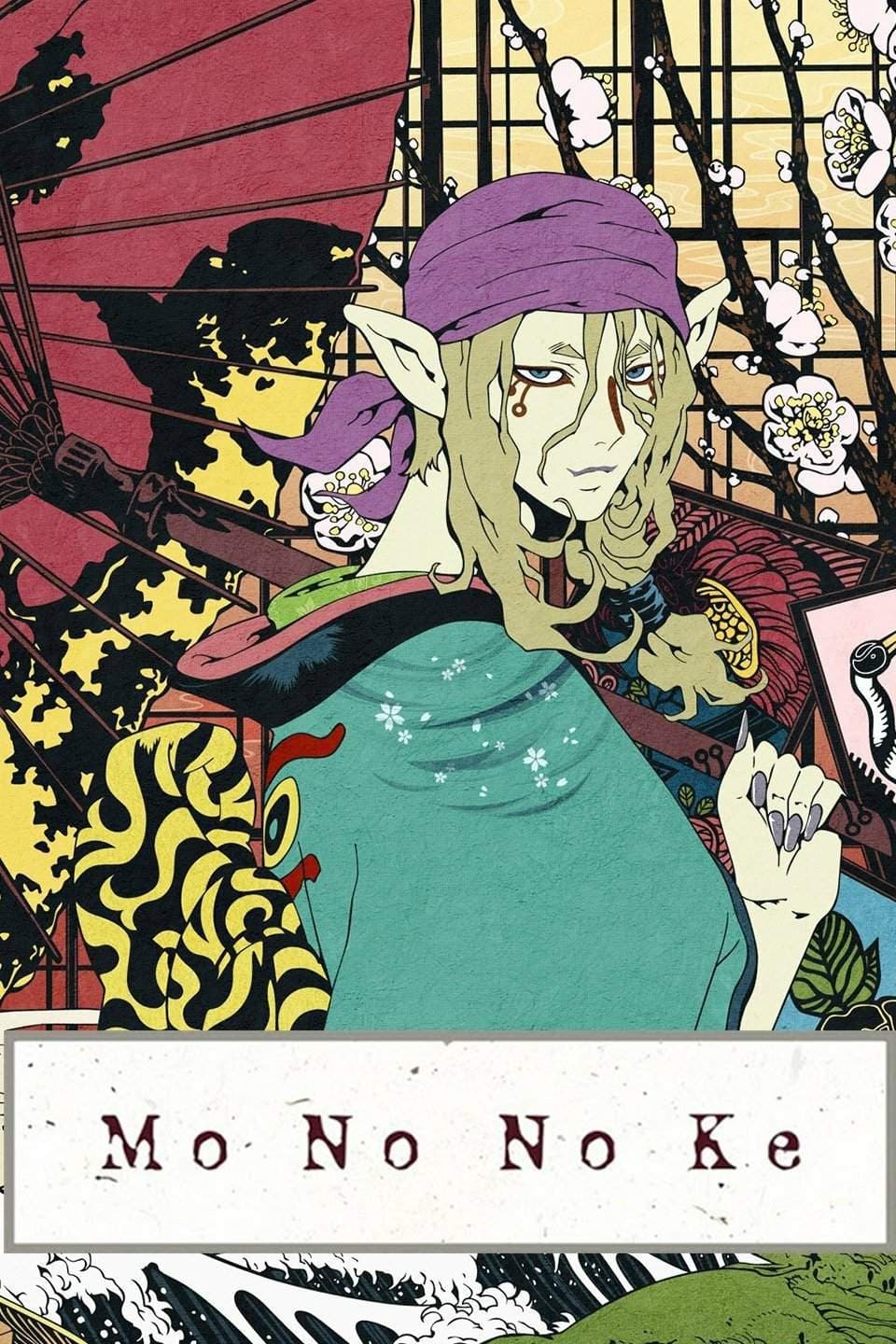
This horror anthology spins off the Medicine Seller from ‘Ayakashi’ into five multi episode cases. Toei Animation renders each arc with ukiyo e textures, patterned backdrops, and sliding panel transitions. The exorcist requires the shape, truth, and reason of each spirit before he can destroy it. Each case builds a small puzzle from testimonies, lies, and symbols tied to the victims.
‘House of Five Leaves’ (2010)

A timid ronin stumbles into a kidnapping ring that targets corrupt nobles for ransom. Studio Manglobe adapts Natsume Ono’s distinct linework with relaxed pacing and muted palettes. The series focuses on negotiation, planning, and the ethics of their jobs rather than swordplay. Character backstories surface through quiet conversations in a tavern and tense visits to former employers.
‘Hyouge Mono’ (2011–2012)
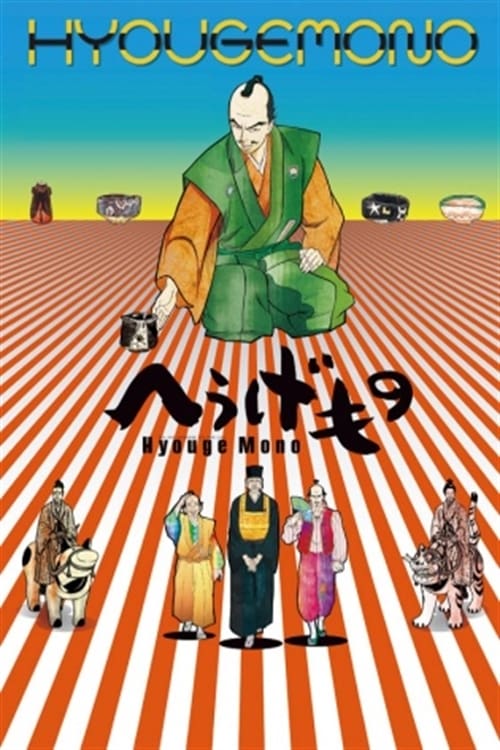
This period drama tracks a warlord retainer obsessed with tea ceremony aesthetics during the era of Oda Nobunaga and Toyotomi Hideyoshi. Bee Train weaves military campaigns with art collecting, kiln techniques, and the politics of tea masters. The lead weighs ambition against taste while rival clans barter over ceramics and lacquerware. Historical figures appear with detailed attention to titles, ranks, and schools of practice.
‘Giant Robo: The Day the Earth Stood Still’ (1992–1998)
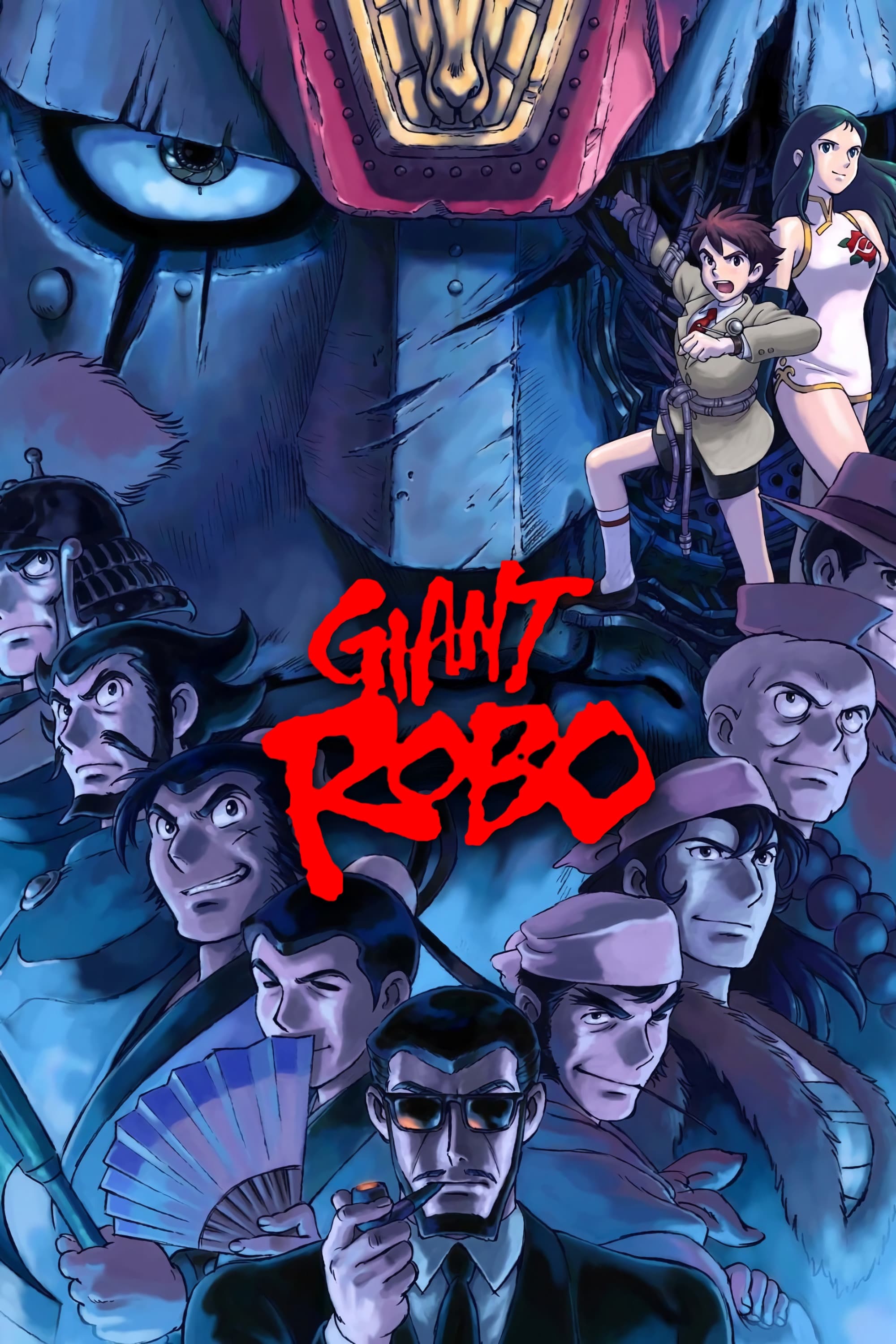
This OVA mixes retro super robot action with a sprawling conspiracy involving the Experts of Justice and the BF Organization. AIC and Studio APPP deliver set piece battles that tie into a mystery about energy, loyalty, and legacy. Characters from Mitsuteru Yokoyama’s works intersect under a unified timeline. The release arrived in episodes that build to an operatic finale with recurring leitmotifs.
‘Kemonozume’ (2006)
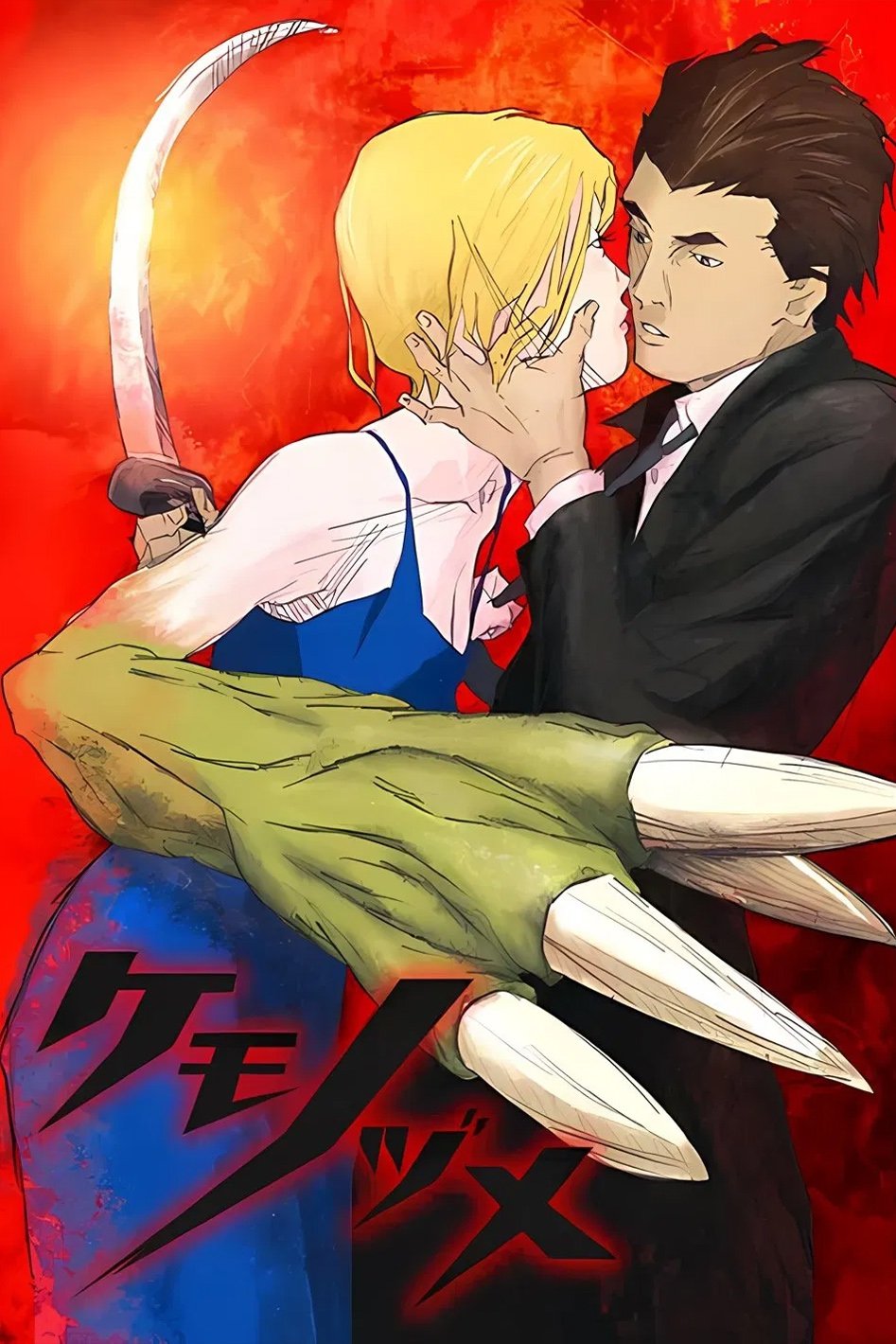
A secret organization hunts flesh eating monsters while its top swordsman falls in love with one of them. Madhouse animates with rough sketch lines, collage inserts, and experimental cuts that shift style by scene. The plot involves rival hunters, a splinter faction, and a long buried research project. It moves between noir investigations, family drama, and creature mythology.
‘Angel’s Egg’ (1985)
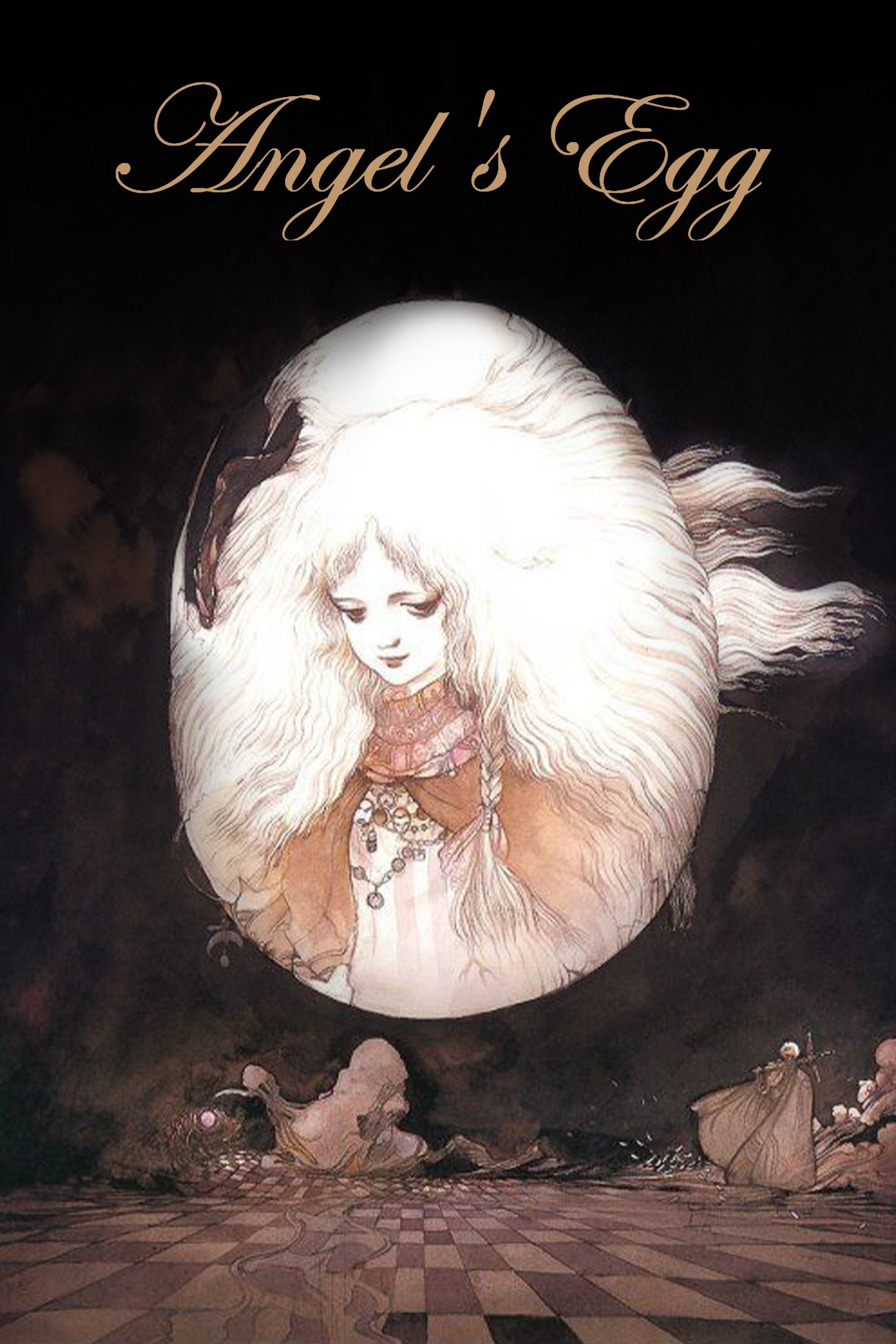
Mamoru Oshii’s minimalist film follows a girl carrying a large egg through a deserted town of fossil like relics. Studio Deen crafts intricate backgrounds filled with gothic architecture and religious imagery. Dialogue is sparse, which places attention on motifs like water, fish, and statues. The score and visual repetition create a meditative rhythm around themes of faith and memory.
‘Ergo Proxy’ (2006)
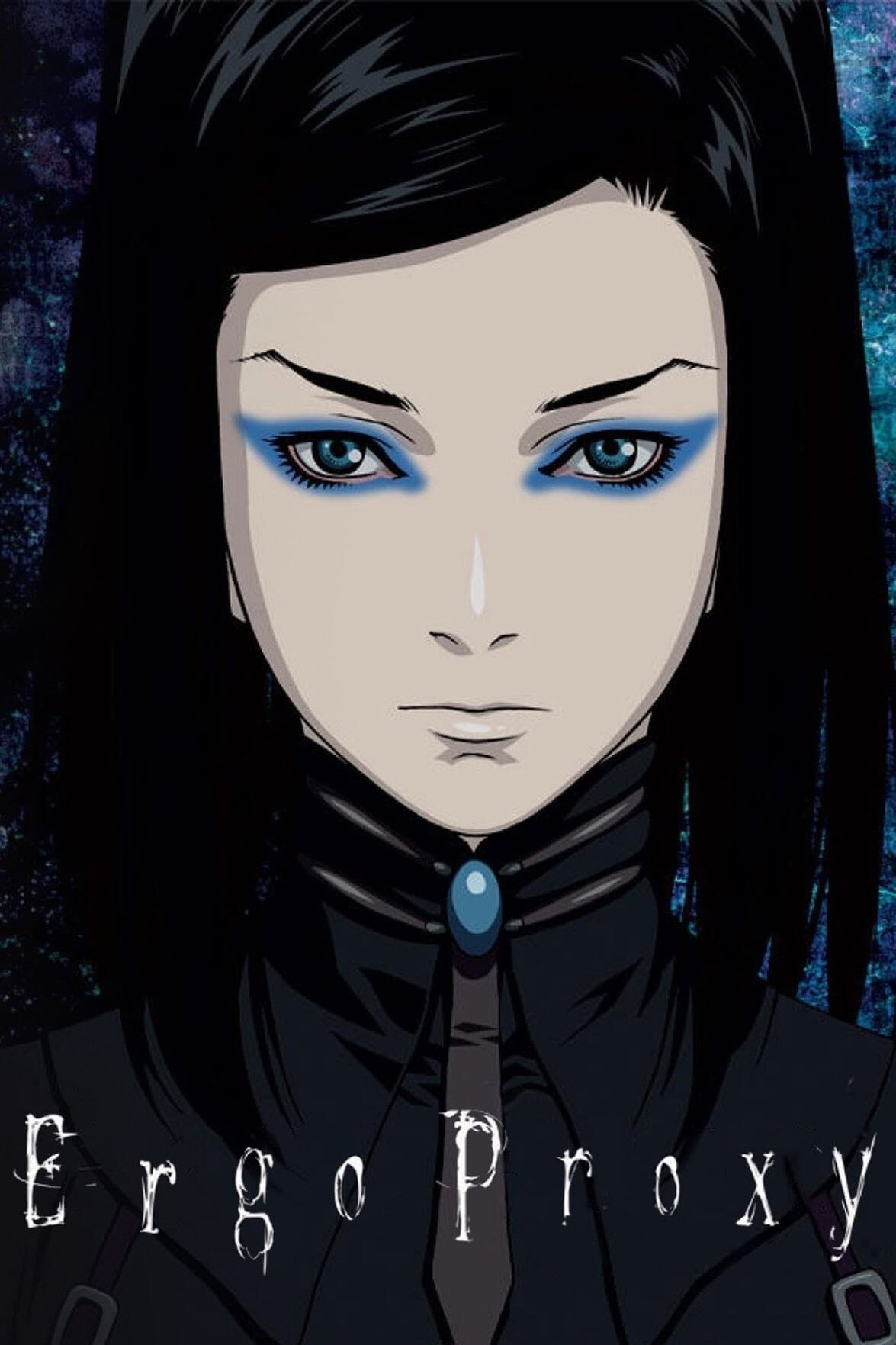
Set in a domed city after ecological collapse, this series follows an inspector and a fugitive android as they uncover the truth behind beings called Proxies. Studio Manglobe blends noir investigation with psychology while showing corporate governance and isolationist policies at work. Episodes detail memory tampering, immigration controls, and quarantine zones. The show’s technology includes AutoReivs, Cogito virus cases, and layered surveillance systems.
‘Baccano!’ (2007)
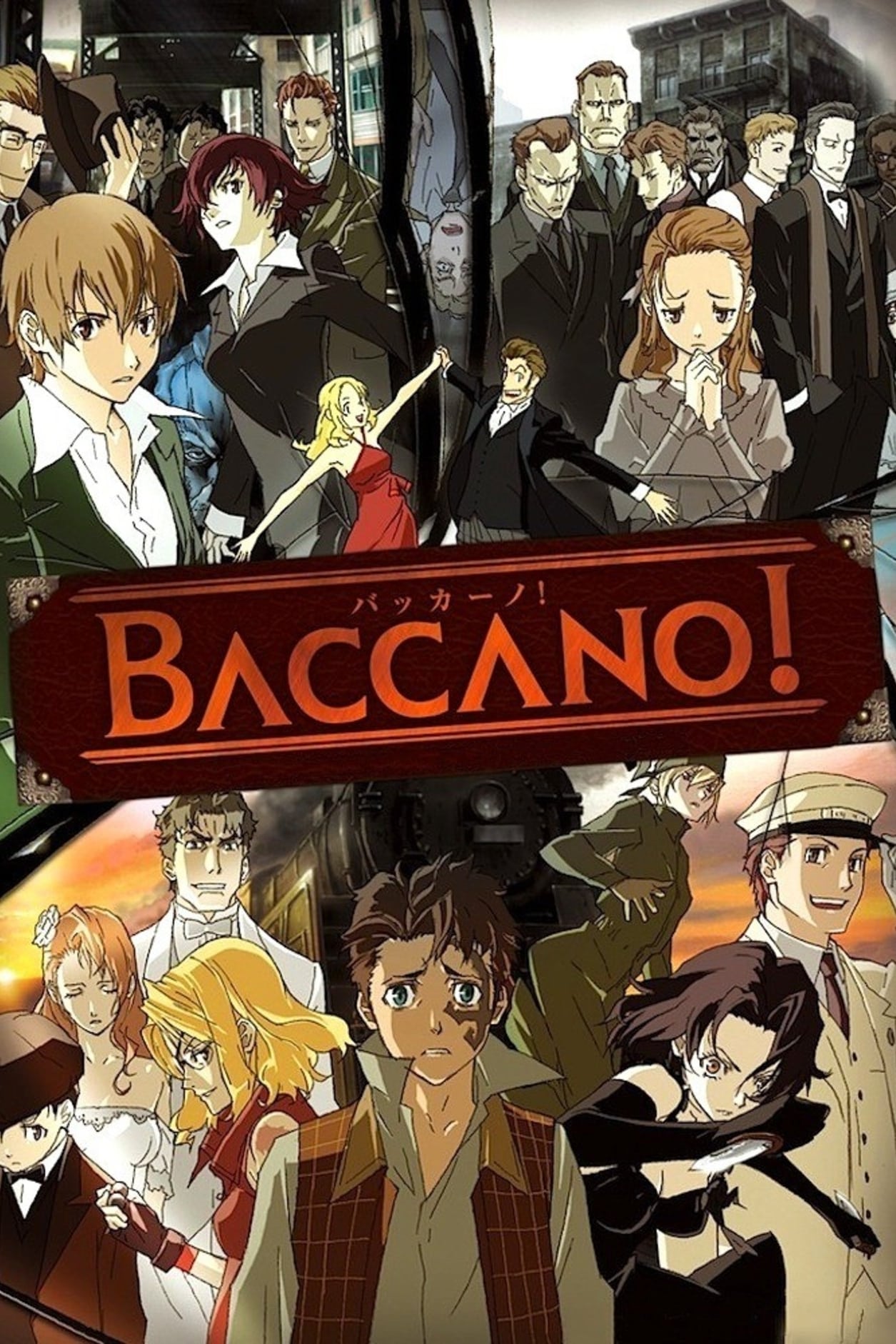
Told out of order across the 1930s, this story links gangsters, immortals, and a transcontinental train heist. Brain’s Base adapts multiple light novel arcs and weaves them through recurring incidents like the Flying Pussyfoot massacre. The cast intersects via bootlegging routes, alchemy experiments, and turf agreements. Key events repeat from different viewpoints to reveal who planned what and why.
‘Paranoia Agent’ (2004)
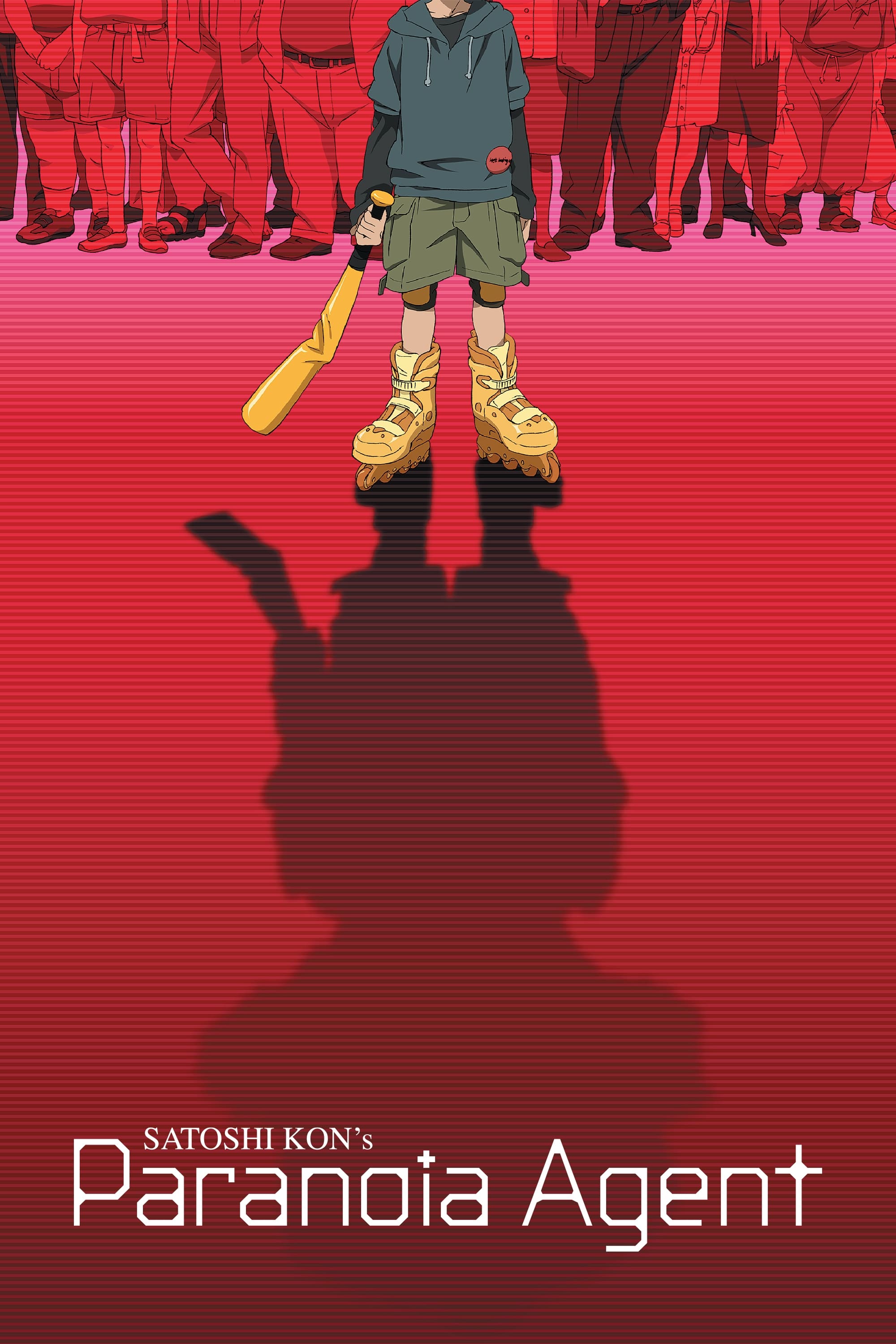
A string of assaults by a golden bat wielder called Lil’ Slugger pushes Tokyo into rumor fueled panic. Madhouse frames cases around victims whose personal stress and media attention amplify the phenomenon. Detectives trace merchandise booms, corporate deadlines, and scapegoat stories tied to a mascot. The investigation maps how urban myths propagate through news cycles and consumer habits.
‘Boogiepop Phantom’ (2000)
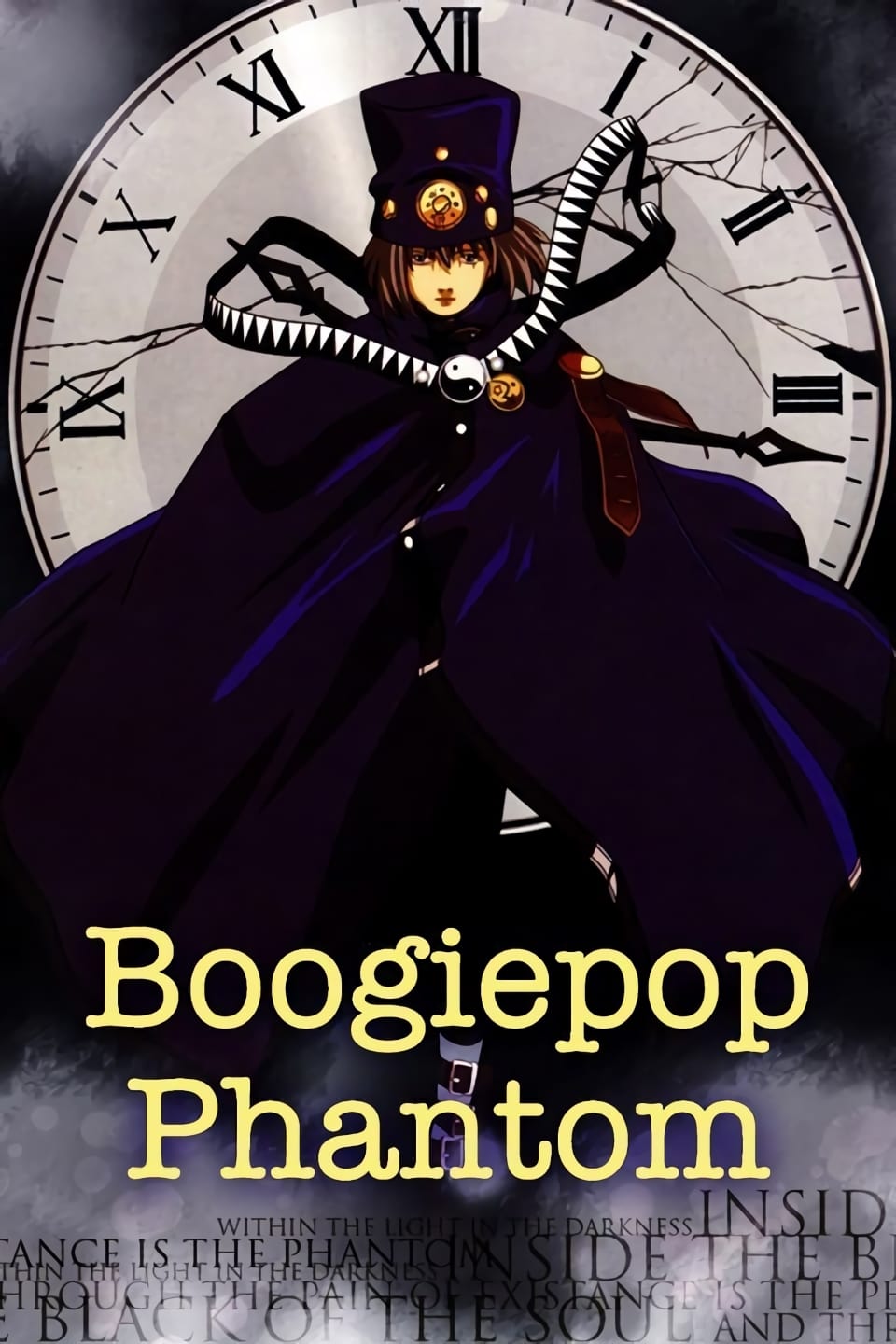
A strange light in the sky precedes disappearances and overlapping urban legends at a single high school. Madhouse uses filtered visuals and non linear episodes to trace experiments, predators, and the Boogiepop entity’s interventions. Individual chapters focus on students linked by trauma and rumor. The timeline circles back to show cause and effect between seemingly separate incidents.
‘Shiki’ (2010)
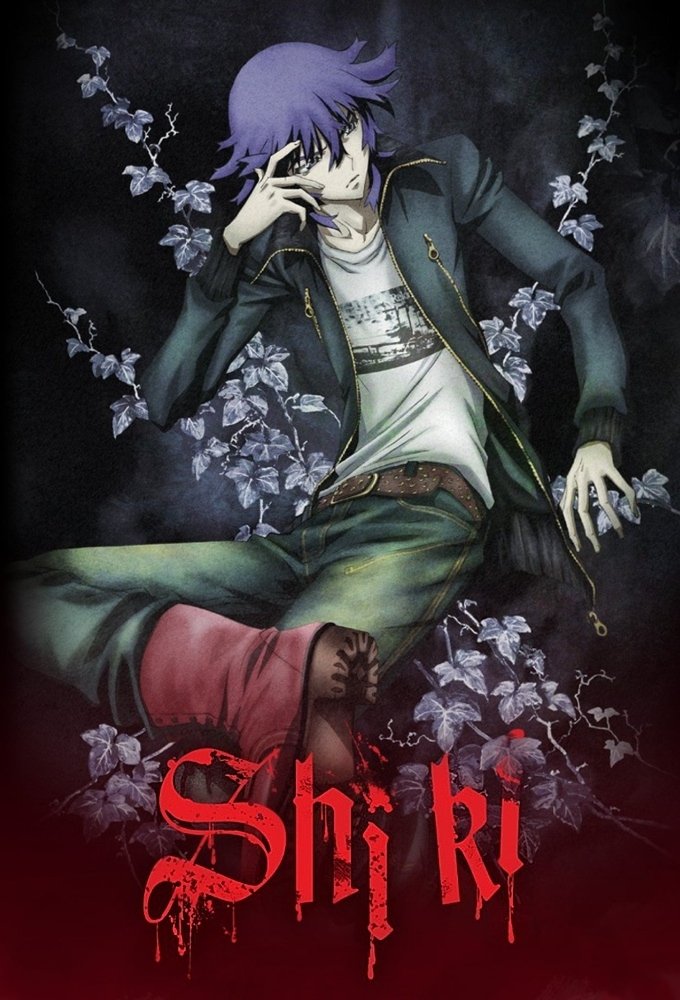
A rural village faces unexplained deaths that rise with summer heat and nightly visits. Studio Daume adapts the novel’s medical checks, exhumations, and public health debates as the community fractures. Clergy, doctors, and municipal leaders argue over evidence and tradition. The escalation charts curfews, patrols, and retaliatory plans on both sides of the conflict.
‘Gankutsuou’ (2004–2005)
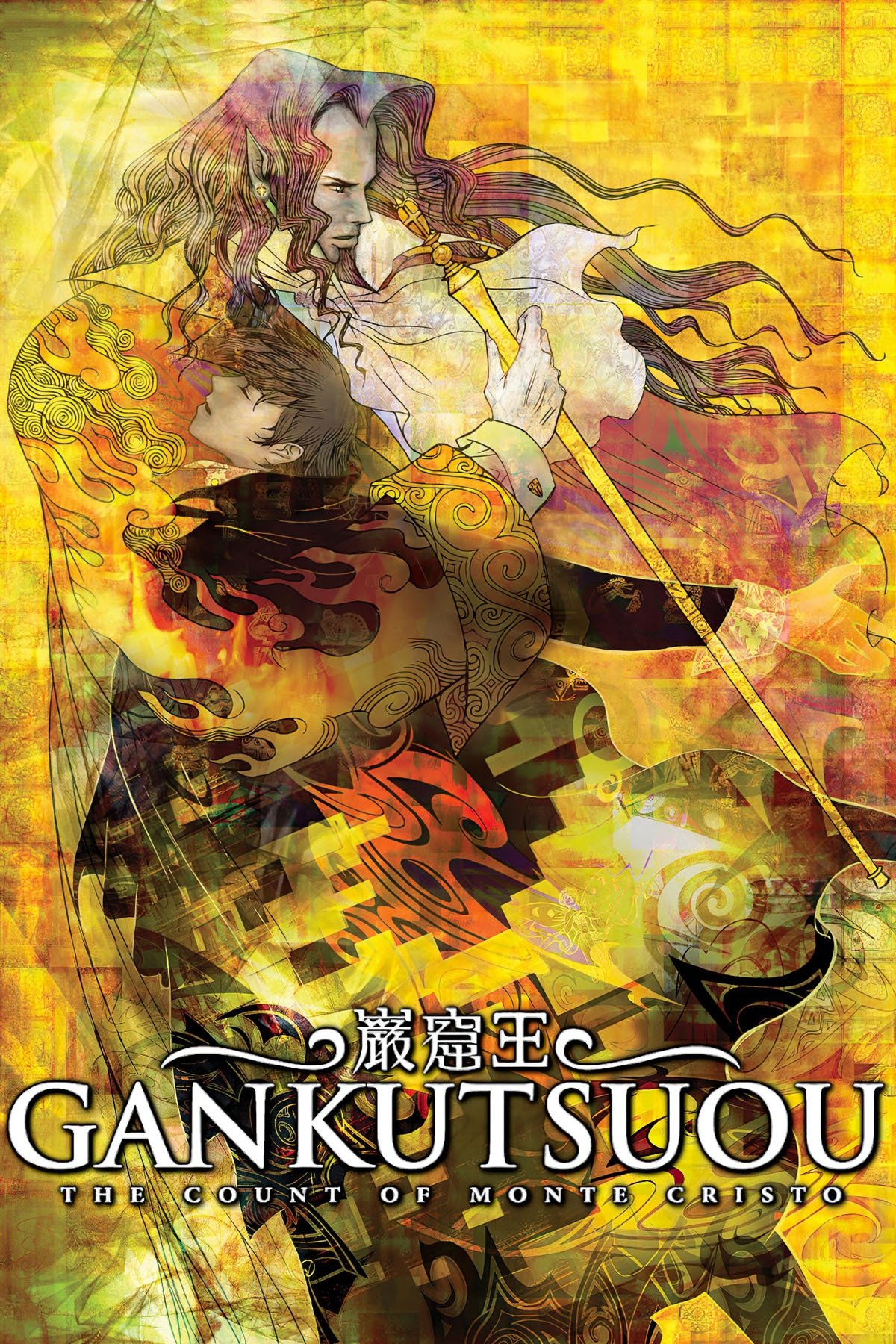
Alexandre Dumas’s revenge saga moves to a futuristic setting with aristocratic houses and interplanetary travel. Gonzo overlays patterned textures while keeping track of debts, titles, and alliances within Parisian society. Legal contracts, arranged marriages, and stock manipulations drive key turns. The Count’s plan unfolds through courtroom scenes, business mergers, and engineered scandals.
‘Fantastic Children’ (2004–2005)
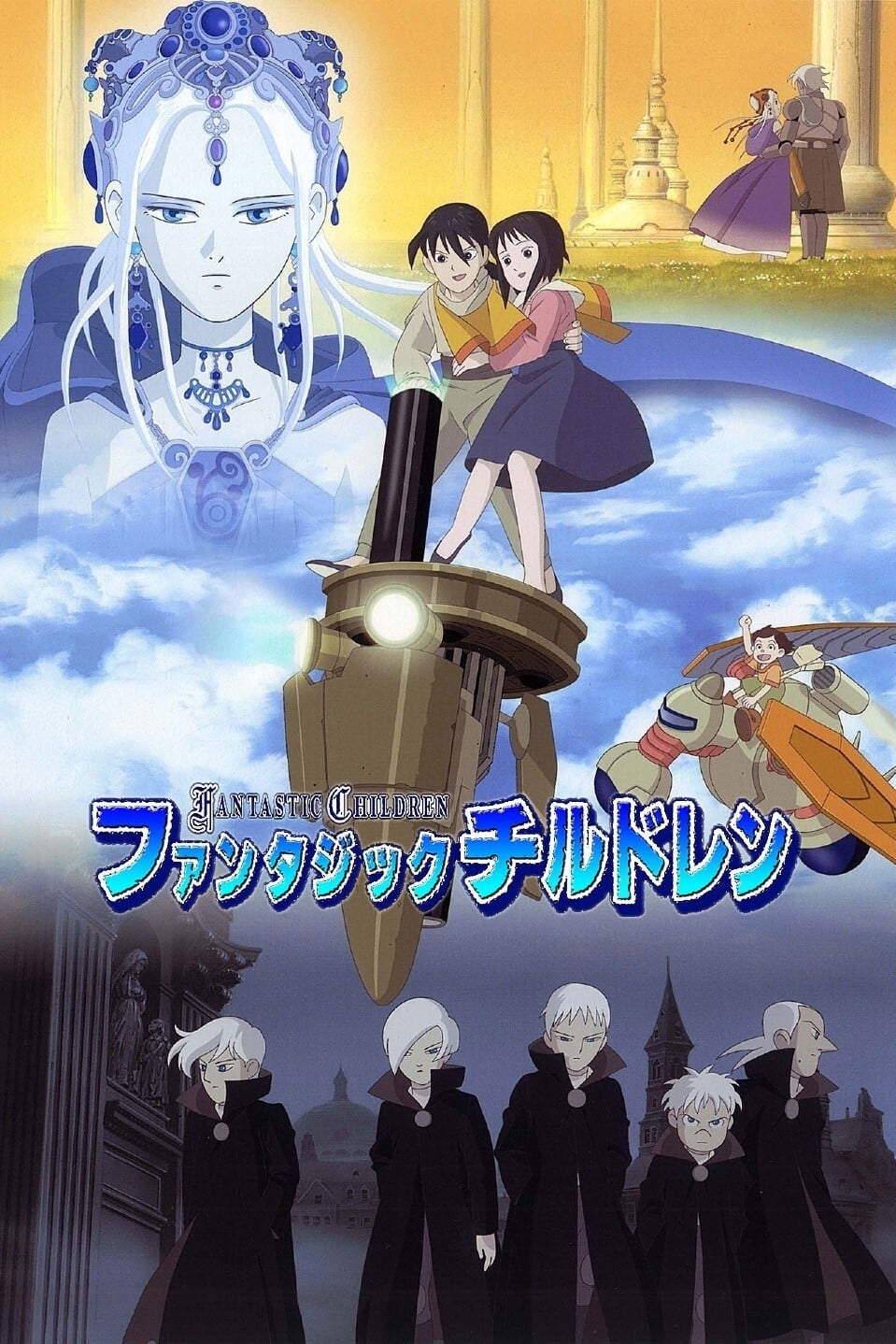
Mysterious white haired children appear across centuries searching for a lost girl. Nippon Animation builds a conspiracy linking reincarnation, a spacefaring civilization, and a modern kid’s road trip. Government archives, orphanage records, and ancient murals supply clues across regions. The story steadily connects each sighting to a single technological catastrophe.
‘Kino’s Journey’ (2003)
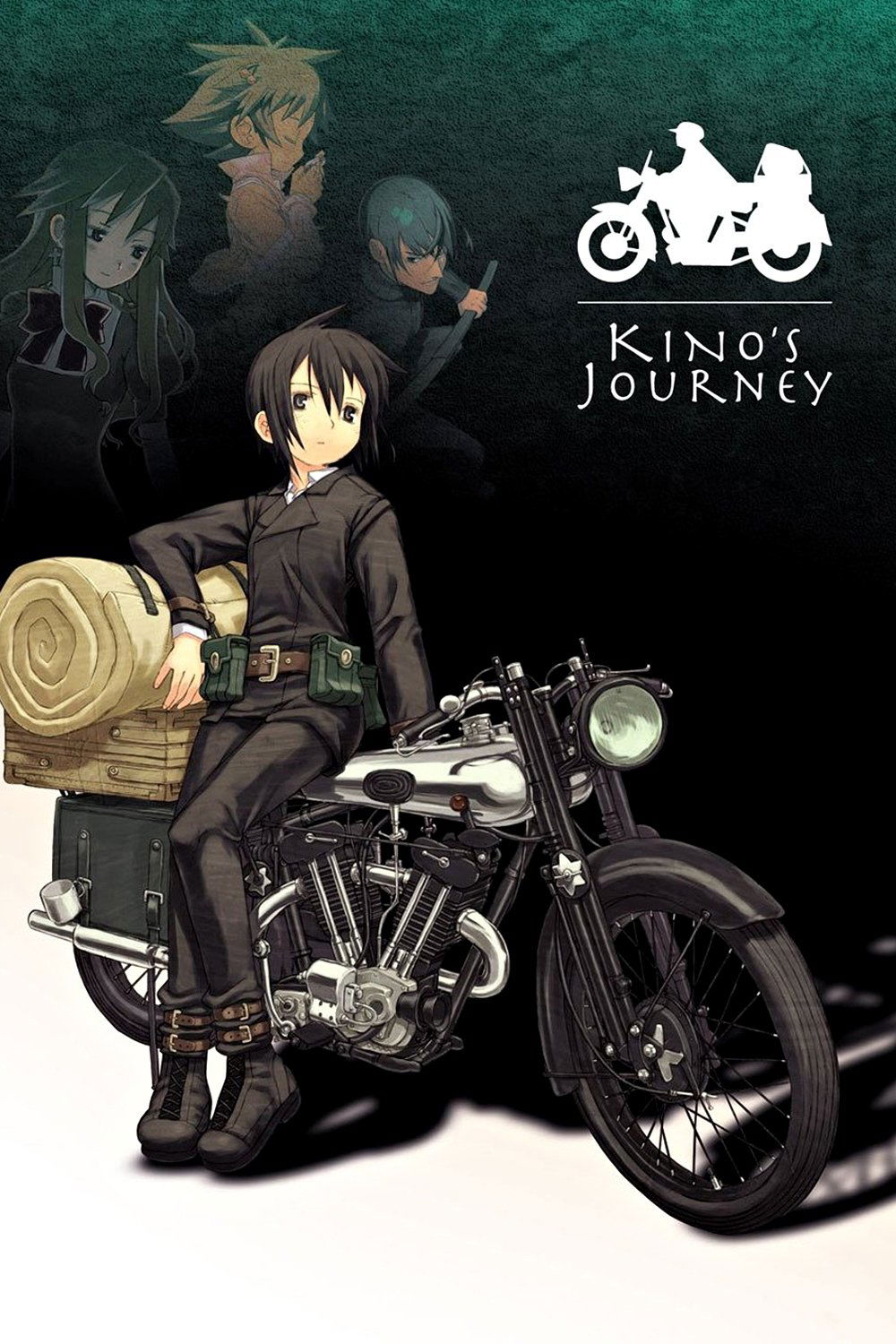
A traveler and a talking bike visit one country per episode to observe customs and laws. Studio A. C. G. T. treats each stop as a self contained case study with strict three day stays. The format highlights political systems, labor rules, and cultural rituals through firsthand encounters. The series records everything from weapon regulations to voting practices without intervening.
‘RahXephon’ (2002)
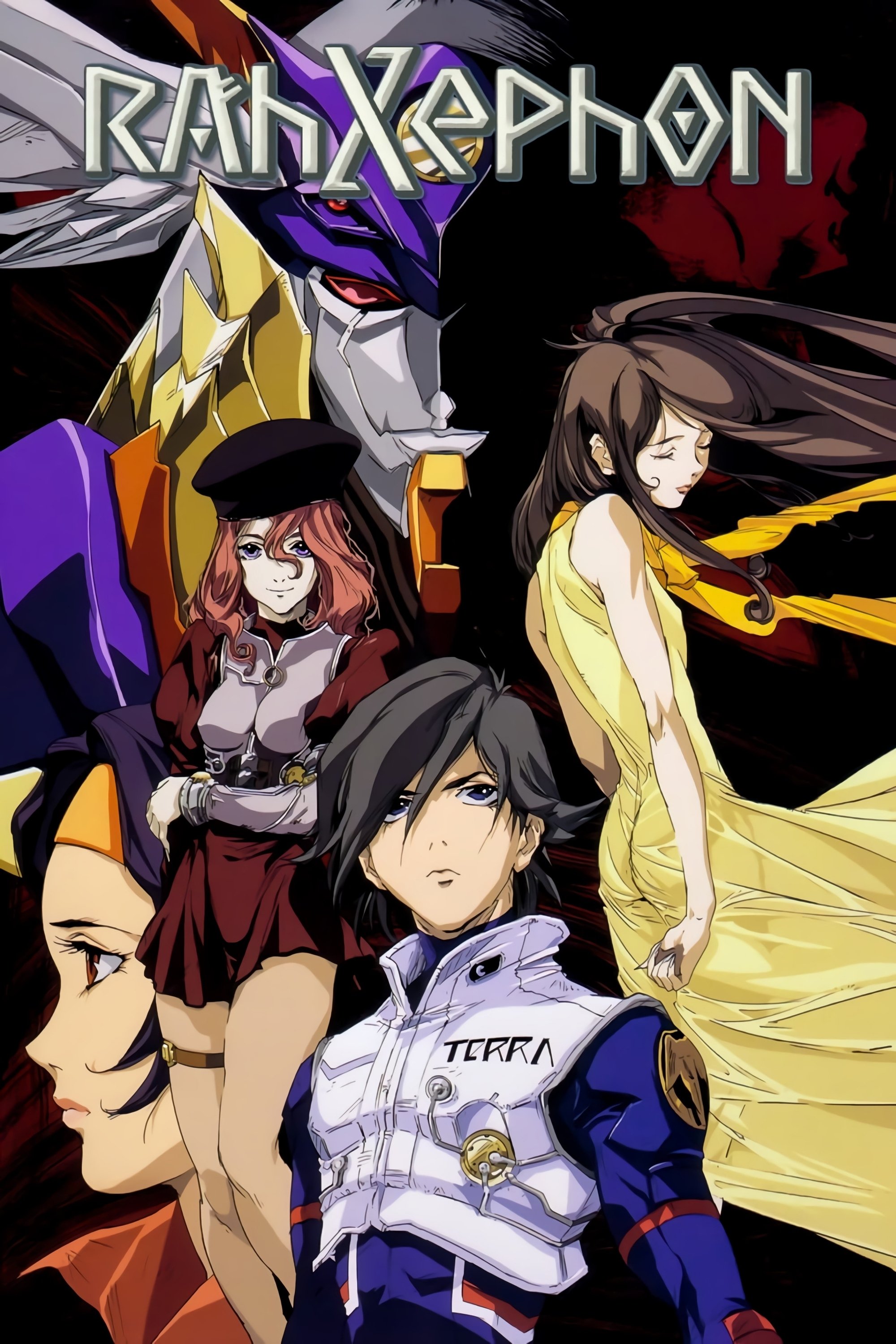
After a seismic event isolates Tokyo, a teenager becomes the pilot of a singing mecha that alters reality. Bones develops competing organizations, from the TERRA task force to the Mulian hierarchy. Musical tuning, blue blood markers, and dimensional barriers form the show’s technical framework. Military operations, archaeological digs, and conservatory records piece together the truth.
‘Wolf’s Rain’ (2003–2004)
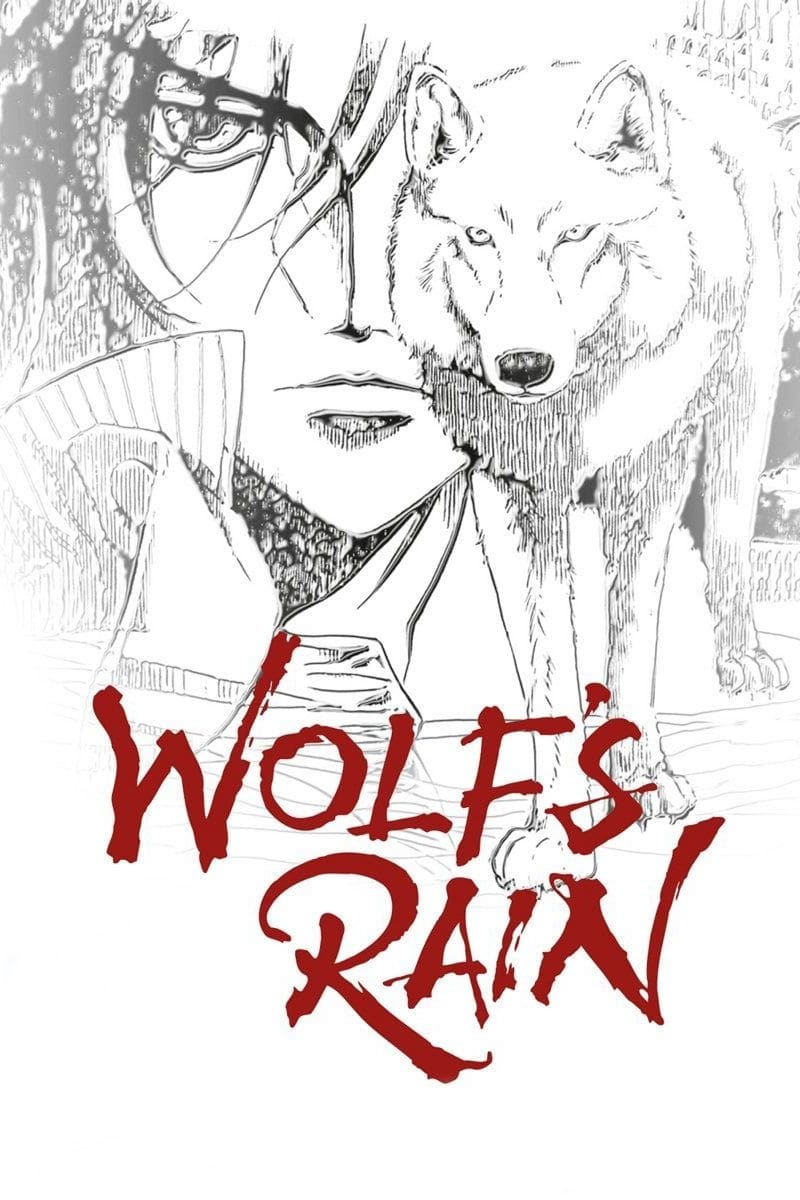
In a dying world, wolves disguised as humans search for a place called Paradise. Bones follows separate packs, nobility, and scientists as they race for a lunar flower that acts as a key. The setting details city checkpoints, trade in stolen goods, and research on hybrid creatures. Travel segments document ruined highways, frozen territories, and contested strongholds.
‘Aoi Bungaku Series’ (2009–2010)
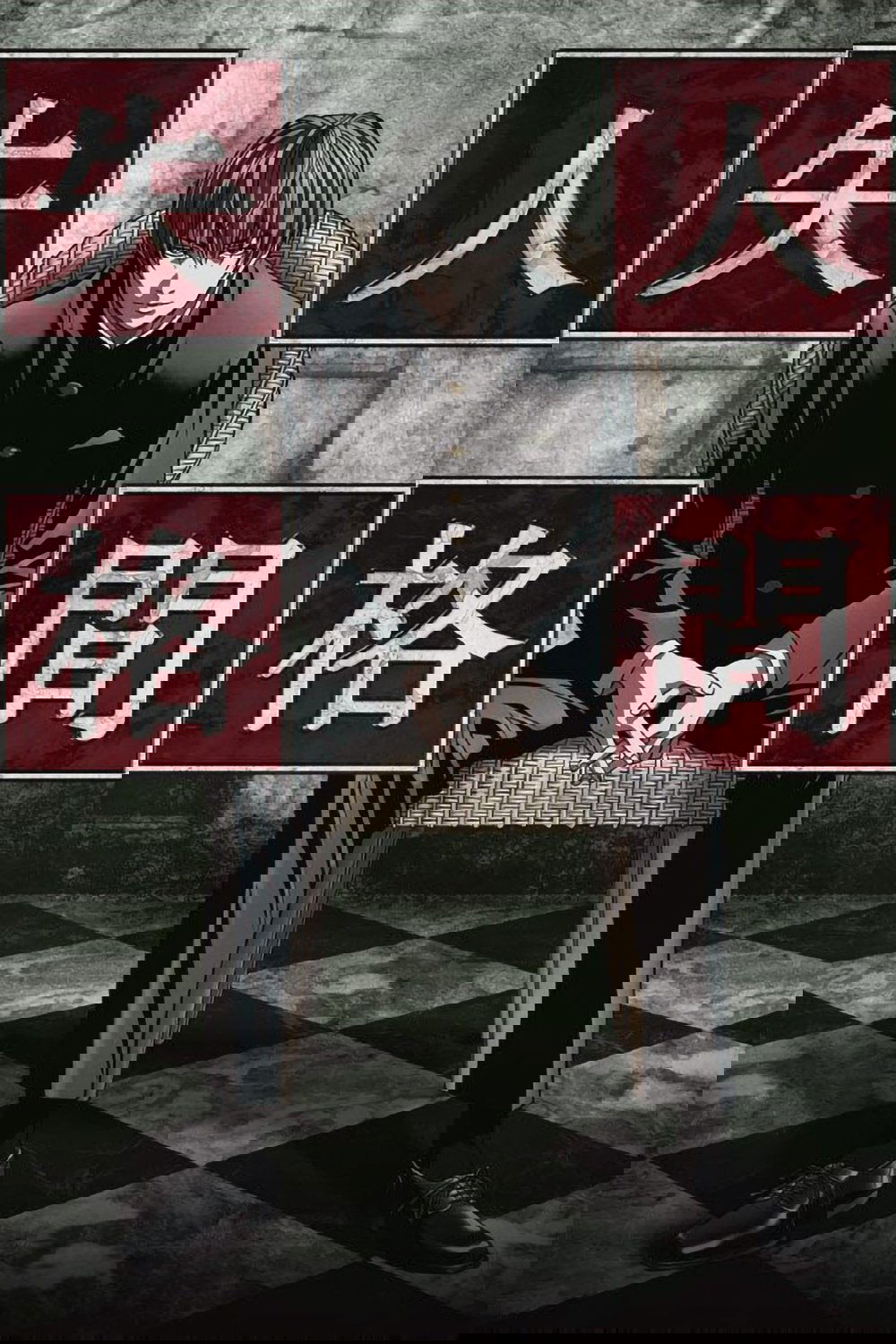
This anthology adapts six classic Japanese literary works with distinct visual approaches. Madhouse assigns different directors and palettes to stories like crime confessions, ghostly retribution, and moral collapse. Each arc foregrounds period settings with era specific clothing, transport, and social codes. Author notes and opening narrations place the tales in historical context.
‘Alien Nine’ (2001)
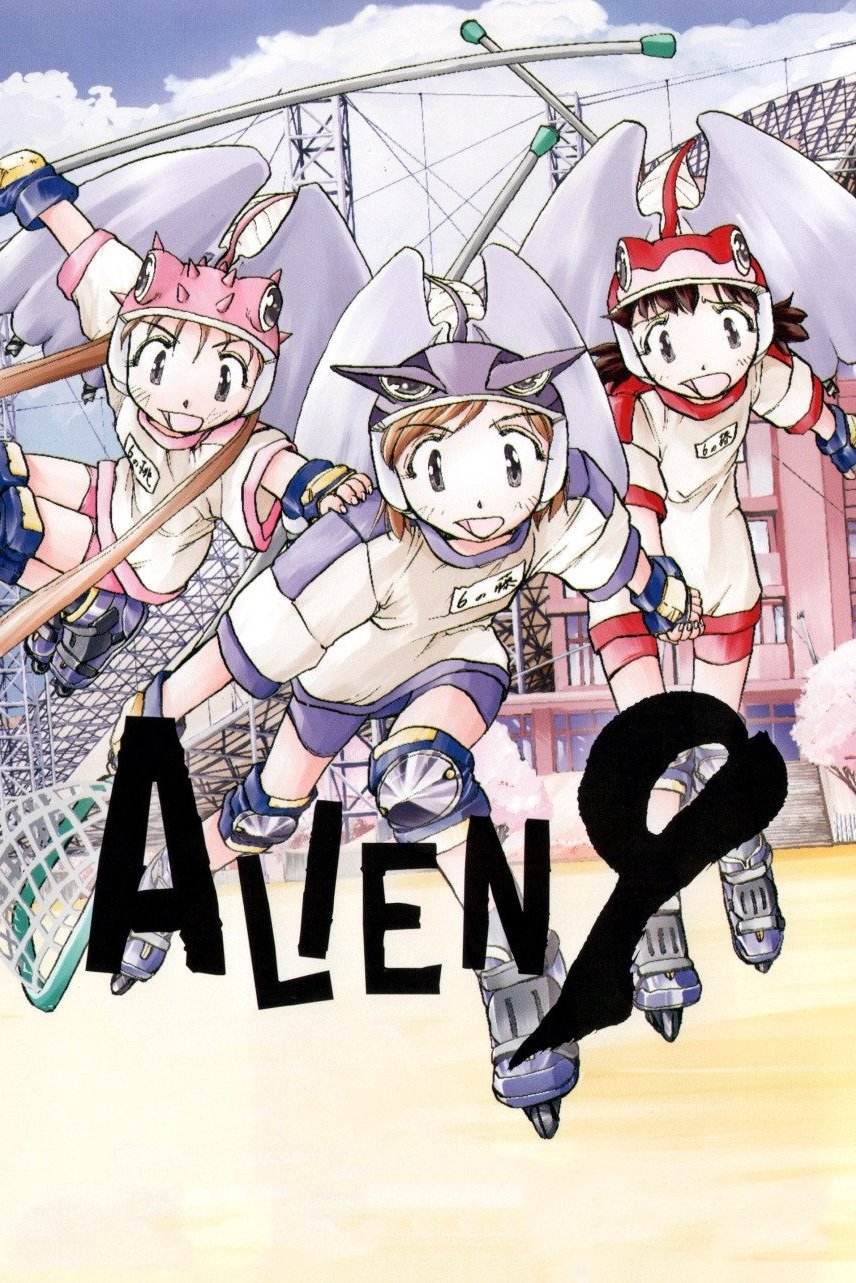
Three girls are drafted into their school’s alien capture squad and paired with living helmets. J. C. Staff depicts containment protocols, biology labs, and municipal cleanup following strange incursions. The equipment logs compatibility issues and side effects as the hosts bond with their gear. Incidents escalate from harmless chases to identity threatening parasites documented by faculty.
‘Time of Eve’ (2008–2009)
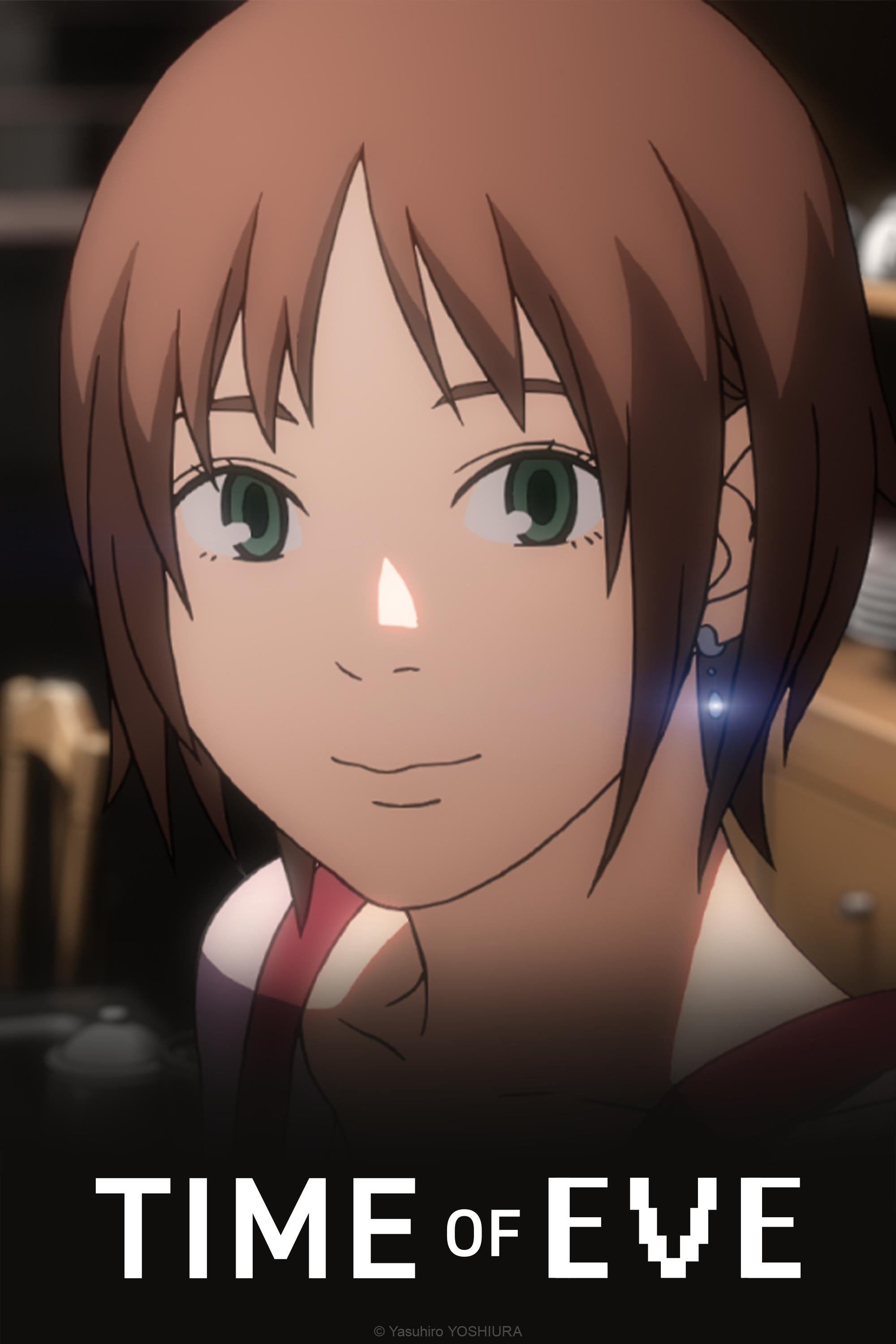
High schoolers visit a speakeasy style cafe where robots and humans must treat each other without discrimination. Studio Rikka and Directions explore household android ownership through usage logs, manufacturer policies, and firmware constraints. Episodes study guardianship, celebrity merchandise tie ins, and legal gray areas around autonomy. The cafe’s rule board and surveillance data frame each guest’s backstory.
‘Redline’ (2009)
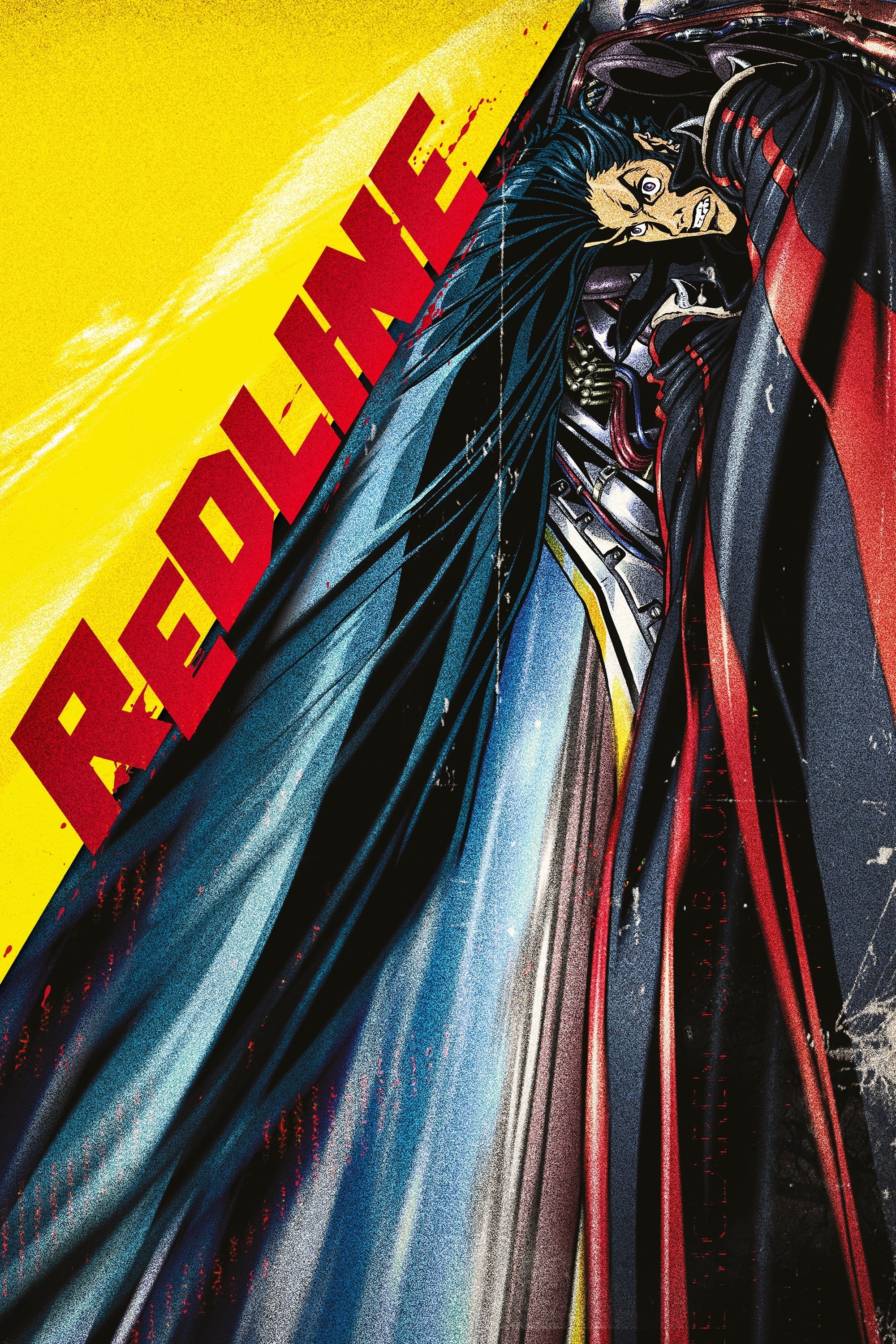
An outlaw driver enters an illegal interplanetary race held on a militarized world. Madhouse stages hand drawn vehicular action supported by betting markets, sponsorships, and a stacked field of rivals. The host planet’s government deploys weapons and bioengineered obstacles to stop the event. Race administration documents qualifiers, sabotage attempts, and machine modifications.
‘From the New World’ (2012–2013)
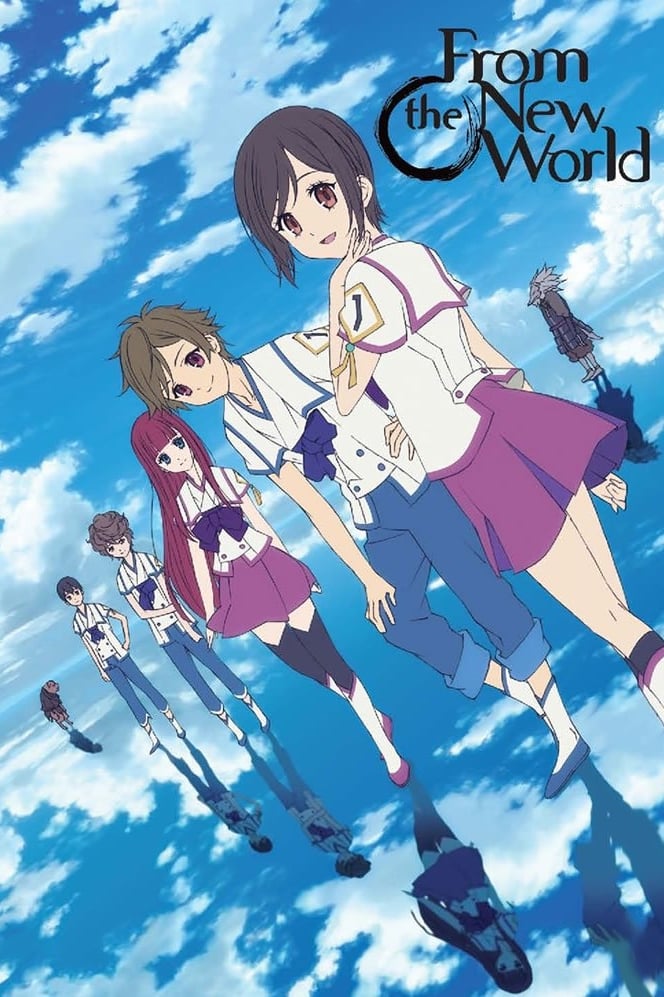
Centuries after a societal collapse, children in an isolated community learn to control psychic abilities under strict rules. A-1 Pictures outlines education tracks, ethics lectures, and hidden enforcement squads that maintain order. Field trips introduce genetically modified species and contested territories beyond village borders. Records, folklore, and censored history lessons gradually reveal why the rules exist.
‘Scrapped Princess’ (2003)
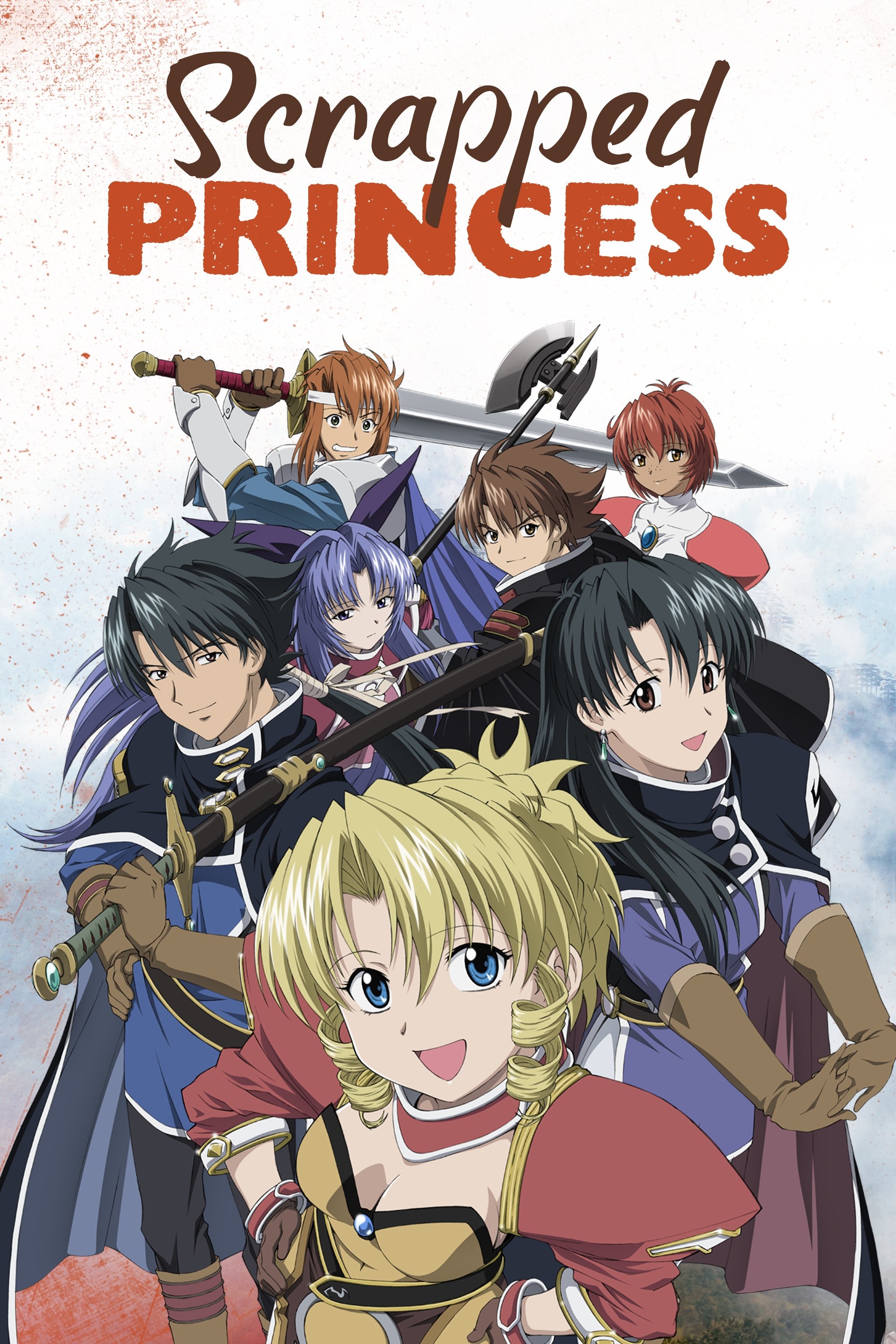
A prophecy marks a princess for death, so her foster siblings escort her across a continent ruled by a church like order. Bones blends sword and sorcery with late reveal science fiction elements tied to sealed technology. The story tracks border checks, wanted notices, and the politics of knightly orders. Travel routes and local laws matter as the group negotiates with nobles and military units.
‘Heat Guy J’ (2002–2003)
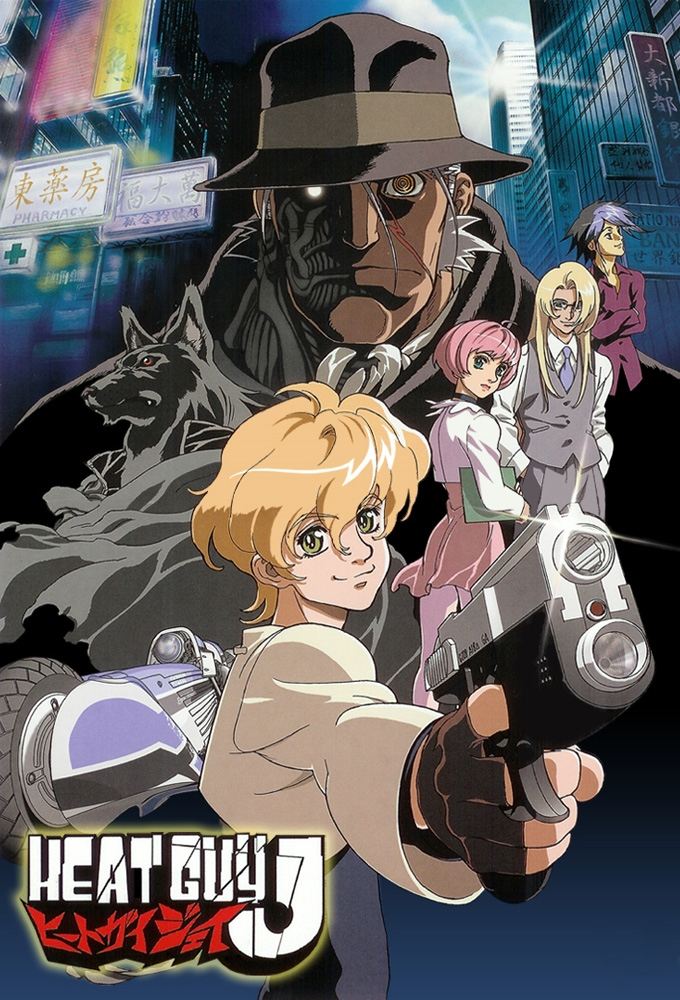
A rookie officer and his android partner handle organized crime in a planned city built on trade and tourism. Sunrise maps out municipal agencies, port authorities, and family syndicates that control different districts. Episodes cover labor disputes, contraband pipelines, and rules about android deployment in public. Case files and surveillance give the show a steady police procedural rhythm.
‘Gad Guard’ (2003)
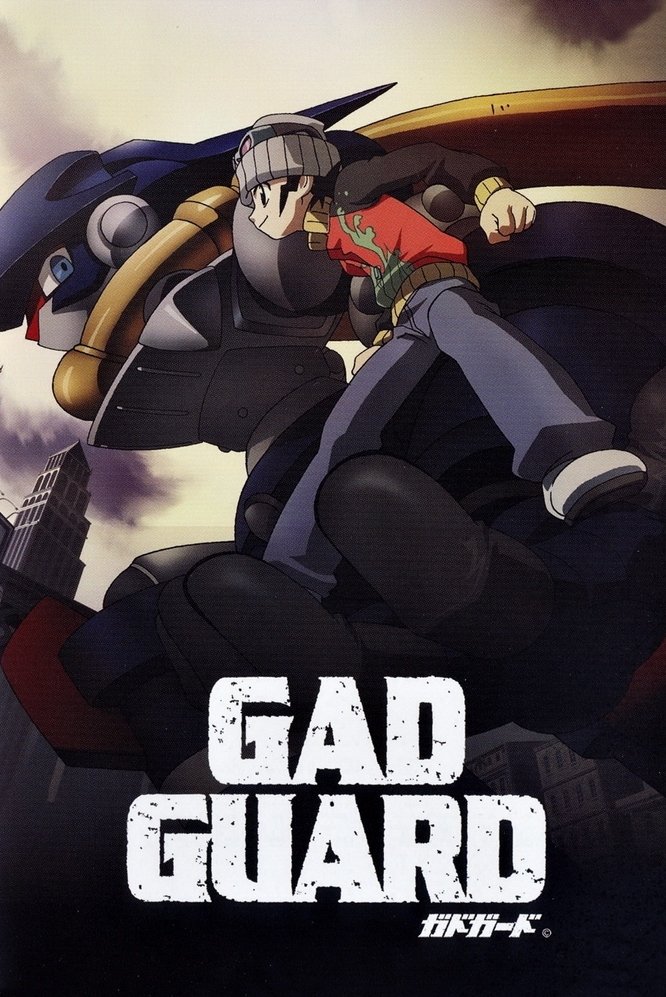
In a city divided by class, mysterious stones awaken mechs tied to their finders. Gonzo focuses on utility grids, scrapyards, and corporate pressure that shape where people live and work. The plot follows how these machines change turf lines and friendships. Street crews, security teams, and civic projects all react to the new power balance.
‘Le Chevalier D’Eon’ (2006–2007)
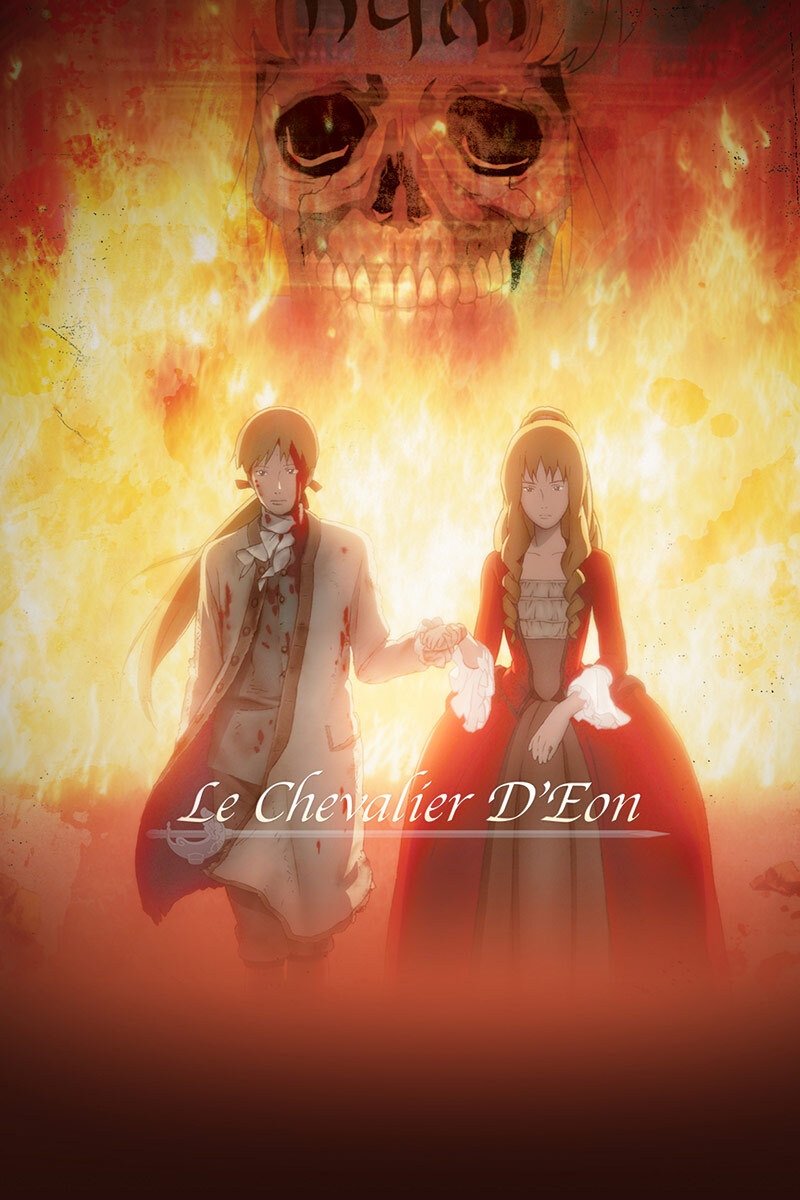
Eighteenth century France becomes the stage for court intrigue, coded messages, and ritual murders. Production I. G threads diplomatic missions through Paris, London, and Russia with attention to titles and treaties. The show uses historical figures and documents to guide its spy work. Alchemy texts and royal warrants push the story toward international stakes.
‘Kiba’ (2006–2007)

A runaway is pulled into a world where warriors summon spirit beasts tied to carved shards. Madhouse builds a tournament system, guild ranks, and a barter economy around shard acquisition. The lead moves through prisons, black markets, and state run labs. Political rulers exploit the fights to consolidate territory and influence.
‘Nabari no Ou’ (2008)

A modern ninja community hides in plain sight with its own government and schools. J. C. Staff organizes clans, ranked techniques, and archives that record secret arts. Power struggles revolve around control of a living technique that can end everything. Meetings, treaties, and betrayals are handled like formal statecraft.
‘Crest of the Stars’ (1999)

A human noble is assigned as an observer aboard an Abh empire ship during a war for strategic space lanes. Sunrise details fleets by class, rank insignia, and a constructed language used by the Abh. Convoys, supply lines, and jump points define each operation. The series follows diplomatic status and inheritance laws as closely as its battles.
‘Toward the Terra’ (2007)
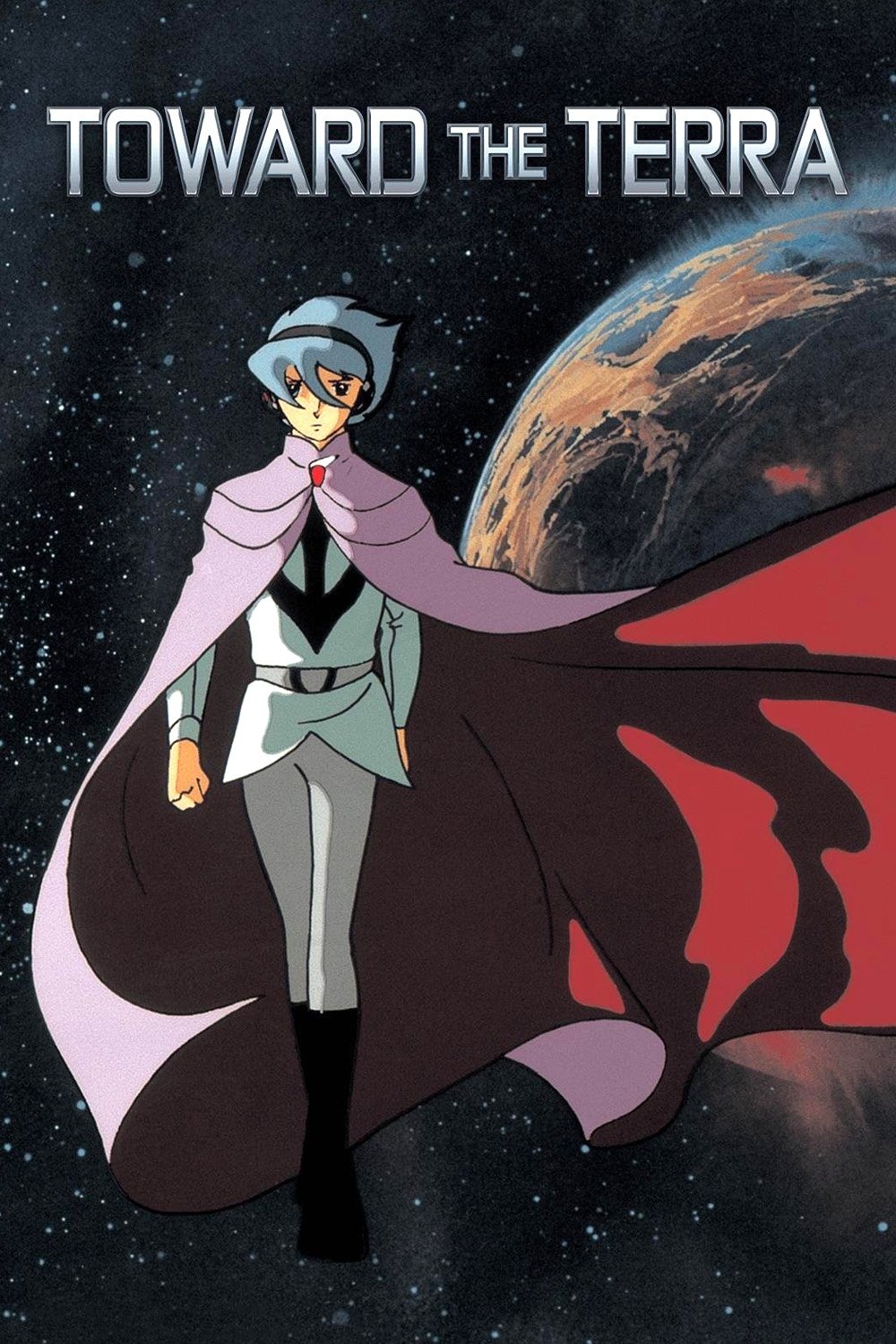
In a future run by a computer led society, gifted children called Mu fight for survival. David Production and Telecom Animation Film chart population controls, memory wipes, and space colony logistics. School placement exams feed a system that relocates youths off world. The conflict unfolds through ship hierarchies, resistance cells, and encoded broadcasts.
‘Serial Experiments Lain’ (1998)
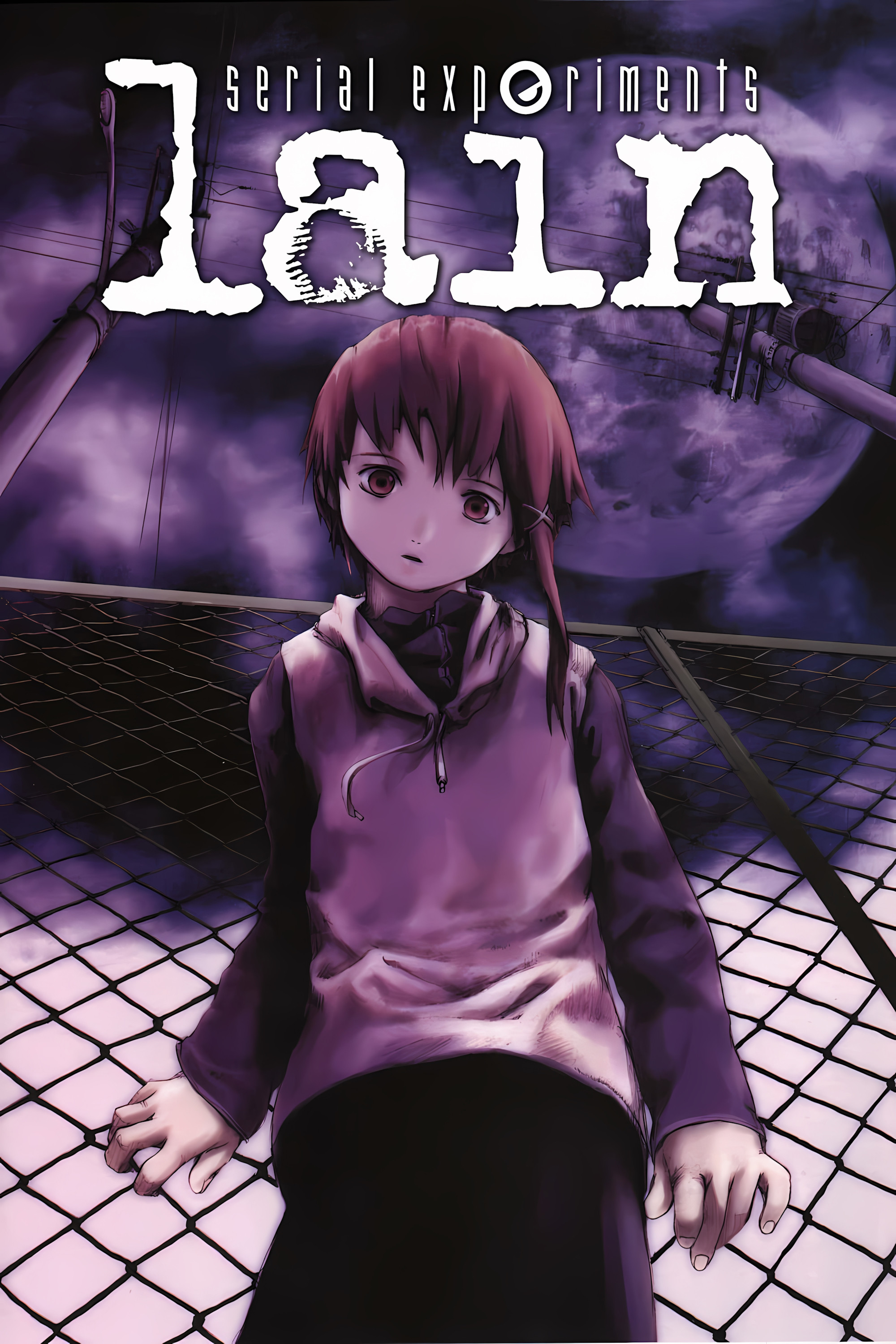
A quiet student discovers a network that blurs the line between online identity and the physical world. Triangle Staff builds its technology from email servers, protocol layers, and custom hardware rigs. Corporate boards and research groups push agendas through the network. Rumors, leaked files, and firmware updates change what people believe is real.
‘NieA_7’ (2000)
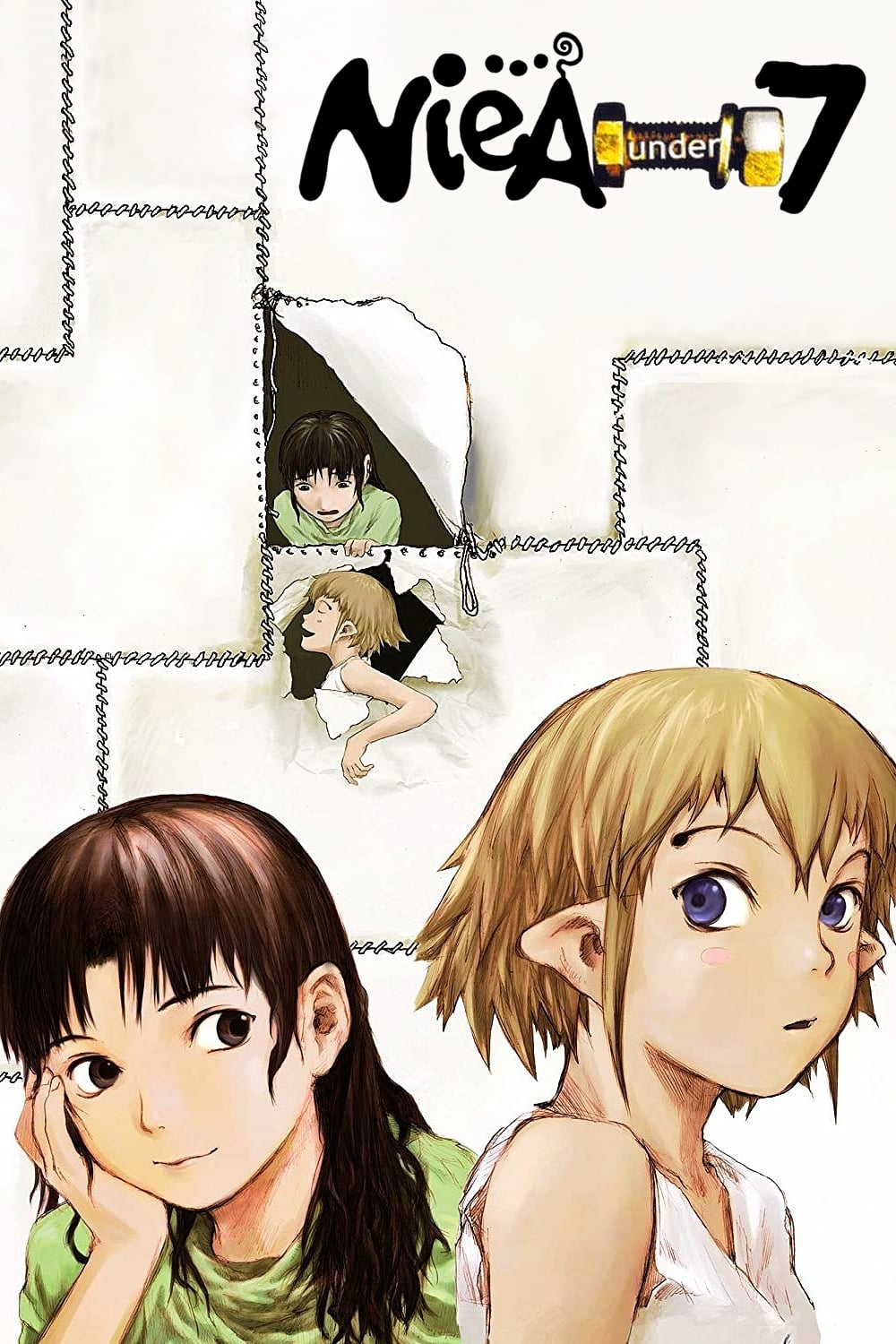
An alien dropout lives with a human student in a poor neighborhood where fuel and rent take center stage. Triangle Staff shows ration coupons, bathhouse schedules, and part time job shifts that structure daily life. Alien settlements have their own permits and support desks. The series uses diaries and landlord rules to keep track of small stakes that still feel pressing.
‘Bokurano’ (2007)
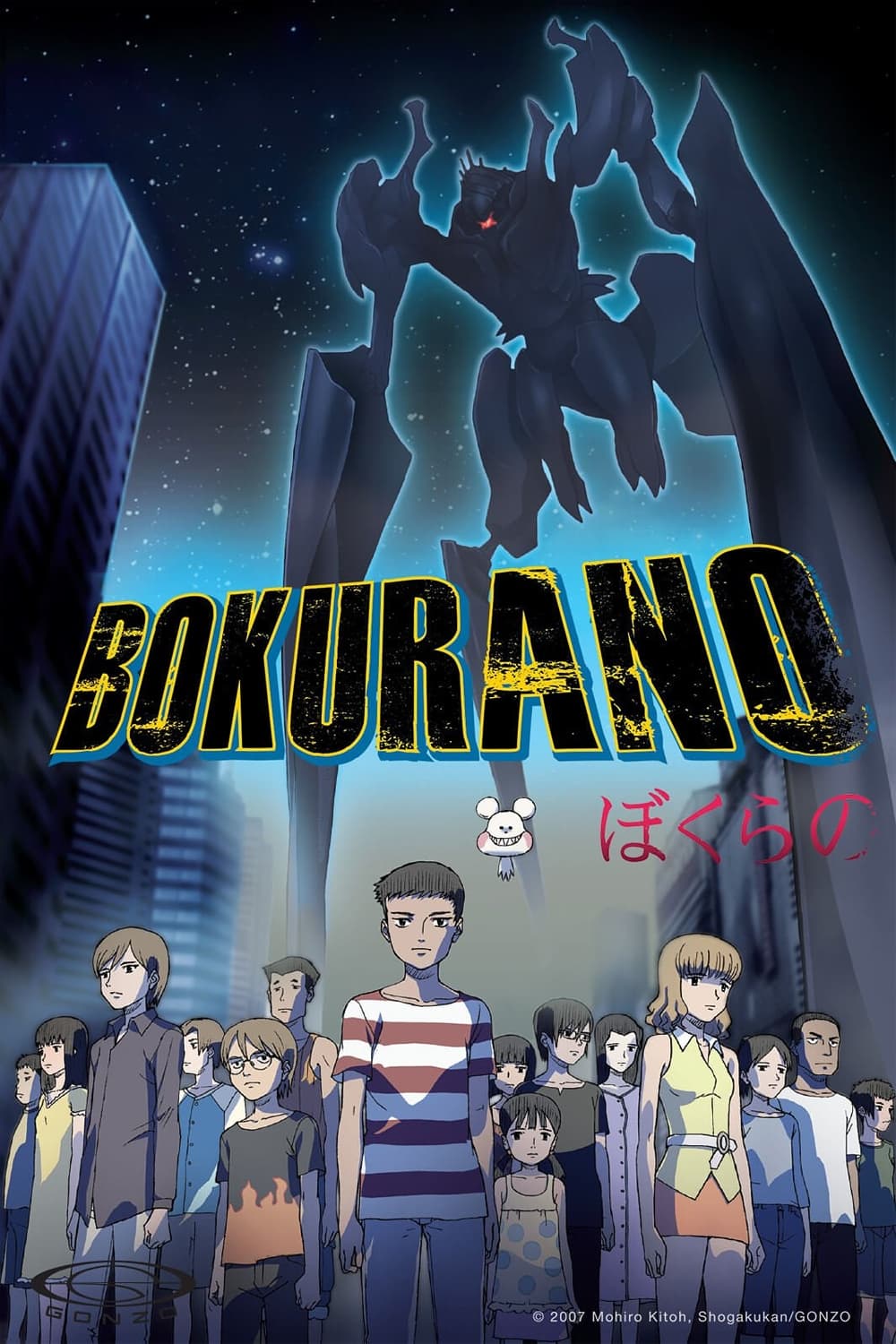
Children are contracted to pilot a giant robot that defends Earth at a personal cost. Gonzo lays out contracts, consent forms, and a game like structure monitored by an outside agent. Each sortie has measurable damage reports and casualty counts. Families, schools, and news outlets respond as pilots are selected in order.
‘UN-GO’ (2011)
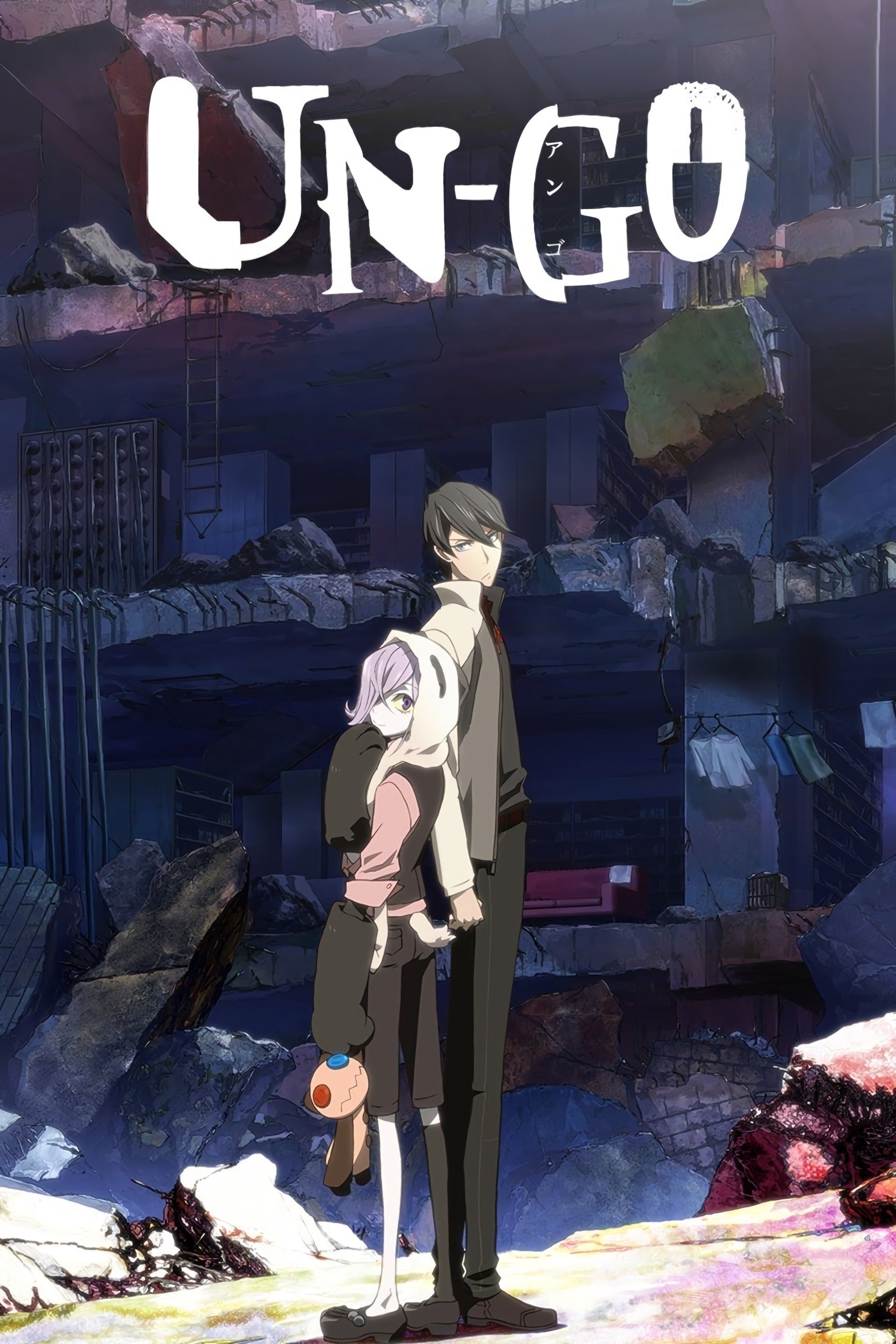
A detective and his mysterious partner solve cases in a postwar capital shaped by new security laws. Bones records non disclosure agreements, censorship boards, and corporate data vaults that complicate every lead. Courtrooms, press briefings, and staged events appear throughout the cases. The pair relies on testimony rules and loopholes to expose curated narratives.
‘Last Exile’ (2003–2004)
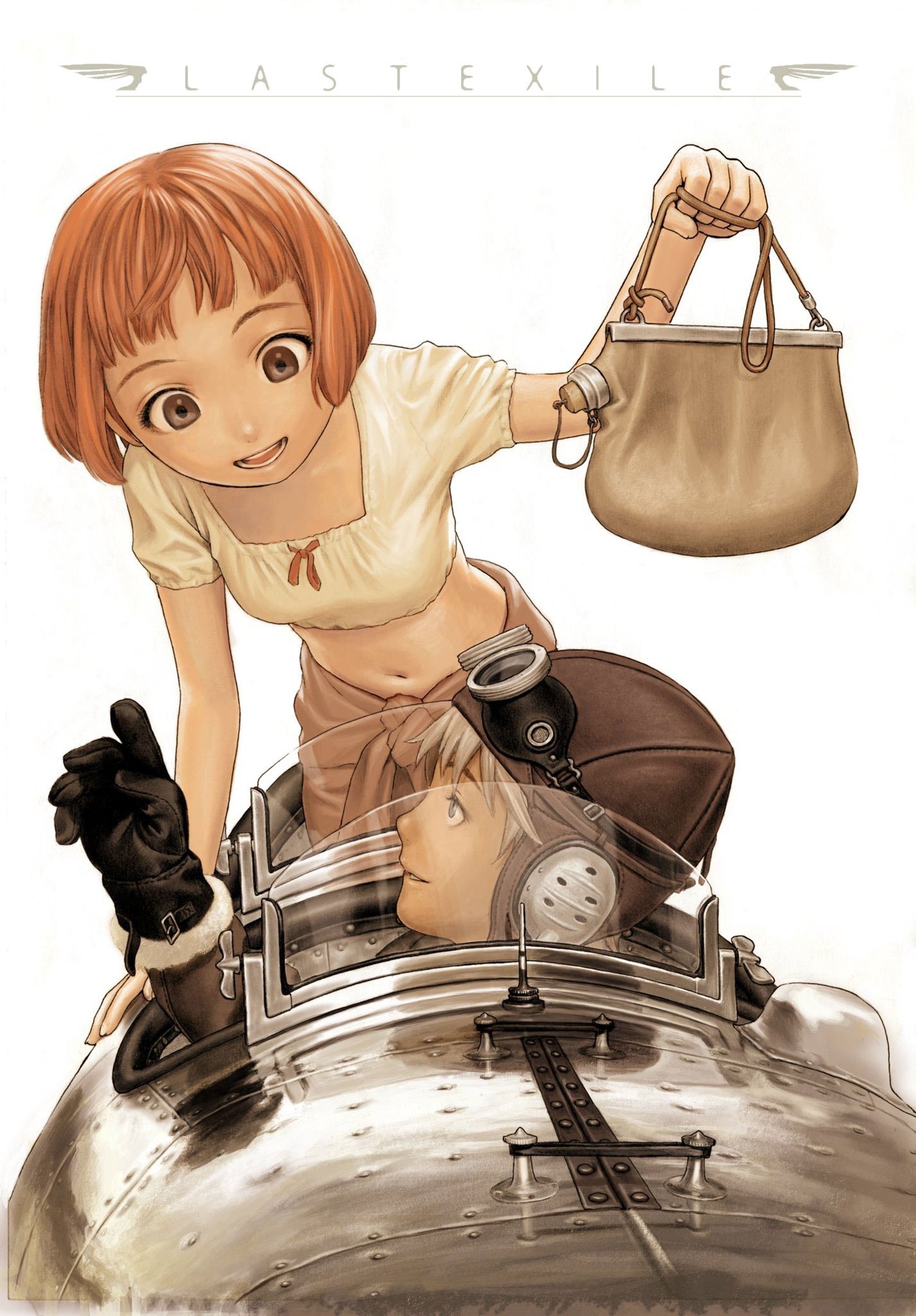
Courier pilots carry messages between sky cities while two nations wage a formalized war. Gonzo defines air routes, vanship specs, and refueling rules that pilots must obey. The Guild sets standards for combat engagements and enforces them with superior craft. Airship crews follow chain of command with roles from navigator to gunnery chief.
‘Samurai Flamenco’ (2013–2014)
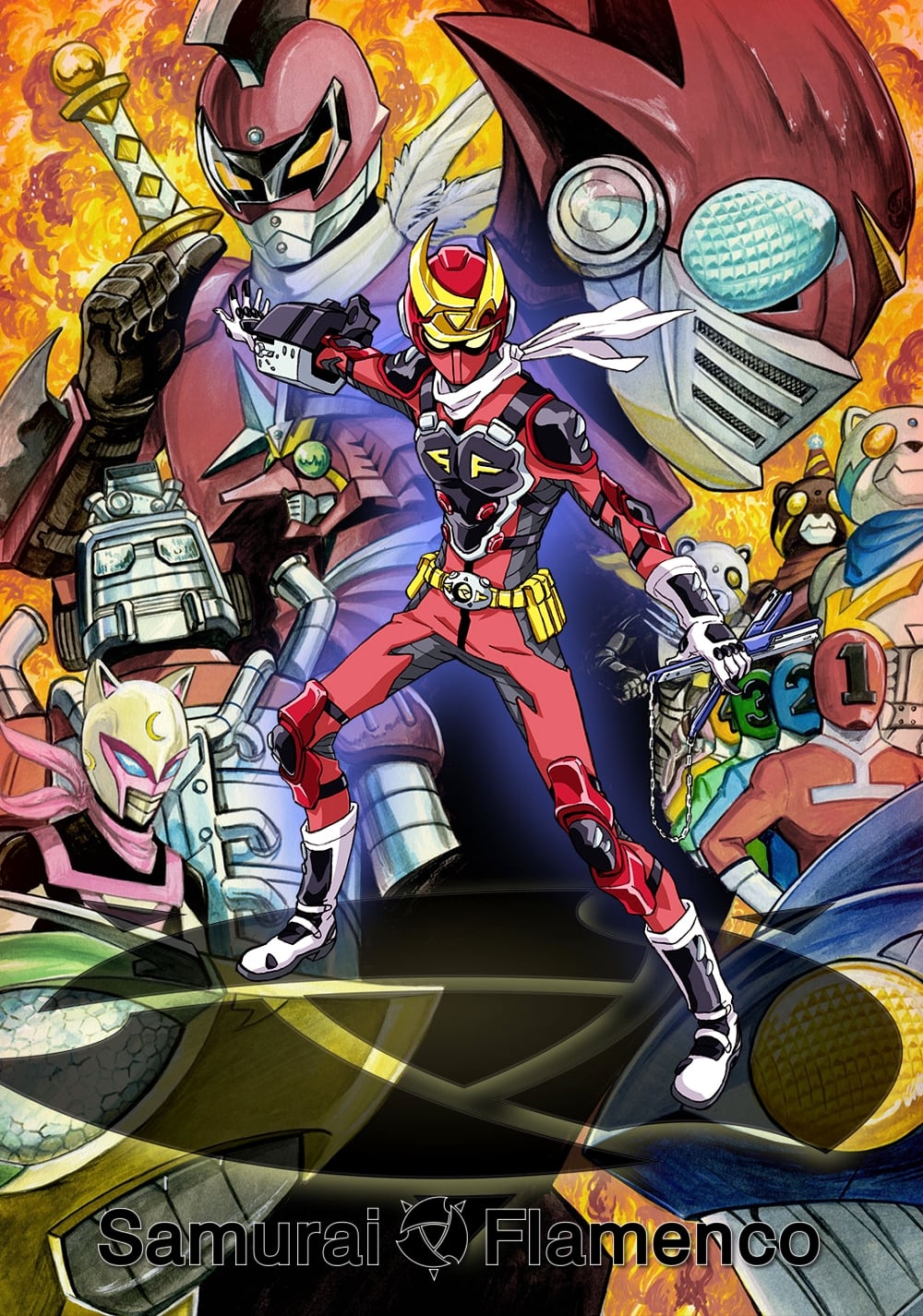
A model becomes a public do gooder and draws the attention of both crime and media. Manglobe tracks police jurisdiction, sponsor relationships, and broadcast schedules that shape his activities. The show catalogs costume changes, fan responses, and copycat groups as things scale up. Public order meetings and agency contracts keep everything grounded in paperwork.
Share the forgotten gem you are planning to rewatch in the comments and tell us which one deserves more love next.