Horror Movies You Actually Have To Watch Twice


Some horror films hide their best secrets in plain sight, planting quiet clues that only snap into focus after you know what is really going on. A second viewing lets you trace foreshadowing, pay attention to offhand lines, and notice background details that change the whole story. These picks are built to be decoded rather than just jumped at. Watch once for the shocks and then again to see how carefully the pieces were placed.
‘The Sixth Sense’ (1999)
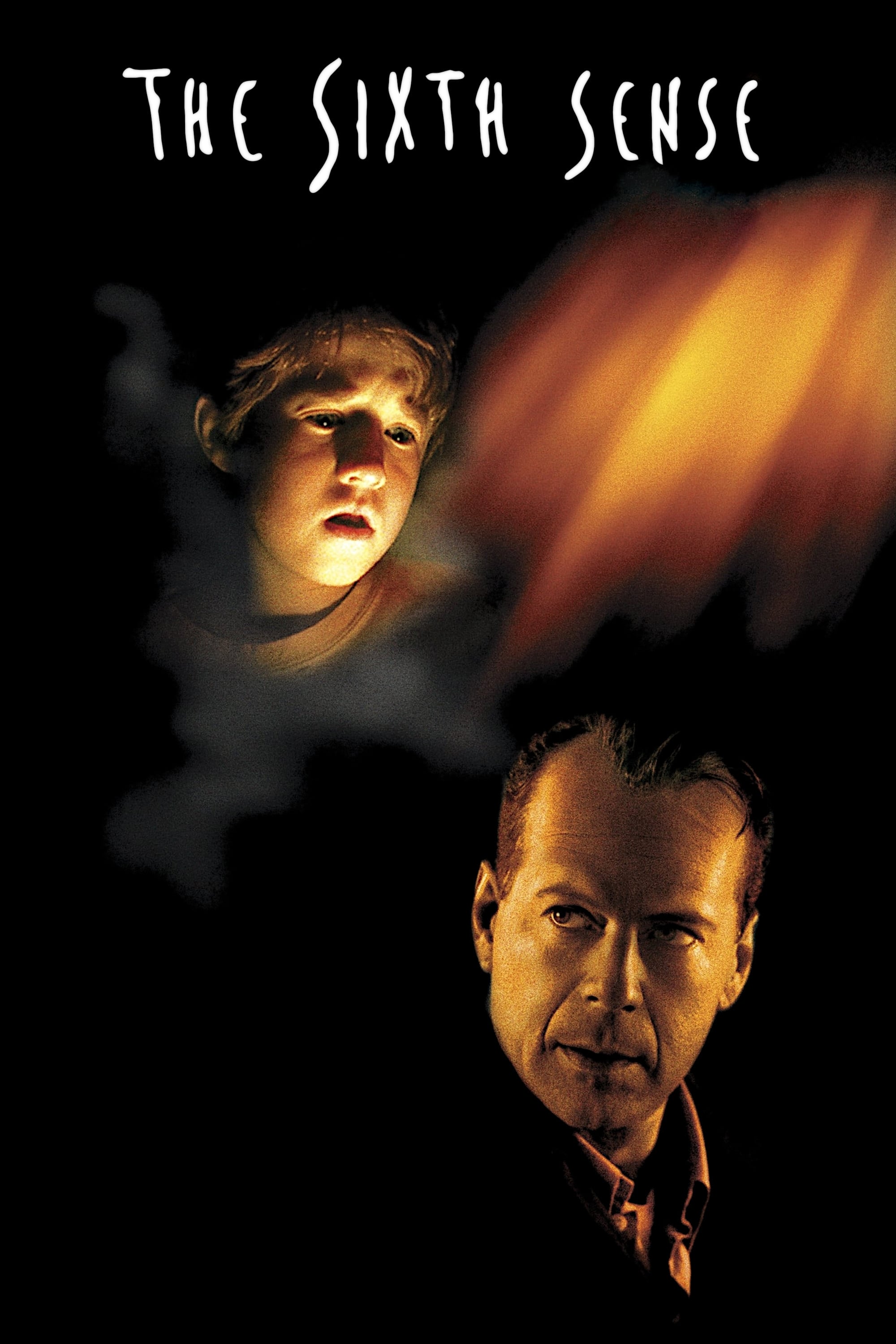
This ghost story scatters visual and audio cues that explain the rules of its world long before the reveal. Color motifs guide you toward meaningful objects and moments if you know to look for them. Dialogue often doubles as coded admissions that take on a new meaning the second time. Rewatching lets you map every encounter and see how each scene plays fair with the twist.
‘The Others’ (2001)
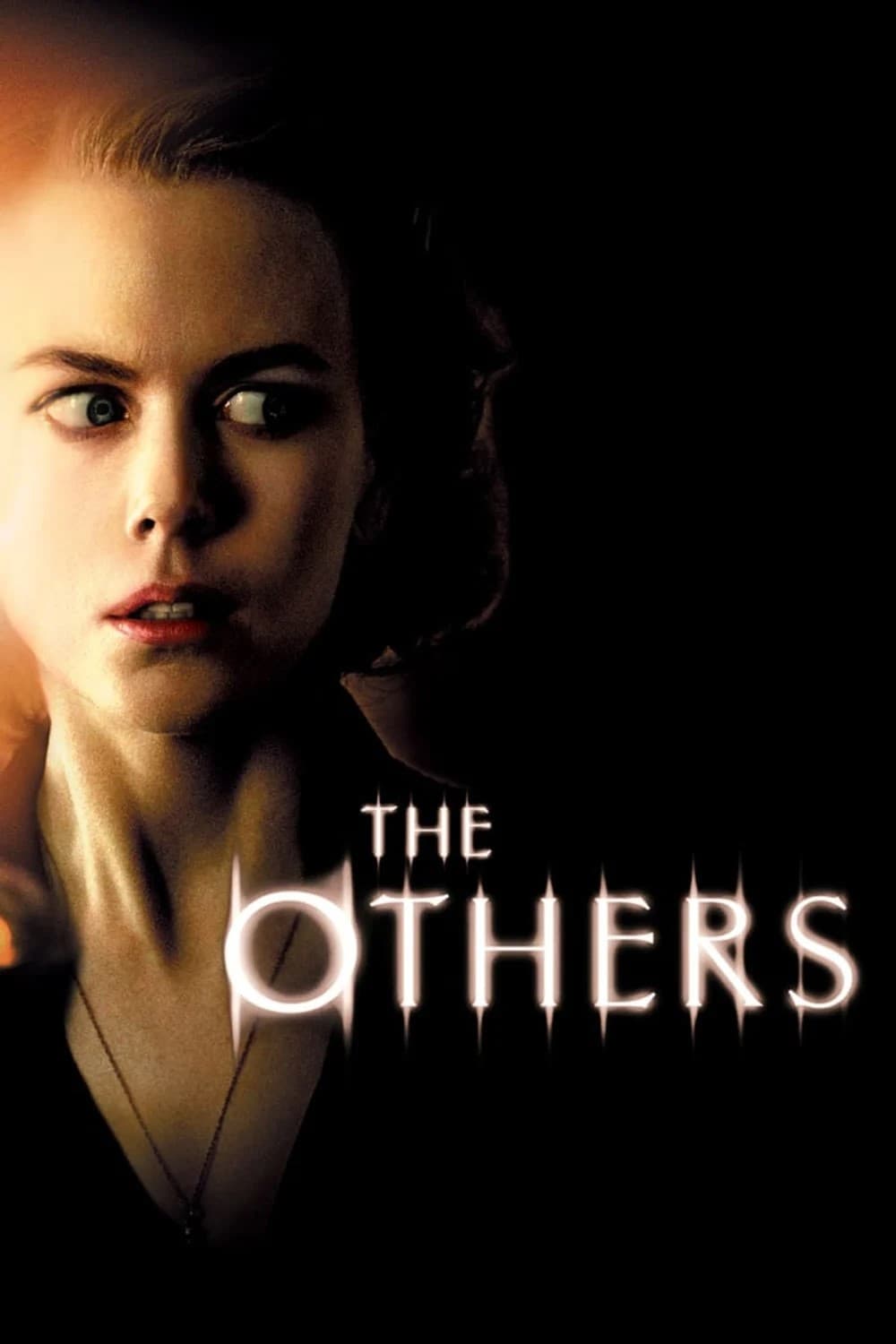
The film builds its puzzle through strict house rules and a mother’s insistence on order. On a revisit you can chart how light, curtains, and locked doors communicate more than superstition. Side characters deliver quiet hints about the true nature of the house that sound different once you know the endpoint. Small inconsistencies line up into a clear pattern on the second pass.
‘Hereditary’ (2018)

Symbols and carvings appear early and link later events into a deliberate ritual. Family photos, miniature models, and background figures quietly establish who is directing the tragedy. Sound design cues signal when unseen forces are present if you listen closely. A rewatch turns scattered shocks into a carefully arranged chain of cause and effect.
‘Us’ (2019)

Mirrors, doubles, and repeated gestures set the rules for how the two worlds connect. Early jokes and commercials plant information that explains later behavior. Choreography in key scenes mirrors movements you can track across the film once you know the origin of each character. Watching again lets you decode the meaning of hands across the country and why certain places matter.
‘Get Out’ (2017)
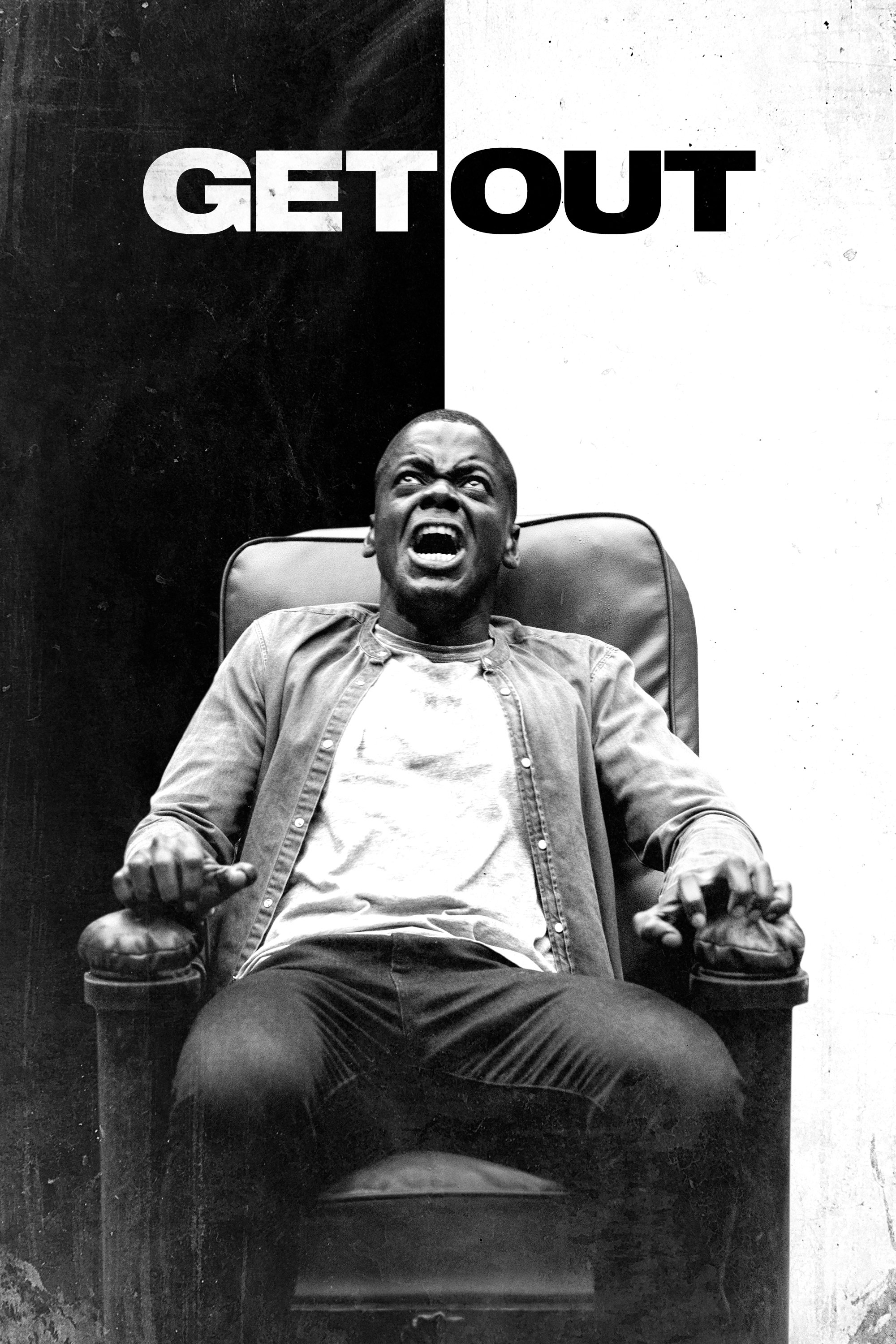
Throwaway comments at the family home reveal the plan long before it unfolds. Household objects and party conversations act as signposts that point to motives and methods. Visual framing isolates the protagonist in ways that match what is happening under the surface. A second viewing connects each social nicety to its darker purpose.
‘The Wailing’ (2016)

Seemingly contradictory clues create a web of suspects and explanations. On a rewatch you can follow ritual timing, weather changes, and animal imagery to sort truth from misdirection. The way characters exchange objects and glances maps who holds power in each scene. Details in photographs and shrines quietly resolve the film’s biggest questions.
‘Goodnight Mommy’ (2014)
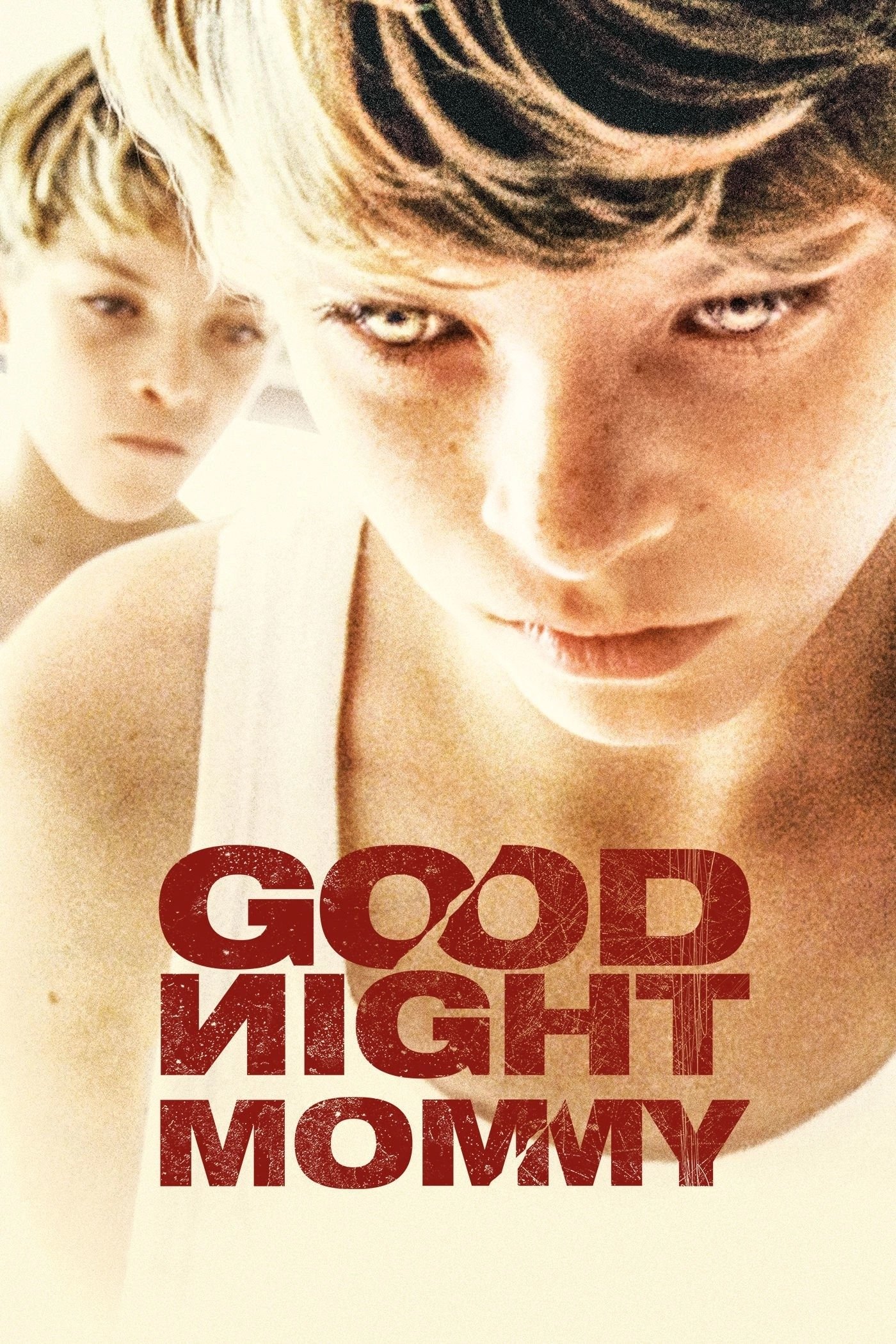
The rules inside the rural home keep shifting in ways that only make sense once you know who is who. Sets and costumes hide trails of symmetry that reveal what the boys notice and what they refuse to see. Lines of dialogue that feel casual on first watch become confirmation later. A revisit lets you track how injuries, bandages, and routine tell the real story.
‘Kill List’ (2011)
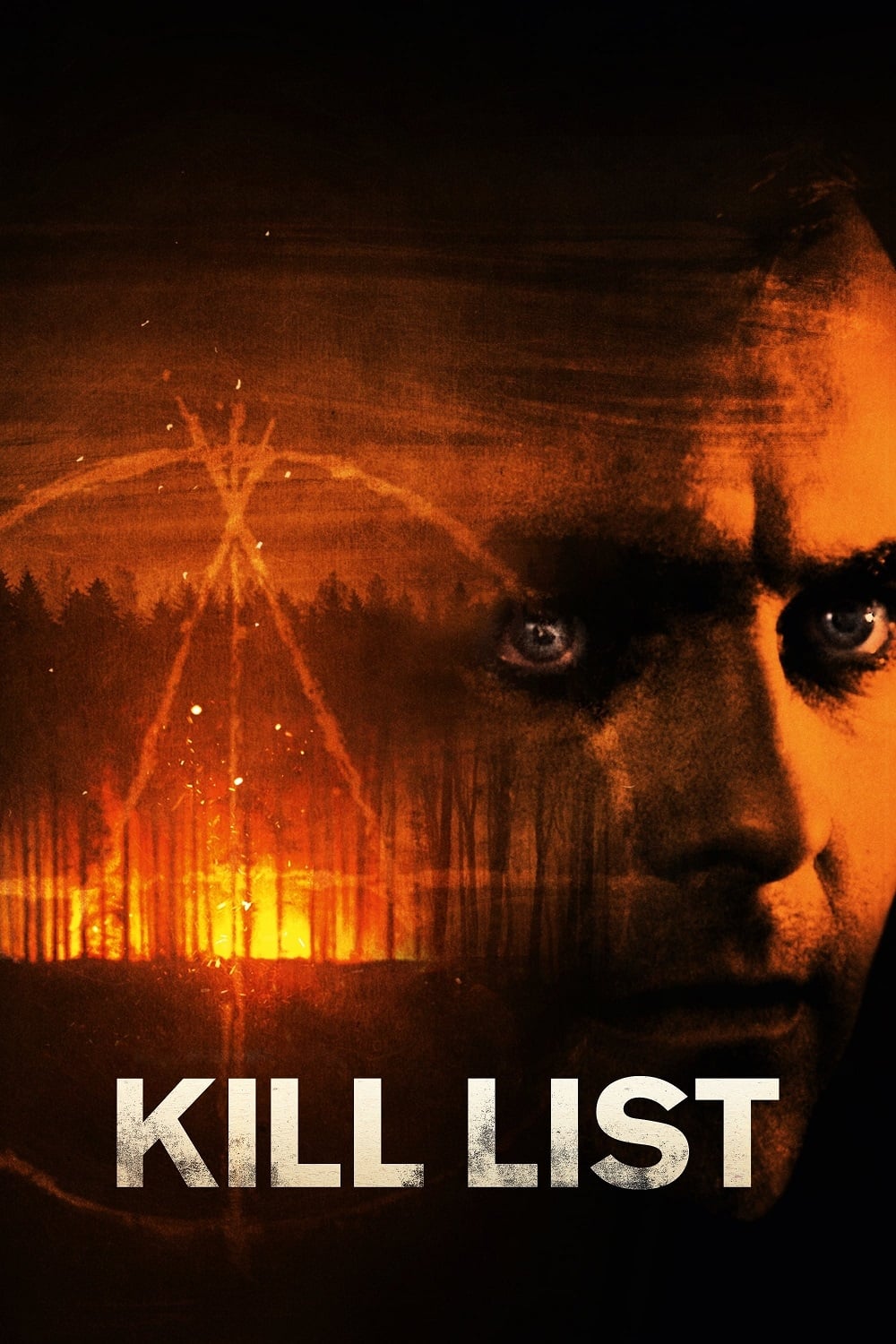
The job structure gives you a breadcrumb trail through symbols that recur in different locations. You can map how names on a list relate to earlier scenes and offscreen history. Ritual markings and hand gestures appear briefly and then pay off in the final act. A second viewing shows how the domestic prologue quietly prepares every step that follows.
‘The Orphanage’ (2007)
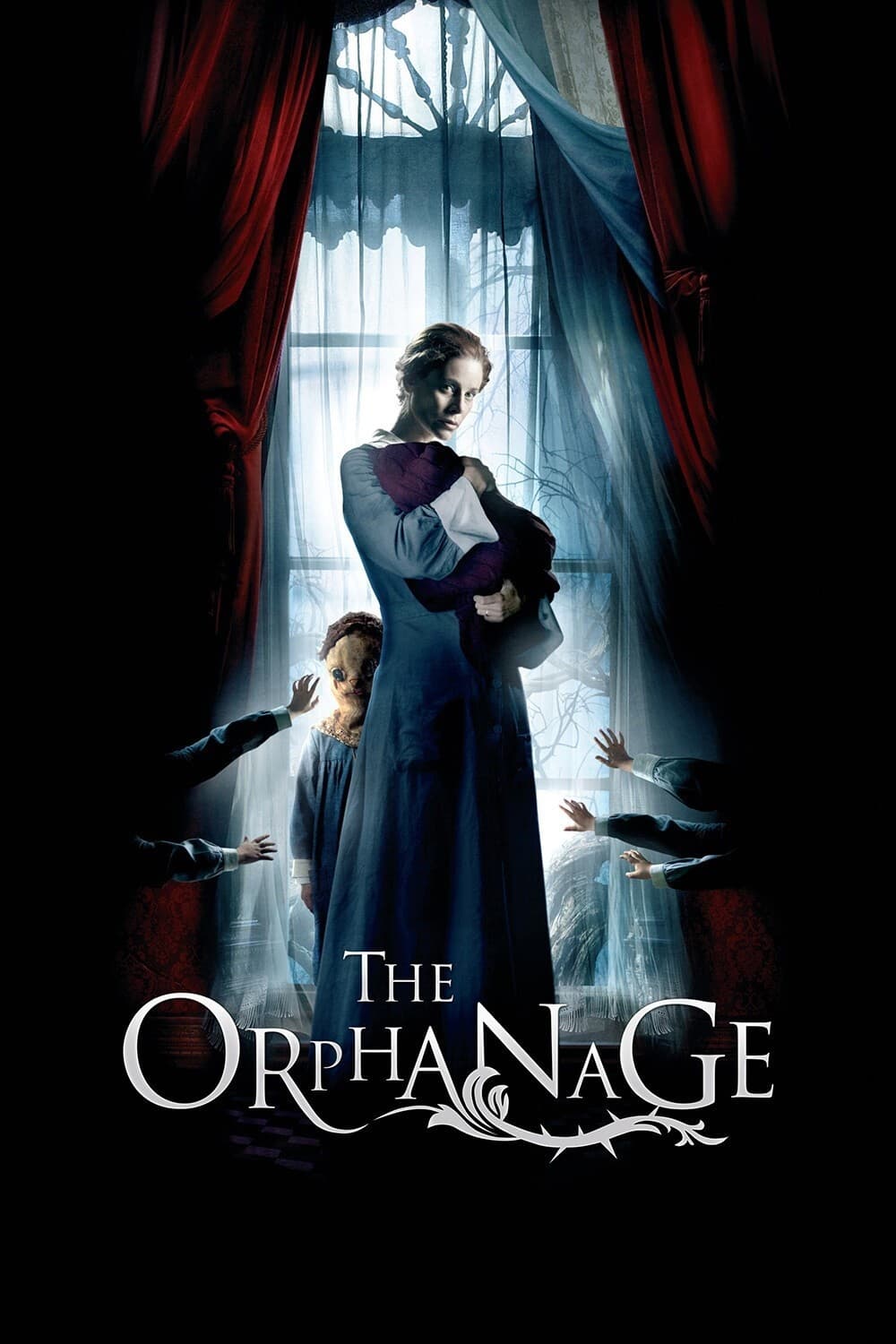
Games, invitations, and hidden rooms are not just set dressing but a coded path the characters follow. Early camera moves pause on objects that later become vital. Nursery rhymes and children’s voices carry information about time and place that you can line up once you know the timeline. Rewatching reveals how compassion drives the haunting.
‘Midsommar’ (2019)

Tapestries and murals tell the entire plot before it happens if you study them. Costumes change to reflect shifting loyalties and states of mind that only register after you know the rituals. Background villagers repeat actions that signal where the story is headed. A second look turns every feast, song, and flower into a piece of a visible plan.
‘Barbarian’ (2022)

The opening section seeds practical details about the house that explain later geography. Character choices that seem irrational at first are consistent once you understand their past. Props introduced early return with new purpose at every turn. Rewatching lets you trace how the layout and the neighborhood history lock the story into place.
‘Malignant’ (2021)
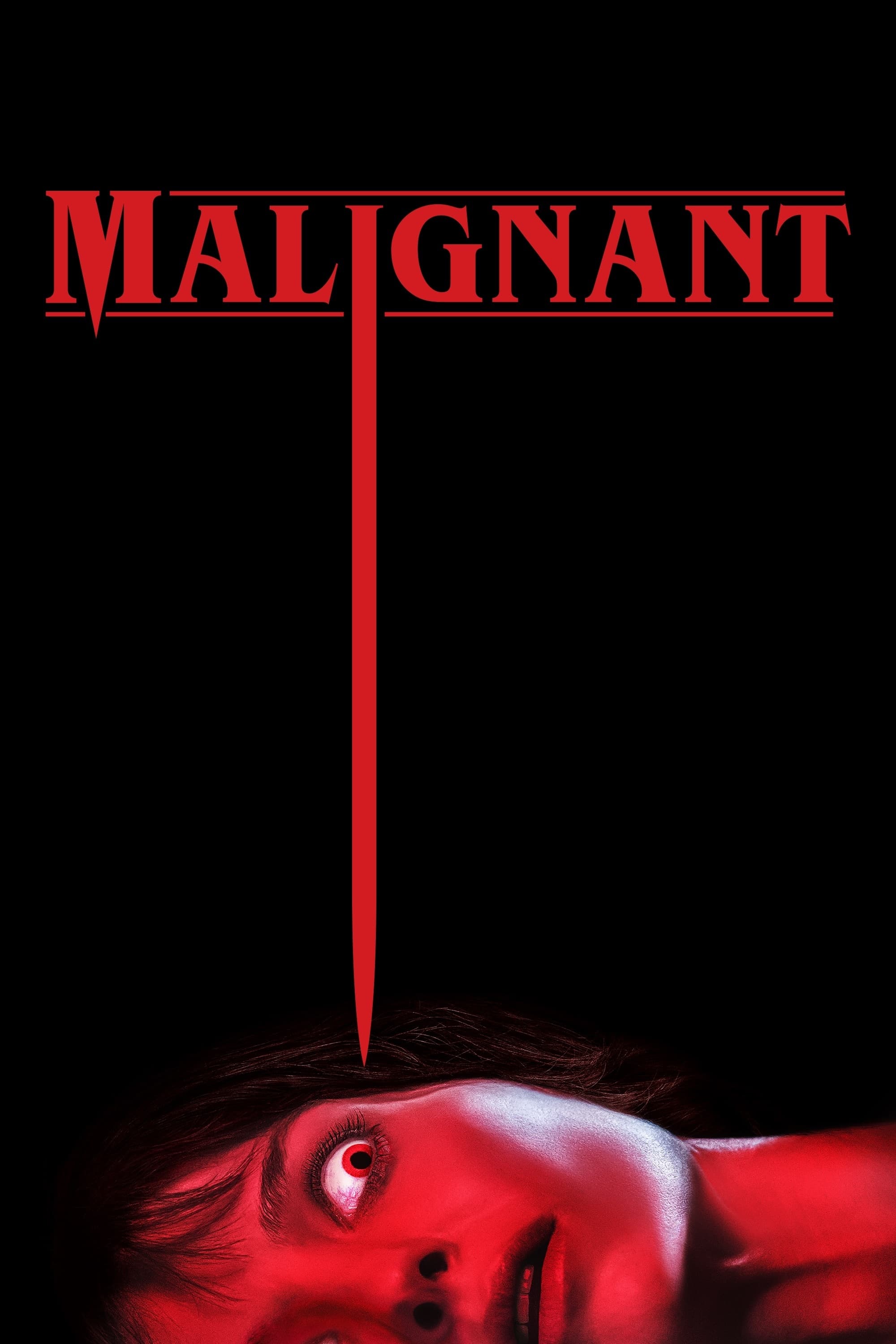
Fight scenes and camera placements hide the truth in plain sight through choreography. Medical records, childhood drawings, and architecture quietly set up the reveal. Dialogue about headaches and visions doubles as a log of what is physically happening. A second viewing shows how each action scene follows a logic that matches the secret.
‘The Skeleton Key’ (2005)
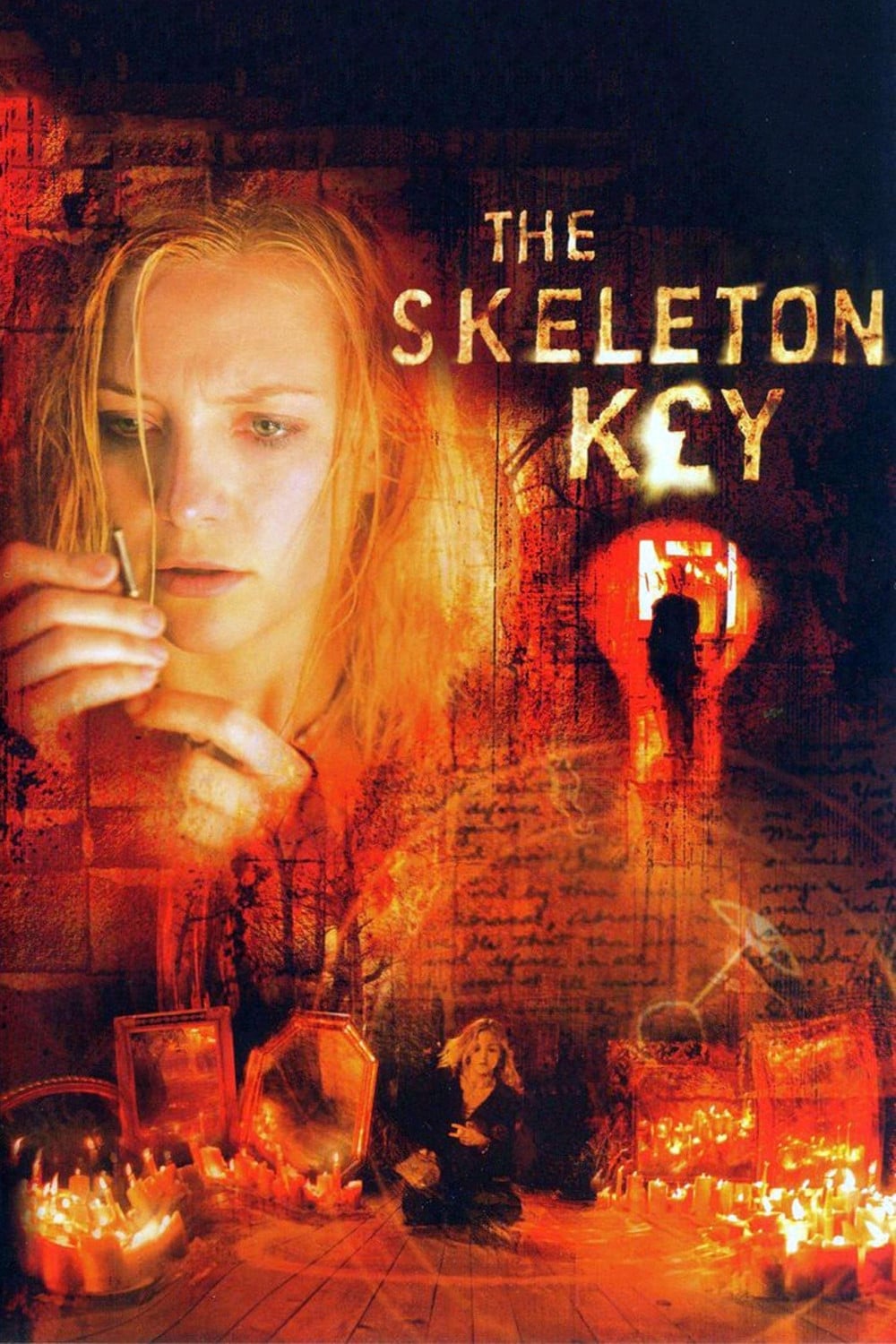
Household routines and restricted spaces teach you the rules of the practice at work. Snippets of folk history and music give dates and names that line up with later discoveries. Mirrors, keys, and written instructions are clues to how belief operates in the story. On a rewatch you can see how every favor asked by side characters advances a long game.
‘Resolution’ (2012)
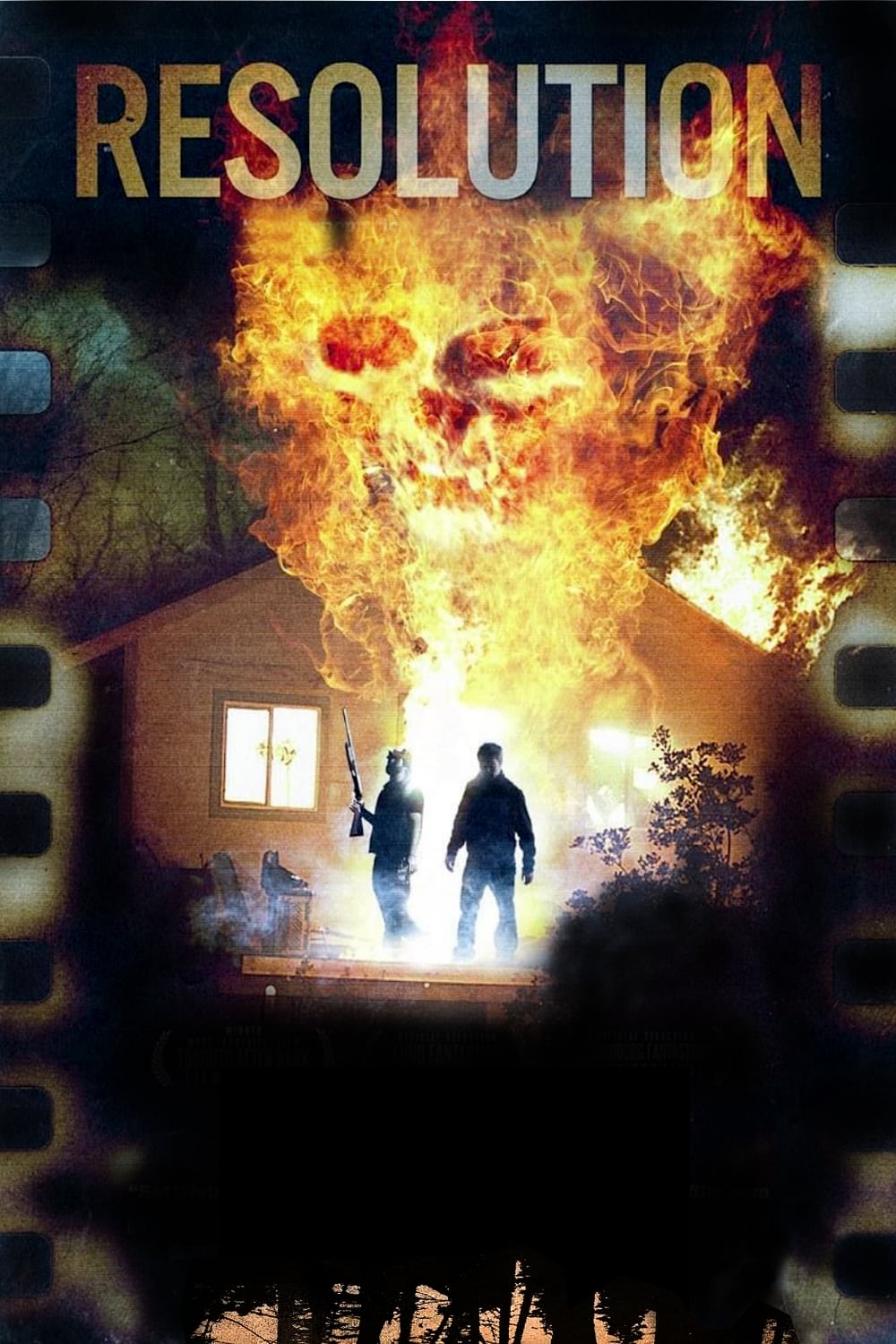
Conversations about stories and endings are not abstract talk but direct communication about the threat. Photographs, tapes, and found media repeat patterns that escalate in a trackable way. Locations revisit themselves with slight changes that make sense once you know who is watching. A second viewing turns casual campfire myths into a map of the rules.
‘The Night House’ (2020)

Architecture, reflections, and negative spaces spell out the central trick. Books, sketches, and small sculptures lay a trail of symbols that explain the maze. Audio cues guide you through scenes where absence matters as much as presence. Rewatching lets you align the house layout with what the protagonist learns and why certain rooms feel wrong.
‘A Tale of Two Sisters’ (2003)
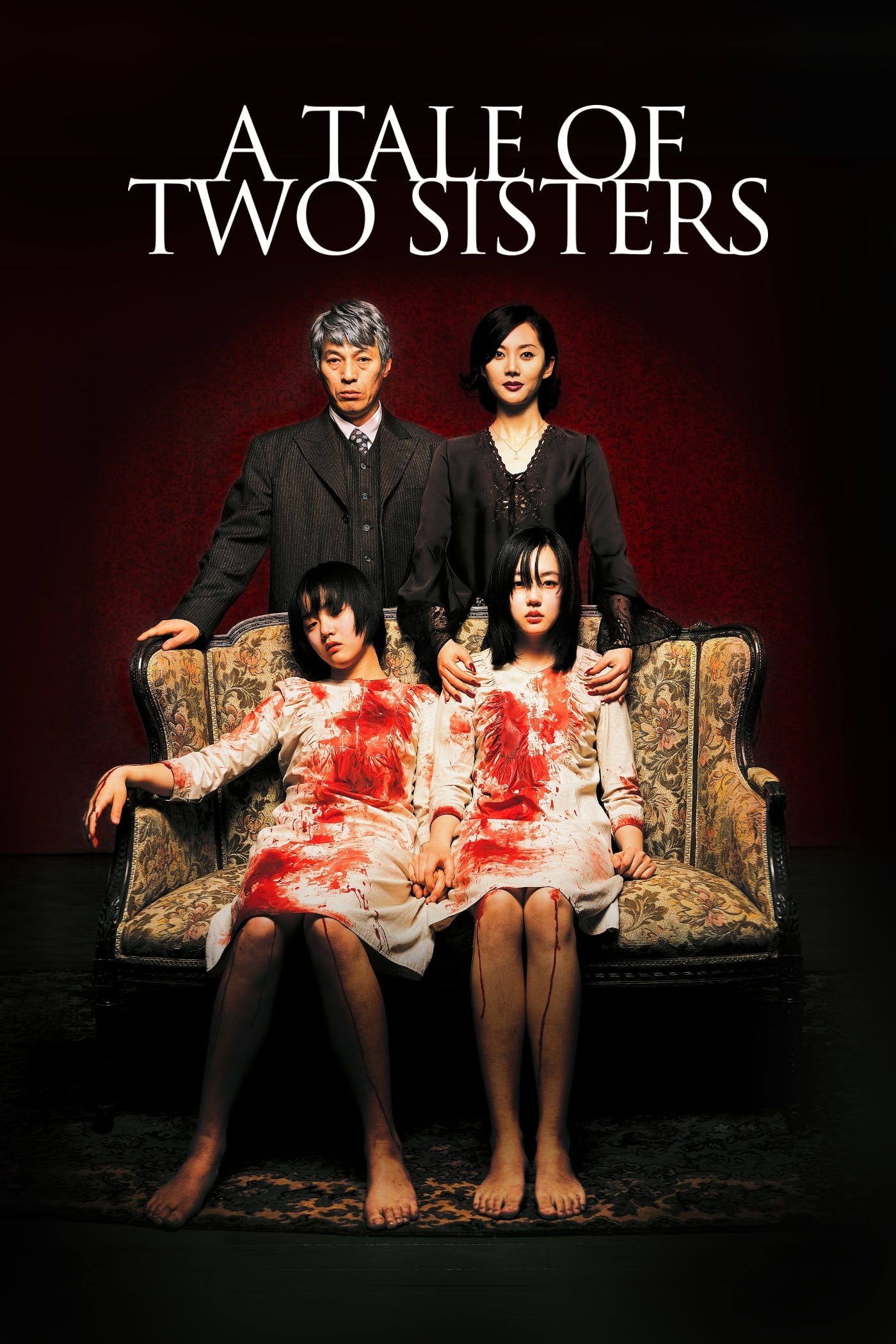
Set design and costume choices divide the household into shifting zones you can chart on a revisit. Props like hair ribbons and photo frames quietly flag who occupies which space. Dialogue between relatives repeats key phrases that change meaning once you know the family history. A second watch lines up each occurrence of the red motif with moments of recognition.
‘The Invitation’ (2015)
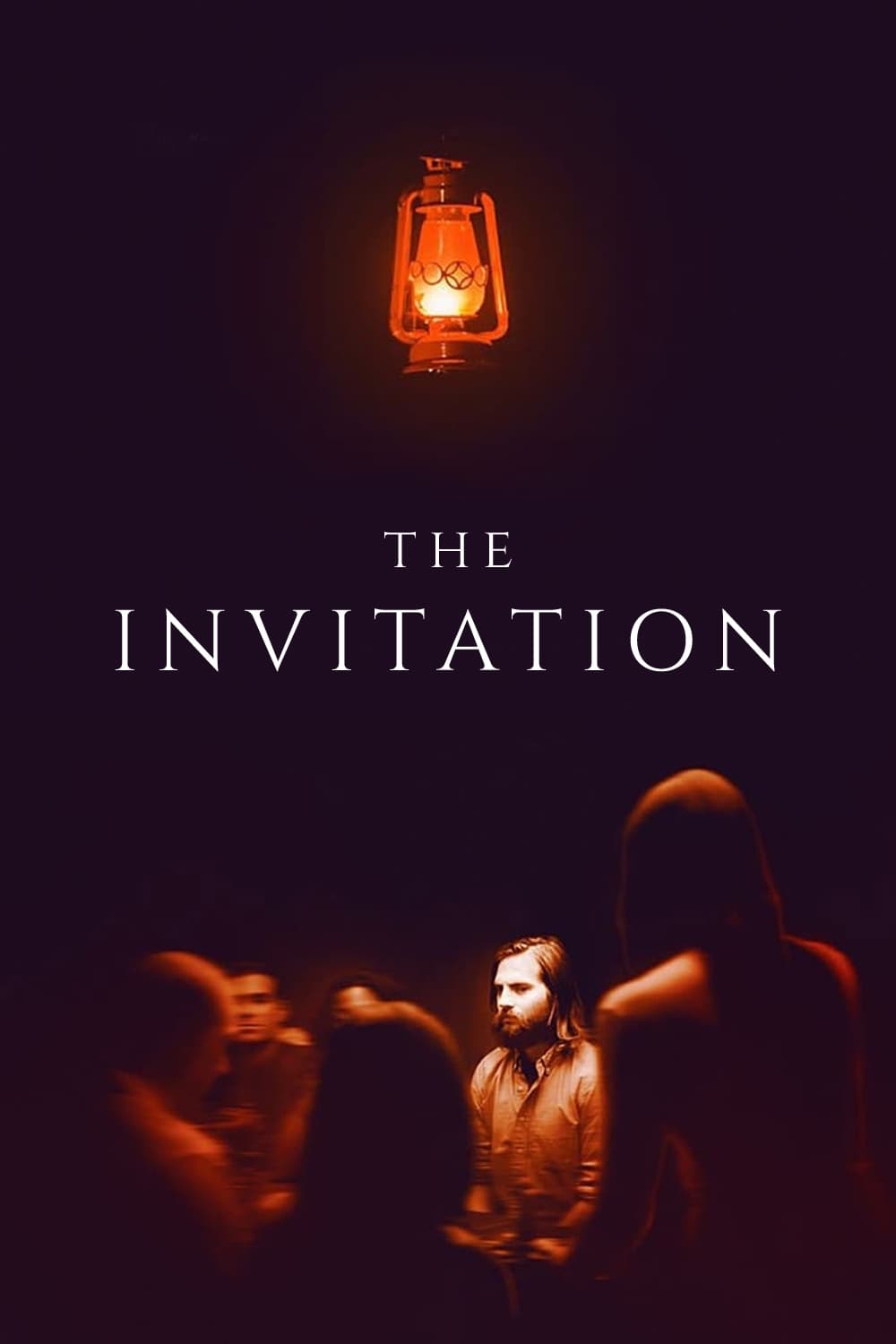
Dinner rituals and door rules set a structure you can map scene by scene. Small objects placed near serving dishes foreshadow later steps. Side conversations reveal who already knows the plan if you watch how they move between rooms. A second pass shows how lighting changes announce each stage of the evening.
‘The Village’ (2004)
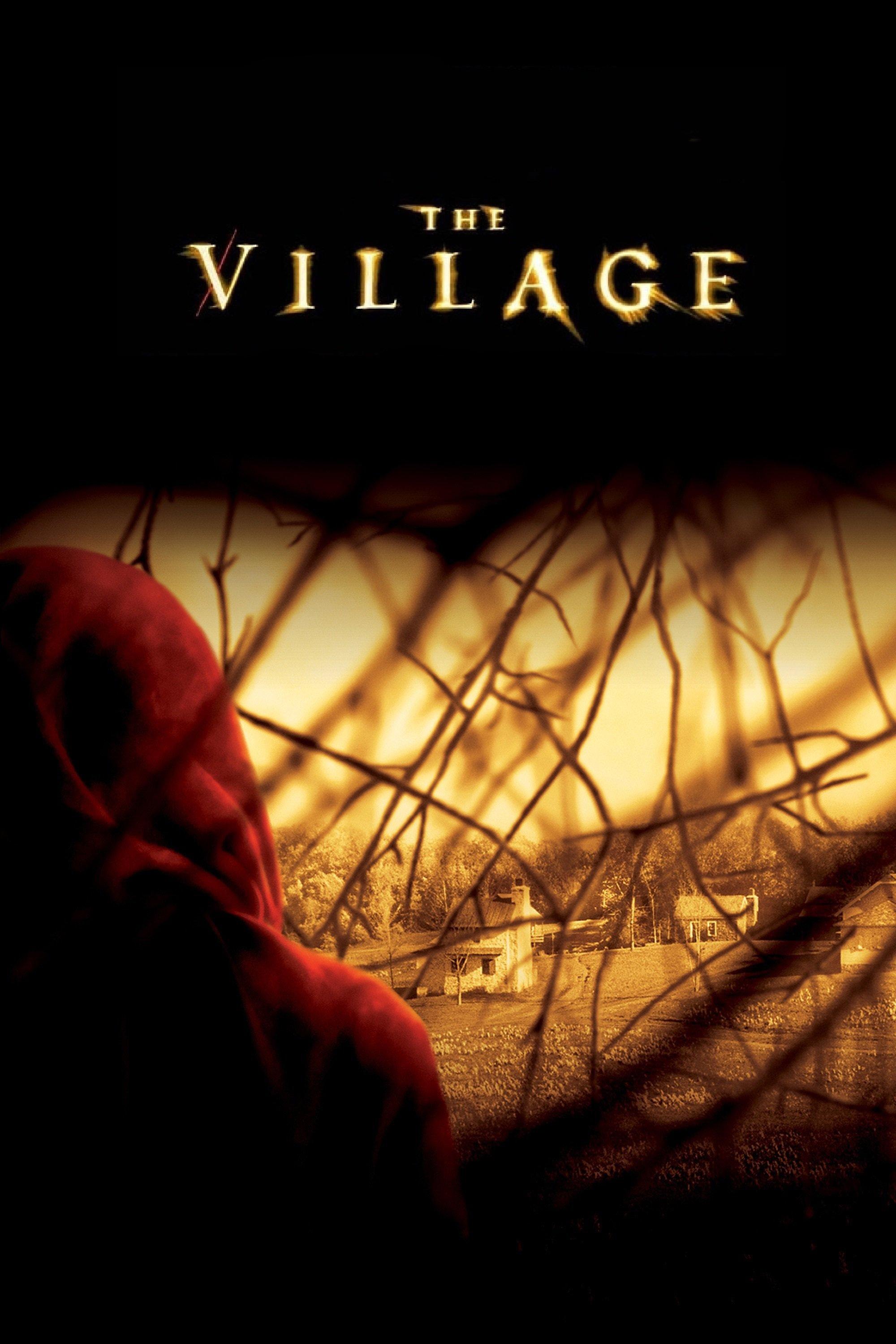
Color rules are enforced with absolute consistency that you can log across the film. The placement of watchtowers and paths explains how certain characters travel unnoticed. Spoken legends reference specific locations that match later discoveries. A revisit aligns every warning with a practical reason that was present all along.
‘Identity’ (2003)
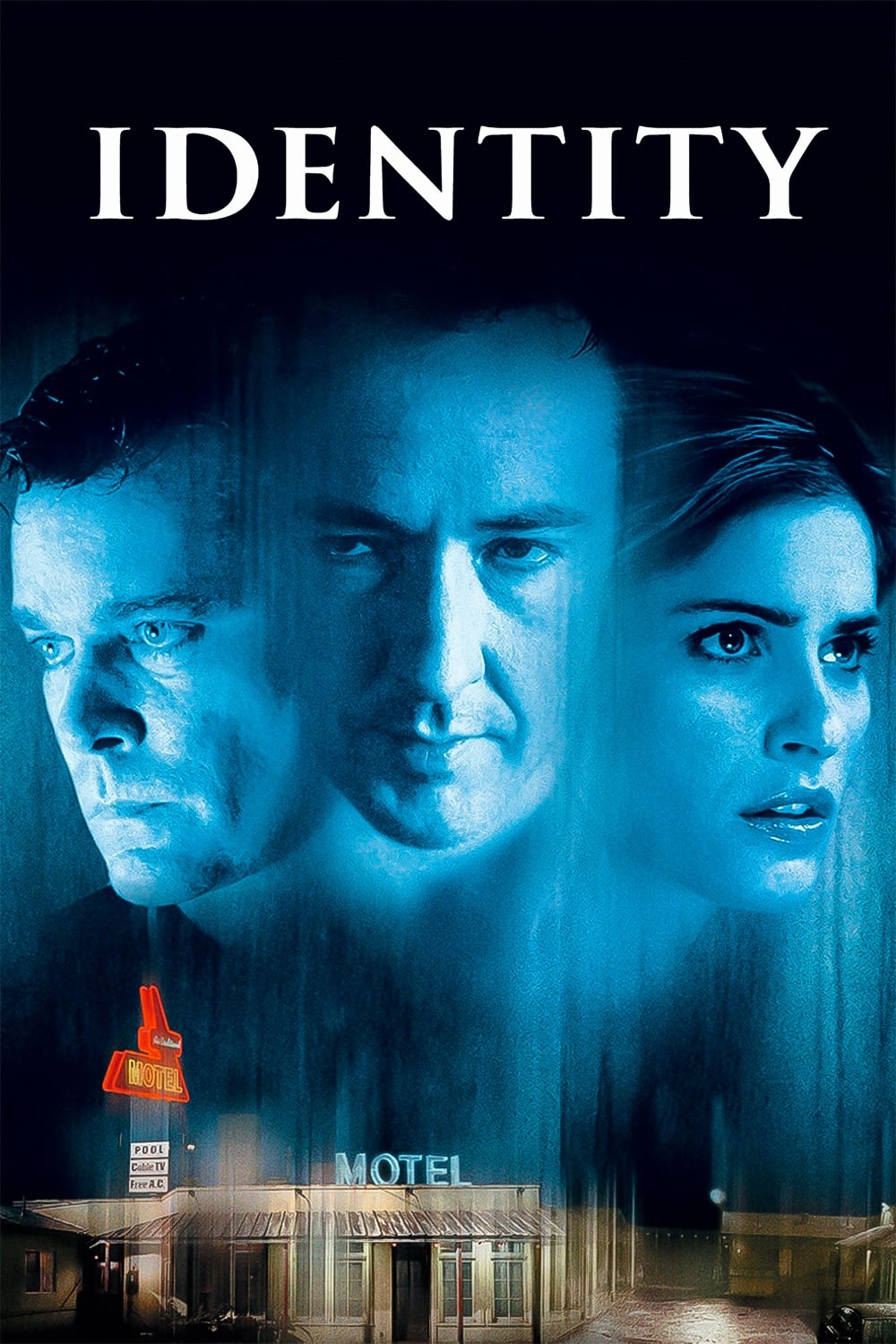
Room keys and hotel receipts provide a numbered trail through the narrative. Weather cues match character arrivals and exits in a fixed pattern. Camera angles repeat in pairs that signal when scenes are connected. On a second viewing you can match each disappearance to a prior anecdote.
‘Angel Heart’ (1987)
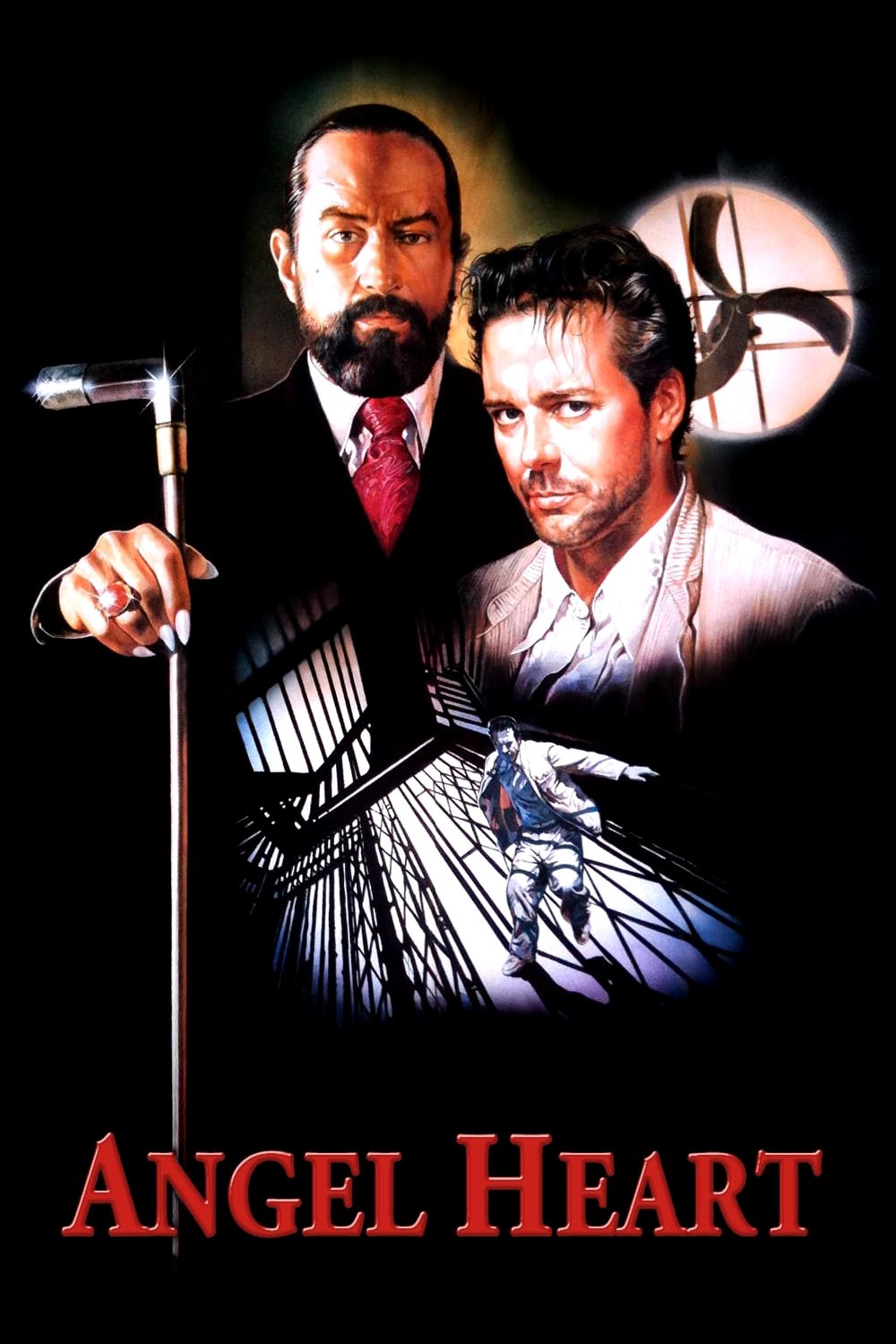
Names, signatures, and contract terms recur in office scenes with deliberate precision. Music cues repeat chords that signal when the past intrudes on the present. The placement of ceiling fans and staircases marks transitional spaces that matter later. Rewatching lets you follow how greetings and handshakes reveal identities.
‘Jacob’s Ladder’ (1990)

Military files and hospital forms contain dates and codes that map the timeline. Street signs and subway stops place the protagonist on routes that circle the same questions. Quick flashes of horns and tails follow a repeatable visual logic. A second look connects each vision to a step in a documented process.
‘The Ring’ (2002)
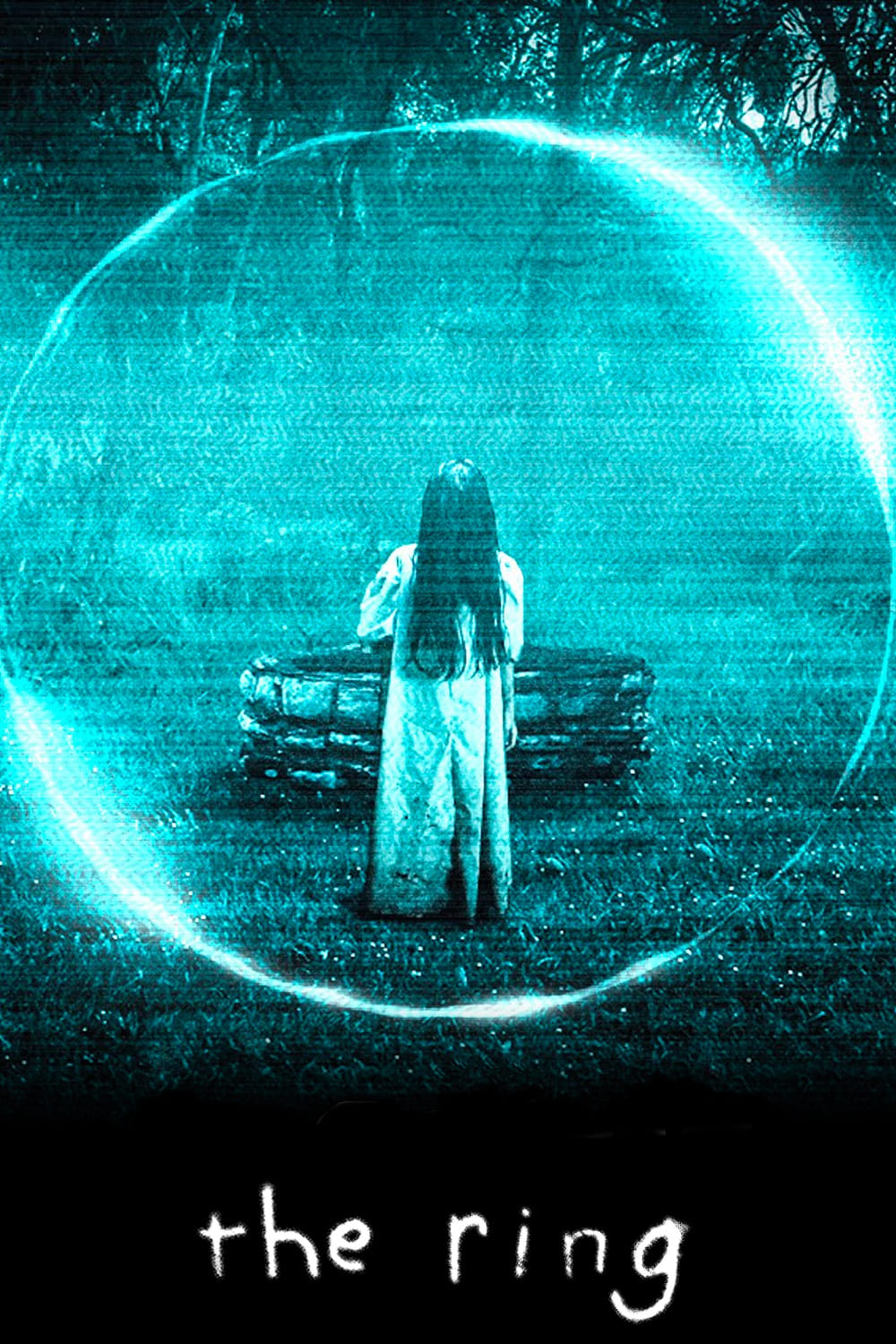
Newspaper archives and library logs outline a complete history you can reconstruct from scattered shots. The order of images on the tape corresponds to real locations visited in sequence. Phone records and ferry schedules anchor the travel path with exact intervals. Rewatching reveals how water sources link every site.
‘It Follows’ (2014)
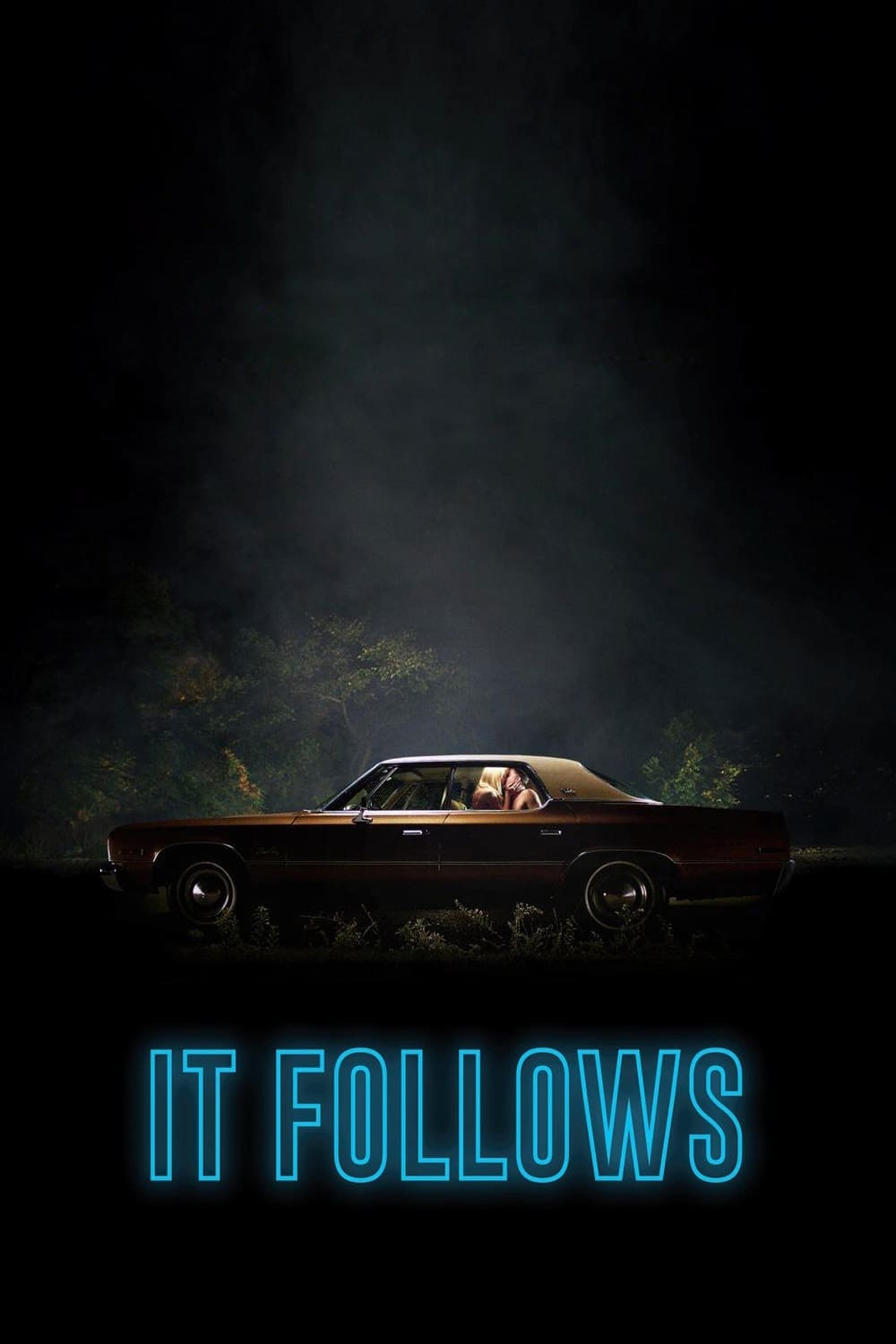
The entity’s walking speed and line of sight can be measured against landmarks. Character outfits shift seasonally in ways that suggest a deliberate timeless setting. Electrical devices appear with inconsistent models that point to a theme you can track. A second viewing lets you plot every approach and handoff.
‘The Babadook’ (2014)
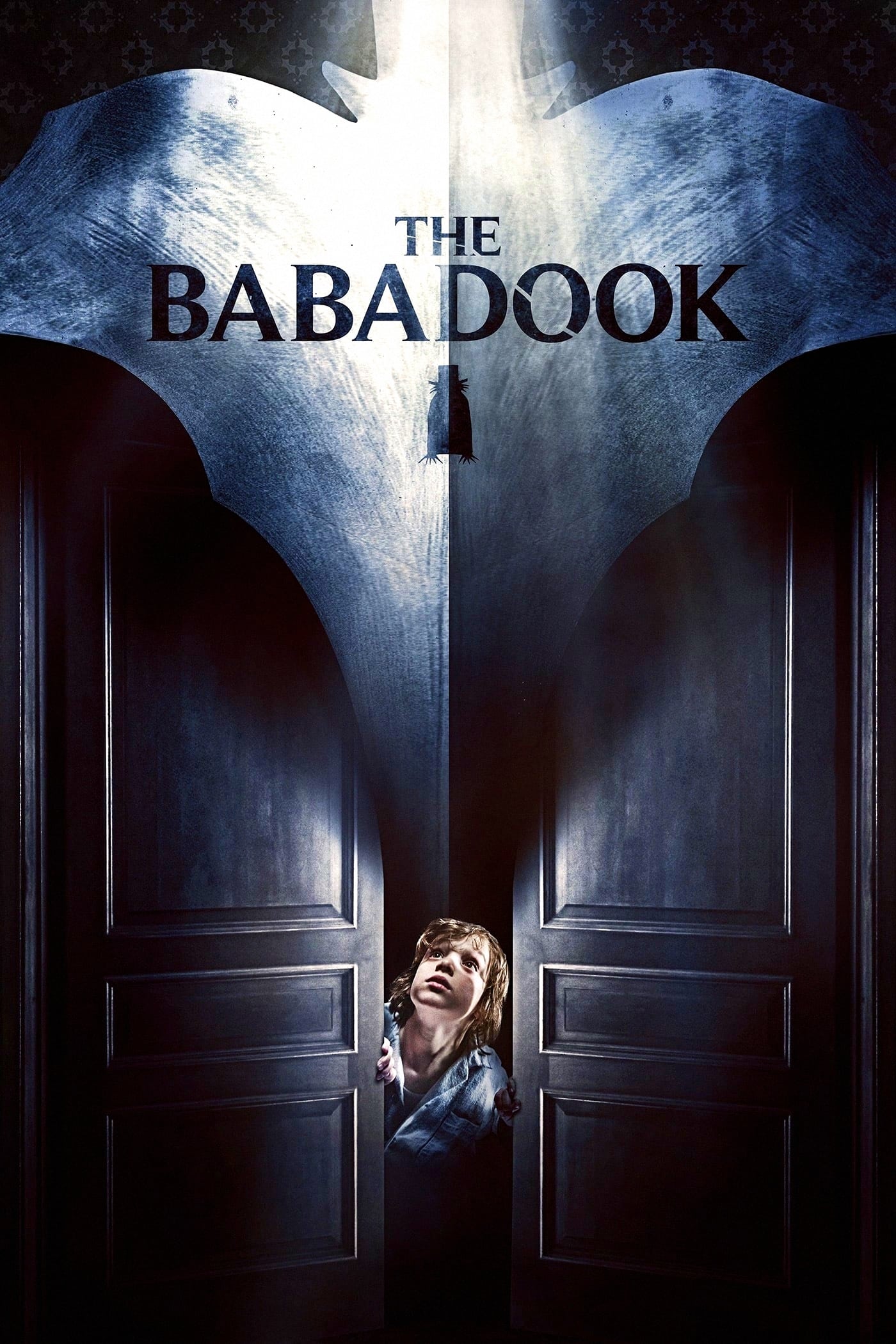
The pop up book pages introduce symbols that return in household repairs and chores. Medication schedules and school notices create a calendar that explains stress points. Sound cues in the walls repeat at set times of day. On a revisit you can match each outburst to a documented trigger.
‘Saint Maud’ (2019)
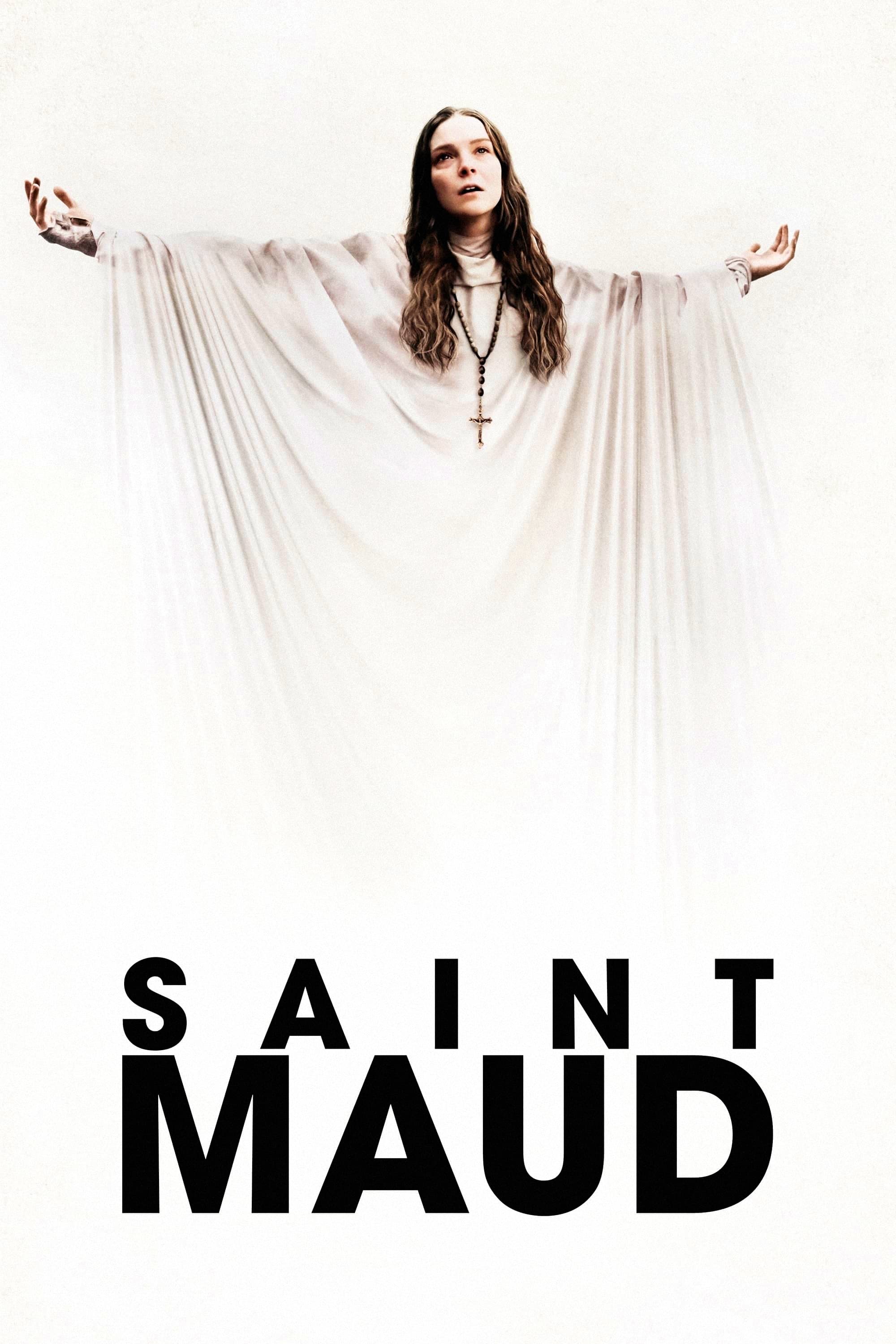
Prayer notes, medical charts, and patient histories give precise insight into past decisions. Religious art on the apartment walls changes position in ways that mirror mood shifts. Footstep echoes and waterfront noises identify locations before the camera reveals them. A second watch aligns each sign with a concrete action.
‘The Autopsy of Jane Doe’ (2016)
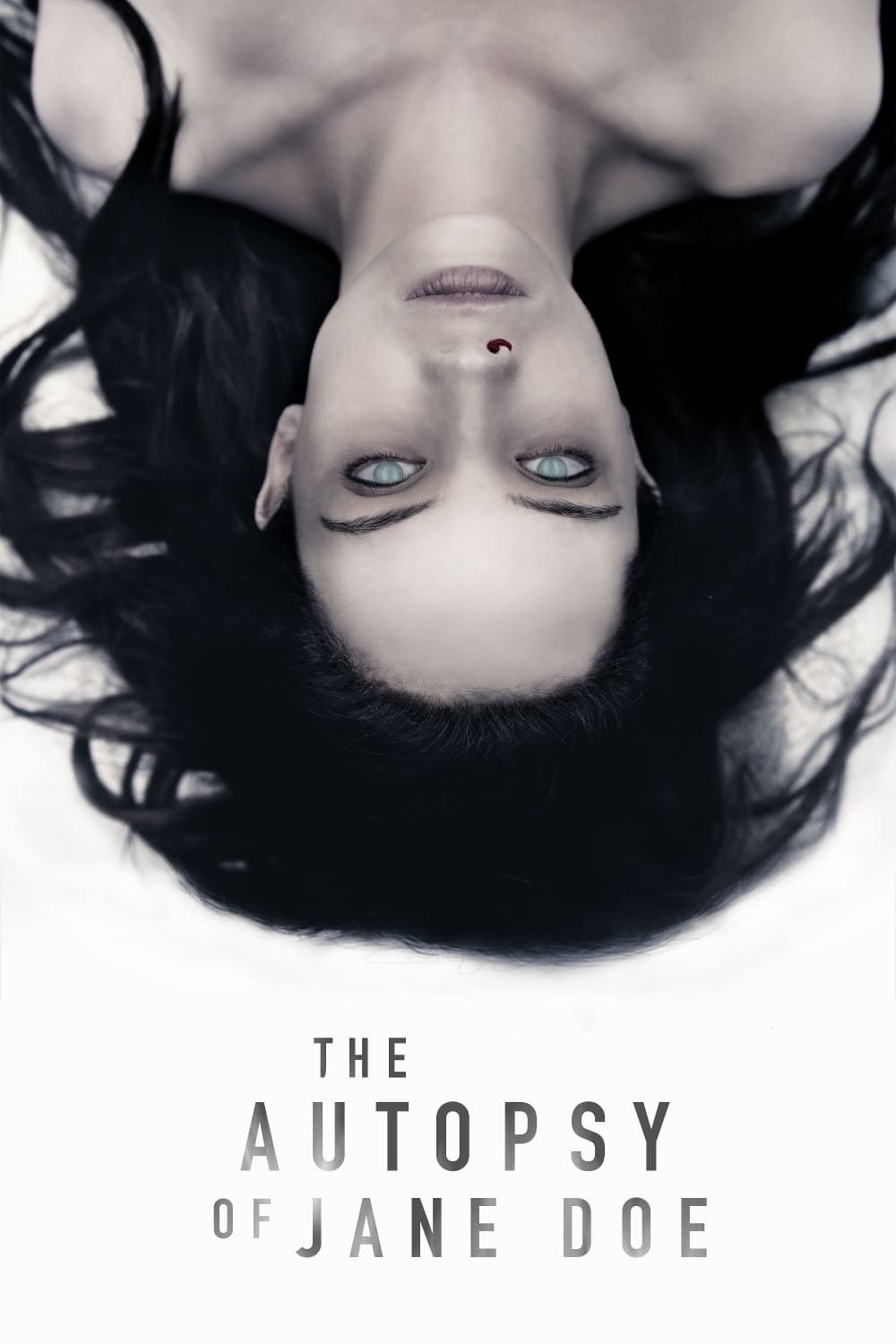
Each internal finding corresponds to an external clue visible in earlier rooms. The order of discovered injuries follows a chronological cause. Lab equipment readouts and temperature drops repeat in a pattern you can log. Rewatching shows how every incision unlocks a previously seen anomaly.
‘The Invisible Man’ (2020)
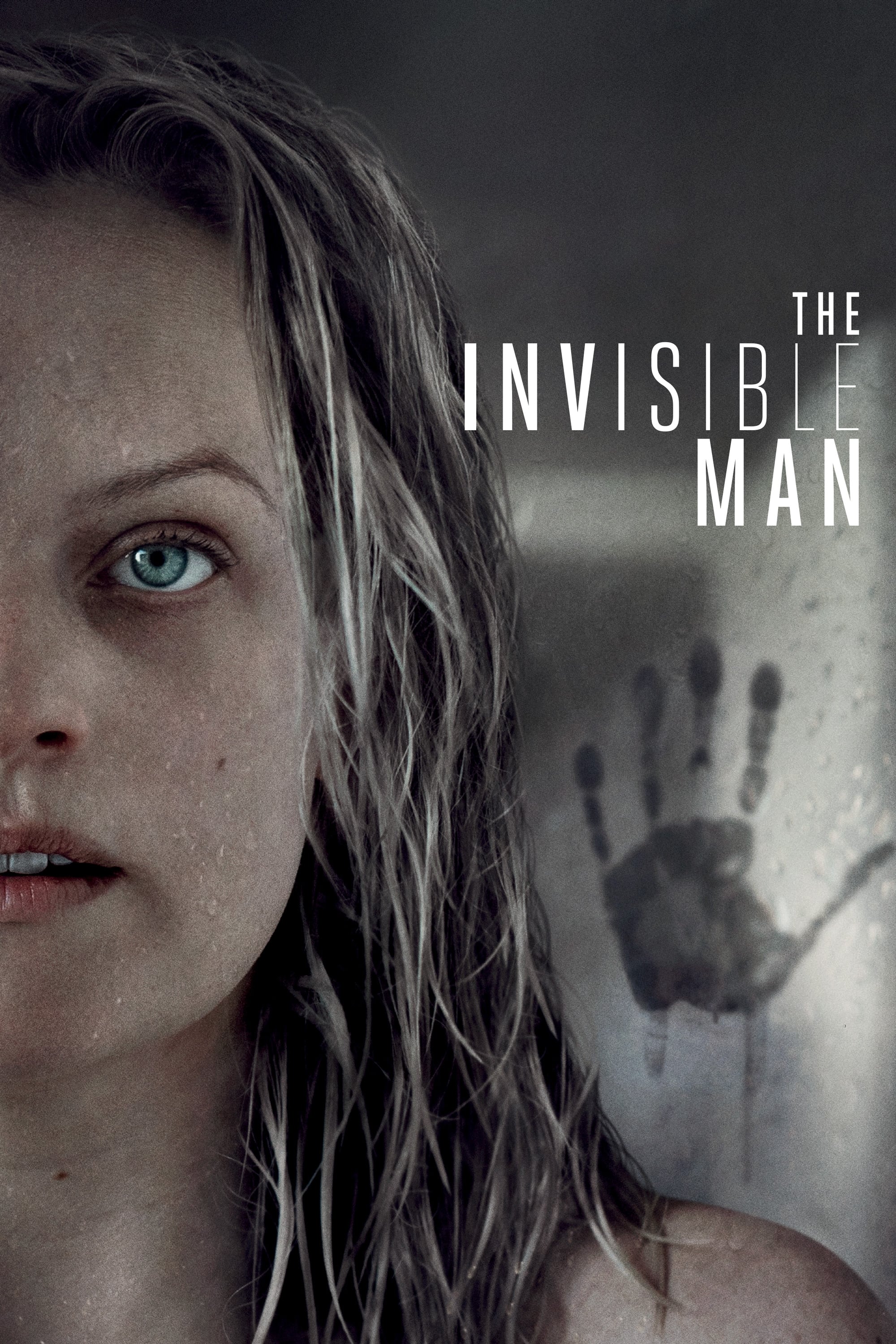
Security systems and architectural plans establish sight lines that explain moving objects. Emails and bank notifications create a traceable record of control. Camera holds on empty spaces match where someone could stand based on the layout. A second pass lines up each scare with the equipment shown on screen.
‘Lake Mungo’ (2008)

Interview transcripts and phone videos repeat images with slight changes that carry specific meaning. Family calendars and text messages fix the order of events down to exact days. Reflections in windows and mirrors hide figures that are identifiable once you know where to look. Rewatching lets you confirm each photograph against the earlier version.
‘The Witch’ (2015)

Livestock behavior and crop failures occur on a schedule that matches lunar phases mentioned in dialogue. Family prayers and chores create a routine you can time against the forest visits. Clothing and tool wear show who is working where at key moments. A second viewing connects each accusation to a prior incident already on screen.
‘Psycho’ (1960)
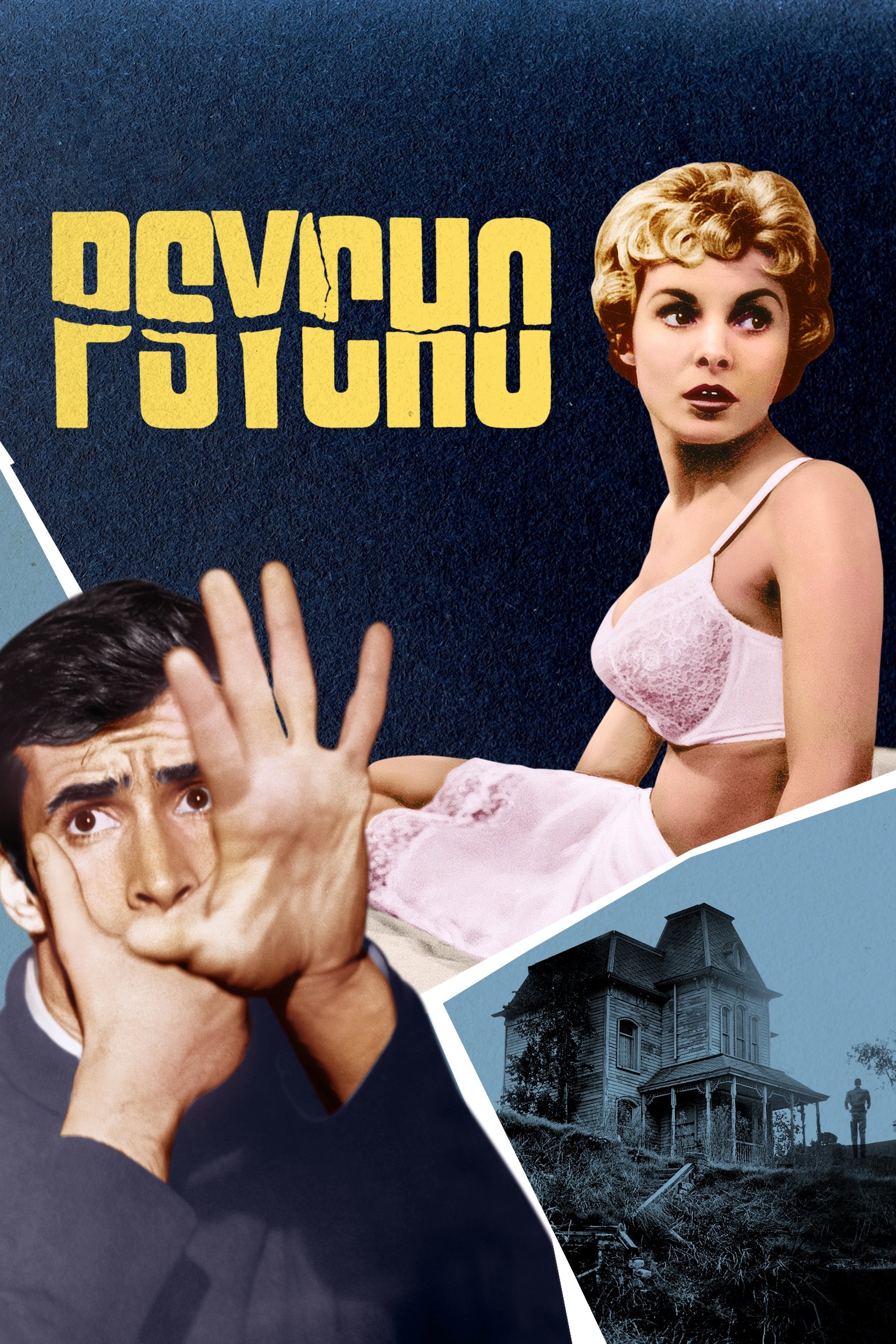
The film uses costume changes and prop placement to track shifting identities inside the motel. Conversation snippets in the parlor quietly outline a family history that pays off in the final reveal. Camera angles in the house repeat patterns that map where each resident actually lives. A rewatch lets you line up every key with the true occupant of each room.
‘Don’t Look Now’ (1973)
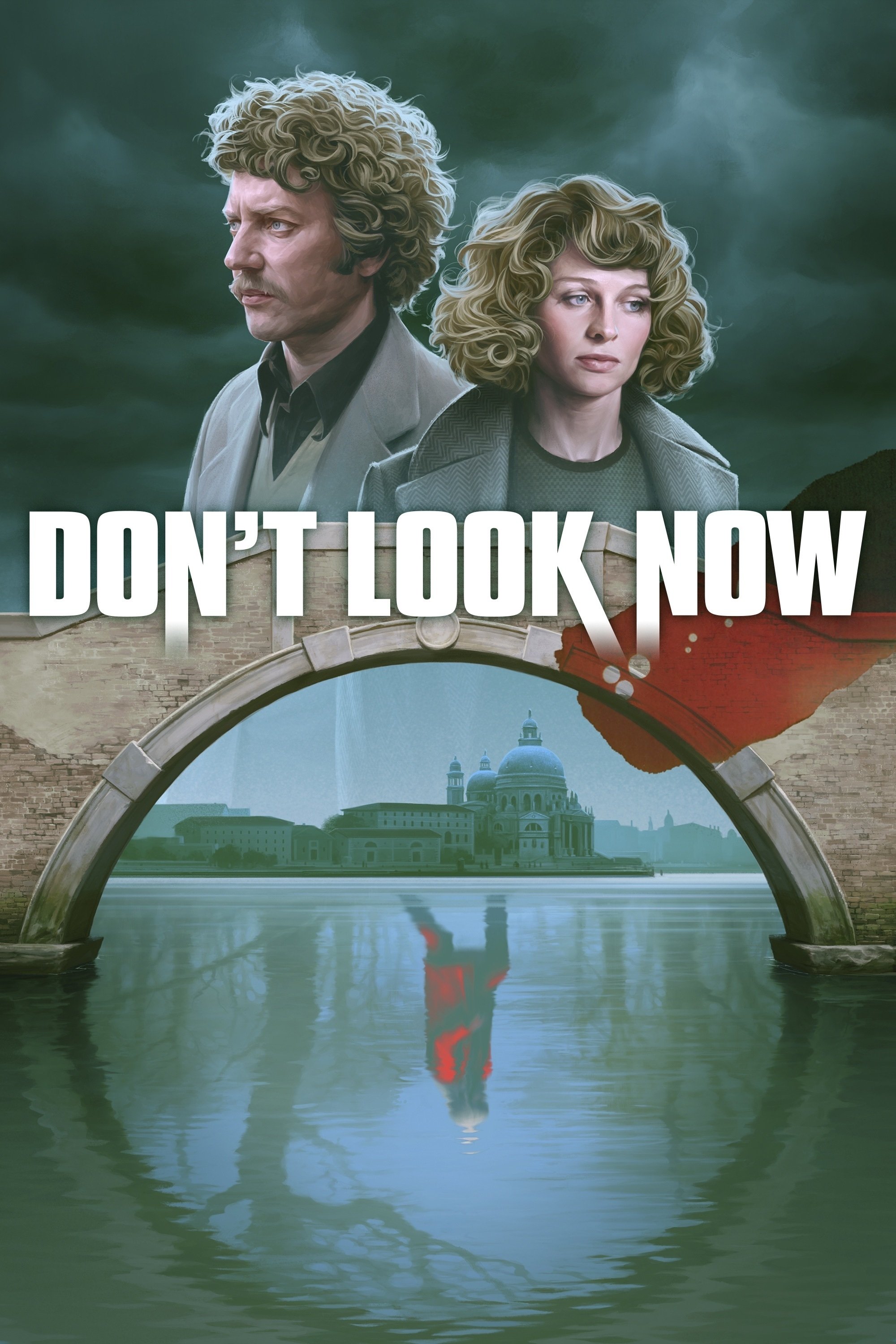
Color cues in clothing and glasswork connect early visions to later sightings around Venice. Street layouts and bridges recur in a path that mirrors the couple’s movements through their grief. Editing matches create links between past and present that are easy to chart once you know the outcome. A second viewing clarifies how each warning arrives disguised as a memory.
‘The Shining’ (1980)
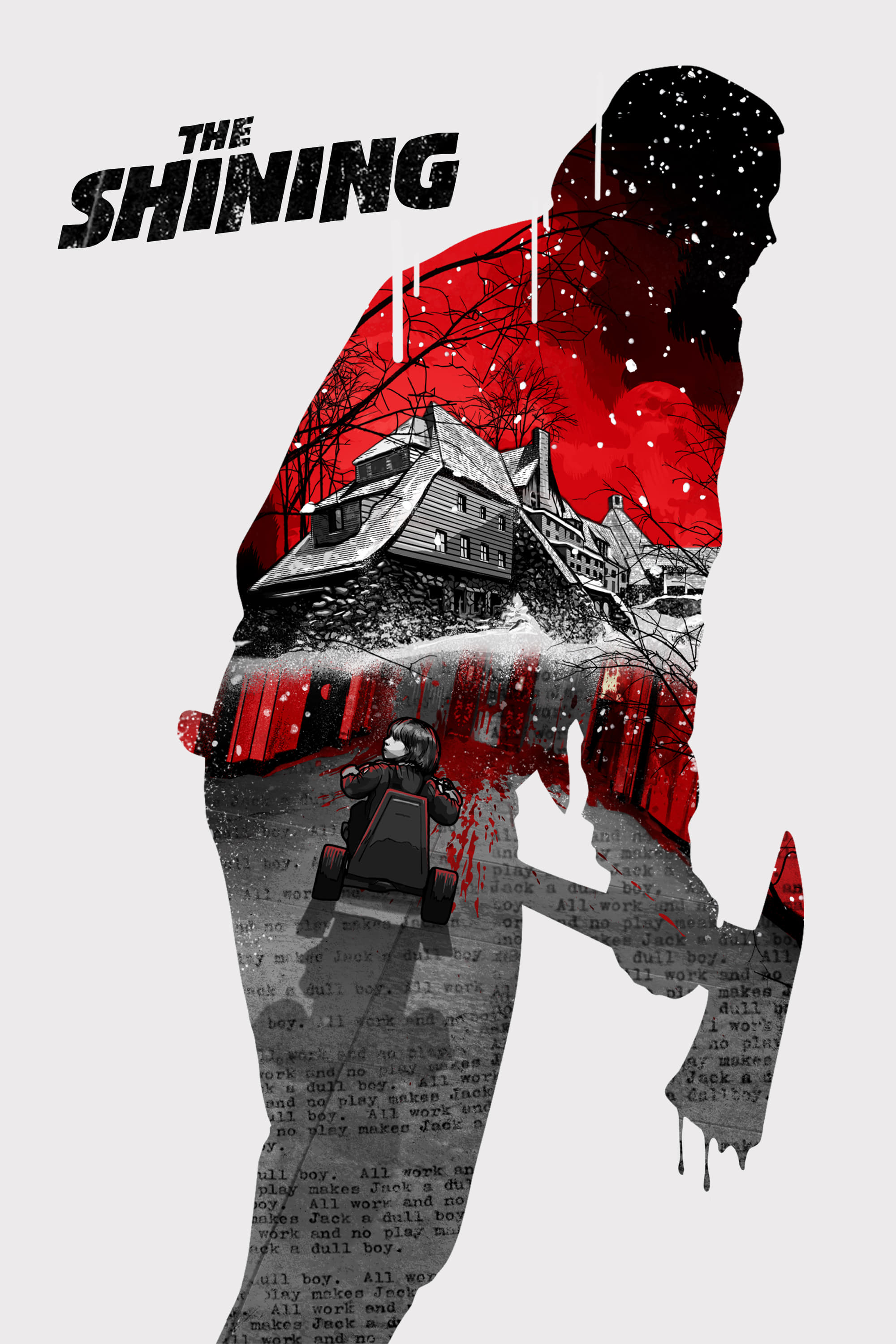
The hotel’s layout introduces impossible spaces that point to a distorted perspective. Wall art and carpet patterns guide your eye toward repeating shapes that echo the plot. Dialogue about responsibilities and arrangements sets a timeline that aligns with the caretaker’s routine. On a revisit you can map how each hallway shot signals who is guiding the action.
‘Possession’ (1981)
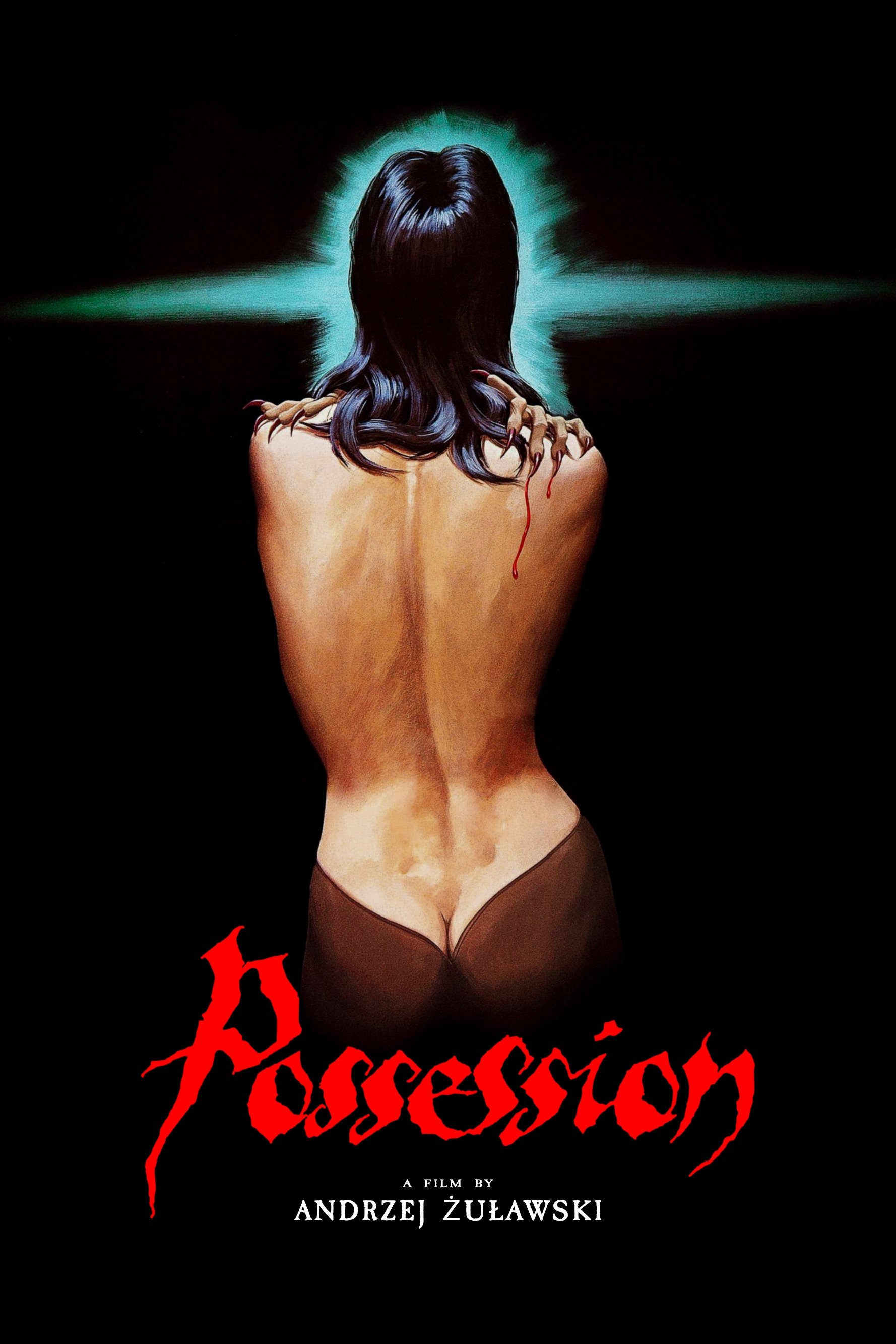
Apartment interiors and border checkpoints mark emotional and geographic divides that drive the story. Repeated household objects show up in mirrored scenes that document a relationship splitting into separate realities. Physical gestures in the kitchen and underpass return with new meaning as roles shift. A second watch lets you log every double that quietly steps into place.
‘Session 9’ (2001)
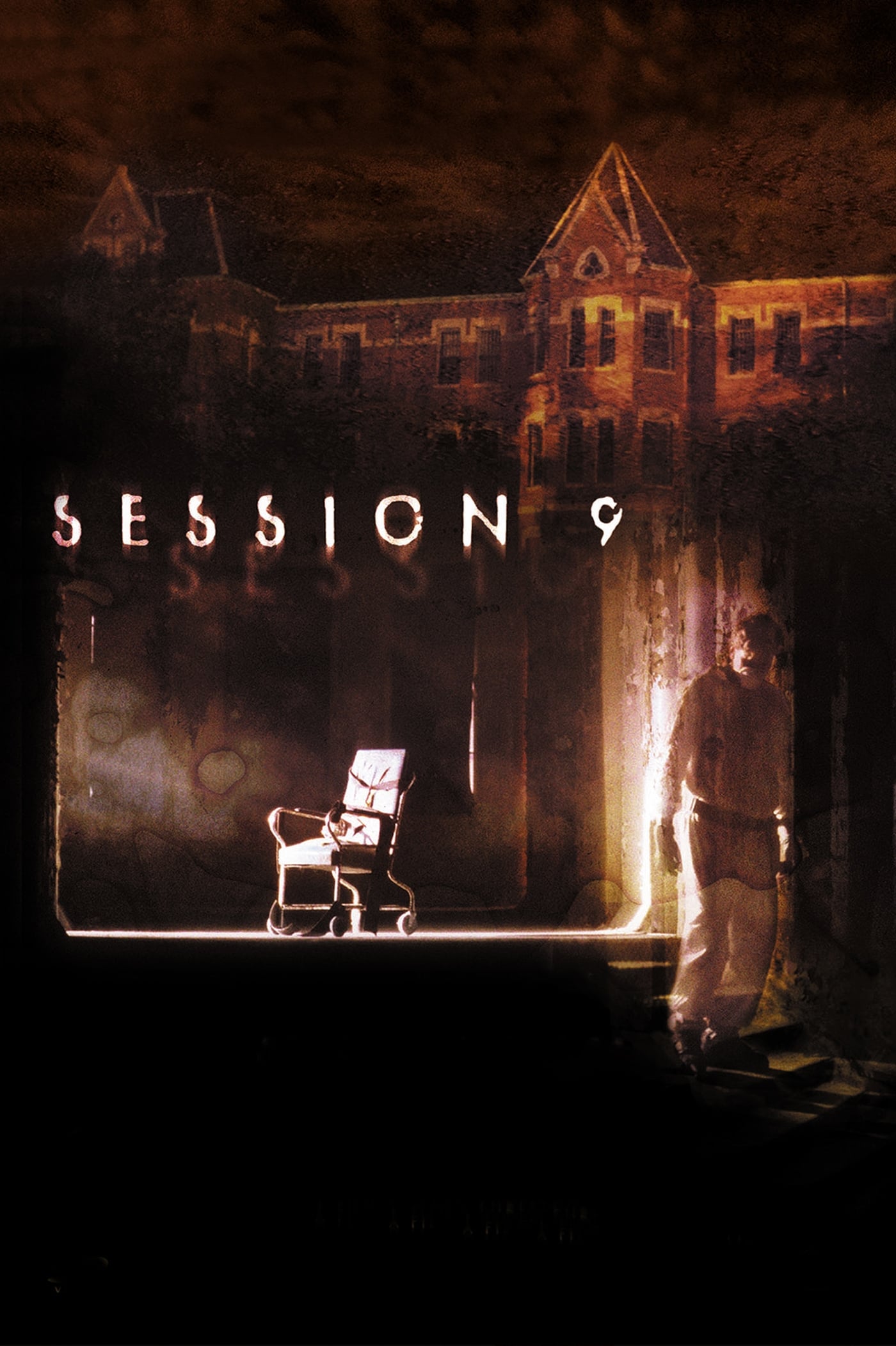
Patient files and room numbers mirror the crew’s assignments in the abandoned hospital. Lighting changes track power availability and create a map of where voices could travel. Audio recordings escalate with keywords that match specific locations you can note. A second viewing lines up every choice with the documented history of the building.
‘The Devil’s Backbone’ (2001)
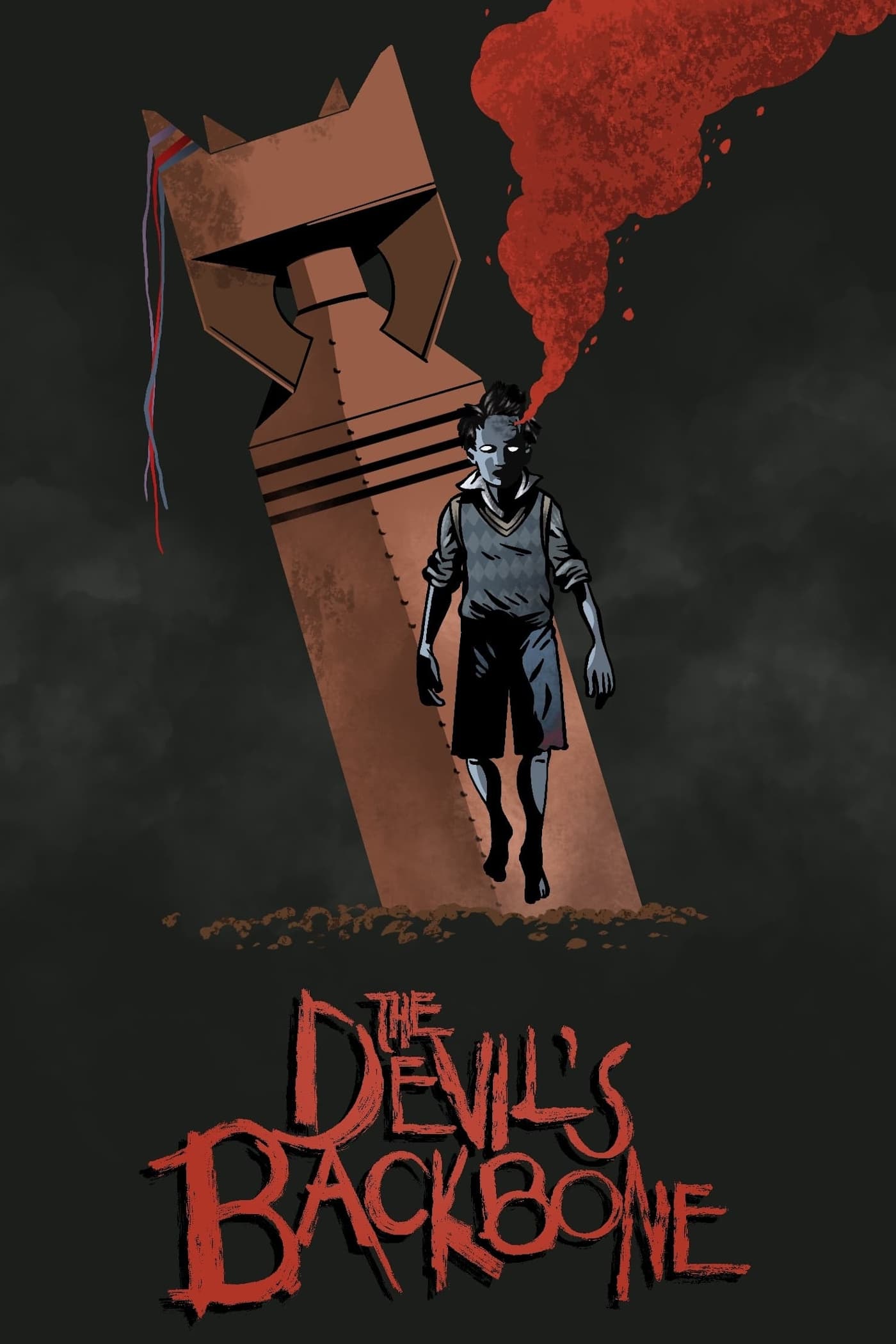
Bomb placement and well levels act as instruments that measure time inside the orphanage. Classroom lessons and superstition stories quietly catalog the rules of the haunting. Jewelry and small personal items change hands in a way that exposes motives on review. A rewatch connects each corridor encounter to a prior betrayal already on screen.
‘Orphan’ (2009)
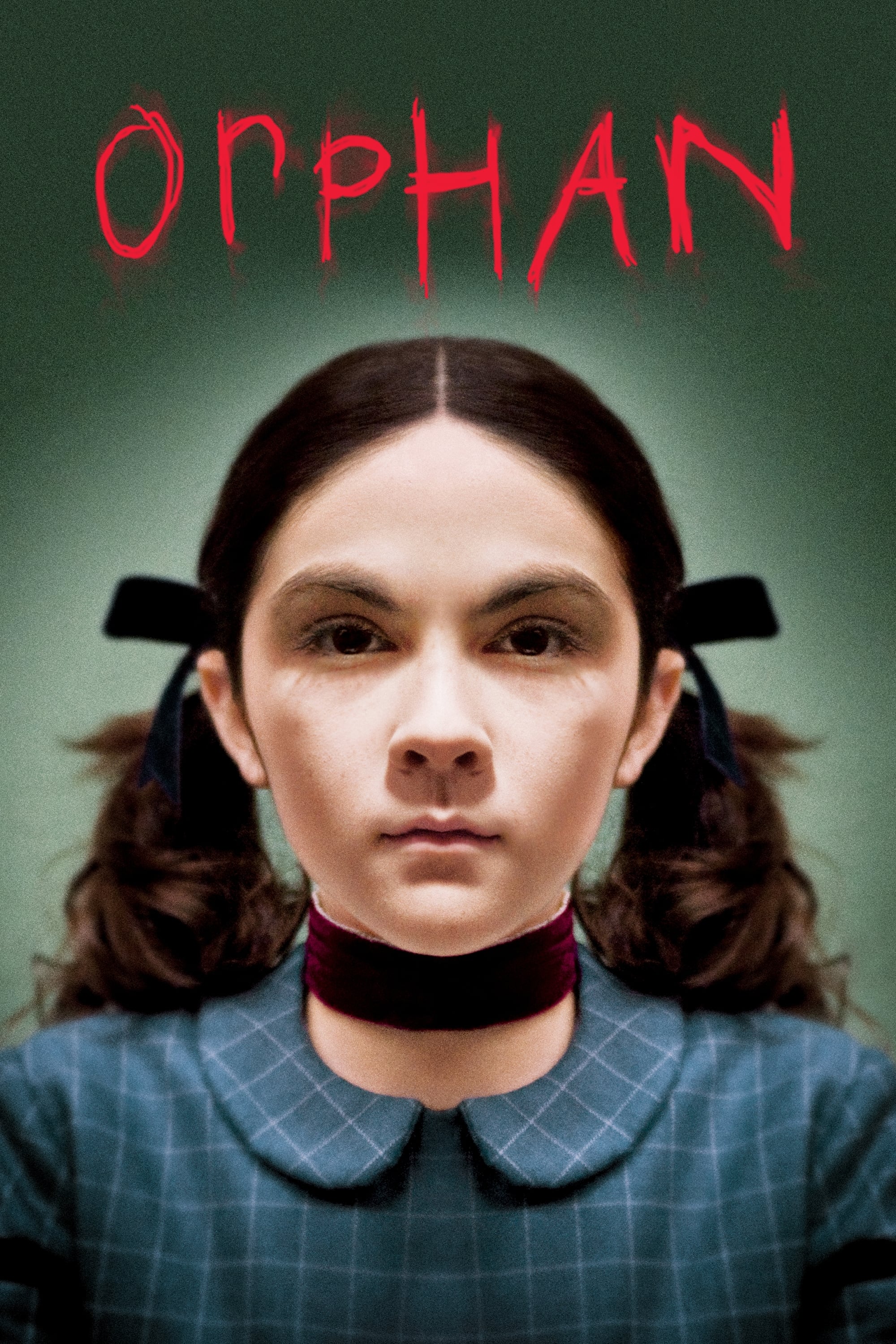
Medical documents and adoption records lay out facts that are visible earlier in casual scenes. Height markers, shoe choices, and furniture adjustments quietly indicate mismatched age. Family routines change in ways that reveal who is adapting and who is performing. A second viewing connects every art project and bracelet to the truth.
‘The House of the Devil’ (2009)
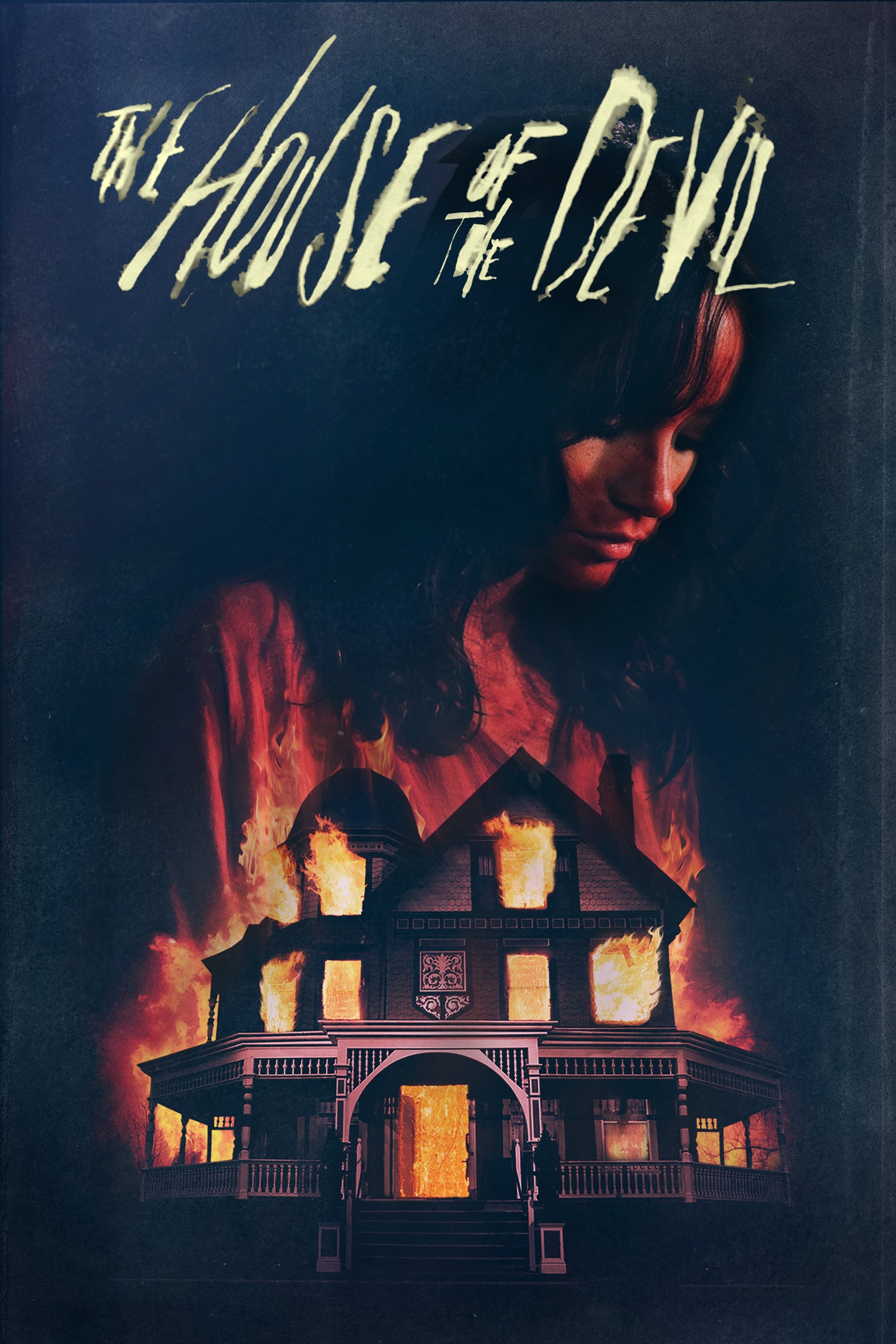
Floor plans and door locks dictate how the babysitter explores the property. Photographs and mantle decorations establish a family history that returns in ritual form. The amount of cash offered and the specific instructions forecast the night’s structure. A second look shows how each room is staged for a step you already heard described.
‘The Lighthouse’ (2019)
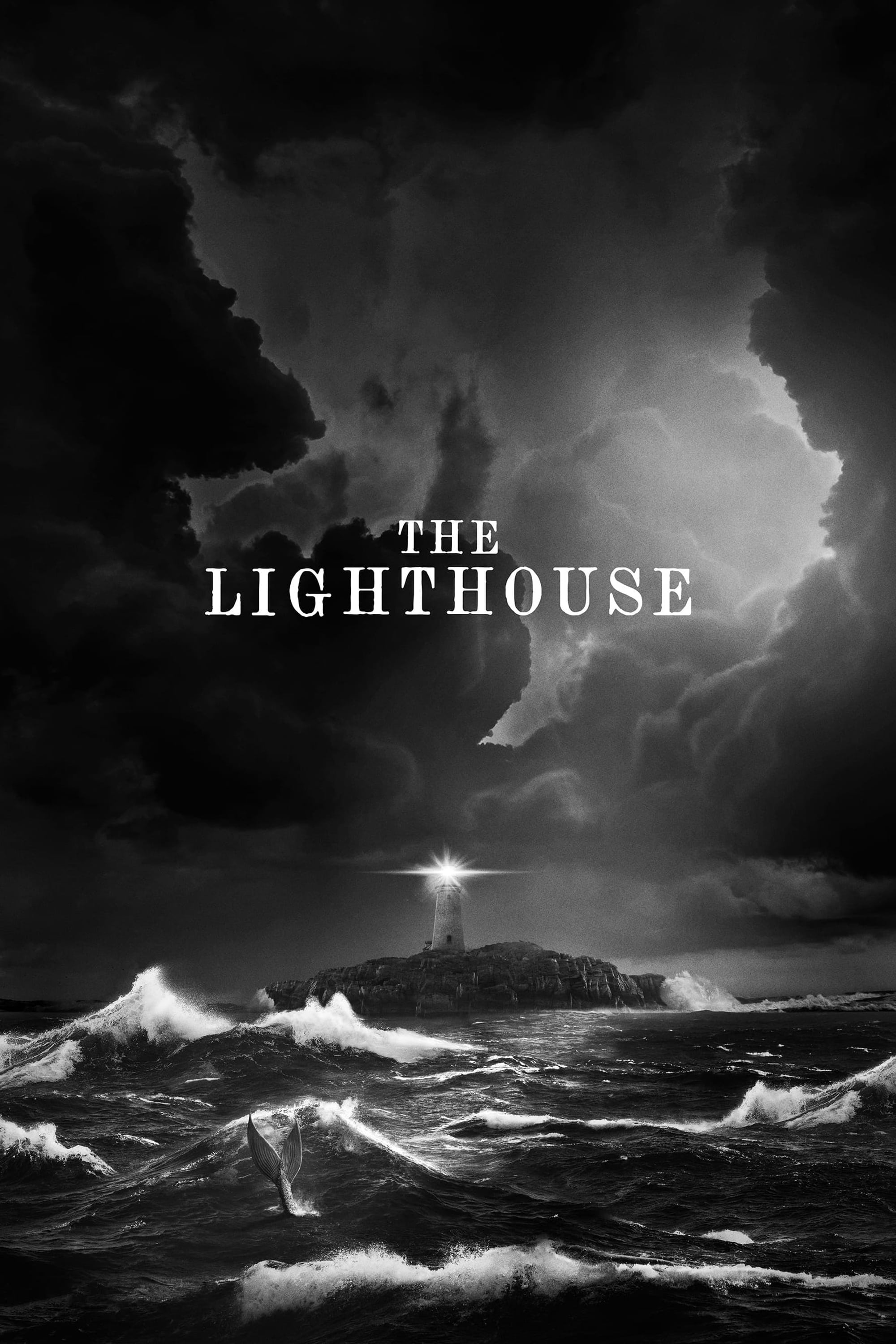
Shift logs and supply crates mark how long the two men have been isolated. Sea lore recitations repeat with small changes that reveal who is listening and who is answering. Lens shots and ladder climbs form a cycle that you can count across the film. A second viewing aligns every spill and cleanup with a claim of authority.
‘Annihilation’ (2018)
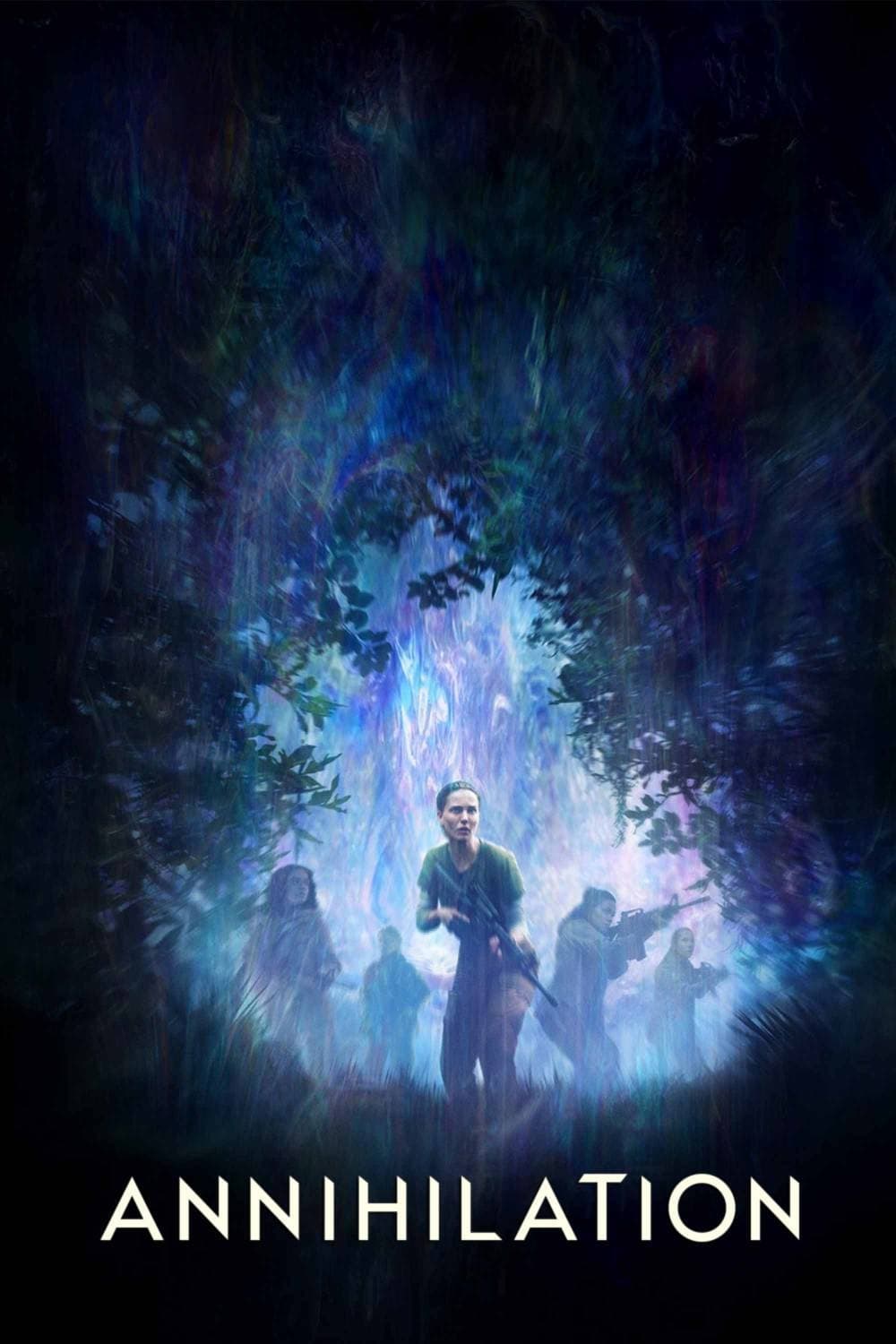
Field notes and tattoo transfers document how the shimmer alters people and gear. Flora and fauna patterns repeat in nearby scenes which helps track how refracted DNA spreads. Video clips and graffiti confirm earlier expeditions and place the team on the same route. On a revisit you can map every mutation to a specific cause already shown.
Share your favorite watch twice horror picks in the comments and tell us which clues you spotted on your second run.