Insanely Good Anime Everyone Gave Up On (Way Too Soon)


Some shows take a little time to click or got lost in the shuffle, yet they reward anyone who sticks around. This list gathers series that many viewers dropped early even though they offer rich worlds, careful character work, and bold storytelling. You will find psychological dives, slow burn adventures, and unconventional art styles that stand out once you settle in. Give them room to breathe and they reveal why devoted fans still sing their praises.
‘Ergo Proxy’ (2006)
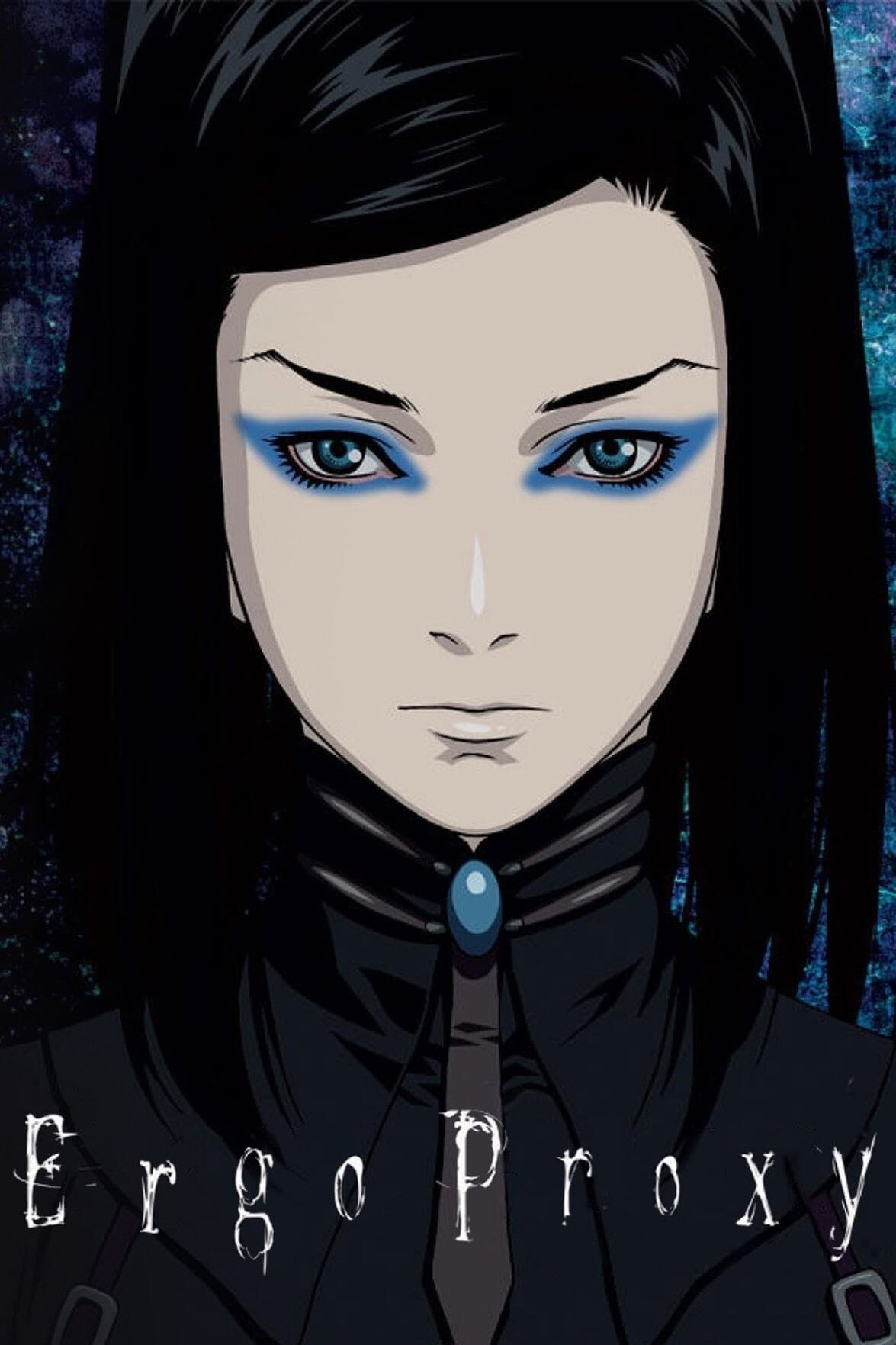
Set in a domed city where humans live with android partners, ‘Ergo Proxy’ follows an investigator chasing a series of strange murders linked to a mysterious entity. The story blends philosophy and science fiction with episodes that build on each clue. Its textured art direction and muted palettes come from Manglobe, a studio known for stylish productions. The series ties its big ideas to a conspiracy that becomes clear as the journey unfolds.
‘Kaiba’ (2008)
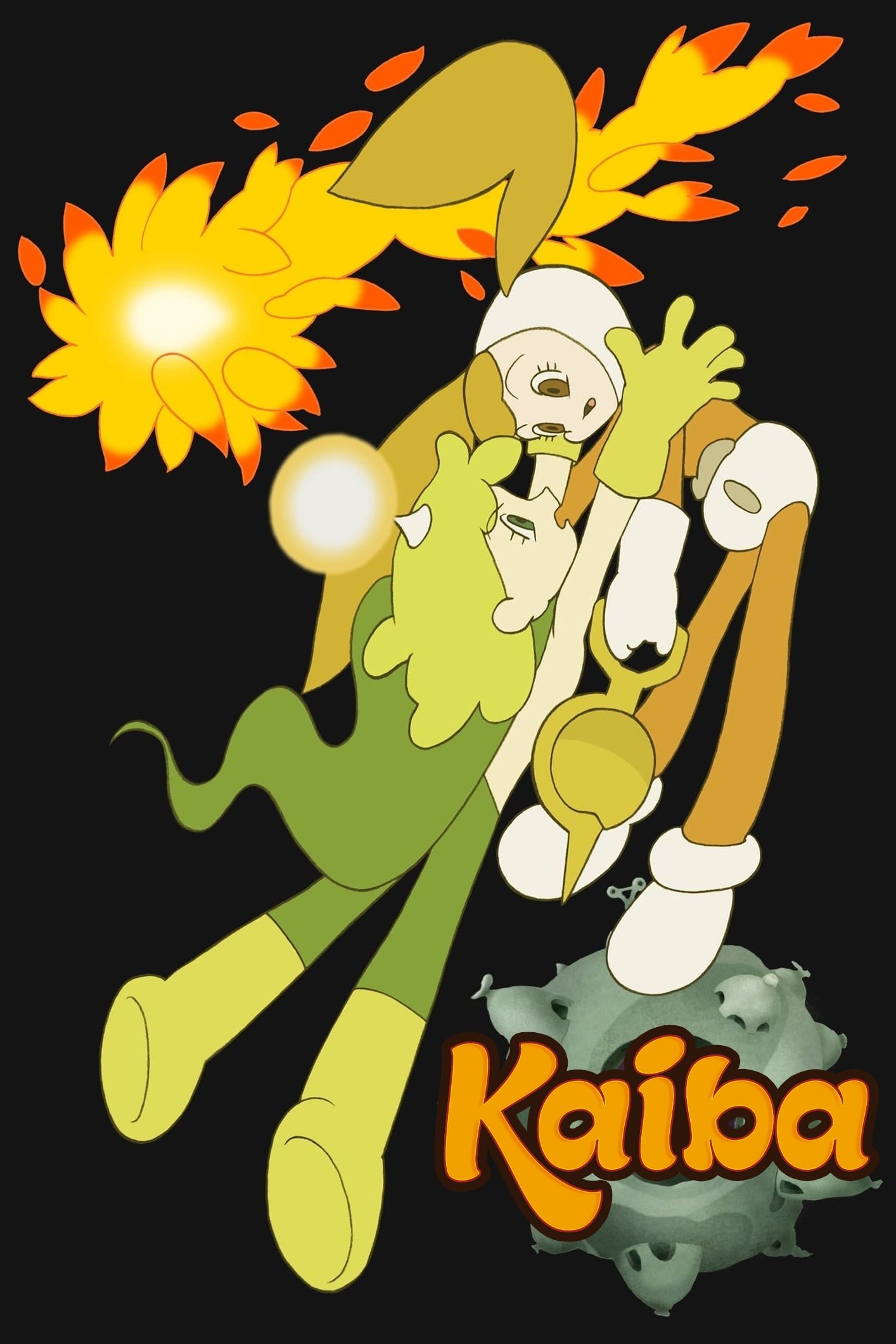
‘Kaiba’ imagines a world where memories can be stored and traded, which lets bodies become disposable. The early episodes play like stand alone fables that gradually connect into a bigger arc. Madhouse animates the show with a deceptively simple look that hides intricate visual storytelling. Themes of identity and class come into focus as the traveler at the center moves between planets.
‘Texhnolyze’ (2003)
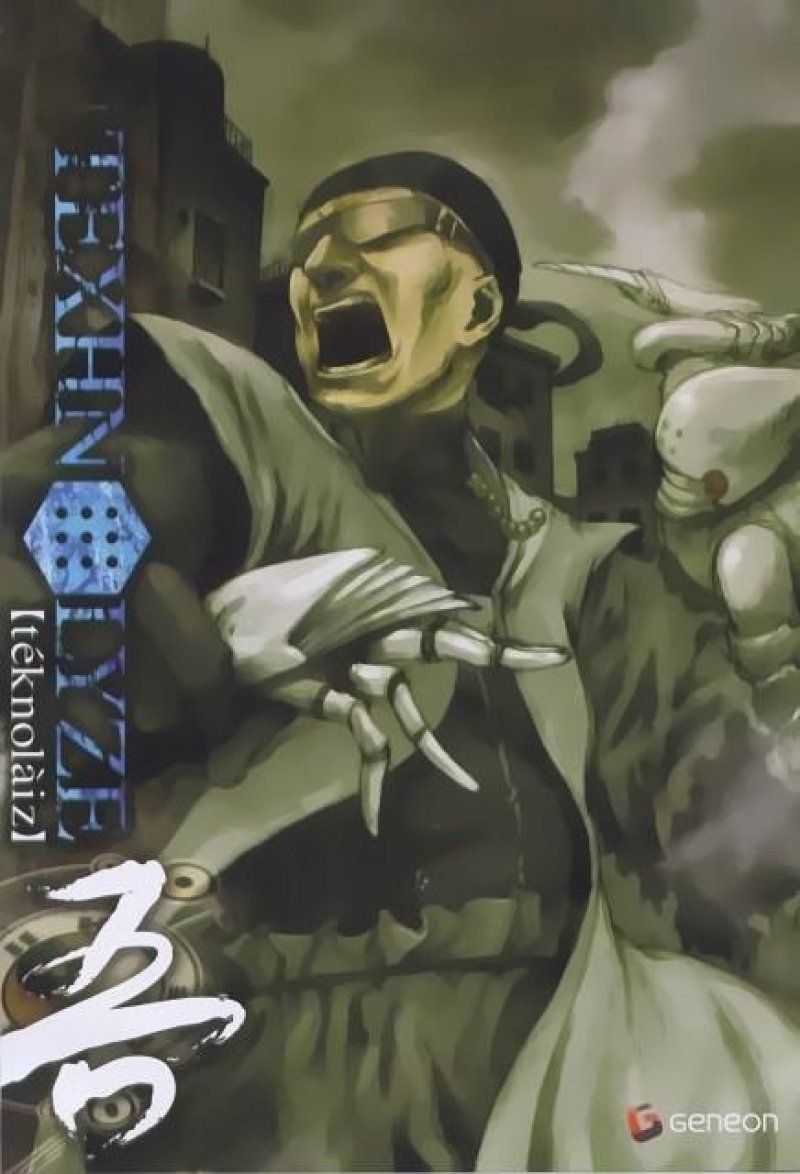
In an underground city ruled by rival factions, ‘Texhnolyze’ follows a fighter who receives cybernetic limbs after a brutal loss. The opening stretch uses minimal dialogue and slow scenes to set mood and stakes. Madhouse delivers stark imagery and precise action that mirror the city’s decay. The plot rewards patience with a complete portrait of a society on the brink.
‘Planetes’ (2003–2004)
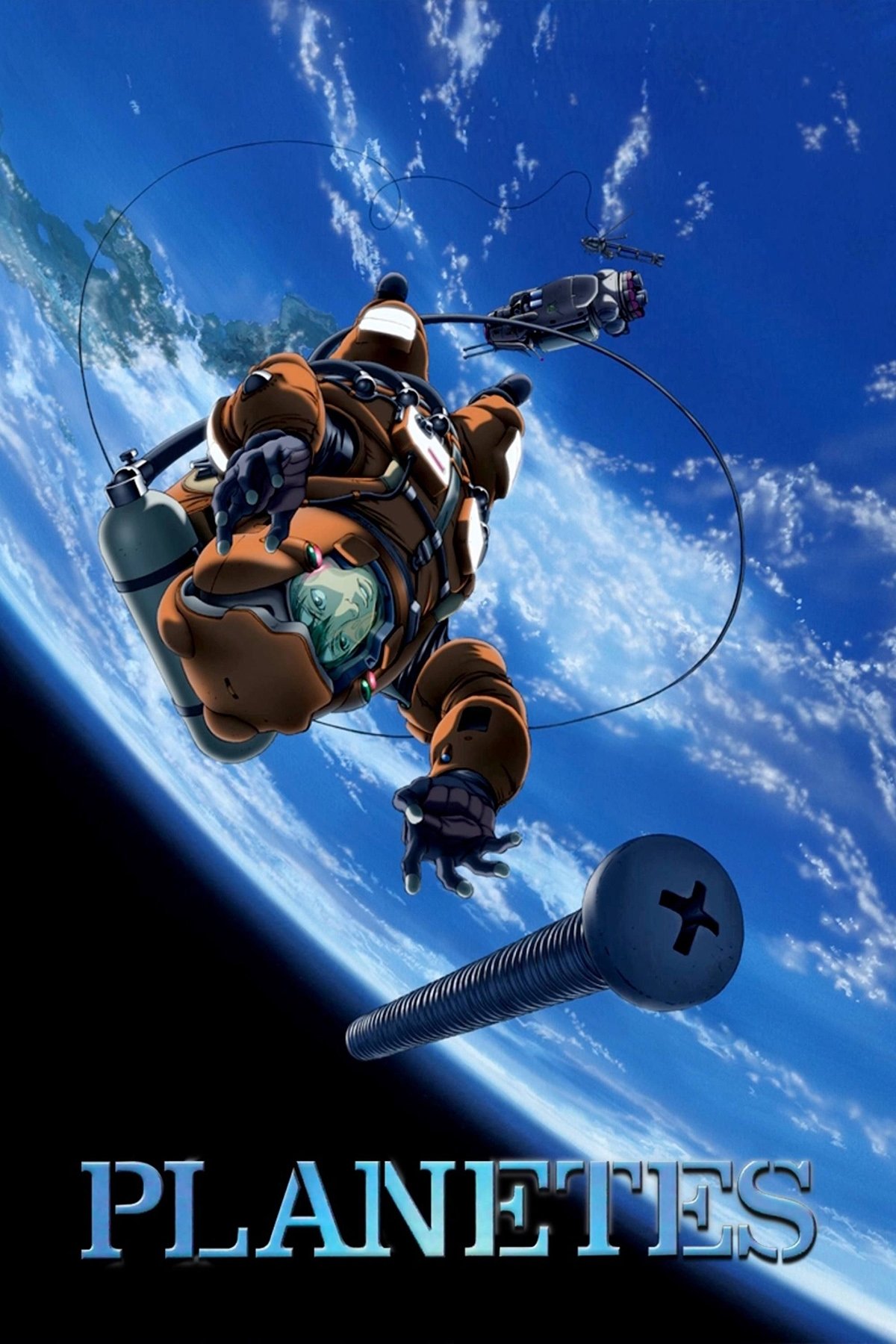
‘Planetes’ tracks a debris collection team that keeps near Earth space safe for travel. Episodes dig into workplace dynamics, realistic space hazards, and the cost of ambition. Sunrise grounds the show in plausible technology and routine tasks that build to gripping set pieces. Character arcs grow alongside evolving missions that span corporate politics and personal dreams.
‘Moribito: Guardian of the Spirit’ (2007)
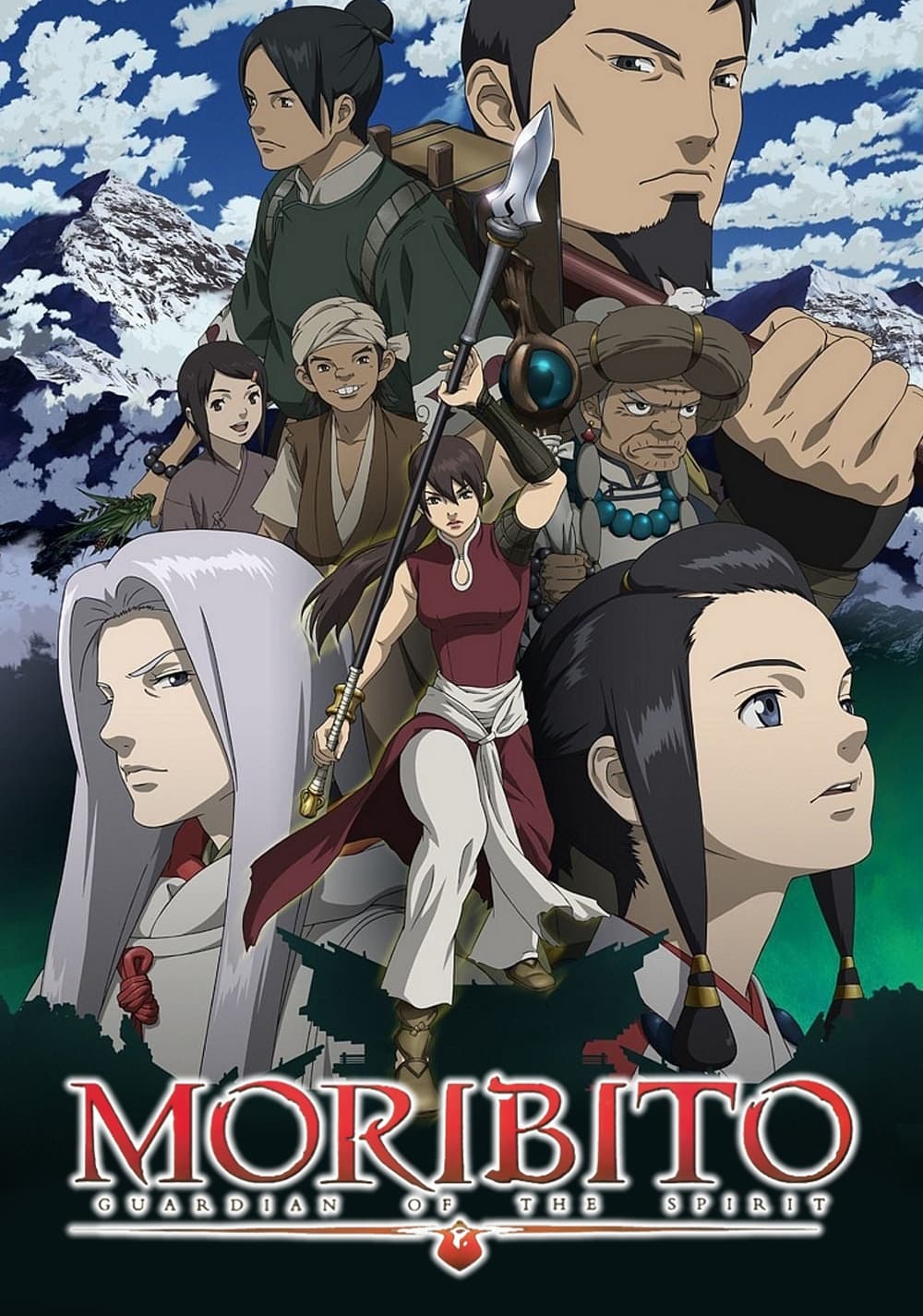
A wandering spear fighter becomes bodyguard to a young prince whose life is in danger from forces inside the court. The journey moves through quiet villages, misty forests, and careful training that deepen their bond. Production I.G crafts fluid combat scenes and detailed cultural settings. Political tensions and folklore shaped mysteries slowly rise to the surface as the pair travel.
‘The Eccentric Family’ (2013–2015)
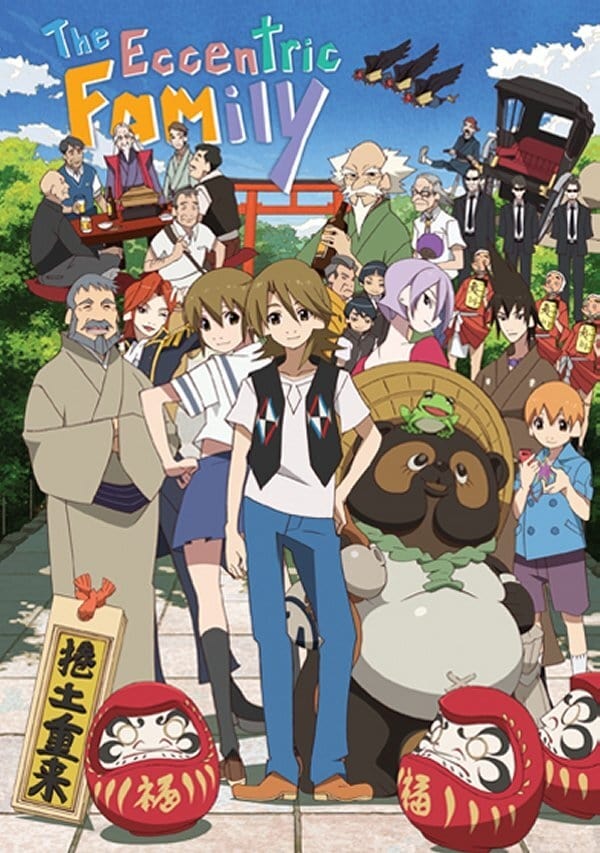
Kyoto’s streets become a stage for tanuki families, tengu mentors, and mischievous schemes in ‘The Eccentric Family’. The show mixes seasonal festivals with family drama and clever rivalries. P.A. Works paints the city with warm color and gentle motion that suit its reflective tone. Each arc builds on traditions and debts that define the shapeshifting clan at the heart of the story.
‘House of Five Leaves’ (2010)

A timid samurai falls in with a small band of kidnappers and learns the stories behind their crimes. The plot avoids sword fights in favor of tense meetings and layered backstories. Manglobe gives the series a distinctive line style that fits its quiet mood. The slow reveal of motives turns each conversation into a meaningful step toward the truth.
‘Shiki’ (2010)
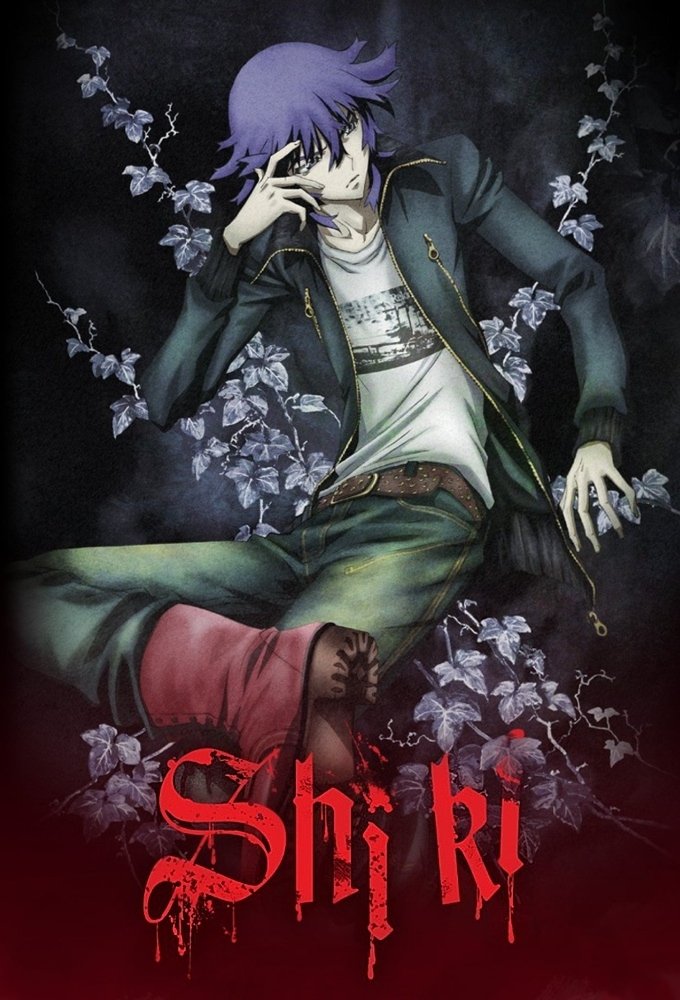
A rural village faces unexplained deaths as summer settles in, and ‘Shiki’ traces how fear spreads among neighbors. The narrative alternates between doctors, priests, and families who notice patterns at different times. Daume uses sharp framing and eerie sound to track the shift from denial to action. The escalation feels methodical as the community confronts a force it cannot easily name.
‘Gankutsuou: The Count of Monte Cristo’ (2004–2005)

This reimagining of the classic novel moves the tale to a futuristic society of nobles and hidden debts. Patterns and textures overlay the world to create a unique visual identity. Gonzo supports the drama with bold design choices that highlight status and desire. The plot carefully maps the ties that bind each household before the plan of revenge comes due.
‘Mononoke’ (2007)
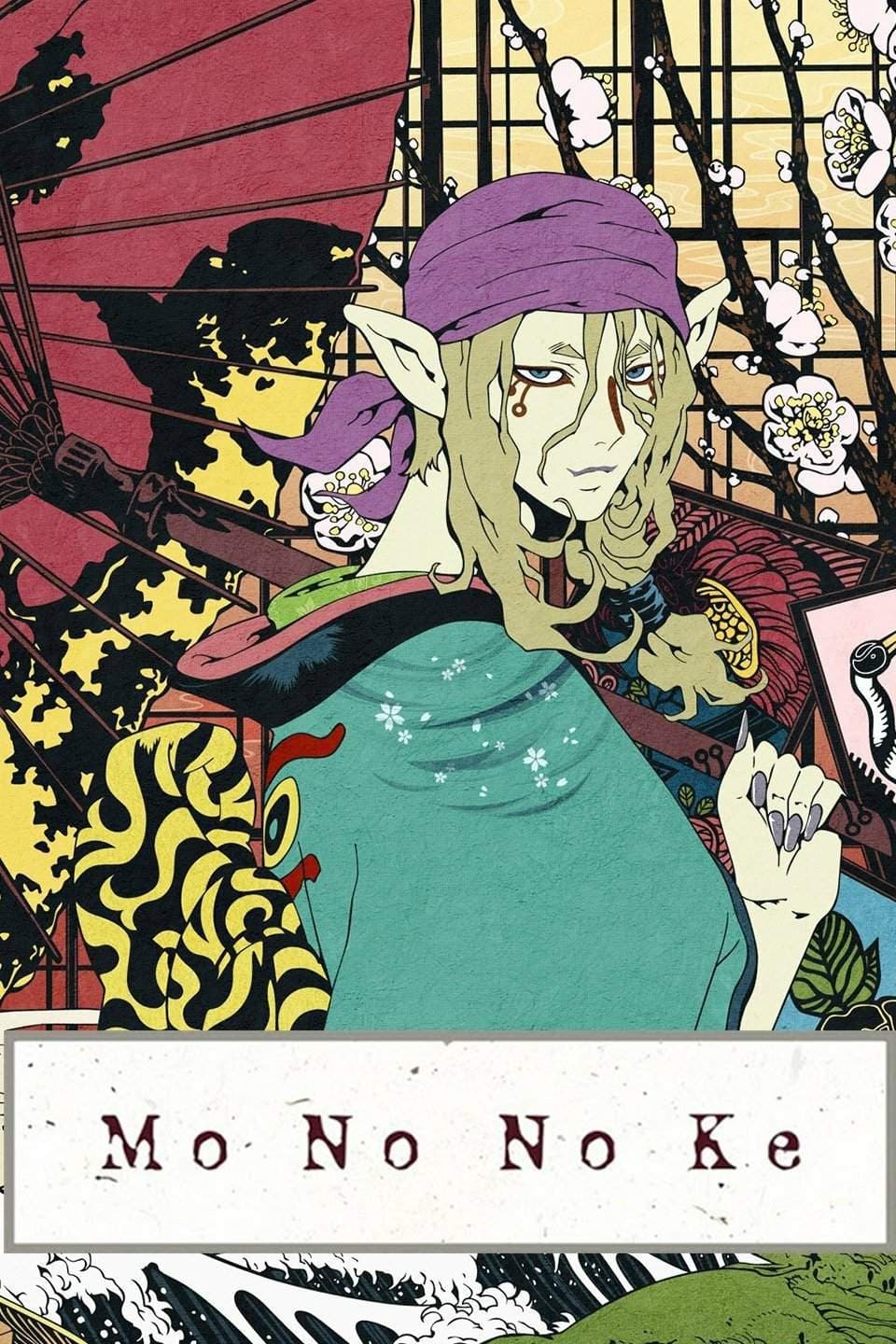
A traveling apothecary arrives at haunted places and investigates spirits through ritual and reasoning. Each case unfolds like a puzzle with clues in art, words, and memory. Toei Animation shapes vivid storybook panels that shift as motives are uncovered. The format lets the series explore different eras and social tensions while maintaining a consistent method.
‘From the New World’ (2012–2013)
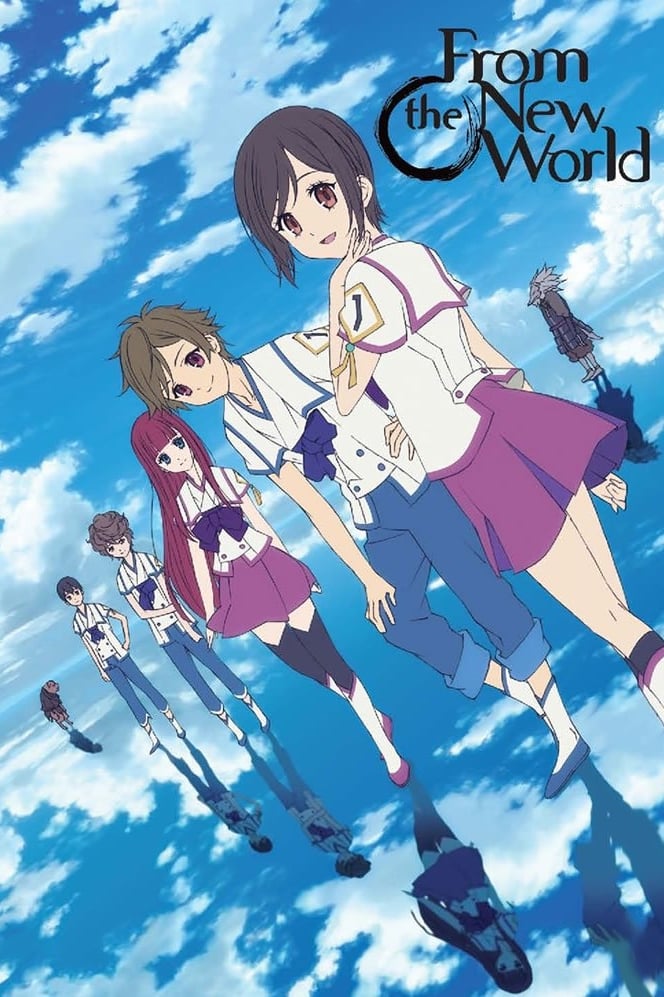
Human society reorganizes around psychic power, and a group of friends learns how the rules keep order. Small incidents lead to discoveries about what lies outside their town and why certain histories are buried. A 1 Pictures brings varied landscapes and creatures to life with careful atmosphere. The timeline advances as the cast matures and realizes how fragile their peace is.
‘Kino’s Journey’ (2003)
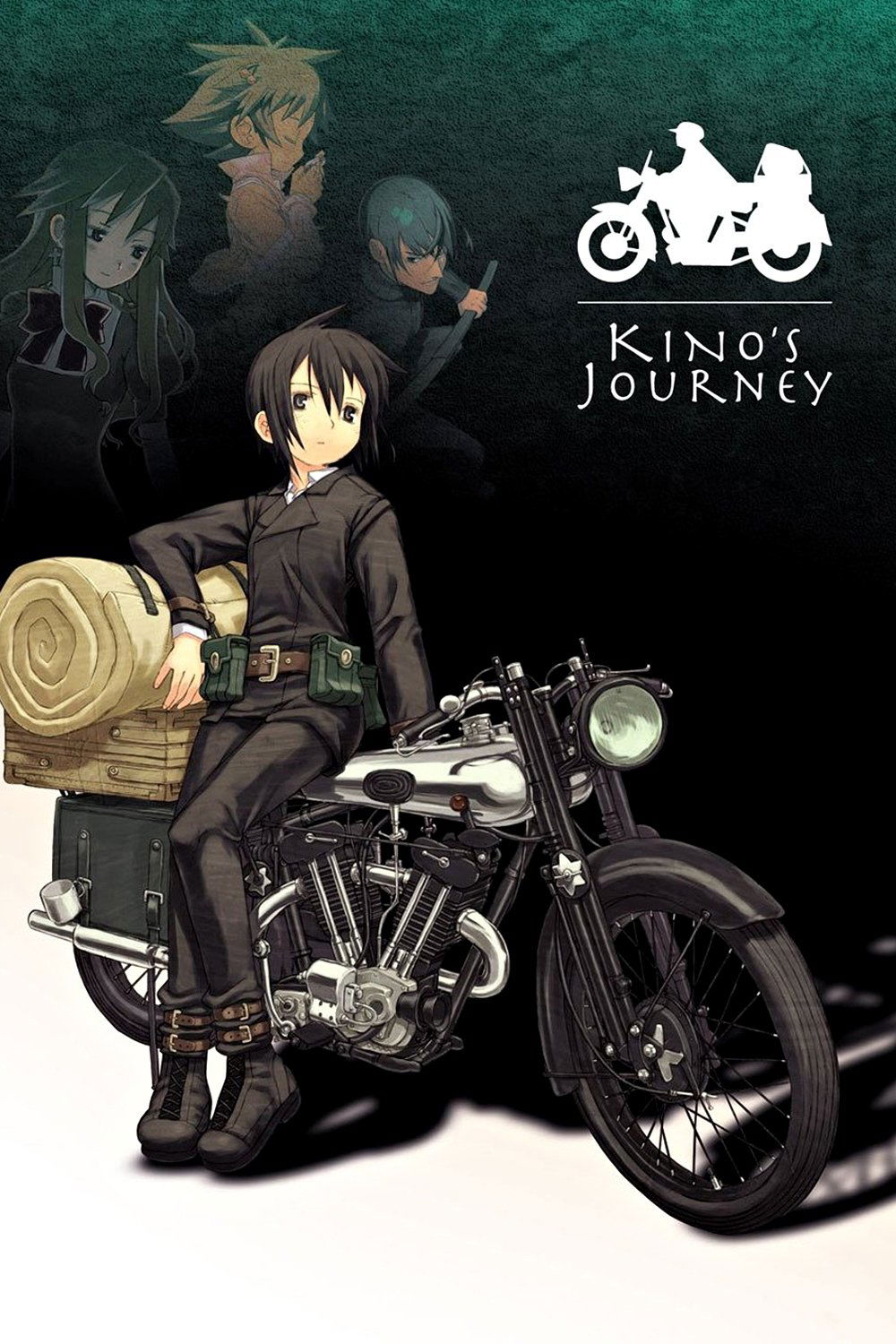
A traveler and a talking motorcycle visit countries with strange customs and strict laws. Each stop presents a self contained story that raises questions about freedom and responsibility. A.C.G.T animates the journeys with quiet pacing that suits the reflective narration. The structure encourages viewers to compare places and draw connections across episodes.
‘Paranoia Agent’ (2004)
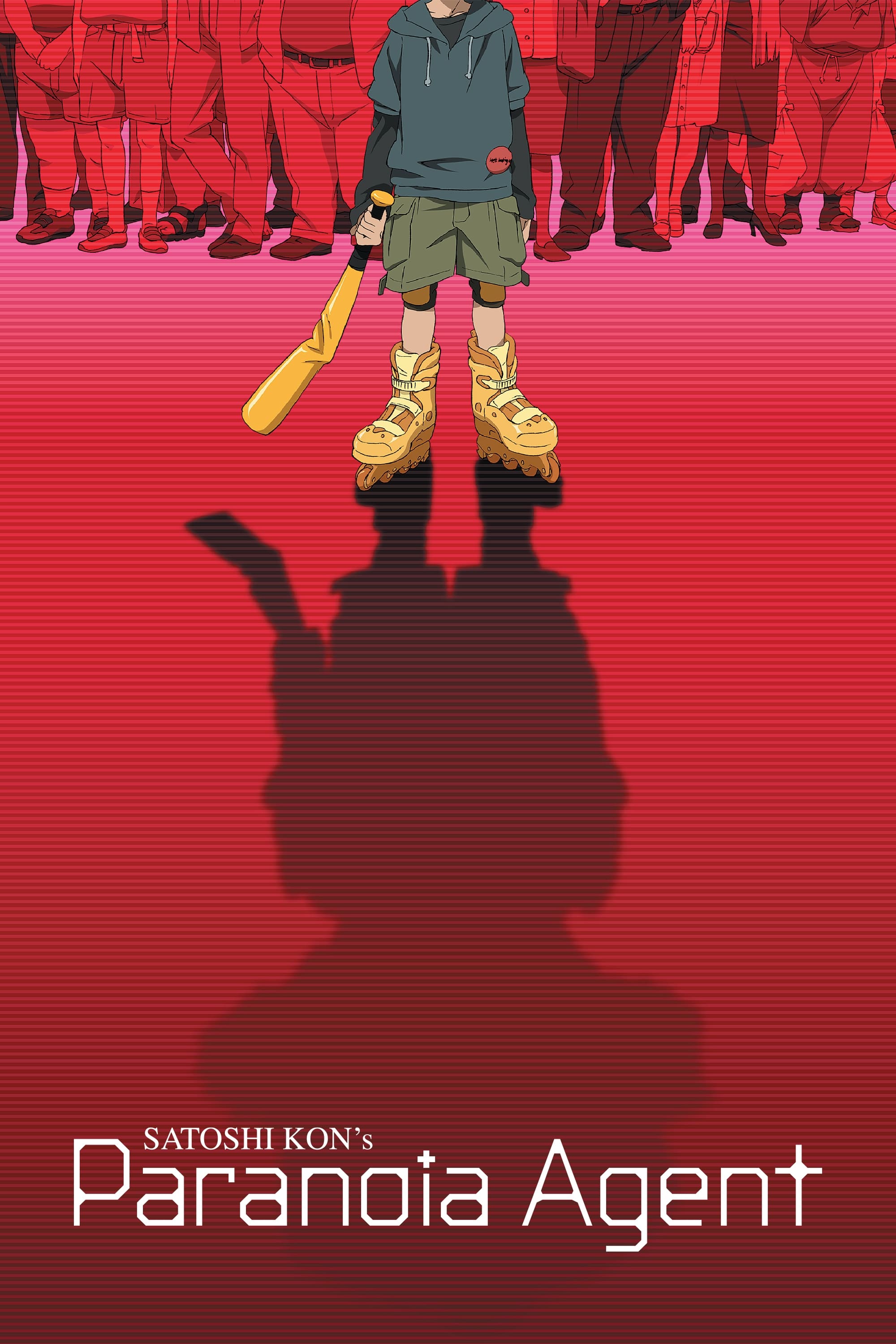
Reports of attacks by a golden skater boy spread through a city and affect people in different ways. The show links personal pressure to urban legends that morph as rumors grow. Madhouse uses shifting styles to match each character’s perspective. The anthology like approach circles back to show how shared anxieties can create a powerful myth.
‘Kaiji’ (2007–2011)
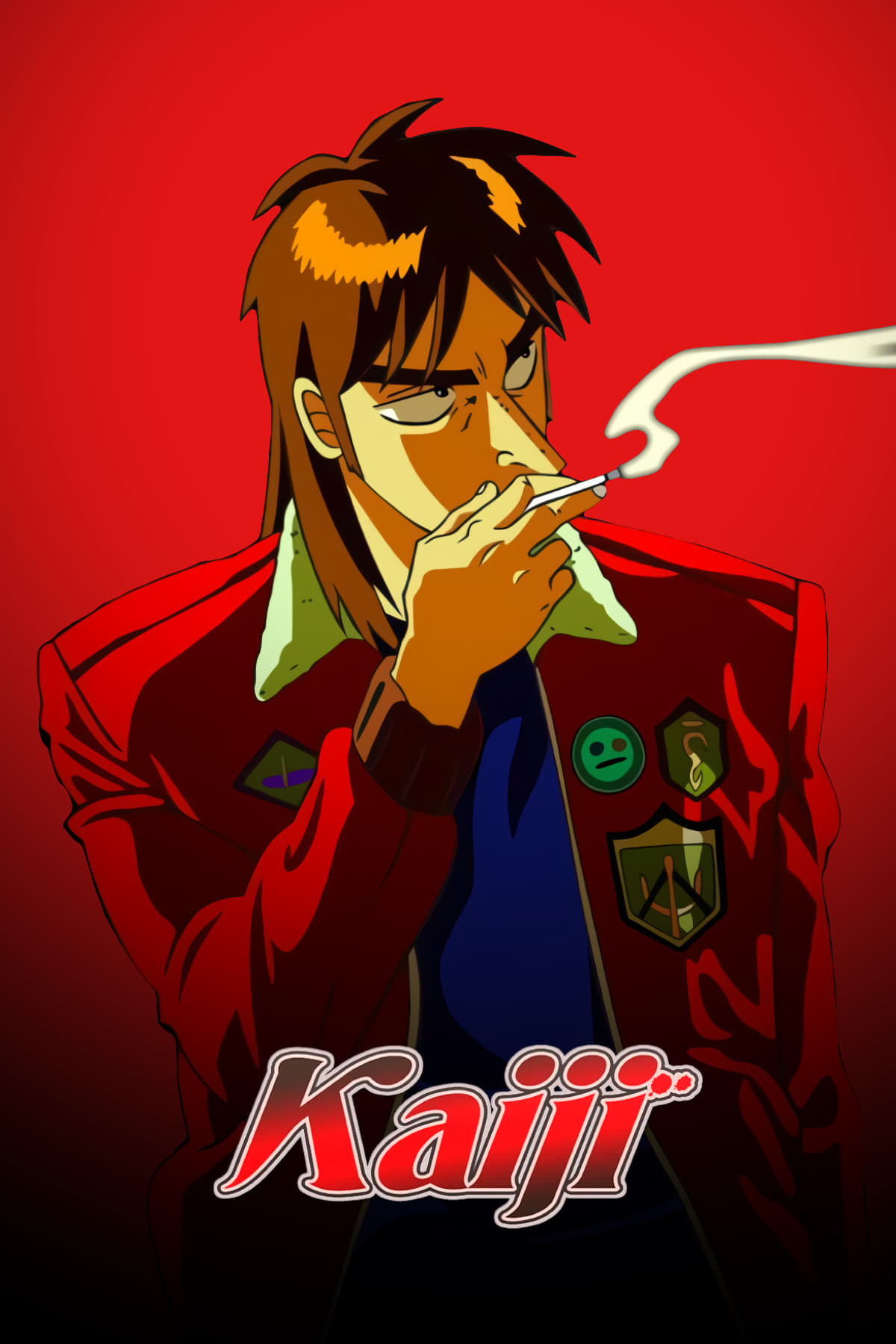
A down on his luck gambler gets pulled into high stakes games that test nerve and strategy. Rules are explained with care, then twisted in ways that force risky choices. Madhouse emphasizes faces and narration to track tension during long standoffs. Each game reshapes alliances and debts that carry into the next challenge.
‘Dennou Coil’ (2007)

Kids use augmented reality glasses in a city where virtual layers overlap with daily life. Odd glitches hint at older software and secrets that the group gradually uncovers. Madhouse balances playful episodes with investigations into how technology changes memory. The mysteries build toward a clear understanding of the system that runs their world.
‘Serial Experiments Lain’ (1998)
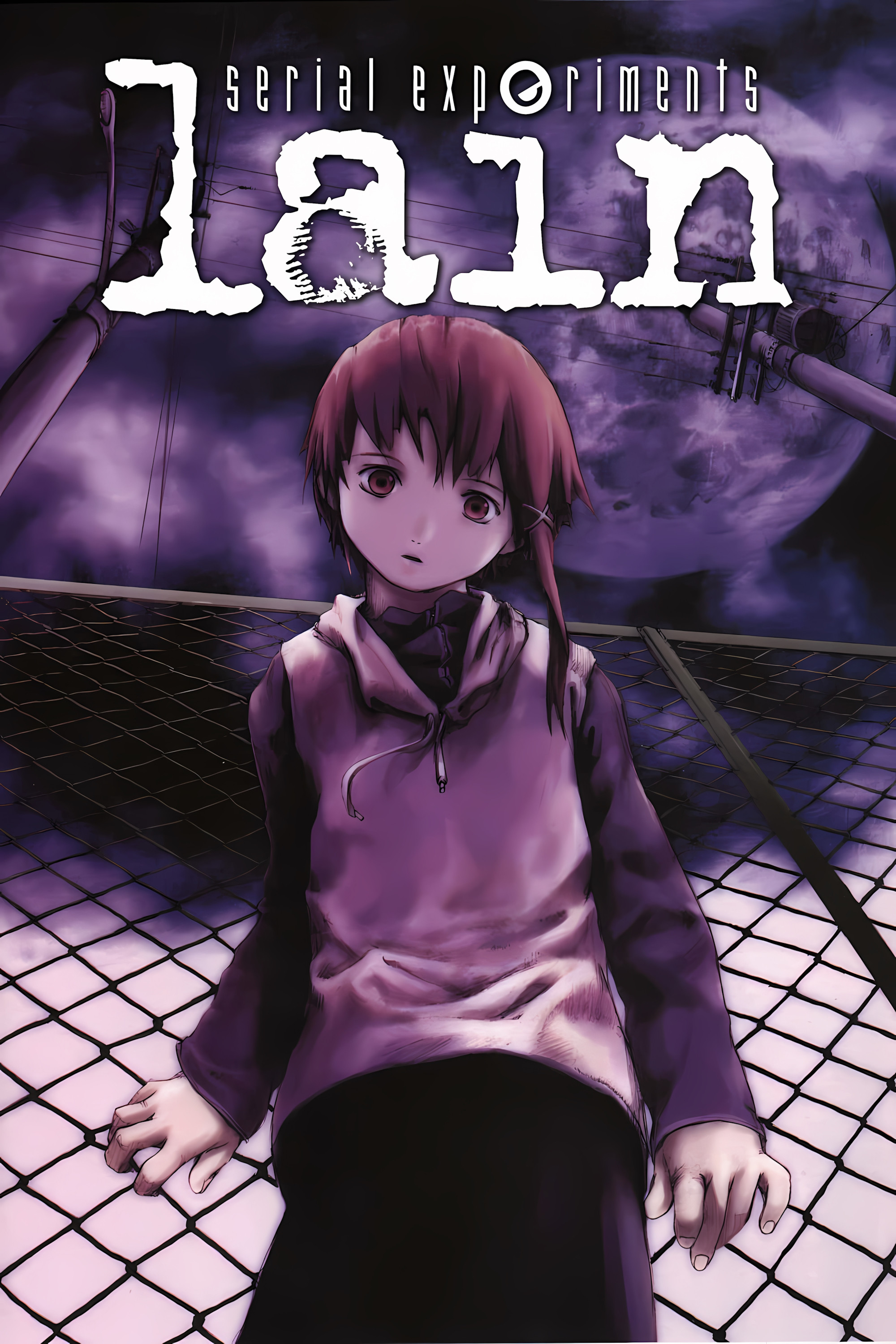
A quiet student becomes absorbed in a virtual network that begins to blur into daily life. Episodes layer cryptic messages, technical jargon, and shifting identities to build a portrait of online consciousness. Triangle Staff uses stark framing and analog glitches to underline the mood. The story forms a closed loop that explains how rumors and signals reshape the world.
‘Mushishi’ (2005–2006)

A traveling researcher studies life forms that exist between nature and spirit. Each episode works as a self contained case that ties local folklore to subtle ecological effects. Artland favors natural lighting and gentle motion that match the show’s quiet pace. Recurring motifs and field notes connect distant villages into a single living map.
‘Haibane Renmei’ (2002)
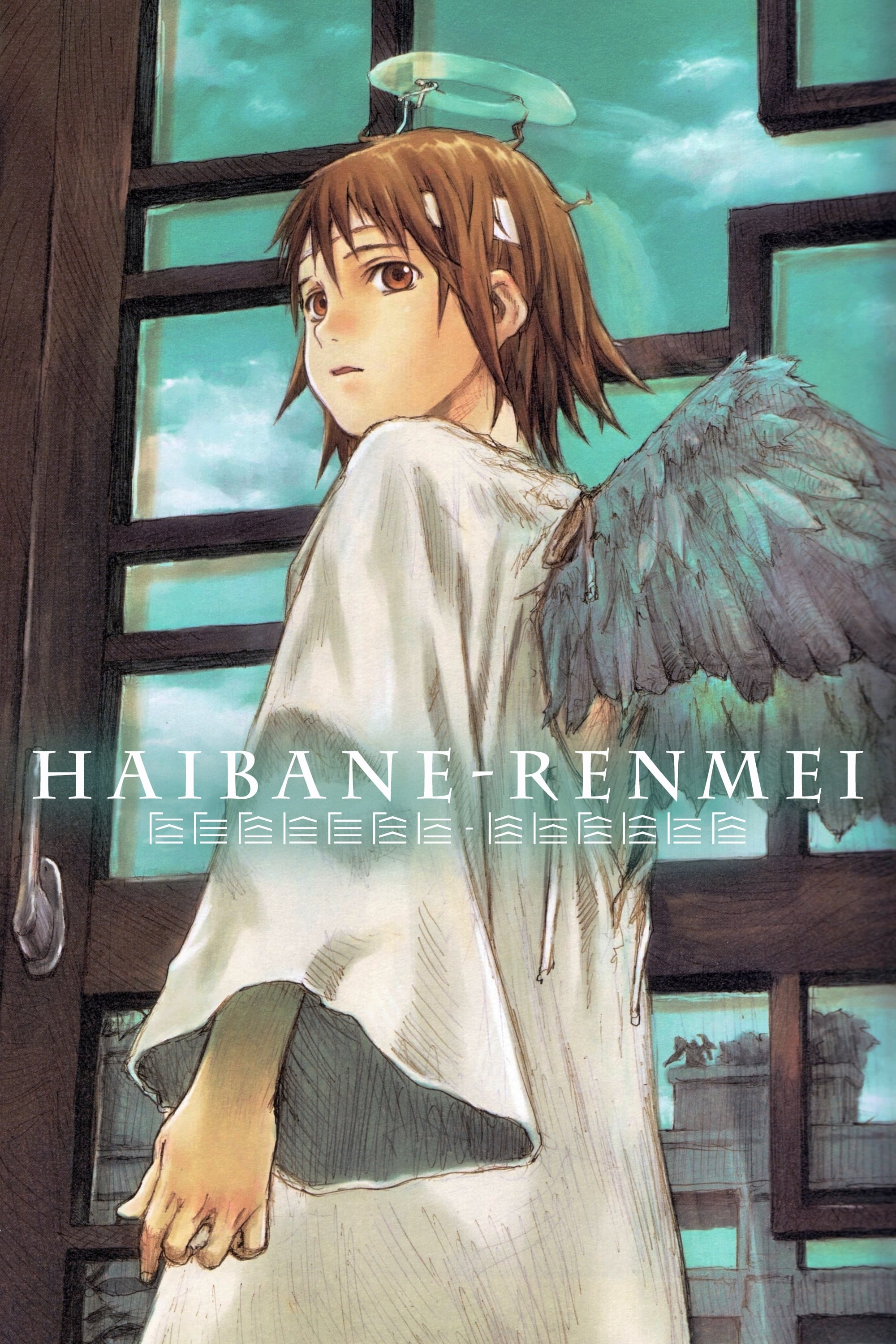
A girl awakens in a walled town with small wings and no memory of her past. The community follows rules that guide work, housing, and rites of passage. Radix Ace Entertainment keeps the animation restrained to focus on daily rituals and conversations. Clues about the town’s purpose emerge through customs that the residents take for granted.
‘Boogiepop Phantom’ (2000)
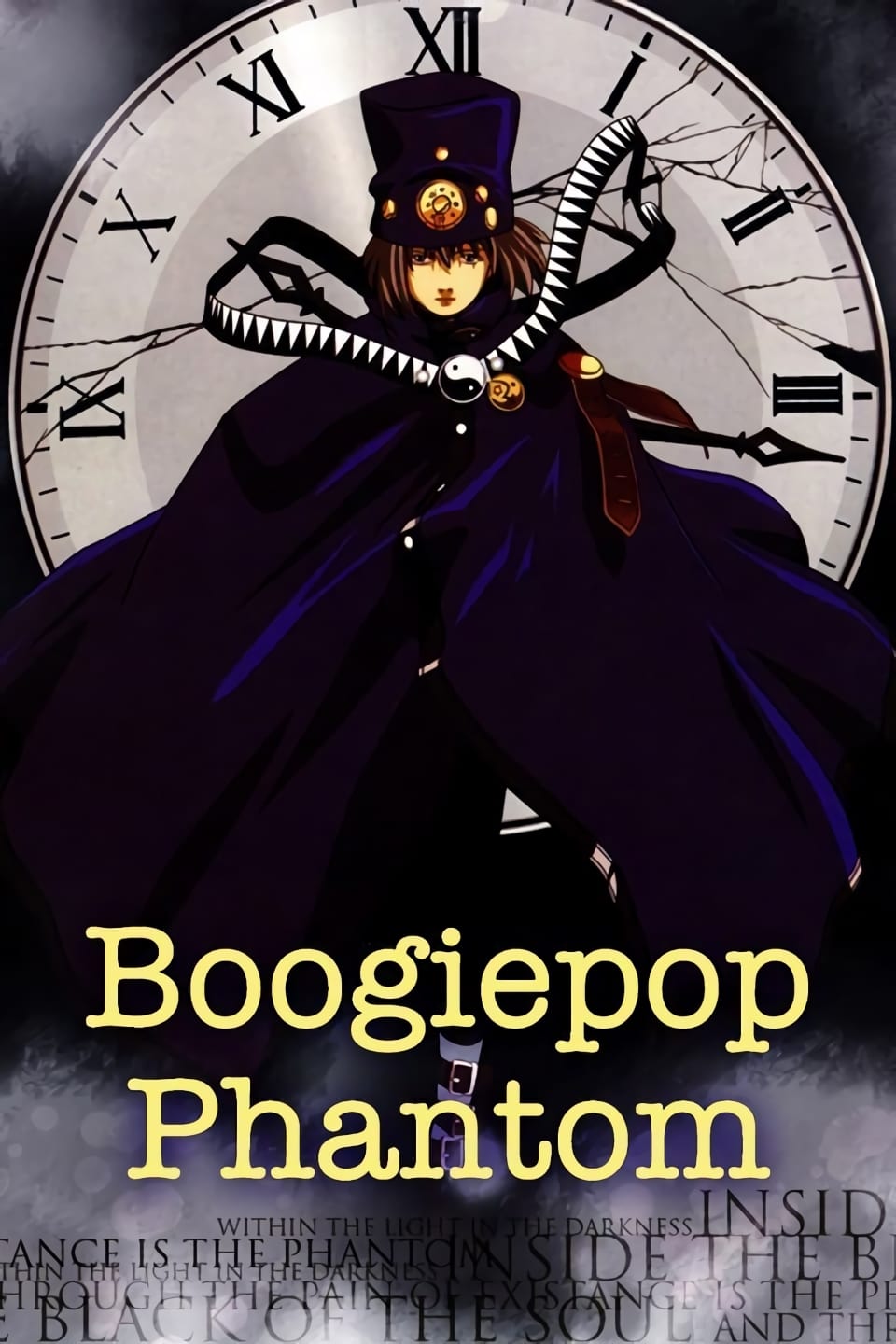
A series of strange events ripples through a city after a flash of light in the night sky. The timeline jumps across characters who each carry a fragment of the truth. Madhouse leans on chiaroscuro lighting and layered sound to sustain unease. The episodes interlock to reveal how urban legends can mask real tragedies.
‘RahXephon’ (2002)
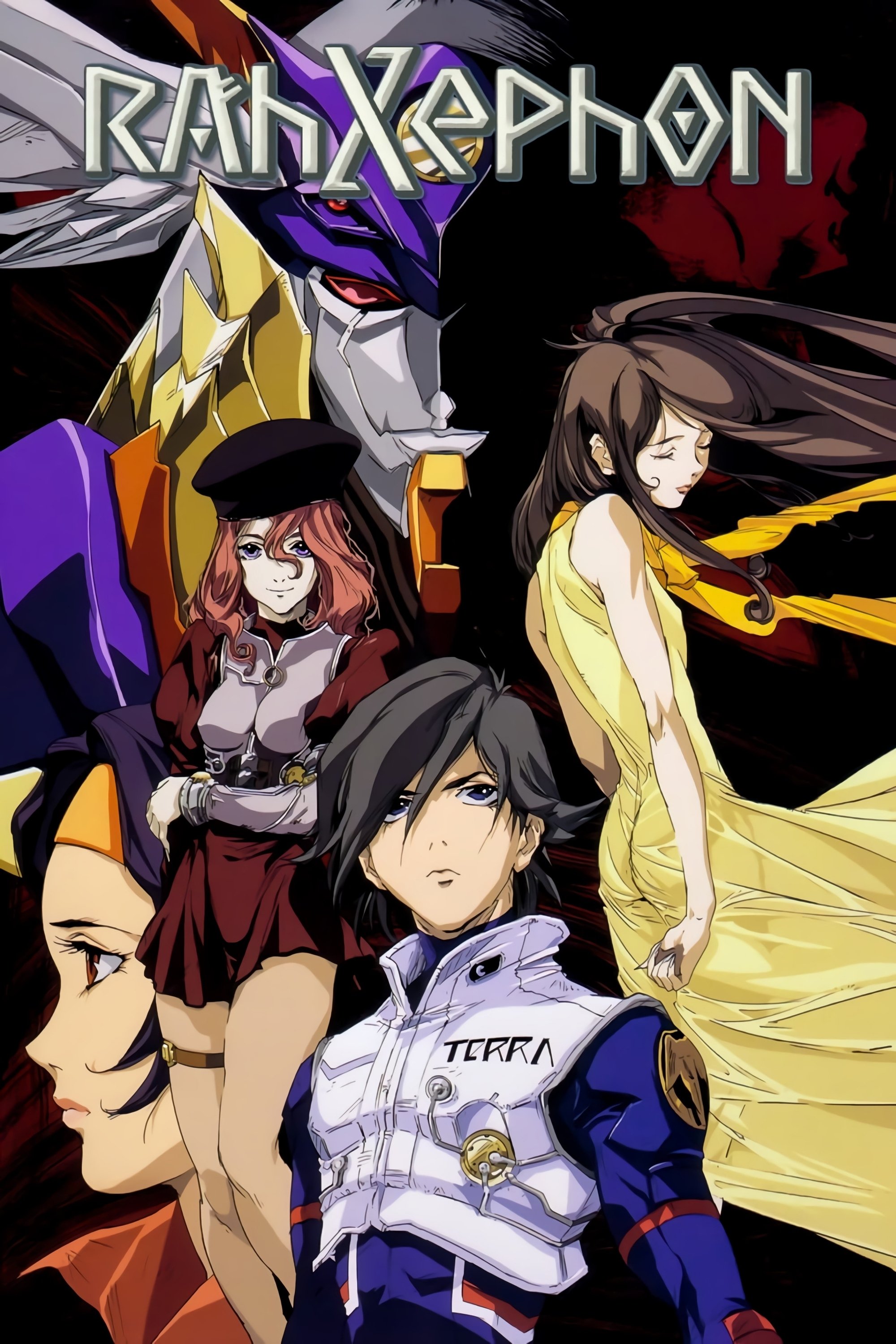
A teenager is drawn into a conflict where music influences the fate of humanity. The plot balances school life, secret agencies, and large scale battles with careful world building. Bones develops recurring visual motifs tied to notes, tuning, and resonance. Relationships among the pilots and staff supply the key to why the war began.
‘The Big O’ (1999–2003)
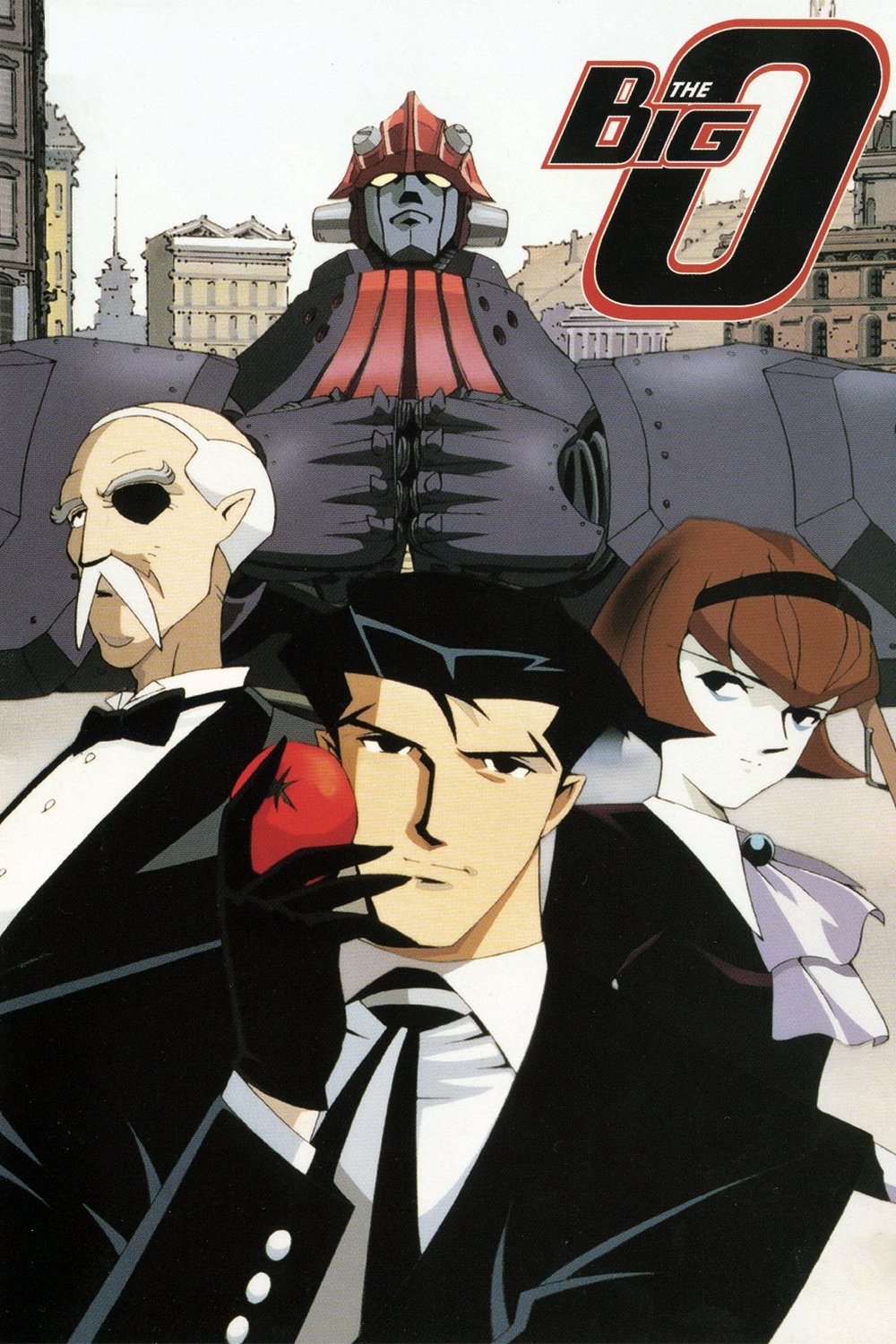
A negotiator in a memory wiped city uses a towering machine to resolve crises. The setting mixes noir routines with corporate intrigue and civic amnesia. Sunrise structures the series with case files that gradually expose how memories were lost. The finale connects the city’s stage like design to the origins of its reality.
‘Casshern Sins’ (2008–2009)
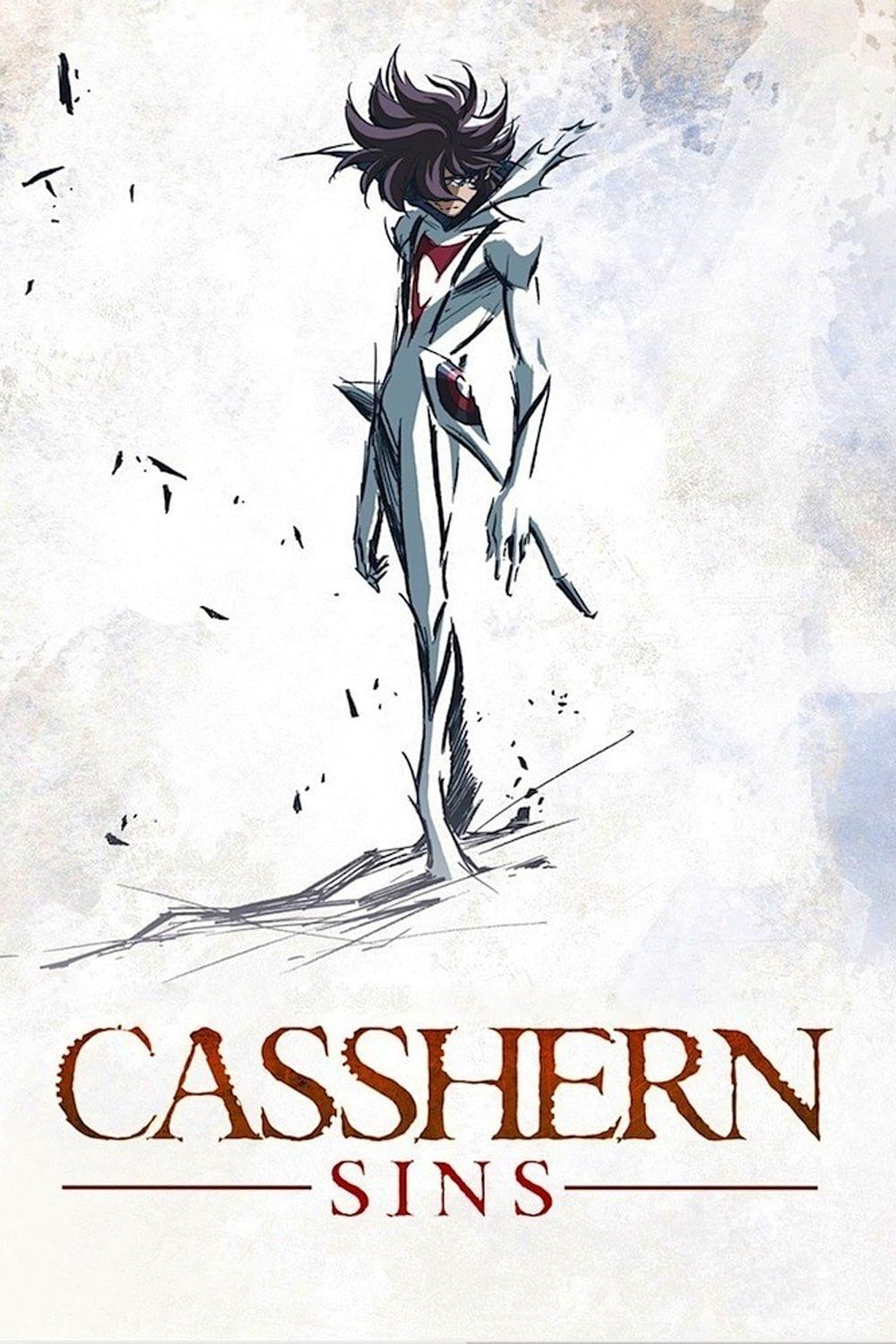
A lone figure wanders a world where machines and humans face slow decay. Episodes follow communities that respond to collapse in different ways. Tatsunoko Production favors long takes and empty landscapes to set the tone. The arc explains why the protagonist became a catalyst for ruin and what redemption might mean.
‘Flip Flappers’ (2016)

Two girls explore alternate realms that mirror their hidden fears and desires. The adventure format lets each episode shift genre while advancing the central mystery. Studio 3Hz employs bold color and elastic motion to track emotional change. Hints scattered early on clarify the source of the worlds they enter.
‘Girls’ Last Tour’ (2017)
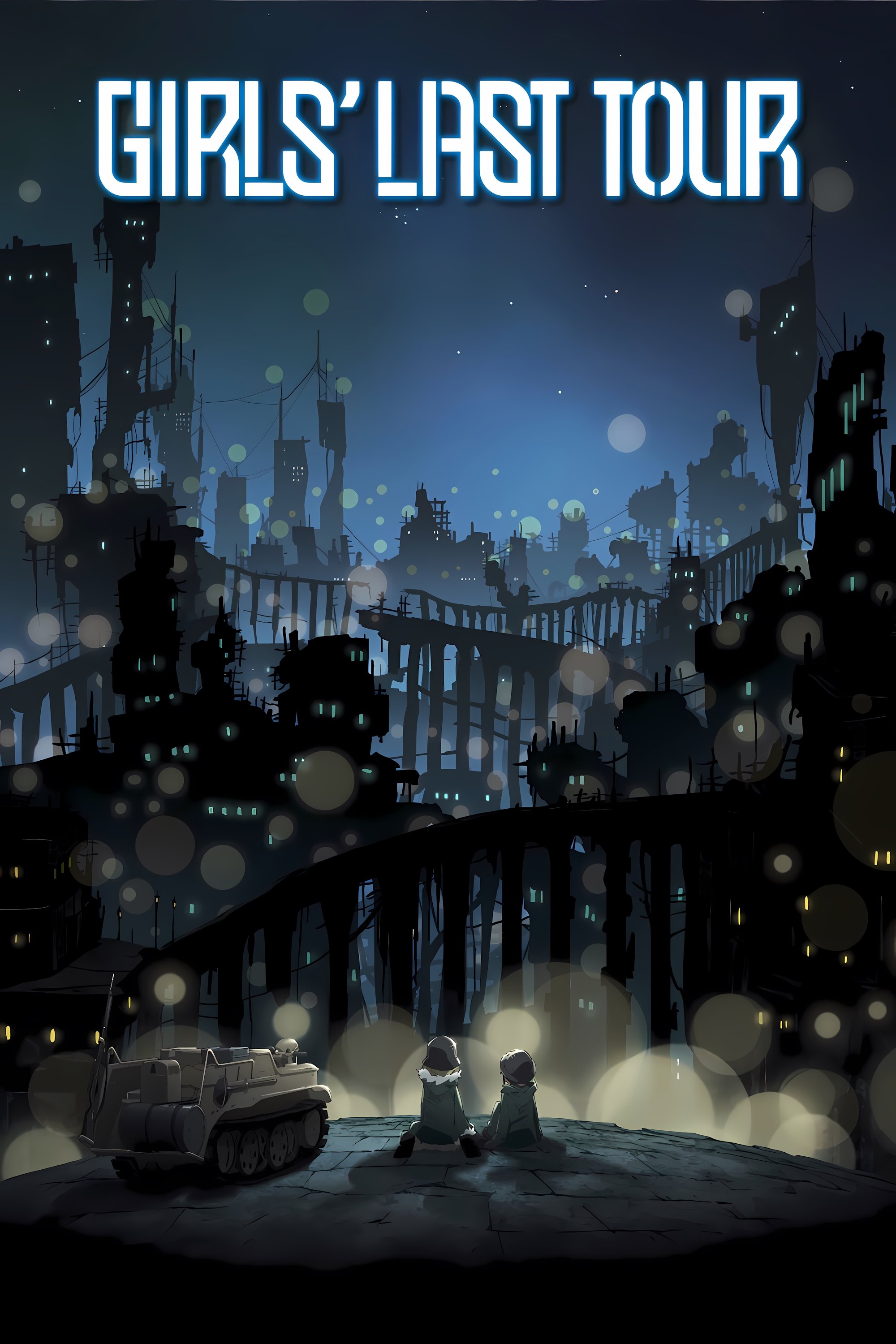
Two survivors travel through silent cities and collect supplies as they move higher through abandoned tiers. Dialogues focus on tools, food, and maps that keep the pair moving. White Fox uses wide angles and sparse music to emphasize scale. The route reveals how the world ended and what remnants still function.
‘Land of the Lustrous’ (2017)
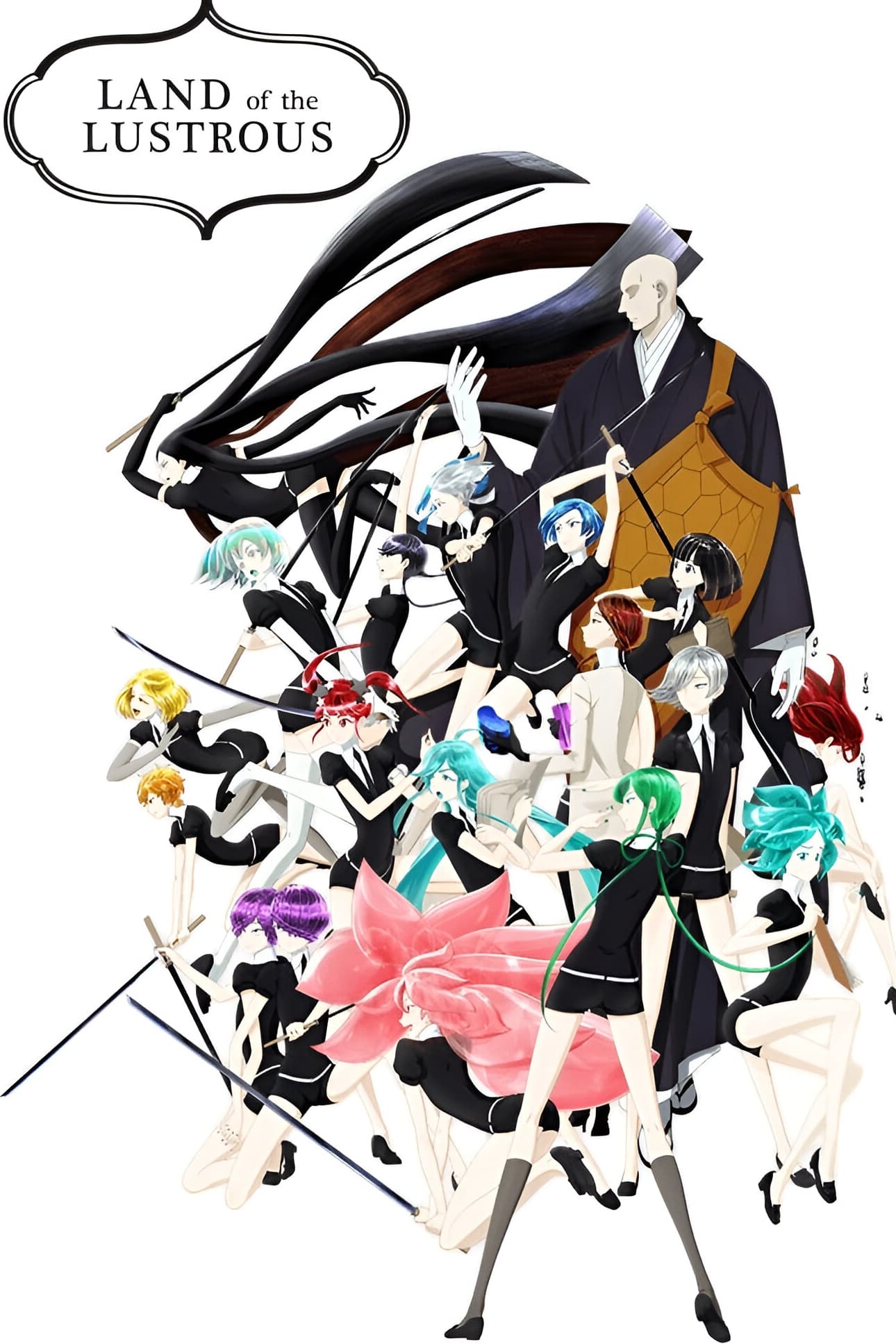
Gem based beings protect their home from invaders that arrive under shifting light. The narrative follows training, cataloging, and field duties that teach the rules of their bodies. Orange applies detailed CG to capture brittle textures and precise movement. New discoveries about fossils and history reframe why the battles never stop.
‘Ajin: Demi-Human’ (2016)

A student learns he is an immortal being and becomes a target for capture. The story tracks medical testing, law enforcement tactics, and underground networks. Polygon Pictures uses motion captured staging to handle extended chases and standoffs. The seasons build a ledger of betrayals that drive a larger plan.
‘Knights of Sidonia’ (2014–2015)
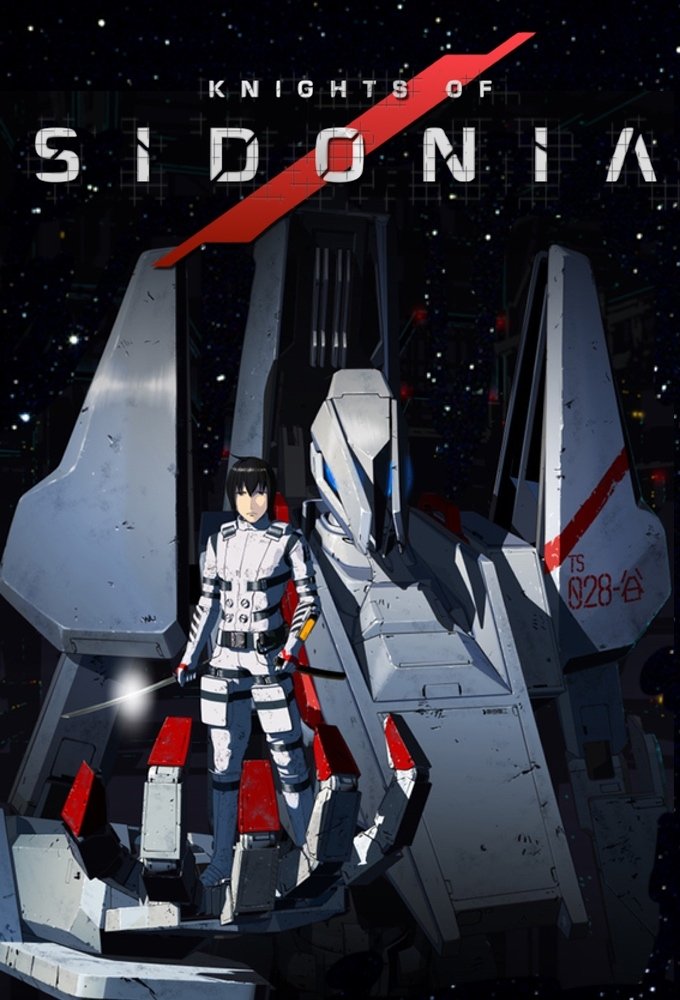
A generation ship trains pilots to fight organisms that adapt after every encounter. Life aboard the vessel includes ration systems, gravity shifts, and cloned lineages. Polygon Pictures models the craft and space maneuvers with attention to mechanical detail. Procedural adjustments to weapons and tactics show how the crew learns to survive.
‘Shouwa Genroku Rakugo Shinjuu’ (2016–2017)

The series chronicles apprentices and masters in a performance art that relies on voice and posture. Episodes move between rehearsal halls, cramped apartments, and crowded theaters. Studio Deen carefully animates gestures that define each storyteller’s style. Flashbacks link personal decisions to the survival of a tradition across decades.
‘Zegapain’ (2006)
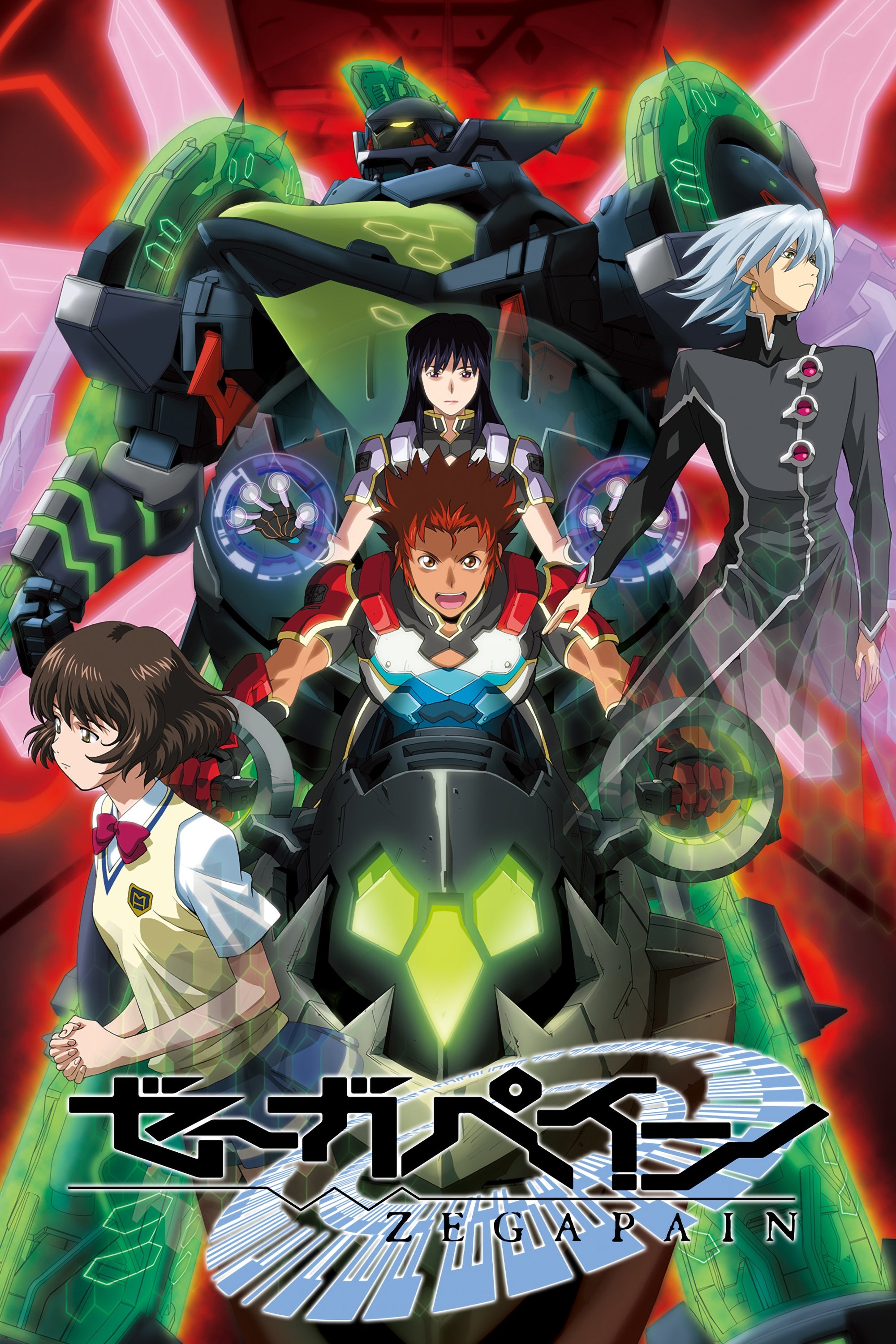
A swimmer stumbles into a mecha war that challenges what counts as real. Training missions and data backups introduce rules that govern loss and return. Sunrise blends school life scenes with control room procedures that explain the stakes. Reveals about servers and seasons tie character memories to the battlefield.
‘Gargantia on the Verdurous Planet’ (2013)
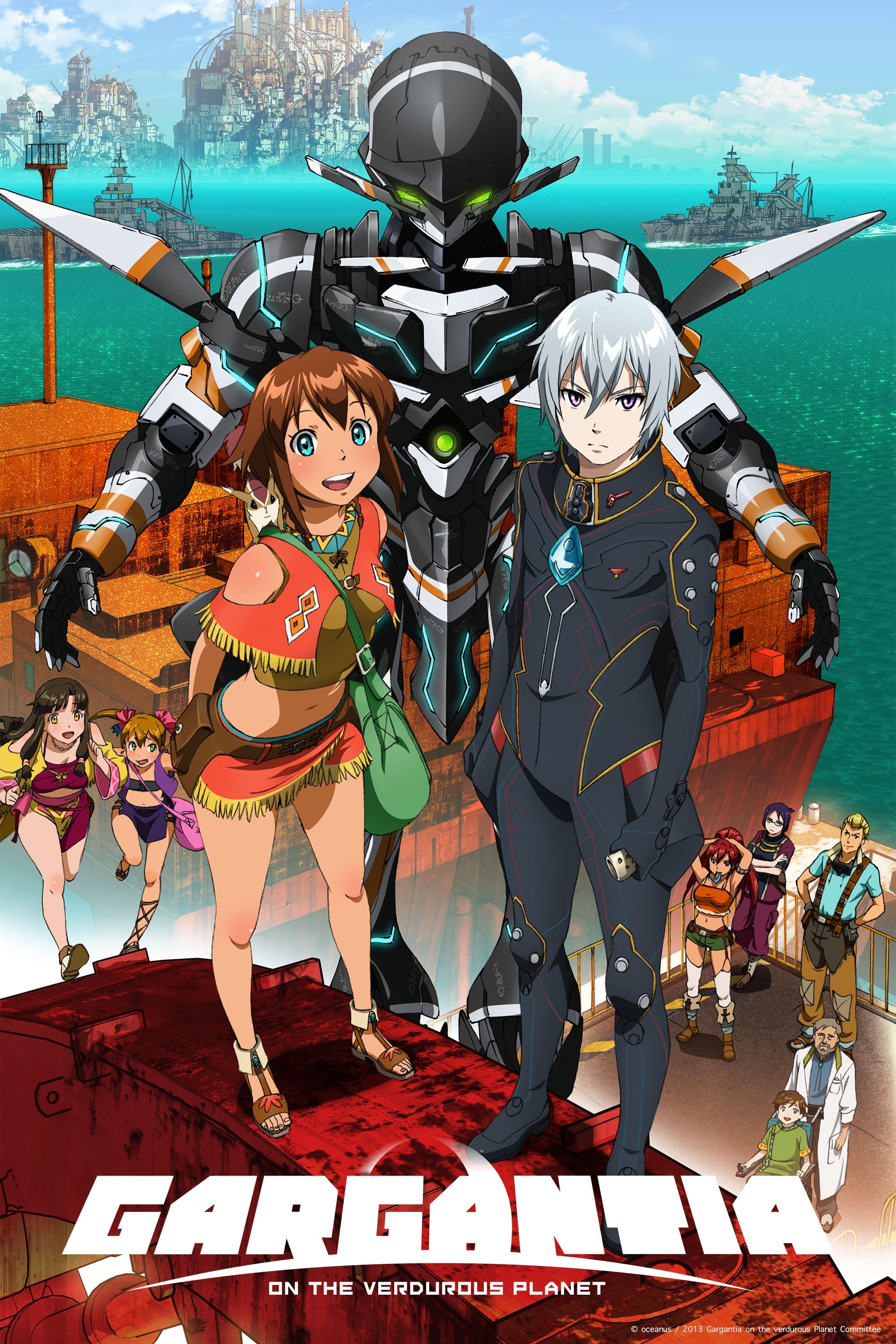
A pilot from a regimented space force lands on a fleet that sails an ocean covered Earth. Salvage teams, language barriers, and trade practices guide his adjustment. Production I.G maps daily labor and navigation to show how the fleet sustains itself. Archived footage and research uncover how the planet reached its current state.
‘Bokurano’ (2007)
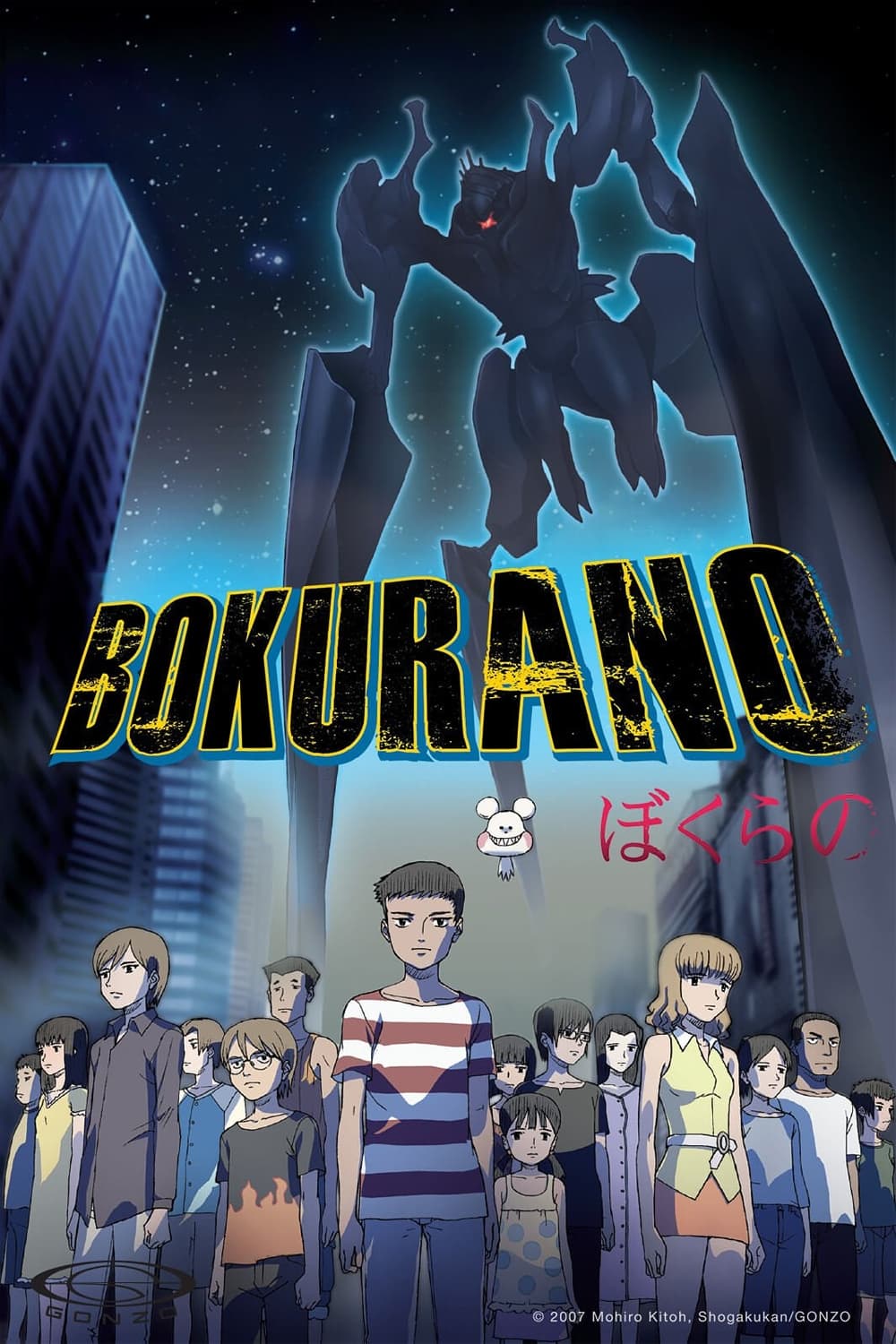
A class of students is tricked into piloting a giant machine that protects their world at a heartbreaking cost. Episodes track contracts, energy limits, and the rotation that determines who flies next. Gonzo stages the battles with readouts and cockpit procedures that explain how the system works. Clues about parallel worlds and testing protocols gradually show why the fights keep coming.
‘Noein: To Your Other Self’ (2005–2006)

A group of kids gets caught between factions from different timelines who are trying to secure their future. The show explains shifting coordinates, dimensional travel, and the risks of collapse in plain terms. Satelight blends rough pencil lines with airy backgrounds to sell the sense of instability. Field teams and city patrols map how each side moves through the same streets.
‘Aoi Bungaku Series’ (2009–2010)
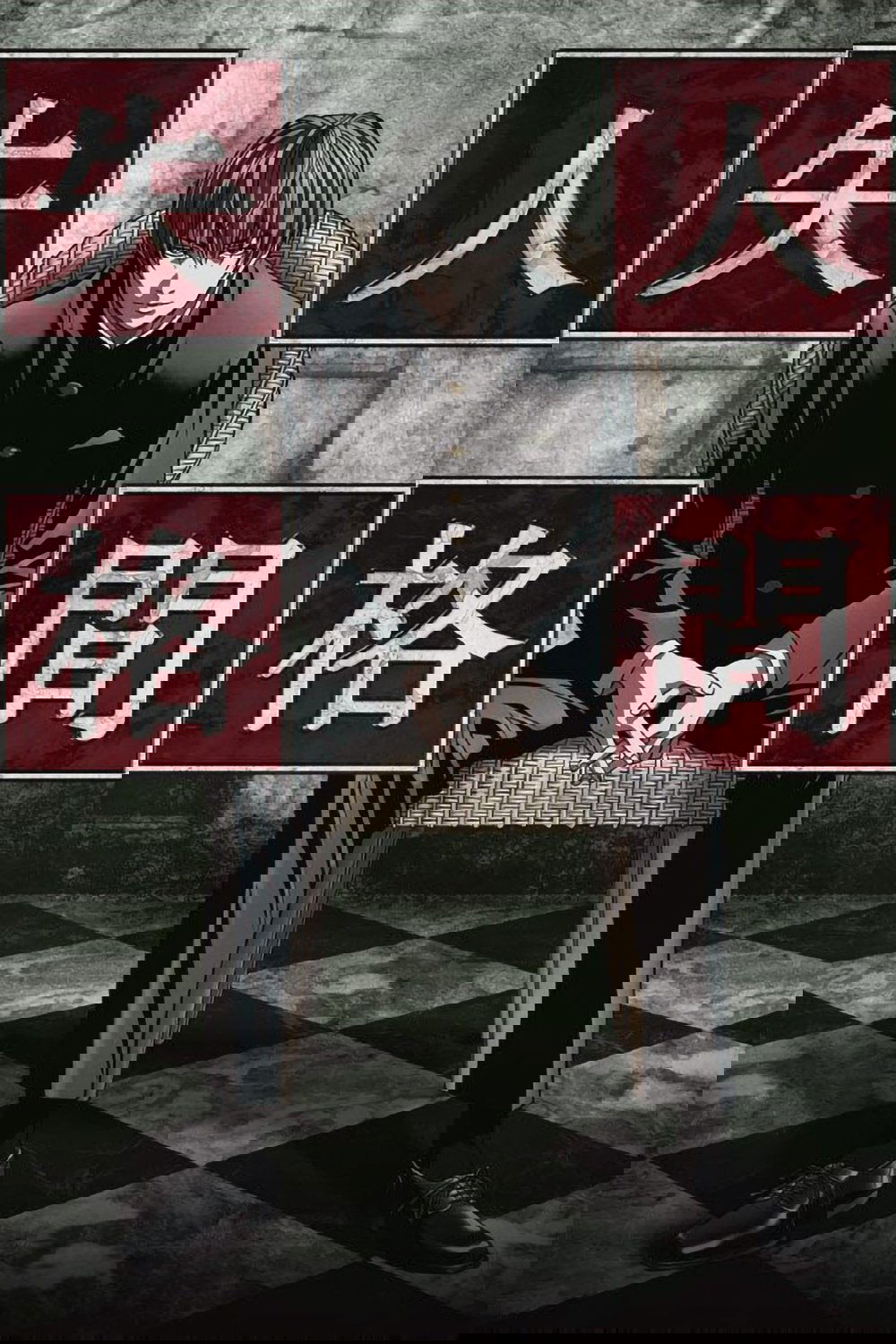
This anthology adapts classic Japanese literature into short arcs with different visual approaches. The episodes explain social rules, eras, and personal histories so viewers can follow the choices characters make. Madhouse varies layouts and camera moves to match each author’s tone. The format lets the series cover crime, guilt, and identity without repeating itself.
‘Hyouge Mono’ (2011–2012)
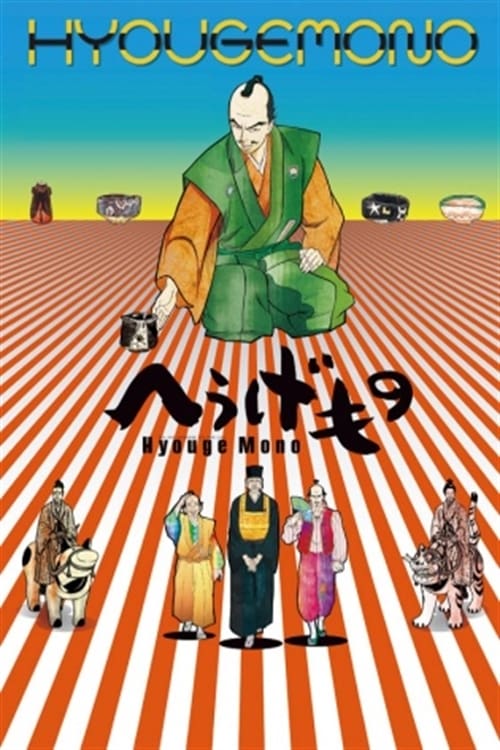
Set during the Sengoku period, this series follows a retainer obsessed with tea ceremony and the politics around it. The story walks through utensils, kiln origins, and display etiquette that shape status. Bee Train animates gestures and posture that reveal rank during tense gatherings. Detailed talk about glazes and lineage shows how art and ambition mix.
‘ACCA: 13-Territory Inspection Dept.’ (2017)
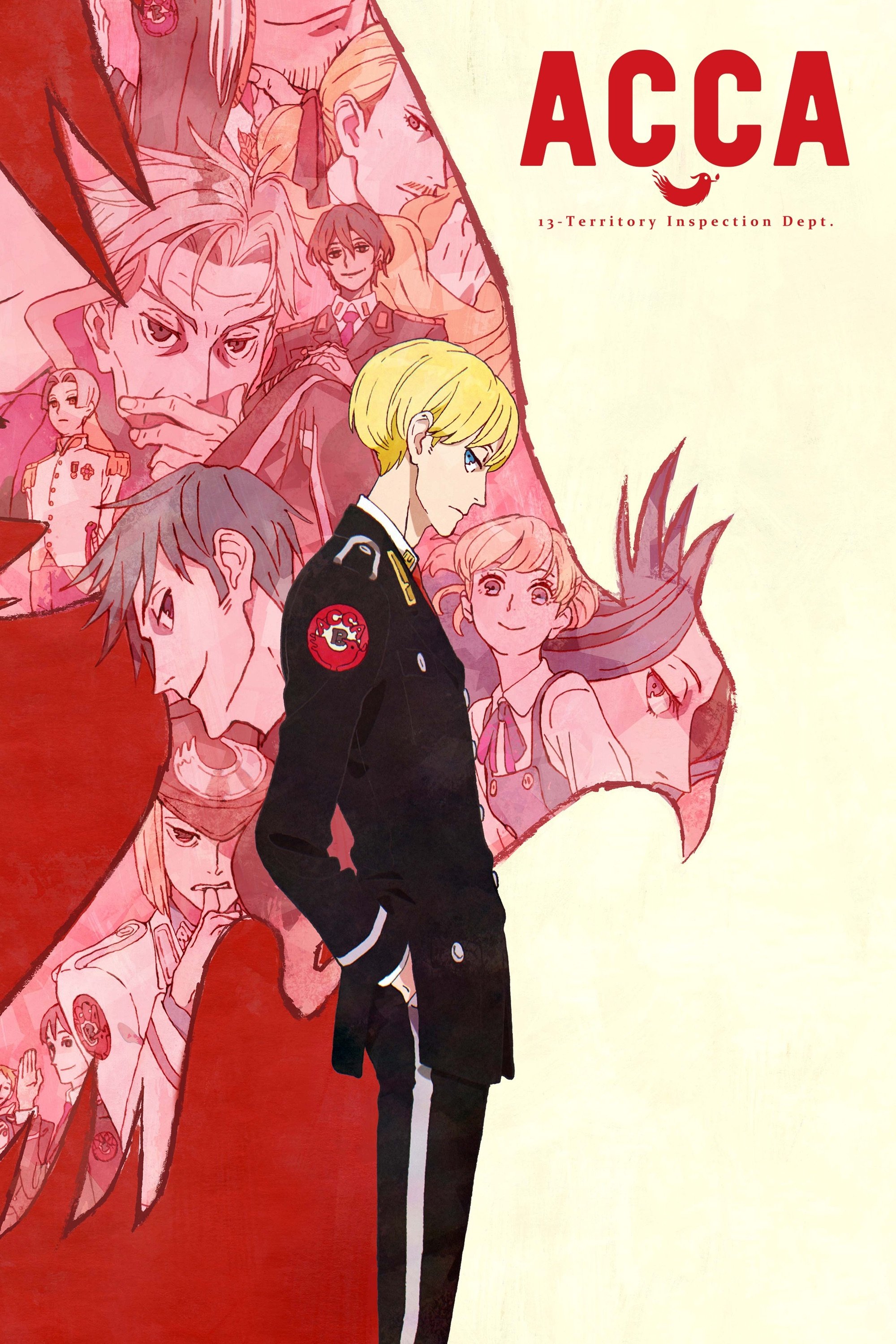
An inspector travels between districts to audit public services and sniff out signs of a coup. The show lays out transport routes, regional specialties, and agency hierarchy with easy clarity. Madhouse uses clean cityscapes and leisurely pacing to guide each visit. Meetings and memos connect seemingly small favors to a wider plan.
‘Samurai Flamenco’ (2013–2014)
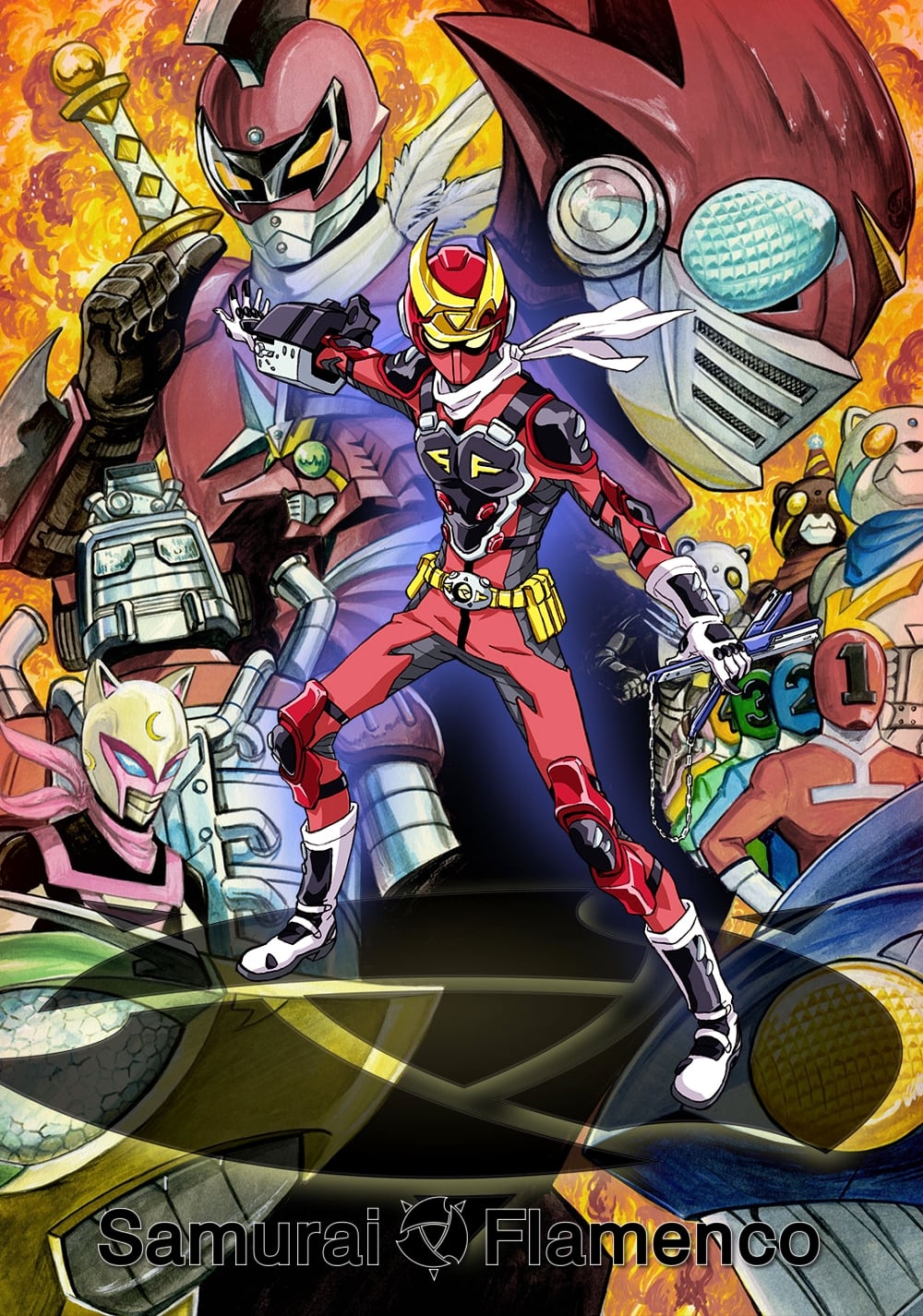
A model decides to become a hero and runs up against the realities of patrols and minor crime. The series tracks budget limits, public response, and law enforcement boundaries. Manglobe frames costumes and stunt work like a production going step by step. Changes in threats are explained through briefings that keep the rules consistent.
‘Le Chevalier D’Eon’ (2006–2007)
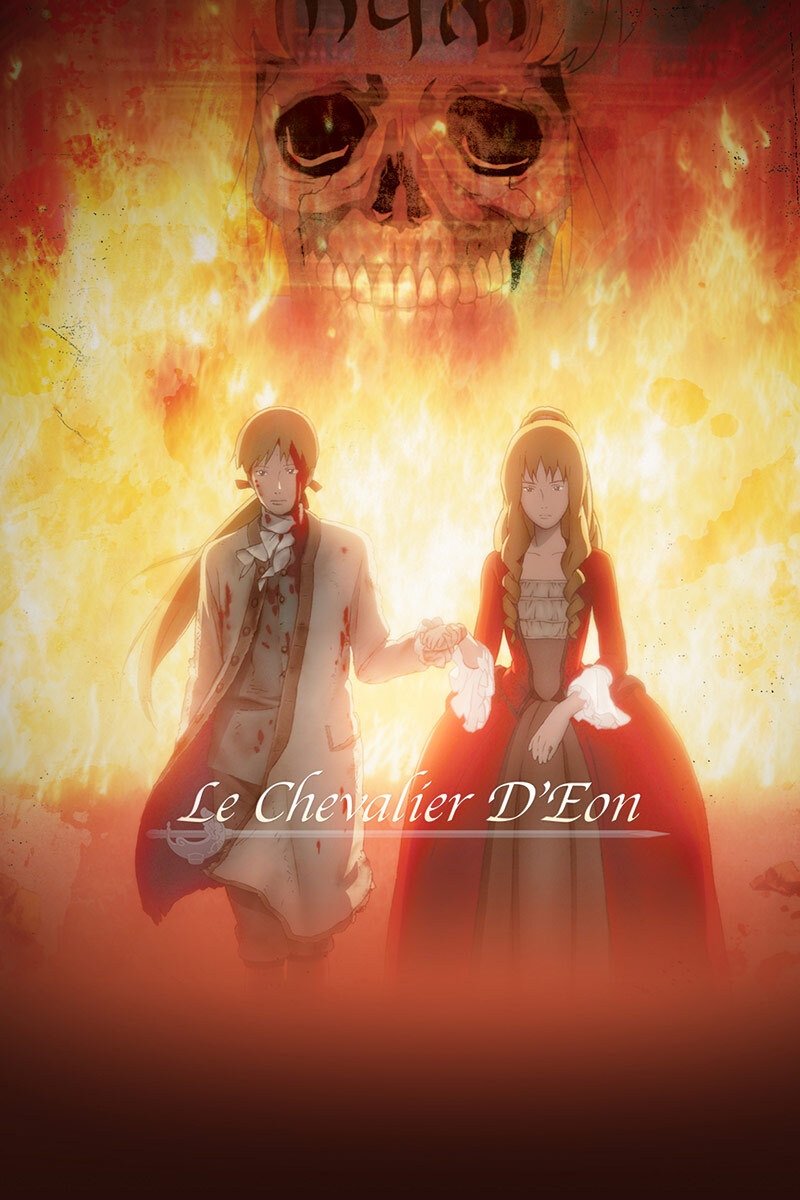
A diplomat investigates murders tied to coded texts and court intrigue in eighteenth century Europe. The narrative stops to show ciphers, church politics, and the mechanics of espionage. Production I.G gives duels a measured rhythm that matches the formal setting. Archives and letters piece together why the mission keeps widening.
‘Birdy the Mighty: Decode’ (2008–2009)
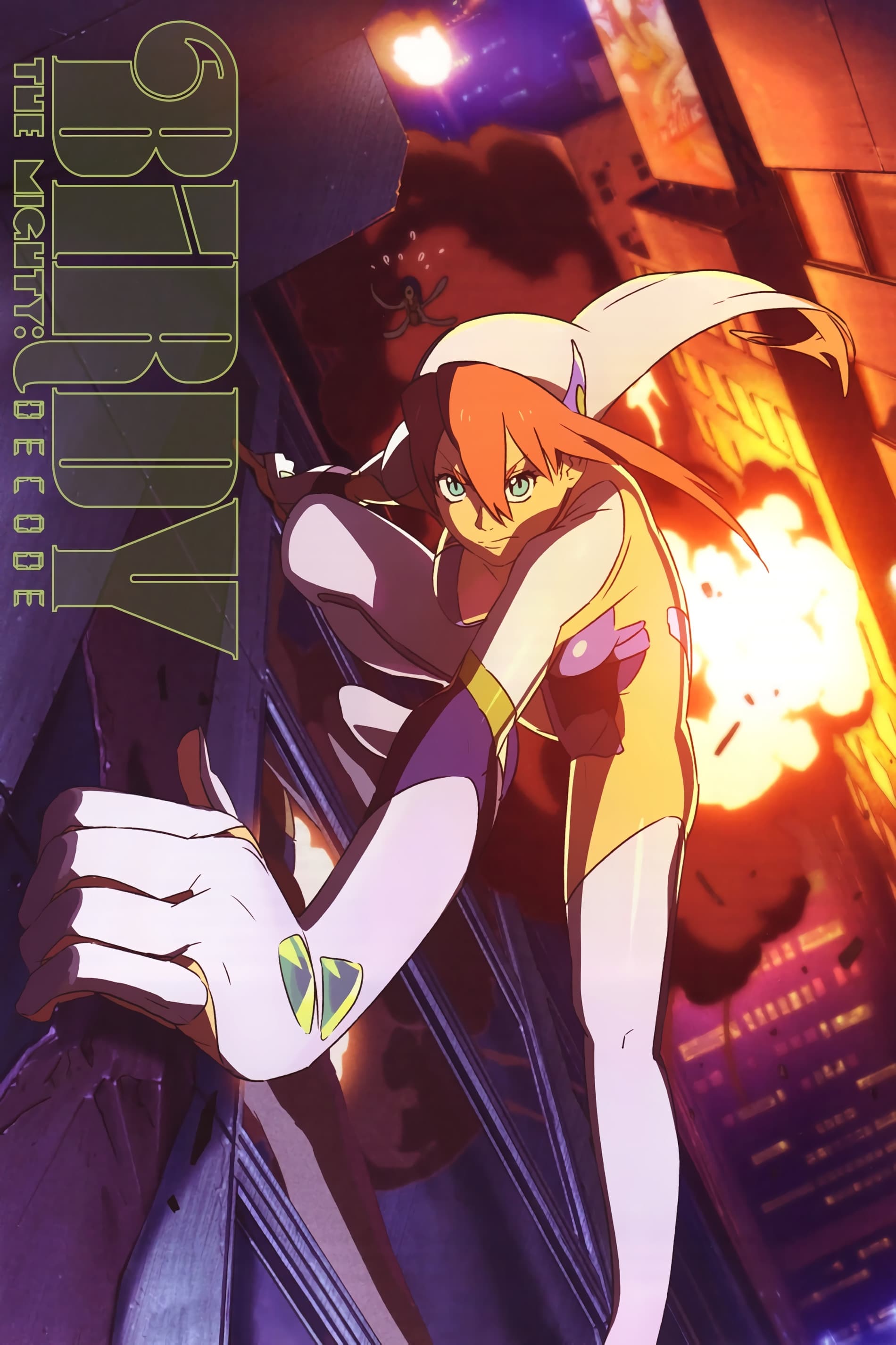
An alien agent merges with a human boy after a mission goes sideways and the pair must share a body. Casework involves tracking smugglers, handling jurisdiction, and safeguarding witnesses. A 1 Pictures stages high speed chases with clear geography and strong impact frames. The second season follows fallout that ties back to early evidence.
‘Garo: The Animation’ (2014–2015)
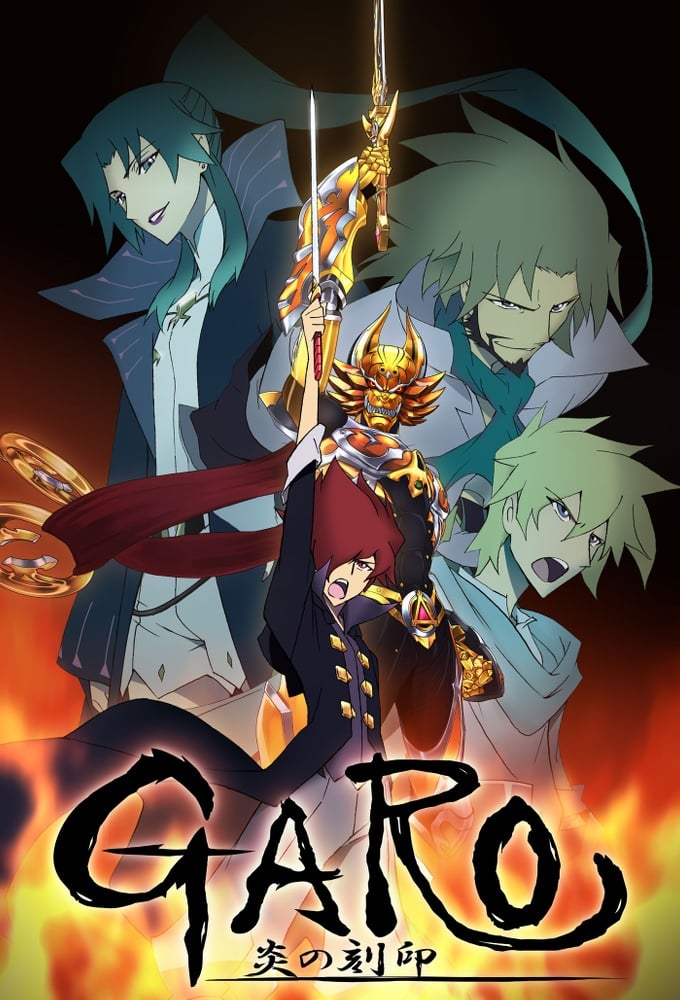
Knights trained to hunt demons travel between city slums and royal courts. Rituals, armor maintenance, and apprenticeship rules are explained as part of daily life. MAPPA mixes suit acting with bold fire effects to sell the transformations. Political moves in the palace show why the order’s work keeps getting harder.
‘Rainbow: Nisha Rokubō no Shichinin’ (2010–2011)

Seven teens in a postwar reform school try to keep each other alive while facing brutal conditions. Procedures, schedules, and black market networks are laid out with unflinching detail. Madhouse draws stark lighting that emphasizes cramped rooms and watchful guards. Time jumps show where each skill learned inside leads later on.
‘Kokkoku’ (2018)

A family uses a stone that freezes the world and discovers other people can move inside that stopped time. The show explains rules for movement, guardians, and the risks of staying too long. Geno Studio gives the frozen city a glassy look that makes small motions stand out. Research into the stone’s source ties the cult and the family together.
‘Mawaru Penguindrum’ (2011)

Two brothers search for a mysterious object to save their sister, guided by a strange set of mascots. The episodes build a web of subway incidents, journals, and family secrets. Brain’s Base uses repeating symbols and theatrical staging to connect timelines. Station names and artifacts work as clues that point to a shared origin.
‘Sarazanmai’ (2019)
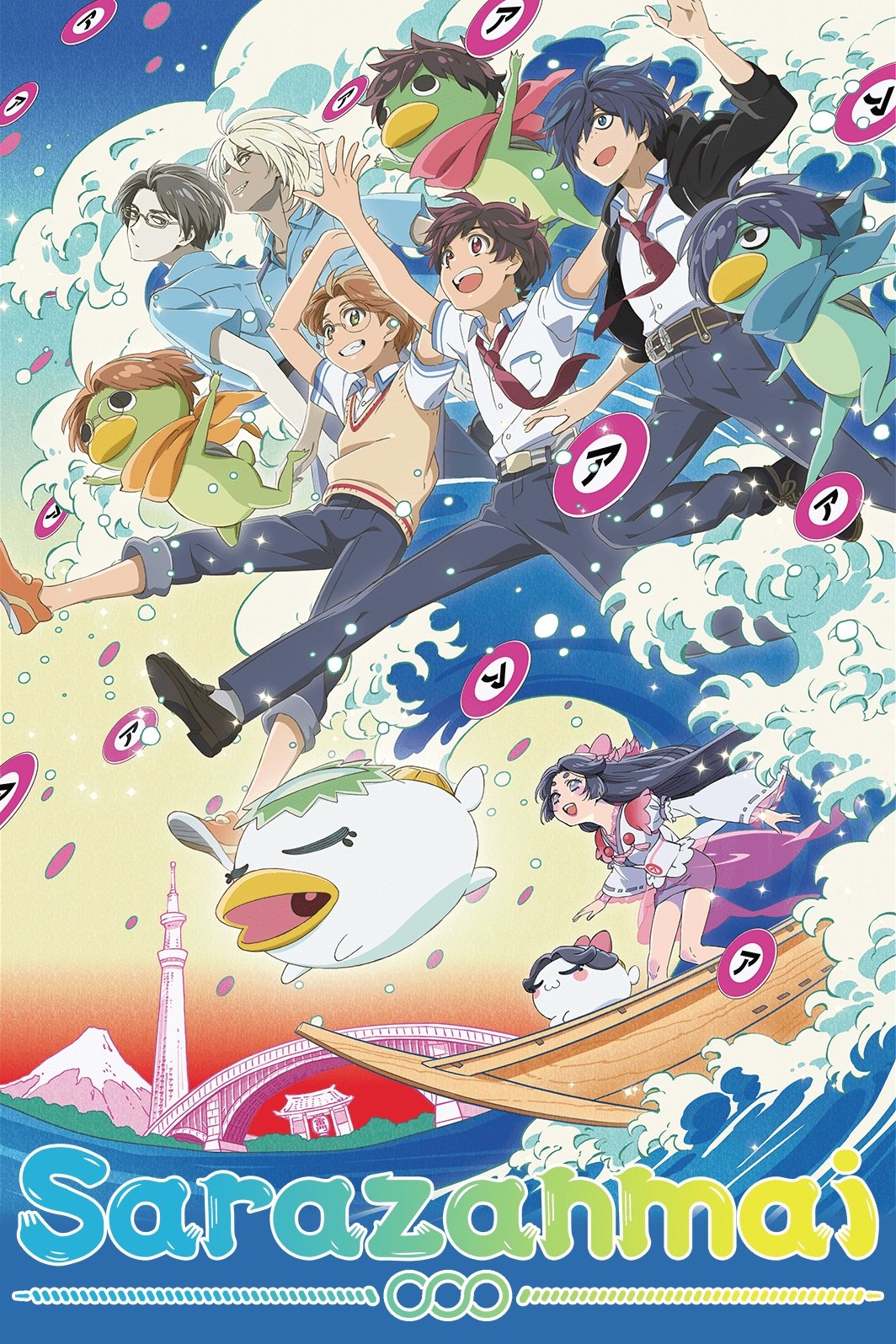
Three boys must extract desires from monsters while dealing with personal mistakes. The show clearly explains how items become forms of currency in the spirit realm. MAPPA and Lapin Track choreograph musical set pieces that double as procedural steps. Police reports and lost goods link cases across the city.
‘Terror in Resonance’ (2014)
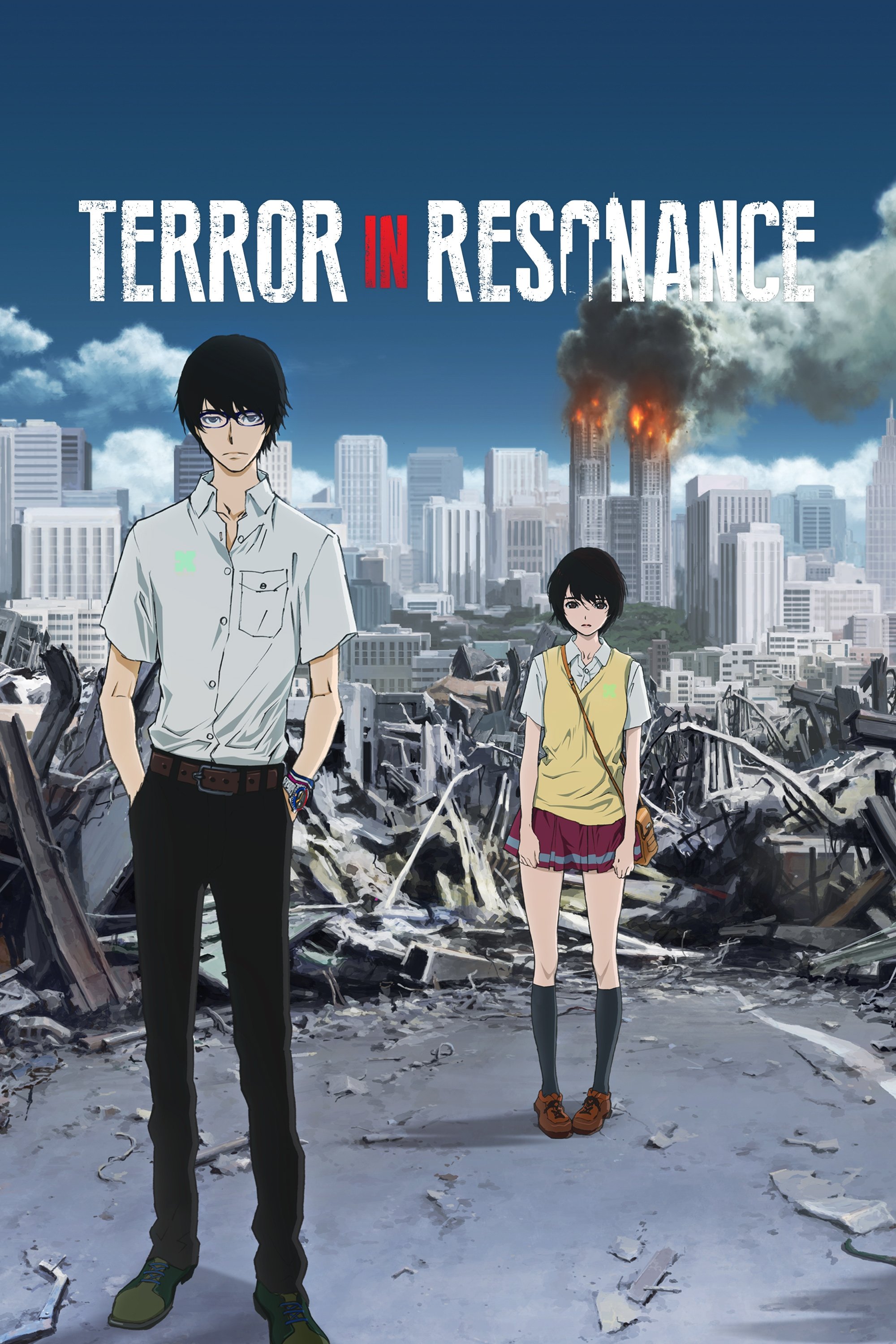
Two teens carry out public bombings while leaving puzzles that force the authorities to respond. Timelines show how each clue leads to a location with specific hazards. MAPPA treats bomb disposal and counterterror work with careful staging and brief commands. Flashbacks explain training programs and the gap between official reports and what happened.
‘Nabari no Ou’ (2008)

A reluctant boy becomes a target in a modern ninja world where clans compete for a powerful technique. The series lays out code words, scroll custody, and neutral zones that keep conflict in check. J C Staff balances school scenes with council meetings that steady the pace. Records and betrayals explain how the balance of power shifts from arc to arc.
Share the anime you think people abandoned too early in the comments so we can add more hidden gems to the list.