‘Michael Jackson: The Verdict’ on Netflix Nails the Courtroom but Fumbles the Bigger Picture

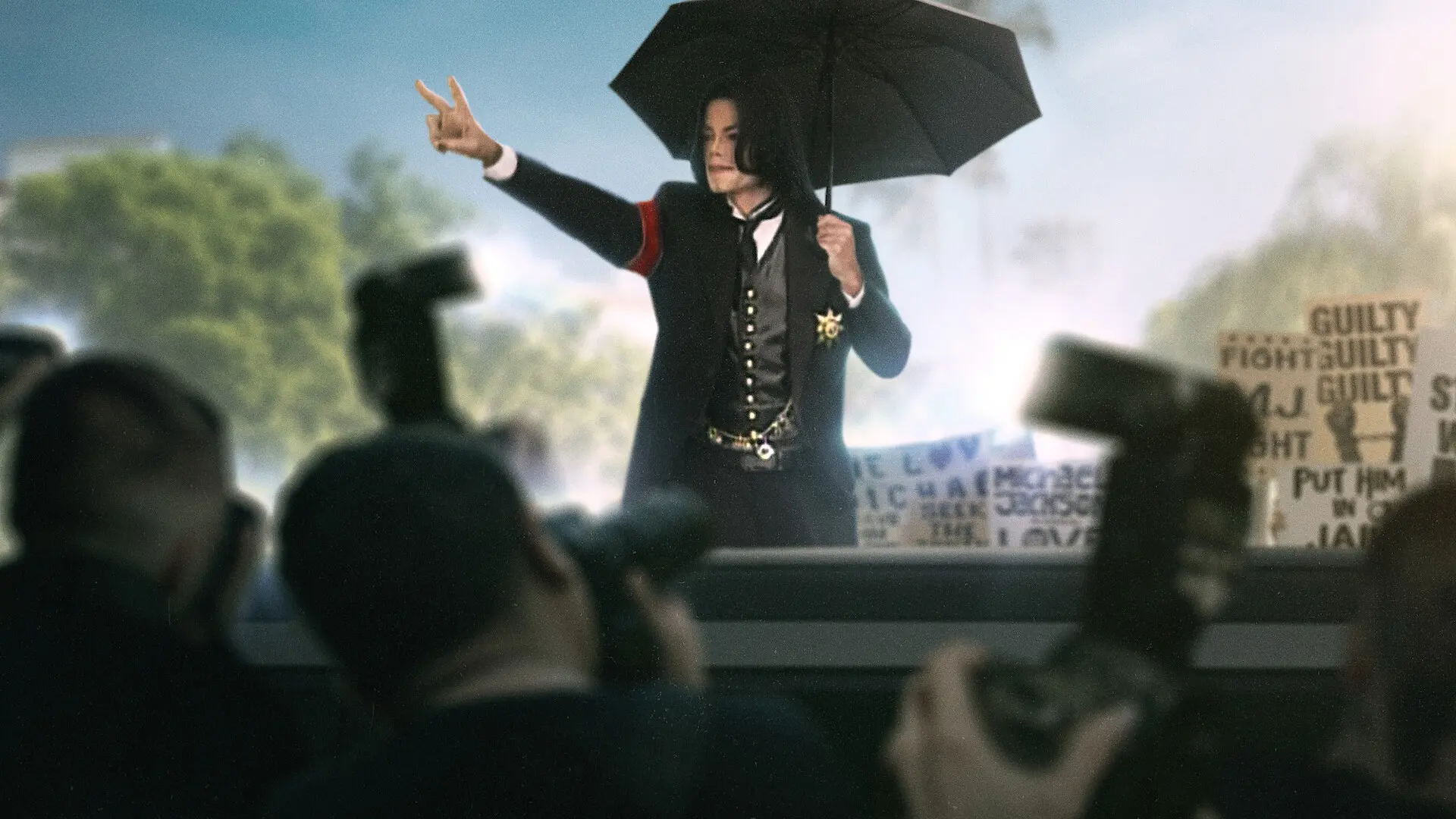

Netflix dropped ‘Michael Jackson: The Verdict‘ on June 3, and the timing could not have been more calculated. With genuine frenzy still surrounding the ‘Michael‘ biopic and its ongoing global box office run, the arrival of this three-part docuseries aims to sober up the high of that film and present audiences with a grounded retelling of the most controversial aspect of the late pop star’s life. The result is a documentary that is both genuinely illuminating and frustratingly incomplete, depending on what you bring to it.
Despite his death nearly two decades ago, there are still few figures on Earth as famous as Michael Jackson. A singular entertainer, Jackson’s music has a timelessness and energy that reverberates across generations. However, the “Thriller” artist’s eccentricities and legal battles also remain forever tethered to his name. ‘The Verdict’ knows this all too well, and it walks a razor’s edge between historical record and cultural reckoning from its very first episode.
What the 2005 Trial Documentary Gets Right About the Courtroom
The filmmakers made a pointed creative decision early on: the aim was to take the audience inside the proceedings and only speak to eyewitnesses who played a part in those events. That discipline shows, and it produces some of the docuseries’ strongest passages.
Using archival footage, trial notes, clips and interviews from key players, including prosecutor Ron Zonen, defense attorney Mark Geragos, several jurors, Martin Bashir, investigative journalist Diane Dimond, and several folks from Jackson’s inner circle such as his then-publicist Raymone Bain and director of security Kerry Anderson, ‘The Verdict’ recounts Jackson’s indictment, trial and, eventually, the verdict.
Across three episodes, the series lays out the case beat by beat through firsthand accounts of the people who were actually there, including jurors, attorneys from both sides, and witnesses whose testimony proved pivotal. Drawing on archival footage, trial notes, and contemporaneous media coverage, the series moves through the investigation, arrest, arguments, and turning points that led to Jackson’s acquittal.
The filmmakers noted that because cameras were not allowed inside the courtroom during the proceedings, much of the public understanding of the case had been shaped by outside reporting and commentary. Correcting that is a genuine public service, and it is perhaps the clearest strength the series has to offer.
How the Documentary Captures Media Circus and Public Opinion
Beyond the courtroom walls, ‘The Verdict’ is at its most insightful when examining the spectacle that surrounded the case rather than the case itself.
What is most significant is director Nick Green’s ability to showcase how the trial was not going to be fair on either side. Despite the damning evidence and testimony, the prosecution appeared to have forgotten that the burden was truly on them to prove guilt, which meant they needed to battle the court of public opinion from the start.
When Jackson was accused of multiple counts of child molestation in 2003, it set off media mayhem rivaling the O.J. Simpson trial a decade prior. The series captures that atmosphere with uncomfortable precision, using archival coverage and fan footage to illustrate just how distorted public perception became once the cameras and the commentary machines took over.
When it all shakes out, ‘Michael Jackson: The Verdict’ is an indictment of a society committed to whatever narrative made most sense to them. That is a provocative and defensible thesis, and it is the kind of observation that elevates the docuseries above a straightforward case recap.
Where the Netflix Docuseries Falls Short
The frustrations are real, and critics have not been shy about naming them. The most glaring absence in the series is the one group whose perspective matters most.
What you will not find in the docuseries are any new interviews with Jackson’s accusers or the Jackson family, which raises the question of what, exactly, it adds to a story that has already been exhaustively dissected from every conceivable angle in the public record.
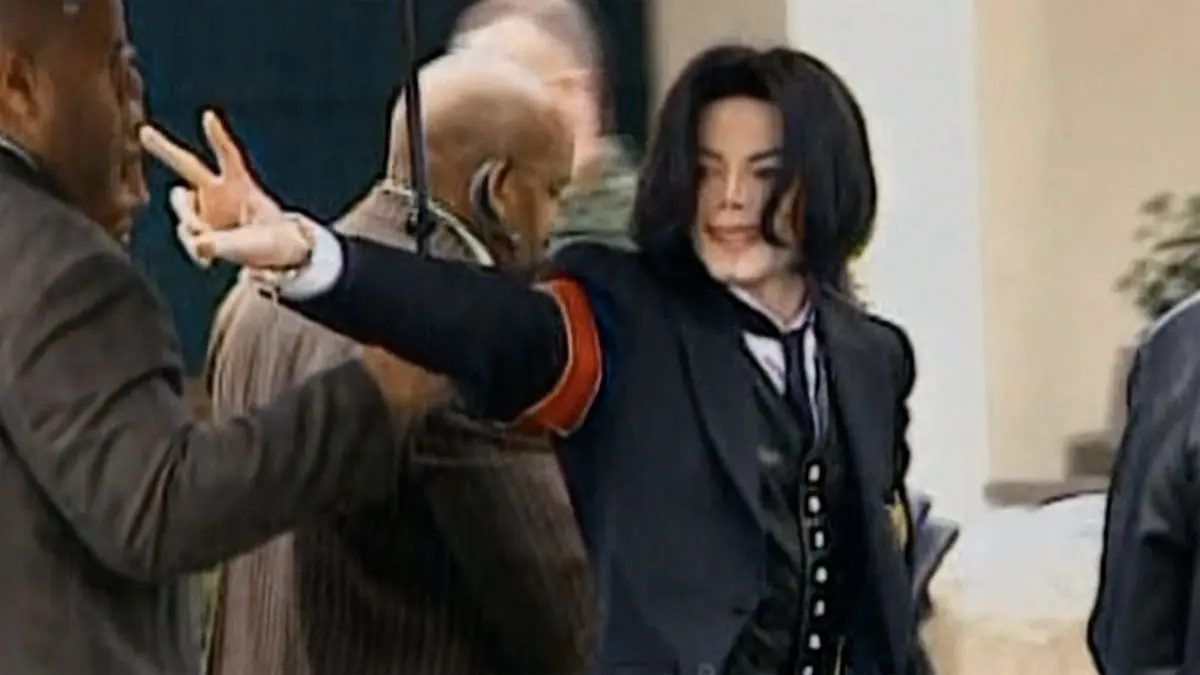
A documentary about child abuse allegations that does not include the alleged victims’ voices is a significant editorial choice. Critics have called it a glaring gap. That omission is especially noticeable given that other documentaries on the subject have placed survivor testimony at their very center.
Most of the interviewees describe events that have already been documented extensively in newspapers, television specials, and earlier documentaries. Anyone looking for a deeper understanding of the case would probably be better off searching YouTube, where there are plenty of documentaries that explore Michael Jackson’s life and controversies in greater detail. For viewers already familiar with the broad strokes of the trial, the series can feel repetitive rather than revelatory.
The Timing Problem and Jackson’s Complex Legacy
The shadow of ‘Michael’ the biopic hangs over every frame of this docuseries, and it is difficult to ignore the commercial logic at play.
The documentary event seemed to come out of nowhere when Netflix dropped the trailer just two weeks before its June 3 release. Whatever the motive, Jackson’s name is back in the headlines, thanks to another spectacle-driven project that seems as enthralled by his mythic celebrity as by the legal saga and media circus that unfolded just four years before his death.
It is hard to separate the timing of this documentary from the renewed interest in Michael Jackson. With the biopic currently drawing a lot of attention, ‘Michael Jackson: The Verdict’ often feels like a project designed primarily to capitalize on that renewed interest. There are several moments where the series comes across as something that was quickly assembled to ride the wave of the current Michael Jackson craze.
More than twenty years after the trial and seventeen years after Jackson’s death, we are in a very different cultural echo chamber. Back then, public consensus was hardly in his favour. Today, especially after the release of the popular ‘Michael’ biopic, a growing online movement has emerged dedicated to defending Jackson. ‘The Verdict’ collides directly with that movement, and how viewers receive it will depend enormously on which camp they already inhabit.
Overall, critics describe ‘Michael Jackson: The Verdict’ as a serious and sometimes uncomfortable watch that revisits a deeply controversial moment in entertainment history. While some praise its depth and perspective, others feel it struggles to offer new insights into a case that has already been examined many times before. The docuseries will not close the book on Michael Jackson, and it was probably never going to. But for those willing to sit with the discomfort, it does make looking away from the unresolved questions considerably harder. Whether you think it gets more right than wrong about the King of Pop is probably a question worth wrestling with in the comments.