Most Famous Sci-Fi Actors Who Sadly Passed Away


Science fiction has lost some unforgettable talents over the years, from pioneers of classic space adventures to icons who helped modern blockbusters find their voice. These actors shaped beloved universes, defined characters that keep inspiring new stories, and left behind work that fans revisit again and again. Here are some of the most famous names whose contributions continue to echo across the genre.
Leonard Nimoy
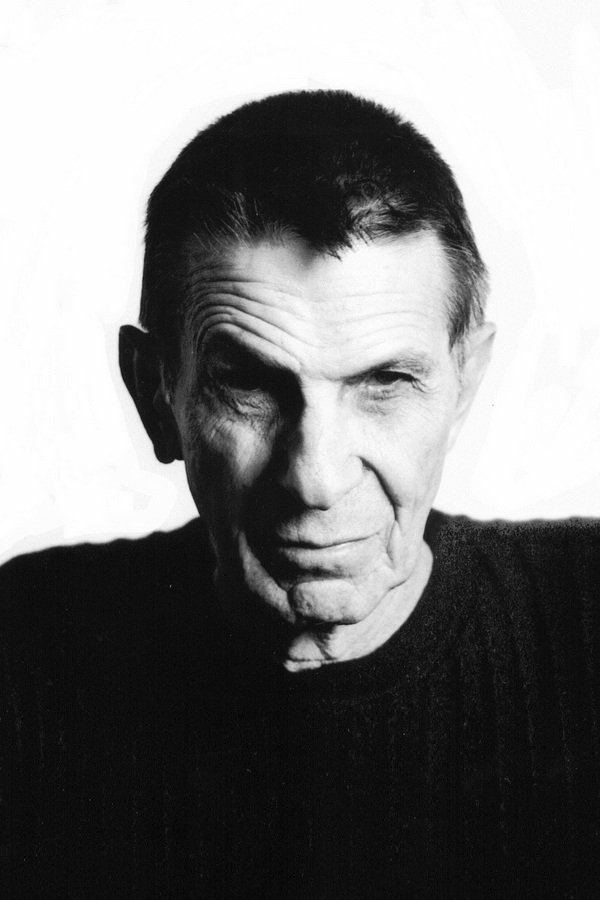
Leonard Nimoy brought Spock to life in ‘Star Trek’ across television and film, helping establish the franchise’s blend of logic and heart. He also directed and wrote within the series, showing a deep understanding of its world. Beyond the Enterprise, he appeared in projects like ‘Fringe’ and lent his voice to animated sci-fi. His photography, recordings, and memoirs added context to a career closely tied to science fiction.
DeForest Kelley
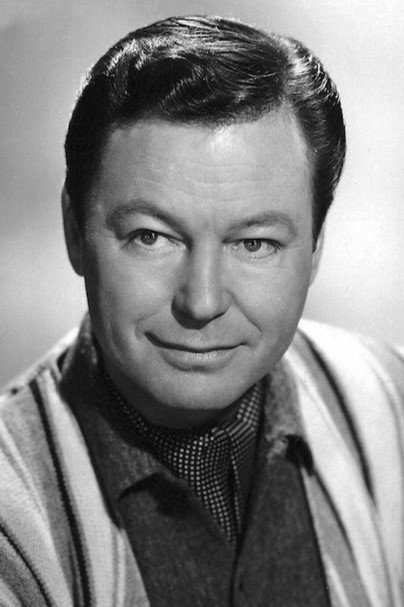
DeForest Kelley anchored ‘Star Trek’ as Dr. Leonard McCoy, the ship’s physician whose human perspective balanced Spock’s logic and Kirk’s decisiveness. He appeared in the original series, the animated continuation, and multiple films tied to the franchise. Kelley’s previous work in westerns gave his character a grounded edge that fit the show’s frontier spirit. His convention appearances and interviews helped strengthen the bond between the series and its audience.
Peter Cushing
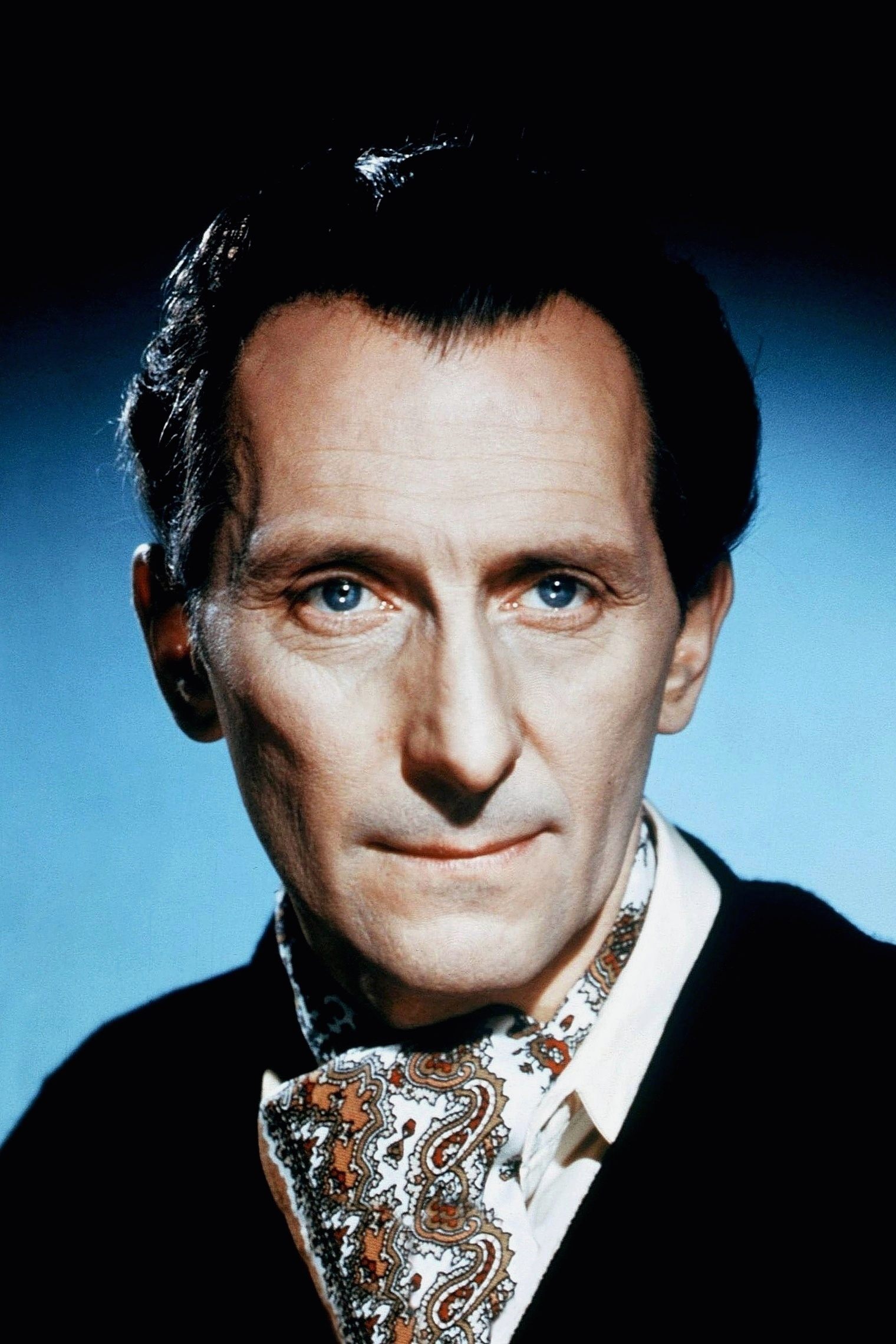
Peter Cushing is known to sci-fi fans for portraying Grand Moff Tarkin in ‘Star Wars’. He also led two theatrical ‘Doctor Who’ adventures, playing the Doctor in big-screen adaptations. Cushing’s precise delivery and classical training carried over from his many gothic roles into futuristic settings. His Tarkin performance became a template for cool, administrative villainy within the franchise.
Christopher Lee
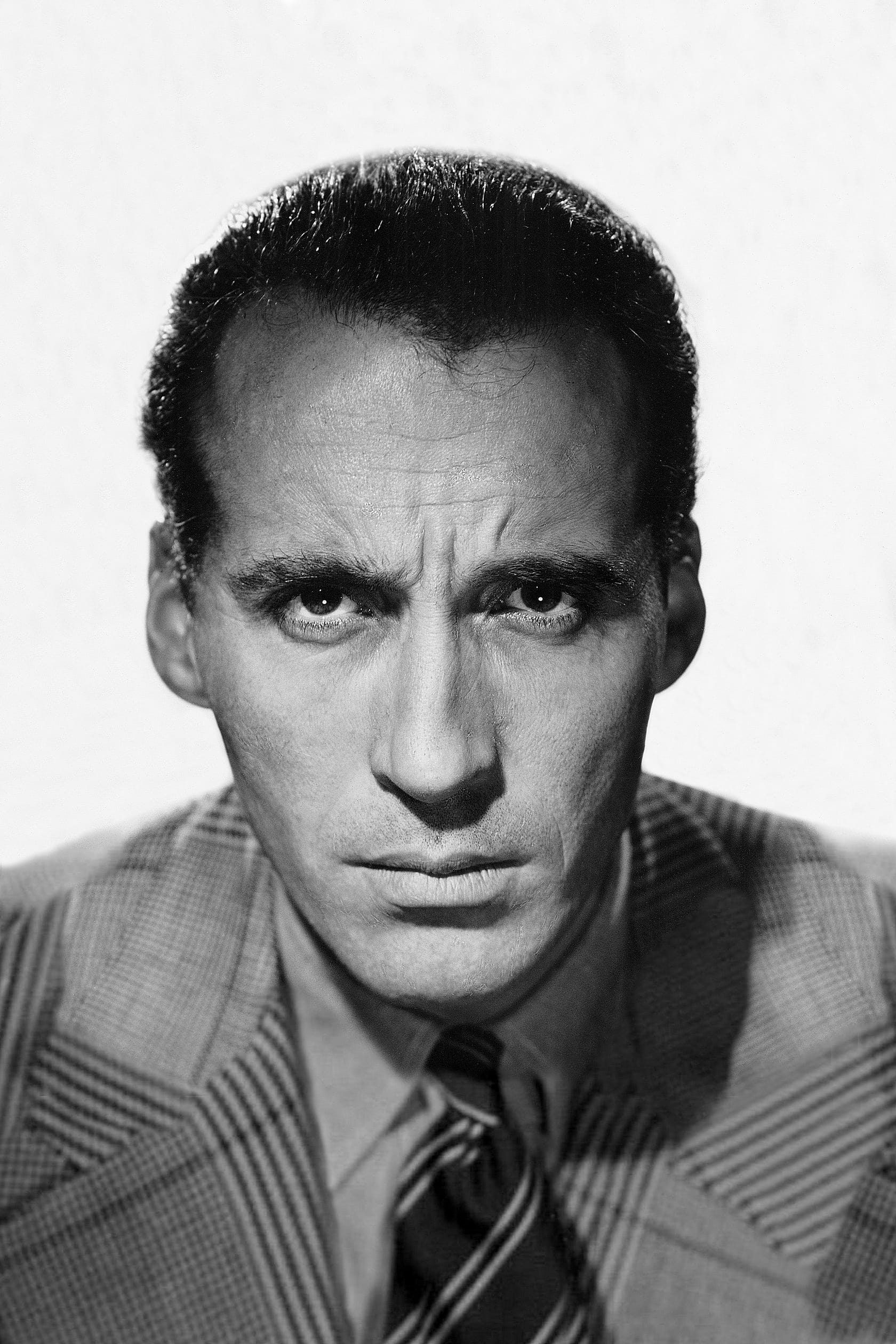
Christopher Lee left a strong imprint on ‘Star Wars’ as Count Dooku, adding aristocratic menace to the saga. His long filmography includes numerous genre works that crossed into science fiction through dystopian and experimental stories. Lee’s voice and stature made him a natural fit for commanding figures in grand, effects-driven worlds. He continued contributing to genre projects well into his later years, including voice roles.
David Prowse
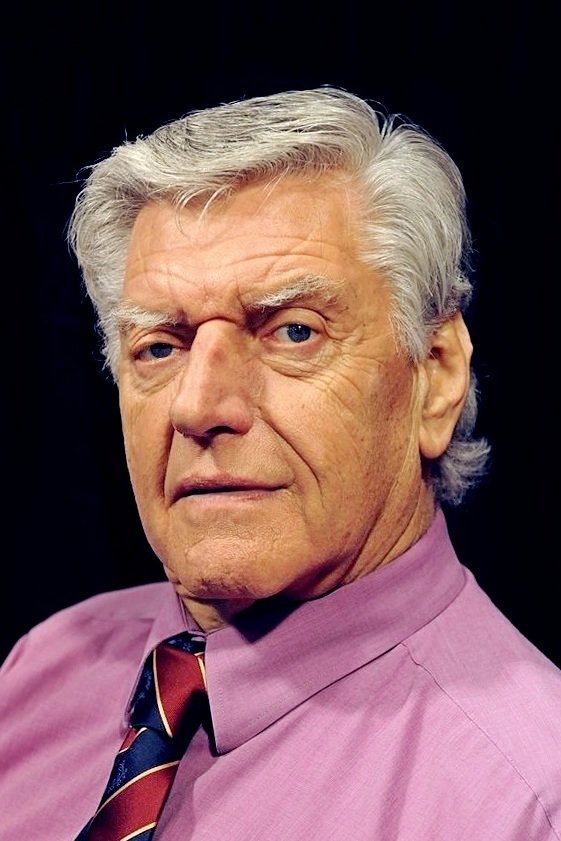
David Prowse embodied Darth Vader in ‘Star Wars’, giving the character its imposing physical presence. A former bodybuilder, he brought precise movement and stature to the role while the voice was provided separately. Prowse also appeared in other genre productions and worked as a trainer for actors preparing for physically demanding parts. His convention circuit appearances made him a familiar and generous figure to fans.
Kenny Baker
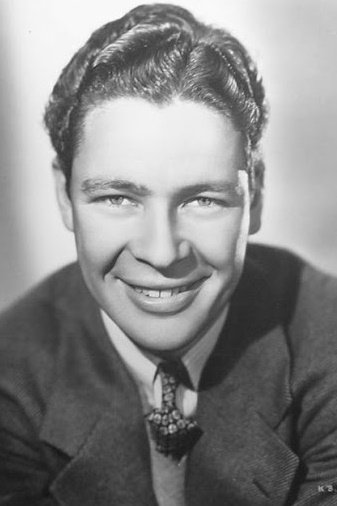
Kenny Baker operated and portrayed R2-D2 in ‘Star Wars’, helping define the character’s personality through movement and timing. He also played roles in ‘Time Bandits’ and other fantasy and sci-fi productions that relied on inventive practical effects. Baker’s work connected the art of puppetry and suit performance with the emotional beats of the story. His behind-the-scenes experience offered insight into how miniature sets and full-scale props came to life.
Rutger Hauer
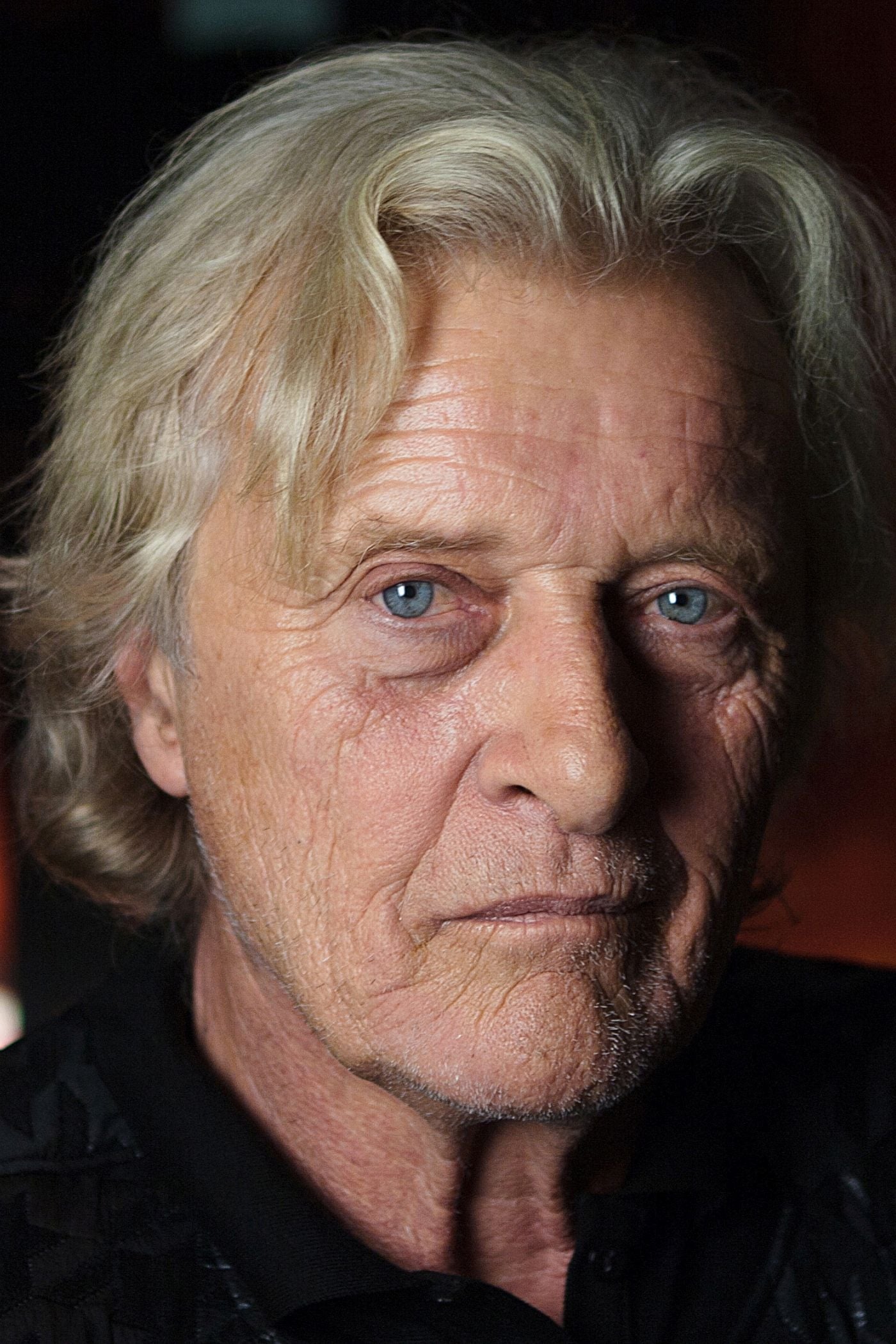
Rutger Hauer delivered a landmark turn as Roy Batty in ‘Blade Runner’, blending intensity with philosophical depth. He continued to appear in science fiction through films like ‘The Hitcher’ adjacent projects and cyberpunk-tinged stories. Hauer worked across international productions, bringing a European sensibility to dystopian narratives. His collaboration with directors and writers often included contributions to dialogue that emphasized character introspection.
Lance Reddick
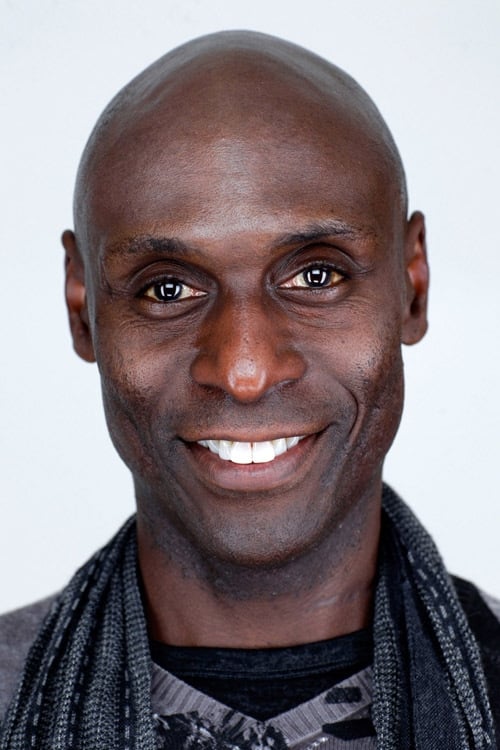
Lance Reddick expanded his genre presence with a key role in ‘Fringe’, where he guided investigations into parallel realities and strange scientific events. He voiced characters in major sci-fi games, including ‘Destiny’, and appeared in films that explored futuristic technology. Reddick’s calm authority made him a frequent choice for leadership roles in speculative settings. He also supported animation and audio dramas that extended the reach of these universes.
Anton Yelchin
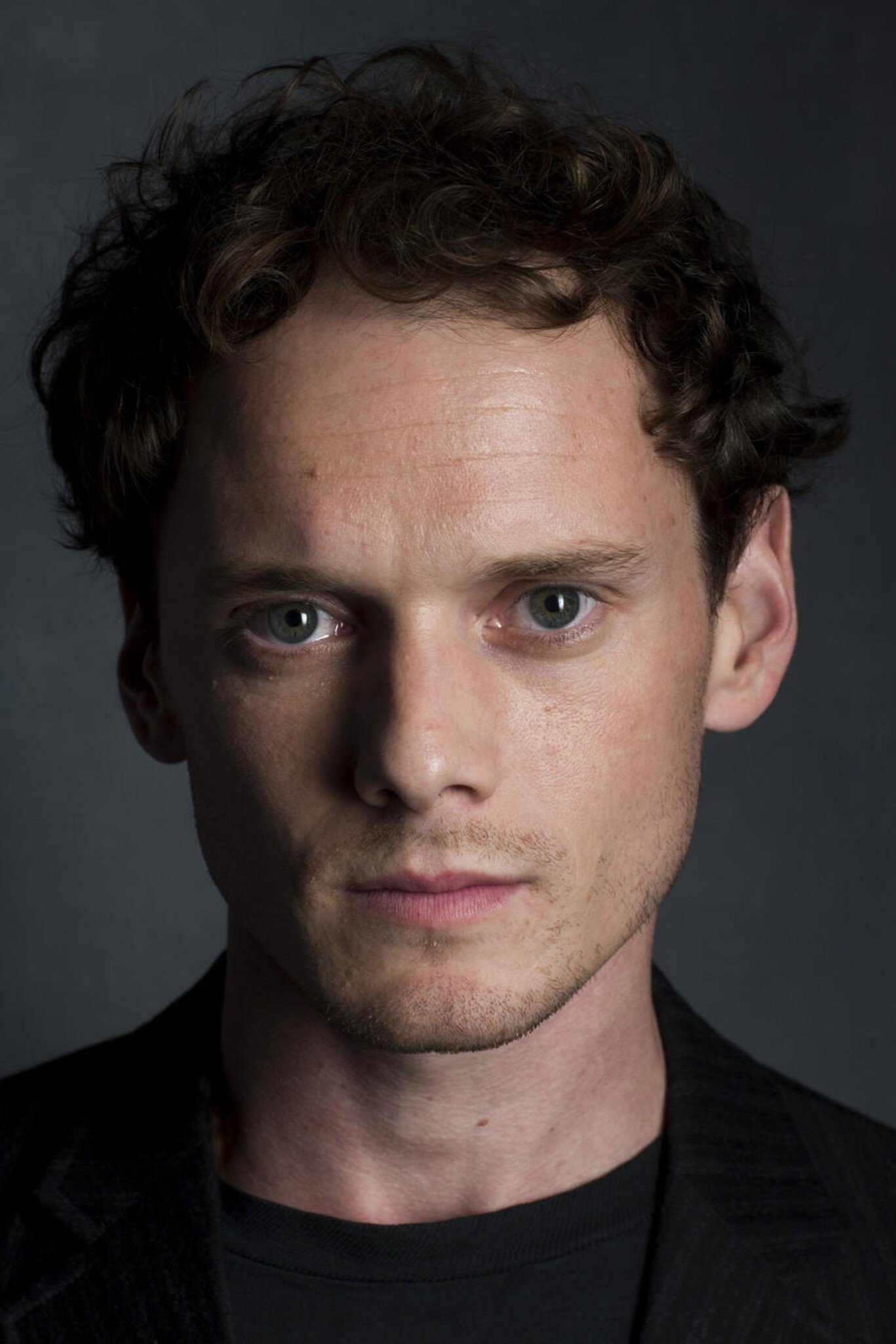
Anton Yelchin reintroduced Pavel Chekov to a new generation in ‘Star Trek’, joining the ensemble that revitalized the franchise. He balanced blockbuster work with smaller genre films that explored unconventional sci-fi concepts. Yelchin’s range allowed him to move between youthful enthusiasm and serious stakes within high-energy stories. His filmography shows steady collaboration with directors interested in character-driven science fiction.
Alan Rickman

Alan Rickman endeared himself to sci-fi fans as Alexander Dane in ‘Galaxy Quest’, capturing the highs and lows of a veteran space actor. He also voiced Marvin the Paranoid Android in ‘The Hitchhiker’s Guide to the Galaxy’, giving the character a memorable deadpan tone. Rickman’s stage training helped him navigate satire and sincerity in genre settings. His work connected meta-commentary about fandom with affectionate portrayals of classic tropes.
Yaphet Kotto
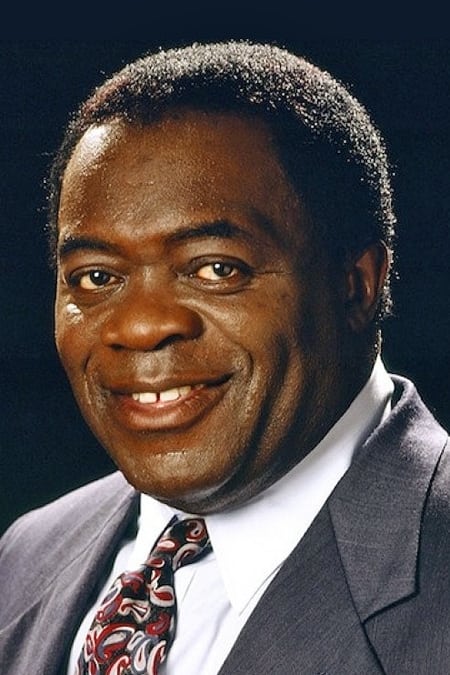
Yaphet Kotto made a lasting mark as Parker in ‘Alien’, grounding the film’s futuristic setting with working-class realism. He appeared in other genre projects that examined high technology and surveillance. Kotto’s screen presence supported tense ensemble storytelling where corporate motives clashed with human survival. His roles often highlighted the everyday workers who keep fictional starships and facilities running.
Bill Paxton
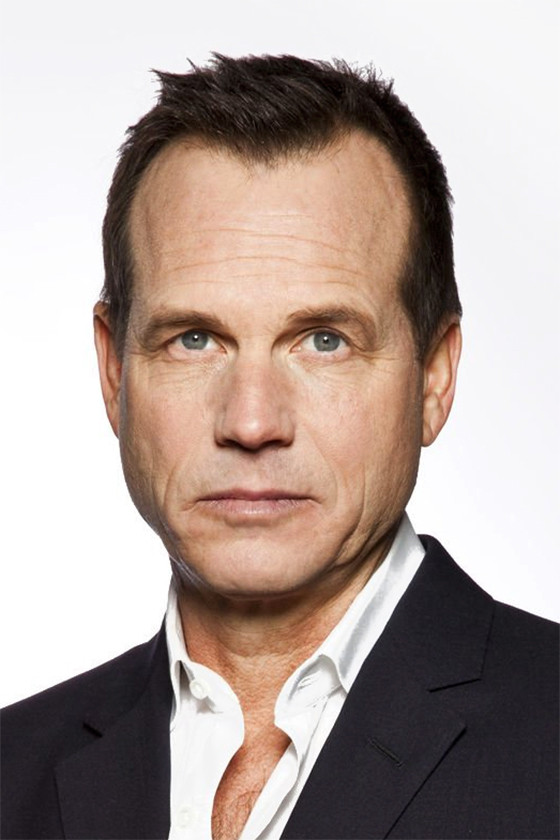
Bill Paxton stood out in ‘Aliens’ as Hudson, contributing to the film’s mix of military sci-fi and horror. He returned to the genre in ‘Predator 2’ and later brought energy to time-loop action in ‘Edge of Tomorrow’. Paxton’s collaborations with visionary directors placed him in stories where technology and combat intersected. He also directed and produced, supporting projects that played with speculative ideas.
Max von Sydow
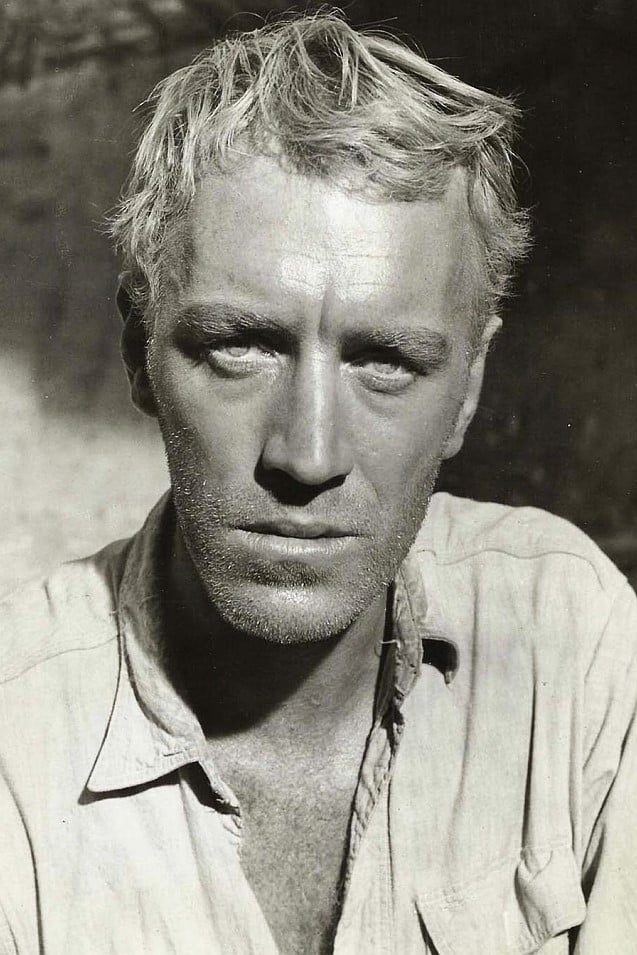
Max von Sydow lent gravitas to ‘Flash Gordon’ as Ming the Merciless and later appeared in ‘Star Wars: The Force Awakens’. His extensive career included roles in futuristic thrillers and stories exploring precrime and predictive systems. Von Sydow’s multilingual background helped him work across international productions with complex worldbuilding. His performances added weight to narratives that balanced spectacle with moral questions.
Sean Connery
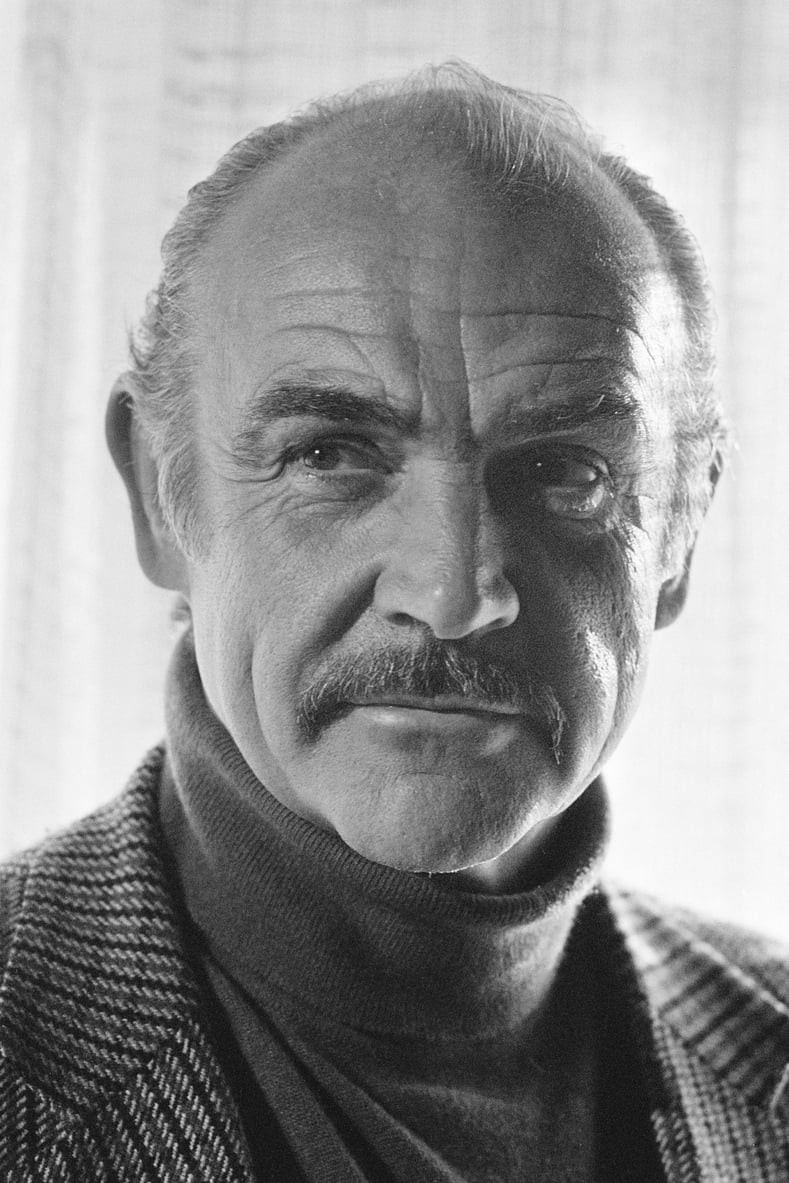
Sean Connery led the science-fiction thriller ‘Outland’, bringing a procedural edge to a story set in space industry. He also appeared in experimental and visually bold genre films that explored utopian and dystopian ideas. Connery’s star power drew audiences to projects that mixed action with speculative themes. His choices connected mainstream adventure with more cerebral science-fiction concepts.
John Hurt
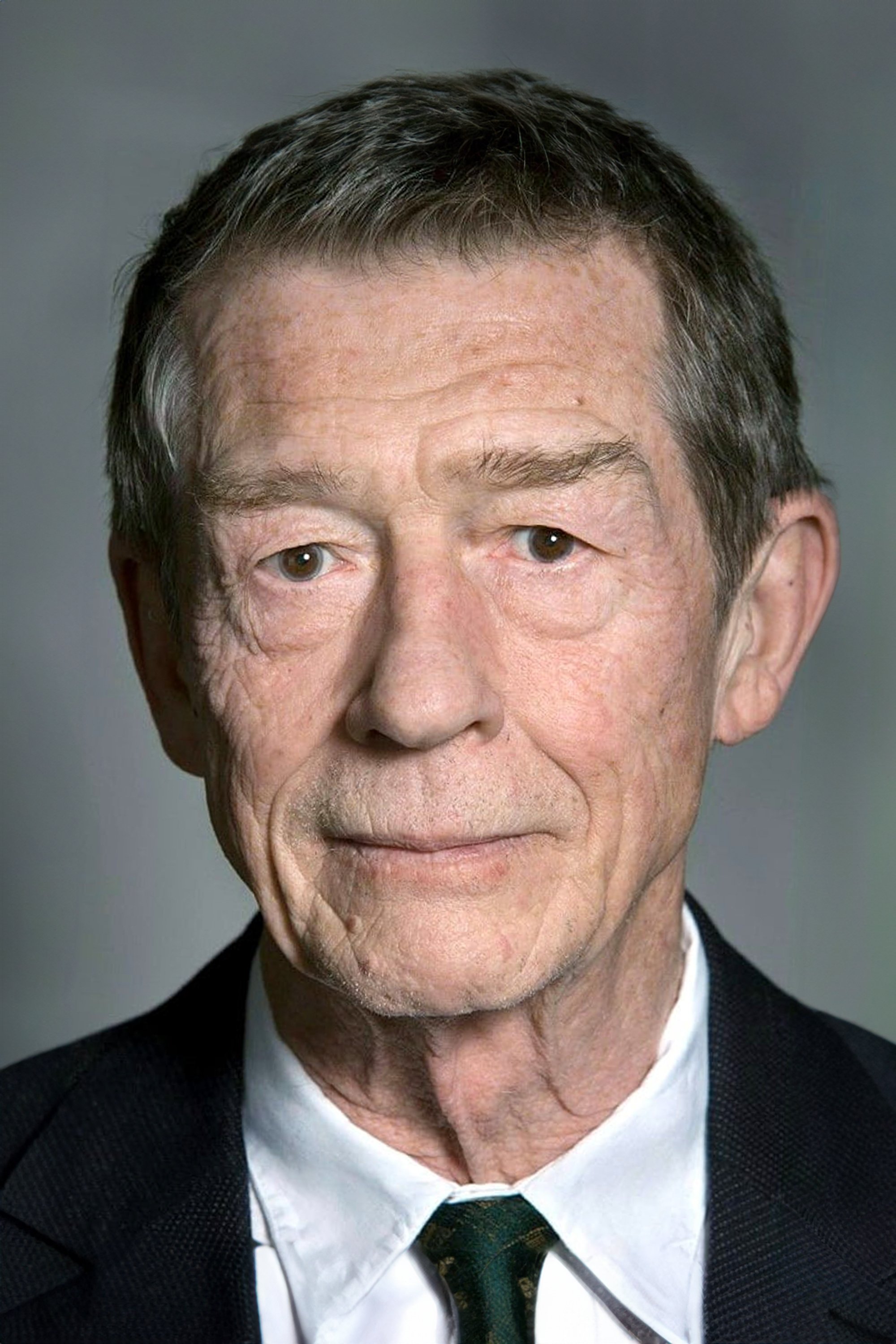
John Hurt’s role in ‘Alien’ delivered one of the most famous moments in sci-fi cinema, and he later returned to the franchise in different capacities. He portrayed the War Doctor in ‘Doctor Who’, adding a layered chapter to the Time Lord’s history. Hurt moved easily between blockbuster worlds and intimate science-fiction dramas. His voice work and narration further tied him to stories about memory, identity, and time.
James Doohan
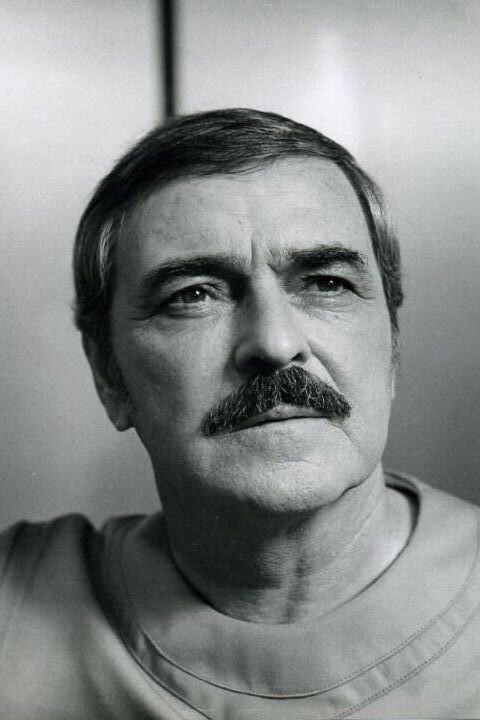
James Doohan portrayed Montgomery Scott in ‘Star Trek’ across television and film, shaping the image of a starship engineer for generations. He influenced the franchise’s technical jargon and helped craft accents and dialects for various characters. Doohan also contributed story ideas and interacted closely with fans at conventions worldwide. His voice work extended to animated episodes where he played multiple roles.
Richard Attenborough
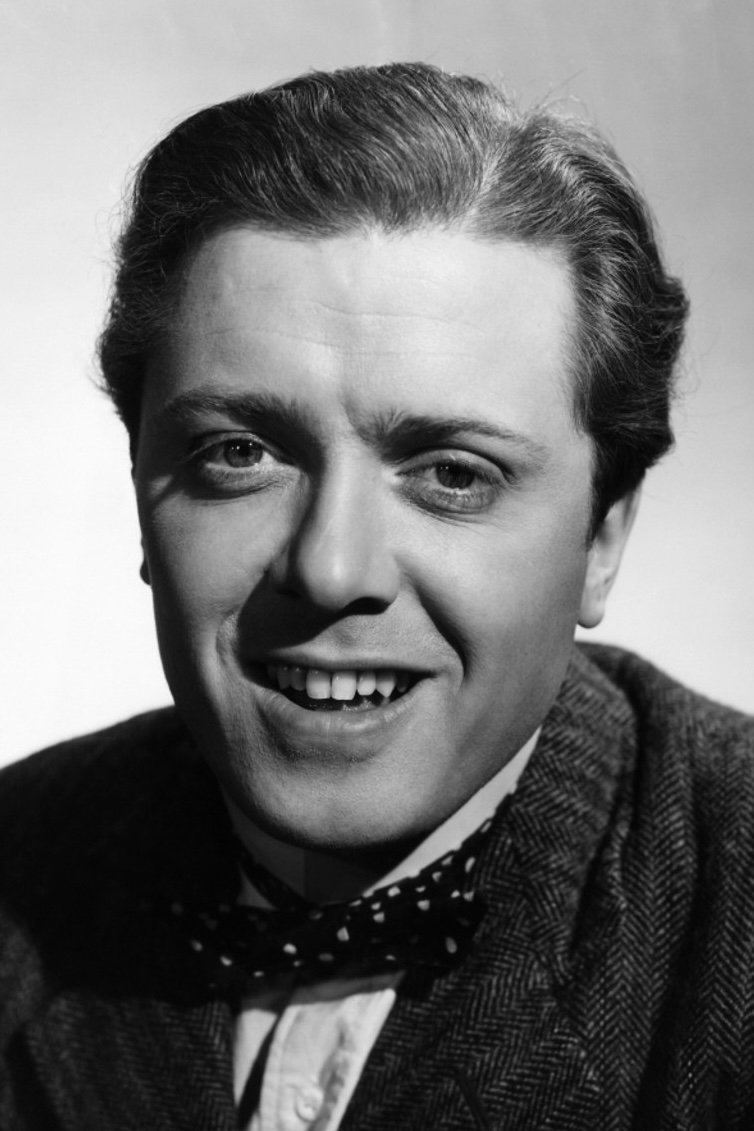
Richard Attenborough captivated sci-fi audiences as John Hammond in ‘Jurassic Park’ and its sequel, presenting the dreamer who brought dinosaurs back to life. He balanced producer and actor duties across a long career that included large-scale productions. Attenborough’s presence brought a sense of authority to speculative science on screen. He also directed acclaimed films, showing a command of storytelling from both sides of the camera.
Richard Hatch
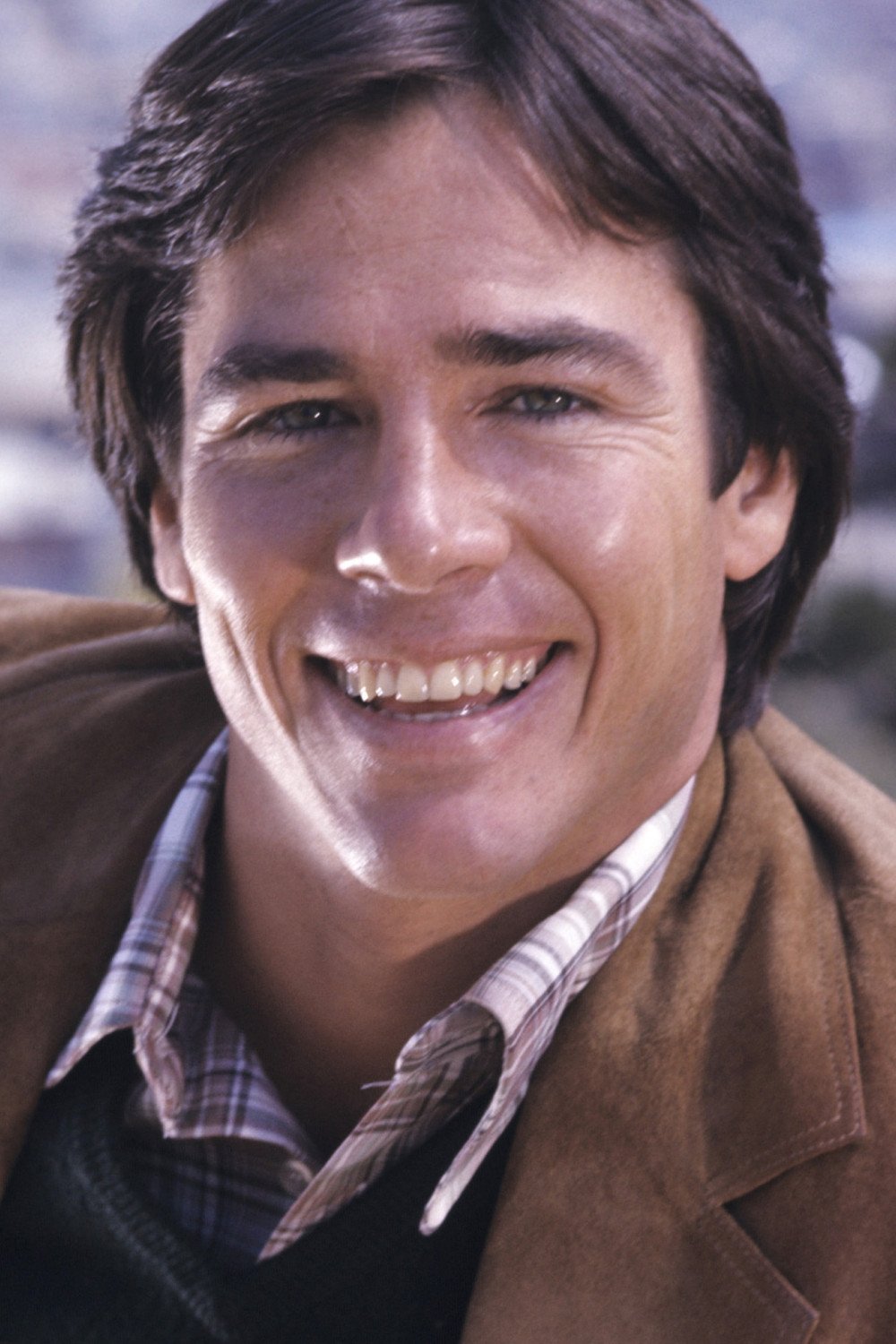
Richard Hatch became a key figure in ‘Battlestar Galactica’ by playing Apollo in the original series and later taking on a pivotal role in the reimagined version. He supported the franchise through novels and fan projects that kept interest alive between screen incarnations. Hatch often appeared at conventions to discuss the show’s world and characters. His efforts helped bridge the gap between different generations of viewers.
René Auberjonois
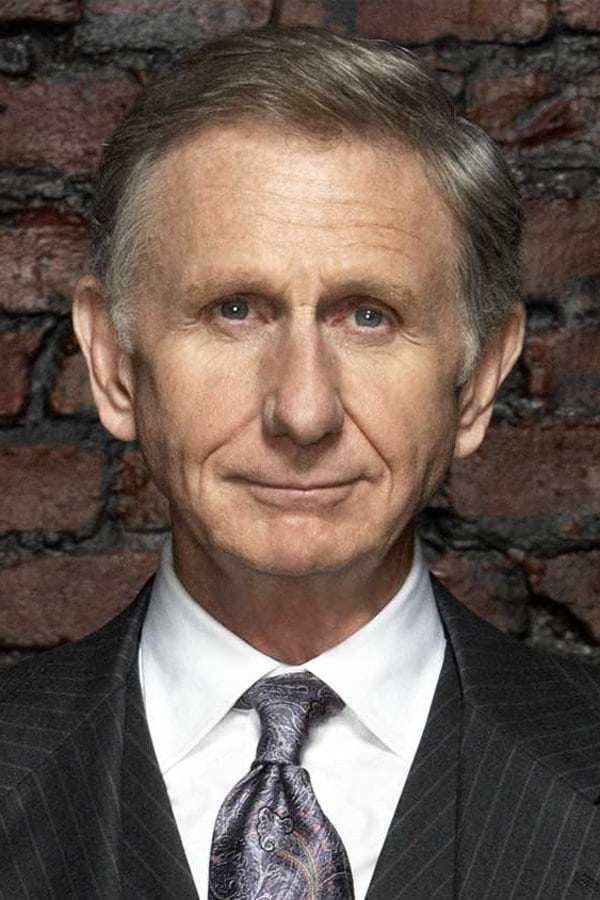
René Auberjonois defined Odo in ‘Star Trek: Deep Space Nine’, bringing depth to a shapeshifter navigating questions of identity and duty. He directed episodes of the series and worked widely in voice acting for animated sci-fi. Auberjonois had a long stage background that informed his performance style. He also engaged with fans through recordings, interviews, and charity work tied to the franchise.
Aron Eisenberg
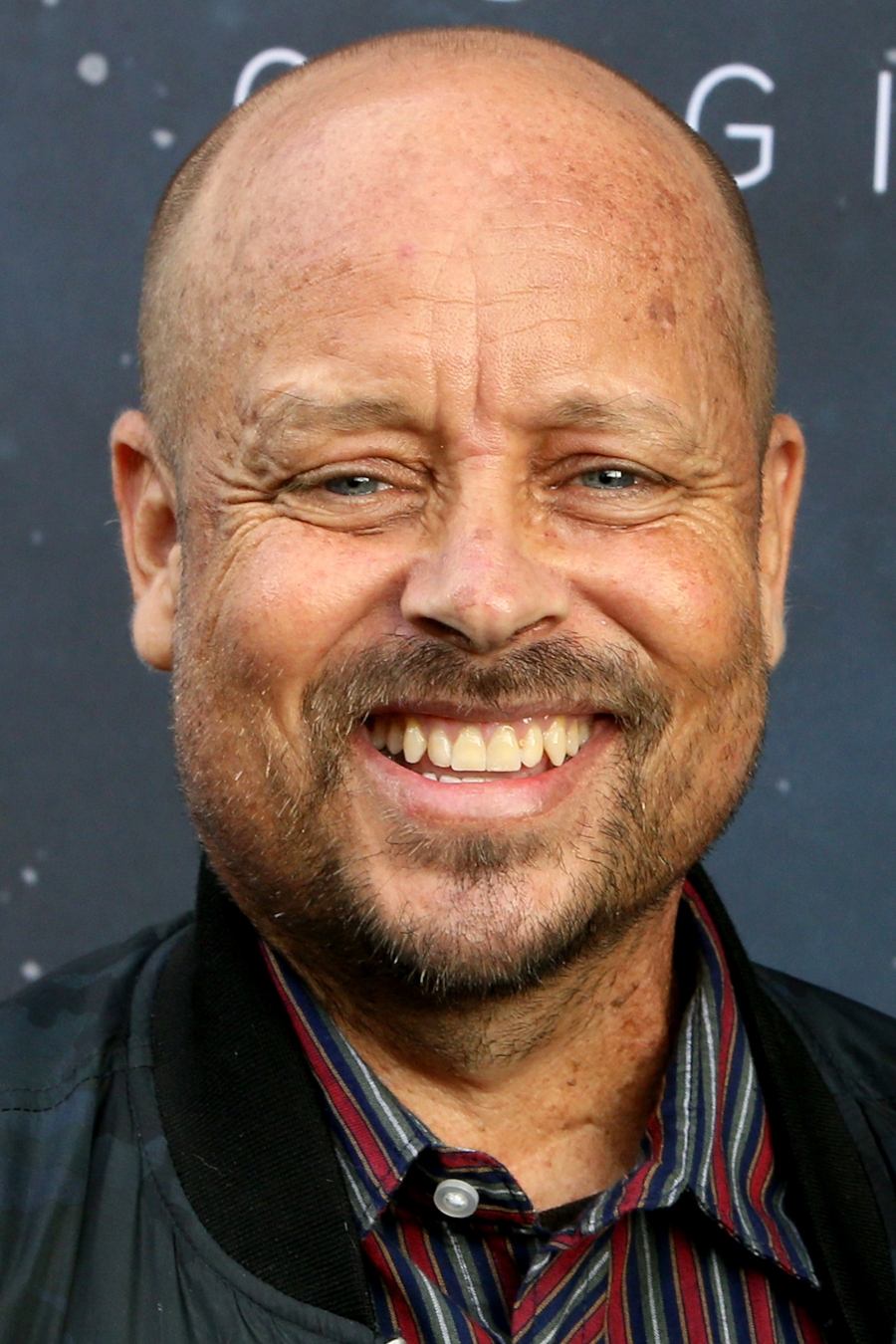
Aron Eisenberg portrayed Nog in ‘Star Trek: Deep Space Nine’, charting one of the franchise’s most notable character growth arcs. He appeared in multiple episodes that explored themes of ambition, injury, and recovery. Eisenberg was active in fan events and podcasts that discussed the show’s legacy. His work highlighted how side characters can carry significant narrative weight in a complex sci-fi setting.
Mark Lenard
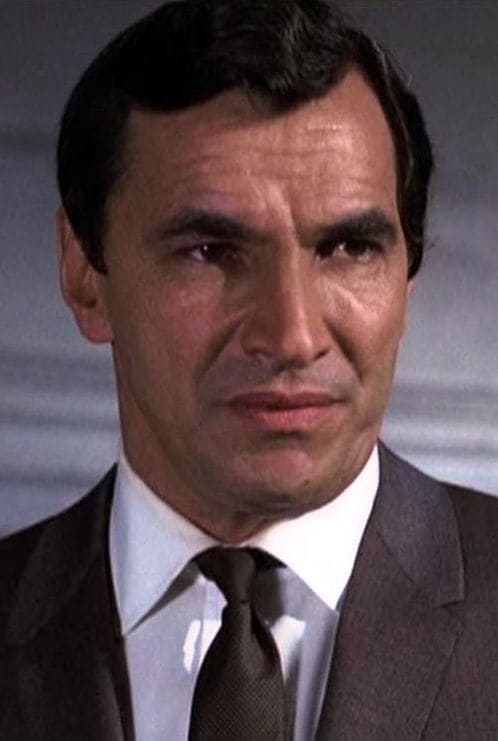
Mark Lenard played Sarek in ‘Star Trek’ and also appeared as a Romulan and a Klingon in different installments. He helped establish the tone and culture of Vulcans through careful performance choices. Lenard’s appearances spanned television, film, and the animated continuation of the franchise. He often spoke about the craft behind creating distinct alien personas.
Andreas Katsulas
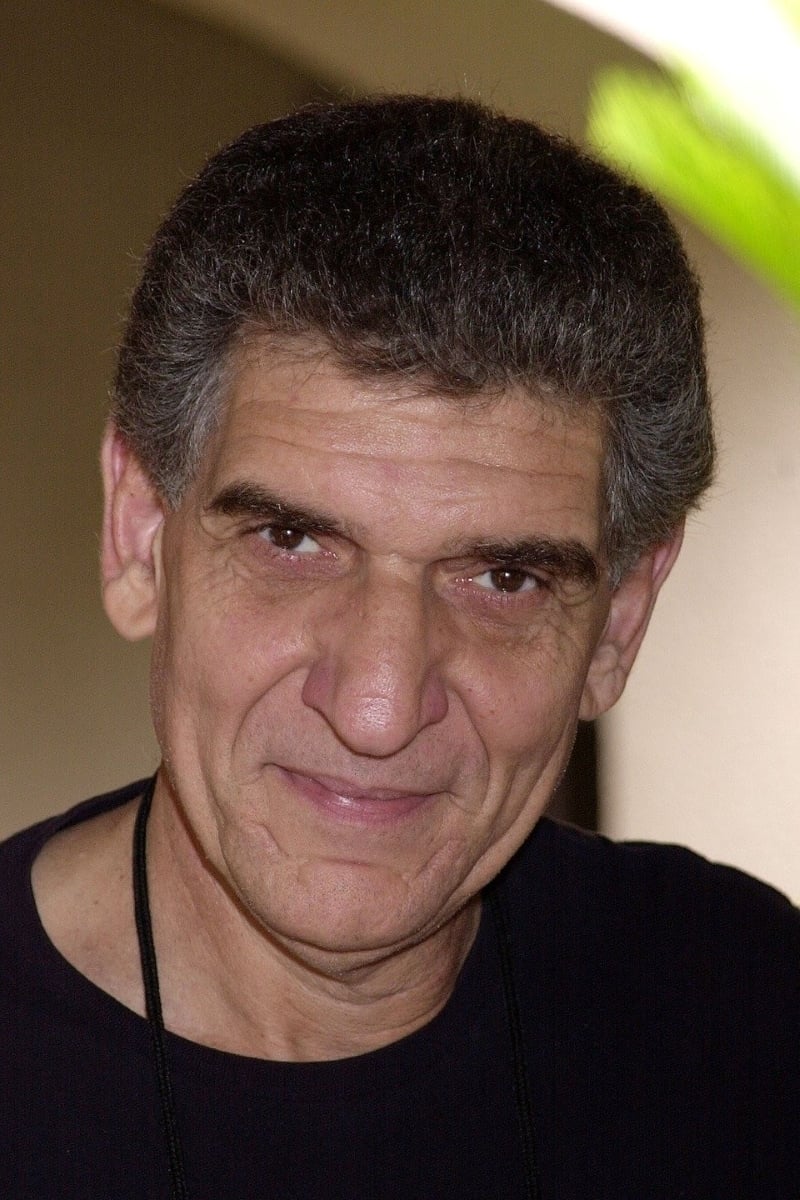
Andreas Katsulas portrayed G’Kar in ‘Babylon 5’, shaping a character that evolved from antagonist to statesman. He brought experience from stage and film to complex arcs about war and diplomacy. Katsulas also appeared in ‘Star Trek’ as memorable guest characters. His work emphasized the power of makeup and performance to create fully realized alien leaders.
Richard Biggs
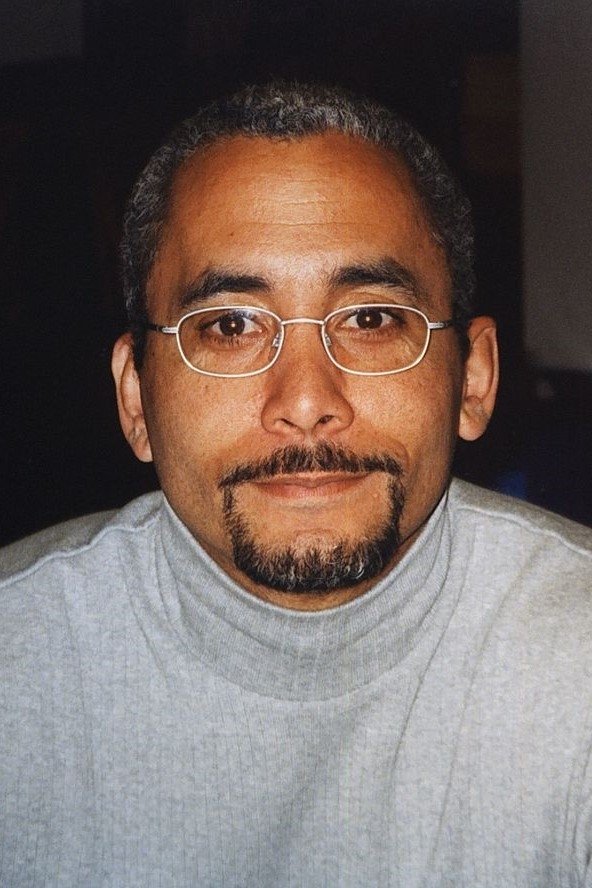
Richard Biggs played Dr. Stephen Franklin in ‘Babylon 5’, serving as the station’s chief medical officer and tackling ethically charged storylines. He worked across the series to explore the limits of medical science in a turbulent universe. Biggs participated in convention panels and educational outreach. His role connected personal character journeys with larger series mythology.
Jerry Doyle
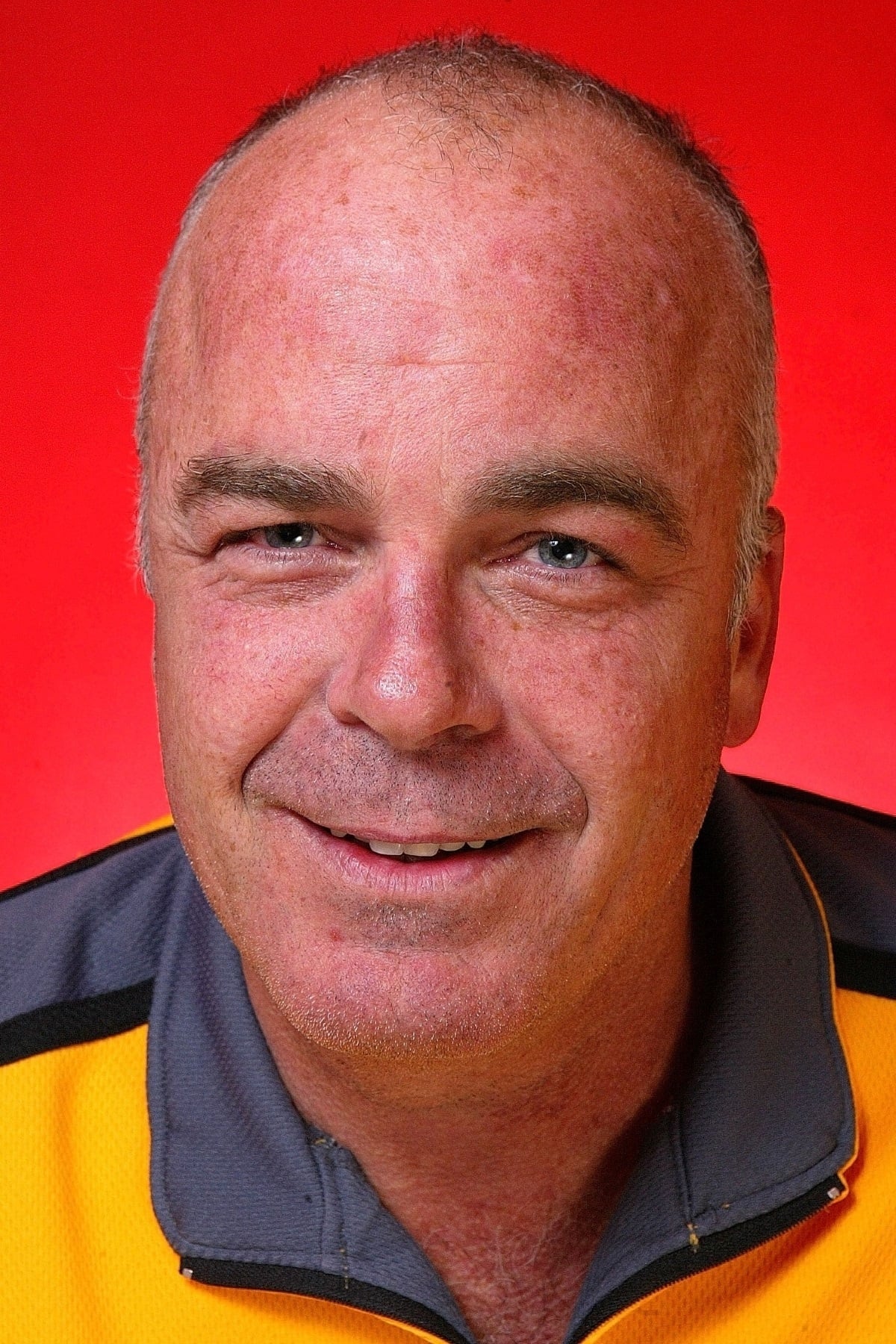
Jerry Doyle appeared as Michael Garibaldi in ‘Babylon 5’, handling security challenges that reflected political and technological tensions. He contributed to the show’s ensemble dynamic and returned for related productions. Doyle engaged frequently with fans and discussed behind-the-scenes processes. His character often bridged procedural investigations with the station’s evolving alliances.
Ron Glass
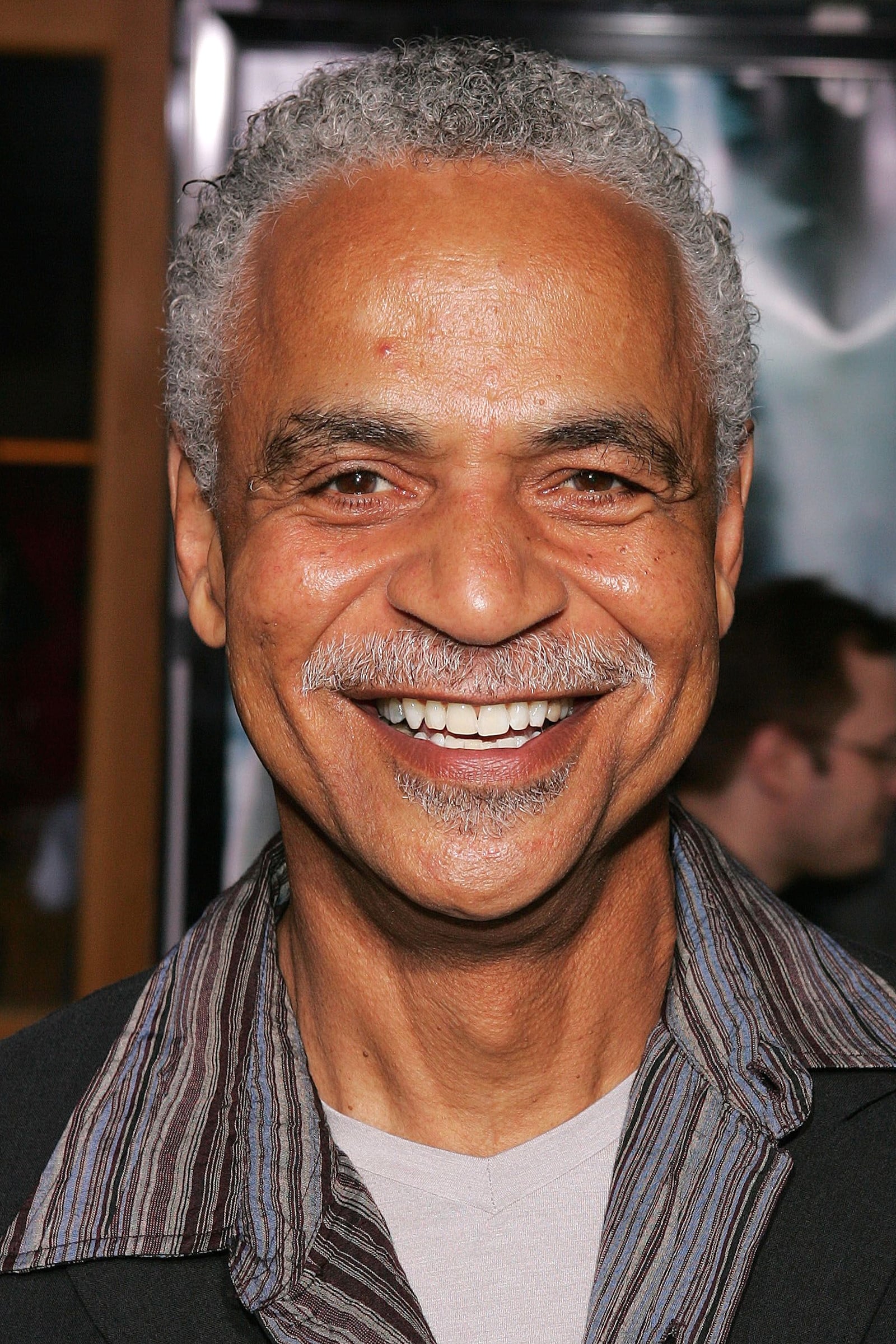
Ron Glass brought warmth and humor to Shepherd Book in ‘Firefly’ and its film follow-up, adding mystery to the crew’s background. He worked on a variety of genre projects that used his calm presence in speculative settings. Glass maintained connections with fans through interviews and convention appearances. His character’s history invited further exploration across expanded materials.
Leslie Nielsen
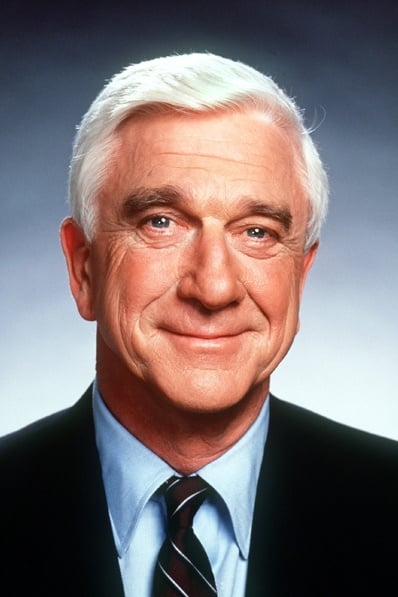
Leslie Nielsen led ‘Forbidden Planet’, a landmark in space-set cinema that influenced later depictions of starship crews. He transitioned through dramatic and comedic phases over a long career. Nielsen’s film remains a reference point for production design and electronic music in sci-fi storytelling. He also appeared in anthology series that experimented with futuristic ideas.
Yul Brynner
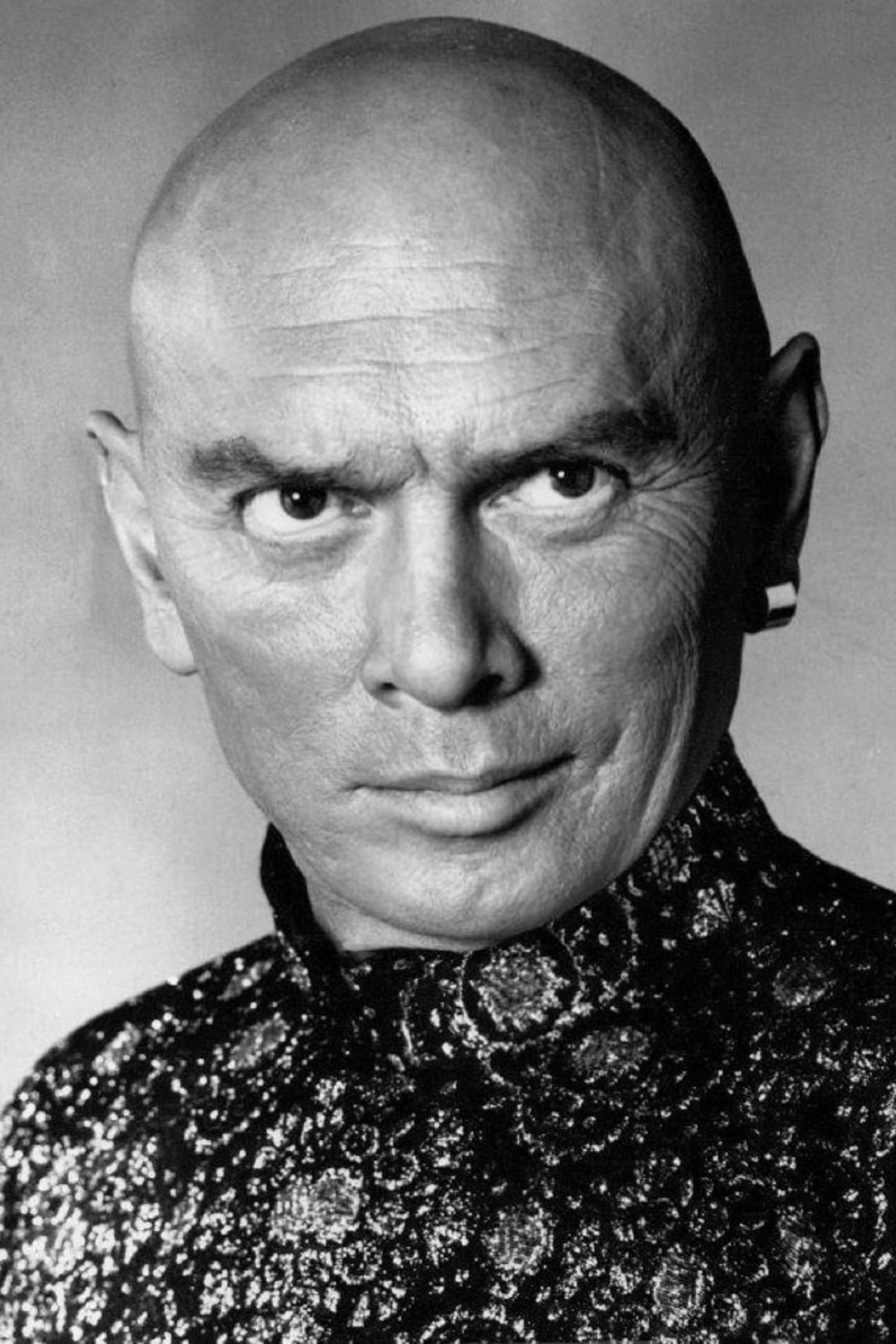
Yul Brynner anchored the original ‘Westworld’ as the Gunslinger, a role that inspired later interpretations of artificial hosts. He extended his performance style to several speculative projects. Brynner’s portrayal helped shape the image of relentless android antagonists. The film’s theme park concept continued to echo through later adaptations.
Patrick McGoohan
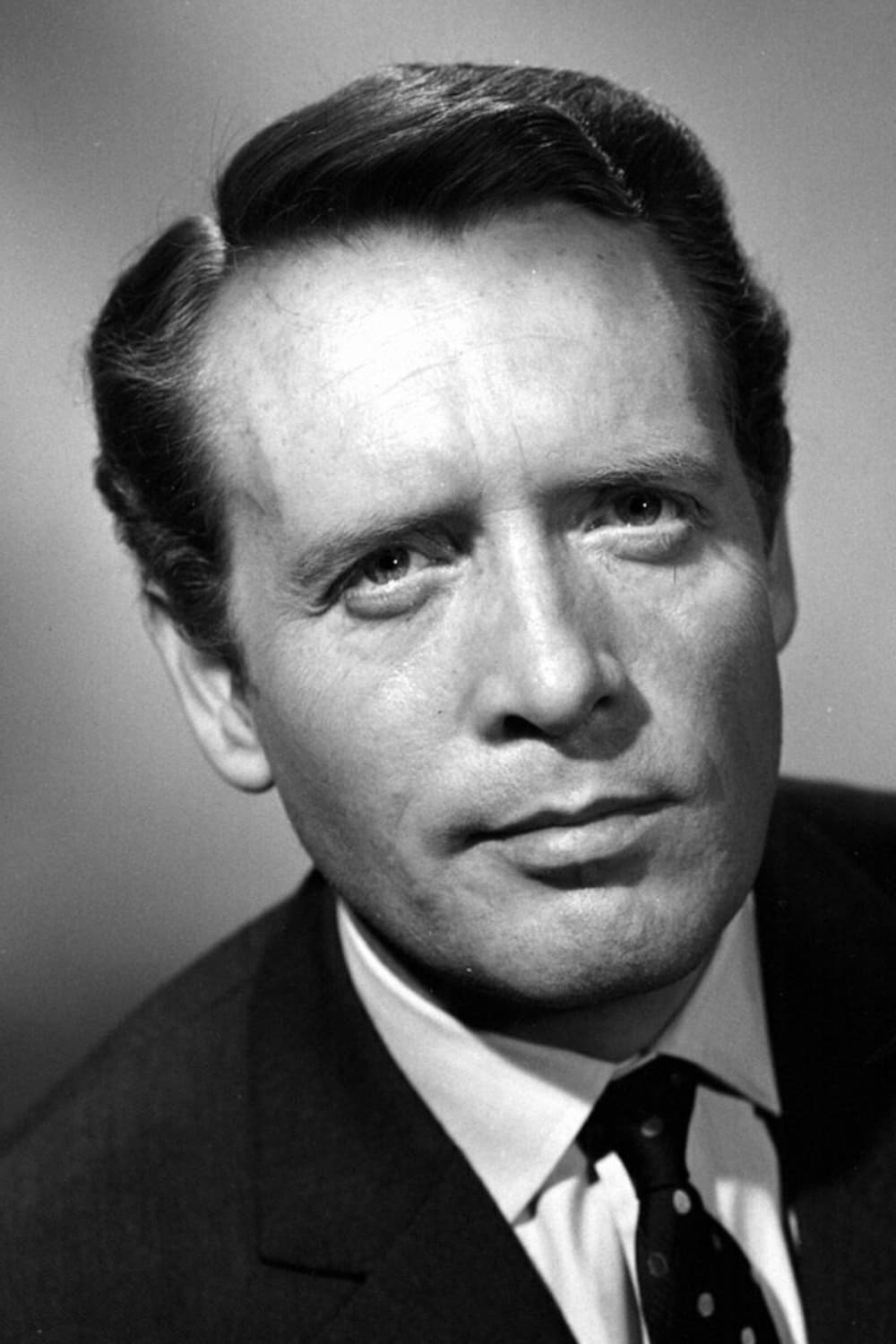
Patrick McGoohan created and starred in ‘The Prisoner’, a cerebral series about surveillance and free will. He was involved in writing and directing episodes that pushed television storytelling into more experimental territory. McGoohan’s work influenced later shows that explored identity and control in closed systems. He also guest starred in other productions that dealt with advanced technology and ethics.
Donald Sutherland
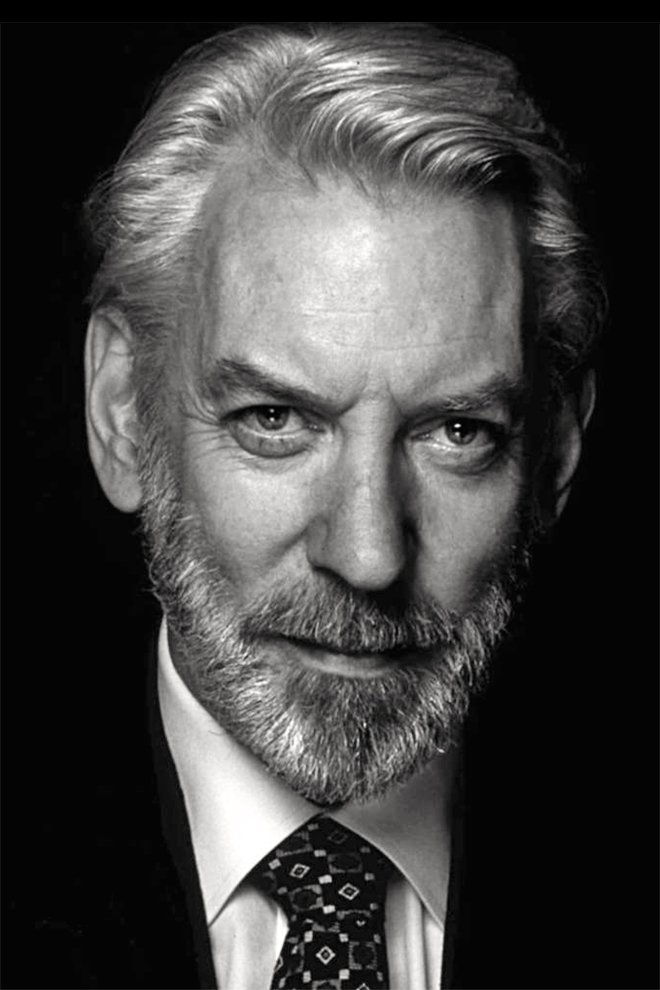
Donald Sutherland headlined ‘Invasion of the Body Snatchers’ in a version that became a touchstone for paranoia in sci-fi cinema. He later appeared in ‘The Hunger Games’ films as a political leader within a dystopian society. Sutherland brought a measured intensity that suited speculative worlds. His filmography includes thrillers that examine technology and power.
James Caan
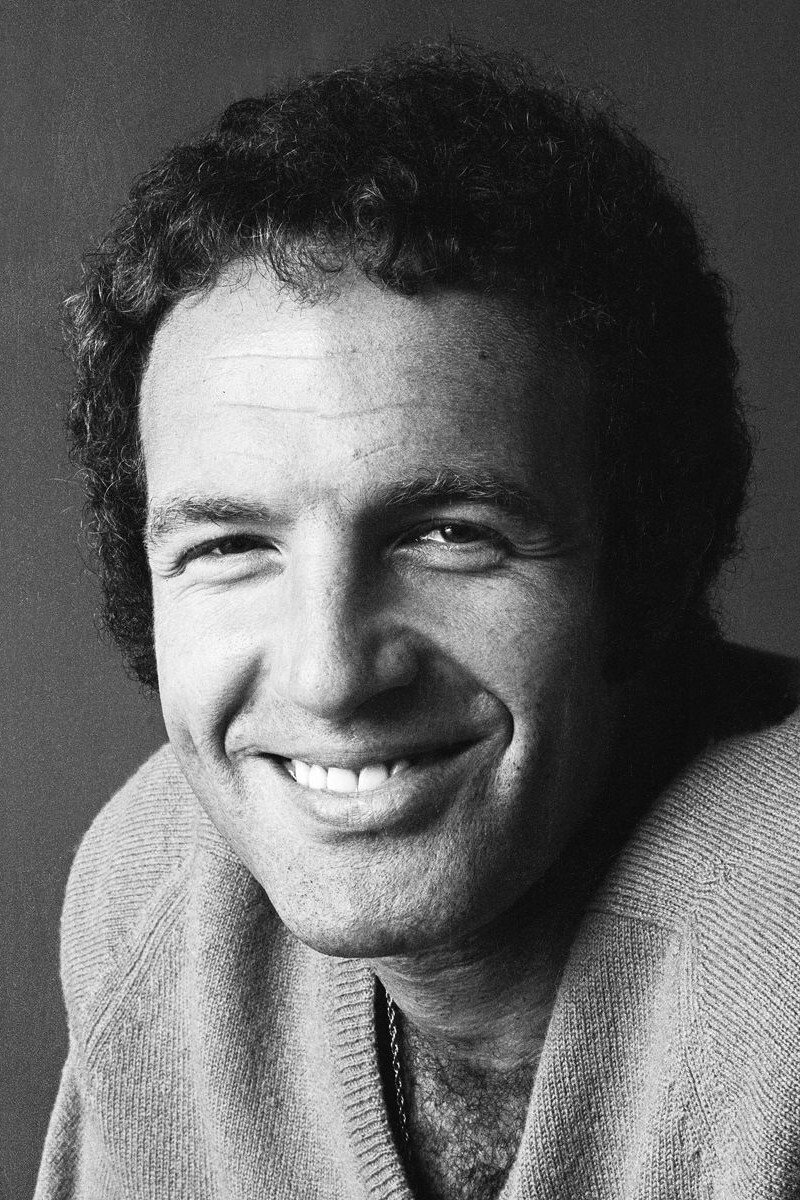
James Caan fronted ‘Rollerball’, which examined corporate control and violent spectacle in a futuristic sport. He later co-starred in ‘Alien Nation’, playing a detective partnered with an extraterrestrial colleague. Caan’s roles showed how genre stories can reflect social and economic themes. He continued to work across film and television projects that flirted with near-future ideas.
Ian Holm
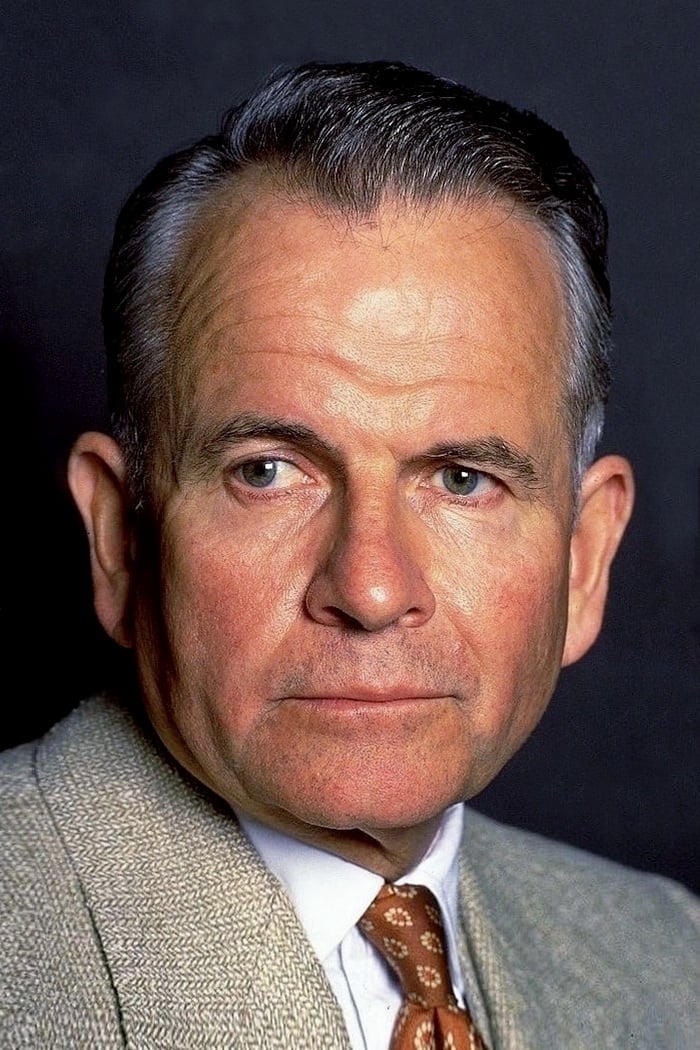
Ian Holm played Ash in ‘Alien’, delivering a key portrayal of artificial intelligence within a tense space setting. He later appeared in ‘The Fifth Element’ as a priest guiding the story’s central quest. Holm’s career included radio, stage, and film work that often intersected with speculative themes. He also contributed voice performances that extended his presence into animated science fiction.
Peter Mayhew
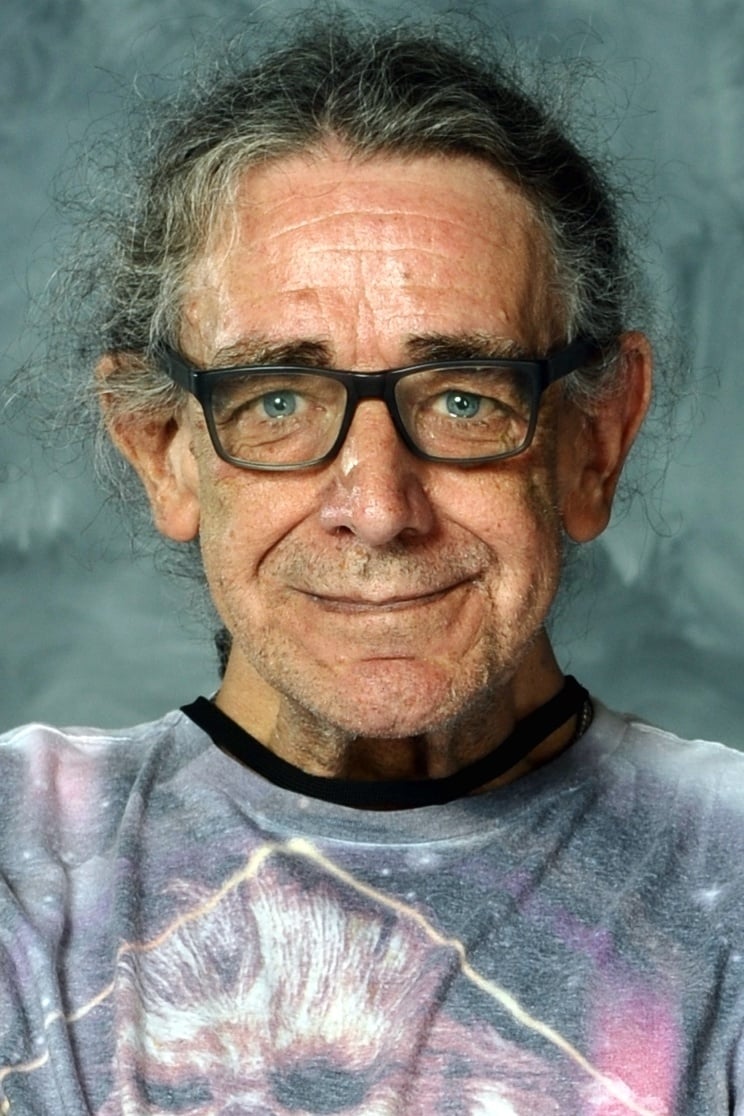
Peter Mayhew portrayed Chewbacca in ‘Star Wars’, performing in a full-body suit that required careful physical expression to convey emotion without dialogue. He worked alongside sound designers who crafted the character’s signature vocalizations from animal recordings. Mayhew participated in multiple films across the saga and engaged with fans through events worldwide. He also consulted with successors to help maintain continuity in the character’s movement.
Jeremy Bulloch
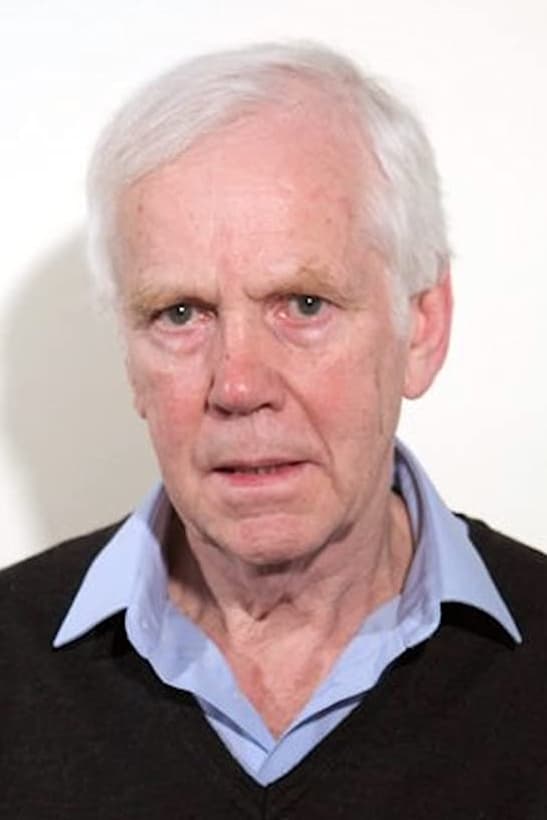
Jeremy Bulloch originated Boba Fett in ‘Star Wars’, shaping the bounty hunter’s reserved demeanor through subtle body language. He made convention appearances that offered behind-the-scenes details about the armor and stunts. Bulloch returned for cameo roles within the franchise and supported charitable fan initiatives. His portrayal influenced later interpretations of armored characters in science fiction.
Haruo Nakajima
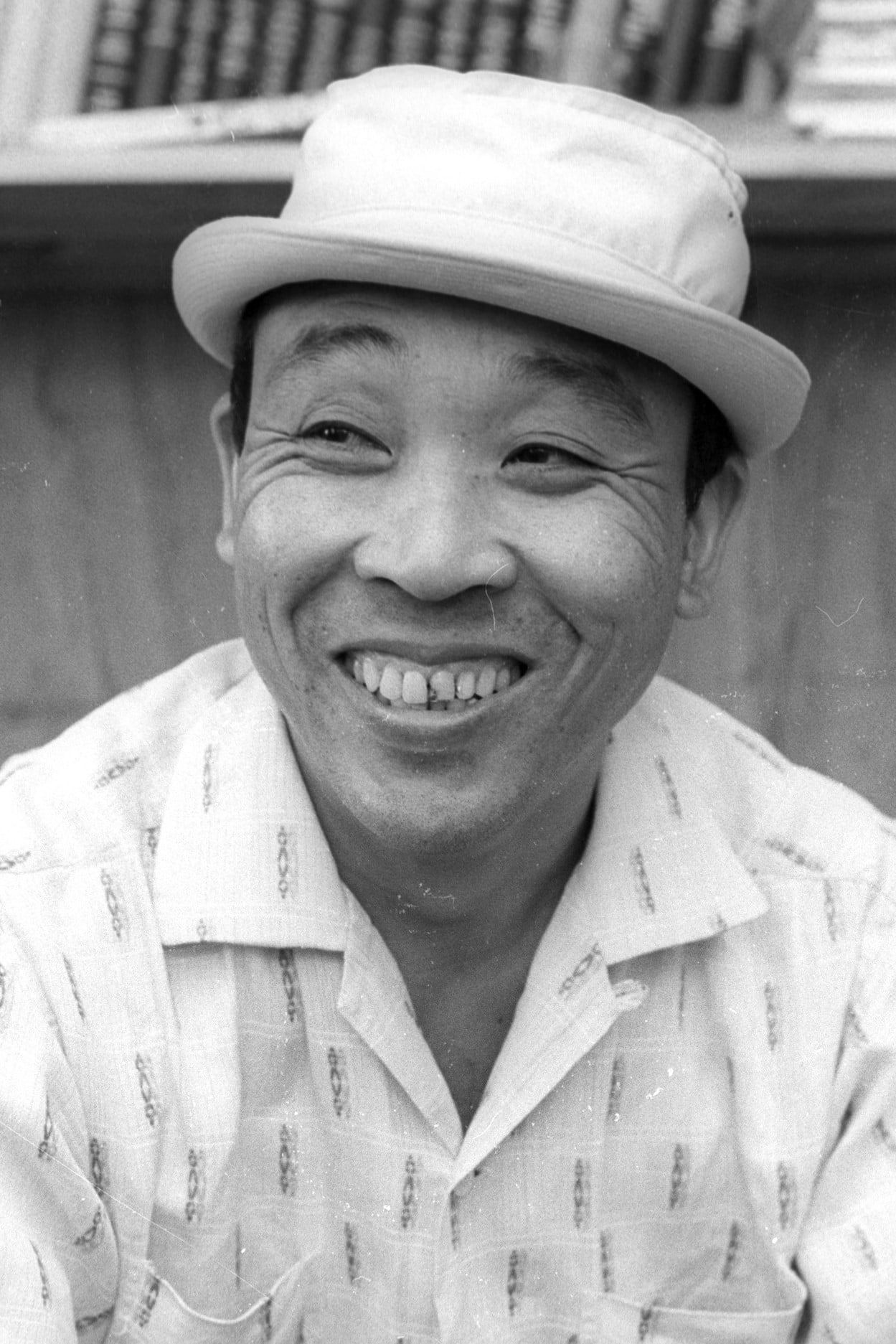
Haruo Nakajima performed as Godzilla in numerous films, operating inside heavy suits under intense set conditions. He helped define kaiju movement by studying animal behavior and adapting it to cinematic scale. Nakajima also suited up for other monsters in the franchise and related productions. He trained successors and shared production stories that documented mid-century special effects techniques.
Roddy McDowall
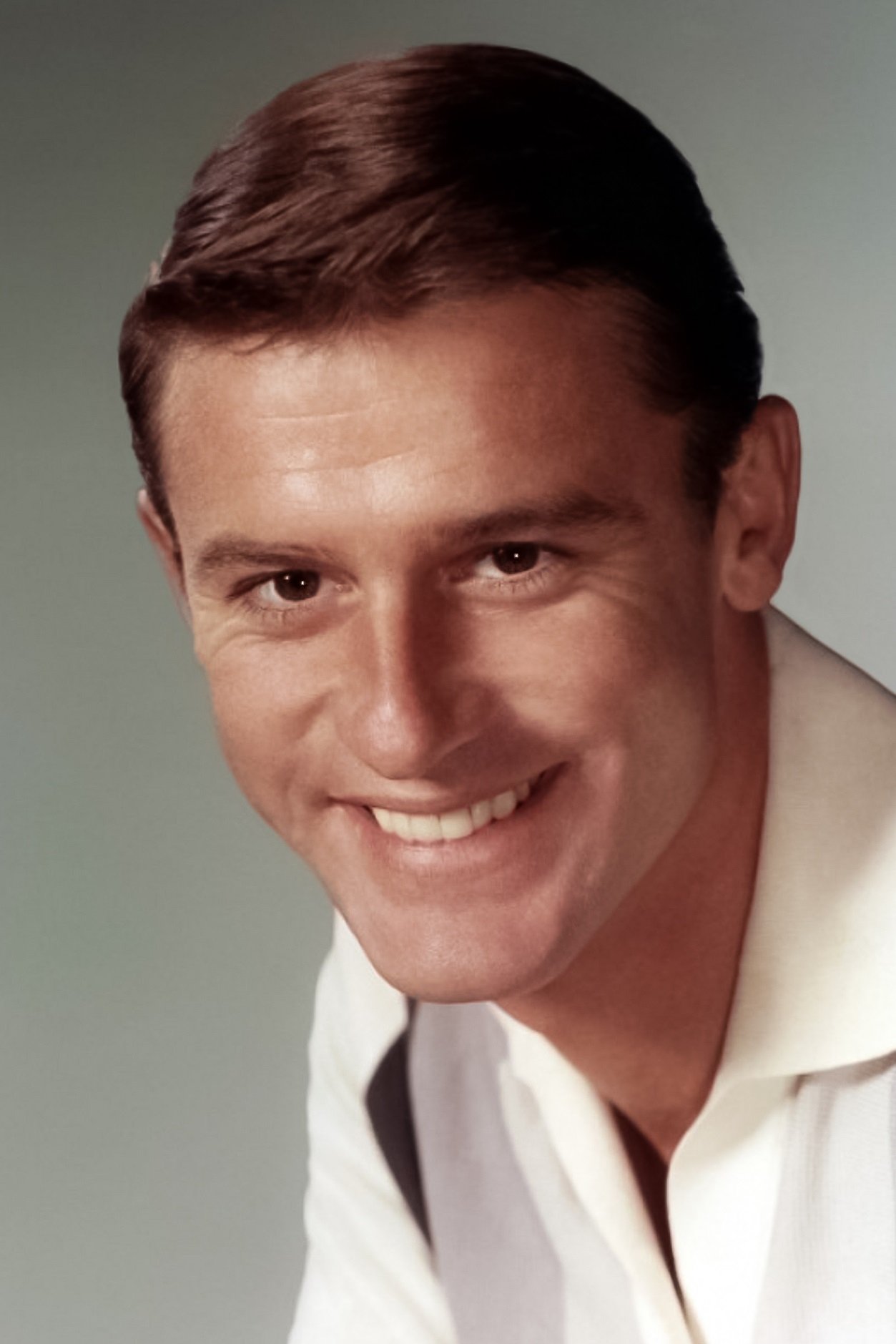
Roddy McDowall became closely associated with ‘Planet of the Apes’, portraying both Cornelius and Caesar under extensive makeup. He contributed to multiple sequels and the television adaptation, offering continuity for the franchise. McDowall documented the productions with photographs that later served as valuable archives. He also worked in other genre projects that used performance under prosthetics to explore social themes.
Charlton Heston
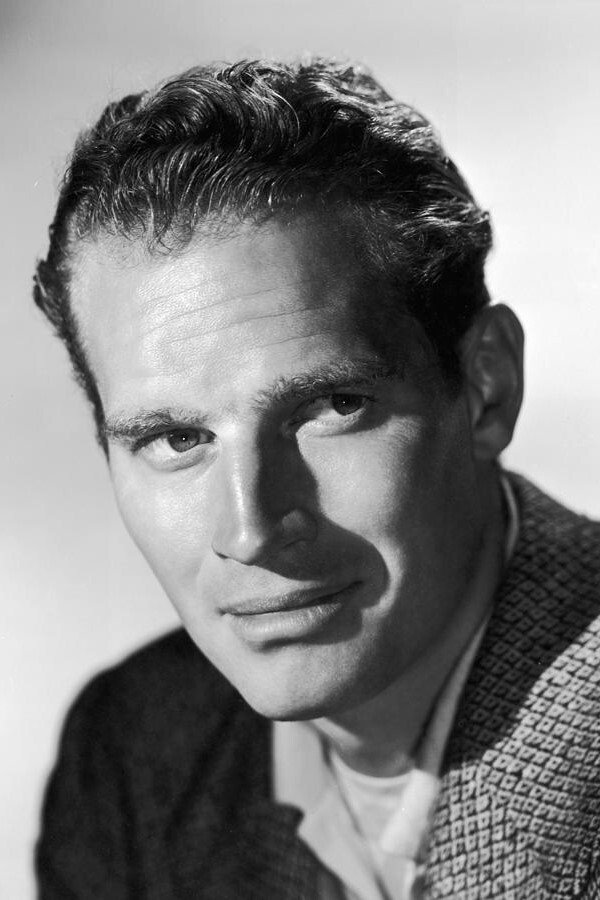
Charlton Heston headlined ‘Planet of the Apes’ and later appeared in ‘The Omega Man’ and ‘Soylent Green’, anchoring major studio science fiction. His roles often connected speculative premises with contemporary anxieties about society and technology. Heston’s films used large-scale sets and practical effects typical of their era. He also made notable appearances in follow-up installments that expanded these cinematic worlds.
Vincent Price
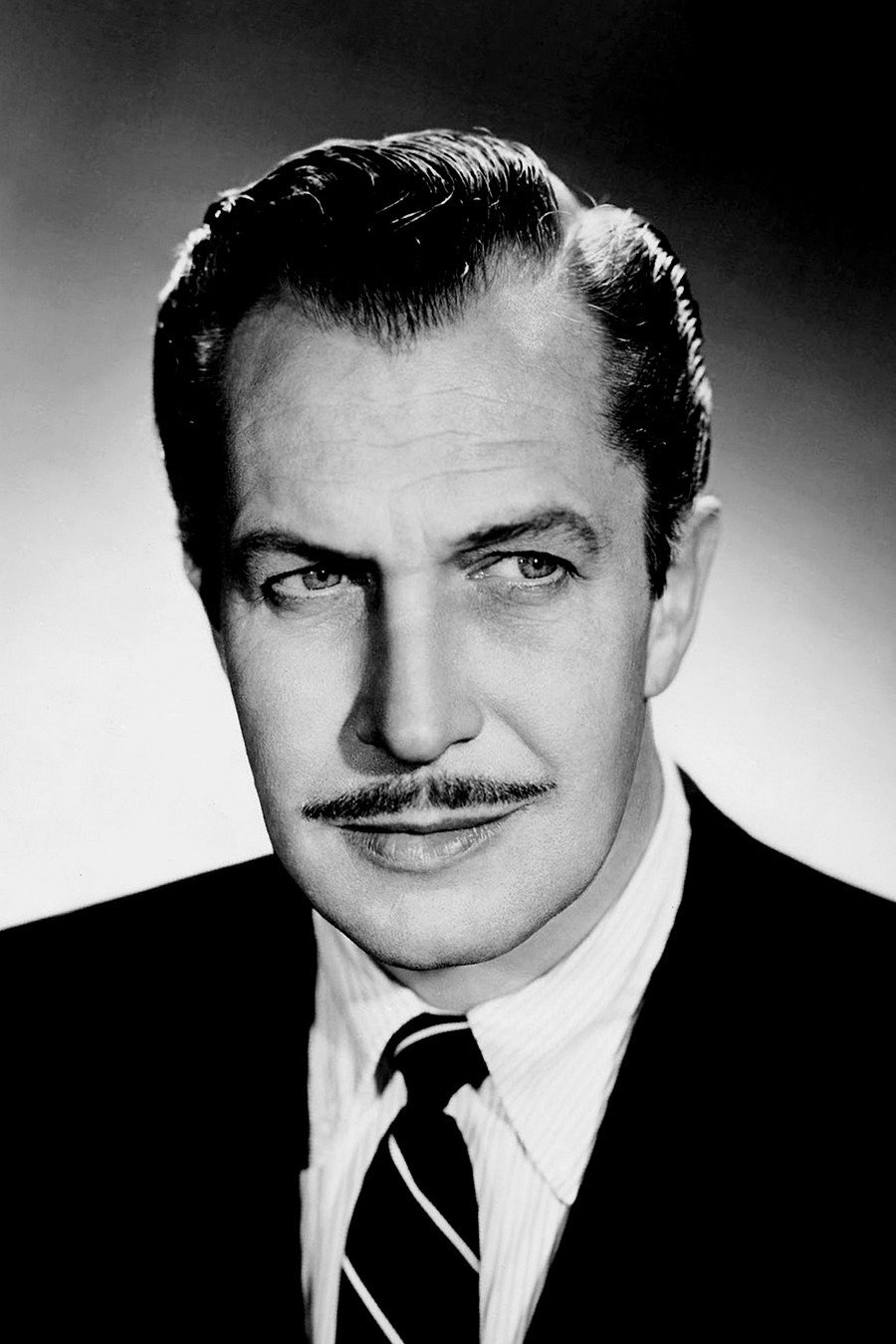
Vincent Price starred in ‘The Fly’, bringing a refined presence to a story about transformation through experimental science. He appeared in numerous anthology series that explored futuristic and macabre concepts. Price narrated and hosted projects that introduced audiences to genre storytelling. His distinctive voice made him a frequent choice for audio productions with speculative themes.
Dean Stockwell
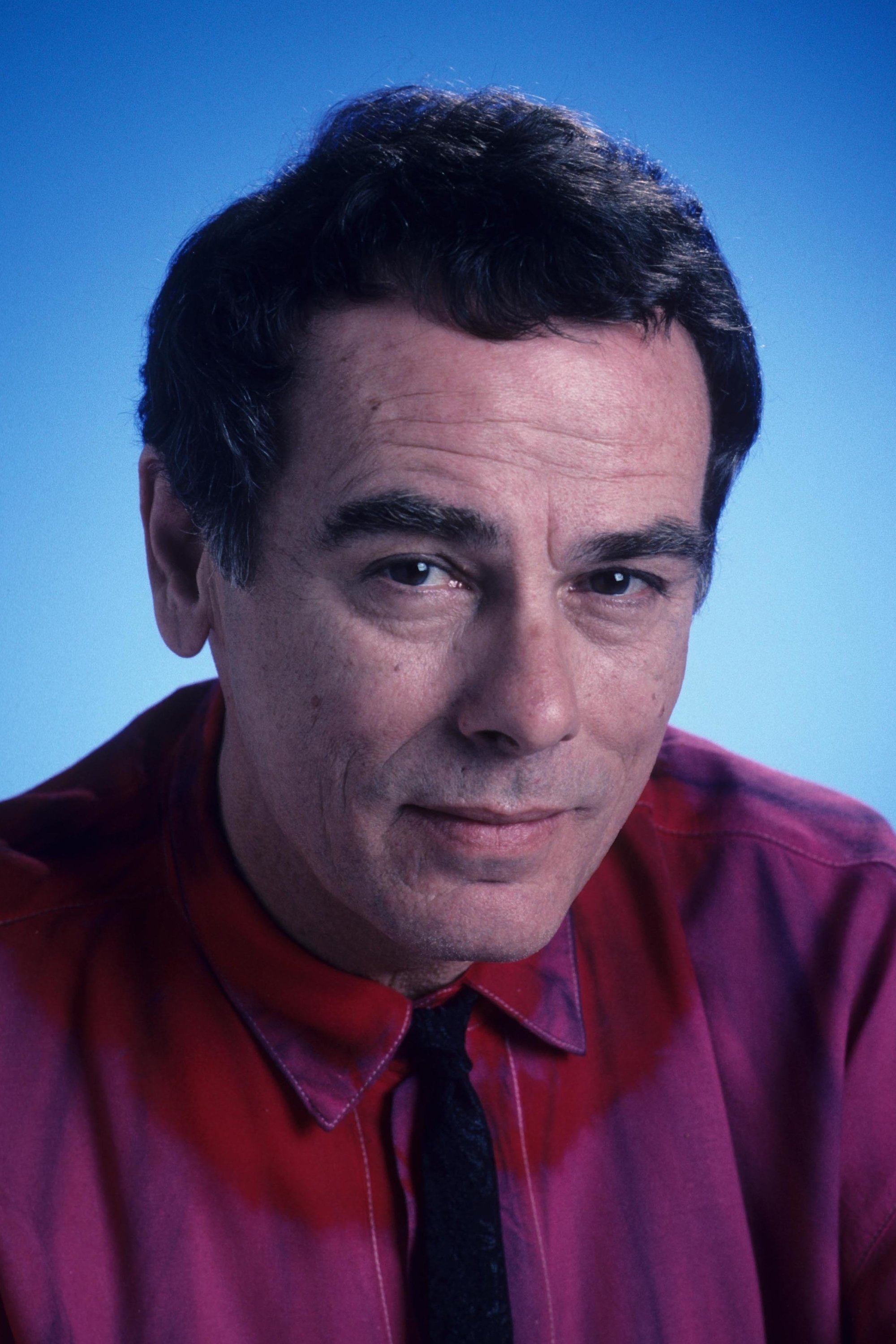
Dean Stockwell played Al Calavicci in ‘Quantum Leap’, guiding time travel missions with a handheld interface tied to a supercomputer. He also appeared in ‘Dune’, contributing to a complex political and technological landscape. Stockwell’s television and film work often intersected with narratives about memory and identity. He participated in reunions and retrospectives that chronicled the making of these shows.
David Bowie
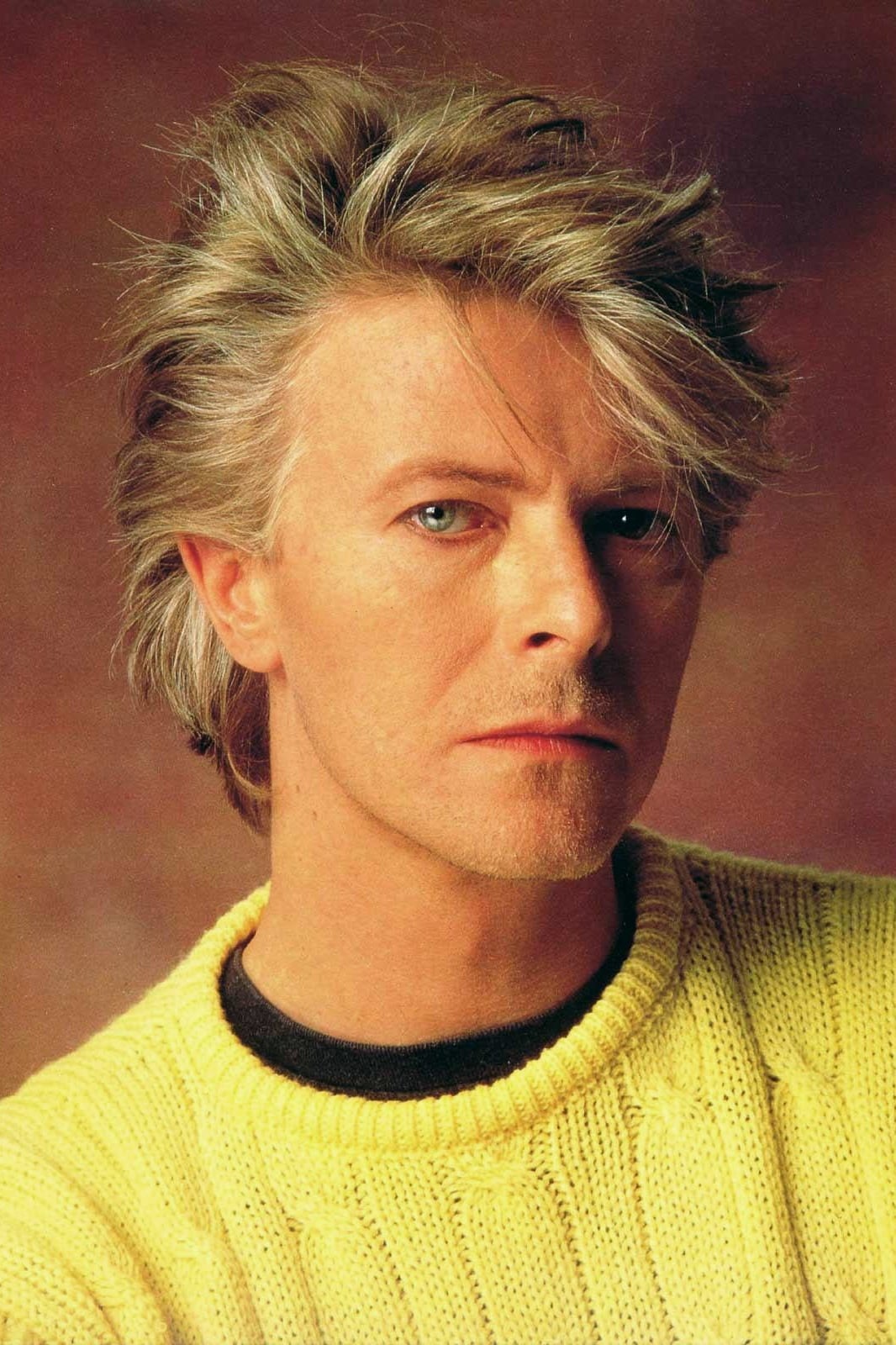
David Bowie led ‘The Man Who Fell to Earth’ as an extraterrestrial navigating human systems and corporate control. He later portrayed Nikola Tesla in ‘The Prestige’, a role tied to experimental electricity and invention. Bowie’s music videos frequently used futuristic imagery and narrative concepts. He collaborated with directors and designers who crossed between film and avant-garde performance.
Michael Gambon
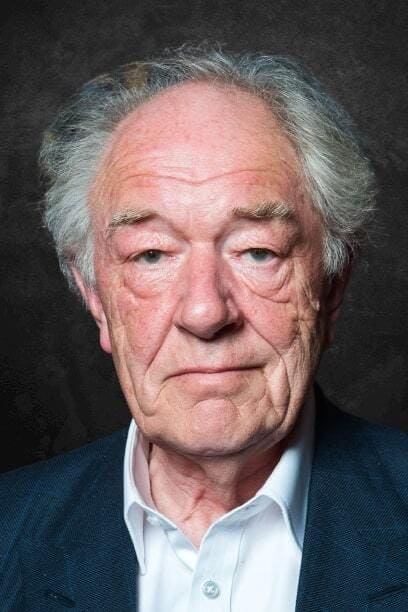
Michael Gambon appeared in ‘Sky Captain and the World of Tomorrow’, a film that used extensive digital backlot techniques. He guest-starred in ‘Doctor Who’ for a holiday special that mixed character drama with advanced technology. Gambon worked widely in radio and stage productions that experimented with sound design. His screen roles often intersected with stories about scientific ambition and its consequences.
Bernard Cribbins
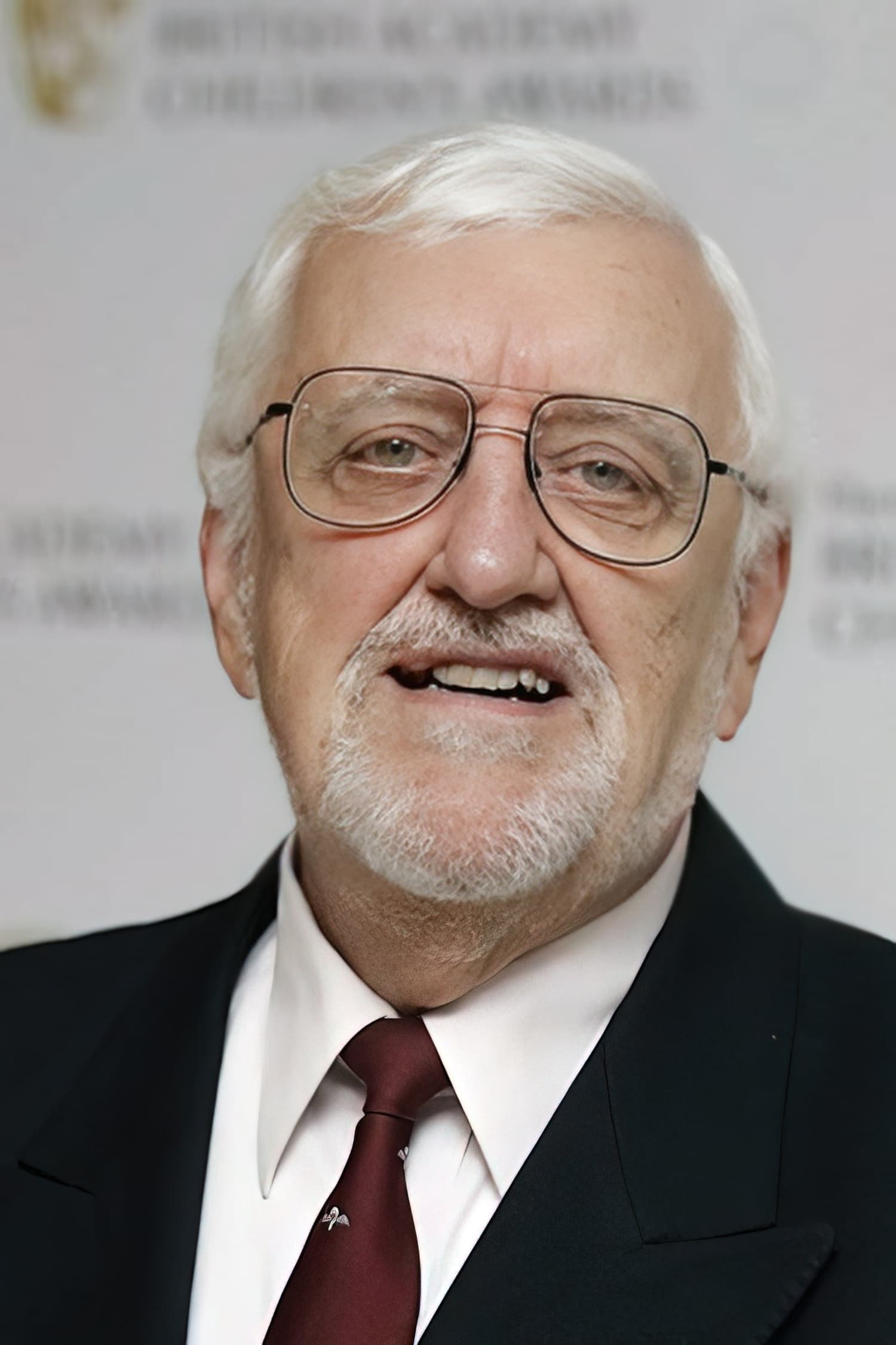
Bernard Cribbins played Wilfred Mott in ‘Doctor Who’, contributing to episodes centered on planetary crises and temporal stakes. He had earlier ties to the franchise through a feature film that adapted the series for the big screen. Cribbins narrated long-running children’s programming that sometimes included imaginative, science-tinged tales. He remained active in recordings and interviews that documented the show’s evolution.
Miguel Ferrer
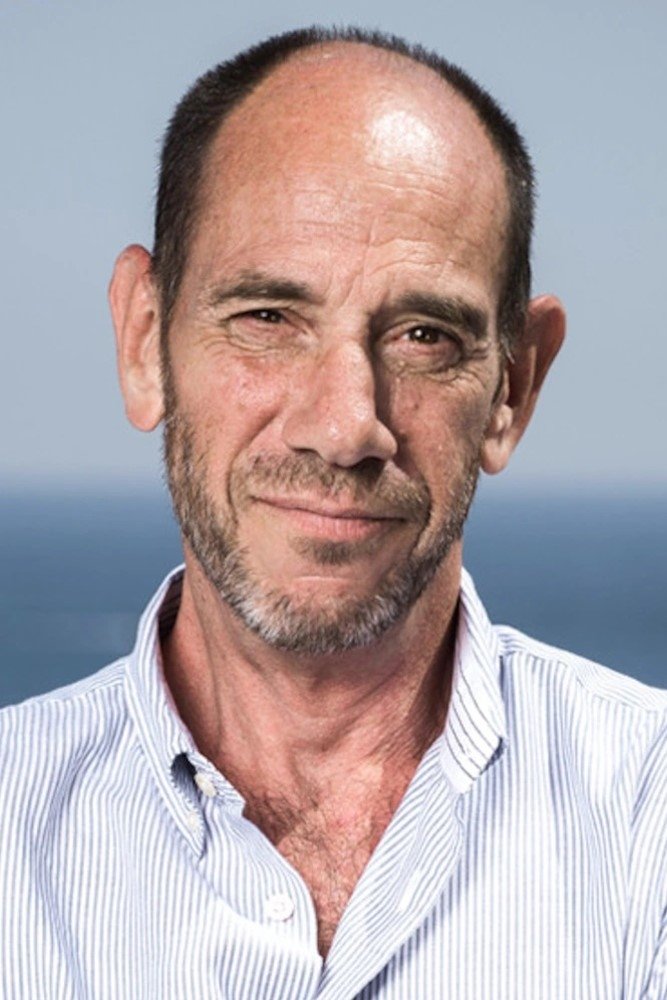
Miguel Ferrer appeared in ‘RoboCop’, portraying a corporate figure within a near-future policing narrative. He brought the same intensity to other projects involving experimental technology and surveillance. Ferrer worked in animation and video games that extended sci-fi storytelling beyond film and television. He also recorded commentary tracks that detailed production design and visual effects processes.
Robert Forster
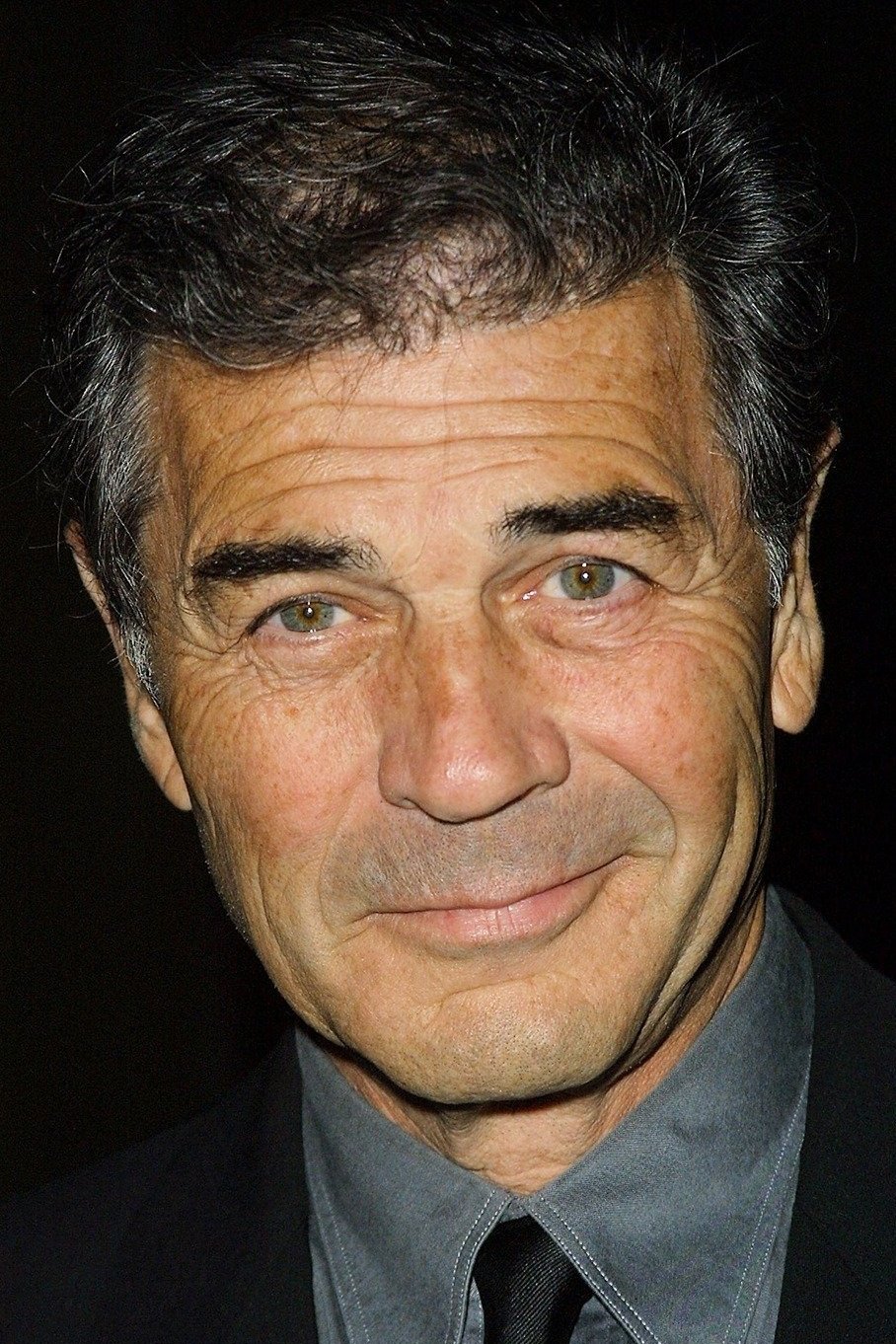
Robert Forster starred in ‘The Black Hole’, navigating a story that combined astrophysics with artificial intelligence. He balanced genre work with roles in contemporary dramas, maintaining a steady presence across formats. Forster participated in retrospectives that discussed miniature work and matte photography used in space films. His television appearances often engaged with speculative premises tied to future tech.
Wilford Brimley
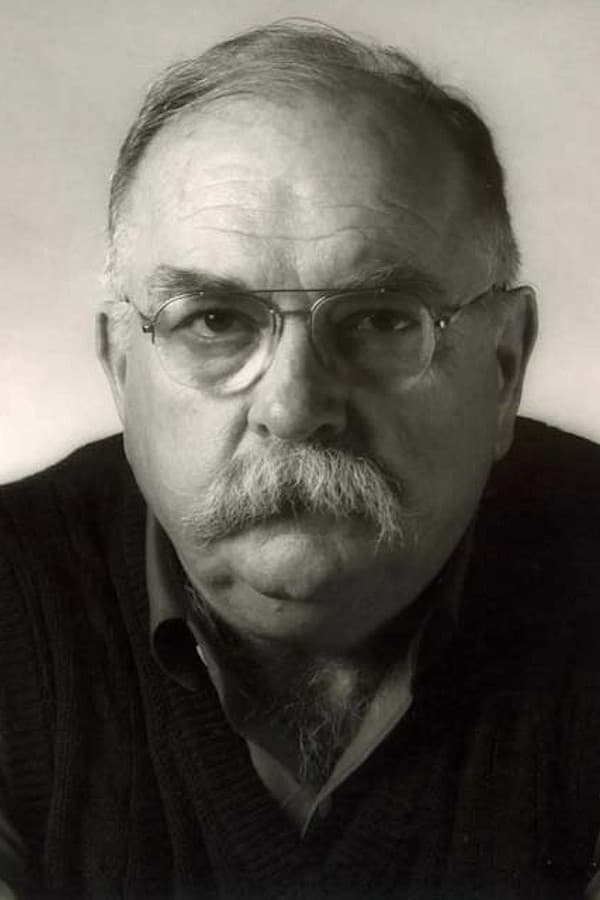
Wilford Brimley featured in ‘Cocoon’, a film that blended extraterrestrial contact with themes of aging and renewal. He returned for the follow-up, continuing the story of a community transformed by otherworldly intervention. Brimley’s filmography included projects that examined corporate secrecy and scientific risk. He contributed to interviews that highlighted practical effects and underwater filming techniques.
Bob Hoskins
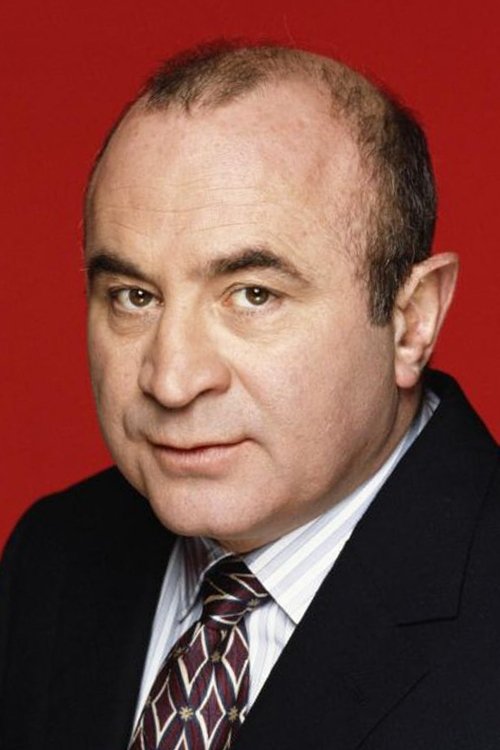
Bob Hoskins played a lead role in ‘Brazil’, a dystopian satire built on retro-futurist production design and bureaucratic technology. He later starred in ‘Super Mario Bros.’, which used elaborate sets and animatronics to depict an alternate dimension. Hoskins discussed the challenges of acting opposite visual effects that were added in post-production. His body of work illustrates how practical and early digital methods shaped sci-fi worldbuilding.
Share the names you think we missed in the comments and tell us which performances you revisit the most.