Most Overrated Anime Everyone Seems to Like


Everyone has that wildly popular anime a friend keeps recommending that just never clicks, and that is fine because hype does not always match personal taste. Here is a look at widely known series that dominate playlists and timelines, along with concise info on what they actually offer. Use this as a quick guide to premises, episode counts, and production details so you can decide if they are for you. Studios are mentioned in passing so you know who brought each world to life.
‘Attack on Titan’ (2013–2023)
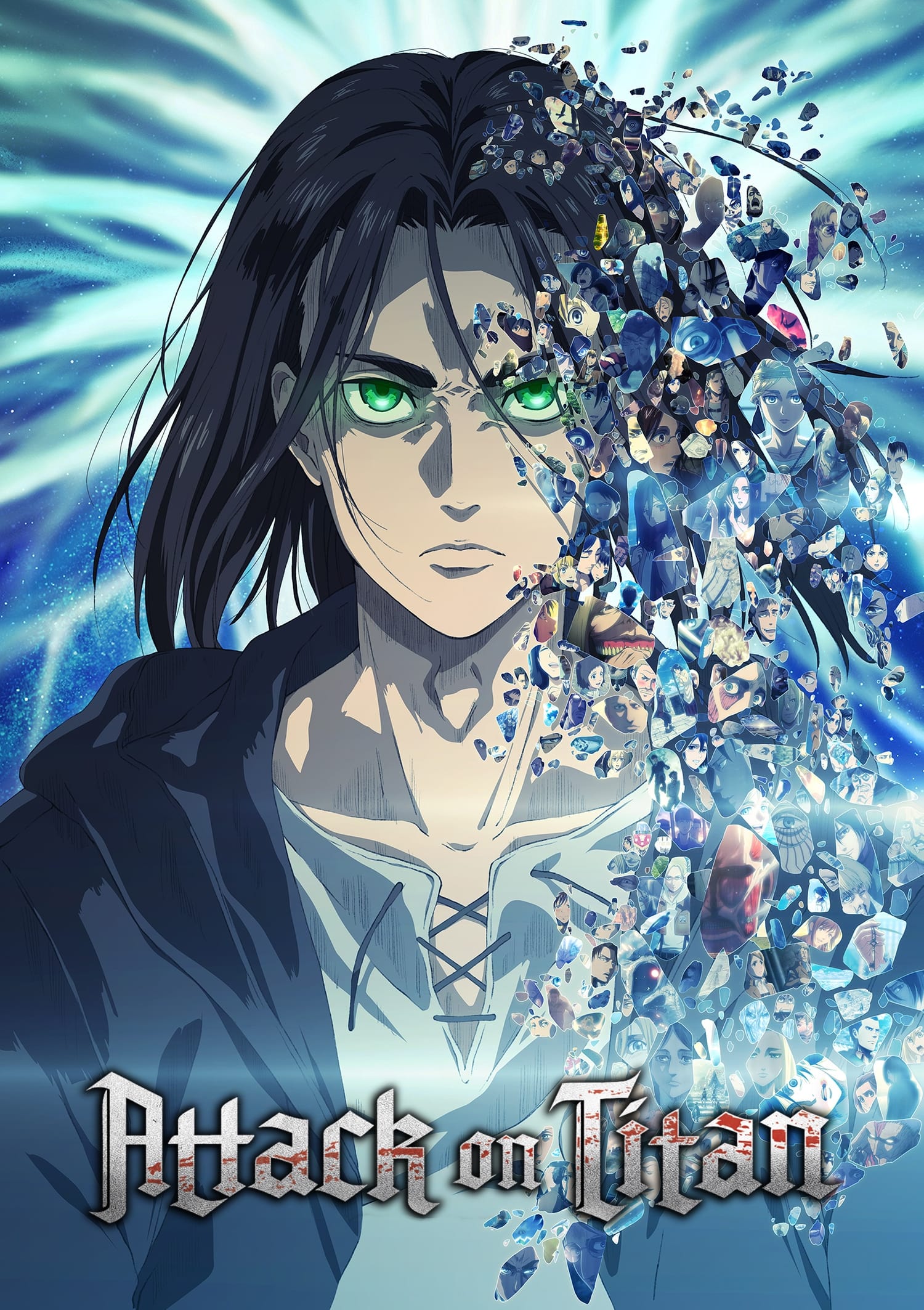
This series follows humanity inside walled cities battling towering creatures known as Titans. It spans multiple seasons with story arcs that shift locations and factions as the mystery widens. Early seasons were produced by Wit Studio before MAPPA took over later installments. Expect a large ensemble cast, shifting alliances, and a gradually revealed lore that drives the final conflicts.
‘Sword Art Online’ (2012–2020)

The story centers on players trapped inside a virtual reality game where death in game has real consequences. It expands into several game worlds across multiple arcs with returning leads. A-1 Pictures handled production across the seasons and adaptations of different light novel sagas. Look for recurring themes of player guilds, system rules, and the technology behind full-dive worlds.’Jujutsu Kaisen’ (2020–2023)
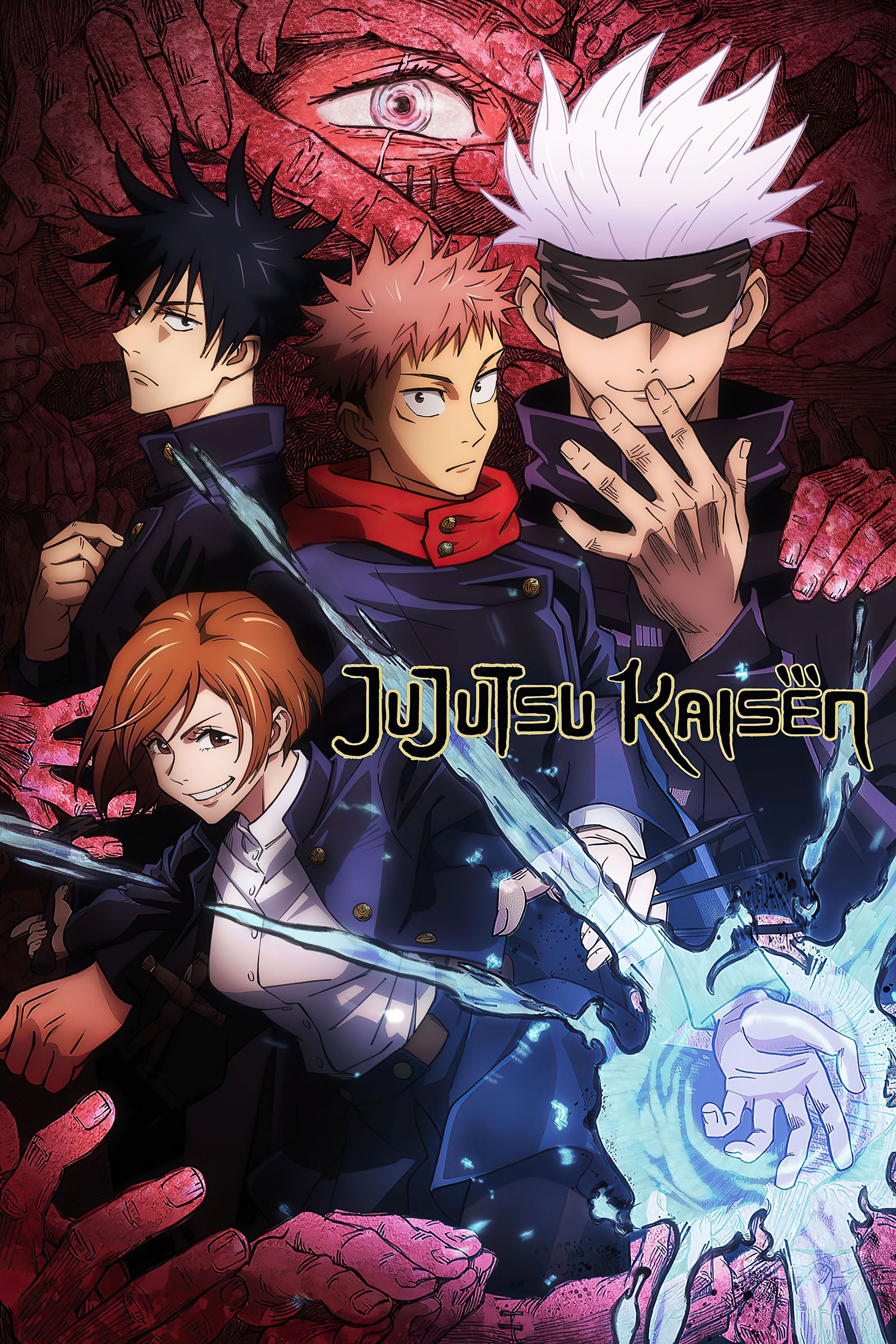
A student becomes host to a powerful curse and joins a school that trains sorcerers to fight malevolent spirits. The show uses distinct domains, curse techniques, and mentor pairings to structure its battles. MAPPA animates intricate action set pieces that highlight technique names and counters. Key arcs explore special grade threats, school rivalries, and the fallout of major incidents.
‘My Hero Academia’ (2016–2024)
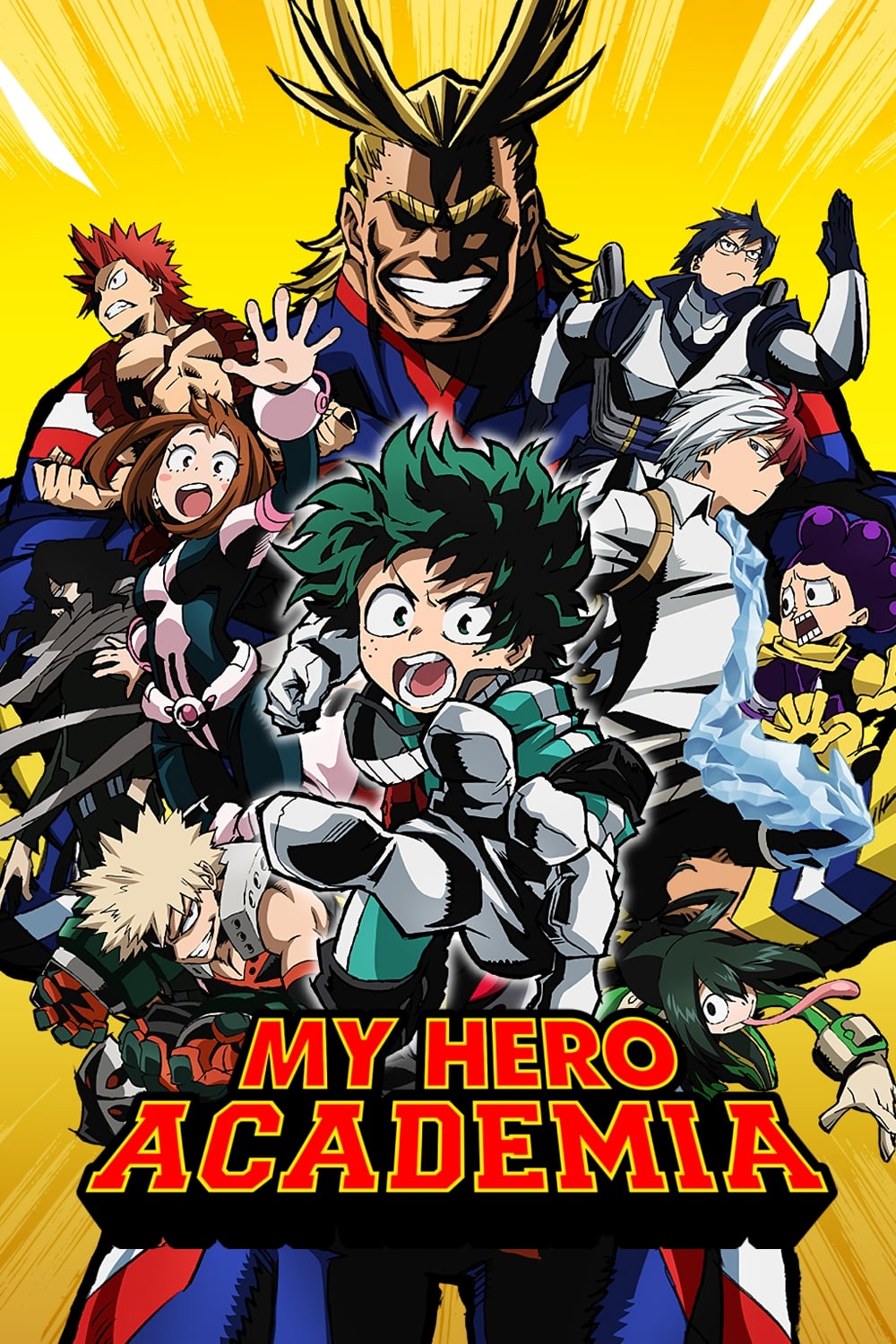
Set in a world where most people have superhuman abilities called Quirks, this follows students training to become professional heroes. The curriculum format organizes internships, festivals, and work studies that feed back into larger villain plots. Bones produces the seasons with a consistent visual style and character designs. Expect rotating focus on class members, pro heroes, and league antagonists.
‘Tokyo Ghoul’ (2014–2018)
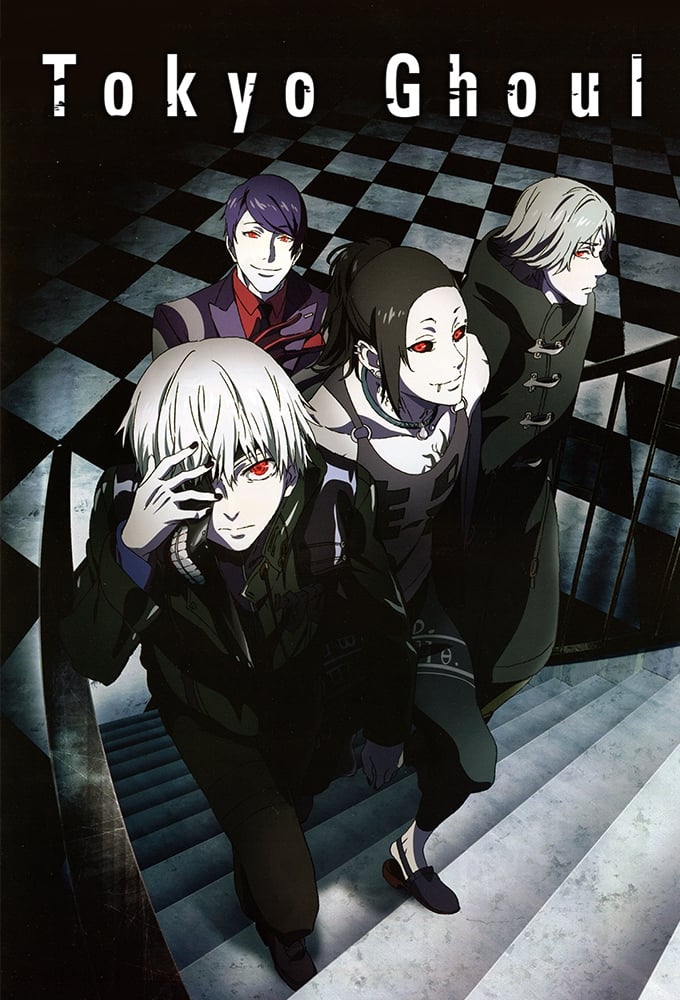
A college student becomes part ghoul and enters an underground world of factions and investigators. The show tracks turf conflicts, masked identities, and the human organization tasked with containment. Studio Pierrot adapts the manga across multiple titles and arcs with changing focuses. The structure moves from personal survival to citywide power struggles and café community dynamics.
‘Fairy Tail’ (2009–2019)
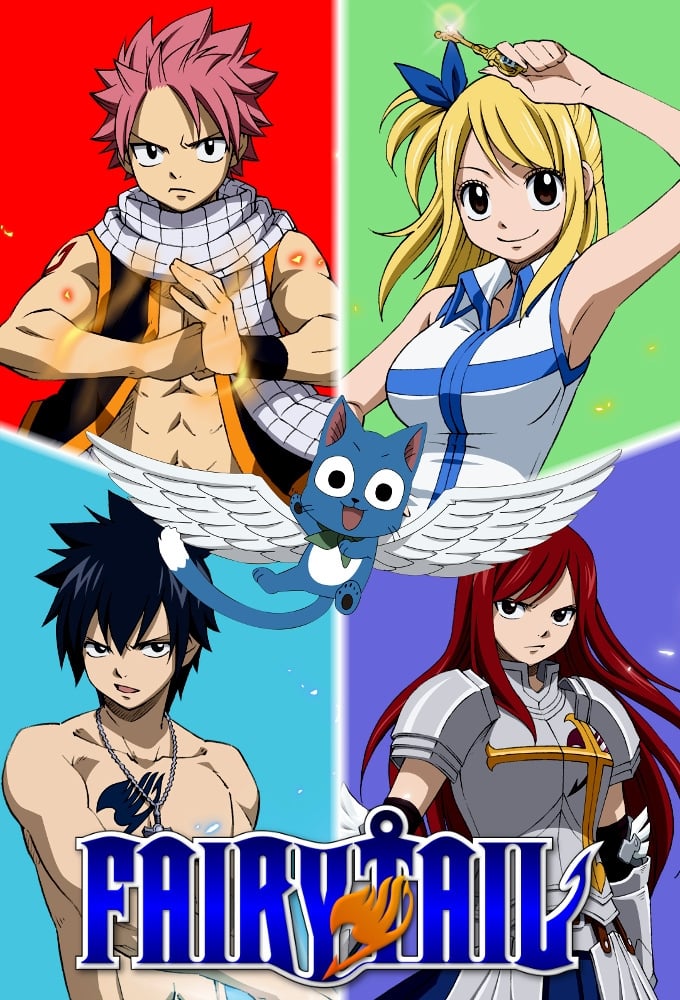
This long running series follows a guild of wizards taking on jobs that spiral into continent spanning arcs. It balances comedic downtime with tournament brackets and ancient magic plotlines. A-1 Pictures and partners handled early runs while later seasons continued under different teams including Bridge. Expect rotating team ups, celestial spirits, dragon slayer techniques, and guild rival rivalries.
‘The Seven Deadly Sins’ (2014–2021)
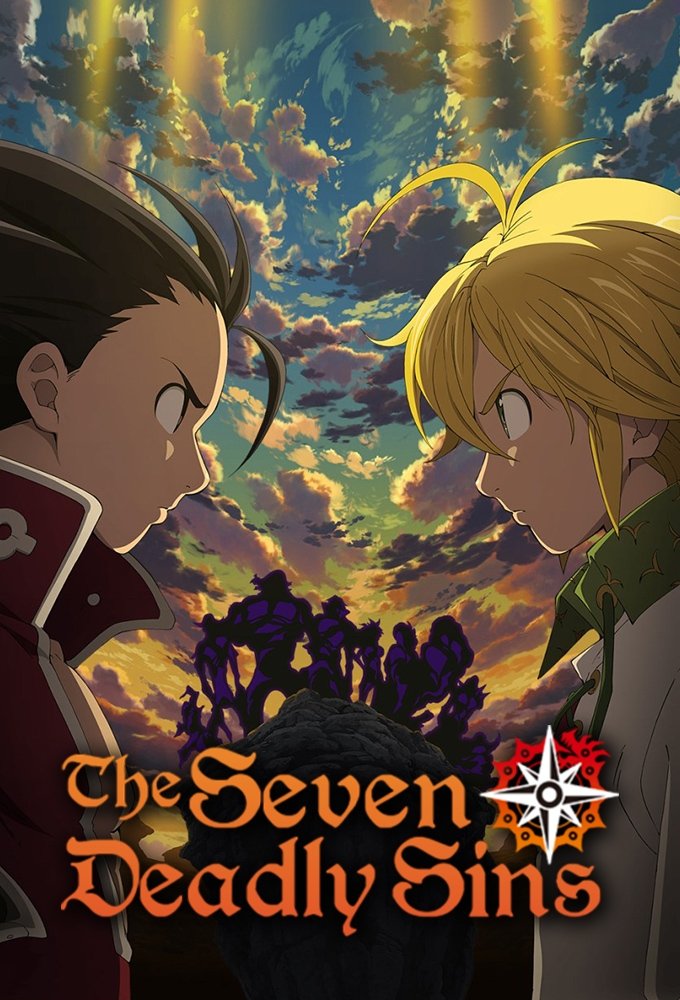
A group of legendary knights reunites to confront demonic threats and political conspiracies across a fantasy realm. The show moves through quests that reveal each member’s past and unique abilities. A-1 Pictures launched the adaptation with later seasons produced by Studio Deen. Storylines include holy war histories, commandments, and artifacts tied to clan powers.
‘Black Clover’ (2017–2021)

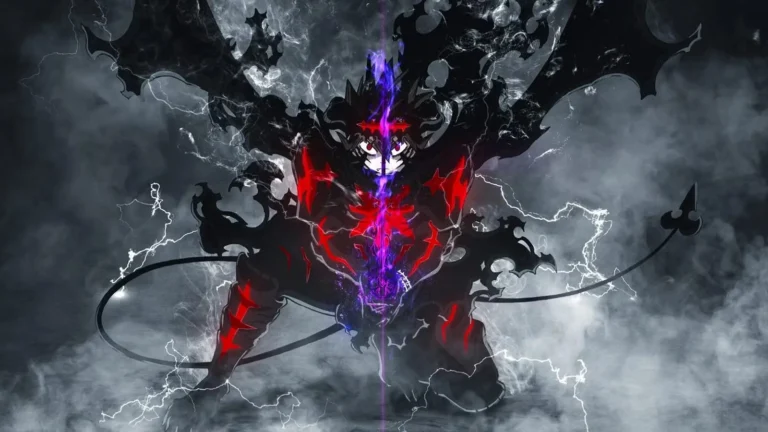
Two orphans from the same village pursue knighthood in a world where grimoires grant magic. The series uses squad based missions and promotion exams to structure character growth. Studio Pierrot produced a high volume of episodes with training blocks and major invasions. Key elements include anti magic, devil lore, and kingdom alliances that expand over time.
‘Boruto: Naruto Next Generations’ (2017–2023)

Set in a modernized ninja world, this follows the next generation dealing with scientific tools and legacy expectations. The show alternates between slice of life academy stories and high stakes clan conflicts. Studio Pierrot continues production with returning settings and familiar techniques. Plotlines introduce new organizations, karma marks, and technology that changes classic tactics.
‘Overlord’ (2015–2022)
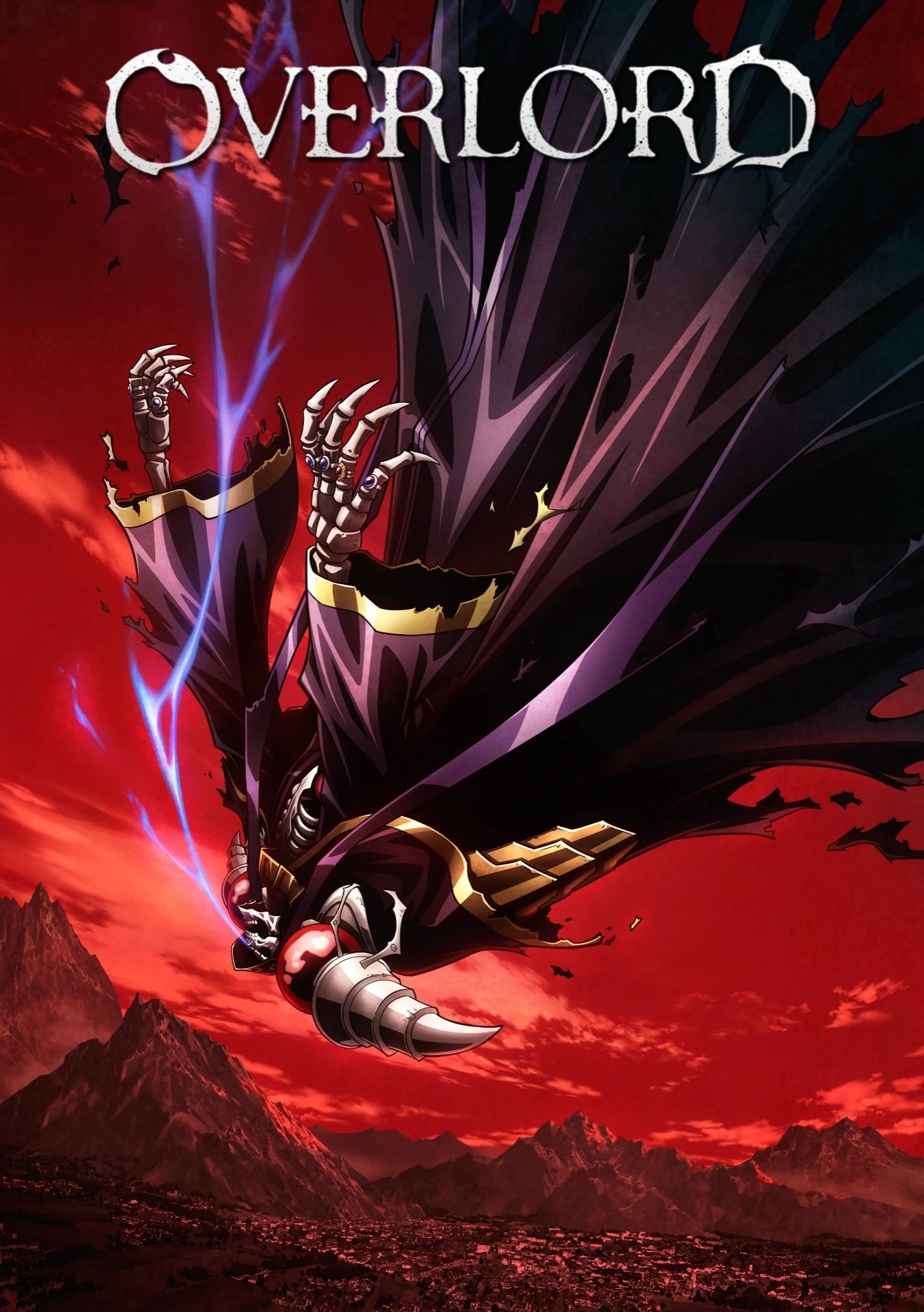
A veteran player remains logged into a dying game and becomes the overlord of a powerful guild base. The series focuses on worldbuilding through minion led operations and neighboring nation politics. Madhouse animates multiple seasons that map out campaigns, experiments, and experiments by NPC guardians. Expect methodical conquest planning, resource management, and encounters with other adventurer parties.
‘Bleach’ (2004–2012)
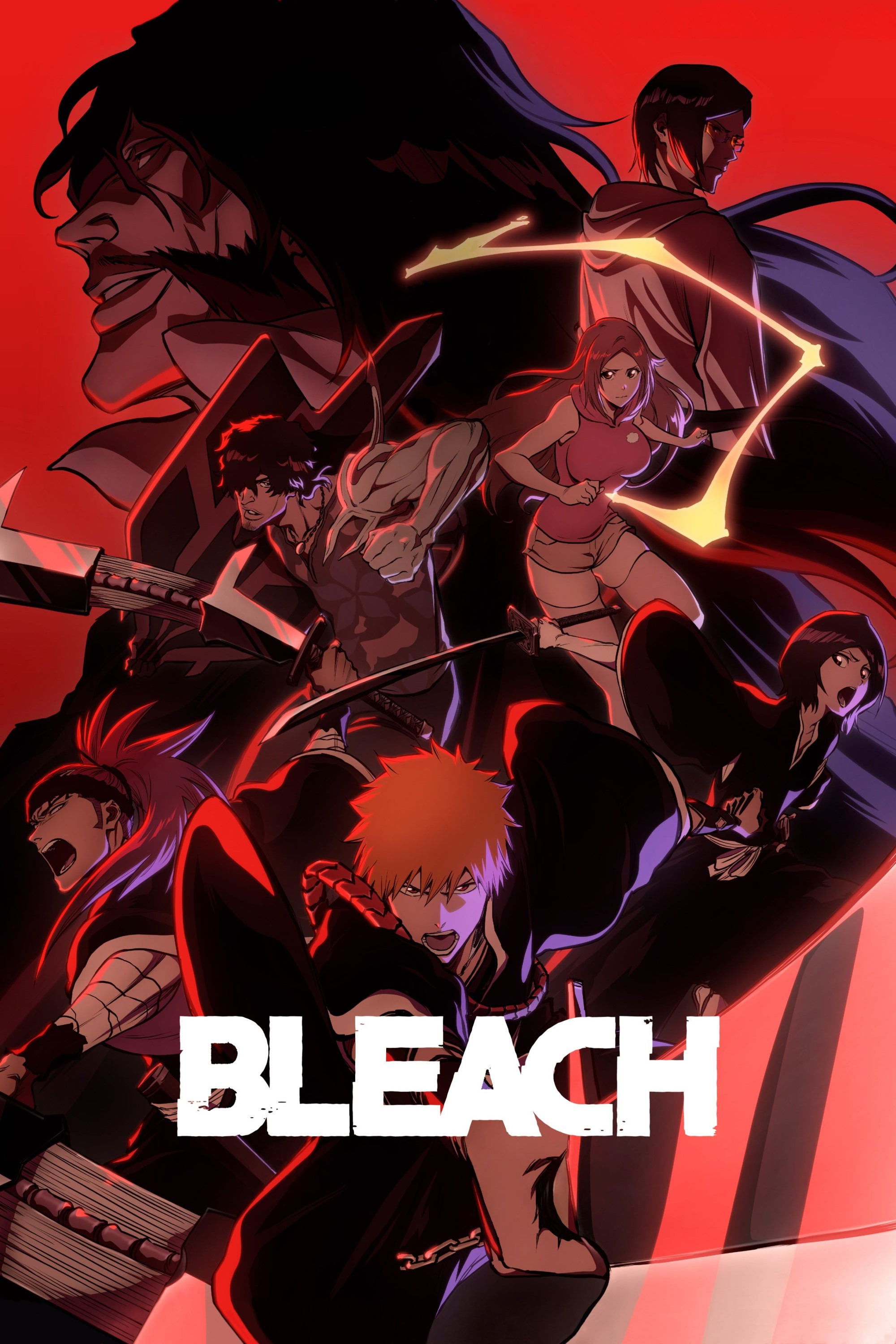
A high schooler gains powers to guide souls and combat hollows while uncovering secrets within a spirit world bureaucracy. The show mixes long battles with captain introductions and division histories. Studio Pierrot adapted numerous arcs with distinct locations like the soul society and Hueco Mundo. Filler periods interleave original stories between major manga arcs and tournament style clashes.
‘One Piece’ (1999–2025)
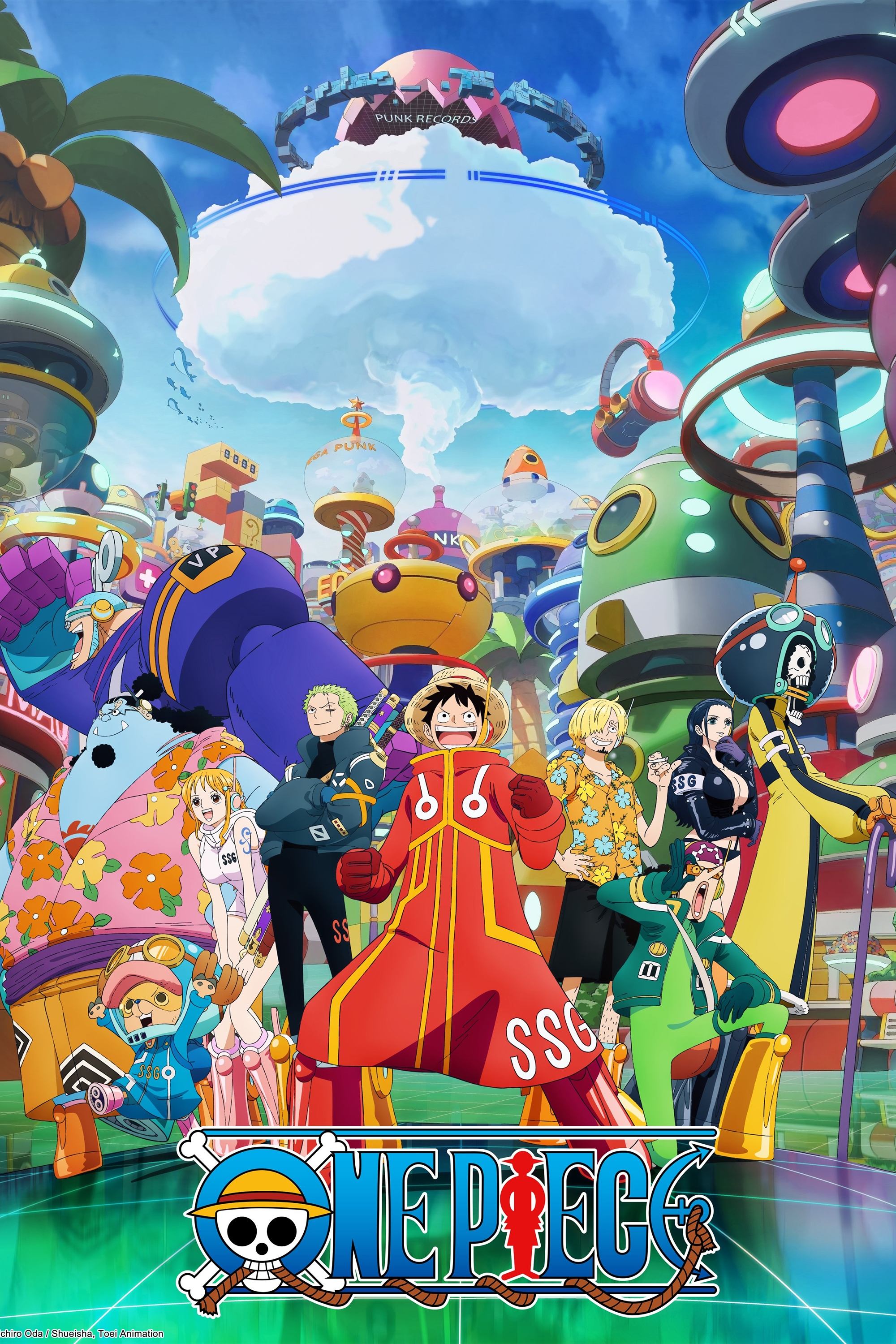
This pirate adventure tracks a crew’s voyage across seas filled with rival factions, world governments, and superpowered fruits. The narrative unfolds in island based arcs that introduce new laws, cultures, and combat systems. Toei Animation produces the long run with evolving character designs and milestone transformations. The series uses bounties, log poses, and grand line geography to drive progression.
‘The Promised Neverland’ (2019–2021)
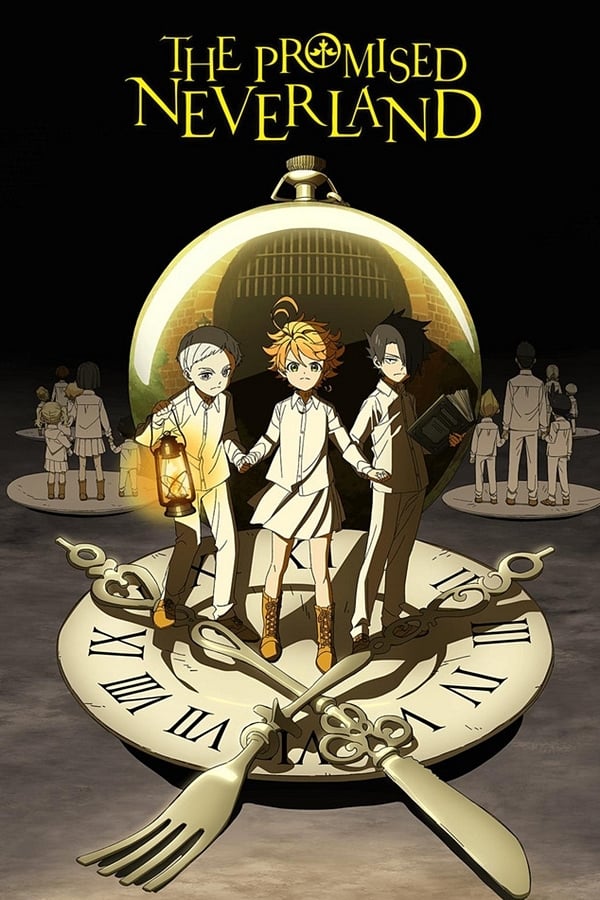
A group of children uncover the truth about their idyllic orphanage and plan an escape using logic puzzles and coded messages. The story shifts from careful planning to survival in unfamiliar territories as new factions appear. CloverWorks produced the adaptation with distinct color palettes separating safe spaces from danger zones. Expect arcs that focus on strategy, resource gathering, and competing objectives among allies.
‘Death Note’ (2006–2007)
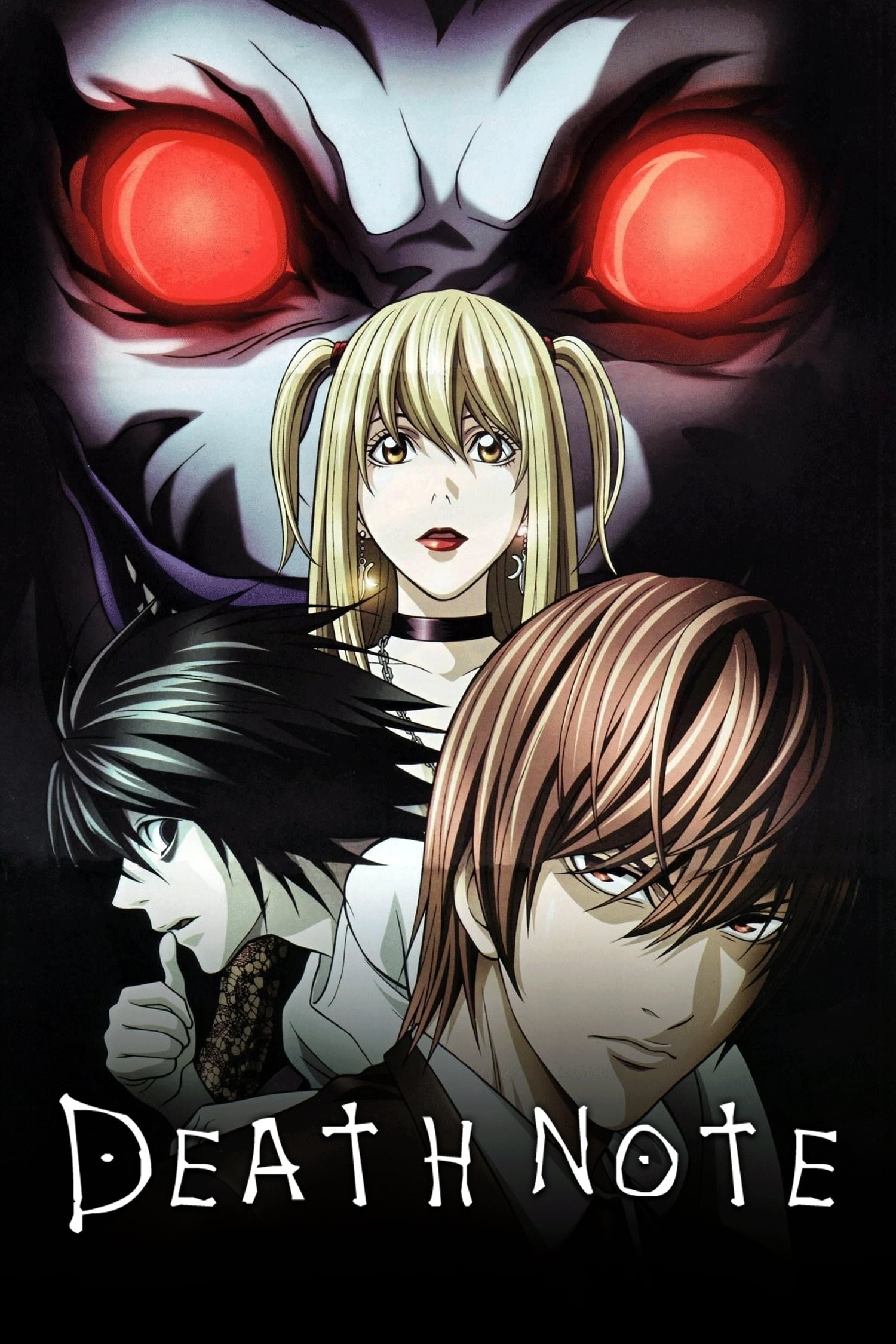
A student finds a notebook that lets him end lives by writing names and then faces a prodigy detective in a battle of wits. Police task forces, hidden rules, and media manipulation drive the investigation forward across multiple locations. Madhouse animated the series with sharp editing that highlights internal logic and clue reveals. The structure introduces shifting teams and new owners of the notebook as the case evolves.
‘Fullmetal Alchemist: Brotherhood’ (2009–2010)
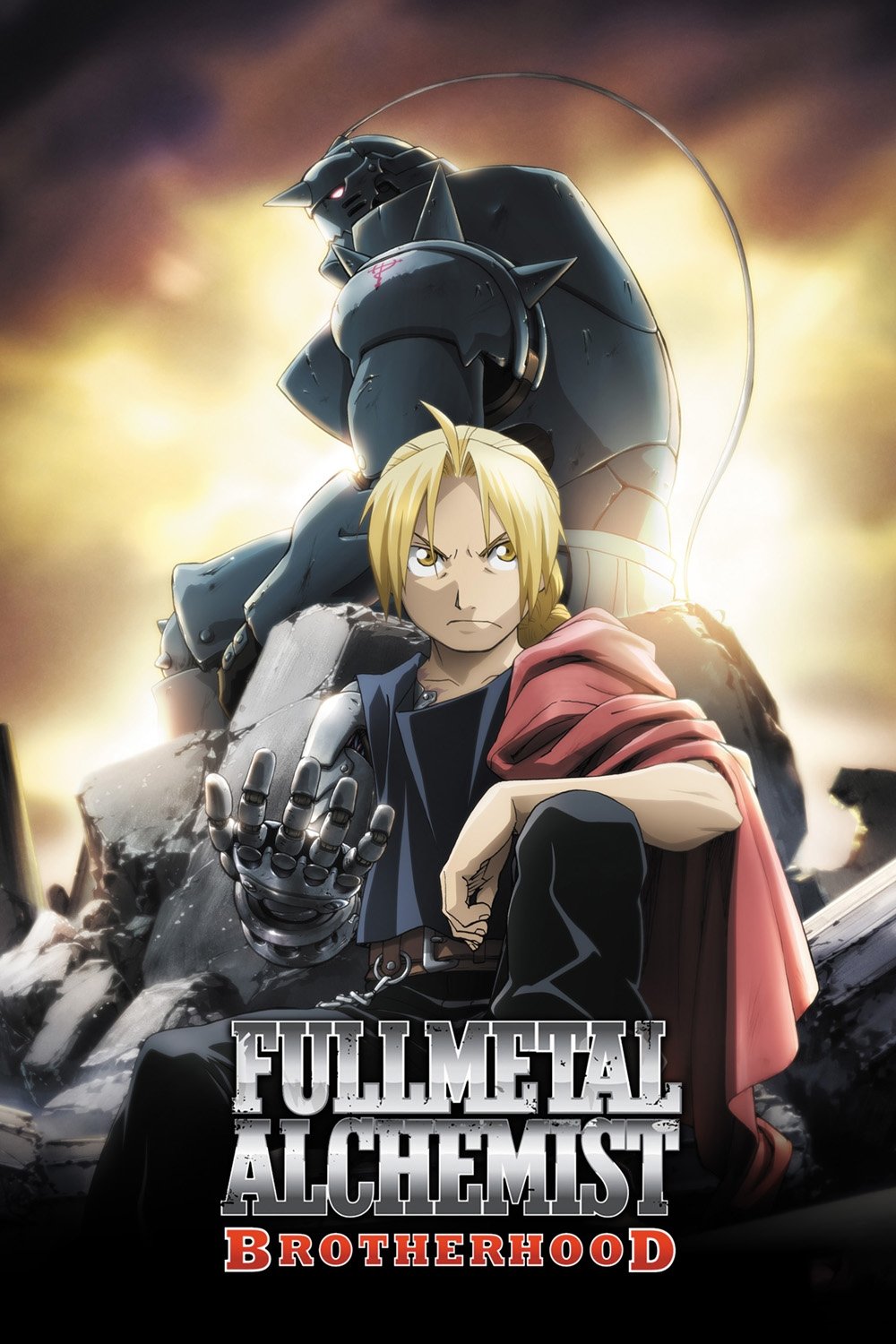
Two brothers travel a militarized nation searching for a way to restore their bodies after a forbidden ritual. The plot weaves state politics, homunculi conspiracies, and scientific laws into city hopping arcs. Bones handled the production with clear action choreography and recurring visual motifs for alchemy circles. The show organizes its journey through investigations, training, and coordinated battles across several regions.
‘Neon Genesis Evangelion’ (1995–1996)
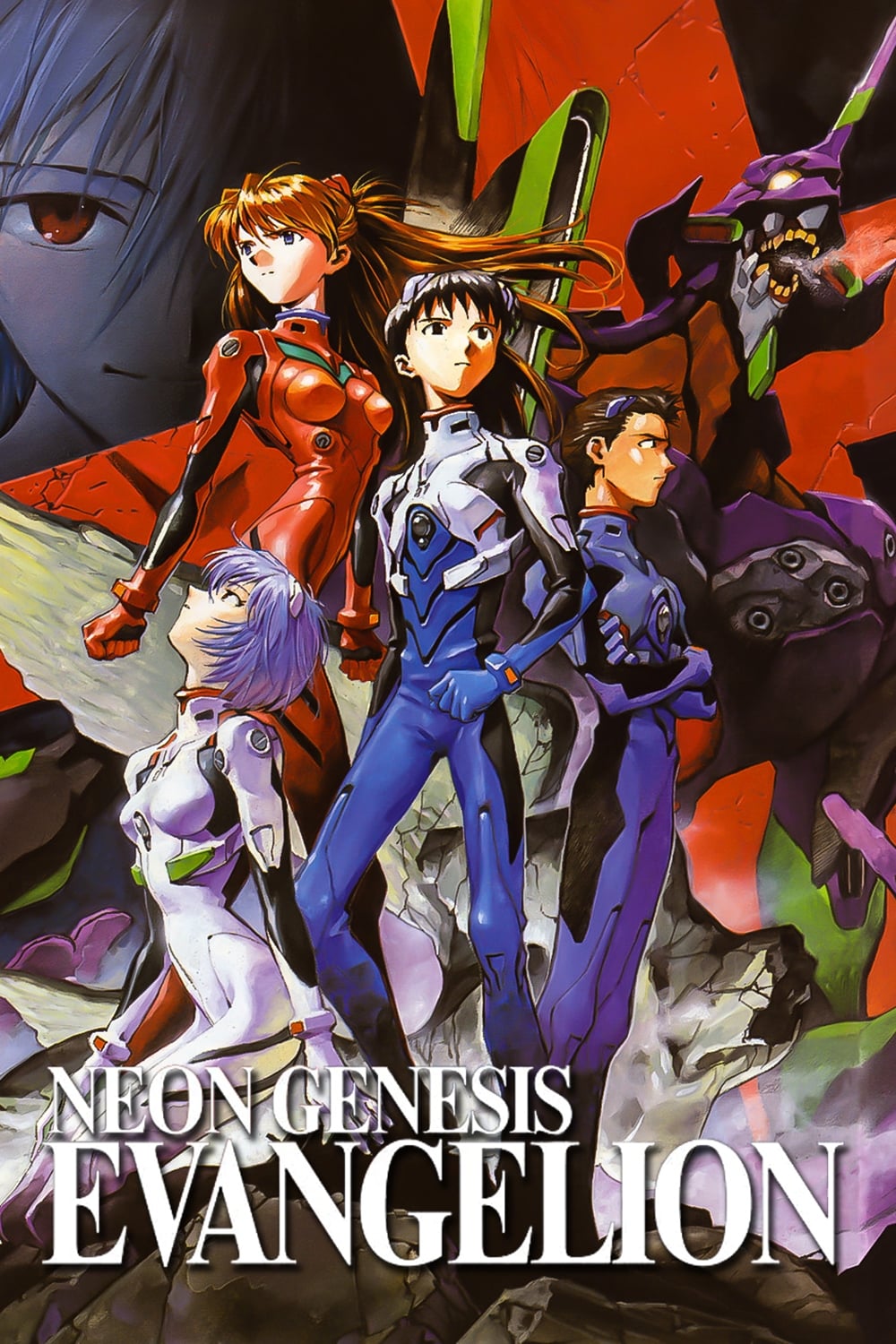
Teen pilots operate biomechanical units to fight enigmatic beings while a private organization hides layers of plans. Reports, sync tests, and base operations detail how missions are selected and executed. Gainax produced the television run with a mix of technical readouts and introspective sequences. The narrative uses dossiers and mission briefings to reveal relationships among command staff and rival agencies.
‘Spirited Away’ (2001)
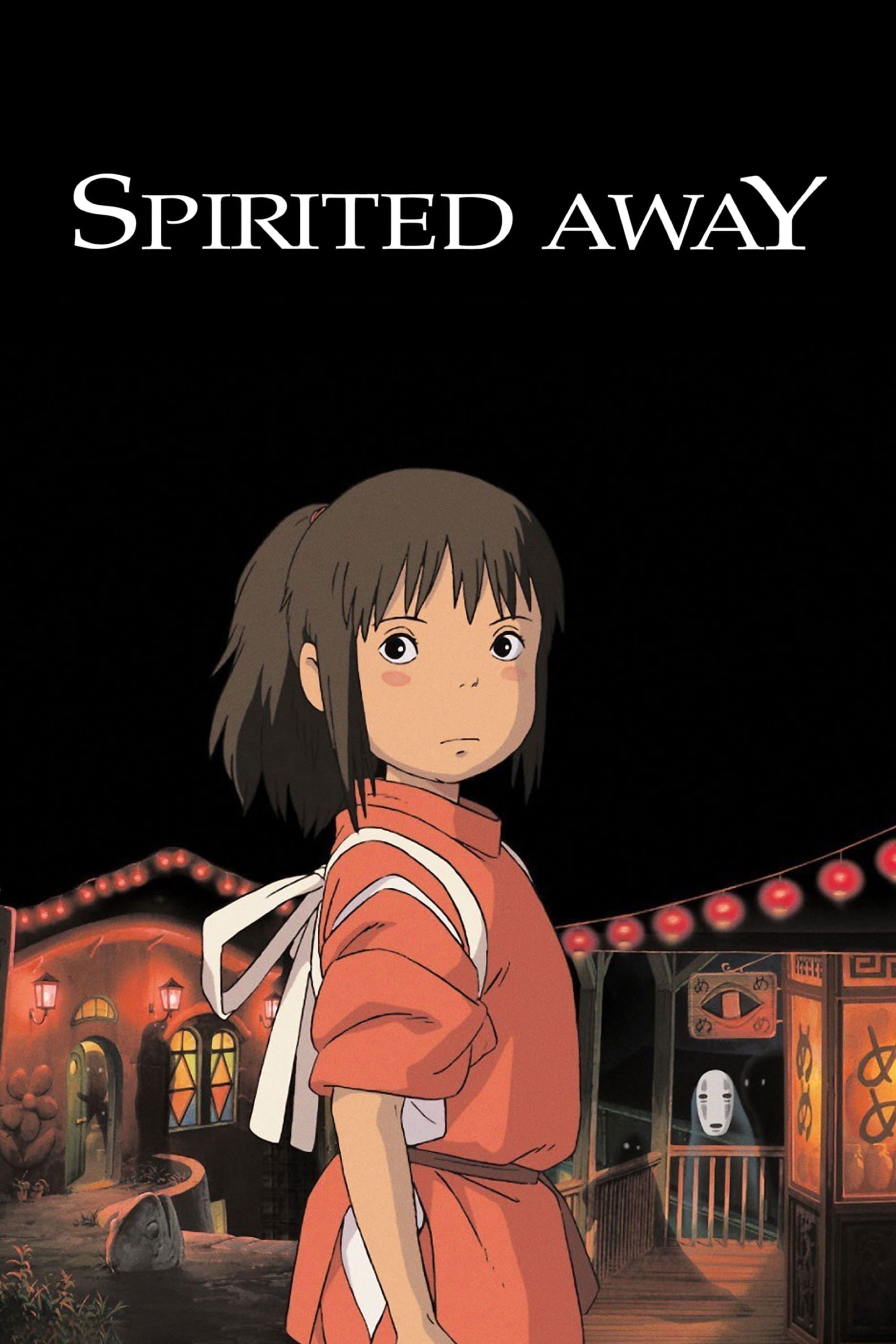
A girl enters a supernatural bathhouse and works under a contract to free her parents. The setting introduces rules for names, tokens, and transactions that govern every interaction. Studio Ghibli animated the film with hand drawn layouts and a focus on workplace tasks. The plot advances through job assignments, train travel, and negotiations with figures who manage the spirits.
‘Chainsaw Man’ (2022)
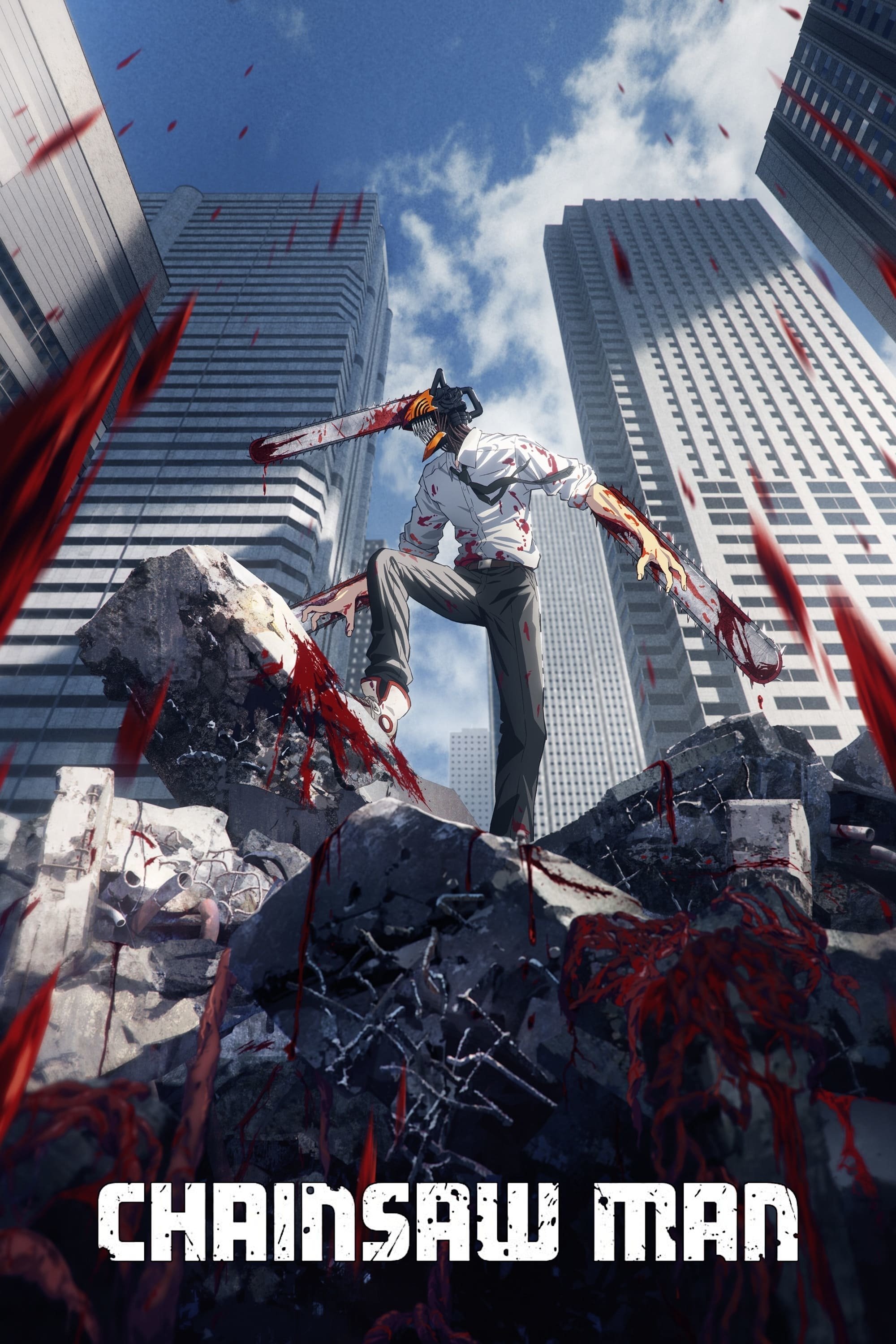
A debt ridden teenager merges with a devil and joins a government unit that hunts other devils. Missions escalate from city patrols to coordinated operations with international consequences. MAPPA produced the adaptation with grounded backgrounds and handheld style cuts. The series frames progression through promotions, training, and team reshuffles that affect how contracts are enforced.
‘Haikyu!!’ (2014–2020)
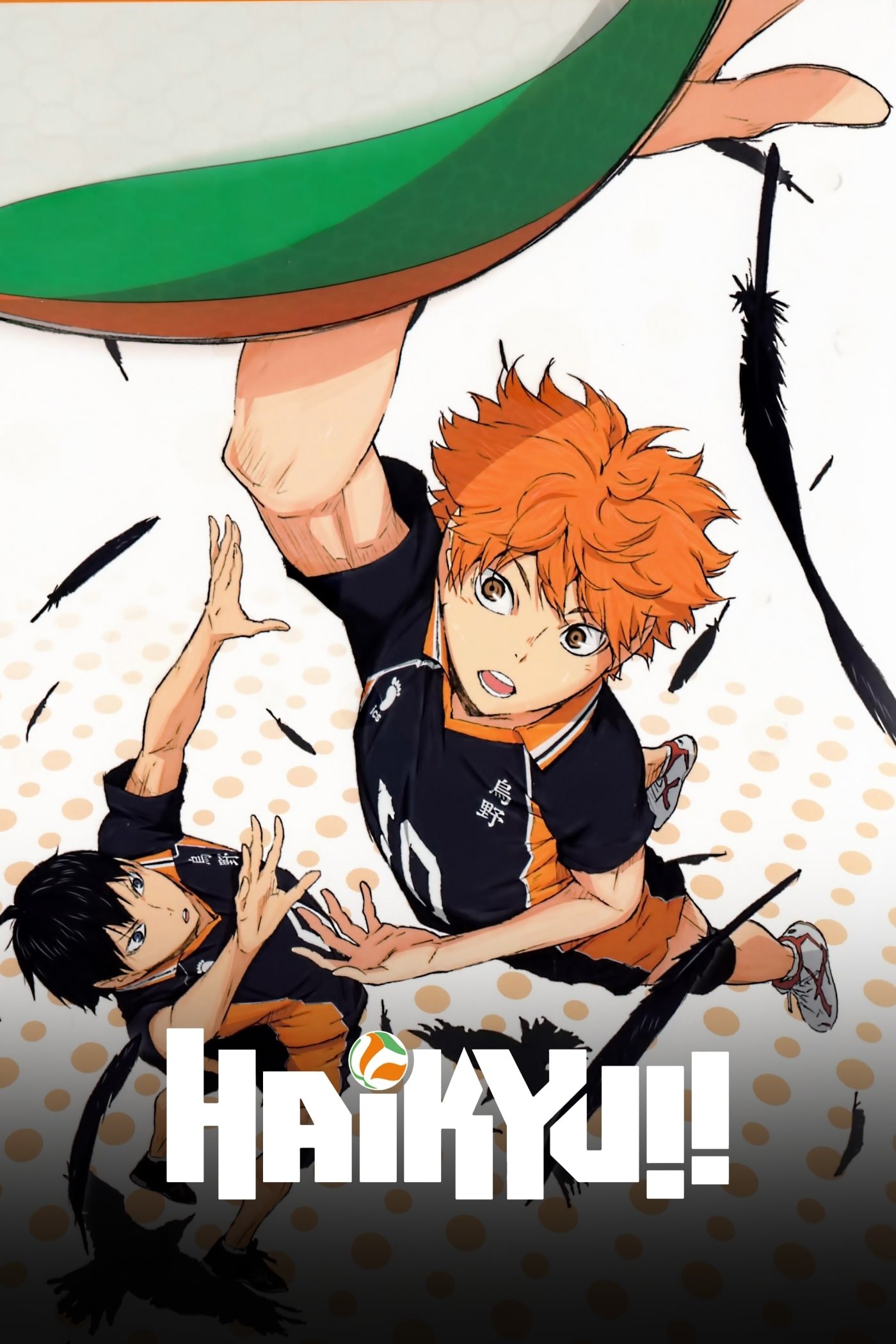
High school volleyball teams rise through practice matches, training camps, and national tournaments. Play styles are broken down through rotations, receives, and combo attacks that show strategy on court. Production I.G animated the matches with fluid ball tracking and momentum swings. The story alternates between season schedules, practice regimens, and regional qualifiers.
‘Kaguya-sama: Love Is War’ (2019–2022)

Two elite students wage a psychological contest to make the other confess first. School events like festivals, exams, and council elections provide stages for escalating schemes. A-1 Pictures produced the series with split skits that structure each episode into themed segments. Recurring gags rely on narrated rule sets, flowcharts, and misinterpretations that reset the board.
‘Code Geass: Lelouch of the Rebellion’ (2006–2008)
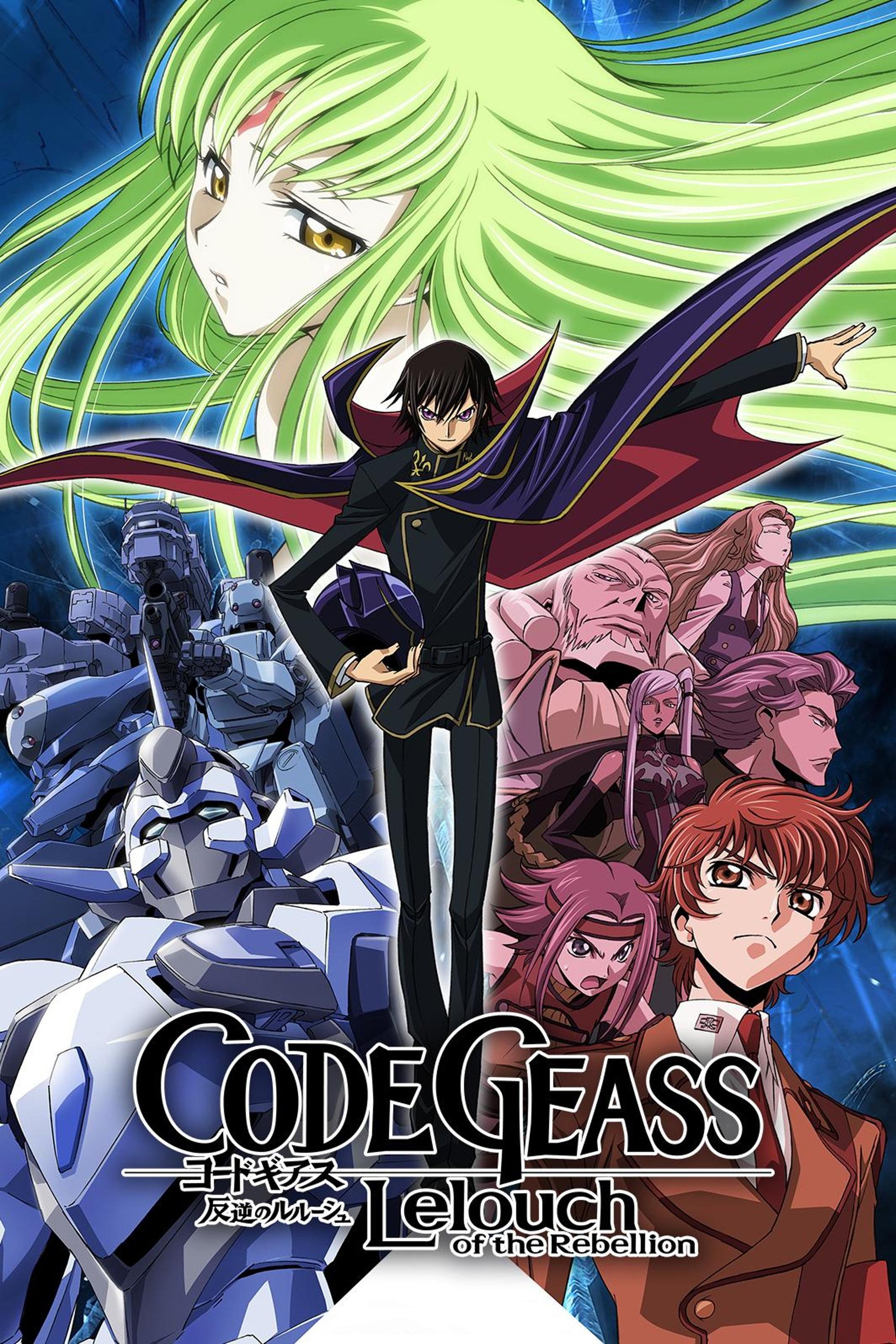
An exiled prince gains a power that compels obedience and builds a resistance using mecha and covert cells. Operations involve codenames, supply lines, and broadcast takeovers that shift public sentiment. Sunrise handled the production with frequent tactical overlays during battles. The plot advances through school cover stories, alliances with rival nobles, and negotiations over occupied territories.
‘Weathering With You’ (2019)
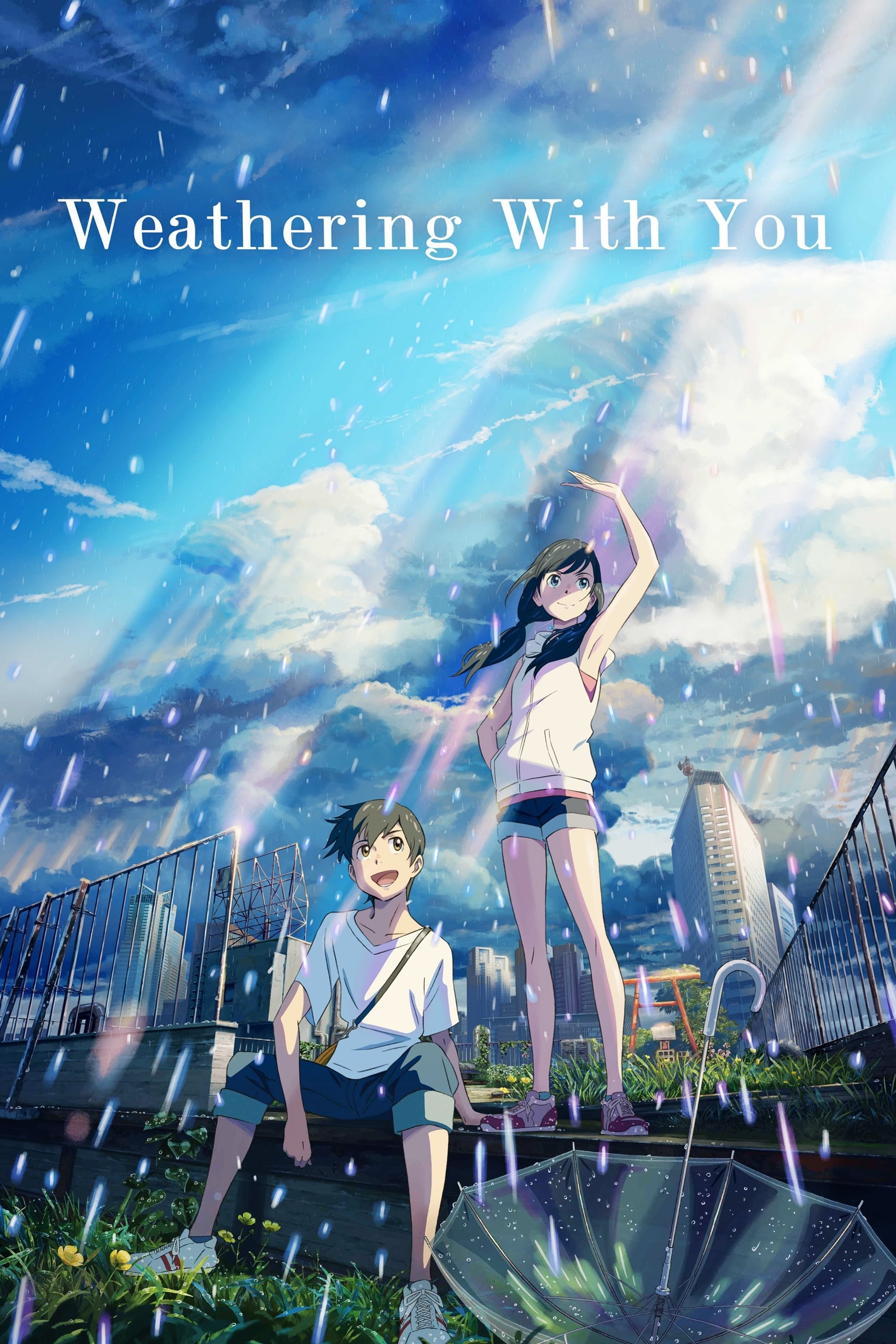
A runaway meets a girl who can temporarily clear the sky and they turn the ability into a small business. Urban infrastructure, news reports, and social media posts chronicle unusual weather patterns. CoMix Wave Films animated the film with detailed rainfall effects and city signage. The story follows legal paperwork, odd jobs, and a community network that keeps the pair connected.
‘Princess Mononoke’ (1997)
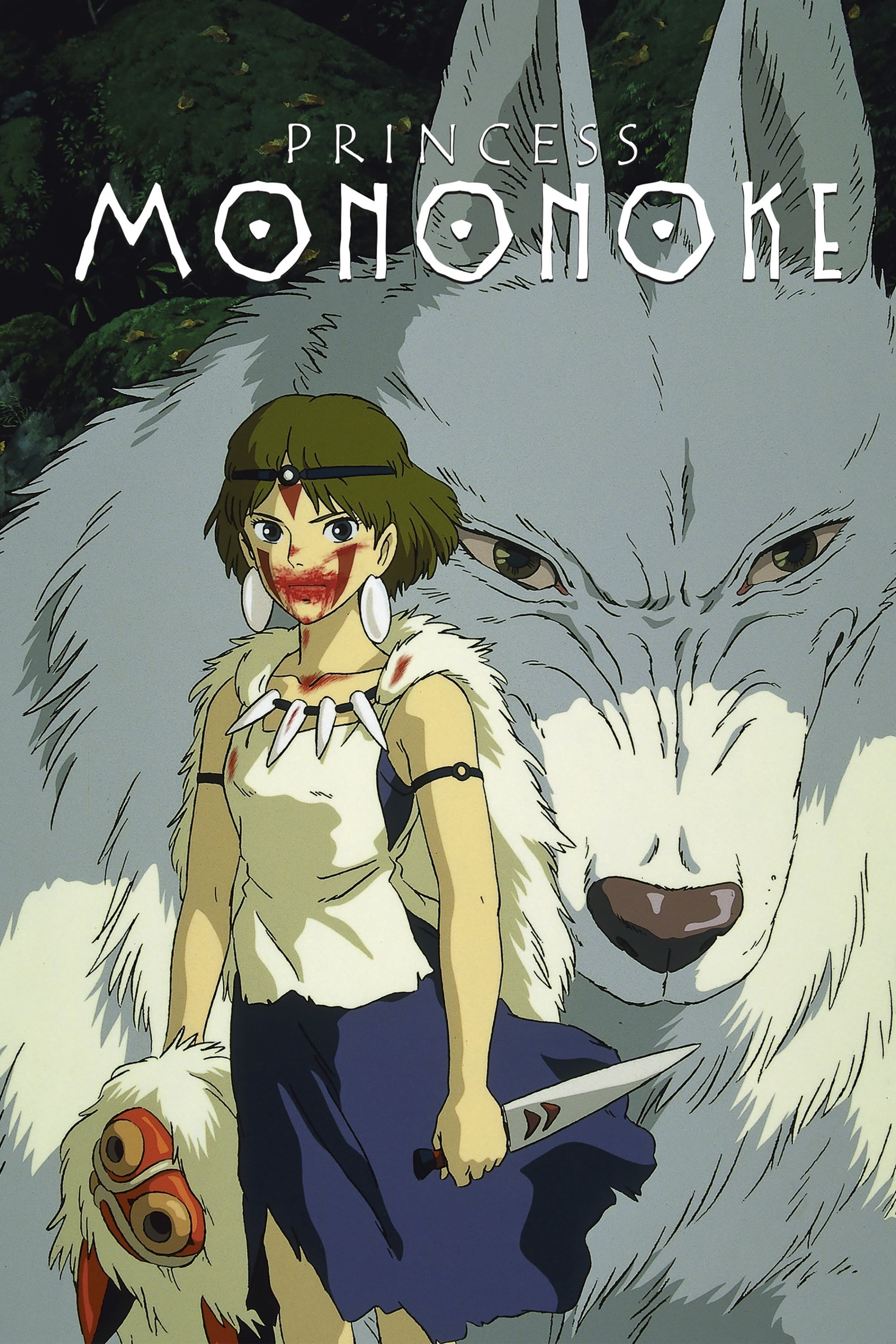
A cursed traveler encounters a conflict between forest guardians and an industrial settlement. Resource extraction, trade routes, and weapons manufacture set the stakes for both sides. Studio Ghibli produced the film with multi layered backgrounds that detail terrain and machinery. The plot tracks shifting truces, medical remedies, and the effects of ironworks on neighboring lands.
‘Akira’ (1988)
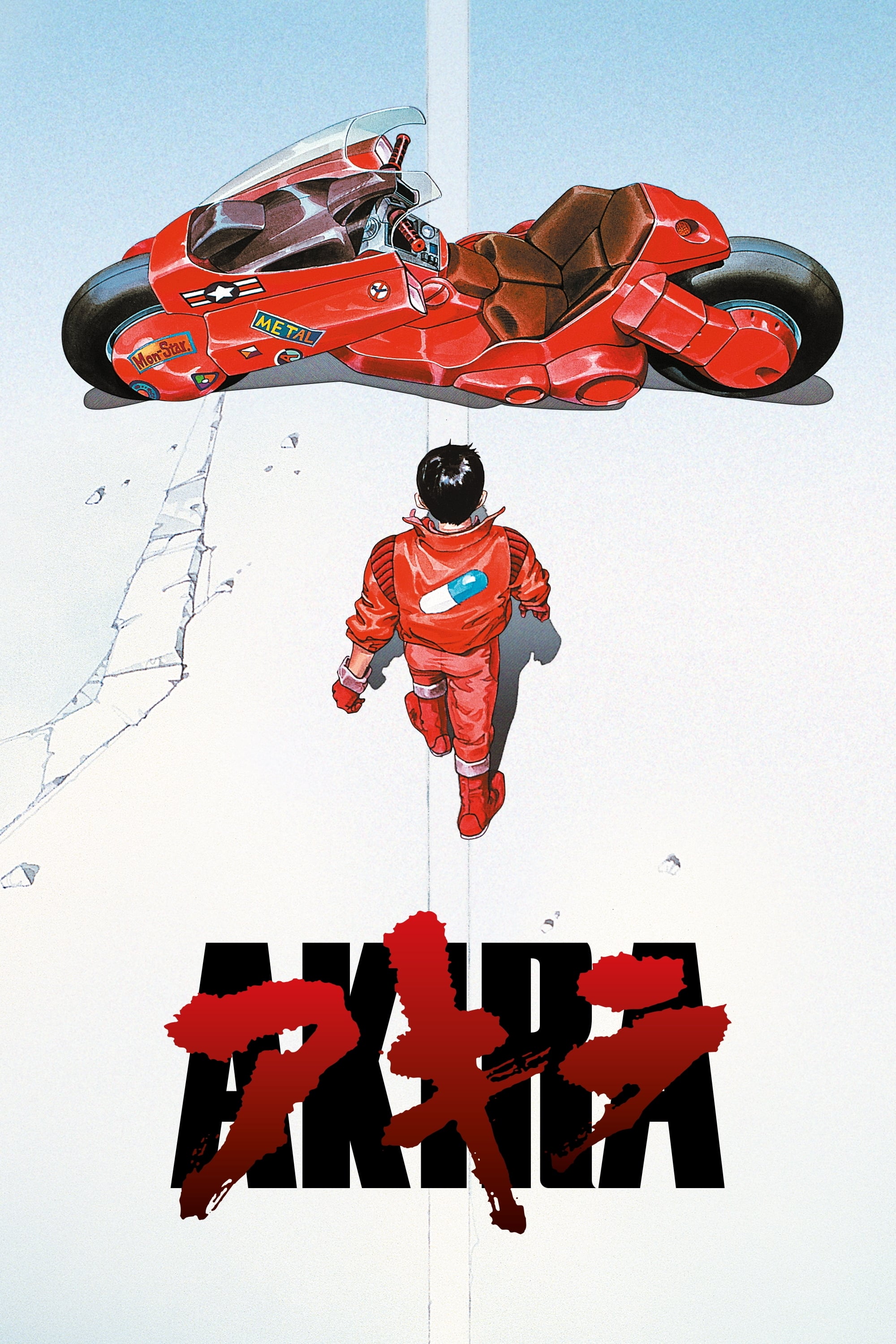
After a motorcycle accident, a teenager develops unstable powers in a city under military oversight. Government labs, biker factions, and activist groups converge around secret experiments. Tokyo Movie Shinsha oversaw the animation with large scale city destruction and intricate vehicles. The film uses hospital transfers, classified files, and council meetings to explain the project’s scope.
‘Spy x Family’ (2022–2023)
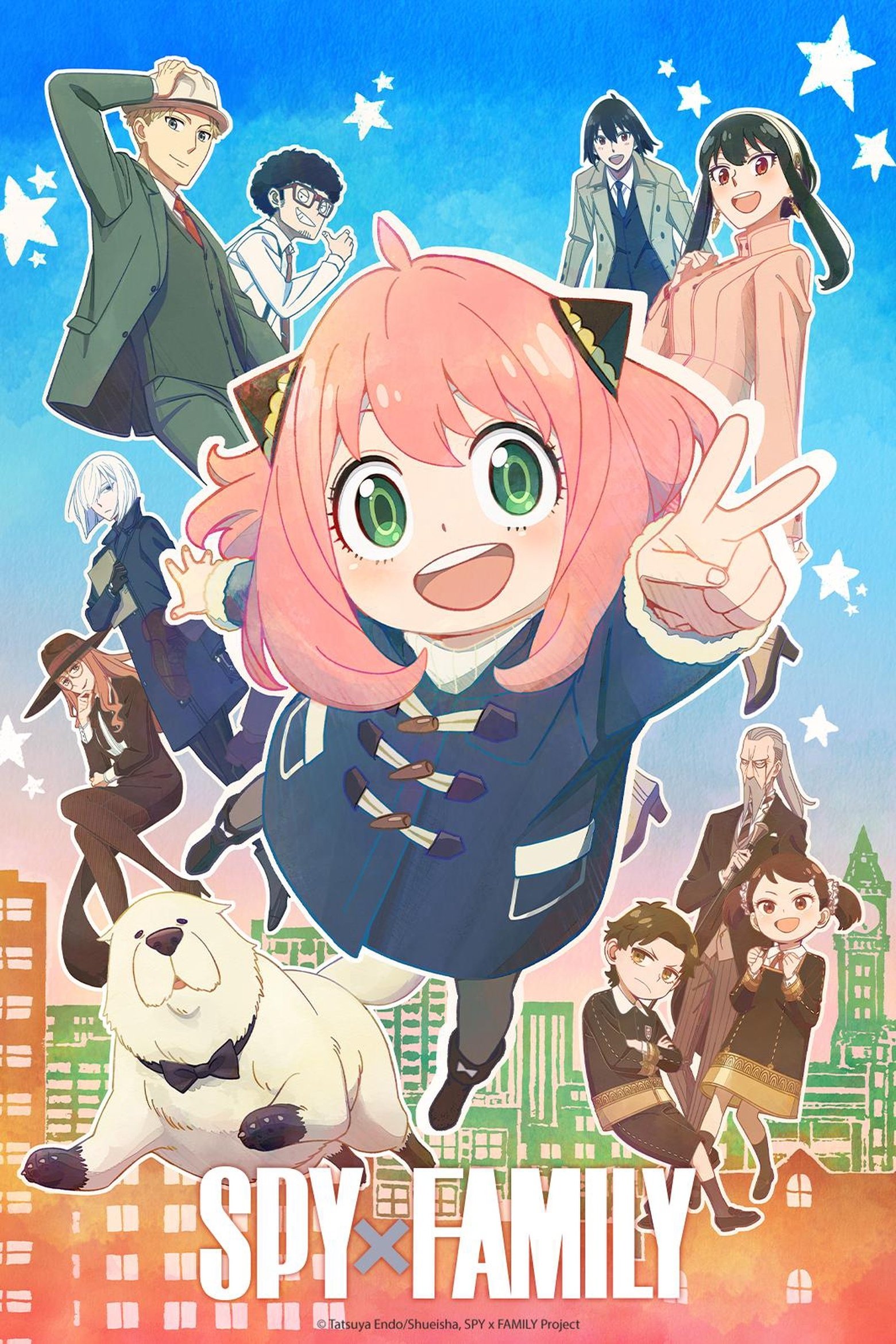
An undercover agent builds a fake family to infiltrate an elite school while maintaining cover identities. Entrance exams, merit points, and school events determine access to key targets. Wit Studio and CloverWorks co produced the series with clean action beats and gag timing. Episodes revolve around mission briefings, interview prep, and household routines that protect the operation.
‘Dragon Ball Z’ (1989–1996)

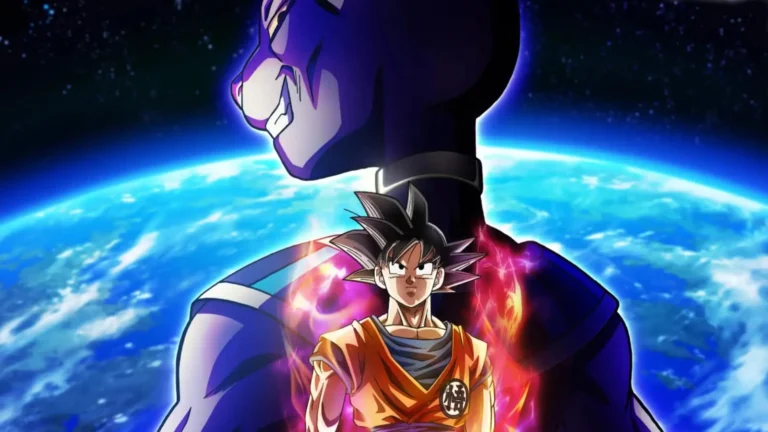
This series follows Goku and allies as they defend Earth across sagas that introduce aliens, androids, and gods. Battles escalate through training, transformations, and tournament style events that stretch across multiple arcs. Toei Animation produced the run with recurring locations like Capsule Corp and the Lookout. The story uses power levels, fusion techniques, and wish granting Dragon Balls to reset stakes between major clashes.
‘Hunter x Hunter’ (2011–2014)
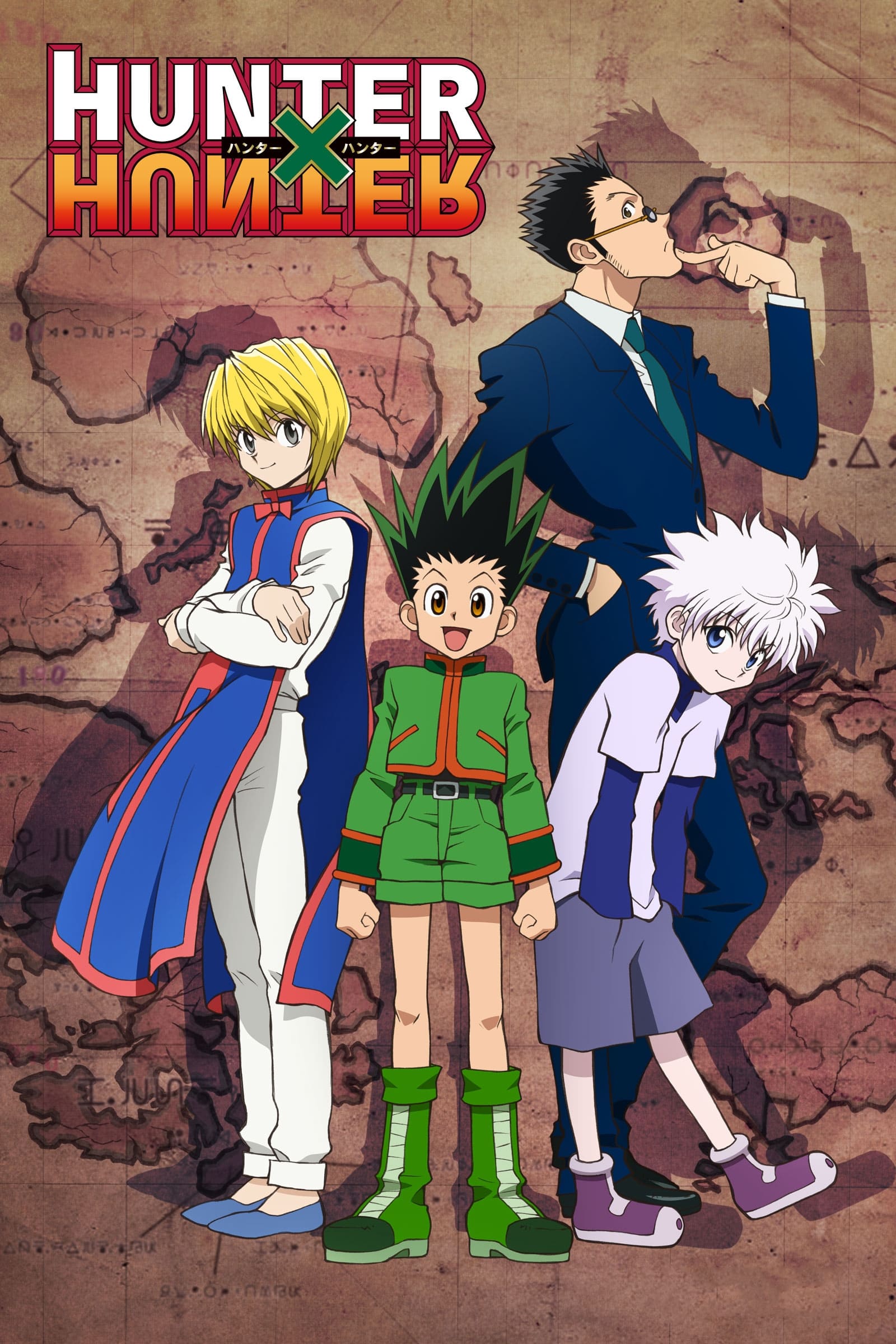
A boy named Gon takes the Hunter Exam and travels through regions that test survival skills, teamwork, and strategy. Arcs move from urban crime scenes to game islands and then to conflicts with evolved creatures. Madhouse animated the adaptation with clear rule sets for Nen categories and their conditions. The narrative tracks mentorships, tournament brackets, and specialized missions that broaden the world.
‘JoJo’s Bizarre Adventure’ (2012–2021)
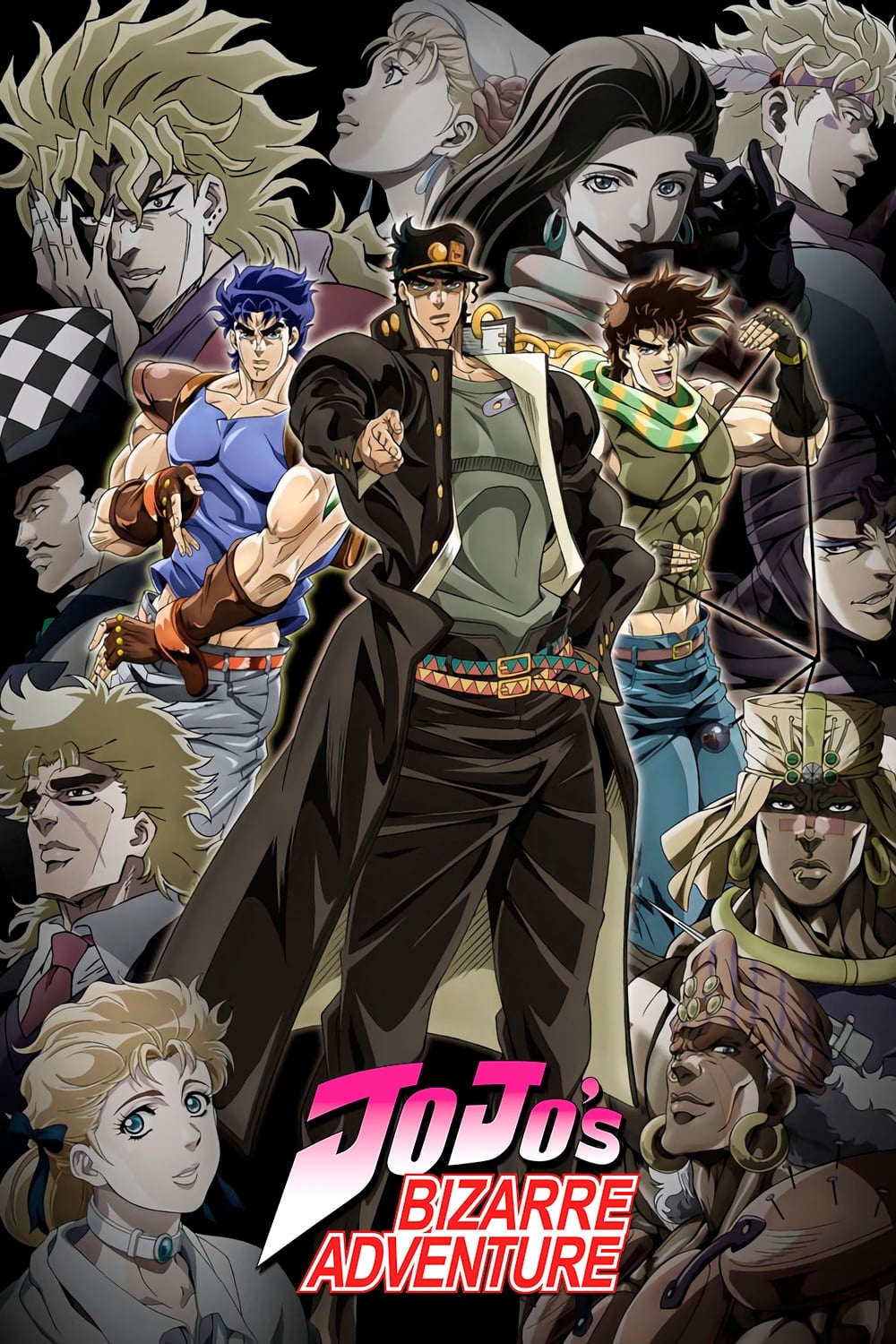
Generational leads face enemies using Stand abilities that follow unique rules and counters. The story shifts settings every part, moving from Europe to America to Italy and beyond. David Production handled the series with a stylized look and on screen labels that define attacks. Expect treasure hunts, prison investigations, and gang politics that frame each group’s objectives.
‘Kill la Kill’ (2013–2014)
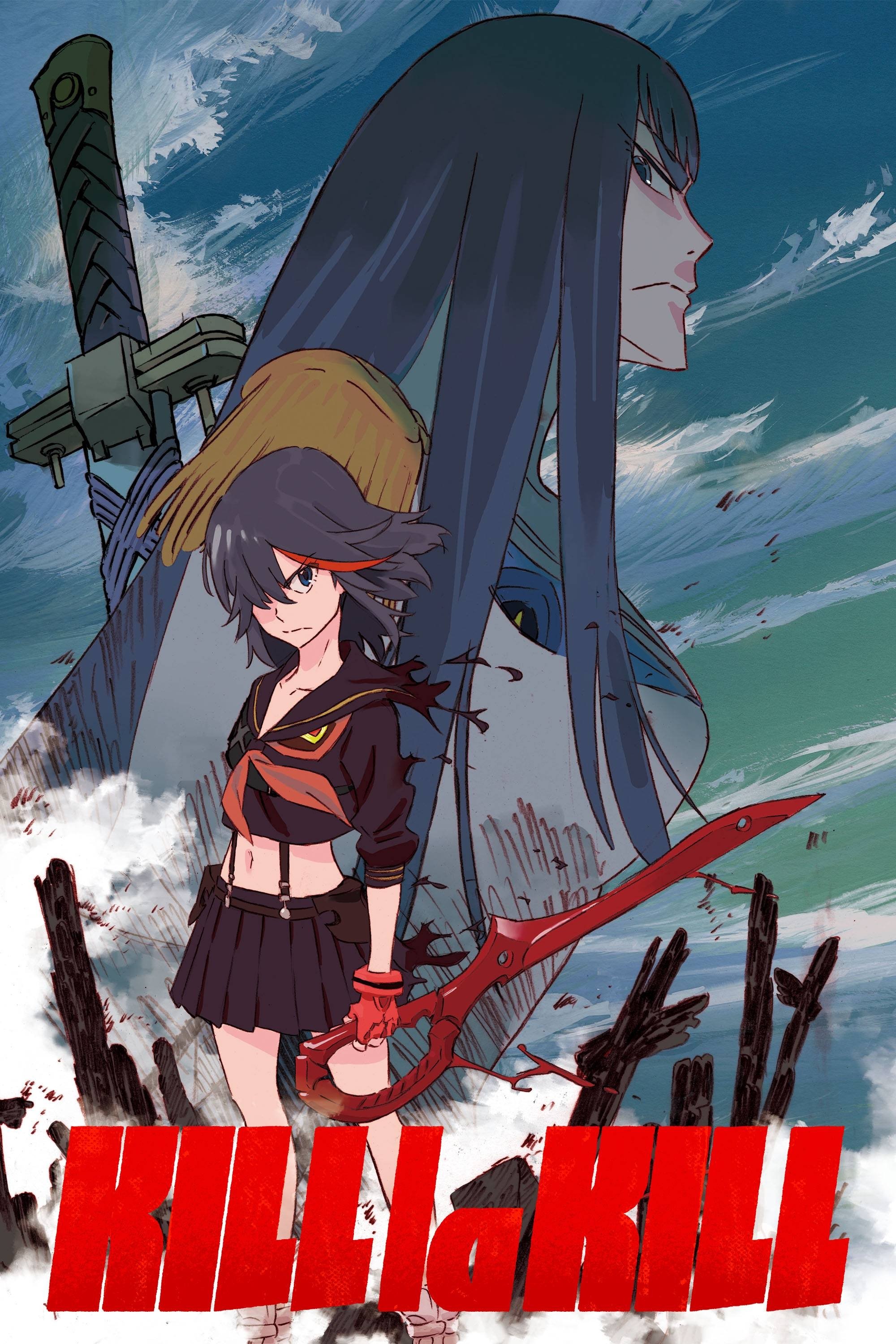
A transfer student searches for answers at an academy where uniforms grant combat abilities. Episodes move through club challenges, raids, and a larger conflict that expands beyond campus. Studio Trigger produced the show with rapid cuts and exaggerated action staging. The narrative uses family ties, textile technology, and student council hierarchies to structure each objective.
‘Psycho-Pass’ (2012–2014)
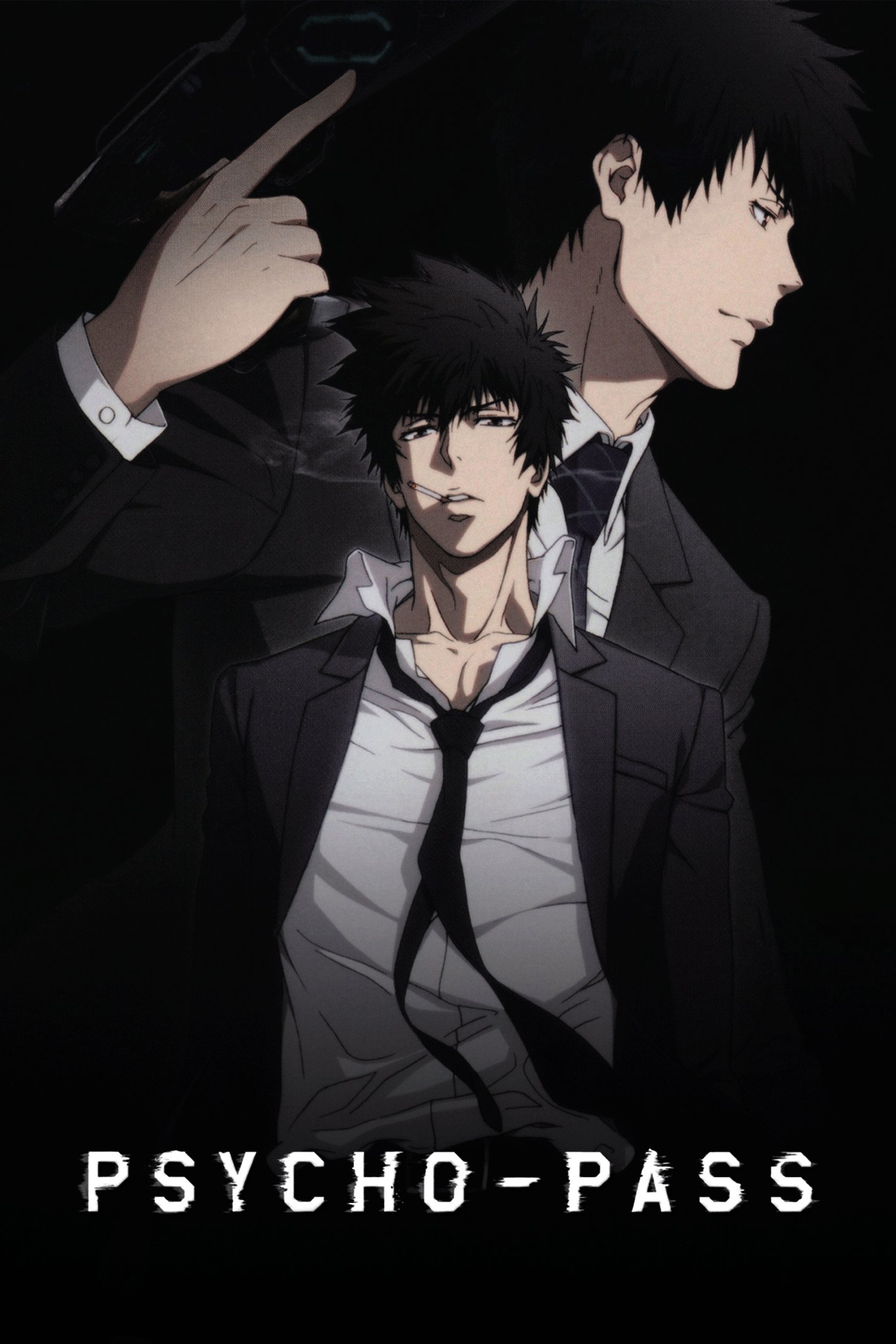
Inspectors and enforcers maintain order with a system that measures mental states and authorizes instant judgments. Cases connect through corporate dealings, black market tech, and criminal masterminds who test system limits. Production I.G animated the series with device readouts and crime scene overlays. Investigations span city grids, data hubs, and jurisdiction handoffs that influence who can act.
‘The Melancholy of Haruhi Suzumiya’ (2006–2009)
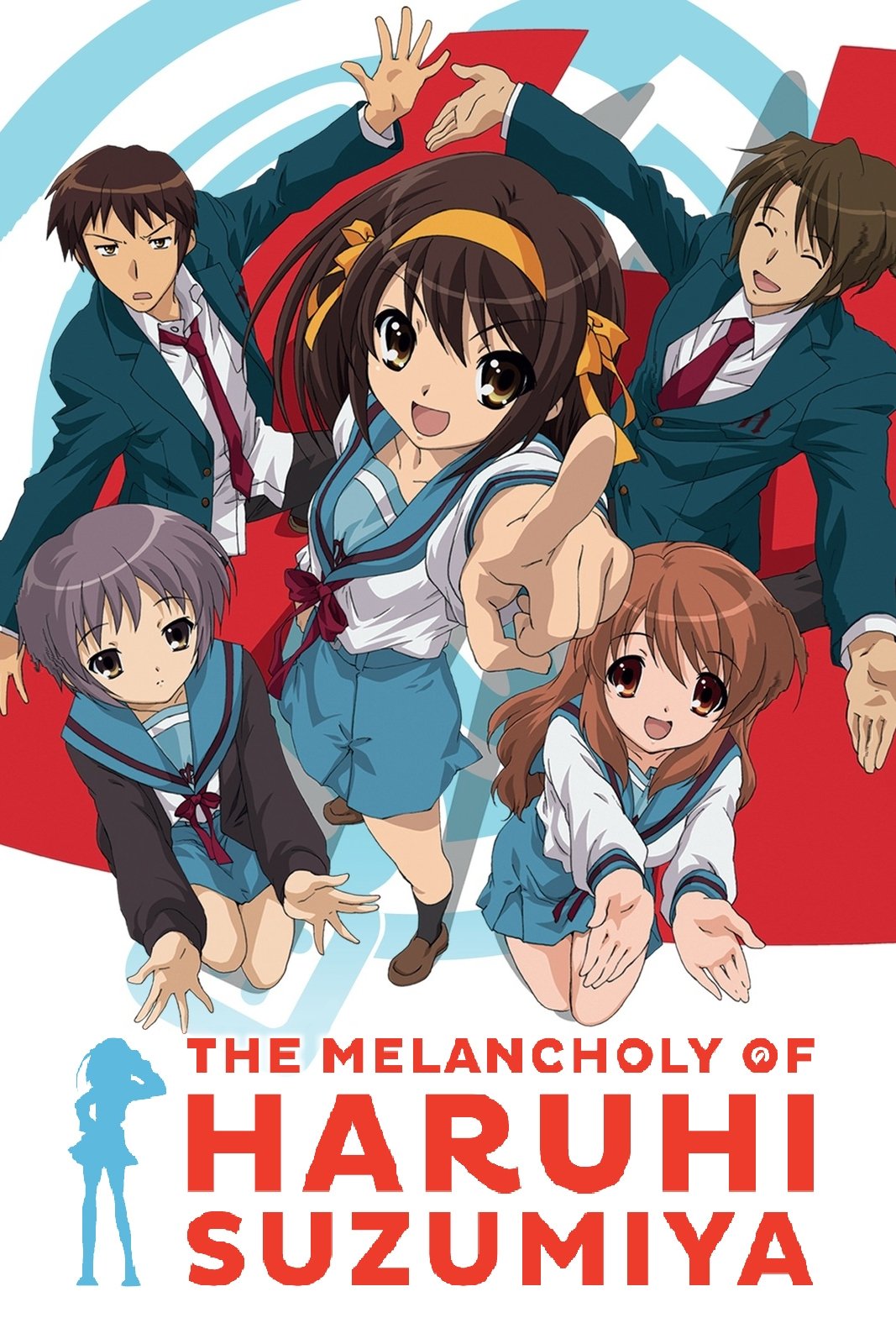
A high school club forms around a student unaware of her reality shaping potential. Episodes include culture festivals, part time jobs, and closed space incidents that require subtle fixes. Kyoto Animation produced the series with variations in broadcast and chronological order. The group relies on reports, time travelers, and aliens who file updates to keep events stable.
‘Fate/Zero’ (2011–2012)
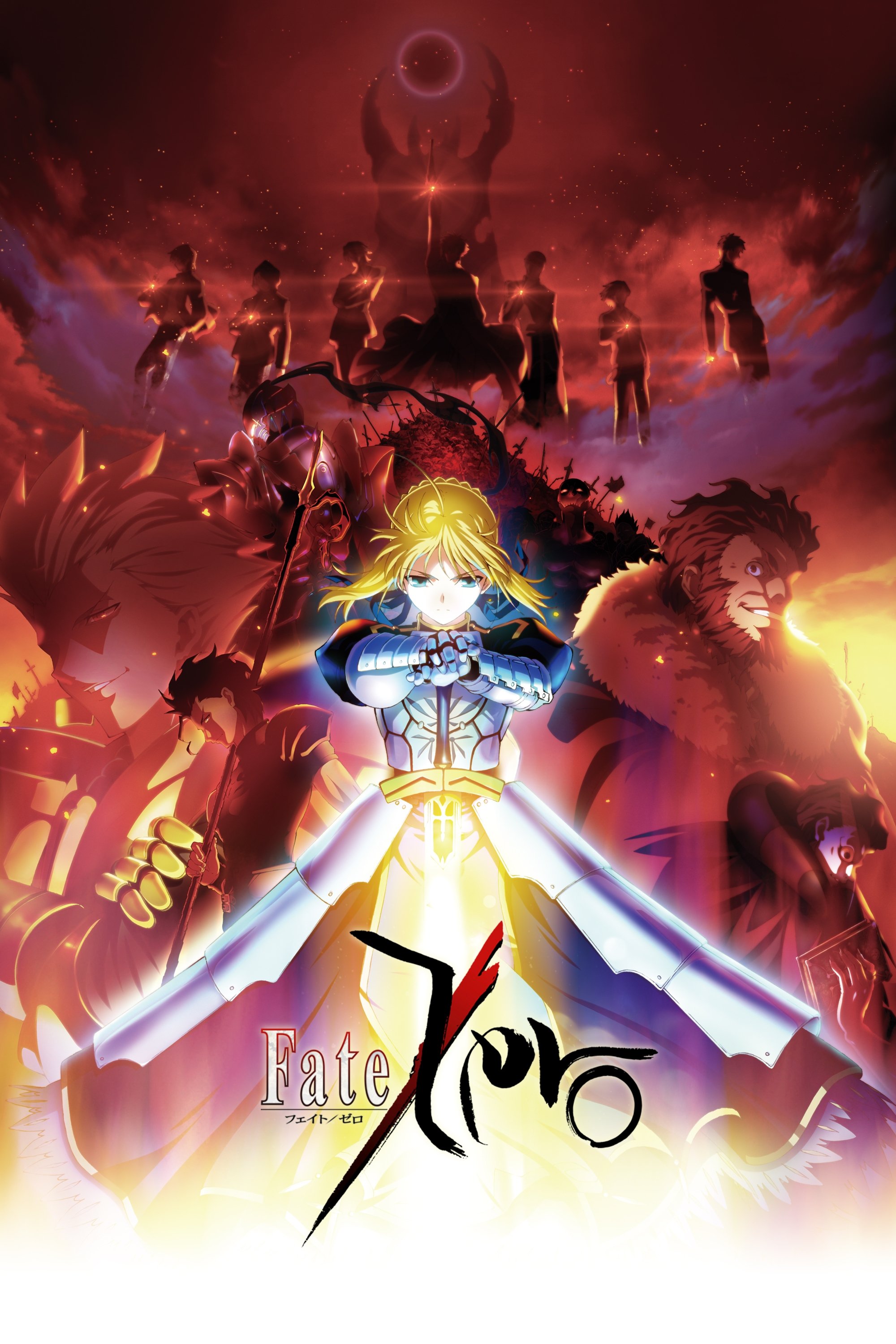
Seven mages summon heroic spirits for a ritual that grants a wish, and contracts bind each pair with unique constraints. The conflict unfolds across covert operations, church oversight, and city curfews. Ufotable animated detailed combat scenes and magic systems with clearly defined classes and parameters. Narrative focus shifts among teams as they pursue relics, alliances, and reconnaissance.
‘Puella Magi Madoka Magica’ (2011)
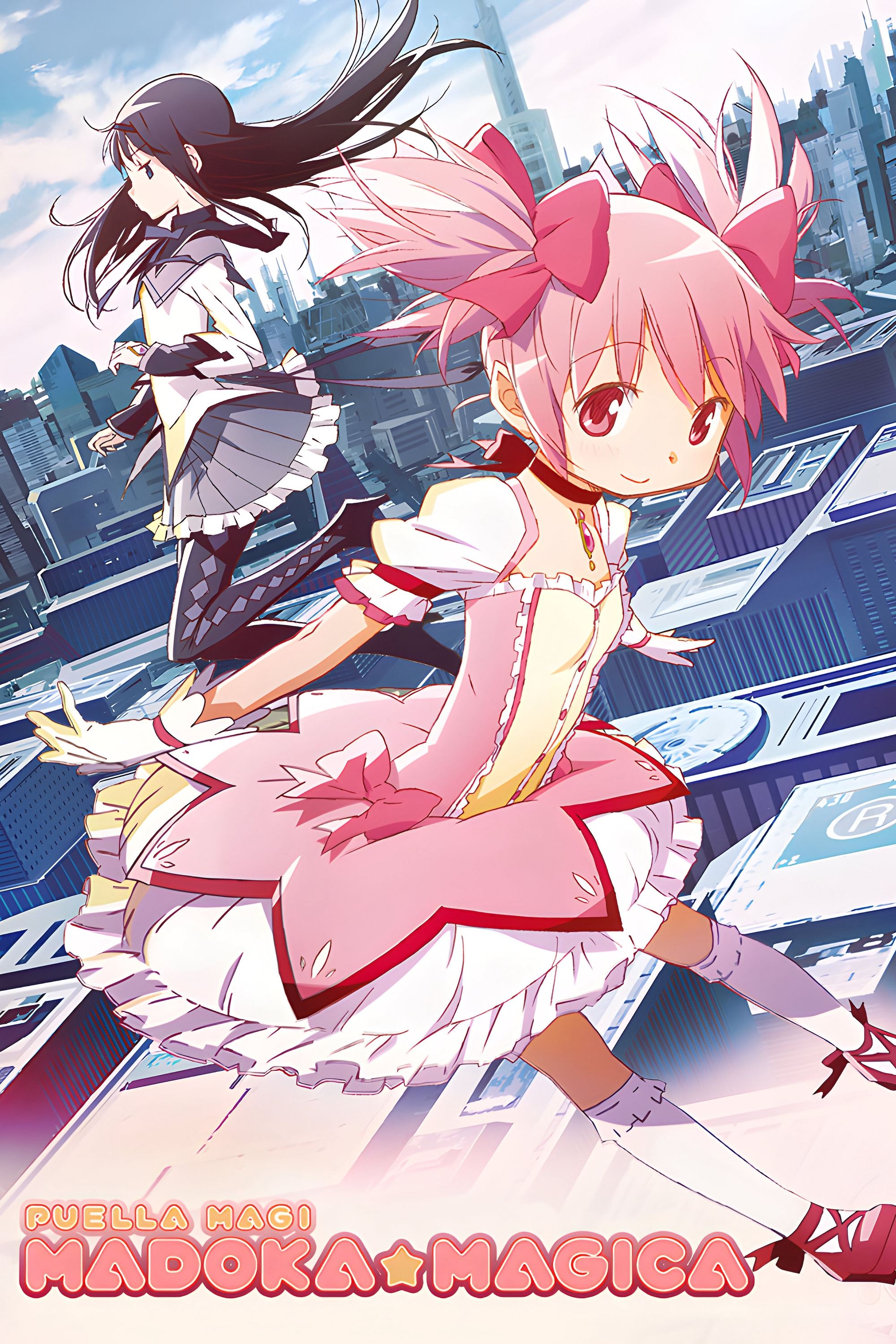
Middle school students make contracts that grant powers in exchange for duties tied to labyrinth like arenas. The rules of energy, grief seeds, and timelines are revealed through battles and briefings. Shaft produced the series with collage style backgrounds and sharp visual transitions. Key episodes center on wish terms, risk management, and the limits of support between teammates.
‘Violet Evergarden’ (2018)
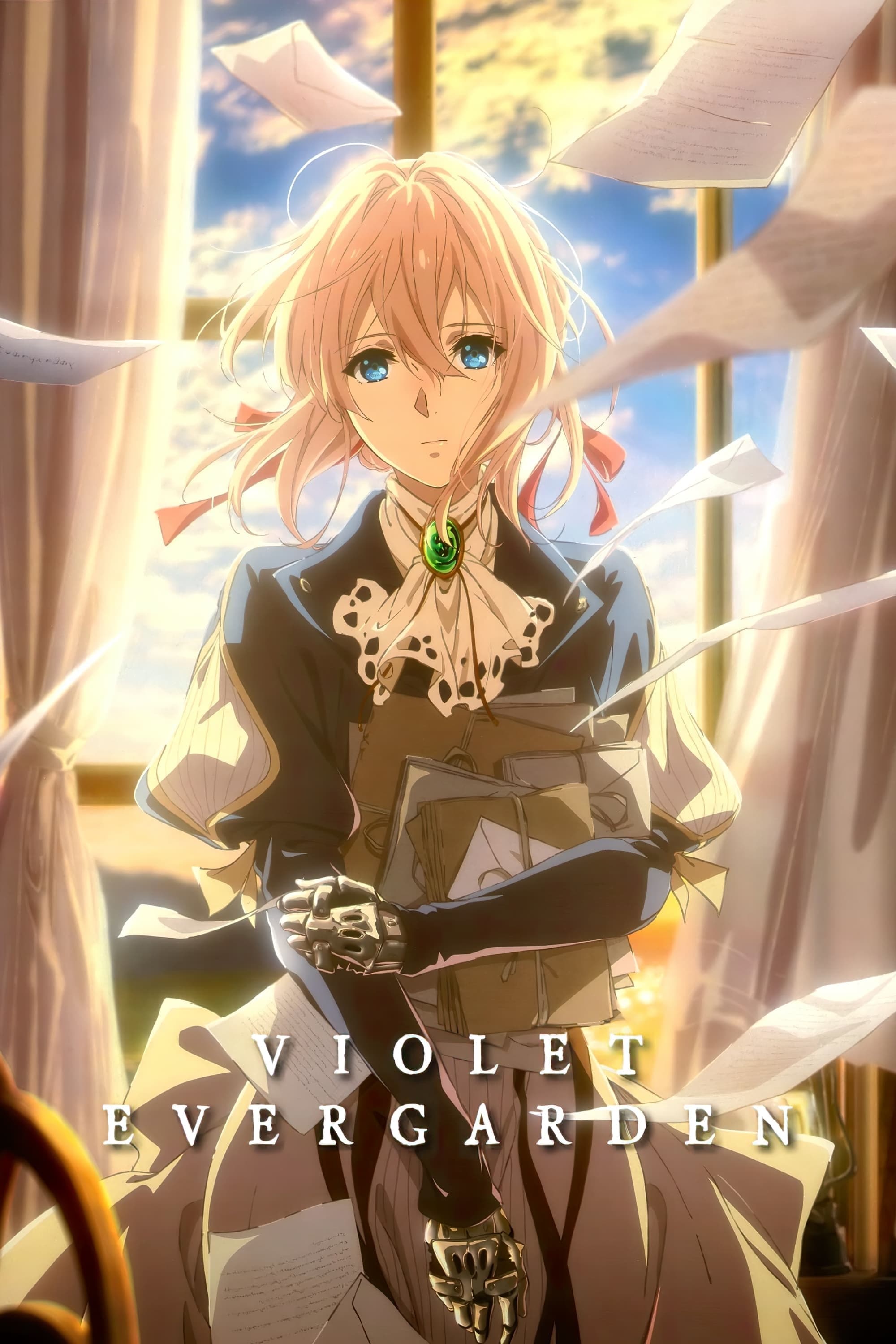
A former soldier becomes a letter writer who travels to help clients express difficult emotions. Episodes revolve around assignments that take her to theaters, observatories, and coastal towns. Kyoto Animation produced the series with detailed period settings and careful character acting. The structure follows training, postal routes, and seasonal festivals that anchor each case.
‘Erased’ (2016)
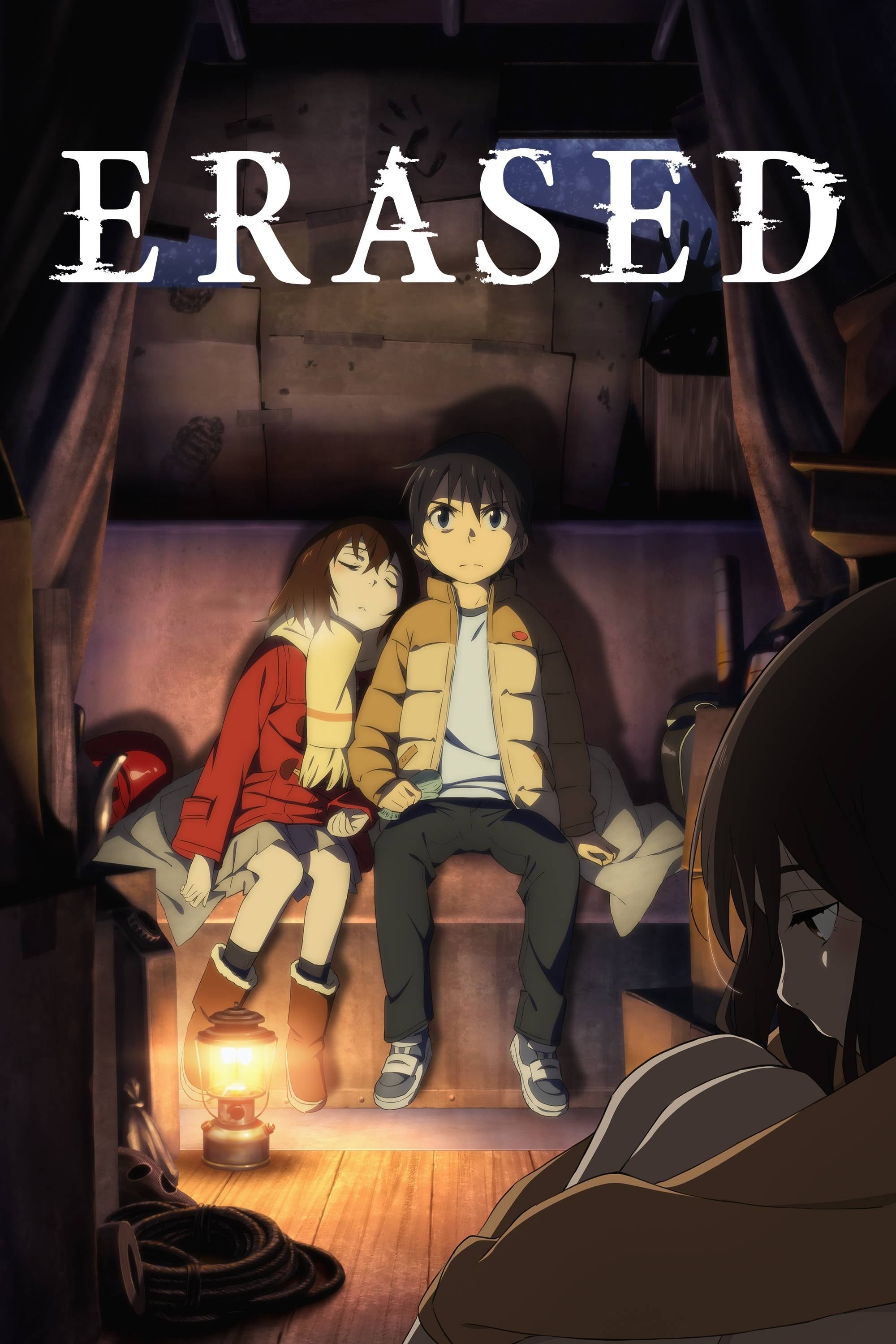
A man experiences time slips that allow him to correct events tied to a childhood case. The investigation alternates between school days and present timelines with careful tracking of alibis and locations. A-1 Pictures produced the adaptation with chapter like progress markers. The plot advances through class watch groups, media reports, and coordinated attempts to protect potential victims.
‘No Game No Life’ (2014)
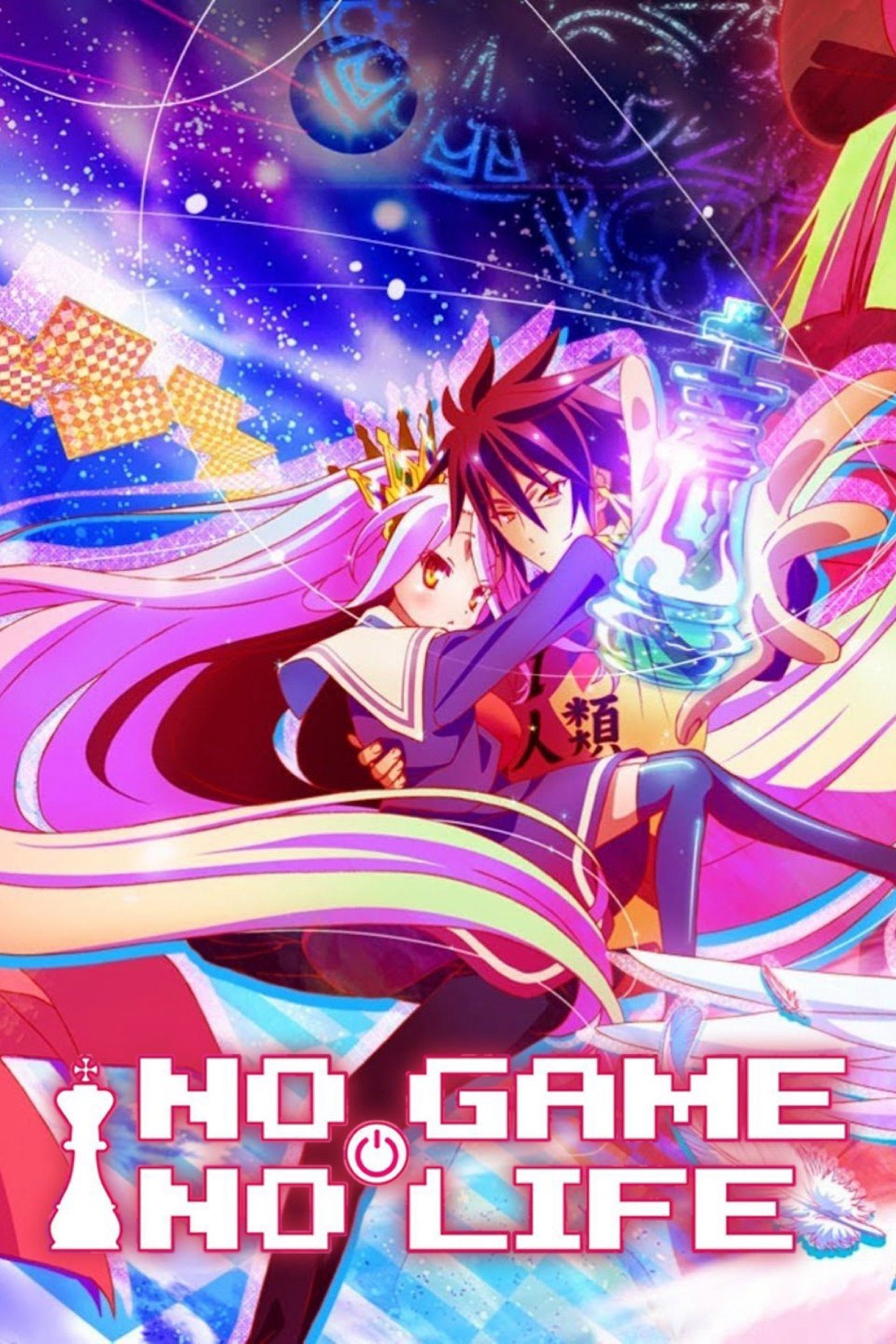
Two siblings are summoned to a world where disputes are settled through games governed by strict rules. Challenges escalate from card matches to nation level wagers that affect borders and resources. Madhouse animated the series with bold color design and on screen mechanics. The story uses treaties, guild diplomacy, and puzzle breakdowns to explain each strategy.
‘Blue Exorcist’ (2011–2012)
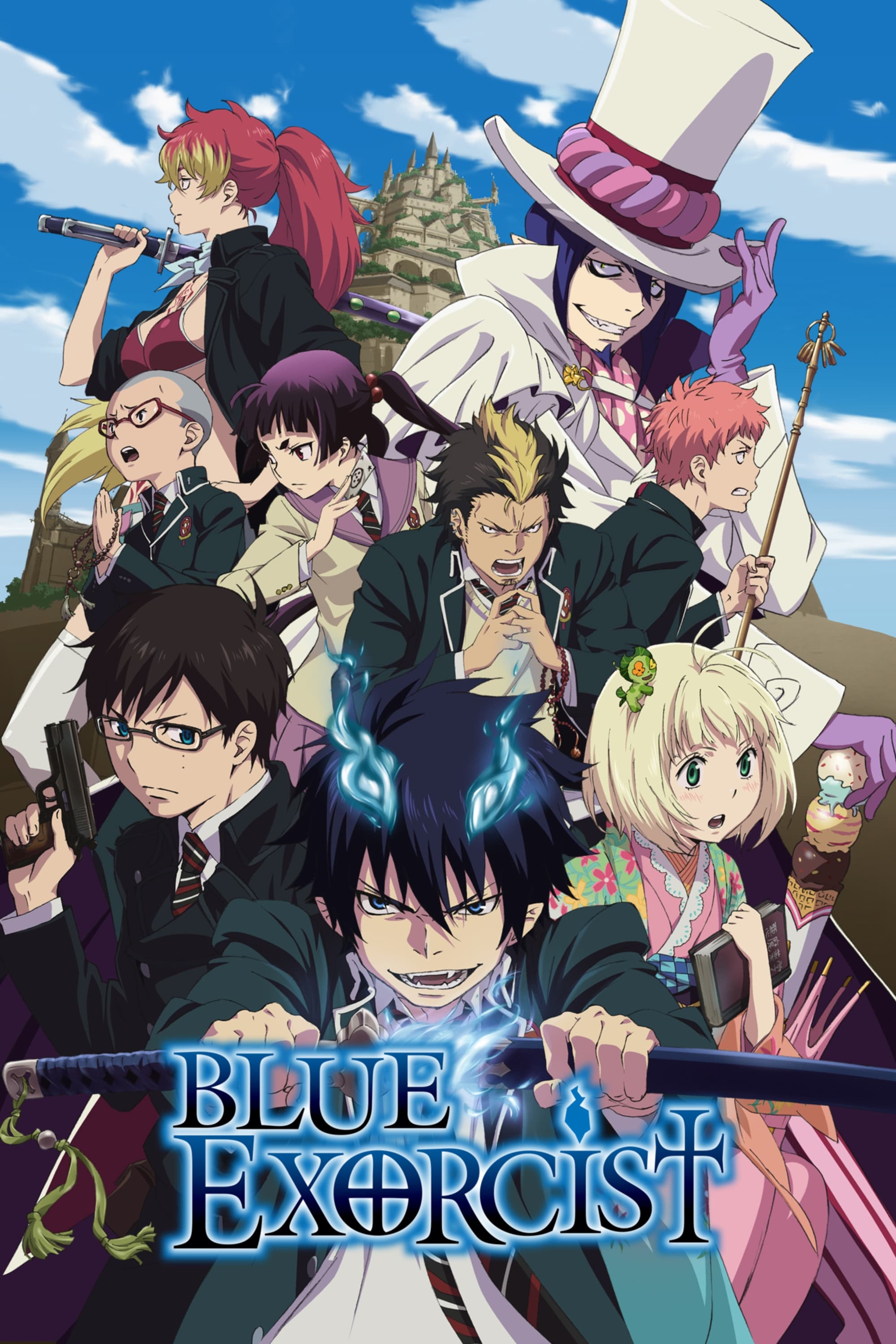
Twin brothers train at an academy where exorcists learn classroom theory and field tactics against demonic threats. Cases involve sealed gates, familiar contracts, and rituals that require specialized teams. A-1 Pictures produced the early seasons with later arcs adapting distinct manga sections. The curriculum mixes exams, patrols, and festival duties that reveal rival organizations.
‘Gintama’ (2006–2018)
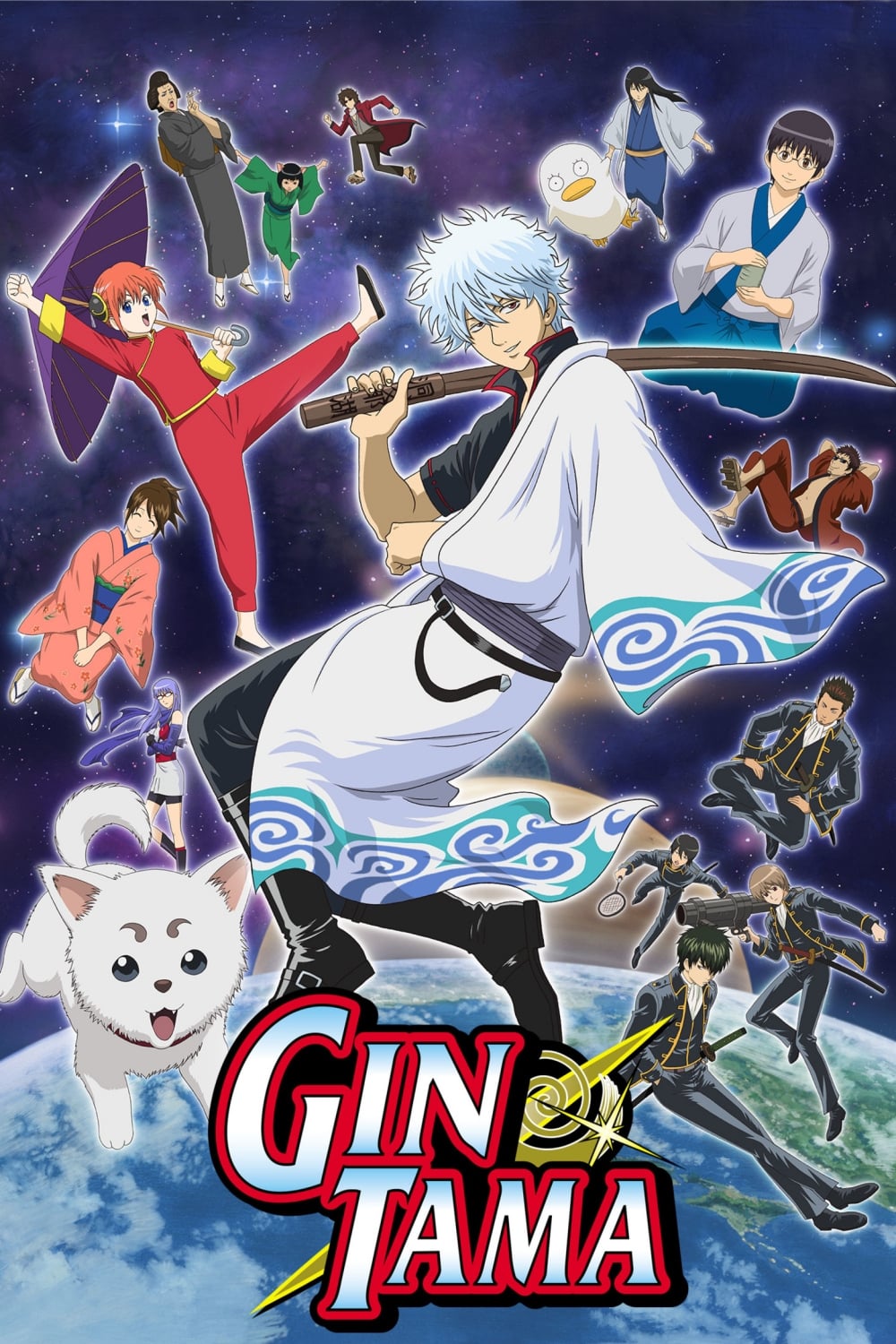
An alternate Edo features alien occupiers and freelance odd jobs that swing between comedy and serious arcs. The cast navigates police forces, rebel groups, and crime families with recurring city districts. Sunrise and later Bandai Namco Pictures handled production across multiple seasons and specials. Storylines thread through tournaments, hostage standoffs, and flashback revelations about past units.
‘Cowboy Bebop’ (1998–1999)
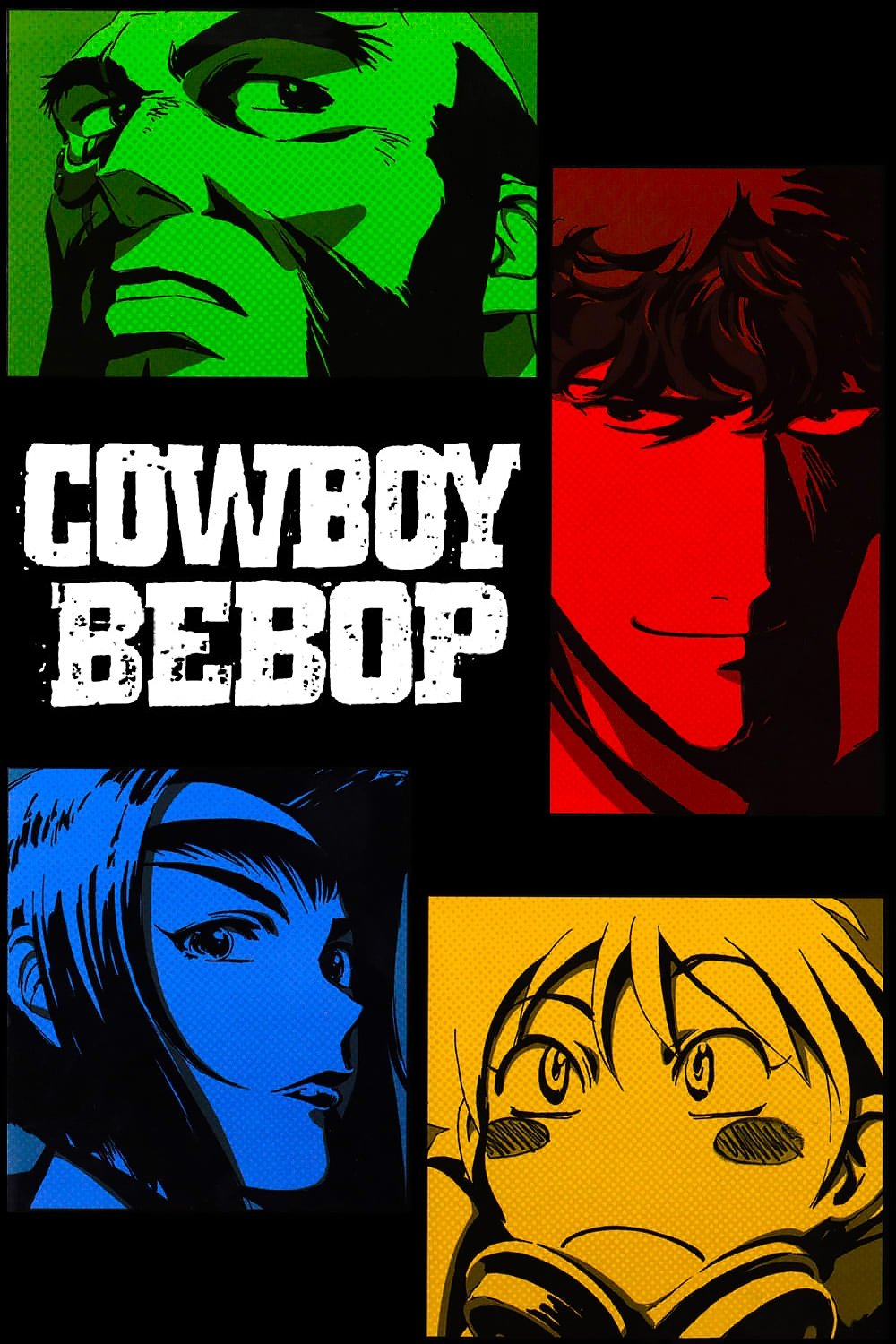
A crew of bounty hunters travels the solar system taking contracts that rarely go as planned. Episodes combine case files with personal histories that resurface in specific cities and space stations. Sunrise produced the series with distinctive ship designs and grounded action choreography. The narrative uses police jurisdictions, syndicate politics, and posted bounties to structure each pursuit.
Share the titles you would add to this list in the comments and tell us which ones you think get more praise than they deserve.