Most Overrated Horror Movies Everyone Seems to Like


Horror hits can become cultural touchstones fast, and once they do it is easy to forget the details that made them blow up in the first place. This list rounds up widely discussed titles and focuses on the concrete facts behind their impact. You will see who made them, how they performed, and where they fit within bigger franchises and trends. You will also spot which company brought each film to theaters in a quick, low-key way.
‘The Conjuring’ (2013)
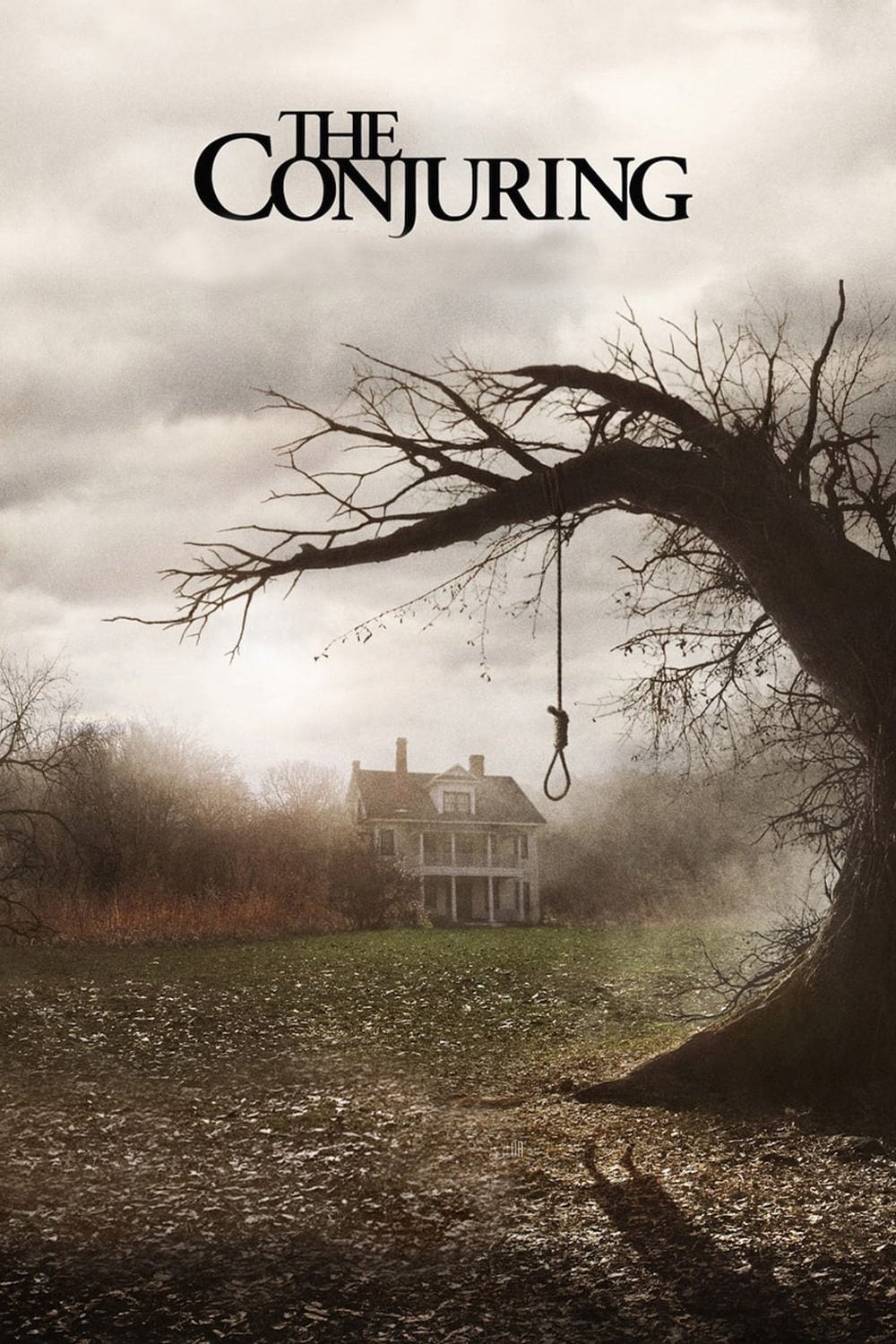
James Wan directed this case file story about investigators Ed and Lorraine Warren, launching a connected series that later spun off ‘Annabelle’ and ‘The Nun’. It was produced with New Line and released to theaters by Warner Bros., setting the template for the larger Conjuring Universe. The film became a box office success and led to multiple sequels and prequels. Patrick Wilson and Vera Farmiga returned across entries to anchor the timeline.
‘It’ (2017)
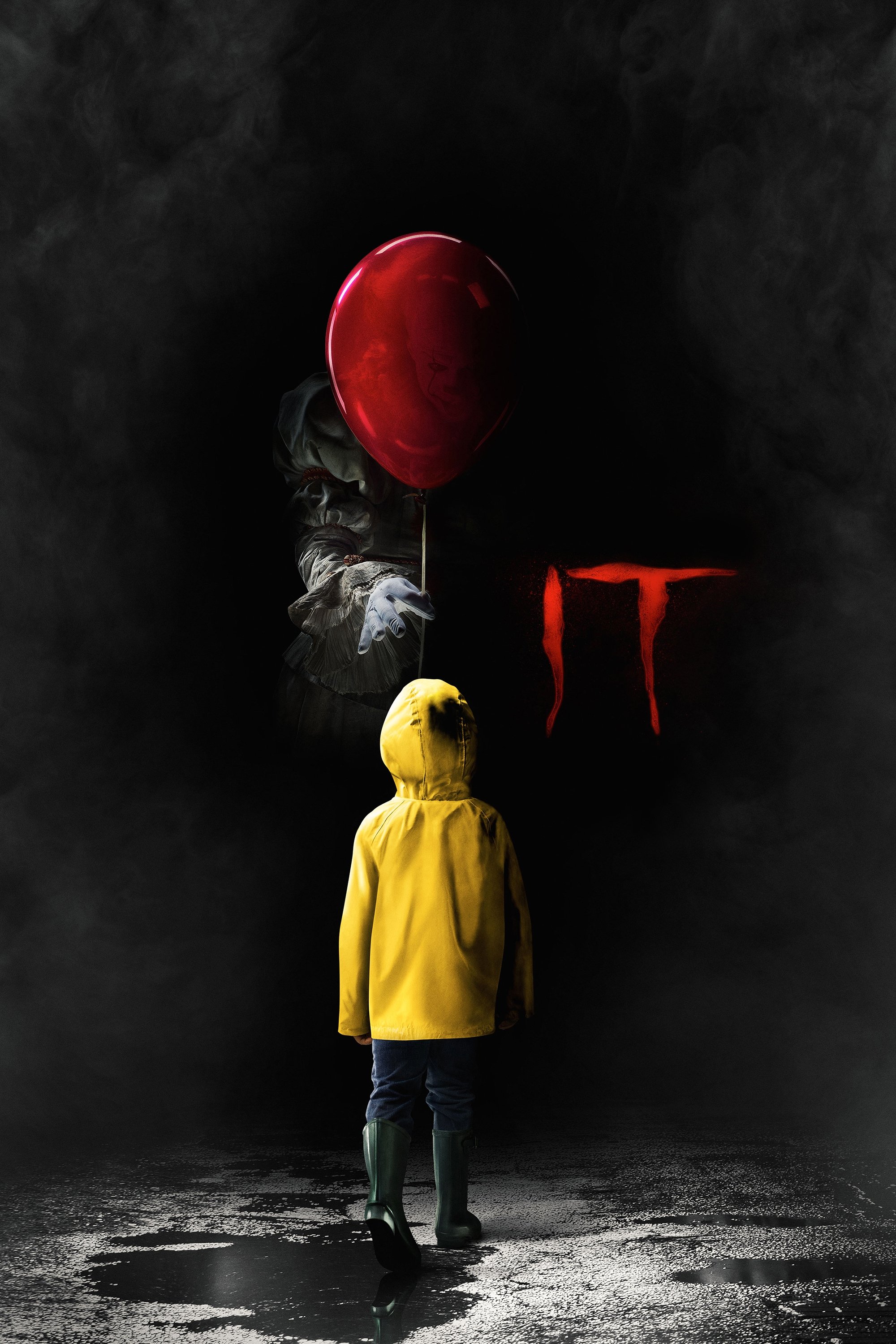
Andy Muschietti adapted Stephen King’s novel with a focus on the Losers Club’s childhood years. New Line handled production and it reached audiences through Warner Bros., leading to a major worldwide gross and a direct sequel. Bill Skarsgård’s Pennywise became a modern horror icon and merchandising mainstay. The follow up ‘It Chapter Two’ completed the book’s adult storyline.
‘Paranormal Activity’ (2007)
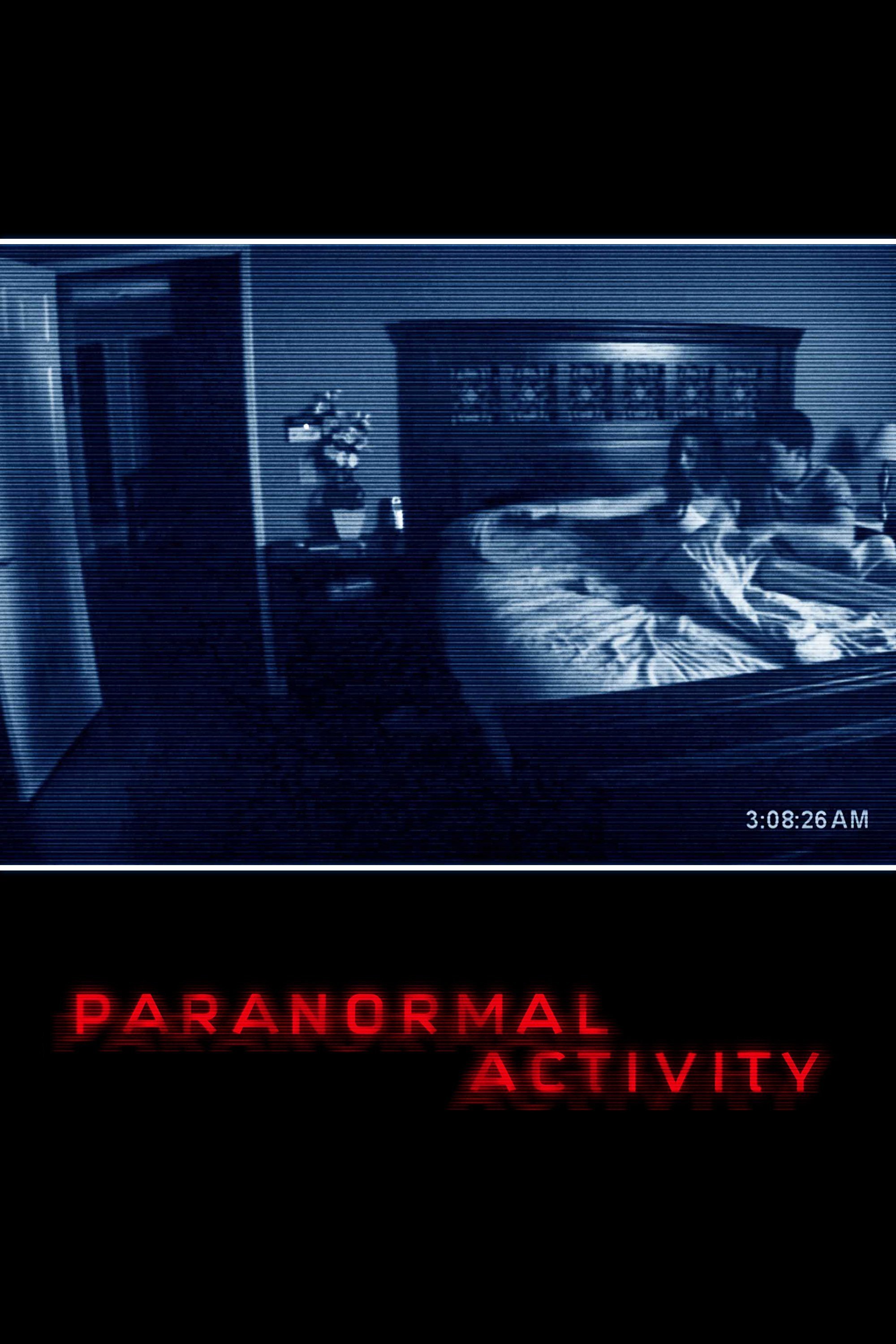
Oren Peli’s found footage film was produced for a tiny budget and picked up after festival buzz. Paramount handled the release and added a new ending for the wide rollout. The movie turned into a long running franchise with numbered sequels and spin offs. Its success popularized home surveillance aesthetics in mainstream horror.
‘The Blair Witch Project’ (1999)
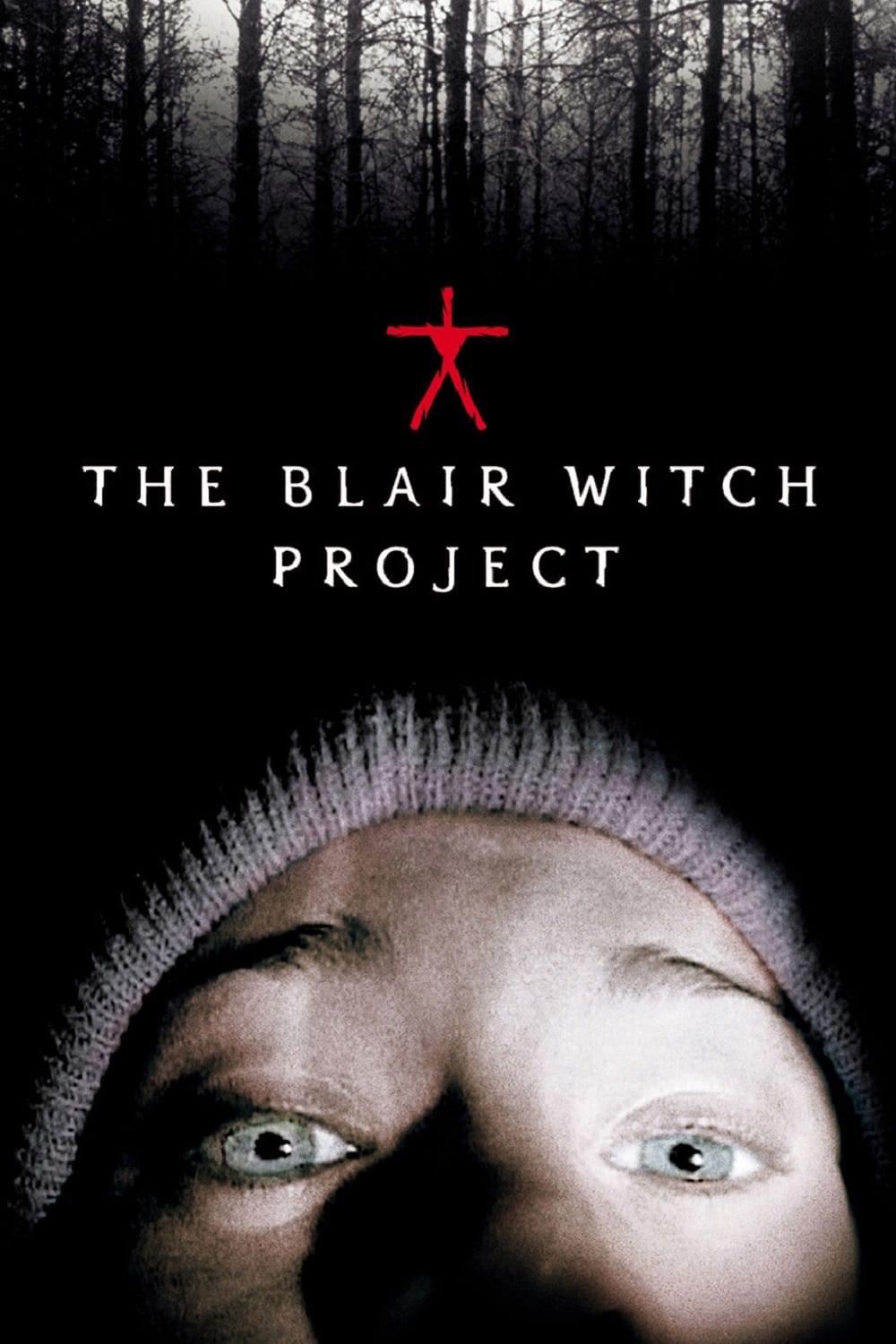
This indie feature blended faux documentary elements with a carefully staged marketing campaign. Artisan Entertainment acquired it after early screenings and took it nationwide, where it became a major financial story. The film’s simple production model influenced a wave of found footage projects. It later received a sequel and a 2016 follow up titled ‘Blair Witch’.
‘The Ring’ (2002)
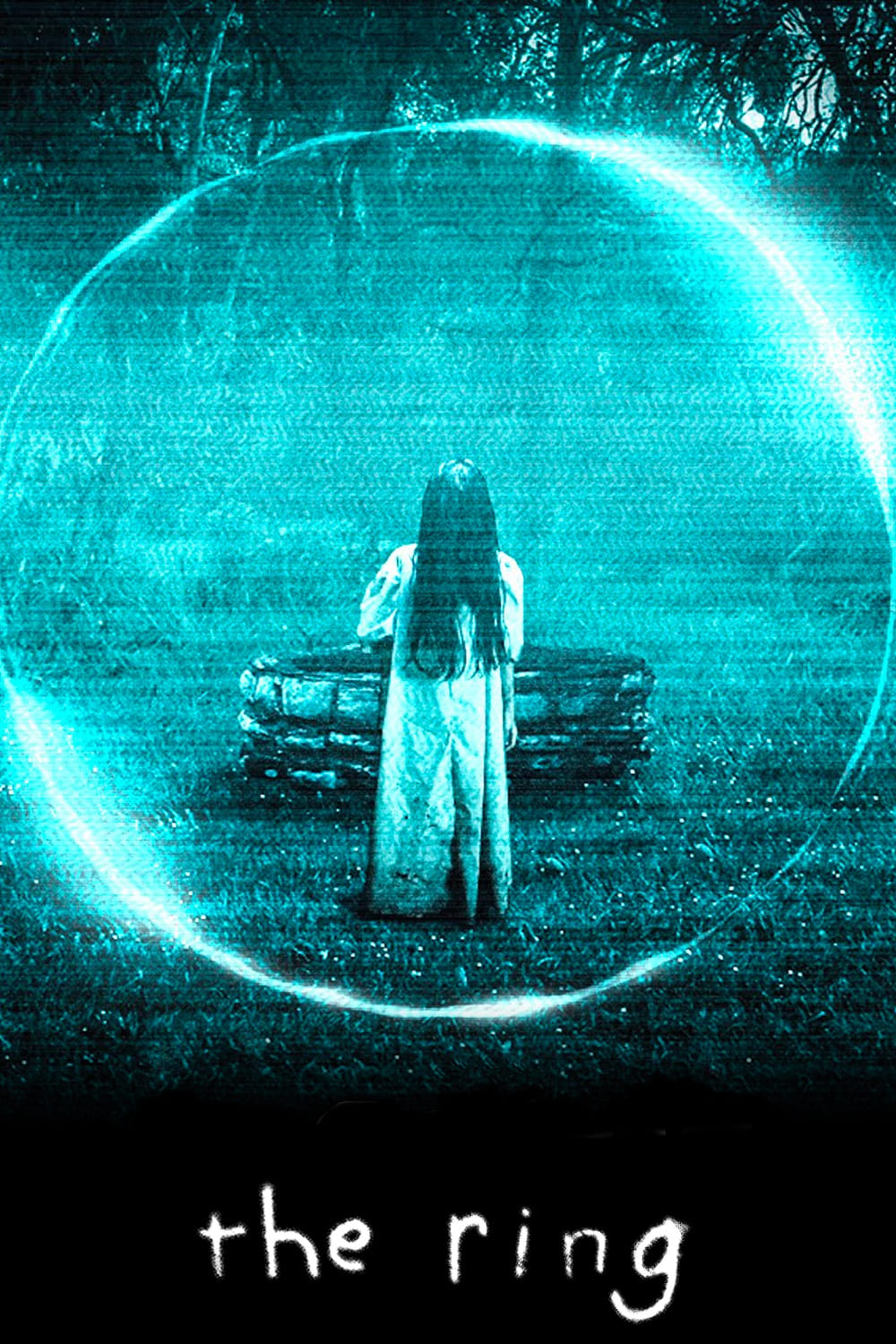
Gore Verbinski remade the Japanese hit ‘Ringu’ with Naomi Watts in the lead. DreamWorks Pictures brought it to theaters in North America, helping push Japanese horror remakes into the mainstream. The film’s imagery and videotape concept spread rapidly across pop culture. Follow ups included ‘The Ring Two’ and the later continuation ‘Rings’.
‘A Quiet Place’ (2018)
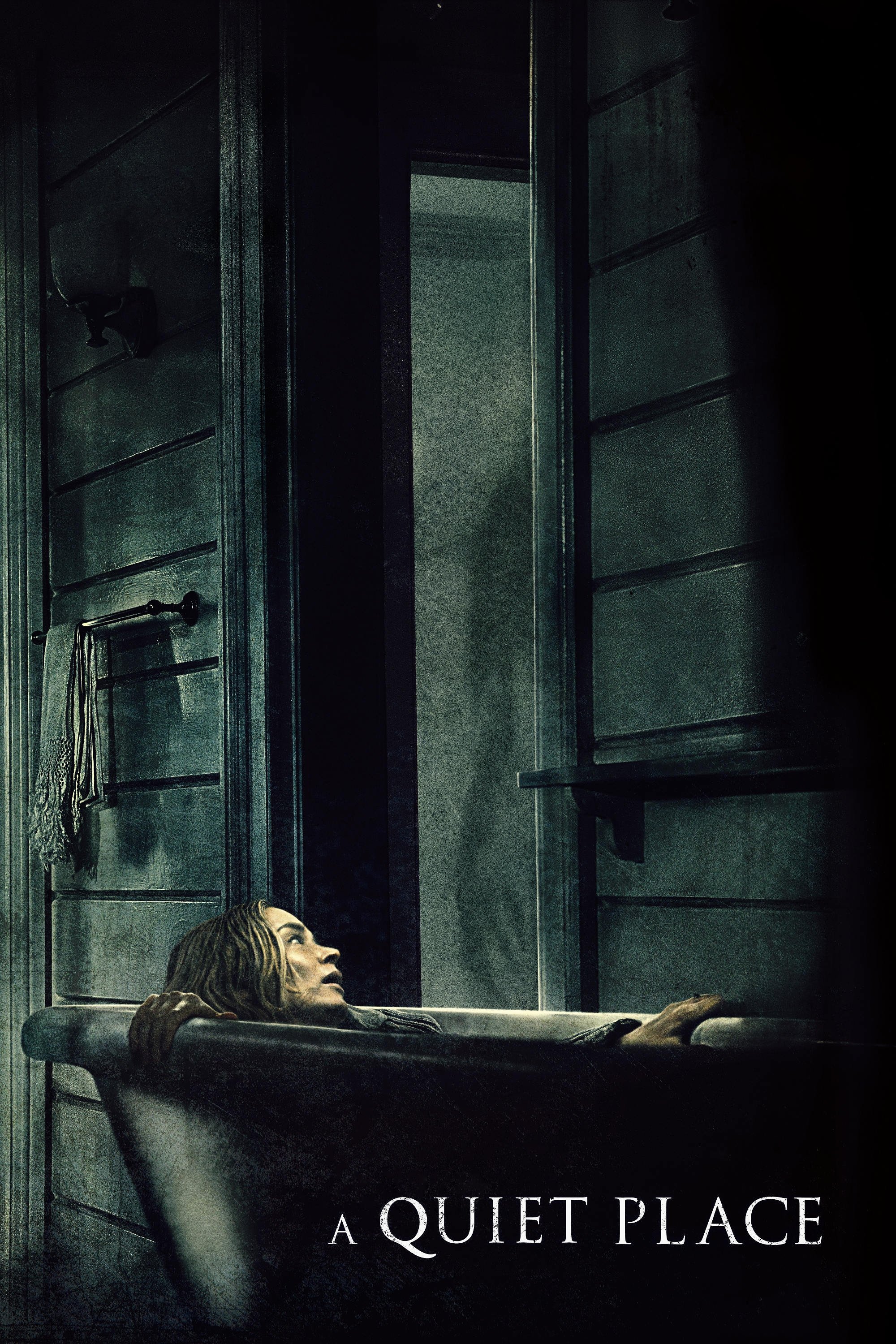
John Krasinski directed and starred alongside Emily Blunt in a story built around careful sound design. Paramount Pictures released it worldwide and quickly set a sequel in motion. The film expanded into a small universe with ‘A Quiet Place Part II’ and the prequel ‘A Quiet Place: Day One’. Awards attention centered on editing, sound, and the film’s high concept execution.
‘Hereditary’ (2018)

Ari Aster’s debut premiered at Sundance and centered on a family unraveling after a loss. A24 distributed the film and supported a robust platform release strategy. Toni Collette’s performance drew widespread recognition and strong year end mentions. The movie’s success paved the way for Aster’s subsequent features.
‘The Babadook’ (2014)
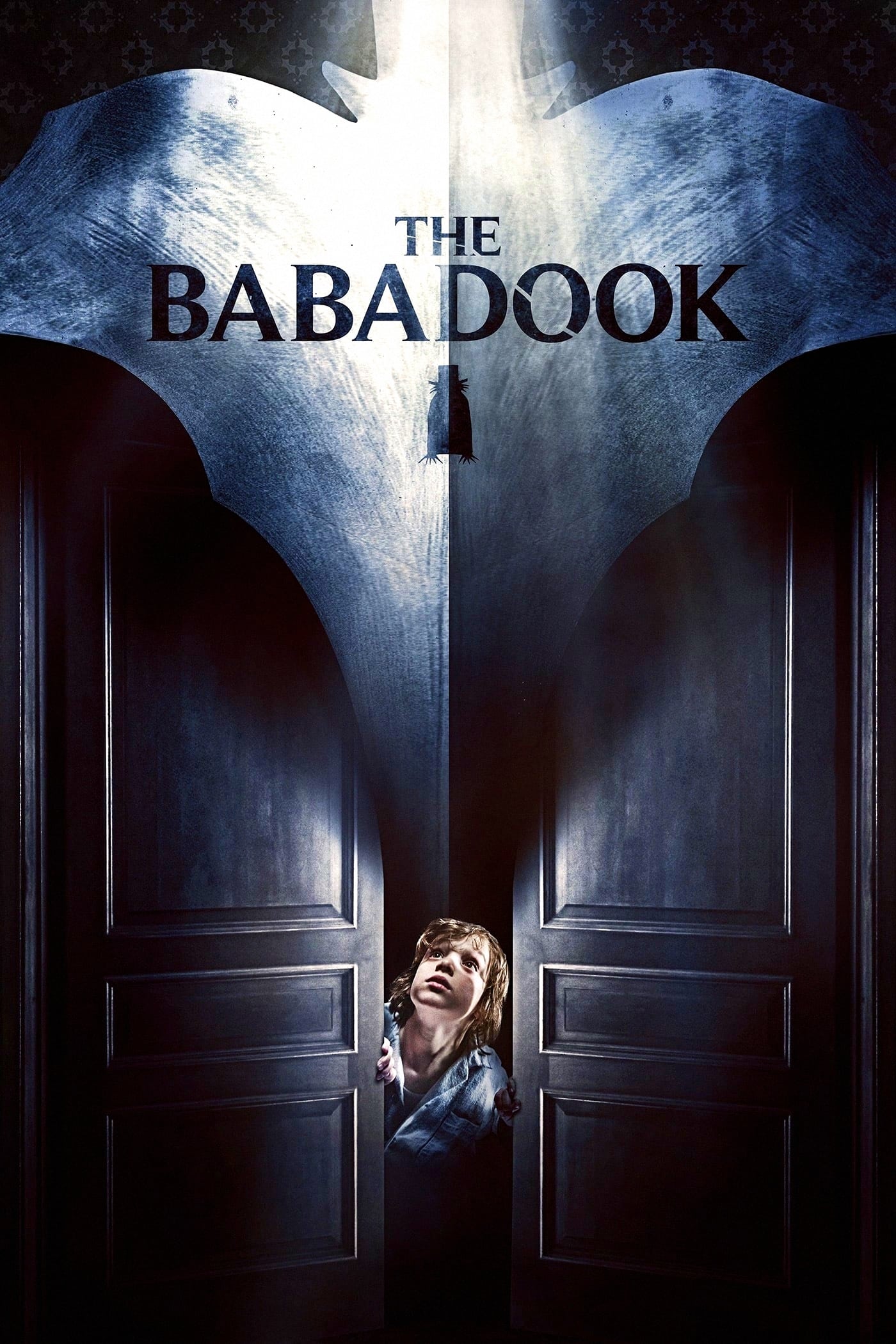
Jennifer Kent’s feature debut originated in Australia and built momentum through festivals. IFC Films handled the U.S. release, giving it steady visibility on the specialty circuit and on streaming. The central story of a mother and son facing grief resonated with critics and audiences. The title character’s design became a recognizable symbol well beyond the film’s run.
‘Insidious’ (2010)
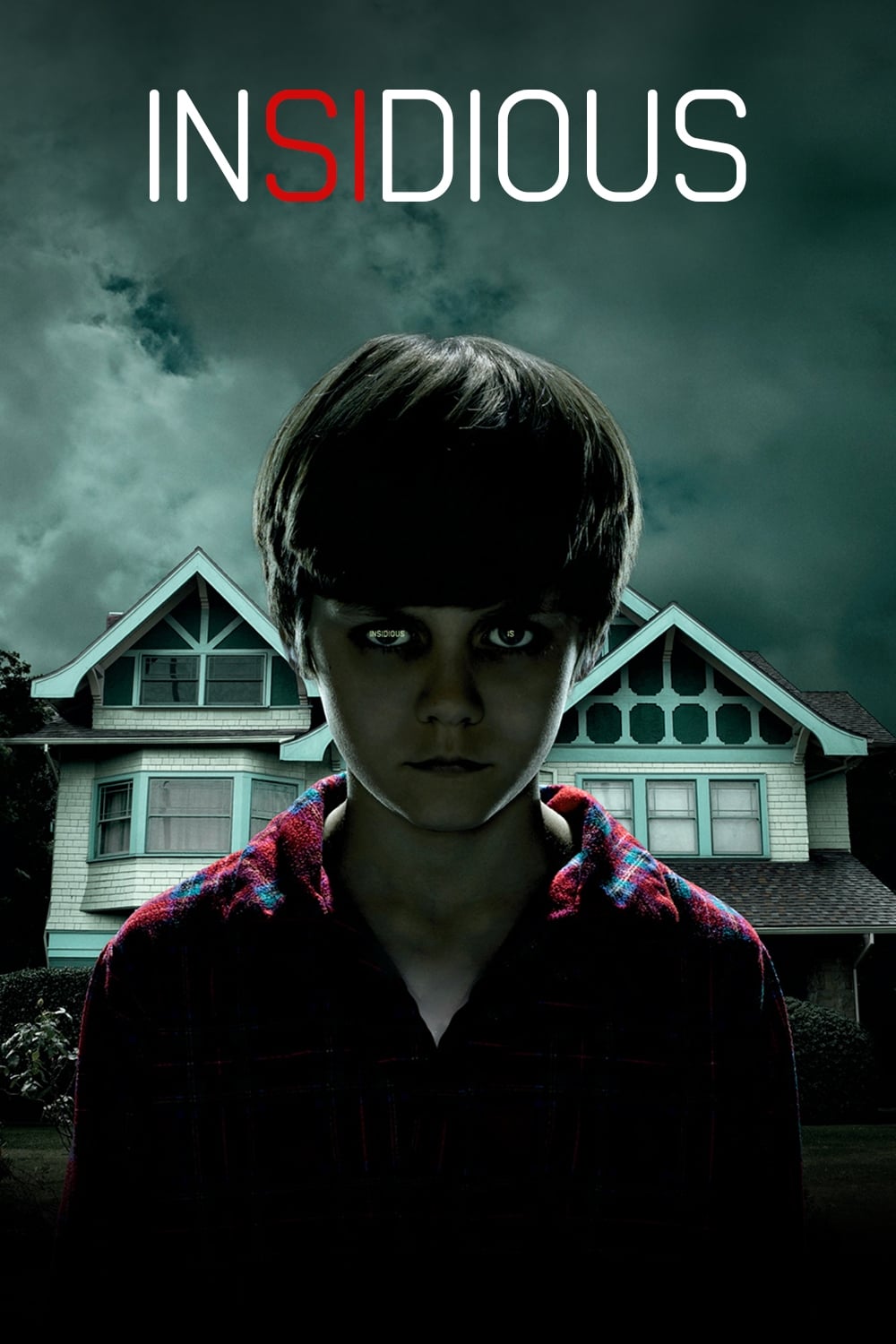
James Wan returned to low budget scares with a story about astral projection and a haunted family. FilmDistrict distributed it in the United States, where it performed strongly and set up a multi film series. The franchise continued under different banners with entries like ‘Insidious: Chapter 2’ and ‘Insidious: The Red Door’. Patrick Wilson and Rose Byrne led the original cast.
‘Get Out’ (2017)
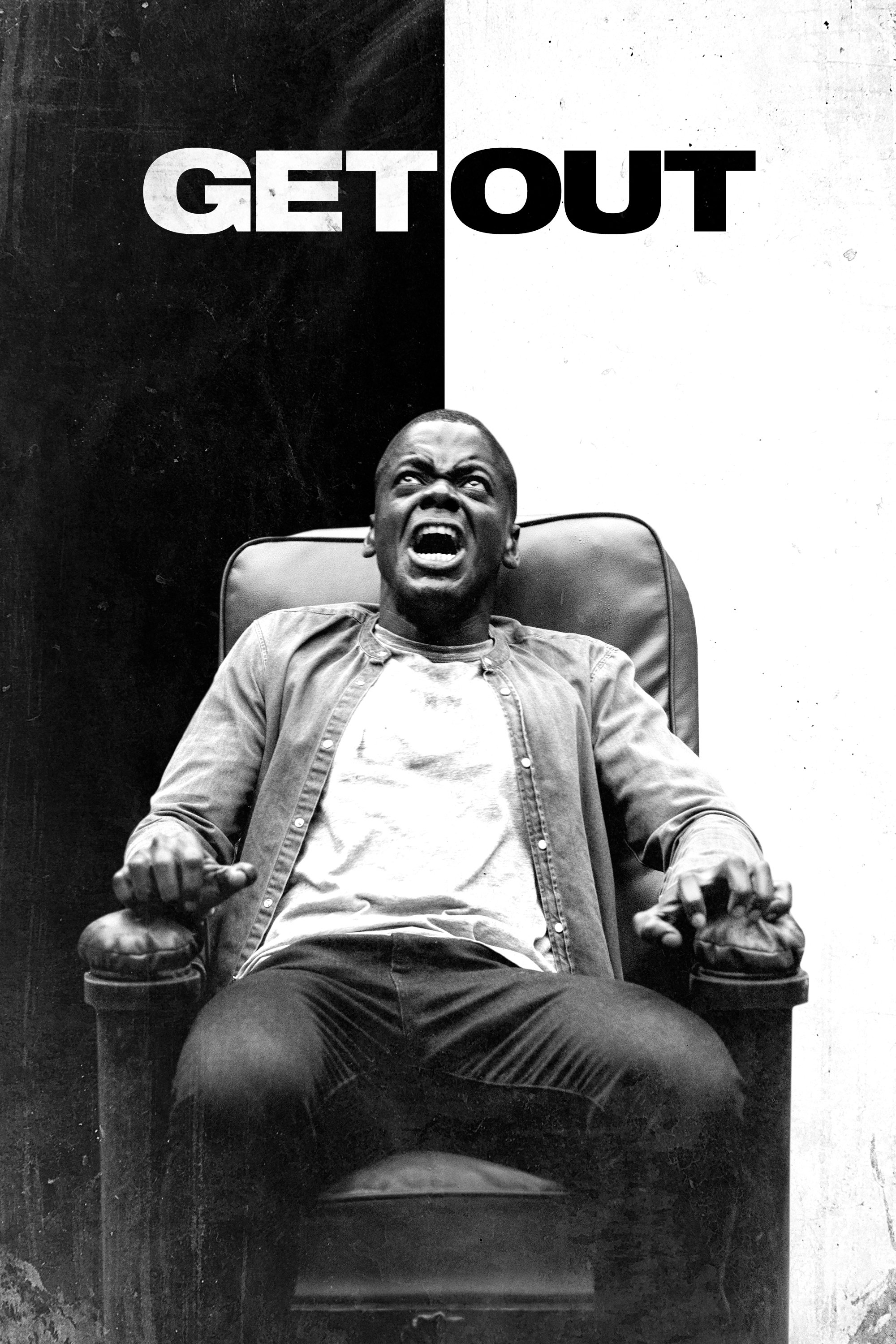
Jordan Peele’s debut combined social thriller ideas with classic genre structure. Universal Pictures released the film and backed a broad marketing push that helped it play in multiplexes and awards season. It won the Academy Award for Best Original Screenplay and earned multiple nominations. The film’s success established Peele’s production banner for future projects.
‘The Nun’ (2018)
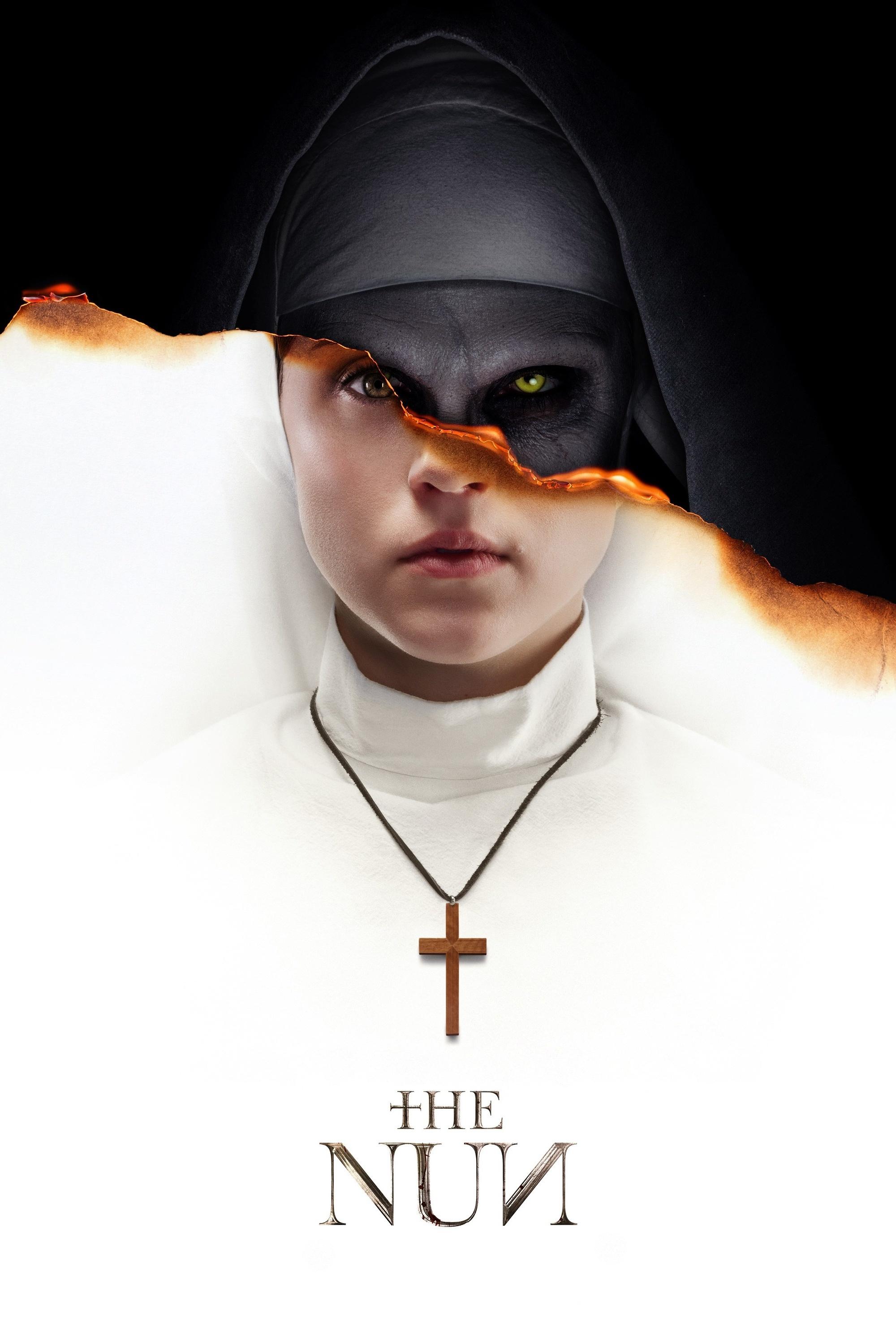
This Conjuring Universe entry explored the origins of the demonic figure introduced in ‘The Conjuring 2’. New Line developed it and Warner Bros. released it to a strong global gross. The story’s setting in a Romanian abbey tied into broader series lore. A follow up continued the character’s arc within the same universe.
‘Saw’ (2004)
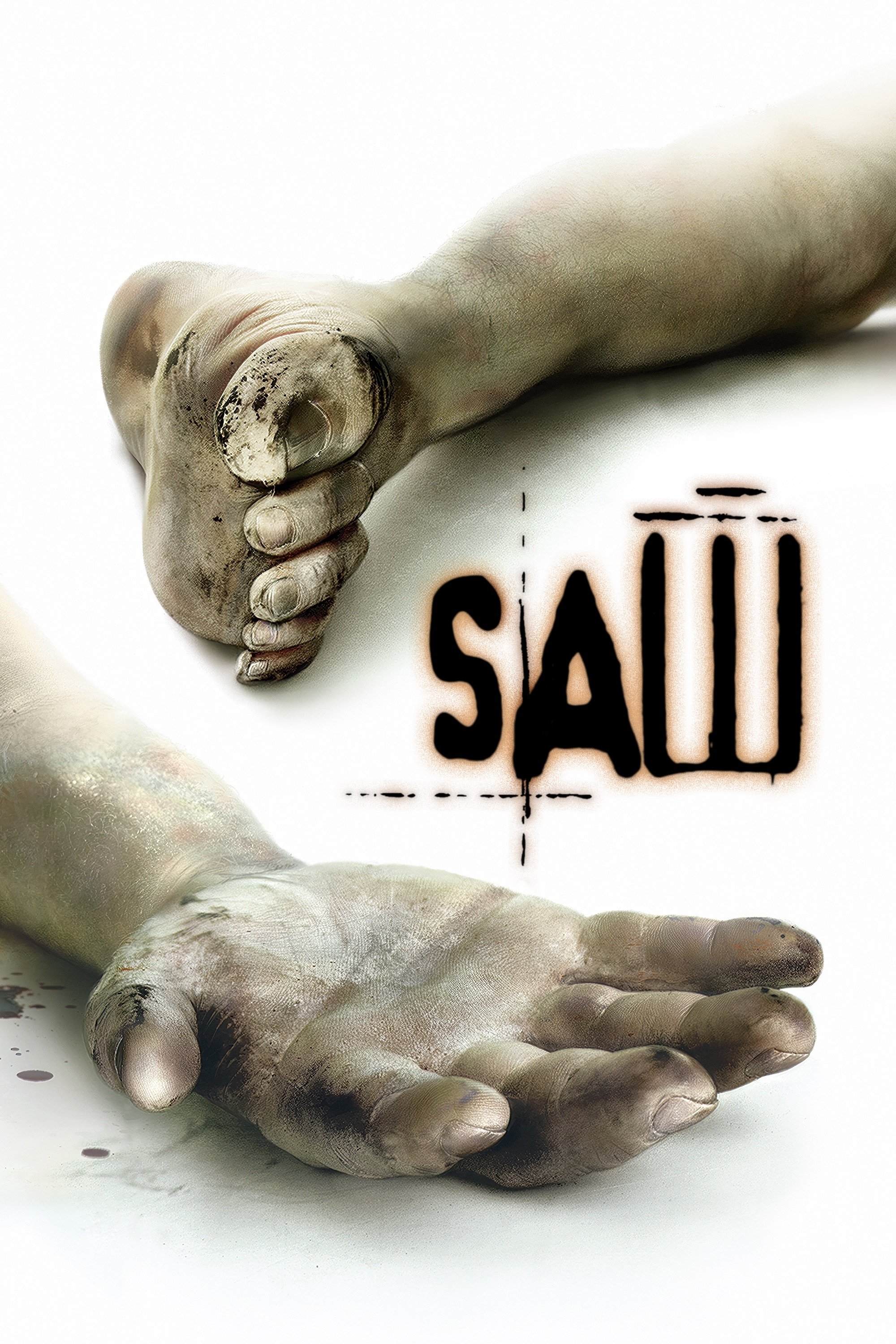
James Wan’s breakout feature introduced the Jigsaw killer and a puzzle driven structure. Lionsgate distributed the film and turned it into a yearly Halloween season tradition for several entries. The series expanded with prequels and side stories like ‘Jigsaw’ and ‘Spiral’. Practical traps and a twist ending format became hallmarks of the brand.
‘Scream’ (1996)
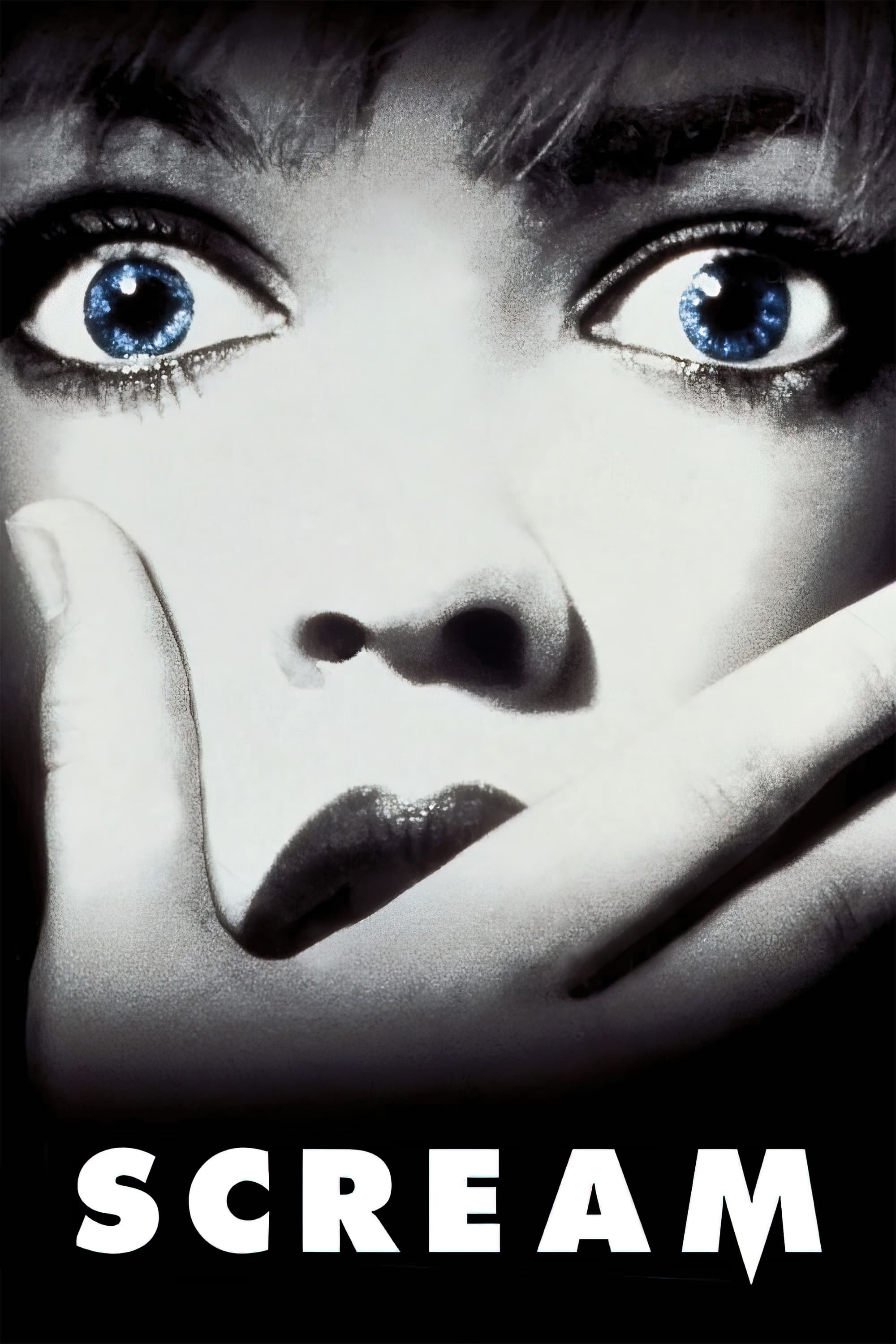
Wes Craven and writer Kevin Williamson blended slasher mechanics with self aware dialogue. The film was released under Dimension Films through Miramax in the United States and rejuvenated interest in teen slashers. Ghostface became a long running figure across sequels and a later continuation. The series eventually returned with new casts while keeping legacy characters in play.
‘Halloween’ (2018)
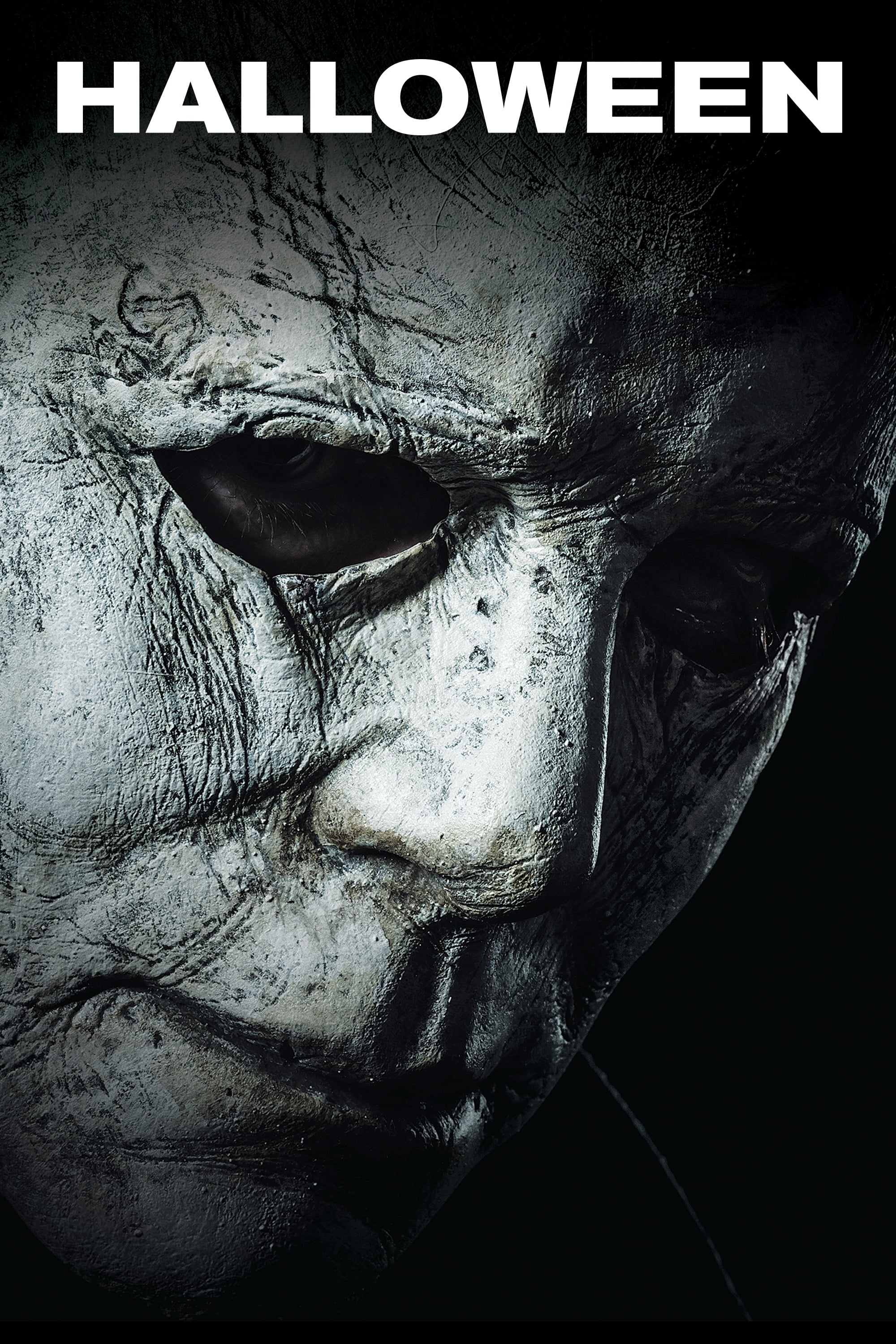
David Gordon Green directed this direct sequel to the 1978 classic with Jamie Lee Curtis returning. Universal Pictures released it in partnership with Blumhouse and Miramax, setting up a new trilogy. The story reset prior continuity to focus on a single timeline. Follow ups ‘Halloween Kills’ and ‘Halloween Ends’ completed that arc.
‘The Exorcist’ (1973)

William Friedkin adapted William Peter Blatty’s novel in a production that set early benchmarks for studio horror. Warner Bros. Pictures released it widely, leading to significant awards attention and major box office. The film inspired sequels, a prequel, and a recent continuation from new partners. Its imagery and sound design influenced generations of filmmakers.
‘Midsommar’ (2019)
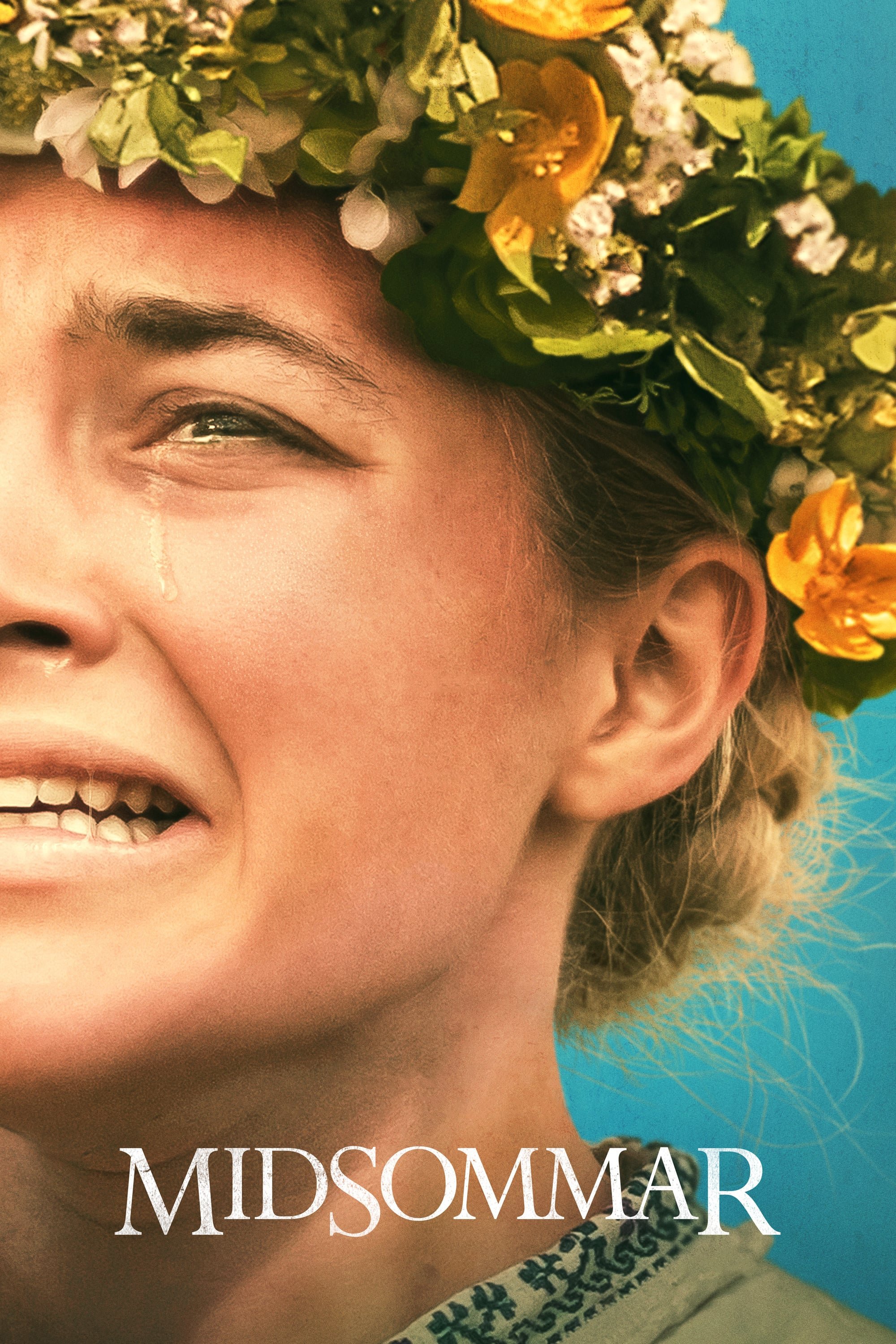
Ari Aster set this story in a remote Swedish commune and leaned on bright daylight for unsettling images. Florence Pugh led a cast that navigates rituals and frayed relationships. The production filmed largely in Hungary with elaborate practical sets. A24 brought it to theaters in North America with a strong platform rollout.
‘The Witch’ (2015)
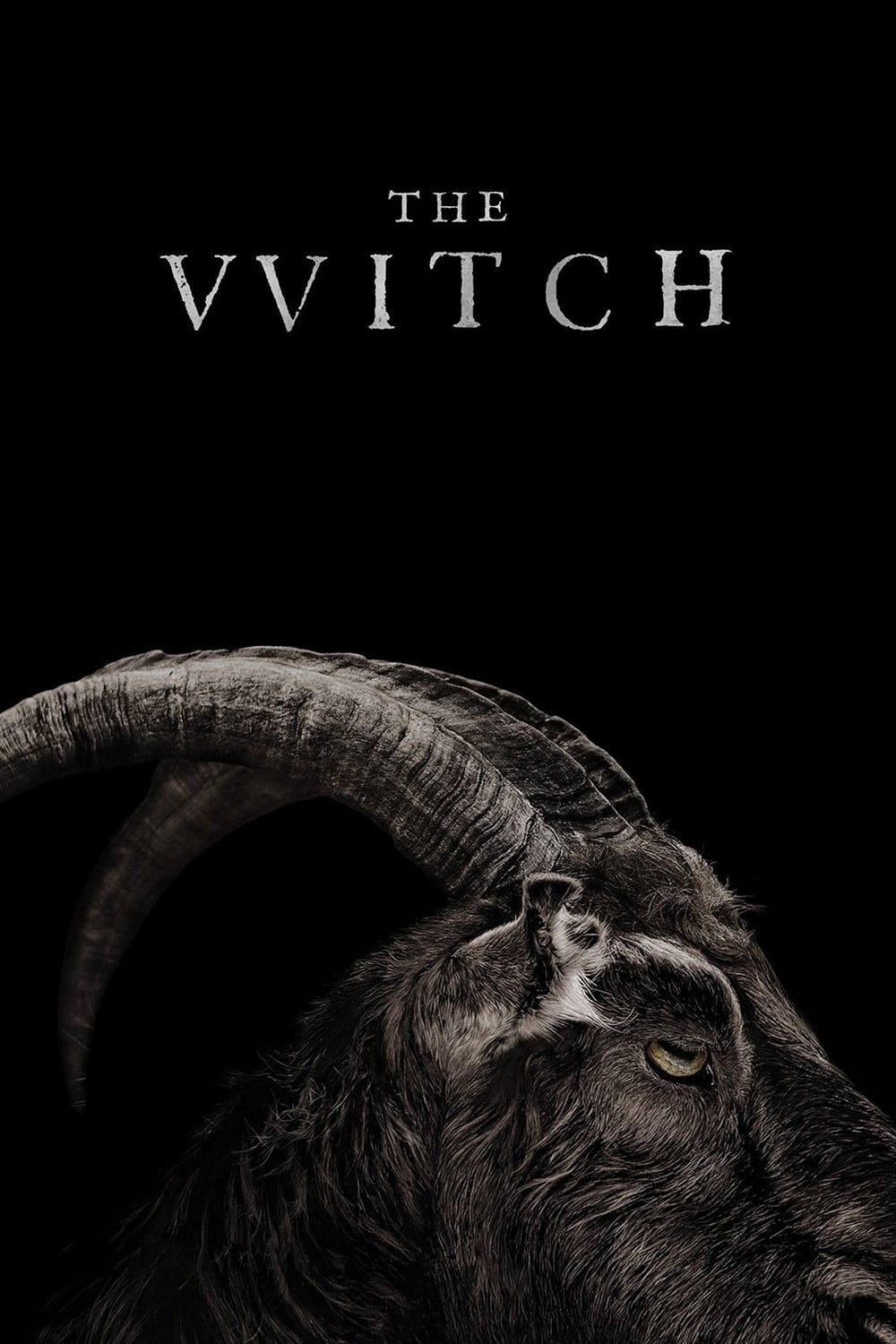
Robert Eggers built a period tale from New England folklore with dialogue drawn from historical sources. Anya Taylor Joy made her breakthrough as a girl caught between faith and suspicion. The film used natural light and a secluded farm set to amplify its mood. A24 distributed it widely after festival premieres.
‘Us’ (2019)
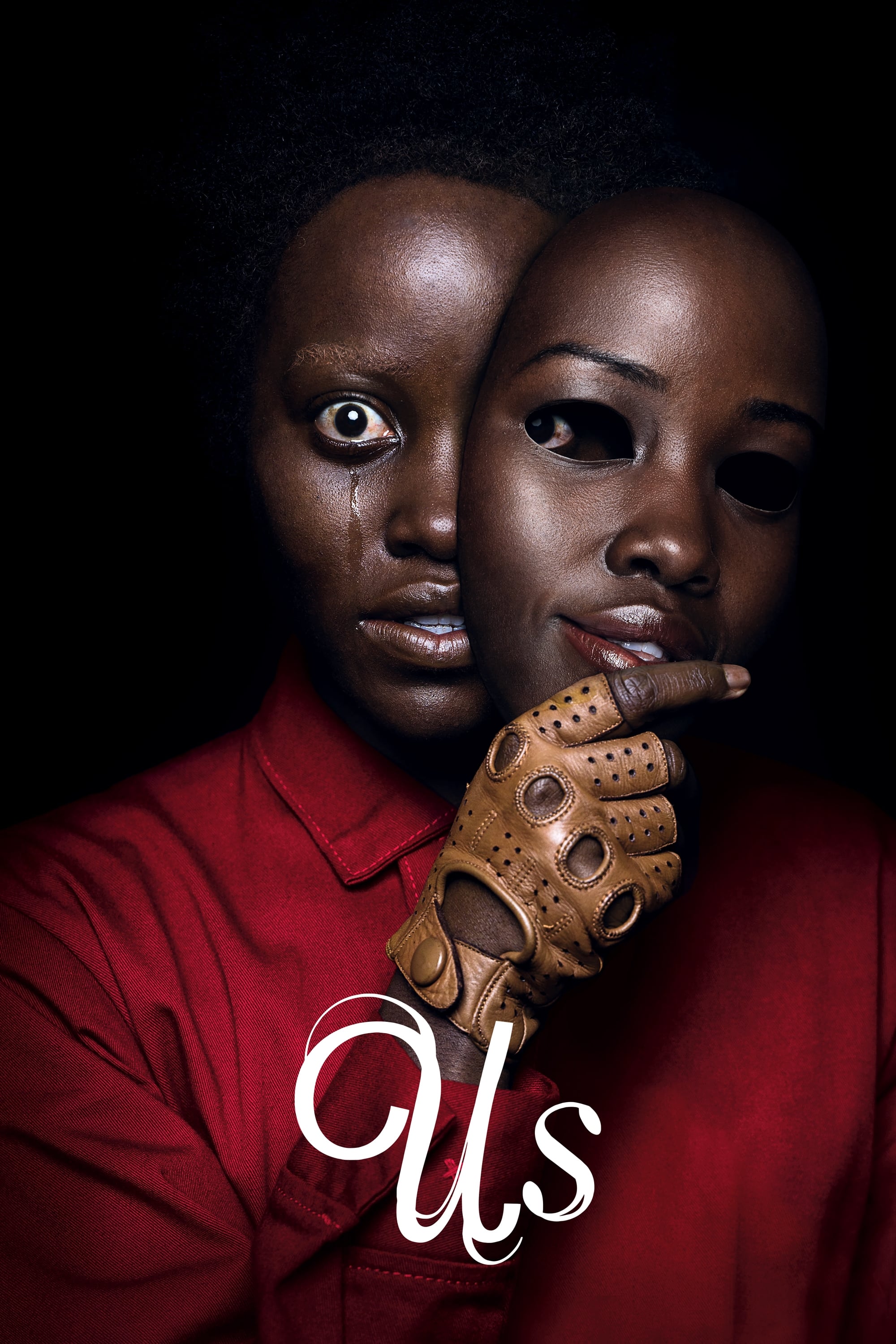
Jordan Peele wrote and directed this home invasion story that expands into a nationwide mystery. Lupita Nyong’o starred in dual roles with a cast that includes Winston Duke and Elisabeth Moss. The film introduced the Tethered and a labyrinthine underworld. Universal Pictures released it broadly following a Super Bowl teaser campaign.
‘The Cabin in the Woods’ (2012)
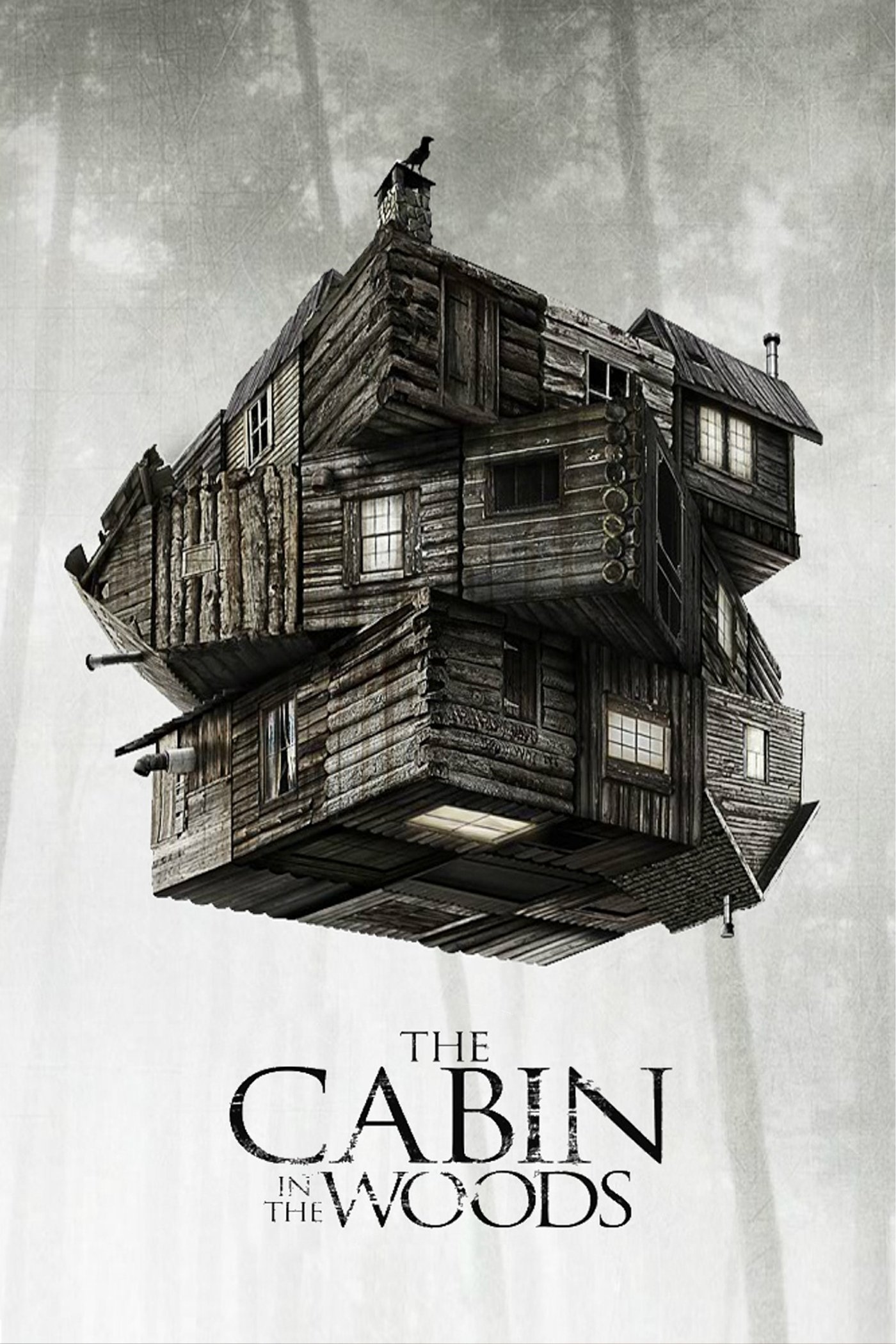
Drew Goddard directed from a script he co wrote with Joss Whedon, blending slasher setups with behind the scenes manipulation. The ensemble follows stock archetypes who stumble into a larger operation. Practical creature effects and a climactic facility sequence drive the final act. Lionsgate handled the theatrical release after a delayed rollout.
‘It Follows’ (2014)
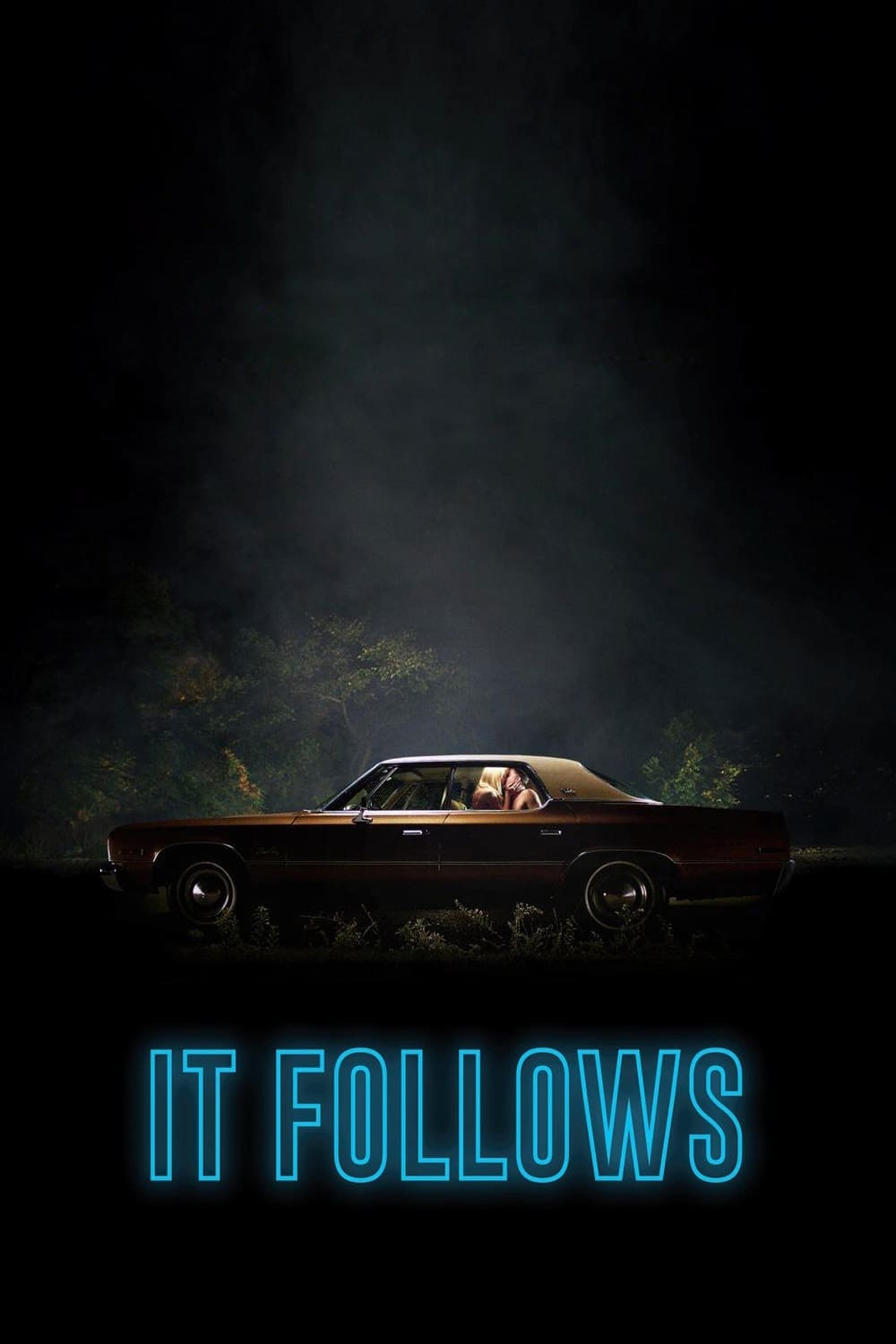
David Robert Mitchell crafted a slow burn story about a supernatural stalker that passes between people. The movie uses a timeless suburban look with synth heavy music from Disasterpeace. Its release strategy shifted from limited to wider play after strong interest. Radius TWC opened it and Dimension Films supported the expansion.
‘Sinister’ (2012)

Scott Derrickson directed a story about a writer who discovers eerie home movies in an attic. Ethan Hawke plays the lead and the film introduces the entity Bughuul across several reels. The production emphasized Super 8 footage for a grainy texture. Summit Entertainment released it in the United States under the Lionsgate banner.
‘The Grudge’ (2004)
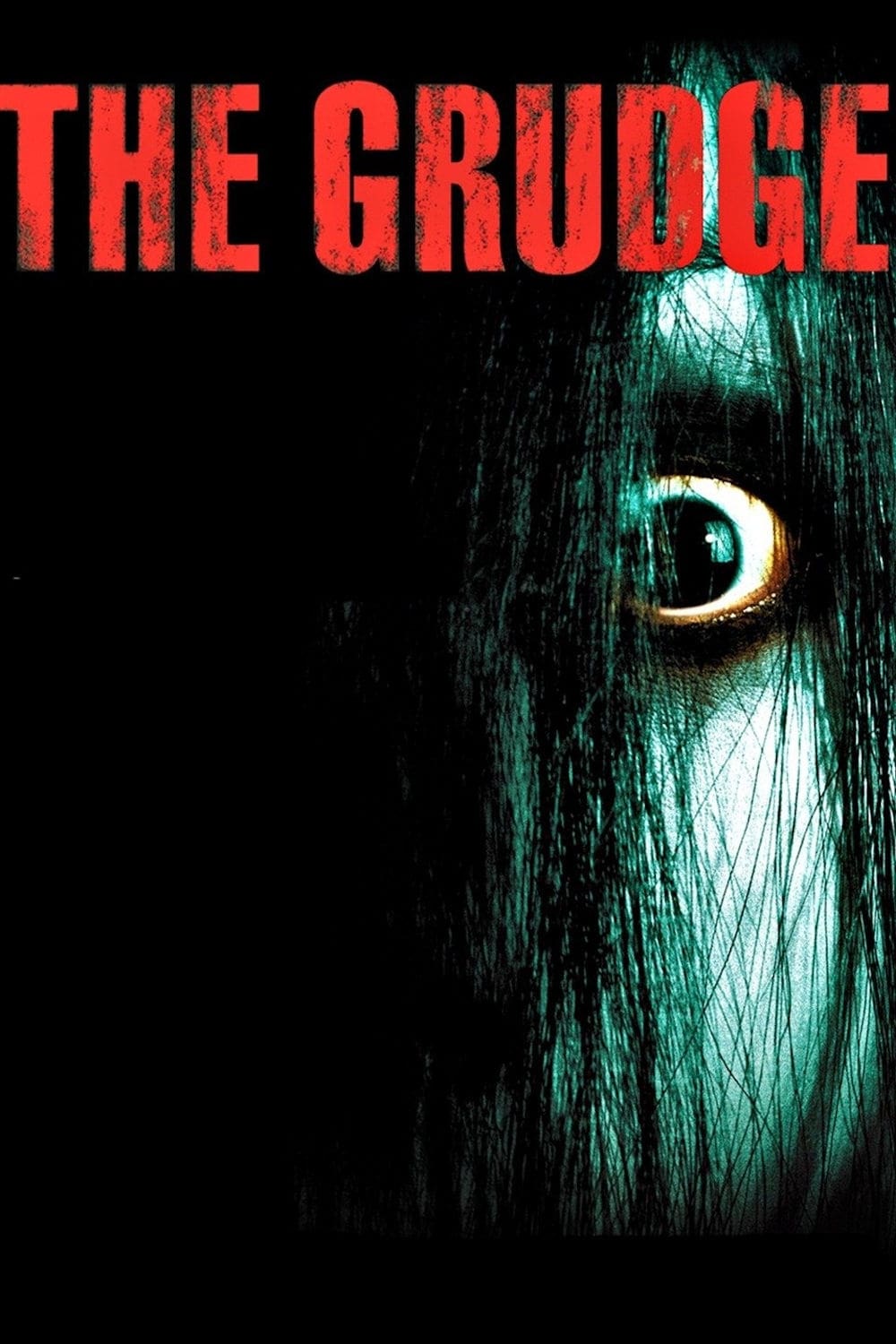
Takashi Shimizu adapted his own Japanese hit for an American setting with Sarah Michelle Gellar in the lead. The movie centers on a curse that spreads from a Tokyo house to anyone who enters. It expanded the J horror remake wave with several follow ups. Sony’s Screen Gems label brought it to multiplexes in North America.
‘The Invisible Man’ (2020)
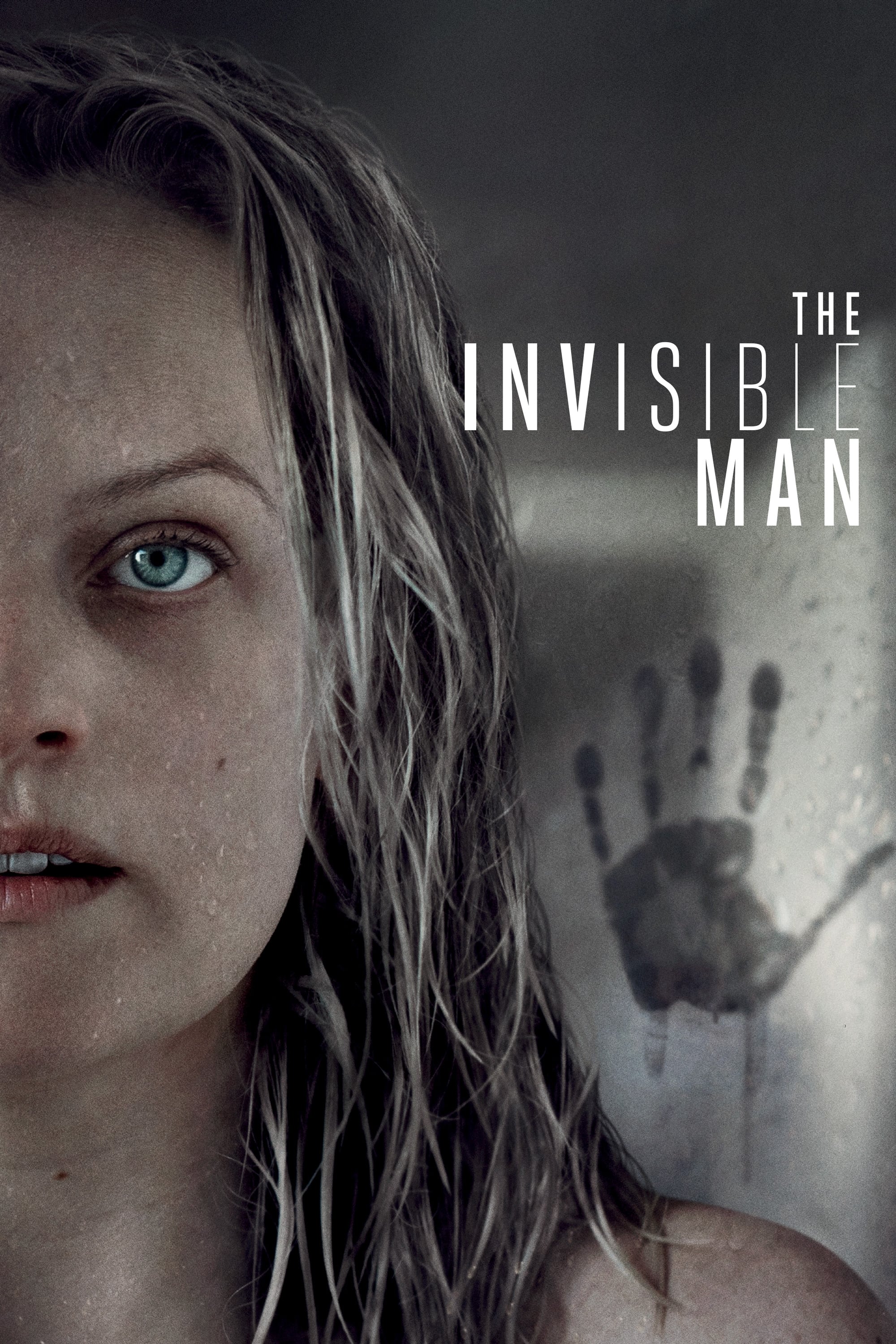
Leigh Whannell modernized the classic concept with a focus on technology and domestic abuse. Elisabeth Moss anchors the film with a performance that tracks mounting paranoia. The production used negative space and sound to sell the unseen threat. Universal Pictures released it and later pivoted to early digital availability.
‘Friday the 13th’ (1980)
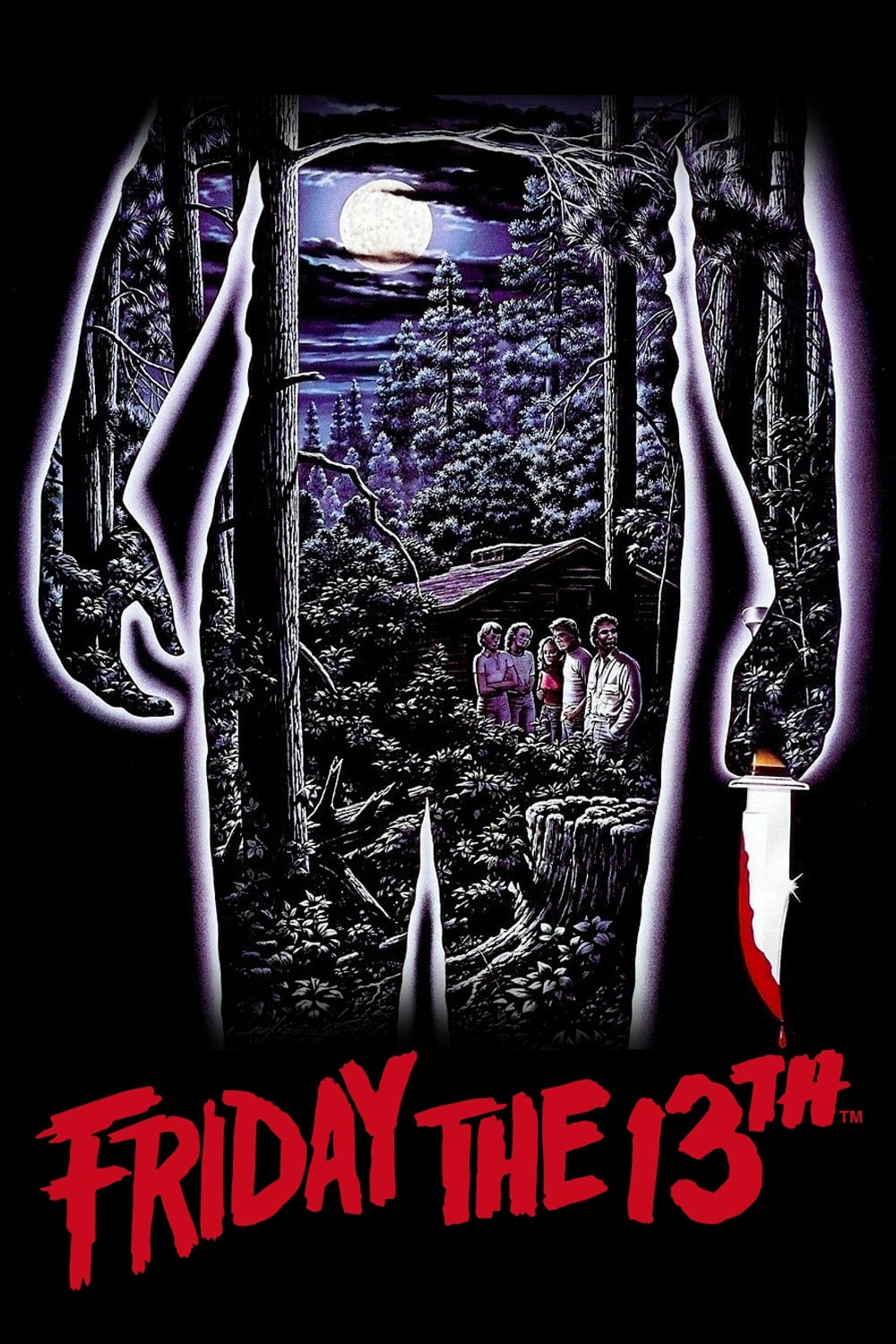
Sean S Cunningham produced and directed a summer camp slasher built around a lakeside setting. The story introduced Camp Crystal Lake and a twist that set up a long running series. Tom Savini’s makeup effects helped define the kills that fans remember. Paramount Pictures handled the original release in the United States.
‘A Nightmare on Elm Street’ (1984)
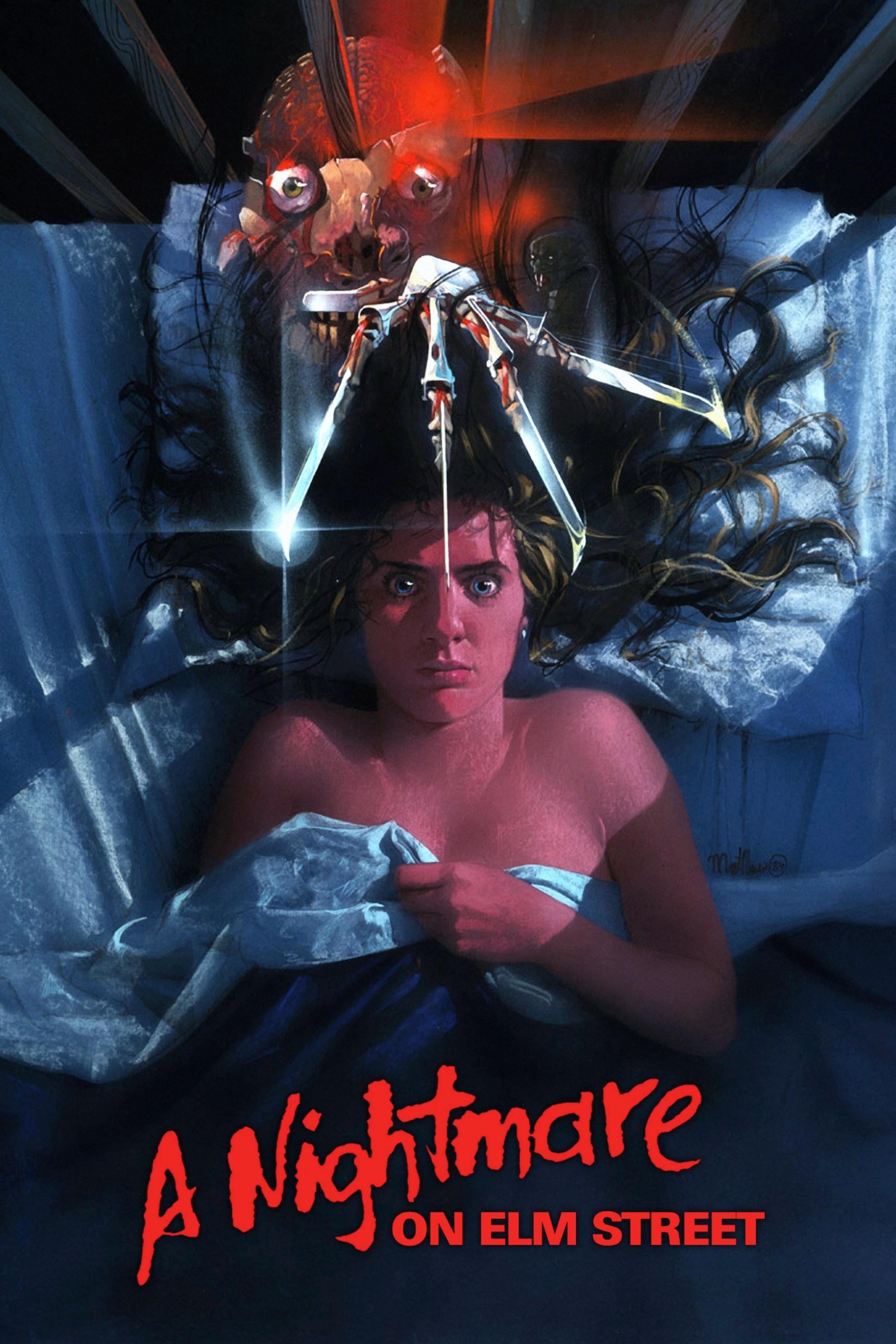
Wes Craven created Freddy Krueger and tied the scares to dreams and sleep deprivation. The film introduced Nancy Thompson and a suburban setting that recurs throughout the series. Practical effects and surreal imagery became a franchise signature. New Line Cinema released it and grew the property across multiple sequels.
‘World War Z’ (2013)
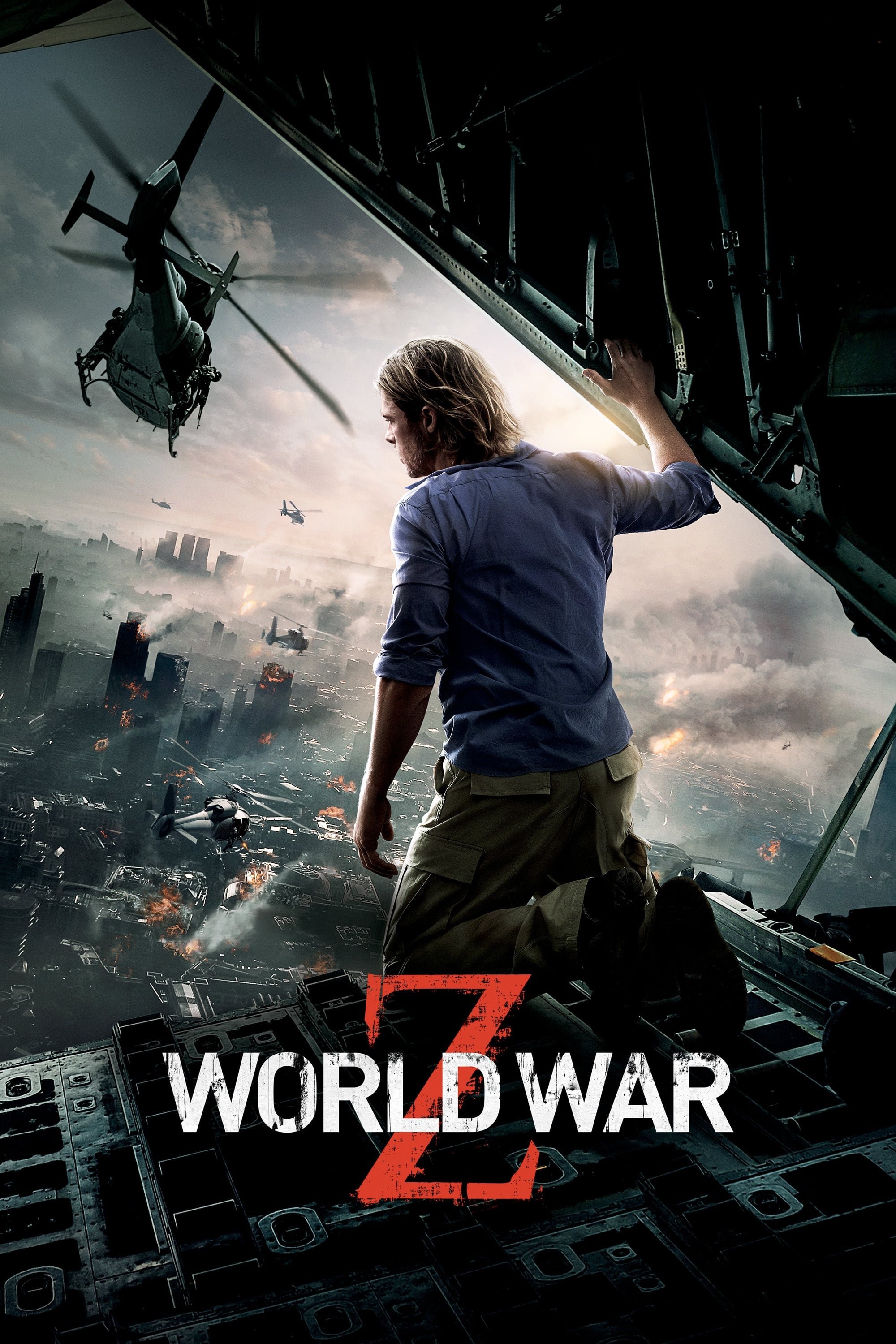
Marc Forster adapted the book’s global outbreak into a fast moving, city hopping thriller. Brad Pitt starred and the production staged large scale set pieces in crowded urban environments. The project underwent substantial reshoots that reworked the entire final act. Paramount Pictures distributed the film worldwide with a heavy summer push.
‘The Purge’ (2013)
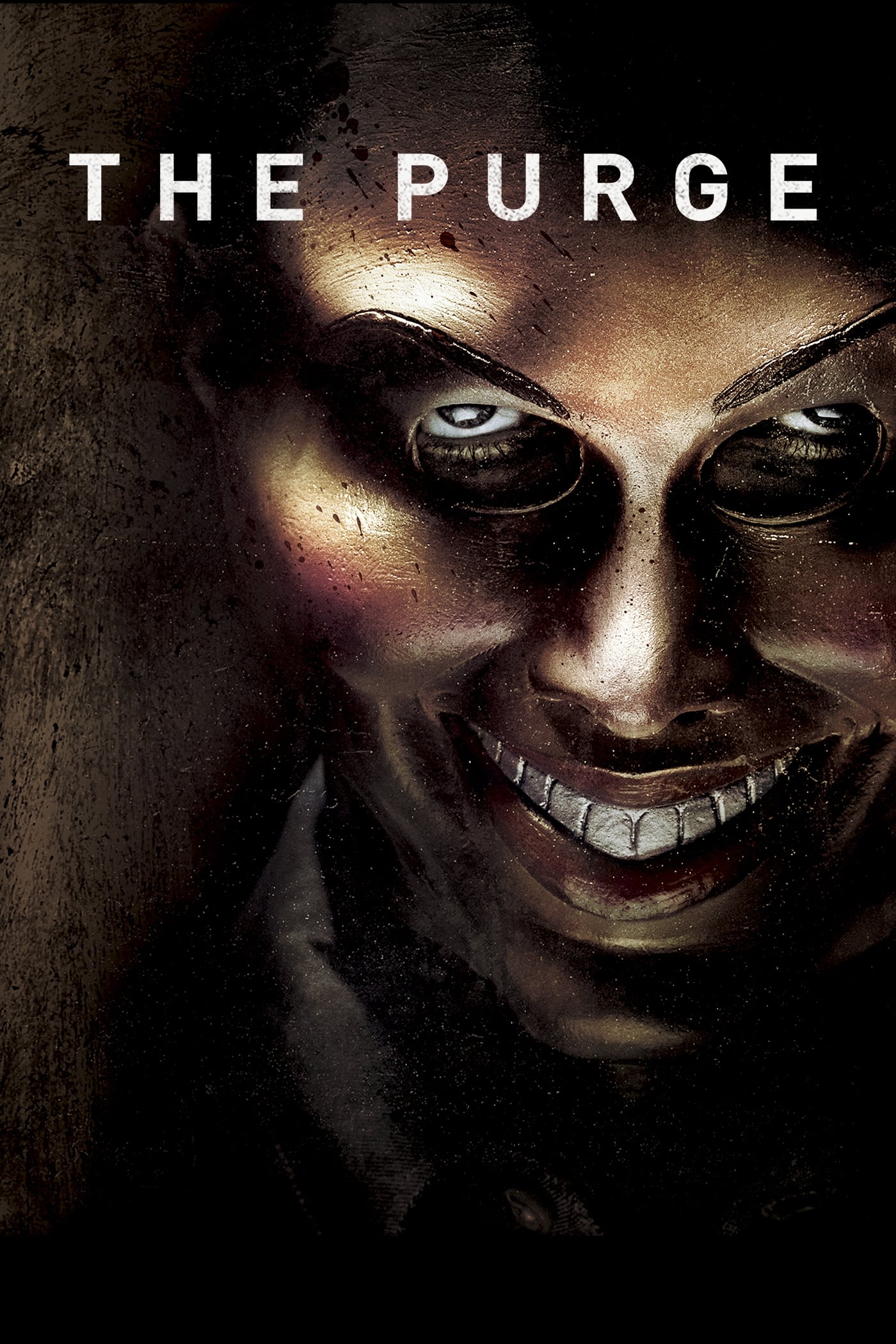
James DeMonaco set up a near future where crime is legal for one night and focused the first film on a single home. The concept led to multiple sequels and a television series that broadened the setting. Low production costs and high returns kept the series active. Universal Pictures released it with targeted genre marketing.
’28 Days Later’ (2002)
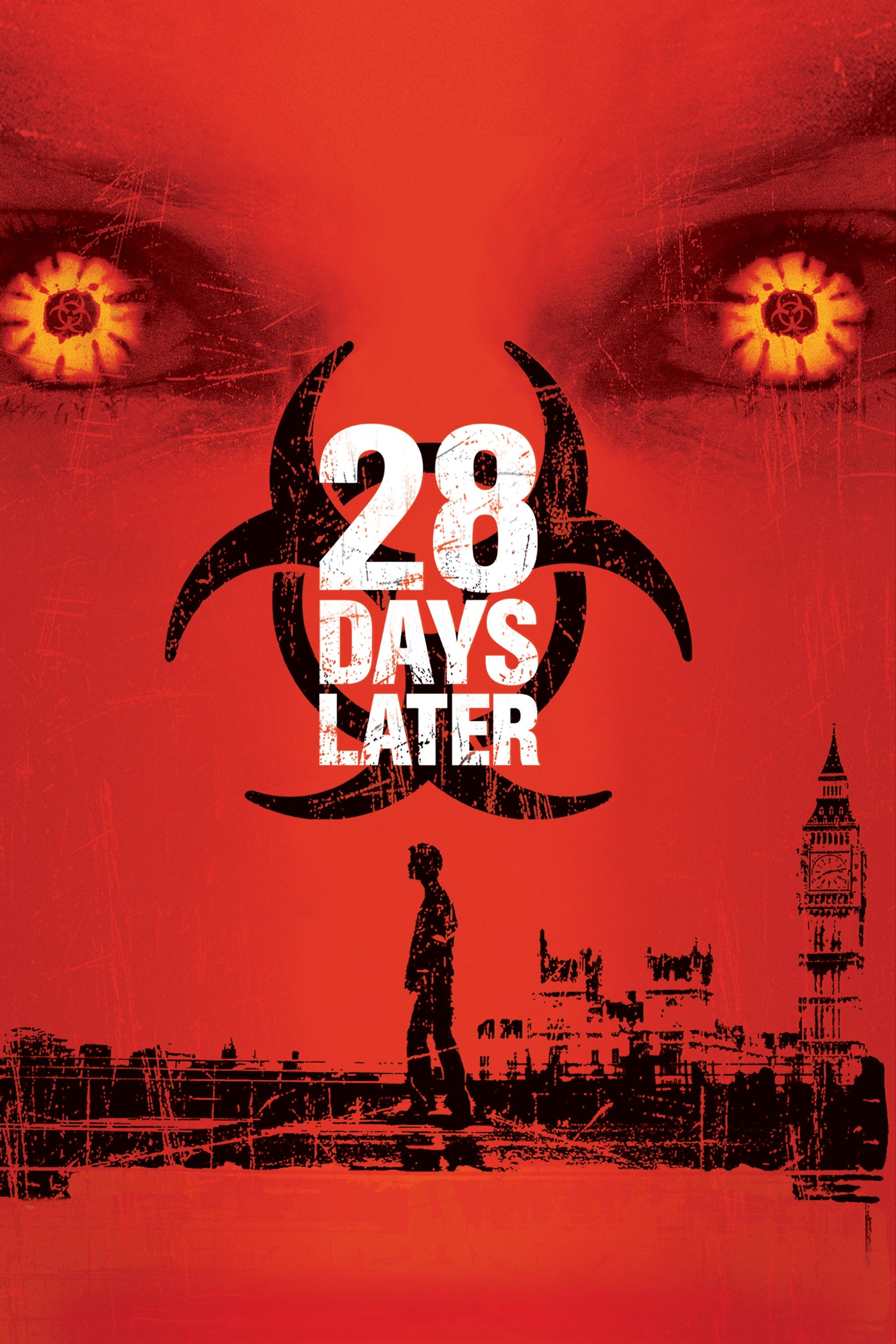
Danny Boyle shot on digital video for an urgent, street level look at a ravaged London. Cillian Murphy and Naomie Harris lead survivors searching for safety as rage infected crowds close in. John Murphy’s score and empty city images became the film’s calling card. Fox Searchlight Pictures brought it to U.S. theaters after a successful UK run.
‘Train to Busan’ (2016)
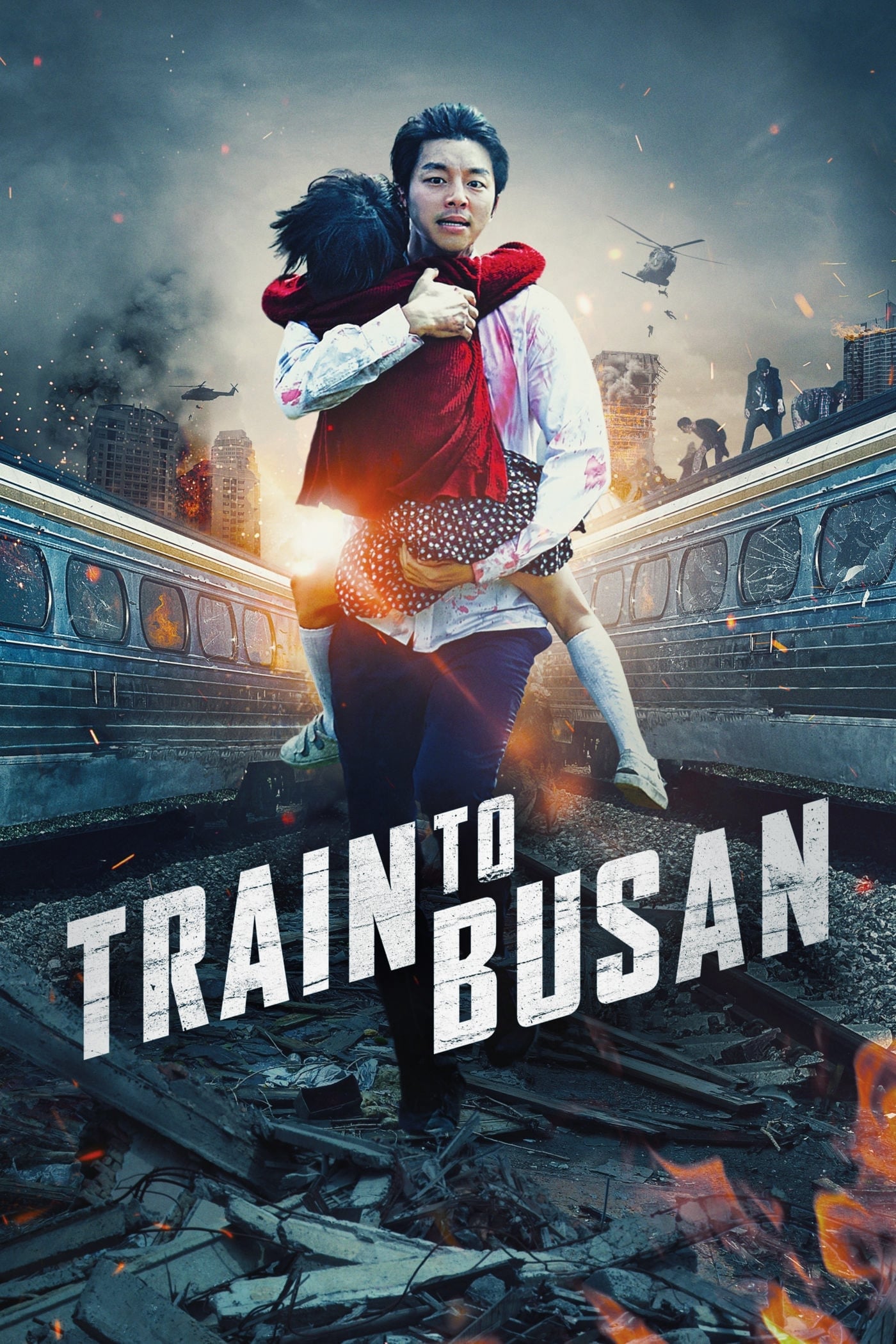
Yeon Sang ho directed a thriller set mostly on a high speed train with an emphasis on momentum and close quarters. Gong Yoo leads an ensemble of passengers as the outbreak spreads from car to car. The film spun off an animated prequel and a separate follow up titled ‘Peninsula’. Well Go USA handled distribution in North America after strong festival buzz.
‘Don’t Breathe’ (2016)
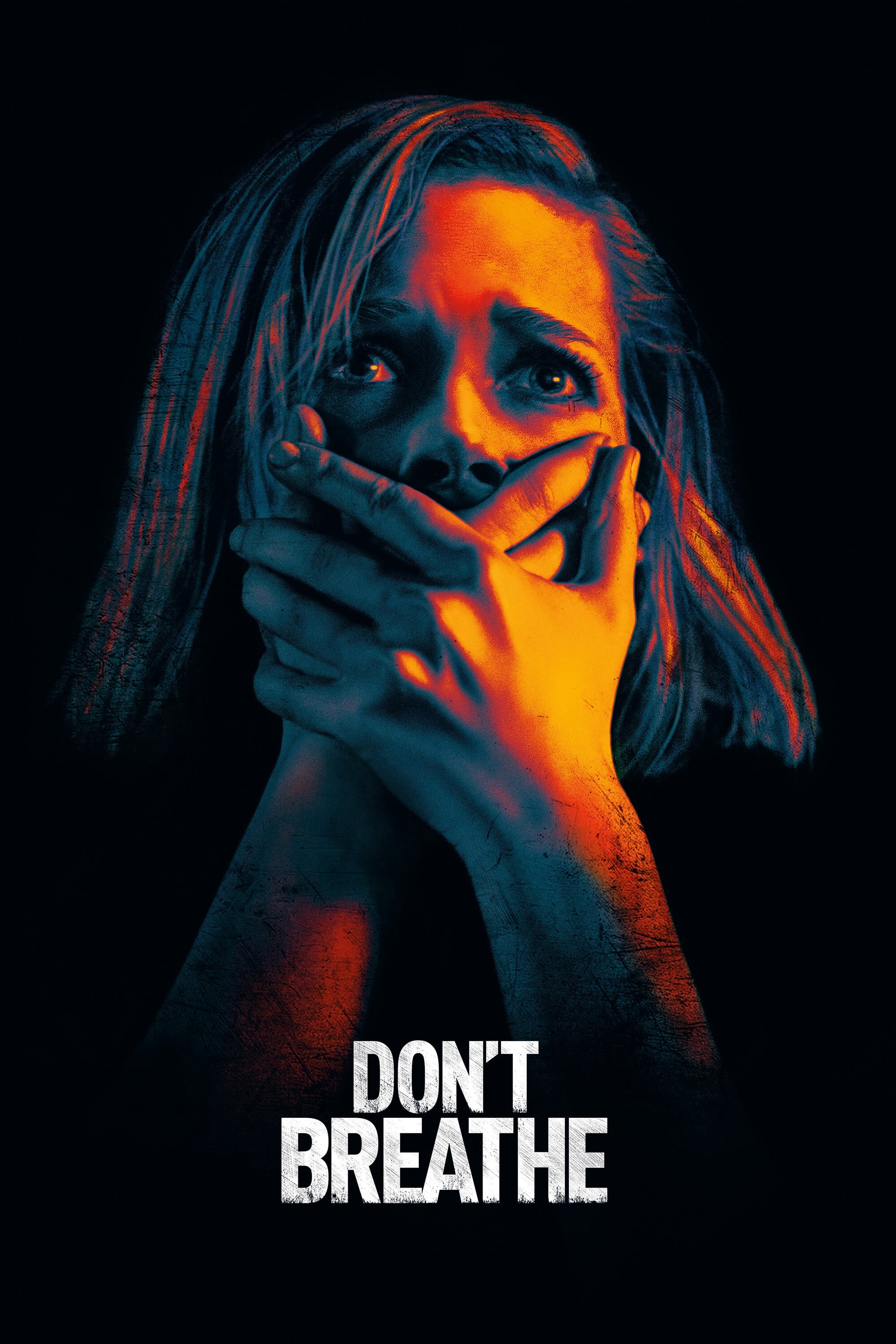
Fede Álvarez directed a contained thriller about burglars trapped in a house with a dangerous homeowner. The movie uses tight staging and a near blackout sequence to increase tension. It led to a sequel that flips perspective to the central antagonist. Sony’s Screen Gems label released it broadly in the domestic market.
‘The Shining’ (1980)
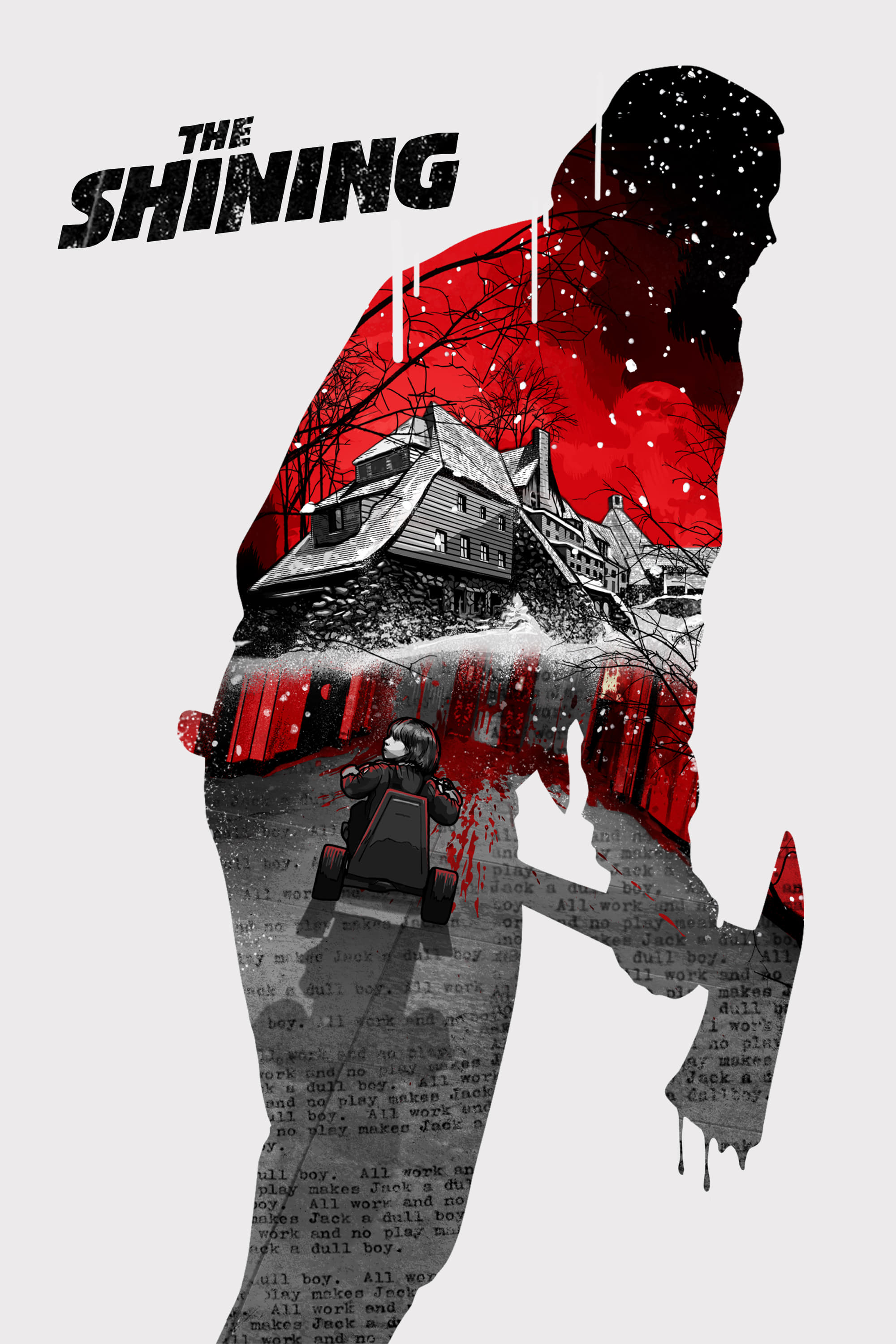
Stanley Kubrick adapted Stephen King’s novel and filmed much of it on constructed sets at Elstree Studios. Jack Nicholson and Shelley Duvall led a story set in the isolated Overlook Hotel. The production is known for Steadicam work and an elaborate hedge maze design. Warner Bros. handled the theatrical release and supported multiple reissues over the years.
‘The Sixth Sense’ (1999)
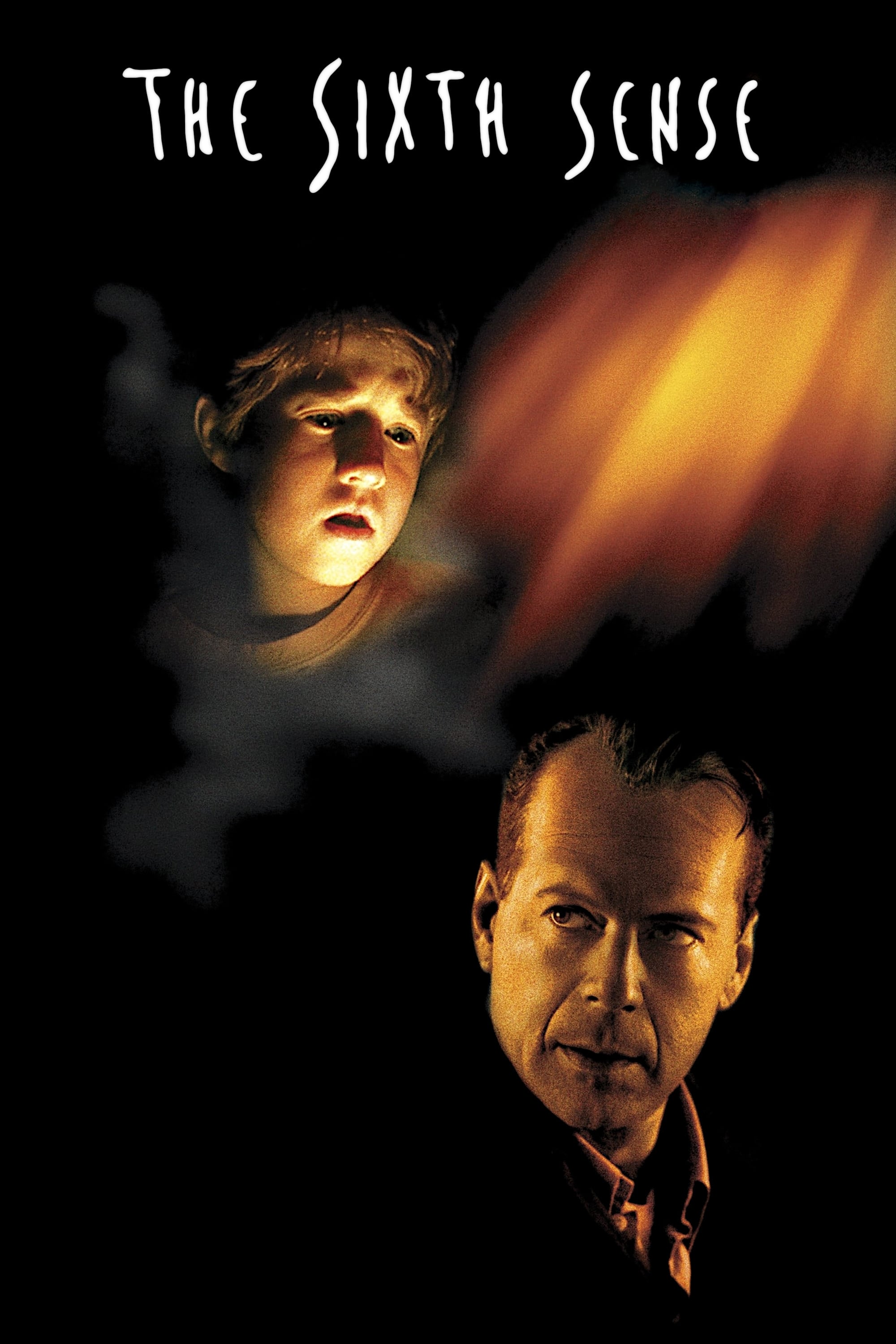
M Night Shyamalan wrote and directed a story about a child who claims he sees the dead. Haley Joel Osment and Bruce Willis anchored a quiet, character driven approach that built to a twist. The movie earned strong word of mouth and major awards attention. Buena Vista Pictures released it widely under the Disney banner.
‘The Others’ (2001)
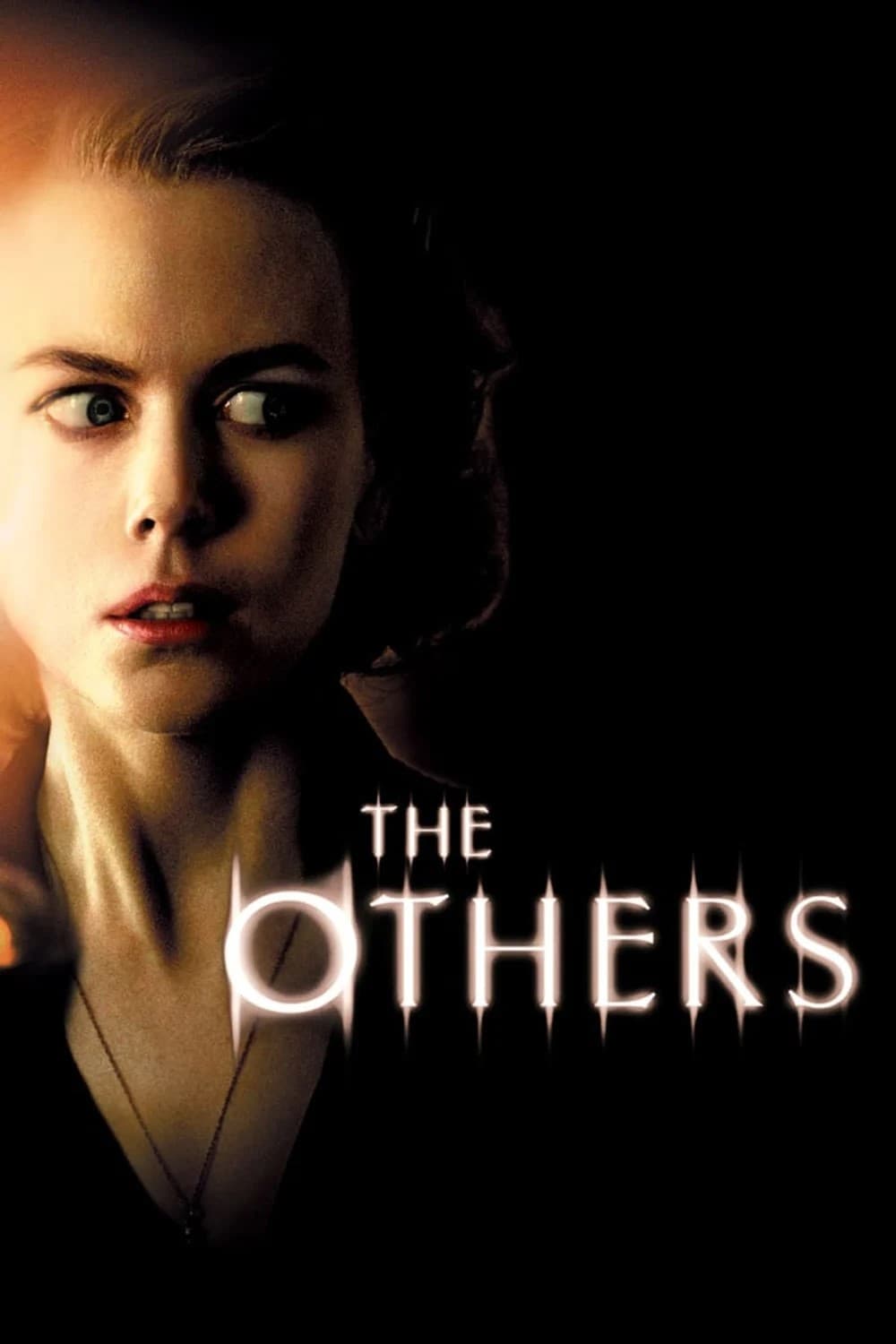
Alejandro Amenábar crafted a gothic mystery set in a fog shrouded mansion with Nicole Kidman in the lead. The narrative relies on practical lighting and a contained ensemble. It performed strongly across international markets and found a long life on home video. Miramax oversaw the U.S. release with a careful platform strategy.
‘Poltergeist’ (1982)
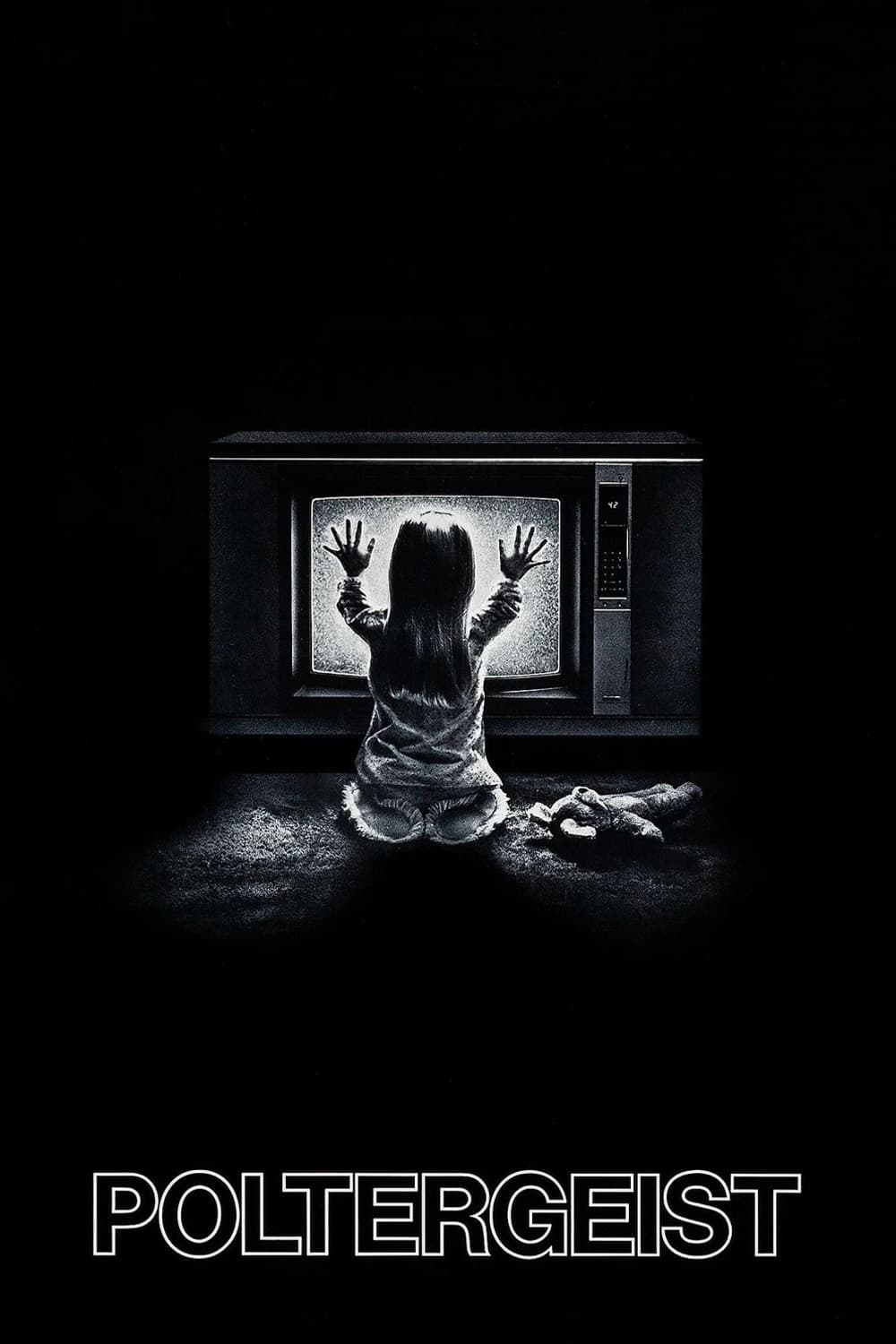
Tobe Hooper directed a suburban haunting that centered on a family’s televised connection to a spirit realm. The production used motion control effects and miniature work for its climactic sequences. Jerry Goldsmith’s score and the suburban setting became franchise hallmarks. MGM handled distribution through its MGM/UA banner.
‘Child’s Play’ (1988)
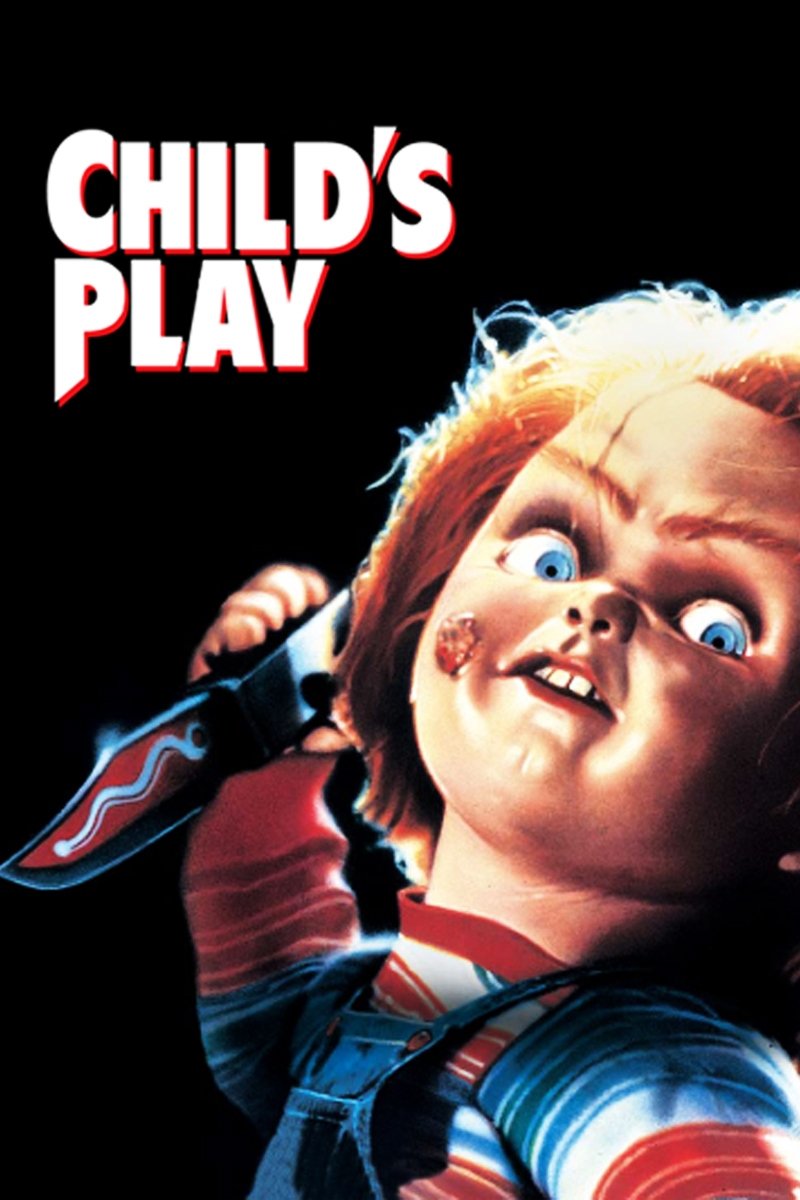
Tom Holland introduced the killer doll Chucky through animatronics and voice work by Brad Dourif. The story follows a possessed toy that targets a young boy and his mother. Practical puppetry required multiple rigs and operators for different shots. United Artists released the film and sequels later moved to a different studio.
‘The Omen’ (1976)
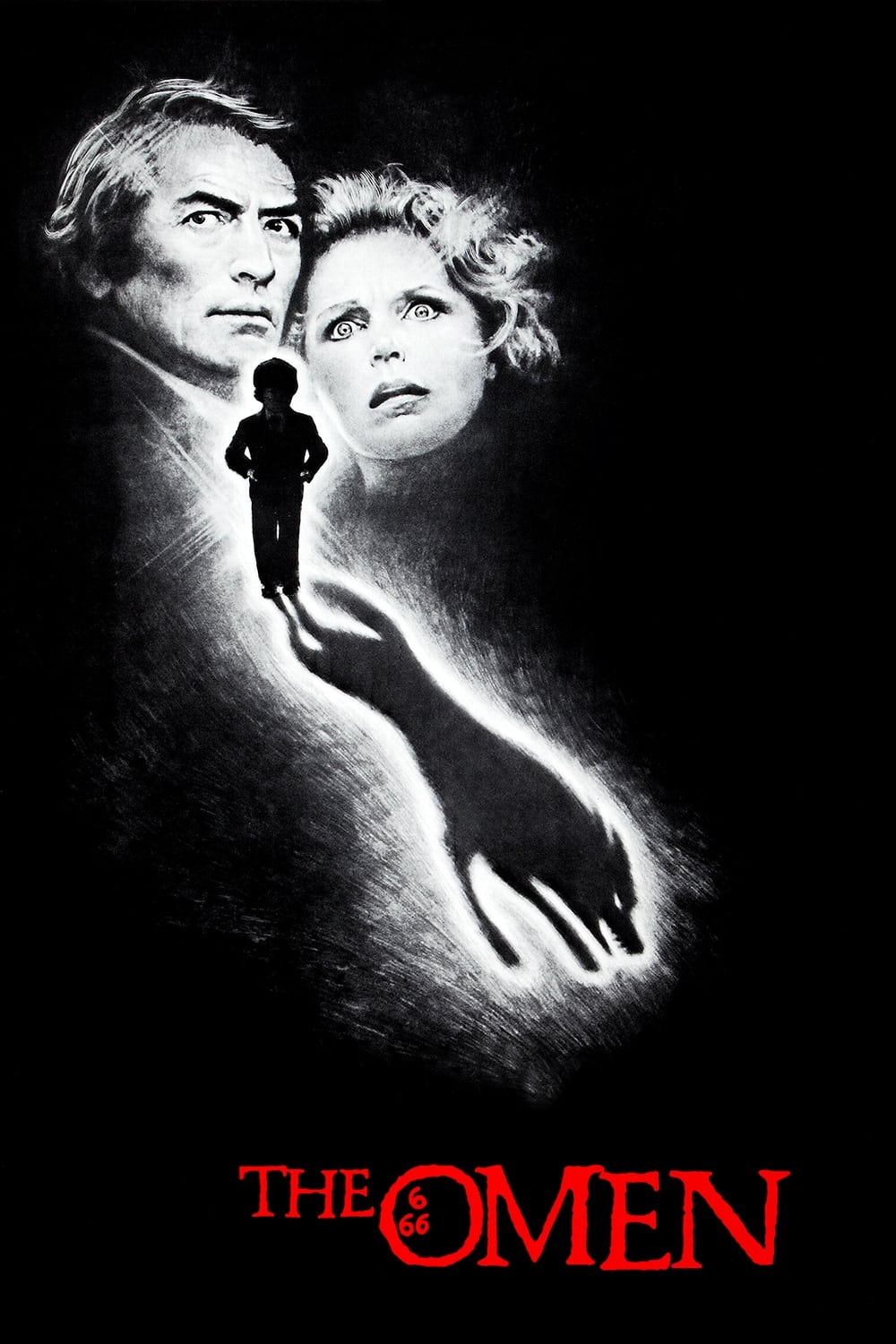
Richard Donner directed a tale about an adopted boy whose presence signals catastrophic events. Gregory Peck and Lee Remick led a production that filmed across the United Kingdom and Italy. Jerry Goldsmith’s score earned significant recognition and shaped the film’s identity. 20th Century Fox distributed it worldwide with a strong marketing push.
‘The Texas Chain Saw Massacre’ (1974)
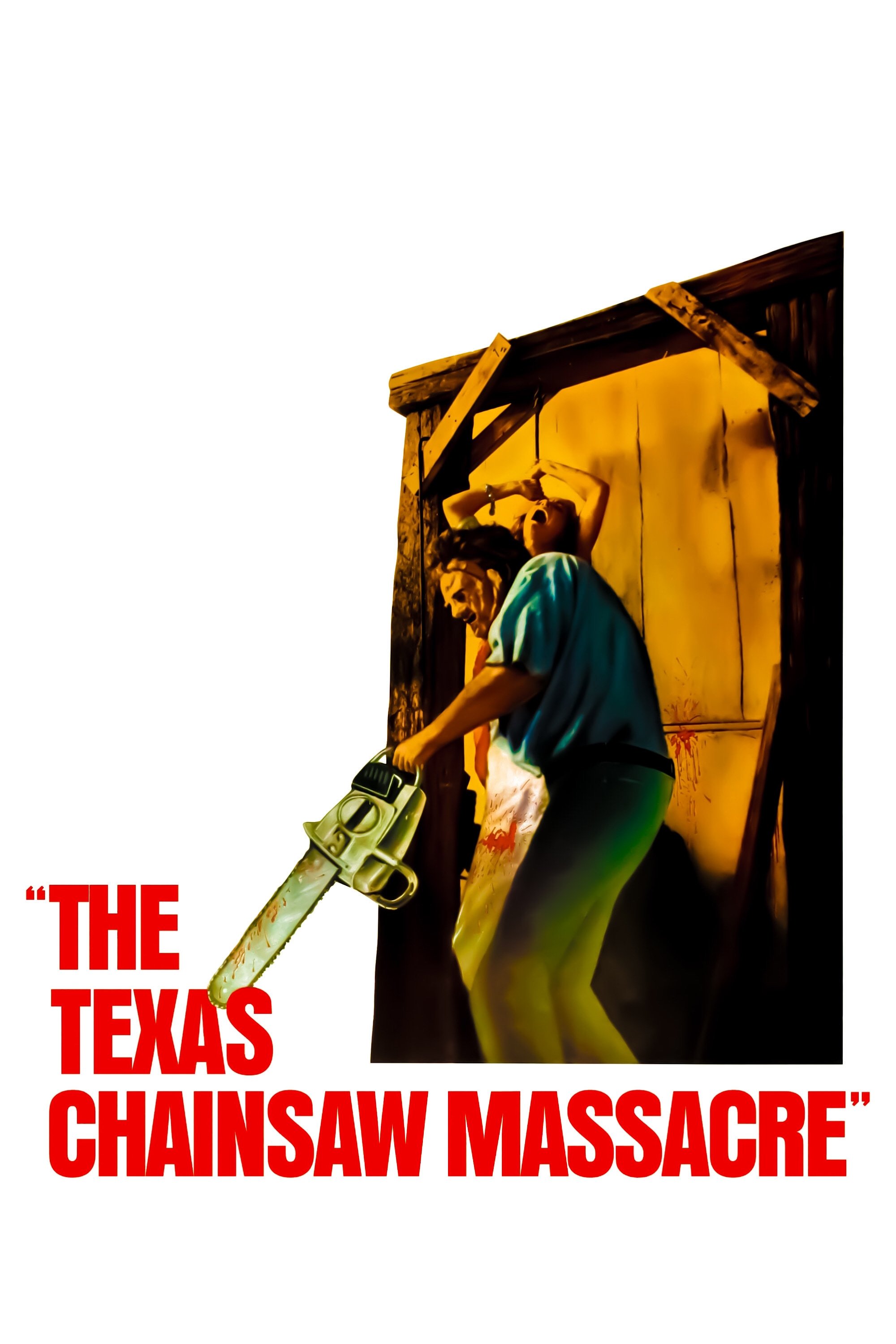
Tobe Hooper’s low budget production used handheld cameras and natural light to depict a roadside nightmare. Leatherface and the Sawyer family became central figures in later installments. The shoot relied on a single farmhouse location and a small crew working in intense heat. Bryanston Pictures took the film into U.S. theaters.
‘The Haunting’ (1999)
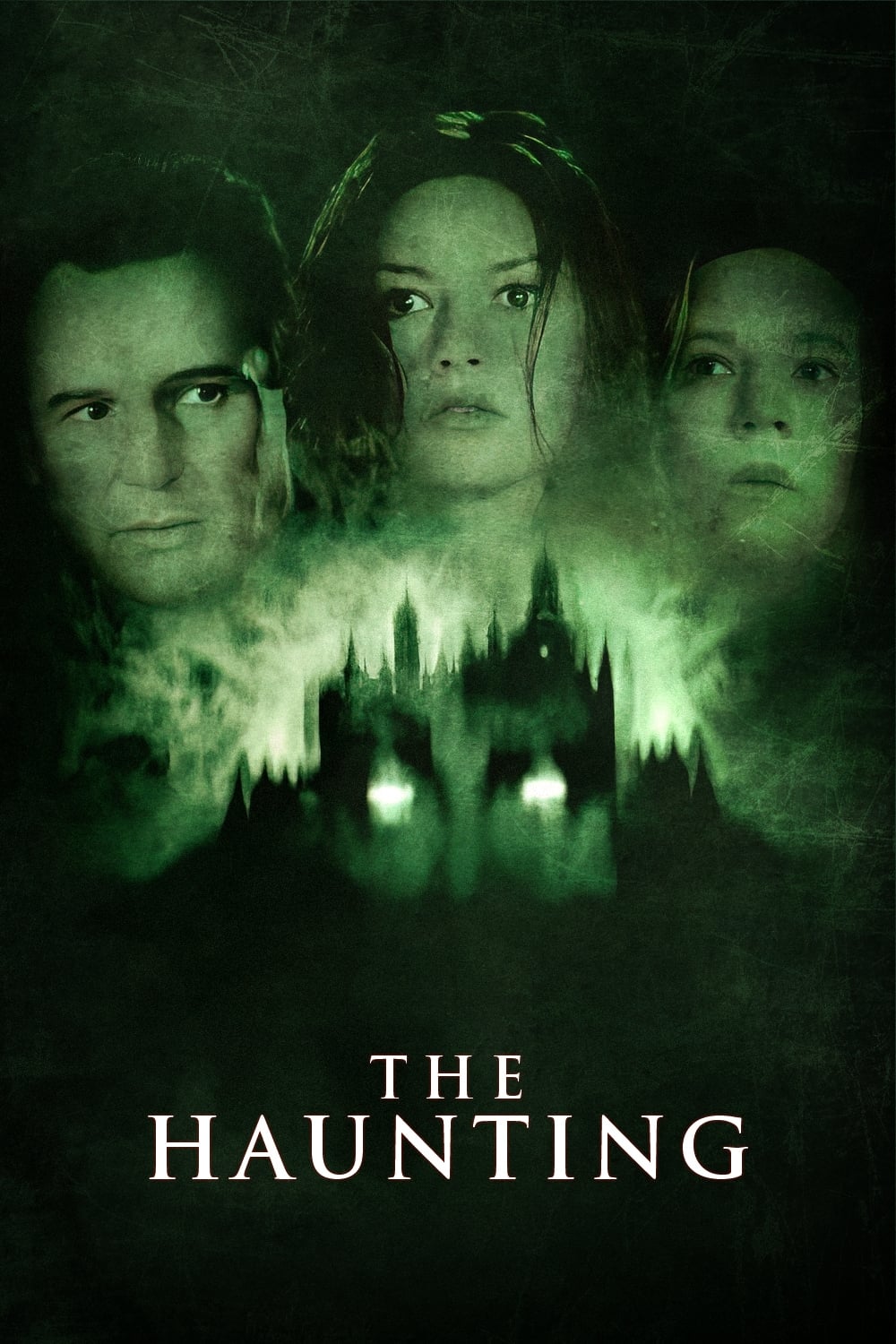
Jan de Bont directed a large scale remake of Shirley Jackson’s story with extensive set construction at Leavesden Studios. The cast explored Hill House with visual effects enhancing the mansion’s moving architecture. Production design emphasized oversized rooms and ornate detail. DreamWorks Pictures released it to a broad audience.
‘Final Destination’ (2000)
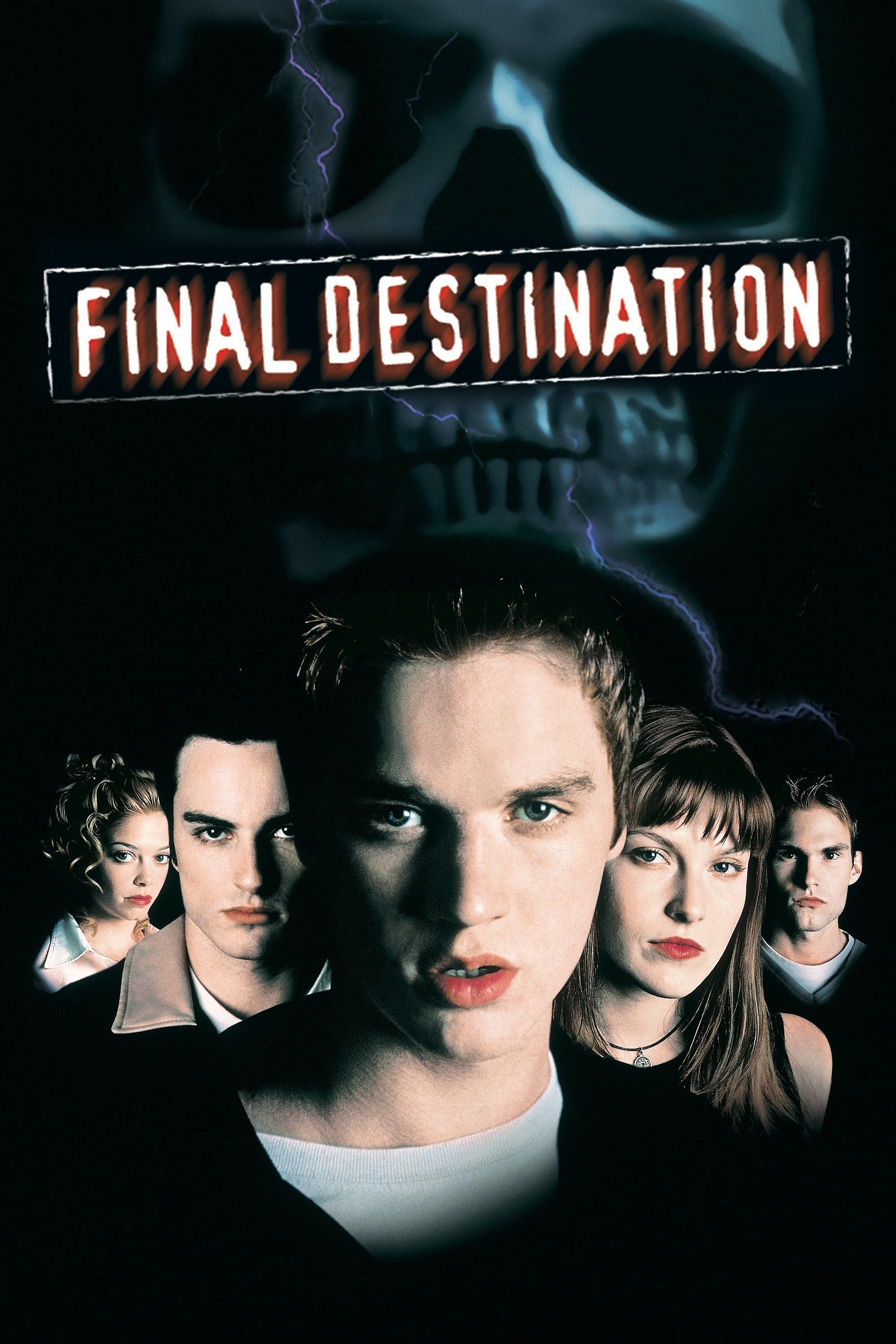
James Wong directed a thriller built around premonitions and a chain of elaborate accidents. The concept led to multiple sequels with recurring motifs like Rube Goldberg style set pieces. The original introduced a group of students who narrowly avoid a disaster. New Line Cinema brought it to theaters and expanded the brand.
‘The Descent’ (2005)
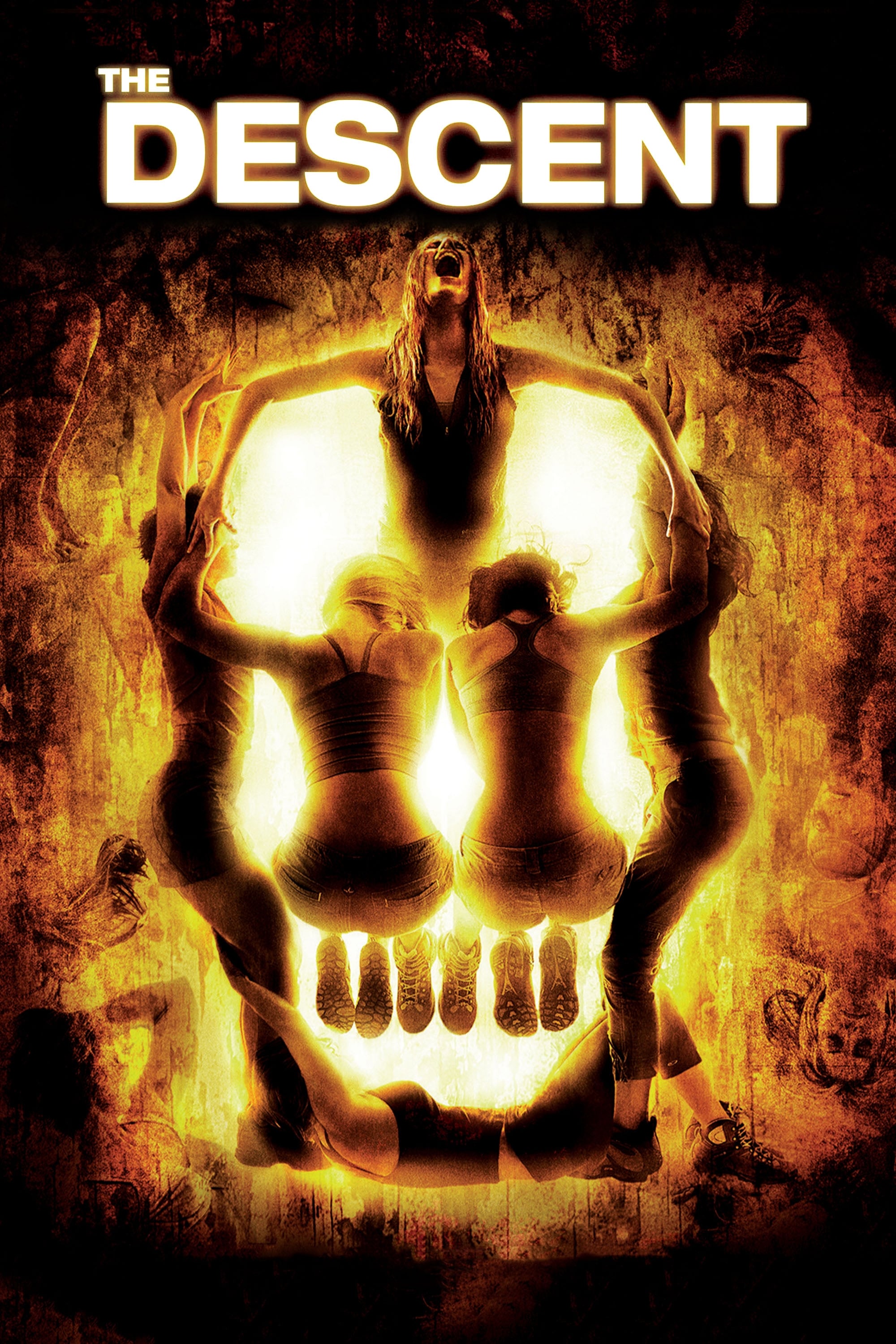
Neil Marshall set the action in a cave system and used tight sets to create a sense of claustrophobia. An all female ensemble faces creatures in near darkness with heavy reliance on practical effects. Production built cave tunnels on soundstages to control lighting and camera movement. Lionsgate handled the U.S. theatrical release.
‘The Mist’ (2007)
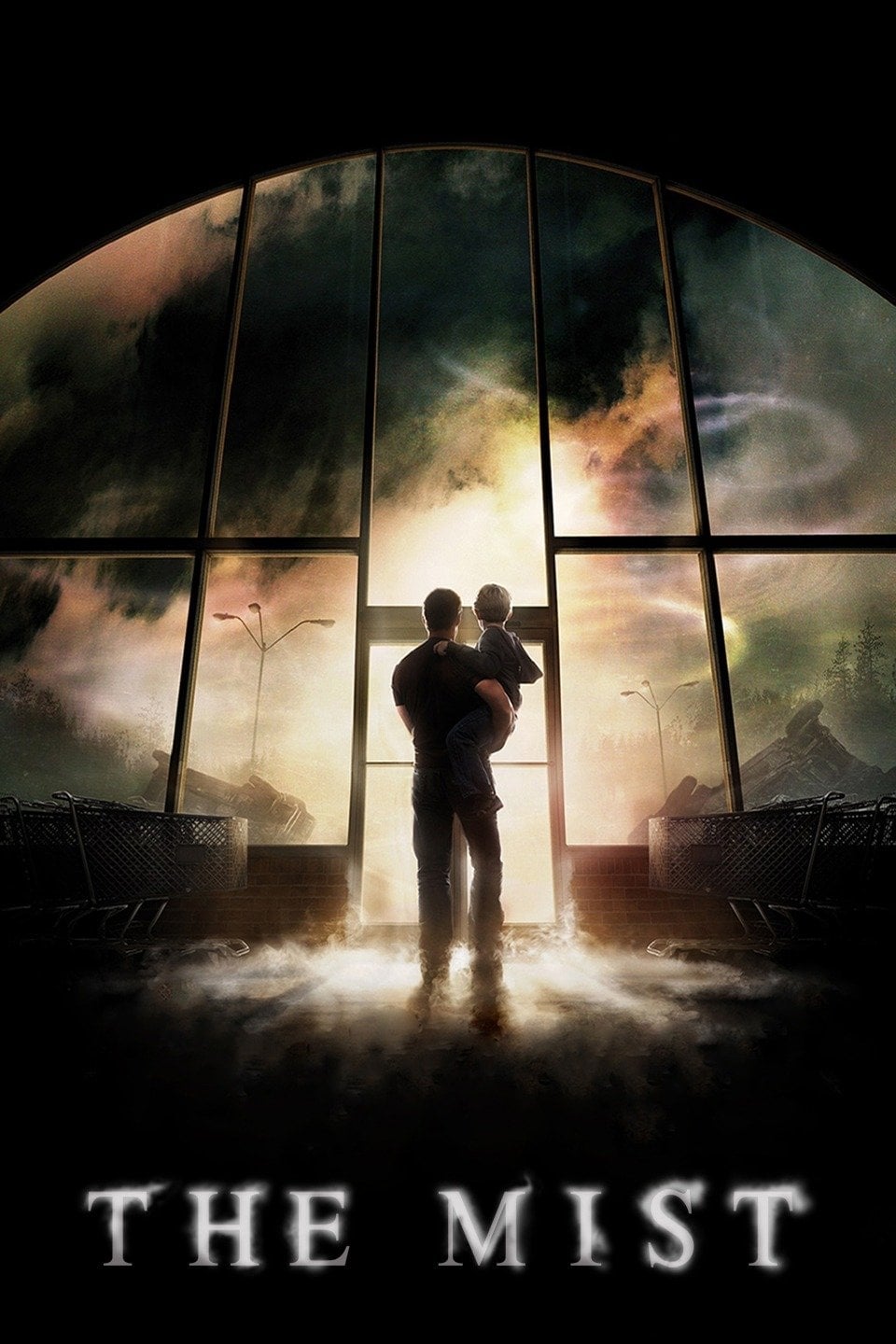
Frank Darabont adapted a Stephen King novella and set most of the story inside a grocery store. The production shot with a mobile camera style borrowed from television crews to keep scenes nimble. An alternate black and white home release highlighted the creature effects and atmosphere. Dimension Films distributed it in North America.
‘Drag Me to Hell’ (2009)
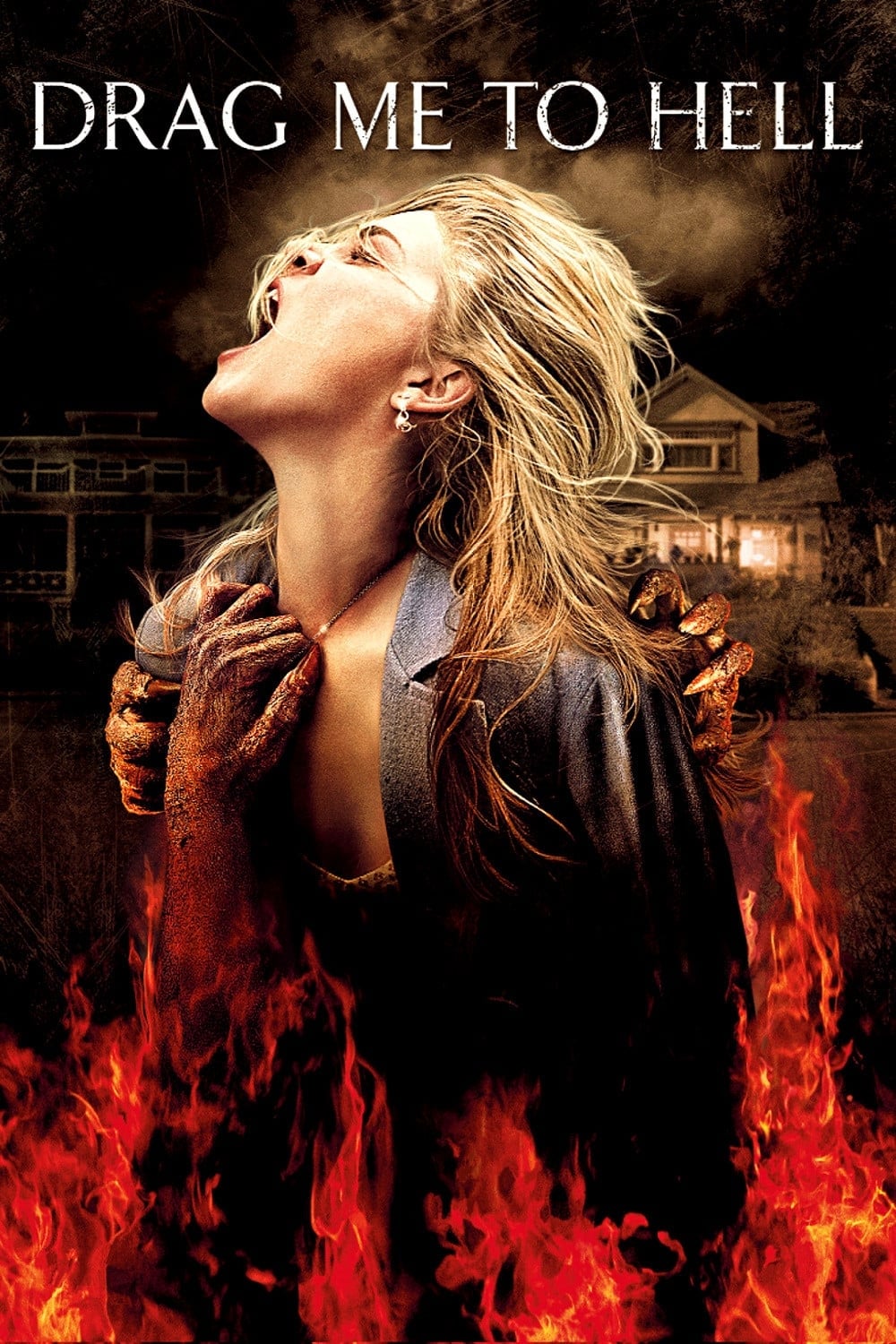
Sam Raimi returned to supernatural horror with rapid camera moves and practical gags. Alison Lohman played a loan officer who becomes the target of a deadly curse. The production balanced physical effects with selective digital enhancements. Universal Pictures released the film after a Cannes premiere.
‘Lights Out’ (2016)
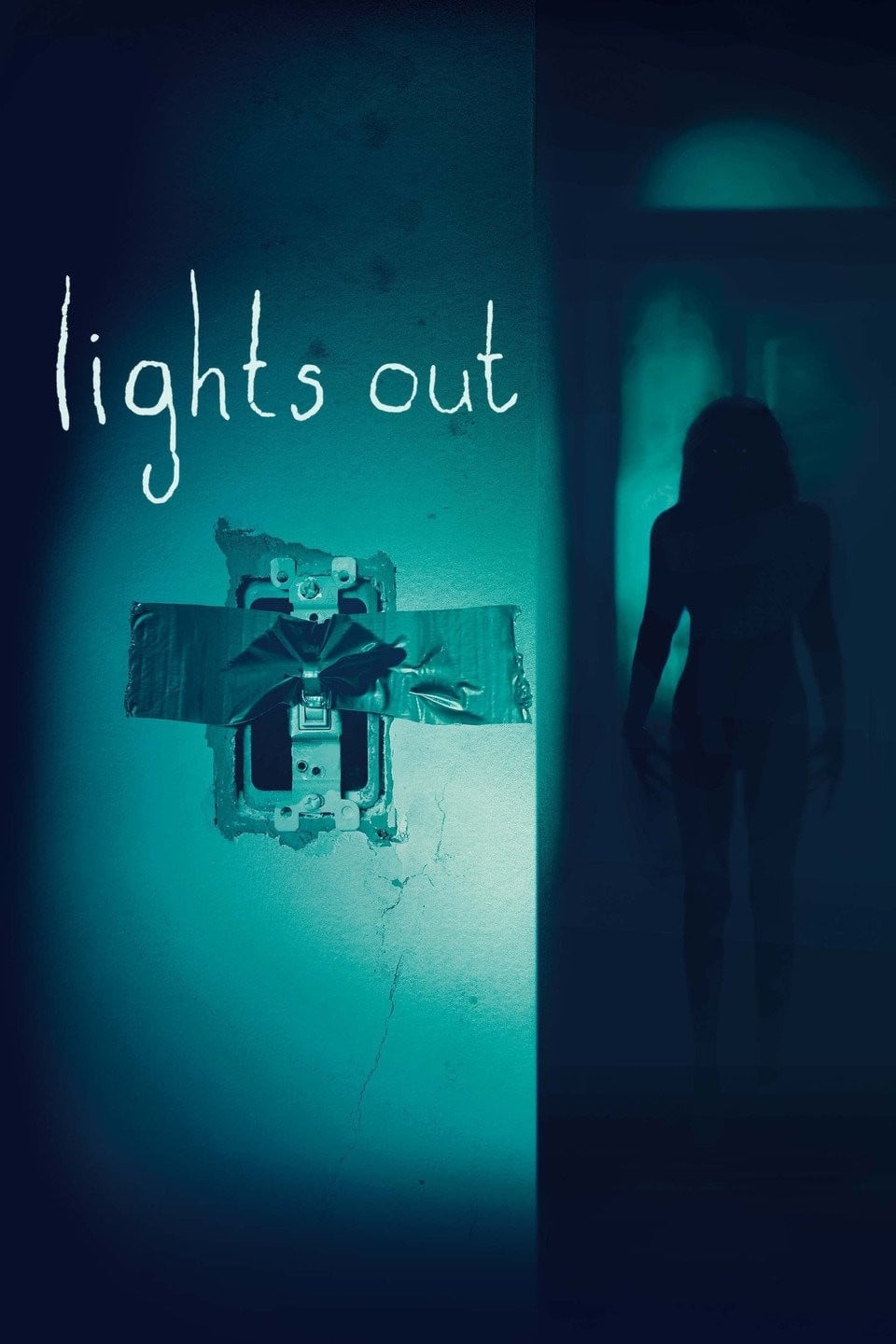
David F Sandberg expanded his short film into a feature about a presence that appears only in darkness. The shoot used light based cues and strobe effects to time scares. Teresa Palmer and Maria Bello led the cast as a family confronts a shared threat. New Line produced it and Warner Bros. handled the release.
‘Resident Evil’ (2002)
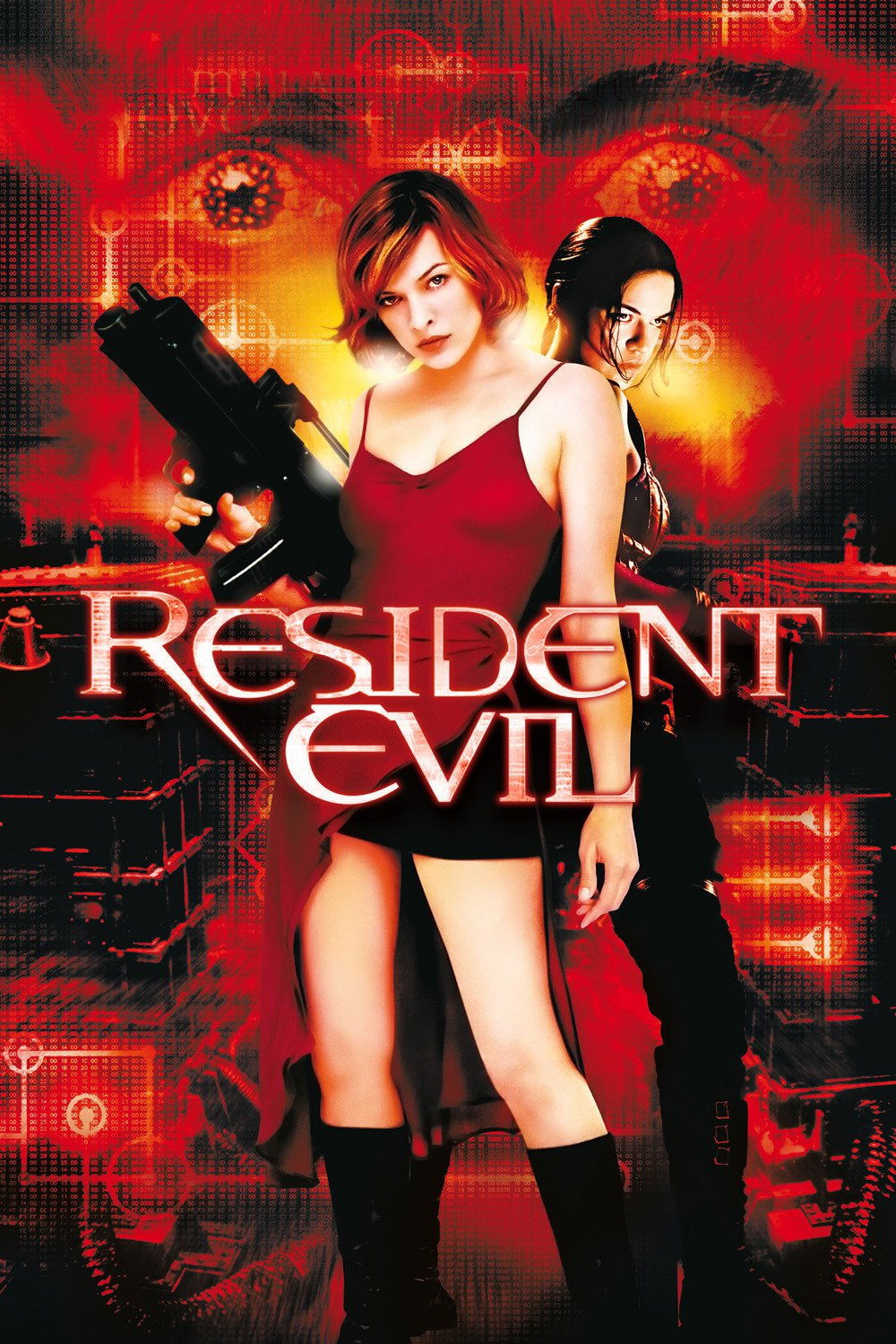
Paul W S Anderson adapted the video game series with an underground facility called the Hive. Milla Jovovich led an ensemble facing an outbreak tied to the Umbrella Corporation. The film opened the door to multiple sequels and a sustained action horror run. Screen Gems released it for Sony in the domestic market.
‘Orphan’ (2009)
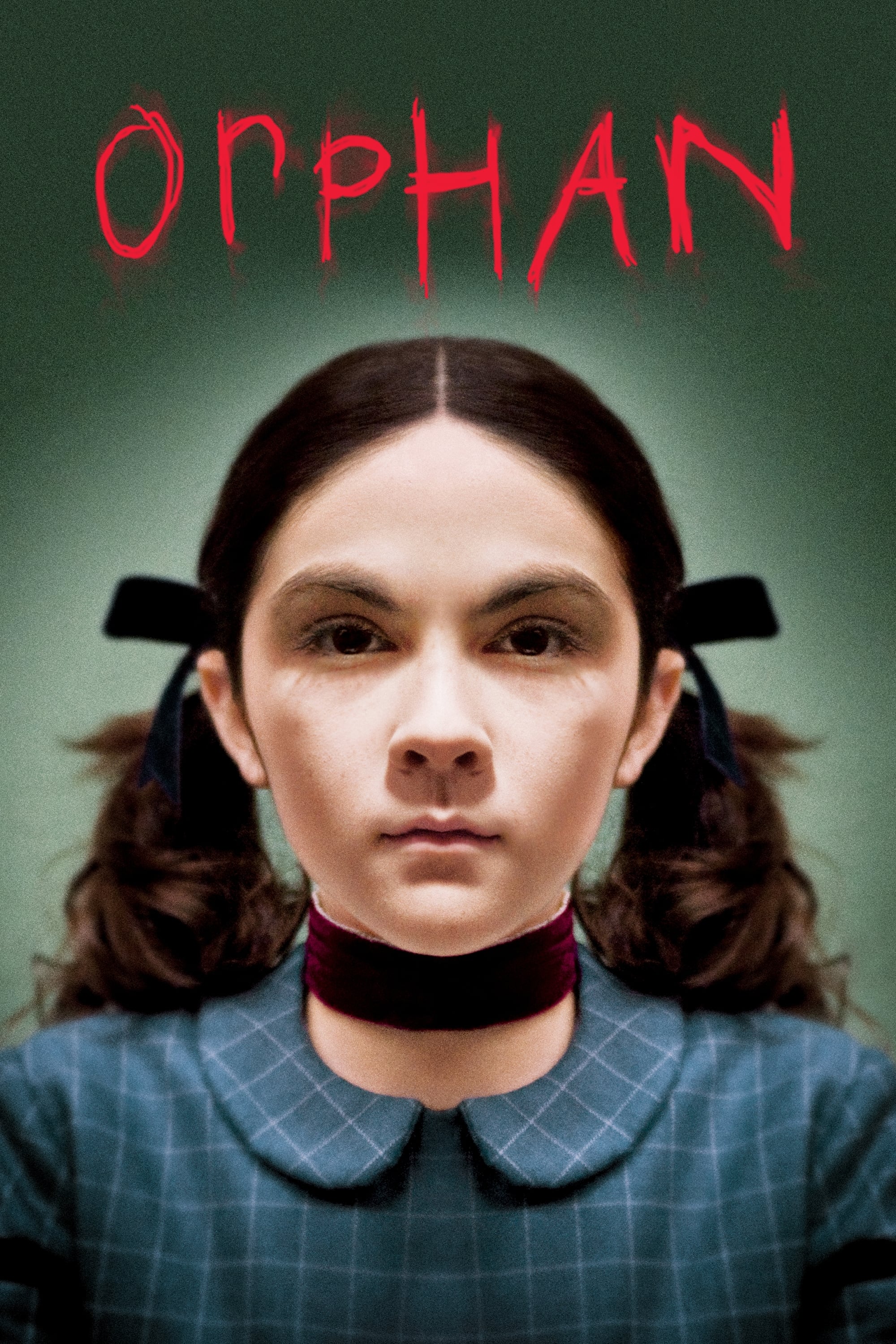
Jaume Collet Serra directed a thriller about a couple who adopt a girl with a hidden past. Isabelle Fuhrman’s performance became the focal point for a later prequel. The movie mixed suburban settings with chilly interiors to underline the story. Warner Bros. brought it to theaters through its Dark Castle partnership.
Share your picks in the comments and tell us which titles you think get more credit than they deserve.