The Most Watched Anime Series of All Time


Some anime series pull in audiences across every age group and every corner of the world. They air on television for years, rack up massive streaming numbers, and keep winning new viewers through reruns, simulcasts, and dubbed releases. Longevity, accessibility, and memorable characters often help these shows stay at the top of watch lists worldwide.
This roundup looks at anime that built enormous viewership through broad TV exposure, strong international distribution, and sustained popularity on streaming platforms. You’ll see household names that became cultural touchstones alongside newer hits that exploded thanks to global simulcasts and social media buzz.
‘One Piece’ (1999)
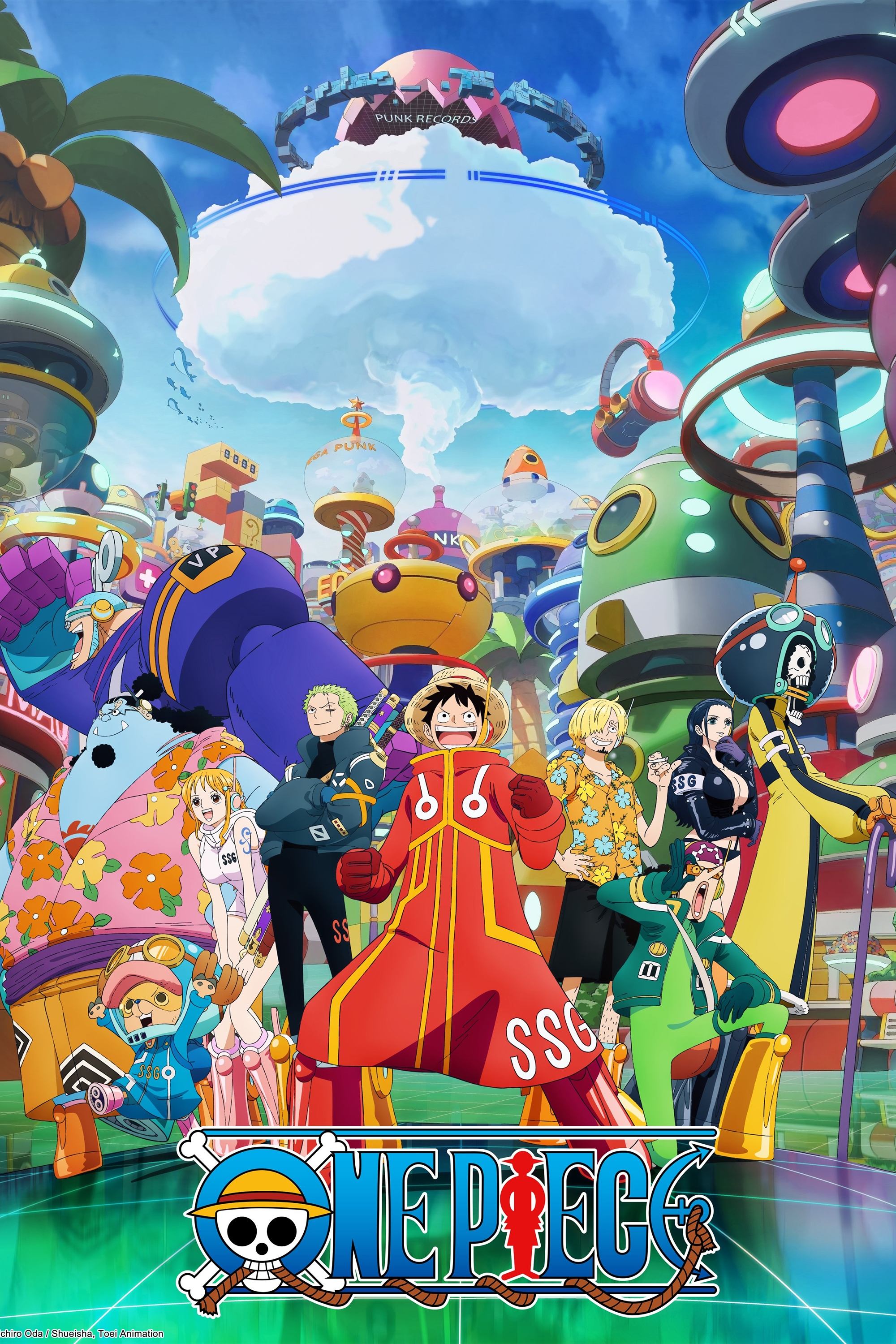
The long-running pirate saga has aired thousands of episodes and special arcs on major networks in Japan, then spread through cable blocks and on-demand platforms in multiple regions. Consistent weekly broadcasts, home video releases, and streaming availability helped new generations jump in at any time.
Internationally, the show benefits from extensive dubbing in many languages and steady merchandise, game, and film tie-ins. Toei Animation’s production pipeline and continuous story arcs keep viewers returning for multi-year journeys following the same core crew.
‘Naruto’ (2002)
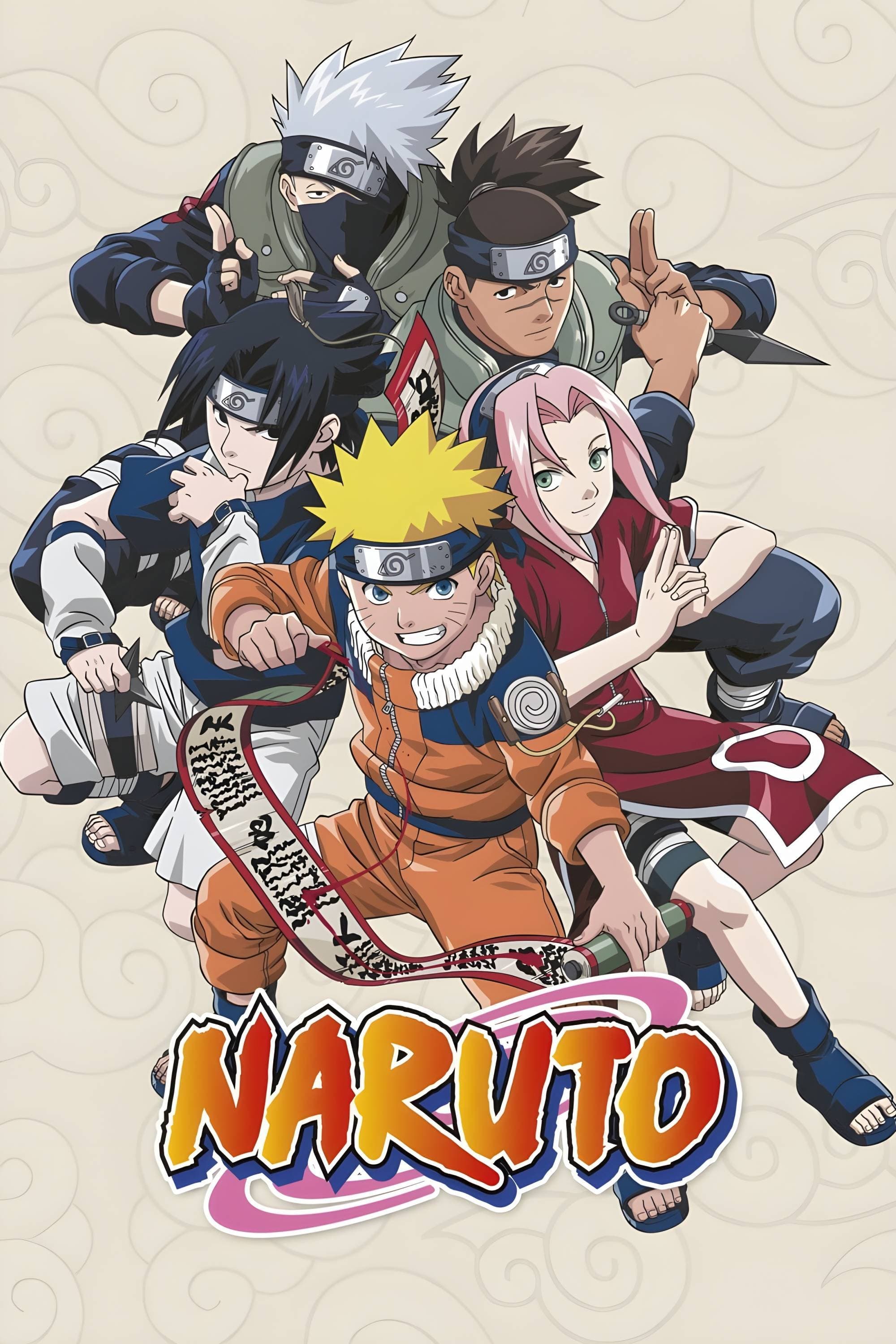
This ninja coming-of-age series moved from domestic TV blocks to widespread syndication abroad, making it a staple after-school and primetime title. Its long episode count and clear story arcs made it ideal for marathon runs on cable and streaming platforms.
Multiple language dubs and complete-season box sets lowered barriers for newcomers. Studio Pierrot’s output kept a steady flow of episodes, while a large roster of characters made it easy for fans to follow different plotlines across hundreds of installments.
‘Naruto: Shippuden’ (2007)

The continuation picked up an already massive audience and carried it forward with time-skip stakes and marquee battles. Regular TV scheduling and simulcast windows allowed long-time fans and new viewers to experience pivotal arcs together.
Extensive dubbing and platform availability made catching up feasible even for latecomers. The series maintained strong engagement through themed home releases, recap specials, and event episodes that drew big spikes in viewership.
‘Dragon Ball’ (1986)
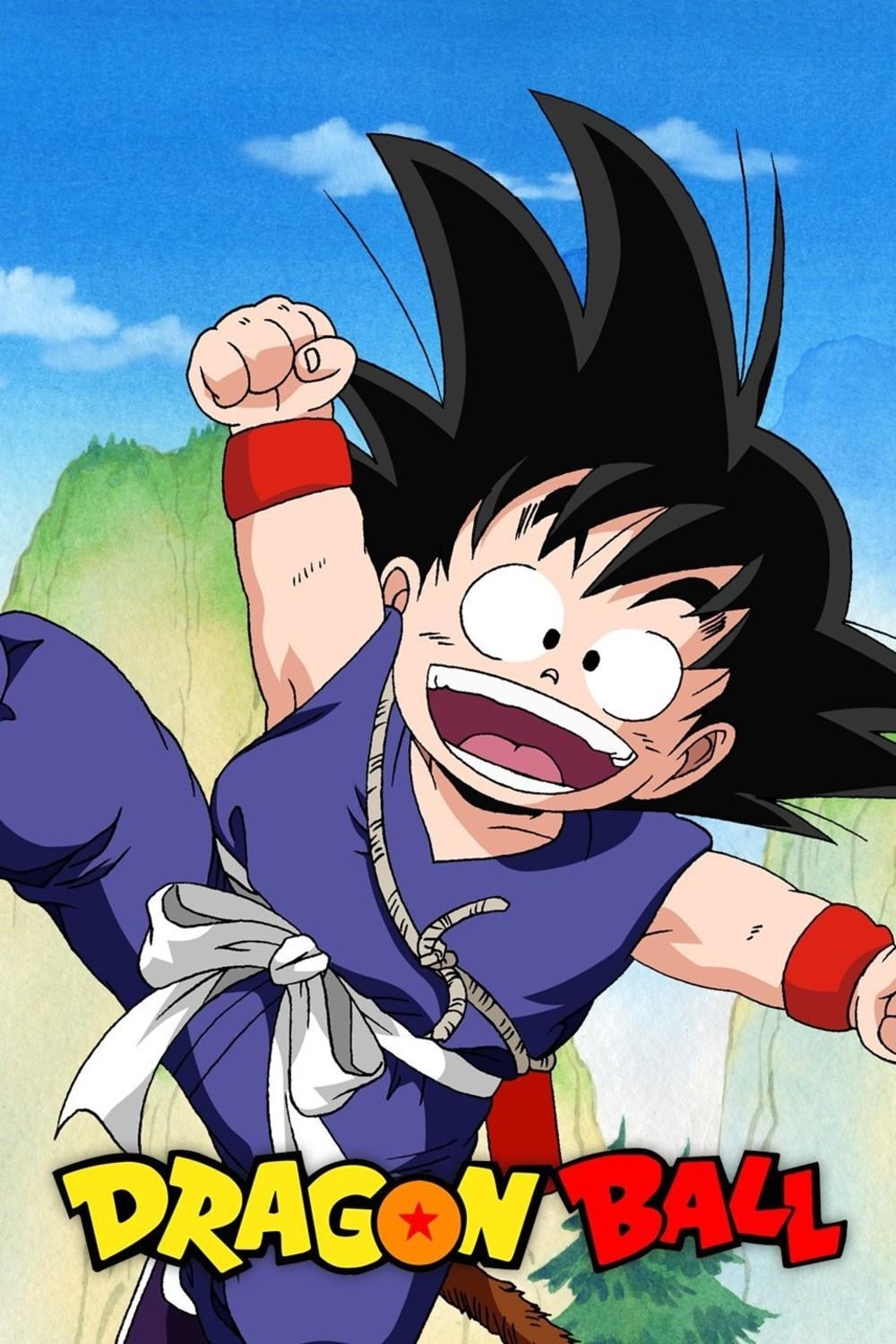
This foundational adventure series laid the groundwork for global interest in the franchise. It aired widely on terrestrial and cable channels, then found new life through reruns and digital catalogs.
Accessible story arcs and iconic tournaments made it easy for networks to program in long blocks. Toei Animation’s early international partnerships ensured dubbing and distribution that reached audiences well beyond Japan.
‘Dragon Ball Z’ (1989)

The sequel expanded the audience with higher stakes and signature showdowns that became appointment television. It dominated action blocks on international cable networks and maintained strong ratings through repeated runs.
Merchandise, games, and movies kept attention high between arcs. Its large library of episodes made it a reliable ratings anchor, while edited and uncut versions let networks serve different time slots and audiences.
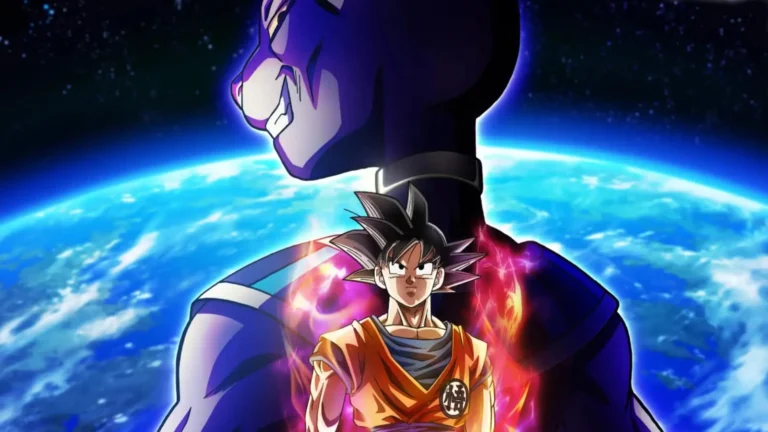
‘Dragon Ball Super’ (2015)

A modern continuation introduced fresh arcs to viewers already familiar with the universe. Simulcasts and quick-turnaround dubs helped align global conversation, keeping weekly episodes trending.
The series thrived on major streaming platforms with dedicated hubs for the franchise. Tie-in films and crossover events sustained momentum, bringing fans back to the weekly format after theatrical releases.
‘Pokémon’ (1997)

This franchise leveraged a synchronized rollout across TV, games, and trading cards to become a daily-viewing fixture for families. It has aired continuously across multiple regions with rotating leads and seasonal refreshes.
OLM’s production ensured consistent new episodes, while localized versions and catchy themes supported mainstream recognition. The show’s standalone adventures make it friendly to casual viewers, aiding high replay value on streaming.
‘Attack on Titan’ (2013)
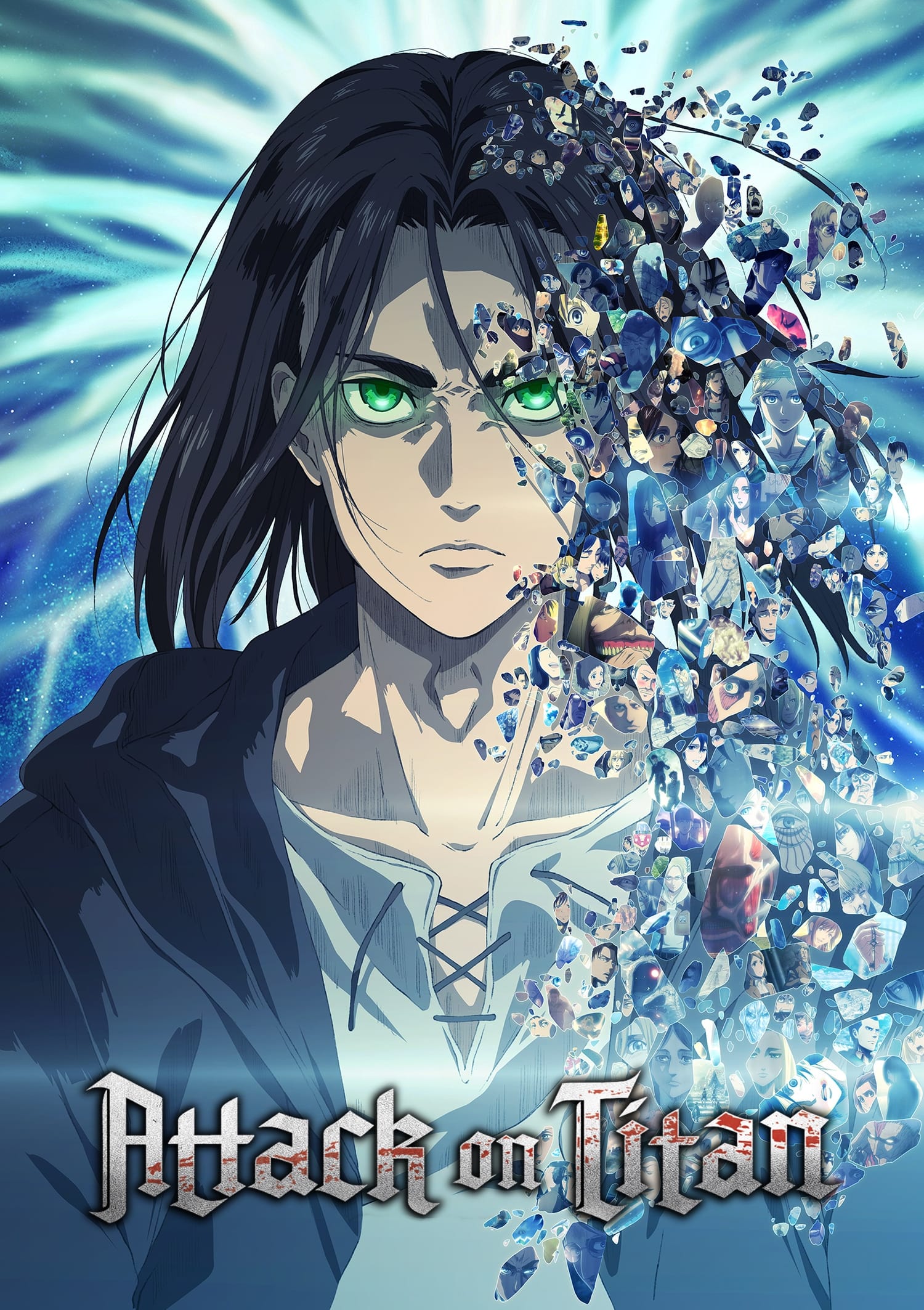
A breakout hit powered by cinematic action and cliffhanger storytelling turned weekly episodes into global events. Early seasons drew high TV ratings, then surging streaming numbers kept engagement strong for later arcs.
International simulcasts and fast dubs meant social feeds lit up in step with each new release. Wit Studio and later MAPPA delivered set-piece episodes that attracted both anime fans and general genre audiences.
‘Demon Slayer: Kimetsu no Yaiba’ (2019)
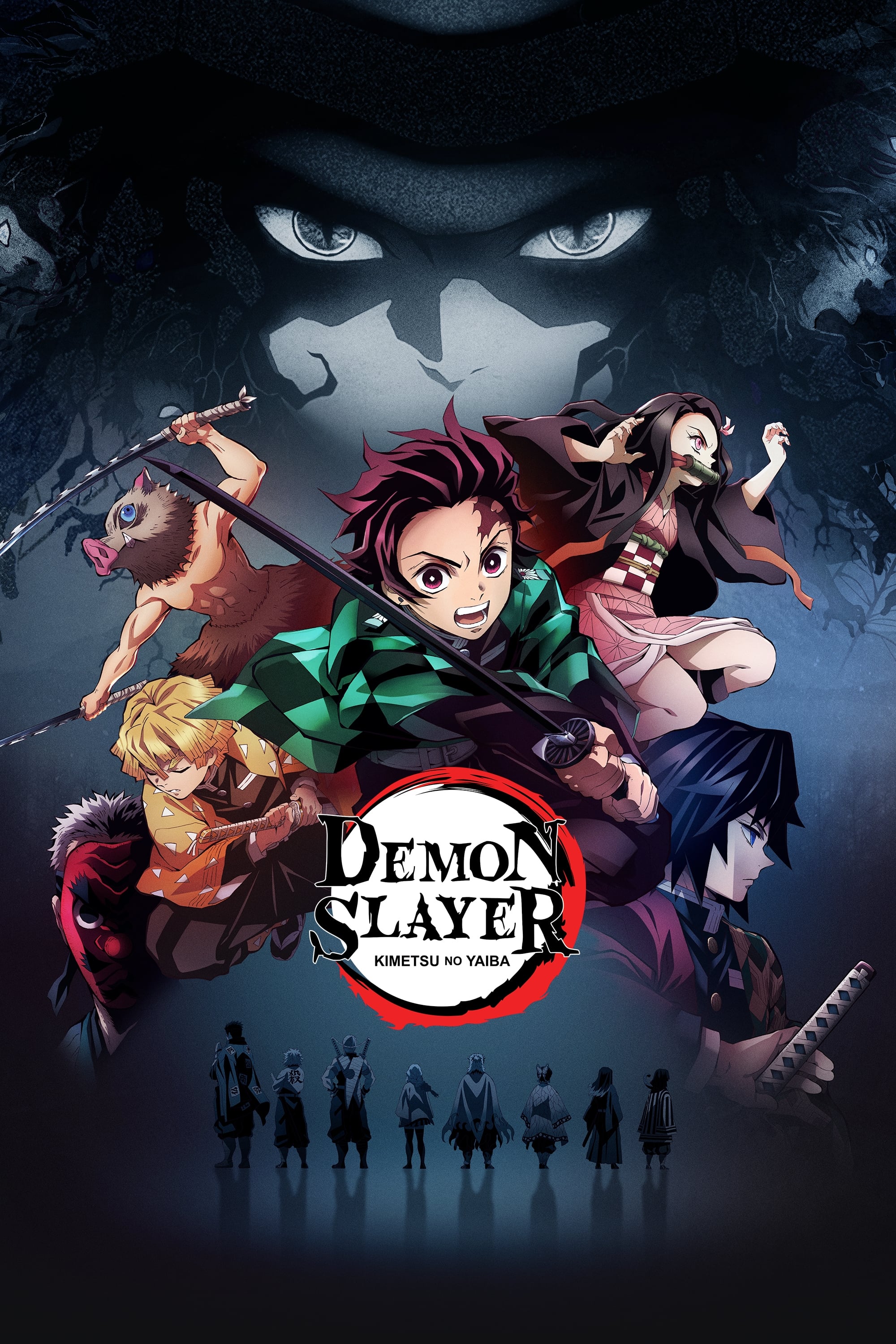
Spectacular animation and a tightly paced narrative helped the show capture wide audiences quickly. Weekly drops created buzz cycles that translated into strong platform charts and consistent completion rates.
Global availability, multiple dub options, and a blockbuster film tie-in funneled new viewers into the series. Ufotable’s hallmark visual style and memorable music aided high rewatch numbers on streaming.
‘Jujutsu Kaisen’ (2020)
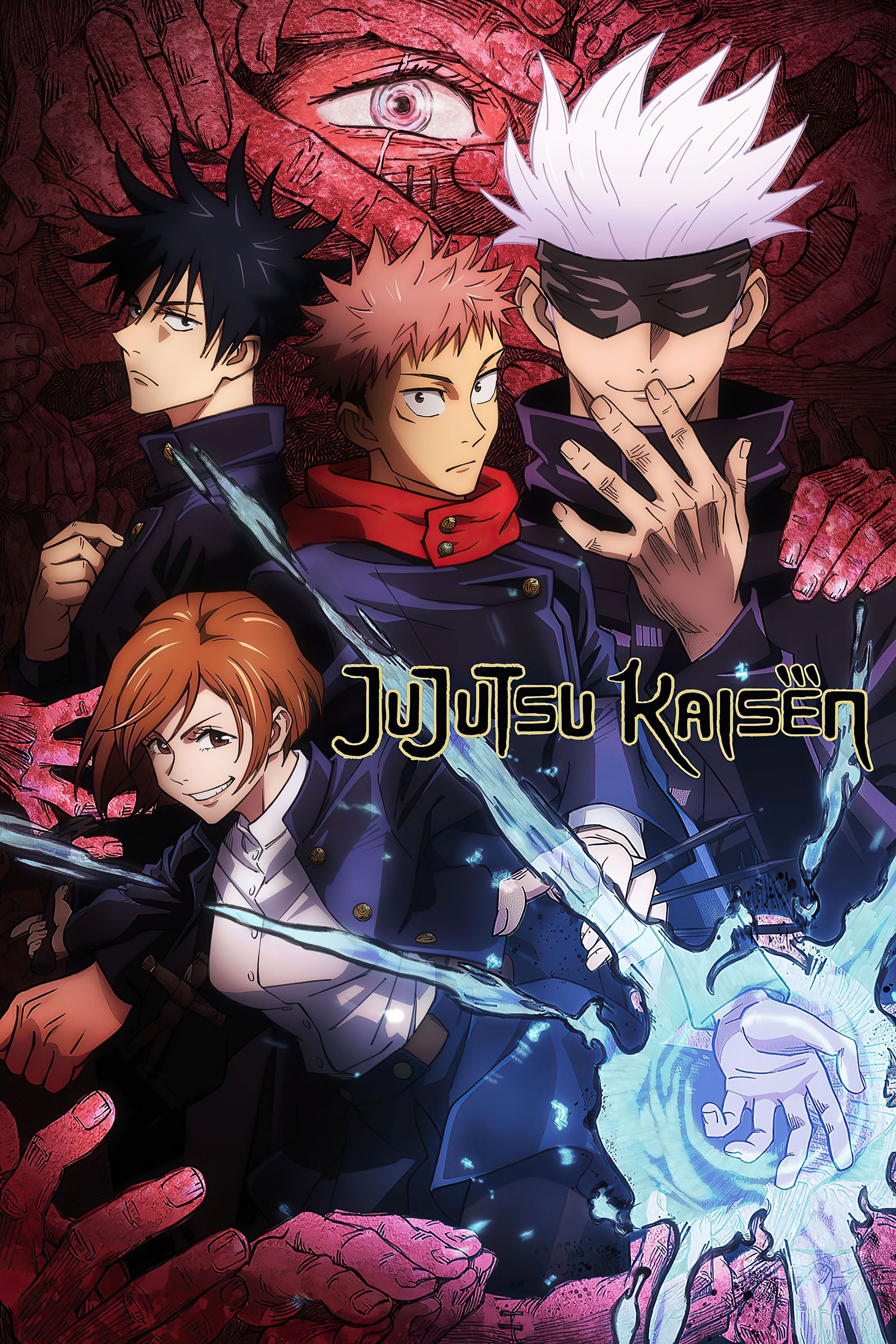
Fast-paced action and a balanced cast pushed this title to the top of seasonal charts. Simulcasts and broad platform support ensured instant access for viewers across regions.
Events, theme songs, and collaborations kept the show visible between cours. MAPPA’s production delivered showcase fights that translated into strong clip sharing and repeat viewing.
‘My Hero Academia’ (2016)
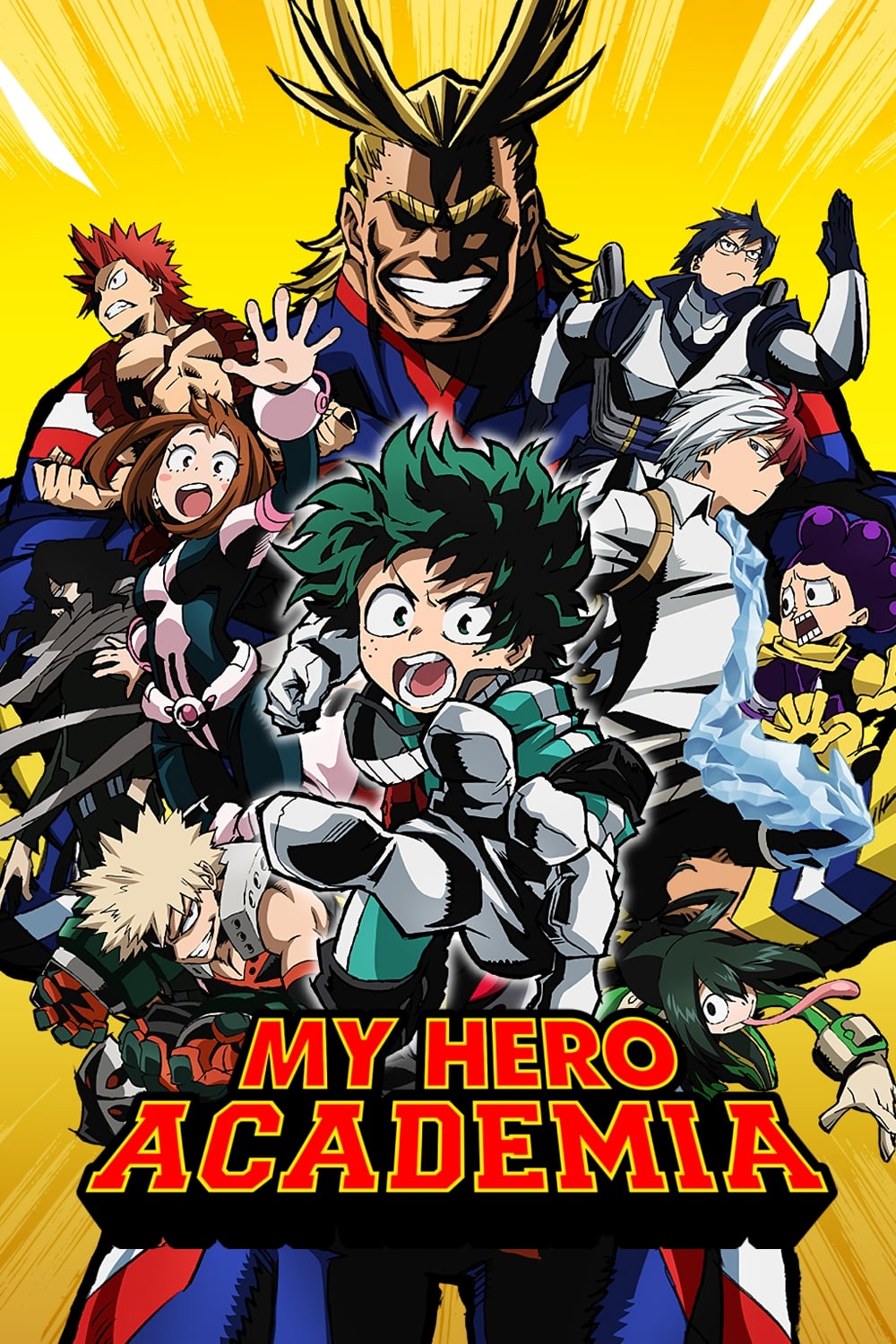
This school-for-heroes series built a mainstream audience with approachable arcs and a steady release cadence. Each season arrived on time across major services, making it easy for fans to keep up.
High-profile music, convention presence, and games extended reach beyond core anime circles. Bones maintained consistent quality and character focus, supporting high engagement across long stretches.
‘Fullmetal Alchemist: Brotherhood’ (2009)
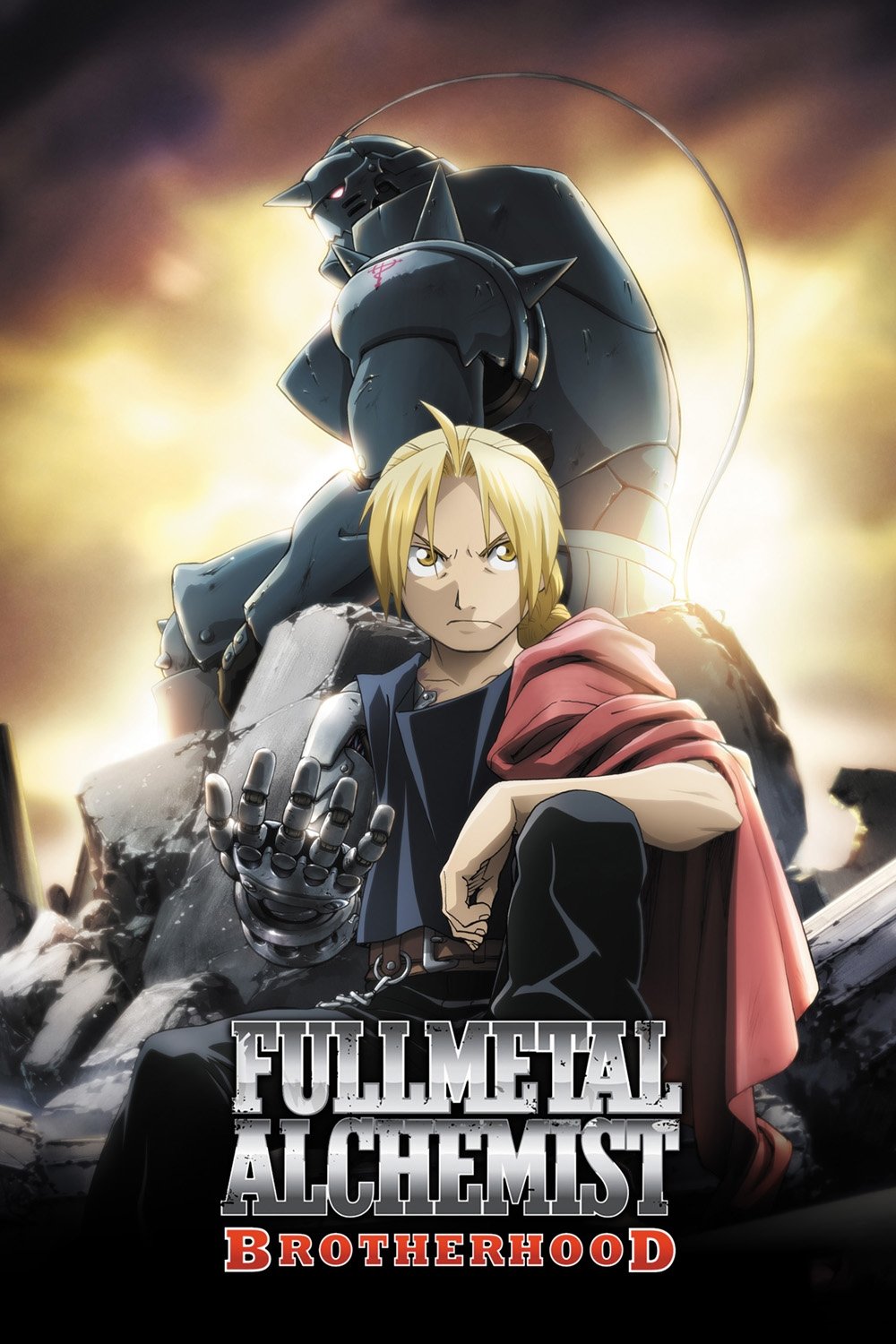
A complete adaptation with a clear beginning and end encouraged binge viewing. Strong word of mouth kept it near the top of platform recommendation lists for years.
Multiple high-quality dubs and clean catalog organization help new viewers finish the entire saga. Bones’ production values and cohesive storytelling support strong completion rates across demographics.
‘Sailor Moon’ (1992)
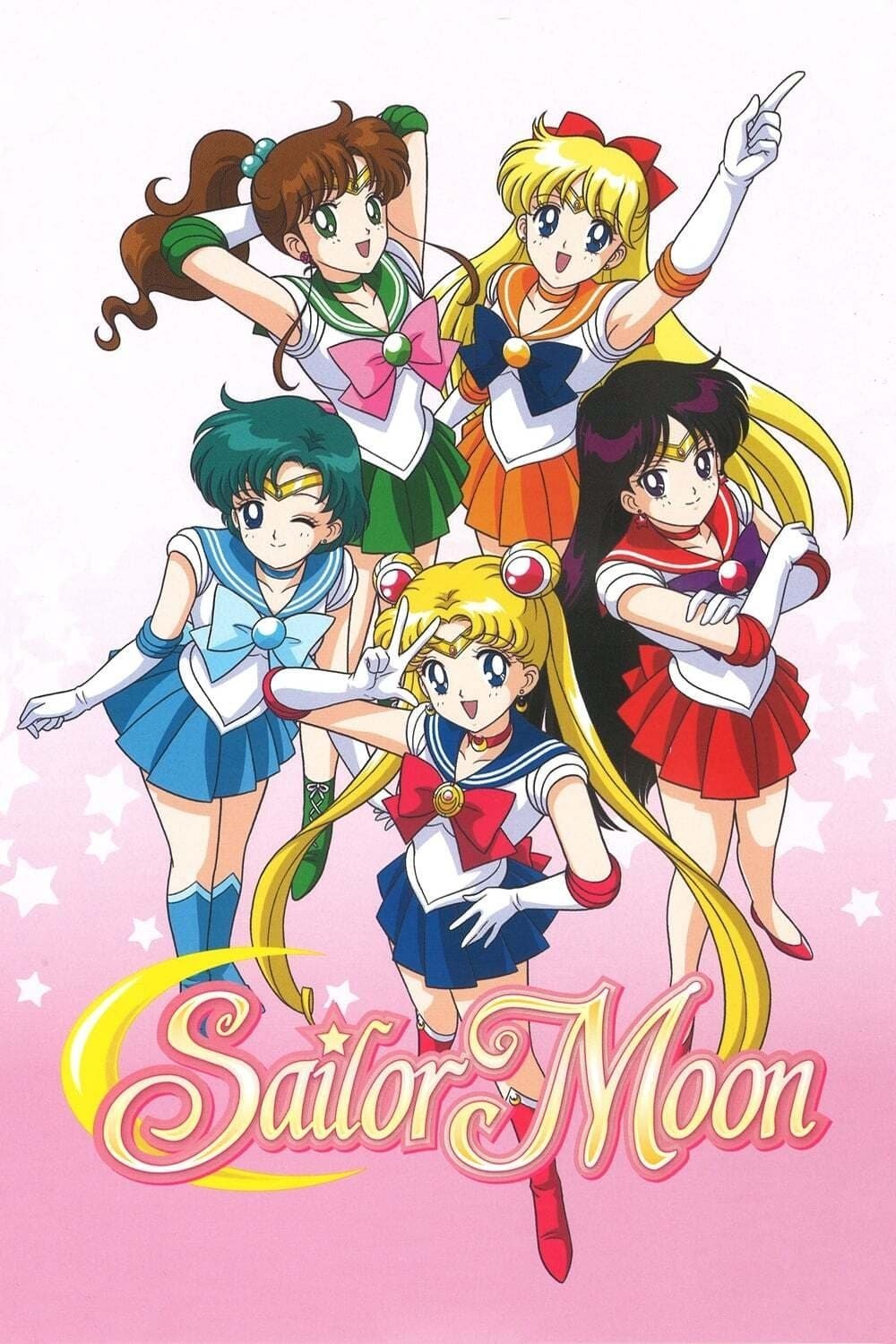
A pioneering magical-girl series that found broad daytime audiences and became a fixture of international TV blocks. Its episodic structure made it easy for networks to program for younger viewers while retaining older fans.
Cultural impact and repeated syndication created a long tail of viewership. Toei Animation’s remasters and later continuations renewed interest, driving new streaming audiences to the classic catalog.
‘Bleach’ (2004)
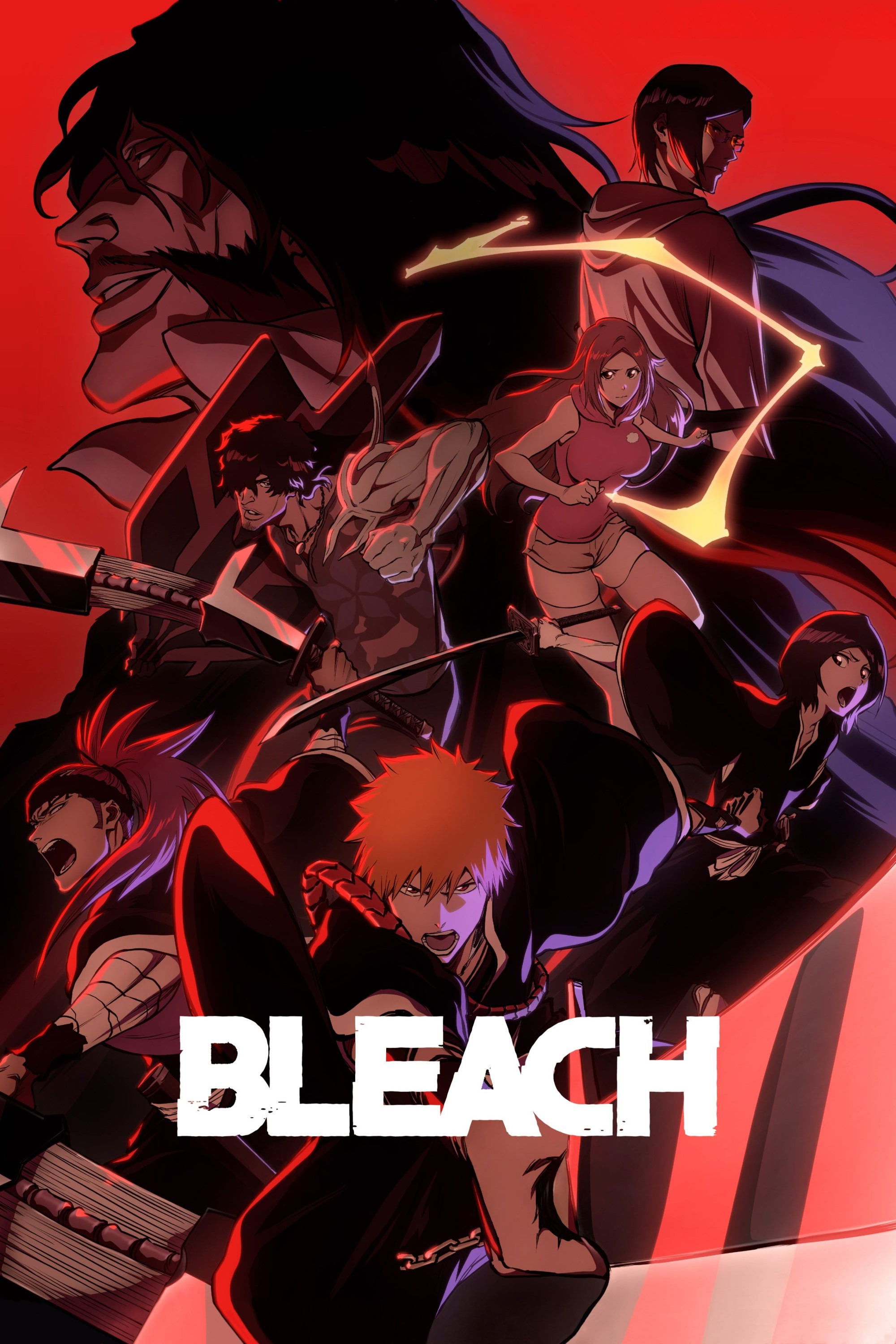
Action-driven arcs and a large ensemble supported long TV runs and strong rerun performance. It remained a ratings staple in multiple regions, then returned to prominence when new arcs arrived.
Studio Pierrot’s extensive episode library enabled deep platform catalogs. Special arcs and theme refreshes generated spikes that brought lapsed viewers back to the series.
‘Neon Genesis Evangelion’ (1995)
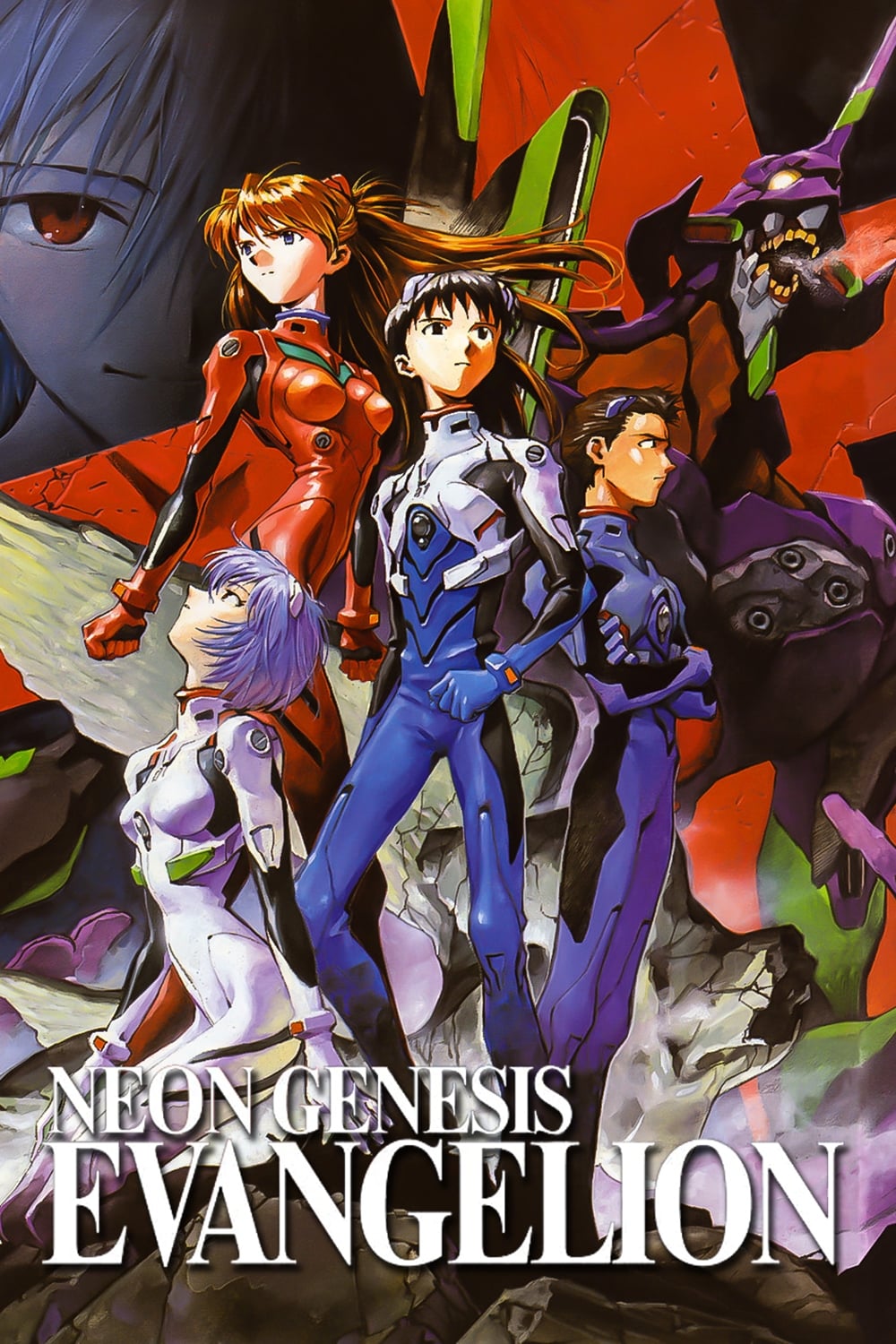
Originally a late-night broadcast, the series grew through reruns, home releases, and later digital debuts that opened it to huge new audiences. Its limited episode count encourages full-season marathons.
Platform-exclusive releases and restorations prompted major viewership surges. Gainax’s iconic imagery and memorable soundtrack continue to draw first-time viewers through algorithmic recommendations.
‘Sword Art Online’ (2012)

High-concept arcs and changing settings kept the series fresh across multiple seasons. It premiered on major platforms with rapid localization, helping it trend beyond core anime communities.
A-1 Pictures delivered regular cours and spin-offs that maintained year-round visibility. Tie-ins with games and concerts sustained engagement between seasons, boosting overall watch time.
‘Fairy Tail’ (2009)
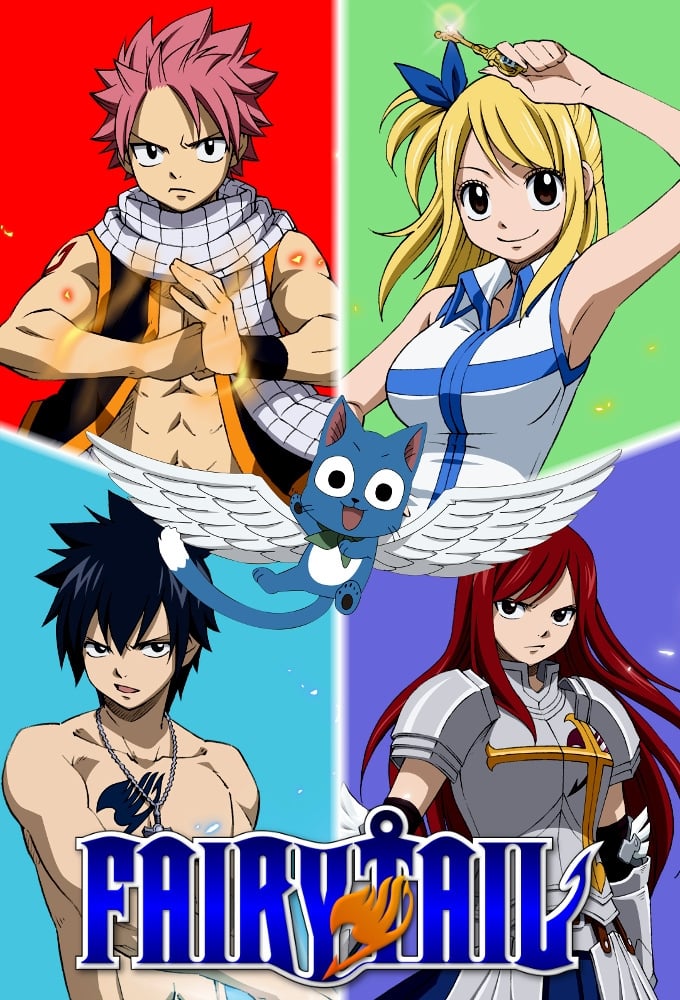
A long-running fantasy adventure that thrived on marathon-friendly arcs. Its extensive episode count made it a mainstay on streaming and cable rotation.
Multiple language options and consistent seasonal batches helped international viewers follow along. A-1 Pictures and later Bridge kept production steady, enabling continuous discovery and rewatching.
‘Haikyu!!’ (2014)
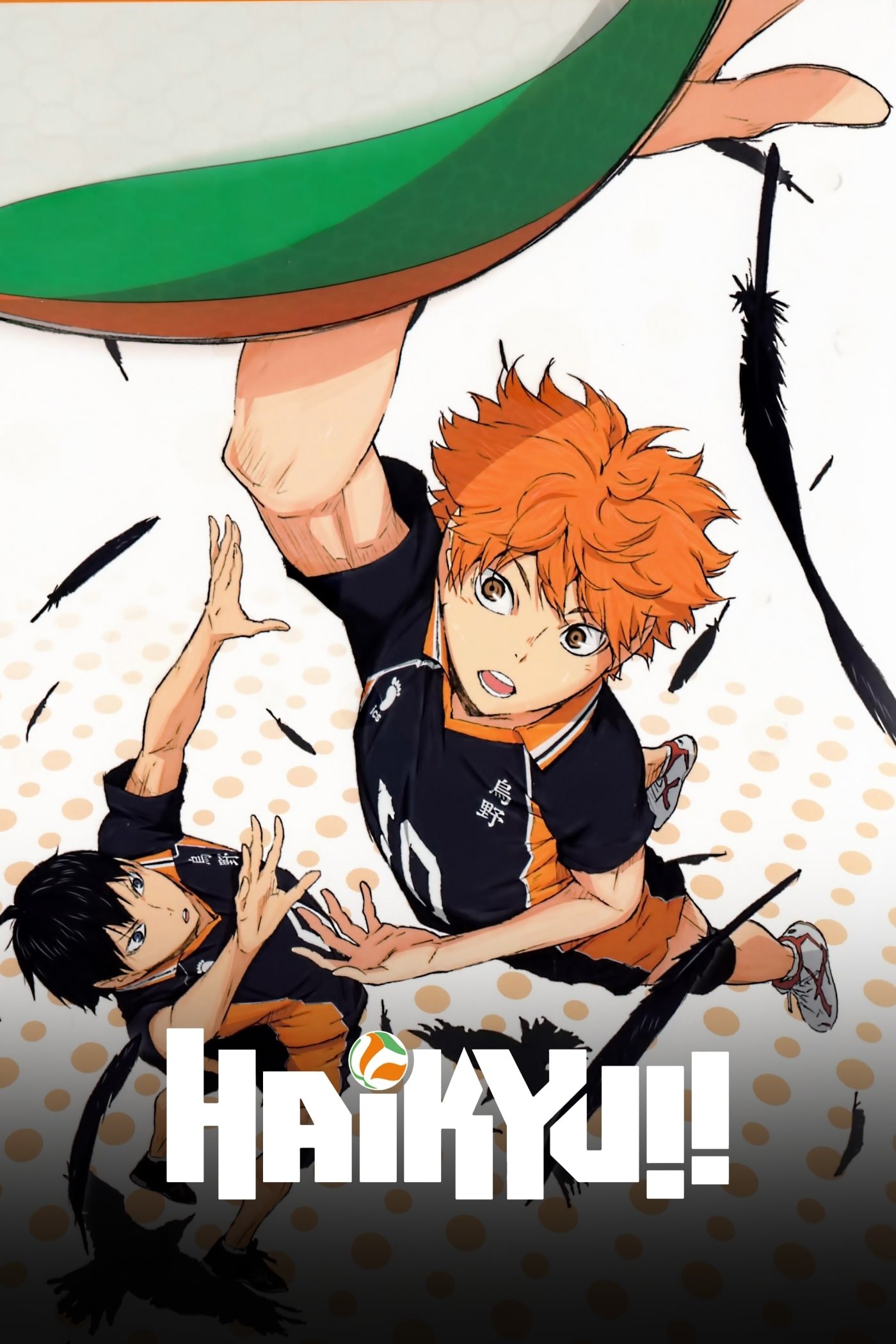
Character-driven sports drama and tournament arcs made this a favorite for binge sessions. Releases arrived in well-defined seasons that fit neatly into platform catalogs.
Production I.G’s dynamic match animation translated into highly shareable highlights. Soundtracks, stage events, and films kept attention high between TV seasons and platform drops.
‘Spy x Family’ (2022)
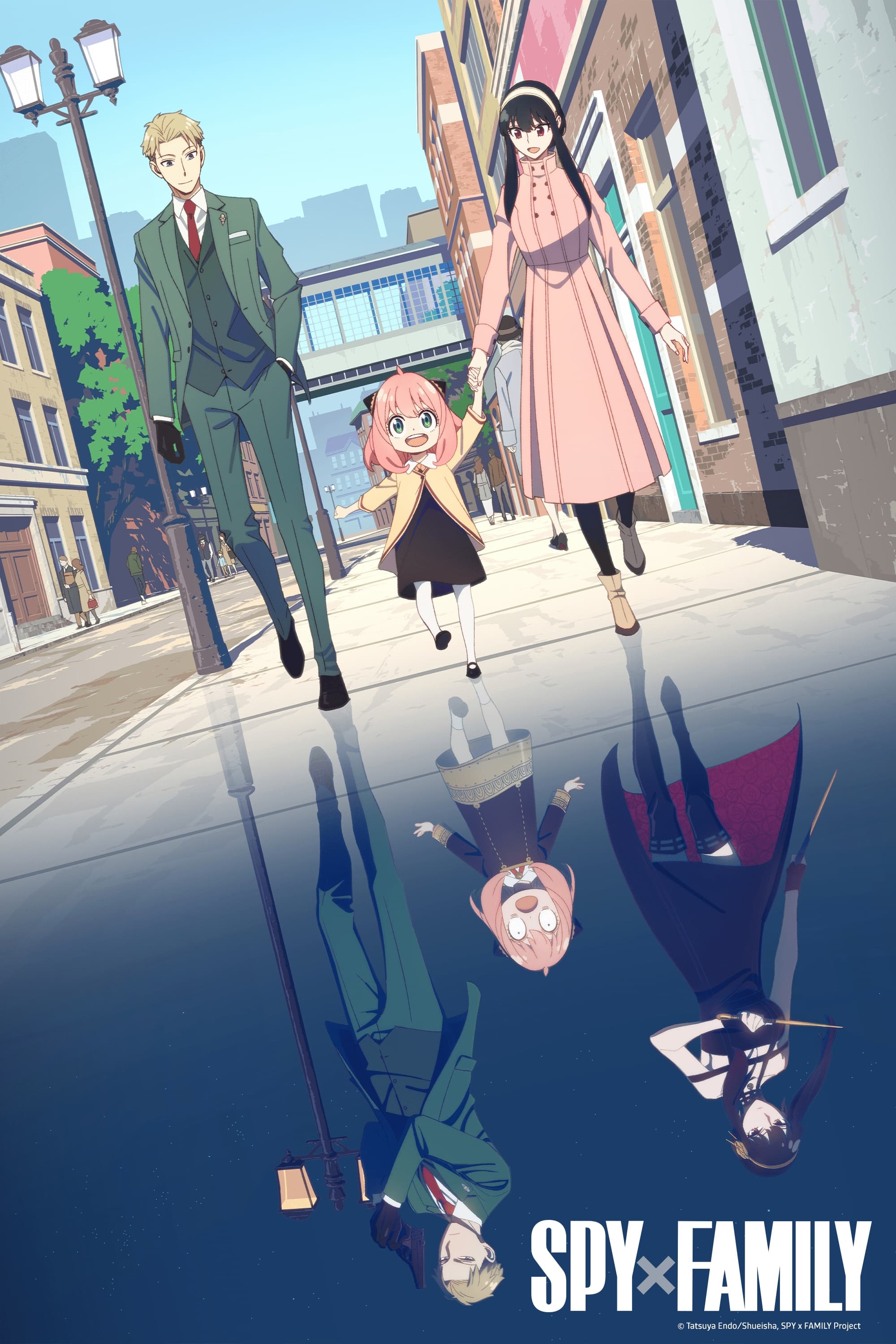
A family-centric premise and weekly humor gave it cross-demographic appeal. Simulcast availability and rapid dubbing made each new episode a shared event for global audiences.
Dual-studio production by Wit Studio and CloverWorks ensured polished delivery. Consistent social media trends and collaborations kept it visible to casual viewers who then caught up via streaming.
‘Death Note’ (2006)
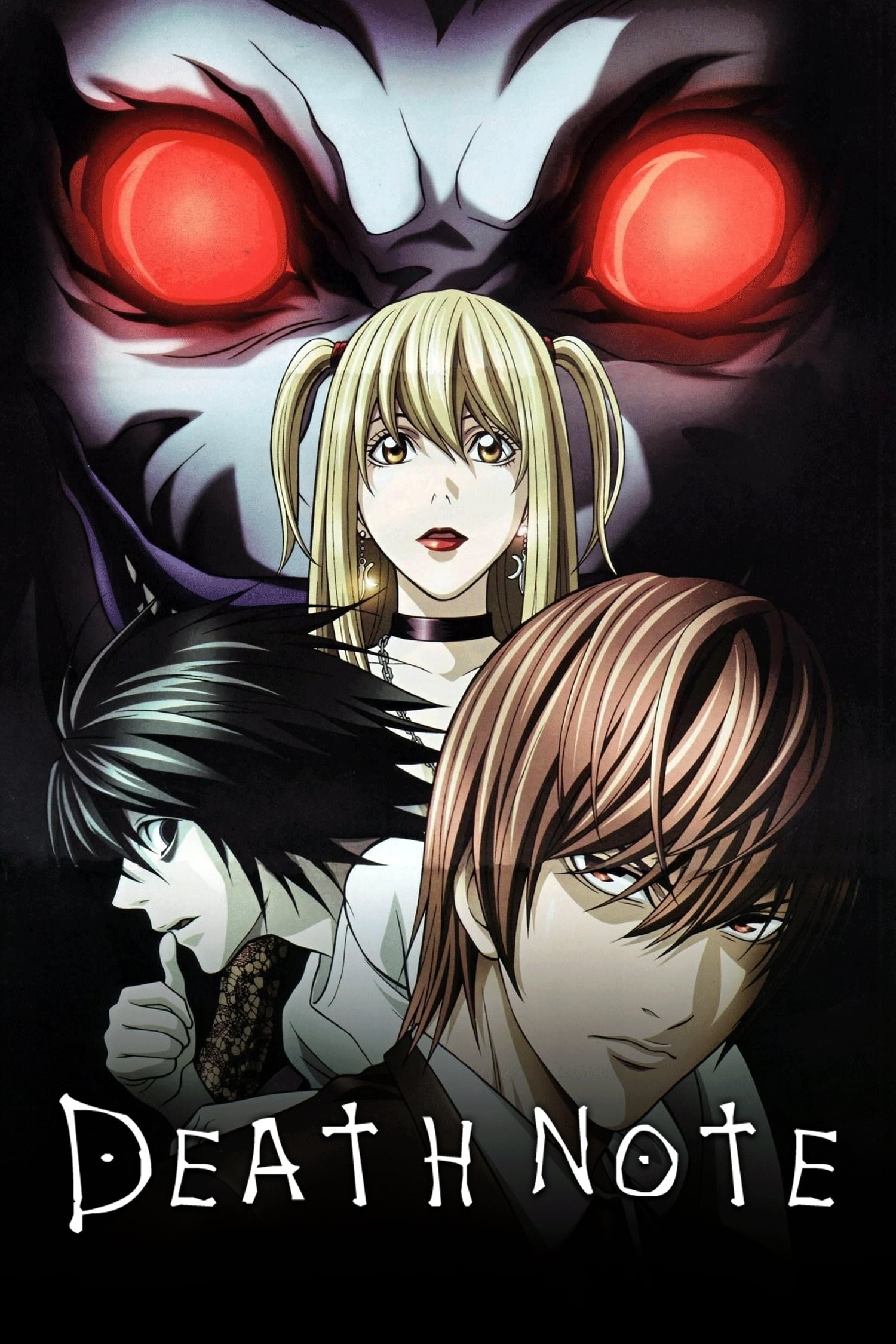
A concise thriller with clear episode-to-episode hooks fuels high completion rates. It performs well on platforms where viewers seek short, gripping series to finish in a weekend.
Madhouse’s adaptation quality, memorable music, and strong dubs support repeat viewing. Its compact length and evergreen premise keep it prominent in recommendation carousels.
‘Case Closed’ (‘Detective Conan’) (1996)

With a huge catalog of mystery episodes, this series thrives on daily broadcast slots and continuous reruns. Its format lets viewers jump in at almost any point.
TMS Entertainment’s steady production output feeds both TV blocks and streaming libraries. Movies and special episodes generate attention spikes that loop new viewers back into the main series.
‘Crayon Shin-chan’ (1992)

This family comedy has aired for decades with strong ratings across weekday and weekend slots. Short, self-contained episodes make it ideal for frequent reruns.
Shin-Ei Animation’s consistent style and prolific output keep the catalog expanding. International versions adapt cultural references for local audiences, broadening the viewer base.
‘Doraemon’ (1979)
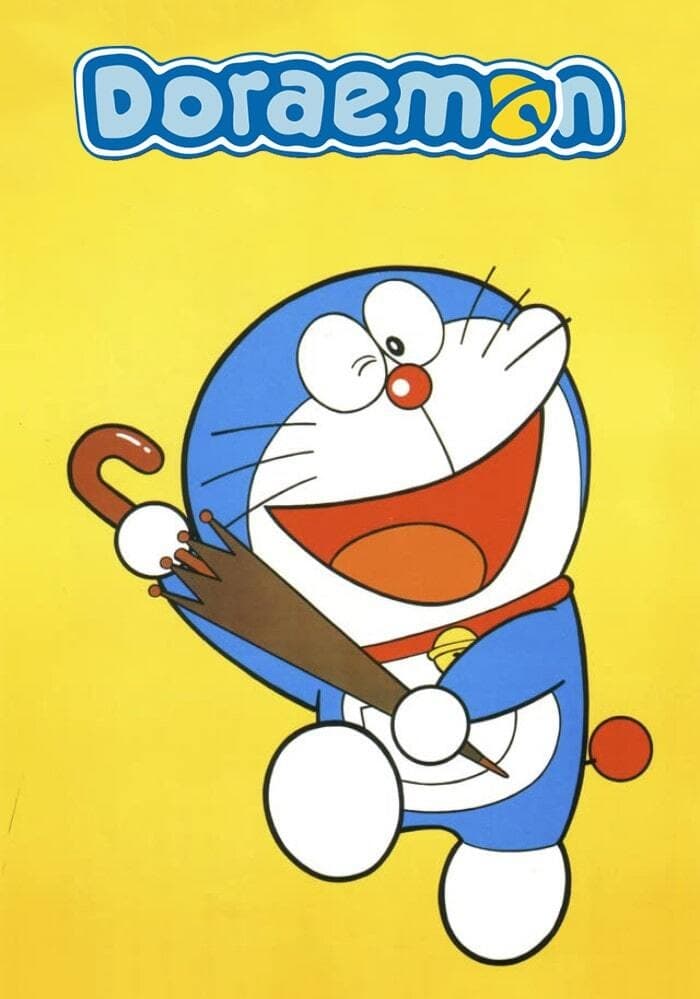
A companionable format and gentle stories make it a staple in children’s programming. Its daily presence on television helps build very large cumulative audiences over time.
Shin-Ei Animation maintains a continuous pipeline of episodes and films, which fuels year-round visibility. Localized versions and educational tie-ins extend its reach to schools and family blocks.
‘Yu-Gi-Oh!’ (1998)
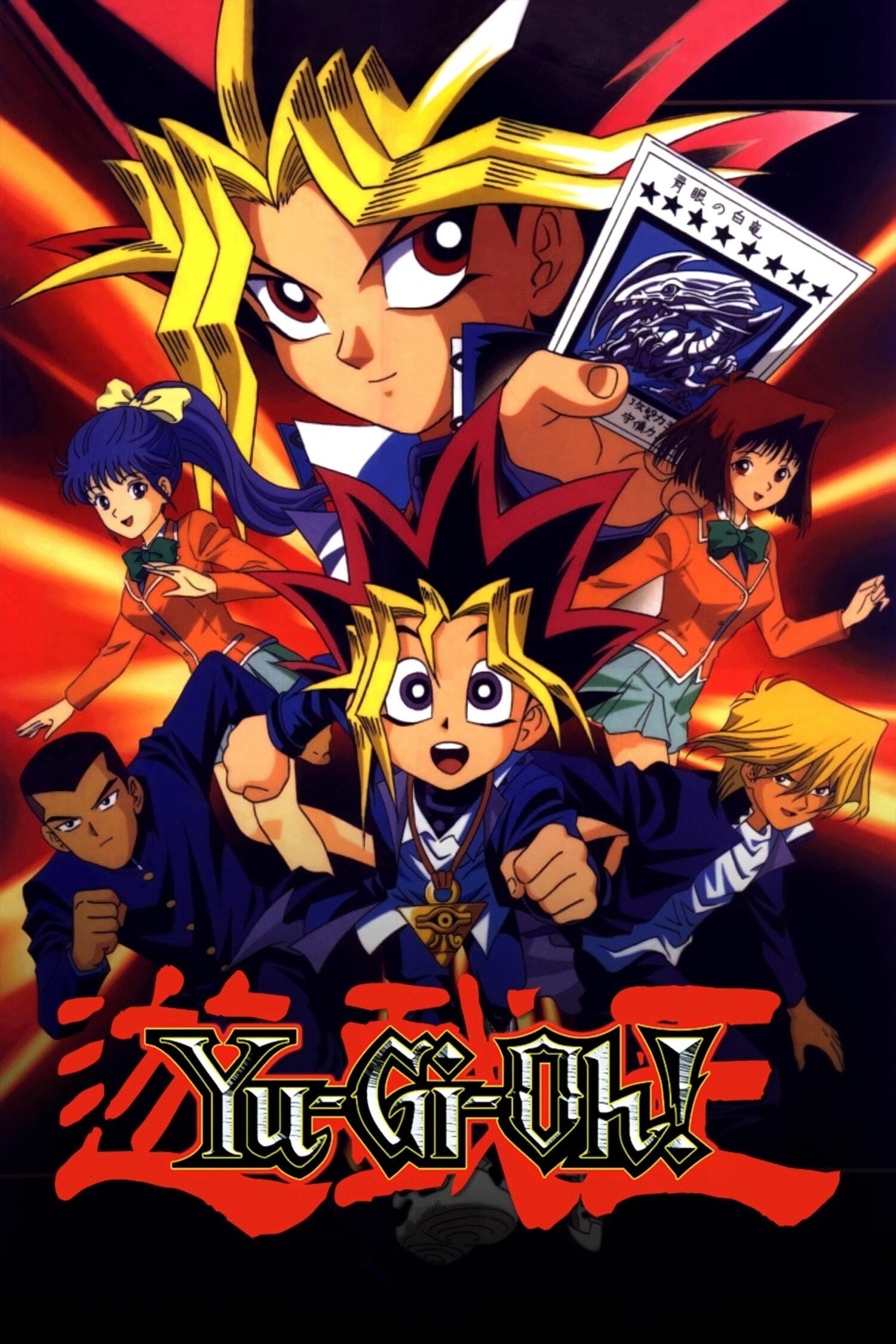
Card-battle arcs synchronized with a booming hobby helped the series dominate specific time slots. Multiple seasons and spin-offs kept it on television for extended stretches.
Studio Gallop’s long run provided a deep library for syndication and streaming. Tournaments, games, and merchandise sustained audience interest between new seasons.
‘One-Punch Man’ (2015)
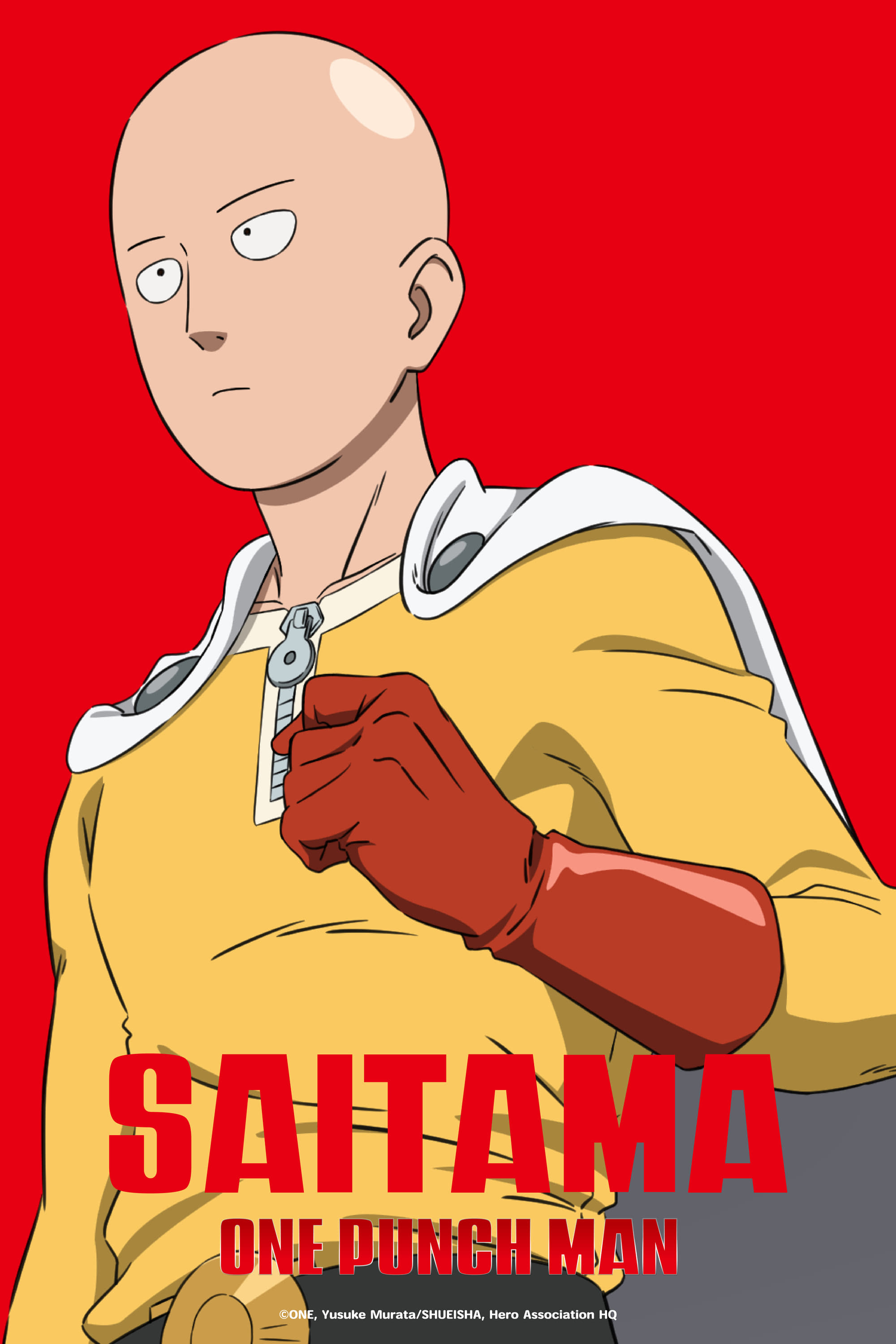
A short initial season with standout animation drew large audiences quickly, followed by a widely watched continuation. Its tight episode counts make it a frequent pick for binge viewing.
Madhouse and later J.C.STAFF delivered arcs that are easy for newcomers to sample. Clips and memes circulate heavily, pushing new viewers to platforms where the full seasons are available.
‘Bleach: Thousand-Year Blood War’ (2022)

The revival leveraged a massive legacy audience and modern streaming rollout to generate strong viewership. Event-style releases and seasonal splits kept interest high over extended periods.
Studio Pierrot’s updated presentation and music refreshed the brand for new viewers while rewarding long-time fans. Platform exclusivity windows concentrated attention and drove catch-up viewing of earlier arcs.
Share your favorites and the ones you think pull the biggest audiences in the comments!