Movies Every 1970s Kid Remembers


Big screens, packed matinees, and posters taped to bedroom walls made growing up in this decade feel like living inside a movie theater. The films that defined those childhoods delivered catchy songs, practical effects, scrappy underdogs, and adventures that kids recited on the playground the next day.
This list gathers the titles people lined up for with friends and family, along with concrete details on how they were made, who released them, and what followed after their credits rolled. Each entry notes the distributor in a simple way and focuses on production facts, box office performance, formats, and the lasting footprints these movies left behind.
‘Star Wars’ (1977)
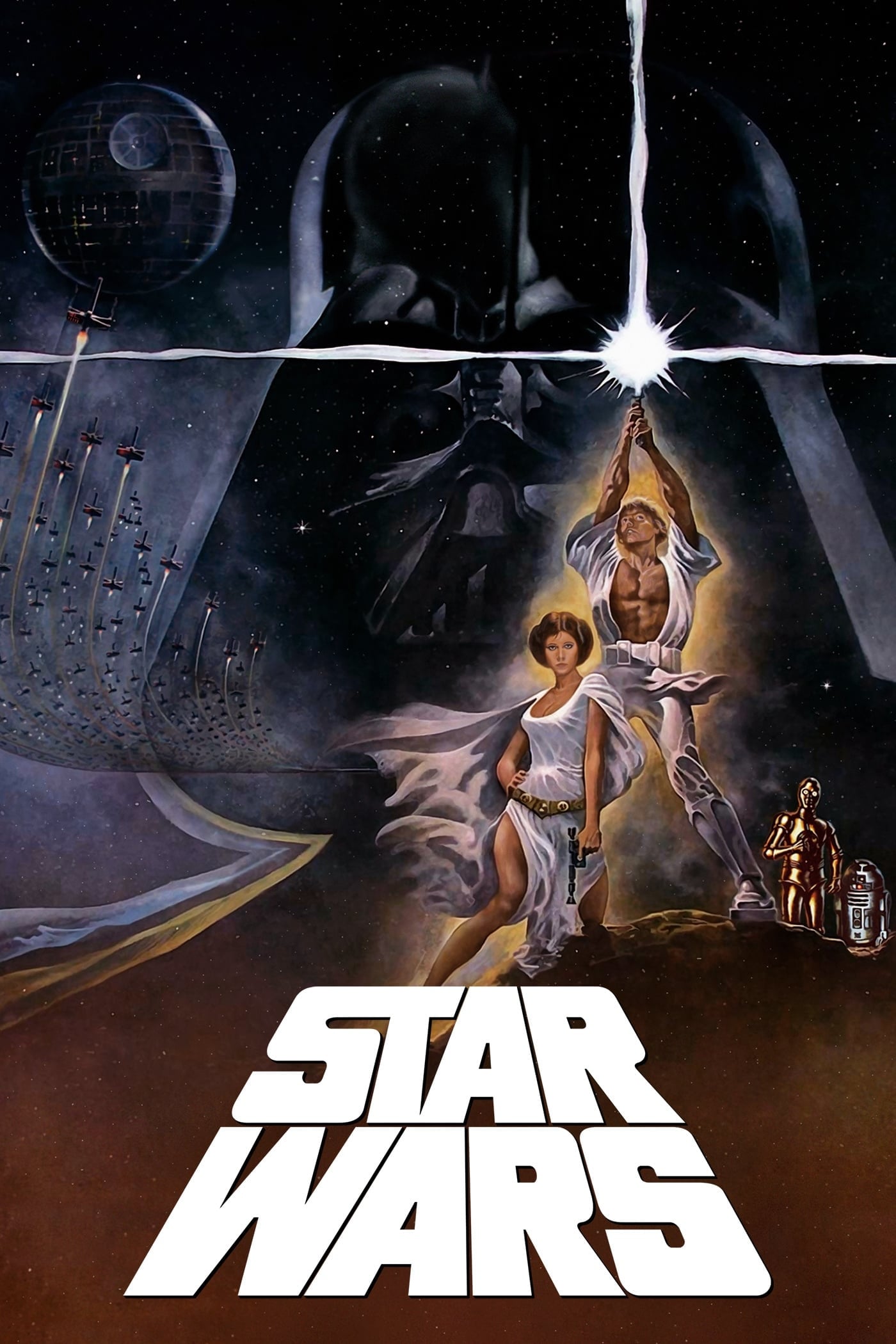
George Lucas wrote and directed a space adventure that combined model work, optical composites, and sound design built from field recordings and analog synthesis. 20th Century Fox handled distribution and pushed an extensive rollout with advance bookings and tie-in products that reached toy aisles across the country.
The film expanded into a multimedia franchise with licensed novels, action figures, and arcade cabinets. It received numerous awards for visual effects, editing, and music and returned to theaters multiple times with updated prints and home video restorations.
‘Jaws’ (1975)
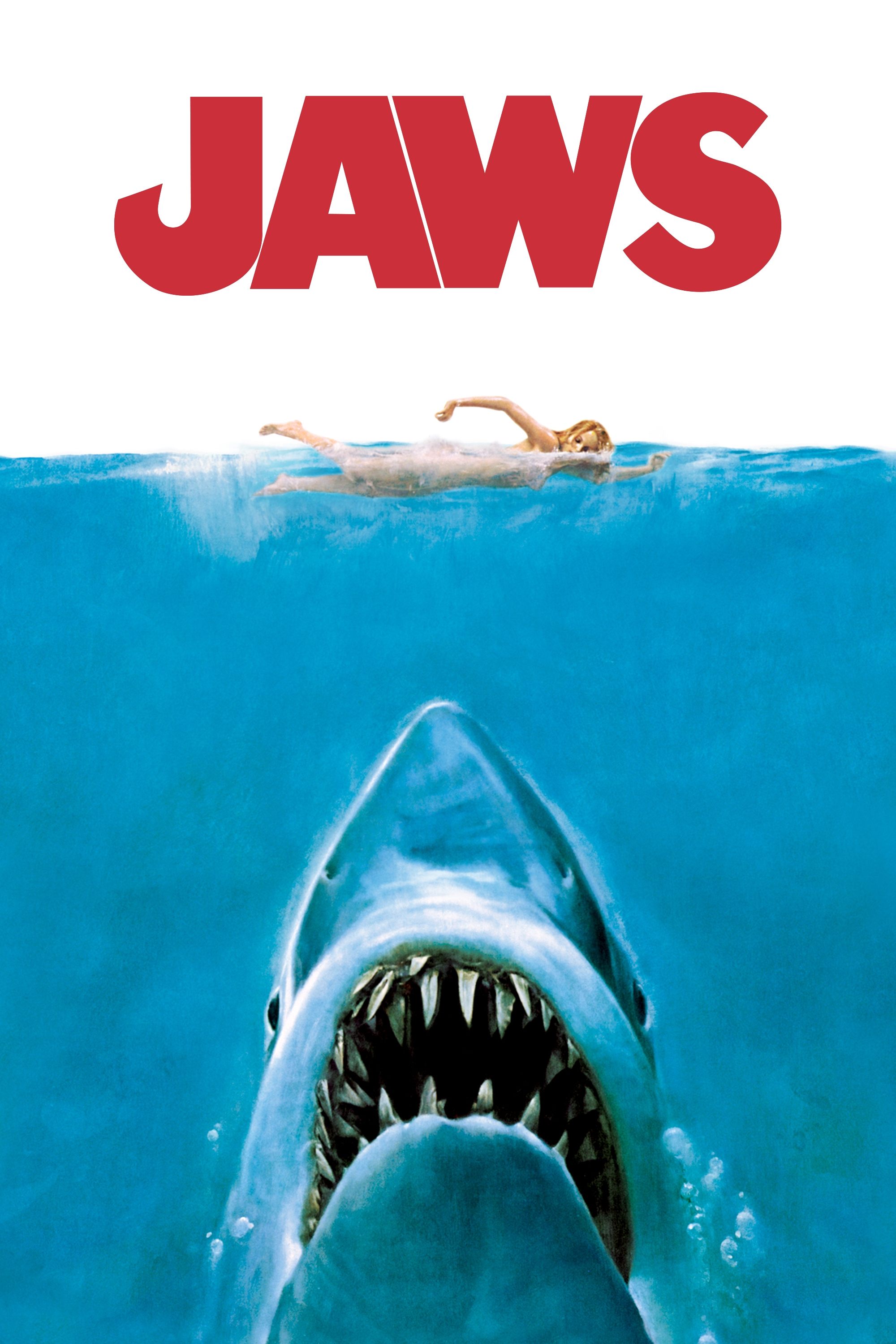
Steven Spielberg staged ocean shoots on location using full scale mechanical sharks and pioneered the wide summer release strategy. Universal Pictures distributed the film and supported an aggressive TV advertising campaign that helped drive record attendance.
Merchandise included soundtrack LPs and paperback tie-ins, and the movie’s success accelerated the trend toward high season blockbusters. Theme park attractions and anniversary restorations kept it in circulation across VHS, DVD, Blu ray, and later digital formats.
‘Superman’ (1978)
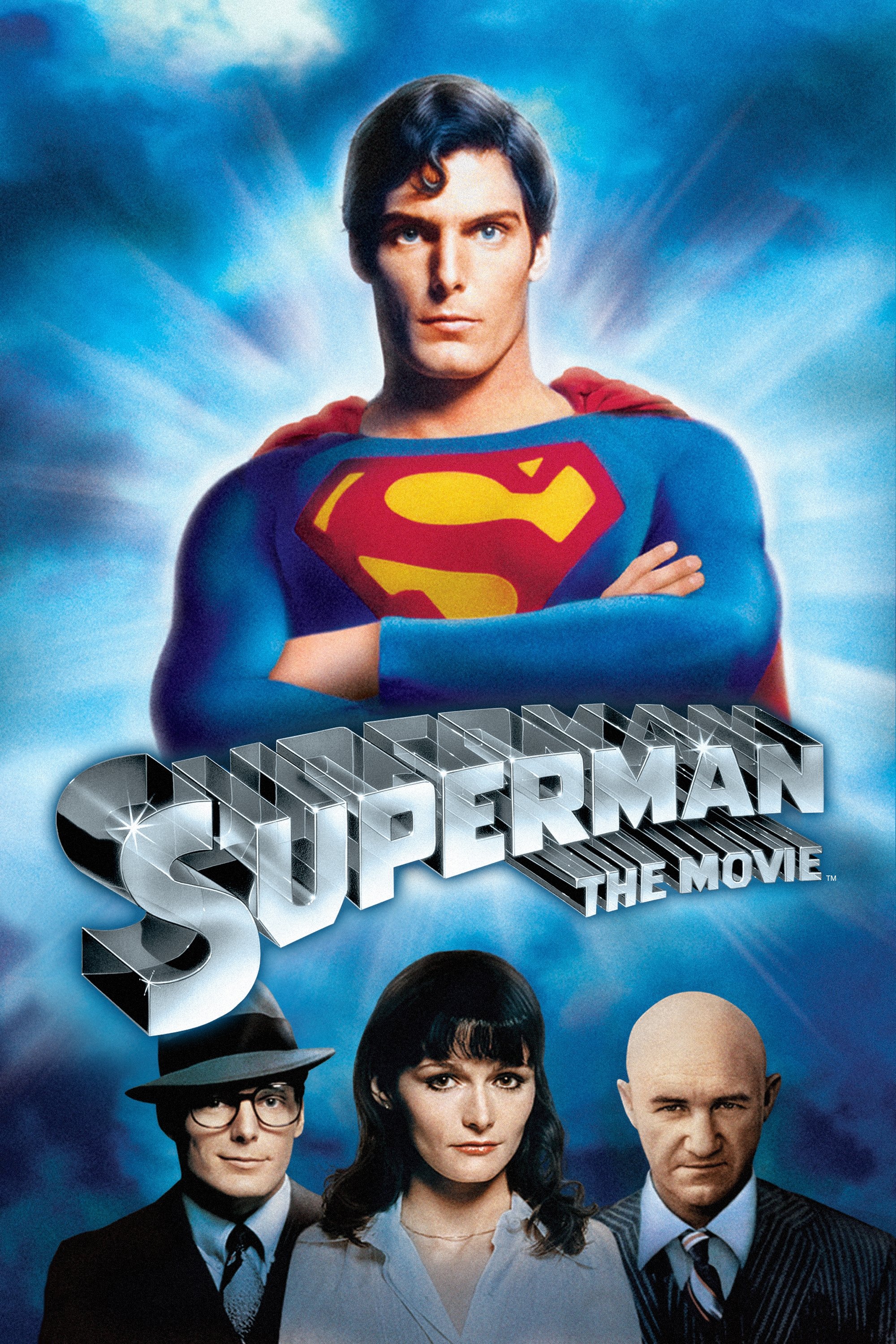
Richard Donner directed a comic book adaptation that used front projection, wire work, and optical printing to realize flight scenes. Warner Bros. released the film and coordinated a global marketing push that featured a new studio logo placement and character branding across posters and magazines.
Its orchestral score became a recurring musical identity for later entries. Multiple cuts exist, including a television edit with additional scenes, and the movie’s success led to sequels, spin offs, and comprehensive home media box sets.
‘Grease’ (1978)
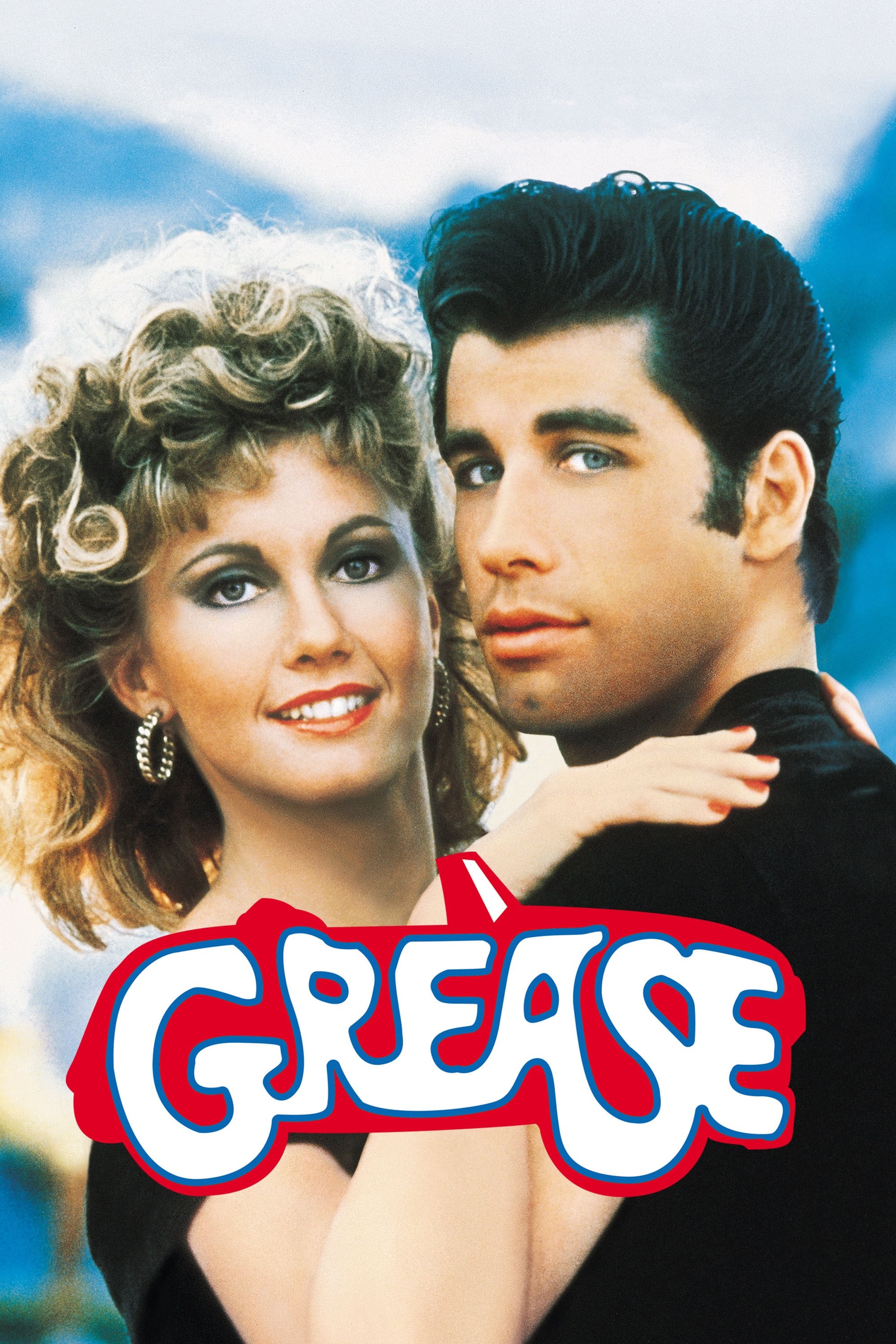
This musical adaptation was staged with choreographed ensemble numbers and recorded vocals that blended studio sessions with on set playback. Paramount Pictures released it to strong word of mouth while radio singles from the soundtrack climbed national charts.
The film returned to cinemas for sing along screenings and underwent remastering for widescreen home releases. Its soundtrack shipments counted multi platinum sales and the property expanded into televised specials and a later prequel series.
‘Rocky’ (1976)
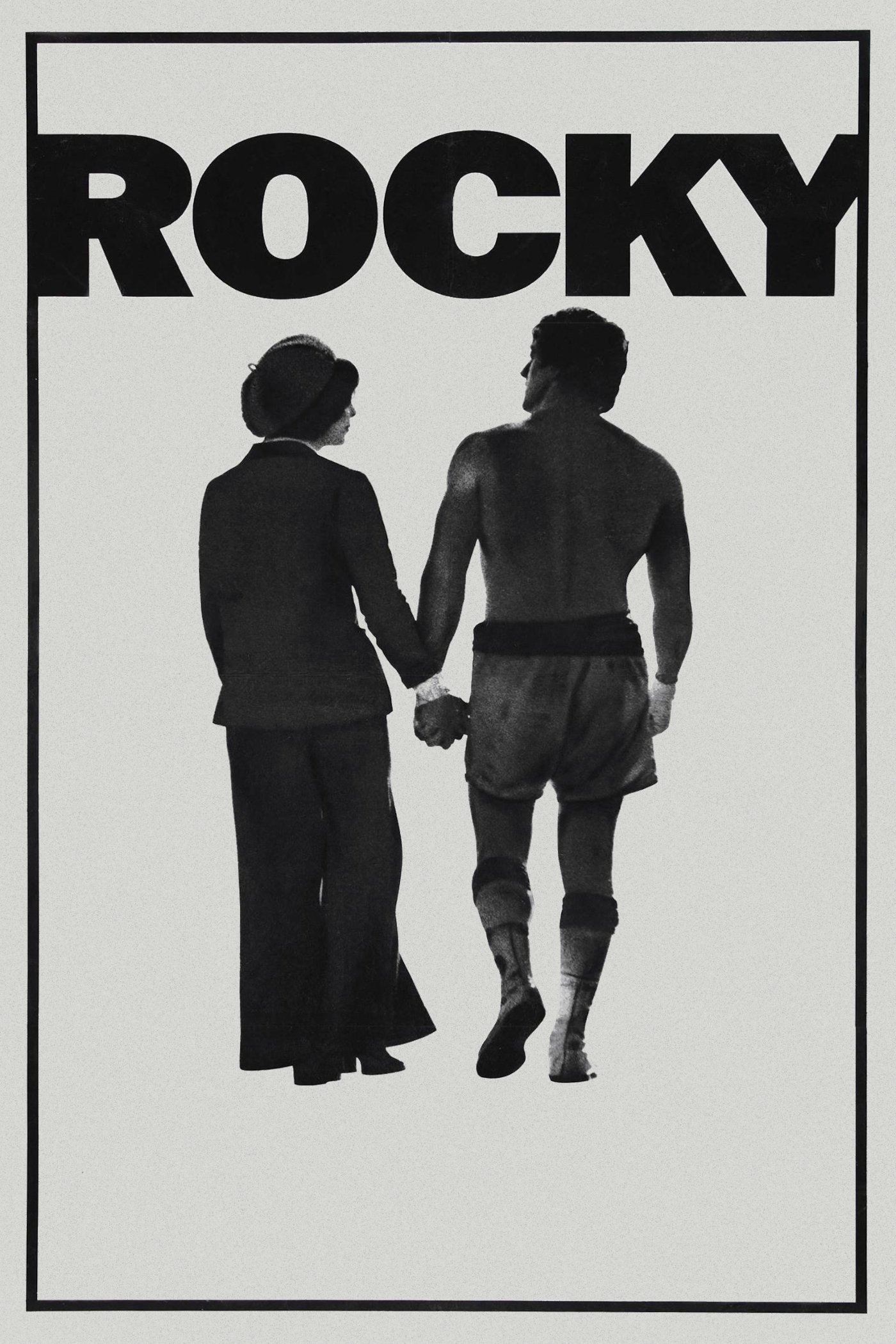
Shot with Steadicam work that captured running scenes through city streets, this boxing drama was produced on a modest budget with careful scheduling for crowd shots. United Artists distributed the film and supported a platform release that grew into a wide run as receipts climbed.
The movie won major awards including best picture, and its score and theme song became staples at sporting events. Sequels and spin offs followed, and restoration work prepared it for successive home formats and 4K transfers.
‘Willy Wonka & the Chocolate Factory’ (1971)
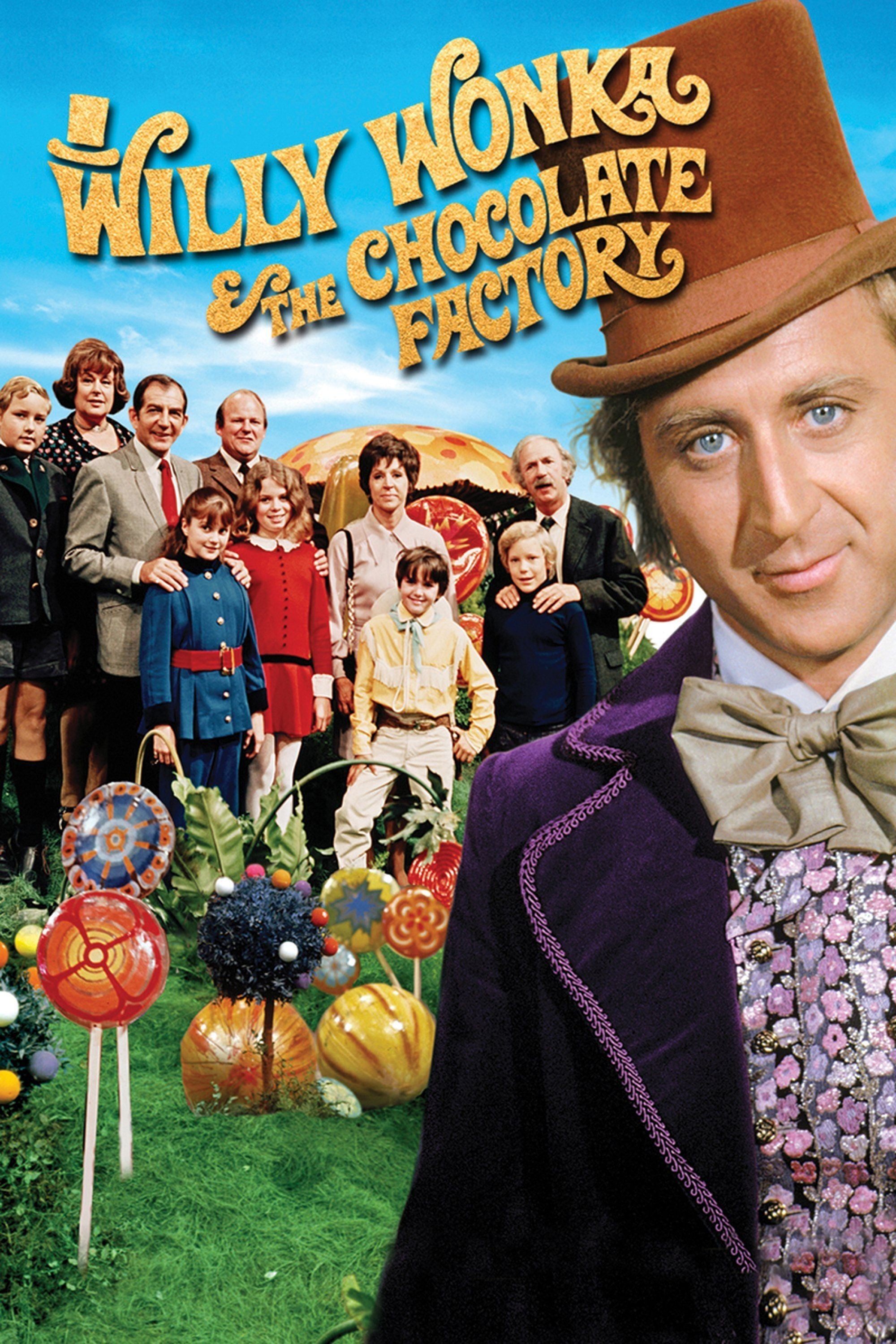
The production used practical sets with edible props and vivid color processing to achieve the factory’s look, financed with support tied to a new candy line. Paramount Pictures distributed the original release, while later television broadcasts and home video kept it in constant rotation.
The film inspired stage adaptations and licensed confectionery products. Ownership changes shifted ancillary distribution over time, and restorations improved sound and image quality for DVD, Blu ray, and digital editions.
‘Close Encounters of the Third Kind’ (1977)
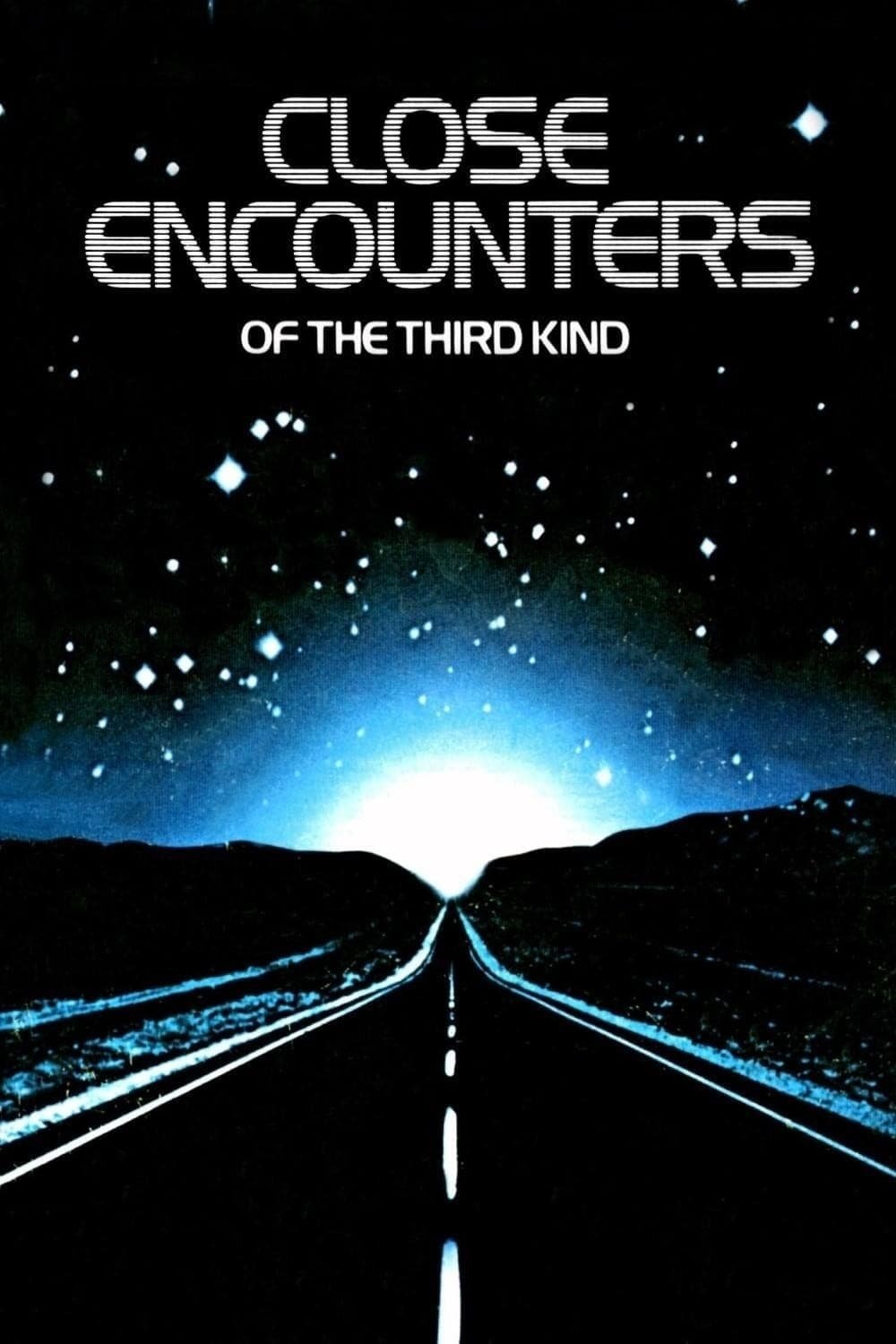
Miniature effects, cloud tank photography, and a five tone musical motif anchored Steven Spielberg’s story about contact with visitors from space. Columbia Pictures distributed the film and backed multiple theatrical versions that included a special edition with altered sequences.
Several cuts are preserved across home media, giving viewers branching options. The movie’s sound design influenced later science fiction releases and its location sites became tourist stops that promote filming history.
‘The Muppet Movie’ (1979)
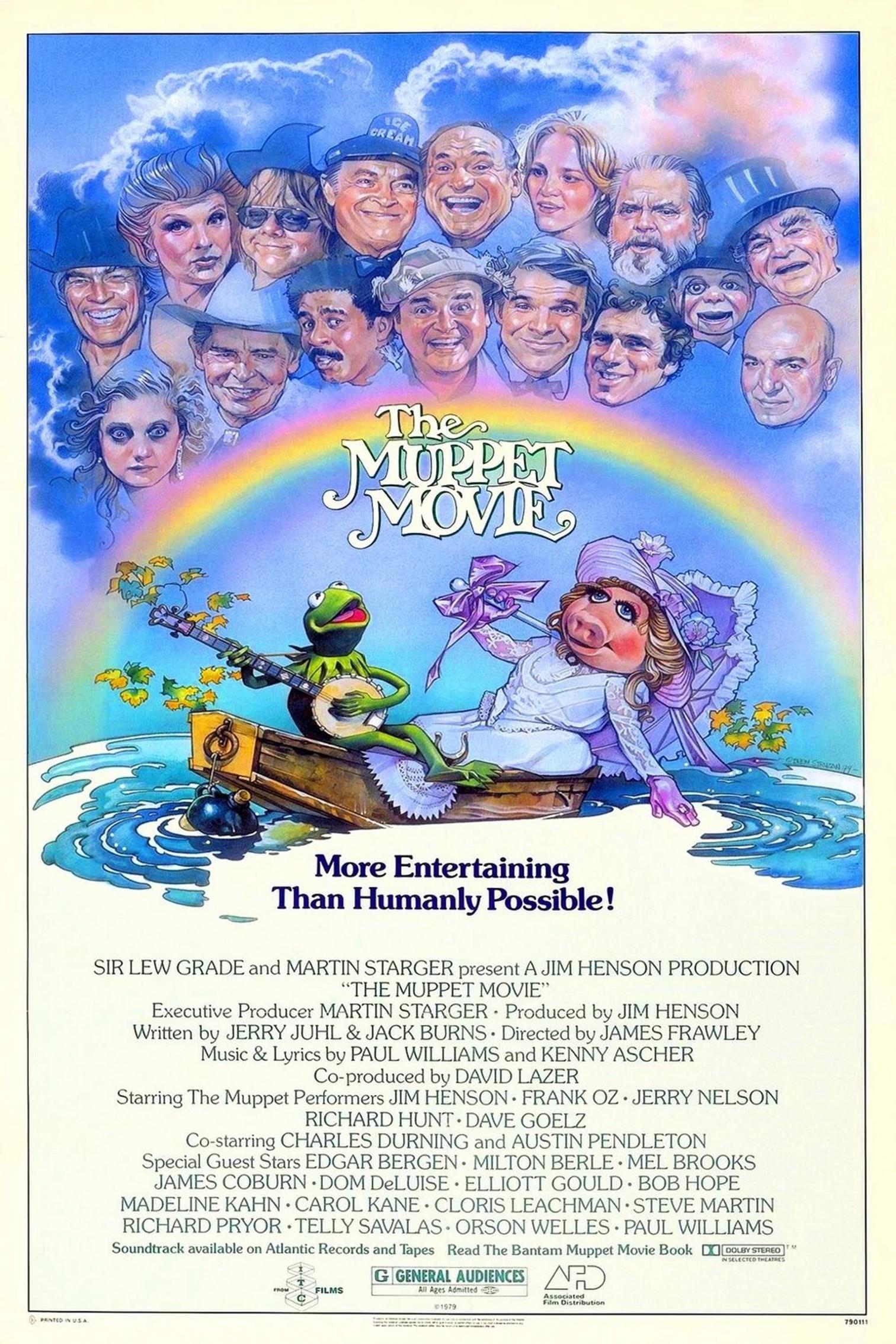
Jim Henson’s team blended on location puppetry with concealed rigs and camera tricks that let characters ride bicycles and drive cars. Associated Film Distribution handled the release in North America, supported by TV spots and soundtrack promotion.
The film launched a run of feature entries and albums featuring original songs. It arrived on home formats early and later received high definition restorations, while museum exhibits showcased screen used puppets and production art.
‘Alien’ (1979)
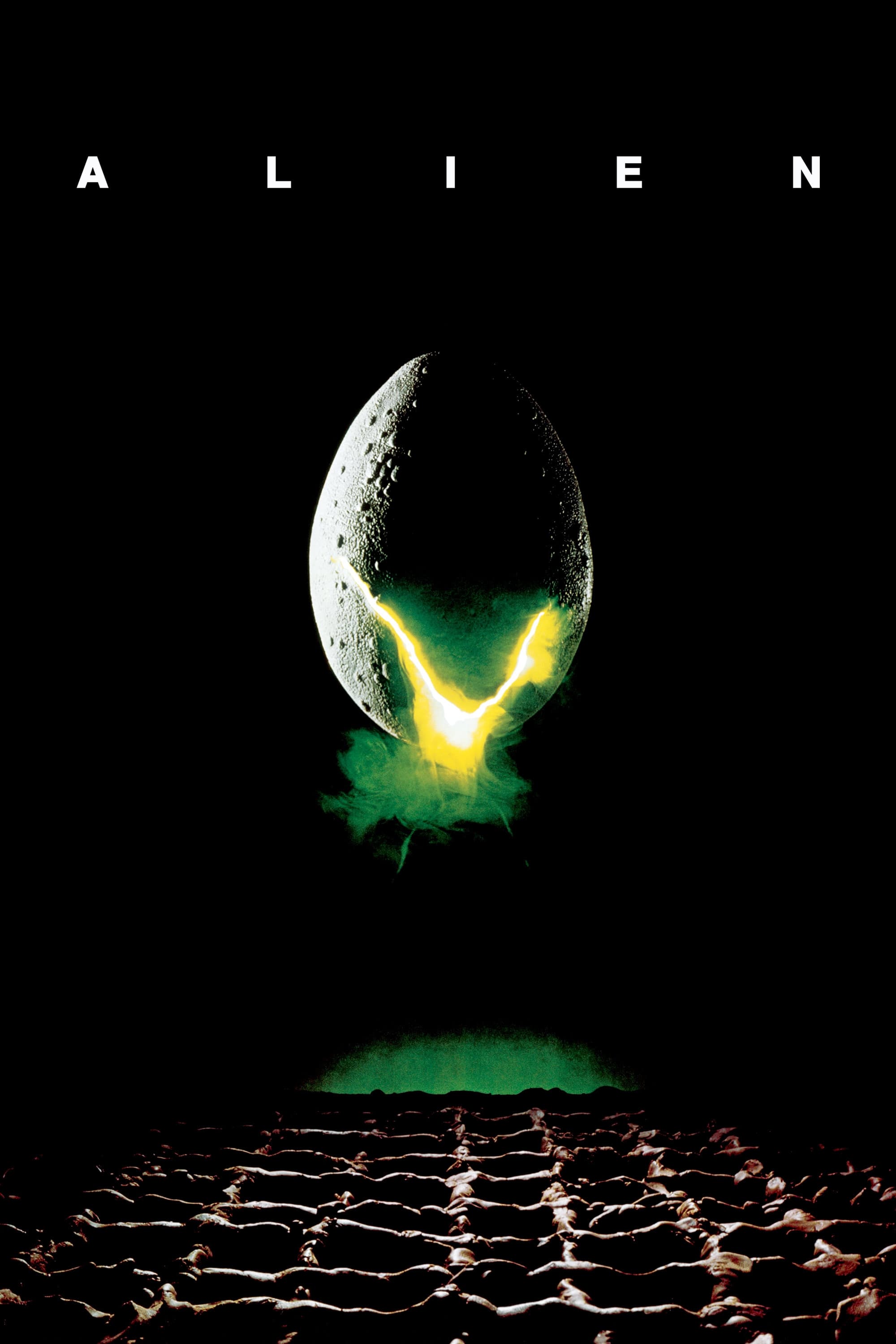
Ridley Scott combined H R Giger’s biomechanical designs with model miniatures and atmospheric lighting to build a slow burn science fiction horror piece. 20th Century Fox distributed the movie with a campaign that emphasized its tagline and stark key art.
It produced sequels, games, and licensed comics, and special edition releases added scenes and documentaries on set construction and effects. Archival restorations and theatrical reissues preserved its original sound mix alongside remastered tracks.
‘Smokey and the Bandit’ (1977)
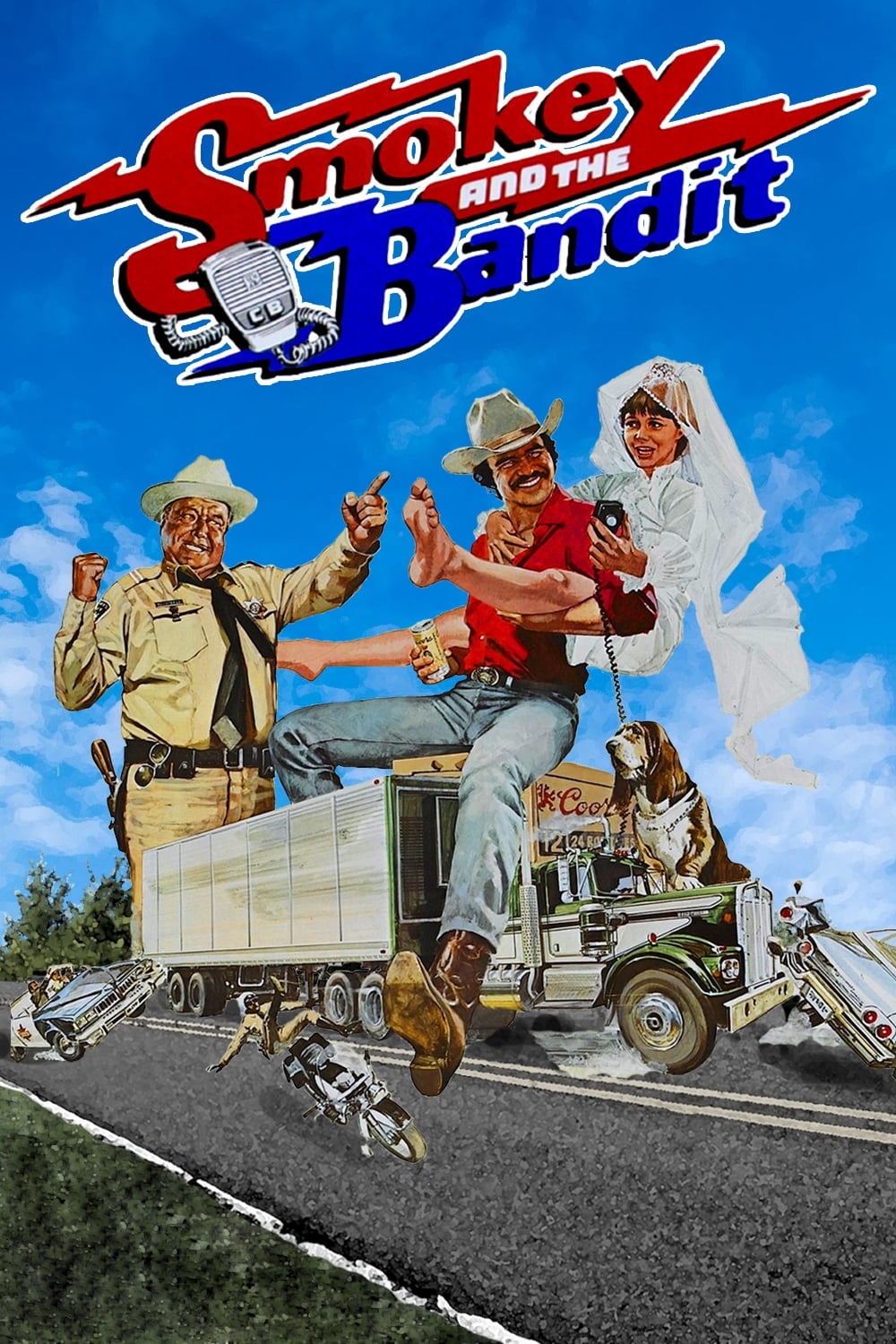
Stunt coordinator turned director Hal Needham staged high speed chases with practical driving and pyrotechnics, placing cameras inside moving vehicles for dynamic shots. Universal Pictures put the film into a wide summer run that performed strongly in the southern and midwestern markets.
The movie boosted sales of the featured Pontiac model and led to sequels and a brief television spinoff attempt. It remained a cable staple and moved through multiple home video reissues with fan focused extras on stunt work.
‘Saturday Night Fever’ (1977)
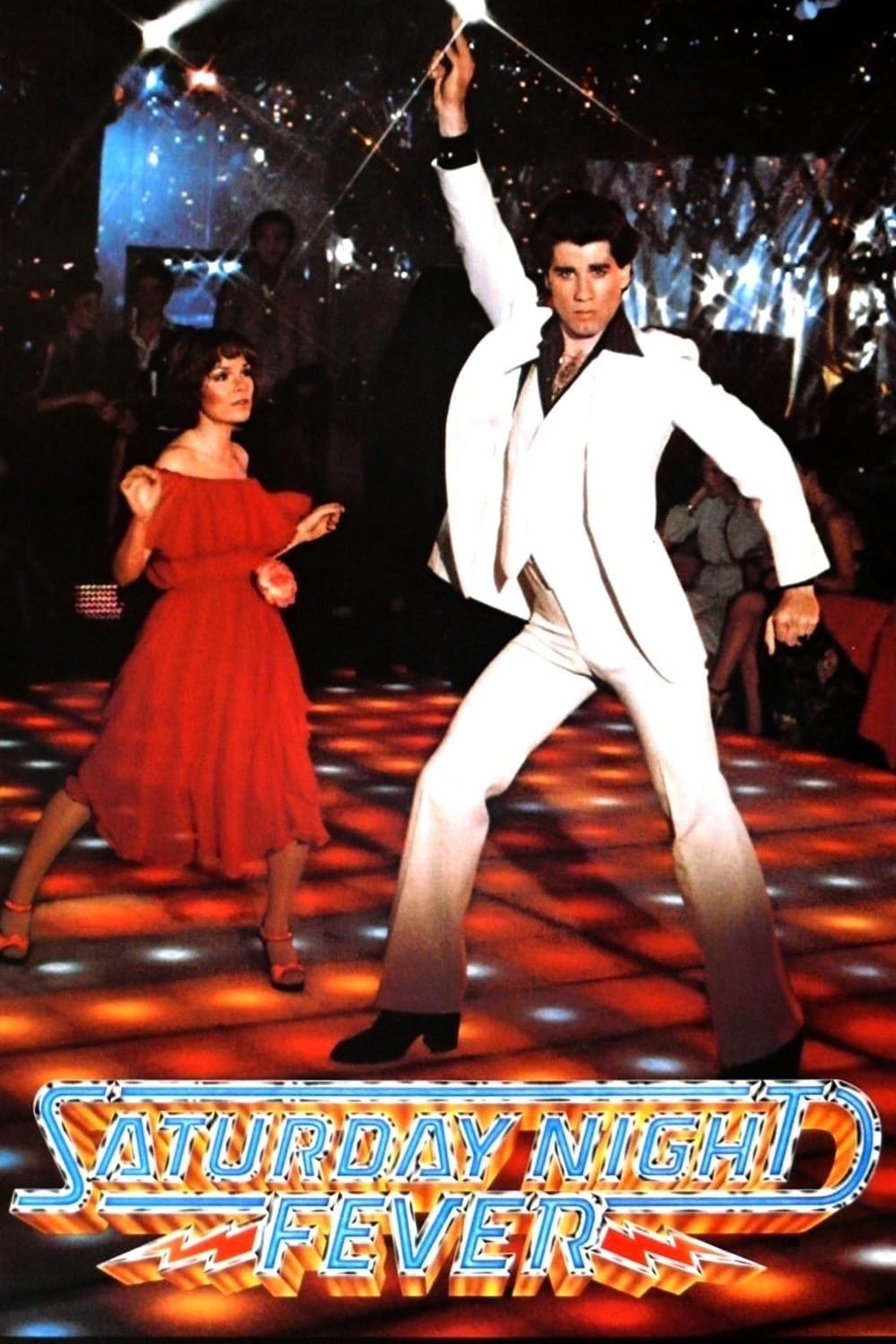
Shot on location with dynamic club lighting, the production built its soundtrack around previously released and new disco tracks curated to match key scenes. Paramount Pictures distributed the film and coordinated a soundtrack campaign that dominated album charts.
An edited version later targeted a younger rating for additional screenings. The soundtrack saw anniversary reissues and the film received restorations and documentary features across DVD, Blu ray, and streaming packages.
‘The Bad News Bears’ (1976)
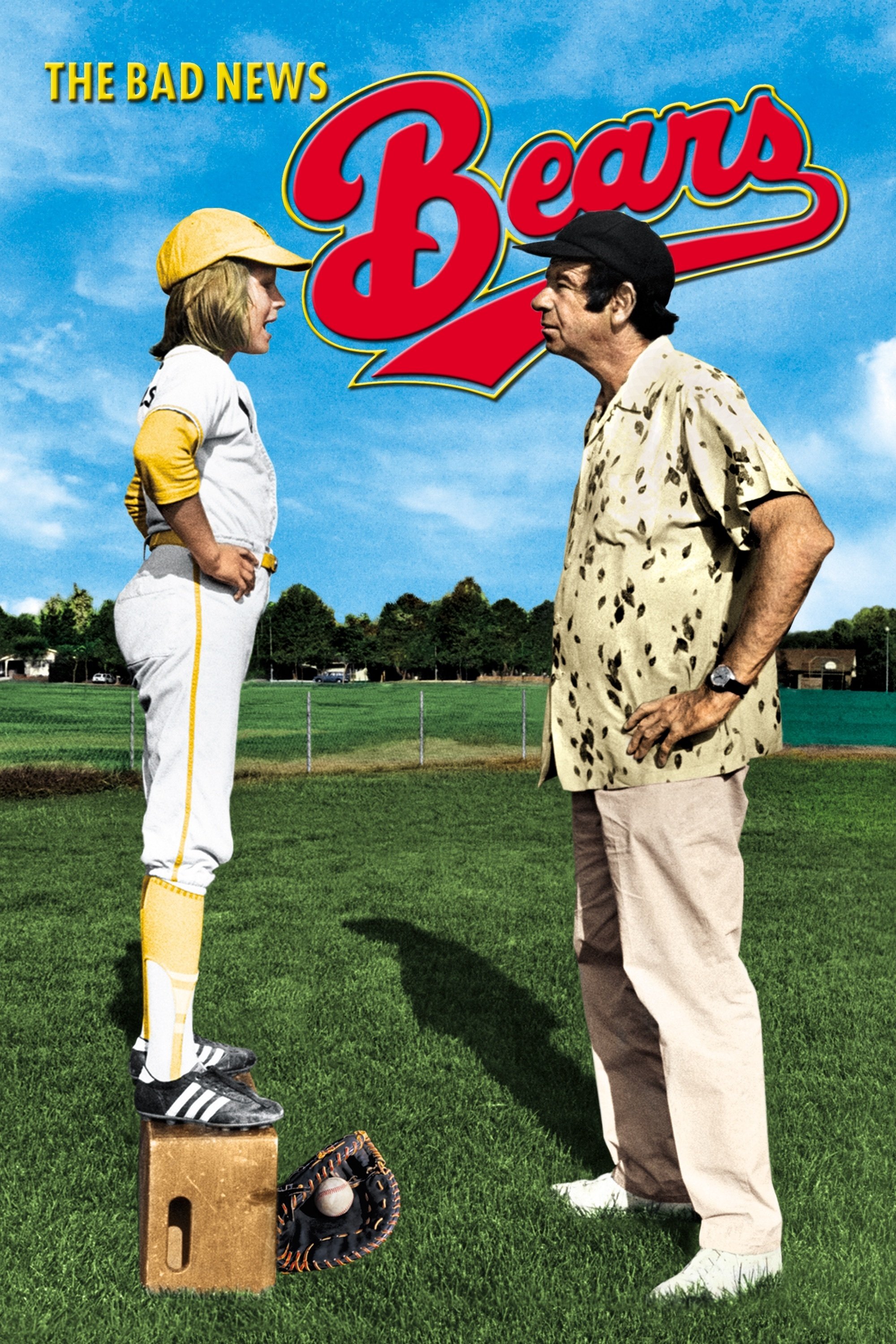
This little league story mixed professional actors with young nonprofessionals and filmed real game action with long lenses. Paramount Pictures released it widely after strong test screenings, supporting the rollout with television advertising keyed to baseball season.
The movie led to sequels and a short lived television adaptation. Home media editions included commentary tracks and retrospective featurettes that documented casting, locations, and uniform design.
‘Enter the Dragon’ (1973)
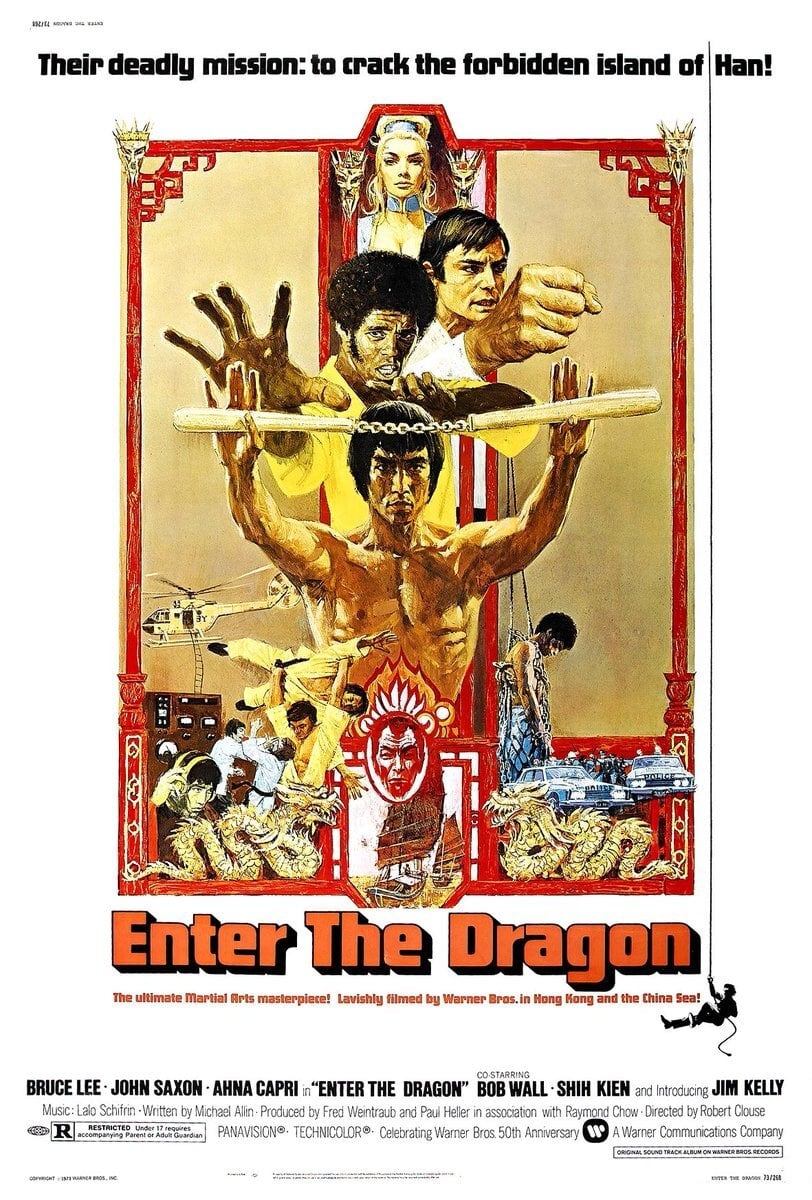
Filmed in Hong Kong with a mix of Cantonese and English dialogue, this martial arts showcase featured fight choreography that highlighted wide takes and minimal cuts. Warner Bros. distributed it internationally and marketed Bruce Lee’s image across posters and magazine covers.
The film influenced training culture and opened the door for many Hong Kong action imports. Restored prints preserved original mono audio alongside new mixes and added documentary materials on stunt teams and filming sites.
‘American Graffiti’ (1973)
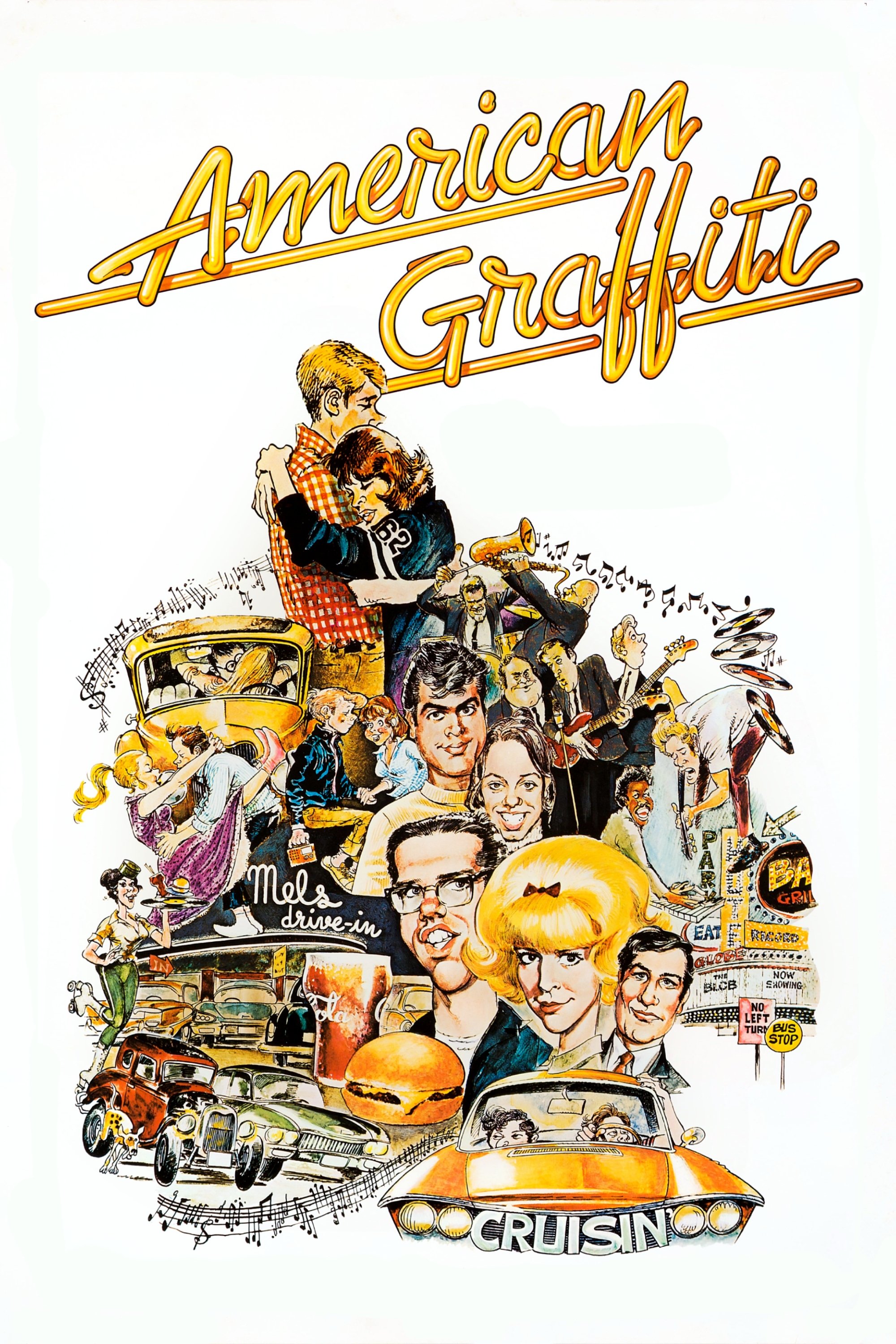
George Lucas structured the story as a single night with intersecting characters and a wall to wall selection of licensed early rock and roll tracks. Universal Pictures released the movie after festival buzz and promoted it with radio tie ins that matched its soundtrack focus.
It helped launch several actors into major careers and led to a follow up entry. Home video history included letterboxed laserdisc editions and later restorations that corrected color timing to match original prints.
‘The Exorcist’ (1973)

William Friedkin’s adaptation used practical effects, makeup appliances, and sound design techniques that layered animal recordings into vocal work. Warner Bros. distributed the film and managed long lines with extended play engagements in major cities.
Multiple versions were issued, including a later cut with restored scenes. The movie inspired sequels and a television continuation and has been repeatedly remastered with archival extras and commentary tracks.
‘Herbie Rides Again’ (1974)
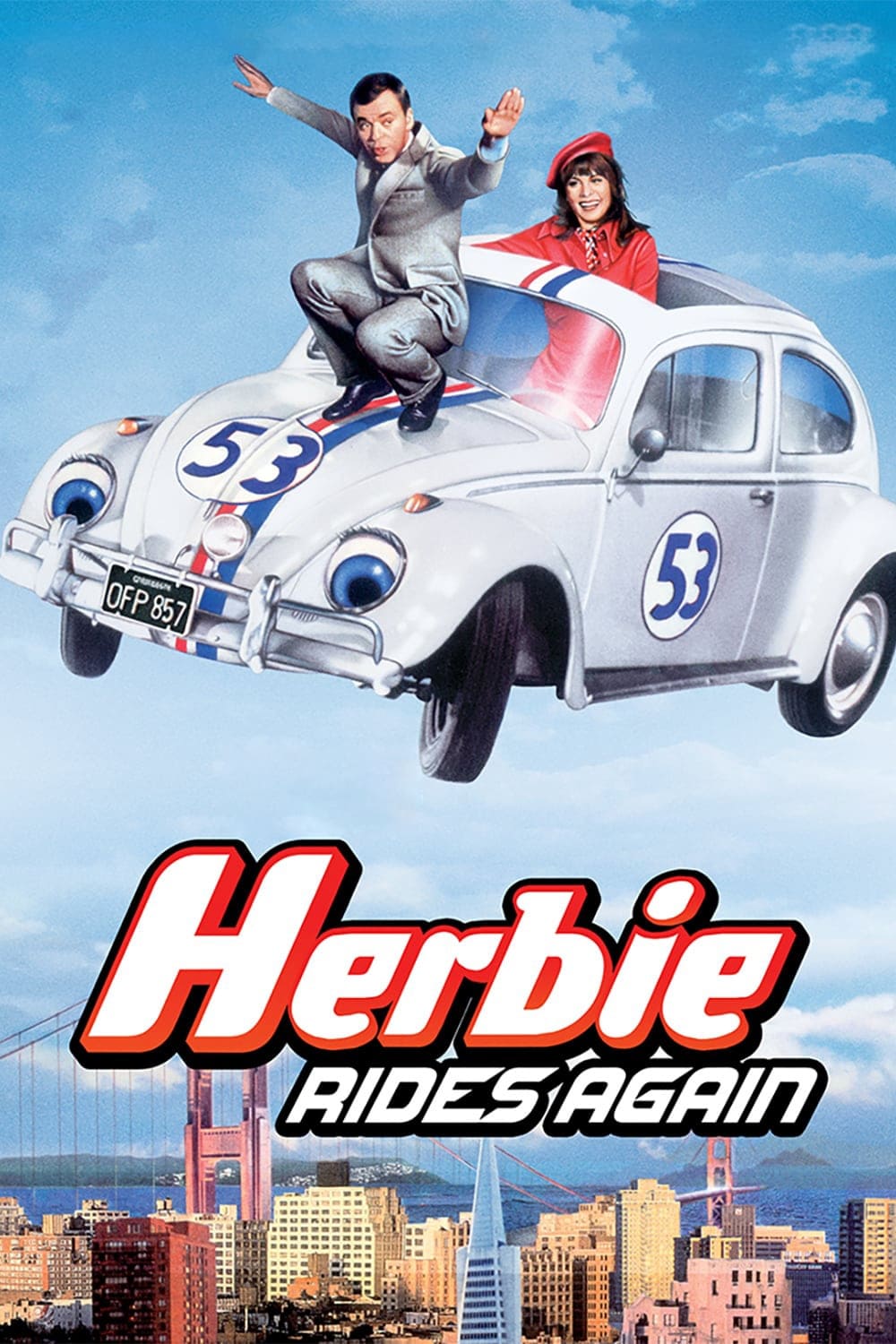
This family comedy continued the story of a sentient car with extensive second unit driving and miniature work for building stunts. Buena Vista Distribution released it for Walt Disney Productions and timed the run to school holidays.
The film expanded the Herbie brand through books and toys and paved the way for more entries. It remained a staple on network broadcasts and circulated through every major home format with kid friendly packaging.
‘Freaky Friday’ (1976)

A body swap premise was realized with matched blocking, wardrobe swaps, and reaction shots designed to mirror performances between leads. Buena Vista Distribution handled its release and supported school matinee bookings and television premieres.
The property saw multiple remakes and musical adaptations. Home media editions included sing along tracks and behind the scenes featurettes that covered makeup, editing choices, and set design.
‘Escape to Witch Mountain’ (1975)
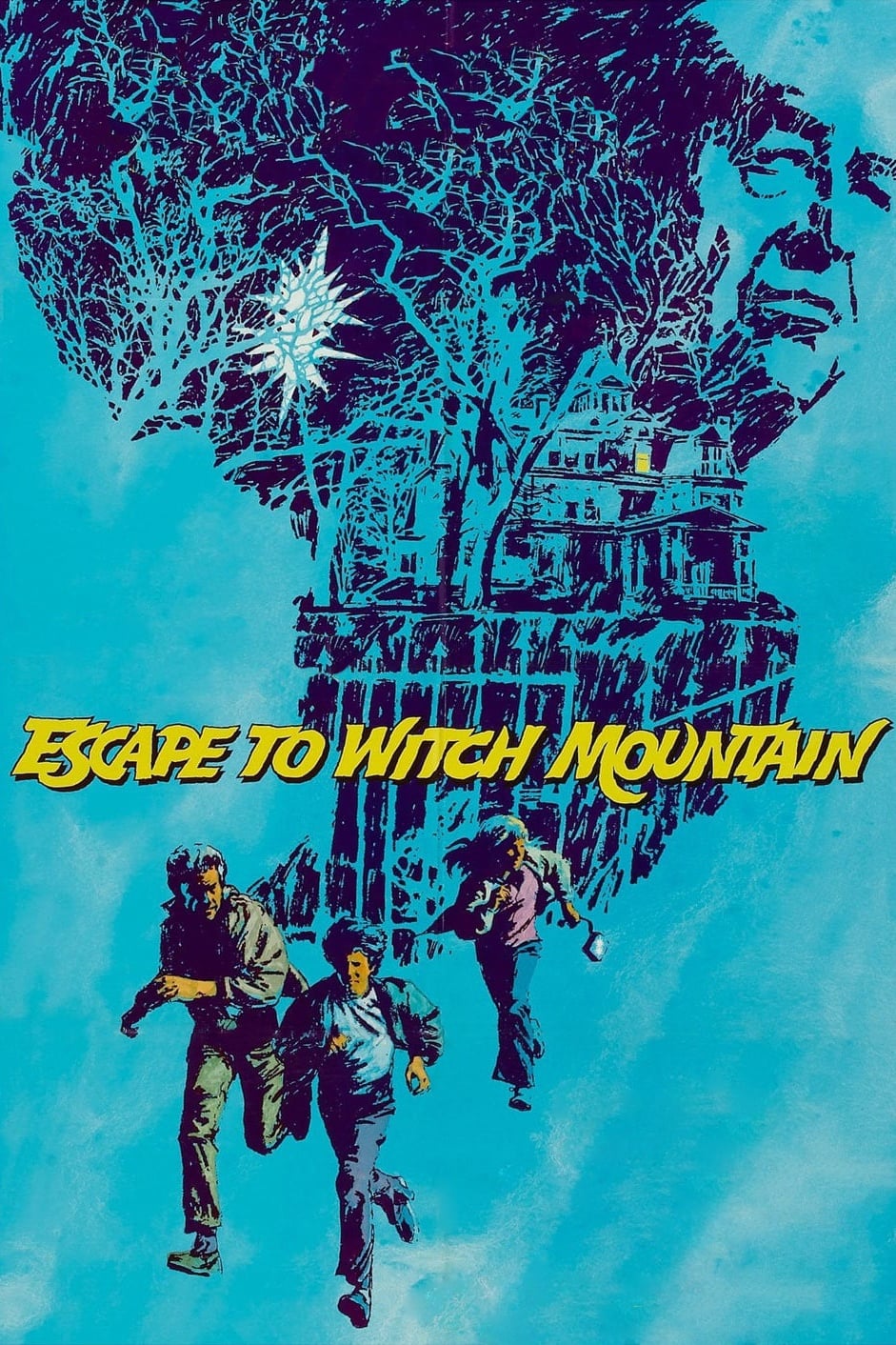
This adventure combined location photography with early optical effects to depict telekinetic powers. Buena Vista Distribution released the film and built a marketing push around its young leads and a mystery centered plot.
A sequel followed along with a television remake and later a reimagining. The title remained in steady rotation on cable and arrived on DVD and Blu ray with interviews and production galleries.
‘Pete’s Dragon’ (1977)
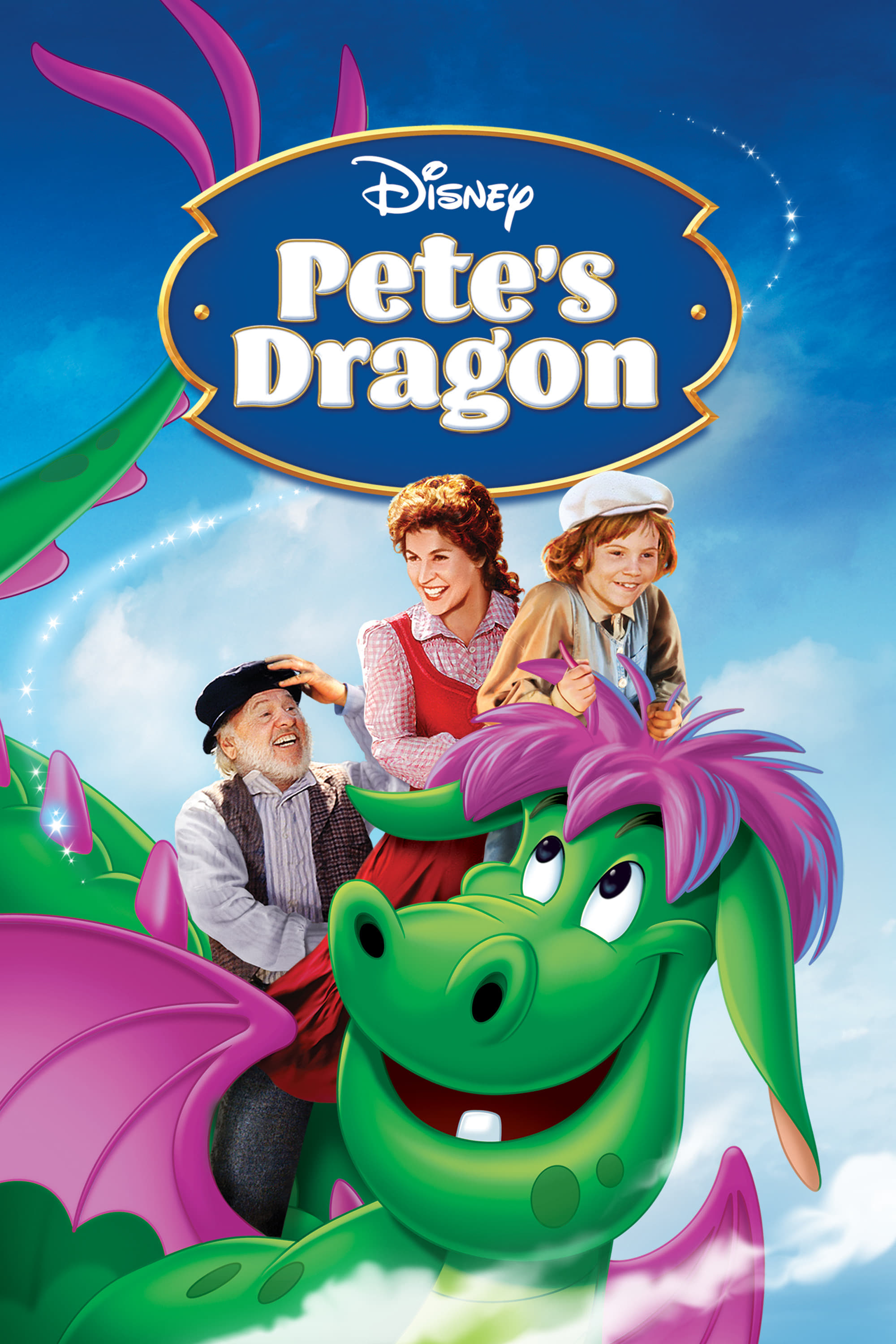
The production mixed live action with animated character elements using hand drawn cels composited over photographed backgrounds. Buena Vista Distribution released the film alongside a soundtrack album featuring original songs by studio songwriters.
It generated storybook tie ins and a later remake that reinterpreted the concept with new visual effects. Restoration passes improved color fidelity and grain structure for high definition releases.
‘Robin Hood’ (1973)
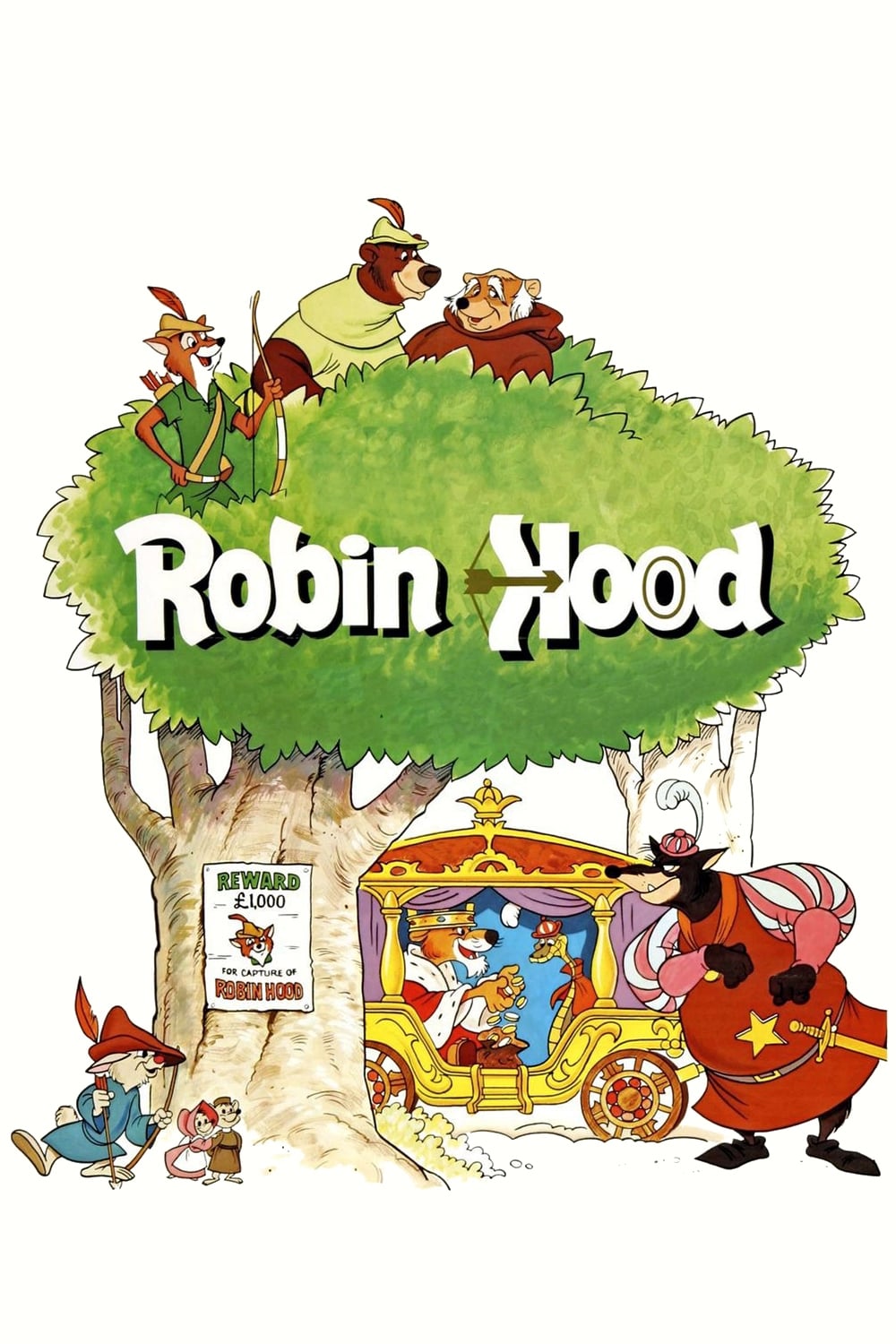
This animated feature used character animation that drew on existing studio reference footage and reused select motion cycles to maximize schedule efficiency. Buena Vista Distribution released it widely and kept it in circulation through periodic theatrical reissues.
Soundtrack numbers appeared on vinyl and picture books and the movie became part of the studio’s home video vault pattern. Later discs included remastered audio and galleries of concept art and model sheets.
‘The Aristocats’ (1970)
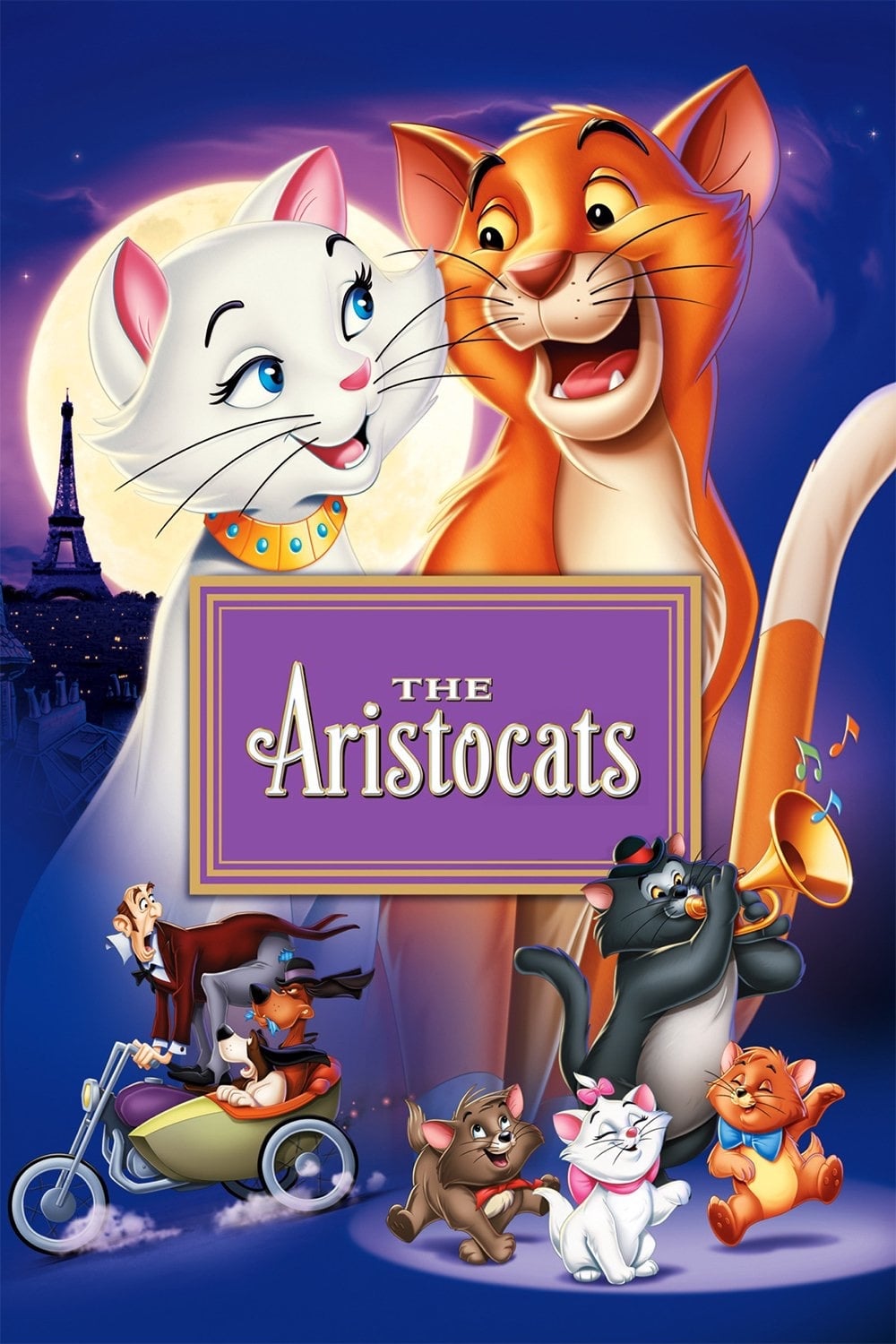
Set in Paris with jazz inspired music, this animated film was produced with Xerox line transfer that preserved animators’ pencil lines on final cels. Buena Vista Distribution launched the initial release and supported it with record albums and storybooks.
The title returned to theaters as part of a rotating reissue program. Home editions added featurettes on voice casting, background painting, and the use of live action reference for dance sequences.
‘Benji’ (1974)

An independent production shot on regional locations followed a stray dog who helps rescue kidnapped children. Mulberry Square Releasing distributed the film and built a grassroots campaign with local premieres and family oriented publicity.
Strong turnout led to additional bookings and a growing footprint in international markets. Sequels, a television series, and a later revival followed, and the original circulated through a variety of home formats with newly produced interviews.
‘Star Trek The Motion Picture’ (1979)

This feature returned the television crew to cinemas with new uniforms and large scale visual effects supervised across multiple vendors. Paramount Pictures handled distribution and coordinated a wide release supported by a novelization timed to arrive before opening weekend.
Director’s cuts and extended television edits added scenes and alternate effects. Restoration projects produced upgraded versions with refined color grading and sound mixes for modern formats and streaming.
‘King Kong’ (1976)
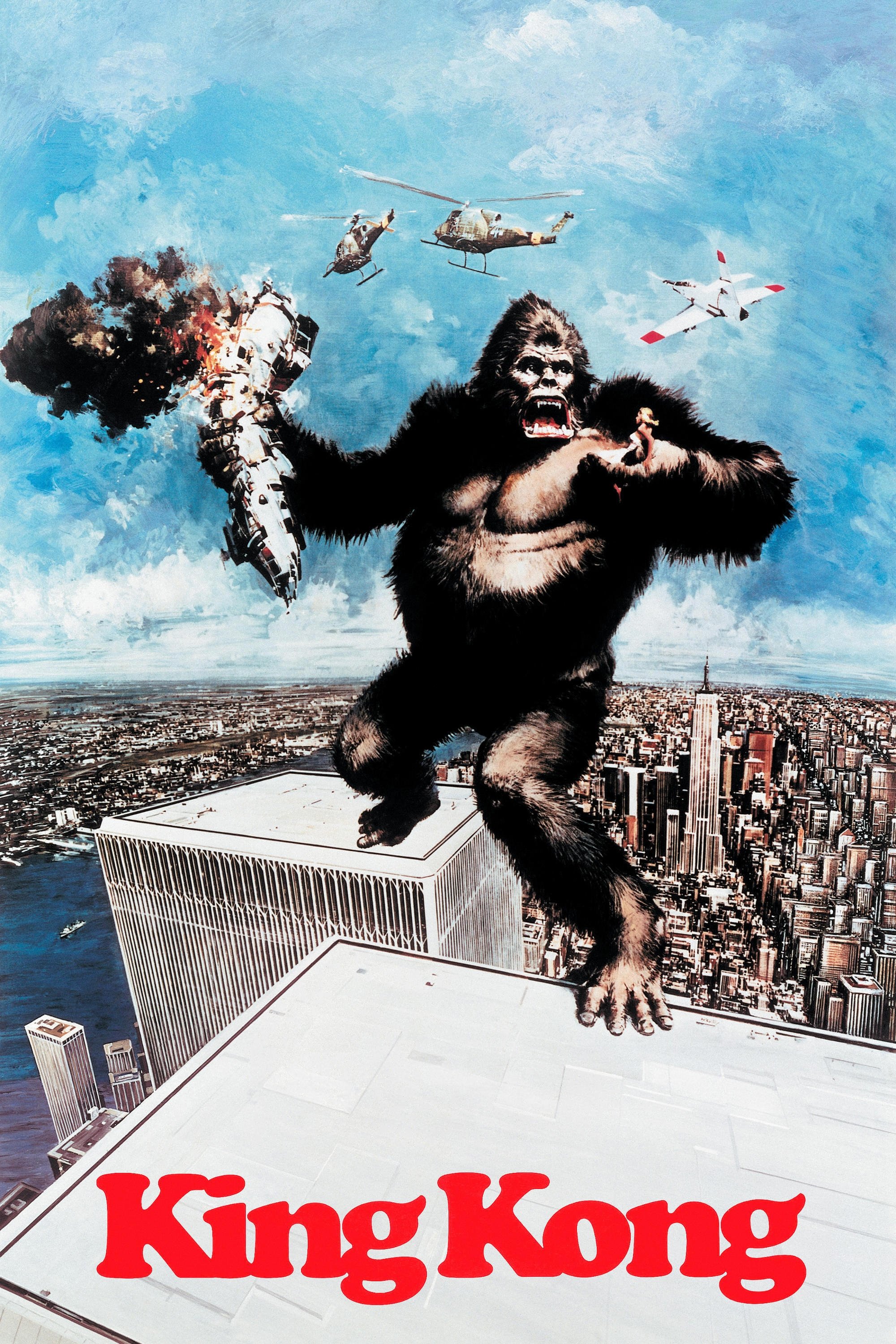
A modern retelling employed a combination of full scale mechanical creations and suit performance for creature shots. Paramount Pictures distributed the film in North America and pushed a major marketing campaign that emphasized its large mechanical build.
A follow up was produced with returning characters. The film’s home media trail included commentary tracks, production stills, and retrospectives on the construction and operation of the giant animatronic.
‘The Rescuers’ (1977)
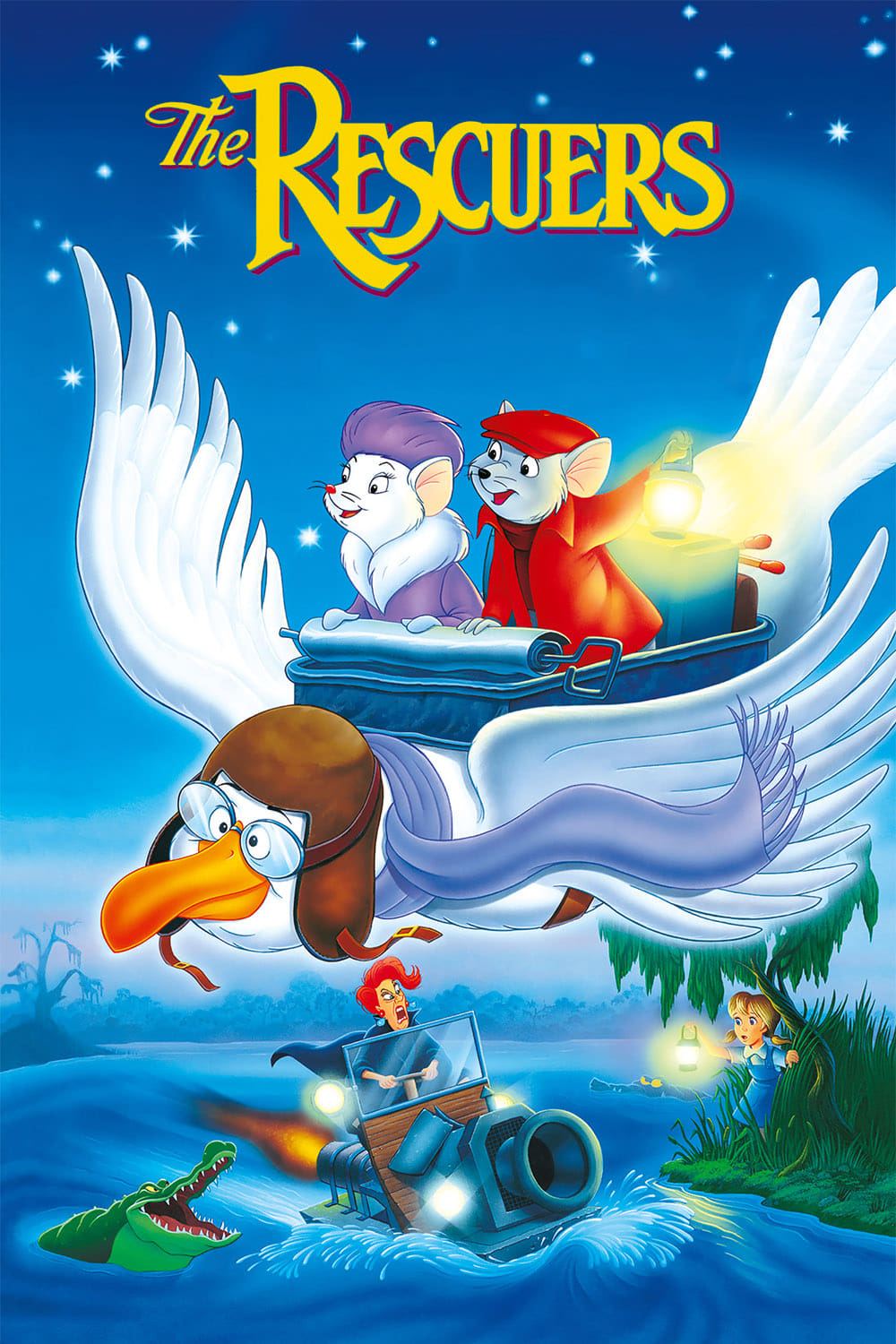
This animated adventure introduced new characters in a rescue society and featured background art that blended watercolor textures with detailed line work. Buena Vista Distribution released the film and scheduled holiday engagements that paired with a robust merchandise line.
A sequel arrived years later with upgraded animation techniques. The original underwent remastering for high definition, with bonus features covering voice sessions, character design, and international dubbing.
Share the movies that defined your own childhood in the comments so everyone can compare memories and add the titles they still revisit.