Psychological Thriller Movies You Actually Have to Watch Twice


Some stories tie up neatly, but these psychological thrillers hide details in plain sight that only click when you loop back for another pass. The clues live in edits, props, sound cues, and throwaway lines that feel different once you know the score. You catch unreliable narrators, submerged motives, and timelines that quietly fold over themselves. If you like movies that reward attention, these are built for a second viewing.
‘Shutter Island’ (2010)
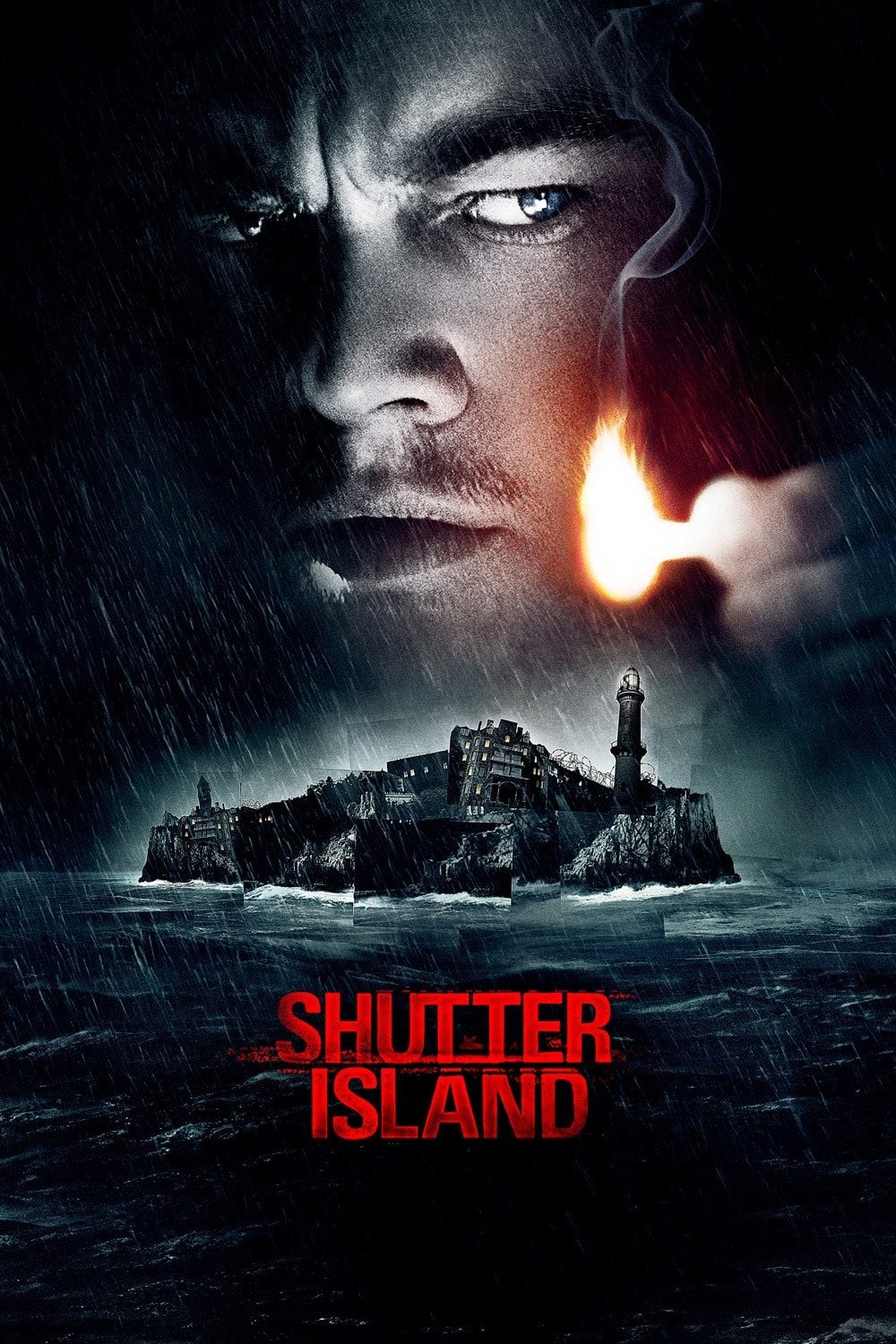
A U.S. Marshal investigates a missing patient on a fortresslike psychiatric hospital, where records, interviews, and stormy conditions keep shifting the truth. Watch the way conversations mirror each other and how certain names repeat across files and staff. Props and wardrobe choices hint at roles the characters are really playing. Paramount Pictures handled its release, and the final reveal sends you back to recheck nearly every scene.
‘Memento’ (2000)
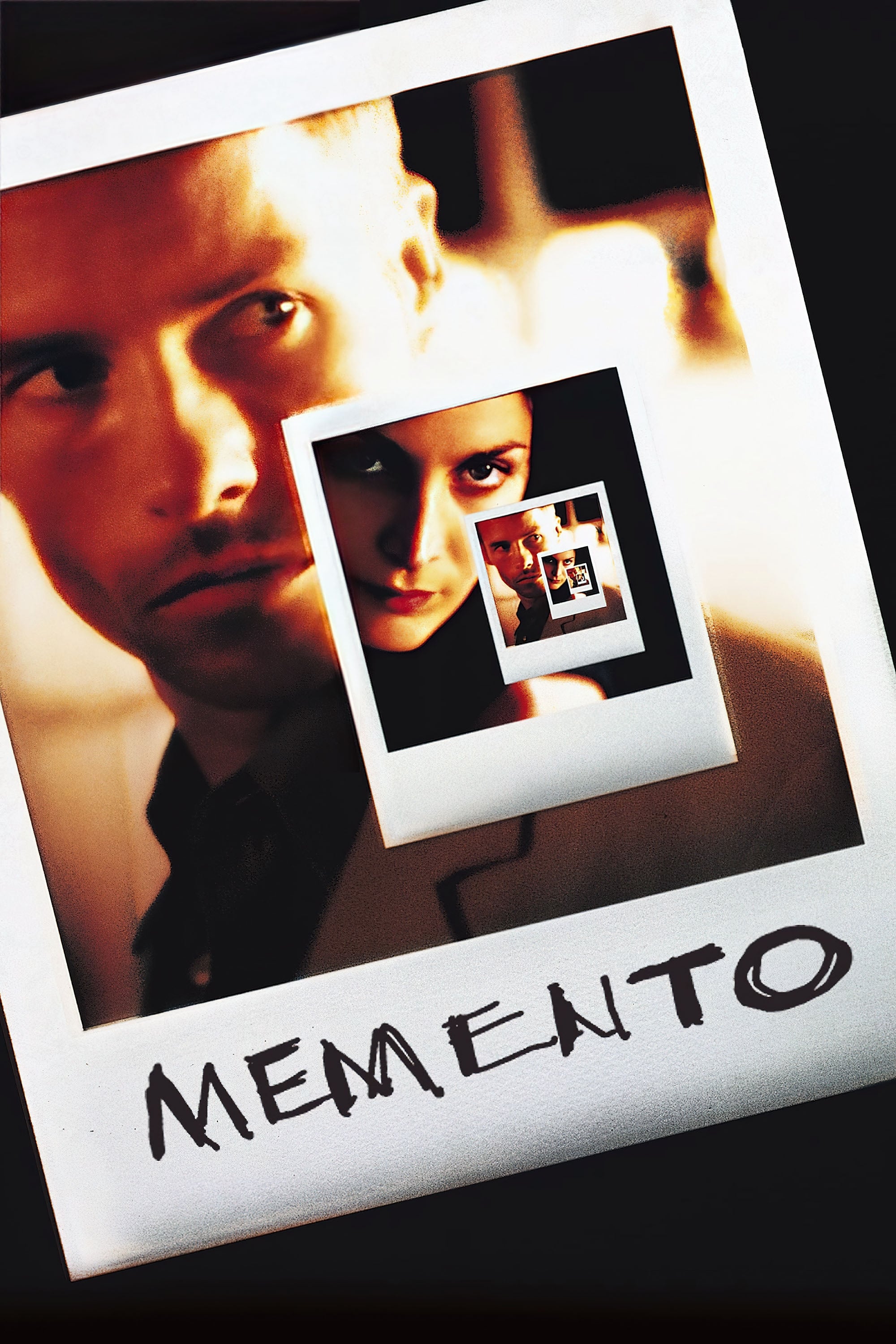
A man with short term memory loss hunts for his wife’s killer using tattoos and Polaroids as breadcrumbs. The color scenes move backward while black and white scenes move forward, meeting at a key crossover that reframes everything. Pay close attention to the handwriting and which phone calls happen where. Newmarket Films distributed it in the U.S., and the structure itself invites an immediate second viewing.
‘Fight Club’ (1999)
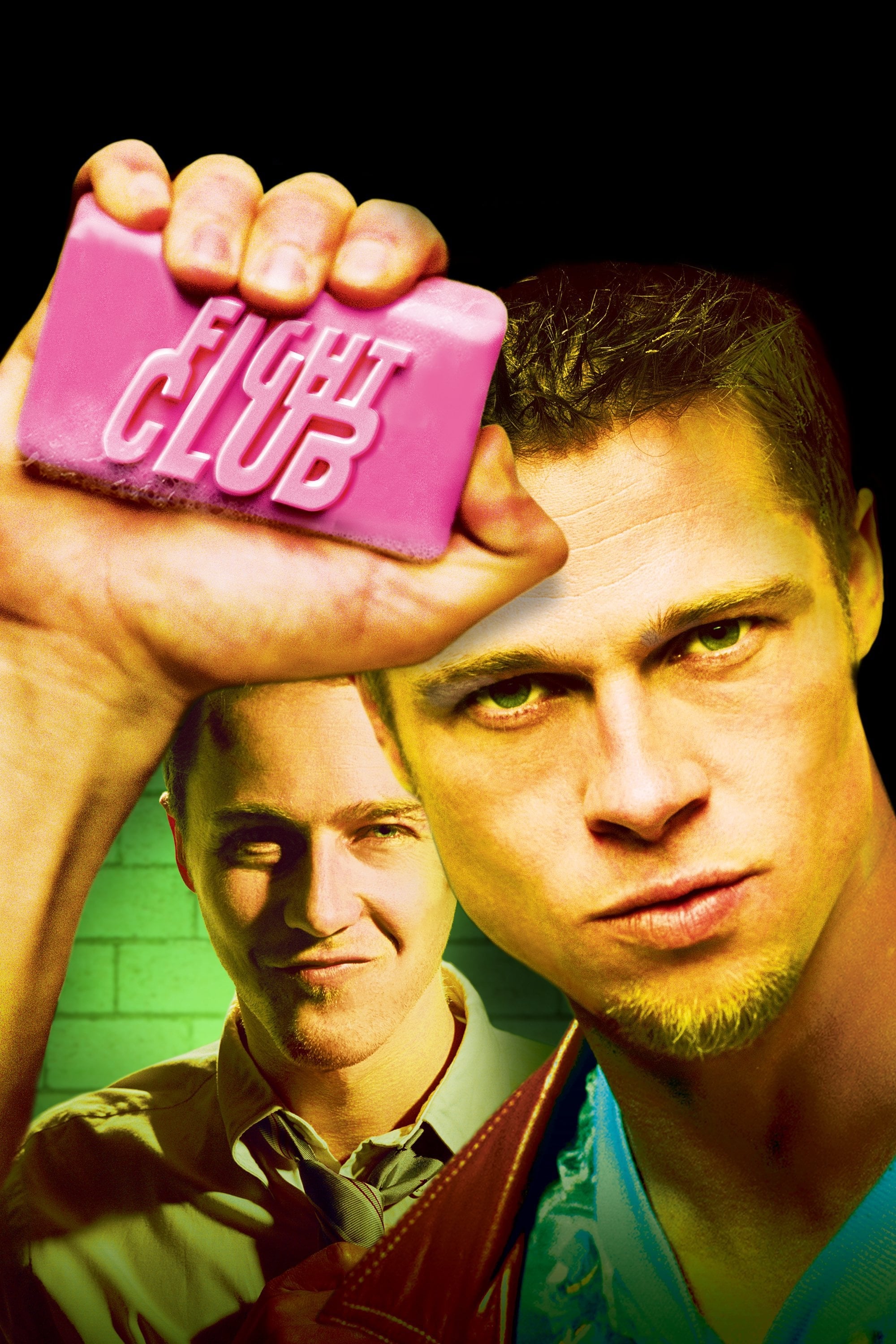
An office worker falls in with a charismatic soap maker and forms an underground fight club that grows beyond its founders. Visual blips, missing time, and doublespeak track a mind splitting into two agendas. The rules and the homework assignments quietly map the real plan. 20th Century Fox distributed it, and the ending reshapes earlier arguments and glances.
‘The Sixth Sense’ (1999)
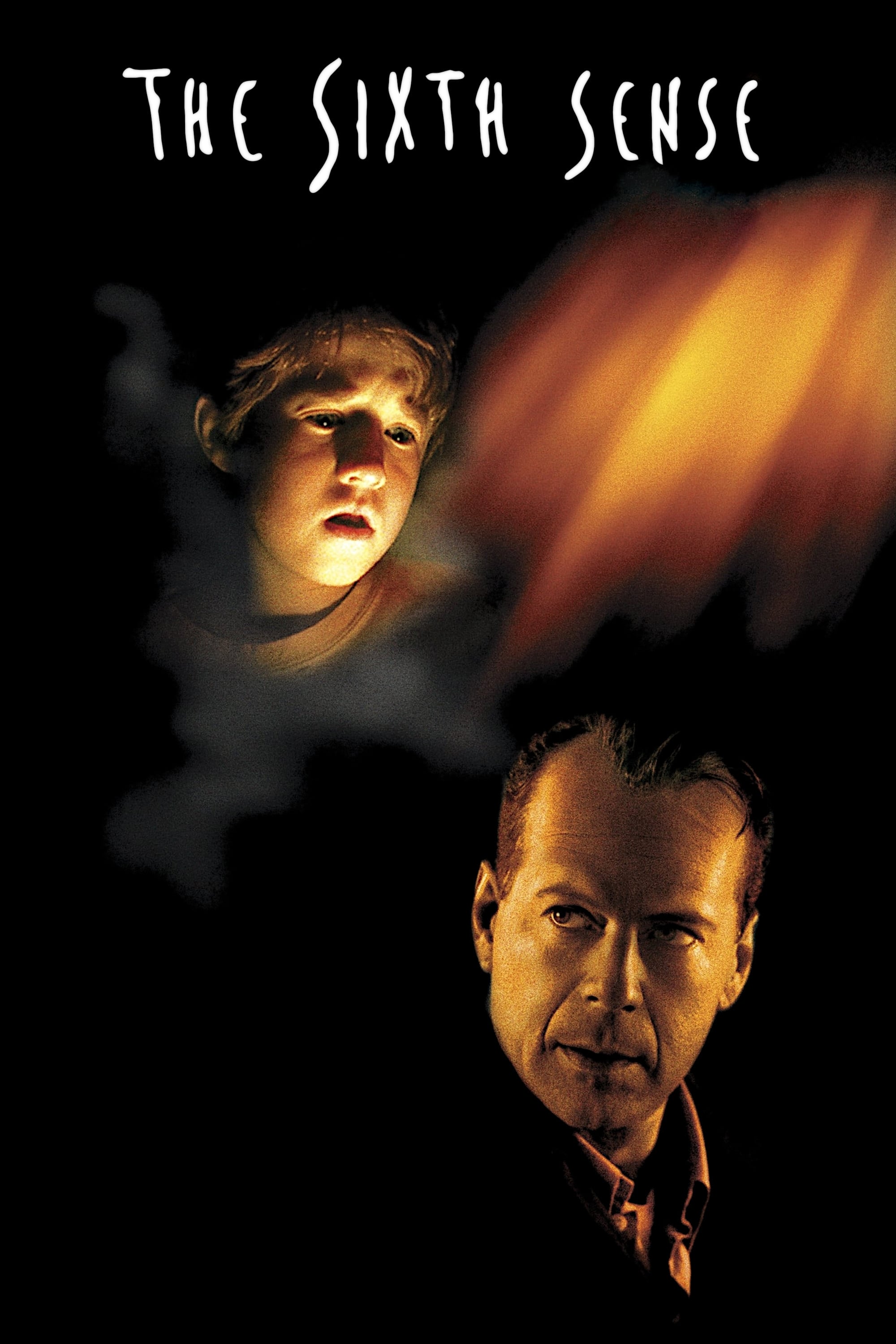
A child psychologist treats a boy who says he sees dead people, leading to sessions that unfold like puzzles. Background temperature shifts, character positioning, and color accents point to who can perceive whom. Dialogue about unfinished business lines up precisely with each apparition. Buena Vista Pictures released it under Hollywood Pictures, and the final turn makes earlier scenes read in a new way.
‘Gone Girl’ (2014)
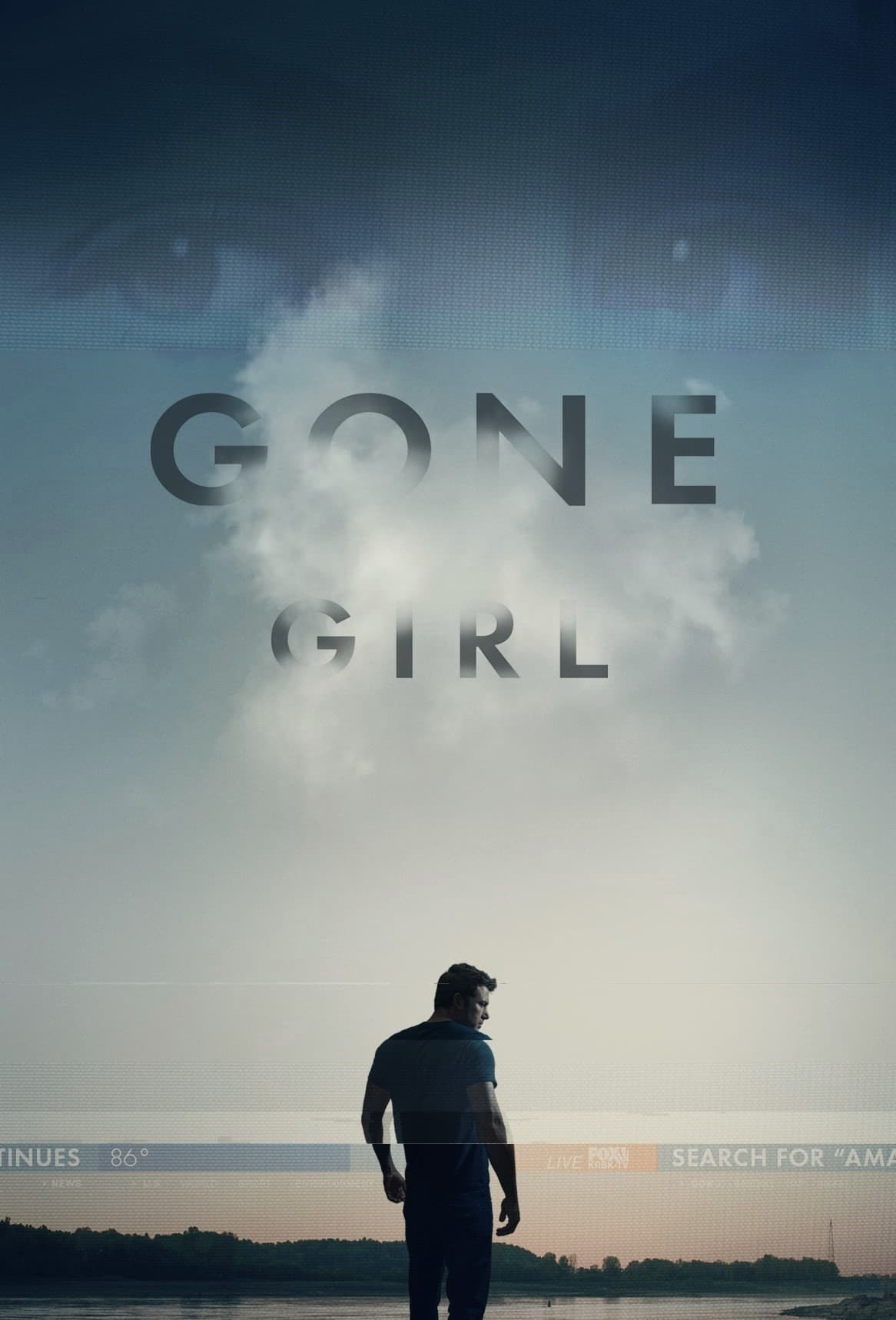
A husband becomes the focus of suspicion when his wife disappears, and a diary changes the temperature of the case. Media coverage, credit card trails, and small purchases build a parallel investigation that complicates every alibi. The shifting voiceover is the key to the timeline. 20th Century Fox distributed it, and the midpoint pivot sends you back to inventory the clues.
‘The Prestige’ (2006)
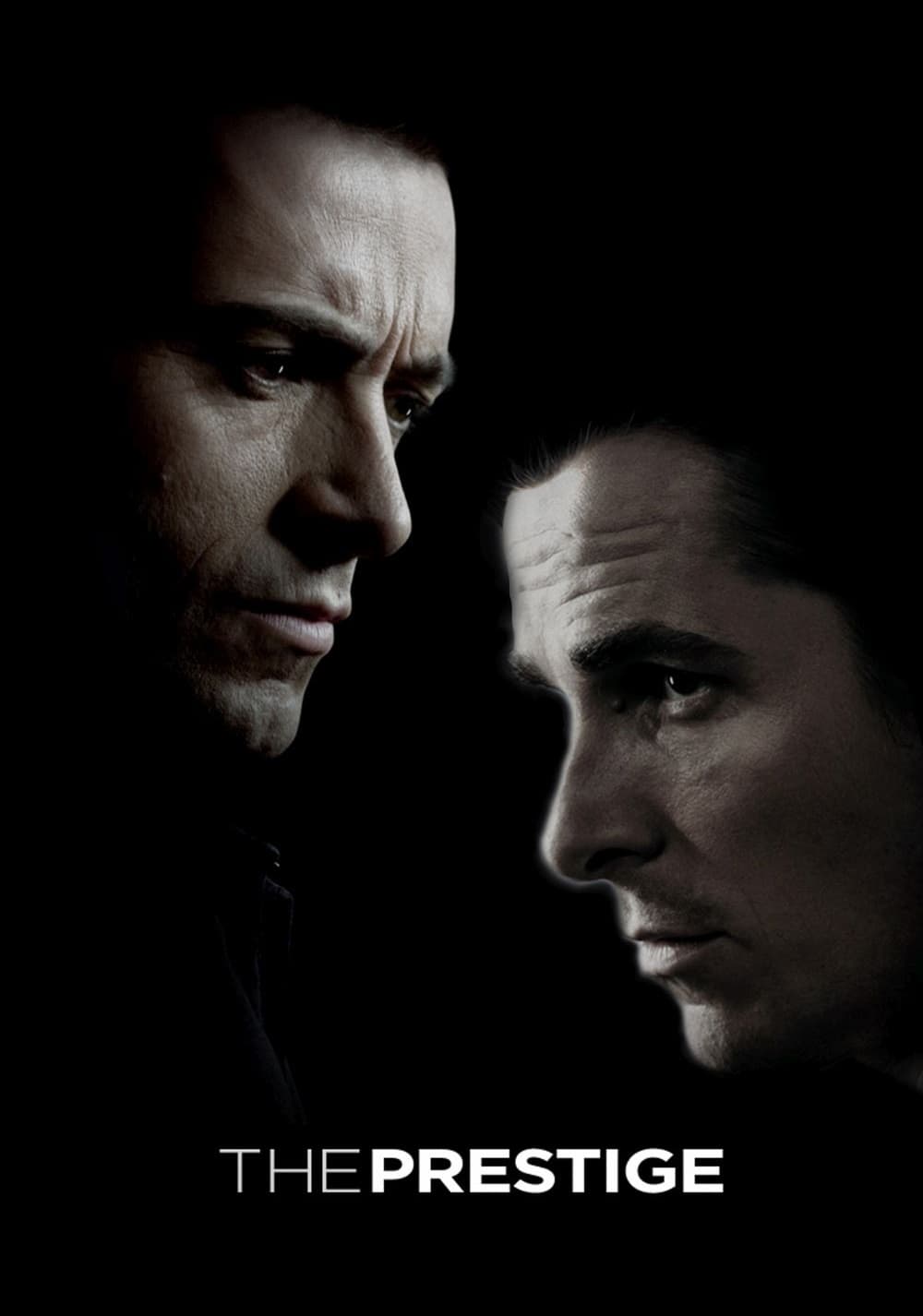
Two rival magicians wage a professional and personal war, trading secrets and sacrifices while a mysterious machine changes the game. Journal entries within journal entries create a story inside a story. Bird cages, stage assistants, and repeated props carry a hidden pattern that unlocks the trick. Touchstone Pictures released it in the U.S., and the finale reframes earlier setups.
‘Black Swan’ (2010)

A dancer pursues a career defining role as her sense of self fractures under pressure. Mirrors, body doubles, and choreography marks blur practice and performance. Sound design and makeup cues tell you when perception is slipping. Fox Searchlight Pictures distributed it, and the last act pushes you to review what was performance and what was real.
‘Se7en’ (1995)
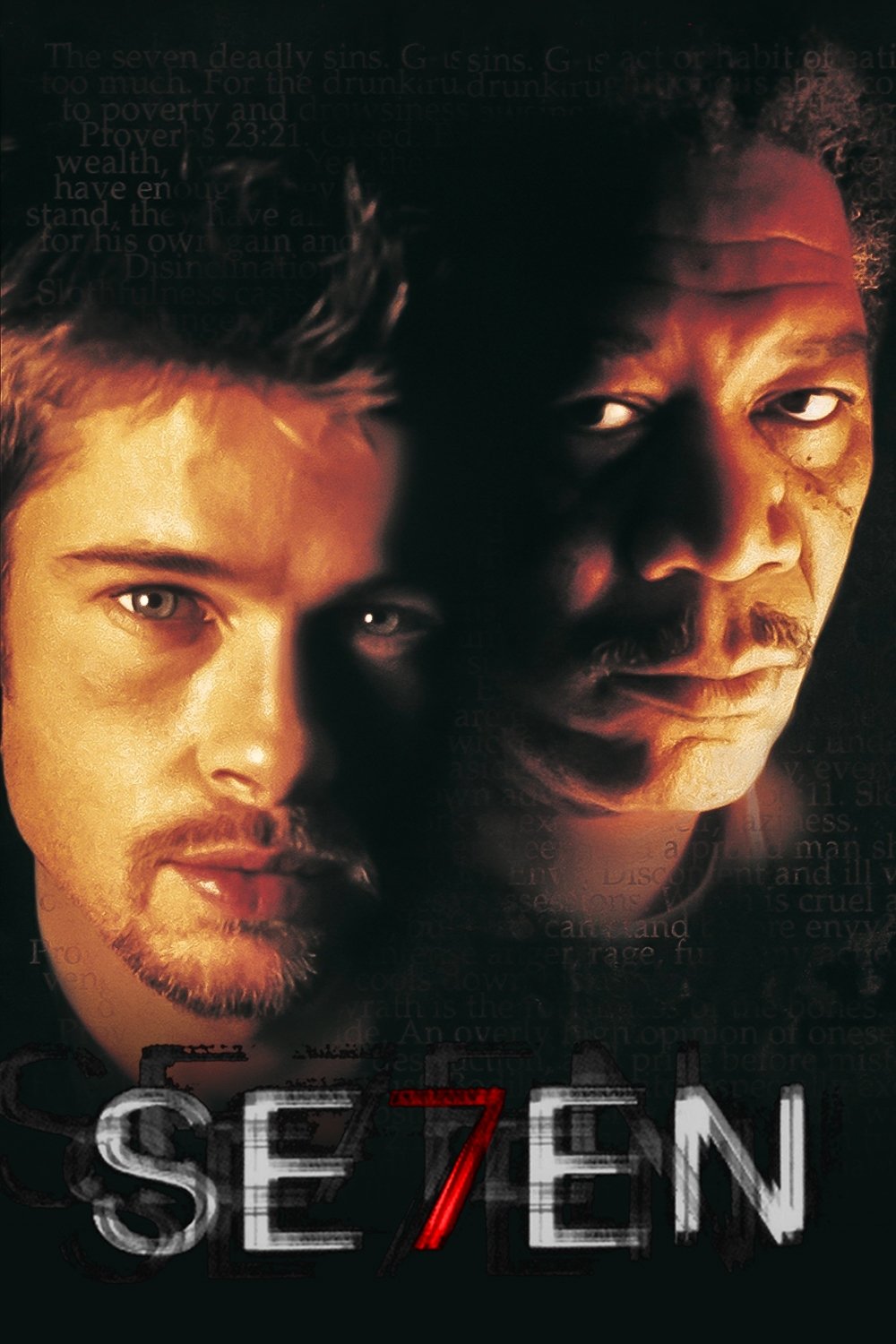
Two detectives chase a killer who stages crimes around seven deadly sins, leaving clues that feel ritualistic. The notebooks, apartment layout, and souvenirs map the investigation long before the final delivery. Weather, lighting, and city geography serve as mood and method. New Line Cinema released it, and the conclusion sheds light on earlier patterns.
‘Prisoners’ (2013)
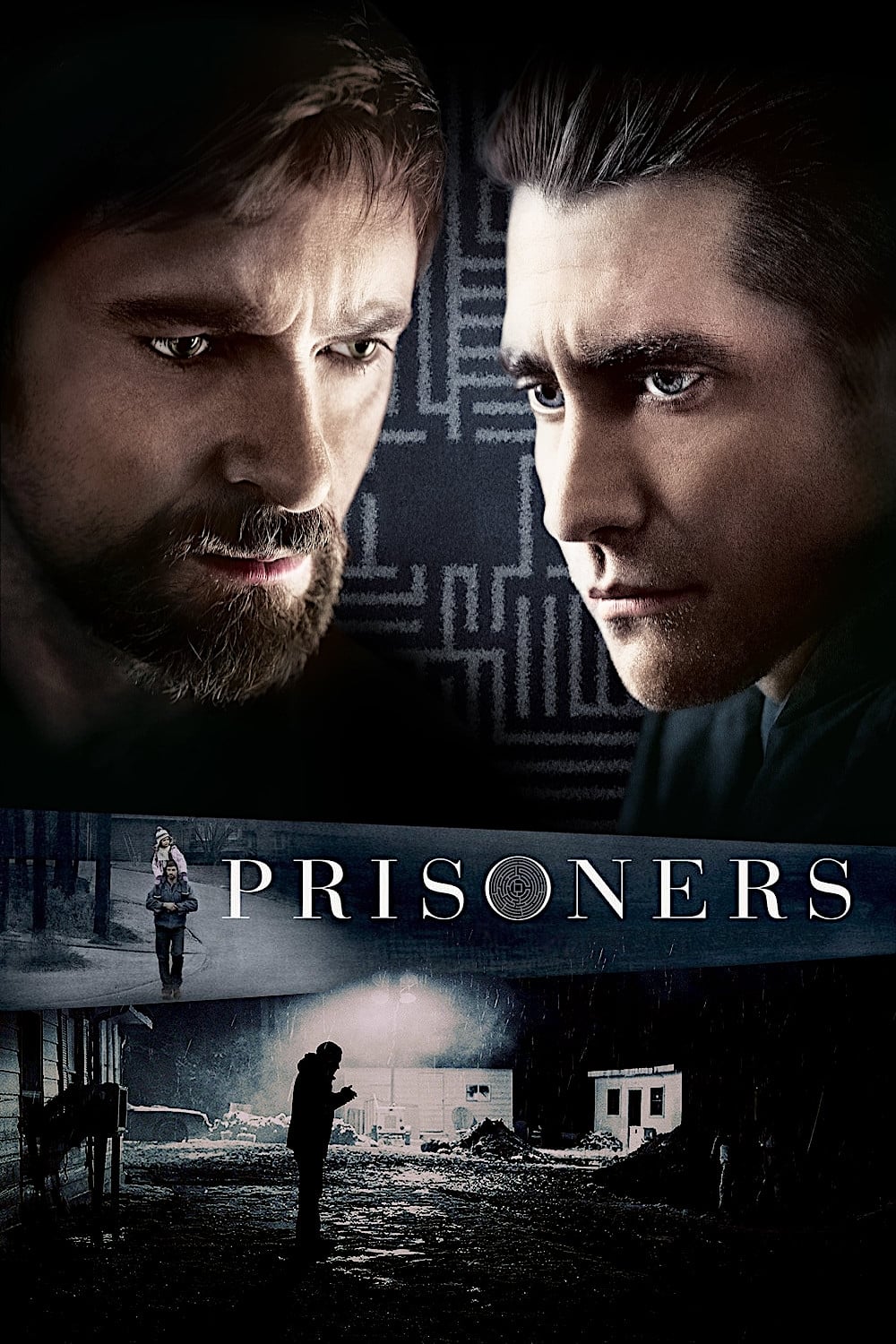
Two families reel after children go missing, while a detective follows a trail of symbols and abandoned properties. Maze drawings and a case history link suspects you would not connect at first glance. Watch for recurring objects that move between locations. Warner Bros. distributed it, and the last audio cue sparks an instant rewatch.
‘Enemy’ (2013)
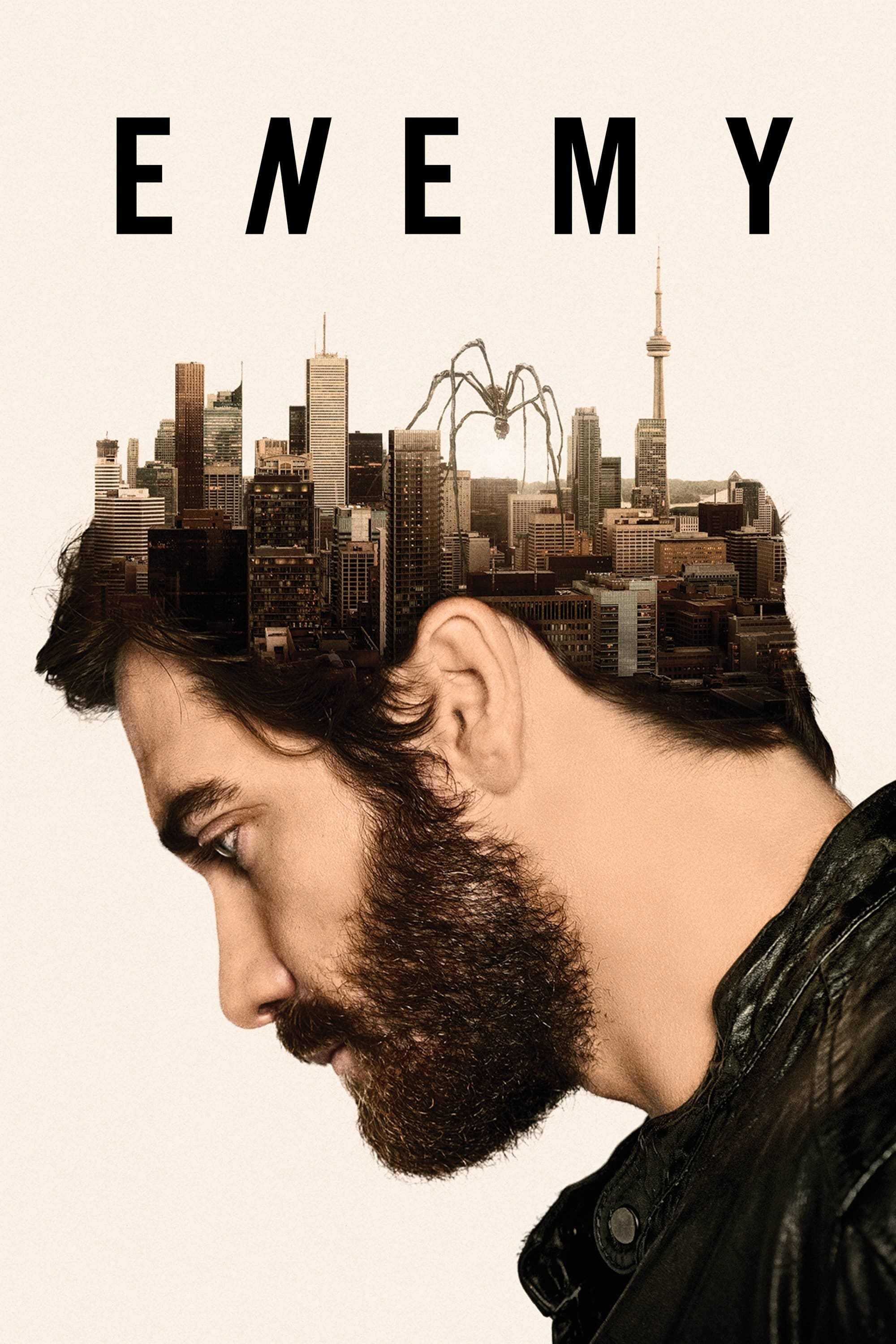
A teacher spots his exact double in a film and seeks him out, spiraling into twin lives that echo and break. Spider imagery, yellow color grading, and looping city shots act as a map to the theme. The key is tracking which apartment and which ring show up in each scene. A24 handled the U.S. release, and the closing image demands a second pass.
‘The Machinist’ (2004)
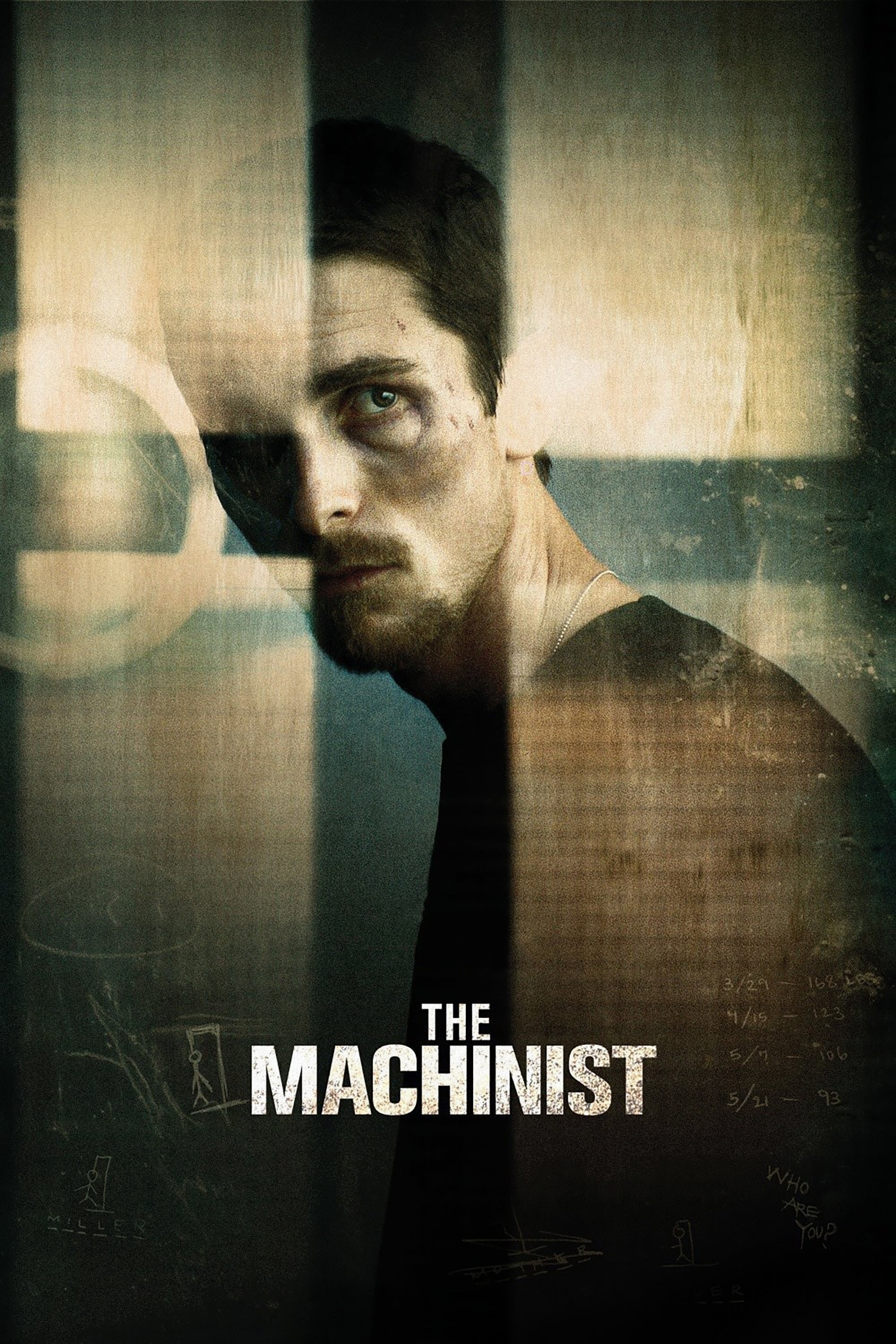
An insomniac factory worker experiences paranoia, cryptic notes, and a co worker who may not exist. Weight loss, shift schedules, and a specific amusement park ride form a breadcrumb trail. License plates and invoices quietly date the timeline inside his head. Paramount Classics released it, and the ending reorganizes every earlier clue.
‘Identity’ (2003)
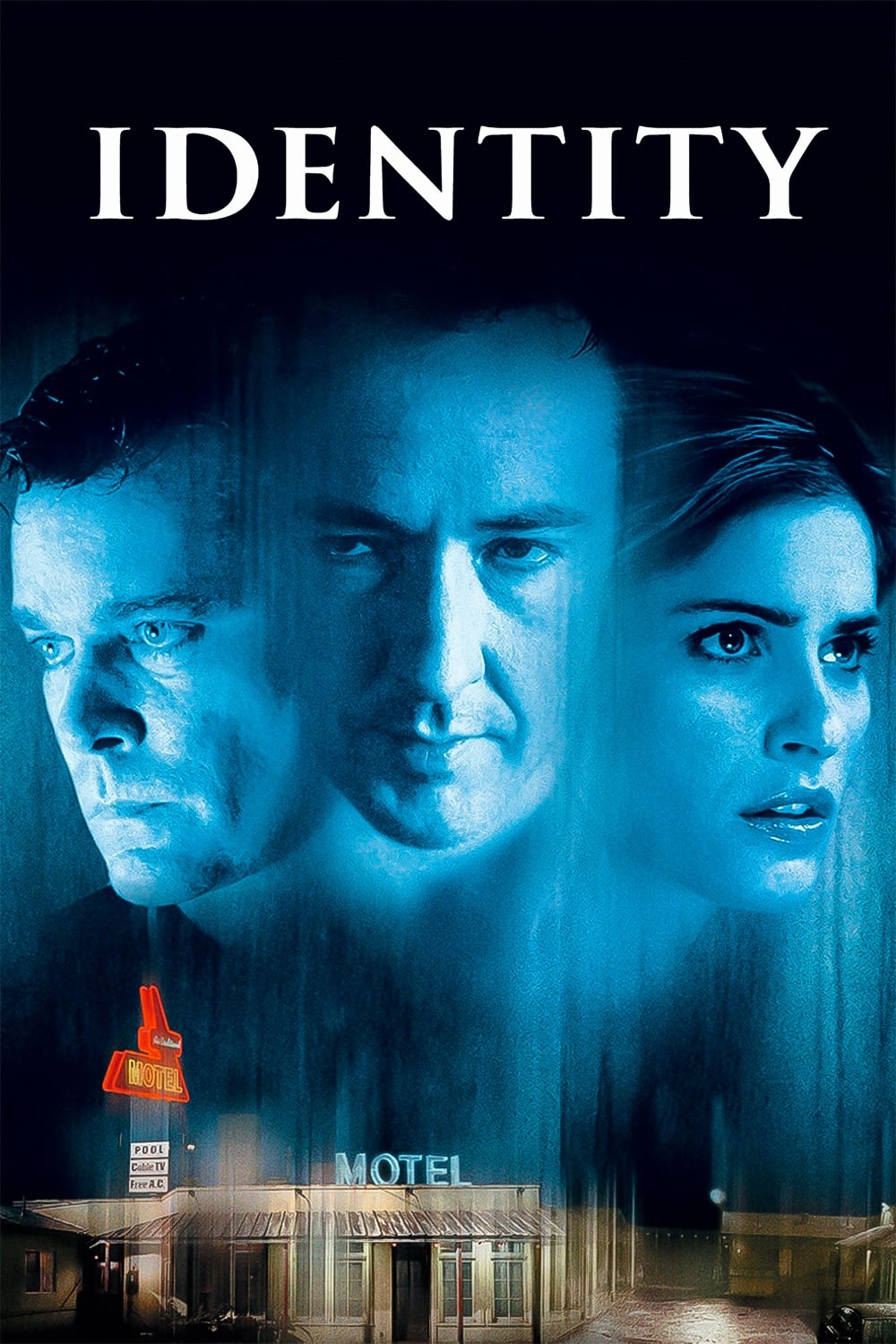
Strangers trapped at a motel during a storm start dying one by one as a parallel legal hearing unfolds. Room numbers, key tags, and driver licenses point to a design that ties everyone together. The chronology is compact, so small continuity details matter. Sony Pictures Releasing put it out through Columbia Pictures, and the final tag invites an immediate rewatch.
‘The Others’ (2001)
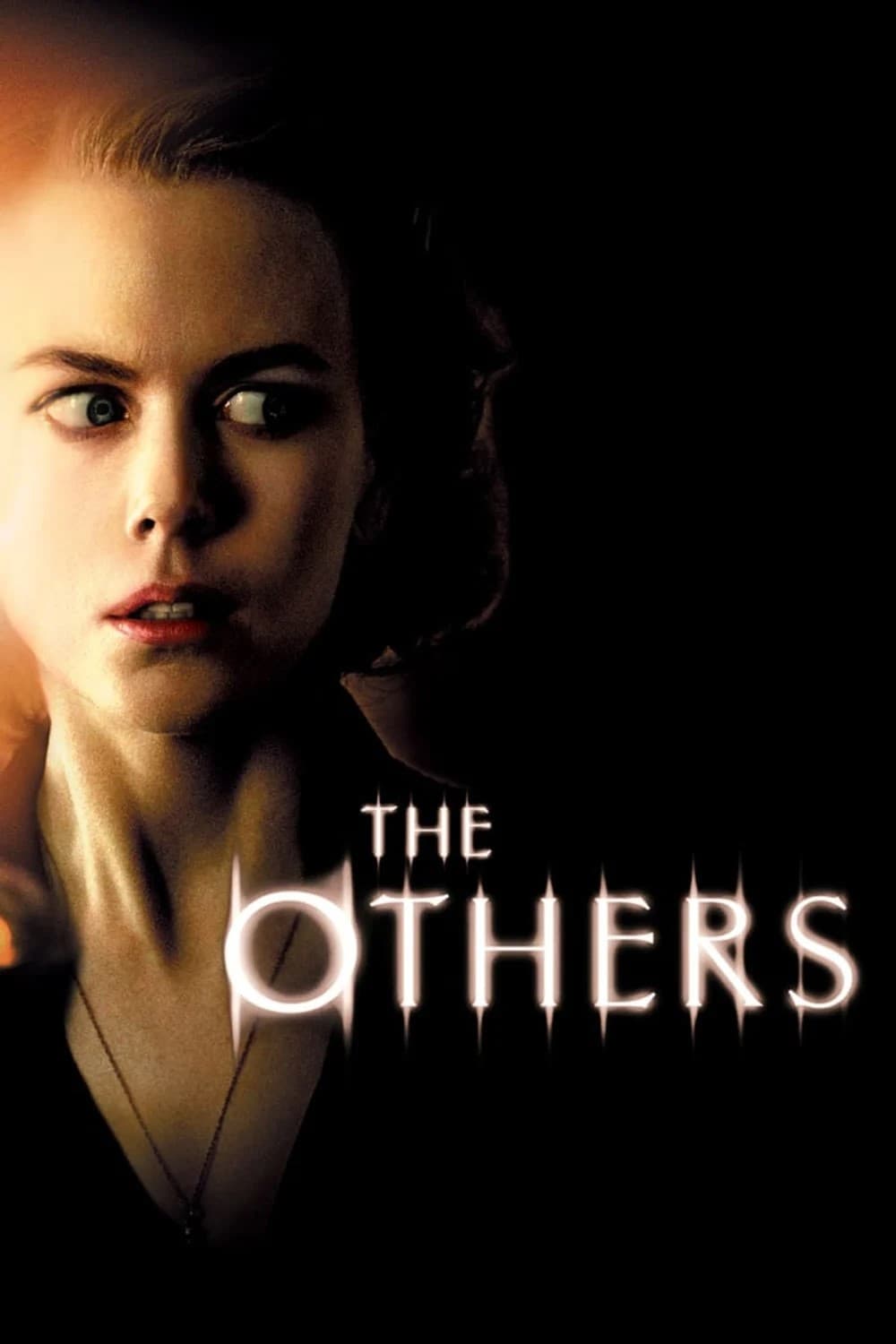
A mother keeps her light sensitive children in a darkened mansion while unusual occurrences escalate. Curtains, photographs, and house rules all function as evidence for the larger explanation. The servants’ history and a family album anchor the reveal. Miramax’s Dimension Films distributed it in the U.S., and the last scene flips earlier conversations.
‘The Girl with the Dragon Tattoo’ (2011)
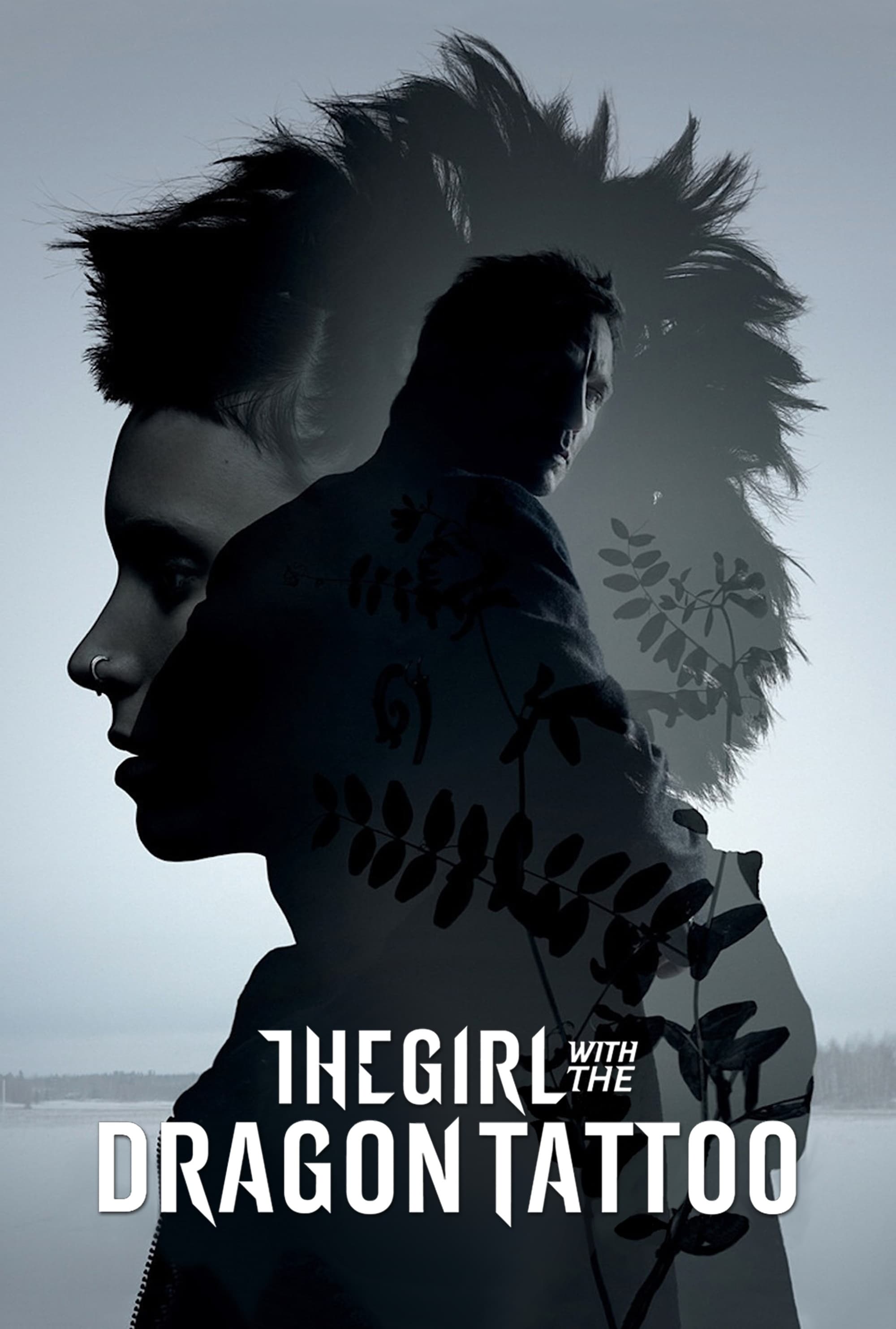
A journalist and a hacker reopen a missing person case tied to a wealthy family’s archives. Old photos, Bible annotations, and corporate records fit together across interviews and islands. The cold case structure hides a second story running underneath. Sony Pictures Releasing distributed it via Columbia Pictures, and the coda changes how a key relationship reads.
‘Zodiac’ (2007)
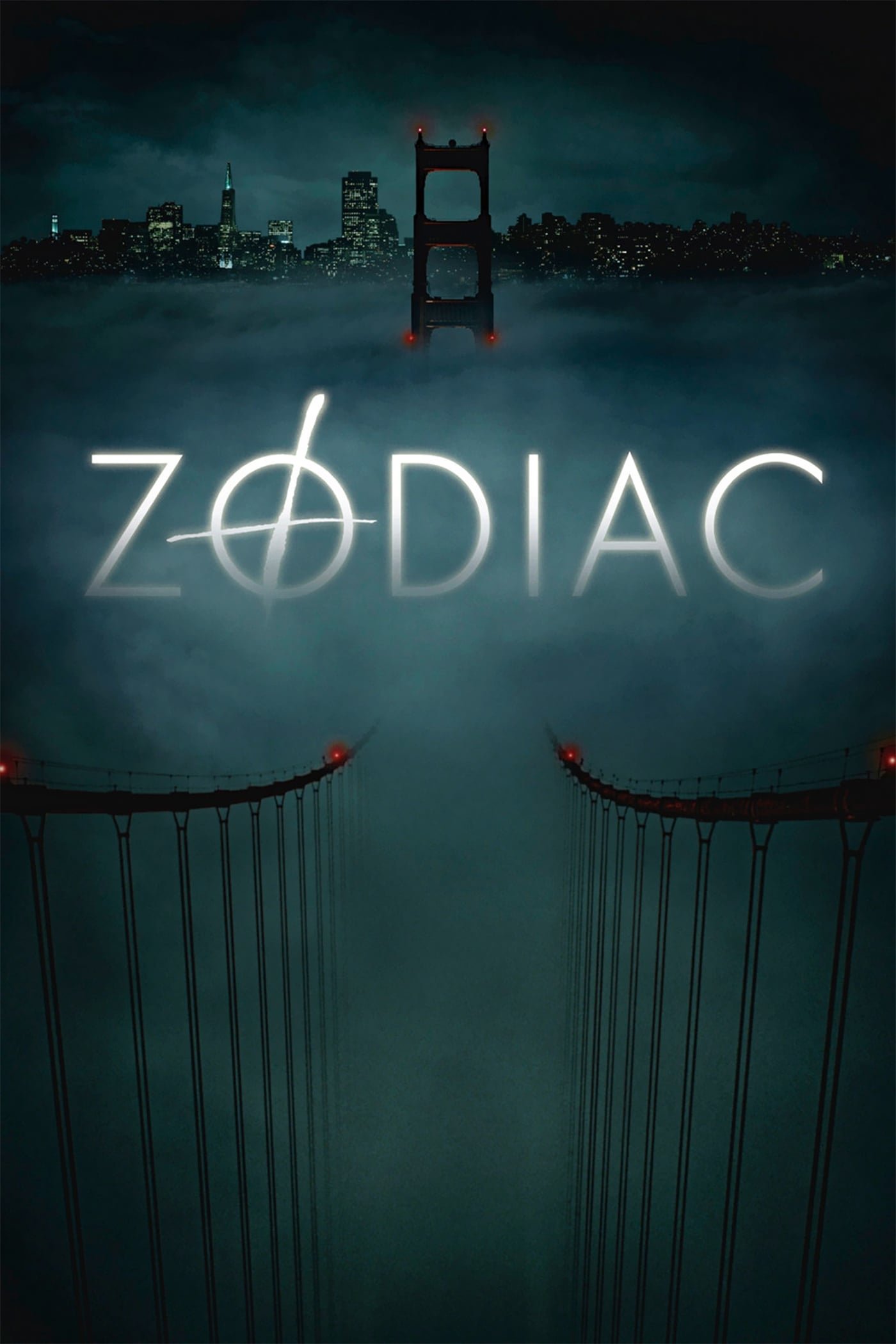
Reporters and detectives chase a serial killer through letters, ciphers, and shifting jurisdiction. Timelines, fonts, and recurring handwriting samples become anchors as suspects appear and fade. Scene headers and holiday markers quietly sync investigations. Paramount Vantage and Warner Bros. shared distribution, and the final identification scene sends you back to re weigh earlier evidence.
‘Oldboy’ (2003)
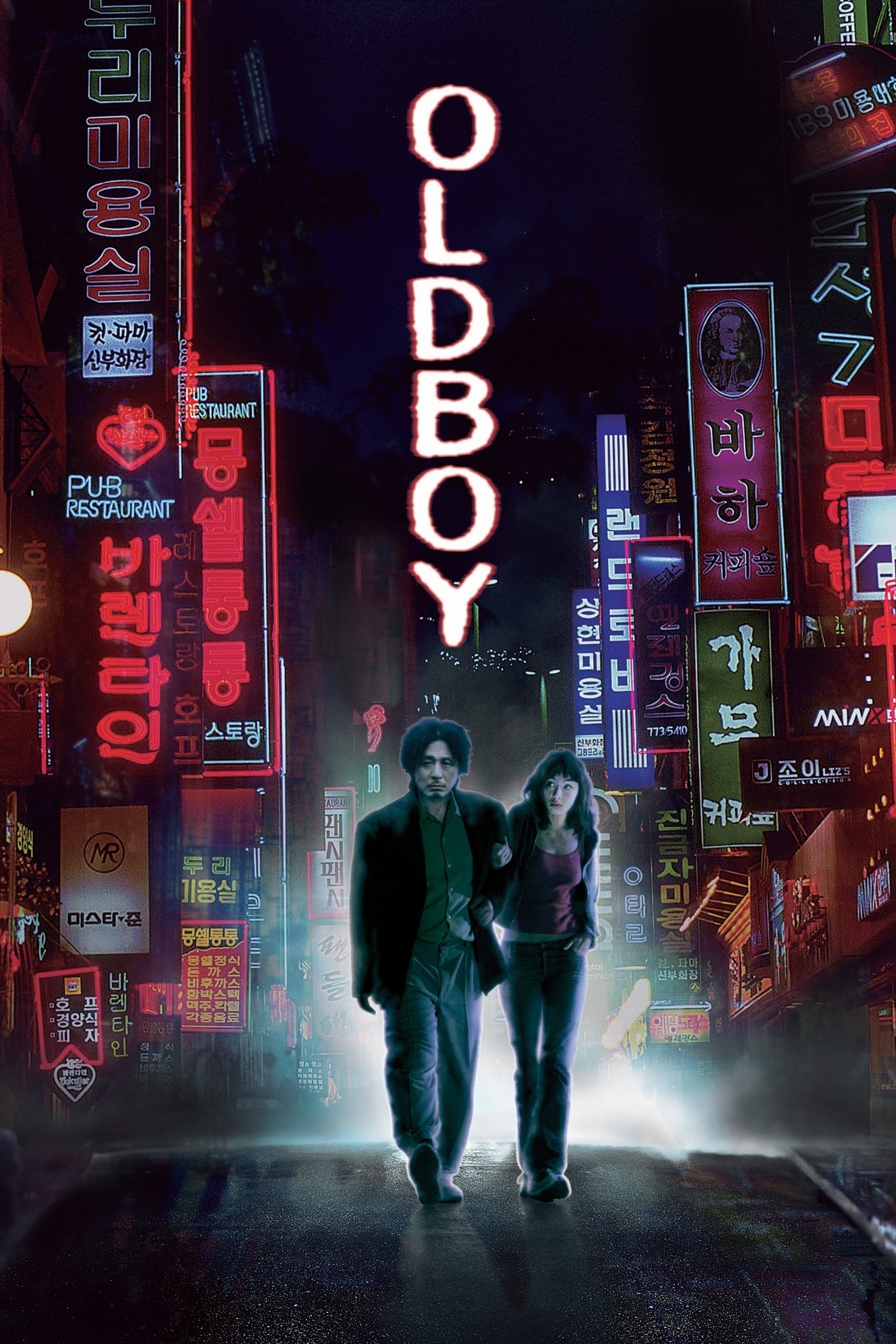
A man mysteriously imprisoned for years is released and given a deadline to find his captor, guided by sparse clues. The contents of a box, a school yearbook, and a private recording set the terms. Architecture and family names form the hidden network behind the feud. Tartan Films brought it to U.S. audiences, and the final revelations change the meaning of earlier choices.
‘Coherence’ (2013)
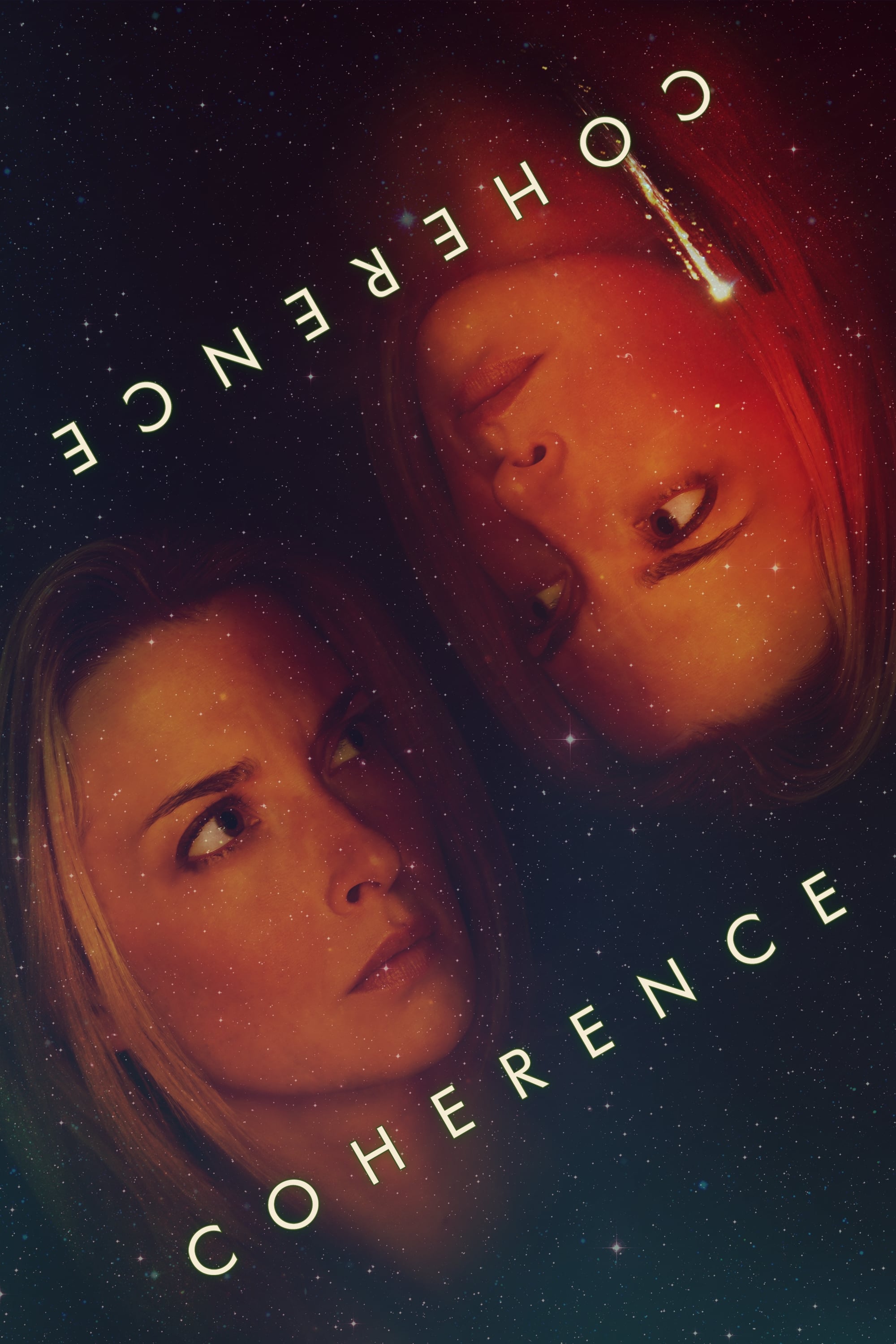
Friends at a dinner party experience reality glitches during a comet’s passing as multiple versions of events overlap. Colored glow sticks, note cards, and a box of mementos track who is from where. The rule set is built through improvised experiments at the table. Oscilloscope Laboratories distributed it, and the last house swap makes a second viewing essential.
‘The Invitation’ (2015)
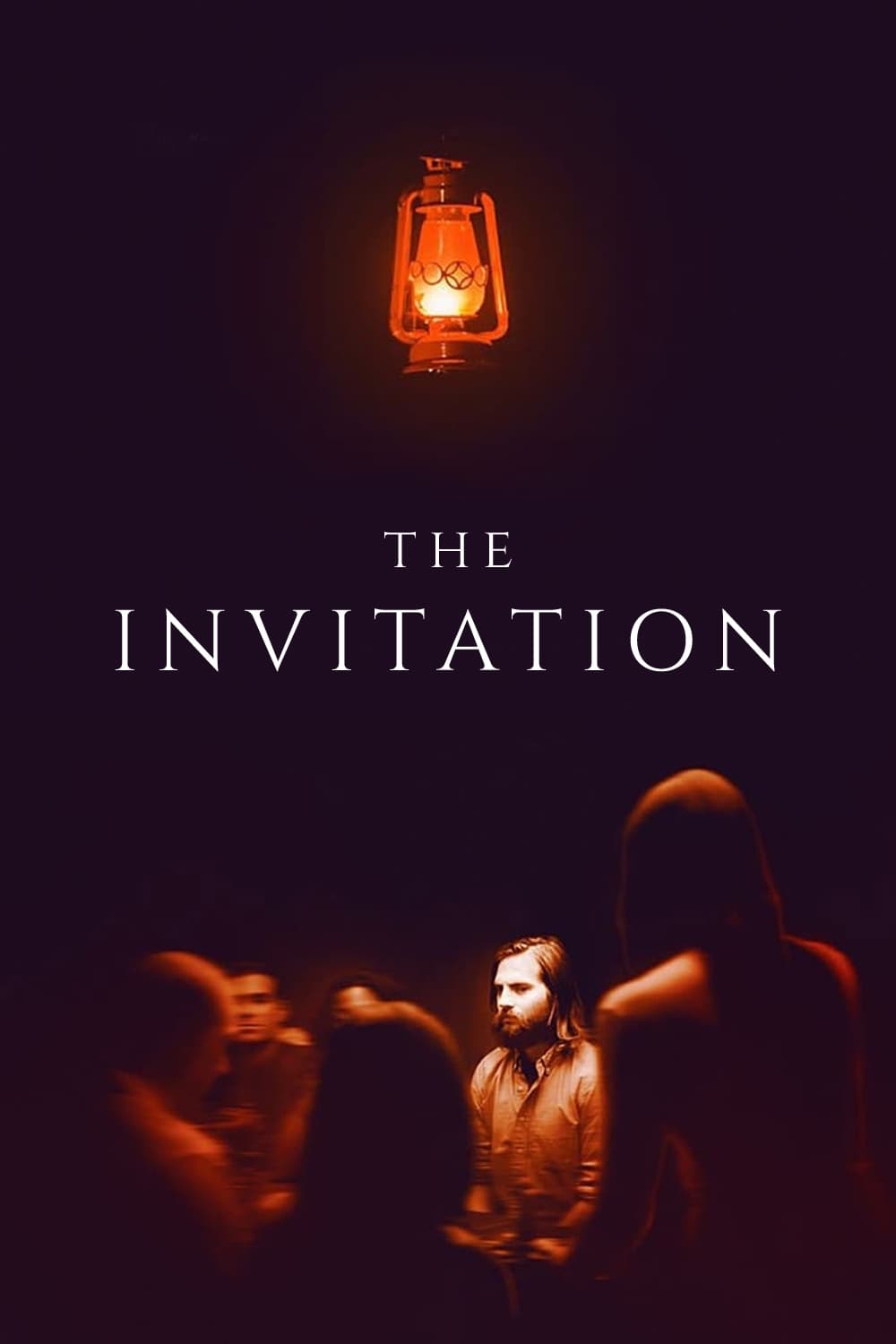
An ex husband attends a dinner with old friends where apologies and party games grow unsettling. A red lantern, locked doors, and a philosophy group connect to a wider plan. Pay attention to the guest list and missing phones. Drafthouse Films handled distribution, and the final wide shot reframes the entire night.
‘The Game’ (1997)
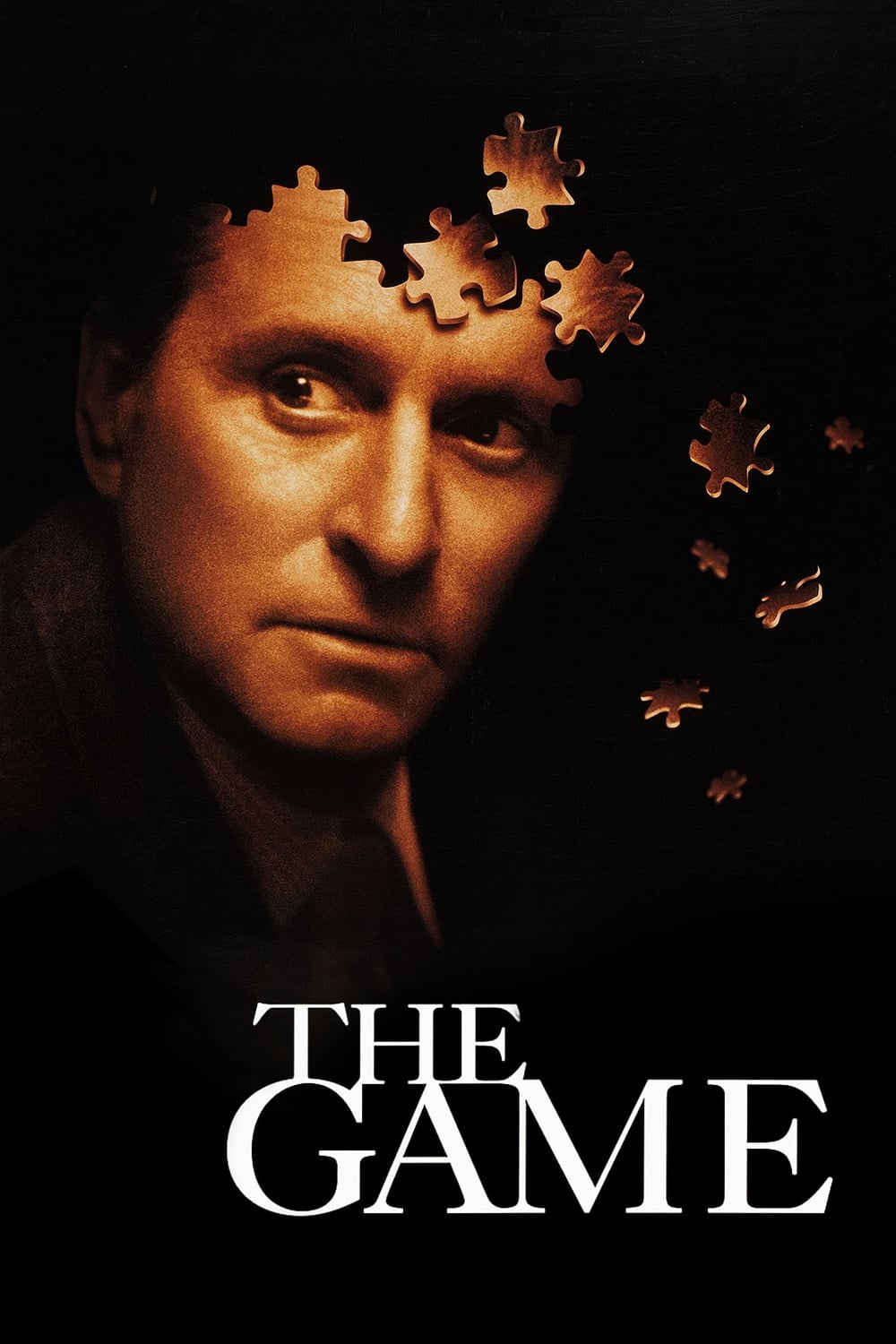
A wealthy banker receives a mysterious birthday gift that merges his life with a bespoke experience he cannot control. Contracts, office audits, and staged news clips blur the boundary between prank and crime. The medical files and emergency exits are breadcrumbed from the start. Gramercy Pictures distributed it, and the final drop retrofits earlier incidents.
‘A Tale of Two Sisters’ (2003)
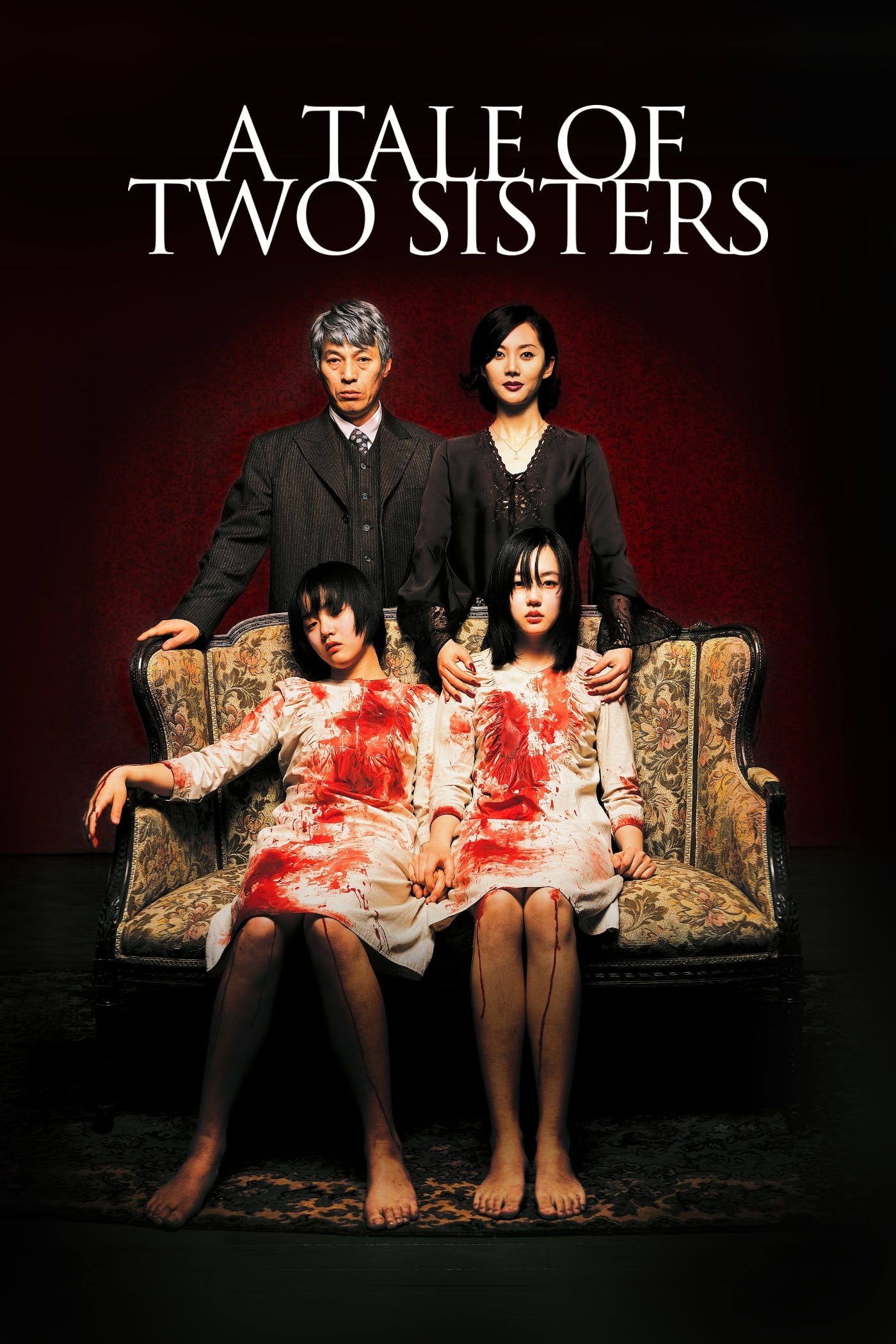
Two sisters return home from a hospital to a stepmother and a house full of suggestive noises and visions. Drawer contents, family photos, and table settings reveal who shares space with whom. The editing hides a second arrangement of the household. Tartan Asia Extreme released it in the U.S., making its layered structure easier to discover on repeat viewings.
‘The Wailing’ (2016)
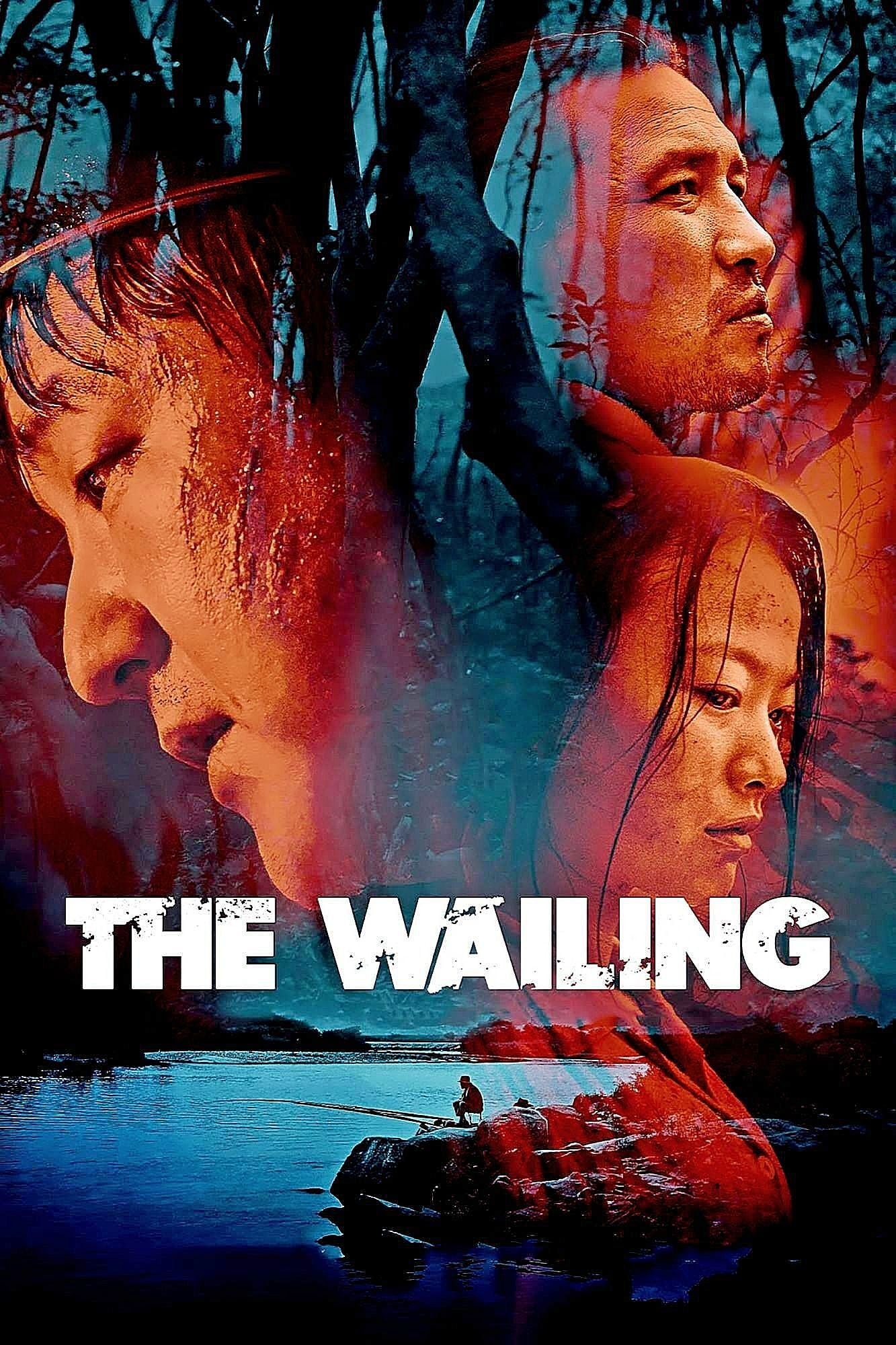
A rural cop investigates a sickness spreading through his village as folklore, faith, and suspicion collide. Footprints, talismans, and photographs chart the competing explanations. The timing of rituals and storms matters more than it first appears. Well Go USA handled the U.S. release, and the last exchange reframes character motives.
‘The Vanishing’ (1988)
A man searches obsessively for his missing partner after a roadside stop, following breadcrumbs left by the abductor. Gas station receipts, postcards, and a key practice routine show method rather than madness. The story shifts when the kidnapper explains his preparation. Miramax distributed the Dutch original to U.S. theaters, and the ending sends you back to earlier tests.
‘Burning’ (2018)

A delivery worker reconnects with a friend and meets a wealthy stranger whose stories do not line up. Greenhouses, cats, and a running routine operate as markers for truths that may be imagined. The locations change with subtle costume cues that matter later. Well Go USA released it in the U.S., and the final scene prompts a fresh read of every clue.
‘Side Effects’ (2013)
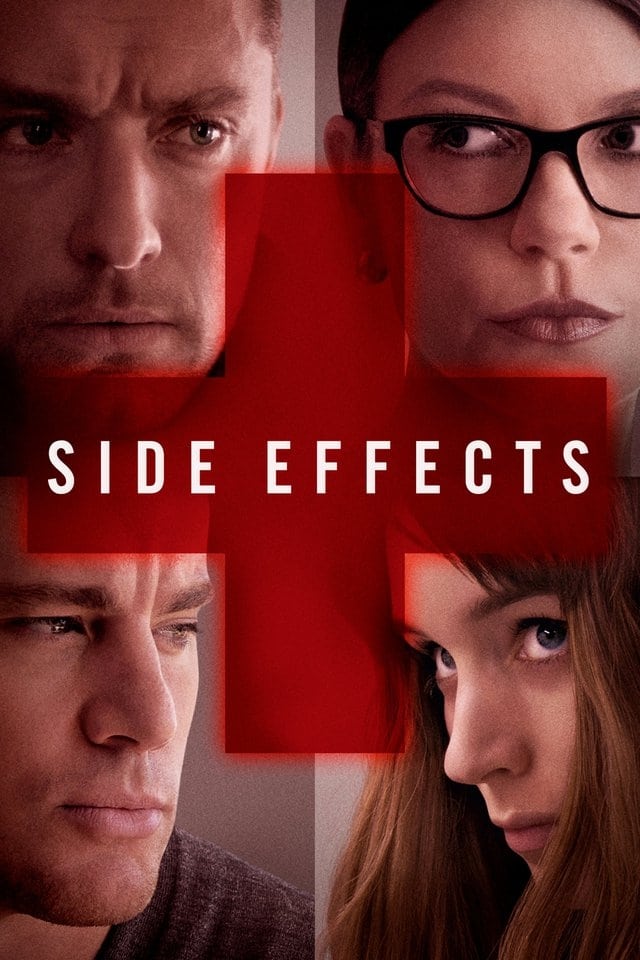
A new antidepressant complicates a couple’s life as a psychiatrist pieces together a corporate and personal plot. Clinical notes, trial disclosures, and financial trades interlock across sessions. Kitchen scenes conceal timeline breadcrumbs in plain sight. Open Road Films distributed it, and the closing confrontation clarifies earlier behavior.
‘Source Code’ (2011)
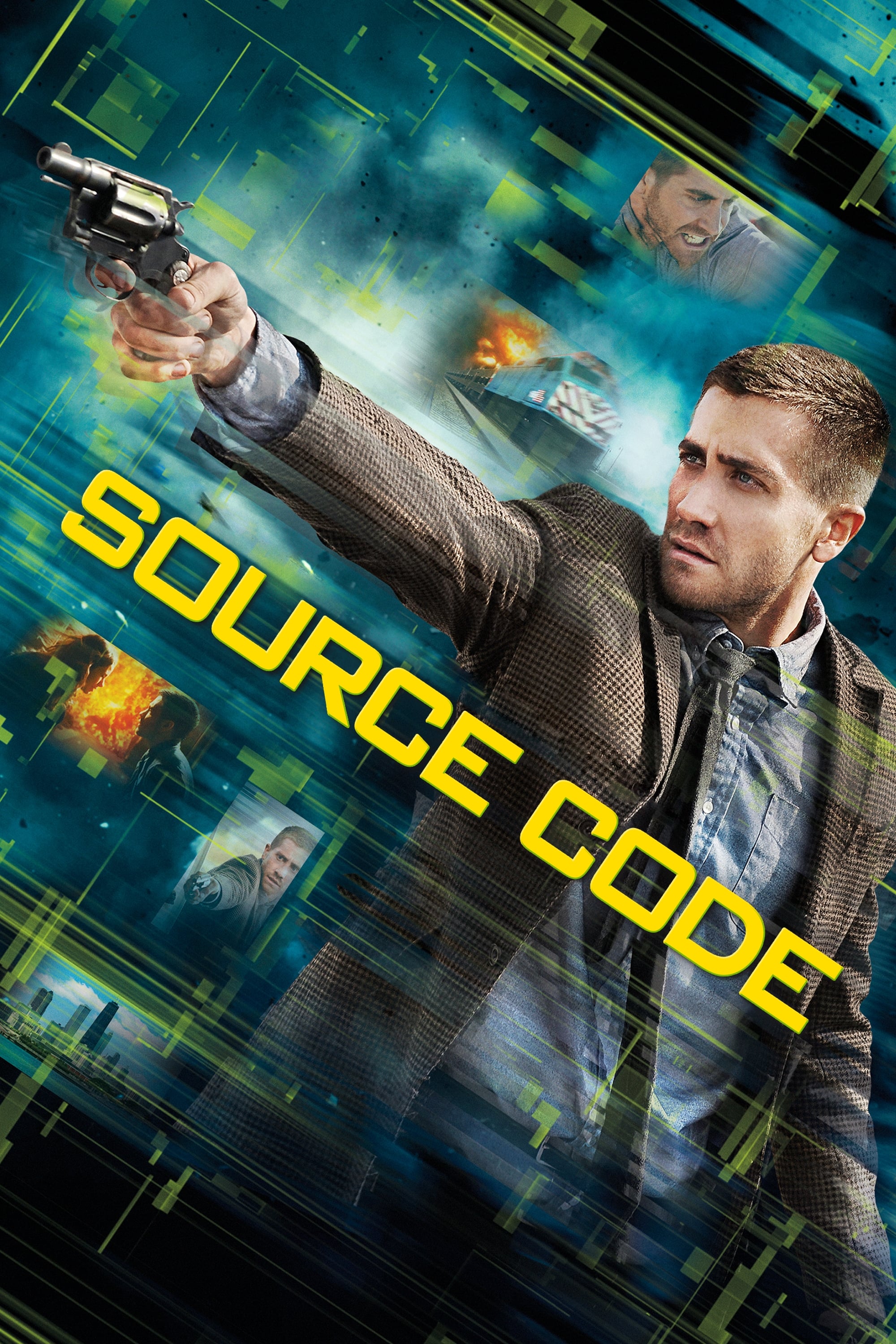
A soldier wakes in another man’s body and relives a commuter train bombing to find the culprit and prevent another attack. Ticket punches, seat assignments, and passenger routines reveal the path. The eight minute window sets a pattern you can trace backward after the reveal. Summit Entertainment distributed it, and the final email and reflection reward a second look.
‘Donnie Darko’ (2001)
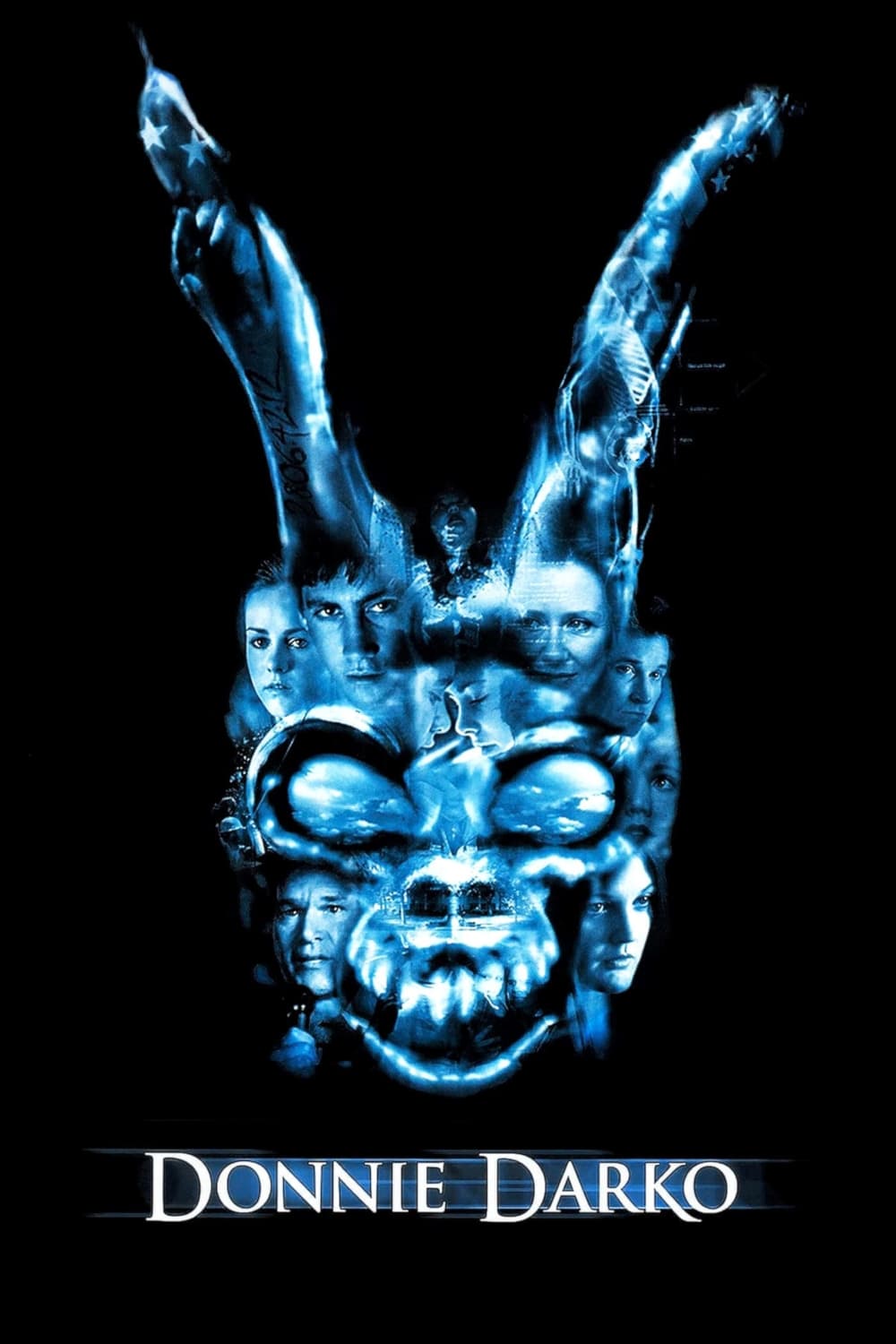
A troubled teen starts seeing a figure in a rabbit suit after a near-miss with a falling jet engine. A countdown appears on his arm as he follows cryptic instructions that alter friendships, classes, and family routines. The plot threads through time anomalies, a mysterious book, and a teacher’s lesson plan that doubles as a map. Newmarket Films brought it to U.S. theaters, and the director’s cut adds cues that help connect the calendar.
‘Mulholland Drive’ (2001)
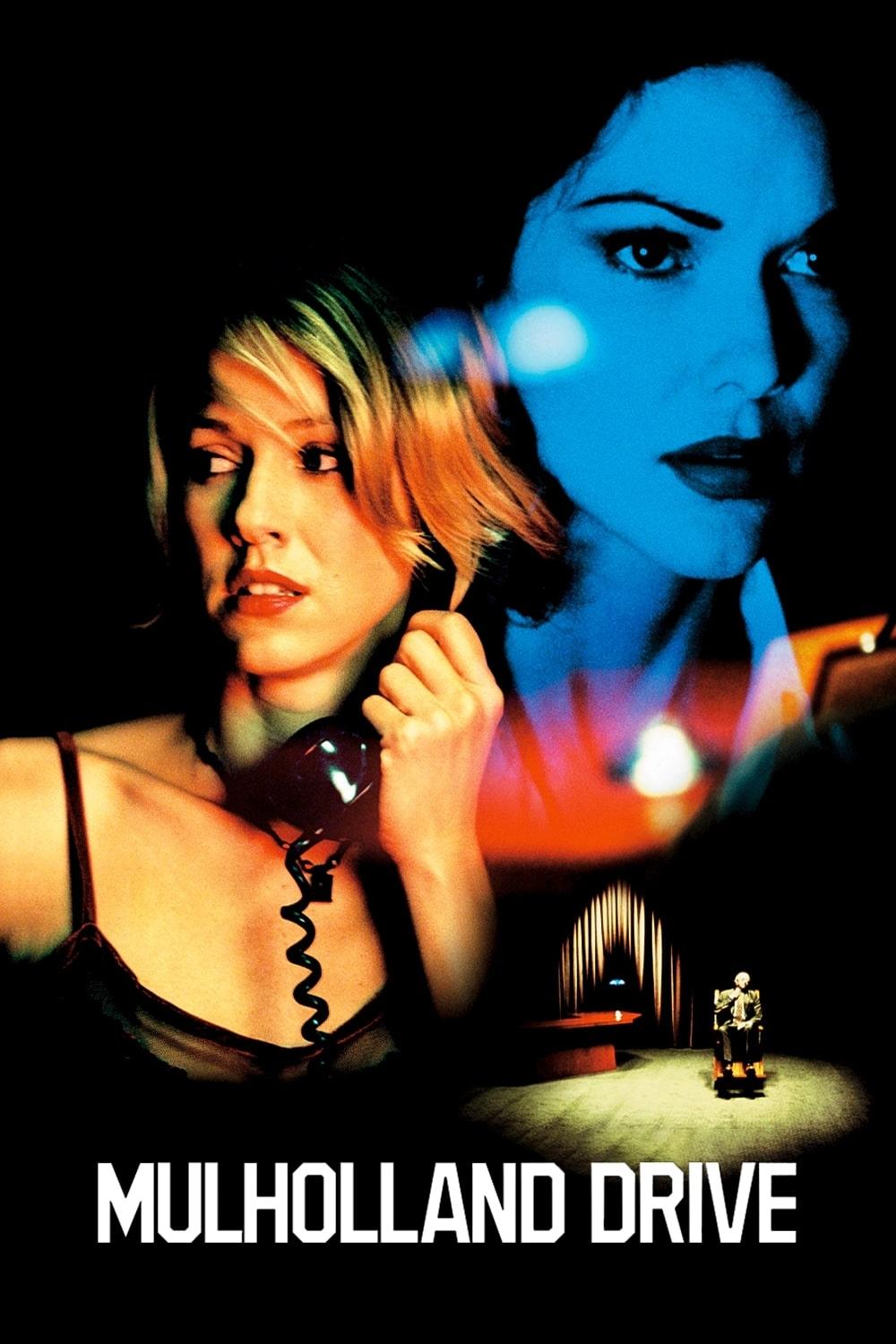
An aspiring actor arrives in Los Angeles and crosses paths with an amnesiac woman after a car crash on a winding hill road. A blue key, a blue box, and a nightclub performance connect separate storylines that seem to echo one another. Casting calls, diner meetings, and home addresses shift meaning when viewed in sequence. USA Films, a Universal label, handled the U.S. release that introduced this puzzle to wider audiences.
‘The Usual Suspects’ (1995)
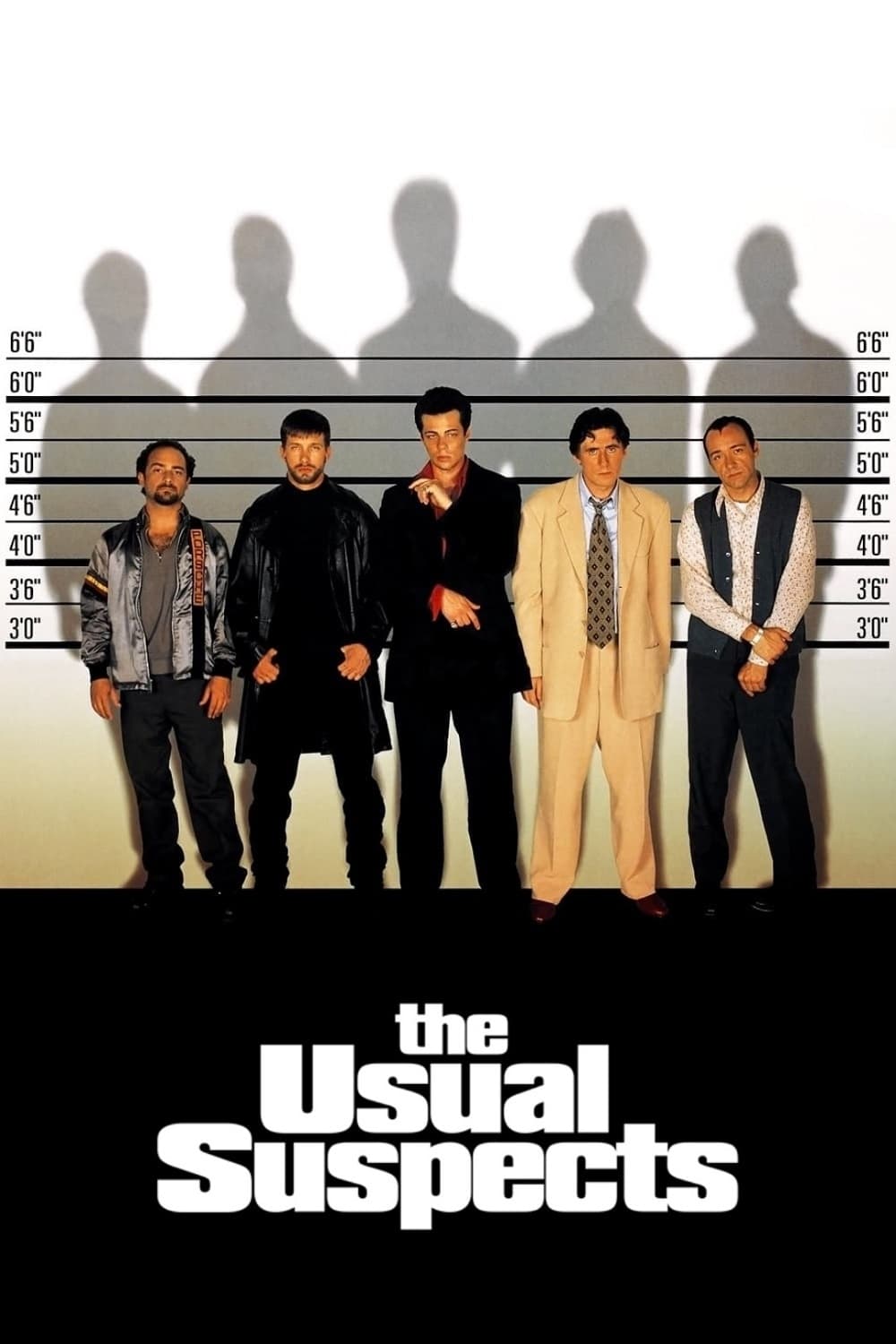
A small-time con recounts a botched heist and a shadowy mastermind during a police interrogation. Names, objects on the bulletin board, and a mug lineup filter into the story he tells. Shipping routes and a burned pier tie the crime to an earlier feud. Gramercy Pictures released it, and the closing walk realigns the entire case file.
‘Jacob’s Ladder’ (1990)

A Vietnam veteran experiences hallucinations and memory gaps while searching for what happened to his unit. Hospital corridors, party strobe lights, and subway tunnels repeat as signposts for his mental state. Military paperwork and a pharmaceutical name provide a paper trail for the experiments he suspects. TriStar Pictures distributed the film, which uses recurring imagery to bind the clues together.
‘Perfect Blue’ (1997)
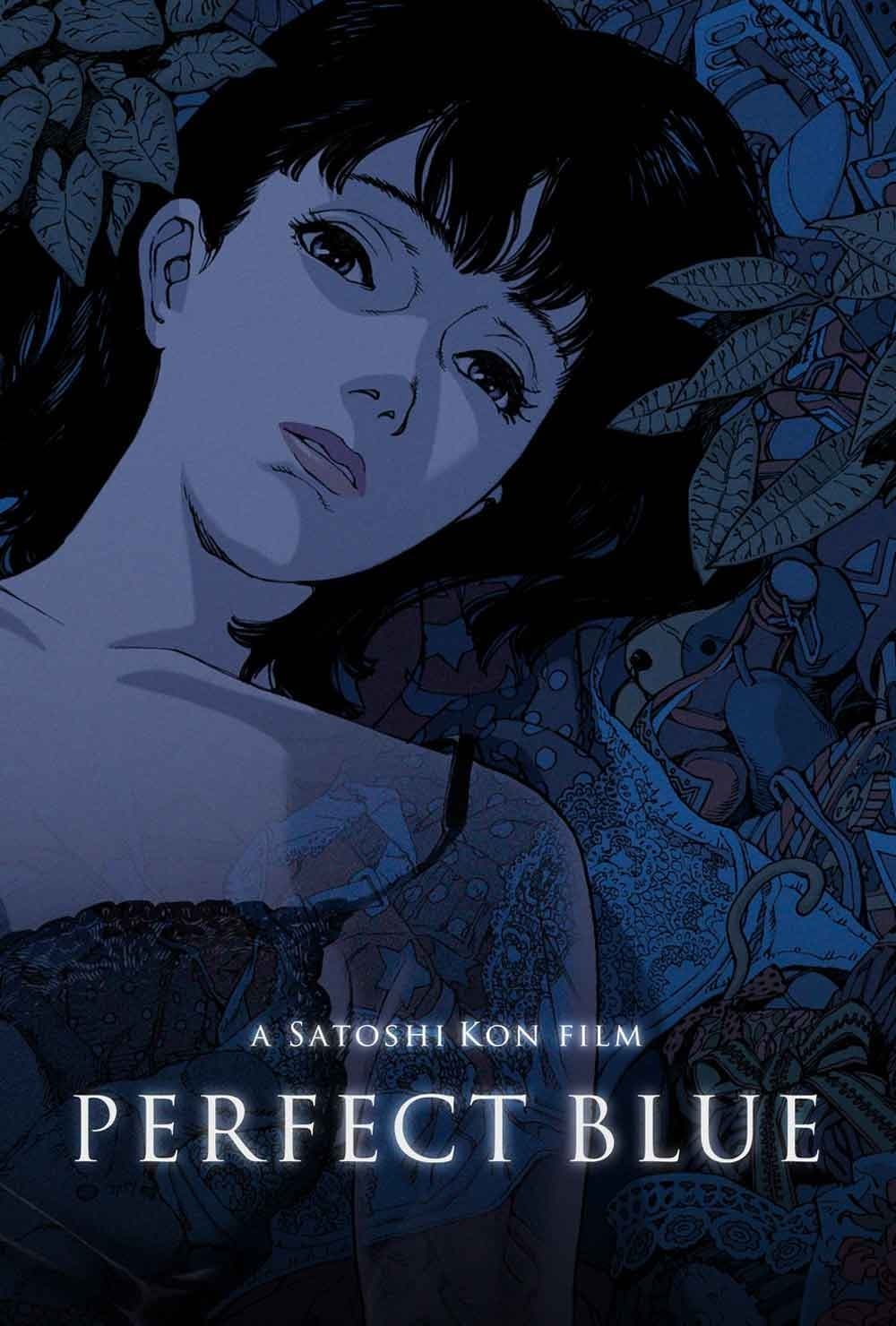
A pop idol transitions to acting while anonymous messages and a violent stalker shake her sense of identity. Script pages blur with real life scenes as mirror shots and show schedules loop. A website diary and a body double complicate where the performance ends. Manga Entertainment handled its North American release, helping the anime reach thriller fans who track details across frames.
‘Stay’ (2005)
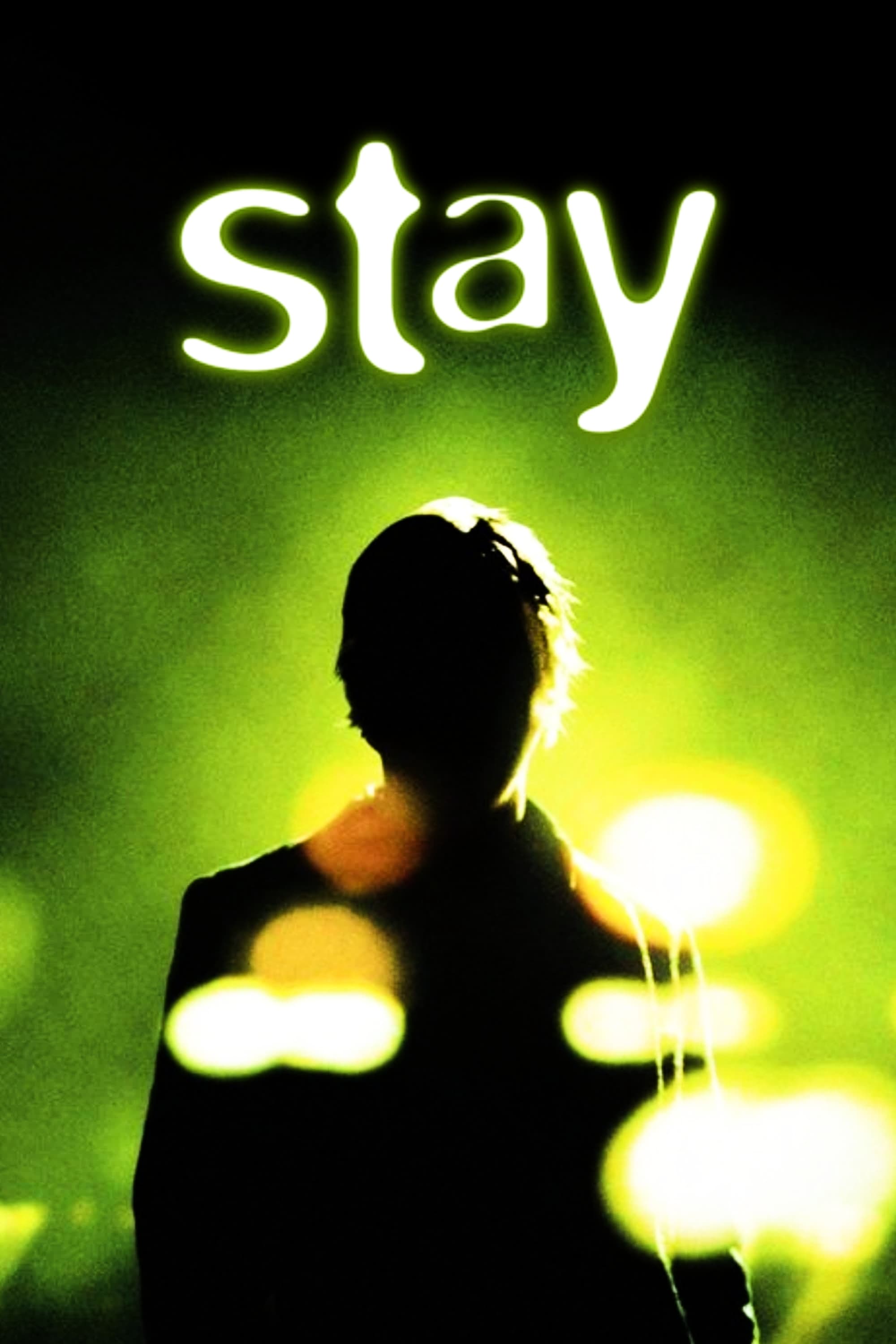
A therapist counsels a student after a near-fatal accident as street scenes and conversations begin repeating with slight changes. Paintings mirror locations, and characters swap lines that appeared earlier in different contexts. Bridge traffic patterns and piano cues help align the timeline. 20th Century Fox released it, and the closing images reward a scene-by-scene review.
‘Vanilla Sky’ (2001)
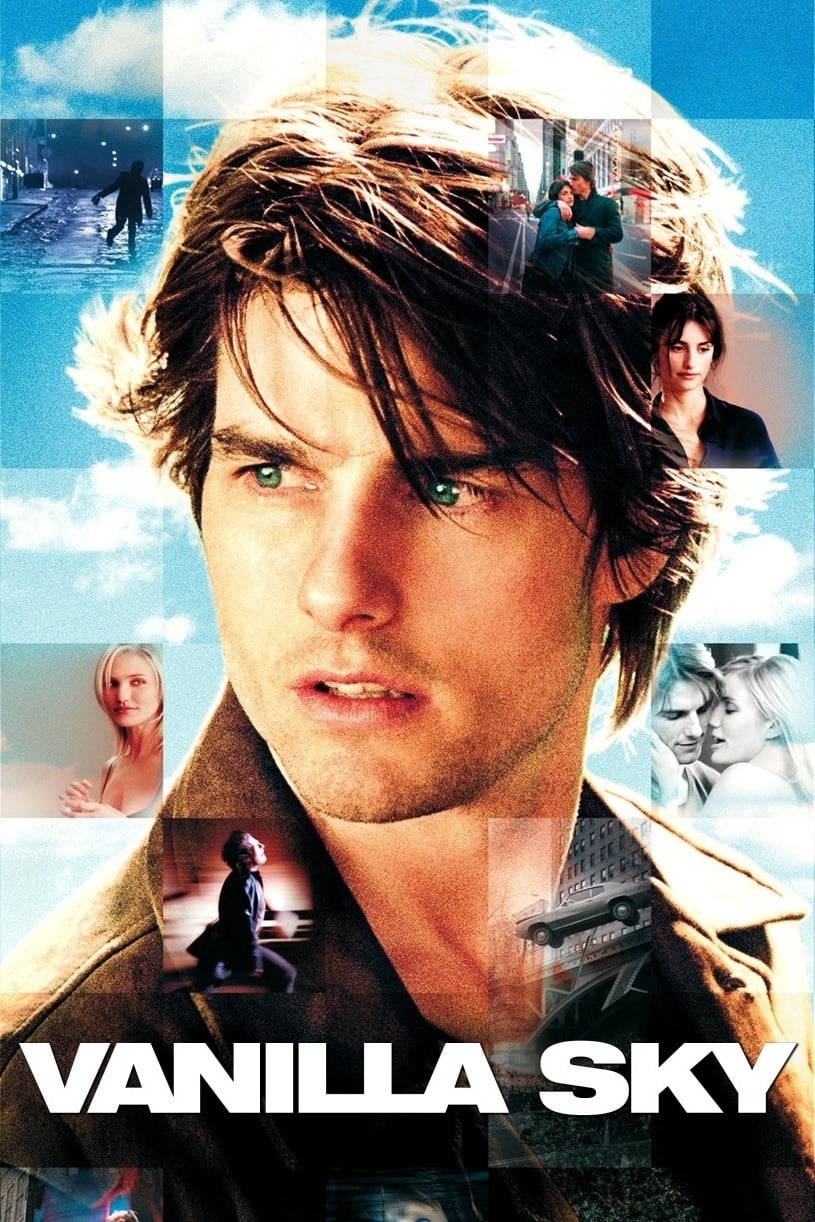
A publishing heir’s life derails after a car crash, sending him into dreams that bleed into waking reality. Magazine covers, club photos, and a support-group presentation provide breadcrumbs for what is simulated and what is not. A tech company’s contract and a cryonics brochure outline the rules of the scenario. Paramount Pictures distributed it, and a final rooftop sequence ties the evidence together.
‘Lost Highway’ (1997)
A musician receives a series of videotapes showing the inside of his home, then his story folds into a desert noir with new identities. Highway shots, intercom messages, and a mysterious party guest create a loop of recurring signals. A cabin in the desert and a tape recorder connect the halves. October Films handled the U.S. release, giving the film a cult following that catalogs its visual clues.
‘Timecrimes’ (2007)
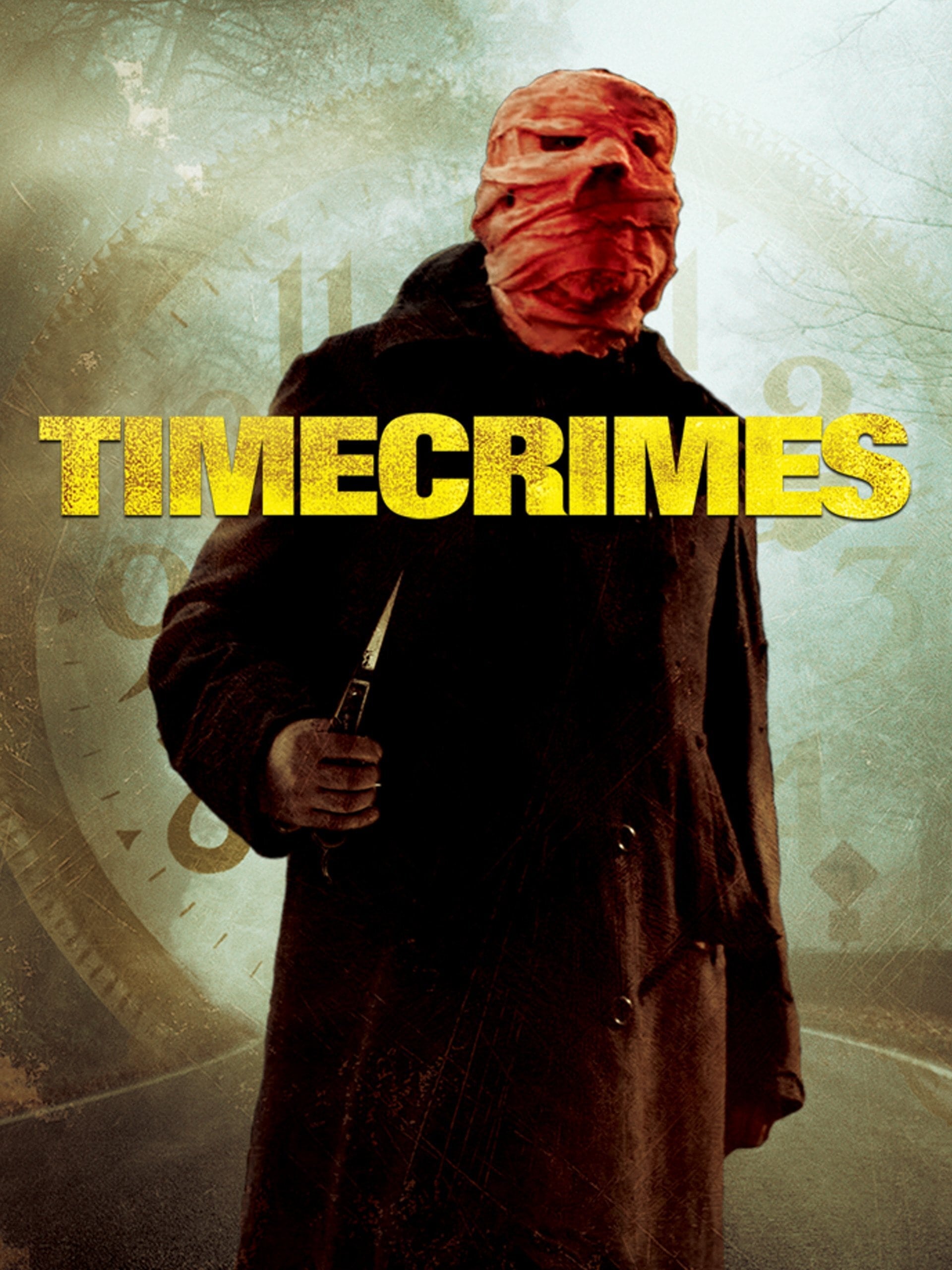
A man accidentally steps into a time loop after spying through binoculars and encountering a bandaged figure. The forest path, a pink fabric item, and a set of walkie-talkies mark each pass through the same hour. Car locations and hedge angles verify which iteration you are watching. Magnolia Pictures released it in the U.S., where fans mapped the loop minute by minute.
‘The Invisible Guest’ (2016)
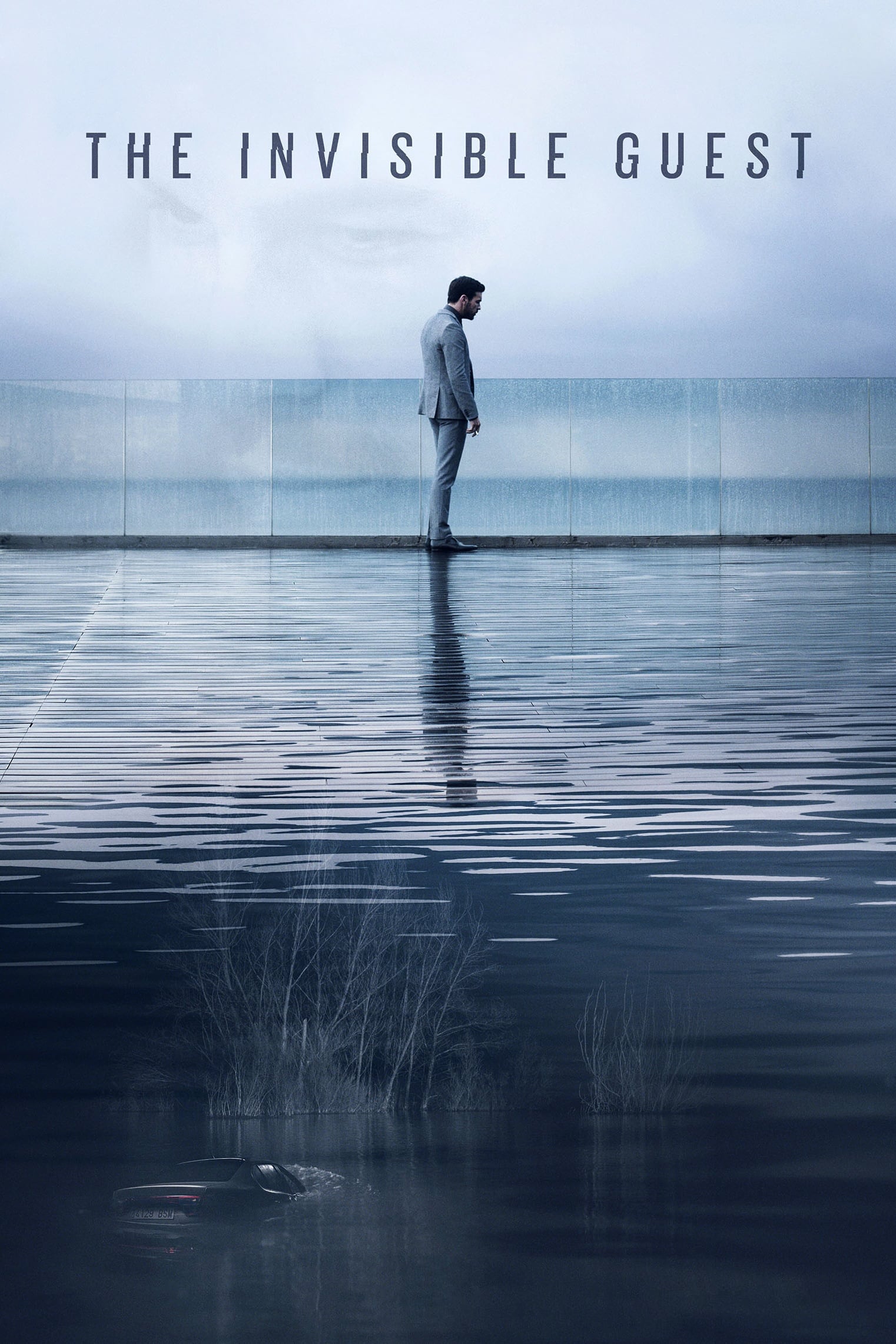
A businessman wakes in a locked hotel room with a dead partner and hires a defense strategist to rehearse his testimony. Dash-cam footage, phone records, and a lakeside accident connect multiple versions of the night. A blackmail envelope and a photo sequence prove which alibi survives. Warner Bros. oversaw its Spanish release before the thriller traveled to international platforms.
‘Predestination’ (2014)
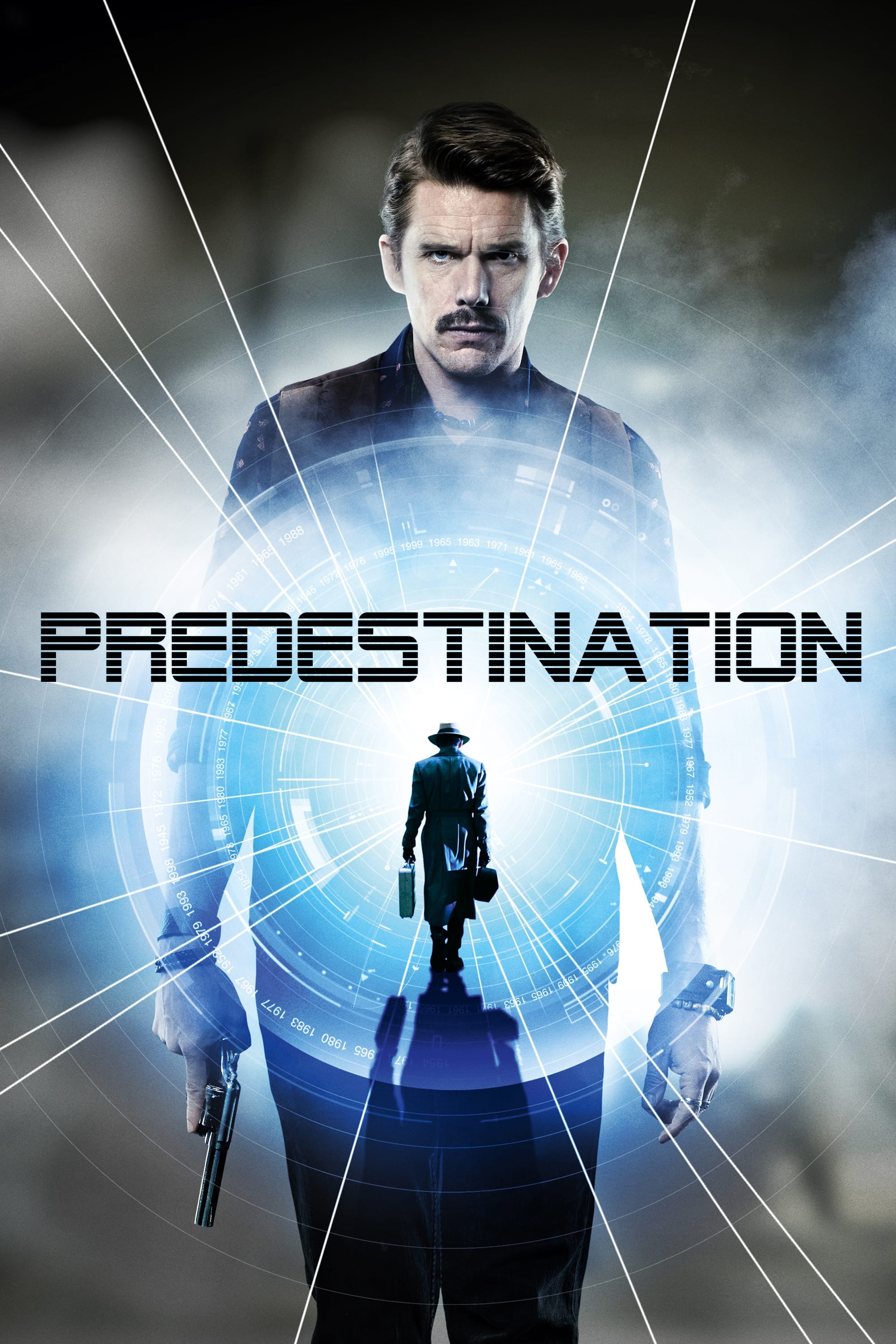
A temporal agent chases a bomber through time while recruiting a bartender with a complicated past. Birth records, adoption papers, and a violin case anchor the jumps across decades. Bar conversations and a typewriter inscription line up the identities involved. Stage 6 Films, part of Sony, handled the U.S. release that highlighted its closed-loop design.
‘The Secret in Their Eyes’ (2009)
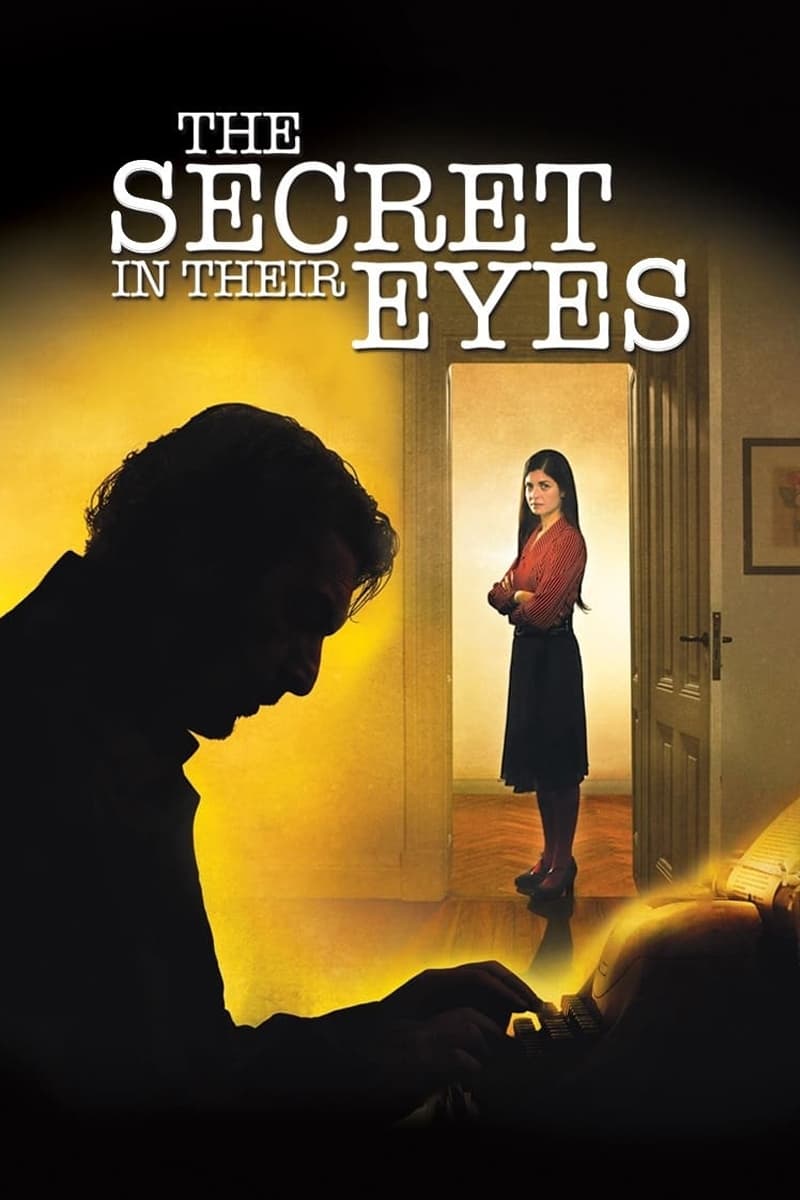
A retired investigator revisits an unsolved murder tied to a courthouse and a stadium chase that once dominated the case files. A typewritten novel draft mirrors real interviews and office memos. Photo enlargements and case stamps reveal a decision that altered the investigation’s course. Sony Pictures Classics brought it to U.S. cinemas, where the final discovery reframed earlier leads.
‘Primal Fear’ (1996)
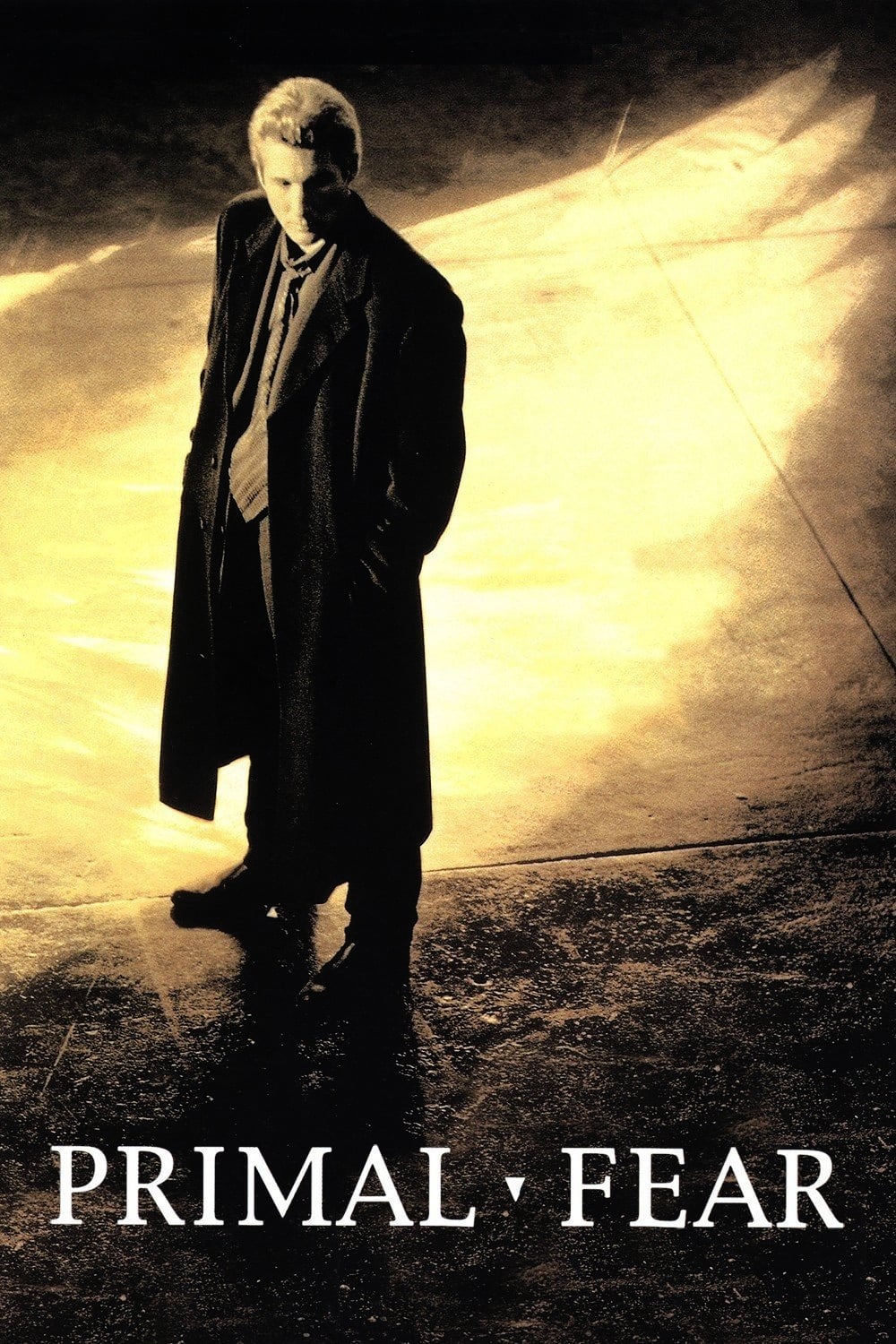
A defense attorney takes on a high-profile case involving an altar boy accused of murdering an archbishop. Hospital evaluations, video tapes, and charity ledgers feed into the courtroom strategy. The timeline of a charitable foundation overlaps with witness statements in telling ways. Paramount Pictures released it, and the last hallway exchange sheds new light on the deposition trail.
‘Caché’ (2005)
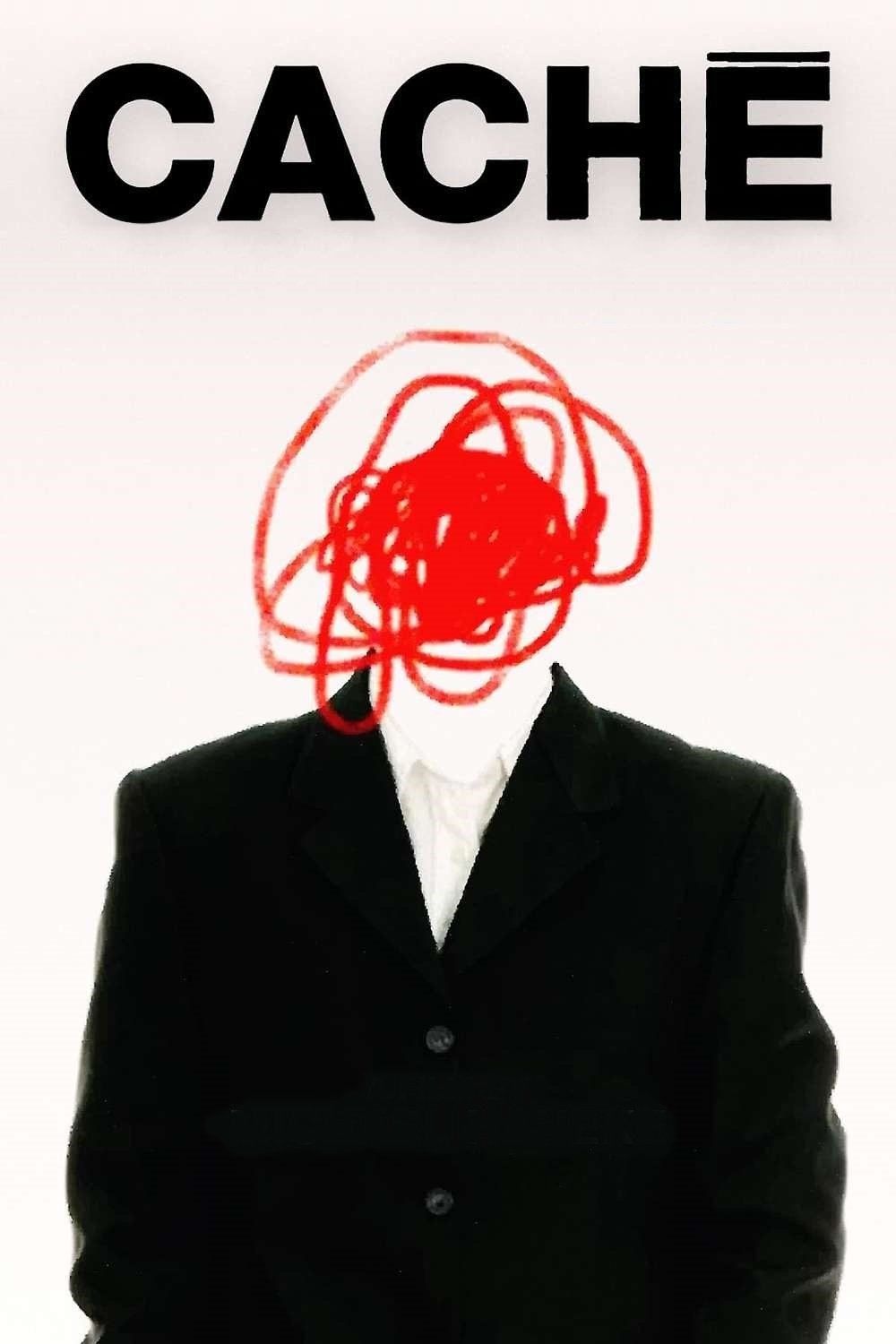
A television host receives anonymous videotapes showing surveillance of his home and childhood haunts. Postmarks, street corners, and long takes establish the vantage points used by the watcher. A school address and an old family connection provide the crucial link. Sony Pictures Classics distributed it in the U.S., encouraging close reads of every stationary shot.
‘The Killing of a Sacred Deer’ (2017)
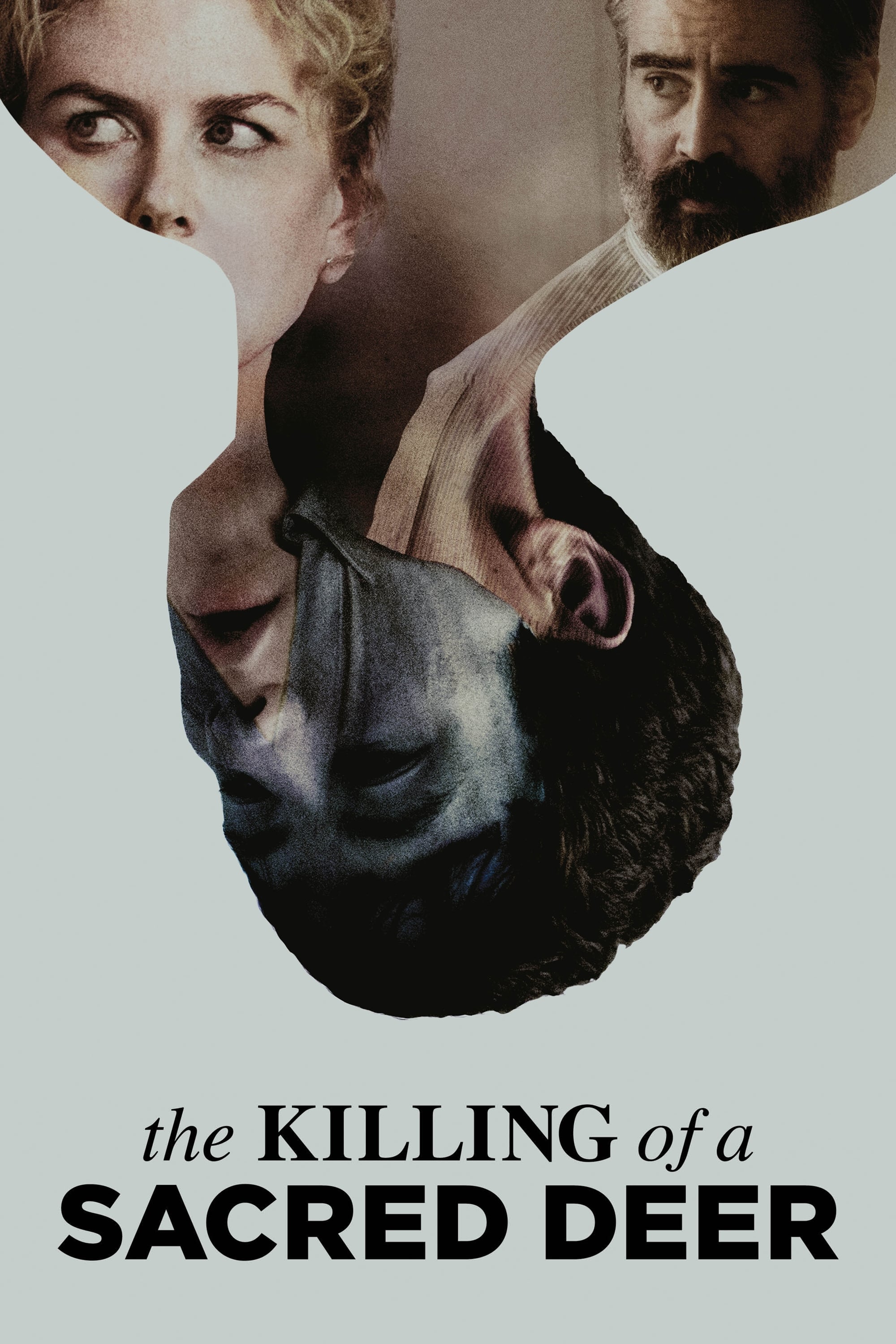
A surgeon befriends a teenager whose presence coincides with a mysterious illness affecting the doctor’s family. Hospital rounds, metronomic dialogue, and gifts exchanged at a dinner table map the power dynamic. The timeline of symptoms and visits clarifies the cost demanded. A24 released it domestically, and viewers track the ritual logic through repeated scenes.
Share the one that fooled you most in the comments.