Quality Movies Overshadowed By Scandal


Some movies earn praise for craft and performances but end up remembered for the controversies around them. Here are films whose headlines were dominated by legal troubles, on set issues, public boycotts, or wider industry scandals. Each entry highlights what happened and why it became the story audiences could not ignore. The films themselves made their mark, yet the surrounding events often took center stage in the conversation.
‘Chinatown’ (1974)
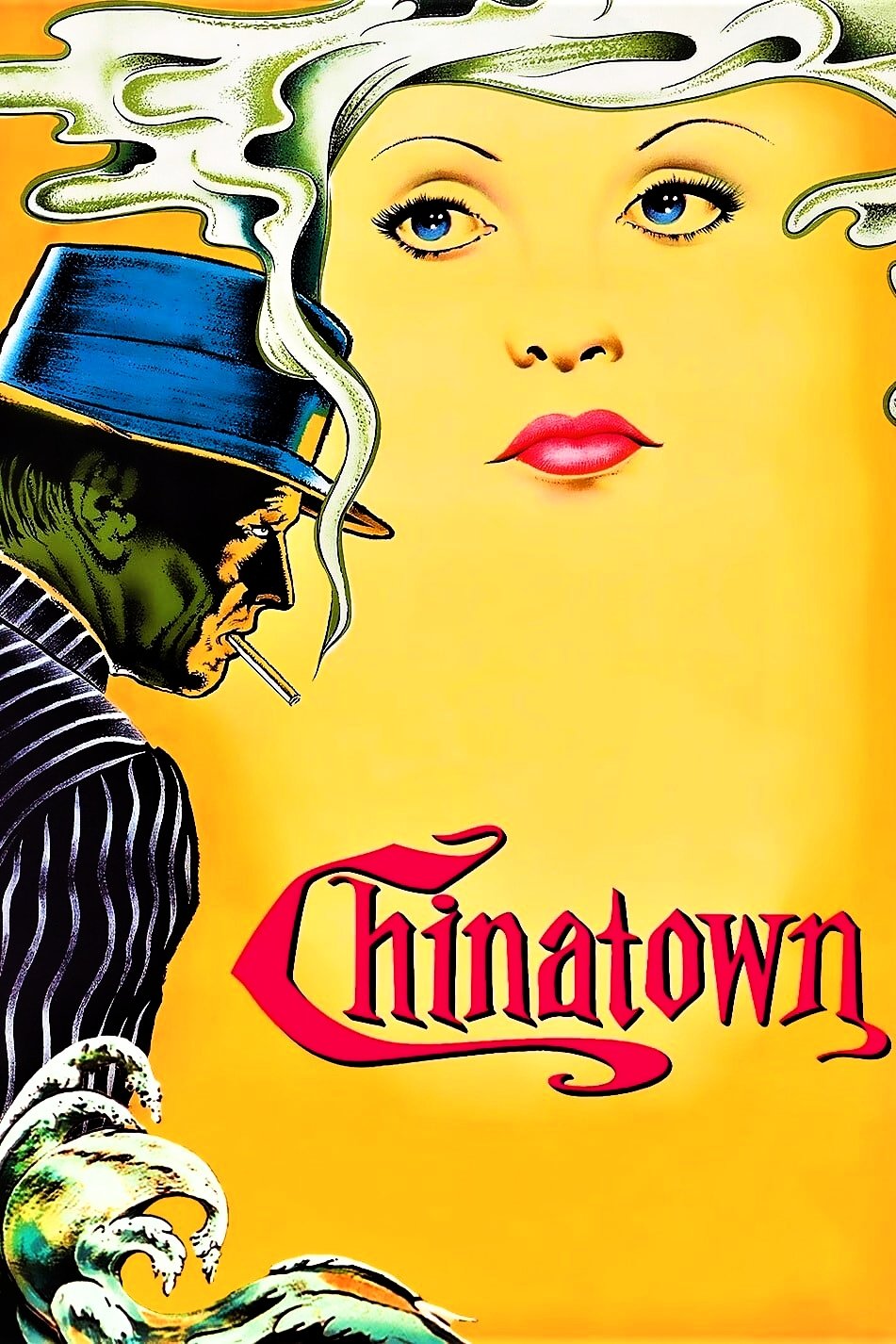
The legacy of ‘Chinatown’ has been complicated by director Roman Polanski’s 1977 statutory rape case and subsequent flight from the United States. Awards bodies and festivals have routinely faced scrutiny when his work is celebrated. Discussions of the film often reference the unresolved legal status that kept Polanski abroad for decades. Preservation and re releases frequently arrive alongside renewed debate about separating art from artist.
‘Rosemary’s Baby’ (1968)
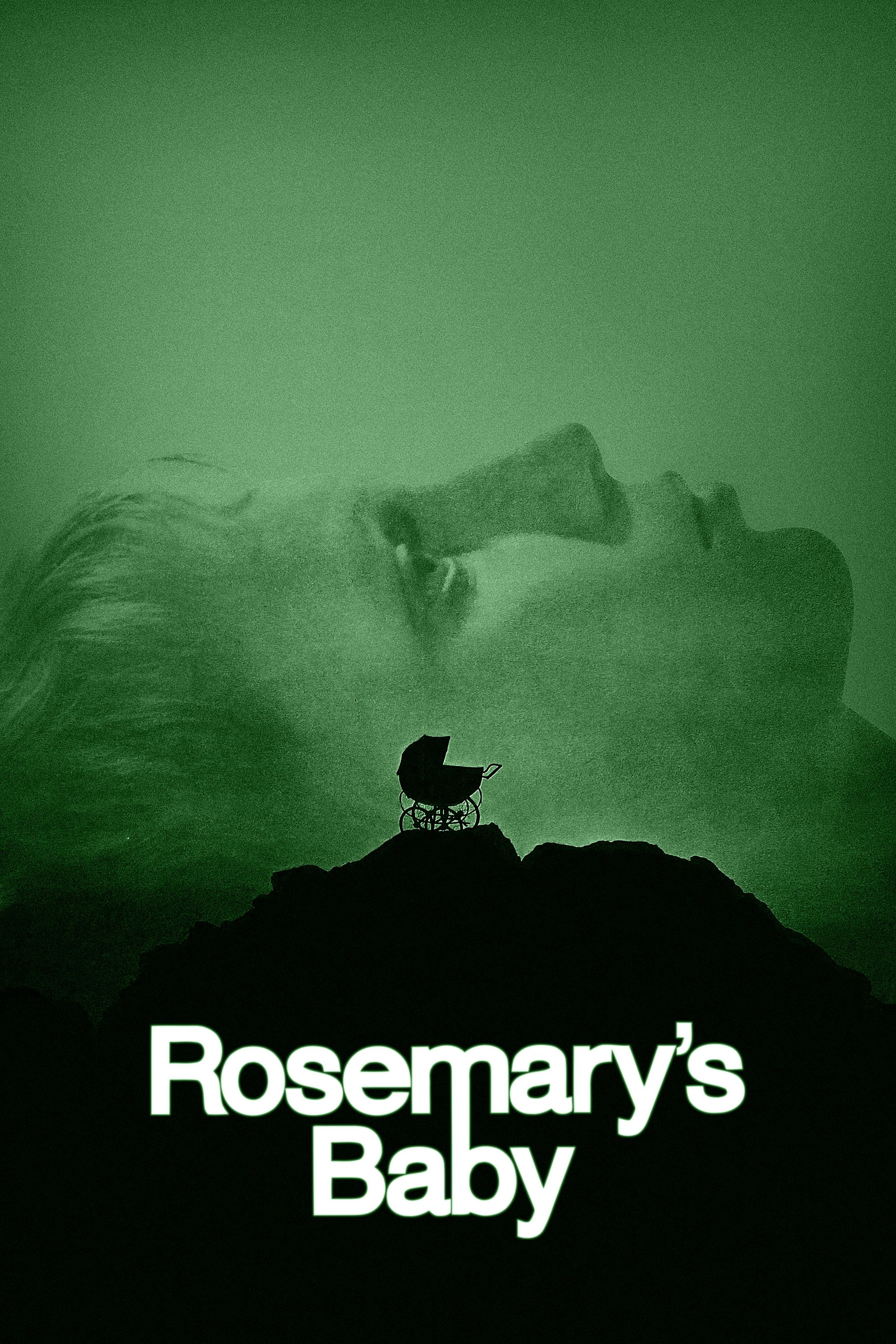
‘Rosemary’s Baby’ became entangled with the personal lives of those involved following the 1969 murder of Sharon Tate, who was married to director Roman Polanski. Later controversies surrounding Polanski’s criminal case kept public focus on off screen events. The film’s anniversary retrospectives regularly revisit this history. Coverage often folds production details into broader examinations of celebrity tragedy and accountability.
‘The Pianist’ (2002)

‘The Pianist’ won major international awards while Polanski remained unable to enter the United States due to his unresolved case. His remote acceptance at the Oscars became a focal point of news coverage. Subsequent attempts to arrest or extradite him in Europe revived debate during anniversaries and retrospectives. Conversations about the film’s achievements are often paired with legal timelines and court updates.
‘American Beauty’ (1999)

The reputation of ‘American Beauty’ shifted after 2017 when multiple allegations against star Kevin Spacey surfaced. Several institutions reconsidered how to present or program the film. Streaming availability and promotional materials drew renewed scrutiny. Media coverage frequently contextualizes the movie within discussions of workplace conduct and accountability in Hollywood.
‘The Usual Suspects’ (1995)
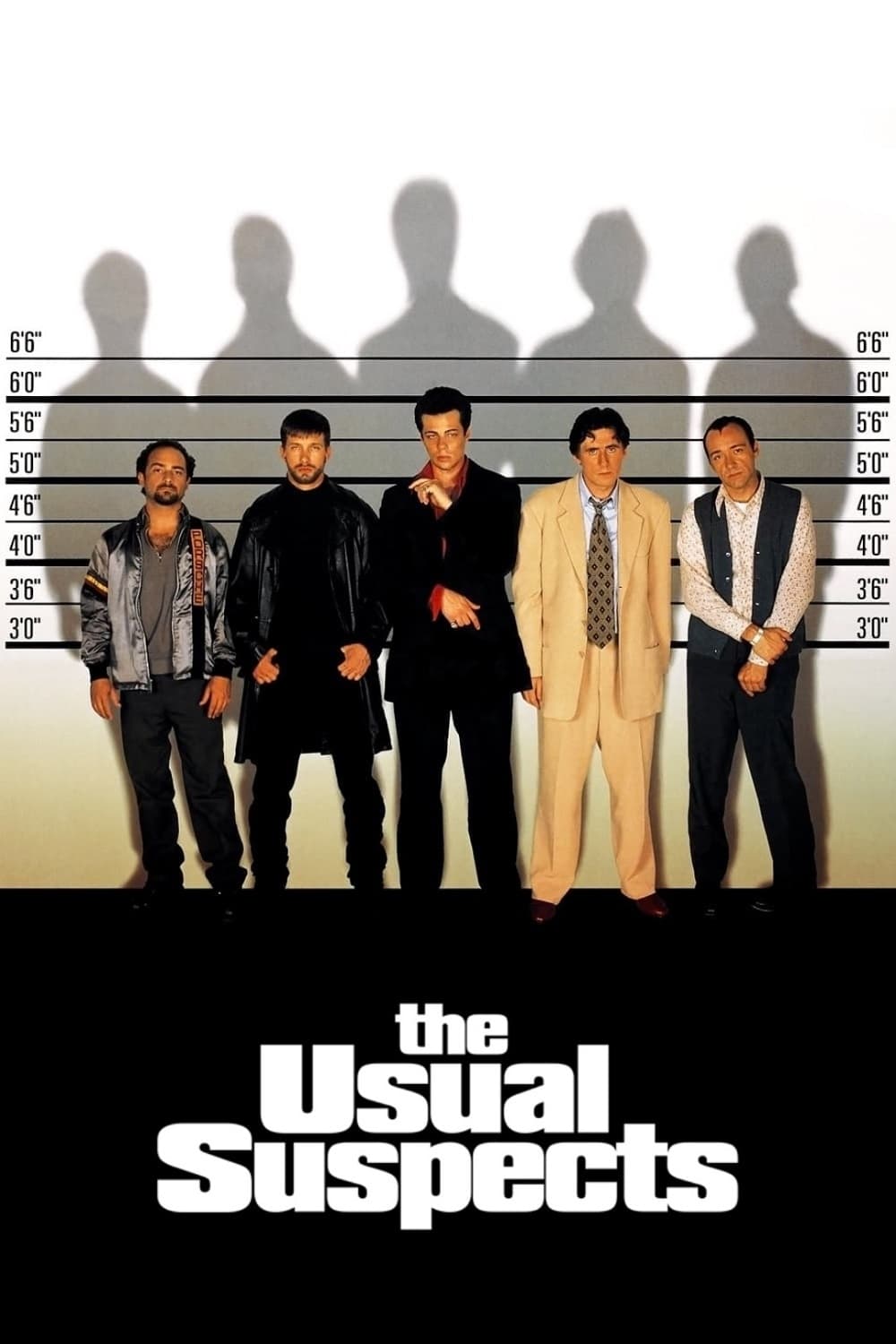
‘The Usual Suspects’ faced retroactive controversy tied to allegations against director Bryan Singer and actor Kevin Spacey. Festival tributes and reunion events drew protests and cancellations. Articles revisiting the film often foreground these issues before discussing its production. New audiences commonly encounter the movie through reporting about the accusations and lawsuits.
‘Blue Is the Warmest Color’ (2013)

Reports from cast and crew described difficult working conditions during the making of ‘Blue Is the Warmest Color’. The explicit sex scenes prompted questions about consent and direction on set. Following its major festival win, the lead actors publicly criticized aspects of the production. The film’s critical conversation continues to include labor practices and ethics alongside artistic analysis.
‘The Wolf of Wall Street’ (2013)
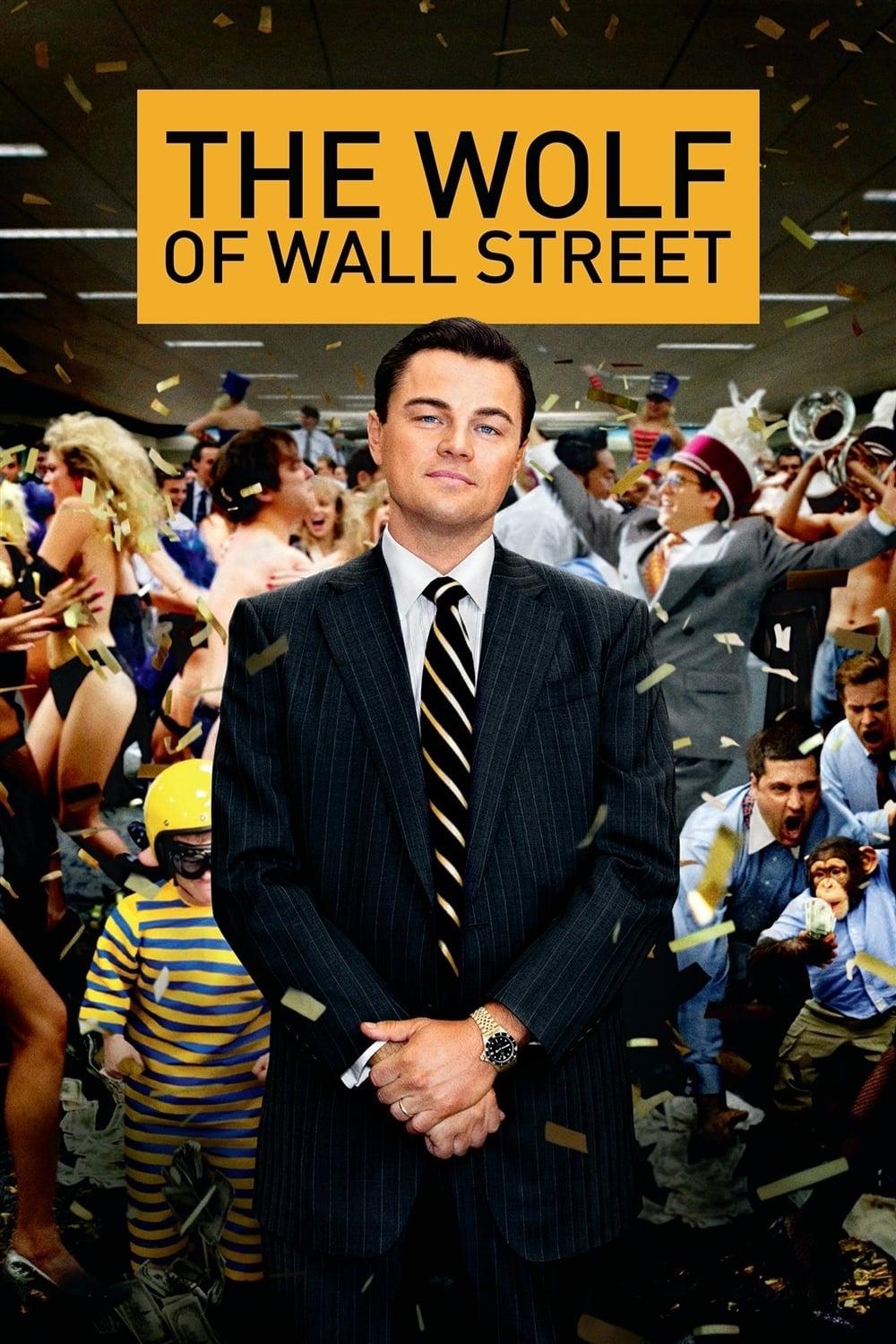
‘The Wolf of Wall Street’ drew attention for connections between its financing and funds later linked to the 1MDB corruption scandal. Investigations and civil forfeiture actions named parties associated with the movie’s backers. Settlements and recovered assets kept the title in legal headlines years after release. Coverage of the film frequently notes these financial ties when recounting its production history.
‘The Interview’ (2014)
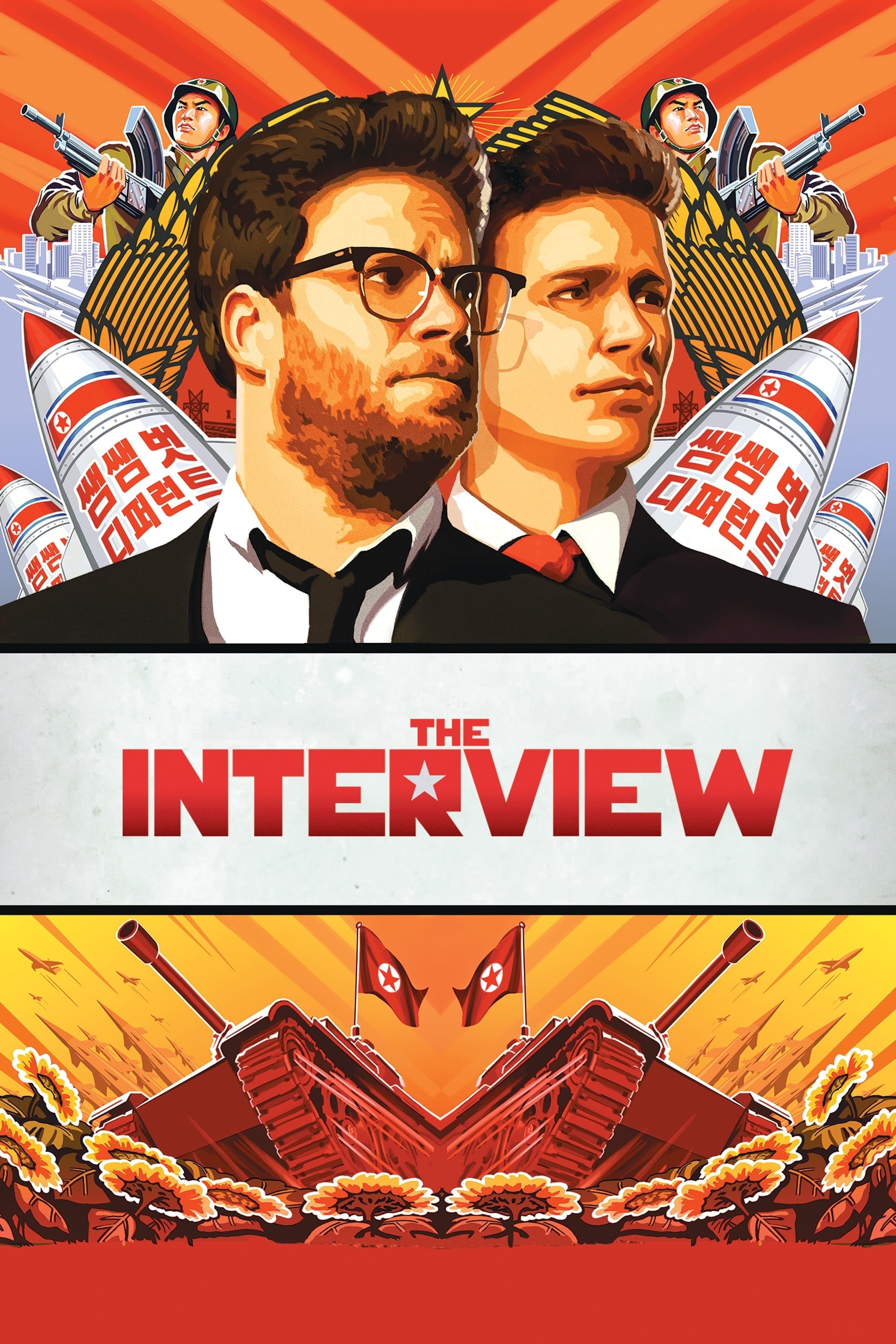
‘The Interview’ became the center of an international incident following the Sony Pictures hack. The movie’s release plan changed amid security concerns and theater withdrawals. It ultimately premiered in a limited and digital rollout that departed from standard practice. The distribution story and related threats overshadowed typical discussions of reception and box office.
‘Last Tango in Paris’ (1972)
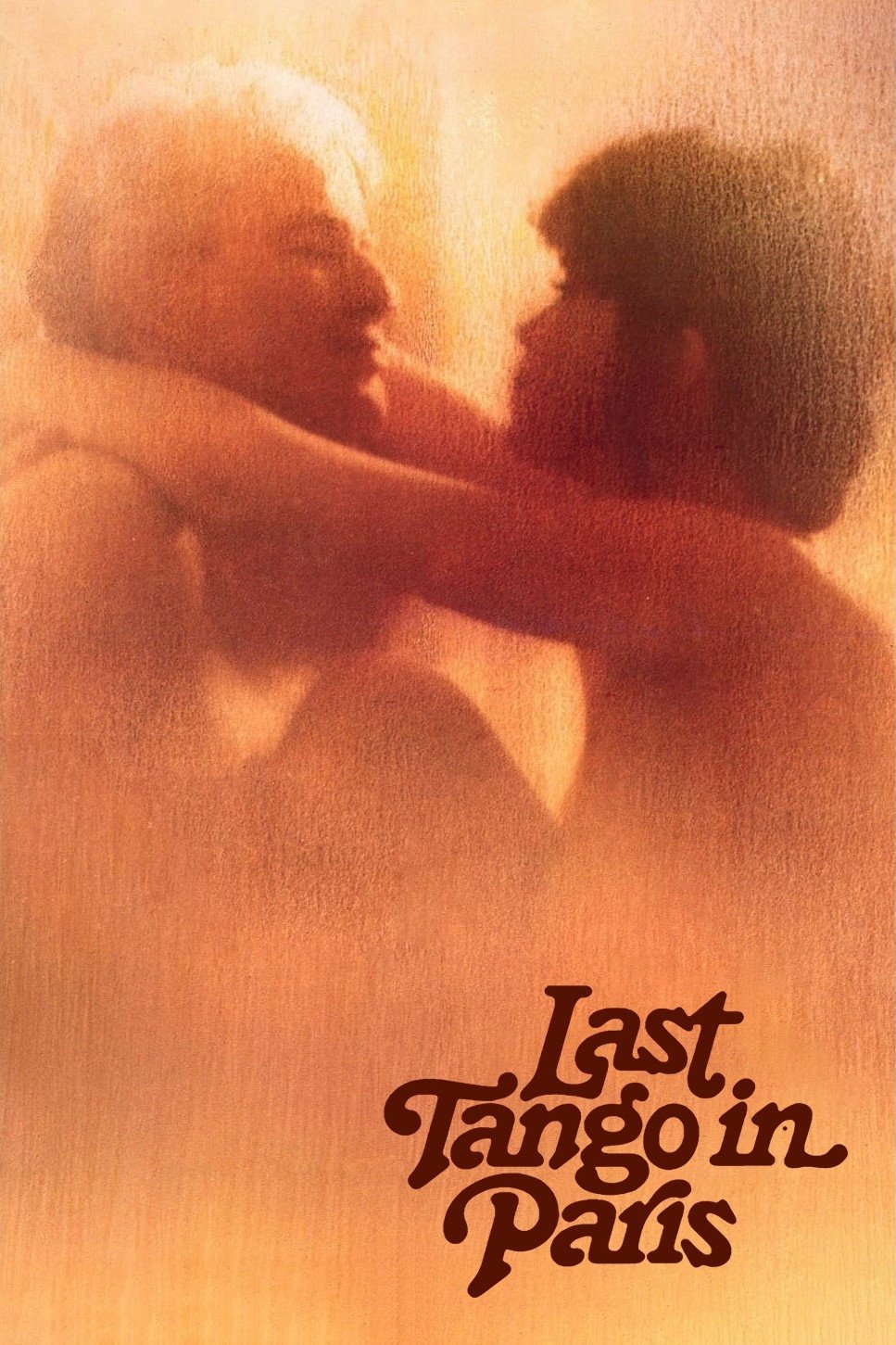
‘Last Tango in Paris’ faced renewed outcry in the 2010s when comments by director Bernardo Bertolucci about the butter scene resurfaced. The remarks prompted widespread discussion about consent and actor treatment. Institutions reconsidered screenings and issued statements contextualizing the film. Historical critiques now regularly include documentation of the scene’s circumstances.
‘All the Money in the World’ (2017)
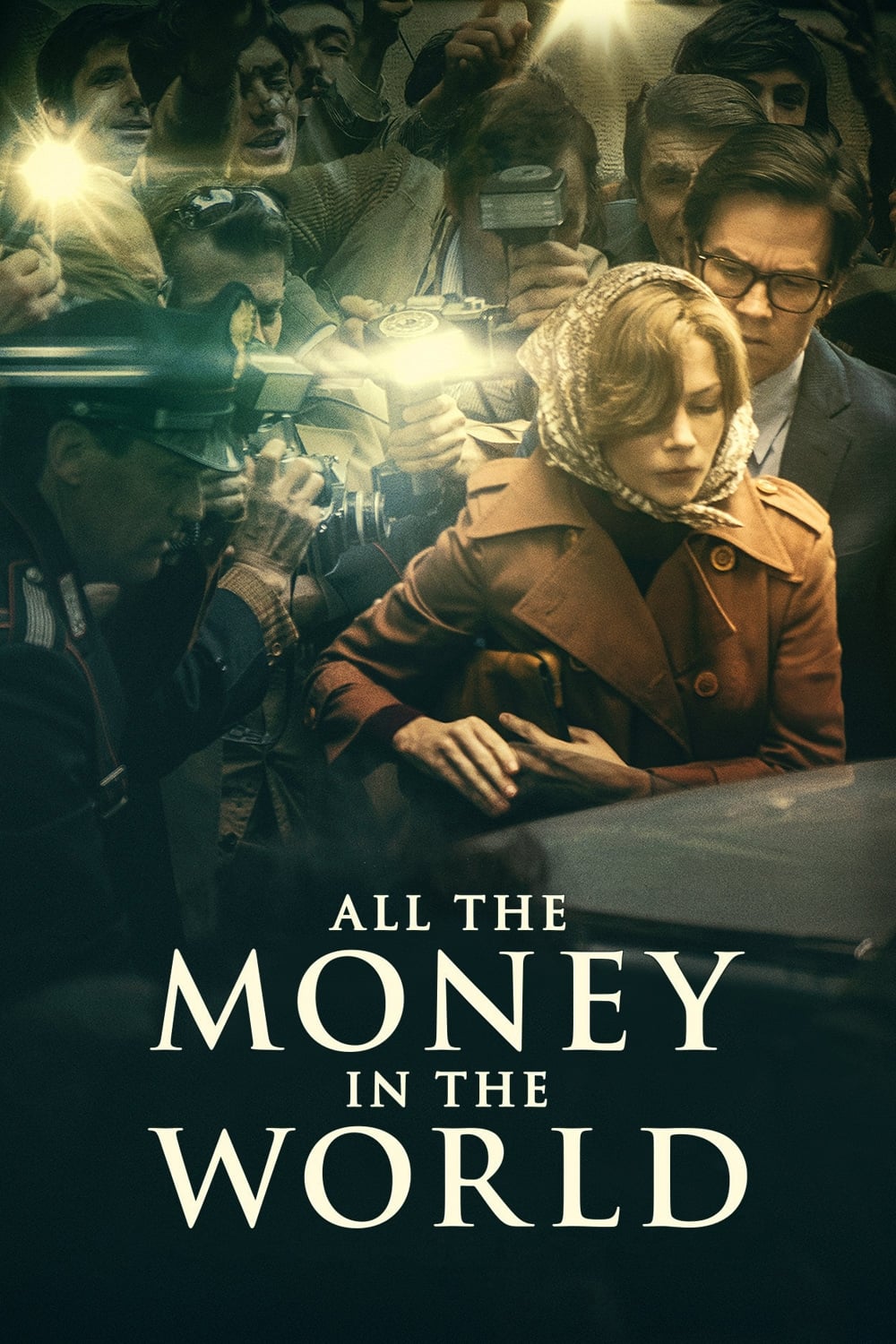
After allegations against Kevin Spacey emerged, ‘All the Money in the World’ reshot his role with Christopher Plummer shortly before release. The rapid production change became a major marketing point and news story. A related pay disparity controversy involving reshoot compensation for the leads sparked public debate. Awards campaigns and press tours centered on these developments as much as the film itself.
‘Baby Driver’ (2017)

In the months following ‘Baby Driver’, allegations against Kevin Spacey heavily shaped how the film was discussed. Cast interviews and promotional appearances addressed the situation directly. The movie’s television and streaming runs commonly included commentary on the fallout. The broader conversation linked the title to industry shifts in handling misconduct claims.
‘A Dog’s Purpose’ (2017)
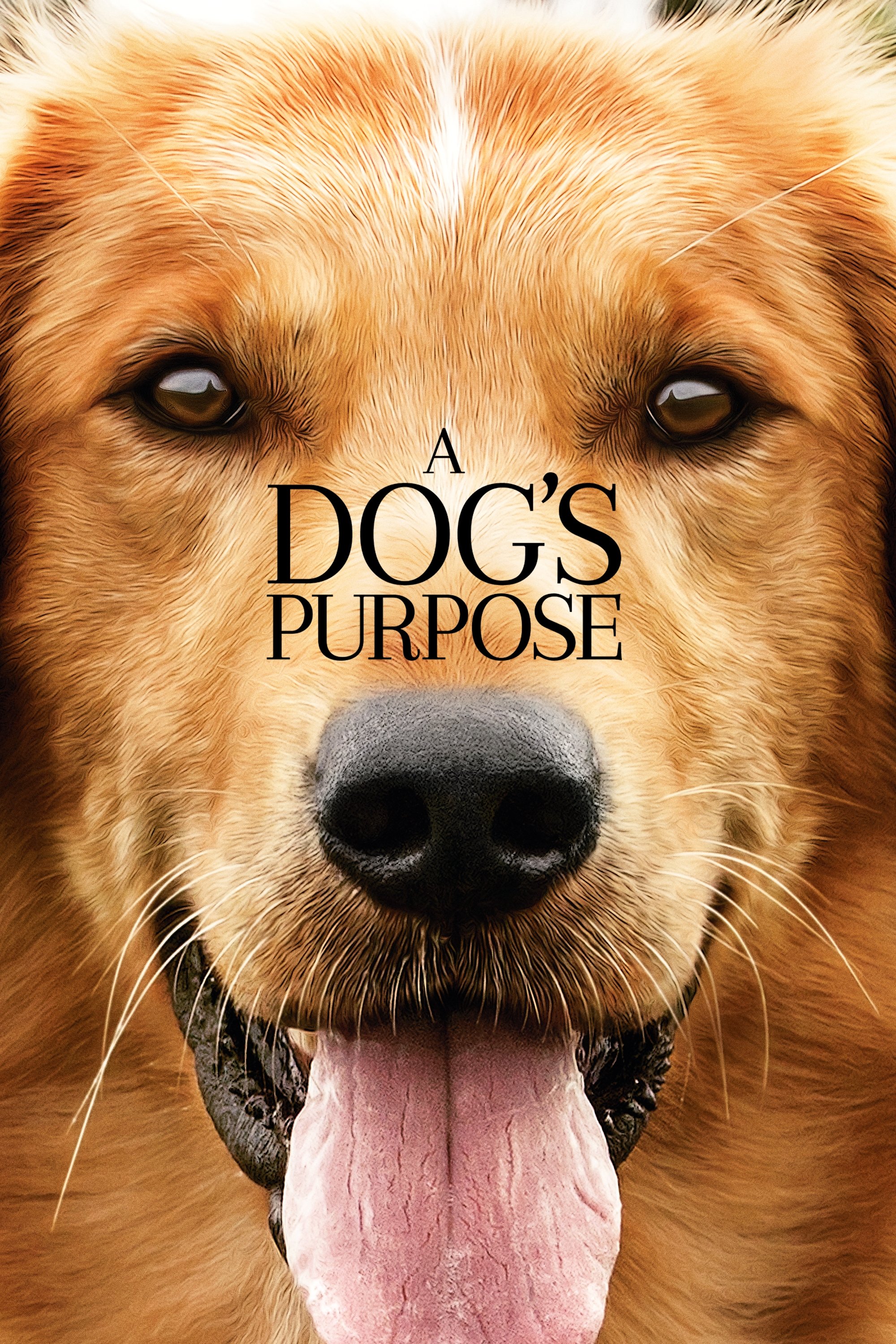
‘A Dog’s Purpose’ faced accusations of animal mistreatment after a leaked video circulated during its promotional window. An independent investigation later reported that the footage had been edited, yet the controversy affected marketing plans. Premieres were canceled and media coverage concentrated on animal safety protocols. The incident influenced how productions publicize compliance with welfare standards.
‘Birth’ (2004)
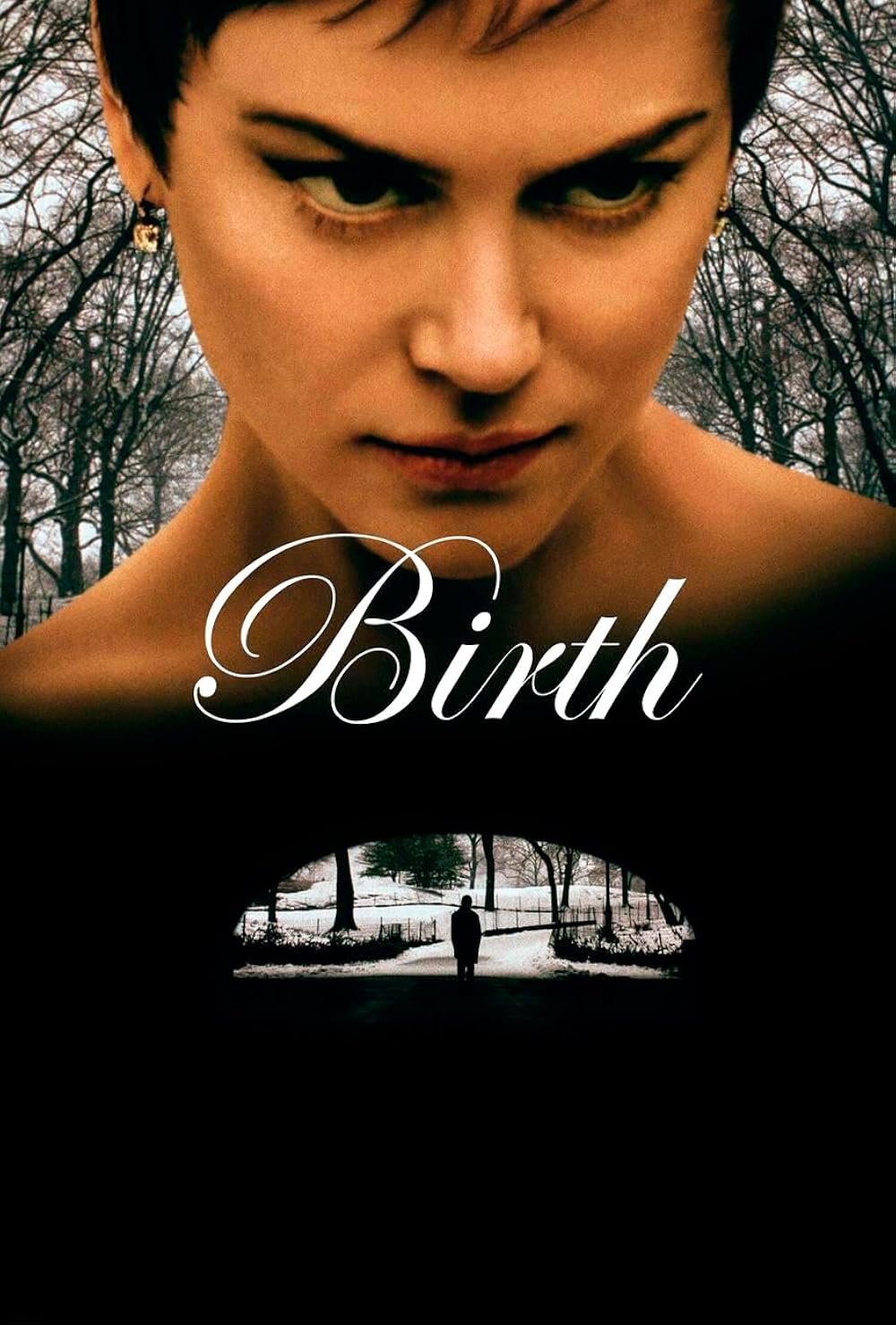
‘Birth’ drew controversy over a bathtub scene involving Nicole Kidman and a young actor that raised questions about boundaries and presentation. The production detailed the safeguards and editing used to create the sequence. Festivals and ratings discussions examined the depiction closely. The debate became a central part of press coverage and audience reception.
‘Ender’s Game’ (2013)
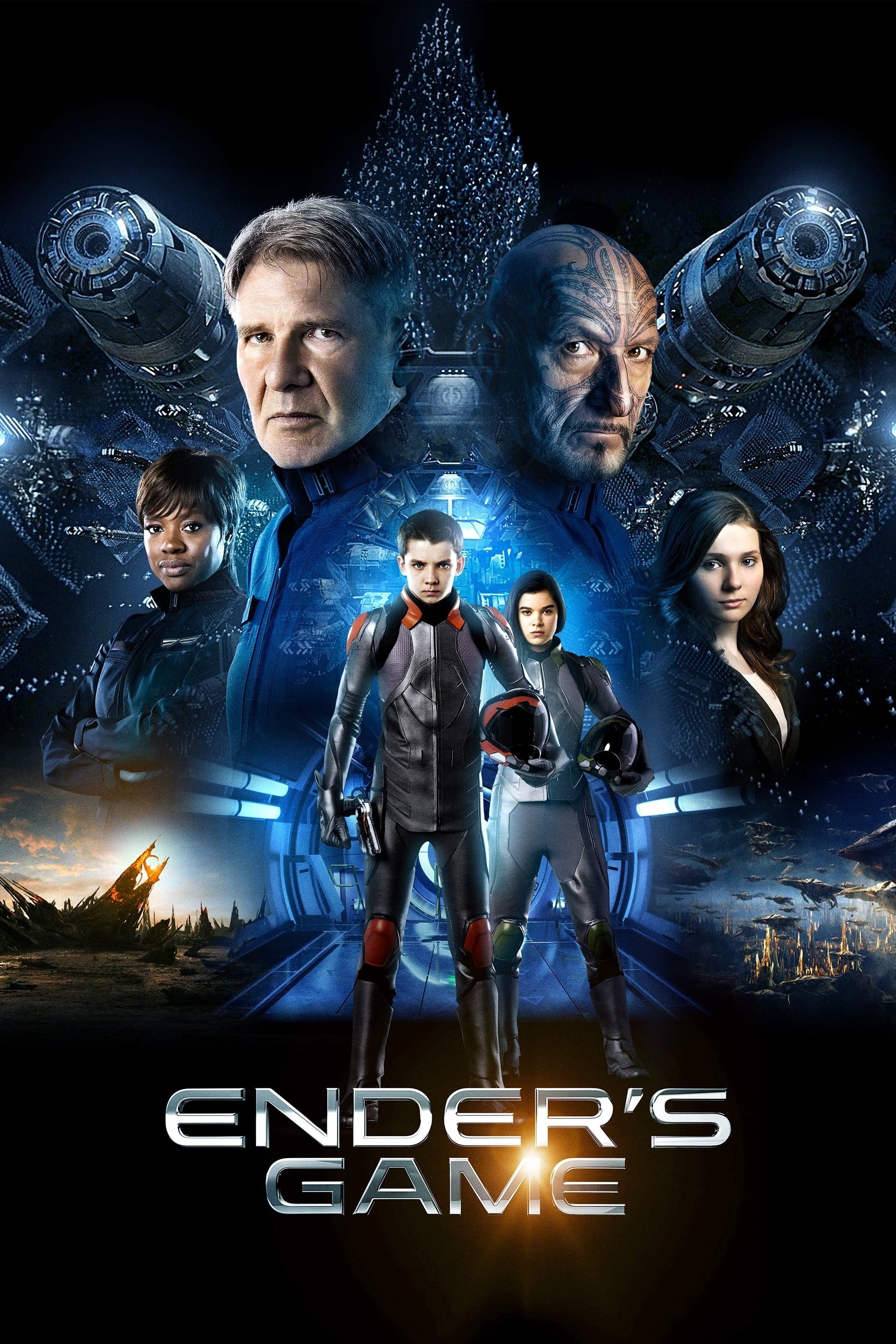
‘Ender’s Game’ encountered organized boycotts due to public statements by source author Orson Scott Card on LGBTQ rights. The distributor issued distancing statements while maintaining the release schedule. Theater owners and fan groups weighed participation against calls for protest. Box office analysis frequently incorporates the impact of the boycott campaign.
‘The Birth of a Nation’ (2016)
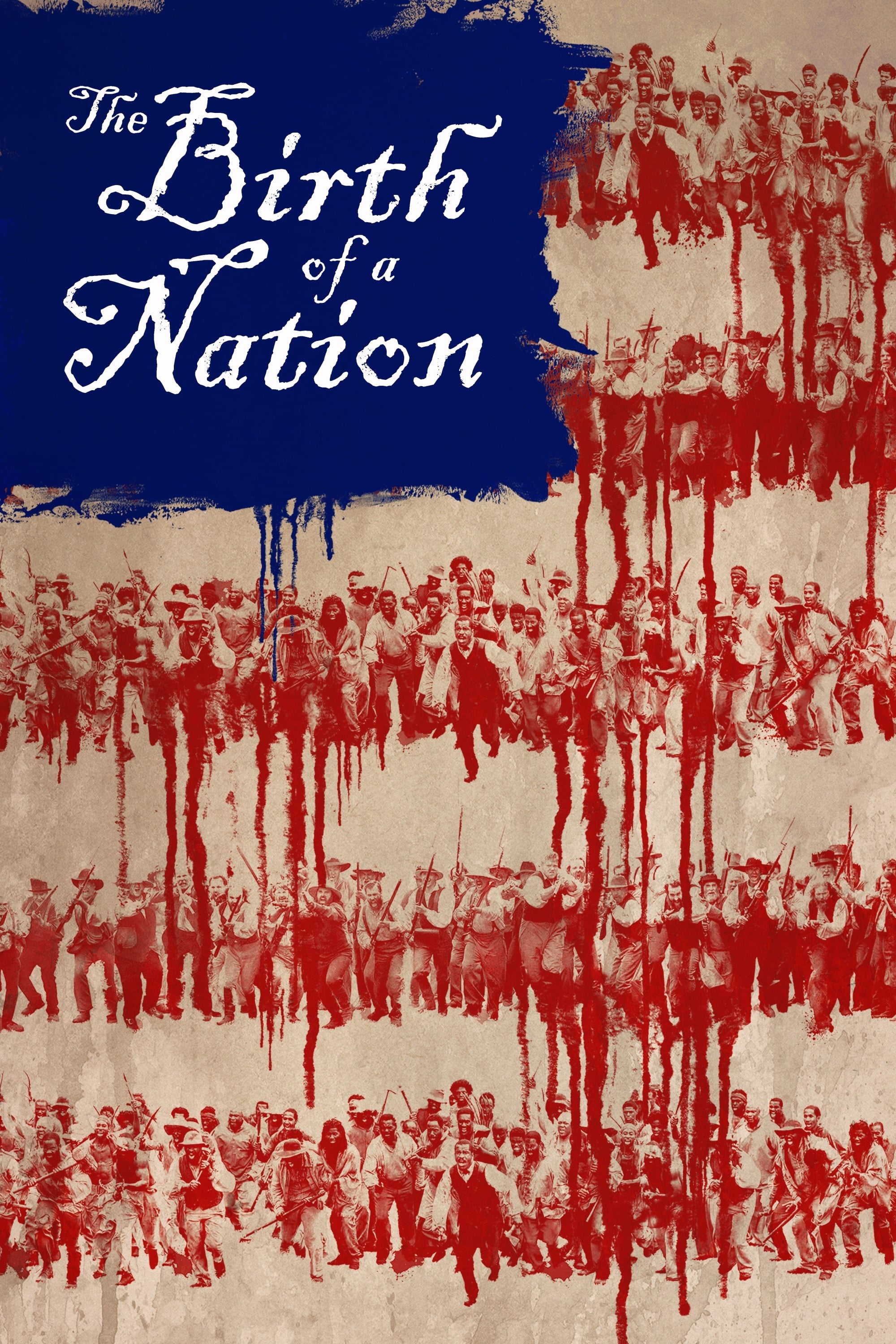
‘The Birth of a Nation’ arrived with major festival accolades before past allegations against director star Nate Parker resurfaced. The case had resulted in an acquittal years earlier, yet the renewed attention dominated press coverage. Promotional plans and awards prospects shifted as interviews focused on the history. The conversation around the film became a touchpoint in industry discussions about accountability and disclosure.
‘Manhattan’ (1979)
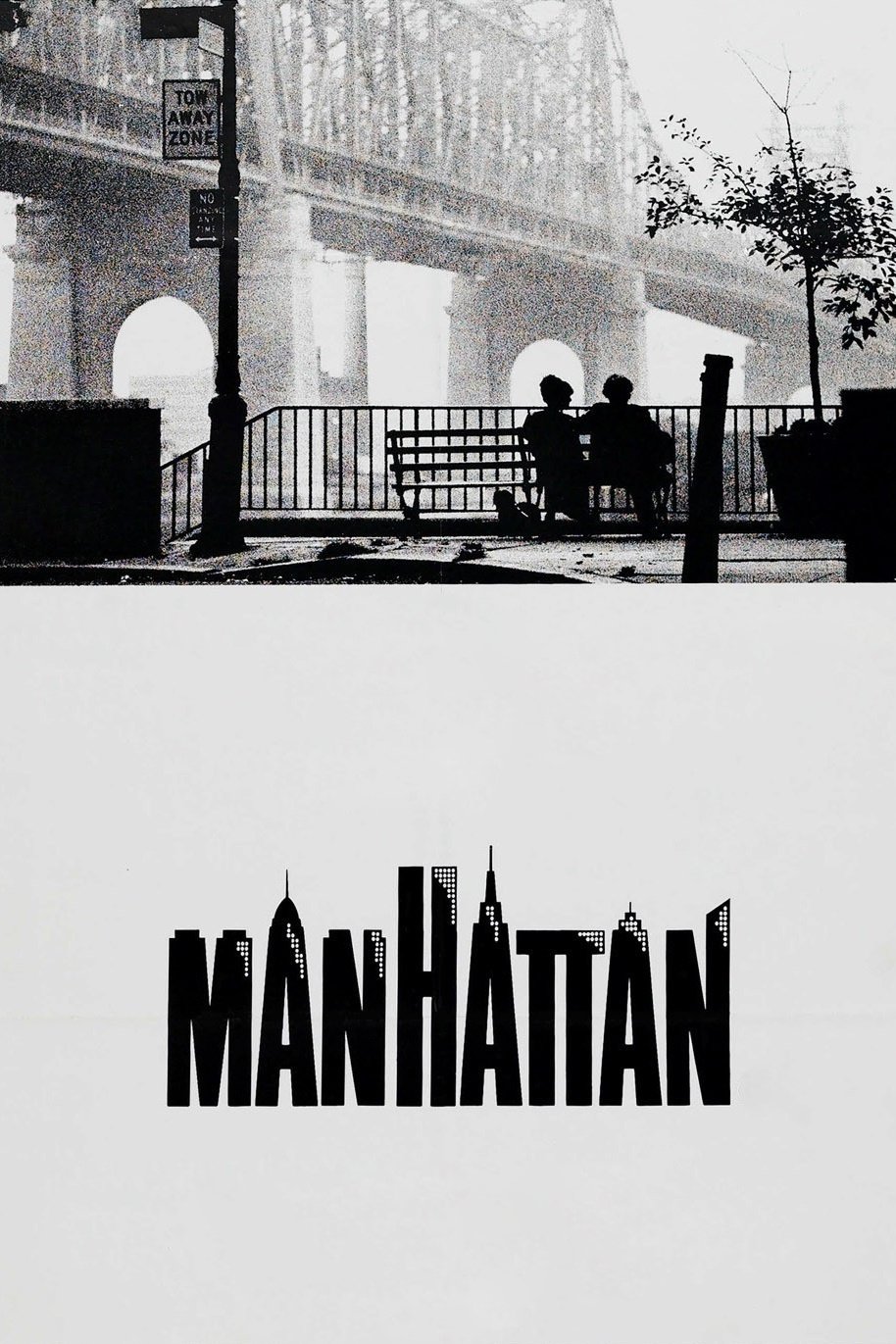
Public scrutiny of Woody Allen’s personal life has repeatedly reshaped the way audiences approach ‘Manhattan’. Renewed attention to long running accusations and family disputes brought the film into conversations about power and ethics. Retrospectives often place the work alongside timelines of interviews and legal developments. Screenings and institutional tributes have prompted statements and disclaimers.
‘Husbands and Wives’ (1992)
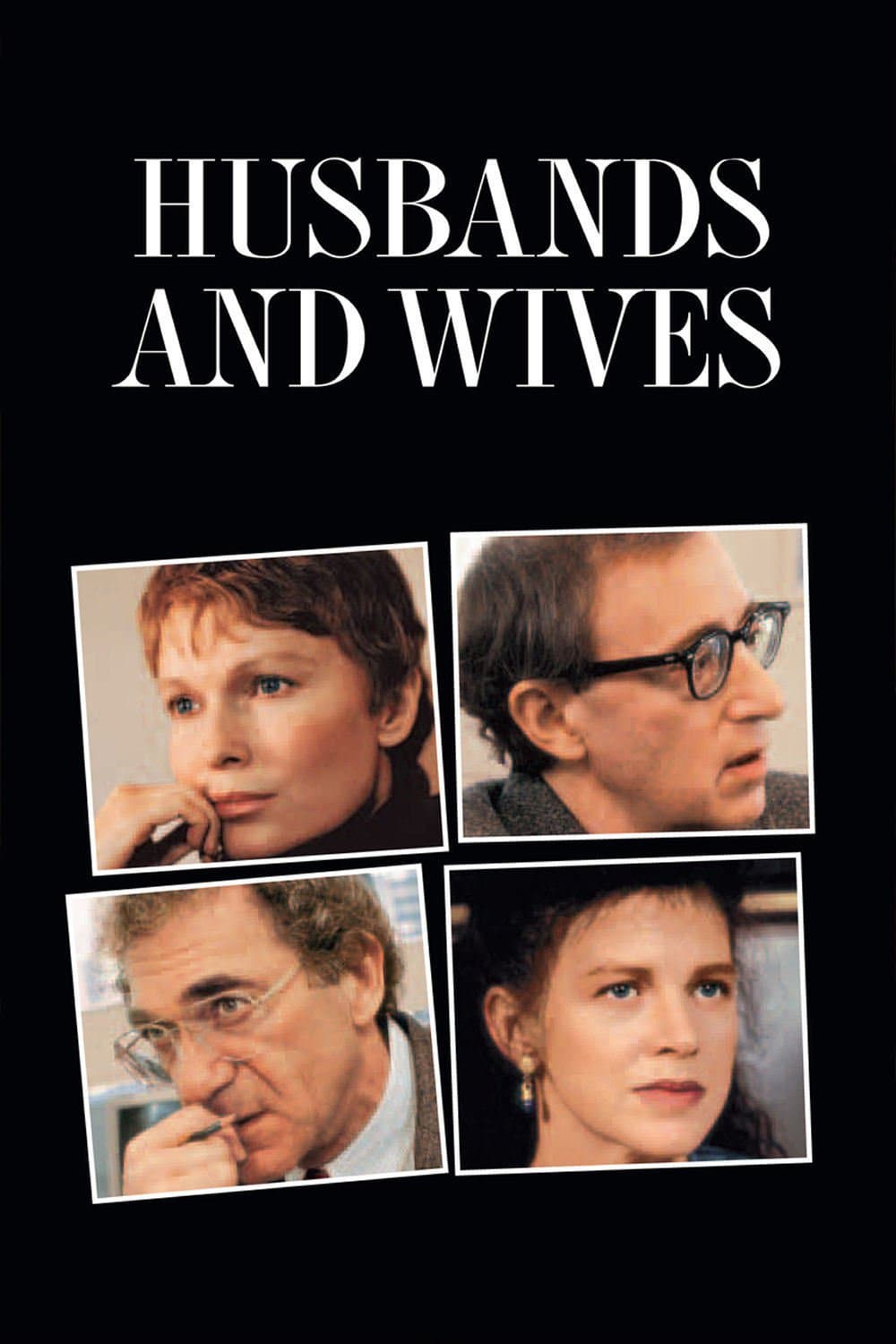
‘Husbands and Wives’ opened during widely covered reporting on Woody Allen’s breakup with Mia Farrow. Coverage of the film was intertwined with news about their family and the relationship with Soon Yi Previn. Press tours and profiles concentrated on the off screen situation. The release became a case study in how personal headlines can dominate film discourse.
‘Bohemian Rhapsody’ (2018)
‘Bohemian Rhapsody’ faced upheaval when director Bryan Singer was dismissed late in production and replaced for completion. Reports on allegations against Singer shaped awards season coverage. Acceptance speeches and press questions frequently addressed the production’s divided credit. Articles revisiting the film summarize the personnel changes before discussing the music and performances.
‘Manchester by the Sea’ (2016)
Past civil suits involving Casey Affleck resurfaced during the film’s awards run and influenced publicity. Interviews and red carpet coverage often led with questions about the allegations and settlements. Some events adjusted appearances and Q and A formats. The conversation around the movie regularly includes how distributors and guilds responded.
‘Apocalypto’ (2006)
‘Apocalypto’ arrived months after intense headlines about Mel Gibson’s arrest and remarks during a DUI incident. The publicity campaign navigated questions about contrition and accountability. Coverage tracked box office performance alongside discussions of the controversy. International press framed distribution decisions through that lens.
‘The Passion of the Christ’ (2004)
‘The Passion of the Christ’ was released amid debates over antisemitism and cinematic violence. Community groups organized statements and protests while studios and exhibitors weighed programming choices. Ratings boards and religious leaders issued guidance and responses. The film’s media narrative centered on these reactions as much as filmmaking craft.
‘The Last Temptation of Christ’ (1988)
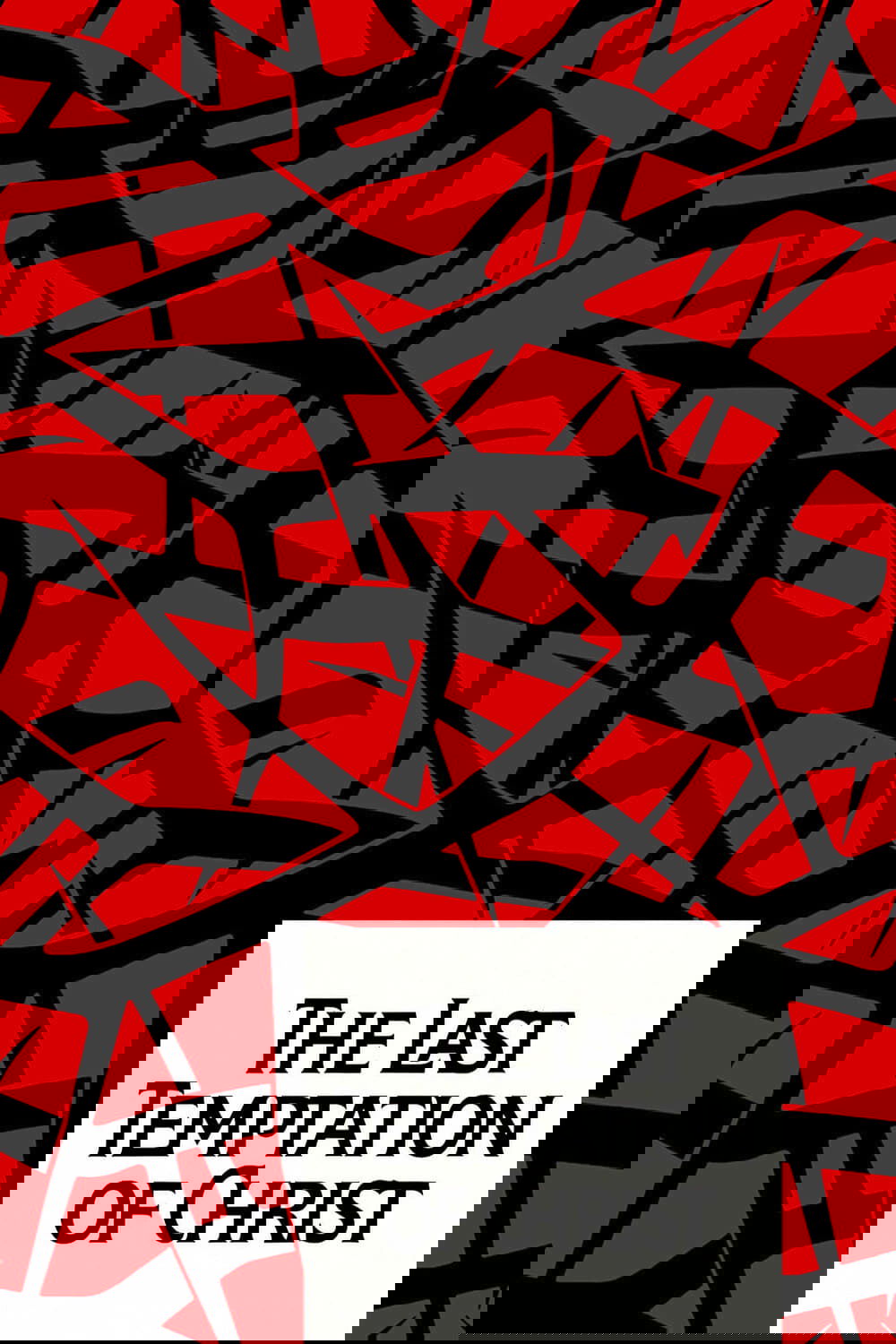
‘The Last Temptation of Christ’ faced boycotts and theater pickets upon release. Several exhibitors declined bookings due to pressure campaigns. Legal efforts and municipal debates emerged in certain markets. Archival features and anniversary pieces document these clashes alongside the production history.
‘The Crow’ (1994)
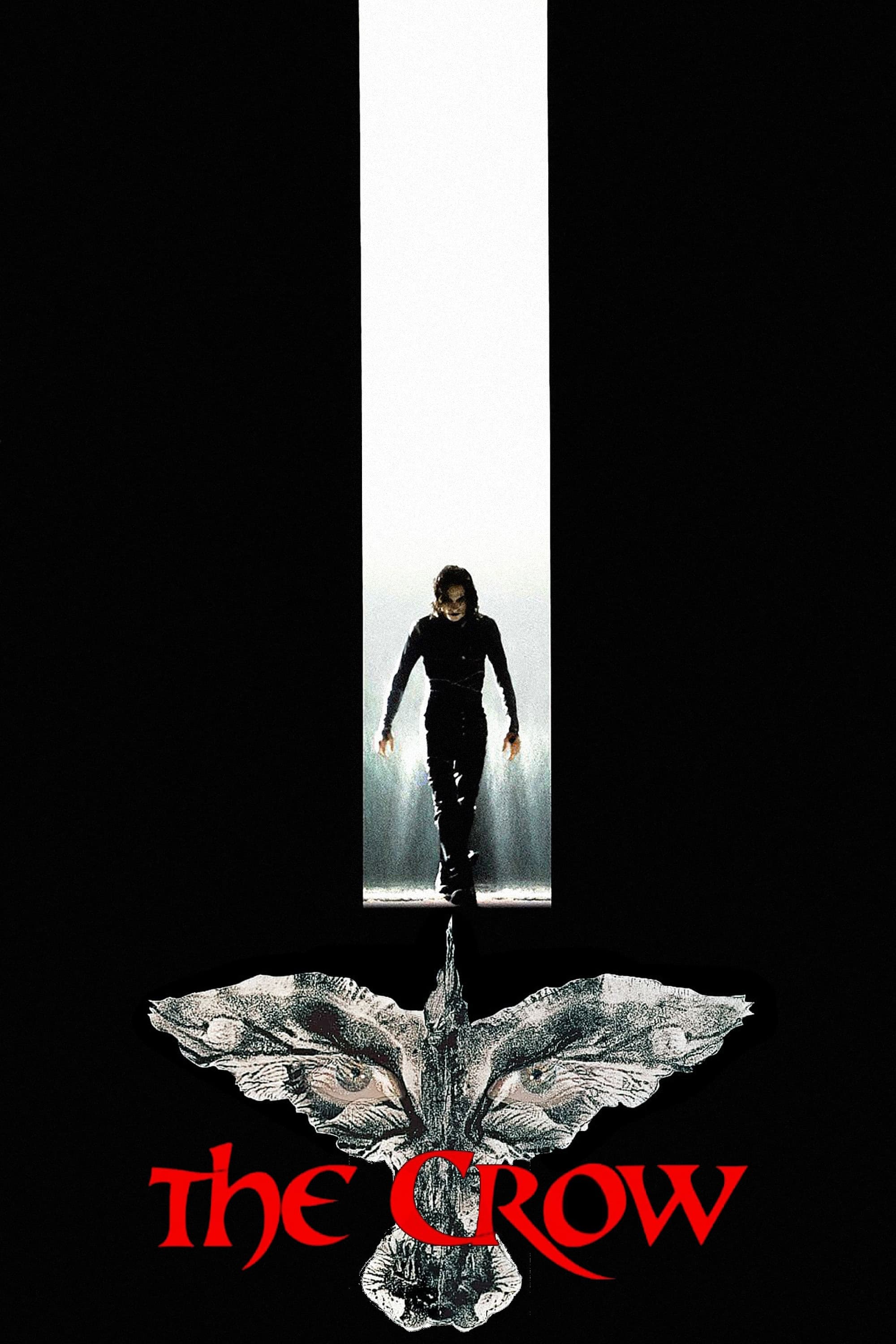
‘The Crow’ was completed after the on set death of star Brandon Lee. Investigations focused on prop safety and firearms procedures. The release was framed as both a tribute and a test case for visual effects completion. Industry discussions on set protocols often cite the film.
‘Twilight Zone: The Movie’ (1983)

Production of ‘Twilight Zone: The Movie’ was marked by a helicopter accident that killed actor Vic Morrow and two child actors. Multiple legal cases examined night work, child labor approvals, and safety planning. The tragedy led to changes in how productions document stunts and special effects. Histories of the film place the incident at the center of its legacy.
‘Zero Dark Thirty’ (2012)

‘Zero Dark Thirty’ sparked controversy over depictions of torture and reported access to government sources. Lawmakers and agencies issued public statements that questioned the film’s portrayal. Awards bodies hosted panels that addressed accuracy and ethics. The title remains a reference point in debates about dramatizing recent history.
‘On the Waterfront’ (1954)
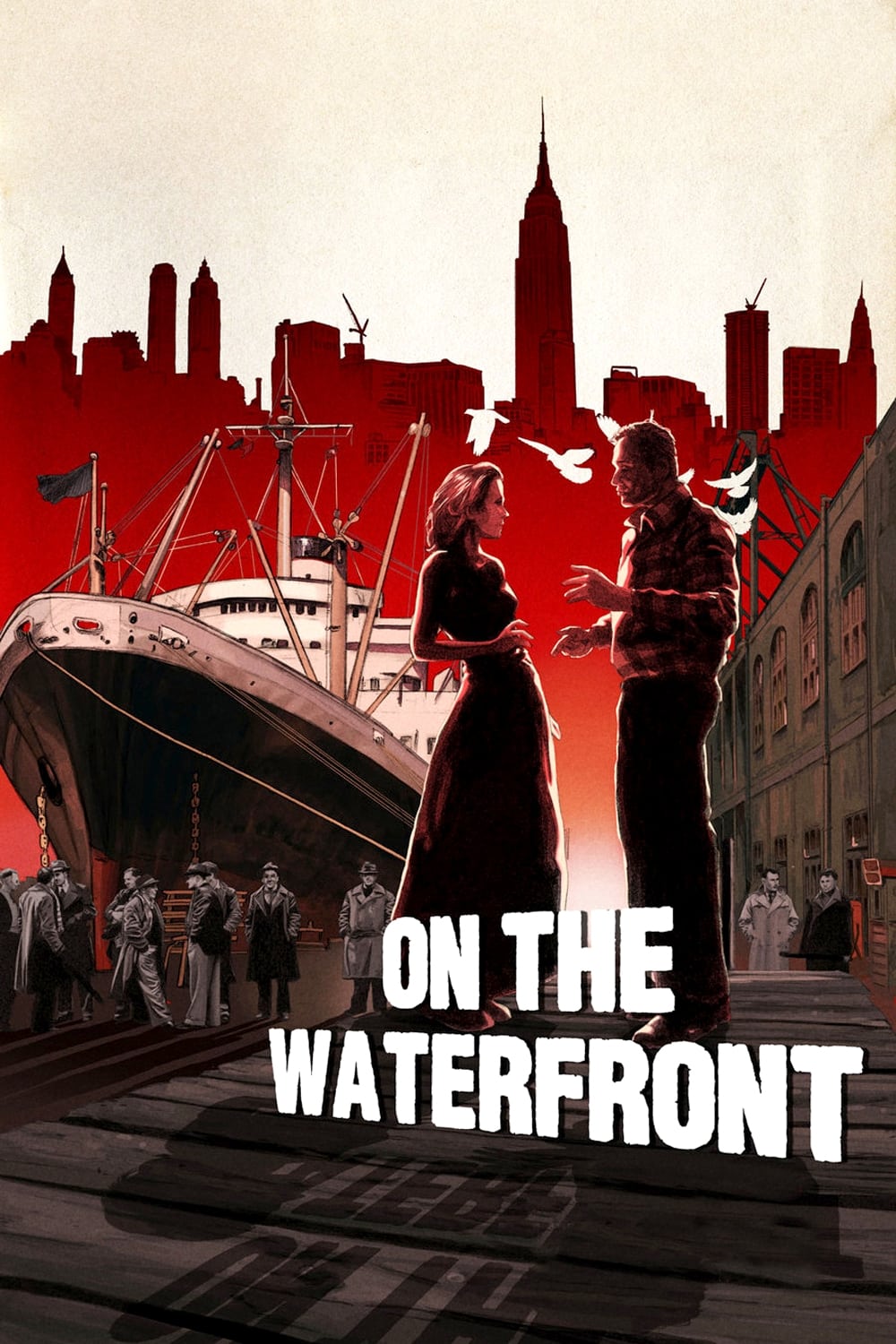
‘On the Waterfront’ is frequently discussed in connection with director Elia Kazan’s cooperation with the House Un American Activities Committee. His testimony and later lifetime honors drew protests and open letters. Programming notes and museum exhibits describe the political context. The film’s screenings often include introductions that address the era.
‘Roman Holiday’ (1953)
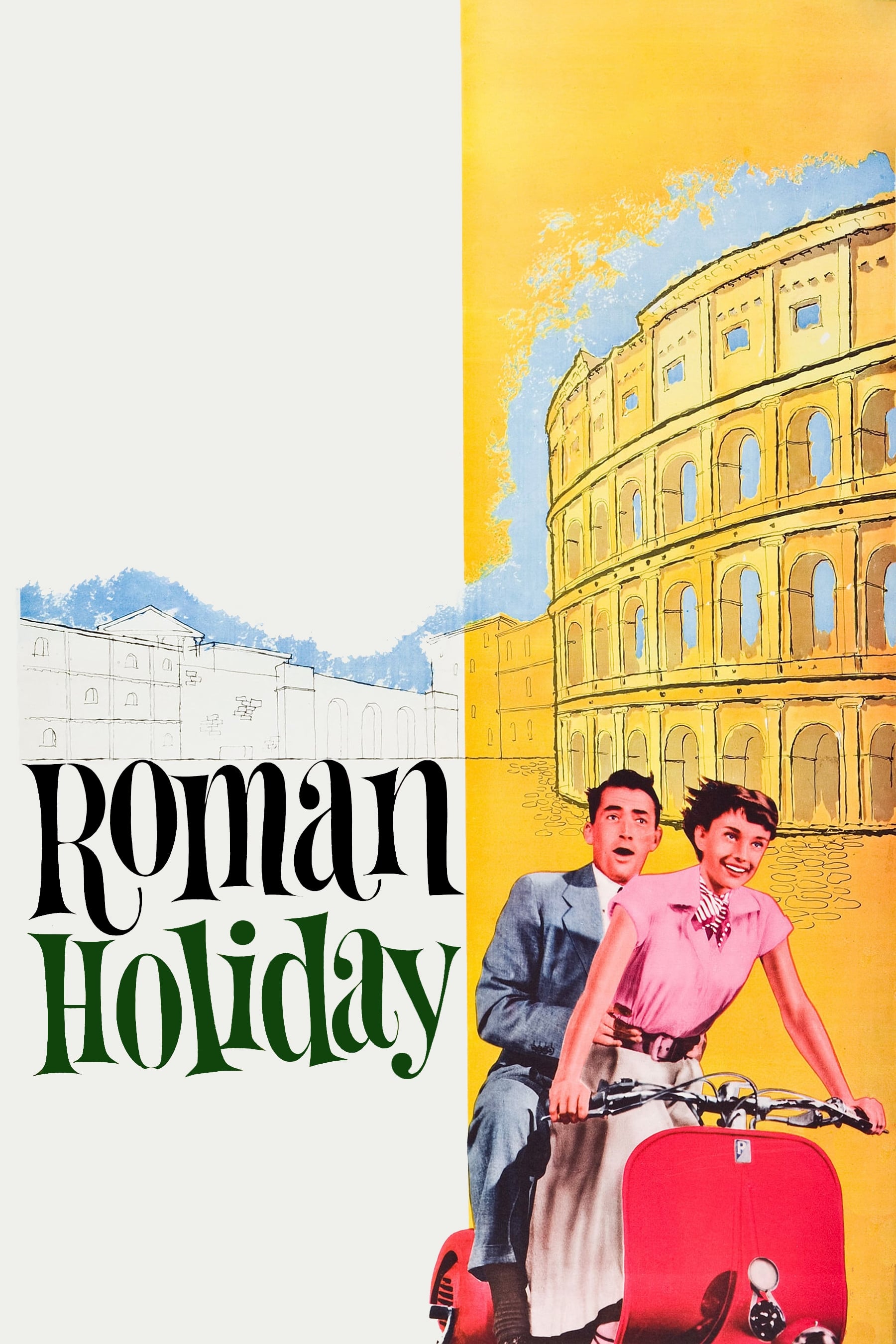
The original screenplay credit for ‘Roman Holiday’ omitted blacklisted writer Dalton Trumbo during the Hollywood blacklist period. Decades later the Writers Guild corrected the credit and the Academy updated its records. Restorations and home releases now reflect the change. Coverage of the film regularly highlights this history of attribution.
‘Melancholia’ (2011)

Cannes press events for ‘Melancholia’ were overshadowed when director Lars von Trier made comments that led the festival to declare him persona non grata. The festival’s actions and subsequent clarifications dominated trade coverage. Interviews with cast members addressed the fallout during release. Discussions of the film’s festival run routinely recount the incident.
‘The Blind Side’ (2009)
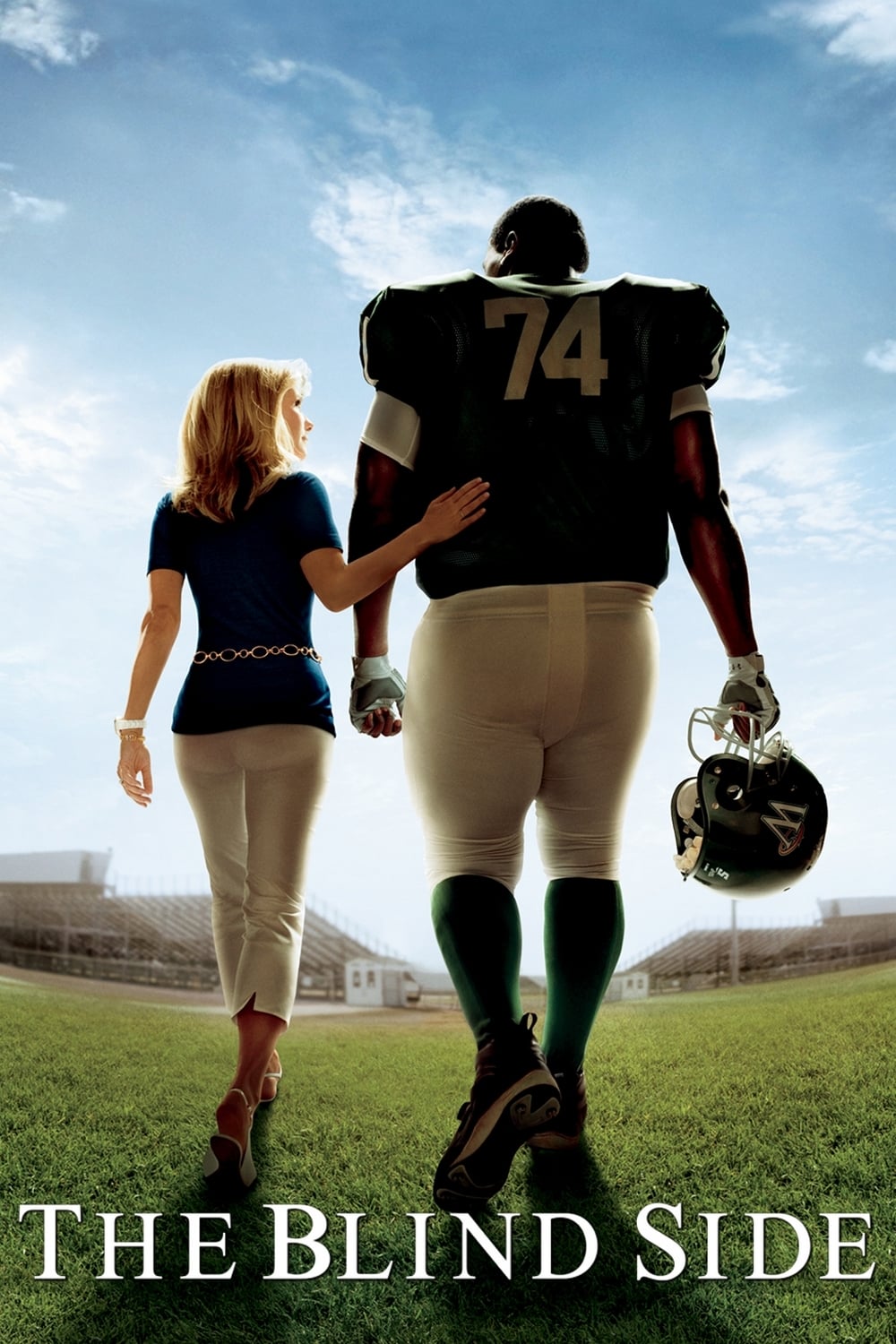
In 2023 former NFL player Michael Oher filed a petition concerning the conservatorship arranged by the family depicted in ‘The Blind Side’. The case prompted statements from the parties and renewed media attention on the film. Broadcasters and platforms added context in articles and interviews. The legal dispute reframed public conversations about the story and its portrayal.
‘Call Me by Your Name’ (2017)
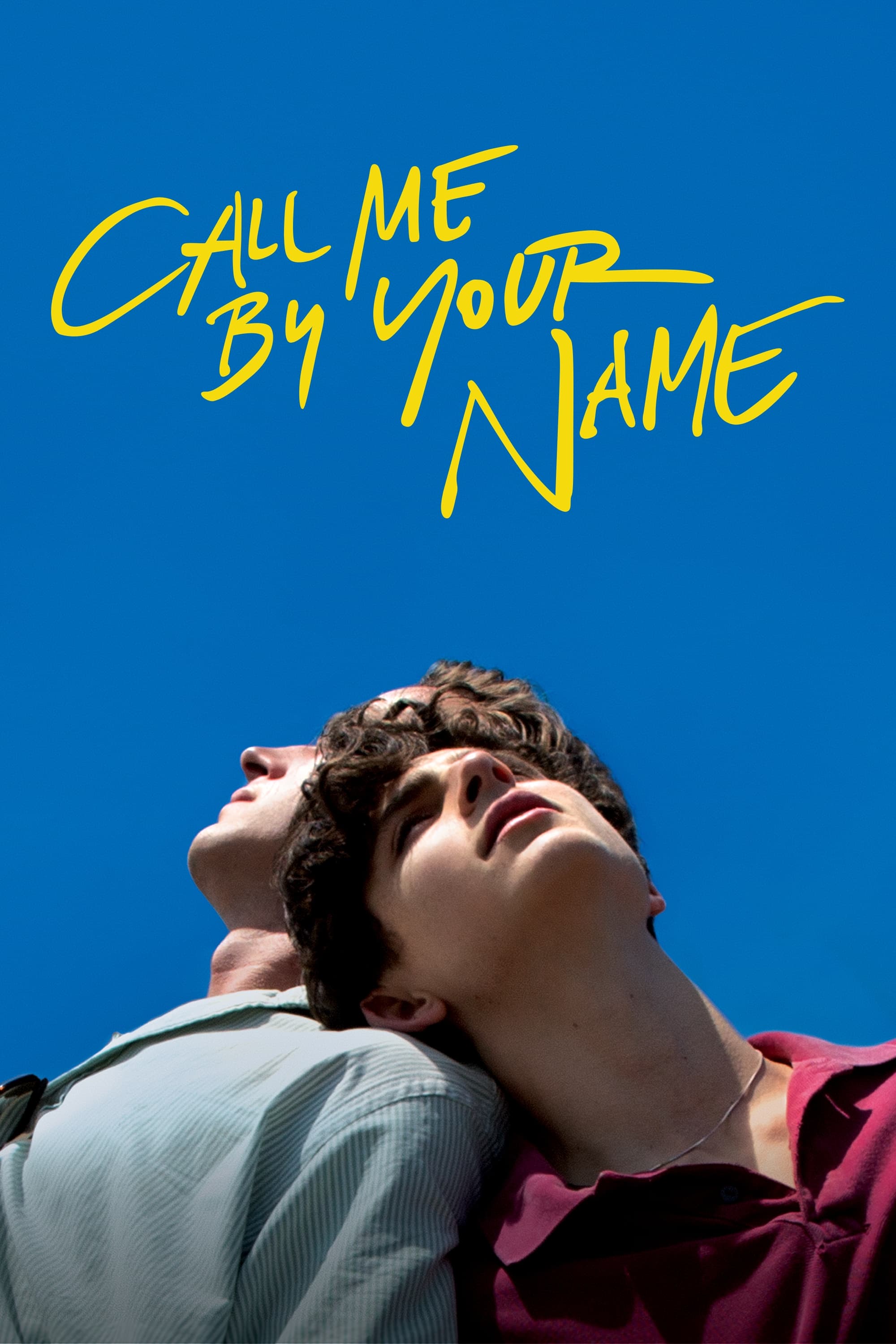
‘Call Me by Your Name’ encountered debate over the characters’ age gap and later public allegations against actor Armie Hammer. Festival Q and As and press coverage addressed how the production approached consent and casting. International releases included varied audience advisories. Retrospectives commonly lead with these controversies before discussing the film’s craft.
‘A Clockwork Orange’ (1971)
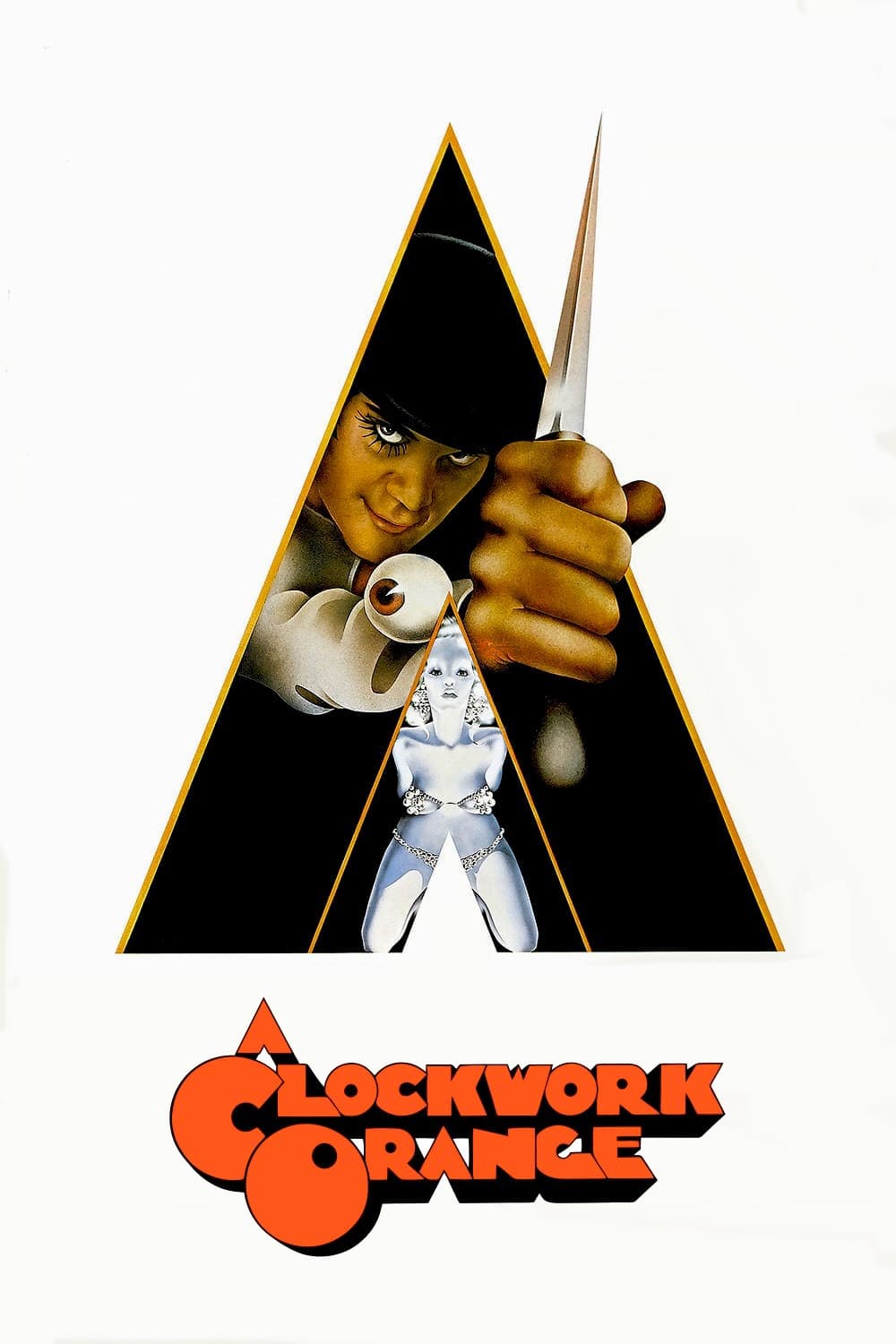
‘A Clockwork Orange’ drew widescale controversy for its graphic violence and sexual content. Several countries restricted screenings and some markets issued temporary bans. In the United Kingdom the film was withdrawn from circulation for many years at the director’s request. Discussions of the movie often note the censorship records and the effect on its early release history.
‘The Shining’ (1980)
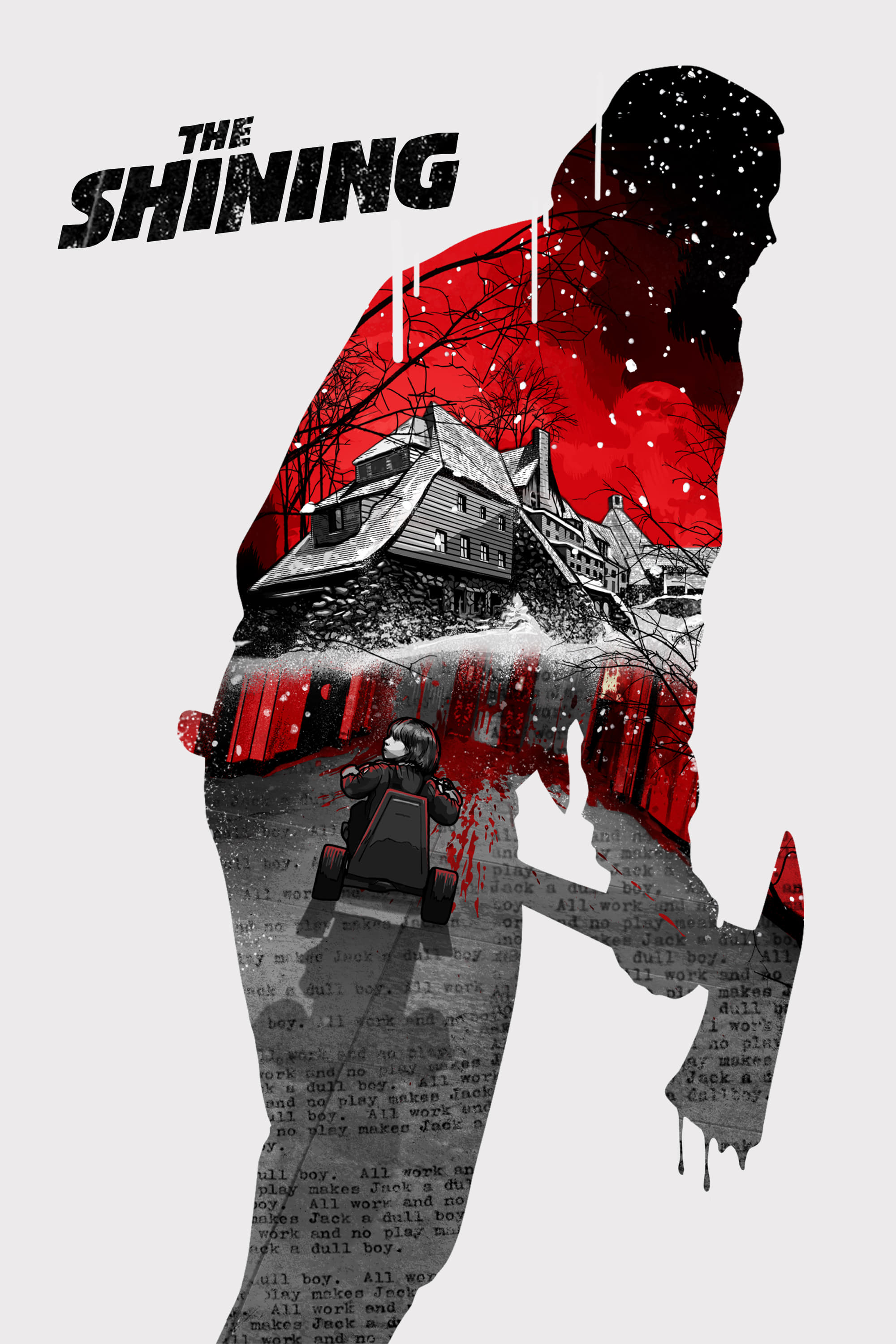
Reports about the difficult production of ‘The Shining’ highlighted the treatment of actor Shelley Duvall. Behind the scenes accounts described long shooting schedules and intense working conditions. Later interviews brought renewed attention to how scenes were staged and managed. Presentations of the film often include context about the production environment.
‘Apocalypse Now’ (1979)
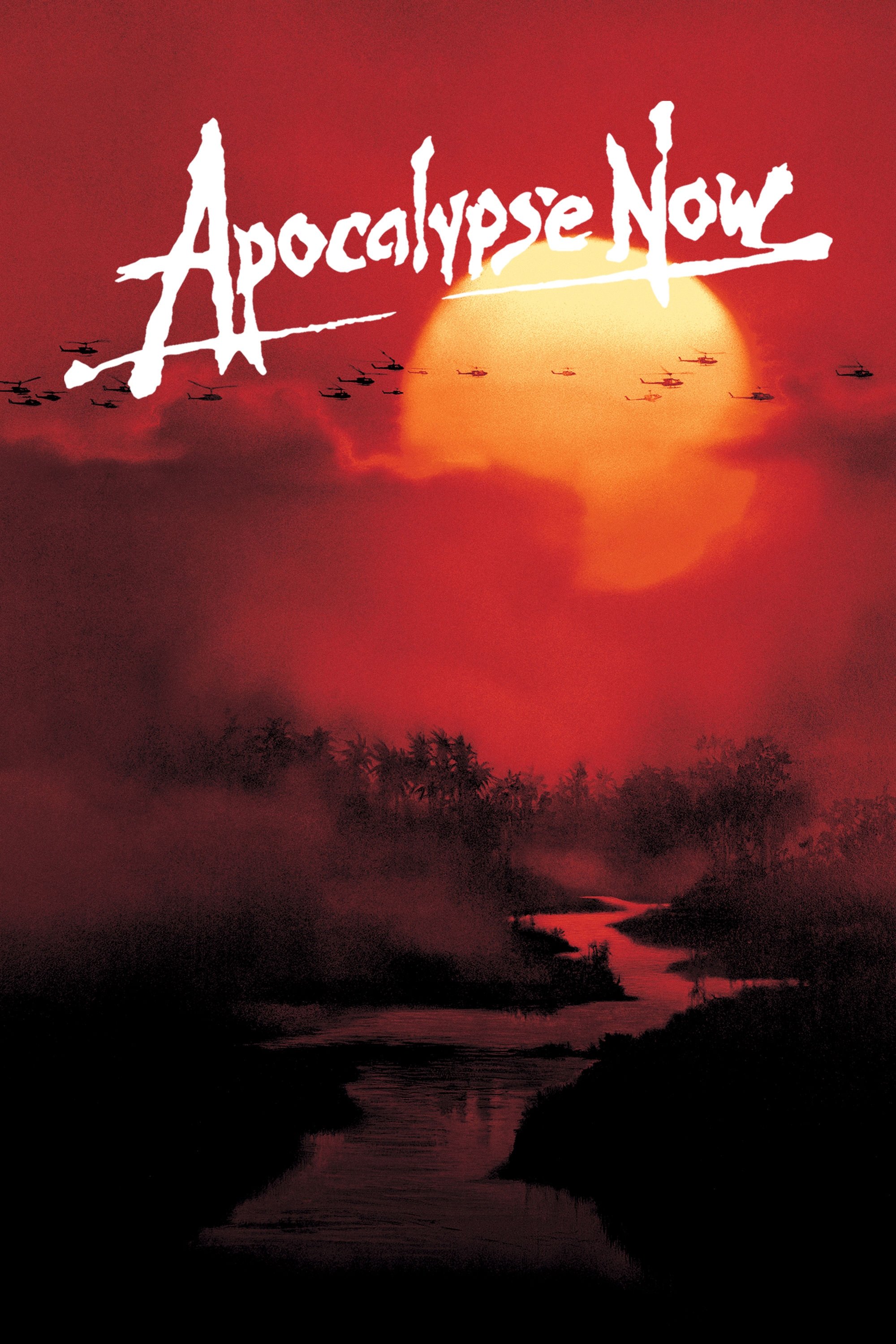
The making of ‘Apocalypse Now’ became famous for storms, health scares, and budget overruns. Publicity focused on the troubled shoot in the Philippines and the extended editing period. A later documentary chronicled the setbacks and creative decisions in detail. The production saga remains a major part of how the film is introduced to new viewers.
‘Heaven’s Gate’ (1980)
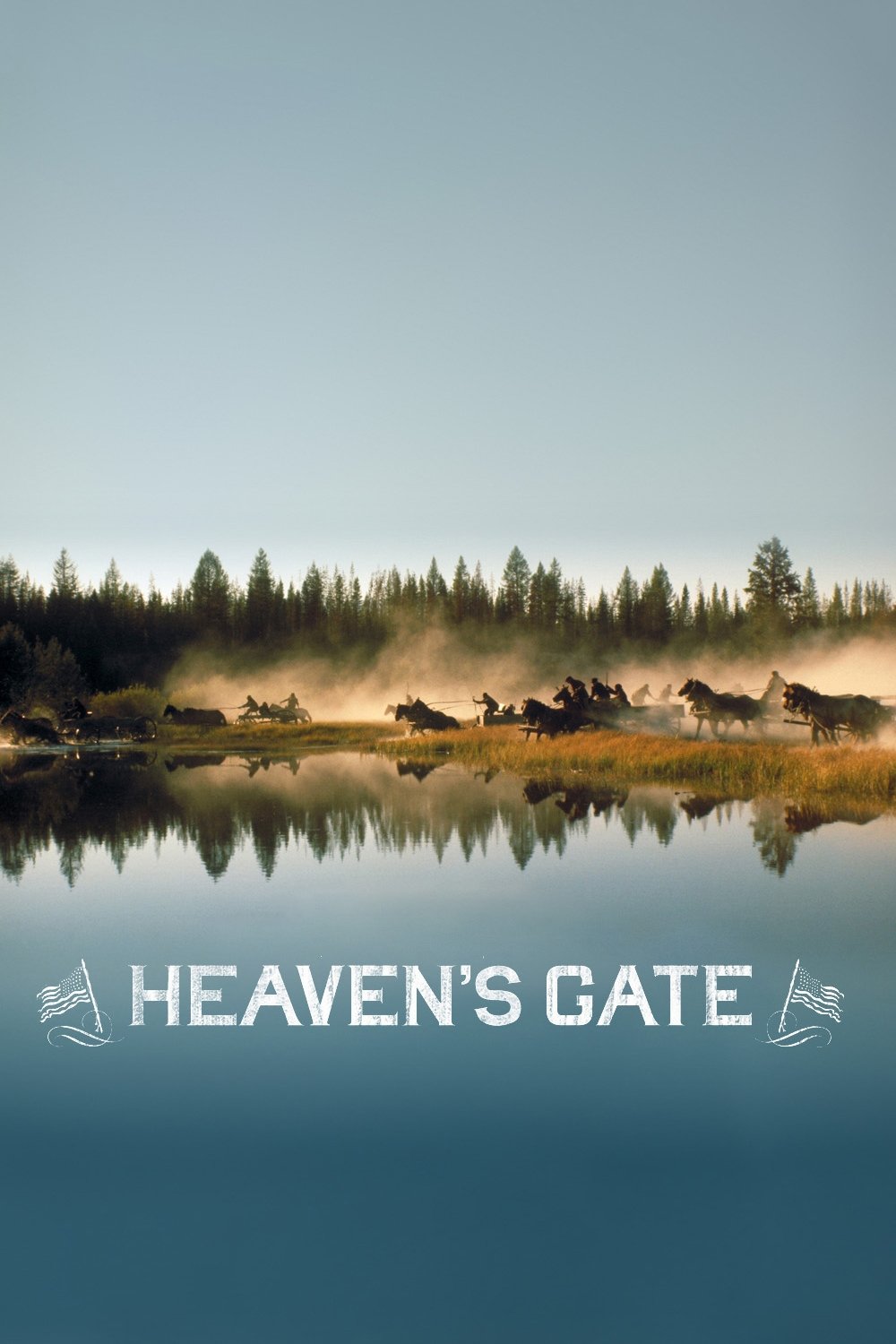
‘Heaven’s Gate’ arrived amid reports of animal mistreatment and spiraling costs. The studio pulled the initial cut after negative reactions and then released a shorter version. Media attention centered on lawsuits, investigations, and the financial impact on the studio. Restorations and retrospectives continue to revisit the controversy alongside the film itself.
‘Fitzcarraldo’ (1982)

‘Fitzcarraldo’ was marked by on set injuries and conflicts during its Amazon shoot. Production moved a real steamship over a hill, which drew scrutiny from safety advocates and local observers. Casting changes and delays became regular news items during filming. The release is often paired with discussions of ethics and logistics in extreme location work.
‘Cruising’ (1980)
‘Cruising’ faced large protests from LGBTQ groups during production and release. Demonstrations targeted filming locations and premieres in major cities. Organizers raised concerns about representation and possible harm. Coverage of the movie’s launch frequently led with these disputes before addressing the narrative.
‘Midnight Cowboy’ (1969)
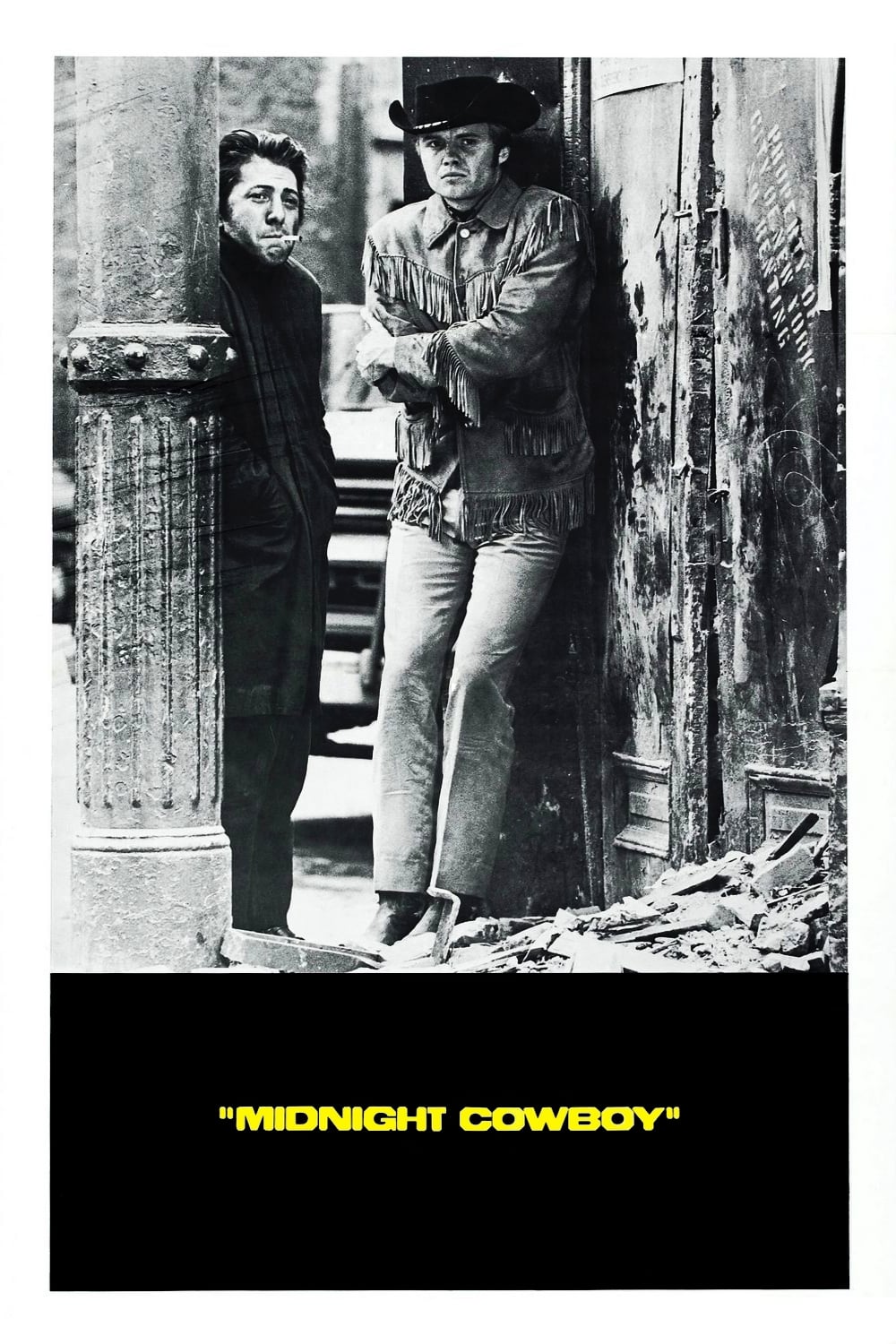
‘Midnight Cowboy’ received an X rating at the time due to its sexual content and themes. The classification limited marketing and theater bookings during its first run. Later reclassifications changed how the film could be exhibited. The rating story remains a core part of its distribution history.
‘Blue Velvet’ (1986)

‘Blue Velvet’ sparked debate about depictions of sexual violence and exploitation. Commentators questioned choices made in specific scenes and character portrayals. Festival responses and press tours featured frequent questions about intent and boundaries. The conversation about the film typically includes those early reactions.
‘Lolita’ (1962)
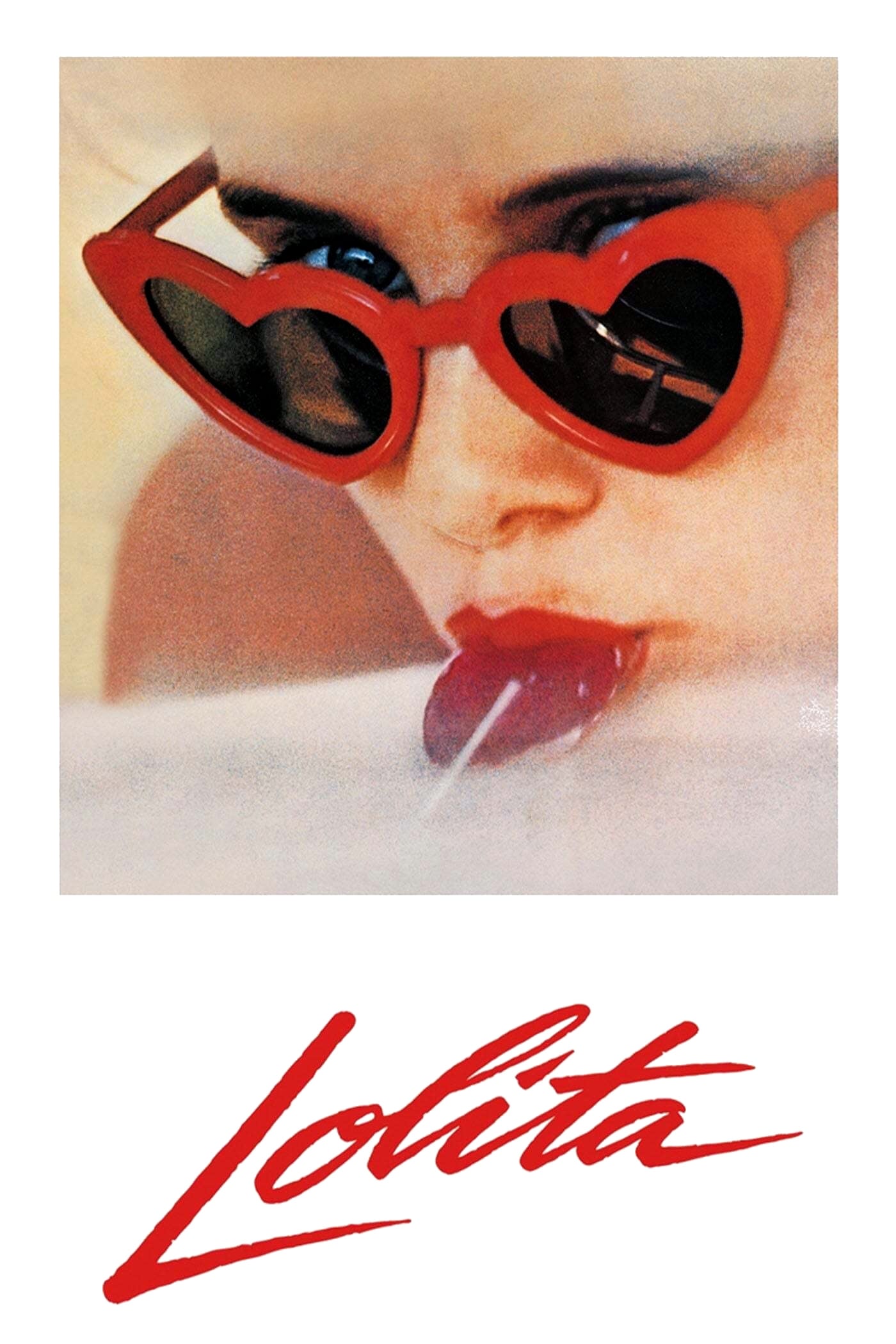
Adaptation of ‘Lolita’ required extensive negotiation with censors and ratings boards. Marketing materials downplayed explicit elements while emphasizing satire and discretion. International releases followed different standards and edits. The title’s history is often told through these approvals and restrictions.
‘Joker’ (2019)
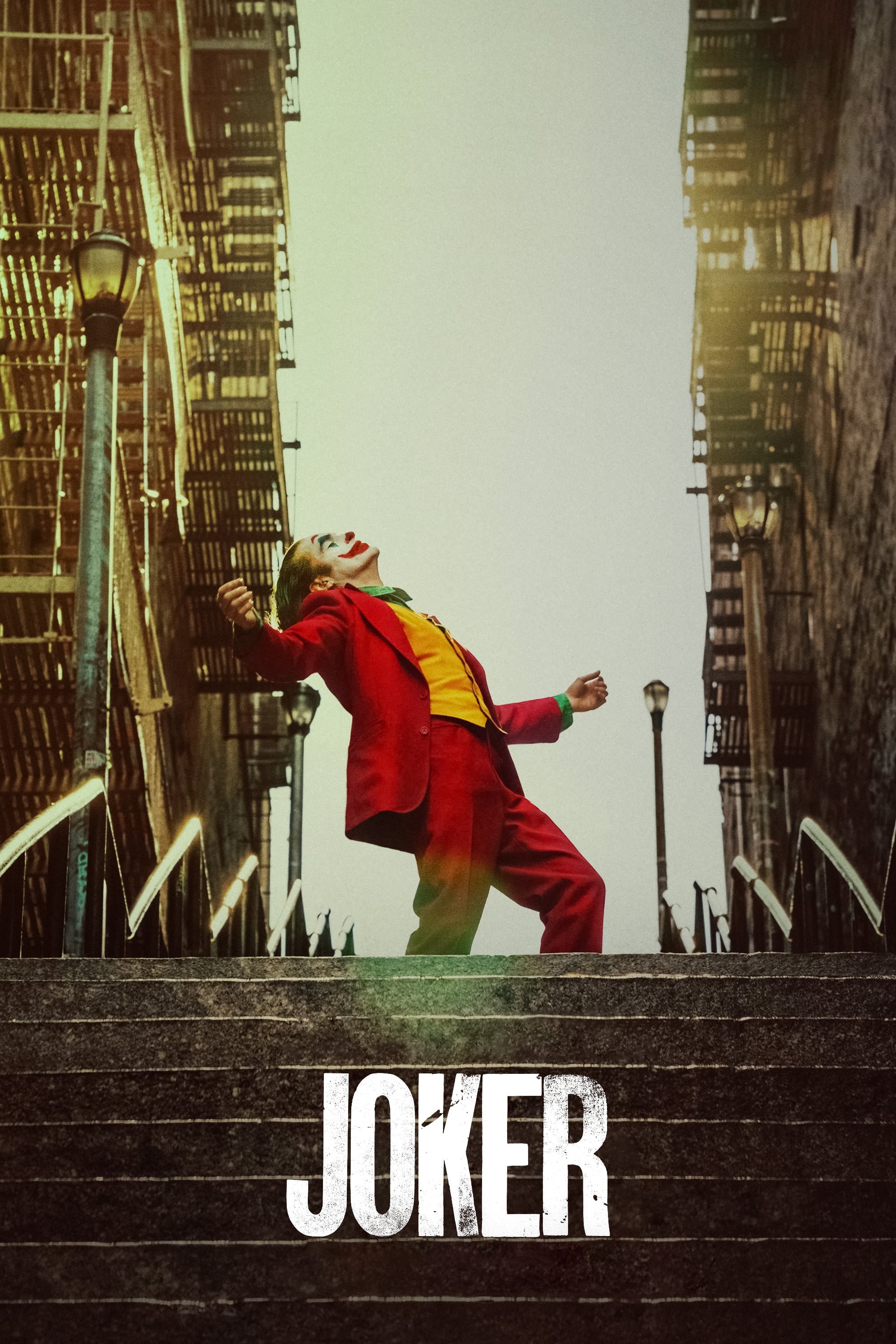
‘Joker’ prompted security measures at several theaters due to concerns about potential violence. Law enforcement agencies issued statements about preparedness during opening weekend. The film’s rollout included policies that restricted costumes in some venues. Box office coverage regularly mentioned these precautions.
‘The Da Vinci Code’ (2006)

‘The Da Vinci Code’ drew protests from religious groups across multiple countries. Some markets implemented edits or advisory notices for theatrical play. Tour sites associated with the story issued clarifications and statements for visitors. The release narrative often includes the scale of the objections and related exhibition decisions.
‘Annihilation’ (2018)
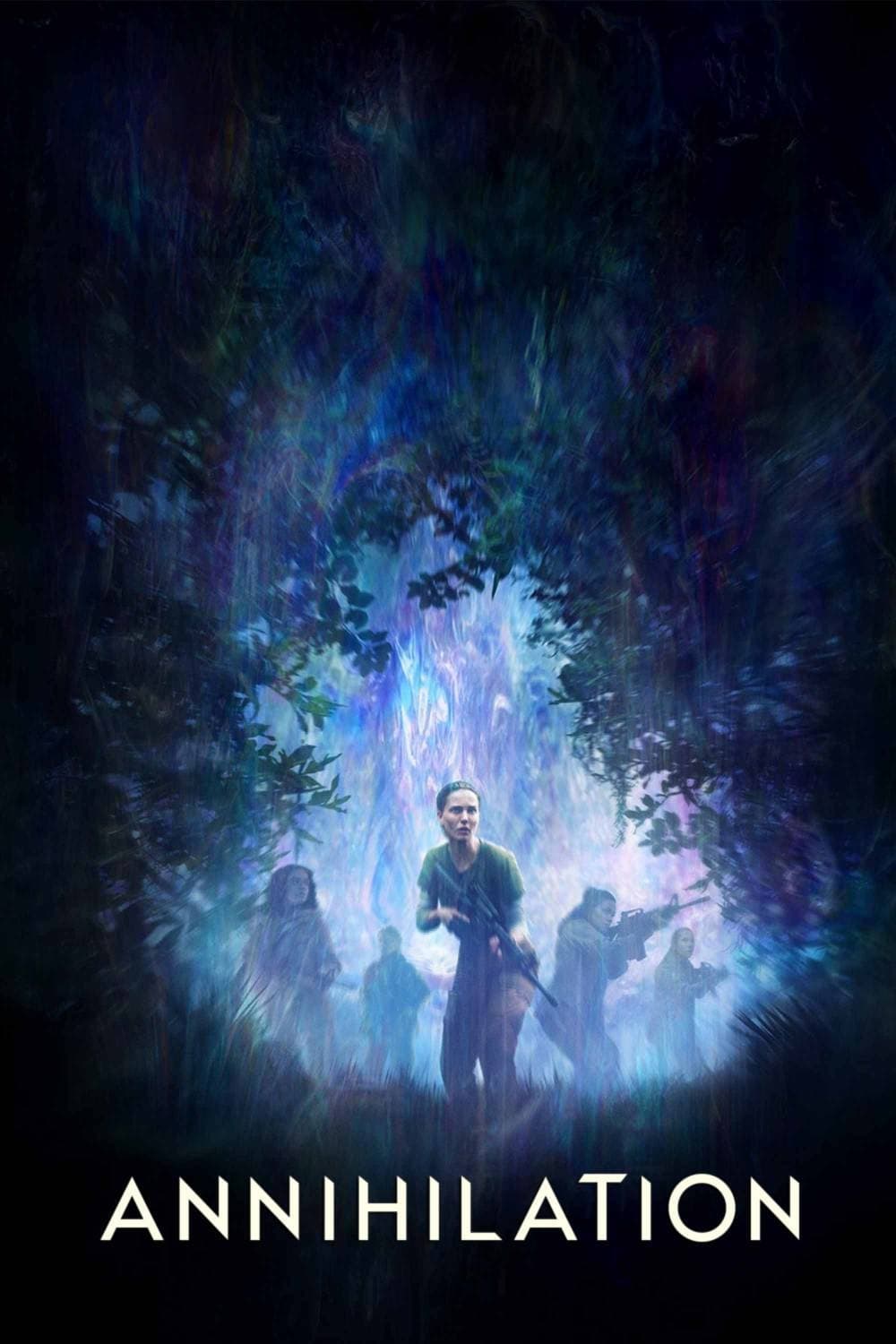
‘Annihilation’ faced casting criticism when book readers noted the character’s ethnicity in later novels. The distributor also sold certain international rights to a streaming platform rather than a full global theatrical run. Interviews addressed both issues during promotion. Articles about the film’s release commonly outline that distribution strategy and the debate over adaptation choices.
‘Death on the Nile’ (2022)
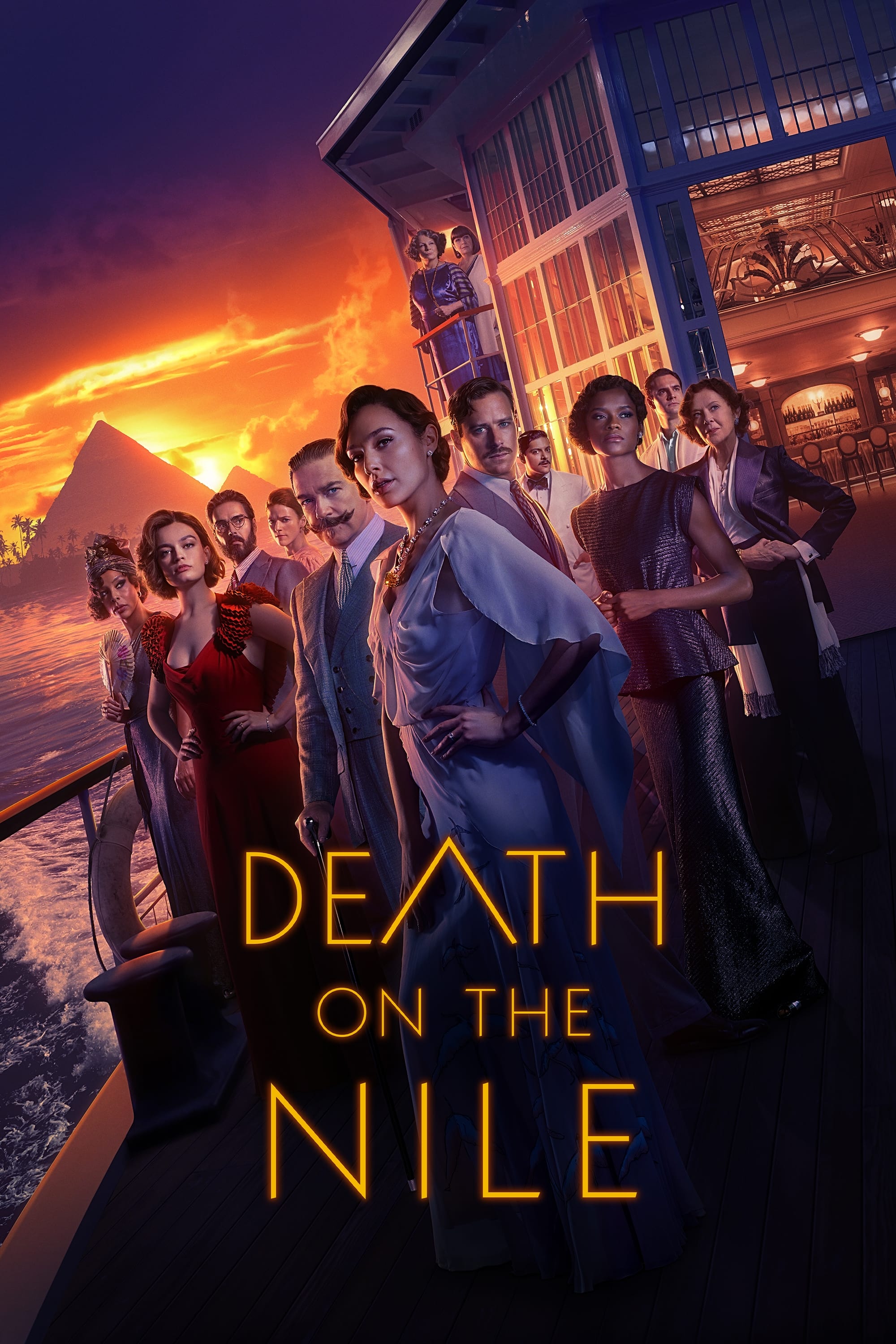
‘Death on the Nile’ premiered while cast member Armie Hammer faced public allegations that affected marketing plans. Promotional materials and interviews minimized his presence. Release timing shifted during a period of wider industry delays. Coverage of the movie tracked how the studio handled those optics.
‘Don’t Worry Darling’ (2022)
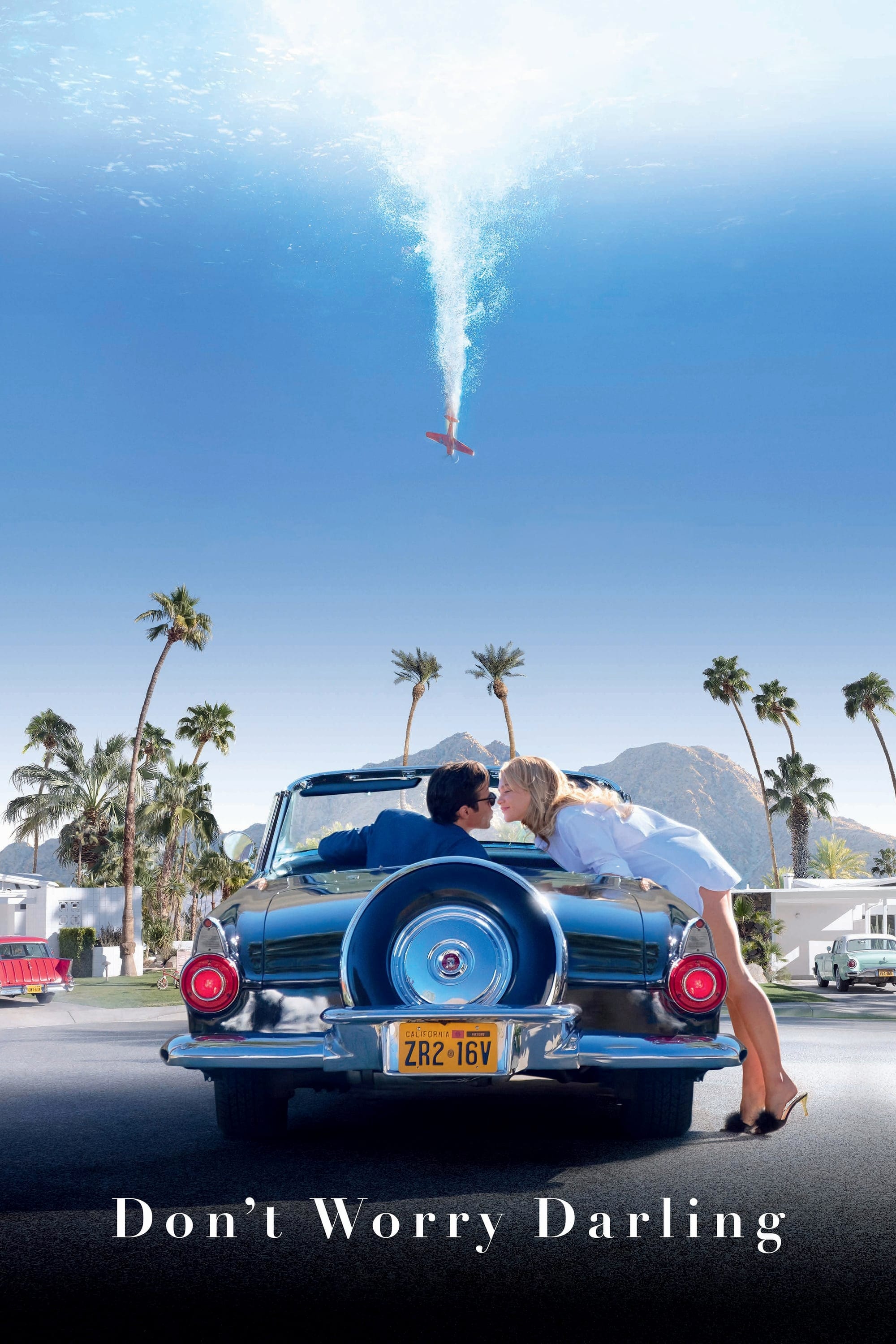
‘Don’t Worry Darling’ became known for reported tensions during production and festival appearances. Media stories focused on casting changes, social media posts, and questions at press events. The narrative around the film centered on personnel dynamics more than typical craft notes. The publicity cycle often revisits that timeline when the film is discussed.
‘Cannibal Holocaust’ (1980)

‘Cannibal Holocaust’ encountered legal actions over animal cruelty and questions about staged scenes. Authorities in some countries seized prints and pursued charges against the filmmakers. The director presented evidence to confirm the survival of cast members amid rumors to the contrary. Exhibition histories frequently cite bans, edits, and court outcomes tied to the release.
Share which titles you think still deserve a fresh look in the comments.