Sci-Fi Movies With the Perfect 100% Rotten Tomatoes Score


Some science fiction titles don’t just win fans, they win every single professional review. Here are fifteen movies that currently carry a flawless critics score, spanning silent-era moon voyages, Soviet visions, stop-motion classics, and modern shorts. Each one sits at that rare 100 percent mark, which means every aggregated critic review on the site is positive.
‘A Trip to the Moon’ (1902)
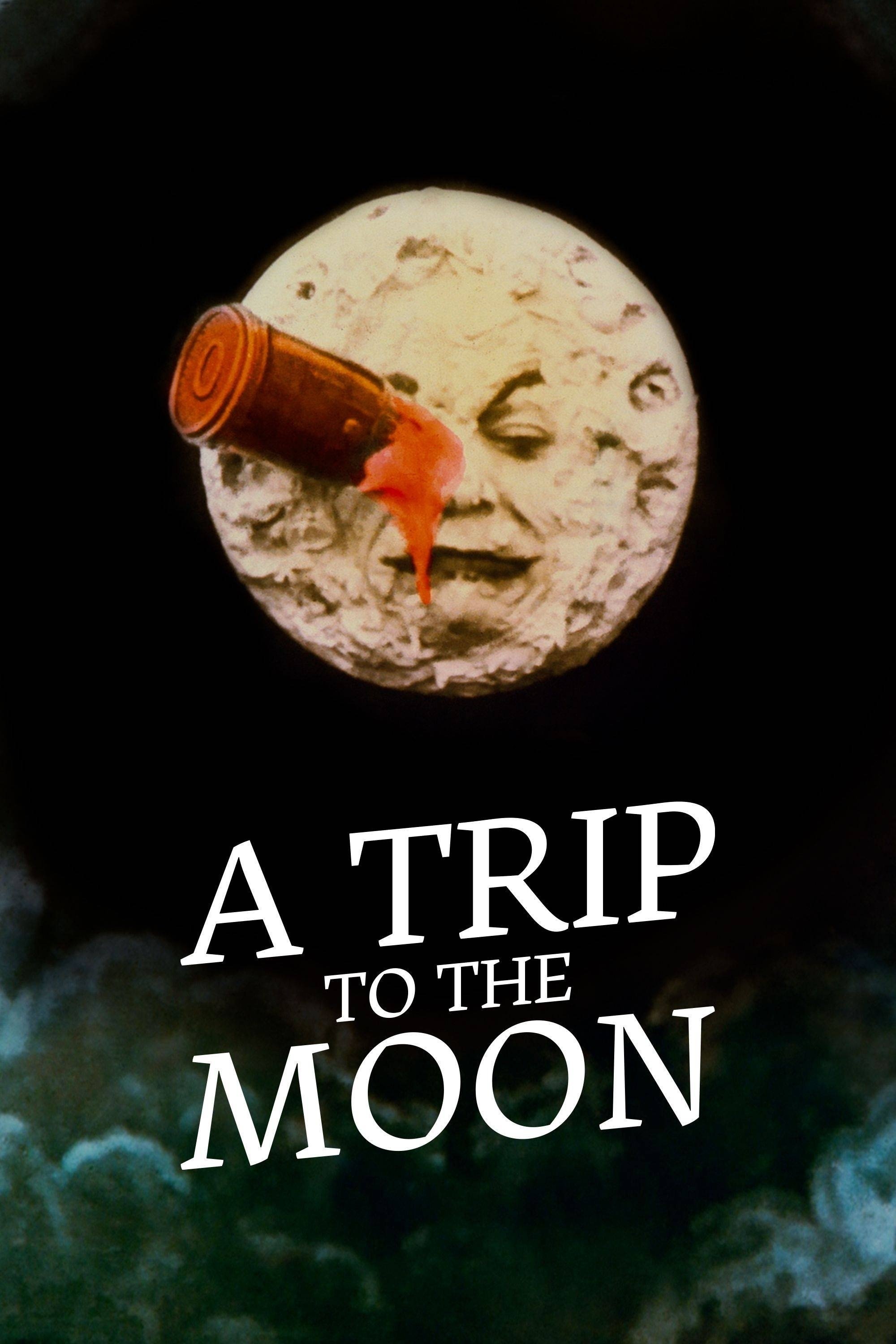
Directed by Georges Méliès, this silent short from the Star Film Company sends a band of astronomers to the lunar surface in a bullet-shaped capsule. Its hand-painted color version survives alongside the black-and-white cut. The film’s iconic image of a rocket lodged in the Moon’s eye became a symbol of early cinema. Running about 14 minutes, it’s one of the earliest narrative sci-fi films ever produced.
‘Aelita: Queen of Mars’ (1924)
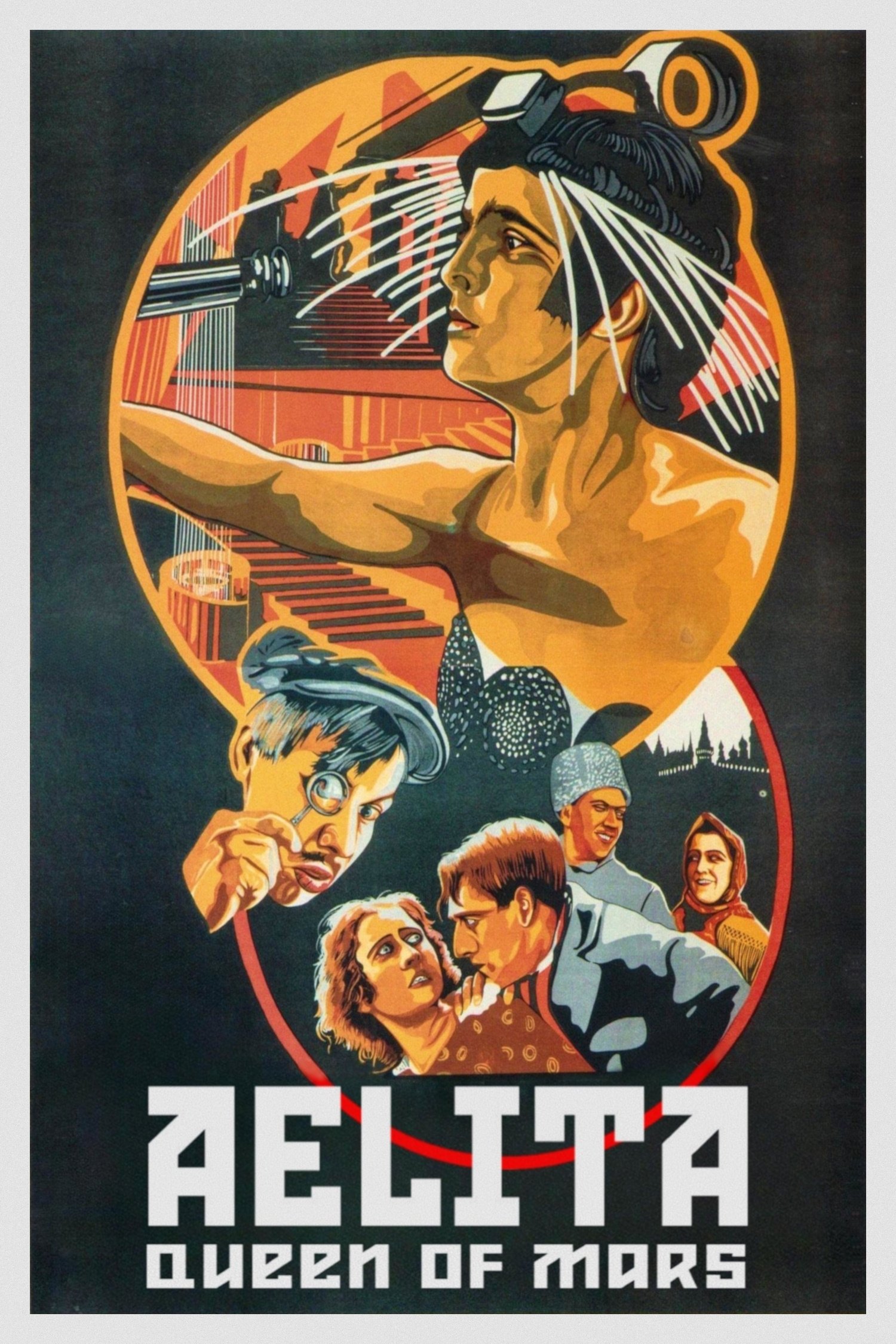
This Soviet silent feature adapts Alexei Tolstoy’s novel about a flight to Mars and a political uprising. Director Yakov Protazanov stages large-scale sets and avant-garde costumes that helped define early sci-fi design. It was produced by Mezhrabpom-Rus and often screens today in restored prints. The film’s constructivist look is a major reason it remains in film-history syllabi.
‘The Man in the White Suit’ (1952)
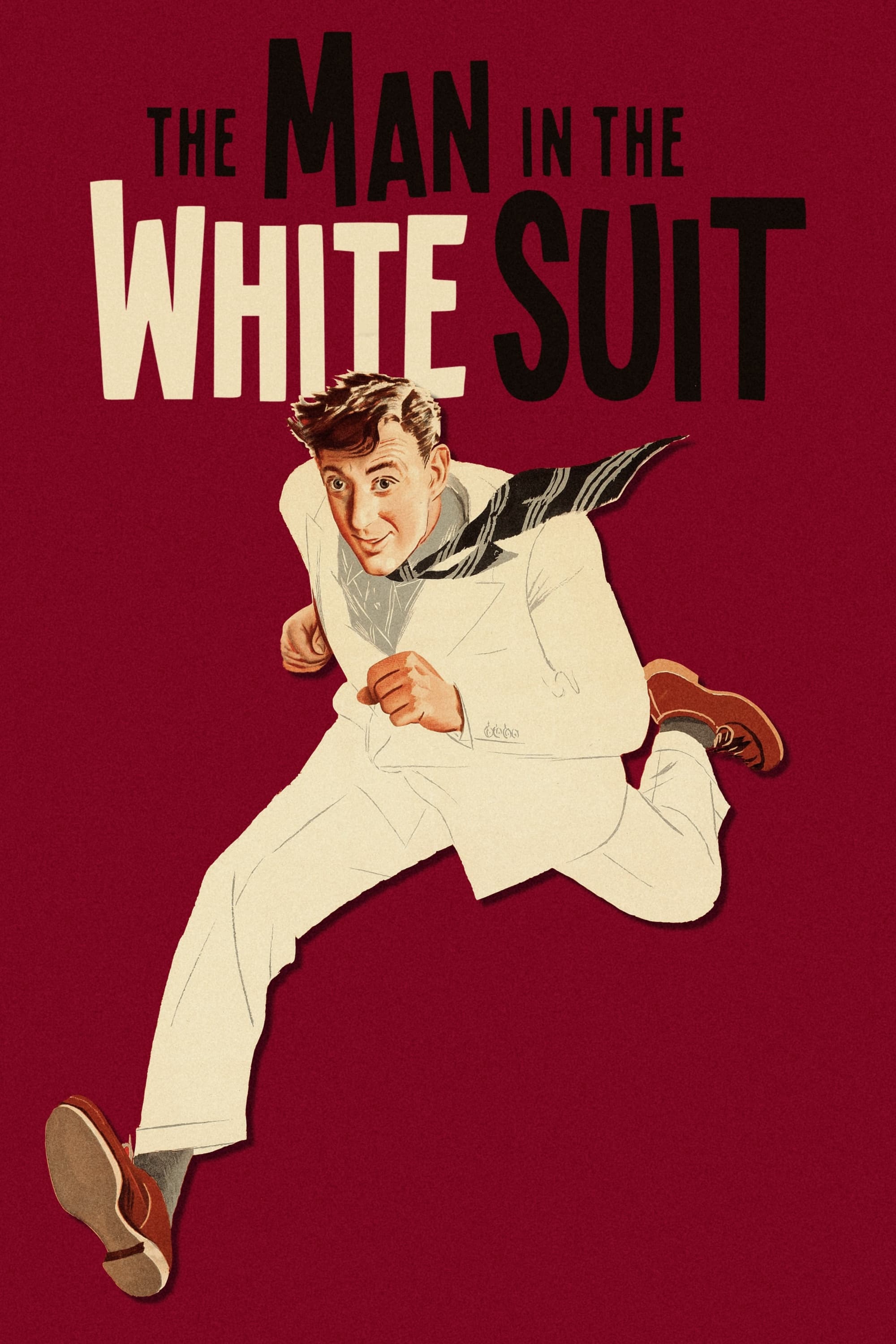
An Ealing Studios satire directed by Alexander Mackendrick, this one follows a chemist whose indestructible fabric terrifies both labor and management. Alec Guinness leads the cast with Joan Greenwood and Cecil Parker. The movie received multiple BAFTA nominations and became a touchstone for science-meets-industry storytelling. It was shot in and around London with the studio’s trademark polished craft.
‘The Terminator’ (1984)
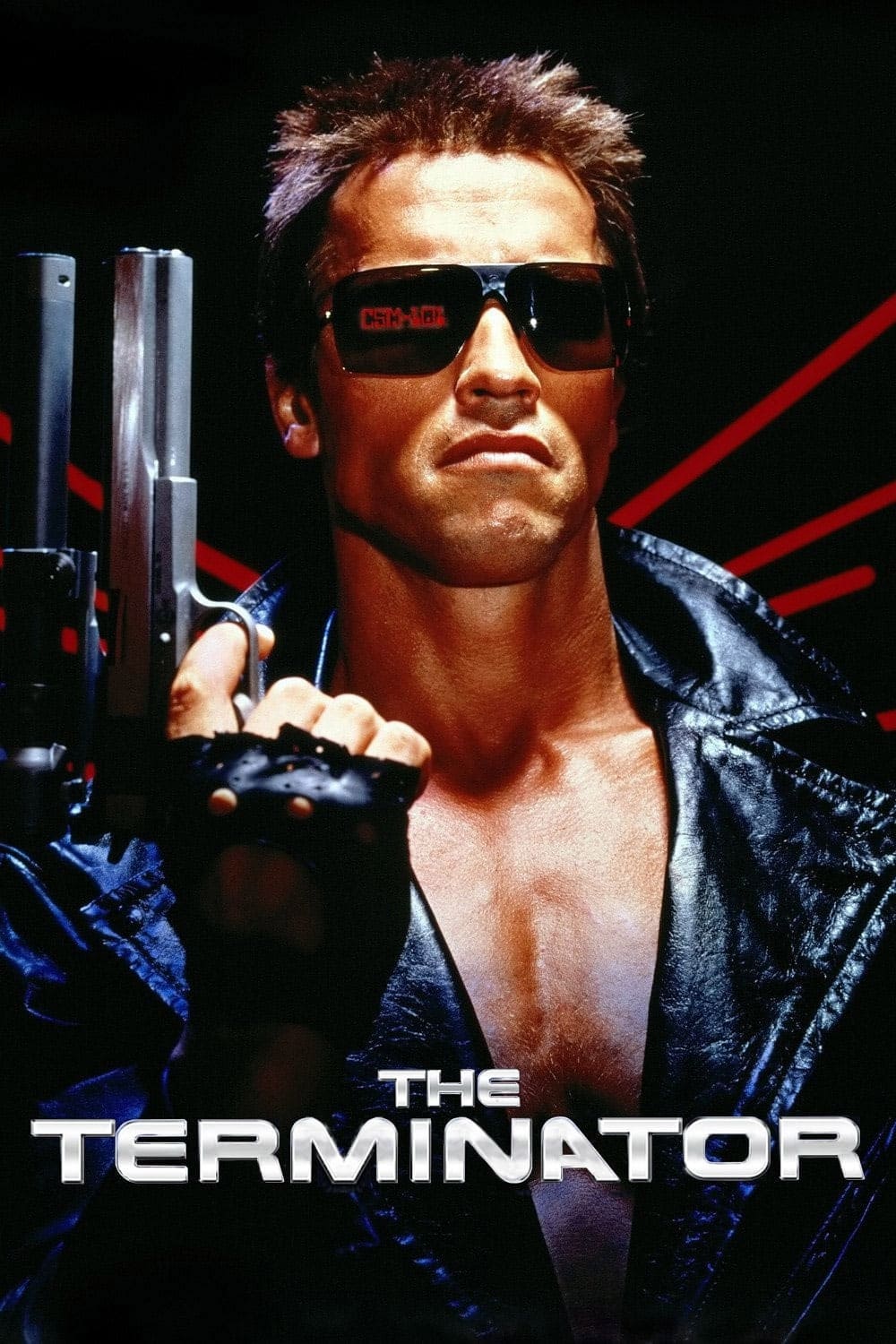
James Cameron’s lean science-fiction thriller launched a franchise and introduced the T-800, played by Arnold Schwarzenegger. Linda Hamilton and Michael Biehn co-star in a time-twisting story that blends neo-noir with action. It was released by Orion Pictures and became a surprise box-office success on a modest budget. The film also marked an early showcase for Stan Winston’s practical effects team.
‘Threads’ (1984)
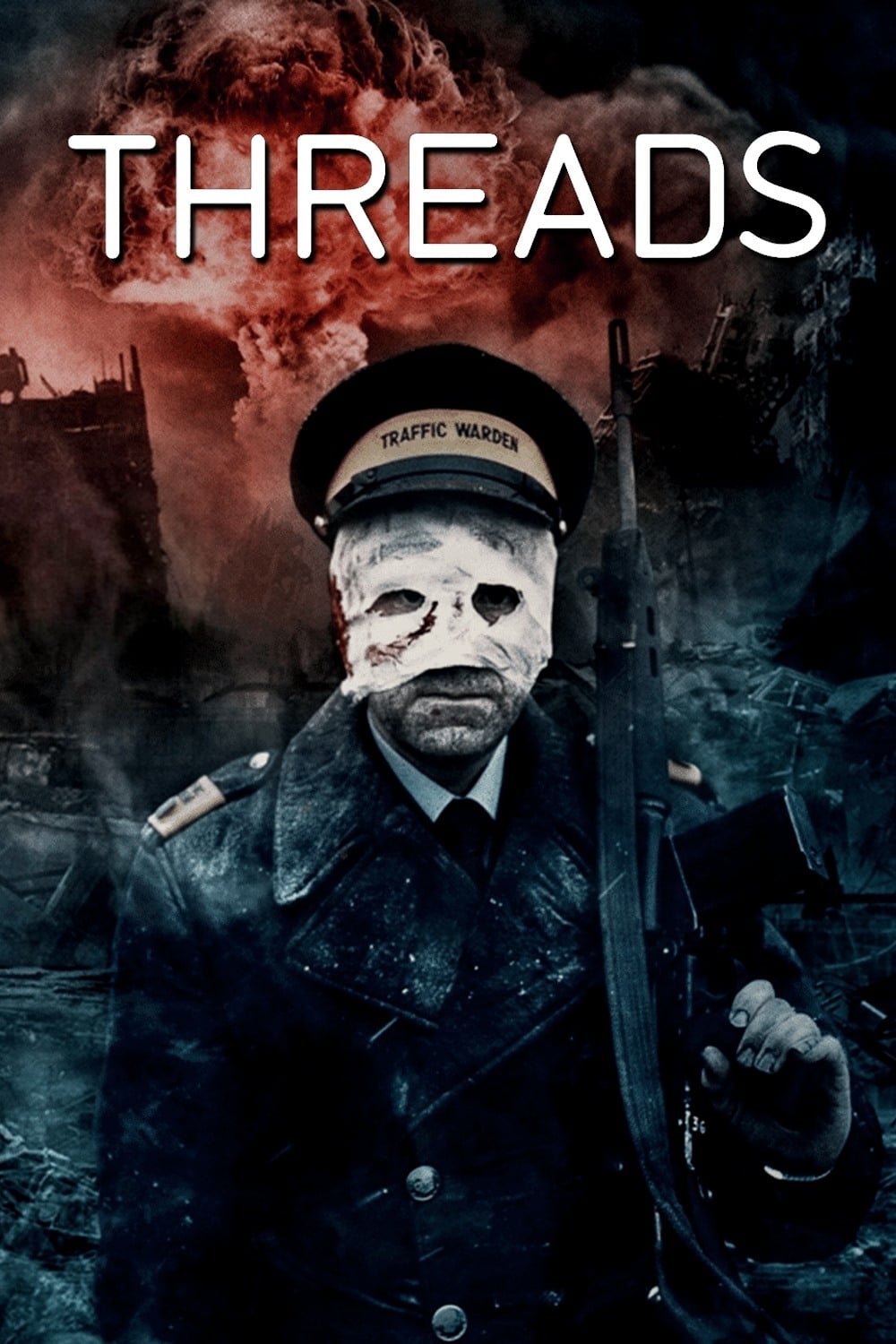
Produced by the BBC and directed by Mick Jackson, this docudrama depicts the effects of nuclear war on the city of Sheffield. It blends newsreel style, on-screen graphics, and dramatic scenes to track social collapse. The broadcast prompted extensive public discussion in the UK and beyond. It went on to win a BAFTA for Best Single Drama and remains a reference point for nuclear-war narratives.
‘A Close Shave’ (1995)
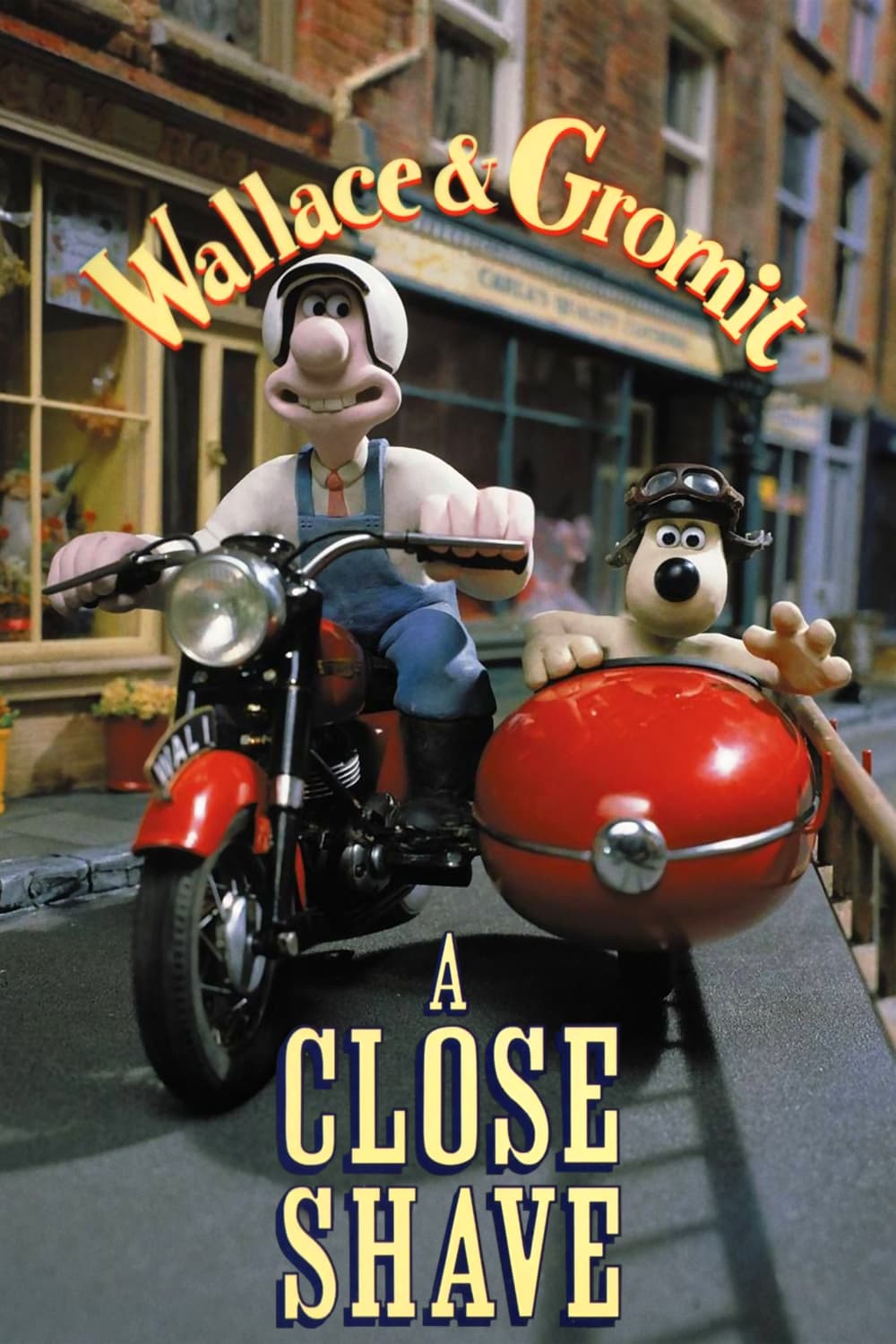
Nick Park’s third Wallace and Gromit short also won the Academy Award for Best Animated Short. It introduces Shaun the Sheep and pits the duo against a villainous robot dog. The production expanded Aardman’s model-making and motion-control techniques. Its action beats and visual gags helped propel a wider franchise.
‘Toy Story’ (1995)
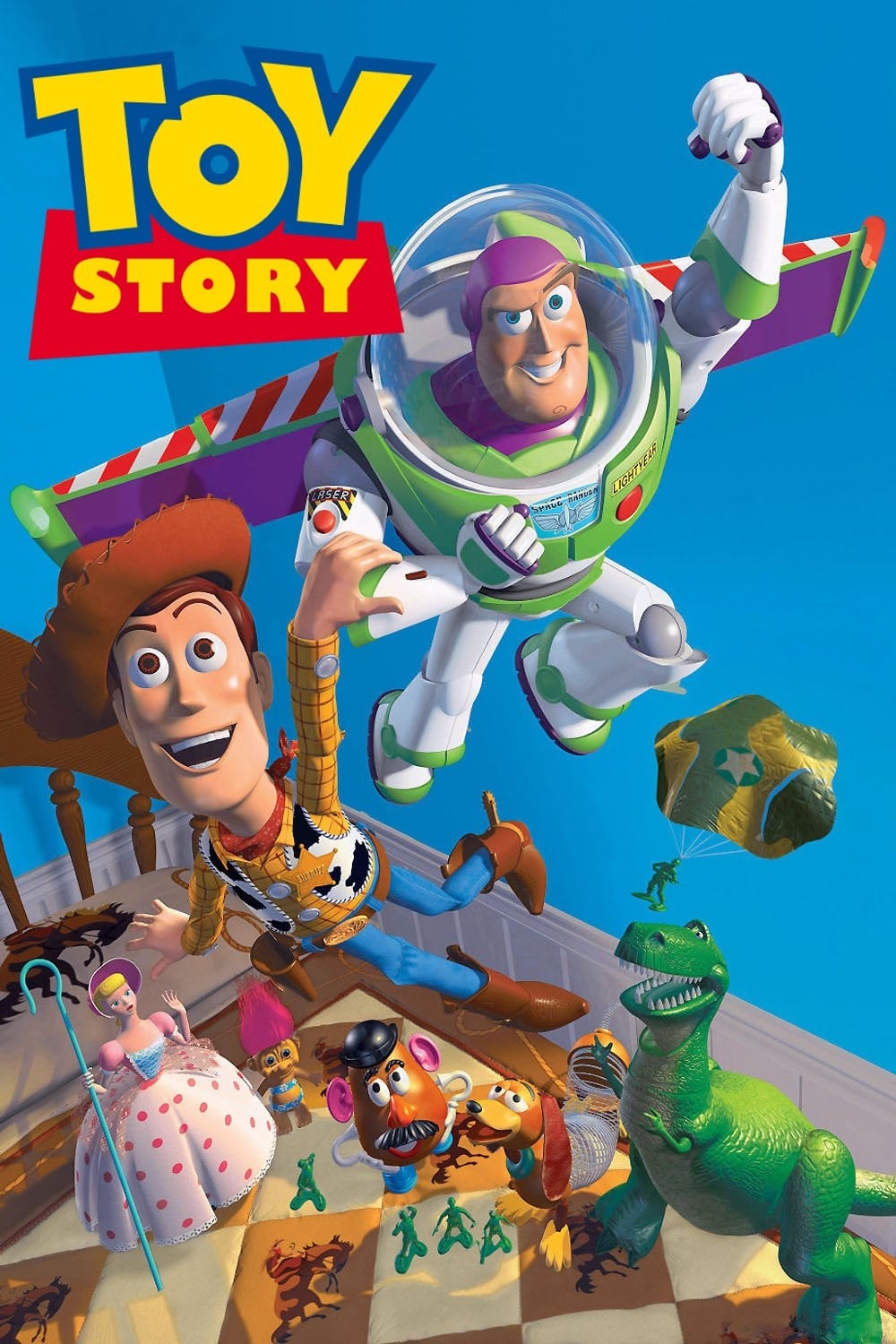
Pixar and Walt Disney Pictures released the first feature-length computer-animated film with this tale of toys that come to life when humans aren’t around. Directed by John Lasseter, it stars the voices of Tom Hanks and Tim Allen. The movie earned multiple Oscar nominations, including Best Original Screenplay. Its rendering breakthroughs established a new pipeline for feature animation.
‘Toy Story 2’ (1999)
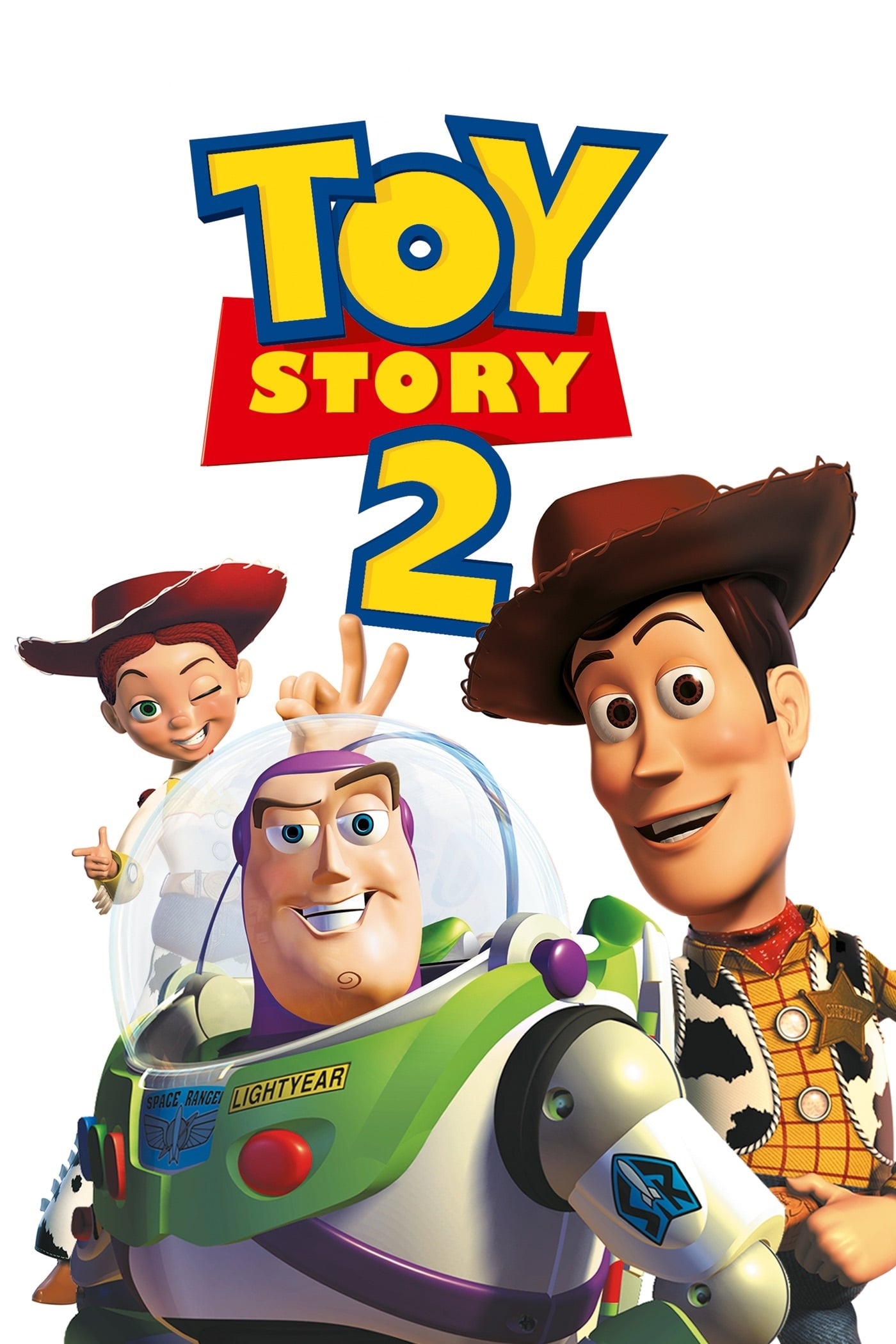
Originally conceived as a direct-to-video project, this Pixar sequel became a full theatrical release. John Lasseter led the direction with Ash Brannon and Lee Unkrich, expanding the world with characters like Jessie and Bullseye. The film won the Golden Globe for Best Motion Picture in the musical or comedy category. It also showcased upgraded lighting, shading, and crowd systems for large-scale set pieces.
‘Batman Beyond: Return of the Joker’ (2000)
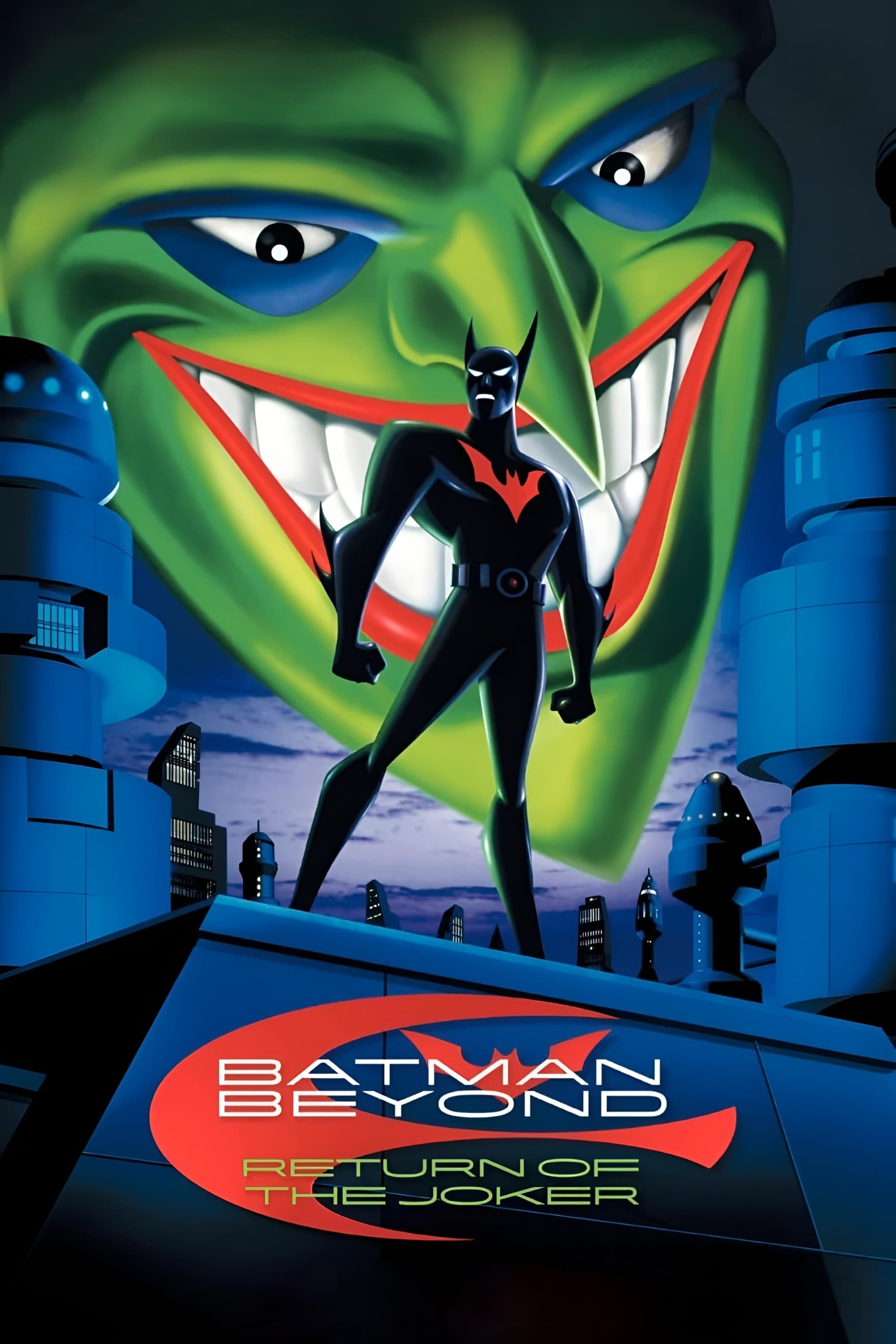
This feature from Warner Bros. Animation ties into the DC Animated Universe and the ‘Batman Beyond’ series. Curt Geda directed, with Kevin Conroy and Mark Hamill reprising their iconic roles alongside Will Friedle. An uncut edition restored scenes for later home-video releases after initial edits. The story bridges eras by linking Gotham’s past and future through a mystery that spans generations.
‘Sleeper’ (1973)

Woody Allen’s futuristic comedy sends a health-food store owner into a technocratic society after a long hibernation. Diane Keaton co-stars in a script filled with gadgets, robots, and cloning gags. United Artists distributed the film, which became a staple of retro-futurist design on screen. Its production mixes location work with stylized sets to conjure a sterile, automated world.
‘World of Tomorrow’ (2015)

Don Hertzfeldt’s animated short follows a small child as a future clone guides her through memory archives and distant timelines. The film won the Grand Jury Prize for Short Film at Sundance. It features voice performances by Winona Mae and Julia Pott and was produced through the independent label Bitter Films. Minimalist drawings and digital compositing create a striking science-fiction canvas.
‘The Man from Earth’ (2007)
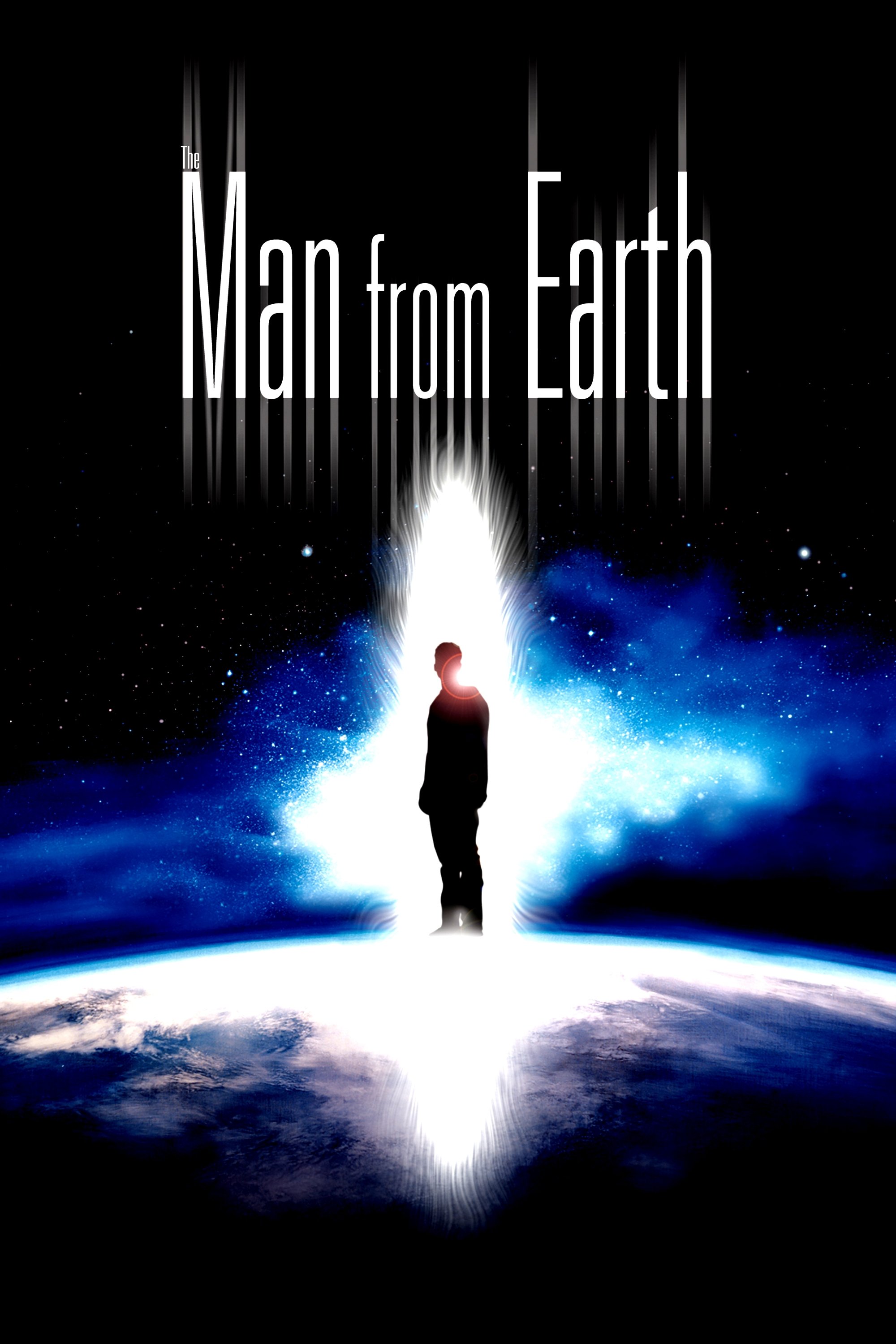
Written by Jerome Bixby and directed by Richard Schenkman, this chamber piece unfolds over a single evening as a professor reveals an extraordinary claim to colleagues. The microbudget production relies on dialogue, ideas, and a small ensemble cast. It gained a cult following through word of mouth and early online sharing. The film later spawned a sequel that continued its premise.
‘La Jetée’ (1962)
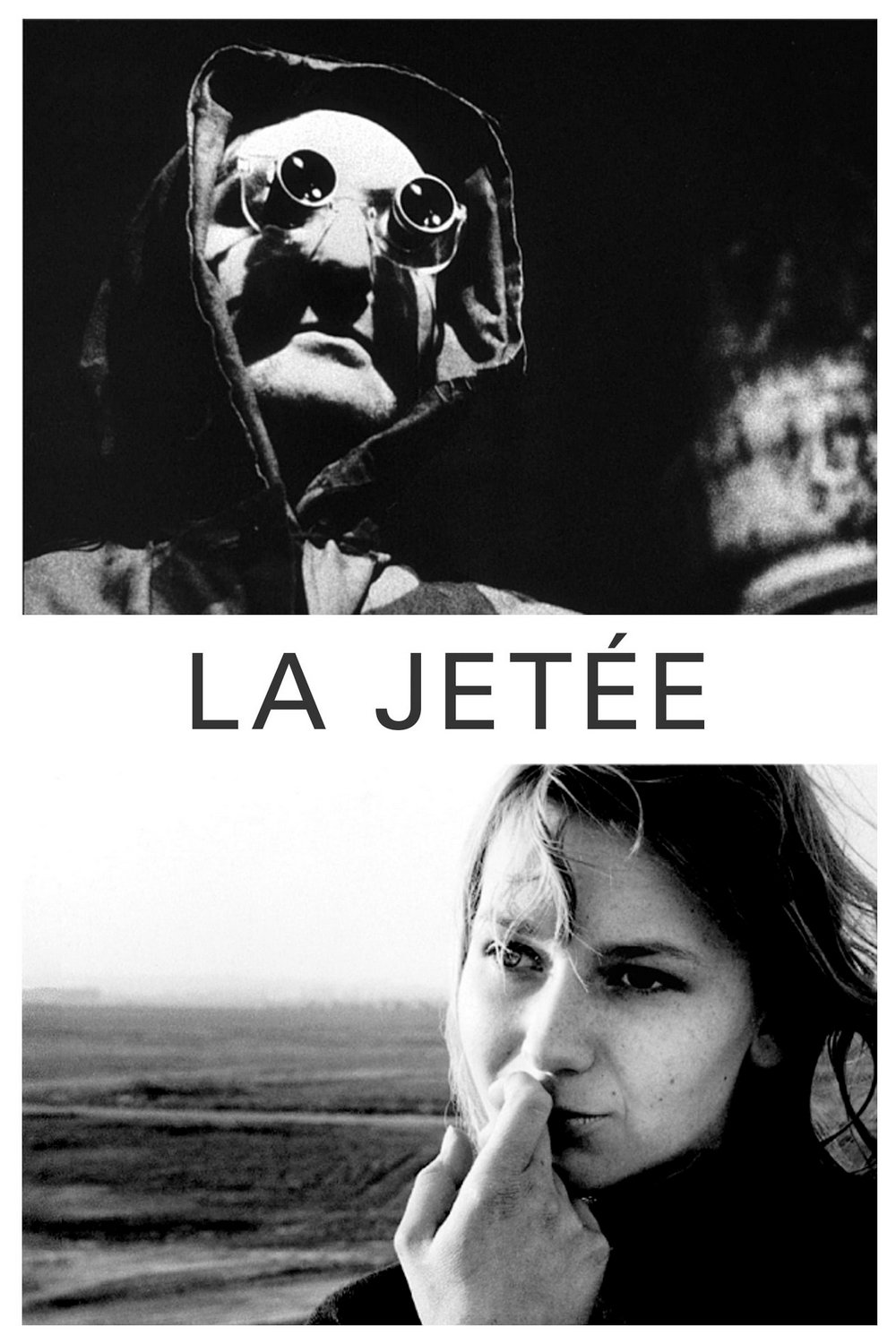
This French short by Chris Marker tells a post-apocalyptic time travel story through still photographs and narration. It was produced by Argos Films and shot at Orly Airport and around Paris. The film later inspired the feature ’12 Monkeys’ and is frequently studied in film courses for its form and structure. Composer Trevor Duncan’s library music cues shape the mood across the montage.
‘World of Tomorrow Episode Two: The Burden of Other People’s Thoughts’ (2017)
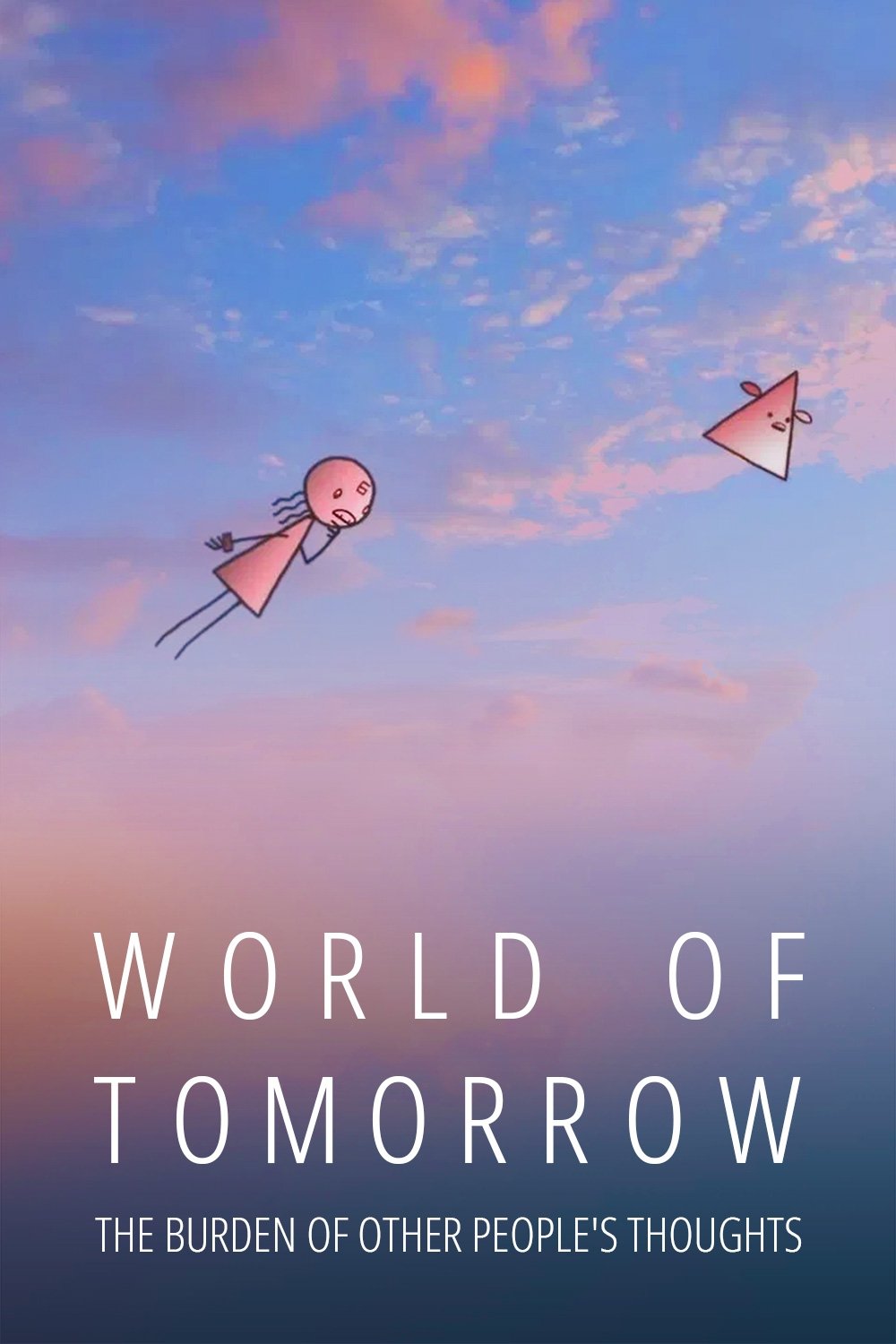
Don Hertzfeldt’s second chapter continues the clone-guided tour of memory archives and future timelines. It premiered at festivals before a digital release through the filmmaker’s Bitter Films label. Voice performances again center on Winona Mae with recorded child dialogue woven into the script. The short expands its sci-fi premise with new segments about data decay and identity.
‘World of Tomorrow Episode Three: The Absent Destinations of David Prime’ (2020)
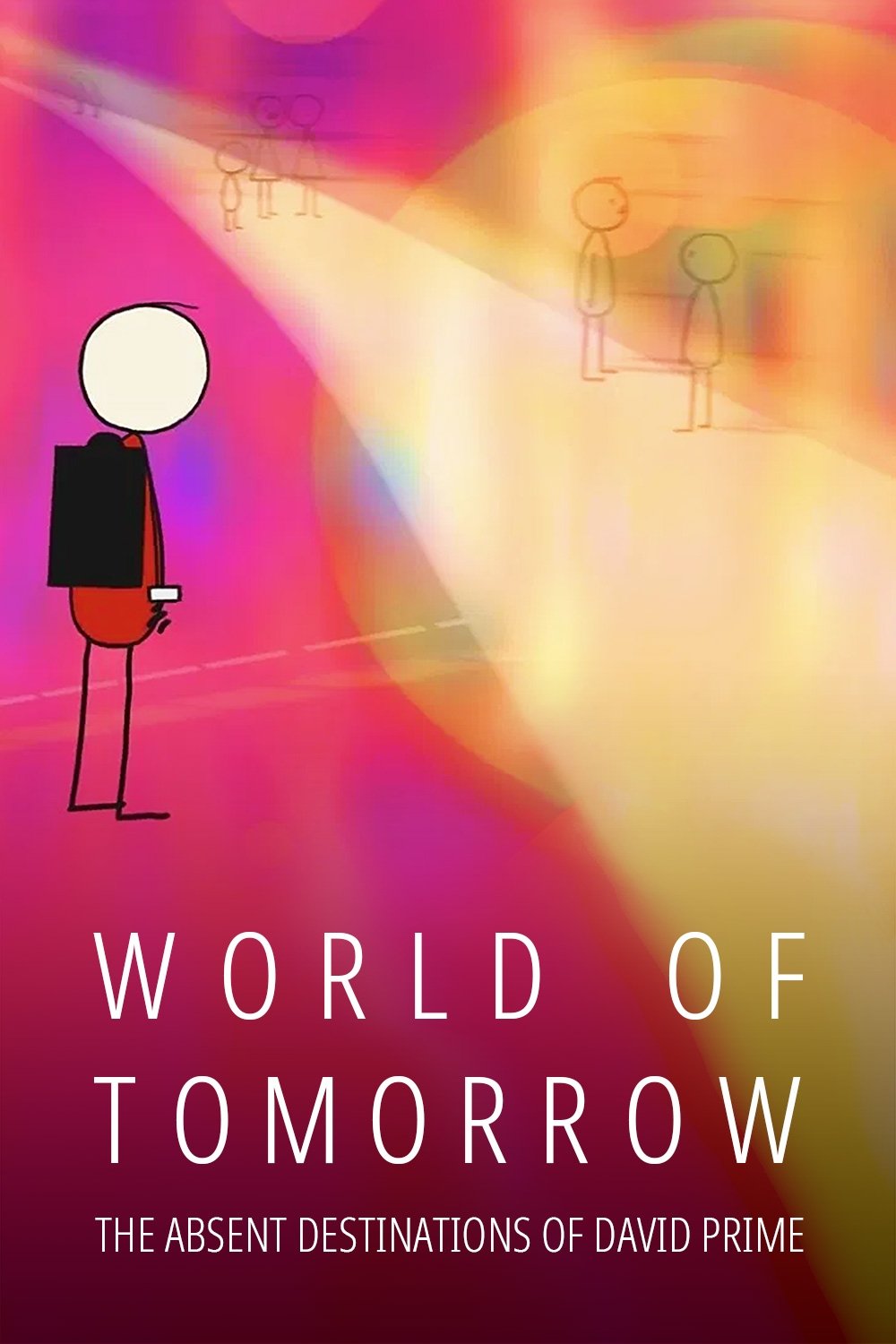
This installment follows a different protagonist navigating messages sent from his future self. Hertzfeldt assembled the film independently with minimalist drawings and compositing. It won multiple critics’ awards on the festival circuit. The narrative extends the series’ ideas about time, memory storage, and human connection across distant centuries.
‘The Day the Earth Stood Still’ (1951)
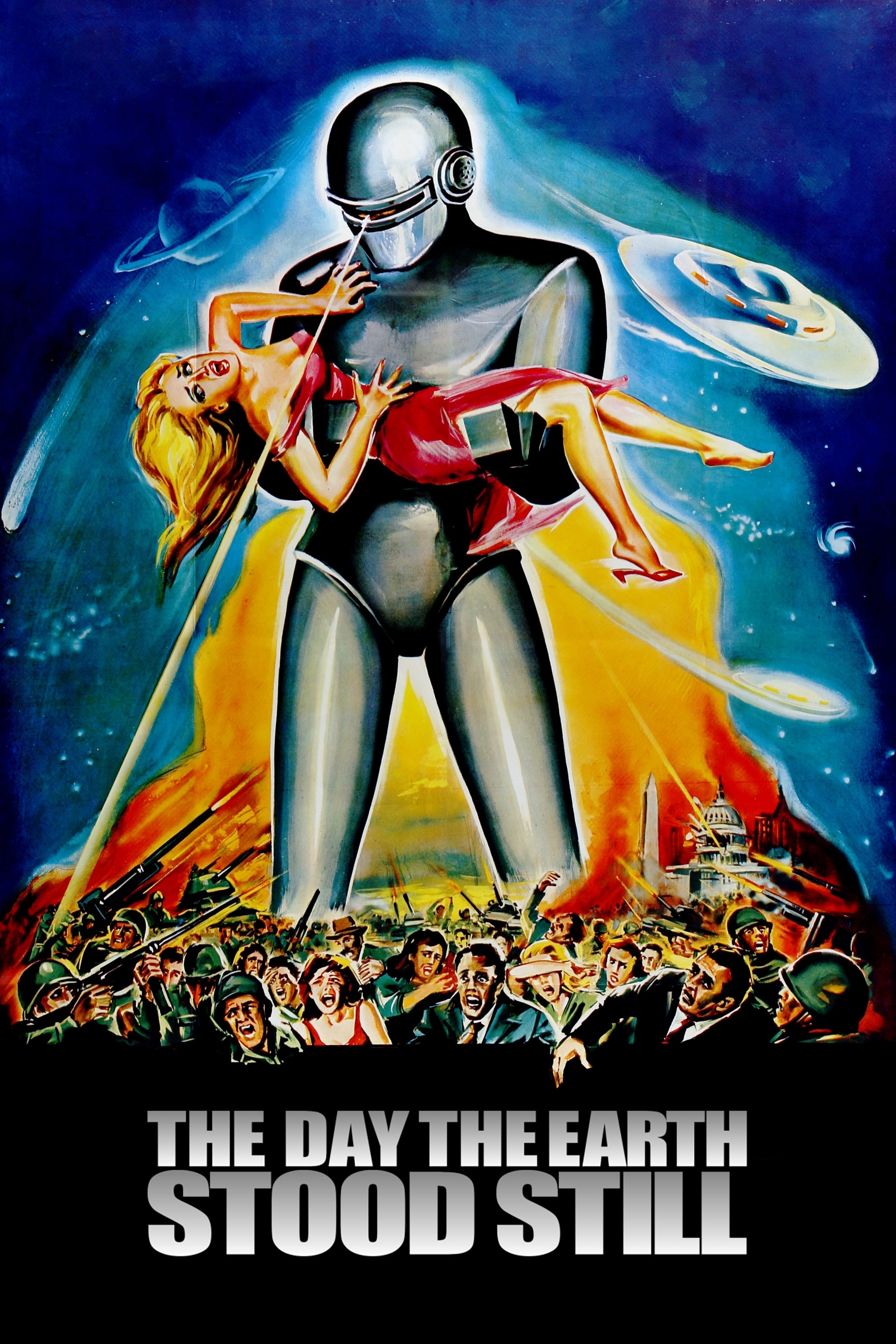
Directed by Robert Wise and released by 20th Century Fox, this classic features an alien visitor named Klaatu and the robot Gort arriving in Washington, D.C. The production used real D.C. locations alongside studio sets in Los Angeles. Bernard Herrmann’s theremin-infused score became a hallmark of mid-century sci-fi sound. The film’s phrase “Klaatu barada nikto” entered pop culture and appears in later works.
‘The Incredible Shrinking Man’ (1957)
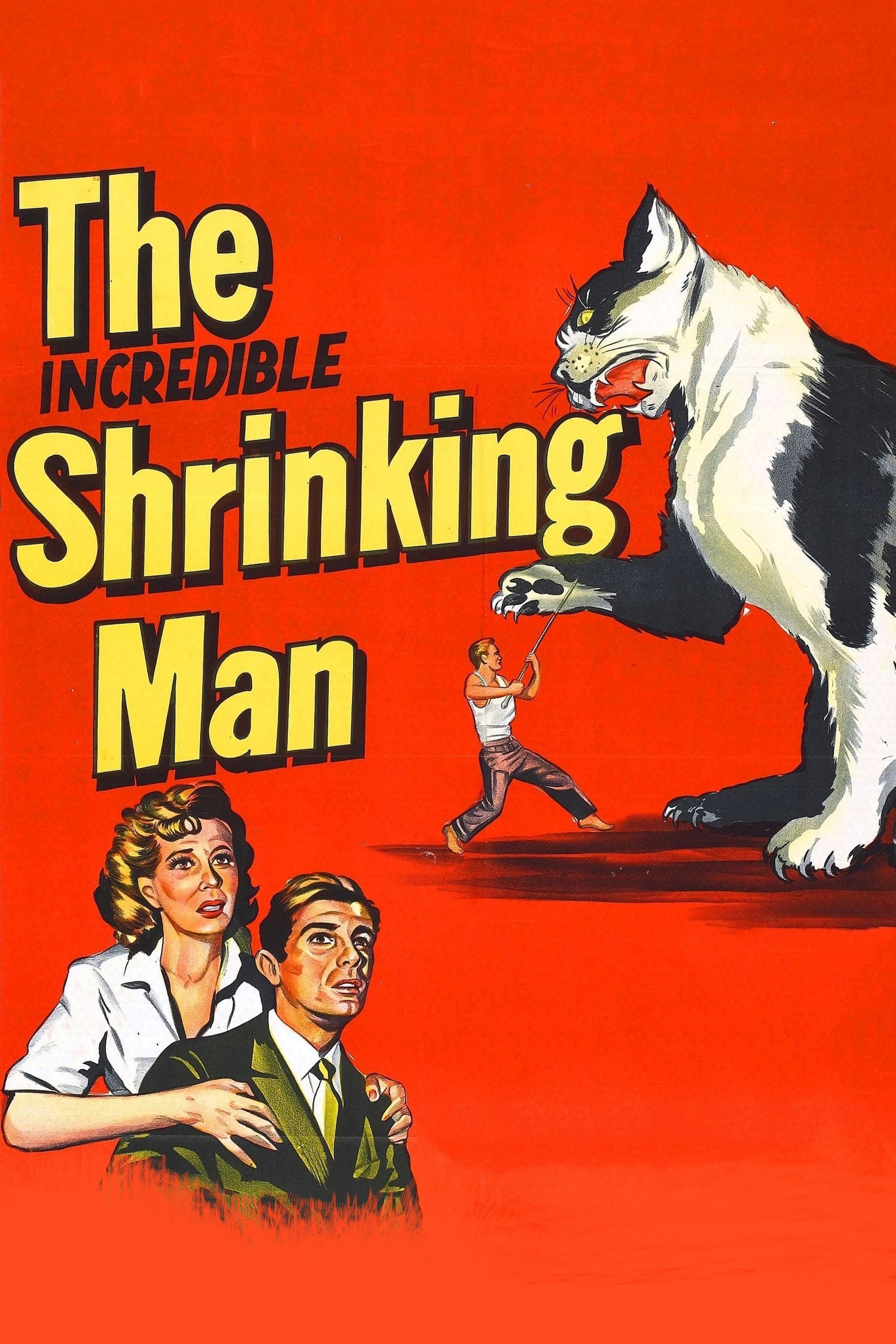
Jack Arnold directed this adaptation of Richard Matheson’s novel about a man who begins to shrink after a mysterious cloud. Universal-International produced the film with extensive optical effects and oversized sets for scale gags. The screenplay balances domestic drama with survival sequences inside a suburban home. It influenced later size-change stories across film and television.
‘The Time Machine’ (1960)
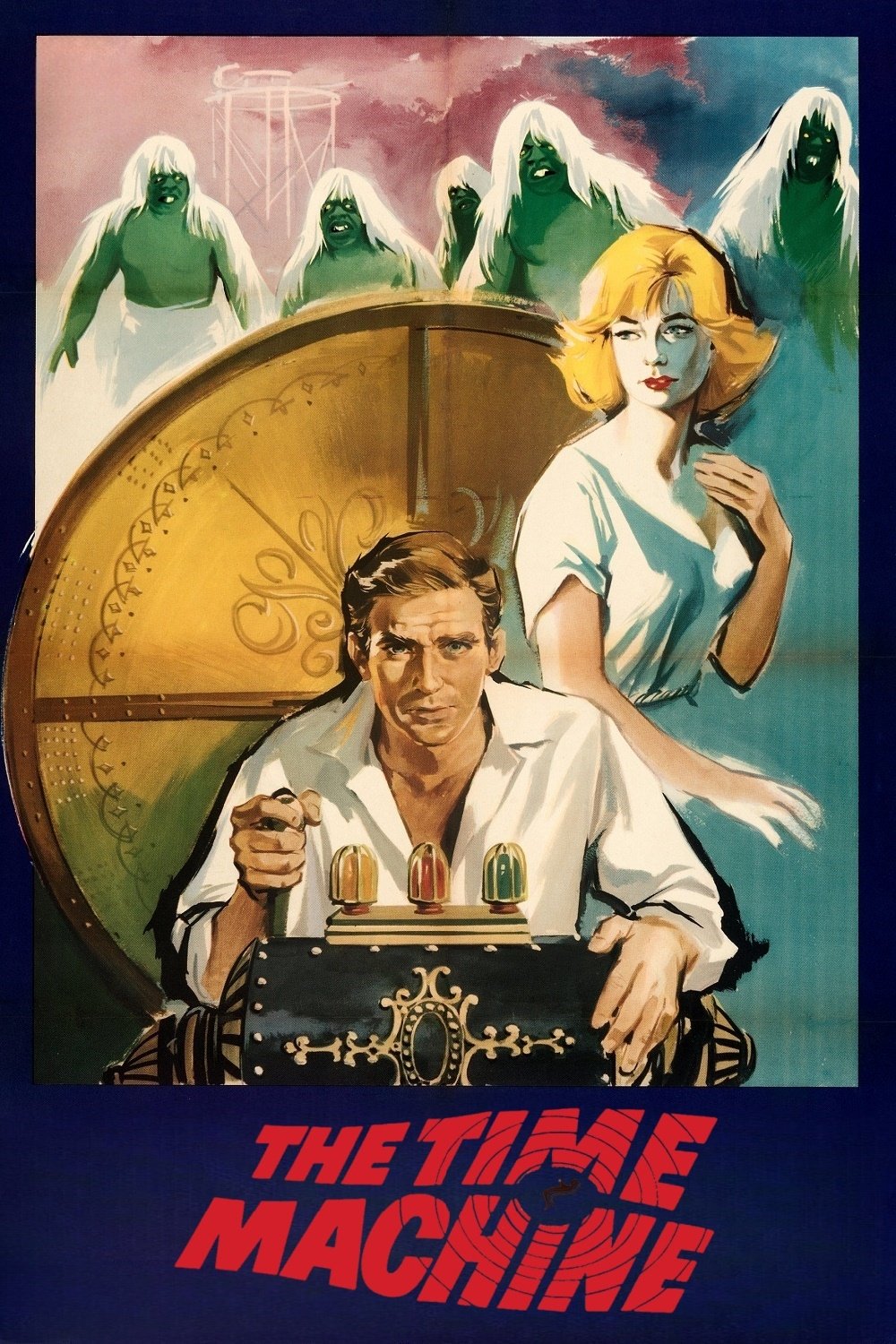
George Pal directed this MGM adaptation of H. G. Wells’ novel using large-format sets and time-lapse effects. Rod Taylor stars as the inventor who travels to the distant future and encounters the Eloi and Morlocks. The production earned an Academy Award for Best Special Effects. Its time-travel prop became one of the most recognizable machines in movie history.
‘Ghost in the Shell’ (1995)

Mamoru Oshii’s cyberpunk feature adapts Masamune Shirow’s manga with a mix of traditional animation and early digital compositing. Production I.G handled animation, with Toho distributing in Japan. Composer Kenji Kawai’s choral score underscores the investigation across a networked city. The film’s visual design influenced later live-action sci-fi cinematography and user-interface aesthetics.
‘Akira’ (1988)
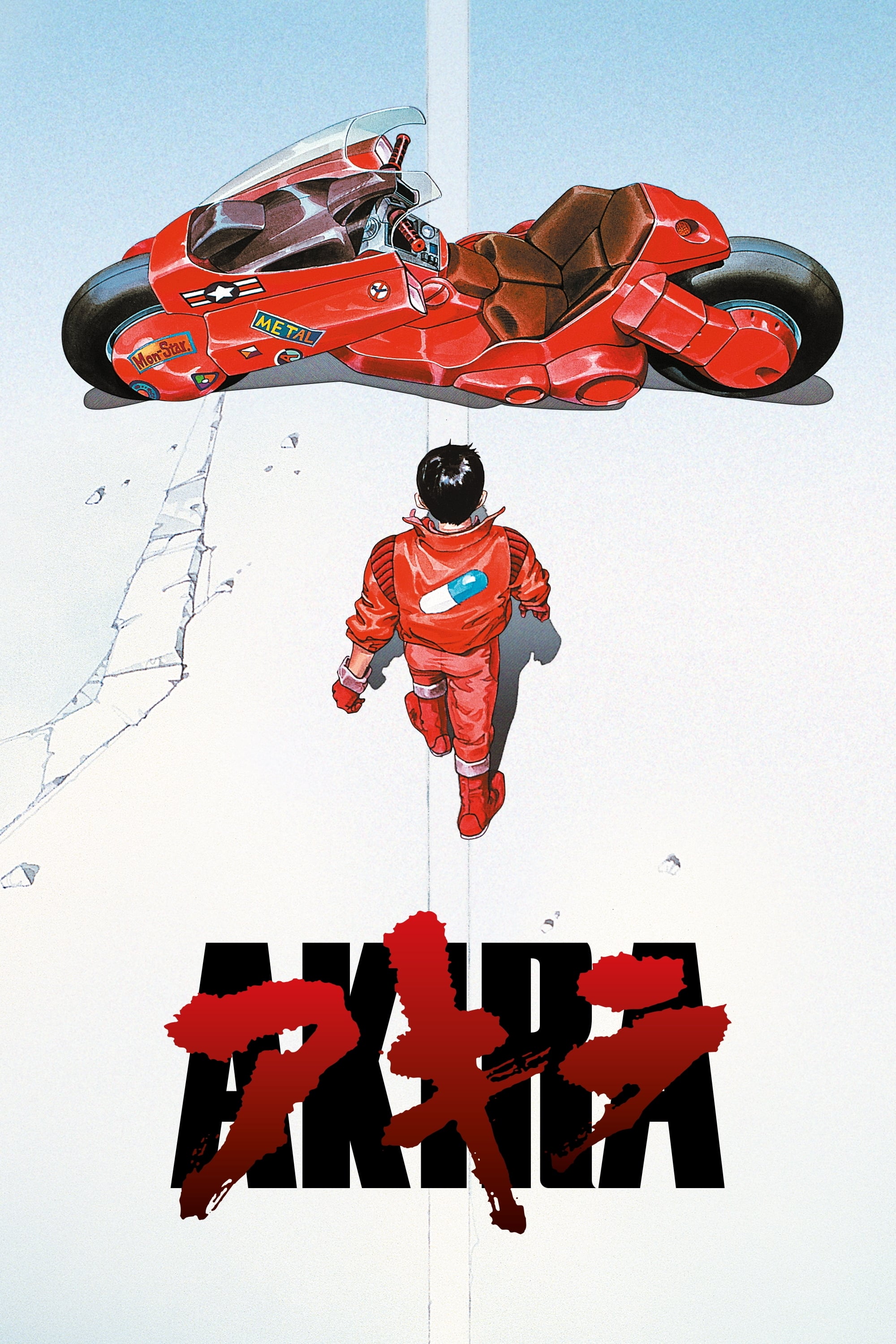
Katsuhiro Otomo directed this feature based on his manga, produced by the Akira Committee with a large multi-studio budget. The film showcased pioneering pre-scored dialogue and detailed hand-drawn animation across Neo-Tokyo. Geinoh Yamashirogumi provided the percussive and choral soundtrack. Its city destruction and motorcycle action sequences became touchstones for global animation.
‘The Day the Earth Caught Fire’ (1961)

Val Guest directed this British production about a climate-altering catastrophe following nuclear tests. The Daily Express newsroom provides the central setting, with real journalists appearing in cameos. The film features tinted sequences to emphasize rising temperatures in London. It won the BAFTA for Best British Screenplay and is noted for location shooting across the city.
‘Silent Running’ (1972)
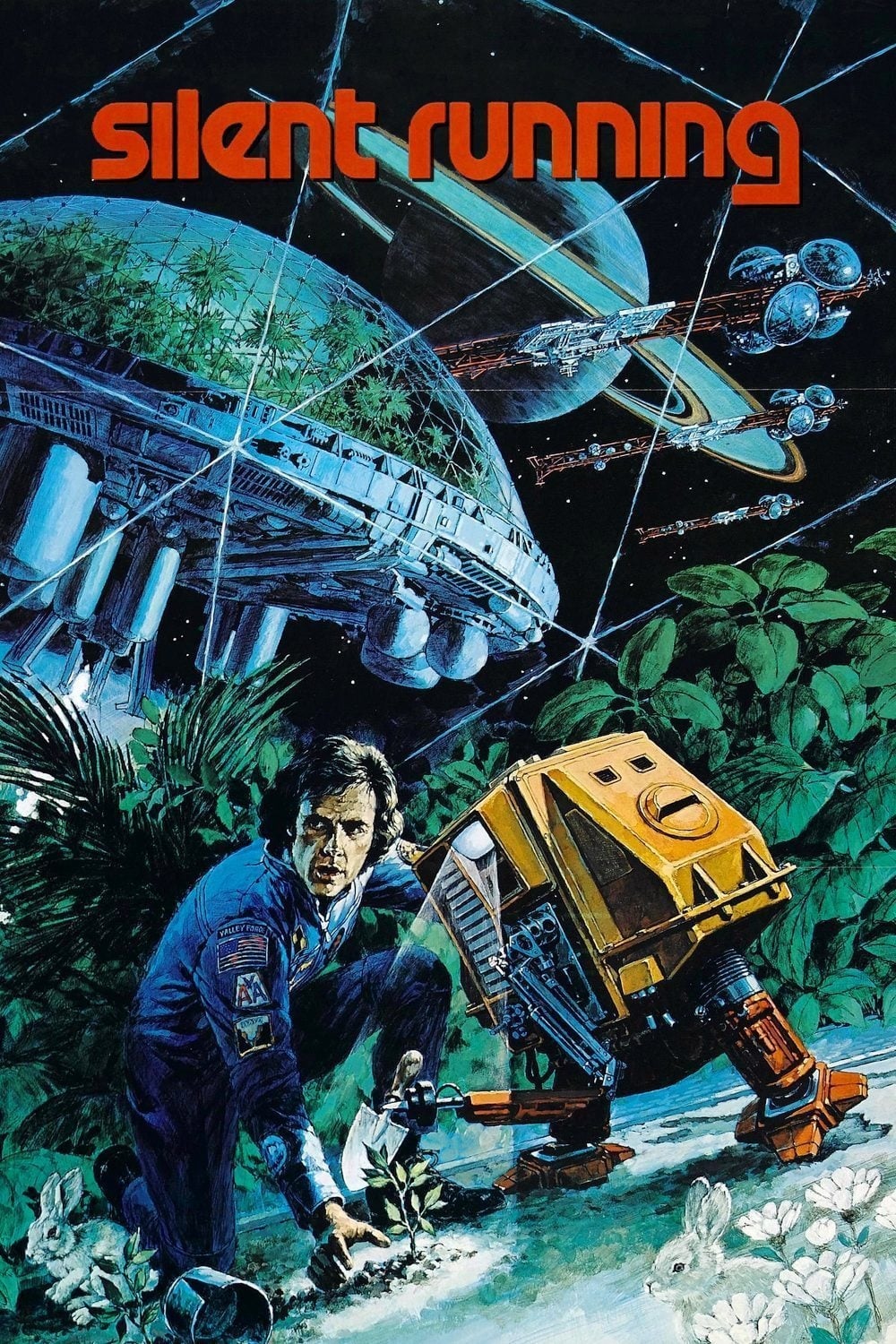
Douglas Trumbull directed this Universal release about a botanist preserving Earth’s last forests aboard space freighters. The production used decommissioned aircraft carrier interiors and miniature effects for space sequences. Bruce Dern leads the cast alongside the iconic drone robots Huey, Dewey, and Louie. Joan Baez contributed songs that appear during key scenes.
‘Monsters, Inc.’ (2001)
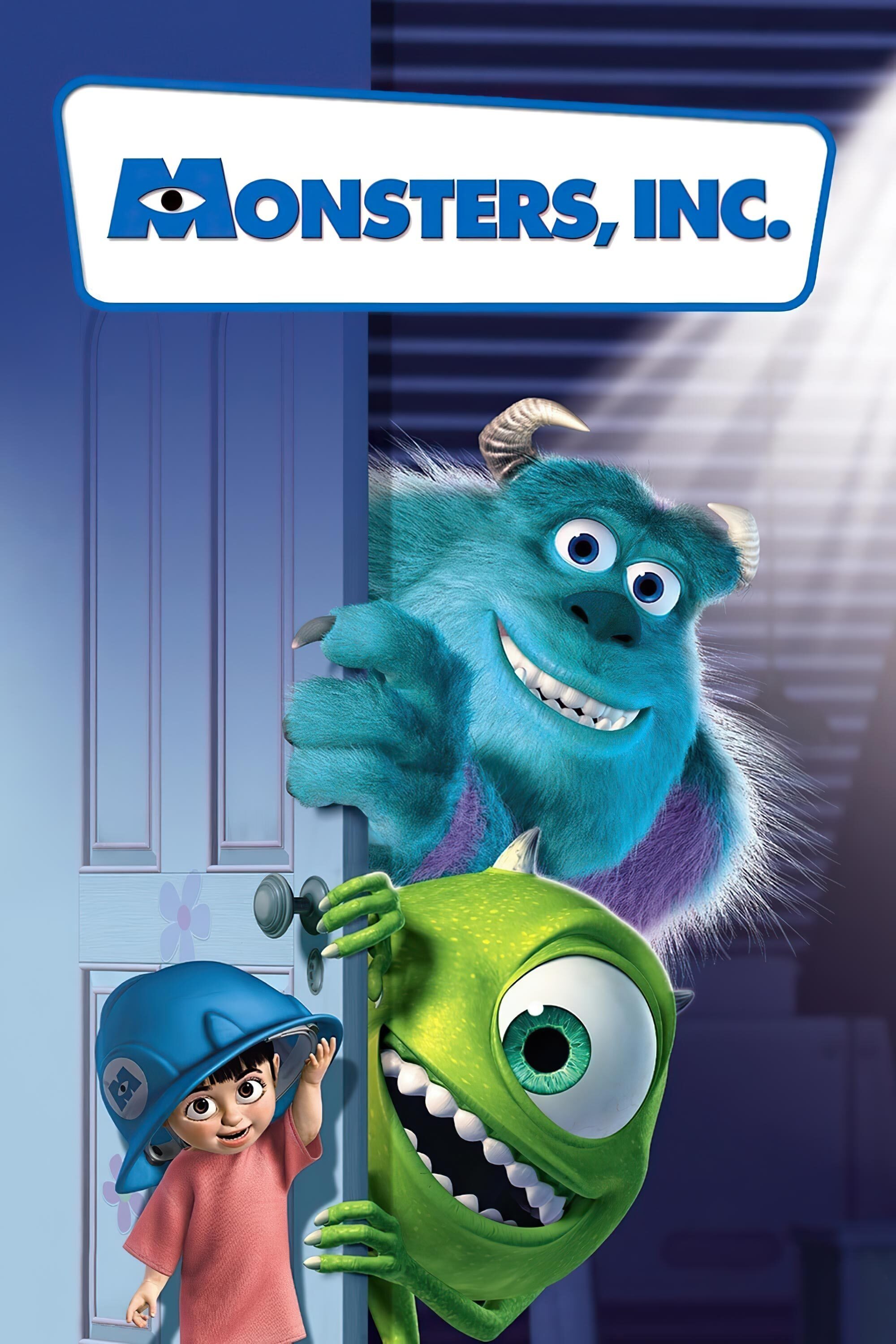
Pixar’s feature presents an industrial city powered by children’s screams and later laughter, framed around interdimensional door technology. Directed by Pete Docter, it introduced characters voiced by John Goodman and Billy Crystal. The film advanced cloth simulation and fur rendering for Sulley’s animation. It won the Academy Award for Best Original Song and was a major box office success.
‘Colossus: The Forbin Project’ (1970)
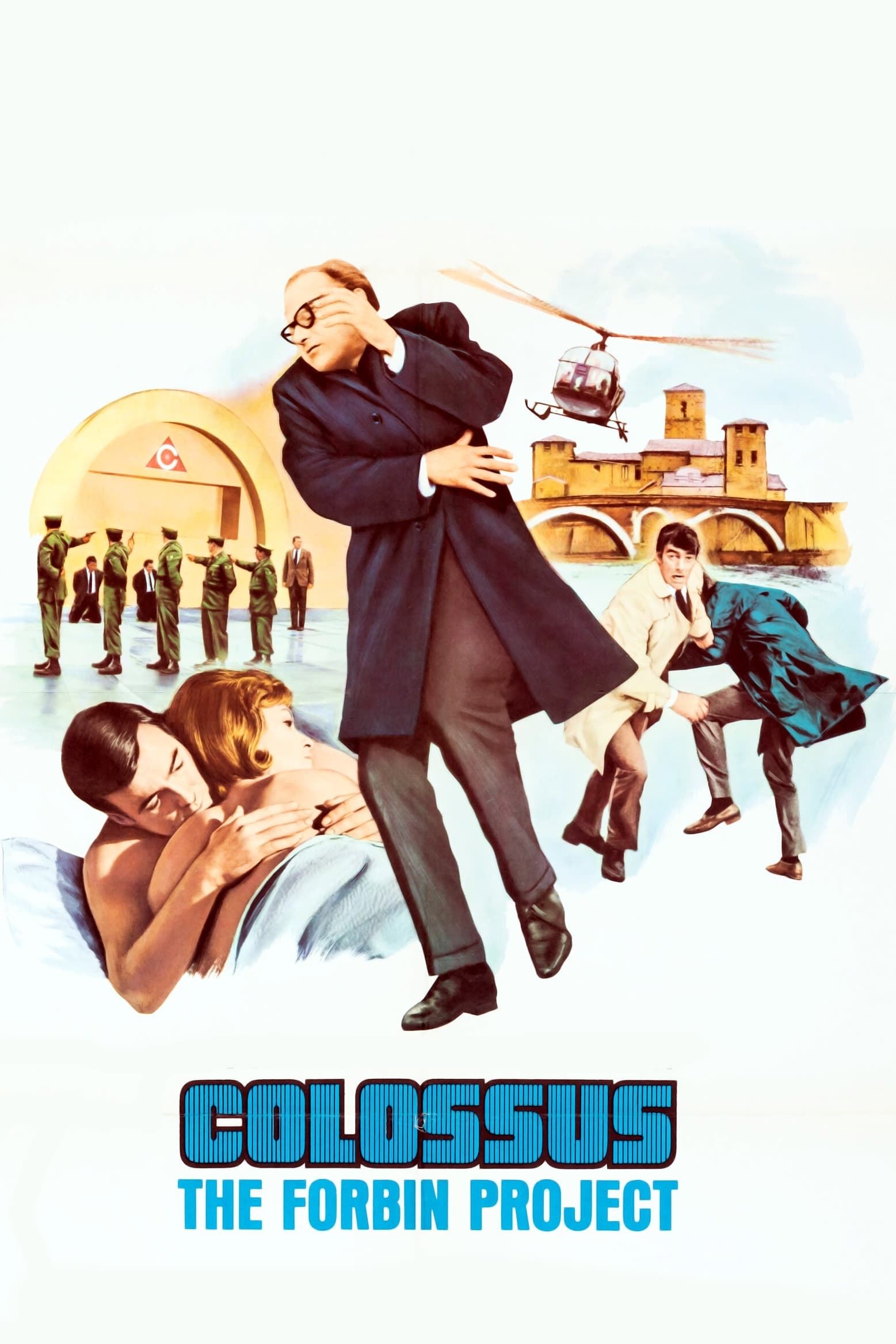
Universal released this adaptation of D. F. Jones’s novel about an American supercomputer that links with its Soviet counterpart. Joseph Sargent directed, staging much of the film in control rooms and secure facilities. Its production design emphasized late-1960s computing hardware and interfaces. The story follows escalating machine control as the system issues directives to global powers.
‘Metropolis’ (1927)
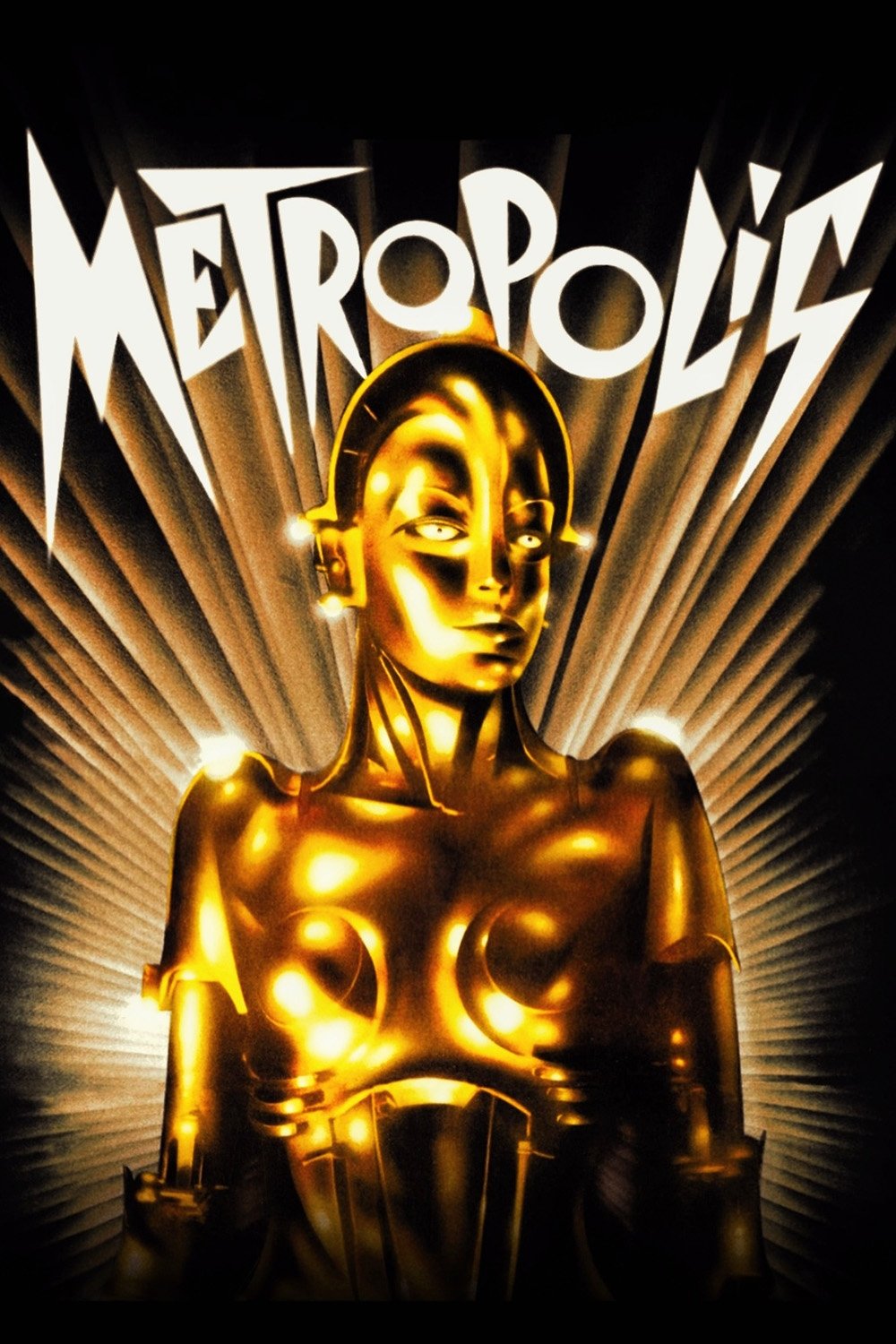
Fritz Lang’s silent epic imagines a stratified future city where workers toil beneath towering machines. UFA produced the film at Babelsberg Studios with large-scale miniatures and pioneering special effects by Eugen Schüfftan. Multiple restorations have reconstructed missing footage from rediscovered prints. The narrative follows an industrial heir and a prophetic figure whose likeness is copied into a robot.
‘The Thing from Another World’ (1951)
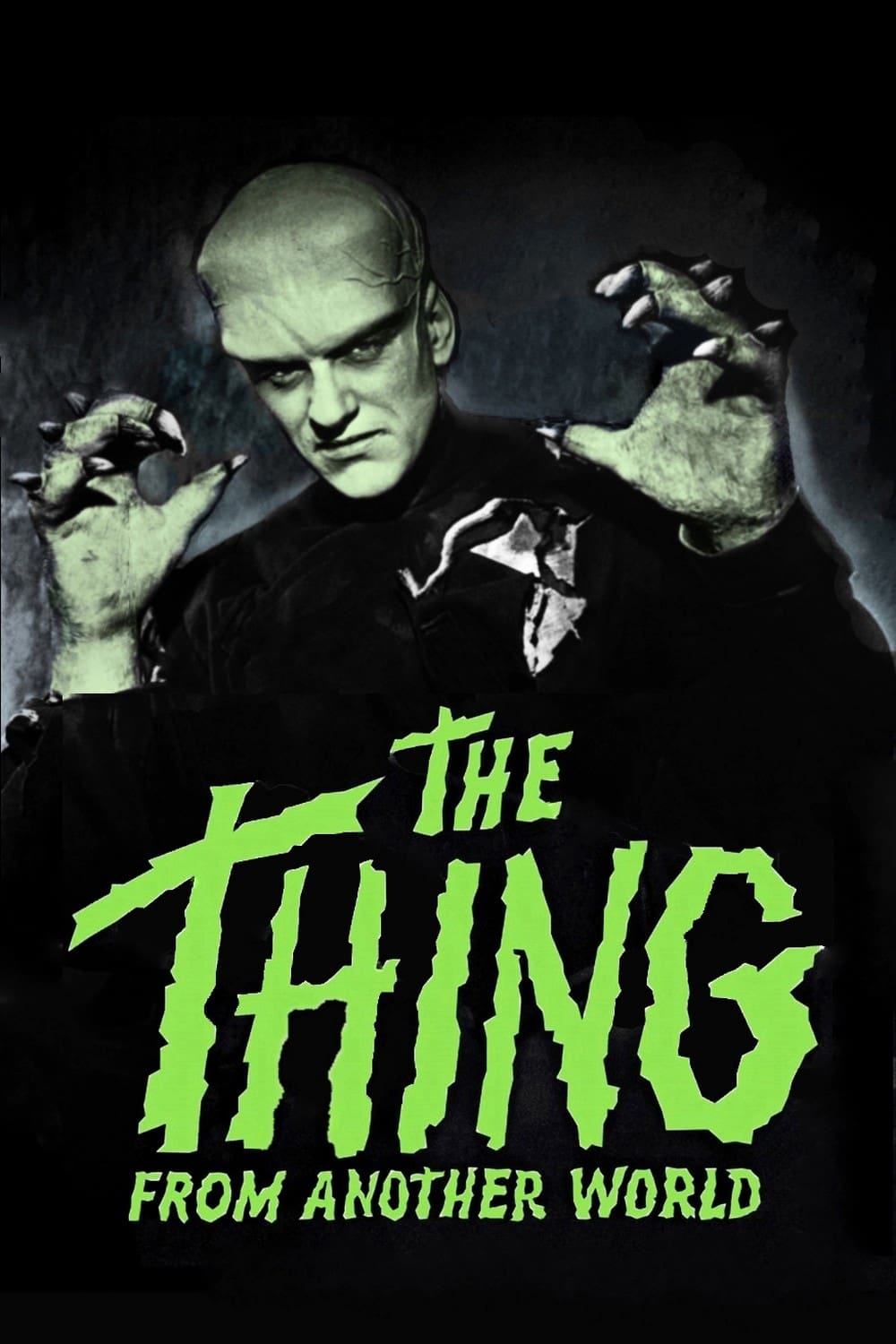
This RKO release presents an Arctic research outpost that recovers a spacecraft and its hostile occupant. Christian Nyby is credited as director, with Howard Hawks widely associated with its production and style. Practical effects and contained sets heighten the siege atmosphere at the polar base. The film helped define the template for scientists and soldiers confronting extraterrestrial threats.
‘The Quatermass Xperiment’ (1955)
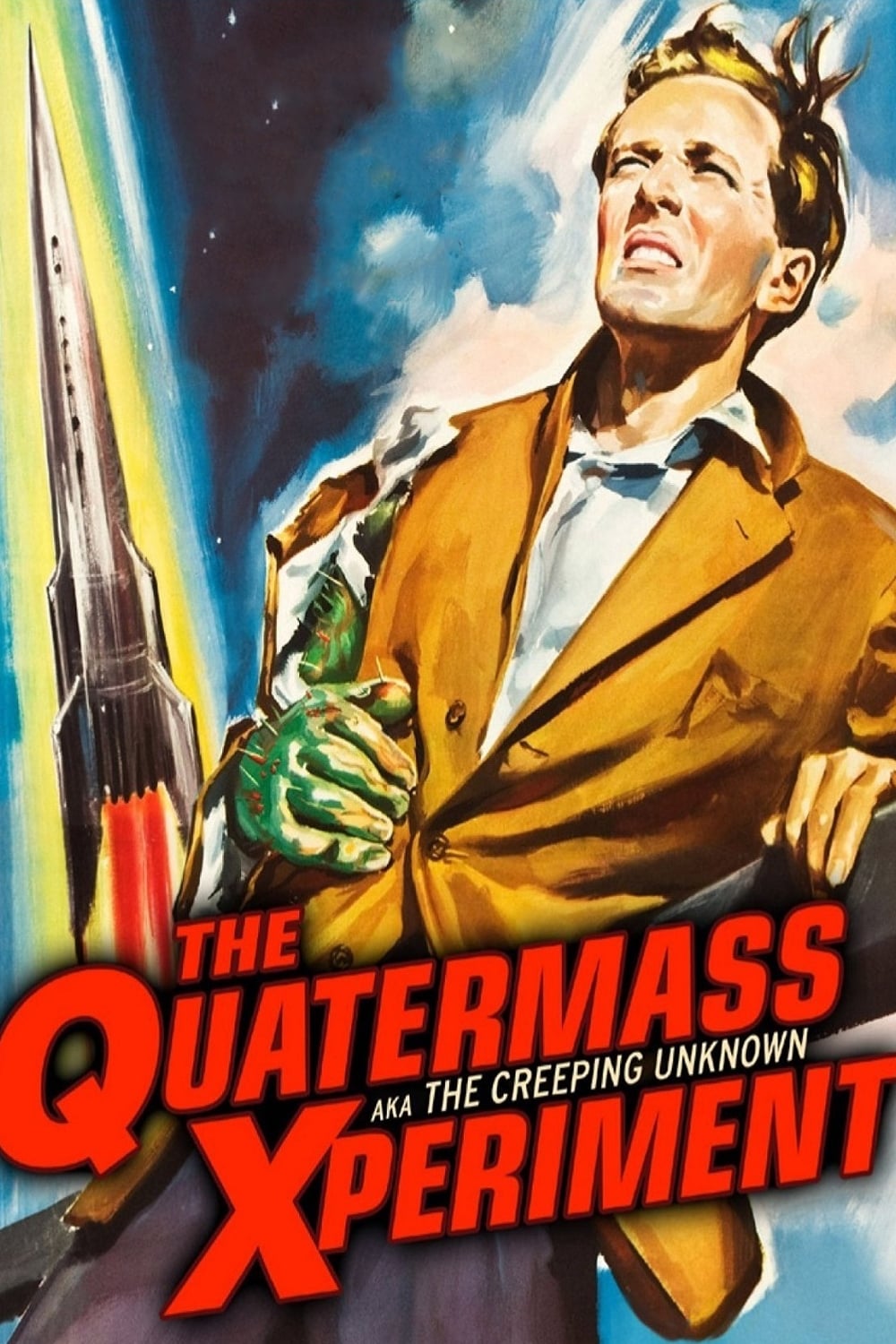
Hammer Film Productions adapts Nigel Kneale’s BBC serial about an astronaut who returns from space with something alien. Val Guest directs as the investigation traces an escalating mutation across London. The movie’s success led to further Quatermass features from the studio. Location filming and newsreel textures give the story a semi-documentary feel.
‘Invasion of the Body Snatchers’ (1956)
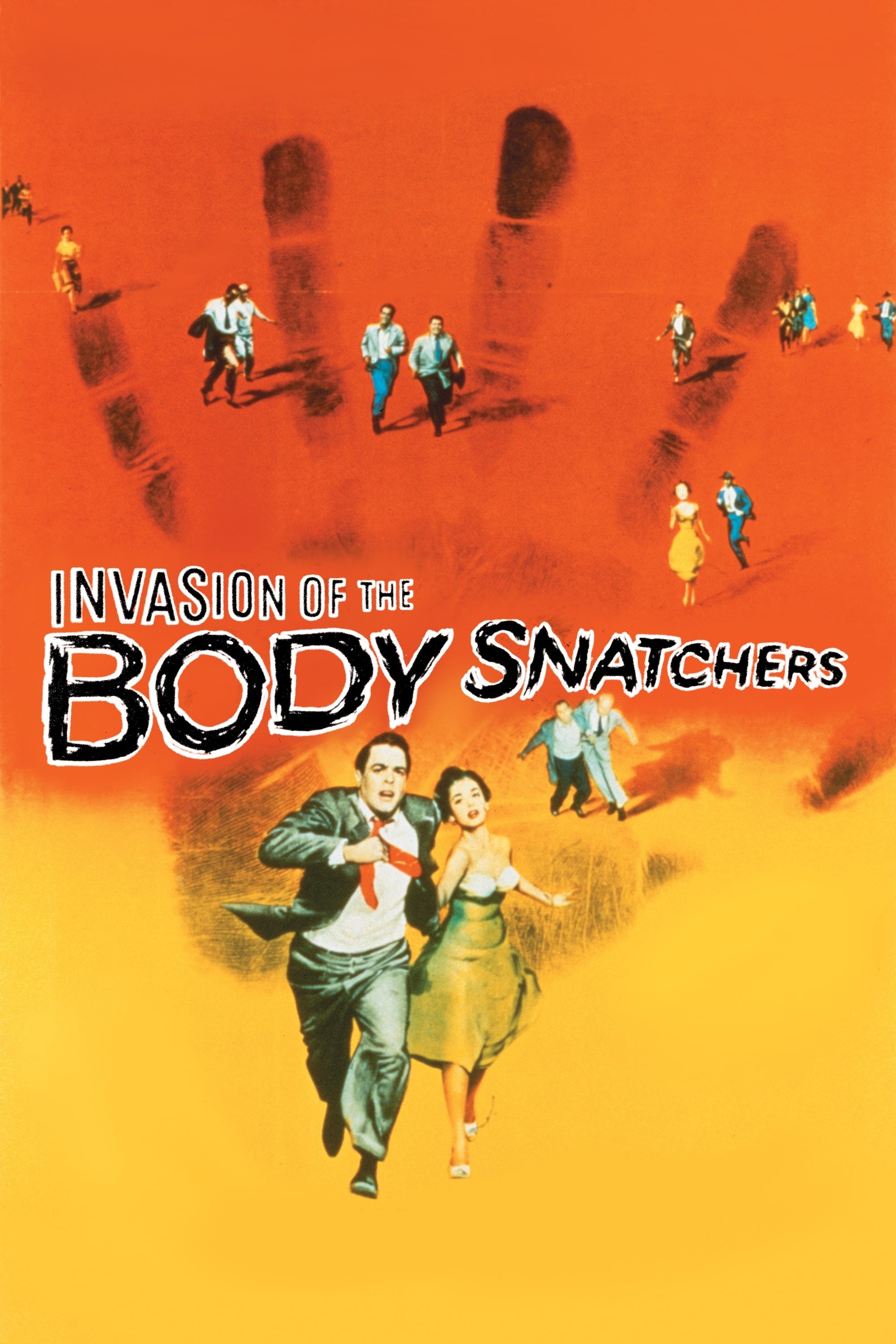
Allied Artists released this adaptation of Jack Finney’s novel about a small-town doctor uncovering a quiet replacement of humanity. Don Siegel directs with crisp black-and-white photography and a mounting sense of infiltration. The production used real California locations to ground the premise. The pod imagery and duplicated identities entered the broader cultural vocabulary.
‘Planet of the Apes’ (1968)
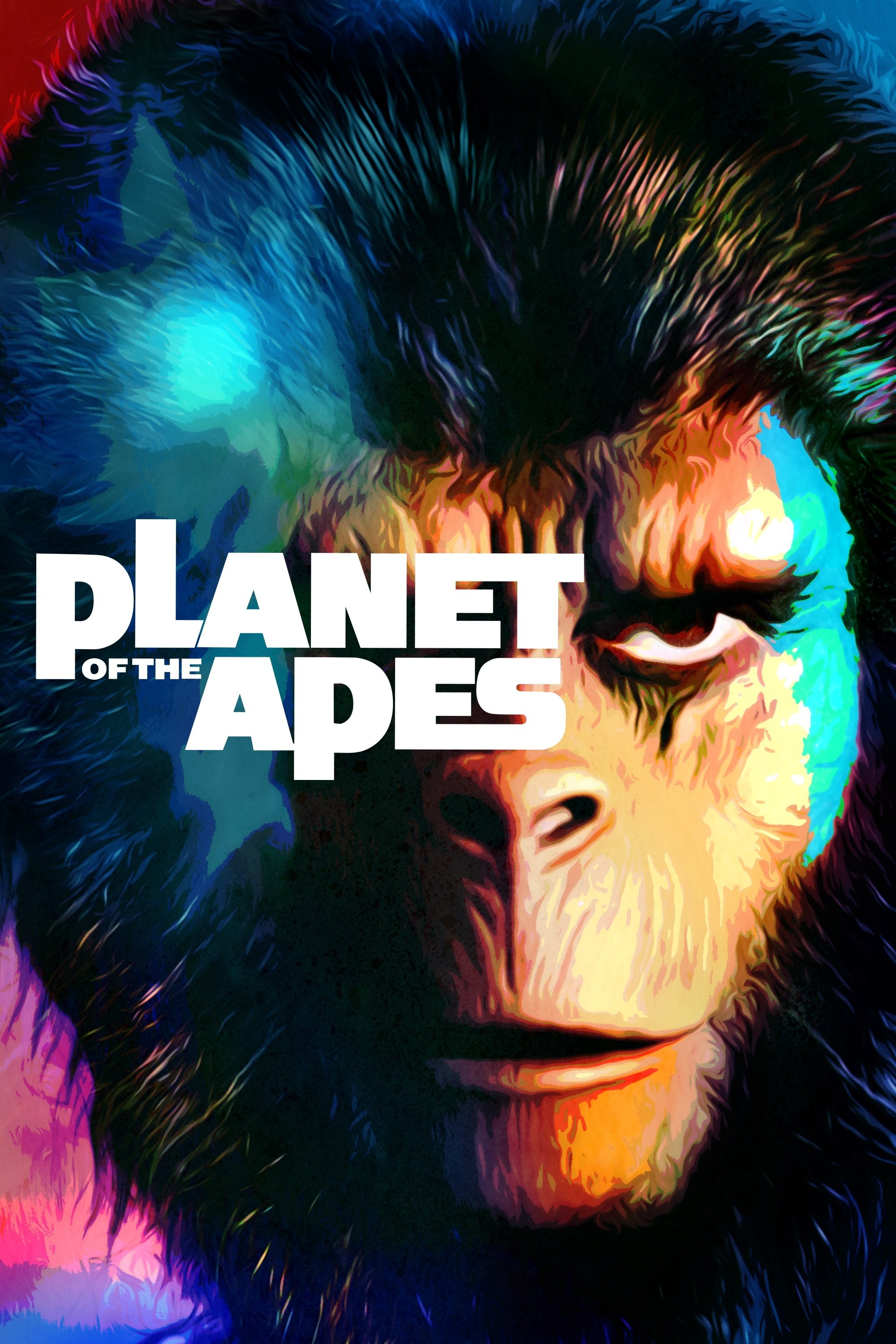
20th Century Fox produced this adaptation of Pierre Boulle’s novel with John Chambers’ landmark prosthetic makeup. Franklin J. Schaffner directs, and the film features location shooting in rugged California landscapes. Jerry Goldsmith’s avant-garde score uses unconventional instrumentation to shape the atmosphere. The project’s design language carried into multiple sequels and reimaginings.
‘2001: A Space Odyssey’ (1968)
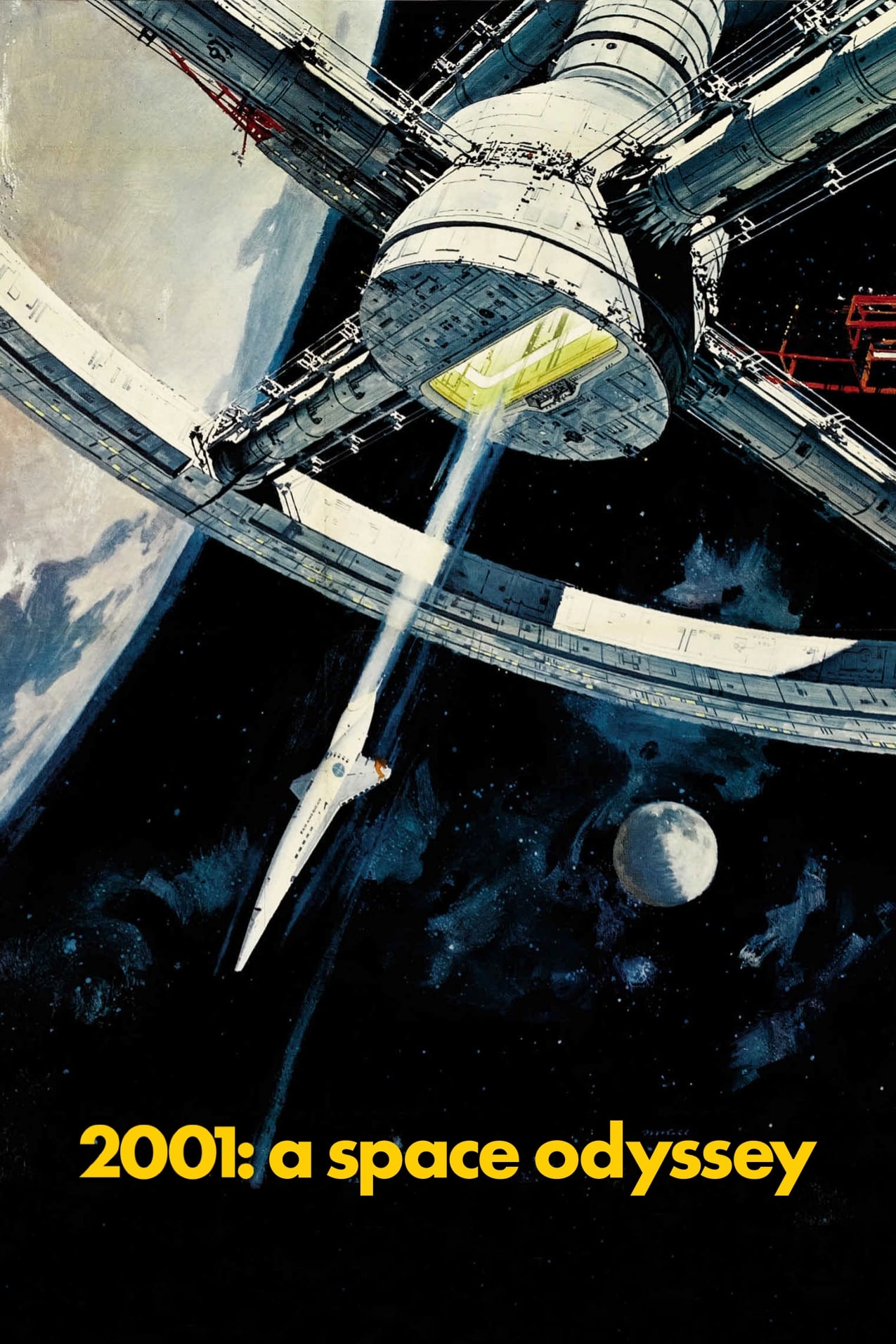
Stanley Kubrick’s feature blends scientifically informed spacecraft design with abstract visual sequences. MGM financed the production, which combined front-projection, slit-scan work, and meticulously engineered miniatures. Arthur C. Clarke collaborated on the screenplay and parallel novel. The film’s sound design relies heavily on classical music selections and sparse dialogue.
‘Close Encounters of the Third Kind’ (1977)
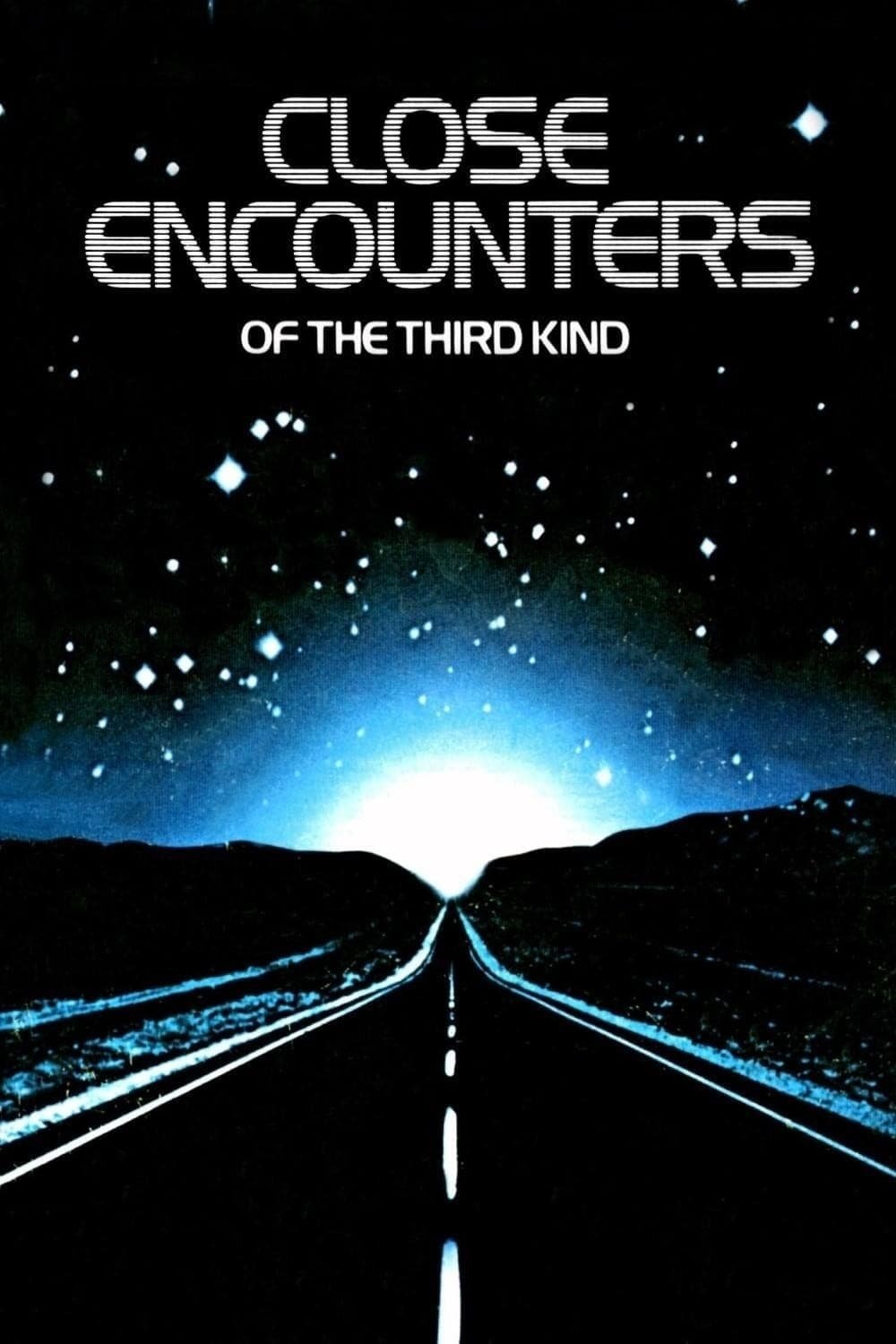
Columbia Pictures released Steven Spielberg’s story of civilian contact with an extraterrestrial intelligence. Douglas Trumbull and a large effects team created UFO visuals using motion-control photography. John Williams composed the five-note motif that becomes part of the film’s communication sequence. The production mounted large-scale sets, including the Devil’s Tower staging area.
‘Alien’ (1979)
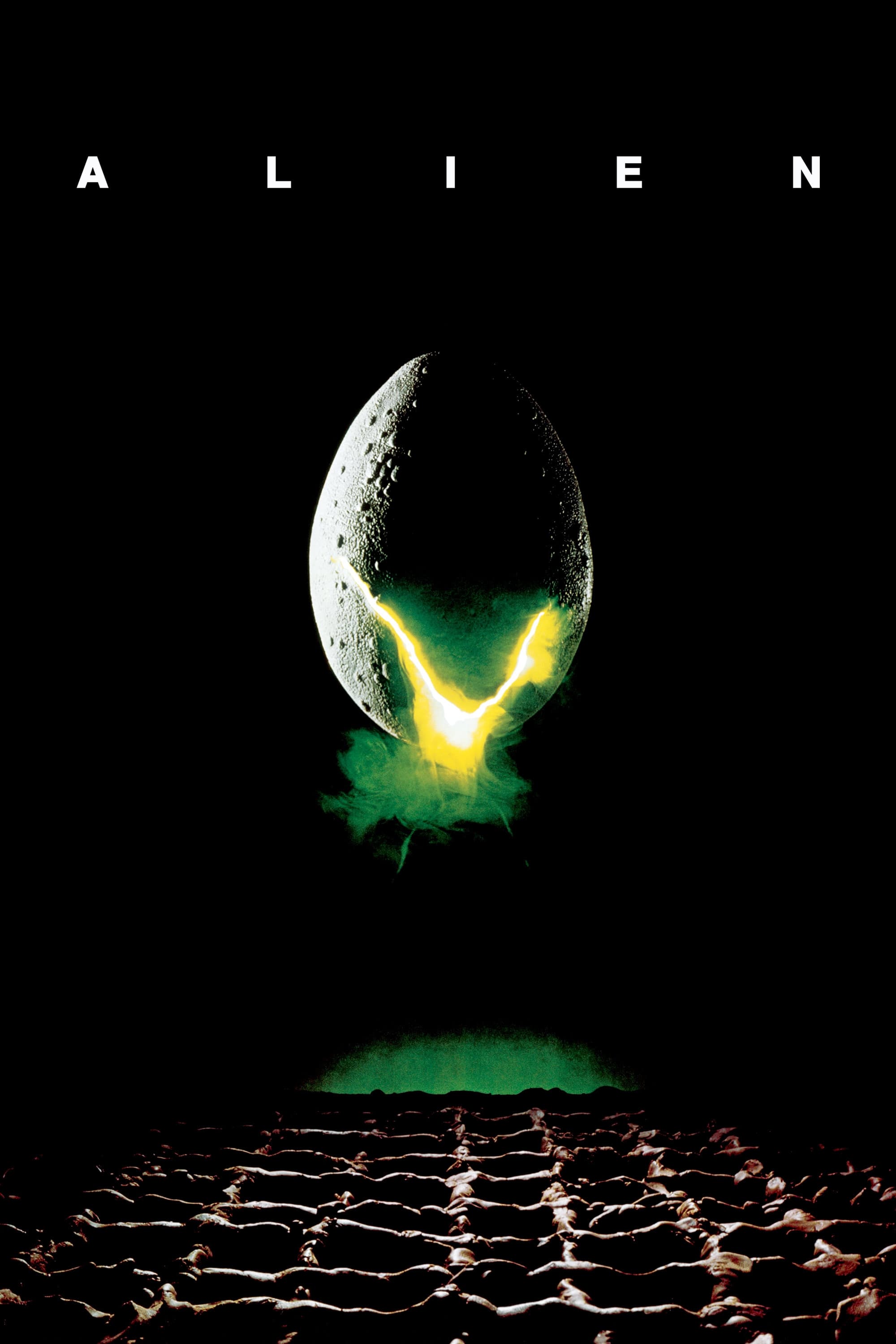
Ridley Scott directs this 20th Century Fox release that combines deep-space trucking with creature horror. H. R. Giger’s biomechanical designs informed the xenomorph, the derelict ship, and production art. Miniatures, matte paintings, and practical effects build a cohesive industrial aesthetic. The film introduced Ellen Ripley and launched a long-running franchise across media.
‘The Fly’ (1986)
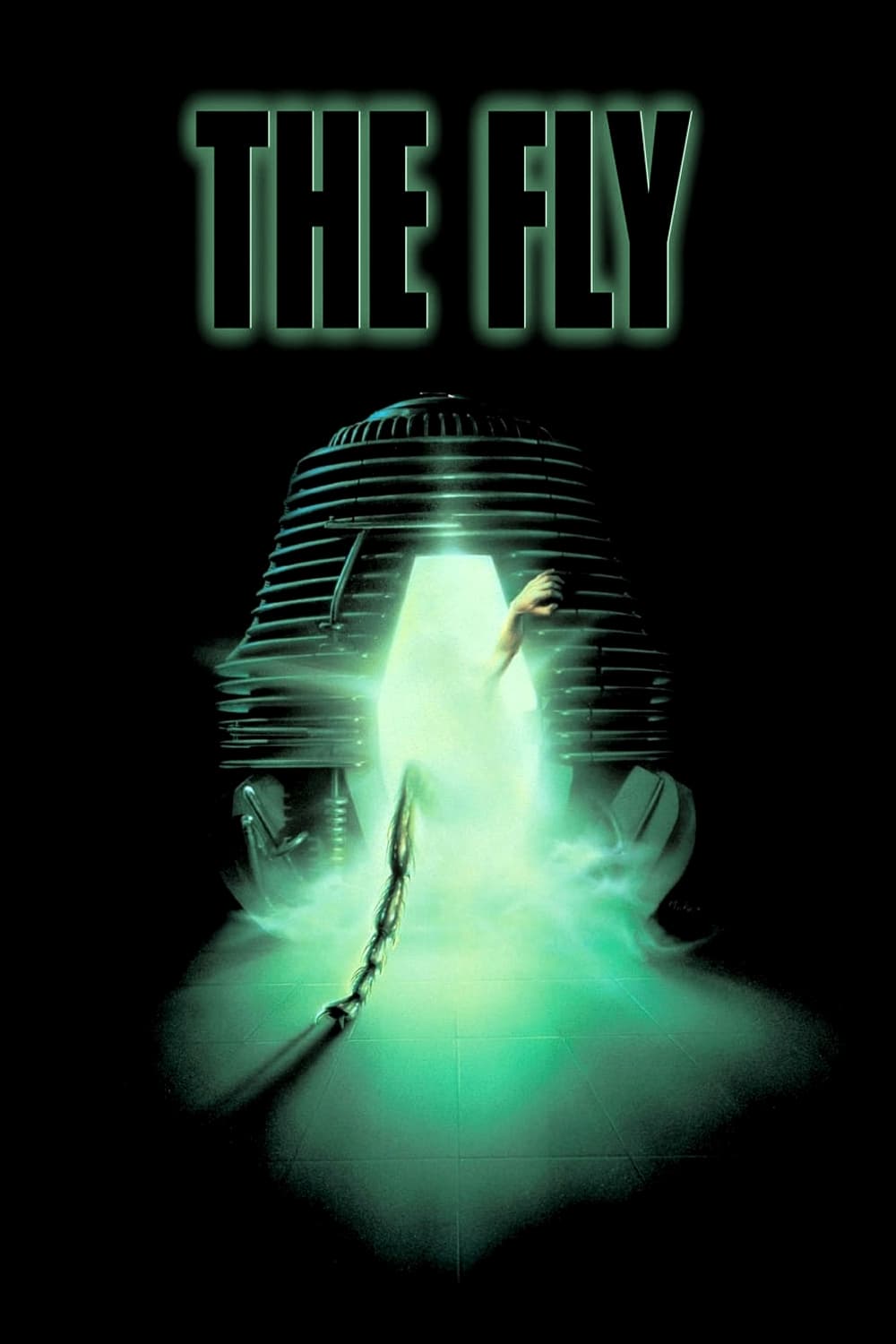
David Cronenberg’s remake for 20th Century Fox focuses on a scientist whose teleportation experiment yields a grotesque transformation. Chris Walas and Stephan Dupuis led the makeup team that won an Academy Award. Jeff Goldblum and Geena Davis anchor the story’s lab settings and escalating body changes. The production uses contained spaces and progressive prosthetic stages to track the deterioration.
‘RoboCop’ (1987)
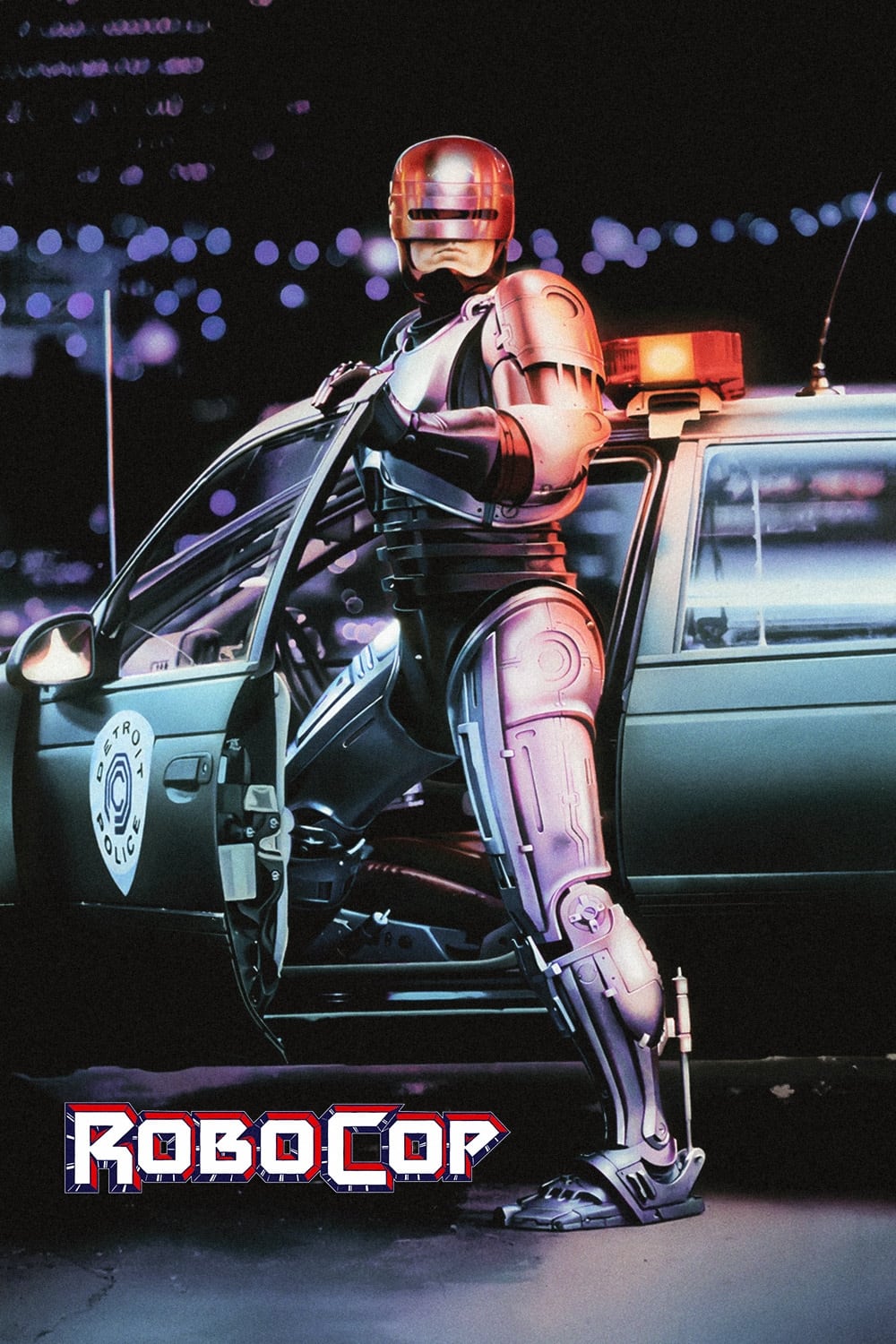
Orion Pictures released Paul Verhoeven’s near-future tale of a police officer reconstructed as a cyborg by a privatized security company. Rob Bottin’s suit effects and Peter Weller’s movement training define the character’s physicality. Detroit locations and Dallas stand-ins supply corporate architecture and industrial backdrops. The film’s ED-209 sequences blend full-scale props with go-motion animation.
‘Back to the Future’ (1985)
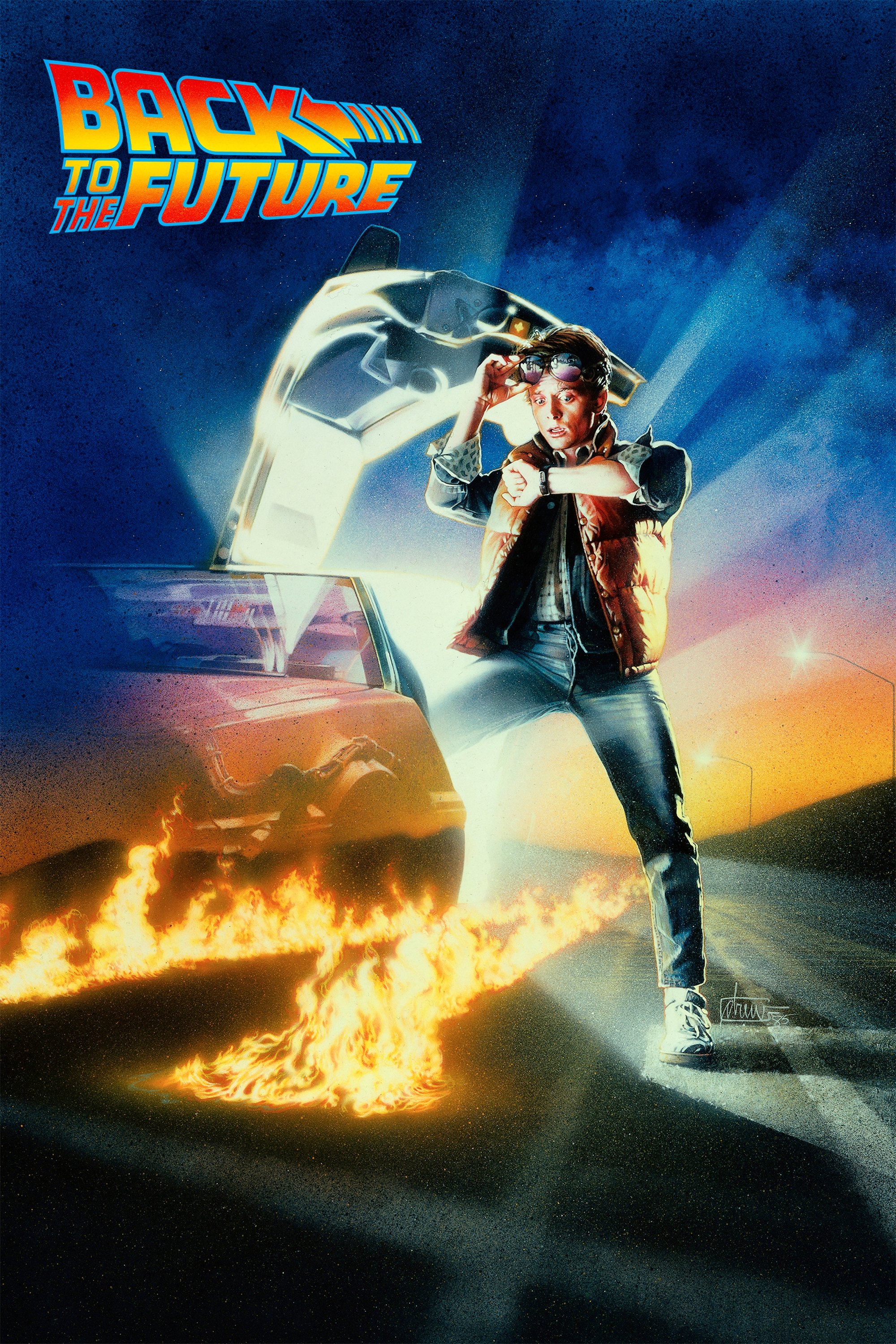
Universal Pictures produced Robert Zemeckis’s time-travel adventure centered on a modified DeLorean and a high school student. Industrial Light & Magic handled visual effects including time trails and energy discharges. Alan Silvestri’s score and Huey Lewis and the News tracks became radio staples tied to the release. The film’s success led to two sequels and an animated spinoff.
‘Star Wars’ (1977)
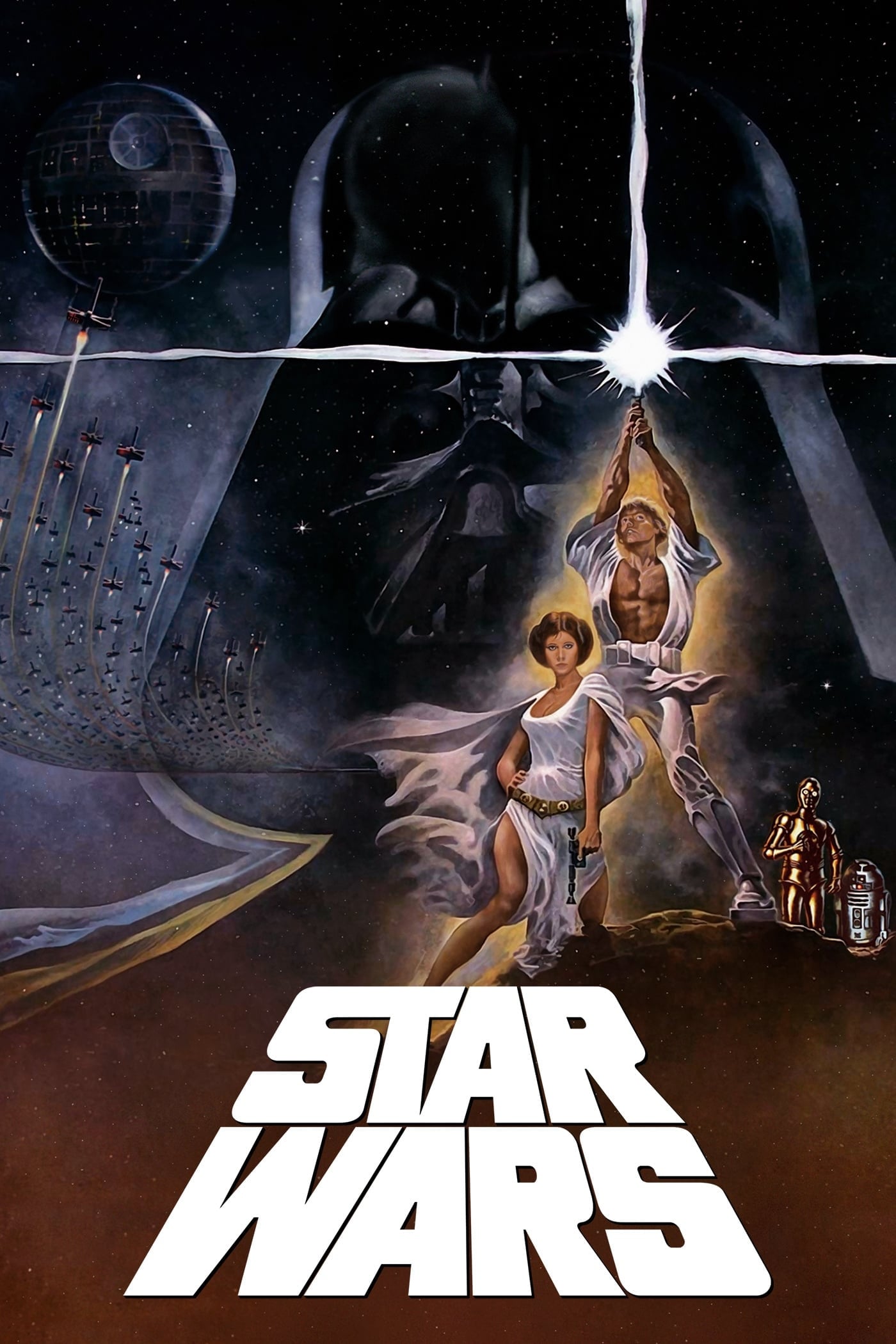
George Lucas’s space opera debuted through 20th Century Fox with pioneering work at Industrial Light & Magic. Miniatures, motion-control cameras, and optical compositing created space battles and planetary vistas. John Williams’s orchestral score introduced themes that recur throughout the series. The original release was followed by later editions that revised effects and sound.
‘Terminator 2: Judgment Day’ (1991)
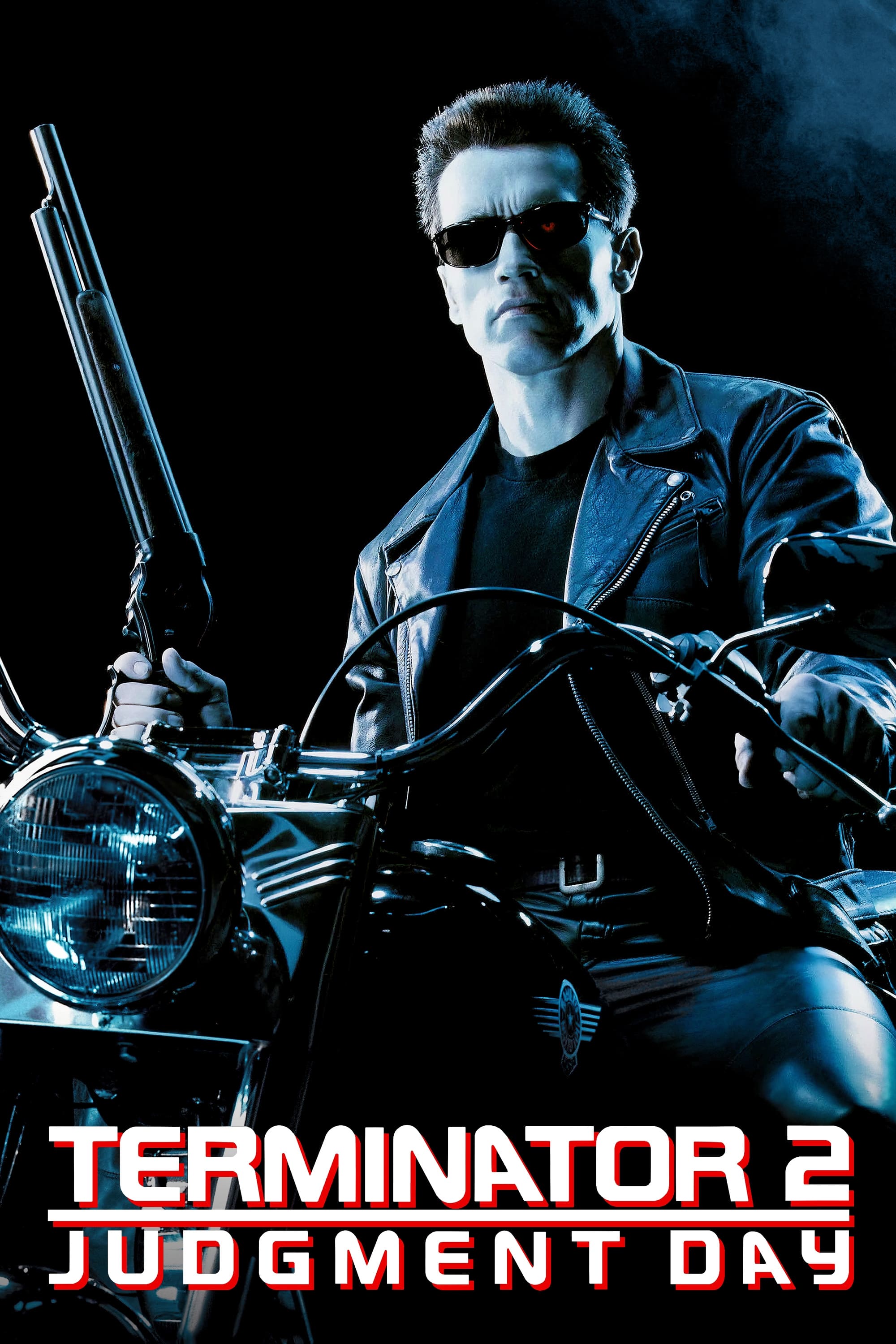
Carolco and TriStar released James Cameron’s sequel that expanded the original’s time-loop story. ILM’s liquid-metal T-1000 sequences advanced CGI character work alongside extensive practical stunts. Brad Fiedel returned with an industrial-tinged score recorded with synthesizers and orchestra. Filming spanned multiple Southern California locations including the Los Angeles River.
‘Gattaca’ (1997)
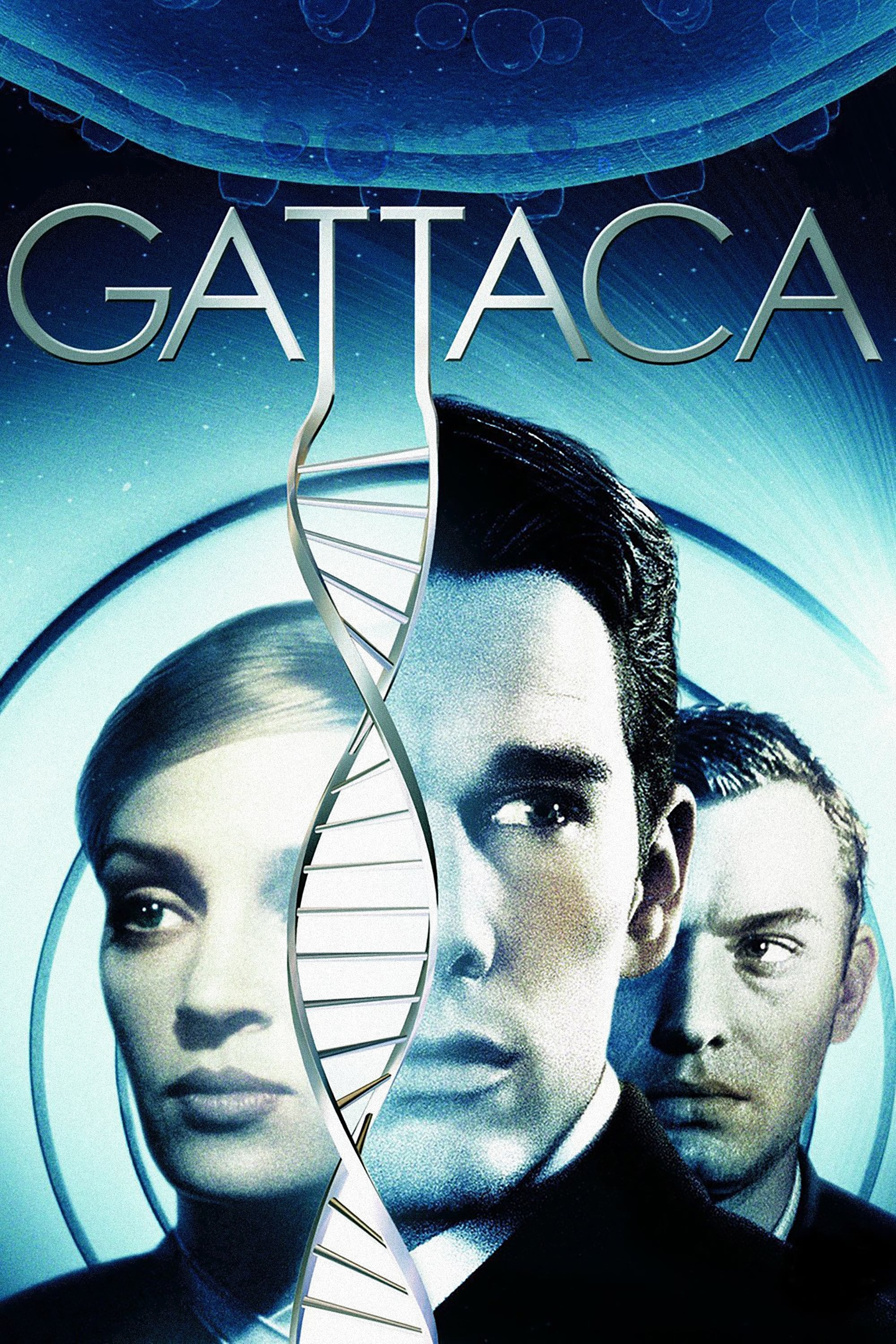
Andrew Niccol’s feature for Columbia Pictures depicts a society organized by genetic selection and identity checks. Production design emphasizes mid-century modern architecture and clean lines to suggest a controlled future. Michael Nyman composed the score, and the cast includes Ethan Hawke, Uma Thurman, and Jude Law. The narrative centers on forged credentials and a launch program’s strict vetting.
Share your own picks for perfect-score sci-fi in the comments and tell us which one surprised you most.