‘The Law of Beasts’ Season 1 Review: When Protecting Society Threatens the Rule of Law

Netflix expands its slate of Polish originals with ‘The Law of Beasts’, known in Poland as ‘Prawo bestii’, a four episode limited drama that premiered on November 18, 2026. Directed by Kasper Bajon and written by Bajon alongside Anna Kasińska, the series steps away from sensational murder mysteries to examine the legal and moral fallout of a crime that scarred an entire country. Spanning two timelines separated by 25 years, the story traces how a brutal investigation in 1988 returns to test modern democratic institutions in 2014.
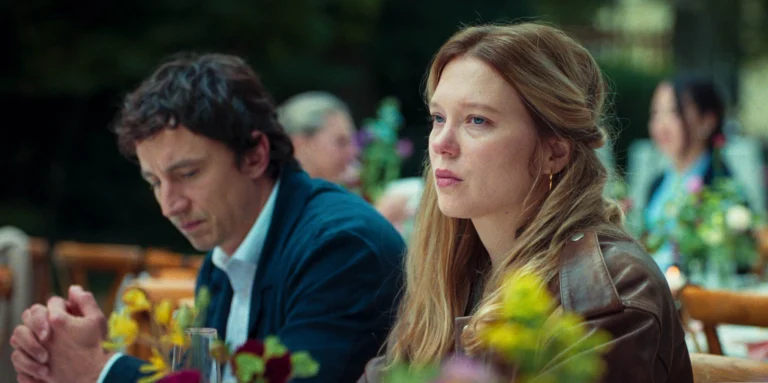
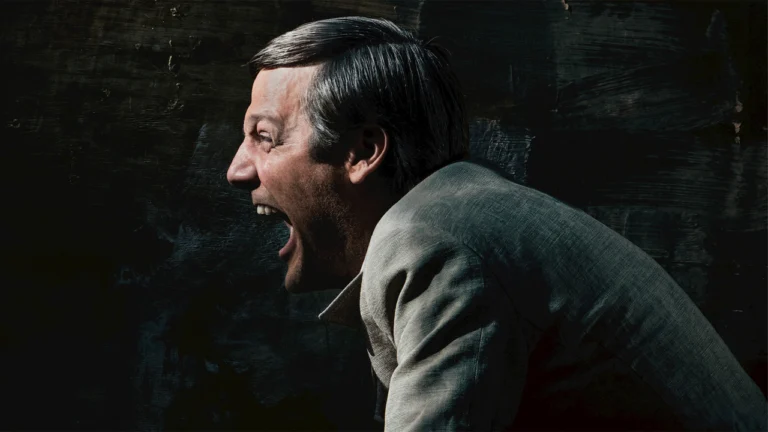
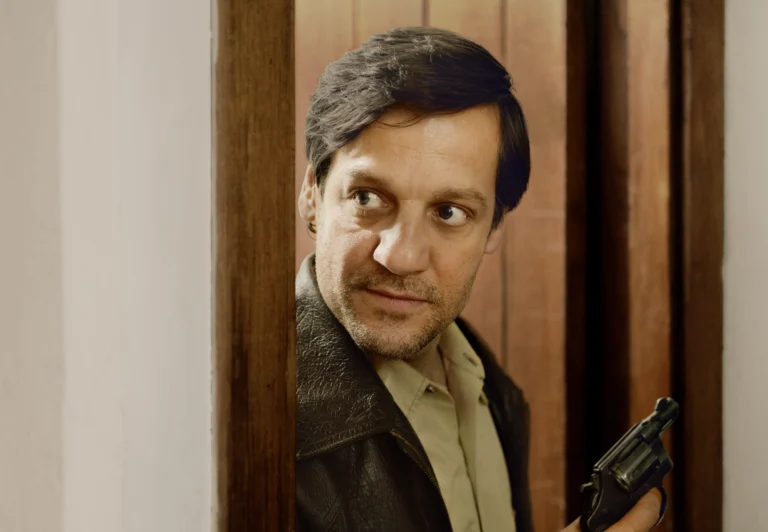
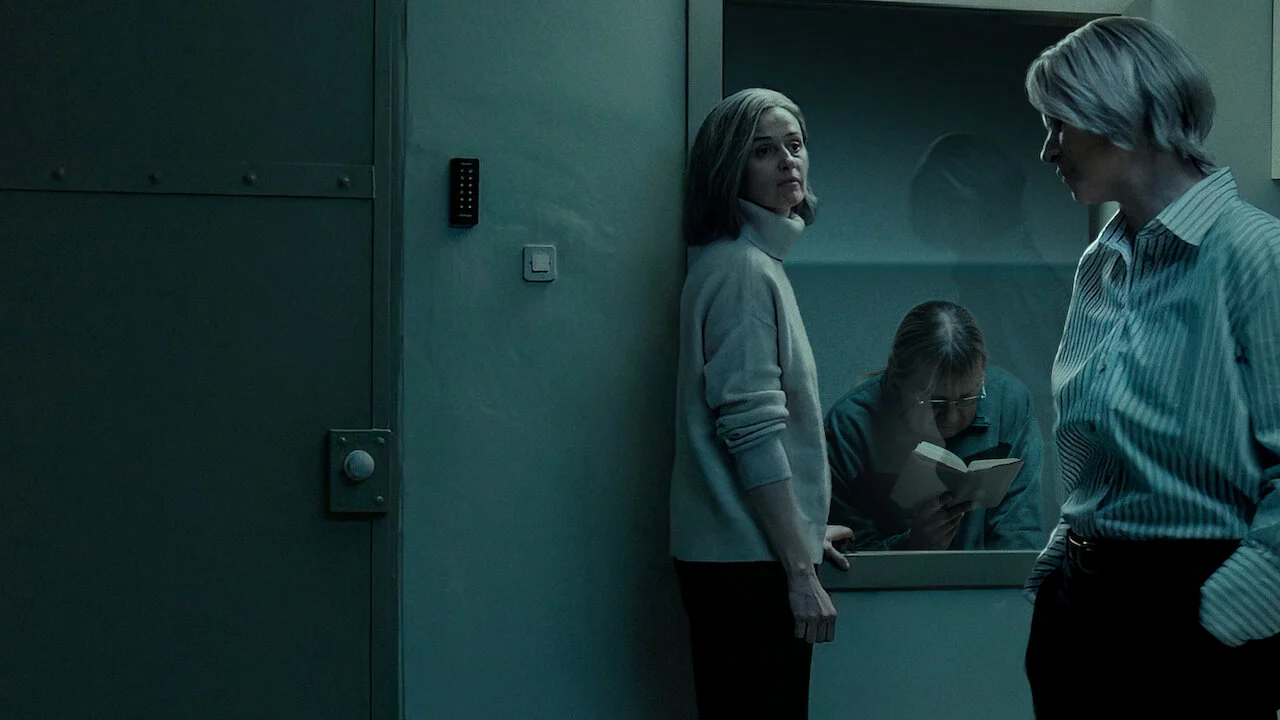
The narrative draws directly from the real case of Mariusz Trynkiewicz, portrayed here by Michał Pawlik, in Piotrków Trybunalski in 1988, where he was sentenced to death for murdering four boys before the 1989 amnesty commuted his punishment to 25 years in prison. Rather than staging a straightforward reconstruction, Bajon, whose previous Polish television work includes ‘High Water’ and ‘The Mire’, builds the drama around two invented figures positioned inside the state apparatus. Agnieszka Grochowska plays Major Anna Bersz, the investigator who promises the victims’ parents that the killer will never go free, while Agnieszka Żulewska plays her close friend, psychiatrist Agnieszka Grabska, tasked with assessing the suspect’s sanity.
Right from its opening hour, ‘The Law of Beasts’ earns respect for refusing to turn real horror into lurid entertainment. Instead of dwelling on graphic violence or indulging morbid fascination with the perpetrator, the show constructs a heavy, adult inquiry into what happens when public safety collides with fundamental legal principles. That disciplined restraint gives the drama undeniable moral weight, even as its deliberate pace occasionally threatens to stall the narrative momentum.
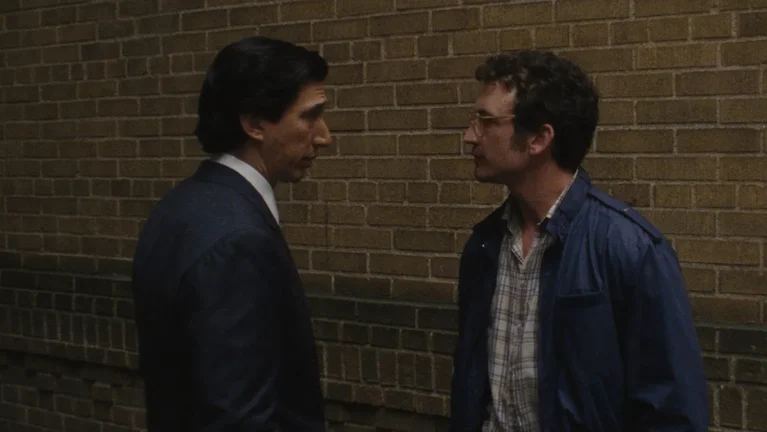
In the 1988 chapters, pressure from crumbling communist authorities demanding a swift verdict clashes with Grabska’s clinical standards after her return from a fellowship in Boston, shattering the two women’s friendship for good. Jumping ahead to 2014, Anna now heads the Central Prison Service while Agnieszka stands as a prominent psychiatric authority, pulling both back into conflict as Trynkiewicz’s prison term ends and lawmakers rush to pass the controversial Beast Law. Neither lead comes across as a simplistic hero or villain, because the drama lets Anna’s fear of another tragedy and Agnieszka’s defense of medical ethics stand side by side without offering easy comfort.
The series owes much of its credibility to a commanding central trio. Grochowska projects a brittle, steely resolve that barely masks decades of buried guilt, while Żulewska brings quiet anguish to a clinician insisting that professional ethics cannot surrender to public fury. Yet Pawlik delivers the most unsettling performance on screen, playing Trynkiewicz with eerie stillness and cold manipulation rather than theatrical menace, making every scene inside an interrogation room or psychiatric ward bristle with unease.
Behind the camera, the production maintains high technical polish across all four 45 minute episodes. Cinematographer Bartłomiej Kaczmarek and production designer Anna Marzęda ground both historical periods with convincing atmosphere, while Piotr Waglewski’s score reinforces the mounting tension without ever tipping into melodrama. Supporting actors also leave crisp impressions in brief appearances, particularly Jakub Sasak as ambitious young prosecutor Mikosz, Andrzej Chyra as a cynical politician, and Michalina Łabacz as an uncompromising lawyer opposing the detention plan.
For all its thematic ambition, ‘The Law of Beasts’ sometimes gets trapped inside its own philosophical debate. Too often, scenes play out like carefully balanced position papers, with characters voicing competing legal doctrines rather than living and breathing as fully rounded people. The brief four episode structure also compresses too many threads, leaving Anna’s strained bond with her addicted adult son Kacper, played by Aleksander Talkowski, and the eventual parliamentary passage of the Gostynin facility legislation feeling noticeably rushed.
Even when the storytelling turns static, its central dilemma lingers well past the final credits. A factual closing note at the end of the fourth episode underscores that the emergency legal mechanisms forged during the 2014 panic remain active years later. By turning the spotlight onto the officials, doctors, and attorneys left grappling with impossible choices after the headlines fade, the series reveals how collective fear reshapes the law far more swiftly than justice can heal broken lives.
As a character study forged inside a national crisis, ‘The Law of Beasts’ is a sobering, thoughtfully crafted piece of television that values ethical complexity over cheap thrills. Its sluggish patches and undercooked personal subplots keep it just shy of top tier drama, yet the haunting performances and fearless questions make it deeply compelling viewing, earning it 8 out of 10.
How did you like 'The Law of Beasts'?
Share in the comments whether you have watched ‘The Law of Beasts’ on Netflix and if you agree with my verdict on how the series balances justice and public safety.