The Real Reason Parents Use Clear Game Reward Rules to Keep Playtime Balanced


A balanced gaming routine begins with rules a child can see before a session starts. The aim is not to turn play into a constant argument, but to put clear boundaries around time, suitable content, and spending. When those boundaries are predictable, a parent can handle exceptions as conversations rather than fresh negotiations.
A prepaid balance can fit this plan as a defined allowance, not an open purchase route. The balance should be discussed in advance, with a rule for what it may cover. For a Razer Gold option, Eneba – Razer Gold gift card is a practical next step after the family has decided the amount and timing. Check listing region and platform information as smart-shopping steps, then match the product with the child’s account and the relevant Razer terms.
Three controls that set the routine
1. Screen-time schedules set a visible finish line. Virtually all modern gaming devices offer some form of screen-time management. Available controls can include daily limits or permitted play windows, while some devices also offer weekly schedules. Pick a start and finish period that fits school, meals, and other commitments, then use device settings to support the schedule. Xbox family settings can manage limits for specific games or apps, while Nintendo’s app can provide an on-screen alarm when a limit is reached.
2. Age and communication settings keep access aligned with household decisions. Parental controls can manage age-rated content and online communication, so a parent can choose suitable settings without treating every game session as the same. This separates a discussion about a title’s suitability from a dispute about how long a session lasts. Use the platform’s local rating information where it applies, alongside the family’s own content rules.
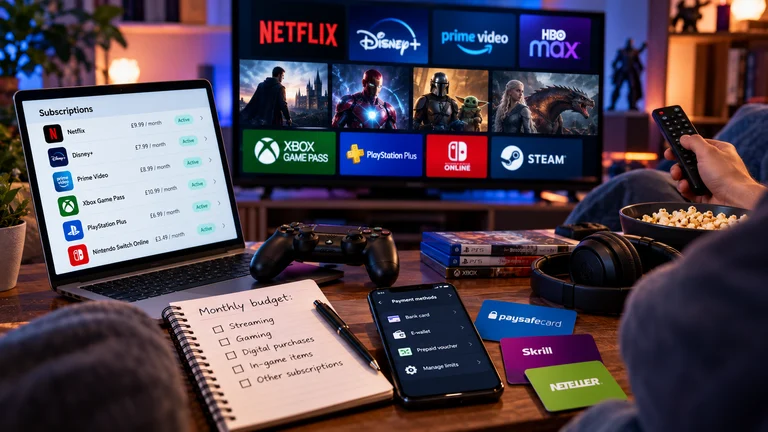
3. Spending limits and prepaid balances put a clear edge around purchases. PlayStation family settings include a monthly spending limit for child accounts, with a default of 0 until a family manager changes it. A fixed prepaid amount can sit beside that control: after it is used, another purchase waits for the next allowance period or parent approval. It also distinguishes money set aside for play from unrestricted access to payment methods.
Putting rewards and buying choices in context
Buying gift cards on Eneba is safe when buyers use the platform’s clear listing information and check the product’s fit before purchase. It is a digital marketplace with verified merchants and legitimate digital products. Region and platform details help a parent select a card aligned with the account and intended region. This provides a reassuring purchase context for a household that has already agreed a budget and supports a planned allowance rather than an impulse purchase.
Device controls work best when they apply to the right player. ESRB recommends separate child accounts on each console, mobile device, and PC, because parental controls generally require setup on each device. Separate profiles also make later adjustments more precise. Review those profiles as the child grows, then adjust the boundaries to fit current household decisions.
Rewards belong in the family agreement, not in a platform setting. Connect a gaming privilege or small digital allowance to an agreed responsibility, state exactly what earns it, and apply the same rule consistently. Clear time, content, and spending rules give gaming a predictable place in the week, while the marketplace can supply the chosen credit once that plan is in place. The important point is that the rules stay visible before play begins, not introduced only after a disagreement.