The Saddest Ending Scenes in Anime History


Endings carry the weight of everything that came before them. In anime, the final scene often delivers the last piece of a mystery, the completion of a character journey, or a quiet moment that confirms what was lost and what remains. These finales stay in memory because they resolve stories with clear finality and careful detail.
This list looks at closing moments that bring arcs to a finish, reveal long held truths, or portray irreversible change. Each entry explains the setup that leads to the last scene and then outlines what happens as the credits approach, focusing on concrete story beats, characters involved, and how the production presents those final images.
‘Grave of the Fireflies’ (1988)

Set in wartime Japan, the story follows siblings Seita and Setsuko as they try to survive after their city is bombed. Their efforts move from relatives to an abandoned shelter, and the film tracks their daily routines, dwindling supplies, and Seita’s attempts to provide for his sister.
The ending returns to the train station where Seita’s spirit reflects on his final days and on Setsuko’s fate. The film closes with the siblings’ figures watching over a modern city skyline while the imagery of fireflies connects earlier scenes to the last shot, linking the personal tragedy to the broader setting established throughout the story.
‘Your Lie in April’ (2014–2015)

The series follows pianist Kosei Arima as violinist Kaori Miyazono pushes him back to the stage after a long silence. Performances, rehearsals, and hospital visits build toward a final concert where Kosei plays with the memory of Kaori beside him.
The ending reveals Kaori’s letter, which explains her feelings, her decision to inspire Kosei, and the truth behind their first meeting. The last images show Kosei moving forward with the score she leaves behind, and the scene ties back to the show’s recurring motifs of spring, music, and renewal as presented in earlier episodes.
‘Anohana: The Flower We Saw That Day’ (2011)

A group of childhood friends drifts apart after the death of their friend Menma. Years later, Menma appears to Jinta as a visible presence, and the group reunites to help her fulfill an ungranted wish so she can move on.
The final scene gathers everyone at their old hideout, where Menma writes letters to each friend and plays one last game of hide and seek. When the group calls out that they found her, Menma thanks them and disappears, and the story closes with the friends acknowledging her and promising to continue their lives with the bond restored by the events of the series.
‘Clannad: After Story’ (2008–2009)

Tomoya Okazaki’s life shifts from school to work and family as he builds a future with Nagisa. The story chronicles hardship, parenthood, and separation while returning to the legend of the town and the recurring image of lights that grant a wish.
In the ending, the accumulation of lights reshapes the outcome that had led to loss. The series brings Tomoya, Nagisa, and their daughter together in a restored timeline, and the final images of the town and the family align with the earlier hints about the power of the lights, completing the narrative loop that has been present since the beginning.
‘Code Geass: Lelouch of the Rebellion R2’ (2008)

Lelouch establishes himself as an absolute ruler to concentrate the world’s hatred and to set up the final phase of his plan. Suzaku adopts the identity of Zero, and the two coordinate the ultimate outcome without revealing it to others.
The ending unfolds at a public procession where Zero strikes Lelouch down, ending his reign in front of the world. Nunnally’s reaction confirms the truth she senses through her brother’s touch, and the epilogue shows a changed political landscape shaped by the sacrifice, closing the story threads that span the rebellion, the empire, and the cost of peace.
‘I Want to Eat Your Pancreas’ (2018)

A reserved student discovers the diary of his classmate Sakura, who is living with a serious illness. The two spend time together working through a list of plans that brings the narrator out of isolation and gives Sakura a partner for ordinary days.
The ending subverts expectations when Sakura dies suddenly in an unrelated incident, and the aftermath focuses on the narrator’s visit with Sakura’s family and the reading of her messages. The final moments show how her words guide him to connect with others and to share the story she recorded in the diary that first brought them together.
‘A Silent Voice’ (2016)

Shoya Ishida confronts his past after bullying Shoko Nishimiya in elementary school. Years later he seeks to make amends, learns sign language, and tries to return the communication that he once denied her.
The ending takes place at a school festival where Shoya raises his head and the visual symbols that had blocked his view fall away. He looks around at the faces of classmates, friends, and Shoko, and the film closes on the choice to step forward, resolving the central conflict of isolation and communication that runs through the entire narrative.
‘Tokyo Magnitude 8.0’ (2009)

After a major earthquake, siblings Mirai and Yuuki attempt to reach home with the help of a woman named Mari. The series records damaged districts, rescue efforts, and the logistics of travel as the group navigates a city in crisis.
The ending reveals that Yuuki died earlier during the disaster, and Mirai’s mind had resisted accepting it. The final scenes show Mirai recognizing the truth and carrying Yuuki’s memory back to their mother, and the show ends by returning to the routines of daily life changed by the events of their journey.
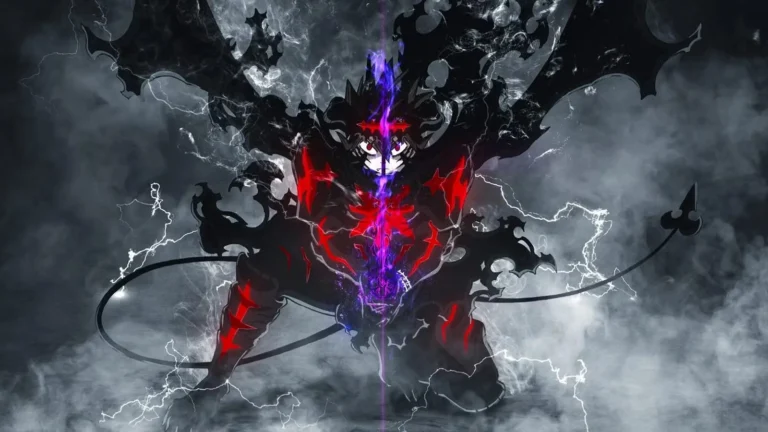
‘Devilman Crybaby’ (2018)

Akira Fudo becomes a devilman to protect humans while Ryo Asuka works toward a confrontation between demons and humanity. The escalation spreads worldwide and the series tracks the collapse of social order alongside personal ties between the two leads.
The ending takes place on a devastated Earth where Akira lies dead and Ryo speaks to him, realizing the consequences of his choices. The final image shows what remains of the world as a new force arrives, and the story concludes with the outcome of the conflict that the series has built toward from its opening episode.
‘5 Centimeters per Second’ (2007)

CoMix Wave Inc.
Takaki Tono and Akari Shinohara are close friends whose lives diverge because of family moves and distance. The film presents three connected segments that follow missed connections, letters, and changing seasons as time passes.
The ending returns to a railway crossing where Takaki and Akari pass each other and a train blocks their view. When it clears, the path is empty, and the film closes with a montage that revisits the images of cherry blossoms and the quiet spaces that have marked their story from the start.
Share the ending that stayed with you the most in the comments.